
Fishing in California offers access to thousands of lakes, rivers, reservoirs, and miles of Pacific coastline, but before heading out, every angler should understand the state’s licensing requirements. So, how much fishing license in California? The cost depends on factors such as residency, license duration, age, and the type of fishing you plan to do. California offers annual, short-term, and reduced-fee licenses to accommodate both frequent anglers and occasional visitors.
Understanding current license fees and requirements helps you stay compliant with state law while supporting conservation programs that protect California’s fisheries. Whether you’re planning a weekend fishing trip or fishing throughout the year, knowing which license fits your needs can save money and help you avoid unnecessary penalties.
How Much Does a California Fishing License Cost?
California resident annual fishing licenses generally cost a little over $60, while nonresident annual licenses are typically priced above $160. The state also offers one-day and two-day licenses for occasional anglers, along with reduced-fee licenses for qualifying residents. Because license fees are updated periodically, anglers should always verify current pricing before purchasing a license.
The best option depends on how often you plan to fish. Frequent anglers usually receive the best value from an annual license, while visitors and vacationers often save money by purchasing short-term licenses for the duration of their trip.
Why California Requires a Fishing License
A fishing license is not simply a legal requirement. In California, licensing revenue plays a vital role in wildlife conservation and fisheries management. Funds from licenses support fish stocking programs, habitat restoration, scientific research, and enforcement of fishing regulations. The California Department of Fish and Wildlife oversees these programs to ensure sustainable fish populations across the state. When anglers ask how much fishing license in California costs, it is important to recognize that these fees directly contribute to preserving fishing opportunities.
Resident Fishing License Cost
California residents can purchase an annual fishing license for a little over fifty dollars. This license allows fishing in most freshwater and saltwater locations throughout the state. To qualify for resident pricing, anglers must provide proof of California residency, such as a state-issued driver’s license or identification card. The annual license is often the most cost-effective option for anglers who fish multiple times per year.
Reduced-fee licenses are available for qualifying individuals, including seniors, disabled veterans, and certain low-income residents. These programs are designed to keep fishing accessible while still supporting conservation efforts. Understanding how much fishing license in California costs for residents often highlights how affordable compliance can be compared to potential fines.
Nonresident Fishing License Pricing
Nonresidents are required to pay higher fees to fish in California waters. An annual nonresident fishing license typically costs more than one hundred dollars. This higher fee reflects the fact that nonresidents do not contribute to California’s tax base that helps support conservation programs.
For visitors who only plan to fish briefly, California offers short-term nonresident licenses. One-day and two-day licenses allow tourists to fish legally without purchasing a full annual license. These options are popular with travelers who want to enjoy California fishing while remaining compliant with state law.
Short-Term and Daily License Options
Short-term fishing licenses provide flexibility for anglers who fish occasionally. One-day licenses are ideal for first-time anglers, vacationers, or people testing a new fishing spot. Two-day licenses are commonly used for weekend trips. While the per-day cost is higher than an annual license, these options ensure legal fishing access without long-term commitment.
Many anglers choose to upgrade to an annual license after realizing how often they fish. When comparing costs, understanding how much fishing license in California costs over a full year often shows that annual licenses provide better value for frequent anglers.
Who Needs a California Fishing License?
Most people 16 years of age or older must possess a valid California fishing license before fishing in public waters. This requirement generally applies to both freshwater and saltwater fishing unless a specific exemption or designated free fishing day applies. Young anglers under the minimum licensing age can usually fish without purchasing a license, although they must still follow applicable fishing regulations.
California occasionally designates Free Fishing Days during the year, allowing individuals to fish without purchasing a license. However, all other regulations, including bag limits, size restrictions, and area closures, remain in effect during these events.
Freshwater and Saltwater Fishing Rules
A standard California fishing license covers both freshwater and saltwater fishing. However, anglers fishing in ocean waters must also register with the California Ocean Sport Fishing Registry. This registry helps track saltwater fishing activity and supports marine resource management. Registration is required even though it may be free for many anglers.
Specific rules apply to certain locations, such as marine protected areas or special conservation zones. Anglers are responsible for understanding location-based regulations before fishing.
Special Report Cards and Endorsements
Some types of fishing in California require additional documentation beyond a standard license. Species such as steelhead, sturgeon, spiny lobster, and abalone require special report cards. These cards help wildlife managers track harvest numbers and ensure sustainable population levels.
Report cards add to the total cost of fishing, but they play a critical role in conservation. Without accurate data, managing fish populations would be far more difficult. For anglers asking how much fishing license in California costs, these endorsements are part of responsible fishing practices.

Where to Buy a California Fishing License
California fishing licenses can be purchased in several ways. The most convenient option is online through the California Department of Fish and Wildlife website. Online purchases allow anglers to print a temporary license immediately, which is valid until the physical license arrives.
Licenses are also available at authorized retail locations, including sporting goods stores, bait shops, and outdoor retailers. Anglers must carry proof of a valid license while fishing, either in printed or digital form.
Official licensing information can be found directly through the California Department of Fish and Wildlife, which provides up-to-date pricing and regulations.
Penalties for Fishing Without a License
Fishing without a valid license in California can result in significant penalties. Fines often range from one hundred to several hundred dollars, depending on the violation. Repeat offenses can lead to increased penalties or confiscation of fishing equipment.
These fines often exceed the cost of an annual license, making compliance the far more economical option. Understanding how much fishing license in California costs helps anglers avoid unnecessary legal and financial trouble.
Fishing From Boats and Additional Responsibilities
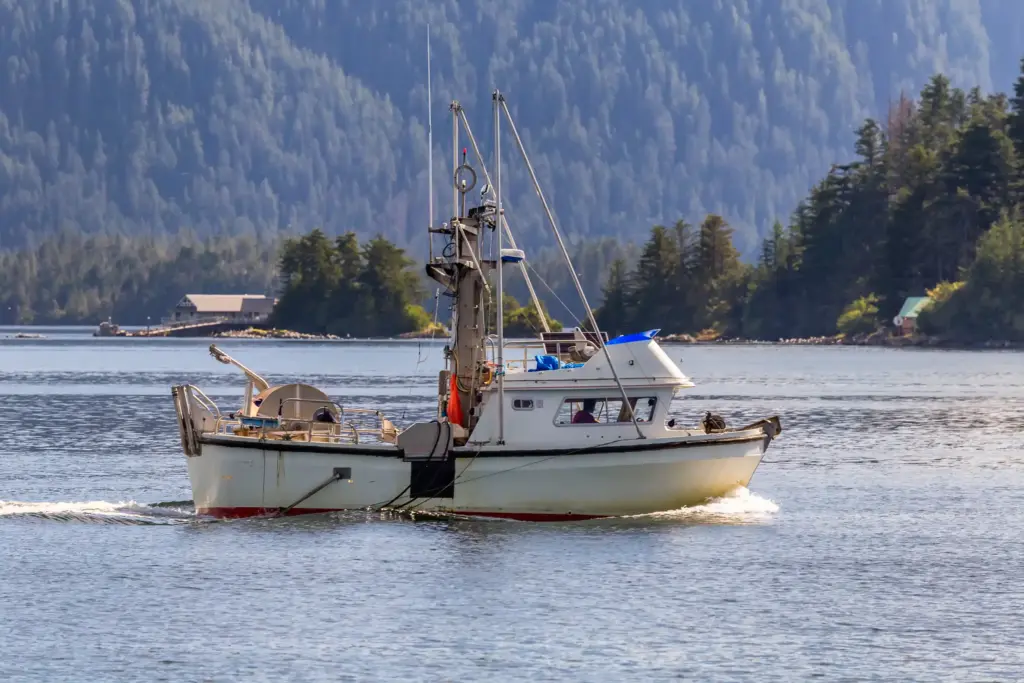
Many anglers fish from boats, which introduces additional responsibilities beyond licensing. Boats must be properly registered, equipped with required safety gear, and operated according to boating laws. Anglers who own boats must also consider maintenance, insurance, and financing.
Financial planning is an important part of responsible boat ownership. Programs like boat loan pre-approval through Float Finance help anglers plan for vessel purchases while staying compliant with fishing and boating regulations.
Conservation, Ethics, and Long-Term Access
Fishing licenses support ethical fishing practices and long-term access to public waters. Licensed anglers help fund habitat restoration projects, fish hatcheries, and enforcement efforts that protect ecosystems. Ethical fishing ensures that future generations can enjoy the same opportunities.
Respecting size limits, seasonal closures, and catch limits is part of being a responsible angler. Licensing reinforces these values and encourages stewardship of California’s natural resources.
Tips for First-Time California Anglers
Before heading out, verify that your fishing location is open during the season and review any species-specific regulations that apply. Carry your fishing license at all times, bring appropriate safety equipment if fishing from a boat, and understand local catch limits before keeping any fish.
Planning ahead not only helps you avoid fines but also contributes to responsible fishing practices that protect California’s waterways and fish populations for future generations.
Conclusion
So, how much fishing license in California? The answer depends on your residency status, the type of license you need, and how often you plan to fish. Annual licenses typically provide the best value for frequent anglers, while short-term options offer flexibility for visitors and occasional trips.
Purchasing the proper license helps protect California’s fisheries while keeping anglers compliant with state regulations. Whether you’re fishing from shore or preparing to purchase your own boat, responsible planning makes every trip more enjoyable. Those interested in boat ownership, financing options, and additional boating resources can learn more through the official Float Finance website.