
Yacht ownership has a strong pull for a reason. A yacht can turn weekends into real travel, give you privacy compared to crowded marinas, and open access to coastal towns that are hard to reach any other way. The challenge is that yachts often cost far more than most buyers want to pay in cash, even if they are financially stable. That is why one of the first questions serious buyers ask is can you finance a yacht instead of paying the full amount upfront. The answer is yes, yacht financing is common, but the process is more specialized than many people expect, and it works best when you understand how lenders evaluate both the borrower and the vessel.
When people ask can you finance a yacht, they are usually thinking about monthly payments, interest rates, and how long the loan can run. Those pieces matter, but yacht financing also involves details that do not come up in everyday lending, such as marine surveys, title documentation, insurance requirements, and the ongoing costs that affect affordability long after closing. If you understand the structure of yacht financing before you shop, you can narrow your options faster, negotiate more confidently, and avoid last-minute surprises that slow down the purchase.
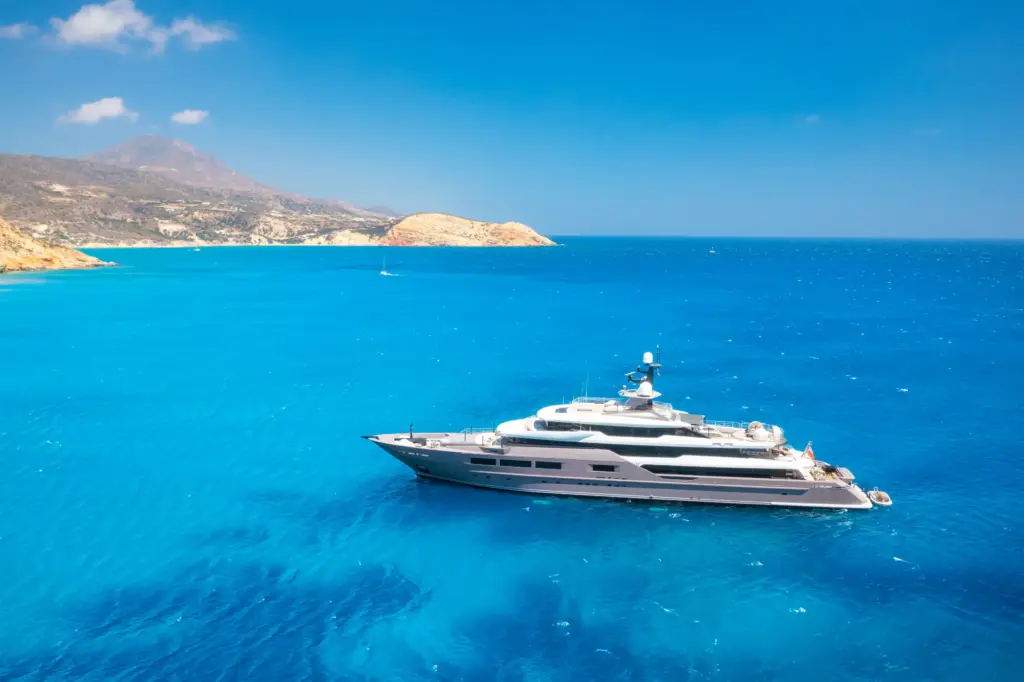
Can You Finance A Yacht Through Specialized Marine Lending
Yes, you can finance a yacht through marine lenders and marine loan programs that are designed specifically for vessel purchases. Unlike general-purpose lenders, marine-focused lenders understand how boats and yachts are valued, how condition affects risk, and what paperwork is required to secure a loan against a vessel. Yacht loans are typically secured loans, which means the yacht itself acts as collateral, and the lender places a lien on the title until the loan is paid off. Because the loan amount is often large, underwriting is usually more thorough than a small recreational loan, and lenders may request financial documentation, proof of insurance, and condition verification before funding. If you are asking can you finance a yacht, it helps to think of the process as closer to real asset lending than a simple consumer loan, with extra attention paid to the yacht’s true condition and market value.
How Yacht Financing Differs From Financing a Smaller Boat
Yacht financing differs from financing a small runabout or a personal watercraft because the asset is more complex, the purchase price is typically higher, and the expected ownership timeline is longer. Smaller boats are often financed with shorter terms, limited documentation, and minimal condition checks, especially when they are new. Yachts commonly require deeper review because a yacht’s condition can vary dramatically, even among vessels of similar age, and repairs can be expensive. Lenders may require a professional marine survey, engine inspection, and a full review of title history to ensure there are no outstanding liens or ownership complications. These additional steps protect the buyer and the lender, and they also reduce the risk that a new owner inherits hidden problems. When you ask can you finance a yacht, it is smart to expect a more structured closing process, with more checkpoints and more documentation than a standard small-boat purchase.
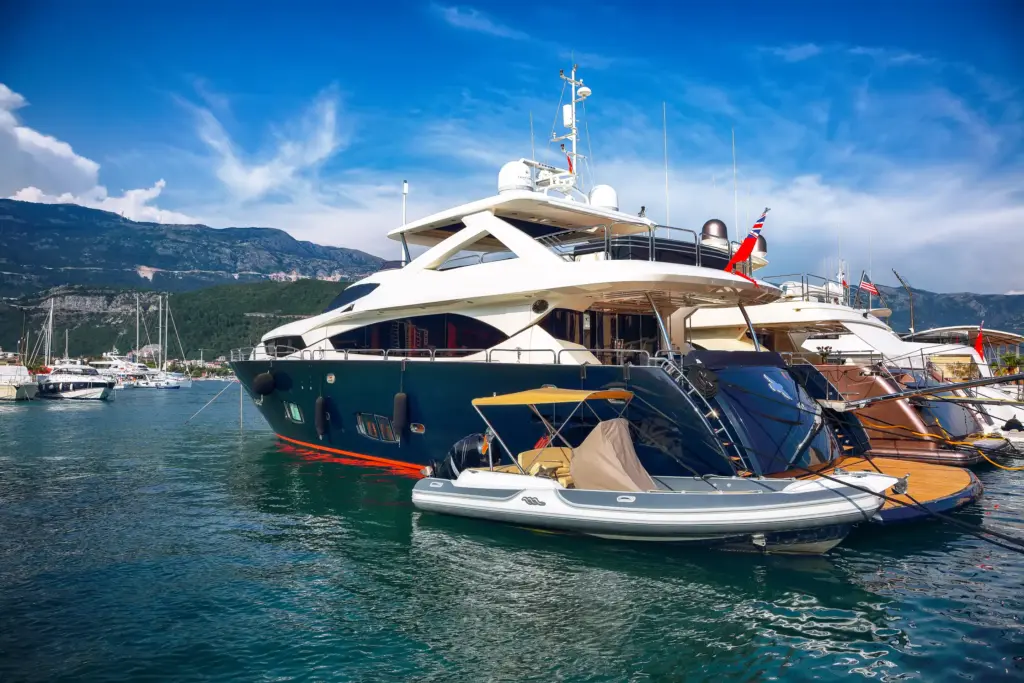
Typical Loan Terms and Repayment Lengths
Yacht loan terms often range from about ten to twenty years, but the available length depends on factors such as the loan amount, the yacht’s age, and its overall condition. Newer yachts and higher-value vessels may qualify for longer terms because the lender expects the yacht to retain value and remain serviceable for the duration of the loan. Older yachts can still be financed, but lenders may shorten the term to reduce risk, especially if the vessel is approaching an age where major refits are common. Longer repayment periods can make payments more manageable, but they also increase the total interest paid over time, so buyers should balance affordability with long-term cost. A good approach is to model payments at multiple term lengths and then compare those numbers to ongoing ownership expenses like slip fees, storage, fuel, and maintenance so the loan does not crowd out the budget needed to operate the yacht safely.
Down Payment Expectations and Why They Matter
Most yacht lenders require a down payment, and the amount is often higher than what people expect when they are new to yacht purchases. A common range is around ten to thirty percent depending on the buyer’s credit profile, the loan size, the yacht’s age, and the perceived marketability of the vessel. A larger down payment reduces the lender’s risk and may help the borrower qualify for better interest rates or more flexible terms. It also provides a buffer if the market shifts, because the buyer has more equity from day one. Buyers should remember that the down payment is not the only cash needed at closing, since expenses like survey costs, documentation, taxes, registration, and insurance setup may also be due in the same window. If you are exploring can you finance a yacht, planning the cash requirement early prevents a common problem where the buyer can afford the monthly payment but is surprised by the upfront total required to close.
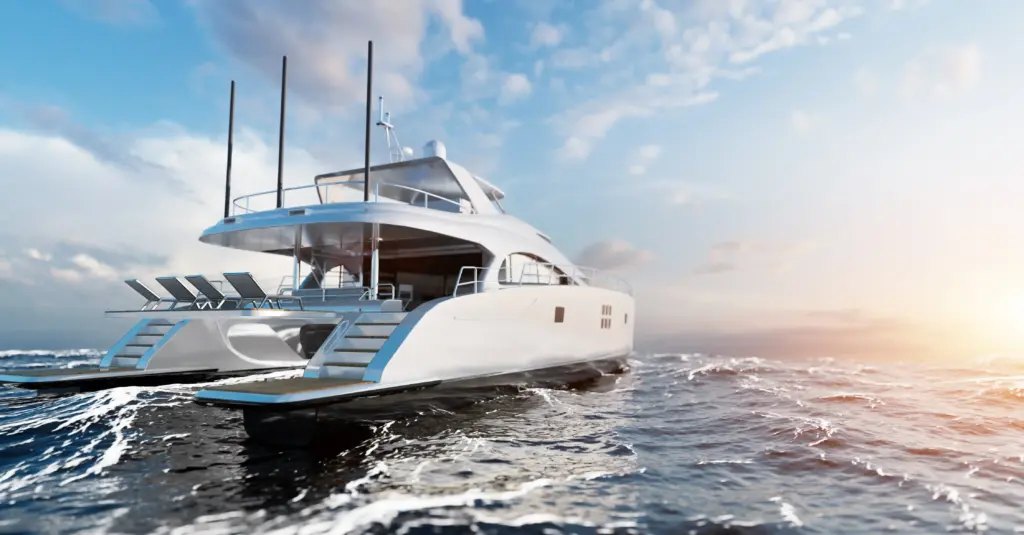
Credit, Income, and What Lenders Actually Review
Yacht financing approval is based on a mix of credit strength and affordability, and lenders often look beyond a single credit score. They typically evaluate credit history, income stability, existing debt obligations, and available cash reserves, because yachts are discretionary purchases and the lender wants assurance the loan will remain manageable even when unexpected expenses come up. Documentation requirements can include tax returns, bank statements, and proof of income, especially for higher loan amounts. Lenders may also consider the buyer’s experience level, not as a strict requirement, but as part of overall risk, since first-time owners sometimes underestimate operating costs. A strong application is one that shows stable income, responsible debt use, and a realistic plan for the total cost of ownership, not just the payment. If the question is can you finance a yacht, the practical answer is yes for many buyers, but the best approvals tend to go to borrowers who can demonstrate that the loan fits cleanly into a broader financial picture.
Financing New Versus Used Yachts
Both new and used yachts can be financed, but the path can look different depending on what you choose. New yachts can be simpler to finance because condition is predictable and documentation is straightforward, and the vessel may come with manufacturer warranties that reduce near-term repair risk. Used yachts can offer tremendous value, but lenders usually want confirmation that the vessel is seaworthy and accurately priced, which is why surveys and inspections are more common. The older the yacht, the more lenders may focus on engine hours, maintenance history, hull condition, and evidence of proper care, because those factors influence the chance of expensive repairs. Some older yachts still finance well if they have strong upkeep records and good survey results, while others may face shorter terms or higher rates. Buyers who want to know can you finance a yacht should understand that the vessel itself is part of the underwriting decision, so choosing a yacht with strong documentation and clear maintenance history can directly improve financing outcomes.

Interest Rates and What Influences the Pricing
Interest rates for yacht loans vary based on market conditions, term length, down payment size, borrower credit profile, and the yacht’s characteristics. Fixed-rate loans are common because buyers prefer stable payments over a long repayment period, and fixed rates make budgeting easier. Variable-rate loans may exist in some cases, but they can introduce risk if rates rise, which is why many buyers choose fixed rates for predictability. Pricing tends to improve when the borrower has strong credit, meaningful cash reserves, and a down payment that reduces loan-to-value ratio, because those factors lower the lender’s risk. Buyers should also consider how the term affects the rate, since longer terms may carry different pricing than shorter terms. A smart way to compare offers is to look at the full payment schedule and total interest cost rather than focusing only on the headline rate.
Marine Surveys, Title Work, and Closing Steps
A marine survey is one of the most important steps in yacht financing because it verifies condition, safety, and value, and it often influences whether the lender proceeds. Surveys typically cover hull integrity, electrical systems, plumbing, safety equipment, structural issues, and general seaworthiness, while separate engine surveys may be requested for higher-value vessels or when engines are a significant portion of the asset. Title work is equally important, because the lender needs a clear chain of ownership and confirmation that no hidden liens exist that could threaten collateral rights. These steps can feel slower than buying a car, but they prevent costly mistakes and protect the buyer from taking on a vessel with undisclosed problems. If you are planning around can you finance a yacht, build time into your timeline for surveys and documentation so your closing date is realistic and you are not pressured into skipping due diligence.
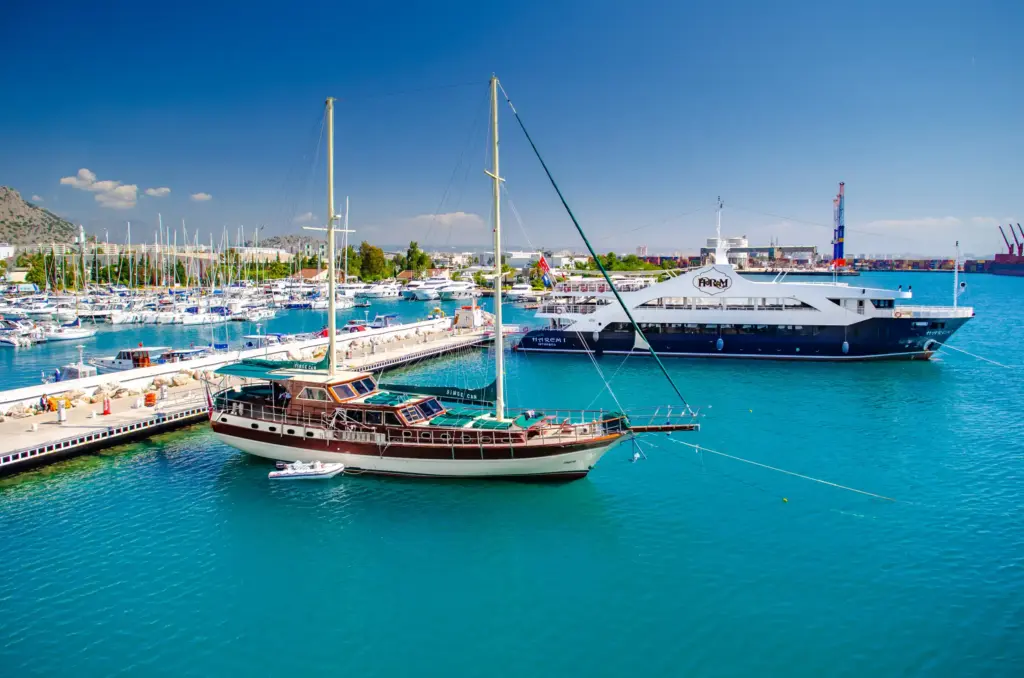
Insurance Requirements and Real Ownership Costs
Insurance is not just a good idea in yacht ownership, it is usually a requirement for financing, and lenders typically require coverage that protects the collateral for the duration of the loan. Costs vary based on cruising area, vessel size, intended use, claims history, and even storage location. Beyond insurance, owners must budget for dockage or storage, maintenance, routine servicing, fuel, haul-outs, winterization in cold climates, and periodic upgrades that keep systems safe and reliable. These costs can be manageable when planned, but they can become stressful when underestimated. If your goal is to finance responsibly, it helps to build a realistic annual ownership budget alongside your loan payment, so you can keep the yacht properly maintained, safe to operate, and ready for the season without financial strain.
Planning the Purchase with Clear Financing Boundaries
Many buyers start shopping based on what looks exciting rather than what fits a sustainable budget, and that can create frustration later when the numbers do not line up. A better approach is to set clear boundaries before you fall in love with a specific yacht, including a target purchase range, an expected down payment, and a maximum monthly payment that still leaves room for slip fees, maintenance, and insurance. That is where a straightforward pre-approval can be useful, because it gives you a clear idea of what lenders are likely to support, which helps you focus on yachts that match real financing parameters rather than hopeful estimates. If you want a simple first step, boat loan pre-approval can help you define a realistic shopping range before you commit to a particular vessel.
Safety and Seamanship Preparation Before Ownership
Even experienced boaters can benefit from a refresher on safety expectations, navigation basics, and operational planning, especially when stepping up to a larger vessel. Larger yachts have more systems, higher operating costs, and different handling considerations, and owners who understand safety guidance tend to have fewer preventable incidents and lower long-term risk. If you want a dependable place to review safety information and seasonal guidance, the U.S. Coast Guard Boating Safety Division provides practical resources that support safer planning and operation, which also helps protect your investment over time.
Conclusion
So, can you finance a yacht? Yes, and for many buyers it is the most practical way to purchase a high-value vessel while keeping cash available for ownership costs and maintenance. The best outcomes come from pairing realistic budgeting with a lender that understands marine lending, because yacht financing involves surveys, title work, insurance requirements, and long-term affordability considerations that go beyond a simple monthly payment. If you are looking to finance a yacht, boat, jet ski, or other watercraft, Float Finance can help you structure a marine loan that fits your goals, keeps the process clear, and supports responsible ownership from purchase through the seasons ahead.