
Credit scores increase when people consistently build strong financial habits over time, especially by paying bills on time, keeping balances low, avoiding unnecessary debt, and managing credit accounts carefully. Understanding how credit score increase happens is important because credit affects far more than just loan approvals. A stronger score can improve your chances of qualifying for financing, help you secure lower interest rates, and make it easier to move forward with major purchases. Lenders use credit scores to estimate risk, so even small improvements can make a noticeable difference in what you pay over the life of a loan. While there is no overnight solution, steady action in the right areas can raise a score step by step and create better financial opportunities in the months and years ahead.
How Credit Scores Work
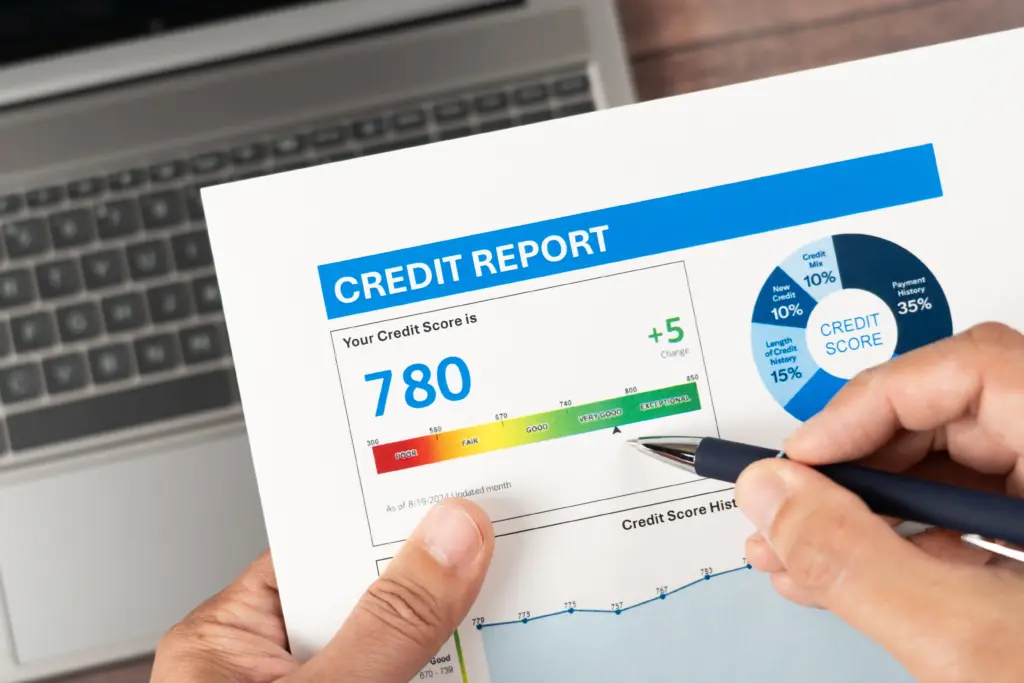
To understand how credit score increase works, it helps to know what a credit score is actually measuring. A credit score is not a random number. It is a summary of how you have handled borrowed money and repayment responsibilities over time. Scoring models such as FICO and VantageScore look at several major factors, including payment history, credit utilization, length of credit history, account mix, and recent credit activity. Payment history usually carries the most weight because lenders want proof that you pay what you owe. Credit utilization also matters because it shows whether you rely too heavily on borrowed funds. The age of your accounts gives lenders a longer track record to review, while the types of accounts on your report help show whether you can manage different forms of credit responsibly. When these factors stay healthy, your score tends to move upward. When they weaken, your score may drop. That is why improving credit is less about quick fixes and more about building a clean, stable pattern that scoring systems recognize as low risk.
Paying Bills on Time Improves Credit
One of the strongest answers to how credit score increase is simple: make every payment on time. Payment history has such a large impact because it directly shows whether you follow through on your financial obligations. A single late payment can hurt your score, especially if it is reported 30 days or more past due. Multiple late payments can cause even more damage and may stay on your credit report for years. On the other hand, a steady record of on-time payments strengthens your profile month after month. This applies to credit cards, personal loans, auto loans, student loans, and other accounts that report to credit bureaus. People who struggle with due dates often benefit from setting up automatic payments, calendar reminders, or bill alerts through banking apps. Even paying the minimum on time is better than missing a due date. As time passes, consistency matters more and more. Borrowers who treat due dates seriously often see the most stable long-term improvement because payment behavior is one of the clearest signals of financial reliability.
Reducing Credit Card Balances
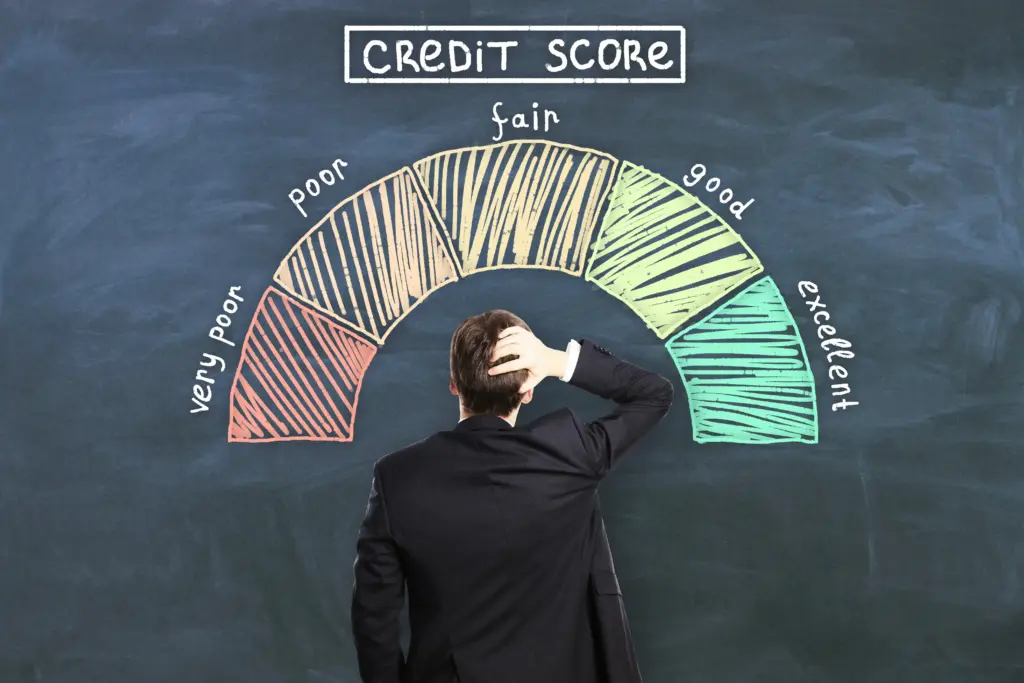
Another major factor in how credit score increase happens is credit utilization, which is the percentage of your available revolving credit that you are currently using. If you have a $10,000 total credit limit and carry a $5,000 balance, your utilization is 50 percent. That level may suggest to lenders that you are leaning too heavily on credit, which can lower your score. In general, lower utilization is better. Many experts suggest staying below 30 percent, but scores often improve more when balances are kept even lower than that. Paying down balances can be one of the fastest ways to improve credit, especially for people whose cards are near their limits. It is also important to understand that utilization can be measured both per card and across all cards combined. Maxing out one card, even if your total utilization looks decent, can still hurt your score. Some borrowers improve this area by making more than one payment per month, paying balances before the statement closing date, or avoiding unnecessary purchases while working down debt. Lower balances make you look less risky and create a healthier credit profile overall.
Maintaining Long Credit History
The age of your credit accounts also plays an important role in how credit score increase over time. Lenders generally prefer borrowers with a longer, more stable credit history because it gives them a broader view of how that person manages money. Older accounts help show consistency, while newer accounts offer less historical data. This is why closing old credit cards can sometimes hurt your score. Even if you no longer use a card often, shutting it down may shorten your average account age and reduce your available credit at the same time. That combination can put pressure on your score. Keeping older accounts open, especially those with no annual fee, can be helpful if they remain in good standing. A long credit history does not mean you need to carry debt for years. It simply means you benefit from maintaining established accounts responsibly over time. Borrowers who are early in their credit journey may need patience here because account age cannot be rushed. Still, protecting your oldest accounts and avoiding unnecessary closures can support steady growth as your credit history matures.

Limiting New Credit Applications
People trying to improve their score often overlook how much new applications can influence how credit score increase. Each time you apply for a new credit card or loan, the lender may perform a hard inquiry on your credit report. One inquiry may only have a small impact, but several inquiries in a short period can make lenders think you are under financial pressure or actively seeking too much new debt. Opening too many new accounts also lowers your average account age, which can work against your score. That does not mean you should never apply for credit. It means you should do so with purpose and timing. For example, opening a useful card that improves your total credit limit may help your score in the long run if you keep balances low. But applying for several cards at once just to chase rewards can create short-term damage. When possible, space out applications and avoid unnecessary account openings while you are focused on credit improvement. Careful credit use looks more stable than frequent borrowing activity.
Checking Credit Reports for Errors
Another important part of how credit score increase is making sure the information on your credit report is actually correct. Errors on credit reports are more common than many people expect. An account might show the wrong balance, a paid debt may still appear unpaid, or a fraudulent account could be listed under your name. Any of these issues can drag your score down unfairly. That is why regular credit report review matters. Checking your report helps you catch mistakes early and dispute them before they continue affecting your profile. It also helps you see what lenders see, which can be valuable if you plan to apply for financing in the near future. The Consumer Financial Protection Bureau offers guidance on reviewing credit reports and addressing inaccurate information. Beyond errors, reviewing your report can reveal patterns that need attention, such as high balances, missed payments, or too many open accounts. When you understand the details inside your report, you can make smarter decisions and focus on the changes that are most likely to improve your score.

Using Good Credit for Financing Opportunities
Improving your score matters because stronger credit creates better opportunities when it is time to borrow. That is the practical side of understanding how credit score increase. A higher score can lead to lower rates, better loan terms, and greater flexibility during approval. Even a moderate credit improvement may reduce monthly payments and total interest costs over time. This can matter when financing a car, applying for a mortgage, or exploring recreational purchases that require structured borrowing. Lenders tend to reward applicants who show stability, discipline, and lower risk. That is why credit building is not just about reaching a certain number. It is about strengthening your overall position before applying. For borrowers planning a boat purchase, strong credit can make financing much more manageable by improving access to better loan structures. At Float Finance, financing options are available for buyers who want a more practical path to boat ownership. You can explore those options on our boat financing page and see how a stronger credit profile may support better lending outcomes.

Conclusion
Learning how credit score increase gives you a clearer path toward stronger financial health and better borrowing power. Credit scores tend to improve when you build reliable habits and repeat them consistently over time. Paying every bill on time, lowering credit card balances, protecting older accounts, avoiding unnecessary applications, and checking your credit reports for mistakes all contribute to long-term progress. None of these steps is dramatic on its own, but together they create the kind of financial pattern lenders want to see. That is why lasting credit improvement usually comes from discipline rather than shortcuts. With patience, attention, and smarter money habits, borrowers can raise their scores, reduce lending costs, and put themselves in a stronger position for future financial goals.