
Jet skis are known for their speed, agility, and excitement on the water, which is why one of the most common questions riders ask is how fast jet ski can go. Speed is often the main attraction for personal watercraft, whether for recreational riding, towing sports, or simply enjoying quick acceleration across open water. While manufacturers list top speeds, real-world performance varies based on design, conditions, and rider setup. Understanding realistic speed ranges helps riders choose the right jet ski and operate it safely.
Unlike boats that rely on propellers, jet skis use jet propulsion systems that deliver rapid acceleration and tight handling. This design makes them feel faster than they may appear on paper. Knowing how fast jet ski can go requires looking at both advertised numbers and real operating conditions.
How Fast Jet Ski Can Go on Average
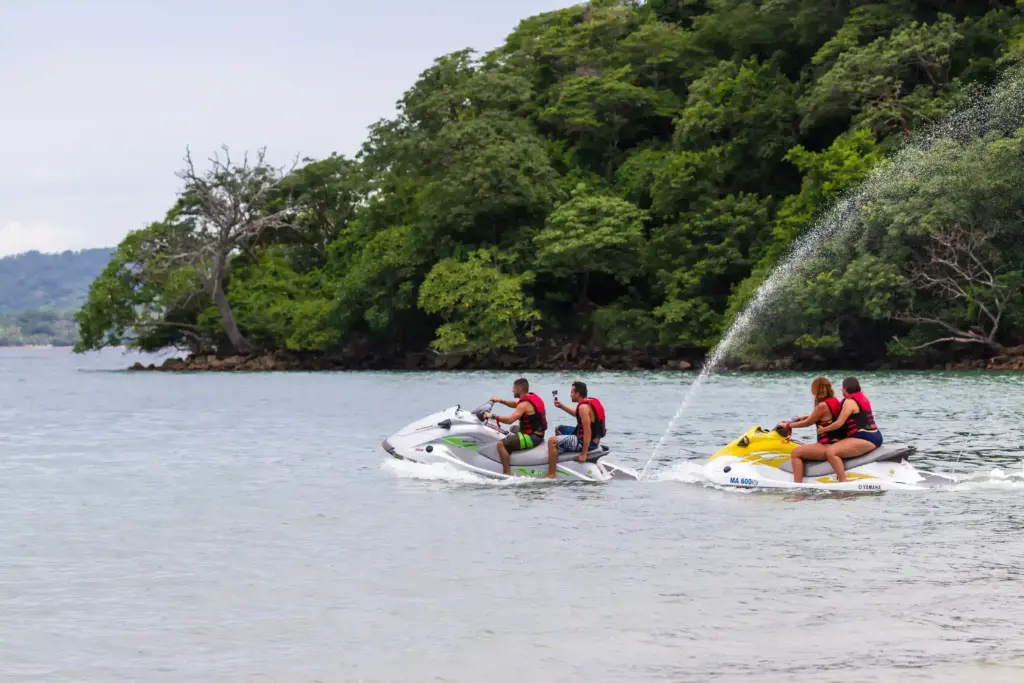
Most modern jet skis have top speeds ranging between 40 and 70 miles per hour. Entry-level and recreational models typically reach speeds of 40 to 50 miles per hour, while performance-oriented models often exceed 60 miles per hour. High-performance jet skis, especially those with supercharged engines, can reach speeds approaching 70 miles per hour in ideal conditions. When people ask how fast jet ski can go, this 40 to 70 mile per hour range represents what most riders can realistically expect.
Why Some Jet Skis Are Faster Than Others
Speed differences between jet skis come down to engine output, hull design, weight, and intake efficiency. More powerful engines produce higher thrust, while lightweight hulls allow better acceleration and higher top speeds. Performance-focused models are designed with aggressive hull shapes that reduce drag and improve stability at speed. These design choices explain why how fast jet ski can go varies significantly even among models from the same manufacturer.

Engine Size and Horsepower Impact
Engine displacement and horsepower are major contributors to jet ski speed. Smaller engines found in beginner models prioritize fuel efficiency and ease of use over raw speed. Larger engines, often supercharged, generate higher horsepower and deliver faster acceleration and higher top-end speed. Riders who focus on performance often look closely at engine specs when evaluating how fast jet ski can go.
Weight of the Rider and Load
Rider weight and additional passengers affect jet ski speed more than many people realize. Heavier loads require more power to reach top speed, which can reduce overall performance. Solo riders on performance models often achieve higher speeds than two or three riders on the same machine. This factor helps explain why how fast jet ski can go may differ between individual experiences.
Water Conditions and Environmental Factors
Water conditions play a critical role in determining top speed. Calm, flat water allows jet skis to reach higher speeds safely, while choppy or rough water limits performance due to instability and safety concerns. Wind direction and current can also affect speed readings. Real-world conditions are a key reason why manufacturer speed claims may not always match actual results when testing how fast jet ski can go.
Stock Models Versus Modified Jet Skis
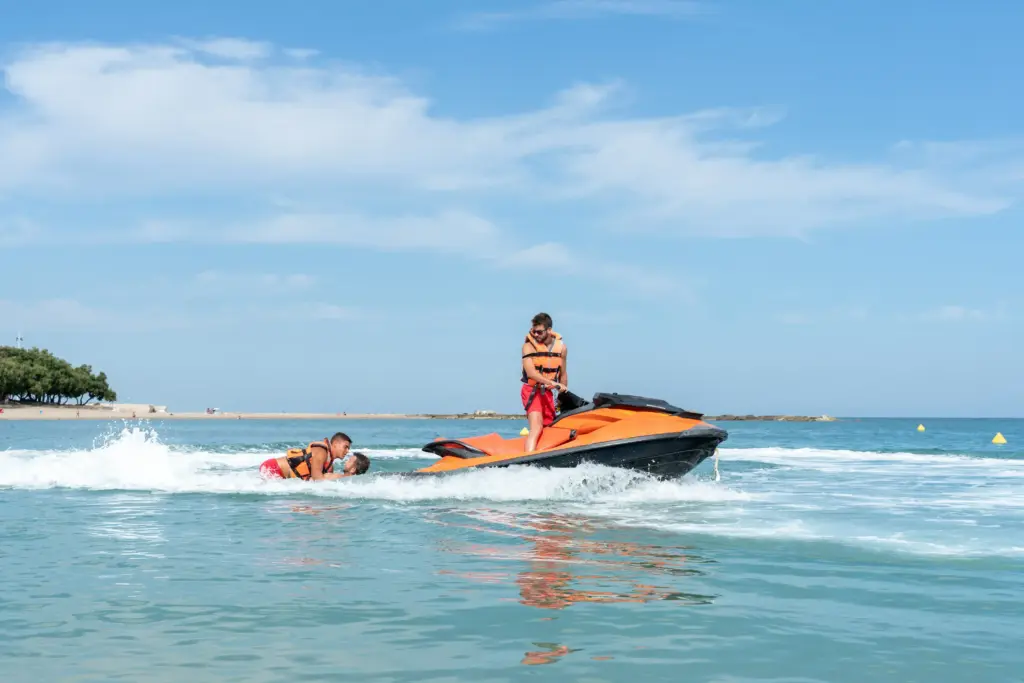
Stock jet skis are built to meet manufacturer reliability standards and regulatory requirements. Modified jet skis may exceed factory speed limits through engine tuning, intake upgrades, or impeller changes. While modifications can increase speed, they also introduce risks related to safety, reliability, and warranty coverage. Riders considering modifications should understand how fast jet ski can go safely in stock form before pursuing performance upgrades.
Safety Considerations at High Speeds
High speeds on a jet ski require experience and awareness. Reaction time decreases as speed increases, and stopping distances grow significantly. Operating at top speed in crowded or unfamiliar waters increases the risk of accidents. Safety organizations emphasize responsible operation, especially on high-performance models. Guidance from the National Highway Traffic Safety Administration provides broader insight into speed-related risk management that applies across motorized vehicles.
Legal Speed Limits and Local Restrictions
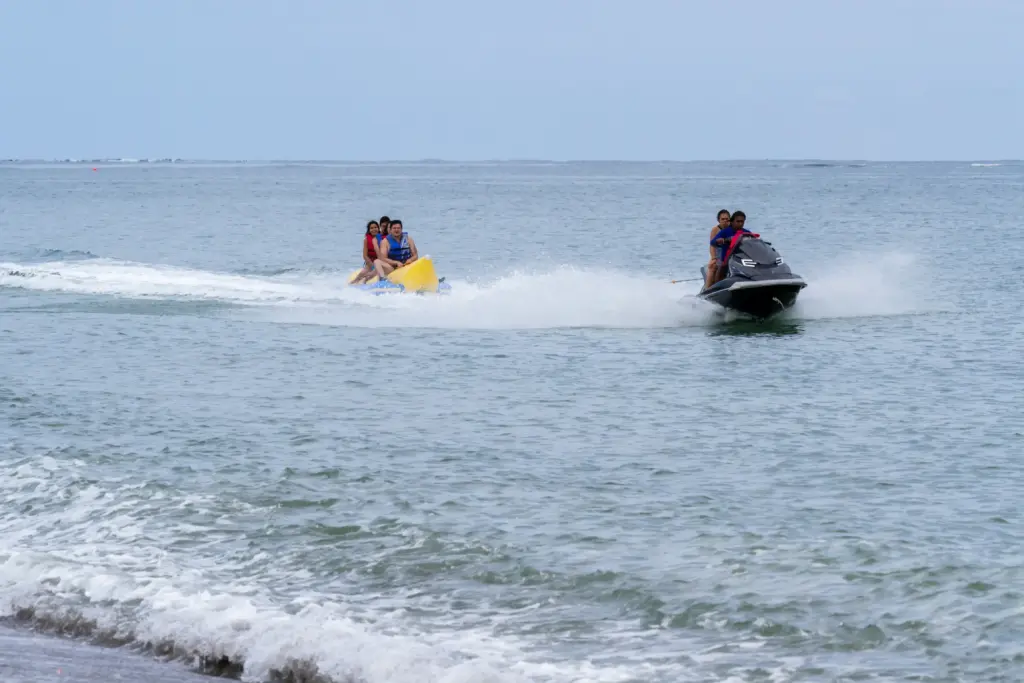
While jet skis may be capable of high speeds, many waterways impose speed limits or no-wake zones. Operators are responsible for knowing and following local regulations. Ignoring posted limits can result in fines or accidents. Understanding how fast jet ski can go should always be balanced with where it is legally and safely appropriate to operate.
Comparing Jet Ski Speed to Boats
Jet skis often feel faster than boats because of their acceleration and proximity to the water. While many boats can exceed jet ski speeds, personal watercraft deliver a more intense speed sensation due to rider position and handling. This comparison helps riders understand why how fast jet ski can go is often perceived differently than actual speed numbers suggest.
Choosing the Right Jet Ski for Speed Goals
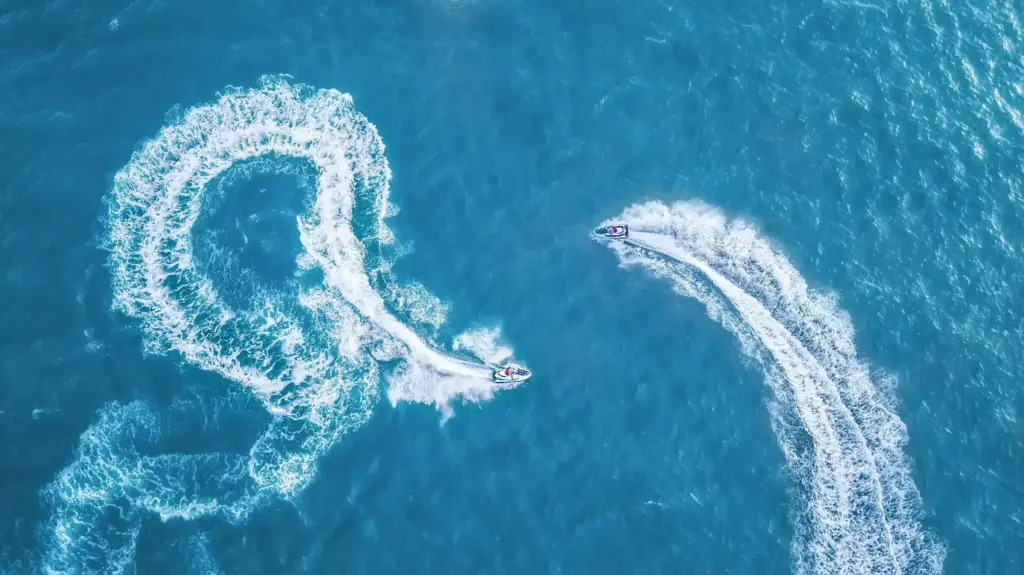
Riders interested in speed should consider how they plan to use their jet ski. Performance models suit experienced riders who value speed and agility, while recreational models prioritize comfort and stability. Matching the jet ski to skill level and intended use leads to safer and more enjoyable riding. Understanding how fast jet ski can go helps narrow choices when shopping.
Financing Performance Watercraft
High-performance jet skis often come with higher price tags, which makes financing an important consideration for many buyers. Planning ahead helps buyers choose models that fit both performance goals and budget. Tools such as boat loan pre-approval allow buyers to explore financing options before committing to a specific jet ski.
Conclusion
So, how fast jet ski can go typically ranges from 40 to 70 miles per hour, depending on engine size, design, rider weight, and conditions. Performance models offer thrilling speed, but safety and legal considerations should always come first. Understanding realistic speed expectations helps riders choose the right jet ski and operate it responsibly. For those financing jet skis, boats, or other watercraft, Float Finance supports informed decisions by helping buyers plan confidently and enjoy their time on the water.