
Boat batteries are one of the most critical components on any vessel, yet they are also one of the most misunderstood. Many boat owners ask the same question after experiencing a dead battery or unreliable performance: how long do boat batteries last? While manufacturers often provide estimates, real-world lifespan depends on a combination of factors including battery type, usage habits, charging practices, storage conditions, and maintenance. Understanding realistic expectations helps owners plan replacements, avoid unexpected failures, and maintain reliable power on the water.
Unlike automotive batteries that are used frequently and recharged during regular driving, marine batteries often experience long periods of inactivity followed by heavy use. This pattern places unique stress on internal components and shortens lifespan if proper care is not taken. Knowing how long do boat batteries last requires looking beyond simple age and focusing on how the battery is treated throughout its life.
Average Lifespan of Boat Batteries
In general, most boat batteries last between three and five years under normal conditions. This range assumes the battery is used properly, charged consistently, and stored correctly during the off-season. Some batteries may fail earlier due to neglect or harsh conditions, while others may exceed five years with careful maintenance. When people ask how long do boat batteries last, this three to five year window represents a realistic expectation rather than a guarantee.
Battery lifespan is not determined by calendar age alone. A two-year-old battery that has been repeatedly discharged too deeply or stored improperly may perform worse than a five-year-old battery that has been carefully maintained. This variability is why owners experience such different outcomes even with similar equipment.
Battery Type and Its Impact on Longevity
The type of battery installed on a boat plays a major role in how long it will last. Traditional flooded lead acid batteries are common and affordable, but they are sensitive to deep discharges and freezing temperatures. AGM batteries generally last longer because they are sealed, resist vibration, and handle repeated charging cycles more efficiently. Lithium marine batteries often provide the longest lifespan, sometimes exceeding ten years, but they require specific charging systems and come with higher upfront costs.
Using the correct battery type for the intended purpose is essential. Starting batteries are designed for short bursts of power, while deep cycle batteries are meant to provide sustained energy over time. Using the wrong type accelerates wear and reduces lifespan significantly.
Usage Patterns and Discharge Cycles
How often and how deeply a battery is discharged directly affects how long do boat batteries last. Every battery is rated for a specific number of charge cycles, and each deep discharge consumes part of that capacity. Boats with heavy electrical loads such as fish finders, radios, lighting, and pumps place continuous demand on batteries. Without adequate recharging, these demands shorten battery life.
Short trips that do not allow enough time for recharging are especially hard on batteries. Repeated partial charging leads to sulfation, which permanently reduces the battery’s ability to hold a charge. Over time, this damage becomes irreversible.
Charging Habits and Battery Health
Proper charging is one of the most important factors influencing battery lifespan. Overcharging causes heat buildup and internal damage, while undercharging allows sulfation to develop. Smart chargers and maintainers help regulate voltage and protect batteries from both extremes. Batteries that are kept fully charged when not in use typically last much longer than those allowed to sit partially discharged.
Charging systems on boats are often designed to maintain charge rather than fully recharge depleted batteries. Owners who rely heavily on electronics should be aware of this limitation and plan additional charging accordingly.

Winter Storage and Environmental Conditions
Cold weather significantly impacts battery performance and longevity. Batteries stored in freezing conditions lose capacity and may suffer permanent damage if discharged. Removing batteries from the boat and storing them in a temperature-controlled environment during winter helps preserve internal chemistry and reduce stress.
Heat, moisture, and vibration also shorten battery life. Boats stored outdoors without proper protection expose batteries to environmental extremes that accelerate internal degradation. Managing storage conditions is a key factor in determining how long do boat batteries last.
Signs a Boat Battery Is Near the End of Its Life
Boat batteries often show warning signs before complete failure. Slow engine cranking, dim electronics, frequent need for recharging, and inability to hold voltage all indicate declining health. Corrosion on terminals, swelling of the battery case, or unusual odors are also signs of internal damage.
Recognizing these signs early allows owners to replace batteries proactively rather than dealing with failure on the water, which can create safety risks.
Maintenance Practices That Extend Battery Life
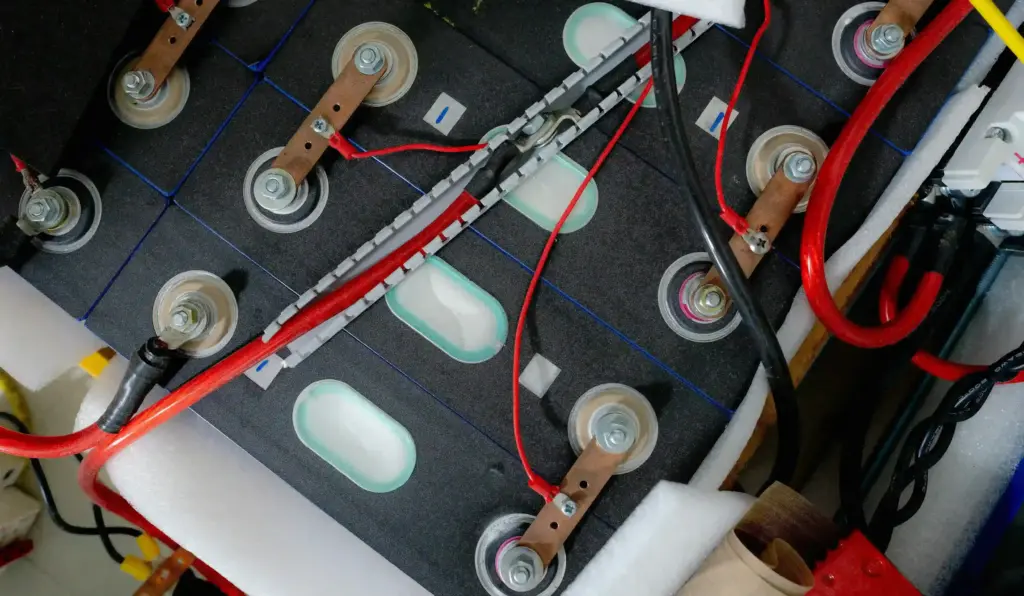
Consistent maintenance has a significant impact on how long do boat batteries last. Keeping terminals clean, ensuring tight connections, avoiding deep discharges, and maintaining proper charge levels all contribute to longevity. Battery switches help prevent parasitic drain during periods of inactivity, preserving capacity.
Routine inspections help identify corrosion, loose wiring, or declining performance before problems escalate. Small maintenance efforts often prevent major failures.
Manufacturer Guidance and Industry Standards
Battery manufacturers provide detailed recommendations for charging, storage, and usage that should be followed closely. Industry standards and safety guidance published by organizations such as the National Marine Manufacturers Association help boat owners understand best practices for marine battery care and electrical system design. Following manufacturer and industry guidelines improves reliability and helps batteries reach their intended lifespan.
Planning for Battery Replacement
Battery replacement is an expected part of boat ownership and should be planned for rather than treated as an unexpected expense. Understanding how long do boat batteries last allows owners to budget accordingly and avoid last-minute purchases.
For buyers planning long-term ownership, maintenance costs such as batteries, storage, and repairs should be considered alongside financing. Tools such as boat loan pre-approval help buyers plan responsibly by accounting for both purchase and ownership costs.
Conclusion
So, how long do boat batteries last typically ranges from three to five years, depending on battery type, usage habits, charging practices, and storage conditions. Proper care, consistent charging, and thoughtful winter storage can significantly extend battery life and reduce replacement costs. Understanding realistic expectations helps owners avoid surprises and maintain reliable power on the water. For those financing boats or planning long-term ownership, Float Finance supports informed decisions by helping buyers protect their investment and manage ownership costs confidently.