
Maritime transportation is one of the most critical parts of the global economy, with tens of thousands of vessels operating across oceans, rivers, and coastal waters every day. Despite modern navigation systems, safety standards, and advanced engineering, accidents still occur. This leads many people to ask a serious and understandable question: how many ships sink every year? The answer depends on how ships are classified, what data sources are used, and what types of incidents are included in the count.
Ship sinkings capture public attention because they involve large vessels, valuable cargo, and sometimes human lives. However, the reality of modern maritime safety is far different from historical eras when shipwrecks were common. Understanding how many ships sink every year requires context, reliable data, and an explanation of why most shipping today is far safer than many people assume.
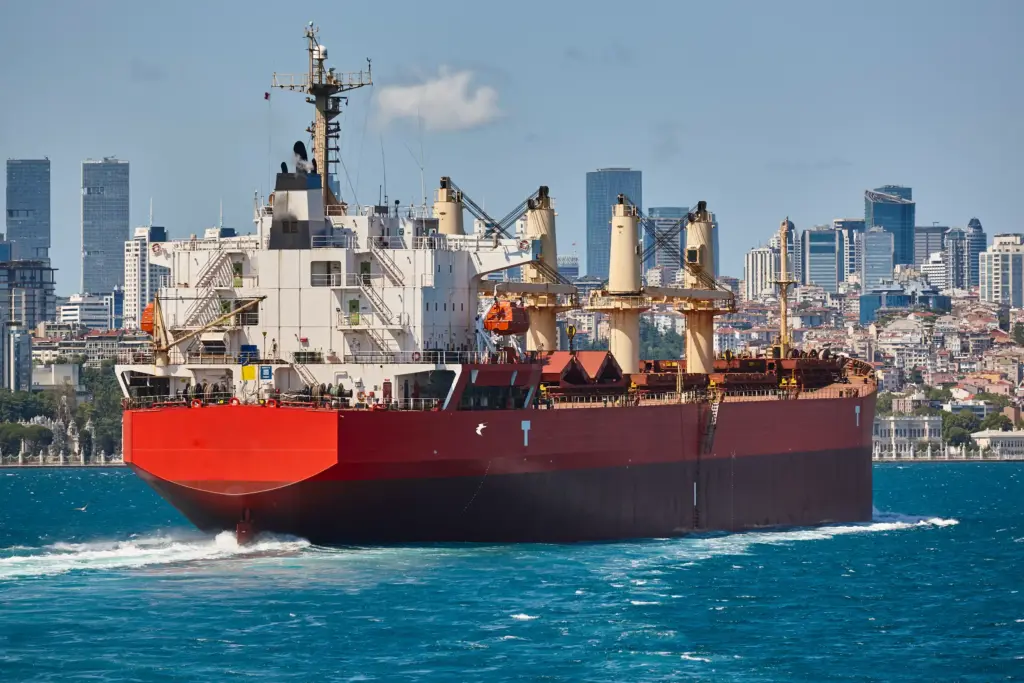
How Many Ships Sink Every Year According to Global Data
When researchers examine global maritime records, the number of ships that sink each year is far lower than many expect. Depending on the source and classification, estimates typically range from a few dozen to slightly over one hundred vessels annually. These figures usually include commercial cargo ships, fishing vessels, and other working boats, rather than recreational boats.
Organizations that track maritime losses often focus on total losses, meaning ships that are completely destroyed or rendered unrecoverable. According to data compiled from international marine insurers and safety agencies, most years see fewer than one hundred total ship losses worldwide. This number has declined steadily over the past several decades as ship design, navigation technology, and regulatory oversight have improved.
What Counts as a Ship in Annual Sinking Statistics
One reason statistics vary is that the word ship can mean different things in different reports. Some data sets include only large commercial cargo vessels over a certain tonnage, while others include fishing vessels, offshore support ships, and older workboats. Recreational boats are usually excluded from these figures because they fall under different reporting systems.
When asking how many ships sink every year, it is important to understand whether the data includes all vessel types or only large commercial ships. Most widely cited statistics focus on ocean going commercial vessels, which represent the backbone of global trade.
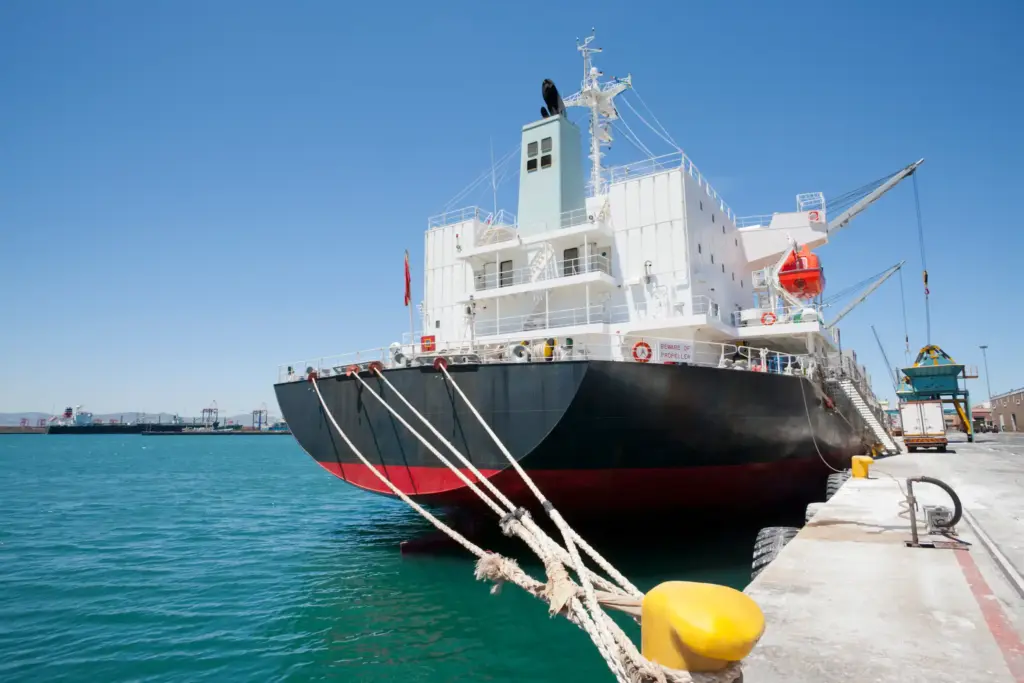
How Many Ships Sink Every Year Compared to the Past
Historically, ship sinkings were far more common than they are today. During the early and mid twentieth century, thousands of ships were lost due to war, limited navigation tools, poor weather forecasting, and weaker construction standards. In contrast, modern shipping operates under strict international safety regulations.
The decline in losses is one of the clearest indicators of improved maritime safety. When comparing historical records to current data, the reduction in sinkings highlights how technology, training, and oversight have transformed the industry. Understanding how many ships sink every year today shows just how effective these improvements have been.
Main Causes Behind Ship Sinkings
Although rare, ship sinkings still occur for several key reasons. Severe weather remains a major factor, especially in regions prone to hurricanes, typhoons, or powerful winter storms. Mechanical failure can also lead to flooding, loss of propulsion, or fires that compromise a vessel’s stability.
Human error is another contributing factor. Navigation mistakes, fatigue, improper maintenance, and failure to follow safety procedures can all increase risk. In some cases, aging vessels that are poorly maintained are more vulnerable to structural failure. These factors help explain how many ships sink every year despite modern safeguards.
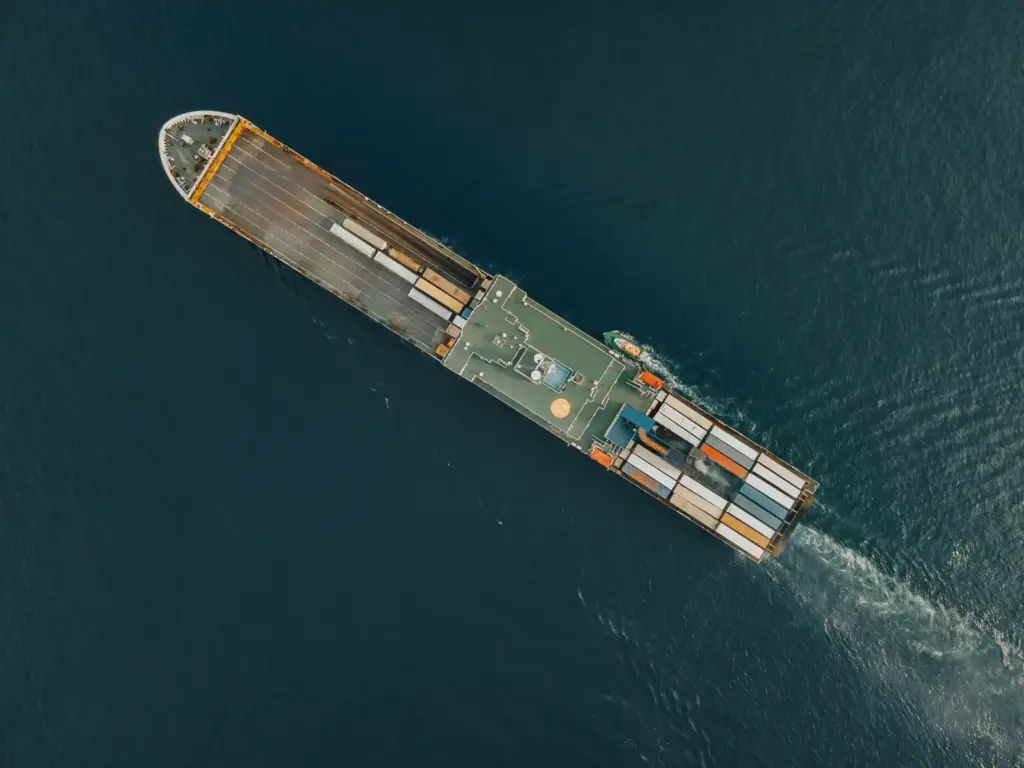
How Ship Design Has Reduced Sinkings
Modern ship design plays a major role in reducing losses. Most commercial ships today are built with double hulls, watertight compartments, and advanced stability systems. These features allow vessels to remain afloat even after sustaining damage.
Improved materials and construction standards also contribute to safety. Ships are designed to withstand extreme conditions and are tested under rigorous classification society rules. These design improvements significantly reduce the likelihood that an incident results in a complete sinking.
Role of Technology in Lowering Annual Ship Losses
Technology has transformed how ships are operated and monitored. GPS navigation, radar, automatic identification systems, and satellite communications allow crews to track weather, avoid collisions, and receive emergency assistance quickly. These tools reduce uncertainty and improve decision making at sea.
Weather forecasting has also improved dramatically. Modern ships receive real time updates that help them avoid dangerous conditions. This technological progress directly impacts how many ships sink every year by preventing accidents before they occur.
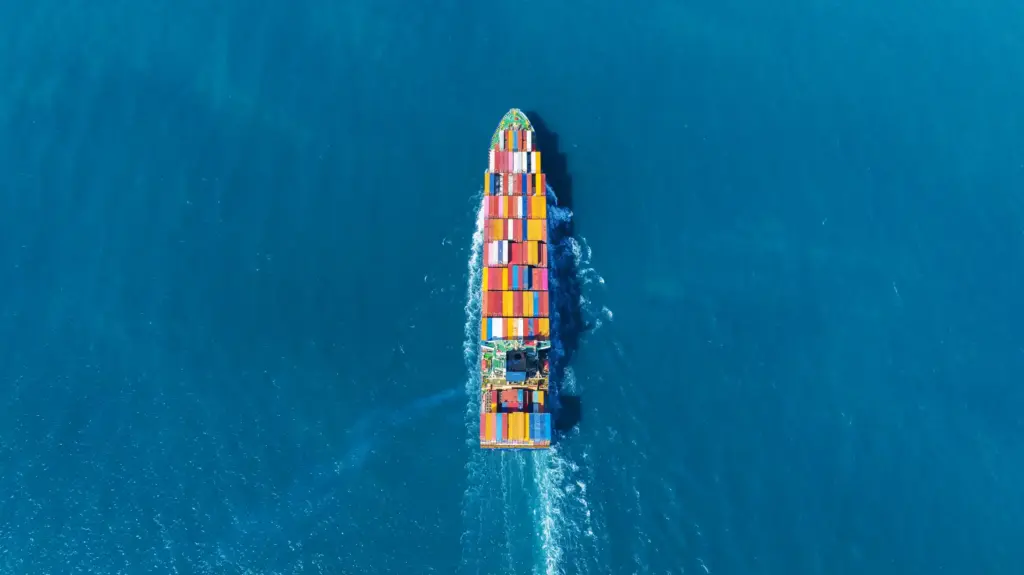
How Many Ships Sink Every Year Due to Collisions
Collisions between ships are relatively rare compared to other causes of maritime accidents. Traffic separation schemes, port control systems, and onboard navigation aids help prevent vessels from crossing paths dangerously.
When collisions do occur, they are more likely to result in damage rather than total loss. Hull reinforcement and compartmentalization often prevent flooding from spreading throughout the vessel. As a result, collisions contribute only a small portion to the total number of ships lost annually.
Environmental Impact of Ship Sinkings
Although the number of ship sinkings each year is low, the environmental impact can be significant. Sunken ships may release fuel, oil, or cargo into marine ecosystems. This is why international regulations focus heavily on prevention, response planning, and cleanup readiness.
Agencies such as the National Oceanic and Atmospheric Administration monitor shipwrecks and assess environmental risks. Their work helps reduce long term damage when maritime accidents occur.

Insurance and Risk Management in Modern Shipping
Insurance plays a critical role in maritime safety and accountability. Insurers require vessels to meet strict safety and maintenance standards before providing coverage. These requirements encourage ship owners to invest in training, inspections, and preventative maintenance.
Risk management programs also track near misses and minor incidents to identify trends before serious accidents occur. This proactive approach helps further reduce how many ships sink every year.
Commercial Shipping and Financial Planning
Operating a commercial vessel involves significant financial responsibility. Owners must account for maintenance, compliance, insurance, and operational costs. Careful planning helps reduce risk and ensures vessels remain seaworthy throughout their service life.
For businesses involved in marine operations, structured financing can support safer fleets by enabling proper upgrades and maintenance. Resources such as commercial fleet financing from Float Finance help operators manage costs while prioritizing safety and compliance.
Public Perception Versus Reality
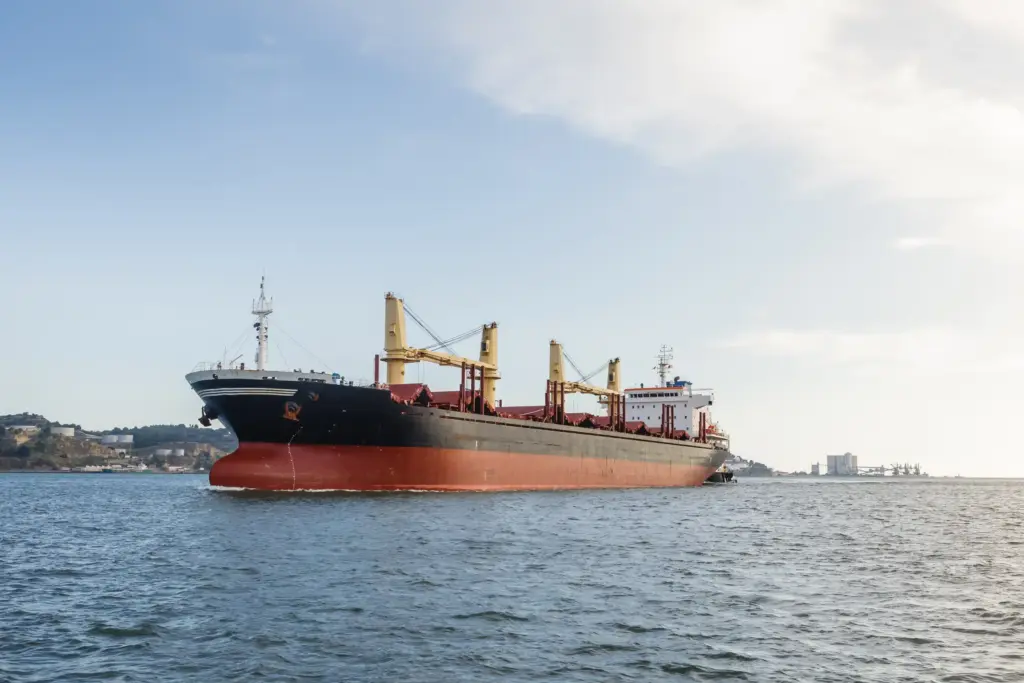
High profile maritime disasters often shape public perception, making ship sinkings seem more common than they are. In reality, millions of voyages occur safely every year without incident. Media coverage tends to focus on rare but dramatic events rather than routine operations.
Understanding how many ships sink every year helps separate perception from reality and highlights the effectiveness of modern maritime systems.
Conclusion
So, how many ships sink every year is a question best answered with data and context. In modern shipping, total losses typically number fewer than one hundred vessels annually worldwide, a fraction of historical figures. Advances in ship design, technology, regulation, and risk management have dramatically reduced maritime losses. While no system can eliminate risk entirely, today’s shipping industry is safer and more resilient than ever before, protecting lives, cargo, and the global economy.