
If you are researching how much is a fishing boat, you have probably already noticed that the numbers vary widely. One listing shows $8,000. Another shows $85,000. Then you see offshore models pushing well beyond $250,000. The wide range can feel confusing at first, but the difference comes down to size, type, engine power, materials, and equipment.
At Float Finance, we work with buyers across every budget level. Some are purchasing their first small aluminum lake boat. Others are upgrading to serious offshore fishing machines. Understanding what actually drives fishing boat prices helps you avoid overpaying and choose something that fits both your lifestyle and your finances.
This guide explains real fishing boat price ranges in 2026, what affects those numbers, what ownership really costs, and how financing can make the right boat more affordable than you might expect.
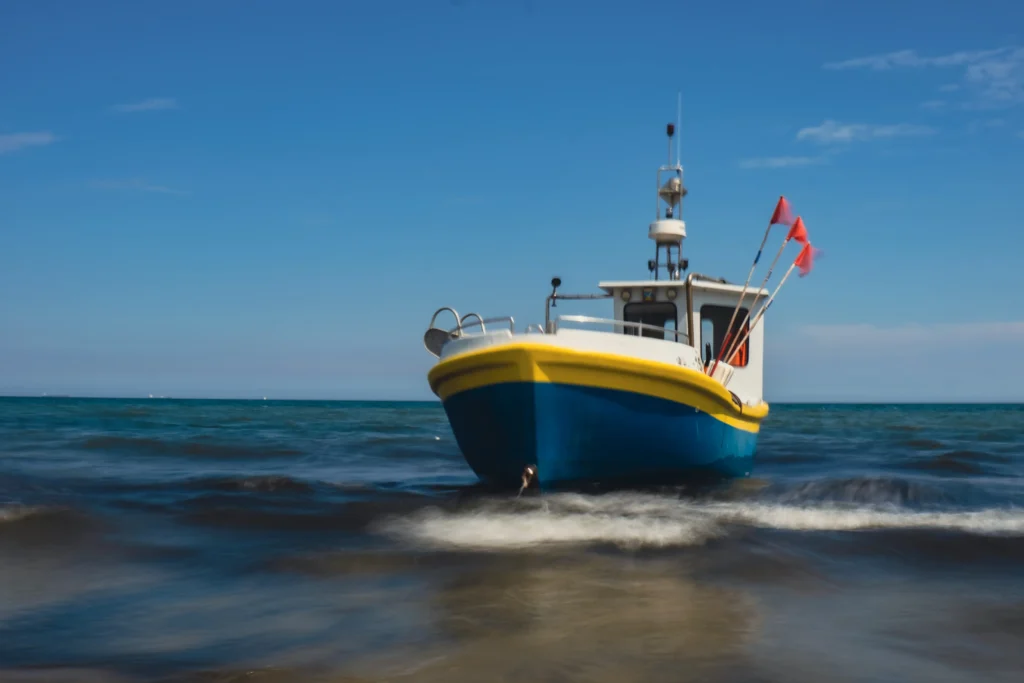
Average Fishing Boat Cost in 2026
The average fishing boat cost depends entirely on category and condition. A small used freshwater boat can cost less than a family vacation. A premium offshore vessel can cost as much as a home. Most buyers fall somewhere in the middle.
In today’s market, small used fishing boats typically range from $3,000 to $15,000. Entry-level new fishing boats usually start between $15,000 and $30,000. Mid-range boats commonly fall between $30,000 and $75,000 depending on size and horsepower. Larger saltwater or offshore-ready boats often start near $75,000 and can exceed $300,000 with high-end configurations.
According to data from the National Marine Manufacturers Association, recreational boating demand remains strong, which keeps pricing competitive but stable. Inventory levels and engine availability can also influence pricing year to year.
The key takeaway is simple: there is no single answer to how much a fishing boat costs. The real answer depends on how and where you plan to use it.
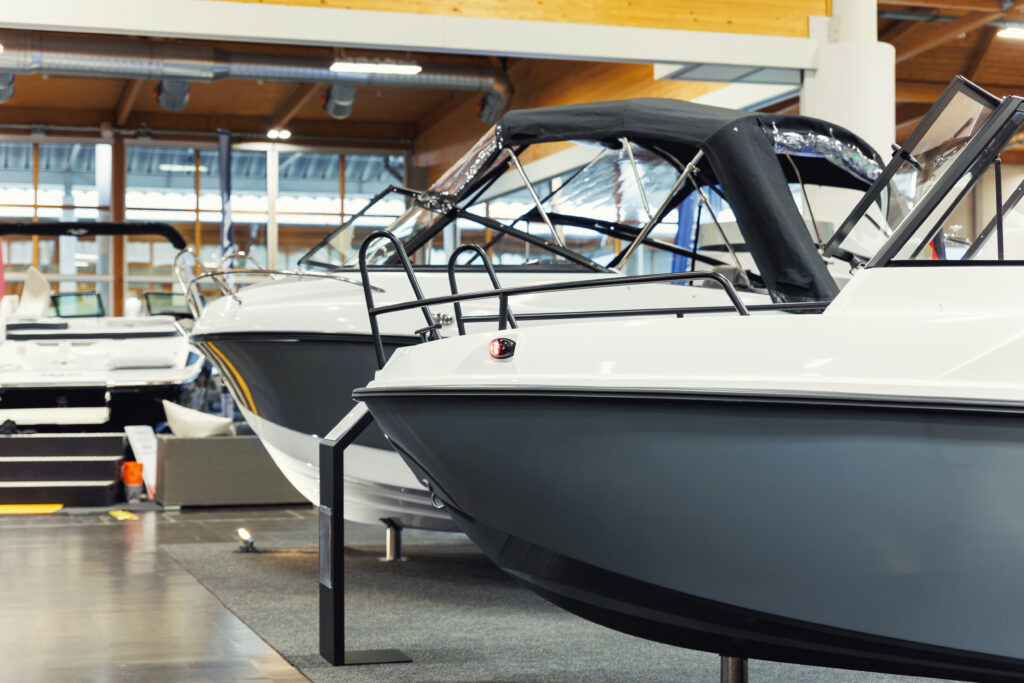
Fishing Boat Prices by Type
The type of fishing boat you choose has the biggest impact on cost. Each design serves a different purpose, and pricing reflects those differences in materials, size, and equipment.
Aluminum fishing boats are often the most affordable option. They are lightweight, durable, and ideal for lakes and rivers. A new aluminum fishing boat usually costs between $15,000 and $35,000 depending on engine size and features. Used models can be found for $5,000 to $15,000. They are easier to tow, cheaper to fuel, and simpler to maintain than larger fiberglass boats.
Bass boats focus on performance. Tournament anglers prefer them for their casting decks, high horsepower engines, and advanced electronics. New bass boats typically range from $25,000 to $80,000. Premium tournament-ready models can exceed $100,000. Used bass boats often sell between $15,000 and $50,000 depending on age and condition.
Center console boats offer versatility for both freshwater and saltwater fishing. Smaller center consoles start around $30,000. Mid-sized models frequently range from $50,000 to $100,000. Larger offshore-capable versions can move beyond $200,000. Their open layout and strong resale value make them popular among serious anglers.
Pontoon fishing boats combine comfort with light fishing capability. Families who want seating space and stability often choose this style. Prices generally range from $25,000 to $60,000 for new models. Used options often fall between $15,000 and $40,000.
Offshore sport fishing boats are built for deep water conditions. They include large fuel tanks, heavy-duty hulls, advanced navigation systems, and multiple engines. Used offshore boats may start near $75,000, while new models commonly range from $150,000 to $300,000 or more.
Your fishing location should drive your decision. Calm inland lakes require far less boat than open ocean waters.
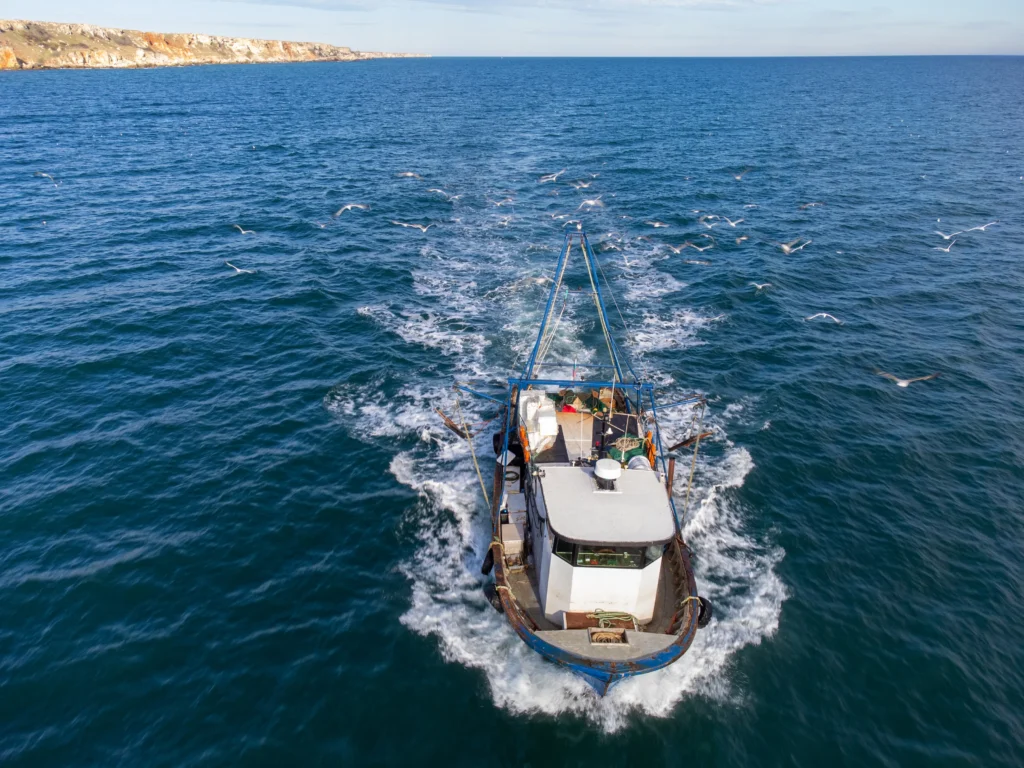
New vs Used Fishing Boat Pricing
Many buyers debate whether to purchase new or used. Both options have advantages.
Buying new provides warranty protection, modern technology, and peace of mind. You know exactly how the boat has been treated. The tradeoff is higher upfront cost and faster early depreciation.
Buying used often provides better value per dollar. Boats experience the largest depreciation during their first few years. That means you can often purchase a three to five year old boat in excellent condition at a significant discount compared to its original price.
However, buying used requires careful inspection. Engine hours, service records, hull integrity, and electrical systems should all be checked. A marine survey is a smart investment when buying higher-priced used vessels.
What Actually Increases the Price of a Fishing Boat?
Several core factors determine how much a fishing boat costs. Length is one of the biggest drivers. A 16-foot aluminum boat requires far fewer materials than a 25-foot fiberglass center console. As length increases, construction cost, engine size, fuel capacity, and transportation expenses increase as well.
Horsepower plays another major role. A basic 40 horsepower outboard is dramatically cheaper than a 300 horsepower engine. Larger engines also increase fuel consumption and maintenance costs over time. Performance always comes at a price.
Technology and onboard equipment can add thousands to the final cost. Modern fish finders, multi-screen GPS systems, radar, sonar imaging, trolling motors, and upgraded control panels all raise the price. Serious anglers often prioritize electronics because they directly improve fishing success.
Brand reputation also matters. Established manufacturers often charge more because they hold value better and offer proven reliability. While lesser-known brands may cost less upfront, resale value may not be as strong later.
Finally, build quality and materials affect cost significantly. Fiberglass hulls, reinforced decks, stainless hardware, and premium seating increase durability and comfort, but they also increase the price tag.
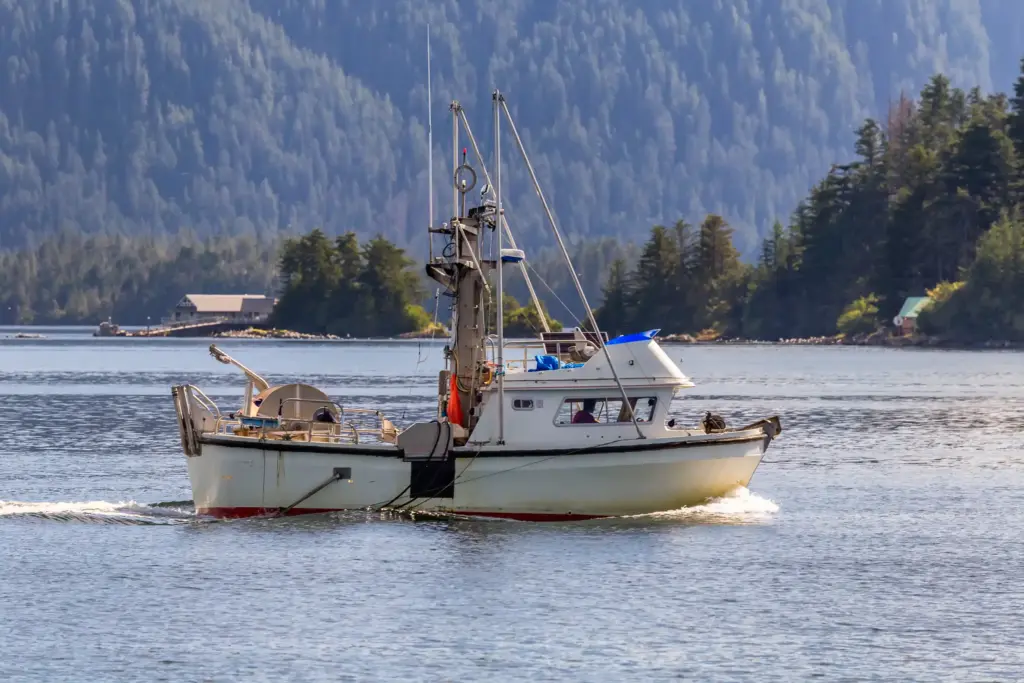
The Real Cost of Owning a Fishing Boat
When evaluating how much is a fishing boat, you must look beyond the purchase price. Ownership includes recurring expenses that vary by size and usage.
Fuel is one of the largest ongoing costs. Smaller freshwater boats are relatively inexpensive to operate. Offshore boats with twin engines burn fuel quickly, especially during long-distance trips.
Maintenance is another unavoidable expense. Routine service includes oil changes, lower unit maintenance, impeller replacement, battery checks, and winterization in colder climates. Annual maintenance can range from several hundred dollars for small boats to several thousand dollars for larger offshore vessels.
Insurance protects your investment and is often required when financing. Many owners pay between $300 and $1,000 per year depending on boat value and coverage limits.
Storage also affects total cost. Some owners store boats at home. Others pay marina slip fees or dry storage rates. These monthly fees can add up quickly depending on location.
For a deeper breakdown of full ownership expenses, you can review our detailed guide on how much it costs to own a boat.

How Much Is a Fishing Boat Per Month With Financing?
Many buyers do not pay cash for their boat. Instead, they focus on monthly affordability. Financing allows you to secure the right boat while preserving savings for emergencies and gear.
For example, financing $40,000 over 10 years at a competitive rate could result in payments between $350 and $450 per month depending on credit profile and loan structure. A larger down payment lowers the monthly obligation and reduces total interest.
Most lenders require 10 to 20 percent down. On a $50,000 boat, that means $5,000 to $10,000 upfront. Strong credit profiles may qualify for better rates and longer terms.
At Float Finance, we help buyers structure boat loans that balance monthly affordability with long-term cost efficiency. You can explore available options on our boat financing page to see what may fit your situation.
Is a Fishing Boat Worth the Investment?
A fishing boat is rarely purchased as a financial investment. It is a lifestyle decision. It represents access to freedom, relaxation, and time on the water with family or friends.
While boats typically depreciate over time, well-maintained models from reputable brands hold value better than neglected vessels. Usage frequency also influences perceived value. If you fish regularly, the cost spreads across years of enjoyment.
The right boat should match your real fishing habits, not an idealized version of how often you think you will go. Choosing the appropriate size and budget keeps ownership enjoyable rather than stressful.
Final Thoughts on Fishing Boat Costs
So how much is a fishing boat? Entry-level models can start under $20,000. Mid-range fishing boats often fall between $30,000 and $75,000. Offshore-ready vessels frequently exceed $150,000 and can climb much higher with advanced configurations.
The true cost depends on how you plan to use the boat, where you plan to operate it, and how you structure the purchase. Always factor in ownership expenses alongside the purchase price.
If you are ready to move forward, Float Finance can help you evaluate financing options that make sense for your budget. The right structure allows you to enjoy life on the water without unnecessary financial strain.