
Cargo ships are responsible for moving nearly everything we use each day, from food and fuel to vehicles and electronics. Because these vessels travel long distances across open oceans, many people ask an understandable question: how often do cargo ships sink? While maritime accidents do occur, total ship losses are far less common than public perception suggests. Advances in ship design, safety regulations, and navigation technology have significantly reduced sinking incidents across the global shipping industry.
The Size of the Global Cargo Fleet
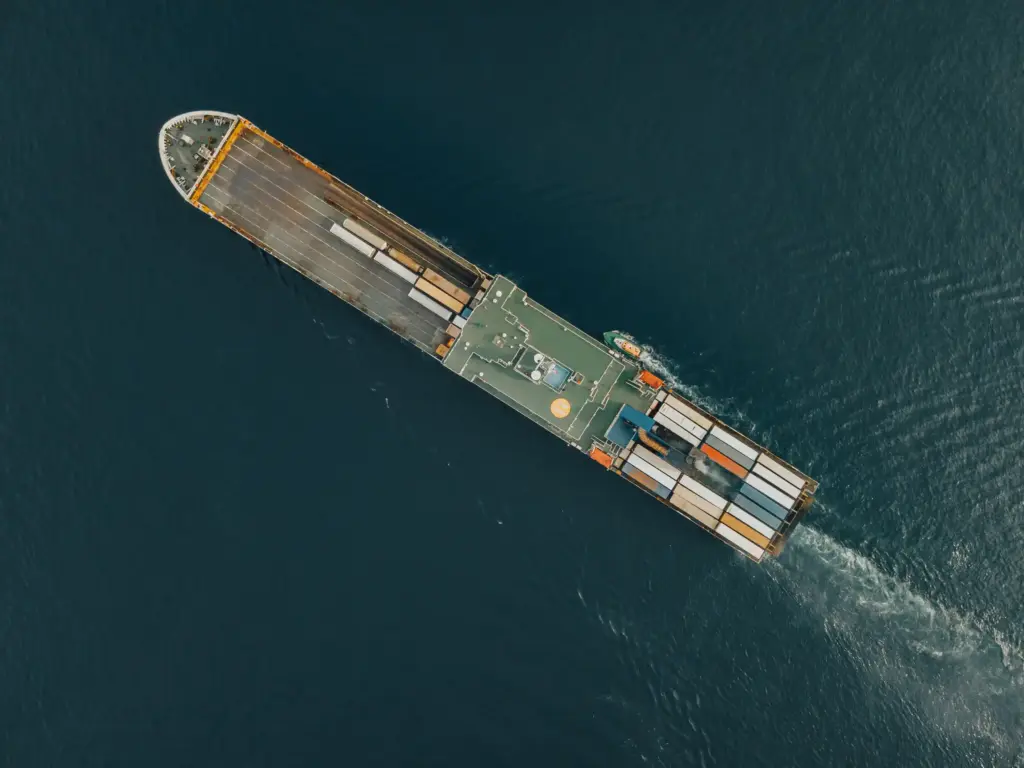
More than 50,000 commercial cargo ships operate worldwide, including container ships, bulk carriers, tankers, and specialized freight vessels. These ships complete millions of voyages every year across major trade routes. When examining how often do cargo ships sink, it is important to compare the number of losses to the enormous scale of global maritime traffic. Even a few incidents can attract attention, but they represent a very small percentage of total operations.
How Often Do Cargo Ships Sink Each Year
On average, fewer than 50 large cargo ships are lost worldwide each year. In many recent years, that number has dropped below 40. When people ask how often do cargo ships sink, this data provides important context. Out of tens of thousands of ships operating annually, total losses typically represent well under one percent of the global fleet.
Long-term data compiled by the International Maritime Organization shows a steady decline in ship losses over the past several decades. Improved safety standards and enforcement play a major role in this trend.
What Counts as a Cargo Ship Sinking
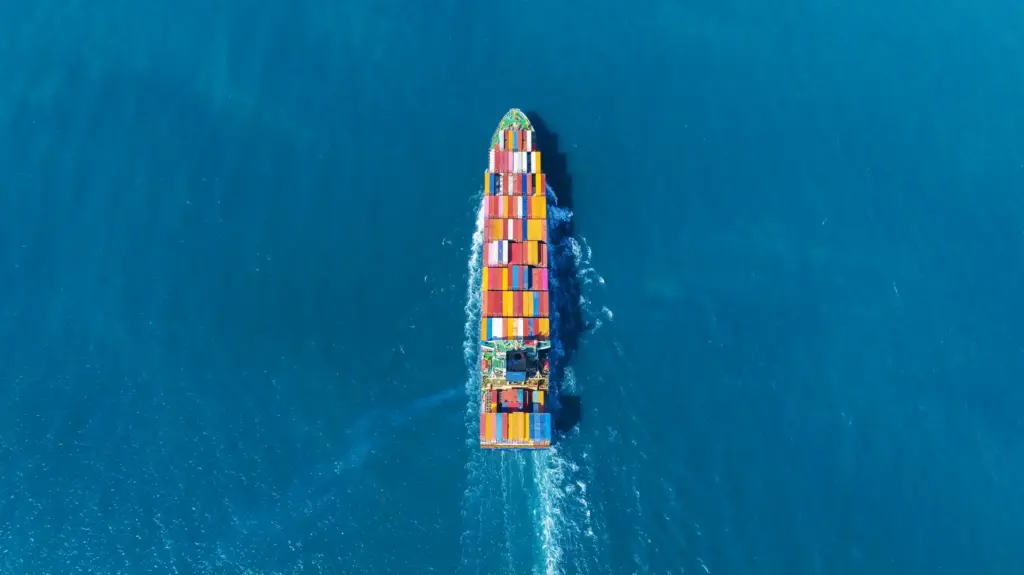
A cargo ship sinking refers to a total loss of the vessel, meaning it cannot be recovered or returned to service. Not every maritime incident results in a sinking. Fires, mechanical failures, or collisions often lead to damage without total loss. Understanding how often do cargo ships sink requires focusing only on incidents where vessels are completely lost.
Primary Causes of Cargo Ship Sinkings
When sinkings occur, they are usually caused by multiple contributing factors. Severe weather remains one of the most common risks. Powerful storms, high seas, and unexpected wave patterns can stress hulls and cause cargo shifts. Improperly secured cargo can destabilize a vessel, increasing the risk of flooding or capsizing.
Structural failure is another cause, particularly in older ships that suffer from corrosion or metal fatigue. Fires on board cargo ships also pose a serious threat, especially when hazardous materials are involved. These combined factors help explain how often do cargo ships sink despite modern safety measures.
How Engineering Improvements Reduce Sinkings
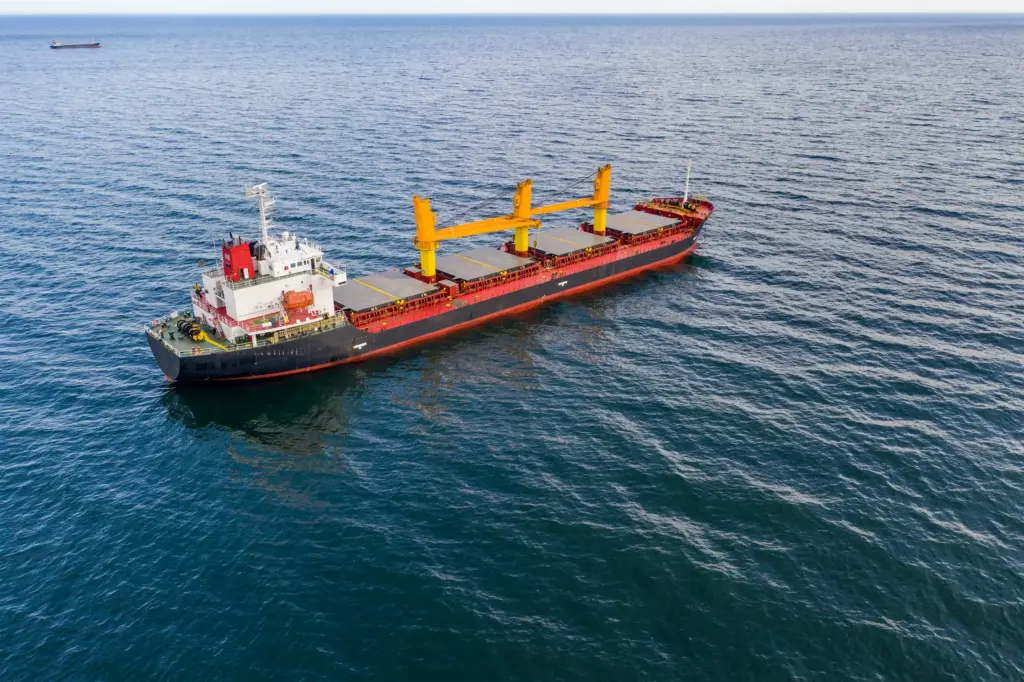
Modern cargo ships are built with advanced engineering features that dramatically reduce the risk of sinking. Reinforced hulls, double bottoms, and multiple watertight compartments allow ships to remain afloat even after sustaining damage. Fire detection and suppression systems help control onboard fires before they spread.
Stability monitoring systems track cargo weight distribution and ballast levels in real time. These technologies help prevent capsizing and reduce structural stress, lowering the frequency of incidents. Thanks to these innovations, how often do cargo ships sink today is far less than it was decades ago.
International Safety Regulations
Global shipping safety is governed by strict international regulations. The Safety of Life at Sea convention establishes minimum safety standards for ship construction, equipment, and operation. Ships must pass inspections and certifications to remain in service.
Enforcement is carried out by national authorities such as the United States Coast Guard. Ships that fail inspections can be detained until safety issues are corrected. These regulatory systems play a major role in reducing how often do cargo ships sink worldwide.

The Role of Crew Training
Well-trained crews are essential to preventing maritime disasters. Cargo ship crews undergo rigorous training in navigation, emergency response, firefighting, and damage control. Regular drills prepare crews to respond quickly to flooding, fire, or collision scenarios.
Human error remains a factor in some incidents, but automation and training have significantly reduced mistakes. Integrated bridge systems provide real-time navigation data and collision warnings, allowing crews to react earlier. These improvements directly affect how often do cargo ships sink by minimizing operational risk.
Weather Monitoring and Route Planning
Advanced weather forecasting has transformed maritime safety. Cargo ships now receive constant updates through satellite communication, allowing captains to adjust routes to avoid severe storms. Accurate forecasting helps vessels steer clear of dangerous conditions that once caused many losses.
This ability to reroute around storms has had a major impact on reducing ship losses. As forecasting technology improves, how often do cargo ships sink continues to decline across major shipping lanes.

Environmental and Economic Impacts
Although rare, cargo ship sinkings can have serious environmental consequences. Fuel spills and lost cargo can damage marine ecosystems and coastal environments. Organizations such as the National Oceanic and Atmospheric Administration monitor and respond to maritime pollution incidents.
Economically, sinkings can disrupt supply chains and increase shipping costs. For this reason, prevention remains a top priority for shipping companies and regulators.
Insurance and Financial Planning
Cargo ships are heavily insured to protect against loss and liability. Insurers require strict maintenance and safety compliance, which encourages shipowners to invest in vessel upkeep and modernization. Ships that fail to meet safety standards face higher premiums or denied coverage.
Commercial operators also rely on marine financing to replace aging vessels and improve fleet safety. Programs such as commercial fleet financing through Float Finance help companies invest in newer ships that meet modern safety standards.

Long-Term Safety Trends
Over the last several decades, total cargo ship losses have dropped by more than 70 percent. This improvement reflects better ship design, stronger regulations, improved crew training, and more effective monitoring systems. While no industry is risk-free, cargo shipping has never been safer.
As technology continues to evolve, autonomous navigation systems and enhanced monitoring tools are expected to further reduce incidents. These developments will continue to shape how often do cargo ships sink in the future.
Conclusion
So, how often do cargo ships sink? In modern shipping, total losses are rare, usually fewer than 50 ships per year out of tens of thousands in operation. Strong regulations, advanced engineering, skilled crews, and smart financial planning all contribute to safer seas. With continued investment in safety and modernization, supported by partners like Float Finance, the global cargo fleet remains resilient and increasingly secure.