
When boating season ends and temperatures begin to drop, many owners focus on winterizing engines and protecting hulls while overlooking one of the most failure-prone components on the boat: the battery. Knowing what to do with boat batteries in winter is critical because cold temperatures, inactivity, and improper storage can permanently damage a marine battery. A neglected battery often results in unexpected replacement costs and delays when spring arrives, turning what should be an easy launch into a frustrating repair session.
Boat batteries are especially vulnerable during winter because they are designed for seasonal use rather than continuous operation. Unlike automotive batteries that are frequently recharged during daily driving, marine batteries often sit unused for months. During that time, cold temperatures reduce capacity, internal chemistry slows down, and even small amounts of discharge can lead to long-term damage. Understanding what to do with boat batteries in winter helps protect performance, extend lifespan, and avoid unnecessary expenses.
Why Winter Conditions Are Hard on Boat Batteries
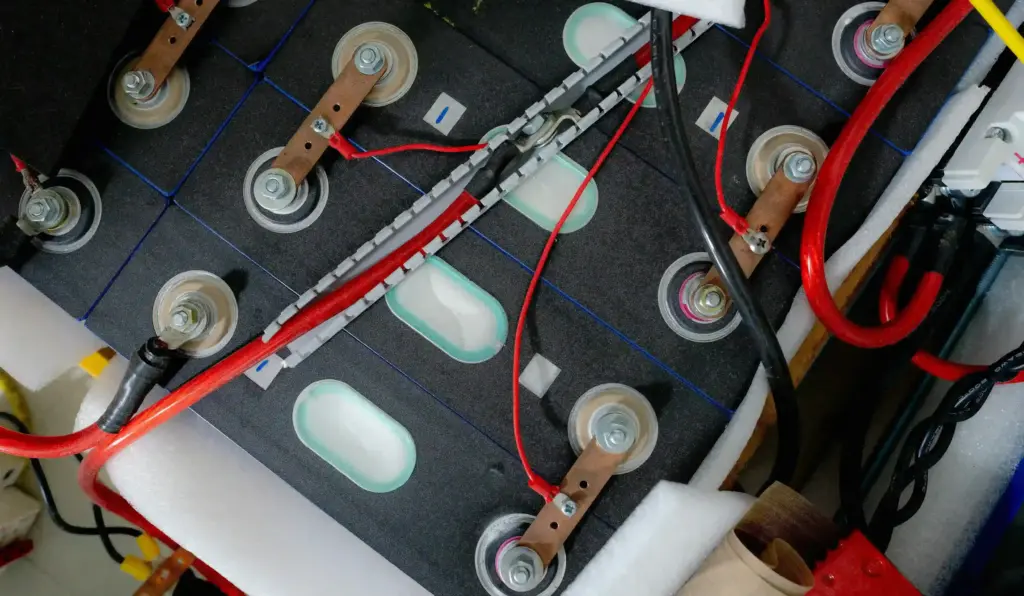
Cold weather affects battery chemistry in several ways. As temperatures drop, a battery’s ability to deliver power decreases significantly. A fully charged battery is far less likely to freeze, but a partially discharged battery can freeze at relatively mild temperatures. When freezing occurs, internal components may crack or warp, making the battery unusable. Even if freezing does not happen, long periods of low charge promote sulfation, a process that permanently reduces capacity. This is why understanding what to do with boat batteries in winter is essential rather than optional.
Moisture also plays a role in winter battery failure. Condensation can form around terminals and connections, leading to corrosion and increased electrical resistance. Over time, this corrosion interferes with charging and reduces reliability. Batteries left in boats stored outdoors are especially exposed to these conditions, increasing the risk of failure before the next season begins.
Removing Boat Batteries for Winter Storage
One of the most effective steps owners can take is removing batteries from the boat before winter storage. Leaving batteries onboard exposes them to freezing temperatures and moisture, even if the boat is covered. Removing the battery allows it to be stored in a more stable, controlled environment where temperature swings are minimized. For many owners, removing the battery is the first and most important decision when determining what to do with boat batteries in winter.
Once removed, batteries should be placed in a location that is dry, well ventilated, and protected from freezing. Basements and insulated garages are common choices. Extreme heat should also be avoided, as high temperatures accelerate internal degradation. Proper storage conditions slow self-discharge and preserve battery health throughout the off season.
Keeping Boat Batteries Properly Charged
Marine batteries naturally lose charge over time, even when disconnected. Allowing a battery to remain discharged for several months causes internal damage that cannot be reversed. Using a smart battery maintainer is one of the safest and most effective ways to protect a battery during winter. Maintainers monitor voltage and provide small amounts of current as needed, preventing both overcharging and deep discharge.
Regular charging without a maintainer can also work if done consistently, but forgetting even once can allow the battery to drop into a damaging discharge range. This is why many owners consider a maintainer essential when deciding what to do with boat batteries in winter.
Leaving Batteries in the Boat During Winter
Some owners choose to leave batteries installed during winter storage, especially when boats are stored indoors or in mild climates. If this approach is used, all electrical connections should be disconnected to prevent parasitic drain from onboard systems. Even small electrical loads such as clocks, alarms, or monitoring systems can slowly drain a battery over several months.
Batteries left onboard should still be checked periodically and recharged as needed. Insulating the battery compartment and ensuring proper ventilation can help reduce temperature extremes and moisture buildup. While this approach requires more monitoring, it can be effective when combined with proper charging practices.

Inspecting Battery Condition Before Storage
Winter storage is an ideal time to inspect battery condition and address issues before they worsen. Terminals should be cleaned to remove corrosion, connections should be tightened, and battery cases should be inspected for cracks or swelling. Batteries that struggle to hold a charge during the boating season are unlikely to survive winter storage, even with careful handling.
Identifying weak batteries before winter allows owners to replace them proactively rather than dealing with failure at the start of the next season. This inspection step is an important part of understanding what to do with boat batteries in winter responsibly.
Battery Types and Winter Storage Differences
Different battery types respond differently to cold and storage conditions. Traditional lead acid batteries are more susceptible to freezing when discharged and require careful monitoring. AGM batteries generally tolerate cold better and have lower self-discharge rates, making them easier to maintain during winter. Lithium marine batteries follow different storage guidelines and often require specific charge levels during storage.
Knowing which type of battery is installed helps owners apply the correct storage and charging methods. Using the wrong approach can shorten battery life regardless of battery quality.

How Winter Care Affects Battery Lifespan
Most marine batteries last between three and five years under normal conditions, but improper winter care can reduce that lifespan dramatically. Batteries that are allowed to freeze or remain discharged for extended periods often fail prematurely. Owners who consistently follow best practices for what to do with boat batteries in winter often extend usable life and reduce replacement frequency. Good winter care not only saves money but also improves reliability and safety during the boating season.
Environmental and Safety Considerations
Batteries contain chemicals that can be harmful if leaked or improperly disposed of. Safe storage reduces environmental risk and protects people and property. General battery safety and disposal guidance from the Environmental Protection Agency highlights the importance of responsible handling and storage practices during periods of inactivity. Proper winter care aligns with environmental responsibility while protecting valuable equipment.

Winter Battery Care as Part of Ownership Planning
Battery maintenance is part of the broader cost of boat ownership, alongside storage, insurance, and mechanical upkeep. Planning for these costs helps owners avoid surprises and maintain their boats properly. For buyers planning long-term ownership, understanding maintenance responsibilities is just as important as purchase price.
Tools such as boat loan pre-approval help buyers plan responsibly by accounting for both the initial purchase and ongoing ownership costs.
Conclusion
Knowing what to do with boat batteries in winter helps prevent damage, extend battery life, and avoid unnecessary replacement costs. Removing batteries, storing them in a controlled environment, maintaining proper charge, and inspecting condition all play important roles in winter protection. Thoughtful off-season care ensures batteries are ready when boating season returns. For owners financing boats or planning long-term ownership, Float Finance supports informed decisions by helping buyers protect their investment and manage ownership responsibilities with confidence.