
Before heading out to fish, every angler must answer a key question: where get fishing license? Fishing licenses are required in most states and countries to ensure legal, ethical, and sustainable fishing practices. Knowing where to get a fishing license helps anglers stay compliant with regulations while supporting conservation programs that protect fish populations and waterways.
Fishing licenses are easier to obtain than many people realize. They are available through multiple channels, including online platforms, government offices, and local retailers. Understanding your options makes the process quick and convenient.

Why a Fishing License Is Required
A fishing license serves several important purposes. It ensures that anglers follow local fishing laws, helps manage fish populations, and provides funding for conservation efforts. License fees support habitat restoration, fish stocking, research, and enforcement activities.
Wildlife agencies rely on licensing systems to track fishing activity and adjust regulations as needed. When anglers ask where get fishing license, they are taking the first step toward responsible and legal fishing.
Where Get Fishing License Online
The most convenient way to obtain a fishing license is online. Most state wildlife agencies offer official websites where licenses can be purchased in minutes. Online systems allow anglers to select license types, durations, and any required endorsements.
Once purchased, anglers often receive a temporary digital license that can be printed or stored on a mobile device. This option is ideal for last-minute trips or travelers who need immediate access. For example, licenses in the United States can typically be purchased through individual state fish and wildlife websites, such as the U.S. Fish and Wildlife Service, which provides links to state agencies and licensing resources.

Buying a Fishing License at Retail Locations
Many anglers prefer to buy fishing licenses in person. Licensed retailers such as sporting goods stores, bait shops, and outdoor supply stores often sell fishing licenses. These locations are especially helpful for anglers who want local advice or assistance selecting the correct license.
Retail purchases typically require valid identification and payment at the counter. Anglers receive a printed license immediately, which must be carried while fishing.
Where Get Fishing License Through Government Offices
Fishing licenses can also be purchased directly from government offices. State wildlife agency offices, visitor centers, and licensing bureaus often issue fishing licenses during business hours.
This option may be useful for anglers who have specific questions about regulations, special permits, or eligibility for reduced-fee licenses. Speaking directly with agency staff can help clarify complex rules.
Types of Fishing Licenses Available
Fishing licenses come in several types depending on how often and where you plan to fish. Common options include annual licenses, short-term licenses, and lifetime licenses.
Annual licenses provide year-round access and are cost-effective for frequent anglers. Short-term licenses, such as one-day or multi-day options, are ideal for visitors or occasional fishing trips. Lifetime licenses offer long-term value for dedicated anglers.

Resident and Nonresident License Differences
License availability and pricing often depend on residency status. Residents usually pay lower fees, while nonresidents pay higher rates. Proof of residency may be required at the time of purchase.
Nonresident licenses are available in both short-term and annual options. Understanding these differences helps anglers determine where get fishing license that fits their situation.
Freshwater and Saltwater Licensing
Some states issue separate licenses for freshwater and saltwater fishing, while others combine both into a single license. Saltwater fishing may also require additional registration or reporting programs.
Federal waters are regulated differently than state waters. Agencies such as the NOAA Fisheries oversee saltwater fishing regulations in federal zones. Anglers should confirm licensing requirements before fishing offshore.
Special Permits and Endorsements
Certain species require additional permits or report cards. These may include species like salmon, sturgeon, lobster, or steelhead. These permits help wildlife agencies track harvest levels and protect vulnerable populations. When determining where get fishing license, anglers should also verify whether special endorsements are required for their target species.

What Information You Need to Buy a License
To purchase a fishing license, anglers typically need basic personal information such as name, address, date of birth, and identification number. Some states may require proof of residency. Having this information ready speeds up the process, whether purchasing online or in person.
Carrying and Displaying Your Fishing License
Once purchased, anglers must carry their fishing license while fishing. Many states allow digital licenses on mobile devices, while others require printed copies. Failure to present a valid license when requested by enforcement officers can result in fines, even if the license was purchased legally.
Penalties for Fishing Without a License
Fishing without a license can lead to fines, confiscation of equipment, and suspension of fishing privileges. Penalties vary by state but can be significant. Understanding where get fishing license helps anglers avoid unnecessary legal and financial consequences.
Fishing Licenses and Conservation Funding
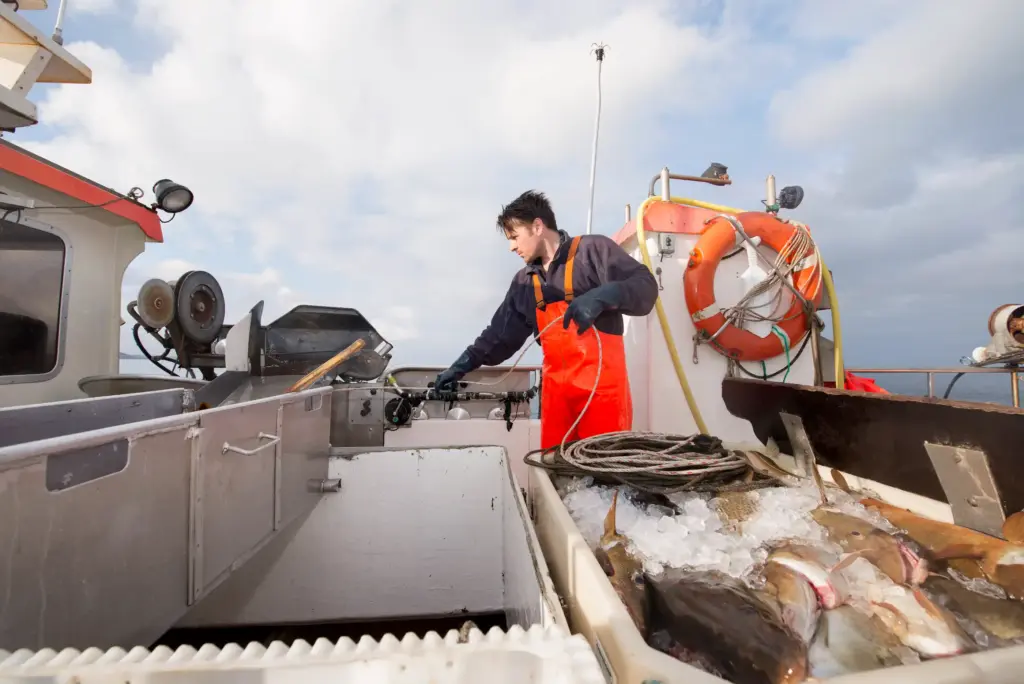
License fees directly support conservation programs. These funds are used for habitat restoration, fish stocking, research, and enforcement. Anglers play a direct role in protecting fisheries through licensing. This system ensures that fishing remains sustainable and accessible for future generations.
Fishing From Boats and Additional Responsibilities
Many anglers fish from boats, which adds responsibilities beyond licensing. Boats must be registered, maintained, and operated safely. Boat ownership also involves financial planning.
For anglers considering boat ownership, resources such as boat loan pre-approval through Float Finance help prepare financially while enjoying fishing responsibly.
Choosing the Best Way to Get a Fishing License
The best place to get a fishing license depends on convenience and personal preference. Online options are fast and accessible, while retail and government offices provide in-person assistance. Regardless of where get fishing license, anglers should always purchase from official and authorized sources to ensure validity.
Conclusion
So, where get fishing license is easier to answer than many people expect. Licenses are available online, at retail stores, and through government offices. Choosing the right license type and staying informed about regulations helps anglers fish legally and responsibly. By purchasing a fishing license, anglers support conservation efforts that protect waterways and fish populations for generations to come.