
Fishing has been a fundamental part of human survival and culture for thousands of years. Even today, many people ask a meaningful question: why fishing is important? While fishing is often viewed as a recreational activity, its role extends far beyond leisure. Fishing supports food systems, conservation programs, local economies, mental health, education, and environmental stewardship. Understanding why fishing is important helps explain why it continues to play a vital role in societies around the world.
From freshwater lakes and rivers to coastal waters and open oceans, fishing connects people to nature and encourages responsible use of natural resources. When managed properly, fishing becomes a powerful tool for sustainability rather than depletion.
Fishing as a Reliable Food Source
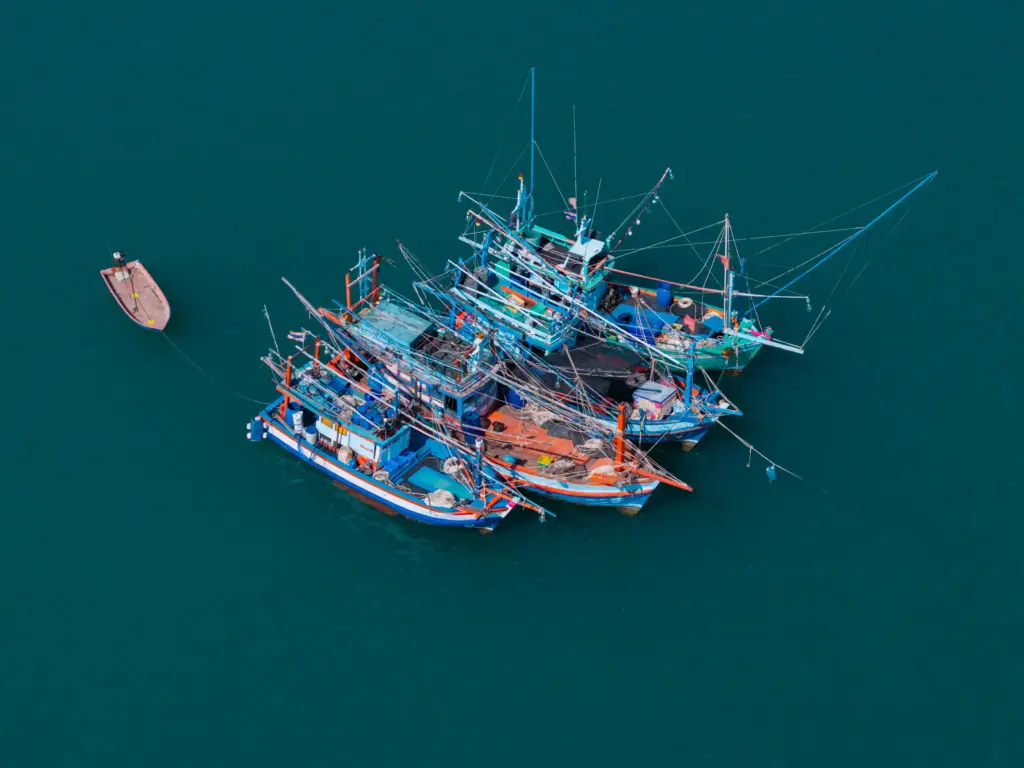
One of the most fundamental reasons why fishing is important is its role in providing food. Fish are a major source of protein for billions of people globally. They also supply essential nutrients such as omega-3 fatty acids, iodine, vitamin D, and high-quality amino acids that support overall health.
In many coastal and rural communities, fishing remains a primary source of daily nutrition. Subsistence fishing allows families to feed themselves without relying entirely on commercial food systems. Responsible fishing practices ensure that these food sources remain available long term.
Economic Value of Fishing
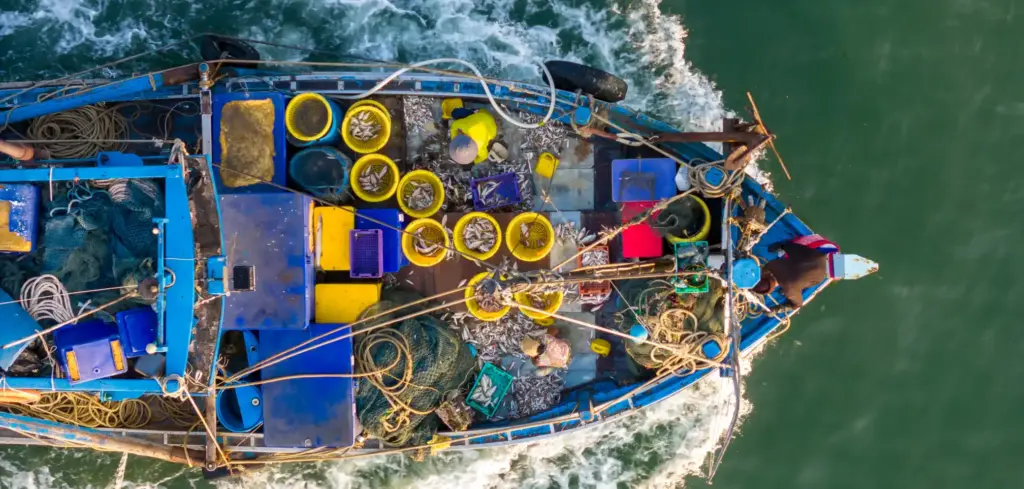
Fishing supports local, regional, and global economies. Commercial fishing creates jobs in harvesting, processing, transportation, and distribution. Recreational fishing also generates significant economic activity through tourism, equipment sales, boat maintenance, and travel services. According to the National Oceanic and Atmospheric Administration, recreational fishing contributes billions of dollars annually to the United States economy. These economic benefits illustrate why fishing is important not only for individuals but also for entire communities.
Fishing and Conservation Funding
Fishing licenses, permits, and fees provide critical funding for conservation programs. These funds support habitat restoration, fish stocking, population research, and enforcement of fishing regulations.
Organizations such as the U.S. Fish and Wildlife Service rely on data and funding from licensed anglers to manage fisheries responsibly. This relationship highlights why fishing is important as a partner in conservation rather than a threat to wildlife.
Fishing Encourages Environmental Awareness
Fishing brings people into direct contact with natural environments. Anglers often develop a strong appreciation for clean water, healthy ecosystems, and wildlife protection. This connection frequently leads to environmental advocacy and stewardship. People who fish regularly tend to notice changes in water clarity, fish populations, and habitat conditions. This firsthand experience fosters awareness and encourages responsible behavior that benefits ecosystems.
Mental Health Benefits of Fishing
Fishing provides measurable mental health benefits. Time spent near water has been shown to reduce stress, anxiety, and symptoms of depression. The quiet focus required while fishing promotes mindfulness and relaxation.
Many people turn to fishing as a way to disconnect from daily stress and reconnect with nature. Understanding why fishing is important includes recognizing its positive impact on emotional well-being and mental resilience.
Physical Health and Outdoor Activity
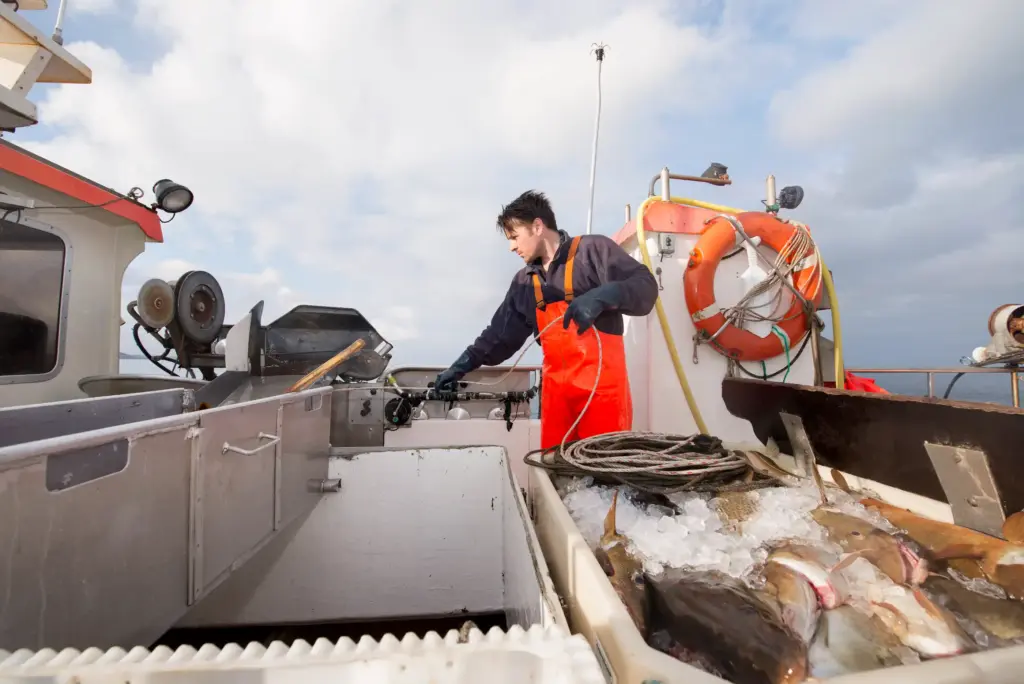
Fishing encourages physical activity without high physical strain. Walking shorelines, casting lines, rowing, or handling equipment all contribute to moderate exercise. These activities support cardiovascular health and mobility. For older adults or individuals seeking low-impact activity, fishing offers a sustainable way to stay active while enjoying the outdoors.
Strengthening Family and Community Bonds
Fishing is often shared across generations. Parents and grandparents teach children how to fish, passing down knowledge, traditions, and respect for nature. These shared experiences strengthen family relationships and create lifelong memories. Community fishing events and local tournaments also bring people together. These gatherings encourage cooperation, learning, and shared responsibility for natural resources, reinforcing why fishing is important socially.
Educational Value of Fishing
Fishing provides hands-on education about biology, ecology, and environmental science. Anglers learn about fish behavior, water conditions, weather patterns, and seasonal cycles through direct experience. Youth fishing programs help introduce children to conservation principles early in life. Learning why fishing is important helps young people develop respect for wildlife and ecosystems.
Sustainable Resource Management
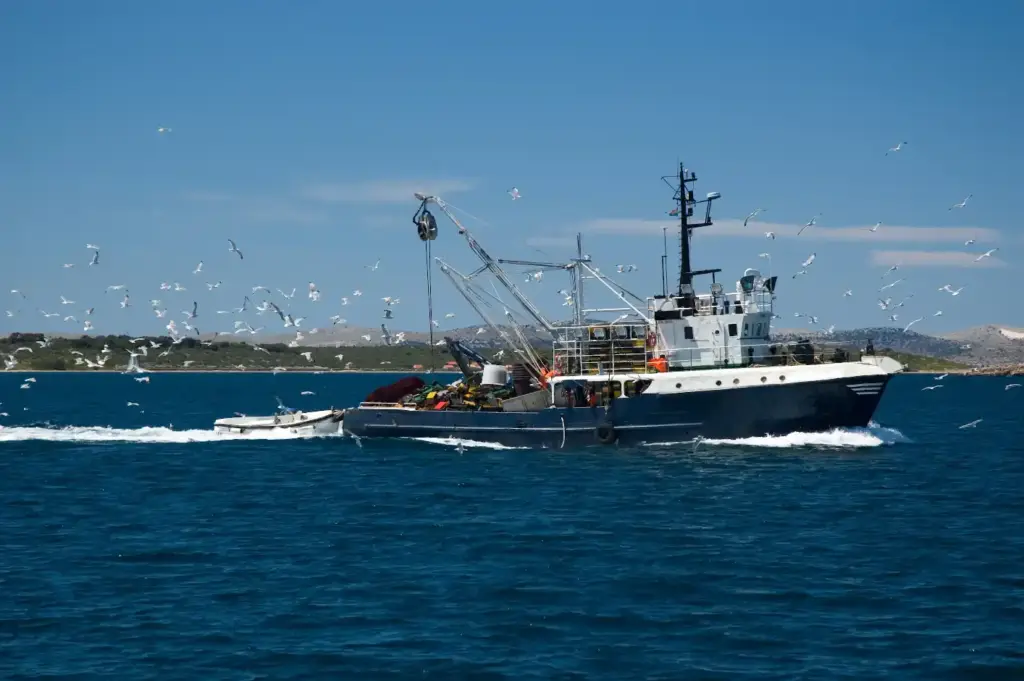
Modern fishing regulations are designed to balance access with sustainability. Size limits, bag limits, and seasonal closures protect breeding populations and prevent overharvesting.
Anglers play an active role in this system by following regulations and reporting violations. This cooperative approach demonstrates why fishing is important as part of responsible resource management.
Fishing and Waterway Protection
Fishing communities are often strong advocates for clean water. Pollution, habitat loss, and climate change threaten fish populations and aquatic ecosystems. Anglers frequently support conservation initiatives and cleanup efforts.
Agencies such as the Environmental Protection Agency work with communities to protect water quality. Angler involvement strengthens these efforts and ensures long-term access to healthy waterways.
Fishing and Responsible Boating
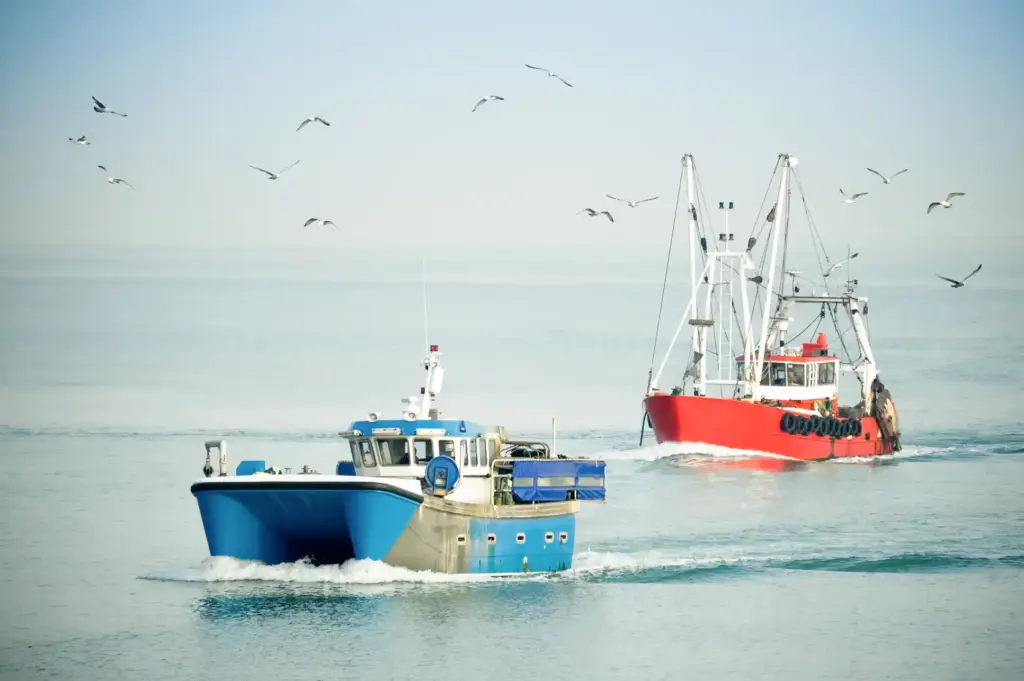
Many anglers fish from boats, combining fishing with boating recreation. Responsible boat ownership includes safety compliance, maintenance, and financial planning. Fishing and boating together allow access to remote waters and diverse fishing opportunities.
For those planning to own a boat, financial preparation matters. Tools like boat loan pre-approval through Float Finance help anglers plan responsibly while enjoying time on the water.
Cultural and Historical Importance
Fishing has shaped cultures and civilizations throughout history. Coastal and river communities have relied on fishing for survival, trade, and identity. Many traditions, cuisines, and customs remain closely tied to fishing.
Preserving fishing traditions while adapting to modern conservation needs ensures that cultural heritage continues alongside sustainable practices.
Fishing as a Pathway to Conservation Advocacy
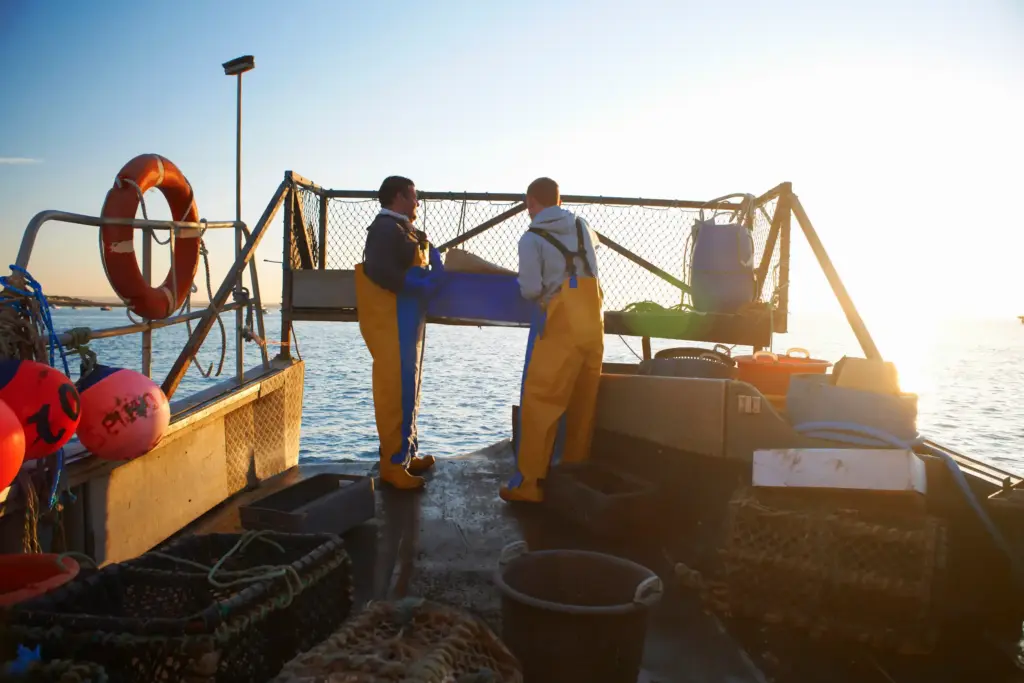
Many conservation leaders began as anglers. Fishing introduces people to environmental challenges firsthand, motivating advocacy for habitat protection and responsible policies. Anglers often support conservation organizations and participate in research and restoration projects. This involvement reinforces why fishing is important beyond personal enjoyment.
Conclusion
So, why fishing is important extends far beyond catching fish. Fishing supports food systems, economies, conservation, mental health, education, and community connections. When practiced responsibly, it strengthens ecosystems and promotes environmental stewardship. By understanding its broader impact, fishing can be appreciated as a vital activity that connects people to nature while supporting sustainable waterways for future generations.