
Call Us : 207-994-5109
Mon – Fri: 8 am to 9 pm & Sat – Sun: 10 am to 8 pm
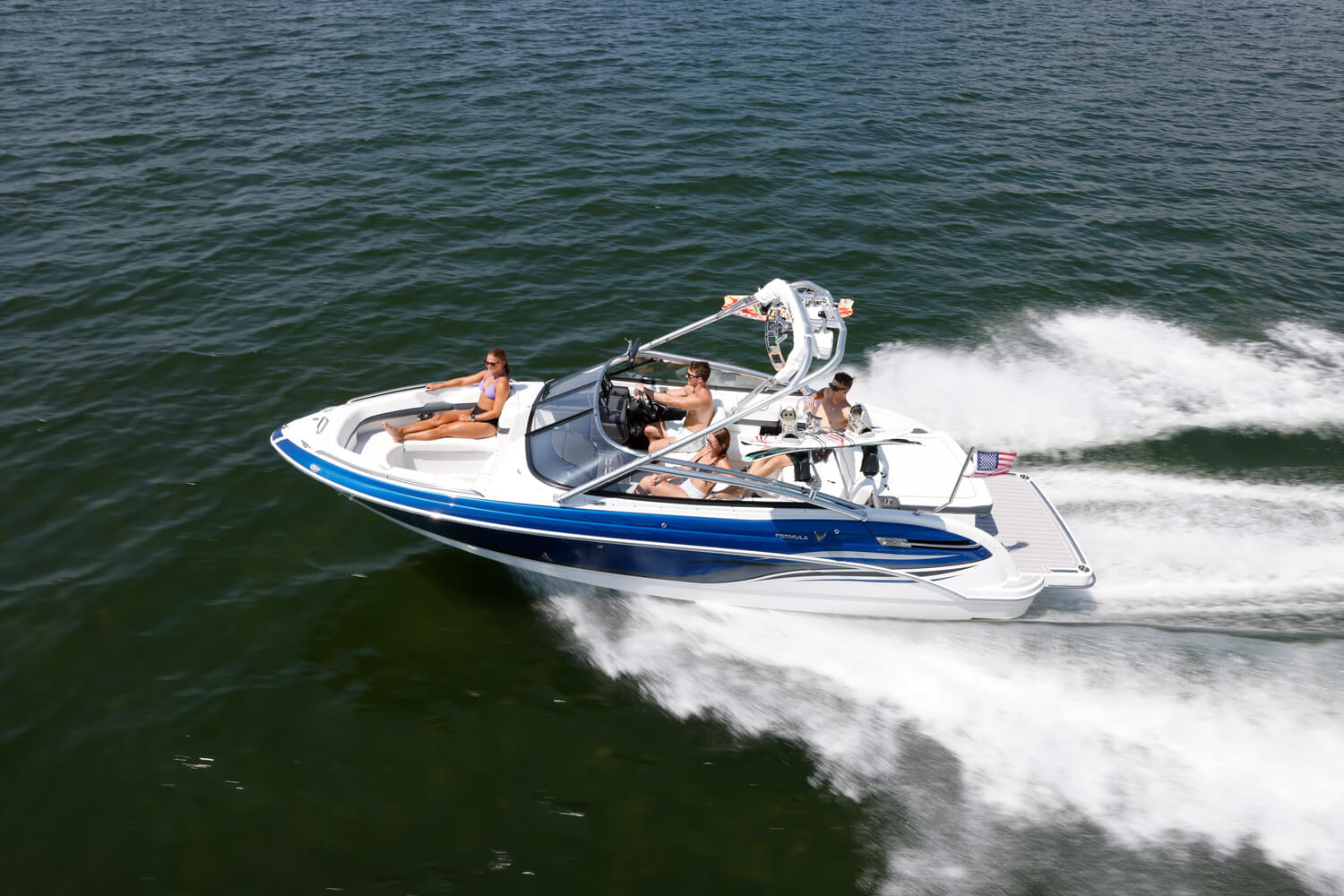
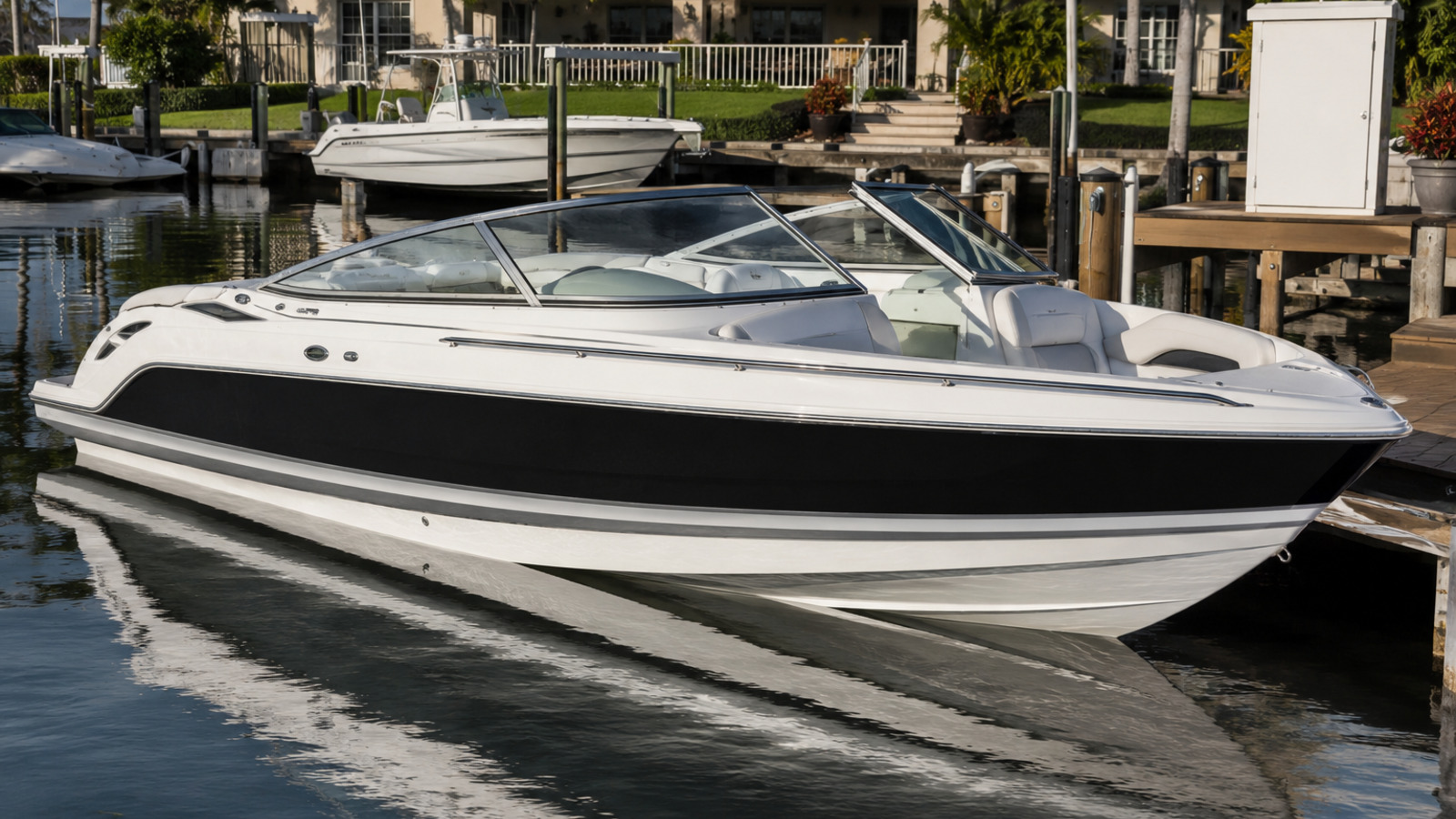
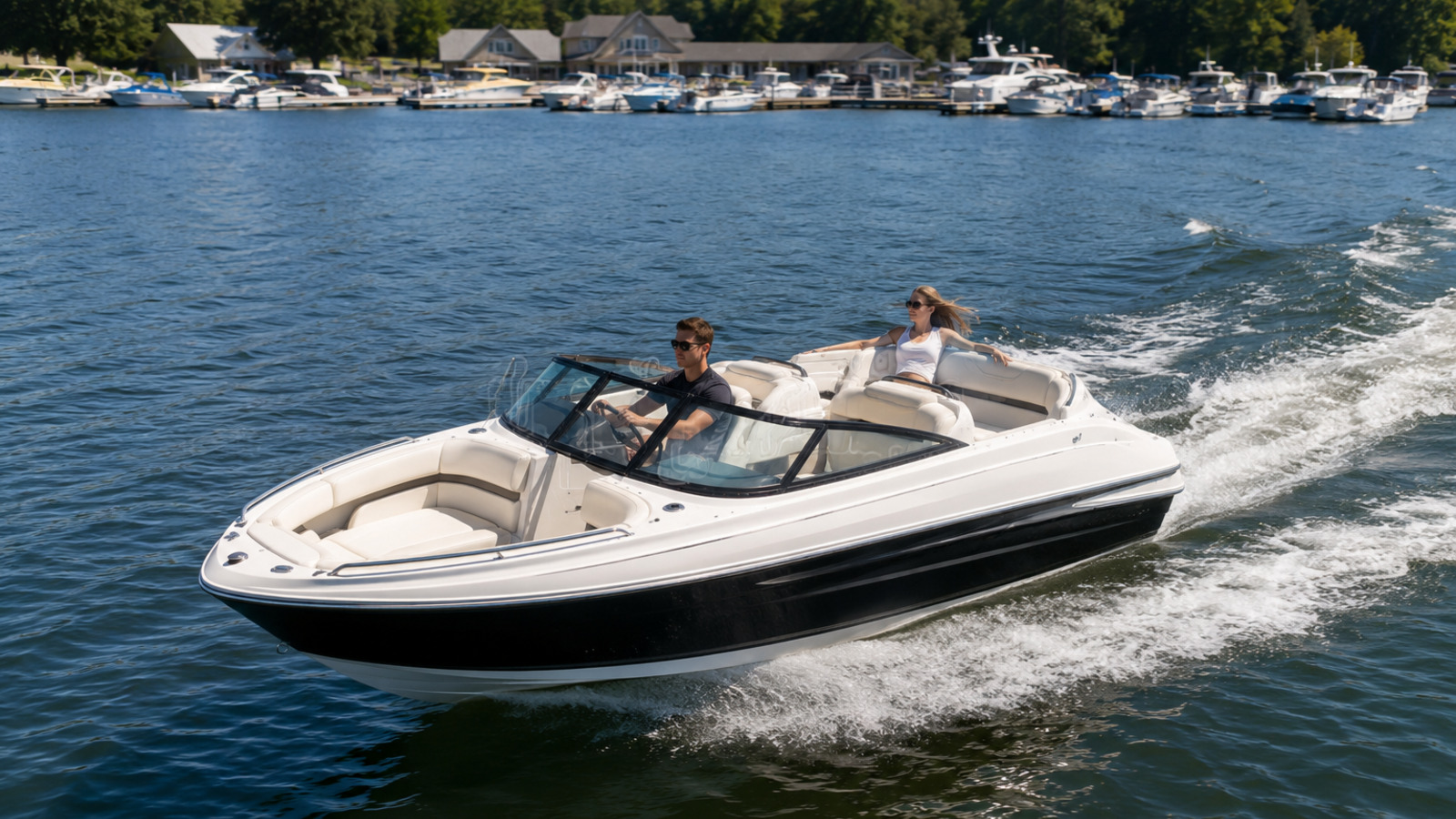
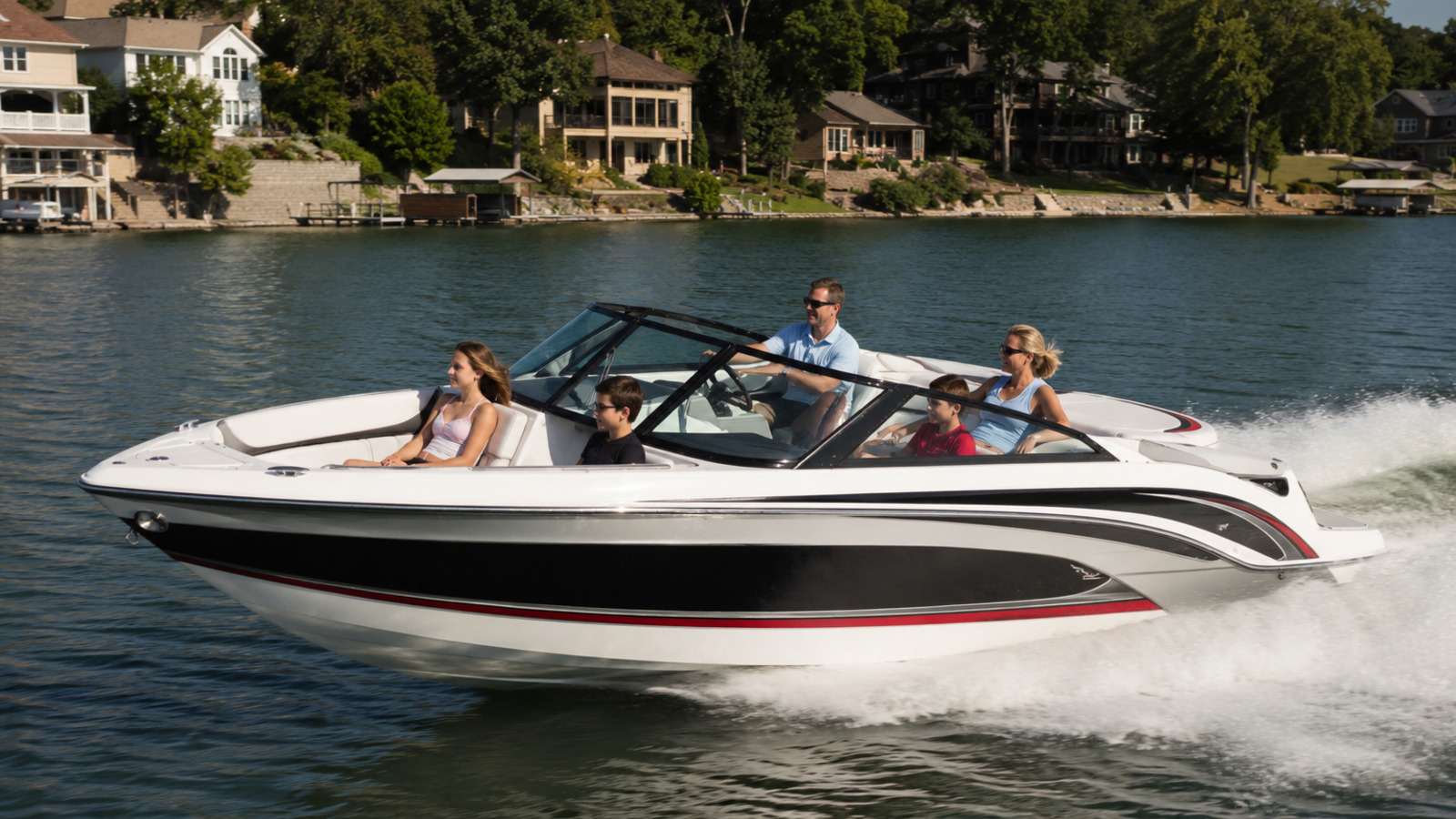
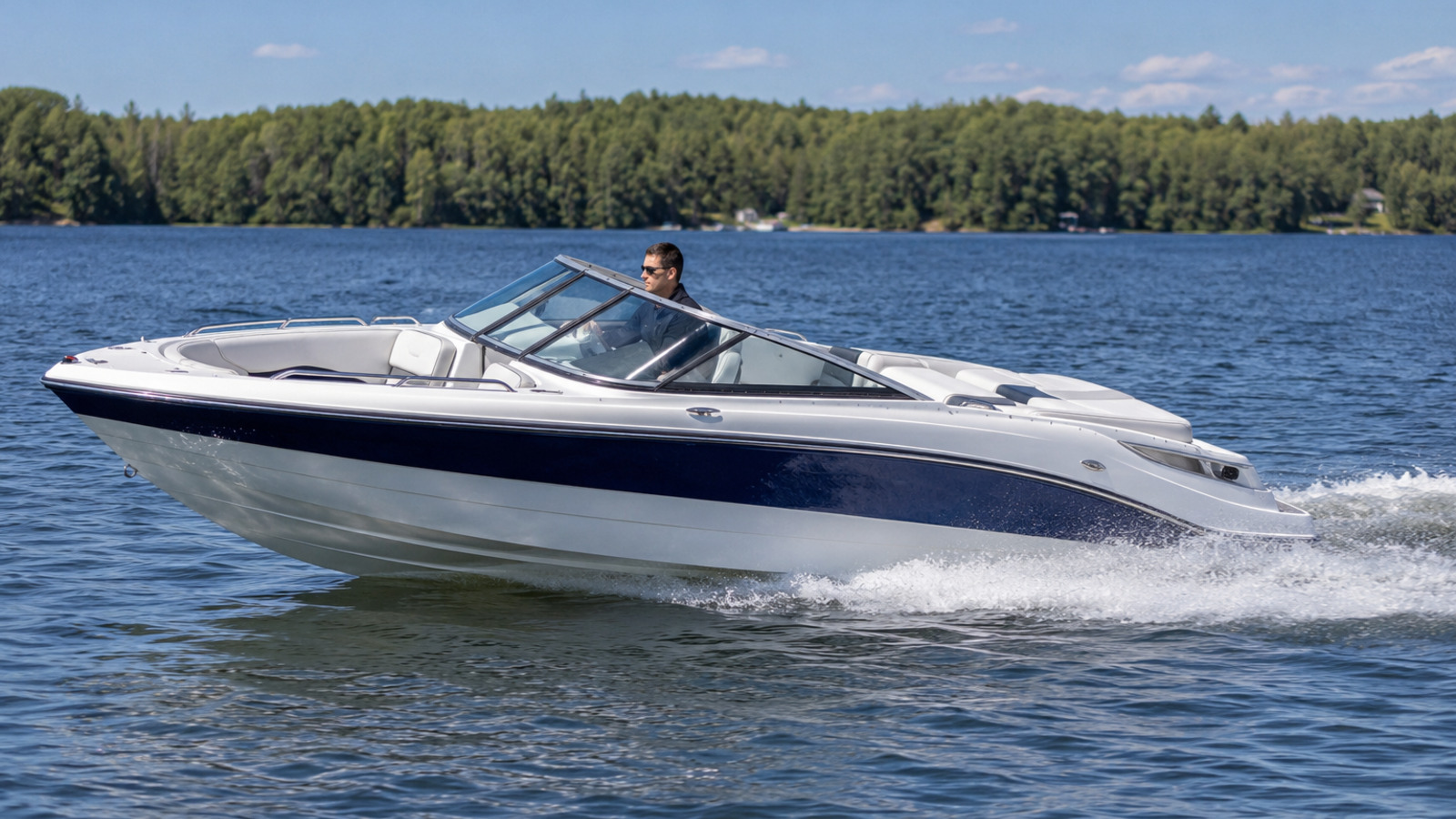
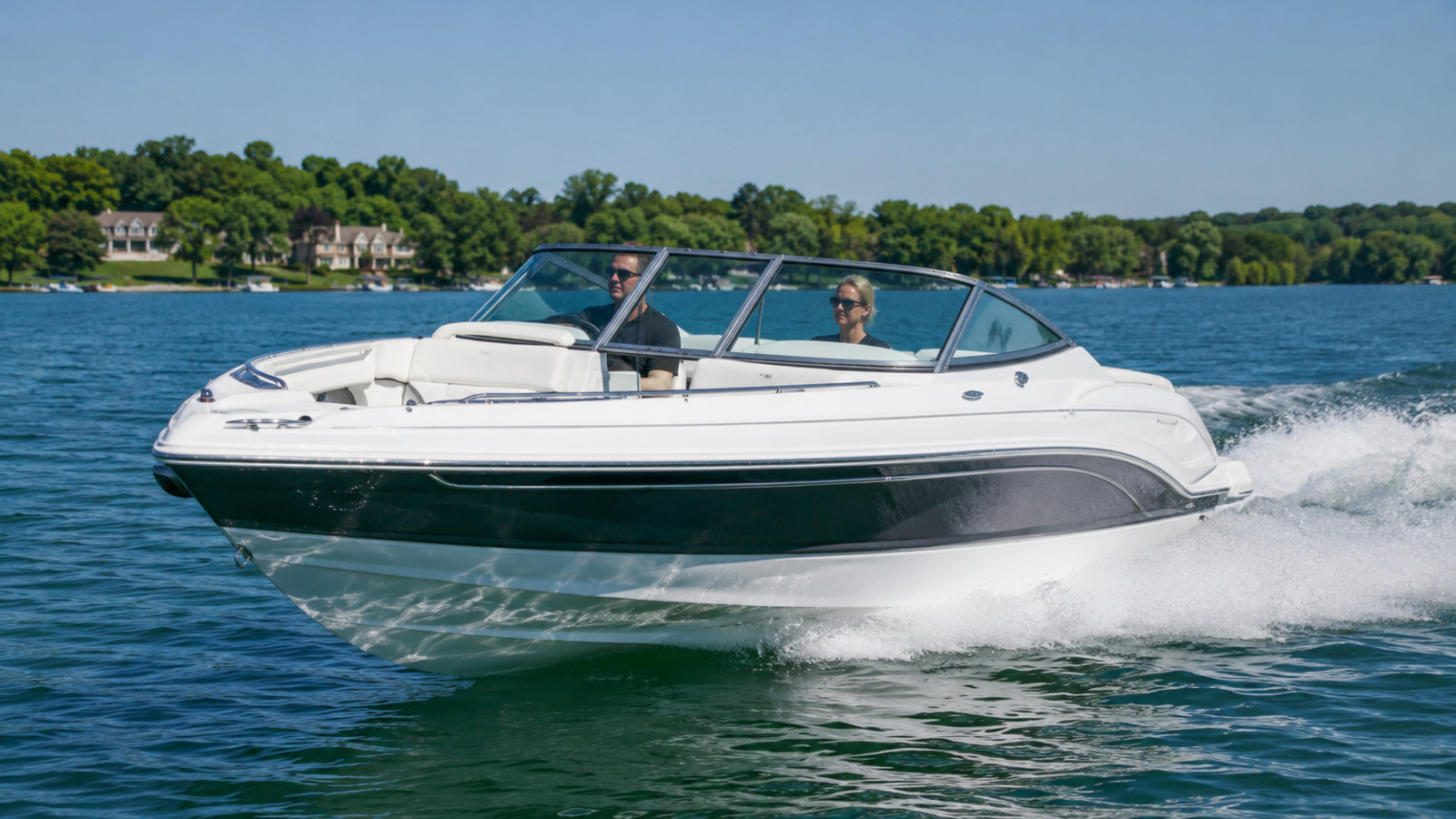
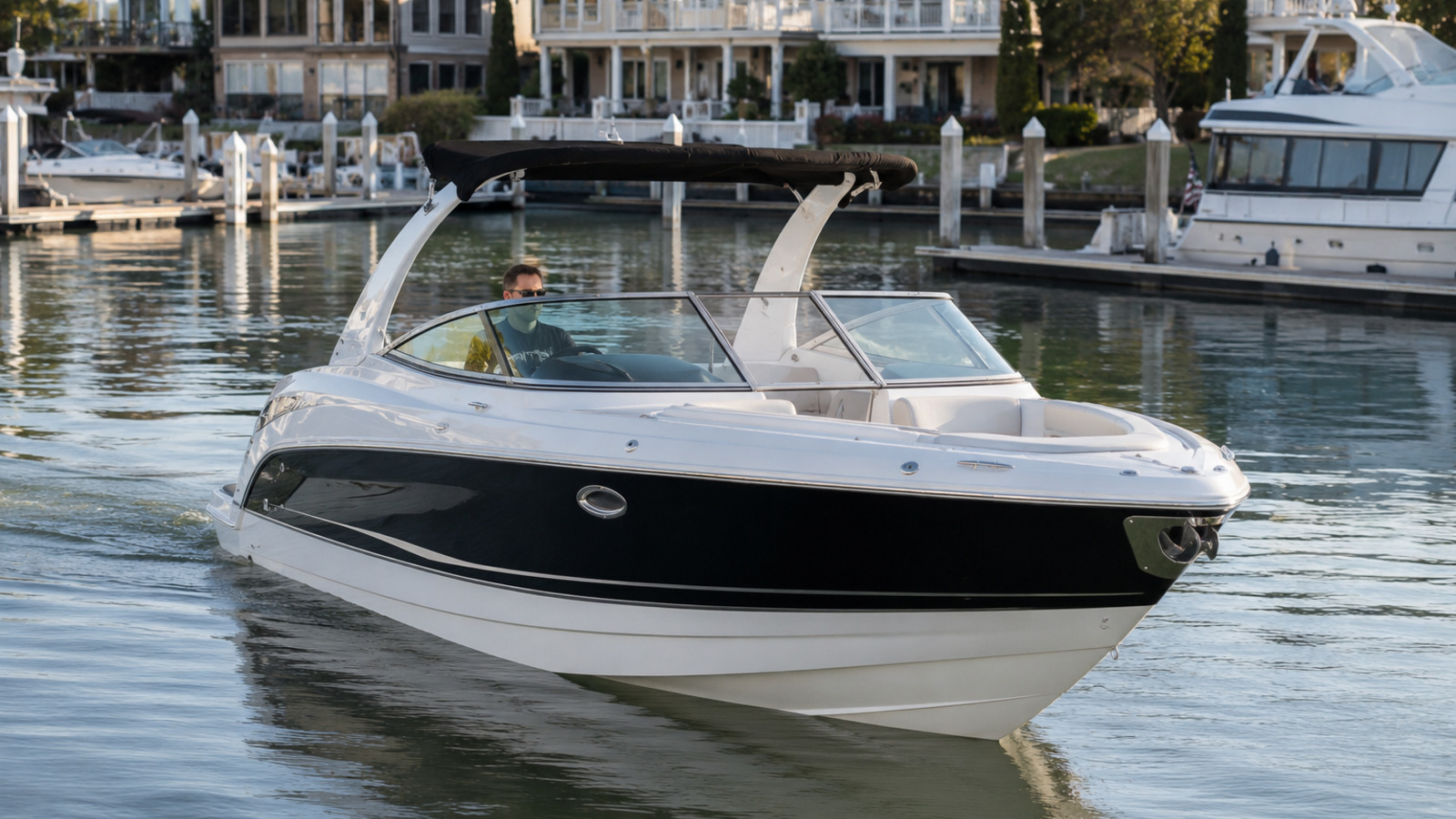
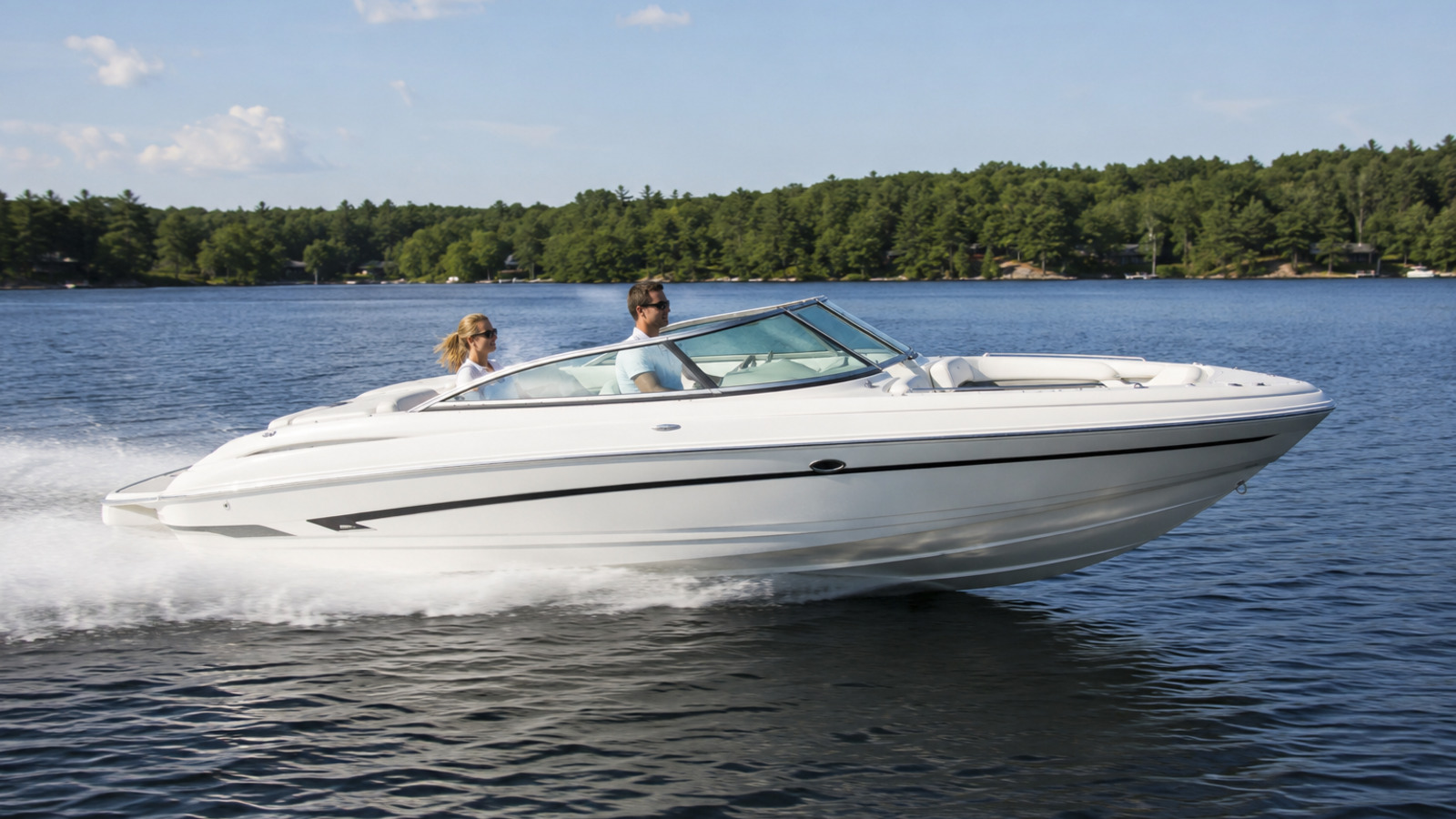
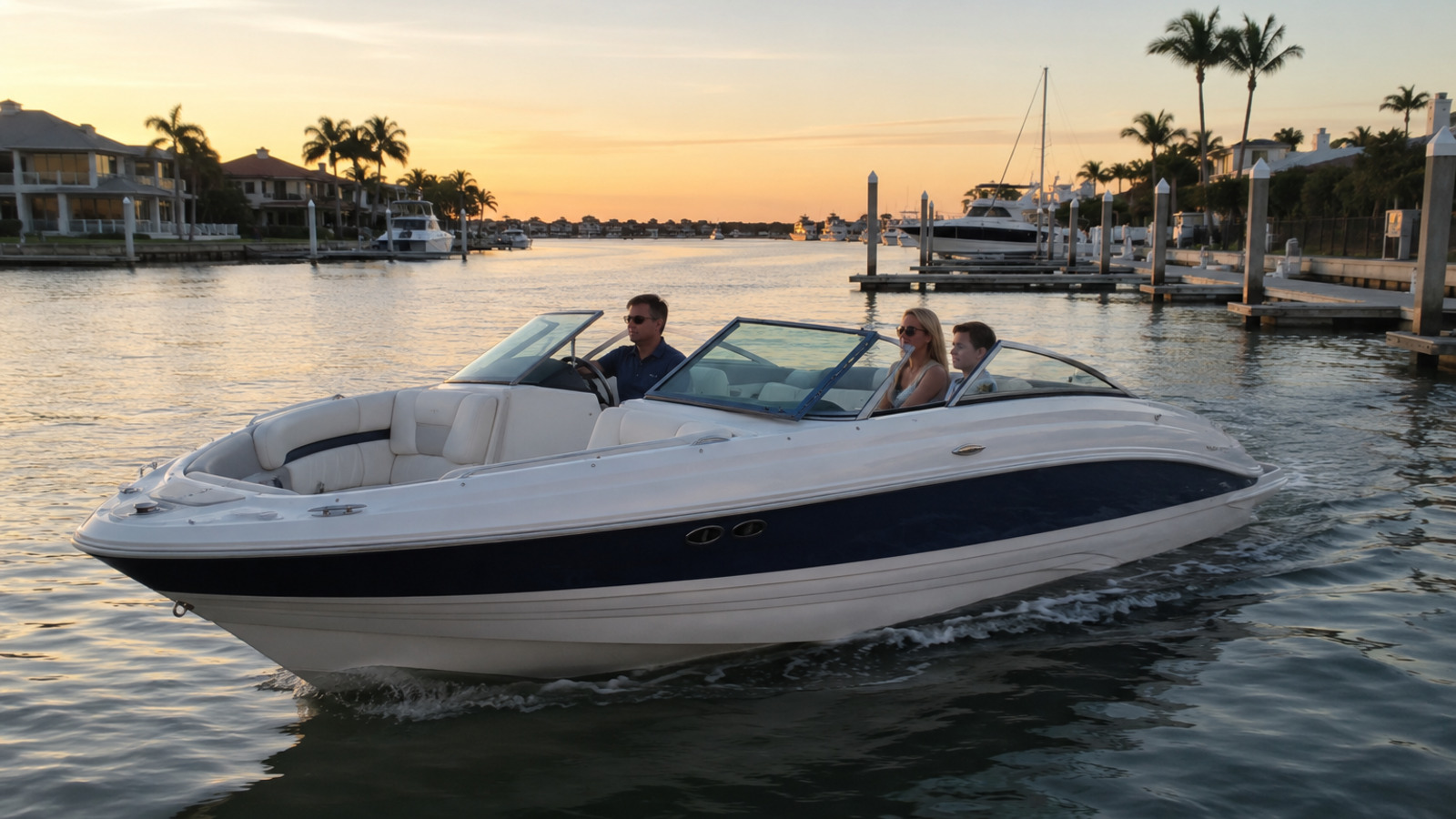
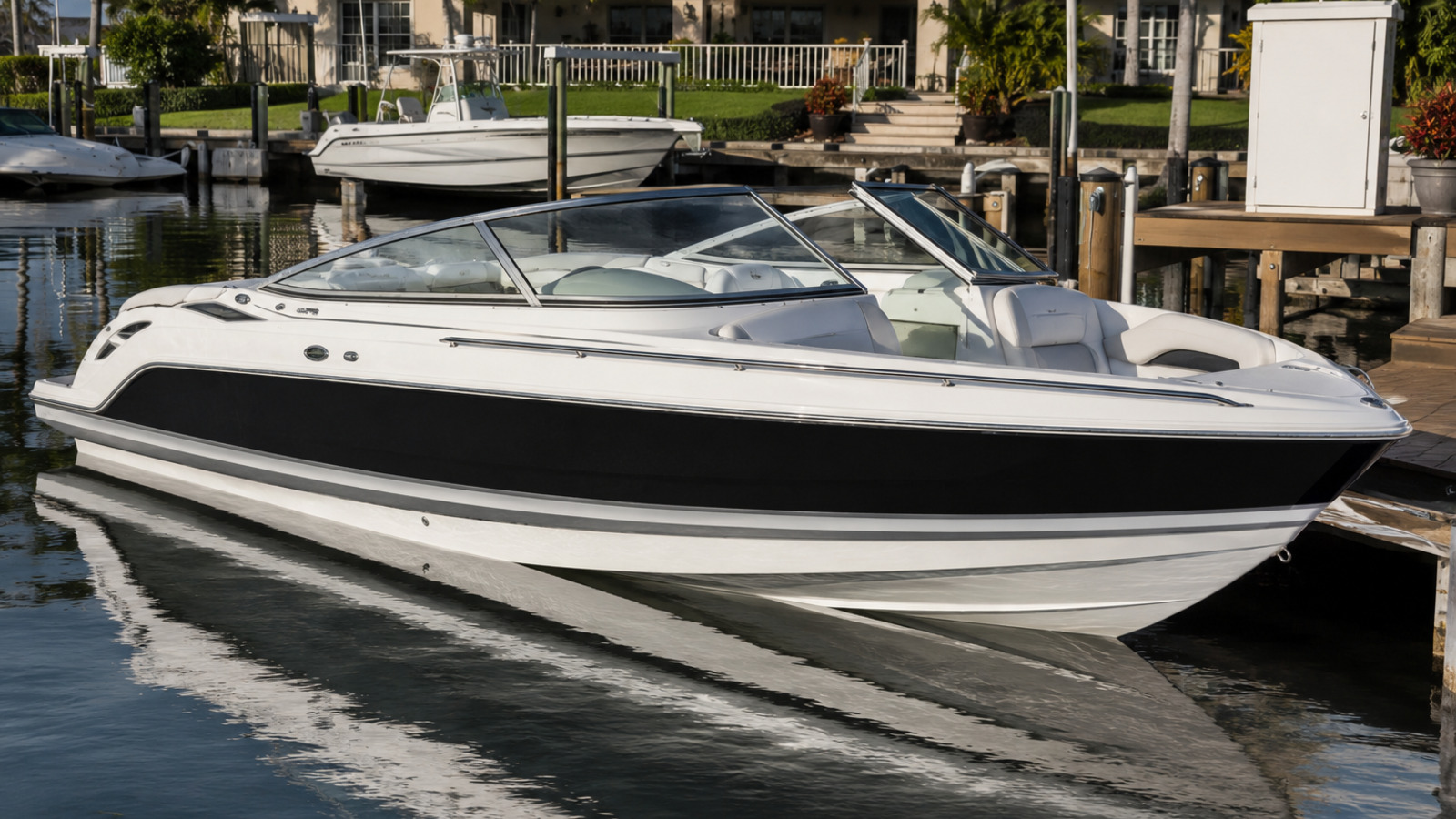
Formula’s 240 Bowrider is the compact premium choice in the line, pairing a 24-foot hull, single sterndrive, full-width swim platform, enclosed head compartment, and manageable 8-foot-6-inch beam.
The 240 Bowrider is the entry point to Formula’s current Bowrider family, but its appeal is not simply a lower price or shorter hull. It is the model for buyers who want the finish, seating, head compartment, and watersports utility associated with a larger premium runabout without surrendering conventional road width or taking on twin engines.
At 24 feet overall with an 8-foot-6-inch beam, the 240 can still fit a trailer-first ownership plan. The hull is not light at 5,150 pounds before fuel, gear, and trailer, so it still needs a serious tow calculation. What it avoids is the nine-foot beam and near-nine-thousand-pound dry scale of the 290.
The 20-degree deadrise also separates the 240 from the larger 270, 290, and 310 Bowriders, which publish 22 degrees. The smaller Formula should feel more immediate and easier to place around docks and ramps, while the larger boats spend more of their design budget on rough-water composure and heavy-dayboat stability.
Formula currently describes the 240 with single sterndrive packages ranging from 250 to 430 horsepower. That wide spread means the same model can feel relaxed or genuinely quick depending on power. A buyer should compare engine condition and intended load before treating the highest horsepower as automatically best.
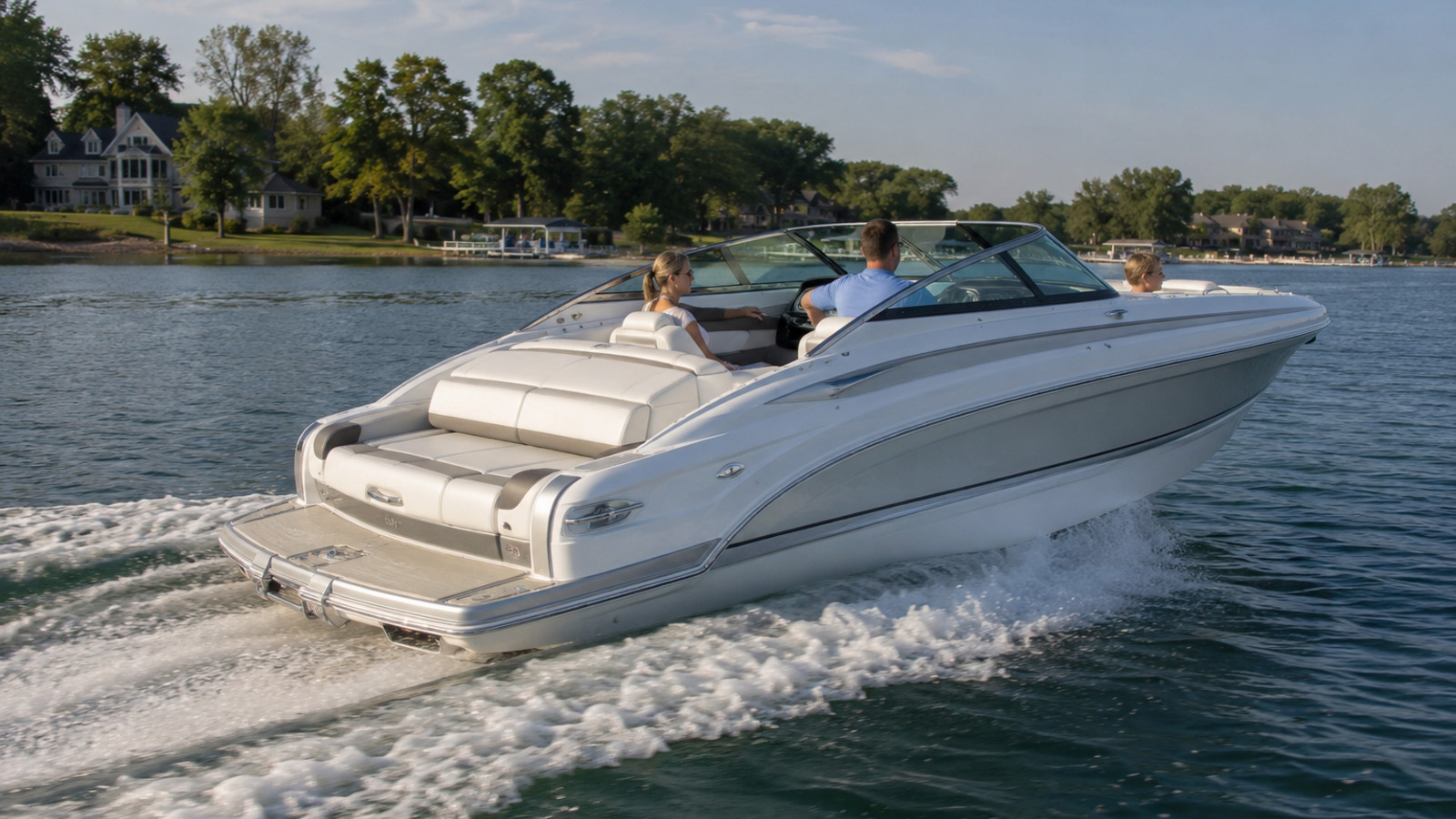
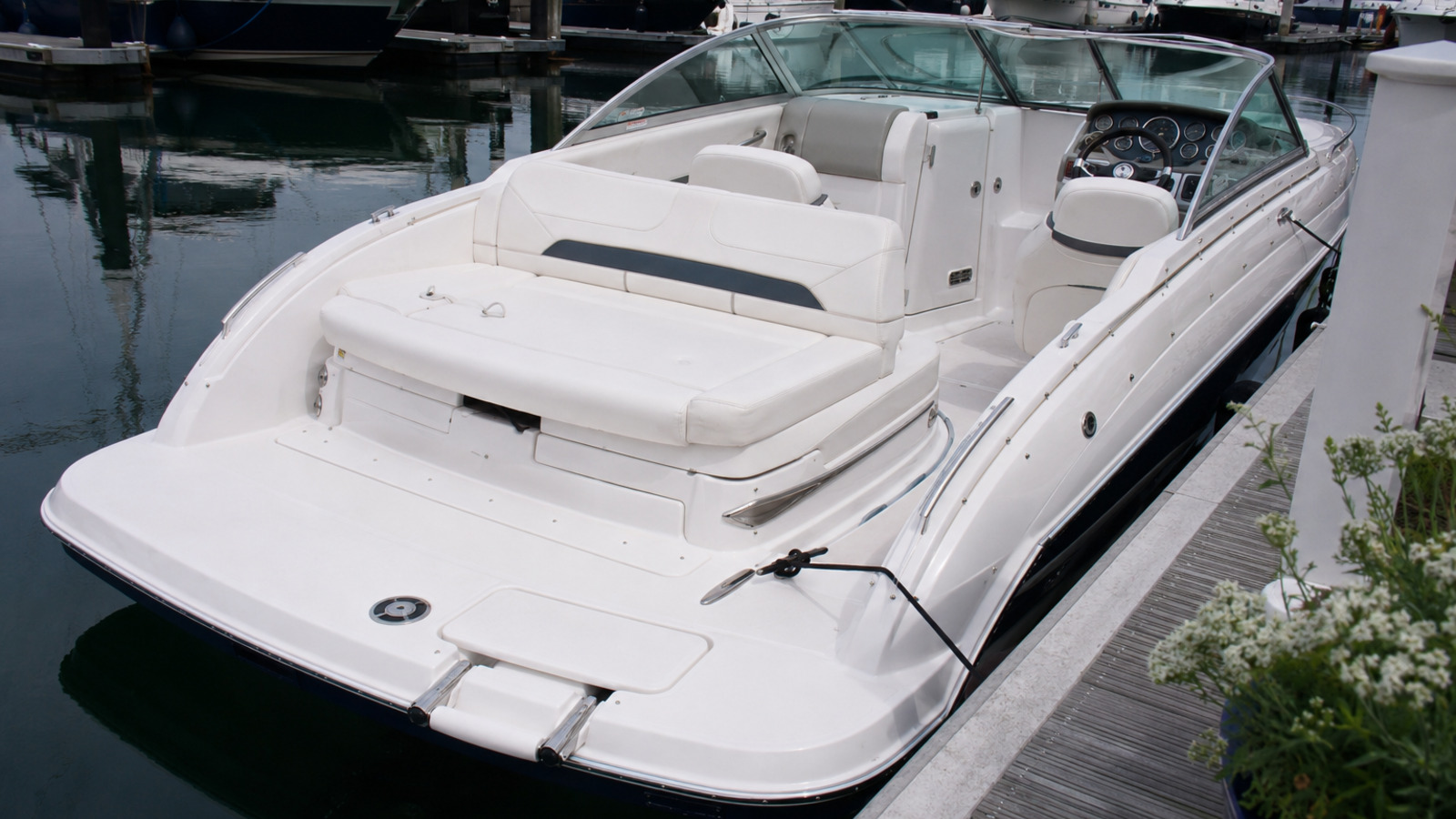
Inside, the 240 still gives the family a double-wide convertible helm seat, modular bow seating, an aft-facing sun lounge, a concealed head compartment, in-floor ski and wakeboard storage, and a real integrated swim platform. Those features make it more than a basic 24-foot bowrider.
The 240 is strongest for a household that boats locally, swims often, tows riders, and wants to keep storage reasonably simple. A buyer who routinely carries a large adult group or spends long days far from fuel should look hard at the 270 instead.

Published factory figures. Confirm every dimension against the individual boat before you commit.

Certification: NMMA/CE certification shown in Formula factory specifications
The 240’s dimensions are one of its biggest selling points. An 8-foot-6-inch beam stays within the conventional road-width limit used in many states, so most buyers can focus on tow rating, trailer length, and height instead of oversize permits.
The 25-foot-4-inch length with the extended swim platform matters in a garage or rack building. A 24-foot model name can create false confidence if the owner measures only the fiberglass bow-to-transom dimension and forgets the platform, drive, and trailer tongue.
At 5,150 pounds before a trailer, the 240 is compact but not lightweight. Fifty-five gallons of gasoline can add roughly 330 pounds when full. Batteries, anchors, covers, boards, lines, coolers, and optional equipment push the complete rig higher still.
Formula publishes a 20-degree deadrise for the 240. That is shallower than the 22-degree hulls on the larger Bowriders and fits the model’s role as a responsive premium runabout that may spend more time on inland lakes, ramps, and family cruising routes.
Inspect the keel, strakes, chines, transom corners, swim-platform joints, and rubrail in bright light. A 240 that has spent years on a trailer can show bunk wear or gelcoat stress that is easy to miss when the boat is sitting low in the water.
The sterndrive transom deserves its own examination. Look around the drive cutout, trim hardware, exhaust area, and any transom-mounted accessories for sealant failure, cracking, corrosion staining, or signs of a past impact.
Formula factory specifications lists bonded and thru-bolted deck-to-hull construction, a structural hull matrix, foam-filled cavities, and stainless hardware. Those construction details are reassuring, but they do not replace a survey or mechanical inspection when a used boat has an uncertain history.
A 240 that lives on a lift should be supported around the actual running surface and drive clearance. A lift sized only from the published dry number can be marginal once fuel and family gear remain aboard.
Current Formula model-page power range: 250-430 HP
The 240 is mechanically simple by Formula Bowrider standards because it uses one sterndrive rather than twins. One engine means one drive, one propeller set, one cooling system, and one service history to understand before purchase.
Formula’s current model copy describes power from 250 to 430 horsepower and references Volvo, Ilmor, and Mercury MerCruiser packages across recent material. On a used 240, the exact model year matters because engine availability has changed over time.
The engine sits under the aft deck, which is why the 240 can provide such a clean integrated swim platform. That packaging also means the buyer inherits an engine compartment, bilge blower, transom assembly, drive bellows or sealing hardware, gimbal-area components, and drive-specific winterization.
Open the hatch before startup. The bilge should be dry, the blower should run strongly, and the compartment should not smell of raw fuel. Service points should be reachable without aftermarket amplifiers, wiring, or storage items blocking access.
Inspect the sterndrive closely. A damaged skeg, bent propeller, gear-oil leak, corrosion, worn trim rams, or neglected rubber components can turn an attractive 240 into an expensive first season.
Cold-start behavior matters more than a warm dealer demonstration. Listen for abnormal valvetrain or exhaust noise, watch charging voltage and temperature, then shift into forward and reverse several times before leaving the dock.
Underway, the engine should pull the 240 onto plane without hesitation. A high-horsepower package that cannot reach its expected rpm range may have propeller, tune, drive, or load issues that need diagnosis rather than a larger throttle opening.
The right 240 engine is not necessarily 430 horsepower. A family running short inland trips may prefer a lower-output package with lower fuel and insurance cost. A heavily loaded watersports household may value the extra reserve of a larger V8.
The 240 carries almost half the fuel of the 270, and that is part of the model’s logic. Fifty-five gallons supports local day boating without forcing the owner to tow or lift the weight of a 100-plus-gallon fuel system every weekend.
For a family running short lake sessions, that smaller tank can be an advantage. The boat is easier to fill, fuel does not sit as long between outings, and a full tank does not erase as much of the 240’s weight advantage.
Long-range users should make the opposite calculation. If the normal day includes long high-speed runs, multiple watersports sessions, and no convenient marina fuel, the 270’s 101-gallon tank may be worth its larger hull and trailer burden.
Do not estimate range from gallons alone. A 250-horsepower 240 and a 430-horsepower 240 can have very different cruise fuel flows, especially once a full family and watersports gear are aboard.
Use the actual engine display or a measured refueling log to find the speed where the boat feels relaxed and efficient. Keep a reserve for wind, detours, towing a rider, or the extra burn that comes from repeated acceleration.
The optional freshwater and holding systems deserve inspection on boats equipped with them. Run the sink or transom shower, check the head, look for pump cycling, and inspect storage compartments for hidden leaks.
Fuel odor inside the cockpit or engine compartment needs an explanation. Check the fill, vent, hose clamps, sender, and tank-access points before assuming the smell is normal for a sterndrive boat.
The 240’s operating budget should be built around how often the engine is run hard. Tubing, wakeboarding, and repeated planing cycles can consume more fuel than a steady afternoon cruise even when the total miles are lower.
A healthy 240 should feel like the nimble member of the Formula Bowrider line. The 20-degree hull, 24-foot length, and single-engine layout give the driver less mass and beam to manage than the 290 or 310.
The first performance test is loaded planing. Bring several adults if possible, trim the drive fully down, and accelerate normally. The bow should rise predictably and settle without the driver needing passengers to move forward just to get the boat over the hump.
At cruising speed, the 240 should track cleanly and respond promptly to small steering corrections. If the wheel requires constant pressure in one direction, inspect trim, propeller condition, drive alignment, and steering hardware.
Cross ordinary wakes rather than searching only for flat water. The 20-degree deadrise will not disguise rough water like a much heavier offshore boat, but the hull should feel solid without excessive windshield shake or interior rattles.
Trim the drive gradually once on plane. The boat should free up and gain speed without porpoising. If the bow starts cycling up and down with very little trim, check load placement and make sure the hull and propeller are correctly set up.
Bennett trim tabs appear in Formula factory specifications and should be operated individually. They are useful for correcting passenger imbalance, but a 240 that requires heavy tab all the time may be masking a setup problem.
For watersports, test the boat at rider speeds. The driver should be able to hold a steady pace, watch the skier or boarder, and bring the boat back to the platform without awkward low-speed behavior.
A 240 that feels easy at idle and composed at cruise is doing its job. Buyers who want the heavier, deeper-V ride of a larger Bowrider should move up rather than trying to make the 240 behave like a 29-foot boat.
The 240 earns its premium reputation through convertible space rather than sheer square footage. Formula’s current and linked material highlights a double-wide convertible helm seat, modular bow seating, an aft-facing sun lounge, and dedicated ski and wakeboard storage.
The helm seat deserves a real test. Sit in the normal driving position, use the articulating bottom, then reverse the backrest for conversation at anchor. The mechanism should feel substantial enough to survive years of repeated movement.
The bow is not just two fixed benches. Removable seat bottoms and available filler pieces let the area change between forward seating, lounging, and a larger sunpad arrangement. Make sure all cushions are present on a used boat because replacement Formula upholstery can be costly.
The aft-facing lounge is a major part of the 240’s anchor-day appeal. Its dual-position backrest should lock firmly and still leave access to the trunk storage below.
Storage needs to be tested with the family’s actual gear. The in-floor ski and wakeboard compartment is useful for long items, while under-seat and transom storage keeps jackets and dock equipment out of the walking path.
Use the head compartment with the door closed. The 240 has a concealed molded compartment with a portable head as standard in the linked sheet, and optional porcelain or water-system upgrades may appear on used examples.
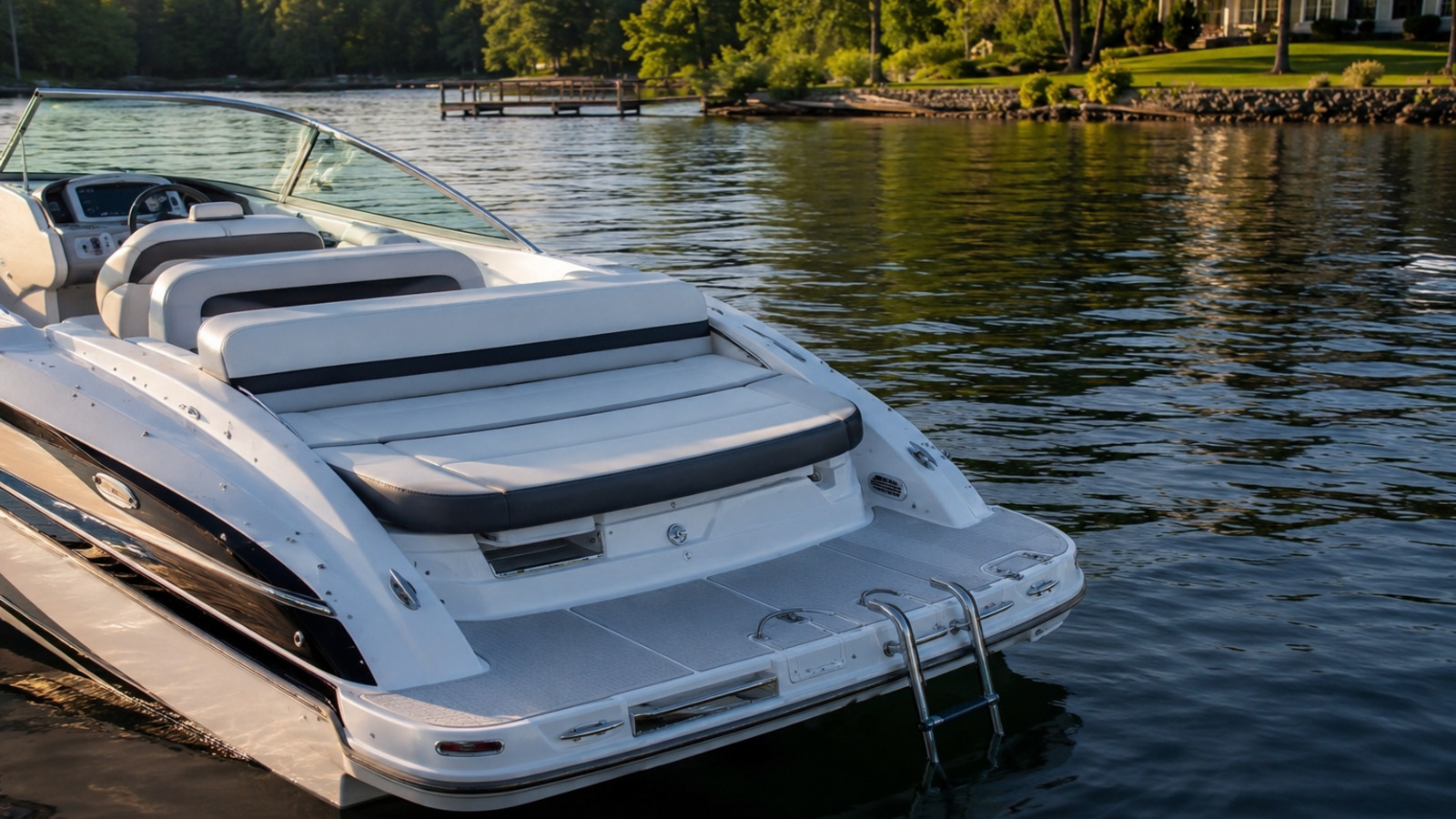
The integrated swim platform is where the single sterndrive pays the family back. The engine remains under the deck, leaving the center of the platform open for swimming, rider setup, and boarding through the concealed ladder.
Optional wet-bar, arch, Sport Tower, or wakeboard equipment should be valued only after the basic layout works. A heavily optioned 240 is still the wrong boat if the family’s normal crew already feels crowded.
Formula gives the 240 an articulating double-width helm seat that can support driving, elevated visibility, and aft-facing social use.
The single sterndrive stays below the aft deck, leaving a broad platform with a concealed stainless ladder and boarding rail.
The rear lounge uses a dual-position backrest and integrates trunk storage beneath it for fenders and day gear.
Removable seat bottoms and available filler cushions let the forward cockpit switch between riding and lounging configurations.
Long watersports equipment can be kept below the walkway rather than stacked across seats.
A molded compartment with a locking door and portable head gives the 240 genuine all-day family utility.
Formula offered a compact wet bar with sink and Corian-style work surface for buyers who use the 240 as a social day boat.
Available overhead hardware can add tow height, board storage, lighting, speakers, and shade while changing stored height substantially.
The 240 has a useful middle ground between a simple runabout and a systems-heavy day yacht. A good used example should be easy to understand electrically and mechanically even when it carries premium options.
Formula’s linked equipment sheet shows a motorized engine hatch, automatic bilge pump, bilge blower, battery switch, trim tabs, digital instrumentation, USB charging, stereo amplification, and courtesy lighting. Each item should be tested rather than assumed to work because the dash powers up.
The engine hatch is especially important because it is the gateway to daily checks. Run it several times and verify the mechanism does not bind, drift down, or leave the owner unable to reach the engine with a weak battery.
The bilge blower should be treated as safety equipment. Confirm airflow before every cold start during the inspection. A weak or noisy blower is a small repair, but ignoring it says something about how the boat has been maintained.
Battery voltage should remain stable with the stereo, lights, and accessories operating. A premium audio package can hide weak batteries during a short test if the engine is running the entire time.
On boats with optional freshwater, cycle the pump until it reaches pressure, then wait. Repeated pump cycling with every faucet closed can indicate a leak somewhere in the system.
Tower and arch wiring often carries speakers and lighting through moving hardware. Look for chafe, stretched connectors, and water intrusion where wiring enters the deck.
After the sea trial, reopen the engine room. Heat can reveal coolant, fuel, exhaust, charging, or bilge issues that were invisible when the 240 was cold.
Bridge Clearance: 4 ft 8 in basic; 7 ft 8 in with Sport Arch; 8 ft 3 in with Samson Sports Razor tower
The 240 is the most storage-friendly Formula Bowrider in this set, but it still needs accurate measurements. The extended platform, sterndrive, and trailer tongue push the complete rig well beyond 24 feet.
A buyer hoping to use a residential garage should measure door height, inside length, turning space, and the tower or arch in its actual folded position. A brochure clearance figure cannot account for aftermarket speakers or antennas.
Loaded tow weight should be calculated from the trailer scale whenever possible. The boat’s 5,150-pound published weight can gain fuel, batteries, gear, covers, anchors, and options before the trailer itself is added.
The tow vehicle also needs payload and hitch capacity, not just a headline tow rating. Tongue weight, family passengers, coolers, and luggage all consume vehicle payload at the same time.
Trailer condition is part of the purchase. Inspect tire date codes, brakes, bearings, bunks, winch strap, coupler, safety chains, lights, and frame corrosion separately from the boat.
A lift should be sized with the full operating load in mind. The bunks need to support the Formula hull without pressing on strakes, trim tabs, or the sterndrive.
Marina storage can still make sense for a 240 when frequent use matters more than trailer savings. Compare the cost of a slip or lift with the time and fuel involved in launching every weekend.
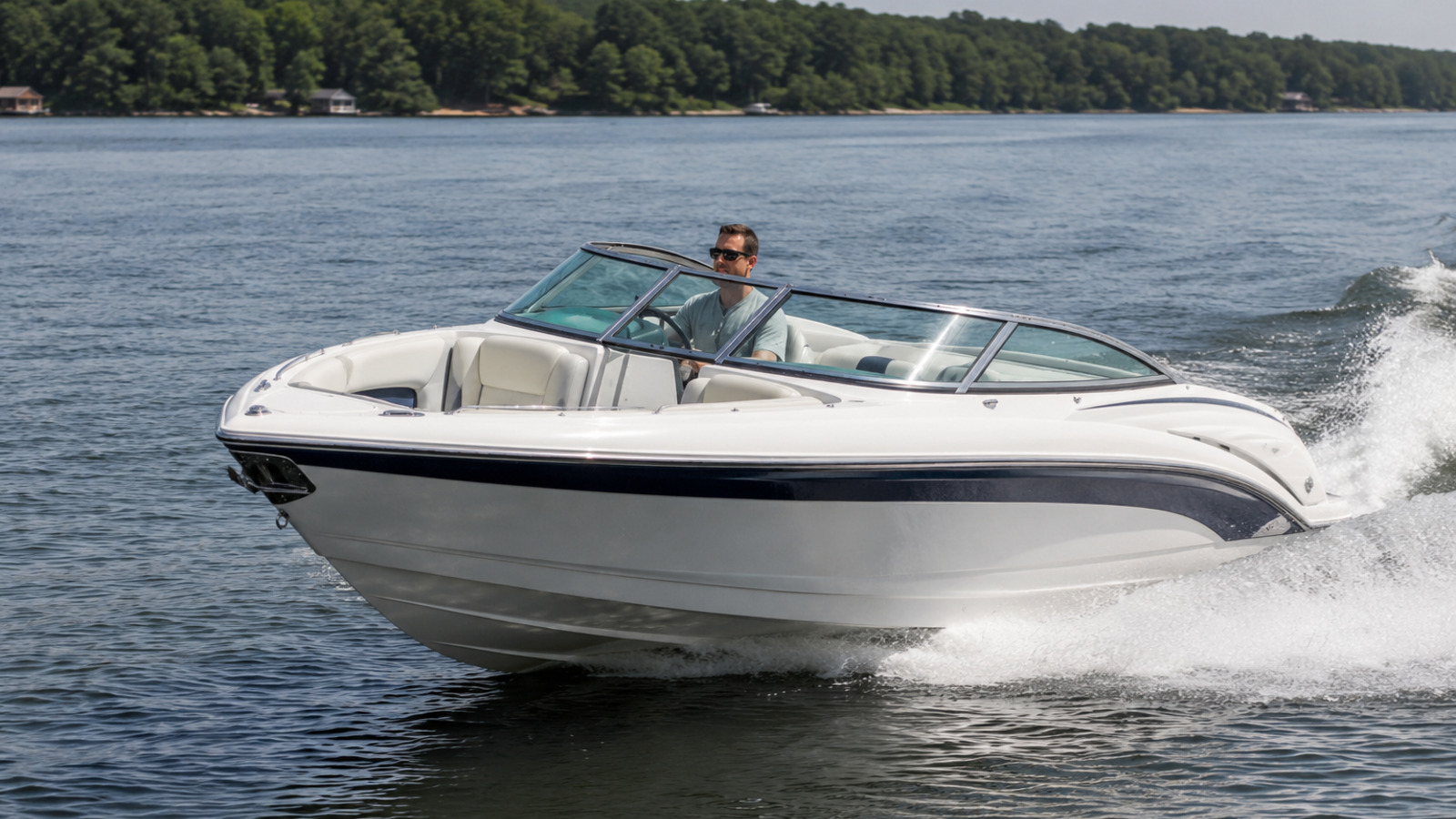
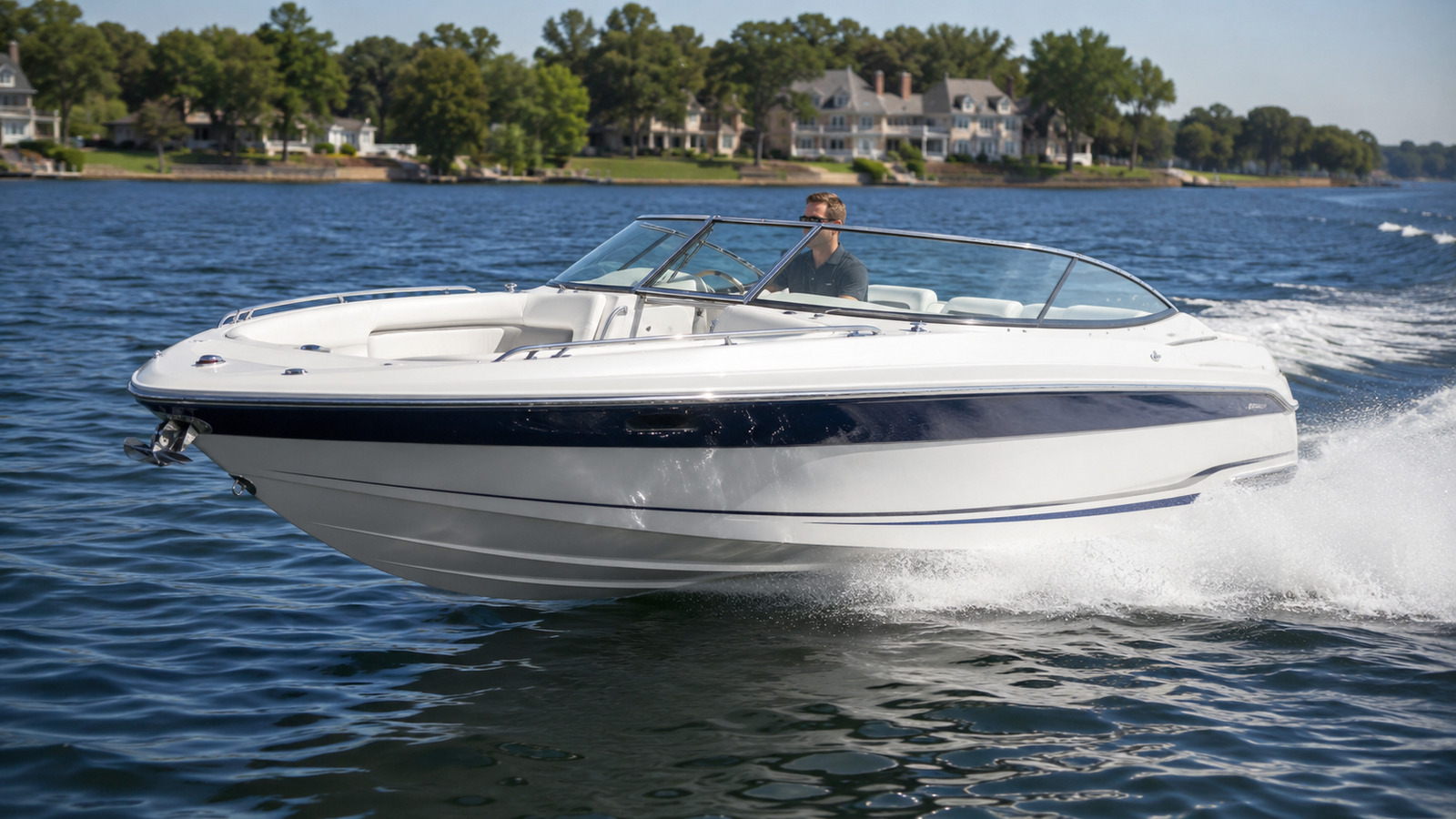
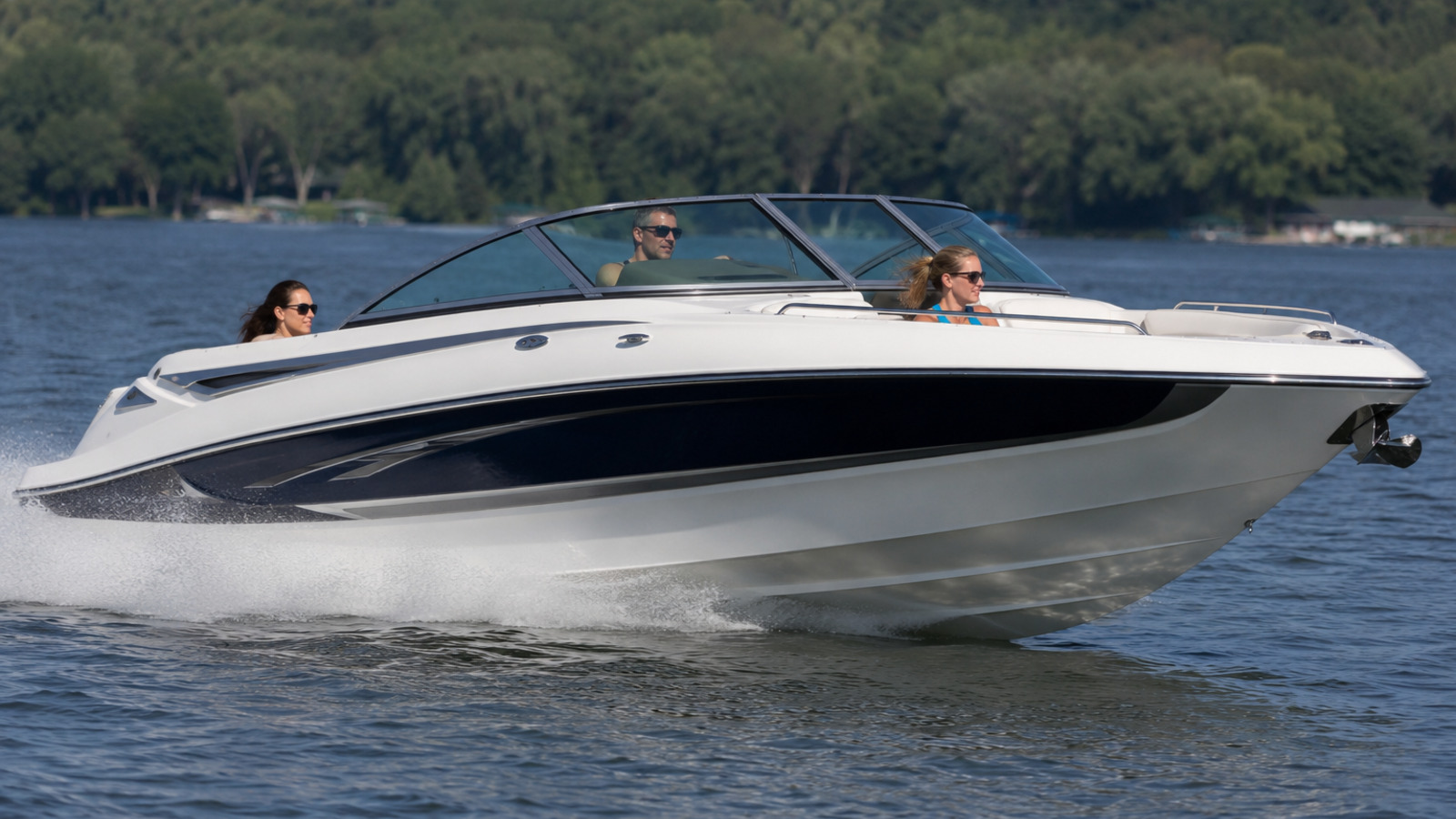
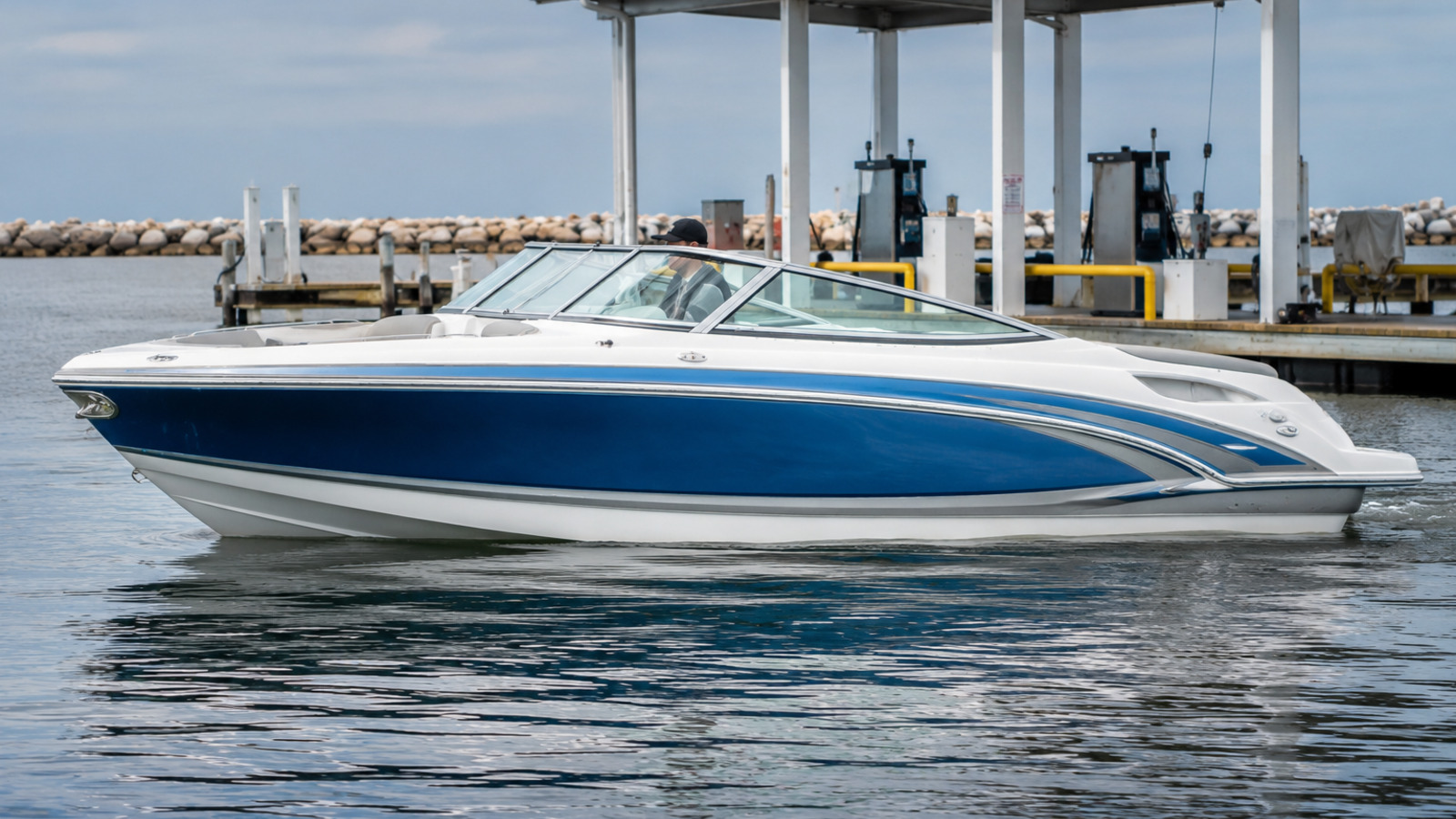
Engine package comes first. A 250-horsepower boat should not be compared dollar-for-dollar with a 430-horsepower example without adjusting for engine age, hours, drive condition, and service history.
A Sport Arch, Samson wakeboard tower, extended watersports platform, wet bar, head upgrades, premium audio, and electronics can all add desirability. Their original retail cost is less important than whether the equipment still works and fits the next owner’s use.
Trailer value is unusually important on this model because 240 buyers are more likely to tow than 290 or 310 buyers. A neglected trailer can erase the price advantage of a cheaper boat immediately.
FormulaFlex colors and graphics can help resale when they remain clean and broadly appealing. They should not outweigh mechanical condition or complete service records.
The head compartment deserves a value adjustment too. A simple portable-head boat is different from an example with demand water and a porcelain system, especially if the plumbing has been maintained correctly.
A strong used 240 is one with a dry bilge, clean sterndrive, intact seating mechanisms, complete cushions, healthy trailer, and documentation that explains its engine life.
Illustration only and not an offer of credit.
Keep enough room beside the payment for sterndrive service, trailer maintenance, insurance, fuel, winterization, storage, and any head or water systems on the exact 240.
Illustration only and not an offer of credit. Your actual rate and term depend on credit profile, vessel age, loan amount and ownership structure.
The 240 wins when compact ownership matters. It is three feet shorter at the hull, roughly 1,375 pounds lighter in published weight, and carries 46 fewer gallons of fuel than the 270.
The 270 wins when the household needs more adult space and longer-range capability. Its 22-degree hull also gives it a more substantial rough-water personality than the 240’s 20-degree bottom.
Both stay at an 8-foot-6-inch beam, so road width alone does not force the decision. Loaded tow weight, storage length, engine power, and how often the extra 270 space will be used are better filters.
A family that fits comfortably in the 240 should not move up just because a 270 payment is possible. The smaller boat is easier to store, fill with fuel, launch, and maintain.
A family that constantly fills every 240 seat or runs long distances should not try to save money by staying small. The 270 is the more honest choice when the extra size solves a weekly problem.
Start with the model year and hull identification number. Formula has offered different engines, graphics, electronics, and options over the 240’s long production life.
Confirm the exact engine and drive. Record hours, serial numbers, recent service, propeller specification, and any major cooling or transom-drive work.
Inspect the engine compartment cold. Check the blower, bilge, battery installation, fire extinguisher system where fitted, and motorized hatch before the seller starts the engine.
Look closely at the sterndrive. Bellows, gimbal hardware, trim rams, skeg, propeller, drive housing, and corrosion history deserve priority over upholstery color.
Walk the hull from bow to stern. Trailer rash, repaired gelcoat, stress around tower mounts, and impact at the platform or transom can explain why one 240 is priced below another.
Test every seating conversion and verify all filler cushions are present. Formula-specific upholstery and hardware can be expensive to reproduce after purchase.
Operate the head and optional water system. A clean compartment with working pumps is more valuable than a boat where plumbing has been disconnected to hide a leak.
Sea-trial with a realistic crew. The 240 should plane promptly, steer cleanly, hold temperature, shift without drama, and run at normal cruise without vibration.
Inspect the trailer as aggressively as the boat. Tire age, brakes, bearings, bunks, coupler, frame, and winch determine whether the 240 can actually be used the weekend after closing.
Measure the complete rig at home before signing. A 24-foot hull with a 25-foot-4-inch extended platform and a trailer tongue can surprise a buyer who relied on the model name.
Finally, compare one 270 Bowrider. If the larger boat’s 22-degree hull, 101-gallon tank, and extra cockpit room would improve almost every trip, moving up may be smarter than outgrowing the 240 quickly.
Start your application with the actual 240 Bowrider details with model year, sterndrive package, engine hours where available, trailer details, seller type, and asking price.
Yes. Formula currently lists the 240 Bowrider in its core Bowrider lineup alongside the 270, 290, and 310.
Formula publishes 24 feet of hull LOA, 25 feet 4 inches with the extended swim platform, and an 8-foot-6-inch beam.
Formula lists approximate weight at 5,150 pounds before the trailer, full fuel, family gear, and many options are added.
Formula’s current model page describes single-engine packages from 250 to 430 horsepower. Verify the exact model year and engine before applying that range to a used boat.
Published fuel capacity is 55 gallons, the smallest tank among the four current Formula Bowriders in this guide.
It is the most trailer-friendly model in this group because it stays at an 8-foot-6-inch beam and has the lowest published weight, but the complete rig still requires a properly rated tow vehicle.
Sterndrive and trailer condition are the two biggest ownership checks. Bellows, gimbal hardware, drive oil, cooling, blower operation, brakes, bearings, tires, and bunks should all be verified.
Potentially. Financing can depend on year, value, condition, seller type, purchase amount, and borrower qualifications. Start your application with the actual details for a boat-specific discussion.
Tell us a little bit about yourself and the boat you are looking to finance.

Automated page speed optimizations for fast site performance