
Call Us : 207-994-5109
Mon – Fri: 8 am to 9 pm & Sat – Sun: 10 am to 8 pm
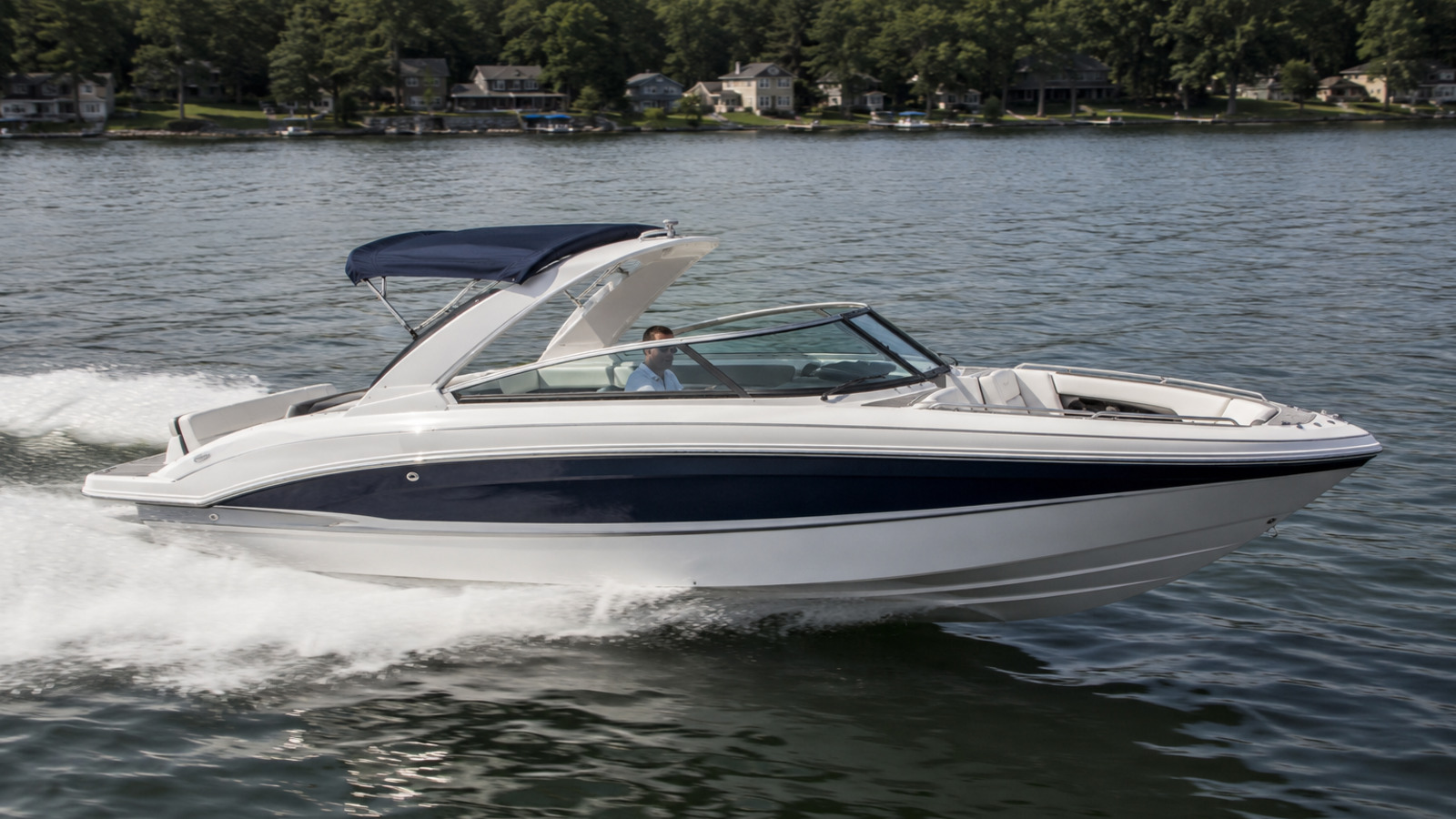
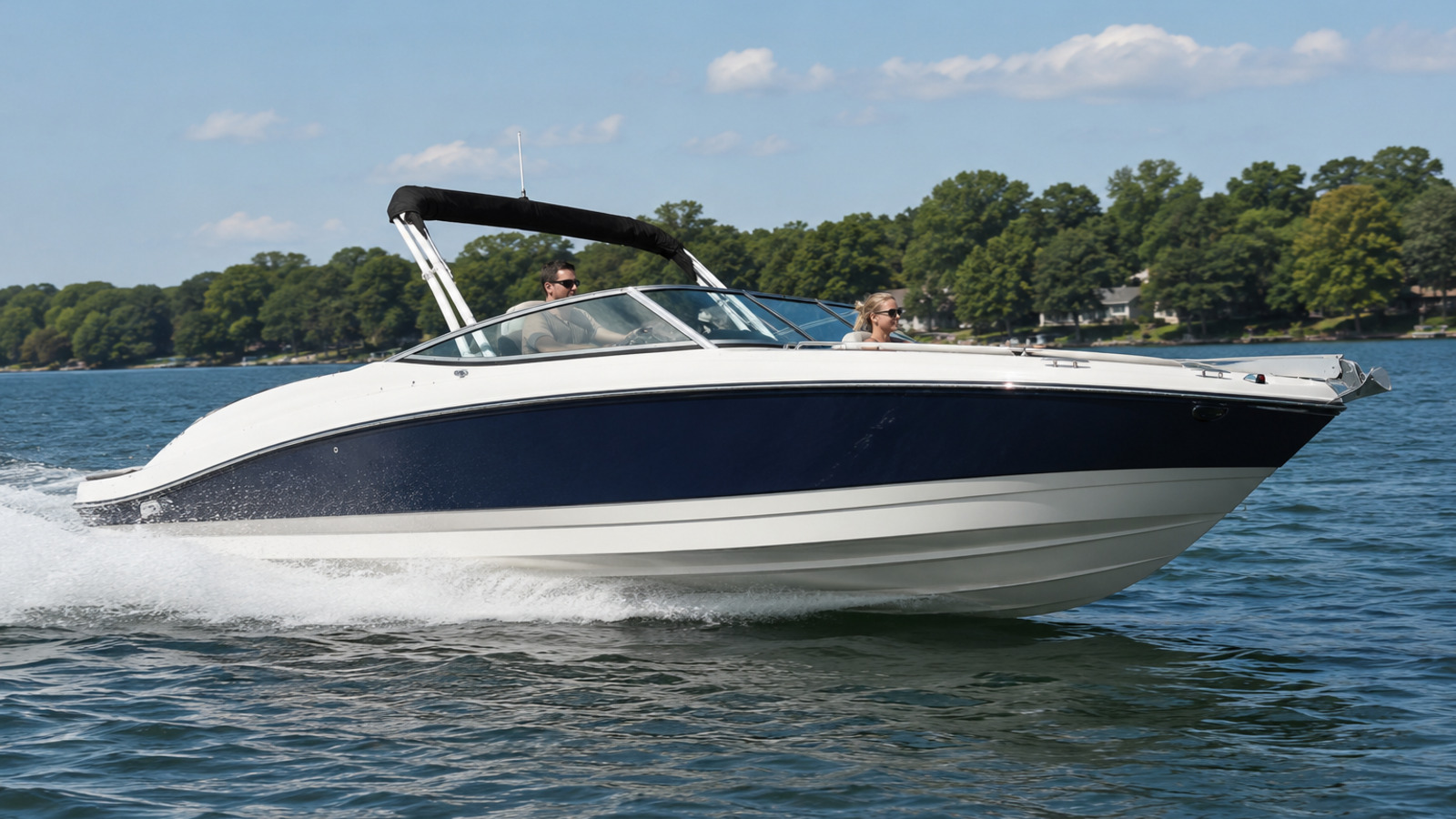
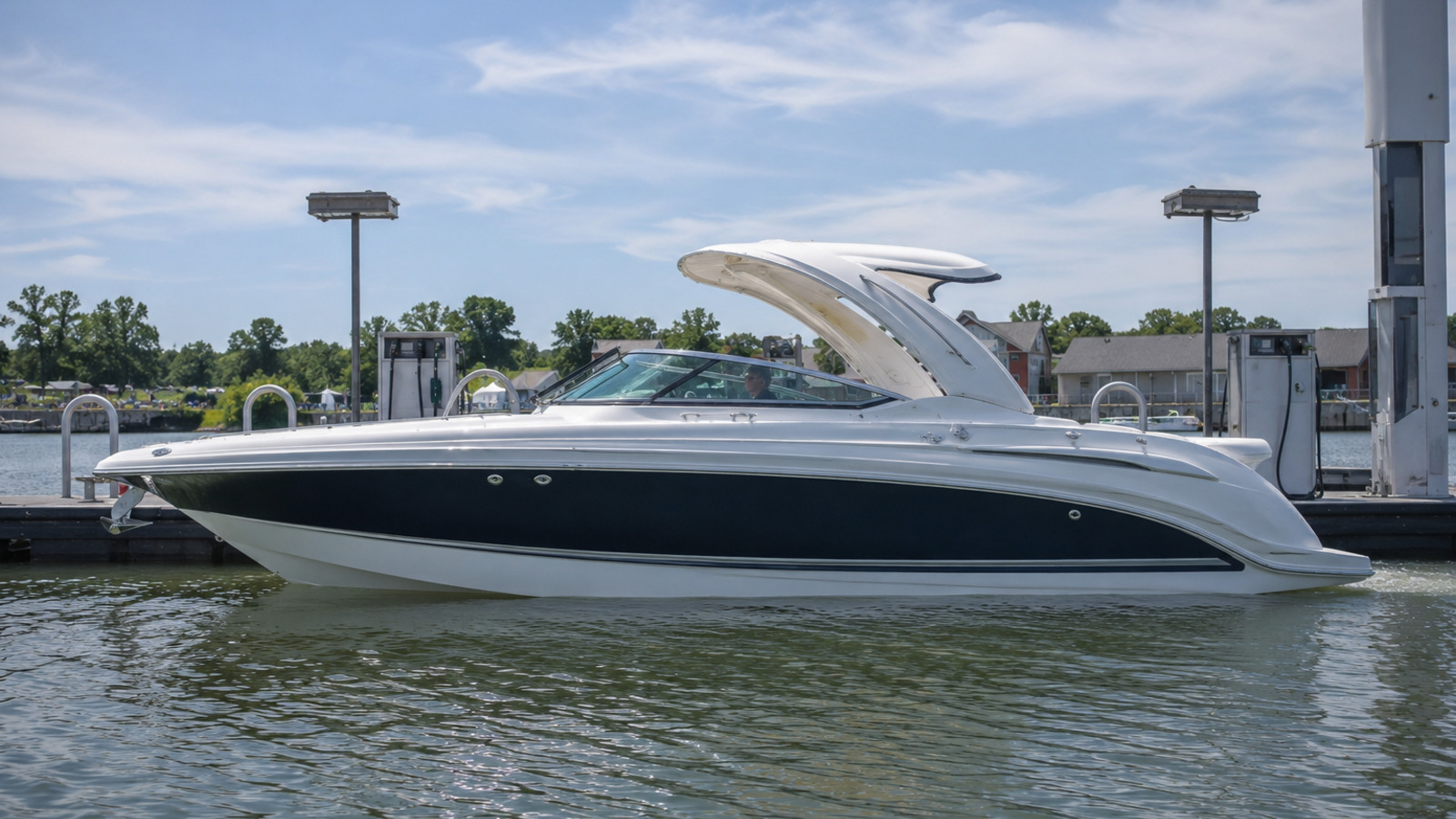
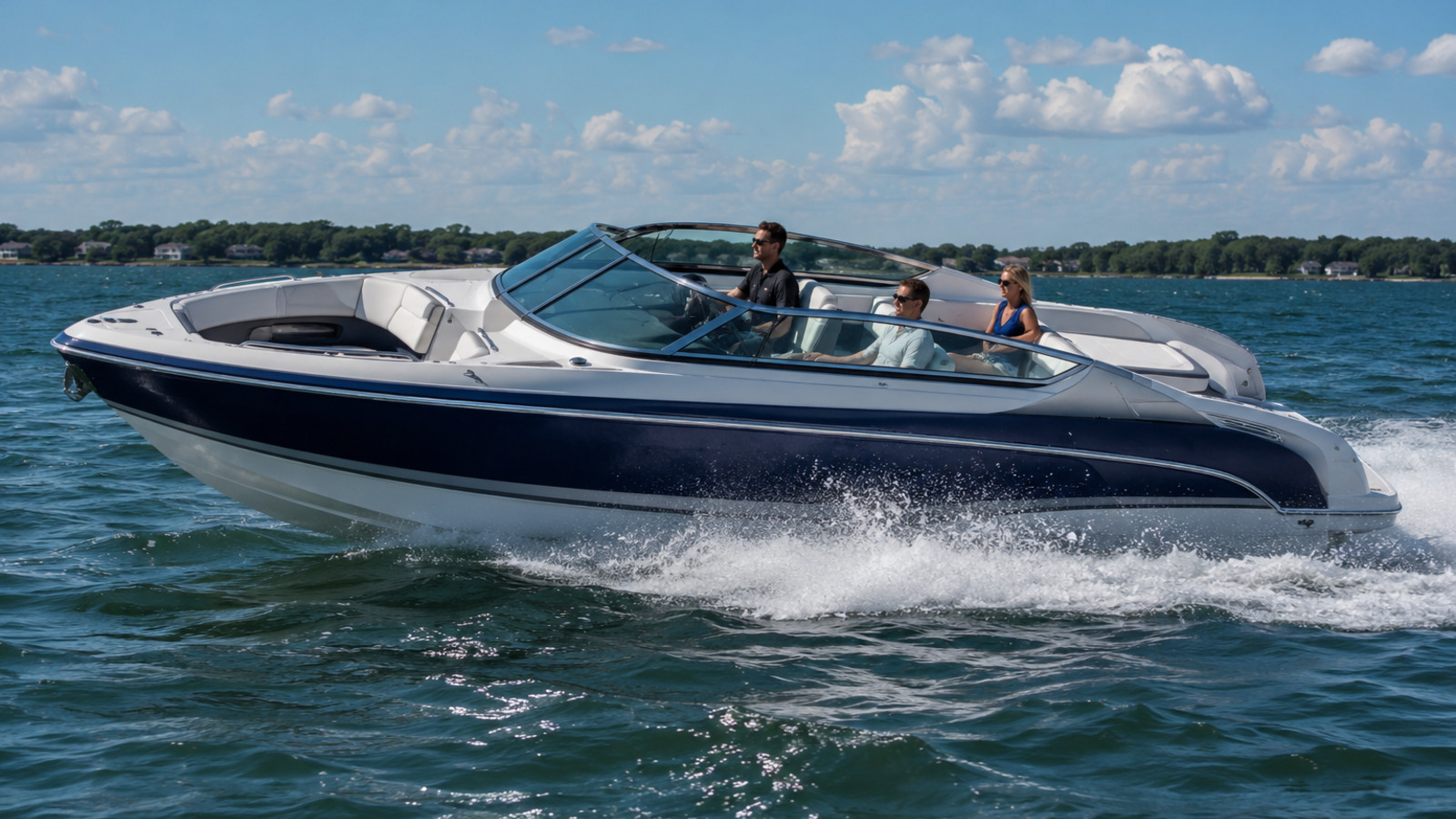
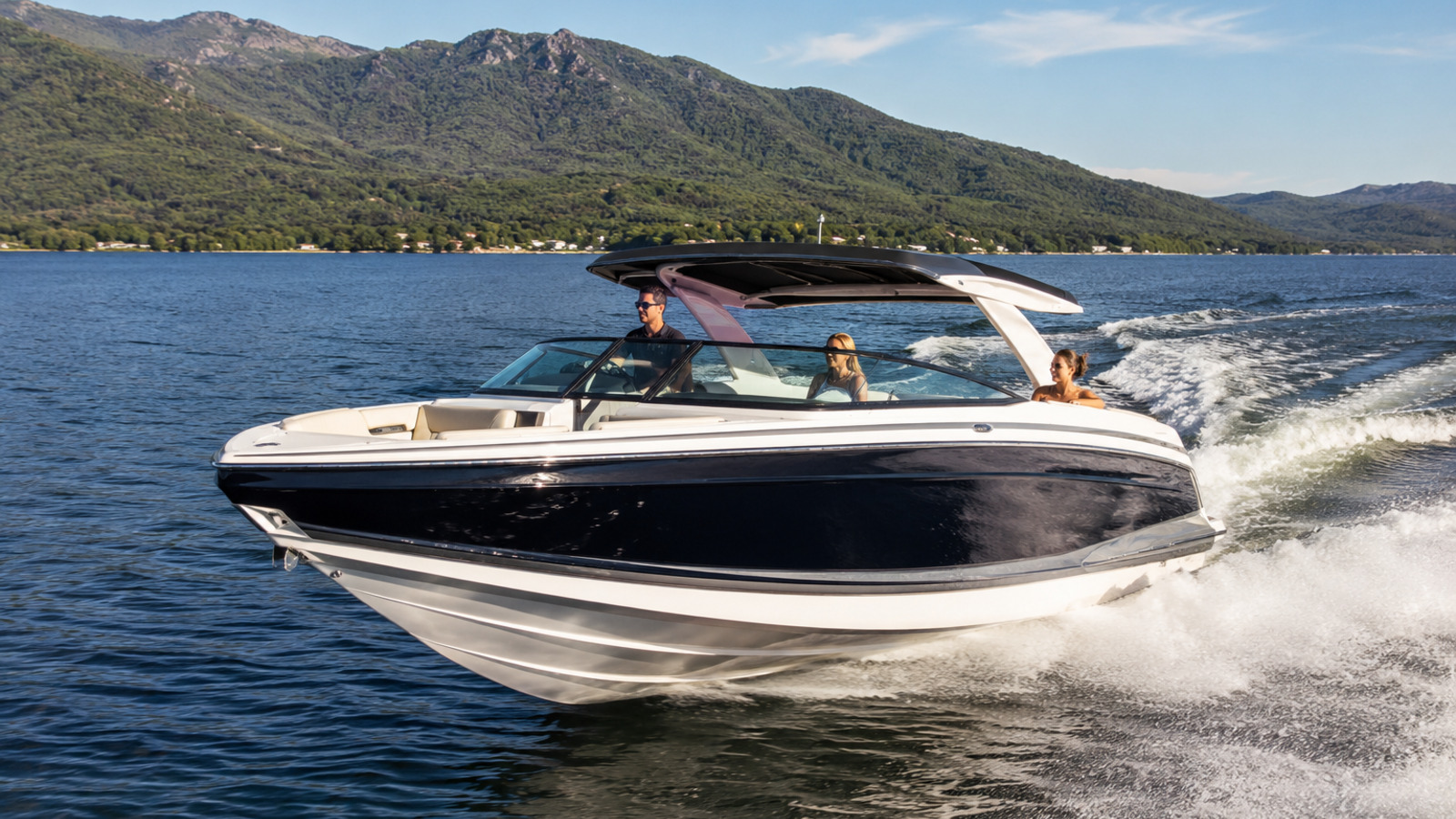
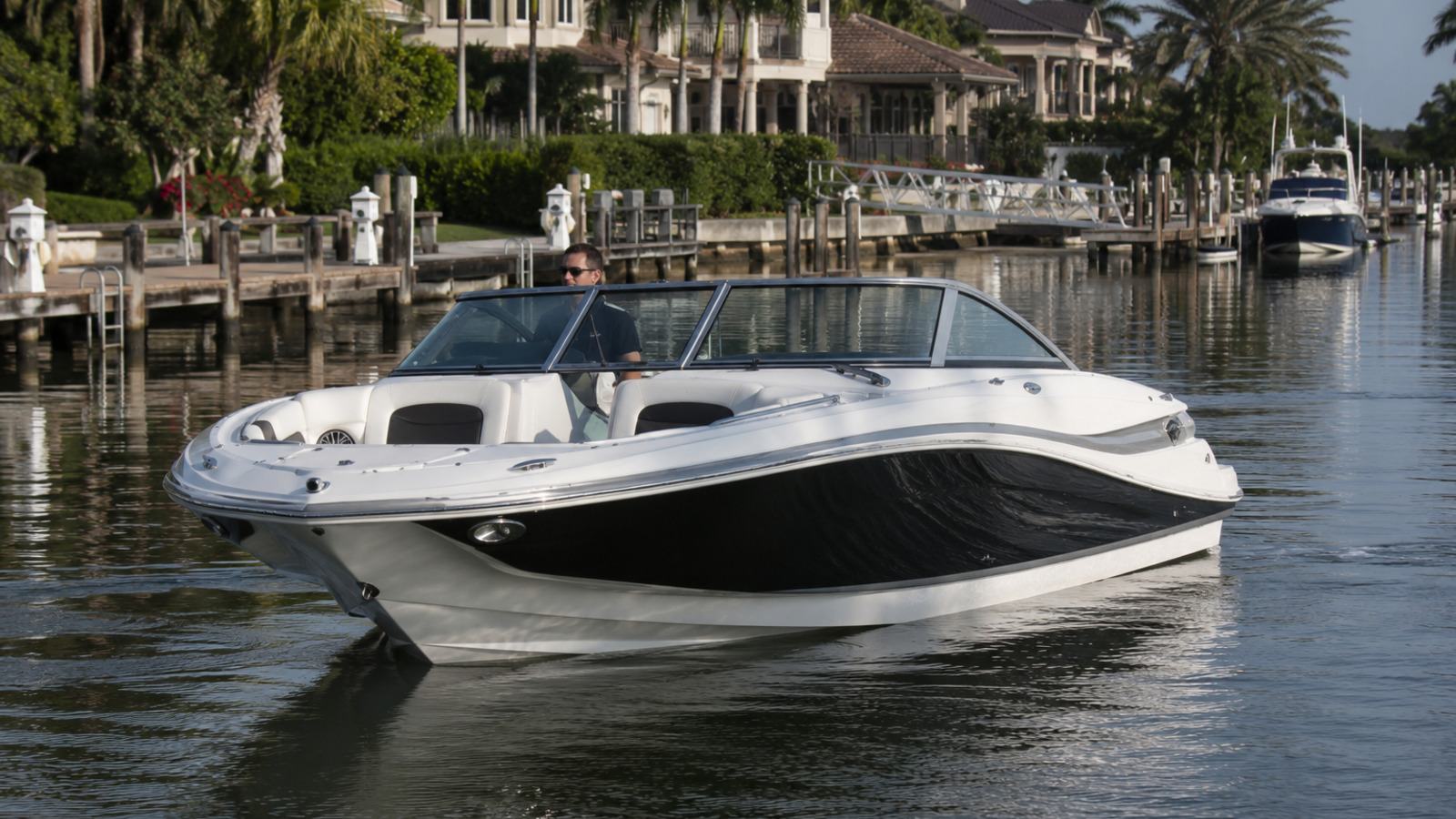
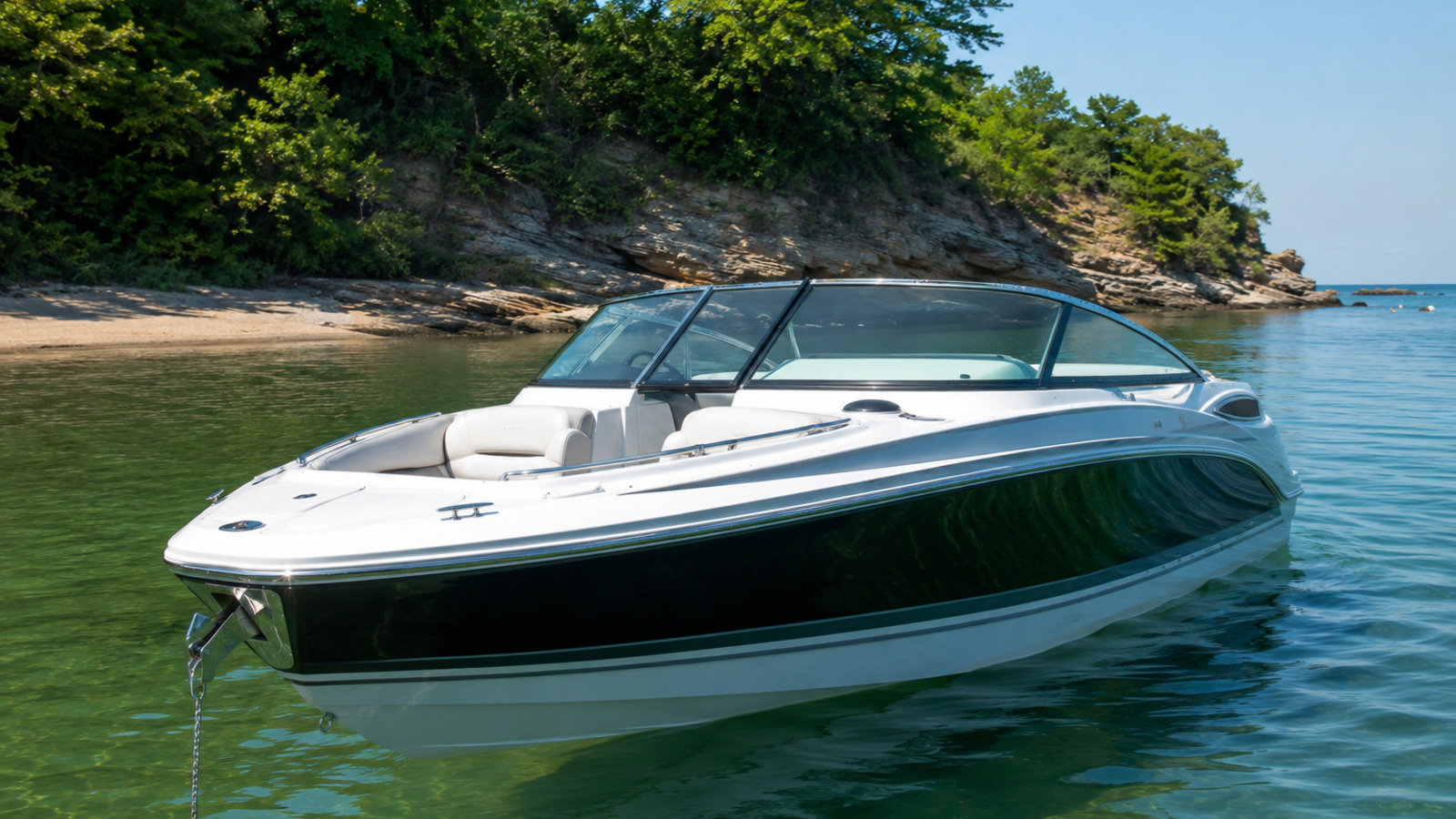
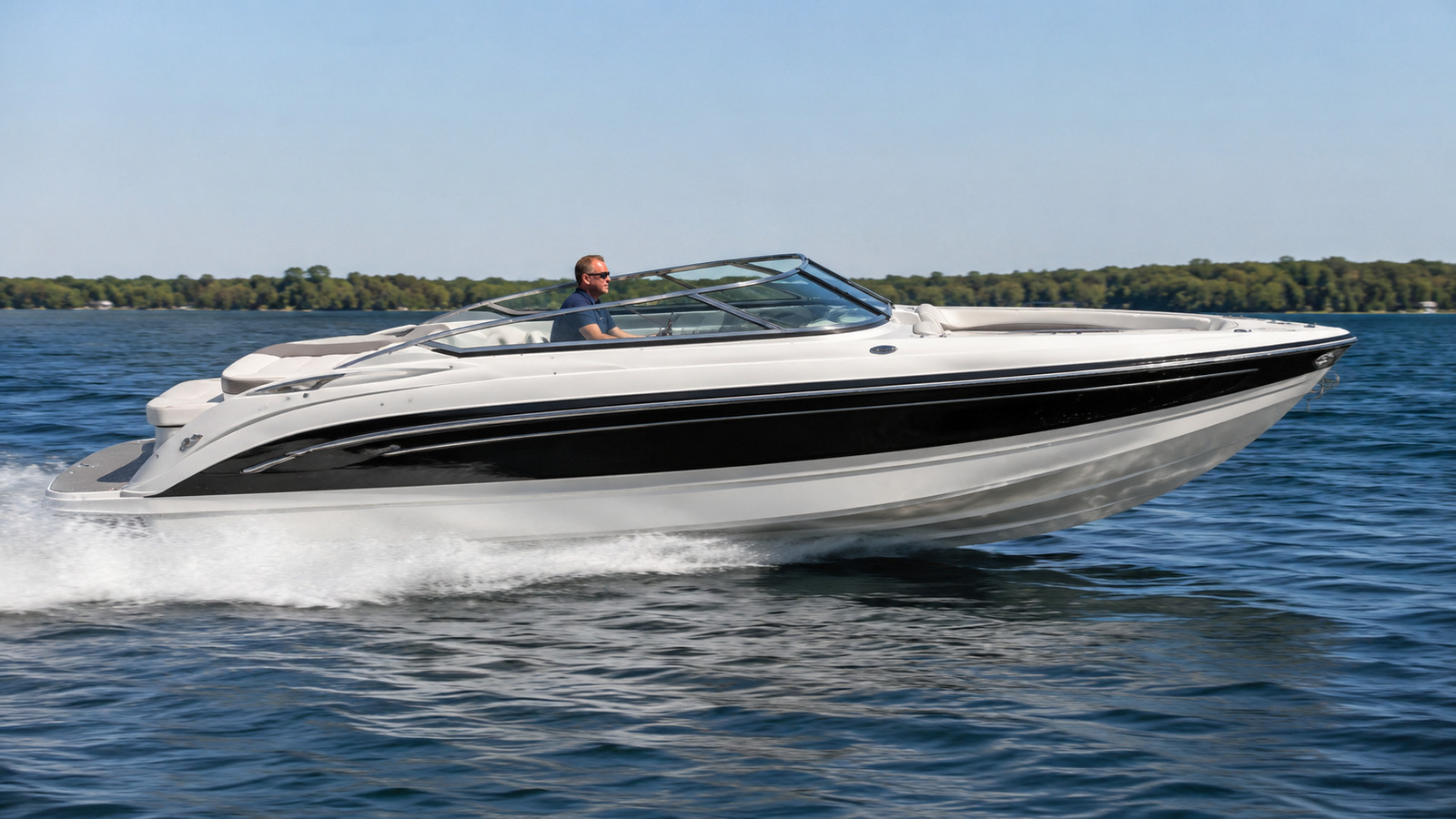
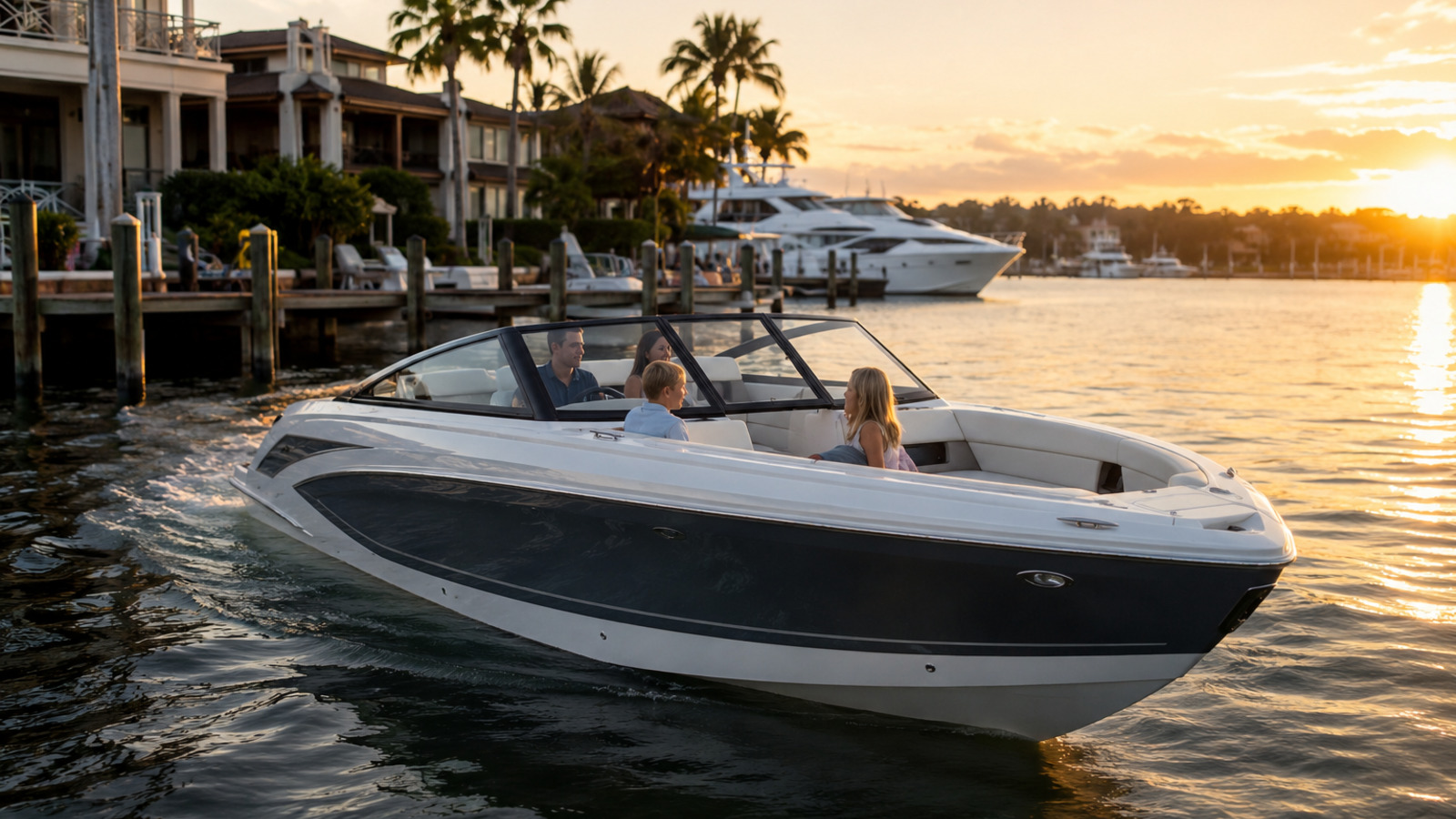
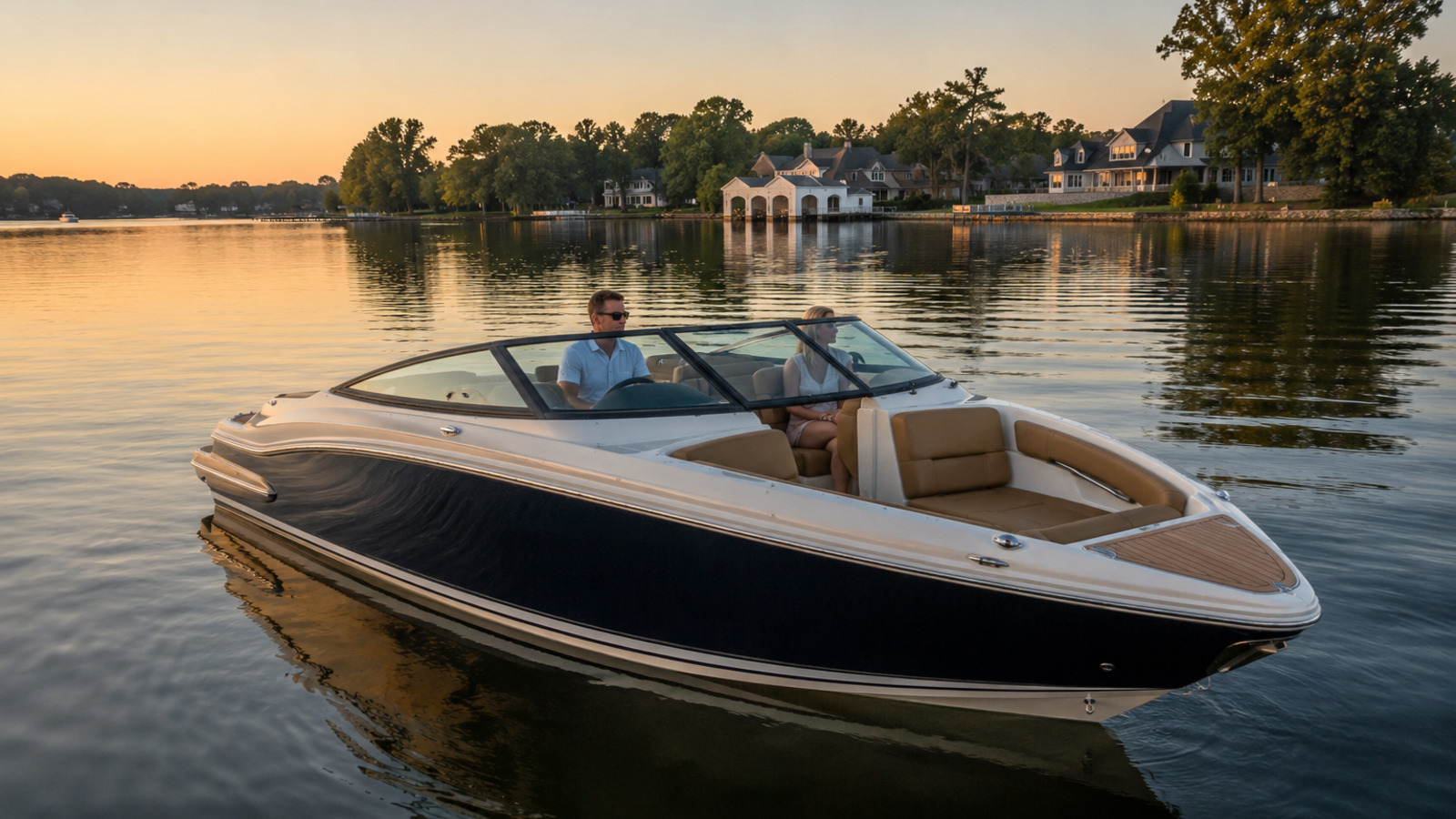
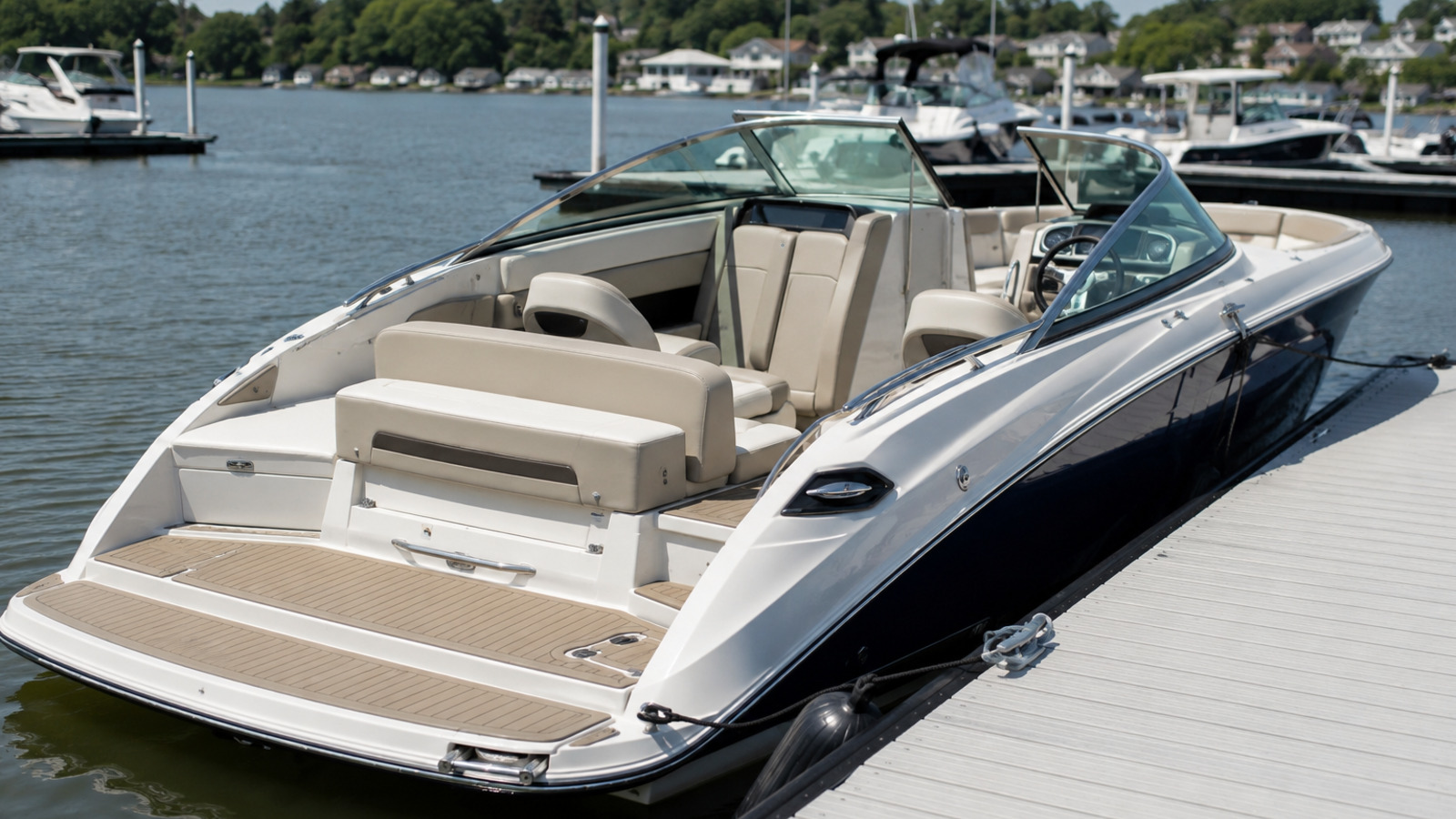
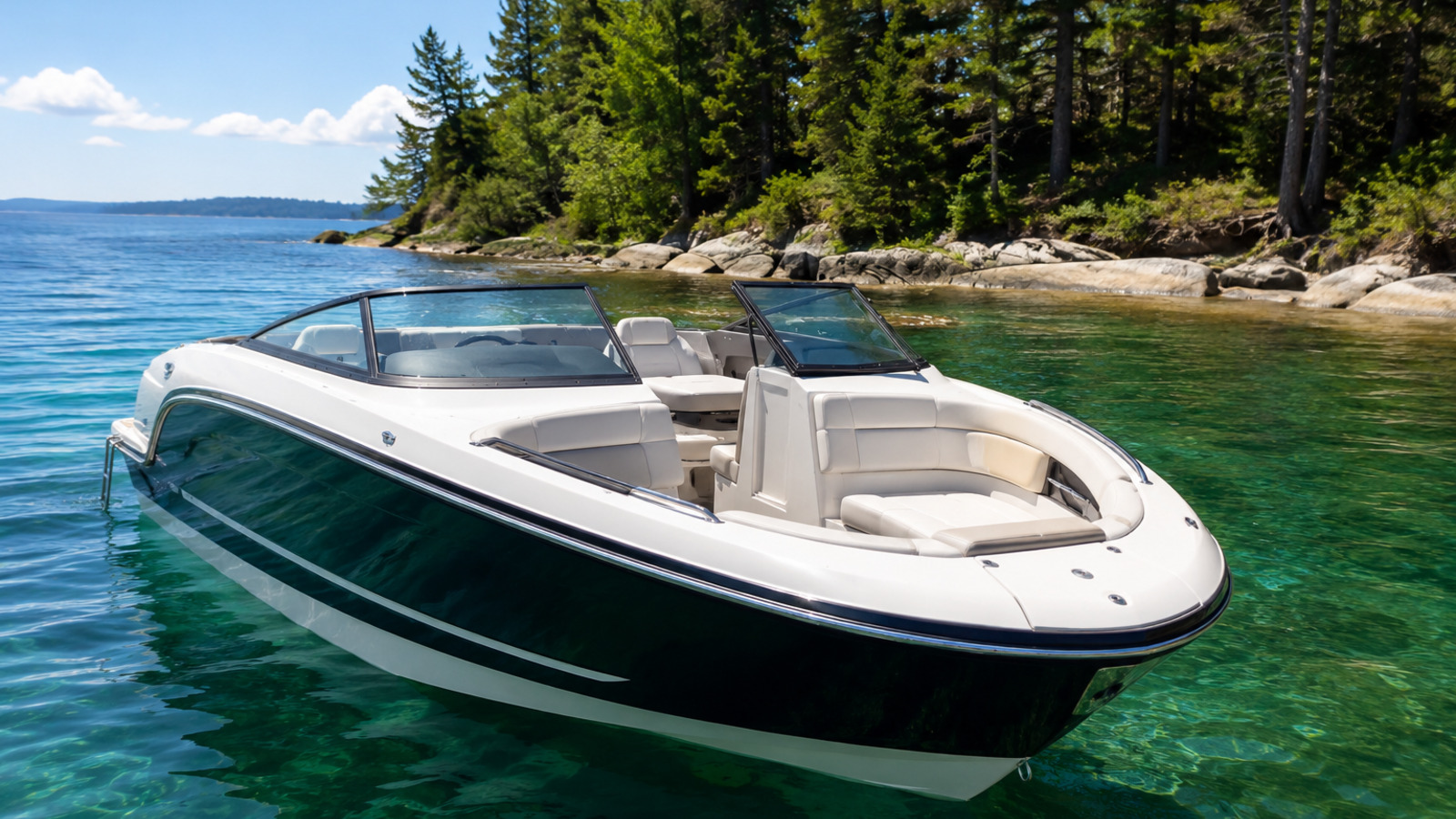
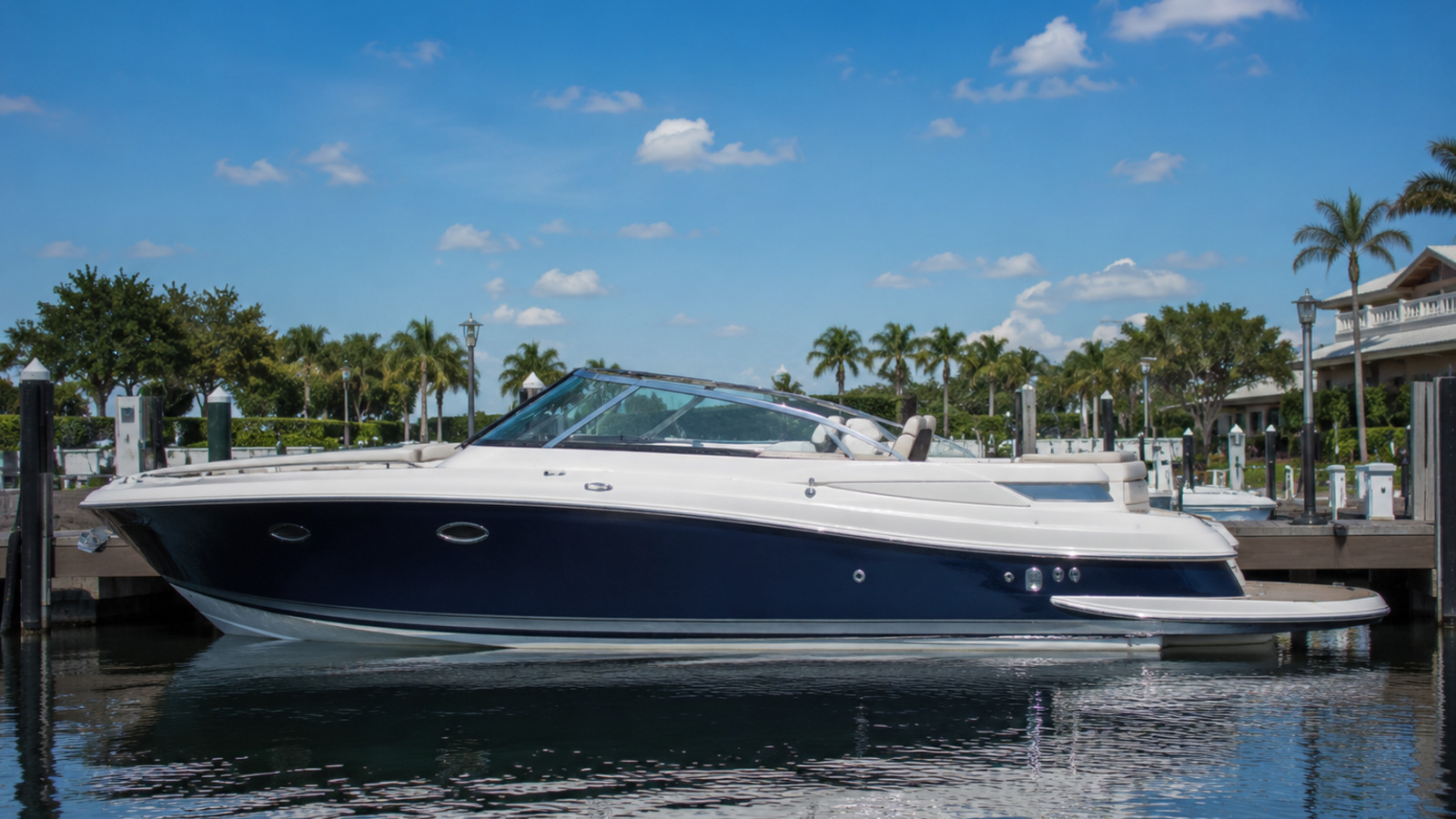
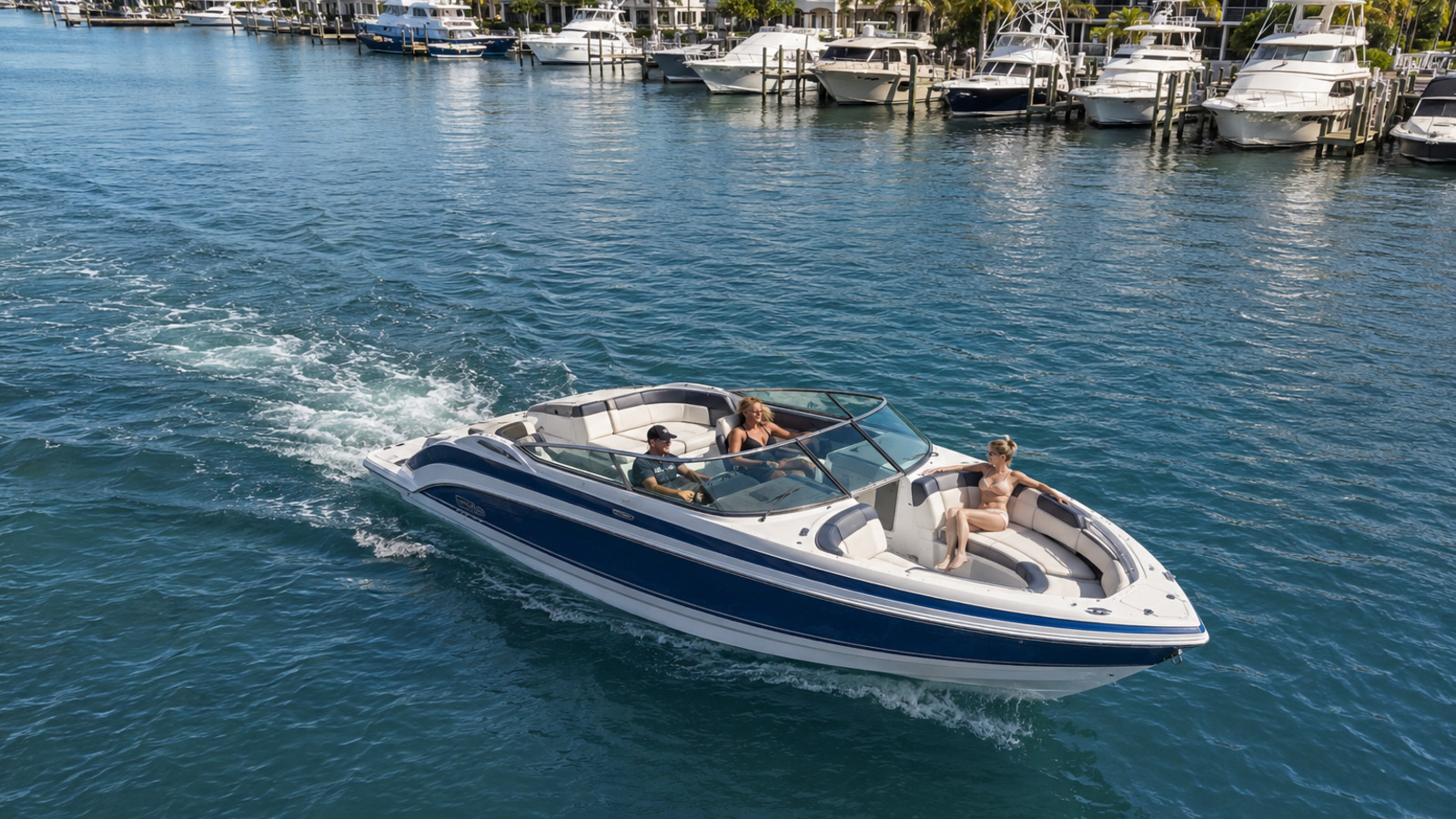
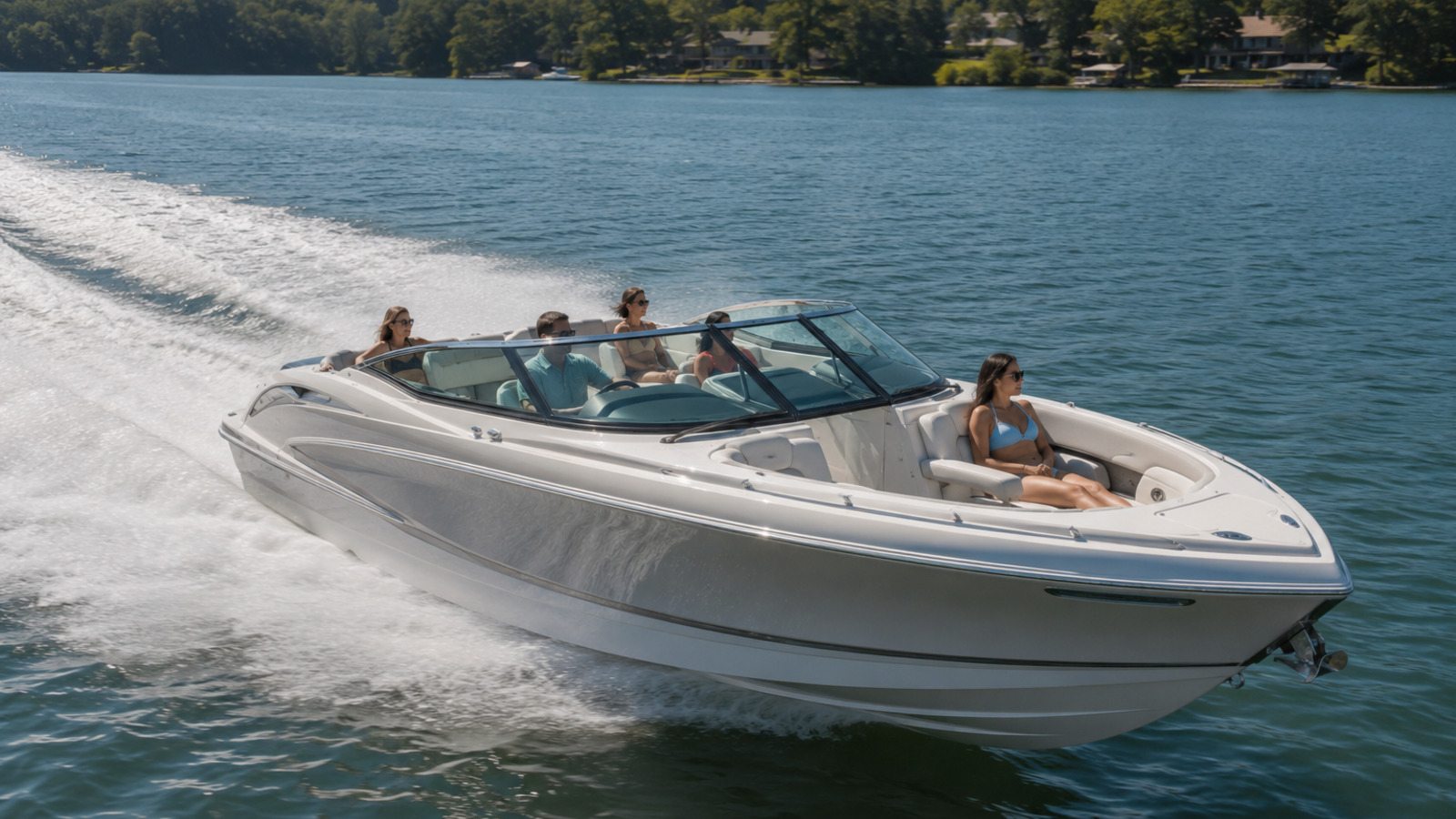
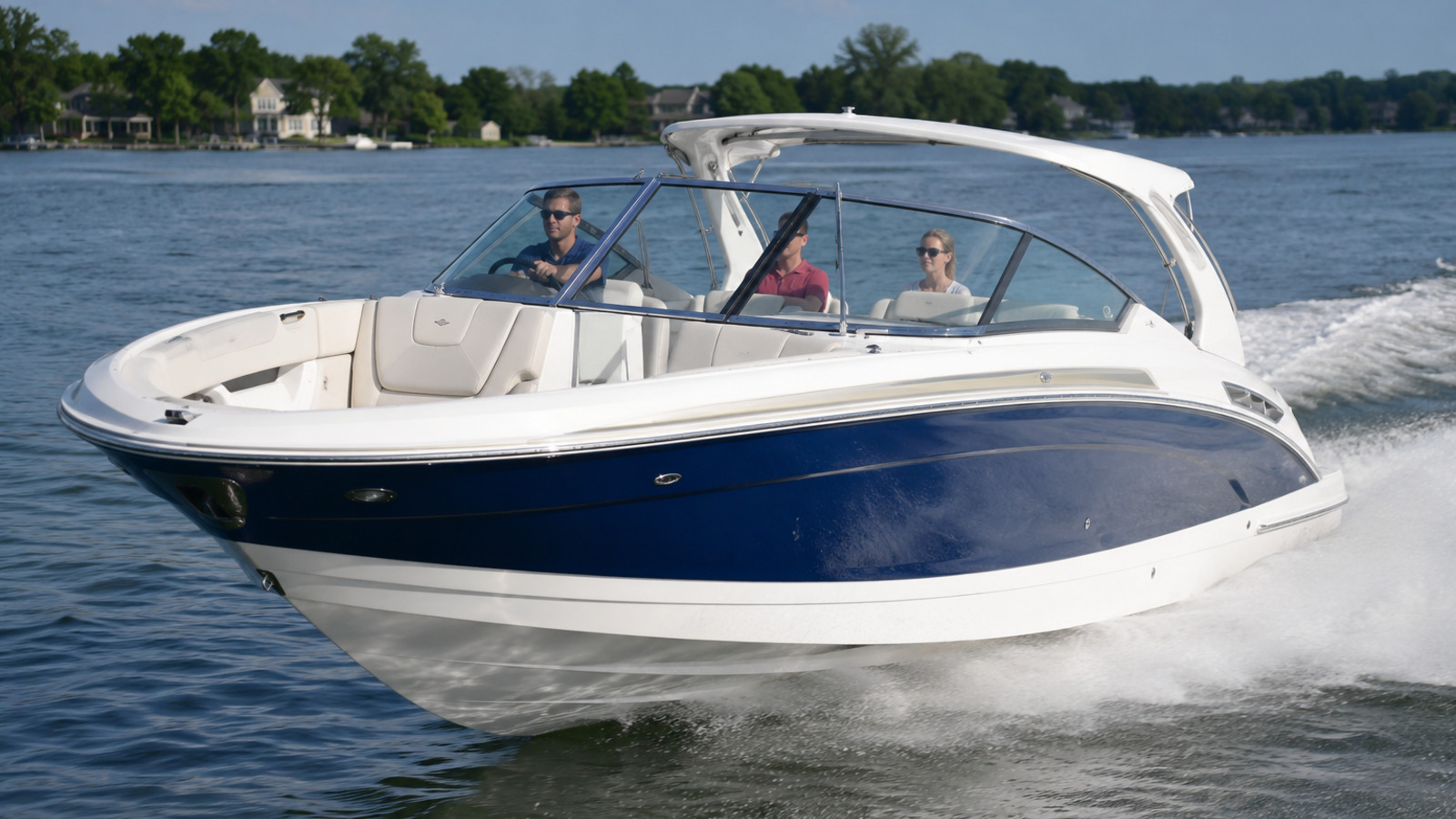
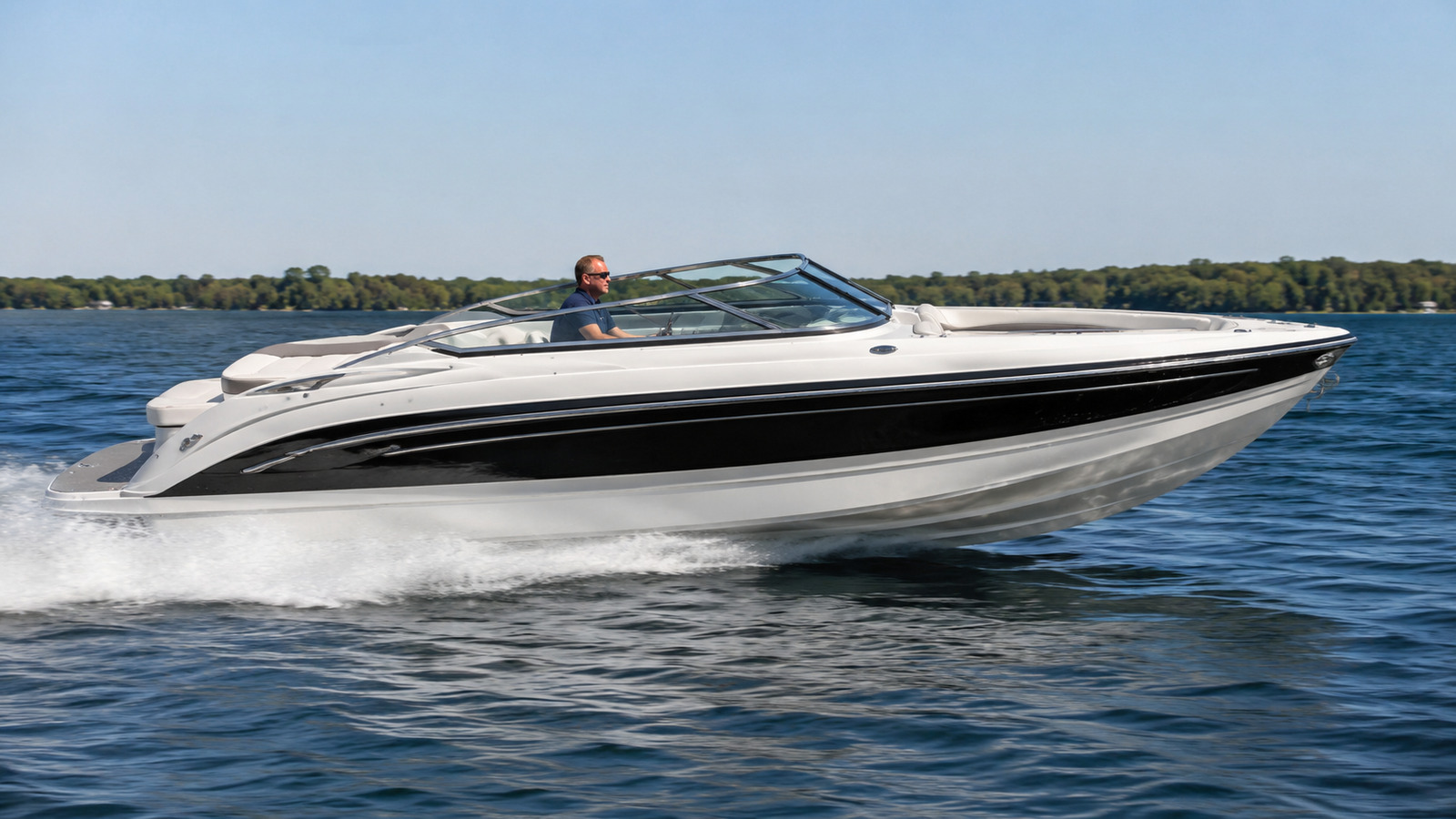
Formula’s 290 Bowrider is the point where the line becomes a wide-beam premium day boat, with a 9-foot beam, 112 gallons of fuel, a large private head, and available single or twin sterndrive configurations.
The 290 changes the Formula Bowrider equation more dramatically than its two-foot step from the 270 suggests. It grows to a 9-foot beam, 8,950 pounds of approximate weight, 112 gallons of fuel, and a much more substantial head and entertaining package.
The width is the first clue. A 270 can remain inside conventional 8-foot-6-inch road width, while the 290 may require oversize permits depending on the route and jurisdiction. That one specification can shift a buyer from routine trailering to marina-first ownership.
Propulsion is the second clue. Formula factory specifications supports large single sterndrives and twin sterndrive packages, with joystick control available on twin configurations. Two 290s can therefore share the same hull but create very different fuel, service, docking, and resale profiles.
The 22-degree running surface stays in line with the 270, but nearly 2,500 pounds of additional published weight changes how the 290 carries momentum through chop. It should feel like a substantial day boat rather than an oversized runabout.
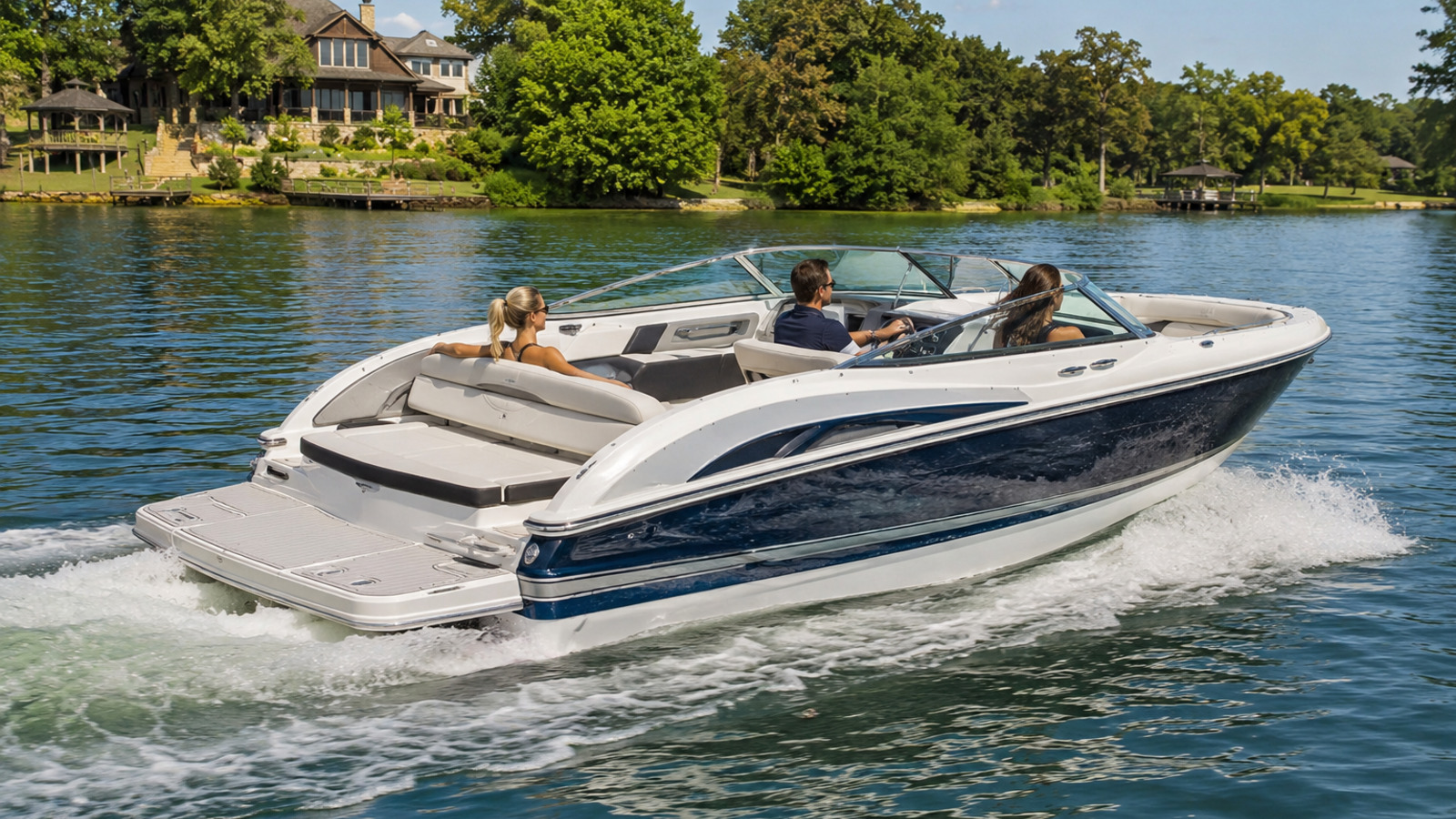
The interior is built for that role. Formula’s current and linked materials show a large private head, modular bow, generous aft lounge and sunpad arrangements, substantial storage, a wet bar, transom shower, and numerous drink holders.
The 290 makes sense for a household that regularly carries adults, entertains at anchor, and wants a larger head without moving all the way to a 31-foot flagship. It is especially appealing when the buyer wants twin-engine docking confidence but does not need outboard propulsion.
A trailer-first owner who is already uncomfortable with permits, 112 gallons of fuel, and nearly nine thousand pounds before gear should stay with the 270.

Published factory figures. Confirm every dimension against the individual boat before you commit.
Certification: NMMA Yacht/CE certification shown in Formula factory specifications
The 290’s nine-foot beam is more important to ownership than the 29-foot model number. The extra six inches over conventional road width adds useful cockpit space, but it can also require oversize permits, route planning, and different storage facilities.
Formula publishes 31 feet 9 inches with the extended swim platform. A buyer measuring a slip should use that number, not 29 feet, and should still allow room for lines, fenders, and actual dock geometry.
Approximate weight is 8,950 pounds before fuel and normal gear. Fill 112 gallons of gasoline and the boat can gain around 670 pounds before water, batteries, anchors, coolers, or options are added.
The 22-degree deadrise matches the 270 on paper, but the heavier and wider hull will not feel like the 270 underway. The 290 carries more momentum, needs more stopping room, and benefits more from deliberate trim-tab use.
Formula’s linked equipment sheet shows a bonded and thru-bolted deck joint, structural matrix, foam-filled cavities, 316L rails, and substantial stainless hardware. On a used 290, inspect high-load areas around the arch, windshield, cleats, platform, and drive openings.
A nine-foot hull should also be checked for lift history. Bunks that were too narrow or poorly positioned can leave wear lines or stress in places a marina-kept buyer may never notice from above.
The transom can carry either a large single drive or twin sterndrives depending on configuration. Verify that repairs, corrosion protection, exhaust, and underwater hardware match the actual engine architecture.
A 290 with a clean hull but unexplained transom work deserves a professional review before price or financing is finalized.
Configuration: Single or twin sterndrive packages shown in Formula factory specifications
The engine count is the first thing to identify on any 290 listing. A big single and joystick-equipped twins share the same model name but do not share the same maintenance budget or docking behavior.
A single-engine 290 keeps service concentrated in one engine and one drive. It can be the lower-cost route into the wide-beam hull, but the engine must move nearly nine thousand pounds before passengers and fuel.
During a single-engine sea trial, load the boat realistically and pay attention to time to plane. A boat that feels acceptable with two people may feel very different with a full social crew and 112 gallons of fuel.
Twin sterndrives give the 290 more total power, redundancy, and low-speed authority. Formula’s linked 2024 S&O lists MerCruiser, Volvo, and Ilmor twin packages with joystick systems on applicable configurations.
Twins also double many service items. Two drives, two propeller sets, two cooling systems, more batteries, more exhaust hardware, and two service histories need to be evaluated independently.
Joystick operation should be tested at a real dock, not demonstrated in open water. The 290 should move laterally and rotate predictably without an engine fault, steering alarm, or one drive responding differently from the other.
On either engine count, inspect blower operation, bilge condition, fire-extinguisher equipment, drive oil, bellows or sealing components, gimbal hardware, trim rams, props, and corrosion.
The 290 is a poor place to buy the cheapest power package blindly. Engine architecture changes the boat enough that resale and service access should be considered before horsepower alone.
The 290’s fuel story cannot be separated from engine count. A single-engine boat and a twin-engine boat may use the same 112-gallon tank, but their cruise burn and reserve planning can be very different.
For a big single, the buyer should identify the most comfortable loaded cruise and verify that the engine is not working unusually hard just to hold plane.
For twins, the owner needs to think in combined gallons per hour. The reward is stronger acceleration and docking control; the cost is faster fuel consumption when both engines are making serious power.
Formula’s linked performance material includes range data for specific configurations, but those tests should stay attached to the engine and propeller combination that produced them.
The 19-gallon freshwater and 22.5-gallon holding capacities make the 290 more self-contained than the 270. The head becomes a real system rather than a simple emergency compartment.
Run the demand-water pump, vanity sink, transom shower, toilet, holding-tank monitor if fitted, and dockside pumpout plumbing. A slow leak behind the head can migrate into cabinetry and flooring before it becomes visible.
The 112-gallon tank also affects lift and trailer math. A buyer planning to move the boat over the road should decide whether it makes sense to tow with a full tank at all.
For annual budgeting, separate cruising days from heavy social or watersports days. A wide, heavy 290 with twins can turn a busy weekend into a very different fuel bill from a 270 single-engine outing.
A 290 sea trial needs to reproduce the installed propulsion, not a generic expectation for the hull. Single-engine and twin-engine boats should be judged by different standards.
With a big single, the question is whether the engine carries the loaded hull without excessive bow rise or a narrow comfortable rpm band. The boat should not feel like it is waiting for passengers to move forward before planing.
With twins, acceleration should feel effortless enough that the driver can use less throttle rather than more. Both engines should build rpm evenly, and the steering or joystick system should keep them coordinated.
At midrange, the 22-degree hull should carry speed through ordinary chop without the sharp impacts expected from a much lighter boat. The driver still needs to adjust trim and speed rather than treating weight as a substitute for seamanship.
The 290’s nine-foot beam adds stability at rest, which is valuable when adults move between the bow, head, wet bar, and aft lounge. That same width creates more windage during docking.
Test trim tabs with passengers deliberately shifted to one side. A small tab correction should level the boat without producing a sudden change in steering feel.
On a twin-joystick boat, spend time around pilings and slips. Docking electronics are valuable only when the driver can trust them under crosswind and current.
The 290 succeeds when it feels like a compact luxury day boat rather than a stretched lake bowrider. If the buyer wants the lightness and launch simplicity of the 270, the wider hull is solving the wrong problem.
The 290’s interior should be judged as a social platform. The nine-foot beam is worth paying for only if passengers can feel the extra room in the bow, cockpit, head, and aft lounge.
Formula’s current Formula material highlights a large private head with porcelain toilet, vanity, sink, Corian-style counter, and woodgrain-finish flooring. That is a substantial step beyond the more basic head arrangements on smaller Bowriders.
Modular bow seating can convert into a larger lounge with filler cushions. The bow should be comfortable for adults without forcing the helm seat forward or blocking the driver’s view.
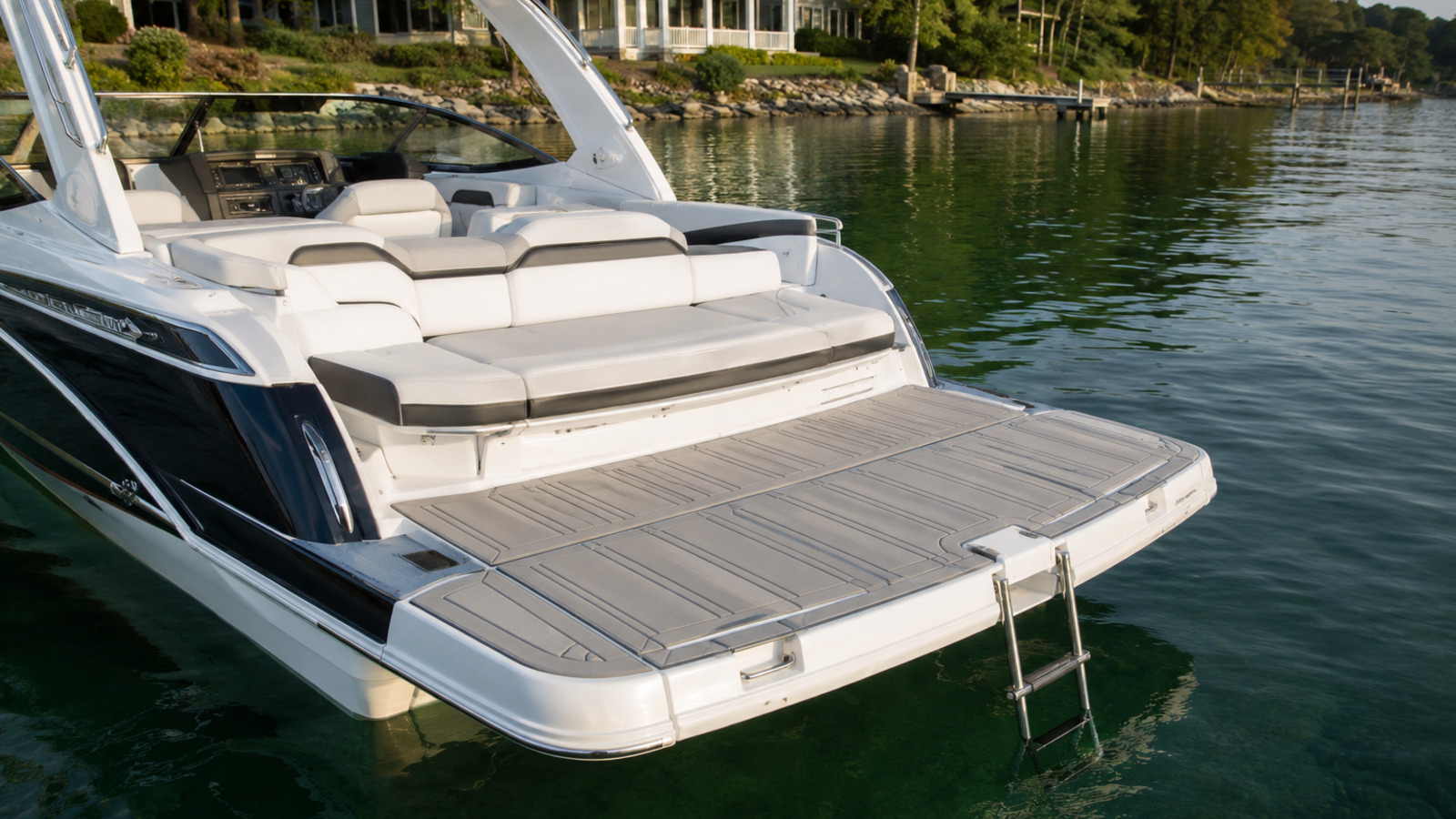
The aft lounge and sunpad are built for anchor-day use. Backrests and filler pieces should move easily, latch securely, and store somewhere sensible when not installed.
Formula factory specifications lists 19 polished stainless drink holders, which sounds excessive until a large crew is aboard. It reflects how strongly the 290 is biased toward entertaining rather than minimalism.
The molded wet bar can add a sink, counter space, cooler or refrigerator depending on configuration. Check how much storage disappears when the wet bar is optioned because entertaining equipment still needs a place to live.
Forward in-floor wakeboard and ski storage keeps long gear away from the main seats. Open it after the sea trial and look for water intrusion around drains or hatches.
The integrated swim platform, transom shower, and aft-facing lounge create a strong water-access zone. On a twin-engine boat, verify drive and propeller positions are well understood by everyone who will be swimming from the stern.
Axiom+ 7 Navigation Display – Linked Formula equipment material lists a Raymarine Axiom+ 7 with depth-sounder capability at the helm.
The 290 carries a porcelain head, vanity, sink, countertop, holding system, and enough compartment volume to make bathroom use practical during a long day.
Removable seating pieces and filler cushions let the forward cockpit change between riding, dining, and sunpad use.
The stern seating converts toward a broad sunpad, giving the 290 a true anchor-day lounging area.
The platform combines concealed ladder access, transom audio, and a shower for repeated swimming or watersports use.
Freshwater supports the vanity, transom shower, and longer all-day use instead of limiting the head to a portable setup.
The entertaining station can include sink, Corian-style counter, cooler, refrigerator, and storage depending on build.
Applicable twin-engine packages can add joystick docking, which materially changes how a nine-foot-beam boat is handled in tight marinas.
The 290 carries enough plumbing, electrical load, and propulsion choice that a quick switch-panel test is not sufficient.
Start at the engine architecture. A single-engine electrical layout and a twin-joystick installation should not be inspected as if they are the same boat with a different horsepower sticker.
Formula factory specifications lists electronic shift and throttle, engine-monitor displays matched to the brand, trim tabs, joystick systems on twin packages, automatic bilge equipment, and multiple charging loads.
The Raymarine Axiom+ 7 should acquire position, show believable depth, and communicate with the rest of the helm. Engine-monitor data should agree with physical gauges and the way each engine behaves.
The water system needs a complete cycle. Fill or pressurize it, run the vanity, transom shower, and wet bar if equipped, then inspect below the head and bar for leaks.
The holding tank and pumpout fittings should be odor-free and dry. A poorly maintained sanitation system can become one of the least pleasant repairs on a used 290.
Arch or Sport Top hardware carries more load on this heavier boat. Check mounting plates, sealant, wiring, lights, and any speaker installations for movement or water entry.
After a hard run, inspect both sides of the engine room on twins. Unequal temperatures, fluid levels, charging voltage, or bilge leakage can reveal a problem that a single dashboard screen does not.
Bridge Clearance: 5 ft 10 in basic; 8 ft 2 in with arch; 7 ft 11 in with Sport Top
The 290 can be trailered, but width is no longer invisible. At 9 feet, the boat can require oversize permits depending on state and route, and the owner may face daylight, signage, or travel restrictions.
Weight reinforces that decision. Add 112 gallons of fuel, freshwater, batteries, gear, and a heavy trailer to an 8,950-pound boat and the complete rig moves into serious truck territory.
A marina slip should be measured from the actual 31-foot-9-inch platform length, not the 29-foot hull label. Leave enough beam clearance for fenders and for boarding without grinding the hull against pilings.
Lift owners need both width and capacity. A lift previously used for an 8-foot-6-inch boat may not have the bunk spacing or guide clearance the 290 requires.
Bridge height changes significantly with the arch or Sport Top. Buyers in covered slips should measure the actual boat with antennas, lights, and owner-added equipment in place.
If a trailer is included, inspect it as specialized equipment. Tires, brakes, bearings, bunks, axles, coupler, winch, and corrosion history all matter more when the load is this heavy.
The smartest 290 ownership plan is often to decide where the boat will live before negotiating the purchase. A cheap boat with no workable slip or lift can become expensive immediately.
Separate single-engine listings from twins before anything else. The purchase price, annual service, fuel burn, joystick hardware, and future resale audience all change with engine count.
Within each propulsion group, compare MerCruiser, Volvo, or Ilmor engine family, horsepower, hours, service documentation, and drive condition.
Joystick equipment can support a premium on a twin boat when it works correctly. A system with faults or mismatched engine response can become an expensive diagnostic project instead.
The private head, freshwater, wet bar, Raymarine electronics, arch or Sport Top, audio, and interior condition are the next value layer.
Marina history matters because many 290s will spend their lives in slips or on lifts. Inspect bottom condition, drive corrosion, shore-side charging habits, and service access around the home marina.
FormulaFlex paint and upholstery can influence buyer demand, but expensive colors should not compensate for old drives, weak batteries, or neglected sanitation plumbing.
A strong 290 value is the boat whose engine architecture is already the one the buyer wants. Converting the ownership plan later is not realistic.
Illustration only and not an offer of credit.
Keep room for 112 gallons of fuel, one or two sterndrive service schedules, marina or specialized trailer costs, insurance, head plumbing, and larger electrical systems.
Illustration only and not an offer of credit. Your actual rate and term depend on credit profile, vessel age, loan amount and ownership structure.
The 290 is the first choice for buyers who want more width than the 270 and are willing to accept oversize-road planning. Its nine-foot beam is the clearest physical step between the two.
The 270 remains the smarter ownership package when one engine, 8-foot-6-inch road width, and 6,525 pounds of published boat weight already meet the mission.
The 310 adds another six inches of beam, 26 more gallons of fuel, 10 more gallons of freshwater, a larger holding system, and a factory-supported twin-outboard alternative in Formula’s linked material.
A twin-sterndrive 290 can already provide joystick docking and strong total power. A buyer who does not need the 310’s extra beam or outboard option may find the 290 is the better ceiling.
A family that wants outboards should not buy a 290 simply because it is cheaper. The 310 exists for buyers who want flagship space and the propulsion choice to move the engines outside the transom.
Identify engine count first. Do not spend the first twenty minutes on upholstery while the listing leaves you unsure whether the boat has one drive or joystick twins.
Record both engine serials and hours on a twin boat. The engines should have service histories that make sense together, but one may have been replaced or repaired separately.
On a single, confirm loaded performance. A 29-foot, 8,950-pound boat needs enough reserve to plane and cruise comfortably after fuel and passengers are aboard.
Inspect every drive. Propellers, skegs, gearcases, trim cylinders, corrosion, bellows or sealing hardware, gimbal components, and drive oil tell a more important story than the hull graphics.
Use the joystick on a twin-equipped boat at a dock. Make the boat move sideways, rotate, and hold position long enough to reveal an intermittent steering or control fault.
Run the head and water system completely. The 290’s sanitation and freshwater equipment are substantial enough that they deserve the same attention as a small cruiser.
Check the wet bar, transom shower, Axiom display, engine monitors, stereo, charger, lights, arch, and any refrigerator. Large-dayboat comfort depends on those systems actually working.
Look through every storage compartment for moisture. Water around the head, wet bar, transom, or in-floor lockers can indicate drainage or plumbing problems.
Sea-trial after the mechanical inspection, not before it. The boat should start cold, shift cleanly, plane predictably, hold temperature, track through wakes, and remain free of unusual vibration.
Measure the planned slip or lift before closing. A nine-foot beam can make the home infrastructure more difficult than the monthly payment.
Compare one 310. If twin outboards or another six inches of beam would materially improve the ownership plan, the flagship may be worth the larger transaction.
The 290 also deserves a deliberate engine-count decision before a buyer gets attached to upholstery or electronics. A large single sterndrive keeps the mechanical inventory simpler, while twins add a second engine, drive, propeller, starting circuit, and service history. The payoff is better low-speed authority and the possibility of joystick control on appropriately equipped boats.
At nine feet of beam, the 290 is also the first Formula Bowrider here where routine road transport stops being automatic. A buyer who expects to move between lakes should price permits, tow-vehicle requirements, trailer width, storage access, and launch-ramp geometry before assuming the 290 will behave like a larger 270.
Start your application with the 290 details with model year, single or twin propulsion, engine brand, hours, joystick equipment, seller type, and asking price.
Yes. Formula currently lists the 290 among its four core Bowrider models.
Formula publishes a 9-foot maximum beam, which is six inches wider than the 240 and 270 Bowriders.
Approximate published weight is 8,950 pounds before full fuel, water, gear, options, and trailer are added.
Formula factory specifications supports both single and twin sterndrive configurations, with joystick control shown on applicable twin packages.
Formula publishes 112 gallons of fuel, along with 19 gallons of freshwater and a 22.5-gallon holding tank.
It can be transported, but the 9-foot beam may require oversize permits and the loaded rig is heavy enough that many owners will prefer marina storage.
Engine count comes first, followed by engine brand and hours, joystick, drive condition, private head, freshwater, electronics, top or arch, wet bar, and storage history.
Potentially. Financing can depend on year, value, condition, seller type, transaction amount, and borrower qualifications. Start your application with the 290 details for a transaction-specific review.
Tell us a little bit about yourself and the boat you are looking to finance.

Automated page speed optimizations for fast site performance