
Call Us : 207-994-5109
Mon – Fri: 8 am to 9 pm & Sat – Sun: 10 am to 8 pm
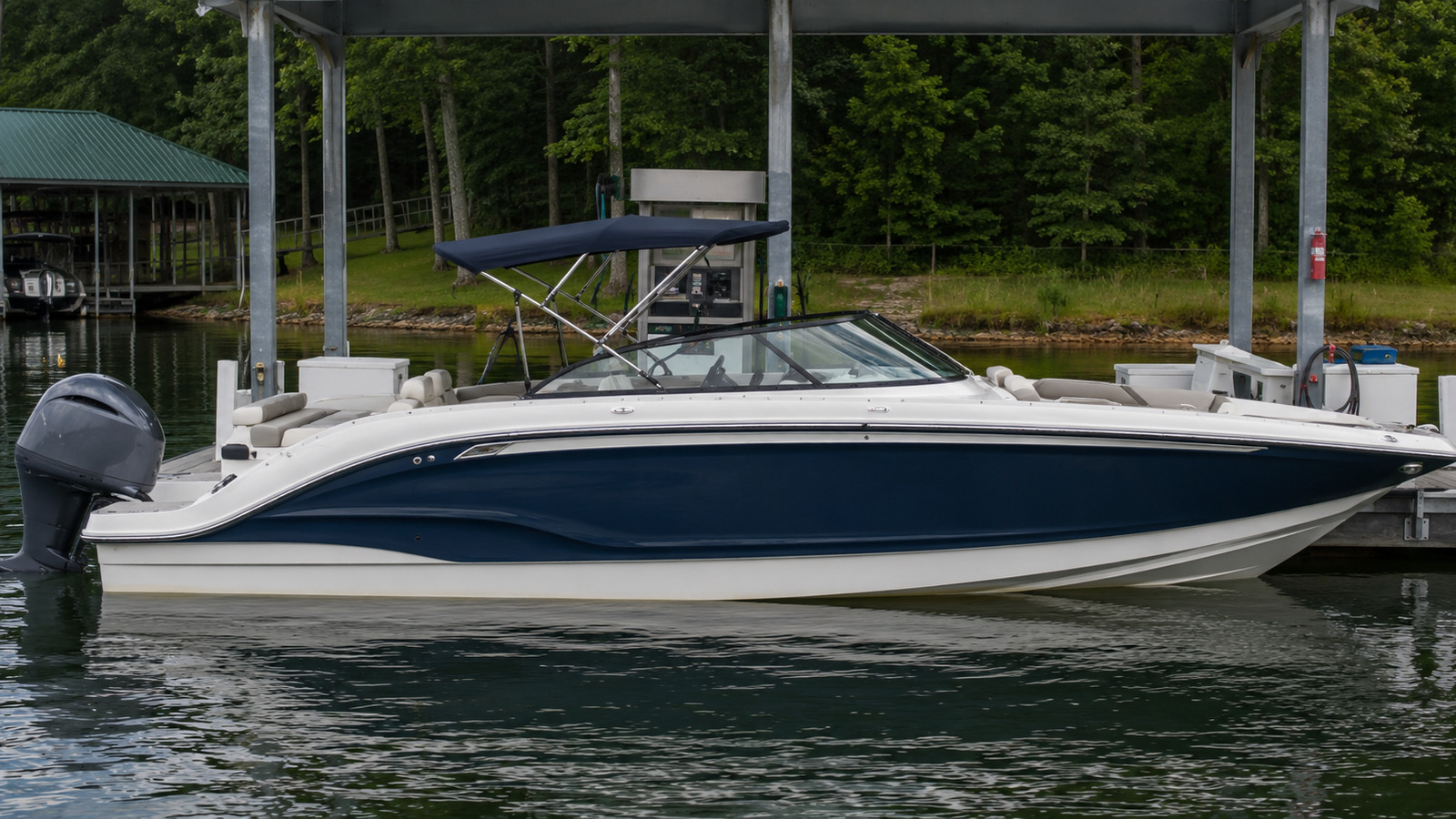
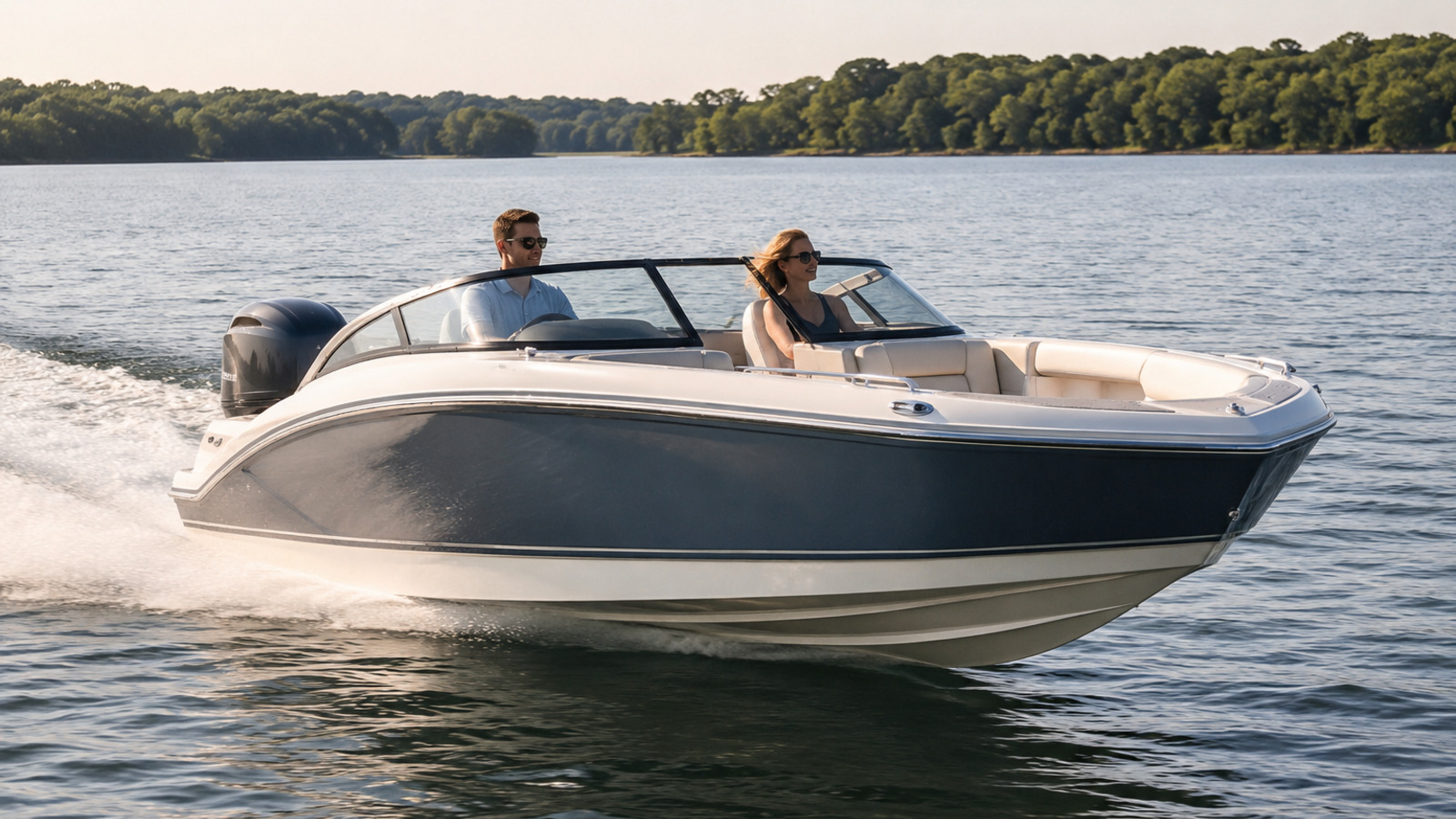
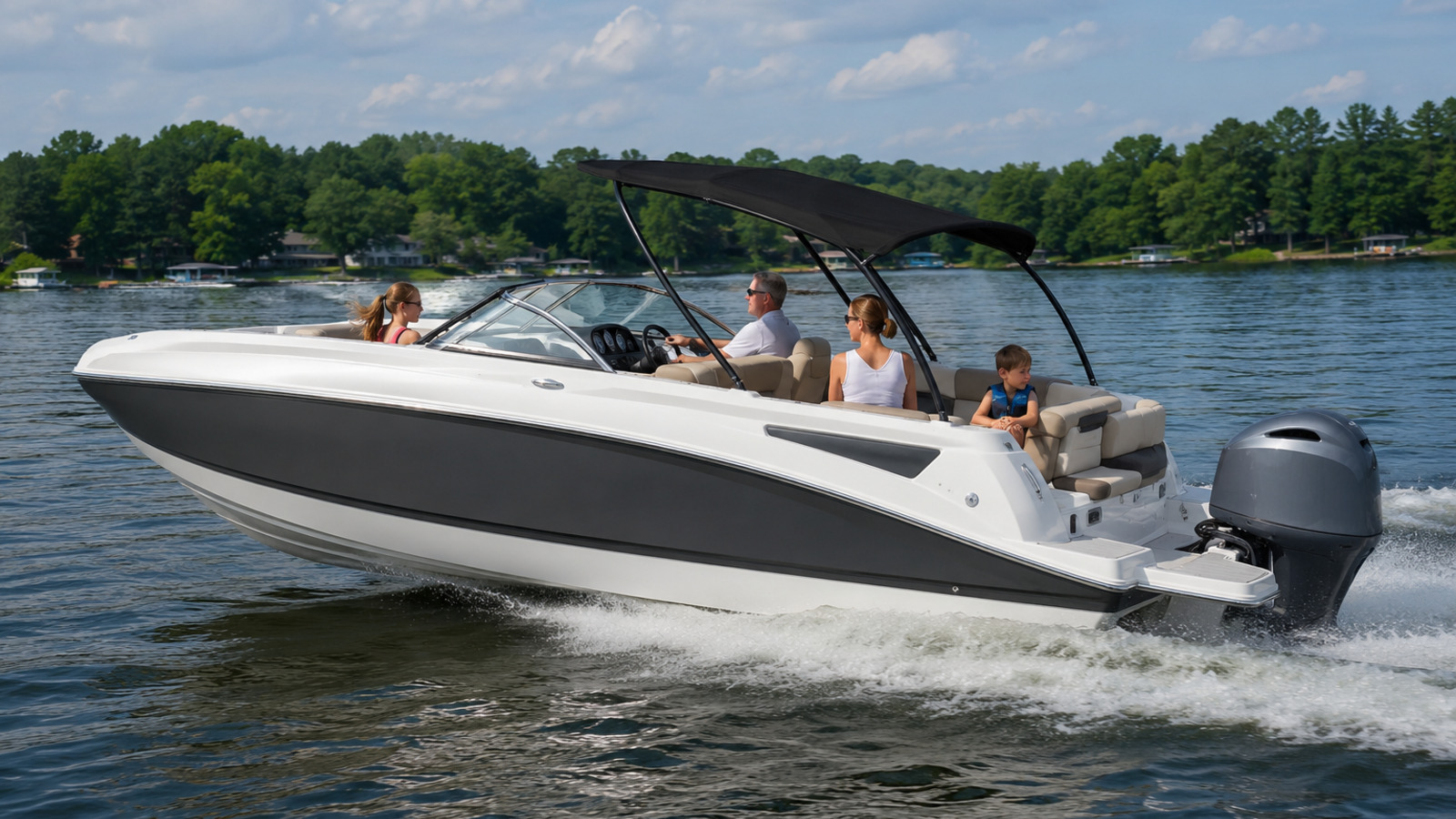
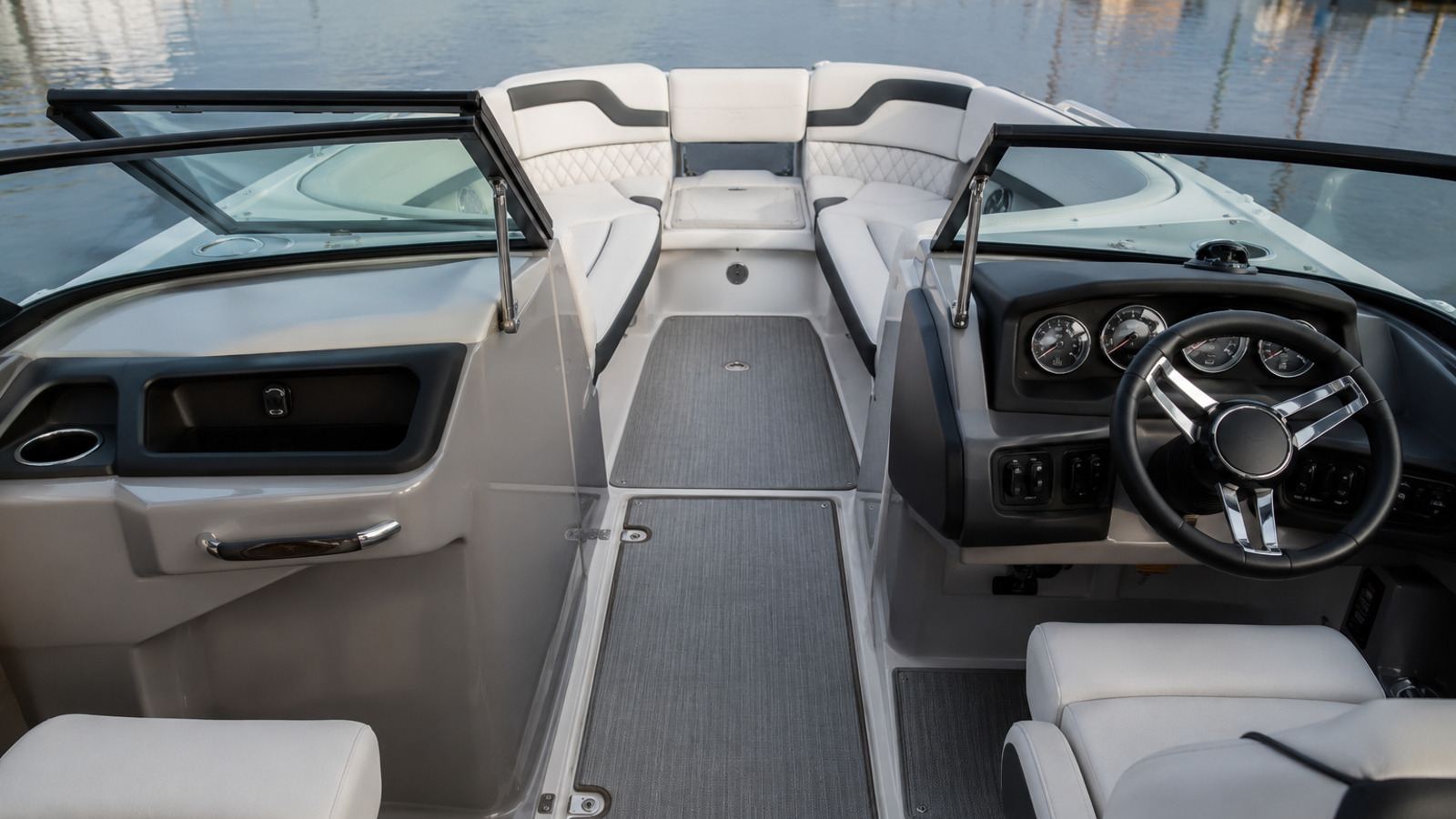
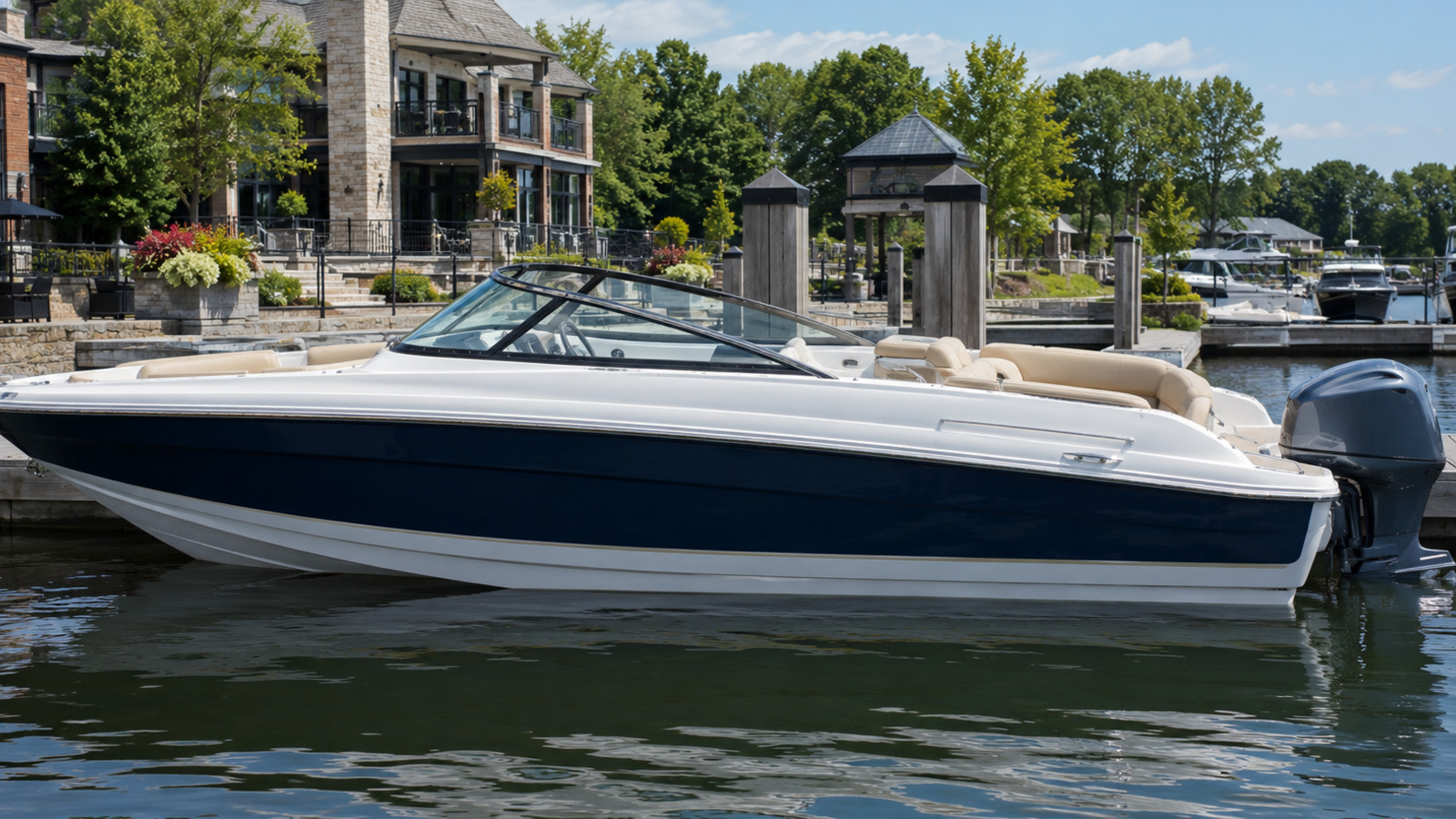
The Four Winns HD3 OB is the 22-foot-class outboard HD, combining a fully enclosed head and deck-boat volume with 300-horsepower outboard capability.
The Four Winns HD3 OB is the 22-foot-class outboard HD, combining a fully enclosed head and deck-boat volume with 300-horsepower outboard capability. It is a current 2026 Four Winns model, and its strongest reason to exist is the head-equipped HD outboard layout.
On this head-equipped HD outboard, this model is built around deck-boat bow volume, dual-end water access, and family seating density. For this head-equipped HD outboard, that gives the HD3 OB a buyer profile that cannot be reduced to length alone.
With this head-equipped HD outboard, at 22’4″ overall with an 8’4″ beam, the HD3 OB needs to fit the family’s trailer, lift, garage, or marina before upholstery and electronics become the emotional decision.
In this head-equipped HD outboard, Four Winns publishes 300 HP maximum power and 44 gal of fuel capacity. On this head-equipped HD outboard, those numbers frame the performance and range conversation, but propulsion layout determines how the owner services, stores, and uses the stern.
For this head-equipped HD outboard, the first alternative is HD3 or HD3 Surf. With this head-equipped HD outboard, a shopper should switch models when the alternative solves a real ownership problem rather than treating a larger badge as an automatic upgrade.
The HD3 OB is best for buyers who value the 22-foot-class outboard HD, combining a fully enclosed head and deck-boat volume with 300-horsepower outboard capability. In this head-equipped HD outboard, it is a weaker fit for owners who dislike the maintenance profile created by single outboard.
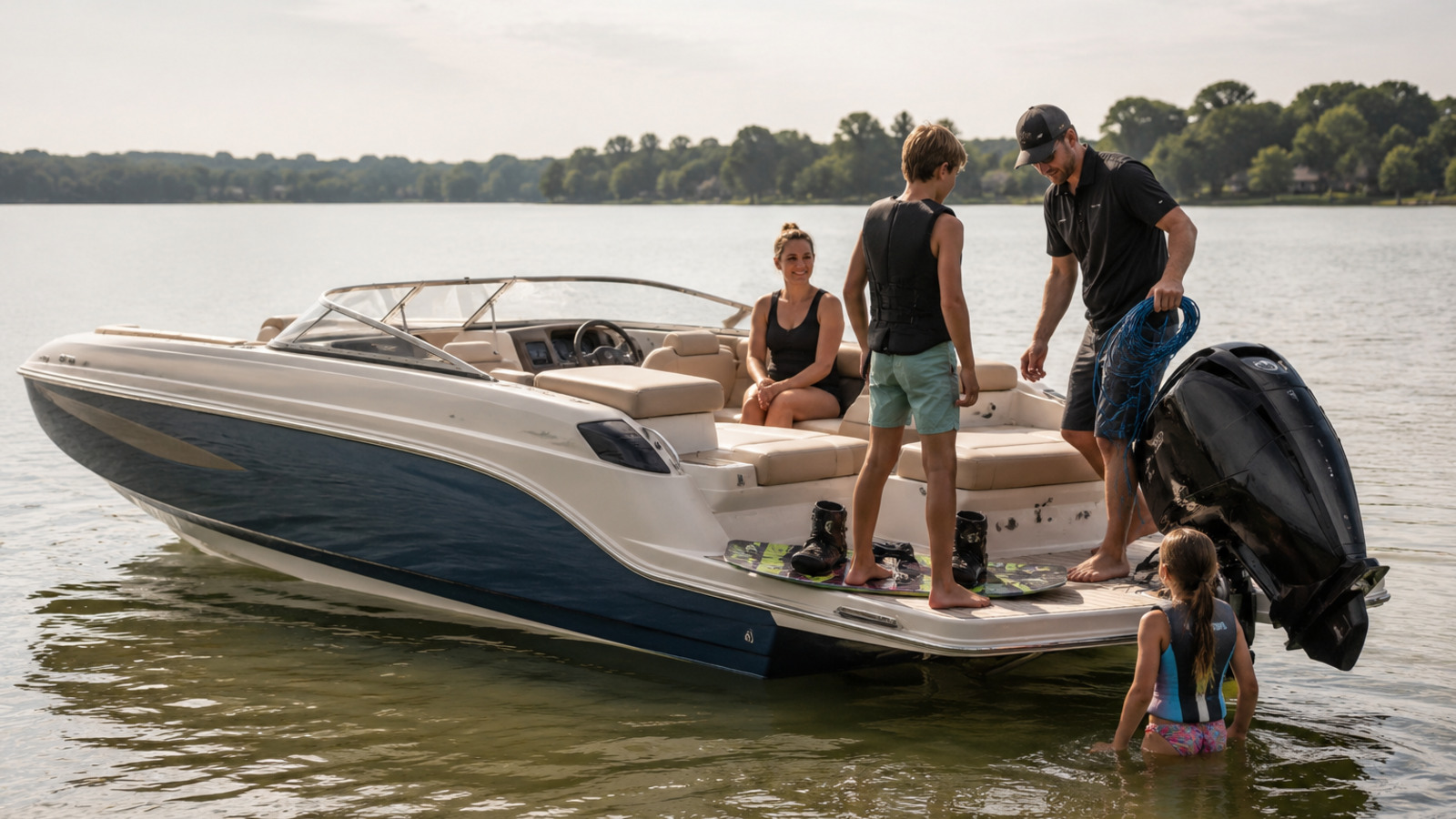
Published factory figures. Confirm every dimension against the individual boat before you commit.
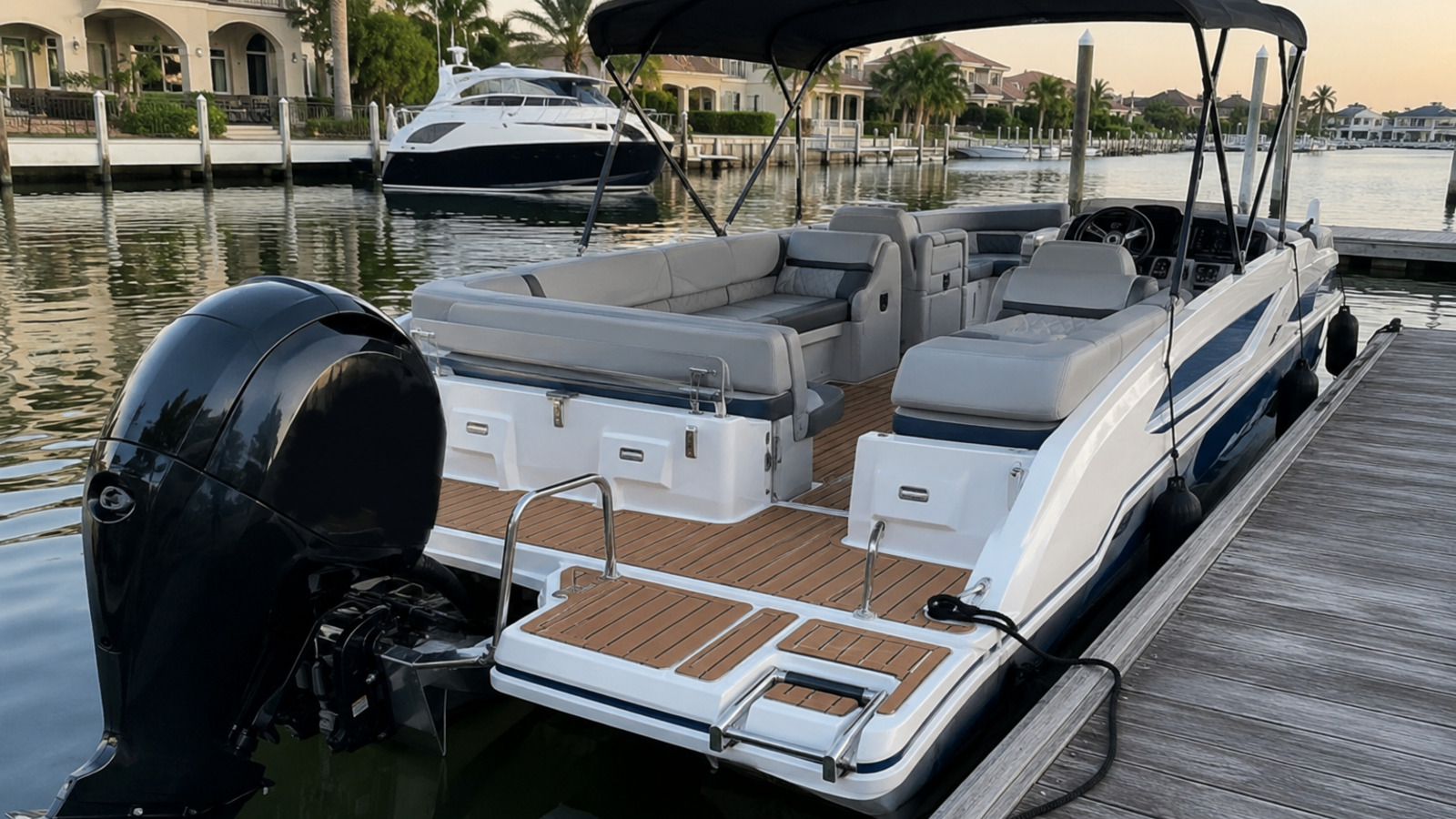
The Stable-Vee hull beneath this head-equipped HD outboard should be judged around its 8’4″ beam, 22’4″ length, and intended activity rather than assumed to behave like every boat carrying a Four Winns badge.
On this head-equipped HD outboard, an 8’4″ beam places the HD3 OB inside conventional trailer width, while 22’4″ of overall length controls garage depth, slip fit, and trailer storage.
For this head-equipped HD outboard, published weight is 4,190 lb w/ engine. With this head-equipped HD outboard, fuel, batteries, water, gear, options, and trailer add to that figure before the boat ever reaches the ramp or lift.
In this head-equipped HD outboard, the 20° transom geometry should be considered alongside the normal water conditions. On this head-equipped HD outboard, a family running protected lakes has a different ride priority from an owner using near-coastal water.
For this head-equipped HD outboard, draft is listed as 1’6″ up / 2’8″ down. With this head-equipped HD outboard, the drive or engine position changes how the stern behaves at shallow ramps and on lifts, so the actual hardware needs to be observed in the up and down positions.
In this head-equipped HD outboard, examine the keel, chines, strakes, rub rail, transom corners, swim-platform joints, tower mounts, and any terrace hardware. On this head-equipped HD outboard, large accessories can transfer meaningful load into the deck.
For this head-equipped HD outboard, on a used HD3 OB, trailer-bunk marks and lift wear can reveal whether the Stable-Vee running surface has been supported correctly. With this head-equipped HD outboard, gelcoat damage beneath bunks deserves the same attention as a visible scratch above the waterline.
In this head-equipped HD outboard, model-year verification matters because Four Winns has updated equipment and power choices over time. On this head-equipped HD outboard, the capacity plate and hull identification should resolve any disagreement with a listing.
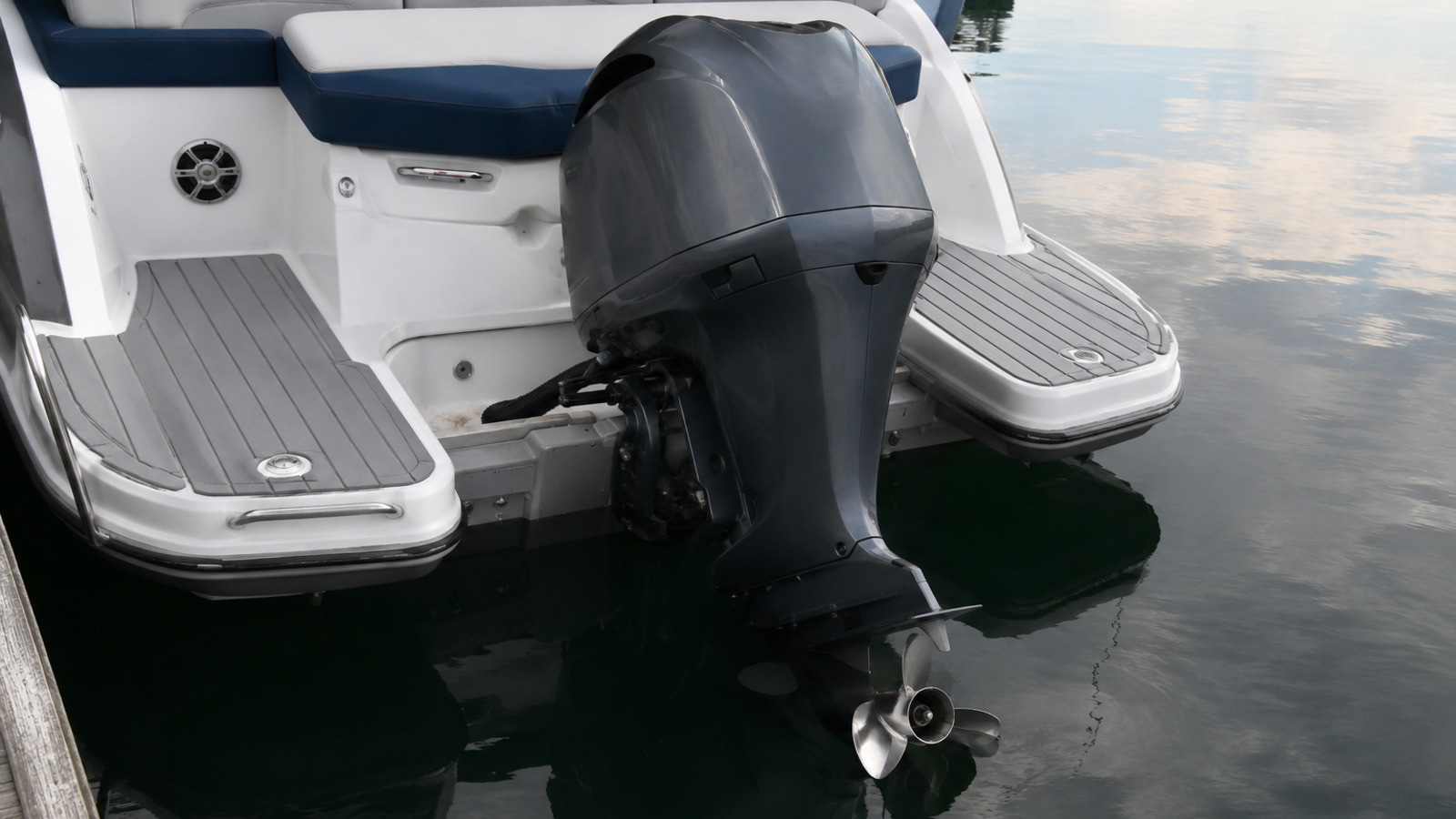
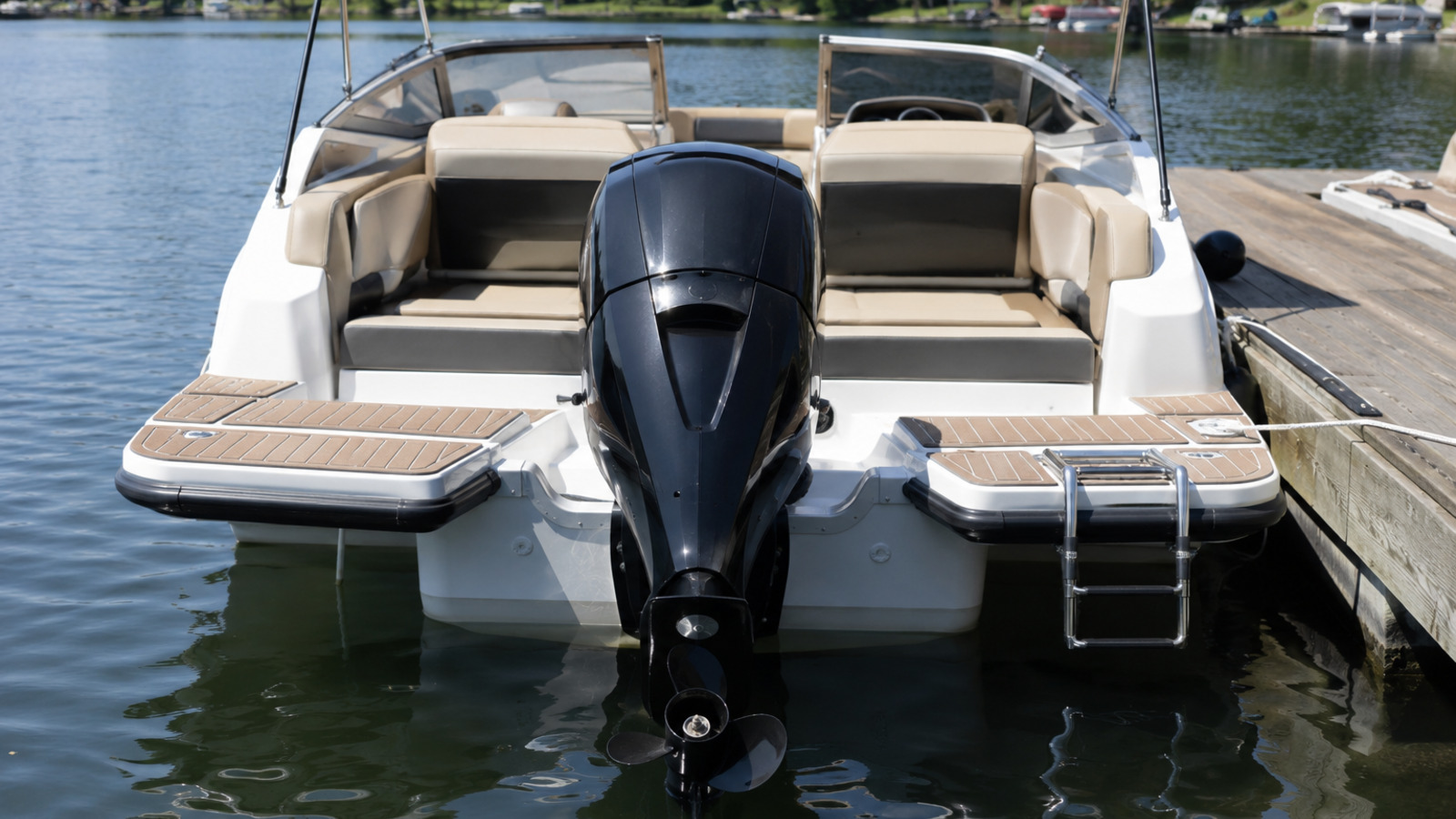
This head-equipped HD outboard hangs its engine package outside the transom, keeping lower-unit, trim, steering, rigging, and mounting hardware visible for routine inspection and future service. Mechanically, on the head-equipped HD outboard, the engine stays visible and serviceable outside the cockpit, making flushing, lower-unit checks, trim inspection, and future repower planning more direct.
Mechanically, on this head-equipped HD outboard, inspect engine mounting bolts, steering hardware, rigging tubes, cable penetrations, and the transom for cracks or water staining. For this head-equipped HD outboard, external power still depends on a healthy hull connection.
With this head-equipped HD outboard, the lower unit, skeg, propeller, trim cylinders, and anodes deserve a close look because they reveal grounding, corrosion, or storage damage quickly.
In this head-equipped HD outboard, ask about flushing history after salt or brackish operation. On this head-equipped HD outboard, water-pump, thermostat, anode, gearcase, oil, and fuel-system service should appear in the maintenance record.
Mechanically, on this head-equipped HD outboard, the HD3 OB needs clean steering from lock to lock without hydraulic leaks or cable chafe. For this head-equipped HD outboard, engine data at the helm should agree with the mechanical feel during the sea trial.
With this head-equipped HD outboard, repower flexibility is an advantage, not permission to install anything that fits the bolt pattern. In this head-equipped HD outboard, shaft length, transom rating, engine weight, steering, controls, and electrical capacity still govern the replacement.
On this head-equipped HD outboard, compared with HD3 or HD3 Surf, the HD3 OB makes the strongest case when engine access and saltwater practicality outweigh the loss of a completely clear center swim platform.
Mechanically, on this head-equipped HD outboard, budget for lower-unit service, anodes, water-pump and cooling care, hydraulic steering, trim, flushing, and transom rigging.
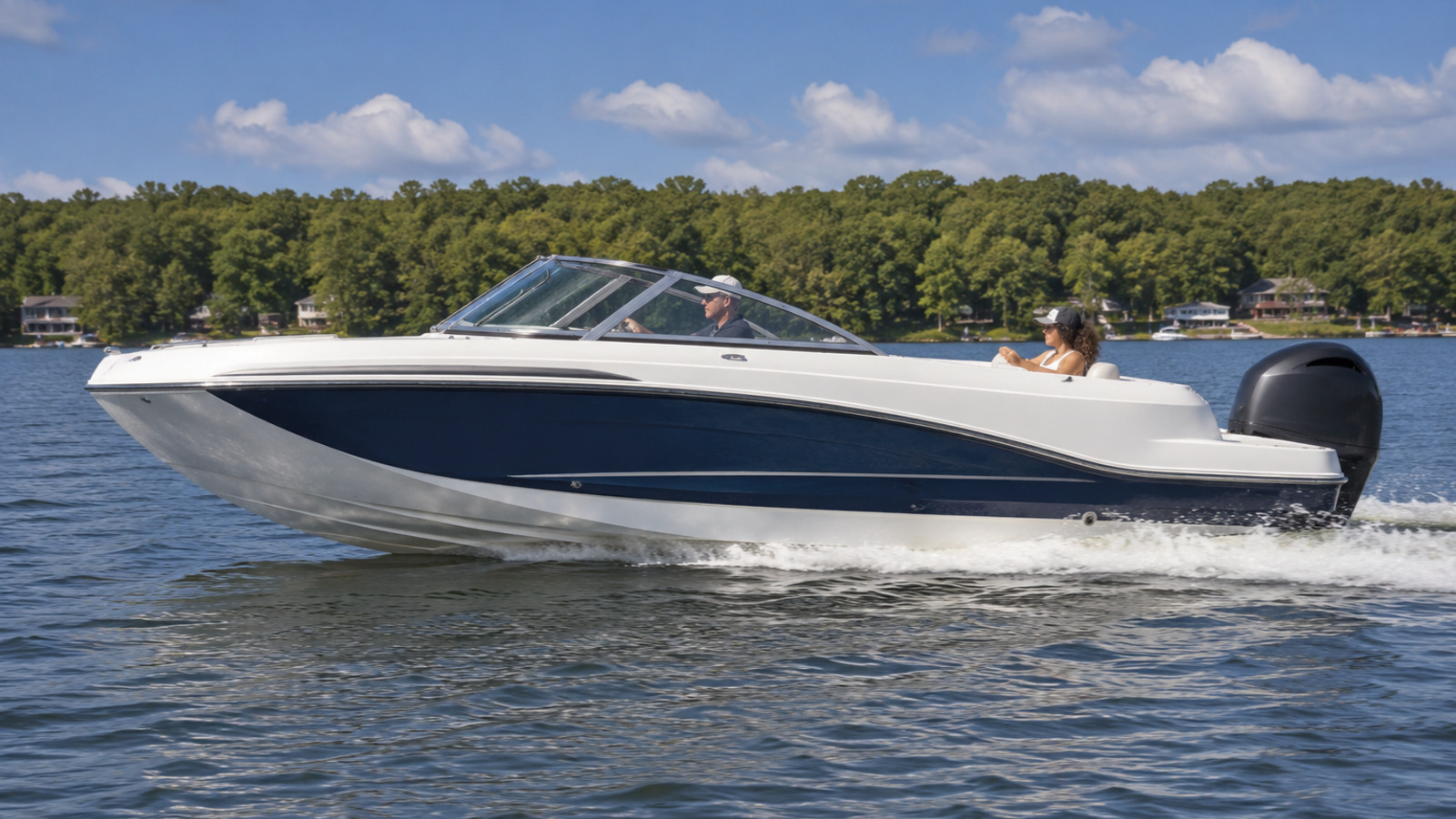
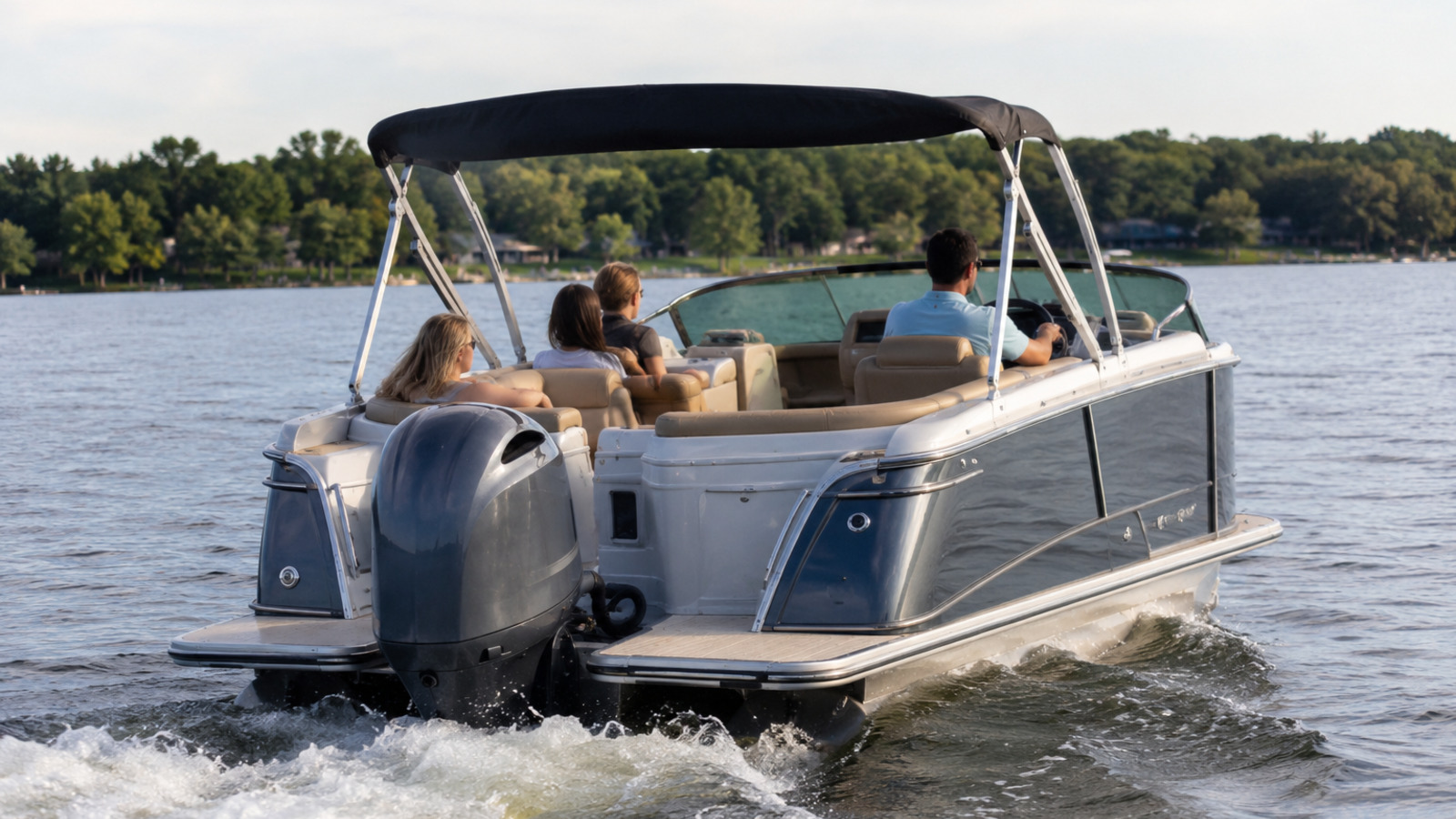
For this head-equipped HD outboard, Four Winns publishes 44 gal of fuel capacity, a figure that needs to be paired with real cruise burn and the way this specific propulsion package is used. With this head-equipped HD outboard, range should be estimated from actual cruise fuel flow rather than tank size alone.
In this head-equipped HD outboard, passenger load, propeller condition, trim, water state, watersports use, and repeated acceleration all move consumption. On this head-equipped HD outboard, a short dealer ride rarely resembles a full Saturday.
For this head-equipped HD outboard, a full tank also changes loaded weight. With this head-equipped HD outboard, on the HD3 OB, fuel should be included in trailer and lift calculations rather than treated as an invisible operating item.
In this head-equipped HD outboard, Four Winns publishes 12 gal of freshwater capacity for the HD3 OB. On this head-equipped HD outboard, run the pump, sink, shower, and any head-related plumbing long enough to expose weak pressure, seepage, or a leak that only appears after the system is pressurized.
For this head-equipped HD outboard, inspect fuel fill, vent, hoses, sender, separators, and accessible tank areas. With this head-equipped HD outboard, persistent gasoline odor deserves explanation before delivery.
In this head-equipped HD outboard, the useful ownership question is whether 44 gal covers the family’s normal boating day with a reserve. On this head-equipped HD outboard, a long-range marina boat and a compact evening runabout should not be judged by the same standard.
For this head-equipped HD outboard, for the HD3 OB, fuel budget should be paired with 300 HP maximum power and the actual activity mix. With this head-equipped HD outboard, surfing, tubing, cruising, and idle-heavy social days create different operating profiles.
The sea trial for this head-equipped HD outboard should recreate the owner’s normal water and passenger load, because that is where the hull, single outboard, and seating plan either make sense together or expose the wrong variant.
In this head-equipped HD outboard, at idle, practice reverse, a tight turn, and a dock approach. On this head-equipped HD outboard, the stern response will differ materially between sterndrive, outboard, surf-forward-drive, and twin-engine models.
Accelerate with several adults aboard. For this head-equipped HD outboard, the driver should retain forward visibility and the boat should reach plane without needing passengers moved purely to correct balance.
With this head-equipped HD outboard, at cruise, cross ordinary wakes and make broad turns. In this head-equipped HD outboard, listen for windshield movement, tower vibration, drive noise, terrace rattles, or steering effort that only appears once the hull is loaded.
Trim response should be progressive. On this head-equipped HD outboard, the HD3 OB should free the hull without porpoising or losing propeller bite.
For this head-equipped HD outboard, run the boat at the lower speeds used for tubing, surfing, fishing, or social cruising. With this head-equipped HD outboard, family boats spend more time there than at maximum speed.
In this head-equipped HD outboard, with 300 HP available, the engine choice should be judged under realistic load rather than from an empty acceleration run.
On this head-equipped HD outboard, the best HD3 OB setup is the one that feels relaxed at normal cruise and predictable during the activity the household does most often.
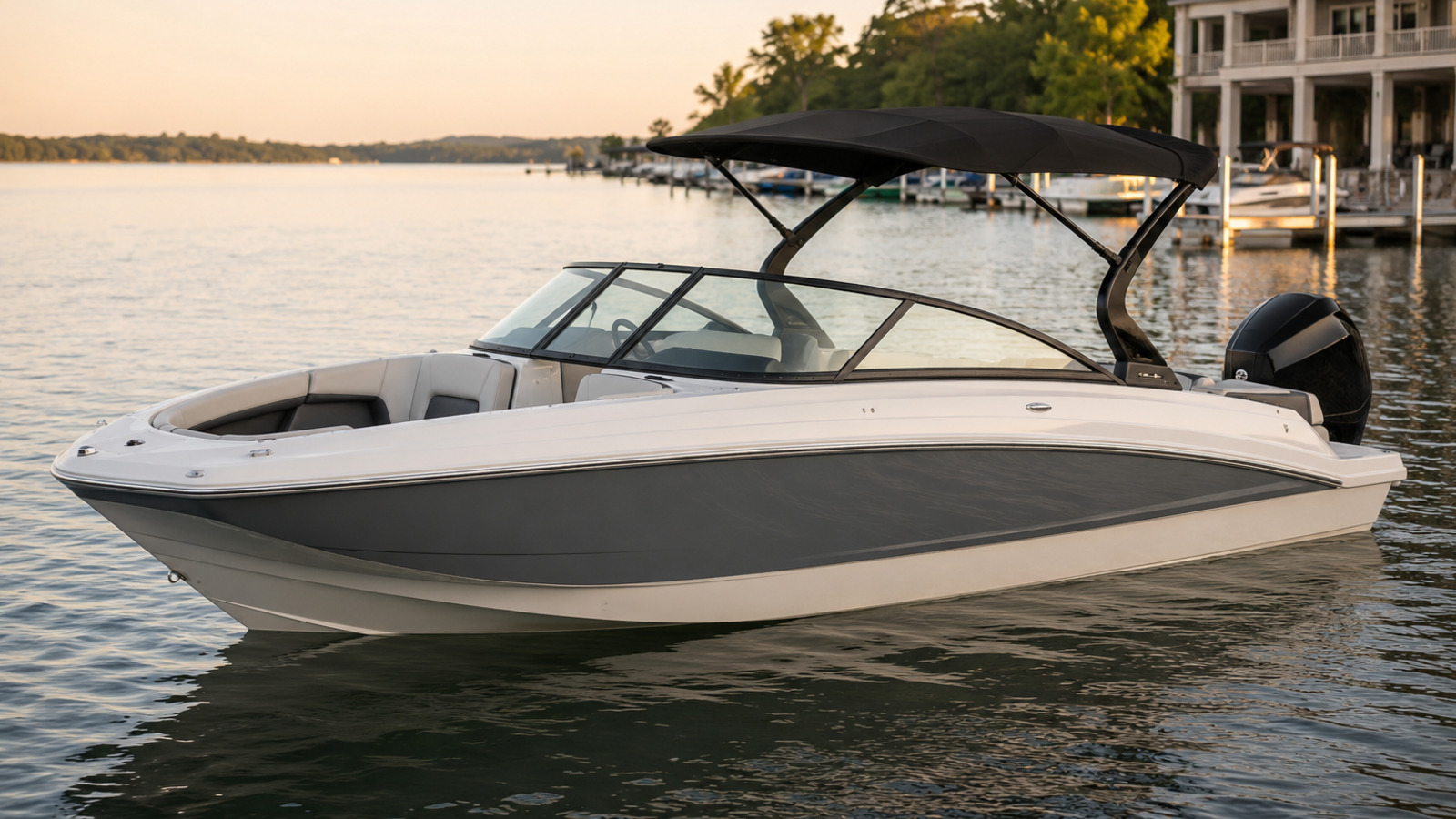
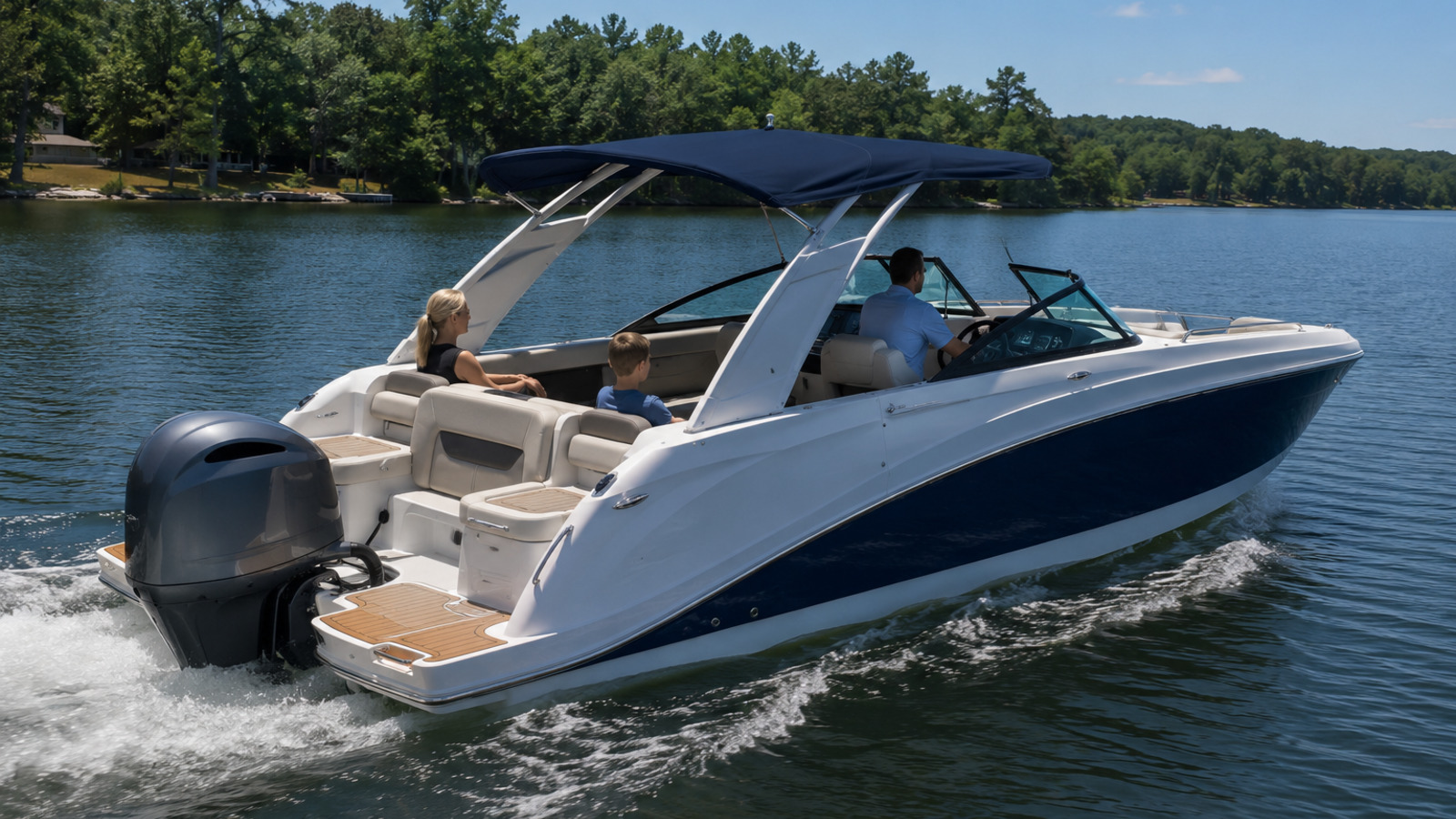
A head-equipped HD outboard needs to prove its layout with the normal crew aboard; empty showroom seating can hide the traffic and storage compromises that appear once a real family day starts. For this head-equipped HD outboard, its layout is built around deck-boat bow volume, dual-end water access, and family seating density.
With this head-equipped HD outboard, seat adults in the bow, helm, and aft cockpit, then move through the windshield and stern without asking everyone to stand. In this head-equipped HD outboard, good social space still needs circulation.
On this head-equipped HD outboard, swim access molded around an outboard powerhead rather than a completely clear center platform is one of the defining ownership differences on this model. For this head-equipped HD outboard, use the boarding ladder and platform exactly as the family will after swimming.
Open every storage compartment. With this head-equipped HD outboard, towels, fenders, dock lines, life jackets, boards, and coolers can consume the apparent volume quickly.
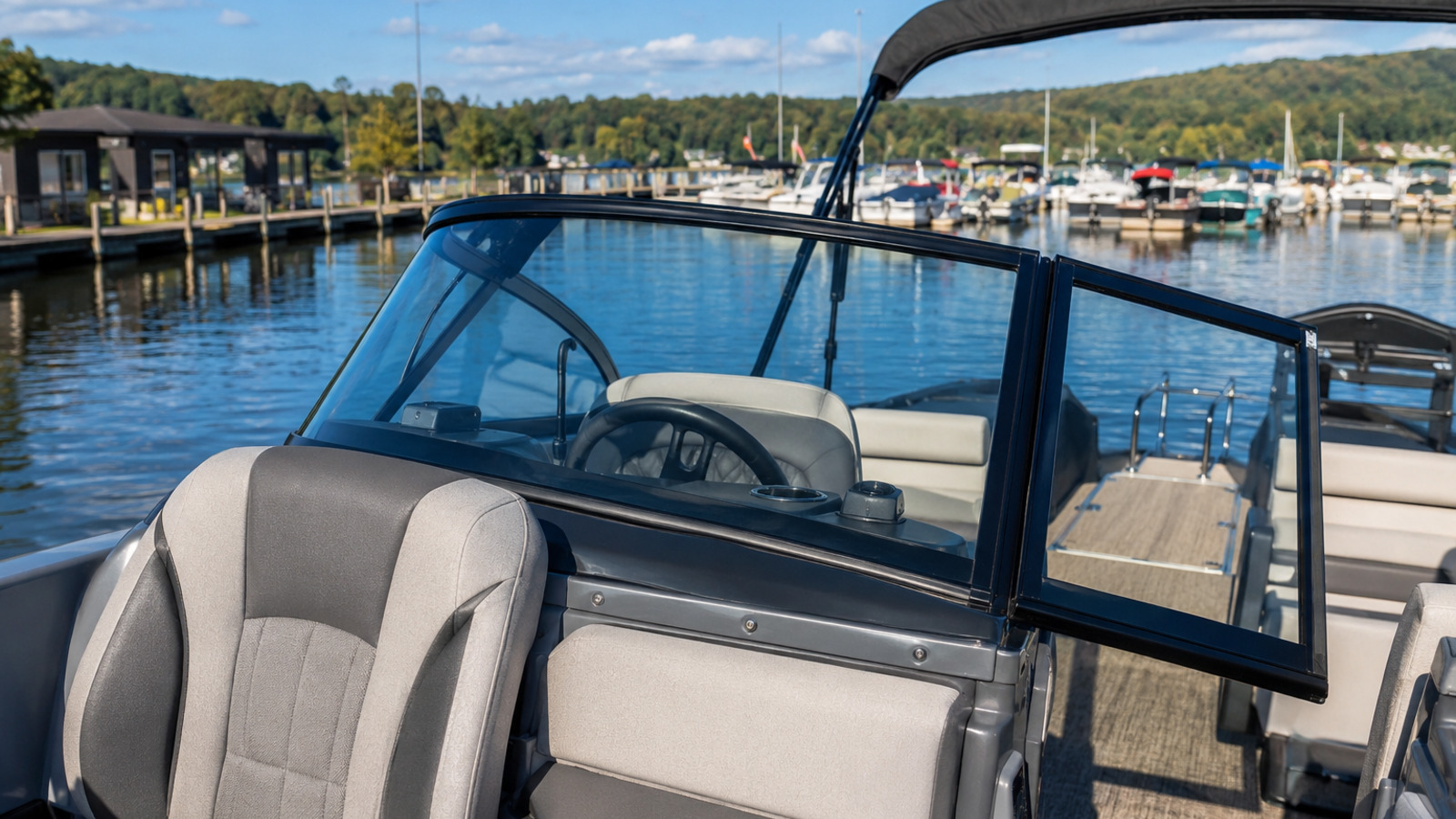
In this head-equipped HD outboard, at the helm, test seated and bolster-up sightlines. On this head-equipped HD outboard, bow passengers should not force the driver to stand simply to see over the windshield during acceleration.
For this head-equipped HD outboard, move any reversible aft lounge, sunpad backrest, table, or passage hardware through its full range and make sure it locks securely.
With this head-equipped HD outboard, the head and larger-day-boat systems should be used during the visit because they are part of the price premium.
In this head-equipped HD outboard, the right HD3 OB should make the normal family routine easier than HD3 or HD3 Surf, not merely add another foot or a different engine location.
On this head-equipped HD outboard, on the HD3 OB, check gelcoat, strakes, keel contact, and signs of poor trailer or lift support. This feature should earn its place by supporting the head-equipped HD outboard, not simply by appearing on the option sheet.
For this head-equipped HD outboard, on the HD3 OB, check mounting, moving parts, wiring or plumbing, drainage, and wear on the exact boat. This feature should earn its place by supporting the head-equipped HD outboard, not simply by appearing on the option sheet.
With this head-equipped HD outboard, on the HD3 OB, check ladder deployment, hinges, non-skid, surrounding gelcoat, and clearance around propulsion. This feature should earn its place by supporting the head-equipped HD outboard, not simply by appearing on the option sheet.
In this head-equipped HD outboard, on the HD3 OB, check mounting, moving parts, wiring or plumbing, drainage, and wear on the exact boat. This feature should earn its place by supporting the head-equipped HD outboard, not simply by appearing on the option sheet.
On this head-equipped HD outboard, on the HD3 OB, check stitching, hinges, backrest locks, seat bases, foam support, and drainage. This feature should earn its place by supporting the head-equipped HD outboard, not simply by appearing on the option sheet.
For this head-equipped HD outboard, on the HD3 OB, check latches, drains, hinges, dryness, and whether the space remains usable with normal gear aboard. This feature should earn its place by supporting the head-equipped HD outboard, not simply by appearing on the option sheet.
With this head-equipped HD outboard, on the HD3 OB, check toilet operation, pumps, seals, ventilation, freshwater supply, and holding-system leaks. This feature should earn its place by supporting the head-equipped HD outboard, not simply by appearing on the option sheet.
In this head-equipped HD outboard, on the HD3 OB, check brakes, bearings, tires, bunks, winch, coupler, lights, and corrosion. This feature should earn its place by supporting the head-equipped HD outboard, not simply by appearing on the option sheet.
Systems on this head-equipped HD outboard should be inspected around its single outboard architecture and the equipment that actually justifies choosing this variant over HD3 or HD3 Surf.
On this head-equipped HD outboard, for the HD3 OB, start with the battery system, bilge pump, navigation lights, horn, helm electronics, audio, charging ports, and any Seanapps-connected functions fitted to the model year.
For this head-equipped HD outboard, add lower-unit steering and trim systems plus engine rigging at the transom.
With this head-equipped HD outboard, cycle the Bimini, tower, arch, terrace, power backrest, or hardtop equipment fitted to the exact boat. In this head-equipped HD outboard, moving hardware should operate repeatedly without twisting or binding.
On this head-equipped HD outboard, run freshwater and head equipment long enough to reveal leaks, then inspect nearby lockers and bilge areas.
For this head-equipped HD outboard, aftermarket audio and lighting should use marine-grade wiring, proper fusing, and supported conductors. With this head-equipped HD outboard, modifications that block engine or pump service reduce value.
In this head-equipped HD outboard, a premium Four Winns should not arrive with a collection of small electrical faults. On this head-equipped HD outboard, individually minor failures can point to weak batteries or careless installation.
For this head-equipped HD outboard, keep records for lower-unit service, anodes, water-pump and cooling care, hydraulic steering, trim, flushing, and transom rigging; those records become part of resale value later.
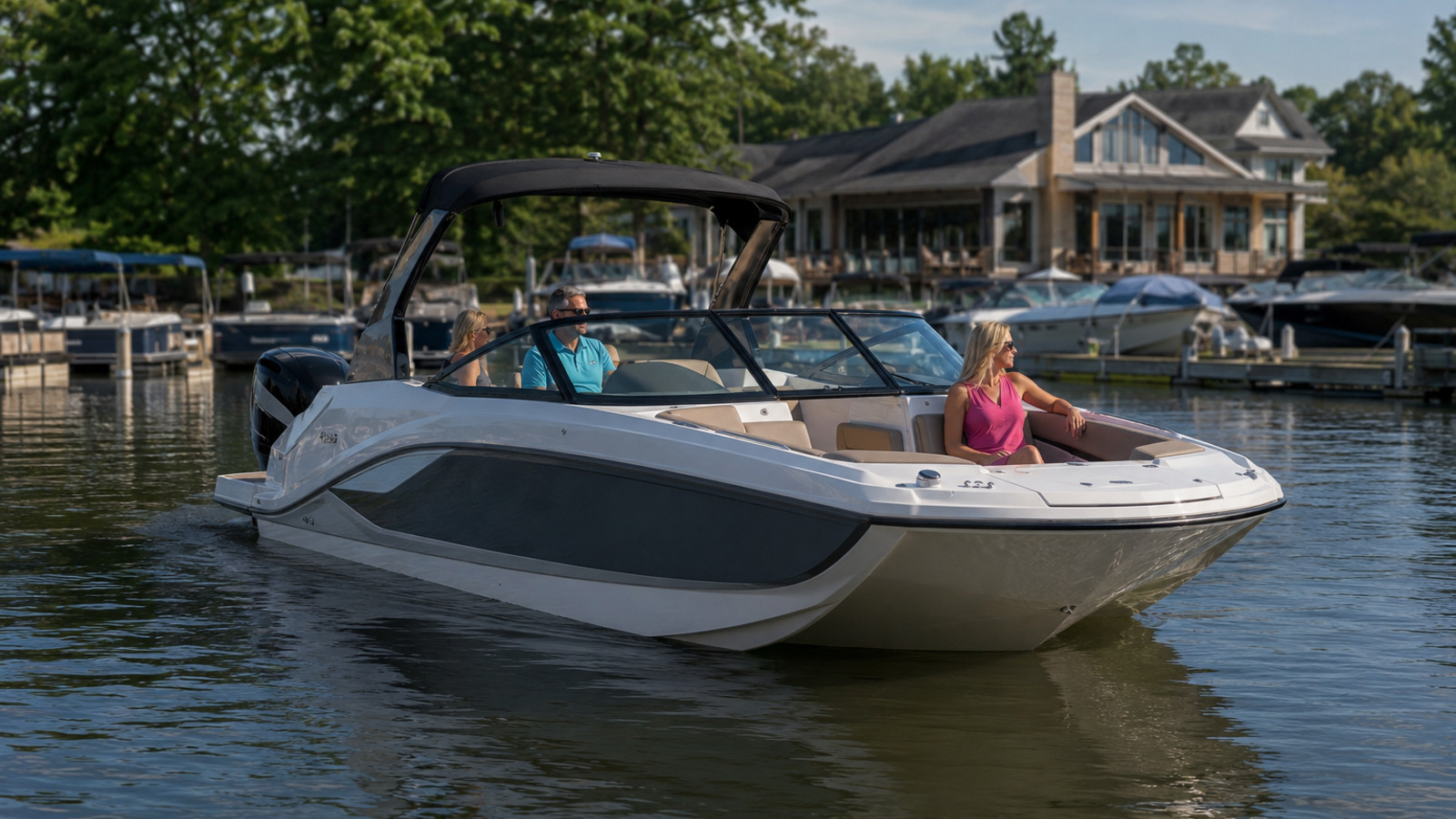
Storage planning for this head-equipped HD outboard begins with 22’4″ of overall length, an 8’4″ beam, and 4,190 lb w/ engine of published boat-and-engine weight before fuel, trailer, batteries, and gear are added. With this head-equipped HD outboard, those figures are only the beginning of the loaded ownership footprint.
In this head-equipped HD outboard, add 44 gal of fuel, batteries, water, gear, options, and trailer weight before choosing a tow vehicle or lift.
On this head-equipped HD outboard, the beam remains inside conventional road width, making loaded weight, total trailer length, and stored height the more likely transport limits.
For this head-equipped HD outboard, measure the actual stored height with tower, arch, antennas, speakers, or hardtop equipment. With this head-equipped HD outboard, catalog bridge clearance is only a starting point.
In this head-equipped HD outboard, trailer buyers should inspect tires, brakes, bearings, bunks, coupler, winch, lights, tongue, and corrosion separately from the boat.
On this head-equipped HD outboard, lift buyers need capacity for the complete loaded package and bunks placed around the Stable-Vee hull, propulsion hardware, transducers, and swim-platform structure.
For this head-equipped HD outboard, at home, measure the full rig from tongue to the farthest drive or engine point before assuming the garage or side-yard space works.
With this head-equipped HD outboard, storage cost belongs in the affordability calculation because a new lift, covered building, or marina slip can outweigh a small difference in loan payment.
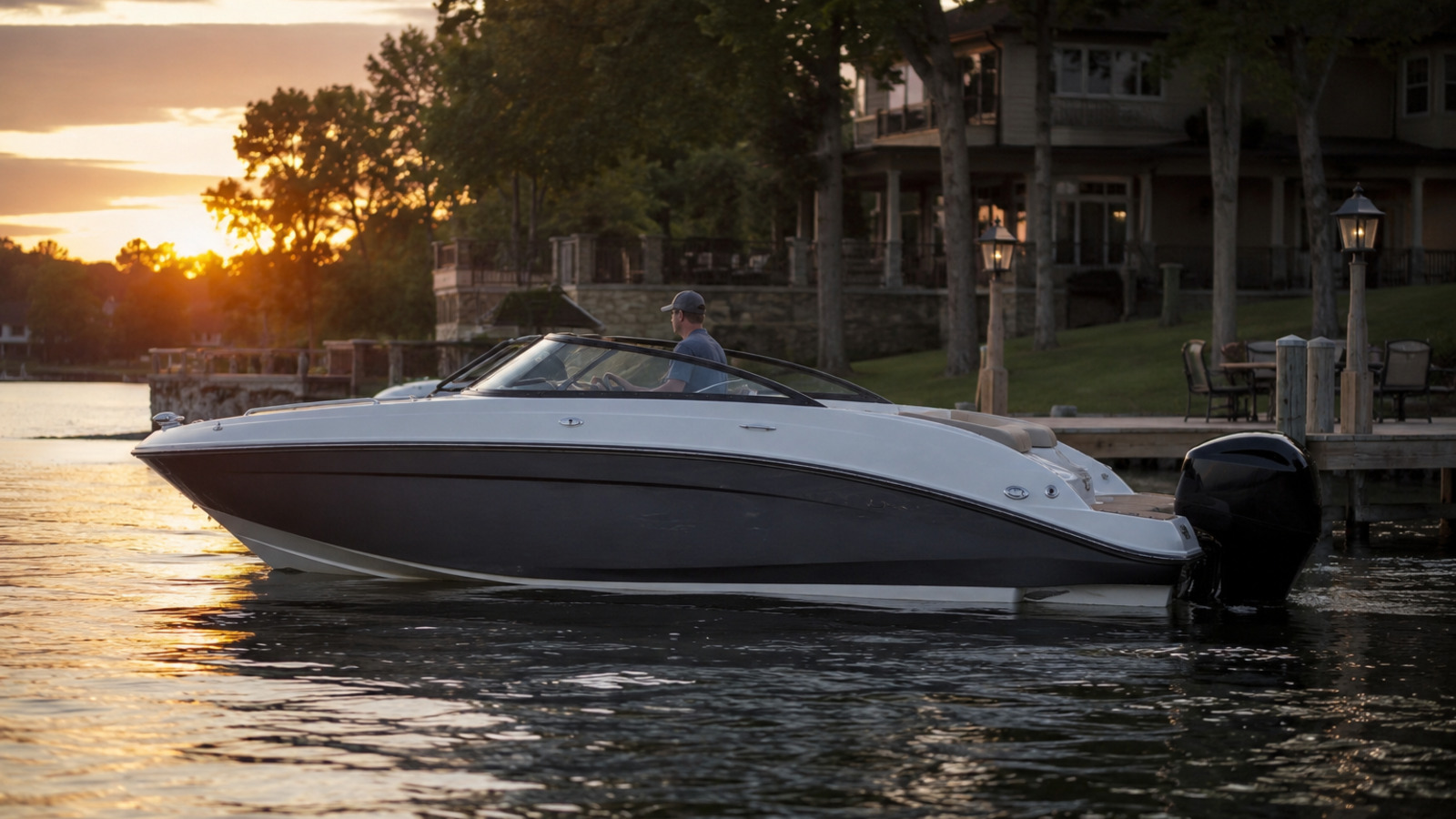
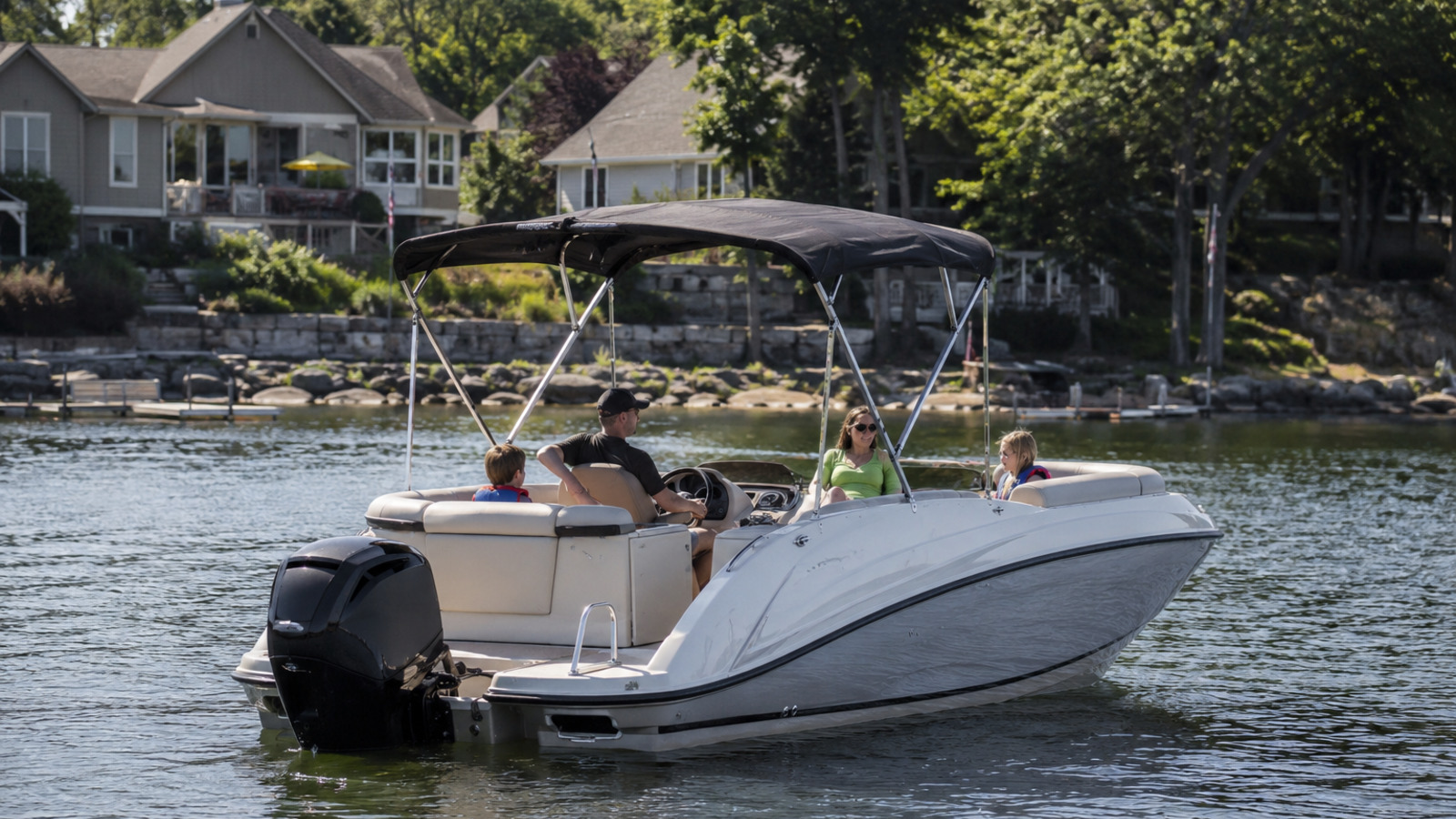
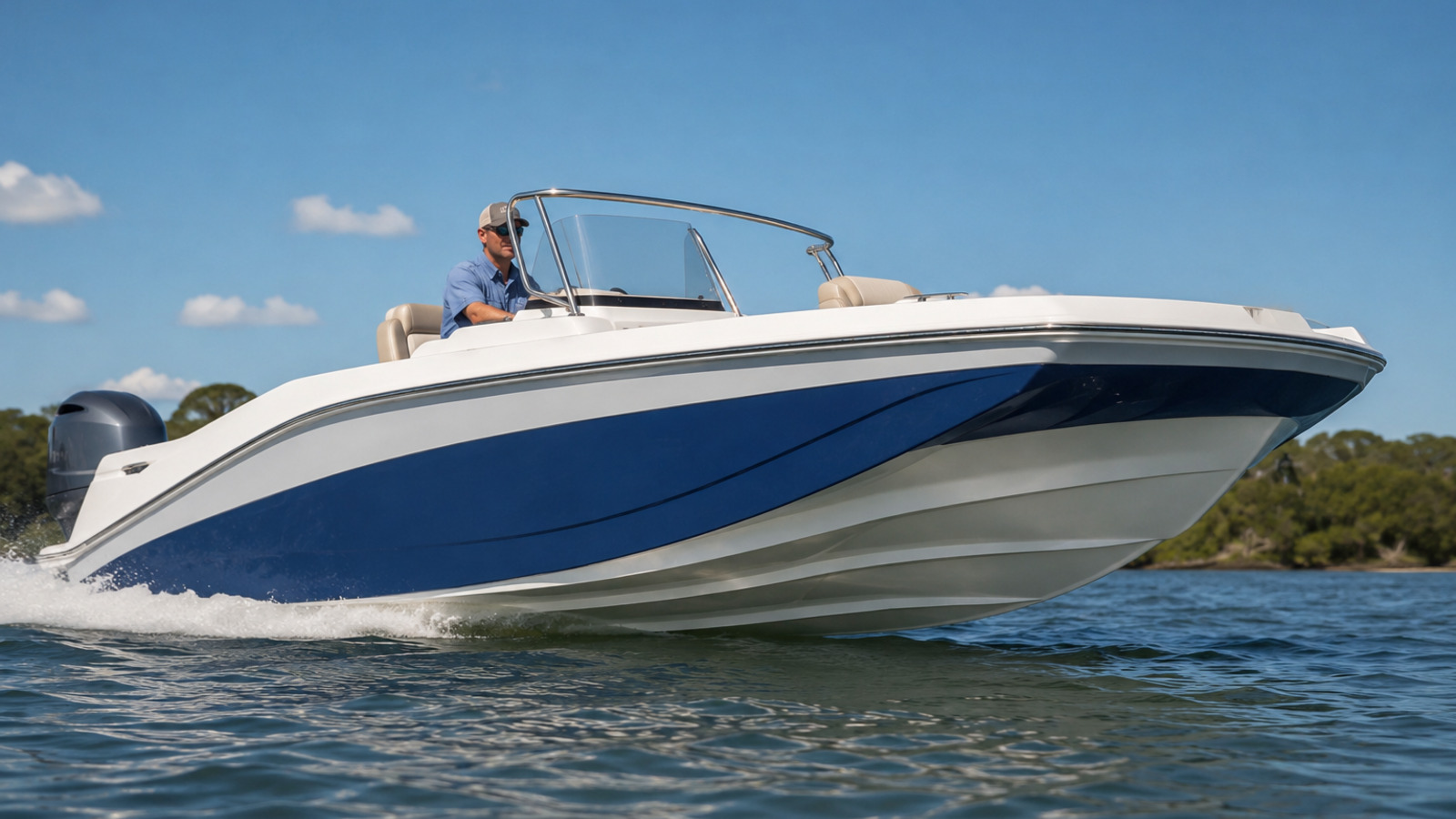
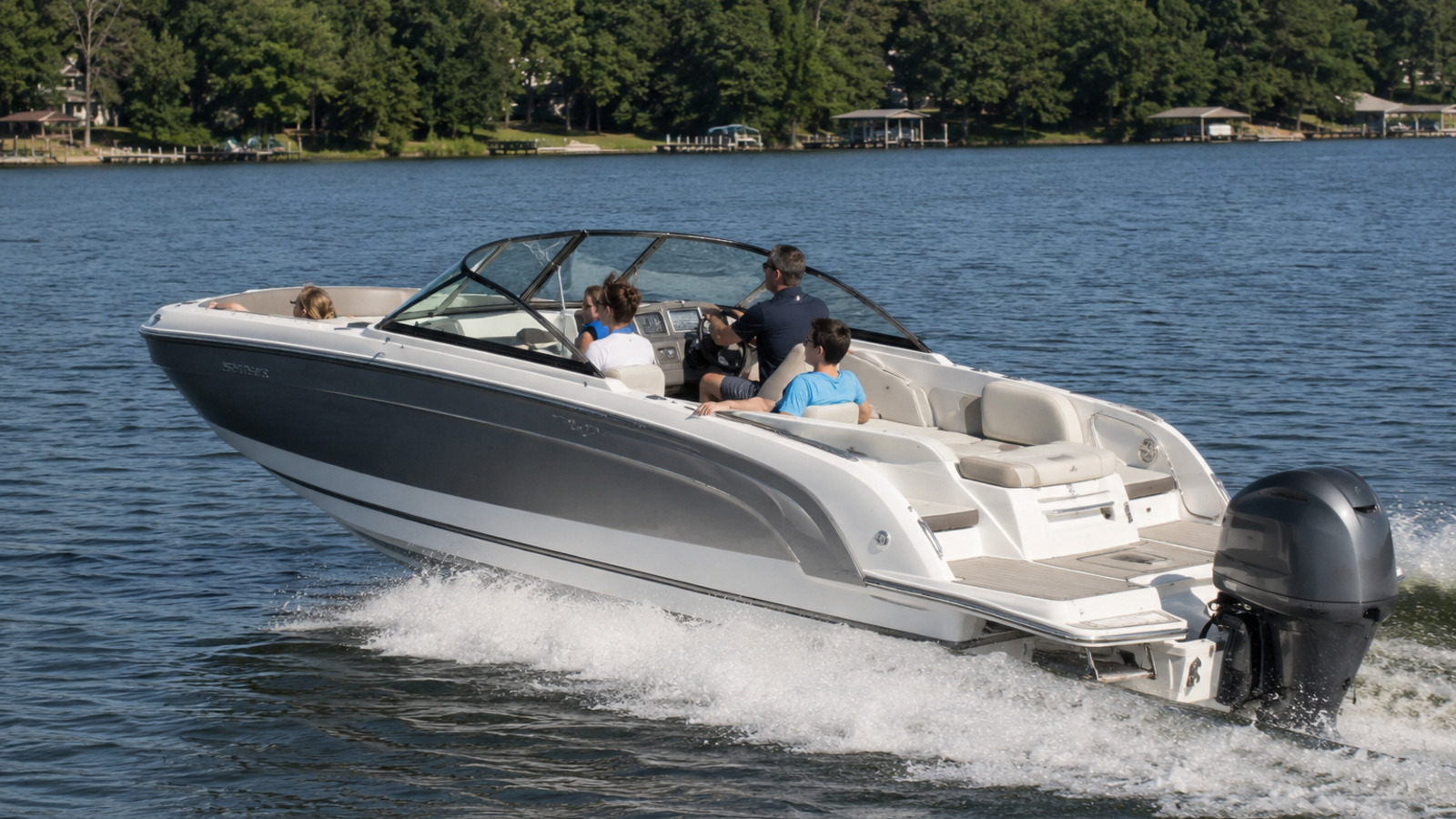
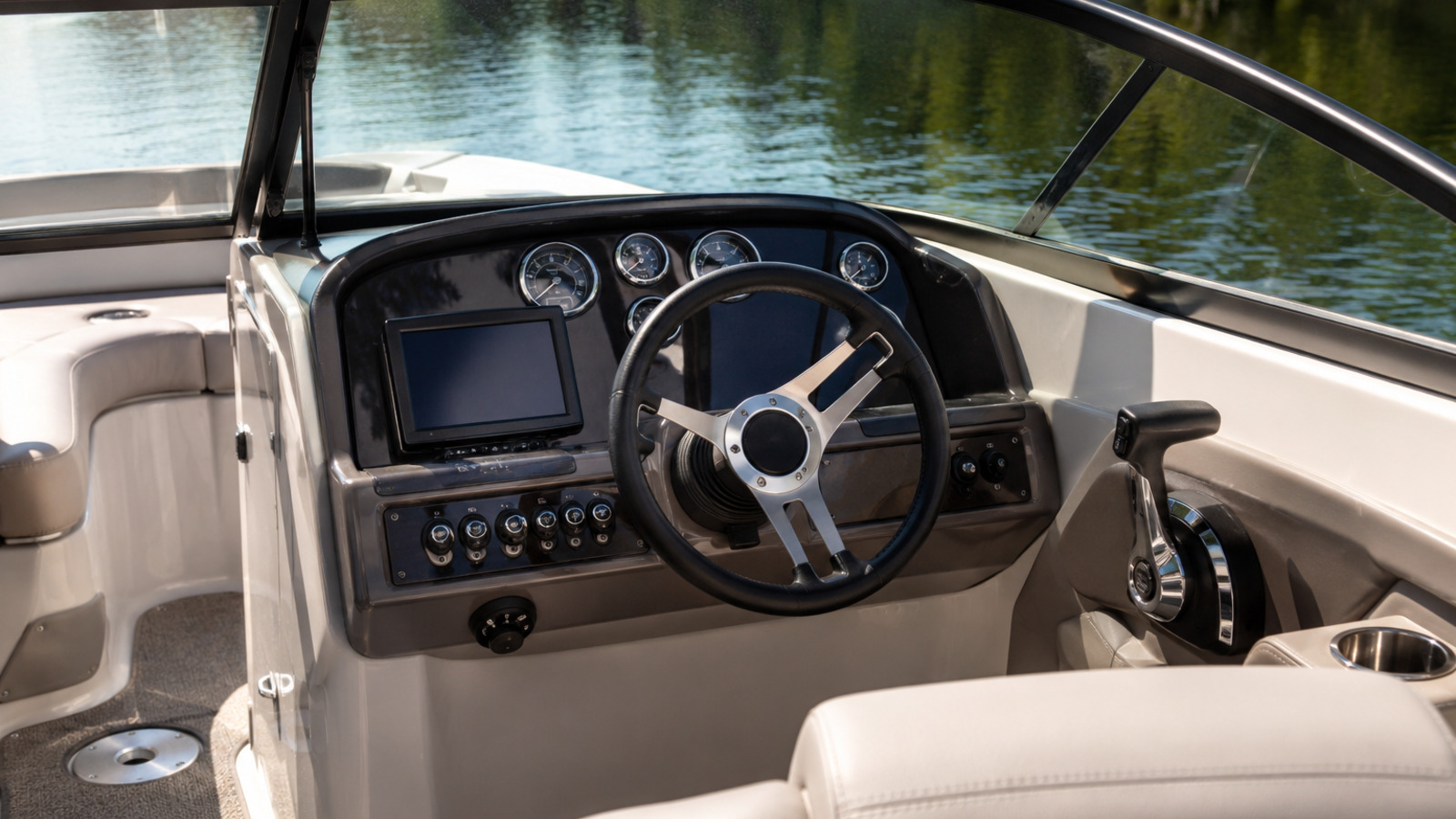
In this head-equipped HD outboard, the first value adjustment is propulsion: engine brand, horsepower, hours, drive type, steering, and service history.
The second is model-defining equipment. On this head-equipped HD outboard, on Freedom that means the simplified fixed package; on Surf it means the complete wake system; on H9/H33 it means terraces and yacht-scale systems; on HD it means head, deck-boat amenities, and propulsion choice.
For this head-equipped HD outboard, trailer condition matters most on the smaller boats. With this head-equipped HD outboard, for larger marina-oriented models, slip history, lift fit, shore-power condition, and professional service records matter more.
In this head-equipped HD outboard, electronics should be valued for current usefulness. On this head-equipped HD outboard, a functional older display can remain serviceable without carrying the replacement value of a current touchscreen.
For this head-equipped HD outboard, a well-documented HD3 OB can deserve a premium over a cheaper example with uncertain lower-unit service, anodes, water-pump and cooling care, hydraulic steering, trim, flushing, and transom rigging.
With this head-equipped HD outboard, the strongest value is the configuration whose engine, seating, storage solution, and activity equipment already match the household.
Illustration only and not an offer of credit.
For this head-equipped HD outboard, leave room for insurance, lower-unit service, anodes, water-pump and cooling care, hydraulic steering, trim, flushing, and transom rigging, fuel, and the storage infrastructure required by the exact boat.
Illustration only and not an offer of credit. Your actual rate and term depend on credit profile, vessel age, loan amount and ownership structure.
The first meaningful comparison is HD3 or HD3 Surf, because that choice exposes whether the buyer really wants the propulsion and activity profile of this head-equipped HD outboard.
The HD3 OB is head-equipped HD outboard. With this head-equipped HD outboard, that distinction should be visible in propulsion, passenger flow, or activity equipment rather than existing only in the model name.
In this head-equipped HD outboard, compare LOA, beam, fuel, power, loaded storage footprint, stern access, and the systems the family will use every weekend.
On this head-equipped HD outboard, if HD3 or HD3 Surf solves the same boating mission with a maintenance profile the owner prefers, switching models before financing is usually cheaper than adapting the wrong boat afterward.
Due diligence on a head-equipped HD outboard starts with the hull identification, exact model year, and confirmation that the installed propulsion and factory equipment match the listing. For this head-equipped HD outboard, Four Winns updates power choices, electronics, upholstery, and standard equipment, so a nearby sibling’s specification should not be silently assigned to the boat being inspected.
With this head-equipped HD outboard, verify the HD3 OB against 22’4″ LOA, 8’4″ beam, 4,190 lb w/ engine published weight, 300 HP maximum power, and 44 gal fuel capacity.
In this head-equipped HD outboard, inspect the hull and transom before the interior. On this head-equipped HD outboard, previous impact, poor lift support, or stress around tower and terrace hardware can matter more than cosmetic upholstery wear.
For this head-equipped HD outboard, follow the propulsion architecture: an externally mounted engine package with visible lower-unit, trim, steering, rigging, and transom hardware. With this head-equipped HD outboard, that determines which service records and physical components matter most.
In this head-equipped HD outboard, run steering, trim, shifting, and throttle under load. On this head-equipped HD outboard, warning messages, vibration, delayed engagement, or overheating need a mechanical explanation.
For this head-equipped HD outboard, operate every system that defines this model. With this head-equipped HD outboard, deck-boat bow volume, dual-end water access, and family seating density should be obvious in person.
In this head-equipped HD outboard, open storage after the sea trial and look for dampness, standing water, mildew, or aftermarket wiring.
On this head-equipped HD outboard, inspect the trailer if it is part of the sale. For this head-equipped HD outboard, treat it as a separate asset with its own tires, brakes, bearings, frame, winch, and bunks.
With this head-equipped HD outboard, use HD3 or HD3 Surf as the final reality check. In this head-equipped HD outboard, a buyer should still prefer the HD3 OB after the alternative is priced with equivalent condition and equipment.
On this head-equipped HD outboard, quote insurance and storage before closing, then start your application with the actual details so financing reflects the real boat rather than a generic Four Winns budget.
For this head-equipped HD outboard, trailer condition is central to HD ownership because even larger models often remain owner-towed. With this head-equipped HD outboard, brake capacity, bearings, bunk fit, tongue hardware, tires, and overall stored height should be priced as part of the boat rather than an afterthought.
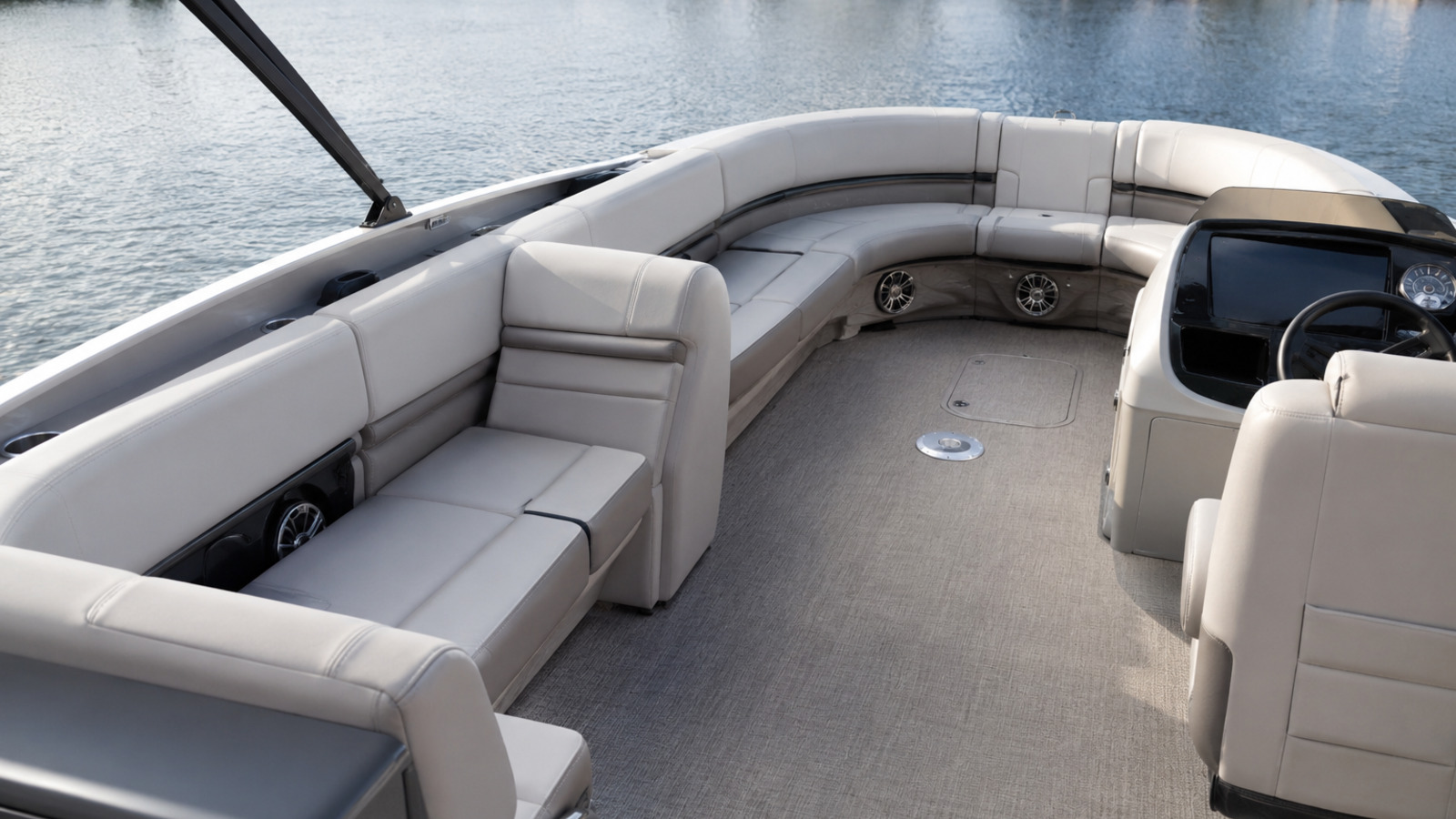
In this head-equipped HD outboard, the HD layout earns its size through usable deck width. On this head-equipped HD outboard, on the HD3 OB, the bow, U-shaped cockpit, coolers, head or changing space, and dual-end swim access should remain functional after the family loads towels, life jackets, bags, and watersports gear.
For this head-equipped HD outboard, deck-boat capacity can tempt owners to carry every available seat. With this head-equipped HD outboard, the better test is movement: passengers should be able to reach the bow ladder, stern platform, head, and helm without turning the cockpit into a pile of bags and coolers.
In this head-equipped HD outboard, the Stable-Vee running surface gives the HD family a sport-boat character, but the broad bow and passenger volume increase windage. On this head-equipped HD outboard, low-speed docking should be tested with the same number of people the boat normally carries.
For this head-equipped HD outboard, head equipment becomes a major divider above HD2. With this head-equipped HD outboard, a working sink, pump, porta-pottie or toilet, lighting, ventilation, and surrounding storage can extend the family day, but neglected plumbing creates a maintenance burden the compact models avoid.
In this head-equipped HD outboard, the HD3 OB should be compared with HD3 or HD3 Surf around stern use. On this head-equipped HD outboard, sterndrive, outboard, and Surf versions can share similar passenger space while creating completely different swim access and service routines.
Start your application with the actual HD3 OB details with model year, single outboard, engine hours where available, seller type, asking price, and the equipment that makes this head-equipped HD outboard different from its siblings.
The HD3 OB is the 22-foot-class outboard HD, combining a fully enclosed head and deck-boat volume with 300-horsepower outboard capability. Its strongest reason to exist is head-equipped HD outboard.
For this head-equipped HD outboard, Four Winns publishes 22’4″ overall length and an 8’4″ beam for this configuration. With this head-equipped HD outboard, measure the actual completed rig because propulsion and trailer hardware can extend the stored footprint.
In this head-equipped HD outboard, the published maximum reference is 300 HP. On this head-equipped HD outboard, the exact model-year capacity plate and engine installation remain authoritative.
For this head-equipped HD outboard, published fuel capacity is 44 gal. With this head-equipped HD outboard, real range depends on speed, load, propulsion, trim, and activity.
In this head-equipped HD outboard, the largest mechanical question follows single outboard. On this head-equipped HD outboard, prioritize records and inspection for lower-unit service, anodes, water-pump and cooling care, hydraulic steering, trim, flushing, and transom rigging.
Start with HD3 or HD3 Surf. For this head-equipped HD outboard, the alternative may solve the same passenger mission with a different engine location, surf package, price level, or amount of onboard equipment.
With this head-equipped HD outboard, its 8’4″ beam and 4,190 lb w/ engine published weight are the starting point. In this head-equipped HD outboard, the complete rig adds fuel, gear, trailer, and installed options, while wider H9/H33-class models require specialized road planning.
Potentially. On this head-equipped HD outboard, financing can depend on model year, value, condition, seller type, purchase amount, and borrower qualifications. For this head-equipped HD outboard, start your application with the actual details for a boat-specific discussion.
Tell us a little bit about yourself and the boat you are looking to finance.