
Boat slips can cost anywhere from a few hundred dollars per season at a small inland marina to several thousand dollars per month at a premium coastal facility. So, how much do boat slips cost? The final rate depends mainly on location, boat length, contract duration, marina demand, and the services included with the space.
Slip fees can become one of the largest recurring expenses of boat ownership. Comparing wet slips, annual contracts, transient docking, and dry storage before choosing a marina helps owners avoid unexpected costs and build a more realistic boating budget.
What Is the Average Cost of a Boat Slip?
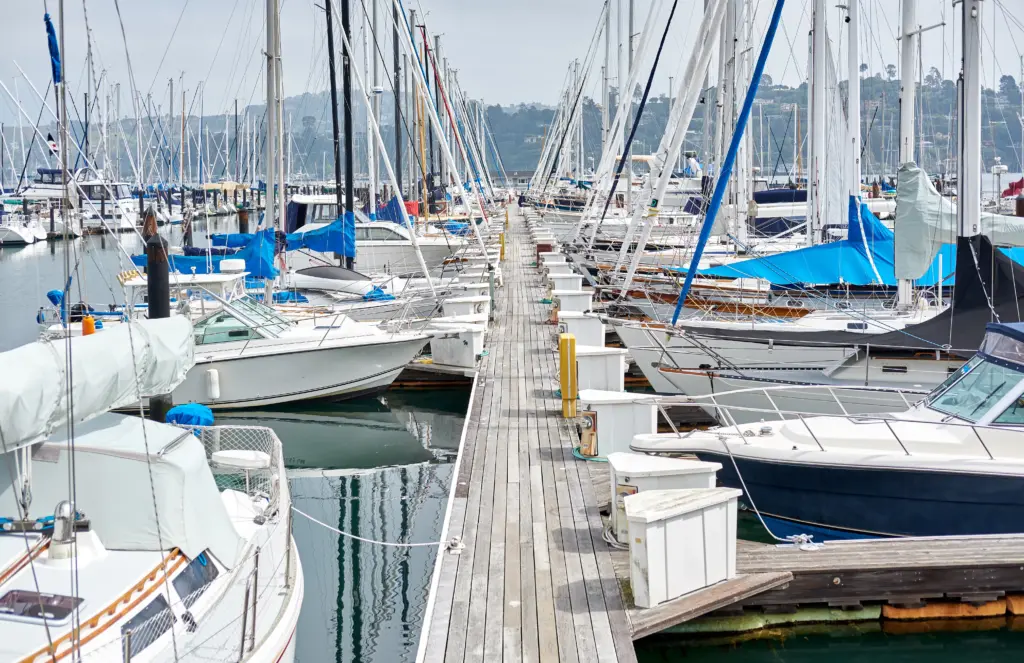
Smaller inland marinas may charge between several hundred dollars and a few thousand dollars for a seasonal slip. Monthly wet-slip rates for recreational boats often begin at a few hundred dollars, while spaces in popular coastal areas can cost considerably more. Large yachts at premium marinas may face monthly fees reaching several thousand dollars.
Many marinas calculate pricing by boat length, using a per-foot rate and a minimum billable slip size. Owners should request a complete written estimate because electricity, water, parking, security, pump-out access, and other services may not be included in the advertised base rate.
The Role of Boat Slips in Ownership
A boat slip is a designated mooring space within a marina where a vessel is stored in the water. It can be rented short-term or leased annually, and in some cases, slips can even be purchased as real property. Because they provide secure access to power, fuel, and maintenance facilities, slips are often considered part of a vessel’s total cost of ownership. When buyers evaluate how much do boat slips cost, they’re really assessing the ongoing expenses tied to convenience, protection, and access to their boat.
Average Cost of Boat Slips
Slip costs vary dramatically depending on geography and vessel size. Coastal marinas in high-demand areas like Florida, California, and the Northeast charge far more than inland or rural facilities. For smaller boats, monthly slip rentals can start at a few hundred dollars, while larger yachts can command thousands. Seasonal contracts typically range from $1,500 to $6,000 per year, though premium marinas with extensive amenities often exceed those figures. The general takeaway is that how much do boat slips cost is influenced more by location and size than by any fixed national average.
Location as the Primary Price Factor
Real estate principles apply to marinas: location drives value. A slip in a downtown waterfront district or near a popular cruising hub costs more than one at a rural lake. Boaters in the Great Lakes or inland reservoirs often pay lower rates, while those in South Florida or the Pacific Coast face premium prices due to limited availability. According to the National Marine Manufacturers Association (NMMA), marina demand continues to grow faster than slip supply in several U.S. regions. This imbalance keeps prices high in urban centers.

Examples of Boat Slip Costs by Market
Inland lakes and smaller regional marinas generally offer the lowest rates because waterfront demand and operating costs are often lower. Seasonal slips in these locations may cost less than a year of monthly docking at a major coastal marina.
Prices rise in popular markets such as South Florida, Southern California, New England, and busy metropolitan waterfronts. Limited inventory, deeper slips, hurricane planning, stronger electrical systems, and access to major cruising destinations can all increase the rate. Yacht slips cost even more because large vessels require greater length, width, depth, and utility capacity.
Boat Size and Slip Dimensions
Slip fees often scale with vessel length. Marinas charge by the foot, and most include a minimum length fee regardless of your boat’s exact dimensions. For example, a 25-foot boat may be charged as if it occupies a 30-foot slip. Larger vessels also require deeper water, reinforced pilings, and more extensive power infrastructure—all of which add cost. For those financing or upgrading to a larger boat, it’s wise to account for these proportional slip expenses in your ownership plan.
Seasonal and Annual Contracts
Many marinas offer flexible terms. Seasonal boaters may rent slips for a few months during peak season, while full-time cruisers prefer annual agreements. In northern climates, contracts often run from spring through fall, with boats hauled out during winter. Southern regions, however, allow year-round docking. Annual contracts are typically discounted compared to monthly rates, but they require a larger upfront payment. When evaluating how much do boat slips cost, owners must balance flexibility with savings potential.
Amenities and Marina Services
Just as real estate values rise with better features, marinas with superior amenities charge premium rates. Electricity, water, security, Wi-Fi, fuel docks, restaurants, and maintenance services all add value. Some luxury marinas offer concierge services, ship stores, and private clubhouses. While these features elevate the boating experience, they also increase the cost of a slip. The NOAA Office of Coastal Management notes that modern marinas are evolving into full-service lifestyle destinations, not just parking spaces for boats.

Ownership vs. Rental
In some markets, boat slips are available for purchase, especially in condominium-style marinas. Buying a slip offers stability and long-term cost control, but it comes with property taxes, maintenance fees, and homeowner association dues. For those asking how much do boat slips cost, ownership may mean a substantial upfront investment but lower annual expenses over time. Renting, on the other hand, offers flexibility for seasonal travelers or new boaters testing different marinas before committing long-term.
Hidden Costs and Additional Fees
Slip rental often includes more than just space. Electricity, pump-out services, and freshwater access may be metered or billed separately. Some marinas charge environmental or maintenance fees. Insurance requirements can also add to monthly costs, especially for larger or higher-value vessels. Understanding the full scope of these expenses prevents unpleasant surprises and helps owners budget realistically for total annual costs.
Comparing Slip Costs Across the U.S.
To illustrate how much do boat slips cost, consider a few broad trends. In smaller inland lakes across the Midwest, slips might rent for $600 to $1,200 per season. In coastal states like Florida or California, monthly rates for 30-foot boats can reach $600–$900, with larger slips priced substantially higher. Premier marinas in cities like Miami or San Diego may exceed $2,000 per month. Regional differences reflect real estate demand, infrastructure quality, and scarcity of available slips.

Dry Storage as an Alternative
For boaters seeking cost savings, dry storage (or “rack storage”) can be a viable alternative. Instead of keeping the boat in the water, it’s lifted and stored in covered racks when not in use. This method reduces maintenance costs and protects the hull from marine growth. Dry storage typically costs less than wet slips but may have restrictions on vessel size or usage frequency. Owners weighing how much do boat slips cost should compare total convenience and accessibility between these two storage options.
Long-Term Financial Planning
Slip fees represent a recurring cost, similar to a mortgage or insurance payment. When financing a new vessel, factoring in docking costs is crucial to ensure sustainable ownership. A buyer considering a $150,000 boat, for instance, must also account for annual slip, maintenance, and insurance expenses. Working with marine-focused lenders can help structure financing that accommodates these recurring costs without overextending the budget. This is where understanding boat loan pre-approval and boat refinancing can make ownership more predictable.
How Slip Costs Affect Resale Value
Slip availability can influence resale value for boats, particularly in high-demand marinas. Buyers often pay a premium for vessels that come with transferable slip rights or guaranteed docking arrangements. In coastal regions where slip scarcity is common, this factor can even outweigh equipment upgrades in determining final sale prices. Understanding the connection between marina accessibility and resale potential is essential for any boat owner assessing long-term value.
Regulatory and Environmental Factors
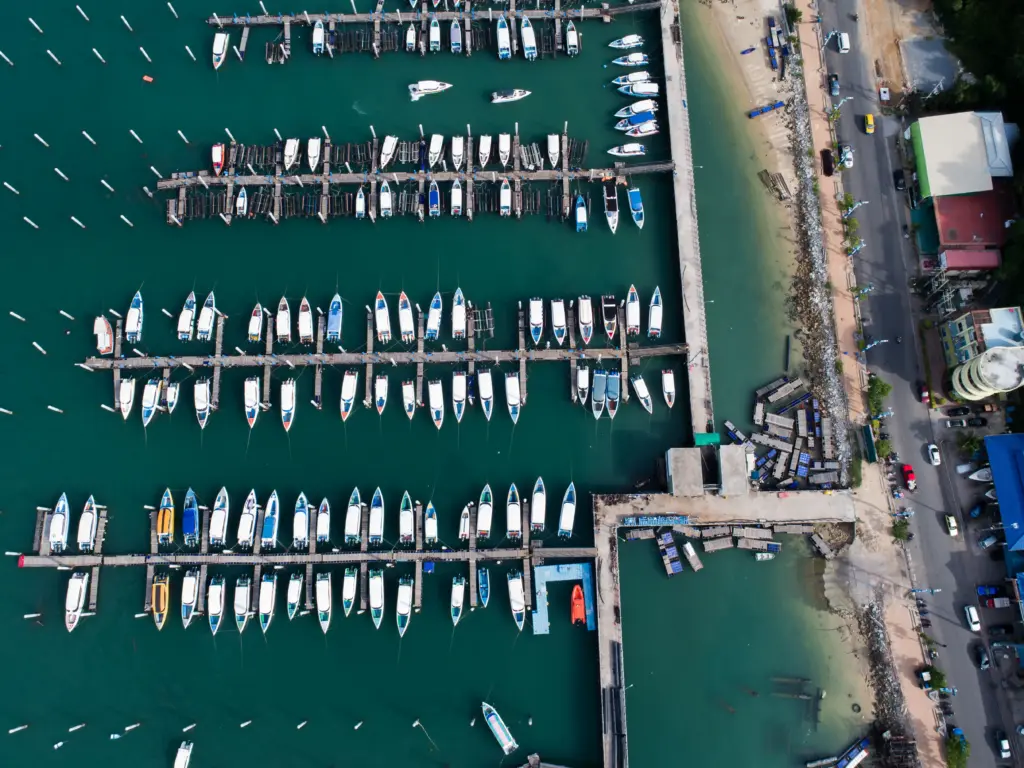
Local regulations, environmental policies, and dredging requirements also impact marina pricing. Permitting new slips can be expensive and time-consuming, leading to limited supply in some regions. Environmental protection laws restrict development in sensitive coastal zones, which in turn raises the value of existing slips. According to the U.S. Coast Guard, maintaining compliance with waterway standards helps preserve natural resources but also contributes to the overall cost structure of marina operations.
Budgeting for the Complete Picture
When determining how much do boat slips cost, smart boaters look beyond base rates. Maintenance, fuel, insurance, and slip fees all combine into total annual expenses. Creating a comprehensive budget ensures financial readiness and avoids surprises after purchase. Financing programs tailored to marine ownership can integrate slip costs into loan structures, making it easier to manage cash flow over time while still enjoying access to high-quality marina facilities.

Conclusion
So, how much do boat slips cost? Prices can range from several hundred dollars for seasonal inland storage to several thousand dollars per month for large vessels at premium coastal marinas. Location, boat length, contract type, availability, utilities, and marina amenities all affect the final rate.
Before selecting a slip, request a complete fee schedule and compare the total annual expense rather than the advertised base price alone. Including dockage in the ownership budget helps buyers choose a vessel and marina they can comfortably maintain. Those exploring boat ownership, marine financing, and long-term budgeting resources can learn more through the official Float Finance website.