
Marine batteries are a critical part of any boat’s electrical system, powering everything from engine starts to navigation equipment and onboard electronics. Unlike automotive batteries, they are designed to handle deeper discharge cycles and longer periods of use, which makes proper charging even more important. Many boat owners struggle with how to charge a marine battery correctly, and improper methods often lead to reduced lifespan, poor performance, or complete battery failure. Understanding the right approach ensures that your battery delivers consistent power, remains reliable in demanding conditions, and avoids unnecessary replacement costs over time.
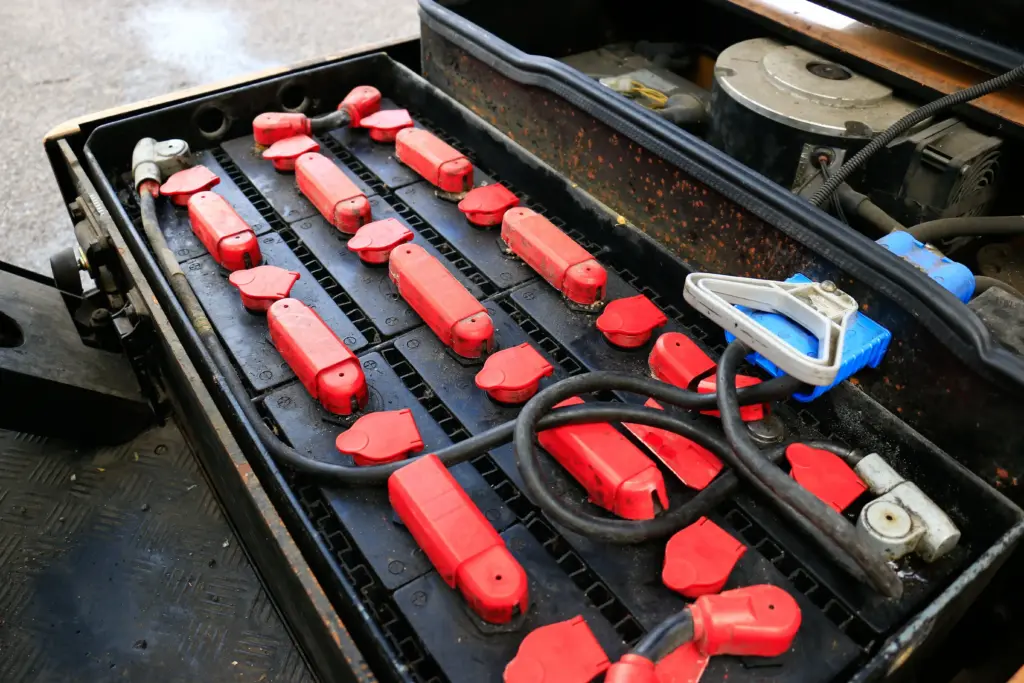
Battery Types Before Charging
Before learning how to charge a marine battery, it is essential to understand the type of battery you are working with because each type has different charging requirements. Marine batteries typically include flooded lead acid, AGM, gel, and lithium options, and each responds differently to voltage and charging speed. Flooded batteries require careful monitoring and proper ventilation due to gas release, while AGM batteries are sealed and more efficient but still sensitive to overcharging. Gel batteries require slower charging to prevent internal damage, and lithium batteries demand specialized chargers to maintain safety and performance. Using the wrong charger or incorrect settings can shorten battery life significantly, so identifying the battery type is always the first step before connecting any charging equipment.
Choosing the Right Charger for Marine Use
Selecting the correct charger plays a major role in how to charge a marine battery effectively because not all chargers are built for marine environments. Smart chargers are widely recommended since they automatically adjust voltage and current based on the battery’s condition, preventing both overcharging and undercharging. These chargers typically include multi-stage charging modes such as bulk, absorption, and float, which help restore battery capacity safely. Manual chargers may cost less but require constant monitoring, which increases the risk of damage if left unattended. Charger amperage should also match battery size, as smaller batteries require lower output while larger deep cycle batteries can handle higher charging rates. Investing in the right charger improves efficiency and protects the battery over the long term.
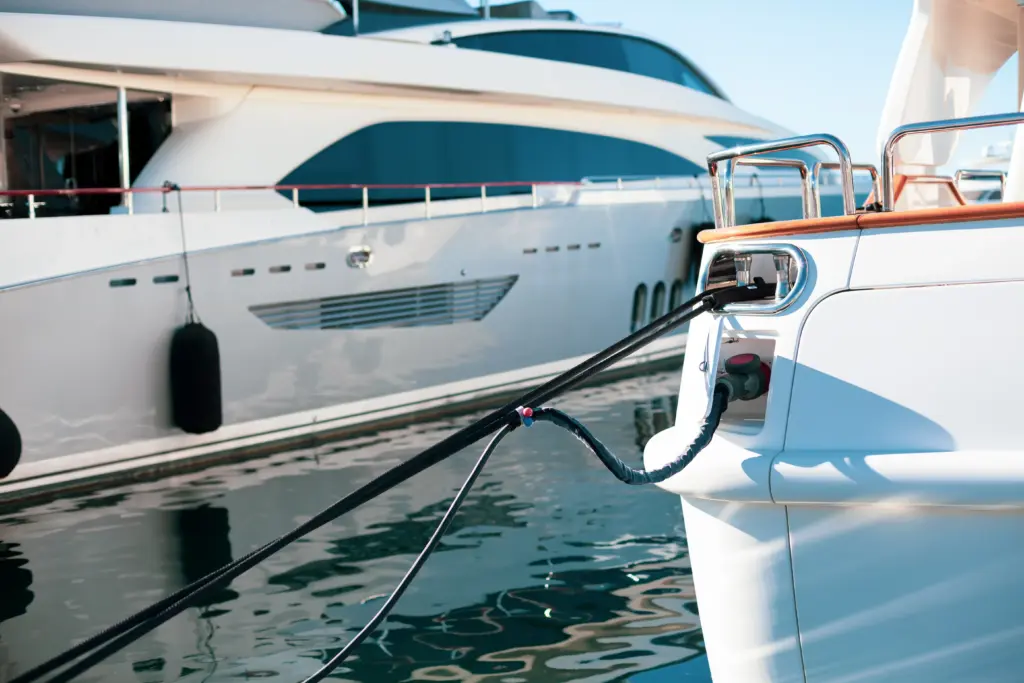
Step-by-Step Process to Charge a Marine Battery
Learning how to charge a marine battery safely involves following a consistent and careful process to avoid electrical hazards and ensure proper charging. Start by placing the battery in a well-ventilated area and inspecting it for cracks, leaks, or corrosion on the terminals. Clean any buildup to ensure strong connections, then attach the charger’s positive cable to the positive terminal and the negative cable to the negative terminal. Once connected, plug in the charger and select the appropriate mode based on battery type. Allow the charger to run its full cycle without interruption, as stopping midway can reduce charging efficiency. After the battery reaches full charge, disconnect the charger in reverse order and store it properly. Following these steps reduces risk and ensures consistent performance.
Charging Time and Battery Capacity Factors
Charging time varies depending on battery size, level of discharge, and charger output, which is why understanding these factors is important when considering how to charge a marine battery. Larger batteries with higher amp-hour ratings require more time to reach full charge, especially if they have been deeply discharged. While faster charging may seem convenient, high amperage can generate heat and stress internal components, reducing lifespan. A slower, controlled charge is often more effective for maintaining battery health. Planning charging sessions based on usage patterns helps ensure that the battery is fully prepared before heading out on the water, avoiding unexpected power loss.
Common Charging Mistakes That Reduce Battery Life
Many boat owners unintentionally damage their batteries by making avoidable charging mistakes, which is why understanding how to charge a marine battery correctly is so important. Overcharging is one of the most common problems and can cause overheating, fluid loss, and internal damage. Undercharging is equally harmful because it leads to sulfation, which reduces the battery’s ability to hold a charge. Using an incompatible charger or ignoring manufacturer recommendations can also lead to poor performance. Leaving a battery discharged for extended periods during the off-season is another frequent issue that shortens lifespan. Avoiding these mistakes helps maintain reliability and reduces long-term costs.
Maintaining Battery Health During Storage
Proper charging does not end when the battery reaches full capacity, as ongoing maintenance plays a key role in long-term performance. During storage, marine batteries slowly lose charge even when disconnected, which makes periodic maintenance charging necessary. Using a smart maintainer keeps the battery at an optimal level without overcharging, ensuring it remains ready for use. Storing batteries in a cool, dry environment away from extreme temperatures further protects internal components. Regular inspection of terminals and connections helps prevent corrosion and ensures efficient charging when the battery is used again. These practices extend battery life and improve reliability.
Charging and Long-Term Boat Ownership Planning
Battery care is part of the broader responsibility of owning a boat, alongside maintenance, storage, and financial planning. Understanding how to charge a marine battery correctly helps reduce unexpected expenses and improves overall ownership experience. Reliable batteries support safety systems, navigation equipment, and engine starting, making them essential for both recreational and commercial boating. For buyers planning long-term ownership, financial preparation is just as important as maintenance. Float Finance offers financing services such as boat loan pre-approval help buyers understand affordability while factoring in maintenance and operational costs. Additional guidance on safe battery handling and disposal can be found through resources such as the Environmental Protection Agency, which provides general safety recommendations.
How to Charge a Marine Battery Using an Onboard Charging System
Many modern boats are equipped with onboard charging systems that simplify the process and make it easier to maintain battery health without removing the battery. Understanding how to charge a marine battery using an onboard charger is important because these systems are designed to distribute power efficiently across one or multiple batteries. Onboard chargers are typically connected directly to shore power and can charge batteries automatically when the boat is docked. They often include multi-bank capabilities, allowing each battery to be charged independently based on its condition. This prevents overcharging and ensures balanced performance across all batteries. Using an onboard system reduces manual effort and is especially useful for boats with complex electrical setups, but it still requires periodic monitoring to confirm that all connections remain secure and the system is functioning properly.

When to Charge a Marine Battery for Best Performance
Knowing when to charge a marine battery is just as important as knowing how to charge a marine battery because timing directly affects battery lifespan and performance. Batteries should ideally be charged immediately after use, especially if they have been significantly discharged during a trip. Allowing a battery to sit in a partially discharged state for long periods leads to sulfation, which permanently reduces capacity. During active boating seasons, regular charging after each outing helps maintain consistent power levels, while during off-season storage, periodic maintenance charging ensures the battery does not drop below safe voltage levels. Monitoring voltage and avoiding deep discharge cycles whenever possible allows the battery to perform more efficiently and last longer, reducing the need for frequent replacements.
Conclusion
Knowing how to charge a marine battery properly ensures reliable performance, extends battery lifespan, and prevents costly replacements. By selecting the right charger, following safe charging procedures, avoiding common mistakes, and maintaining the battery during storage, boat owners can protect their investment and enjoy consistent power on the water. Proper battery care supports safe boating and reduces long-term maintenance challenges, making it an essential part of responsible ownership.