
Cruise ships typically travel at speeds between 20 and 25 knots, which is roughly 23 to 29 miles per hour, depending on the vessel, route, and operating conditions. While this may seem slow compared to smaller boats or speedboats, cruise ships are designed for efficiency, stability, and passenger comfort rather than speed alone. Their size, weight, and fuel consumption all play a role in determining how fast they can travel. Understanding how fast do cruise ships go helps explain why these massive vessels operate at moderate speeds and how different factors influence their performance on the open sea.
Average Speed of Modern Cruise Ships
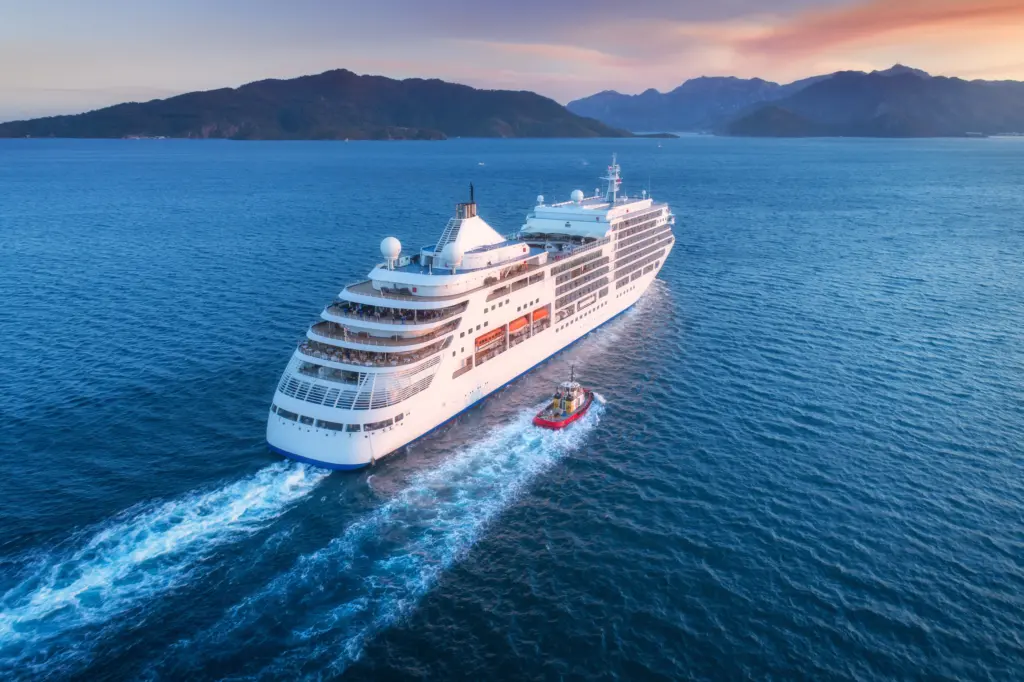
The average cruising speed of most modern cruise ships falls within a narrow range that balances efficiency and scheduling needs. When examining how fast do cruise ships go, it becomes clear that consistency is more important than maximum speed. Most ships operate at a steady cruising speed of around 21 to 24 knots, which allows them to maintain reliable travel times between ports while optimizing fuel consumption. Larger ships tend to operate slightly slower due to their size, while smaller or more advanced vessels may reach higher speeds. Maintaining a consistent cruising speed ensures smoother voyages and reduces mechanical strain on the ship’s engines.
Maximum Speed Capabilities
Although cruise ships typically operate at moderate speeds, they are capable of reaching higher maximum speeds when necessary. When considering how fast do cruise ships go, it is important to distinguish between cruising speed and top speed. Some cruise ships can reach speeds of 28 to 30 knots under optimal conditions, but they rarely operate at these levels for extended periods due to fuel efficiency concerns. Maximum speed is usually reserved for situations where the ship needs to adjust its schedule, avoid weather conditions, or respond to operational requirements. Running at top speed significantly increases fuel consumption, which is why it is not commonly used during normal operations.
Factors That Influence Cruise Ship Speed
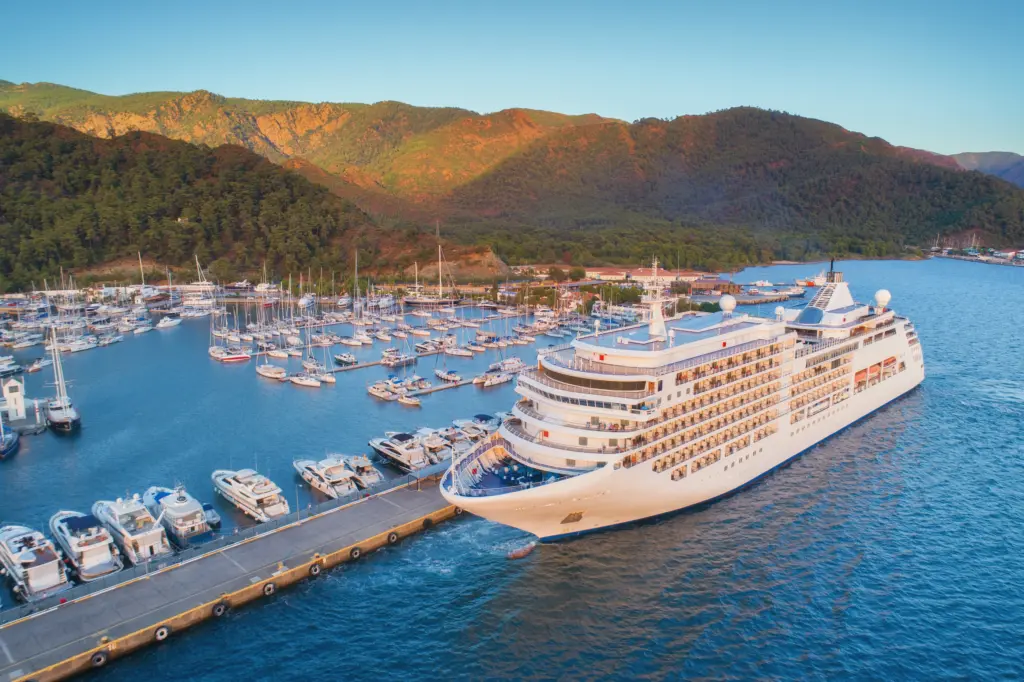
Several factors determine how fast cruise ships travel, including size, engine power, weather conditions, and route planning. Larger ships require more energy to move through the water, which naturally limits their speed compared to smaller vessels. Weather conditions such as wind, waves, and currents can either slow the ship down or assist its movement, depending on direction and intensity. Route planning also plays a role, as ships may adjust speed to arrive at ports on schedule. Understanding how fast do cruise ships go requires considering these variables rather than focusing on a single fixed speed.
Fuel Efficiency and Operational Costs
Fuel consumption is one of the biggest factors influencing cruise ship speed, as operating at higher speeds dramatically increases fuel usage. Cruise lines carefully manage speed to balance travel time with operational costs. When evaluating how fast do cruise ships go, it becomes clear that efficiency often takes priority over speed. Slower cruising speeds reduce fuel consumption, lower emissions, and extend the life of engine components. This approach allows cruise operators to maintain profitability while offering consistent travel schedules.
Passenger Comfort and Safety Considerations
Passenger comfort is another important reason why cruise ships do not travel at maximum speed. High speeds can increase vibration, noise, and motion, which may affect the onboard experience. Cruise ships are designed to provide a smooth and stable journey, which is best achieved at moderate speeds. Safety is also a key consideration, as maintaining control and stability in varying sea conditions is essential. Understanding how fast do cruise ships go includes recognizing that speed is carefully managed to ensure both comfort and safety for passengers and crew.
Technology and Modern Ship Design
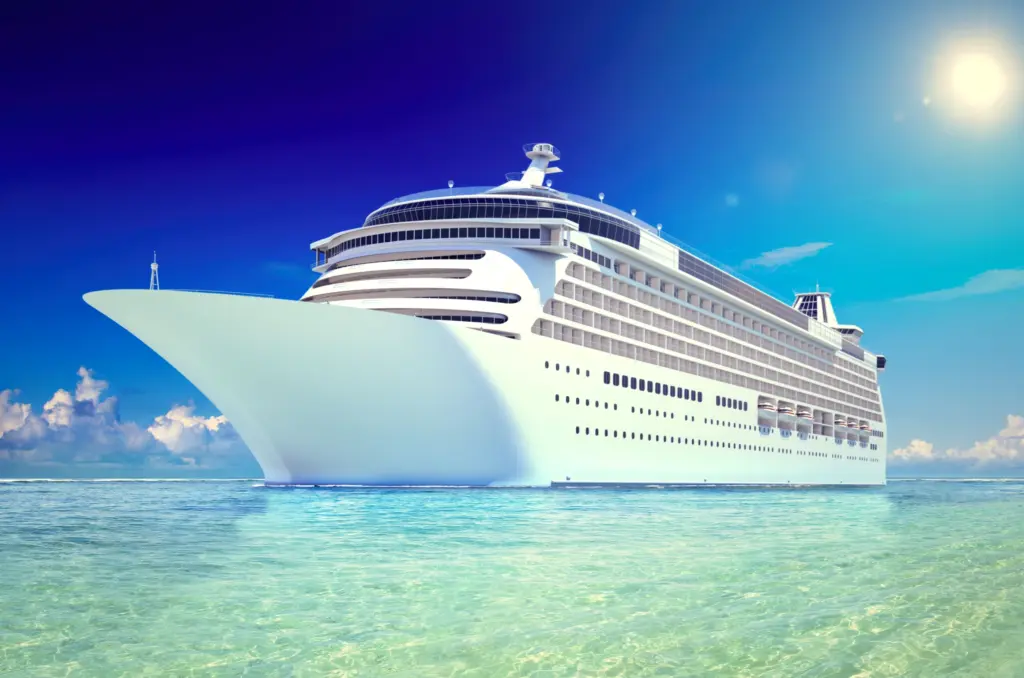
Advancements in ship design and technology have improved the efficiency and performance of modern cruise ships. Hull design, propulsion systems, and navigation technology all contribute to how fast cruise ships can travel while maintaining efficiency. Newer ships are designed to move more smoothly through the water, reducing resistance and improving fuel economy. These innovations allow ships to maintain consistent speeds without excessive energy consumption, demonstrating how engineering plays a role in determining how fast do cruise ships go.
Planning Travel and Cruise Schedules
Cruise schedules are carefully planned to account for travel speed, port arrival times, and onboard activities. Understanding how fast do cruise ships go helps explain why itineraries are designed with specific travel durations between destinations. Ships may travel faster at night to reach the next port by morning or adjust speed to align with docking schedules. This level of planning ensures that passengers experience a seamless journey without unnecessary delays. For those exploring larger marine investments or financing options, tools such as boat loan pre-approval can help evaluate affordability and planning considerations.

Industry Insights and Marine Data
Understanding cruise ship performance can also be supported by industry data and maritime research. Organizations such as MarineTraffic provide real-time tracking and information on ship speeds, routes, and vessel specifications. These resources offer valuable insights into how cruise ships operate in different conditions and how their speed varies depending on location and purpose. Reviewing this data helps provide a more complete understanding of how fast cruise ships travel in real-world scenarios.
How Cruise Ship Speed Compares to Other Boats
When comparing speeds across different vessels, it becomes easier to understand how fast do cruise ships go in context. Speedboats and smaller recreational vessels can easily exceed 40 to 60 miles per hour, while cargo ships often travel at similar or slightly lower speeds than cruise ships. Cruise ships are built for stability and long-distance travel rather than speed, which is why they operate at moderate ranges. Their size and purpose make high speeds inefficient, so they focus on consistent and controlled movement instead of rapid acceleration.
Why Cruise Ships Rarely Travel at Full Speed
Cruise ships are capable of reaching higher speeds, but they rarely operate at full capacity because doing so significantly increases fuel consumption and operational strain. Understanding how fast do cruise ships go also involves recognizing that running engines at maximum output is not practical for long voyages. Cruise lines prioritize efficiency, scheduling, and passenger comfort, which are best achieved at steady cruising speeds rather than pushing the vessel to its limits. This approach helps reduce costs while maintaining reliable travel times.
Conclusion
Cruise ships typically travel at moderate speeds that prioritize efficiency, comfort, and safety over maximum performance. While they are capable of reaching higher speeds when necessary, most operate within a range that balances operational costs and passenger experience. Understanding how fast do cruise ships go provides insight into how these massive vessels are designed and operated, highlighting the importance of efficiency and planning in modern maritime travel.