
Cruise ships are among the most expensive vessels ever built. A small cruise ship may cost around $50 million, while the world’s largest and most advanced cruise ships can exceed $1.5 billion. The final price depends on passenger capacity, onboard amenities, engineering complexity, environmental technology, and the level of luxury offered.
Unlike recreational boats or private yachts, cruise ships function as floating resorts that combine accommodation, entertainment, dining, transportation, and advanced safety systems into a single vessel. Understanding how much does a cruise ship cost requires looking beyond the purchase price to the engineering, technology, and long-term investment required to build and operate these enormous ships.
Cruise Ship Cost by Size and Category
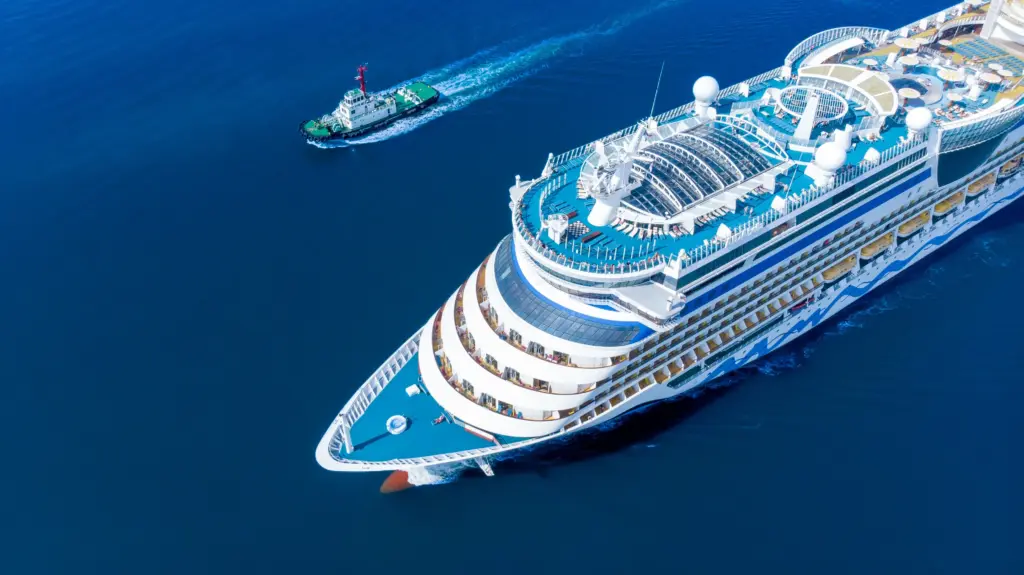
The most direct way to understand how much does a cruise ship cost is by looking at size and passenger capacity, as these are the primary drivers of construction cost. Smaller cruise ships that carry a few hundred passengers typically cost between $50 million and $200 million, depending on features and build quality. Mid-size cruise ships, which accommodate around 1,000 to 3,000 passengers, usually fall within the $250 million to $600 million range.
Large cruise ships designed for mass tourism can exceed $800 million, and the biggest ships in the world, often carrying more than 5,000 passengers, can cost anywhere from $1 billion to $1.5 billion or more. These price differences reflect not only size but also the complexity of systems required to support thousands of passengers and crew members at sea.
Comparison Table of Cruise Ship Costs
To better understand how much does a cruise ship cost across different categories, the table below provides a simplified breakdown based on ship size and typical features. This comparison highlights how costs scale with size and onboard amenities, giving a clearer picture of what buyers and investors can expect when evaluating different types of vessels.
| Ship Type | Passenger Capacity | Estimated Cost | Key Features |
|---|---|---|---|
| Small Cruise Ship | 100 – 500 | $50M – $200M | Basic amenities, limited entertainment |
| Mid-Size Cruise Ship | 1,000 – 3,000 | $250M – $600M | Multiple dining areas, pools, theaters |
| Large Cruise Ship | 3,000 – 5,000 | $600M – $1B | Water parks, shopping areas, advanced tech |
| Mega / Super Cruise Ship | 5,000+ | $1B – $1.5B+ | Luxury suites, multiple decks, full resort experience |
Why Are Cruise Ships So Expensive?
Cruise ships are far more complex than traditional commercial vessels because they combine transportation with hospitality and entertainment. A modern cruise ship contains thousands of cabins, restaurants, theaters, shopping areas, swimming pools, elevators, power generation systems, medical facilities, advanced navigation equipment, and extensive safety systems. Building all of these components into a single vessel requires years of engineering, specialized shipyards, and thousands of skilled workers.
Environmental regulations also contribute to rising costs. Modern ships use cleaner engines, advanced wastewater treatment systems, exhaust cleaning technology, and energy-efficient equipment to comply with international environmental standards. These technologies increase construction costs but reduce emissions and improve long-term operating efficiency.
Luxury Features and Onboard Experience
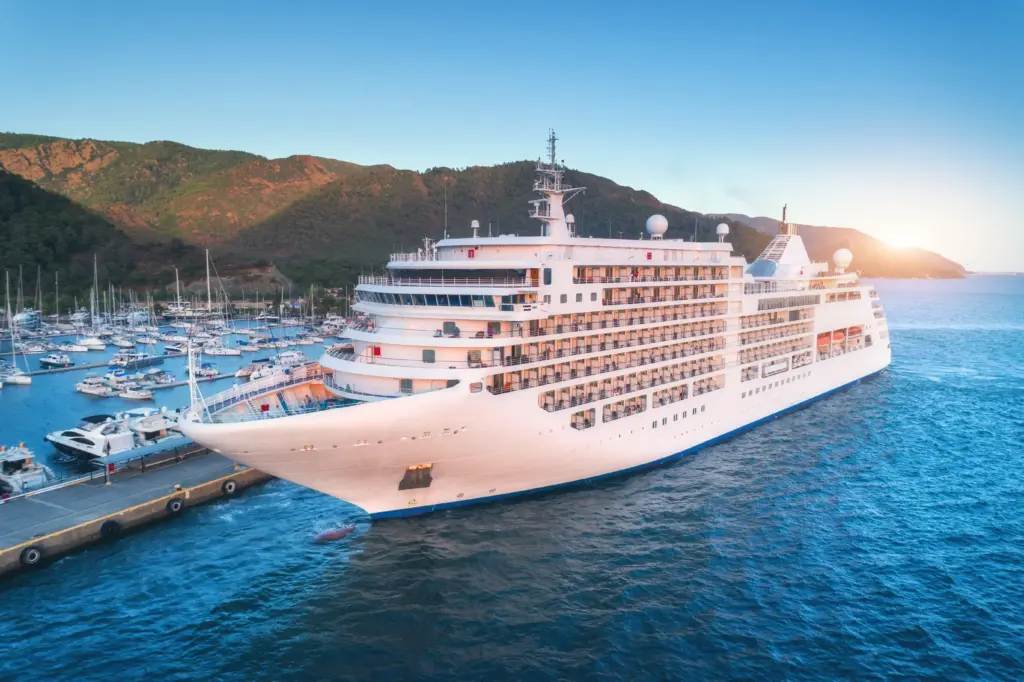
Luxury is one of the biggest contributors when analyzing how much does a cruise ship cost, as modern ships are designed to deliver experiences comparable to high-end resorts. These vessels often include multiple restaurants, shopping centers, theaters, spas, water parks, and even ice skating rinks or skydiving simulators. Premium suites, private balconies, and high-end interior finishes significantly increase construction costs. Cruise lines compete to offer unique attractions that set their ships apart, which means continuous innovation and customization. The more features and experiences included, the higher the overall cost of the ship, making luxury a major pricing factor.
Engineering and Construction Complexity
The engineering behind a cruise ship is another major factor in how much does a cruise ship cost, as these vessels require advanced design and precision manufacturing. Building a cruise ship involves thousands of workers and takes several years, with specialized shipyards handling the construction process. Each ship includes propulsion systems, navigation equipment, safety systems, and complex infrastructure to support water, electricity, and waste management for thousands of people. These engineering requirements are far more complex than those of standard boats or yachts, which explains why costs increase rapidly as size and capability expand.
Operating Costs After Construction
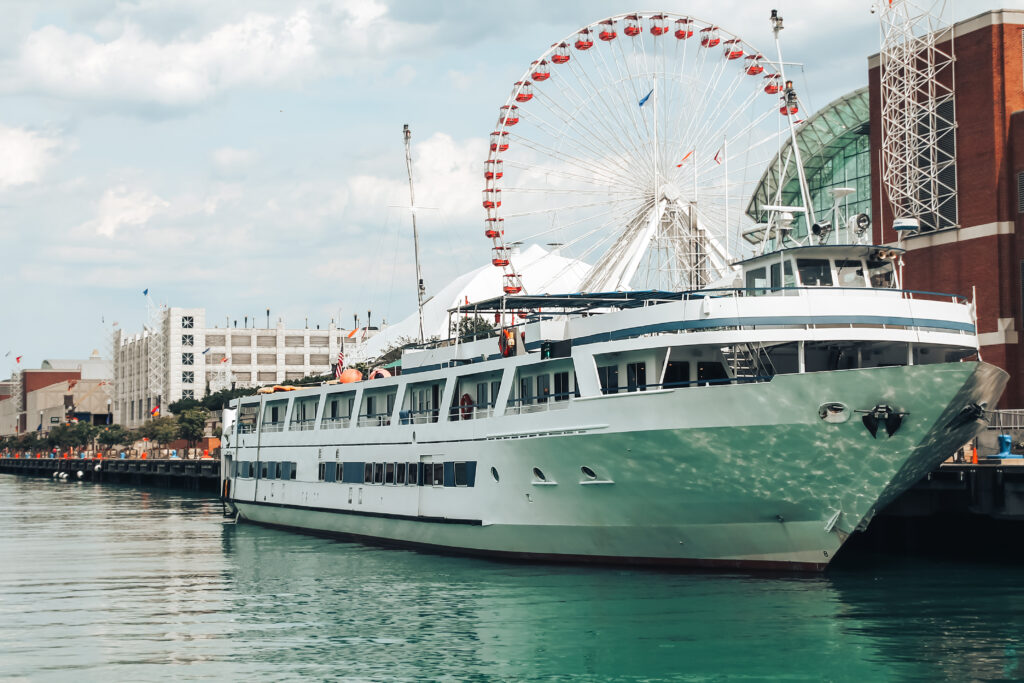
Understanding how much does a cruise ship cost does not end with construction, as operating expenses add significantly to the total investment over time. Cruise ships require large crews, constant maintenance, fuel, insurance, and regular upgrades to remain competitive. Fuel costs alone can reach millions of dollars per year, especially for larger ships that travel long distances. Maintenance includes everything from engine servicing to interior refurbishment, while compliance with safety and environmental regulations adds additional expenses. These ongoing costs are essential for keeping the ship operational and ensuring a high-quality experience for passengers.
Different Types of Cruise Ships and Their Pricing
Not all cruise ships fall into the same category, which is why understanding how much does a cruise ship cost also requires looking at different ship types. Expedition cruise ships, designed for remote travel, are smaller but still expensive due to specialized equipment, often costing between $100 million and $300 million. River cruise ships are significantly cheaper, typically ranging from $10 million to $50 million, because of their smaller size and simpler design. Ocean cruise liners represent the highest cost category due to their size, luxury features, and passenger capacity. Each type serves a different purpose, which directly affects design and pricing.
Financing and Investment Perspective
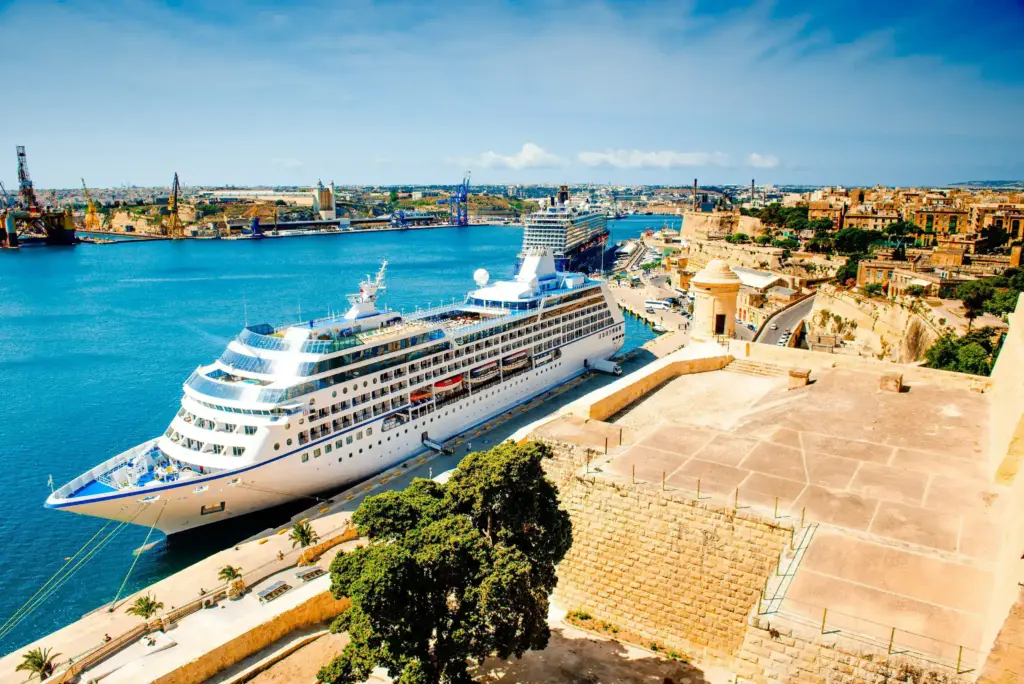
Because of the massive cost involved, cruise ships are rarely purchased outright and instead require complex financing structures. Understanding how much does a cruise ship cost highlights why cruise lines rely on loans, partnerships, and long-term investment strategies to fund construction. These ships are designed to generate revenue over decades, making them long-term assets rather than short-term purchases. While individual buyers are unlikely to finance cruise ships, the concept of marine financing still applies at smaller scales.
Service such as boat loan pre-approval from Float Finance help buyers understand financing options for recreational vessels and smaller marine investments.
Who Buys Cruise Ships?
Large cruise ships are almost always purchased by established cruise lines rather than individual owners. Companies invest in new ships to expand their fleets, replace older vessels, or introduce new onboard experiences that attract more passengers. Because these ships generate revenue through ticket sales, dining, entertainment, and onboard services, they are treated as long-term business investments rather than luxury purchases.
Smaller expedition vessels and river cruise ships may also be purchased by specialized tourism operators serving niche travel markets. Regardless of size, every new cruise ship represents a major financial commitment that is expected to generate income over several decades.
Industry Trends and Future Costs
The cost of cruise ships continues to rise as new technologies and environmental standards are introduced. Modern ships are designed to be more fuel-efficient and environmentally friendly, which requires advanced engineering and materials. According to industry insights from Marine Insight, cruise ship development is increasingly focused on sustainability, safety, and passenger experience. These improvements add to construction costs but also improve long-term efficiency and appeal. As technology evolves, future ships are expected to become even more advanced, further increasing their overall cost.
Conclusion
So, how much does a cruise ship cost? Construction costs typically range from about $50 million for smaller vessels to well over $1.5 billion for the world’s largest floating resorts. Passenger capacity, engineering complexity, environmental technology, luxury amenities, and onboard entertainment all influence the final price.
Although few people will ever purchase a cruise ship, understanding these costs highlights the remarkable scale of the modern cruise industry and the investment required to build these vessels. Buyers interested in recreational boats, yachts, or other marine financing solutions can learn more through the official Float Finance website.