
A yacht can cost anywhere from around $30,000 for a small pre-owned model to well over $500 million for the world’s largest custom-built superyachts. Most buyers, however, fall somewhere in the middle. A quality entry-level yacht often starts between $100,000 and $300,000, while luxury motor yachts commonly range from $500,000 to several million dollars depending on size, brand, age, equipment, and level of customization. Understanding how much is a yacht requires looking beyond the purchase price because ownership also includes financing, insurance, fuel, maintenance, docking, and crew expenses. Whether you are shopping for a weekend cruiser or planning to own a yacht capable of extended voyages, knowing where your budget fits within today’s market helps you make informed decisions and avoid unexpected costs after the purchase.
How Yacht Prices Vary by Size
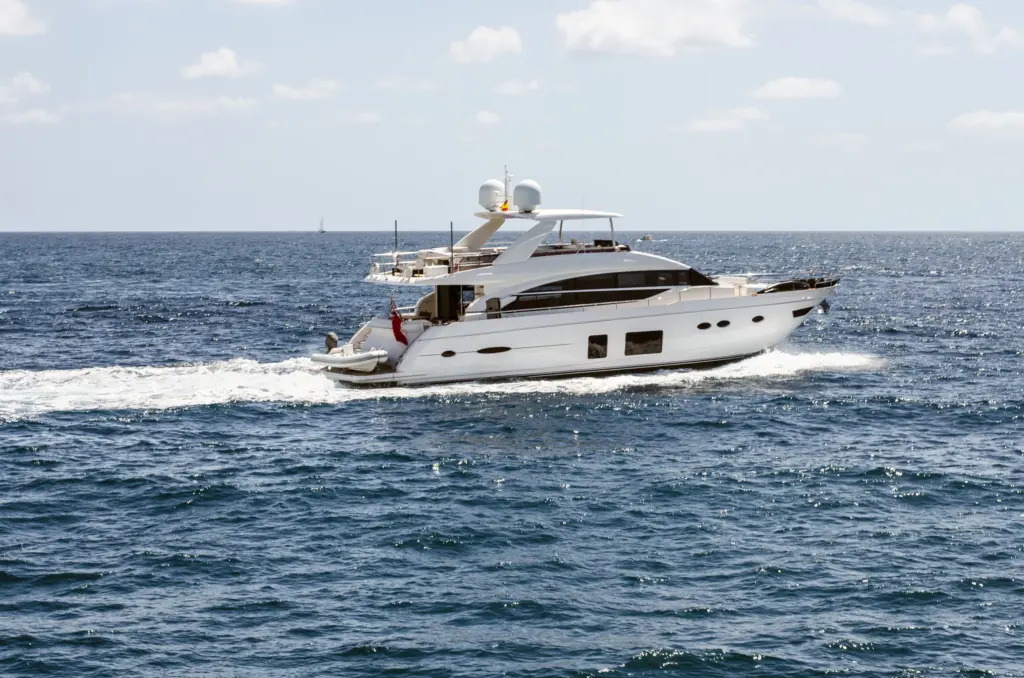
One of the biggest factors affecting how much is a yacht is its overall length. Smaller yachts between 30 and 40 feet usually represent the entry point into yacht ownership and often sell for between $100,000 and $500,000 depending on age and condition. As the length increases, prices rise quickly because larger vessels require more materials, bigger engines, additional living space, and more advanced onboard systems. A modern yacht measuring around 50 feet may cost anywhere from $700,000 to over $2 million, while models between 60 and 80 feet frequently exceed $3 million.
Once buyers move into the superyacht category, typically above 80 feet, pricing changes dramatically. Many superyachts cost $10 million to $50 million, and custom-built vessels with premium finishes regularly exceed $100 million. Although length is an easy way to estimate price, it is only one part of the equation because two yachts of the same size can differ in value by millions of dollars depending on their specifications and overall quality.
New Yachts Versus Used Yachts
Whether a yacht is new or previously owned has a major influence on its market value. Buyers considering how much is a yacht often discover that purchasing a quality used vessel can reduce the initial investment substantially without sacrificing comfort or performance. A yacht that sold for $2 million when new may be available several years later for nearly half that amount if it has been properly maintained. This depreciation creates opportunities for buyers who want premium brands without paying full retail prices. However, lower purchase prices should always be balanced against inspection results and future maintenance needs.
Older yachts may require engine servicing, electronic upgrades, repainting, or interior refurbishment that increases overall ownership costs. A professional marine survey is one of the smartest investments before purchasing a used yacht because it identifies structural issues, mechanical concerns, and hidden repair expenses. Buyers should evaluate total ownership cost rather than focusing solely on the asking price when comparing new and pre-owned options.
What Features Increase the Price of a Yacht
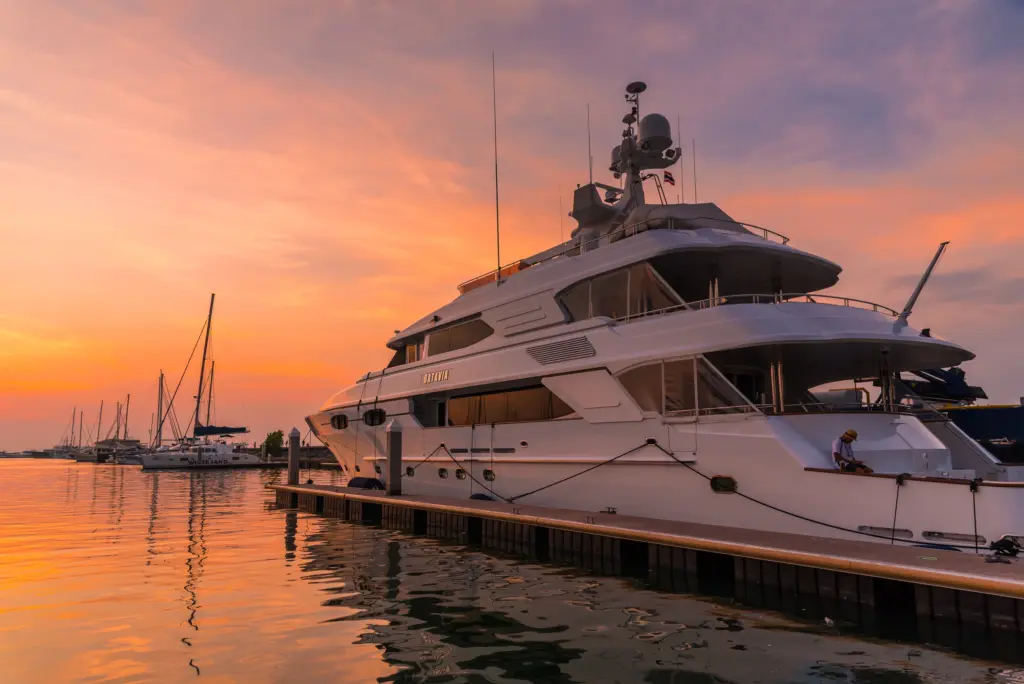
Luxury features often have as much impact on value as the yacht’s overall size. Premium interiors finished with handcrafted wood, natural stone, custom furnishings, and advanced entertainment systems can increase the purchase price significantly. Larger master suites, multiple guest cabins, spacious flybridges, hydraulic swim platforms, stabilizer systems, and high-performance navigation equipment all contribute to higher values. Engine selection also affects pricing because larger horsepower ratings improve cruising performance while increasing manufacturing costs.
Modern yachts frequently include integrated digital controls, joystick docking, satellite internet, advanced radar systems, and sophisticated automation that simplify operation while enhancing comfort. Buyers researching how much is a yacht should compare feature lists carefully because two yachts of identical length can have dramatically different values based on onboard technology, equipment packages, and overall craftsmanship. Investing in quality construction often results in stronger resale value and a better ownership experience over the long term.
Popular Yacht Categories and Their Typical Prices
The type of yacht plays an important role in determining its price because each category is designed for a different style of boating. Express cruisers are generally among the most affordable yacht options, with many quality models selling between $150,000 and $700,000 depending on age and manufacturer. Flybridge yachts provide additional living space and elevated helm stations, often placing them within the $500,000 to several million dollar range. Sportfishing yachts are equipped with specialized fishing equipment, powerful engines, and long-range capabilities, making prices highly dependent on size and customization.
Sailing yachts also vary considerably, with smaller production models starting below $200,000 while premium blue-water sailing yachts can exceed several million dollars. Expedition yachts built for extended offshore travel occupy another category entirely, often costing from several million dollars to tens of millions because of their heavy-duty construction and advanced systems. Understanding these categories gives buyers a more realistic expectation of how much is a yacht before narrowing their search to specific brands or layouts.
The Ongoing Cost of Owning a Yacht
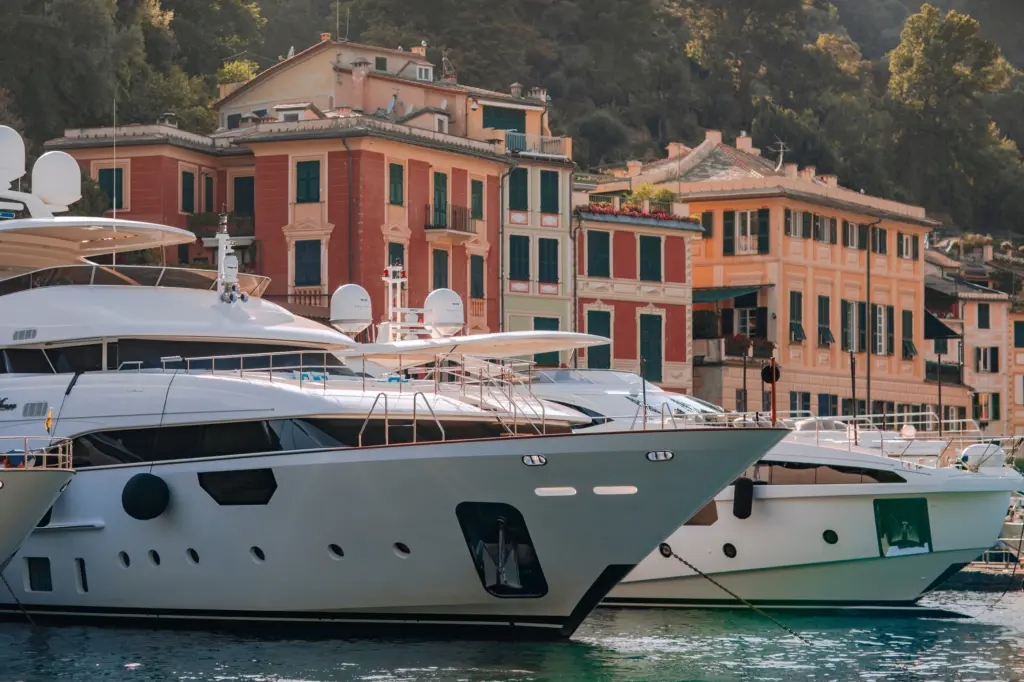
Understanding how much is a yacht involves much more than looking at the purchase price because ownership brings ongoing expenses that continue throughout the life of the vessel. A common guideline in the marine industry is that annual ownership costs may range from around 8% to 15% of the yacht’s value, although the exact figure depends on how frequently the yacht is used and where it is kept. Marina fees vary by location and boat size, with premium marinas charging substantially more than smaller facilities. Insurance premiums increase as the yacht’s value and cruising area expand, while maintenance includes engine servicing, hull cleaning, bottom painting, electrical inspections, and routine replacement of wear items.
Fuel is another major expense, particularly for larger motor yachts that consume significant amounts during extended cruises. Owners should also budget for winter storage where applicable, safety equipment updates, cleaning services, and occasional repairs that naturally occur over time. Buyers who prepare for these recurring costs are more likely to enjoy yacht ownership without financial surprises, making long-term budgeting just as important as deciding how much is a yacht in the first place.
Should You Finance a Yacht or Pay Cash?
Whether to finance or pay cash depends on personal financial goals, available capital, and the value of the yacht being purchased. While some buyers prefer paying in full to avoid interest charges, many choose financing because it preserves cash for investments, business opportunities, or future expenses. Yacht financing typically offers repayment periods that can extend well beyond standard recreational loans, helping buyers spread the purchase cost over manageable monthly payments. Approval usually depends on factors such as credit history, income, debt-to-income ratio, down payment, and the yacht’s age and condition.
Buyers exploring financing should compare interest rates, repayment terms, and lender requirements before making a decision. Getting pre-approved through services such as Boat Loan Pre-Approval can also strengthen negotiating power because sellers know financing has already been reviewed. Regardless of the payment method, buyers should avoid stretching their budget too far, leaving enough room for insurance, maintenance, docking, and unexpected repairs after taking ownership.
Factors That Influence Resale Value
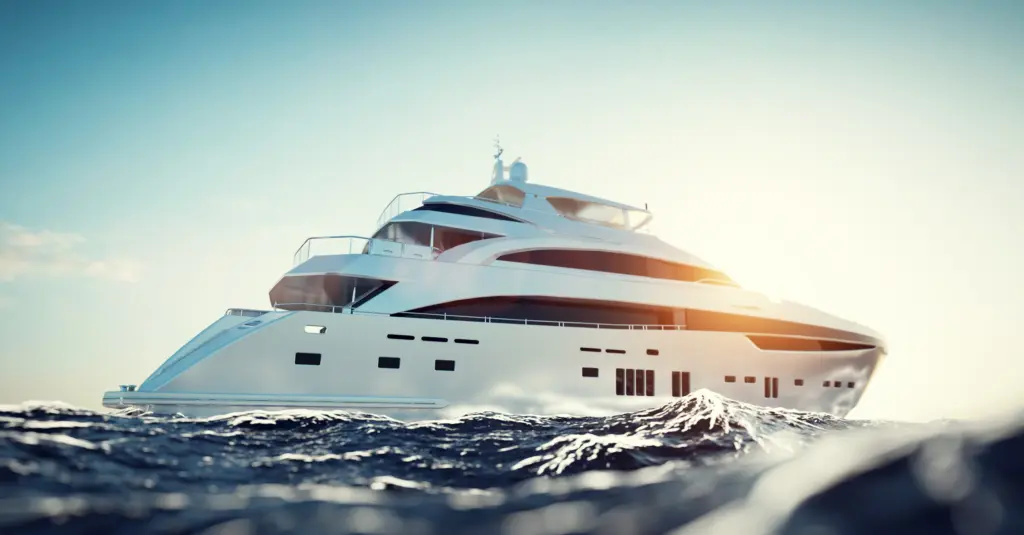
Another important part of understanding how much is a yacht is knowing how its value may change over time. Like many recreational vehicles, yachts generally depreciate during the first several years, although the rate varies by manufacturer, maintenance history, and market demand. Well-known brands with strong reputations often retain value better than lesser-known builders because buyers recognize their quality and reliability. Keeping detailed service records, performing regular maintenance, and storing the yacht properly all contribute to stronger resale prices.
Modern navigation electronics, updated interiors, efficient engines, and attractive layouts can also increase buyer interest when the yacht is eventually listed for sale. Market conditions play a role as well, since demand for certain yacht sizes and styles changes over time. Buyers who think about resale before purchasing often make better long-term investments because they focus on quality, condition, and features that remain desirable for years.
Choosing the Right Yacht for Your Budget
Instead of asking only how much is a yacht, buyers should also ask what type of yacht best matches their lifestyle and financial goals. Someone planning occasional weekend trips may find excellent value in a well-maintained 35-foot cruiser, while families planning extended coastal vacations may benefit from the additional space offered by a 50-foot flybridge yacht. Purchasing a yacht that is significantly larger than necessary often leads to higher operating costs without providing meaningful benefits. Buyers should consider how many passengers they typically expect onboard, where they plan to cruise, whether overnight accommodations are important, and how much annual maintenance comfortably fits within their budget.
Spending time aboard different models before purchasing can also provide valuable insight into layouts, comfort, and usability. Educational resources from the National Marine Manufacturers Association offer helpful information about recreational boating, ownership considerations, and industry standards that can support informed purchasing decisions.
Conclusion
There is no single answer to how much is a yacht because prices range from tens of thousands of dollars for smaller pre-owned models to hundreds of millions for custom-built luxury vessels. Size, age, construction quality, onboard equipment, and brand reputation all influence the purchase price, while ownership costs such as maintenance, insurance, fuel, and storage remain equally important considerations.
Buyers who evaluate both the initial investment and the long-term financial commitment are far more likely to choose a yacht that fits their lifestyle and budget. Whether you are purchasing your first cruiser or upgrading to a larger vessel, careful planning makes ownership far more rewarding. Float Finance helps buyers explore financing solutions that make yacht ownership more accessible while supporting confident and informed purchasing decisions.