
Learning how to operate a boat starts with understanding the controls, following navigation rules, and practicing safe boating habits before heading into open water. Unlike driving a car, operating a boat requires you to account for wind, currents, waves, and changing weather conditions, all of which affect how the vessel responds. Every boat handles differently depending on its size, engine type, and hull design, so becoming familiar with your specific vessel is essential. Whether you own a fishing boat, pontoon, bowrider, or center console, taking the time to learn proper operating techniques builds confidence and helps create a safer experience for everyone onboard.
Operating a boat also involves preparation long before the engine starts. Checking fuel levels, inspecting safety equipment, monitoring weather forecasts, and ensuring passengers understand basic safety procedures are all part of responsible boating. Many accidents happen because operators overlook simple preparation or underestimate changing conditions on the water. Understanding how to operate a boat means combining practical skills with good decision-making, allowing you to enjoy every trip while protecting your passengers, your investment, and other people sharing the water.
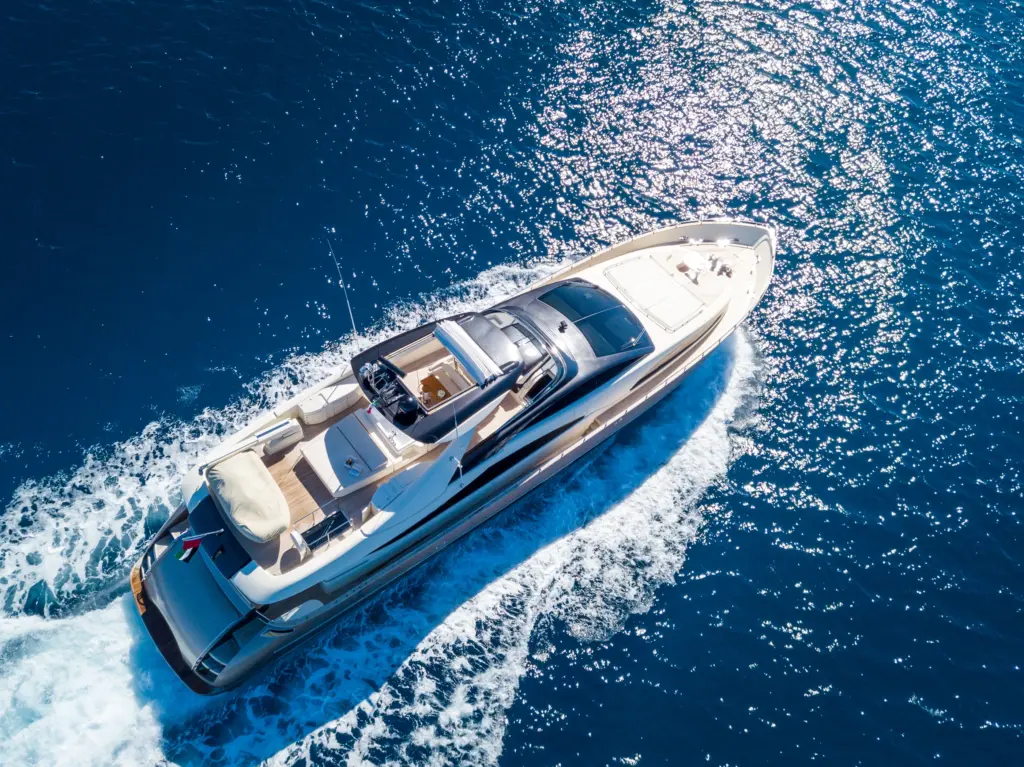
Become Familiar With Your Boat Before Leaving the Dock
Before taking a boat onto the water, spend time learning the location and function of every important control. Identify the throttle, steering wheel or tiller, ignition switch, trim controls, navigation lights, horn, bilge pump switch, and emergency engine shut-off lanyard. Knowing where these controls are located allows you to react quickly if conditions change or an emergency occurs. Reading the owner’s manual also provides valuable information about your boat’s operating limits, recommended maintenance, and safety procedures. Learning these basics is one of the first steps in understanding how to operate a boat safely and confidently.
It is equally important to inspect the boat before every trip. Check the fuel level, battery condition, engine oil where applicable, propeller, steering system, and all visible hoses and cables. Verify that required safety equipment such as life jackets, fire extinguishers, visual distress signals, and throwable flotation devices are onboard and in good condition. Spending just a few minutes on these inspections can prevent mechanical problems that might otherwise interrupt your day on the water or create unnecessary safety risks.
Learn the Basic Controls and Boat Handling
Every boat responds differently, but the basic operating controls remain similar across most recreational vessels. Steering controls determine the boat’s direction, while the throttle controls engine speed and forward or reverse movement. Unlike cars, boats continue moving after the throttle is reduced because they have no brakes. This makes smooth throttle adjustments and advance planning essential when approaching docks, other boats, or restricted areas. Practicing in calm, open water helps new operators become comfortable with steering response, acceleration, and stopping distance before boating in crowded locations.
Turning a boat also requires patience because the vessel reacts more gradually than most people expect. Wind and water currents continue affecting movement even after steering corrections are made. Beginners often oversteer while trying to compensate for drifting, creating unnecessary instability. Practicing gentle steering inputs and moderate throttle control improves confidence and makes learning how to operate a boat much easier. Developing these skills early provides a solid foundation for handling different boating situations later.
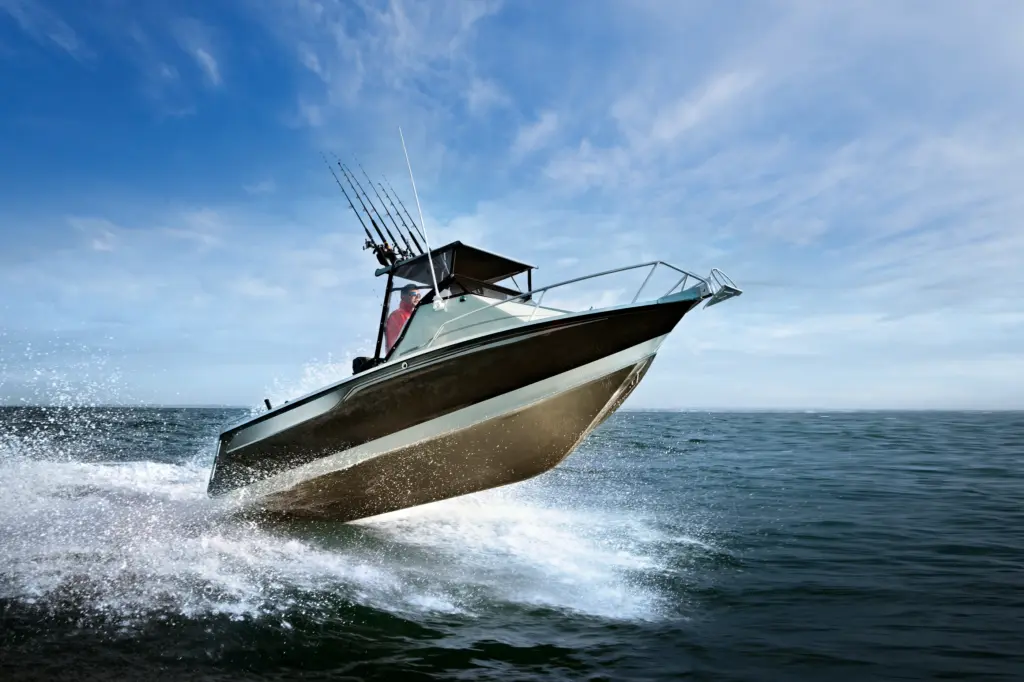
Understand Navigation Rules Before Heading Out
Safe boating depends on understanding the basic navigation rules that govern traffic on the water. Unlike roads with painted lanes and traffic signals, waterways rely on navigation markers, right-of-way rules, and operator awareness. Red and green channel markers help guide vessels through safe channels, while regulatory buoys communicate speed limits, restricted areas, and potential hazards. Learning to recognize these markers allows operators to navigate safely while avoiding shallow water and other dangers. Knowing these rules is an essential part of learning how to operate a boat responsibly.
Operators must also understand right-of-way procedures when meeting, crossing, or overtaking other vessels. Maintaining a proper lookout at all times helps identify potential conflicts before they become dangerous. Safe speeds should always be maintained based on visibility, weather, water traffic, and local regulations. Responsible navigation protects not only your passengers but also everyone sharing the water, making boating more enjoyable and reducing the risk of accidents.
Practice Docking and Low-Speed Maneuvers
Docking is one of the most challenging skills for new boat owners because boats respond differently at slow speeds than they do while cruising. Wind, current, and momentum continue affecting movement even when the throttle is barely engaged. Successful docking depends on patience, smooth throttle adjustments, and careful steering rather than speed or force. Practicing in calm conditions allows operators to become comfortable with approaching docks from different angles while maintaining full control of the vessel.
Reverse operation also requires practice because many boats steer differently while backing up. Small throttle movements usually produce better control than sudden acceleration. Having dock lines and fenders prepared before approaching the dock also reduces stress and improves safety. Spending time practicing low-speed maneuvers greatly improves confidence and is one of the most valuable parts of learning how to operate a boat successfully.
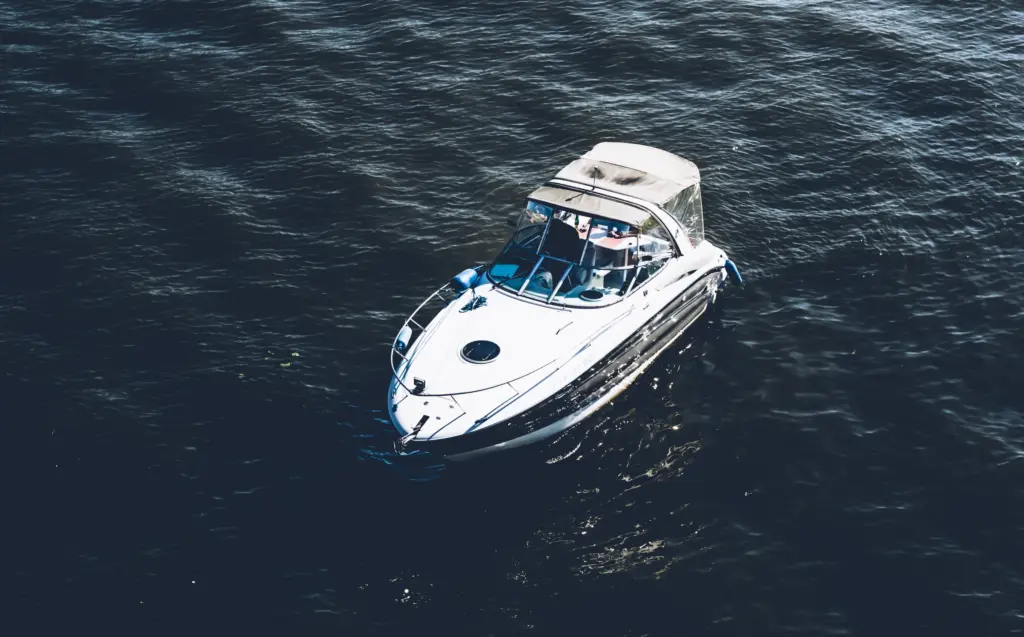
Operate Safely in Changing Weather and Water Conditions
Weather conditions can change quickly on the water, making it important to remain alert throughout every trip. Wind, rain, fog, and rough waves all affect how a boat handles, even for experienced operators. Before leaving the dock, always check the latest marine weather forecast and continue monitoring conditions while underway. If dark clouds, strong winds, or lightning begin to develop, returning to shore early is usually the safest decision. Understanding how to operate a boat includes recognizing that good judgment is just as important as steering skills.
Water conditions also influence boat handling. Larger waves require slower speeds and smoother throttle adjustments to reduce impact and maintain control. Strong currents can push the boat off course, especially near bridges, inlets, or river channels. Reducing speed in unfamiliar waters gives you more time to identify hazards and react safely. Remaining aware of changing conditions helps protect your passengers, your boat, and everyone else sharing the water.
Use Safety Equipment Correctly
Every recreational boat should carry the required safety equipment before leaving the dock. Life jackets should be available for every passenger and properly fitted for their size and weight. Fire extinguishers, navigation lights, visual distress signals, a sound-producing device, and a throwable flotation device are commonly required depending on the boat and where it is operated. Learning how to operate a boat also means knowing where this equipment is stored and how to use it during an emergency rather than trying to figure it out under pressure.
The engine cut-off switch, often called the emergency kill switch, deserves special attention. Operators should wear the attached safety lanyard whenever practical because it immediately shuts off the engine if they are thrown away from the helm. This simple device helps prevent runaway boats and significantly reduces the risk of serious injuries. Regularly inspecting safety equipment ensures everything remains in working condition throughout the boating season.

Continue Building Your Boating Skills
Operating a boat confidently takes practice, and every outing provides an opportunity to improve. New boat owners should begin in calm, uncrowded waters before attempting busy marinas, narrow channels, or challenging weather conditions. As experience grows, operators become more comfortable with docking, anchoring, launching, retrieving, and navigating unfamiliar waterways. Taking an approved boating safety course is another excellent way to strengthen practical knowledge while learning about navigation rules, emergency procedures, and responsible boating practices. The more experience you gain, the easier it becomes to make safe decisions in changing situations.
Boat ownership also involves planning beyond daily operation. Fuel, maintenance, insurance, registration, storage, and seasonal servicing all contribute to the overall boating experience. If you’re preparing to purchase your own boat, Boat Loan Pre-Approval can help you understand financing options and establish a realistic budget before buying. For additional boating education and practical operating guidance, the BoatUS Foundation for Boating Safety and Clean Water offers free educational resources that help both new and experienced boaters improve their skills.
Conclusion
Learning how to operate a boat is a process that combines preparation, practical experience, and responsible decision-making. Becoming familiar with your boat, understanding navigation rules, practicing low-speed handling, and using safety equipment correctly all contribute to safer and more enjoyable time on the water. As your confidence grows, you’ll be better prepared to handle changing conditions and protect everyone onboard. If you’re planning to purchase your first boat or upgrade to a larger one, Float Finance can help you explore financing solutions that fit your budget, making boat ownership more accessible while allowing you to focus on enjoying every trip.