
Operating a pontoon boat feels different from driving a smaller runabout, but the basic controls are easy to understand with practice. If you want to learn how to operate a pontoon boat, start by becoming familiar with the throttle, steering wheel, trim controls, gauges, and safety equipment before leaving the dock. Pontoon boats are generally stable, spacious, and comfortable, yet their size and wind resistance can affect maneuvering.
Learning how to operate a pontoon boat also means understanding how the boat responds at low speed. Pontoons may drift more in wind than smaller boats, especially when docking. Smooth throttle movements and early steering corrections usually work better than sudden inputs. New operators should practice in open water before attempting tight turns, crowded marinas, or challenging docking situations. Confidence comes from learning how the boat reacts rather than trying to control it aggressively.
Check The Pontoon Boat Before Leaving The Dock
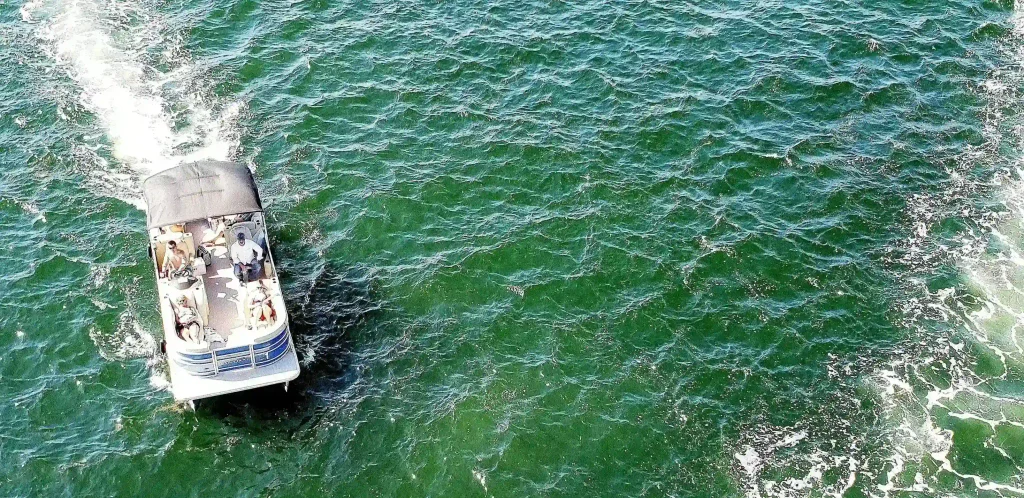
Before learning how to operate a pontoon boat on open water, complete a basic pre-departure inspection. Check the fuel level, battery condition, steering response, throttle operation, navigation lights, and engine area. Confirm that drain plugs and other required fittings are secure. Look around the deck for loose equipment that could move while underway. You should also verify that the boat has enough fuel for the planned trip, with extra capacity for unexpected delays.
Safety equipment deserves the same attention. Make sure suitable life jackets are readily available for everyone onboard. The U.S. Coast Guard Boating Safety Division provides official recreational boating safety information, including guidance about life jackets and vessel safety. Check applicable federal, state, and local requirements before operating. When learning how to operate a pontoon boat, developing a consistent pre-departure routine can help you catch simple problems before they become serious issues on the water.
Start The Engine And Learn The Controls
A major part of understanding how to operate a pontoon boat is learning the helm controls before you begin moving. Most pontoons use a steering wheel and a throttle or shift lever. The lever typically controls forward, neutral, and reverse while also increasing engine speed. Become familiar with these positions while the boat is secured. Never rush the shift between forward and reverse. Allow the control to pass through neutral so the drivetrain can respond properly.
After starting the engine, watch the gauges and listen for unusual sounds. Confirm that the steering moves correctly before leaving the dock. Some boats may also have power trim, depth displays, GPS equipment, or engine monitoring systems. Their exact operation varies by model. Learning how to operate a pontoon boat safely includes reading the owner’s manuals for the boat, engine, and installed electronics. Manufacturer-specific instructions should take priority whenever they differ from general boating advice.
Pull Away From The Dock Slowly
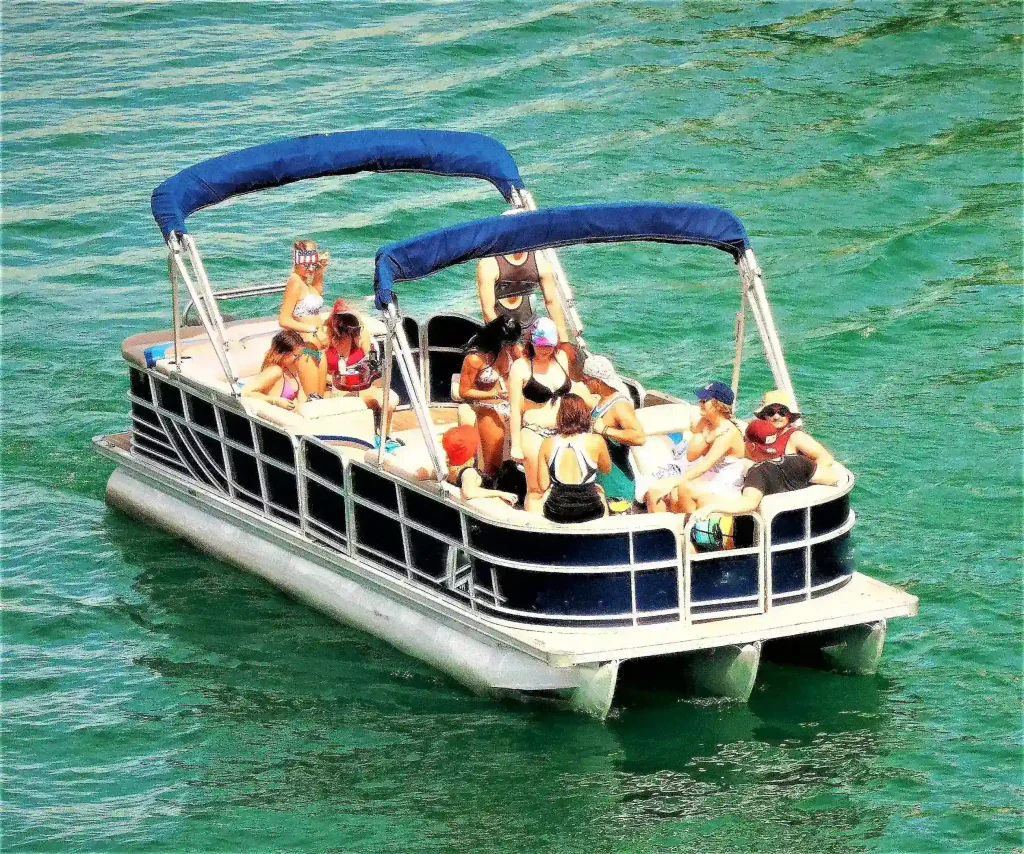
Dock departure is often one of the hardest parts of learning how to operate a pontoon boat. Wind and current can move a pontoon sideways because the boat presents a relatively large surface area. Before releasing the lines, determine the direction of the wind and current. Make sure passengers remain seated or positioned safely. Remove unnecessary lines only when you are ready to move, while keeping useful lines attached until the final moment.
Use short, controlled applications of throttle rather than accelerating hard. At very low speeds, you may need brief bursts of power to create enough water flow for effective steering. Return the throttle to neutral and observe how the boat moves before making another correction. When practicing how to operate a pontoon boat, avoid constantly moving the throttle between strong forward and reverse settings. Slow corrections give you more time to understand the boat’s momentum and reduce the chance of contacting another vessel or the dock.
Steering And Turning A Pontoon Boat
Knowing how to operate a pontoon boat requires understanding that steering response changes with speed. At slow speed, the boat may react gradually because less water moves past the propulsion system. At cruising speed, steering becomes more responsive. Make smooth turns and avoid making sudden steering movements. Passengers can lose balance when a large pontoon changes direction sharply, even when the boat itself remains stable.
Plan turns before you reach obstacles, docks, markers, or other boats. A pontoon carries momentum and may continue moving farther than a new operator expects. When learning how to operate a pontoon boat, watch the entire length of the vessel rather than focusing only on the bow. Remember that the stern can swing outward during a turn. Maintaining a safe distance from nearby objects gives you room to correct your course without aggressive steering or throttle inputs.
Control Speed And Trim While Underway
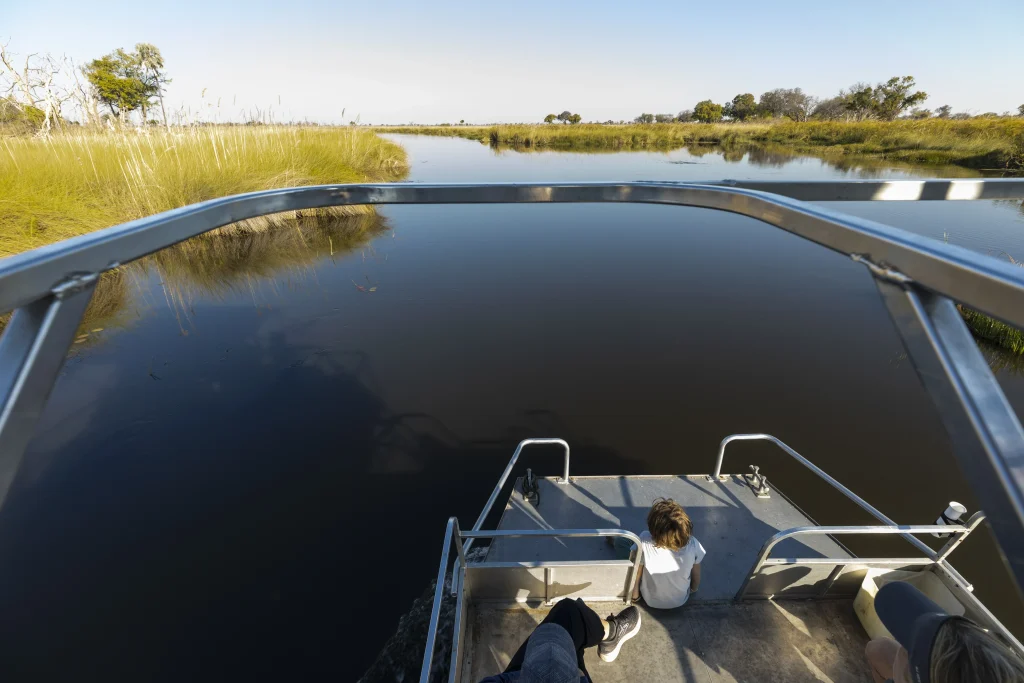
Speed control is another important part of learning how to operate a pontoon boat. Increase the throttle gradually after reaching open water. Allow the boat to settle before making additional adjustments. Conditions such as passenger load, wind, waves, and engine power can change how quickly the boat accelerates. Keep enough distance from other vessels so you have time to slow down or change direction when necessary.
Some pontoon boats have power trim controls that change the angle of the outboard or sterndrive. Small trim adjustments may improve handling and efficiency once the boat reaches cruising speed. Excessive trimming can reduce control or cause the propeller to lose its grip on the water. Learning how to operate a pontoon boat includes discovering how your specific boat responds to trim. Make small adjustments and watch speed, engine sound, steering feel, and operating conditions instead of making large changes at once.
Understand Waves, Wakes, And Passenger Weight
Anyone learning how to operate a pontoon boat should also know how changing water conditions affect handling. Large wakes can cause uncomfortable movement if you approach them at excessive speed. Reduce speed before reaching a significant wake, while maintaining enough control to steer. The best approach angle can depend on the size of the wake and your pontoon’s design. Avoid abrupt turns immediately before crossing larger waves.
Passenger and cargo placement also affect performance. Do not exceed the capacity information provided by the boat manufacturer. Spread passengers and equipment sensibly rather than placing excessive weight in one area. When learning how to operate a pontoon boat, ask passengers to remain seated when conditions become rough or during difficult maneuvers. The U.S. Coast Guard emphasizes that recreational boat operators are responsible for passenger safety, making proper safety preparation an important part of every outing.
Learn How To Dock A Pontoon Boat
Docking is a skill that often requires the most practice when learning how to operate a pontoon boat. Approach the dock slowly and study the wind before committing to the maneuver. In many situations, wind has a greater effect on a pontoon than a beginner expects. Position fenders before approaching the dock and have lines ready. Passengers assisting with lines should understand what they need to do before the boat reaches the dock.
Use idle speed and short throttle inputs whenever possible. Shift into neutral frequently so you can judge the boat’s momentum. Reverse can help reduce forward movement, but use it carefully rather than relying on a strong reverse burst at the last second. Practicing how to operate a pontoon boat in calm conditions can make docking much easier later. Never ask passengers to use their hands or feet to stop a heavy boat from striking the dock. Proper fenders and controlled maneuvering are much safer.

Build Confidence Through Safe Practice
The best way to learn how to operate a pontoon boat is through deliberate practice in safe conditions. Begin on a calm day with light traffic and plenty of open space. Practice moving forward, shifting into neutral, reversing, making wide turns, and stopping from different speeds. Then practice low-speed maneuvers and docking. Repeating these basic movements helps you understand how far the boat travels after you reduce the throttle.
Once you know how to operate a pontoon boat comfortably, boating becomes much more enjoyable. Continue checking weather conditions, local rules, navigation markers, passenger safety, and vessel condition before every trip. Buyers who are still choosing a boat can also review boat financing options and understand the overall purchase before committing to a vessel. Float Finance helps boat buyers explore marine financing solutions that can fit different boating goals and budgets.