Call Us : 207-994-5109
Mon – Fri: 8 am to 9 pm & Sat – Sun: 10 am to 8 pm
Seadeck 7 is the point where the Seadeck concept becomes a full four-cabin family yacht. It is still designed around informal water-level living, but the extra length and accommodation make multi-day cruising with children, friends or another family much more realistic than on the 6.
Official Azimut specifications put the Seadeck 7 at 71′ 2″ overall with a 17′ 12″ beam. Accommodation is 4 + 1 crew cabins with 8 + 2 crew berths. Power comes from 2 × Volvo Penta IPS 1200 (900 hp) / optional IPS 1350 (1,000 hp). Those numbers matter because Seadeck is not a conventional interior-first motor yacht: the design allocates meaningful volume to water-level living and energy-efficiency systems rather than simply maximizing enclosed square footage.
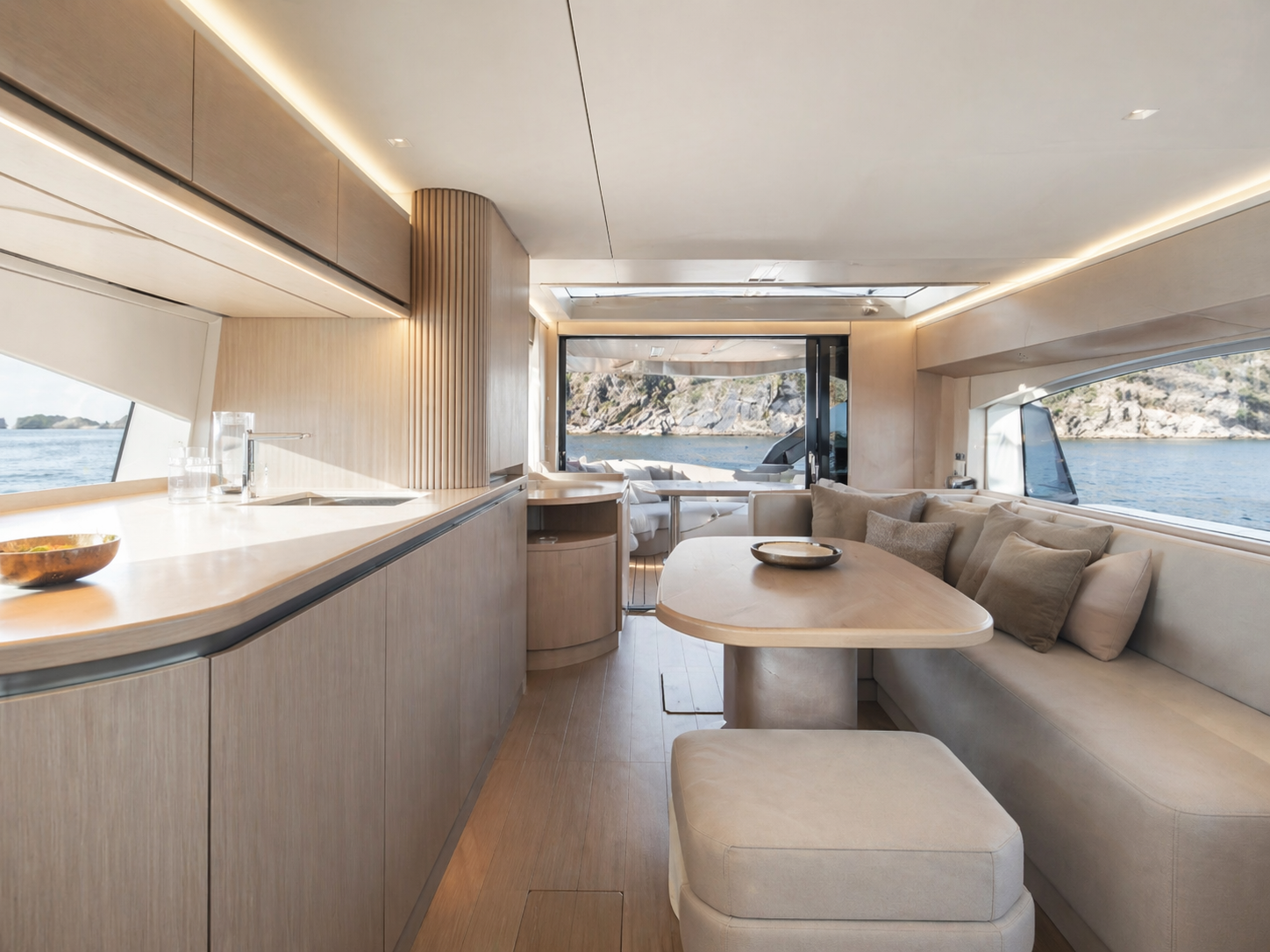
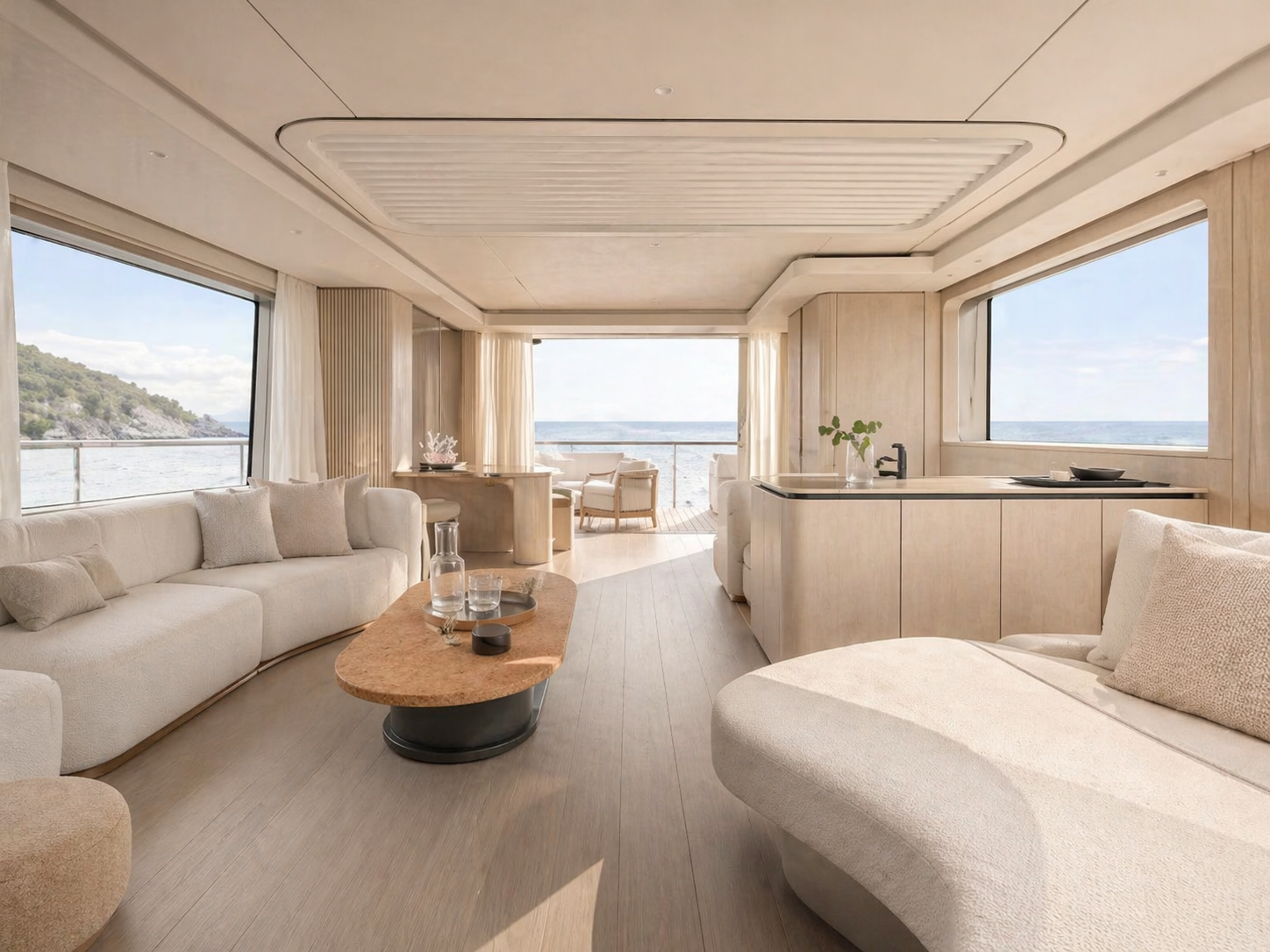
The cockpit and salon are designed to operate as one social area when the glazing is open. Fold-down side wings widen the Fun Island, while the aft platform can change level for swimming or quay access. The lower helm sits close to the galley for protected operation, while good-weather driving can shift to the upper station where fitted/configured.
The compromise is equally important. Seadeck rewards buyers who actually use the stern, swim, anchor out and value quieter/lower-demand onboard living. A buyer whose priority is a huge flybridge, the most formal salon separation or maximum enclosed volume per foot may be happier in another Azimut family.
The Seadeck 7 uses Carbon fibre + GRP construction and 15° stern / 21° amidships. The 7 uses a planing hull with a sharper 21-degree amidships deadrise tapering to 15 degrees aft. That balance supports comfortable fast cruising while carrying substantially more accommodation and fuel than the 6.
Carbon fiber is used high in the structure to reduce weight where it most affects center of gravity and roll. That matters on Seadeck because the design adds large opening stern elements and substantial glass while still trying to hold down consumption.
Practical dimensions are just as important as construction: beam is 17′ 12″, draft is 5′ 1″, and full-load displacement is 102,074 lb.
Azimut specifies 2 × Volvo Penta IPS 1200 (900 hp) / optional IPS 1350 (1,000 hp), producing 1,800 hp standard / 2,000 hp optional. Pod propulsion is part of the packaging and maneuvering story across the Seadeck family, but exact joystick, hybrid, battery and generator configurations should be verified on the specific hull.
Current official specs list twin IPS 1200s with optional IPS 1350s. The yacht also carries Azimut’s low-emission design logic: carbon-fiber weight reduction, efficient hull form and reduced onboard energy demand. Hybrid propulsion has been discussed and developed around the Seadeck program, but buyers should verify whether the specific hull being considered actually carries hybrid propulsion rather than assuming it from the series name.
On a used yacht, ask for engine hours, oil/coolant service, pod service, seals, corrosion protection, propeller history and software/control-system updates. Technology-heavy yachts reward documentation. A clean service file is more valuable than a seller saying the boat was ‘always maintained.’
Azimut publishes 8.9 liters per nautical mile at a 23-knot cruise point with a 374-nautical-mile range, and 10.0 liters per nautical mile at 26 knots with a 332-nautical-mile range. Those figures give buyers a rare manufacturer-supplied way to compare the cost of faster cruising rather than relying on guessed GPH values.
Fuel capacity is 978 US gal. Build a seasonal budget from actual engine hours, chosen cruise speed and local diesel price rather than a generic percentage of purchase price. Hotel loads, batteries, generator runtime and stabilization also change total energy cost at anchor.
Where Azimut publishes ISO-style range figures, use them as a standardized comparison point, not a guarantee. Load, bottom condition, sea state, wind and optional equipment can all move the real result.
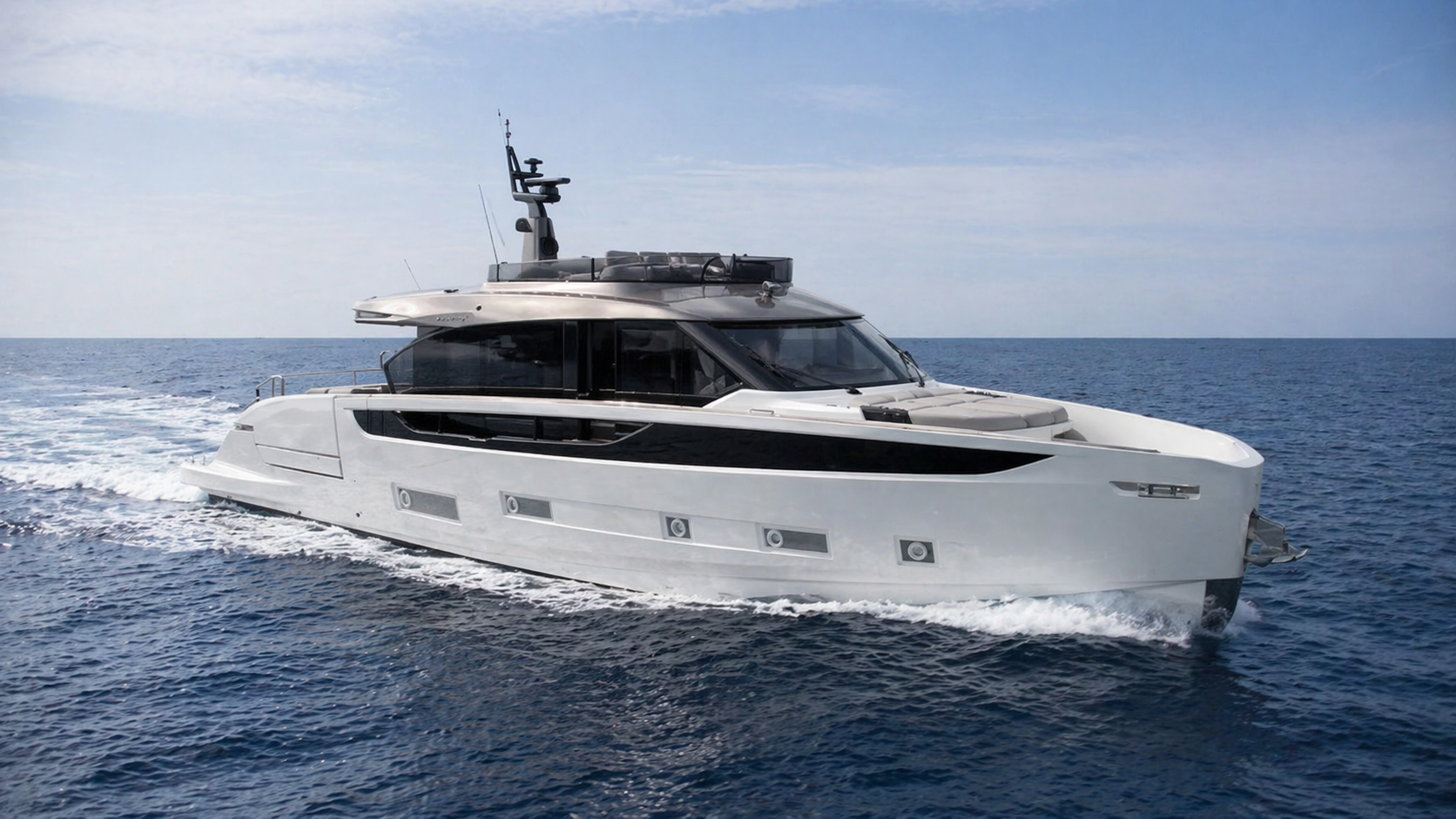
Azimut publishes Up to 31 kn maximum speed and Up to 23 kn published cruise; 26 kn fast-cruise test point cruise performance for the Seadeck 7. Seadeck is not a displacement trawler and it is not a pure performance yacht. The design target is efficient planing speed with enough reserve to cover coastal distance quickly while keeping family comfort central.
During sea trial, pay attention to planing transition, noise, trim response, visibility and how the boat behaves when crossing its own wake. On Seadeck, also listen for rattles or movement around the large opening stern elements and verify that the moving platforms/wings operate cleanly before treating them as lifestyle features.
The cockpit and salon are designed to operate as one social area when the glazing is open. Fold-down side wings widen the Fun Island, while the aft platform can change level for swimming or quay access. The lower helm sits close to the galley for protected operation, while good-weather driving can shift to the upper station where fitted/configured.
The buyer test is simple: stand at the stern with the side elements deployed and imagine the boat with eight people actually using it. Check routes to the helm, galley, foredeck and water. The design succeeds when the Fun Island remains usable without turning circulation into a bottleneck.
At the helm, verify sightlines in both open and closed configurations, joystick placement, electronics, wiper coverage and access to side decks. A beautiful salon matters less if docking visibility or communication with line handlers is awkward.
Current official specs list twin IPS 1200s with optional IPS 1350s. The yacht also carries Azimut’s low-emission design logic: carbon-fiber weight reduction, efficient hull form and reduced onboard energy demand. Hybrid propulsion has been discussed and developed around the Seadeck program, but buyers should verify whether the specific hull being considered actually carries hybrid propulsion rather than assuming it from the series name.
Survey the technology as seriously as the hull. Run the generator, inverter/charger, batteries where fitted, HVAC, stabilization, shore-power equipment, pumps, moving stern hardware and monitoring system under load. On a newer high-technology yacht, software and firmware history can matter alongside mechanical service records.
At 71′ 2″ overall with a 17′ 12″ beam, the Seadeck 7 needs planned dockage. Confirm slip length, beam allowance, water depth, shore power and turning room before closing.
Also confirm haul-out capacity and service access. The same yard that can physically dock the boat may not have the lift, technicians or electrical expertise to support Seadeck’s IPS and energy-management systems.
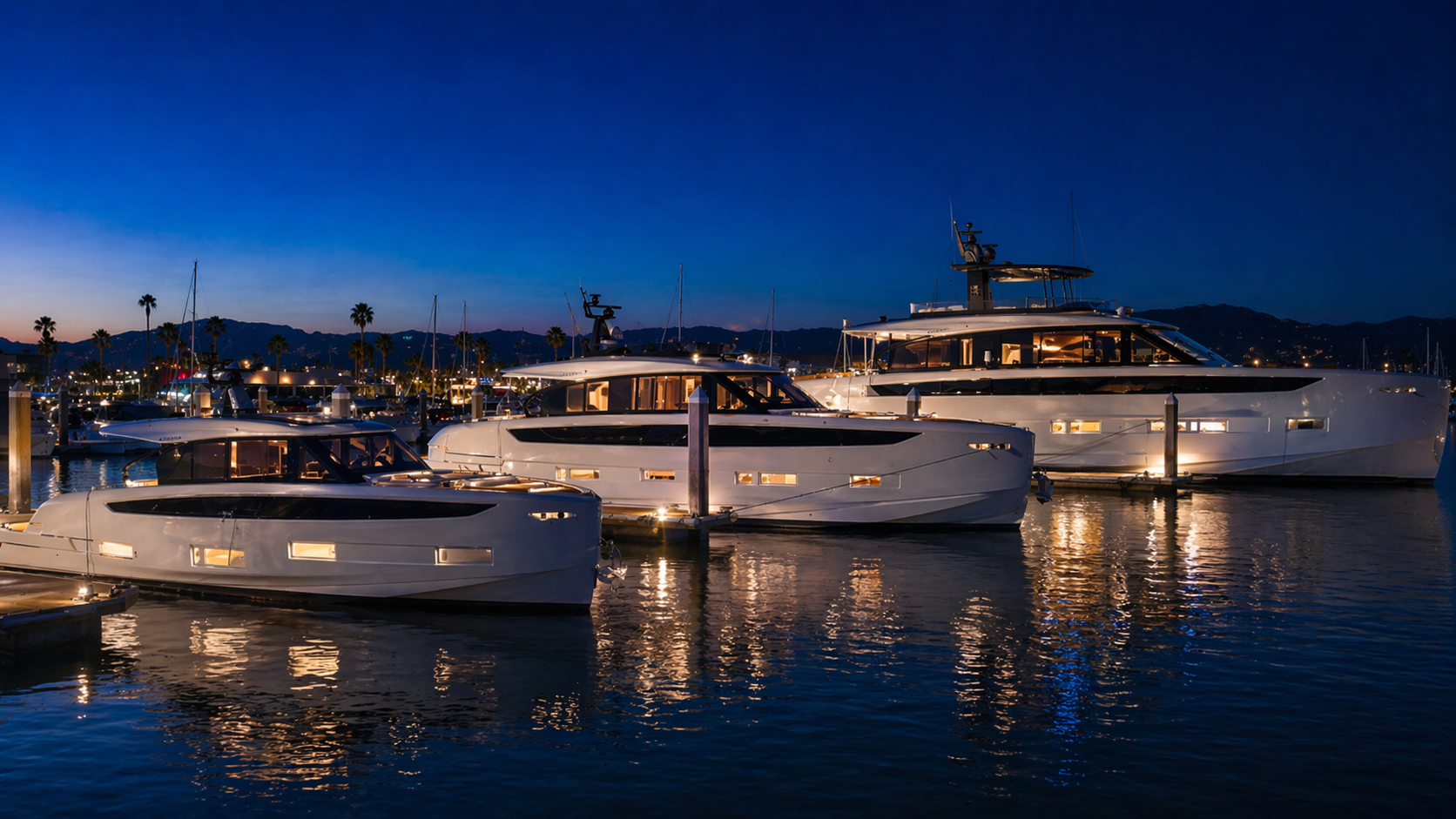
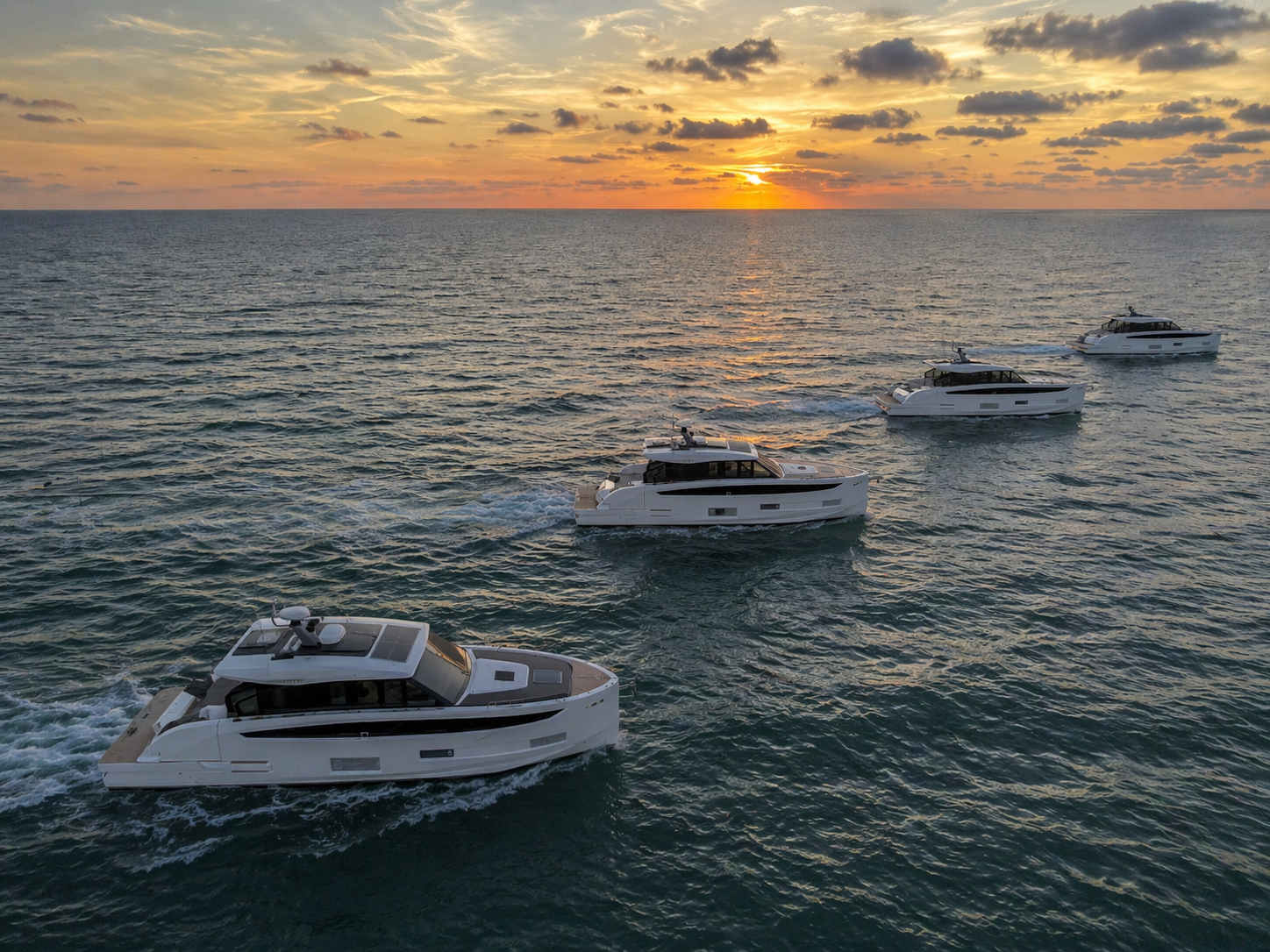
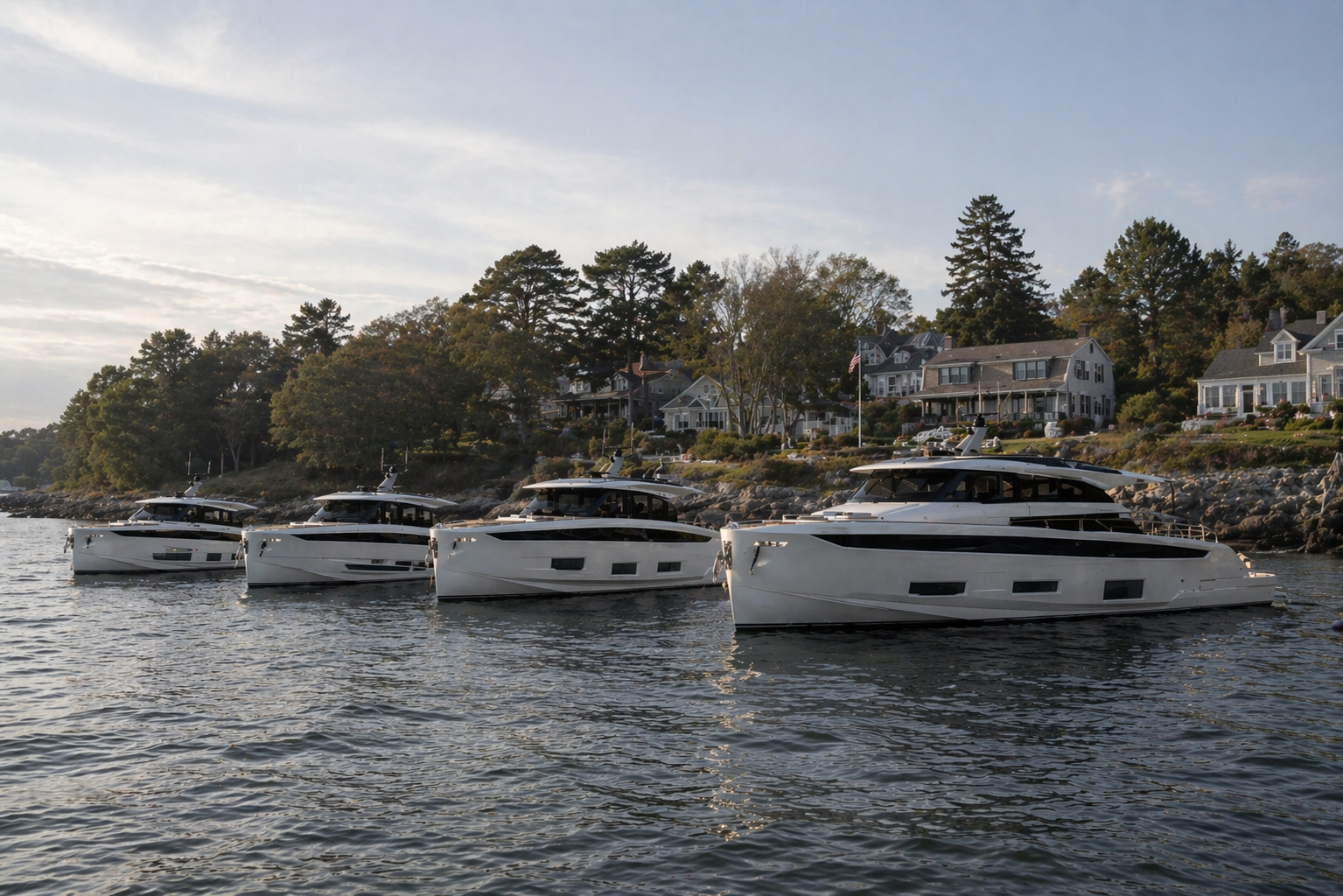
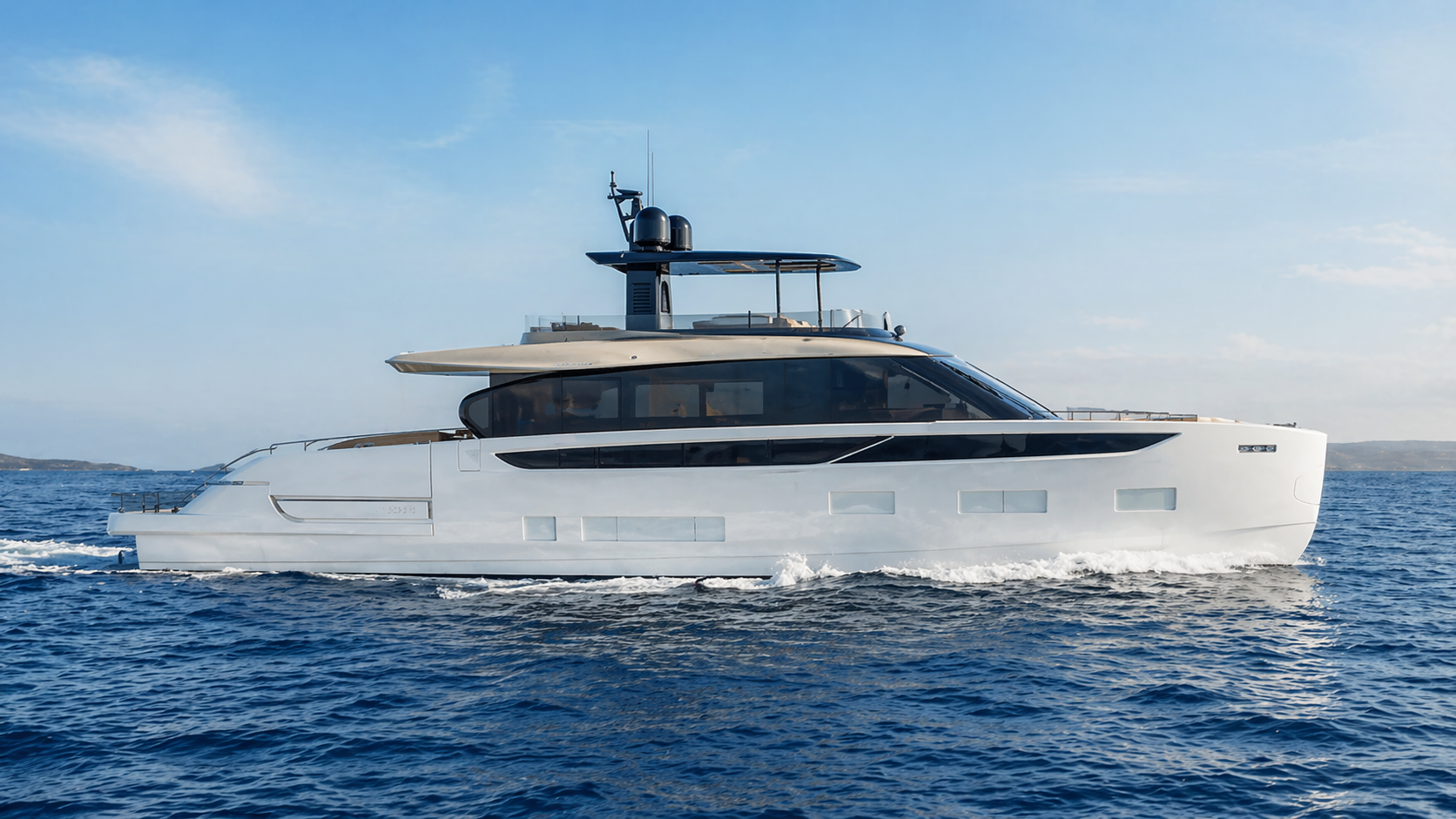
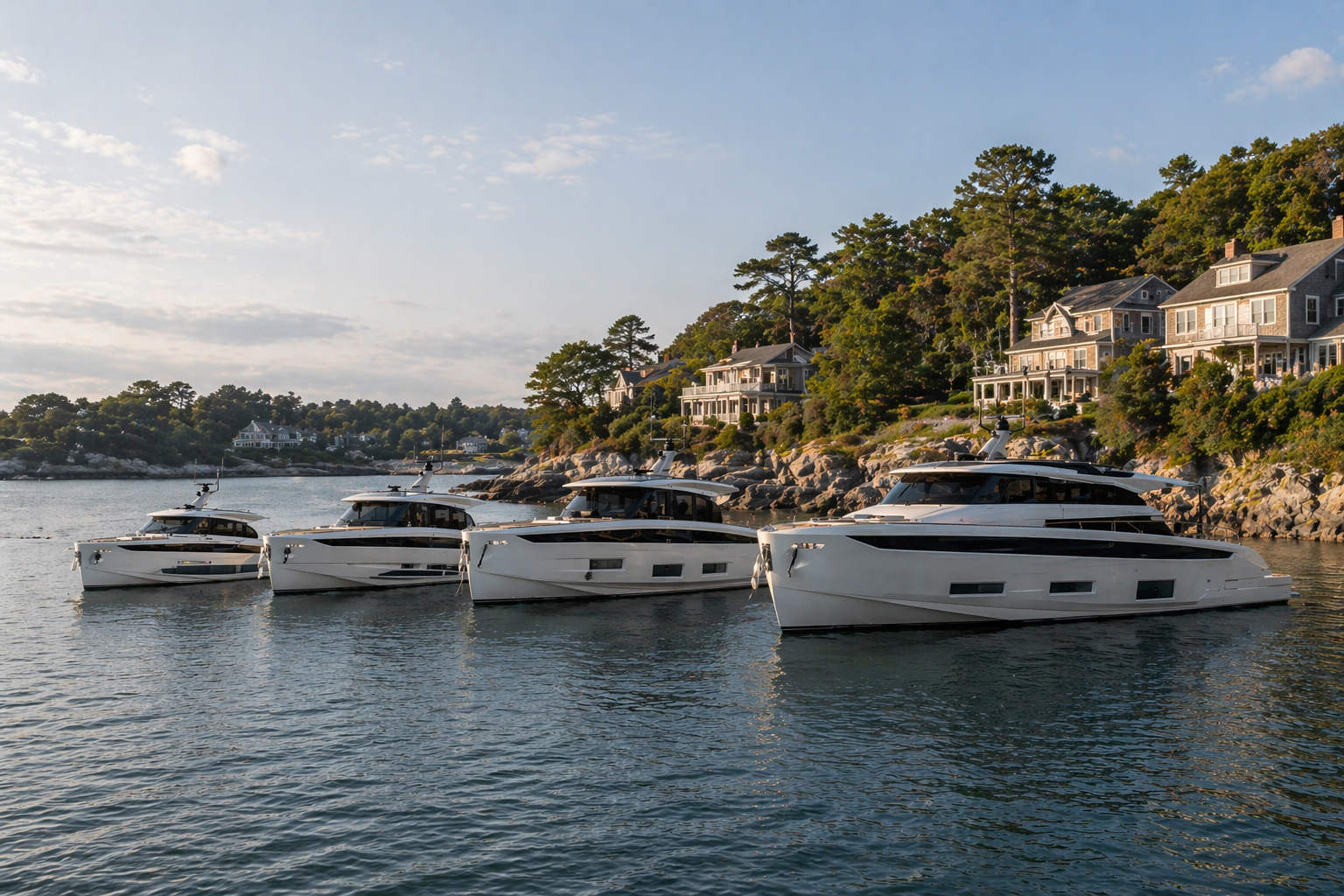
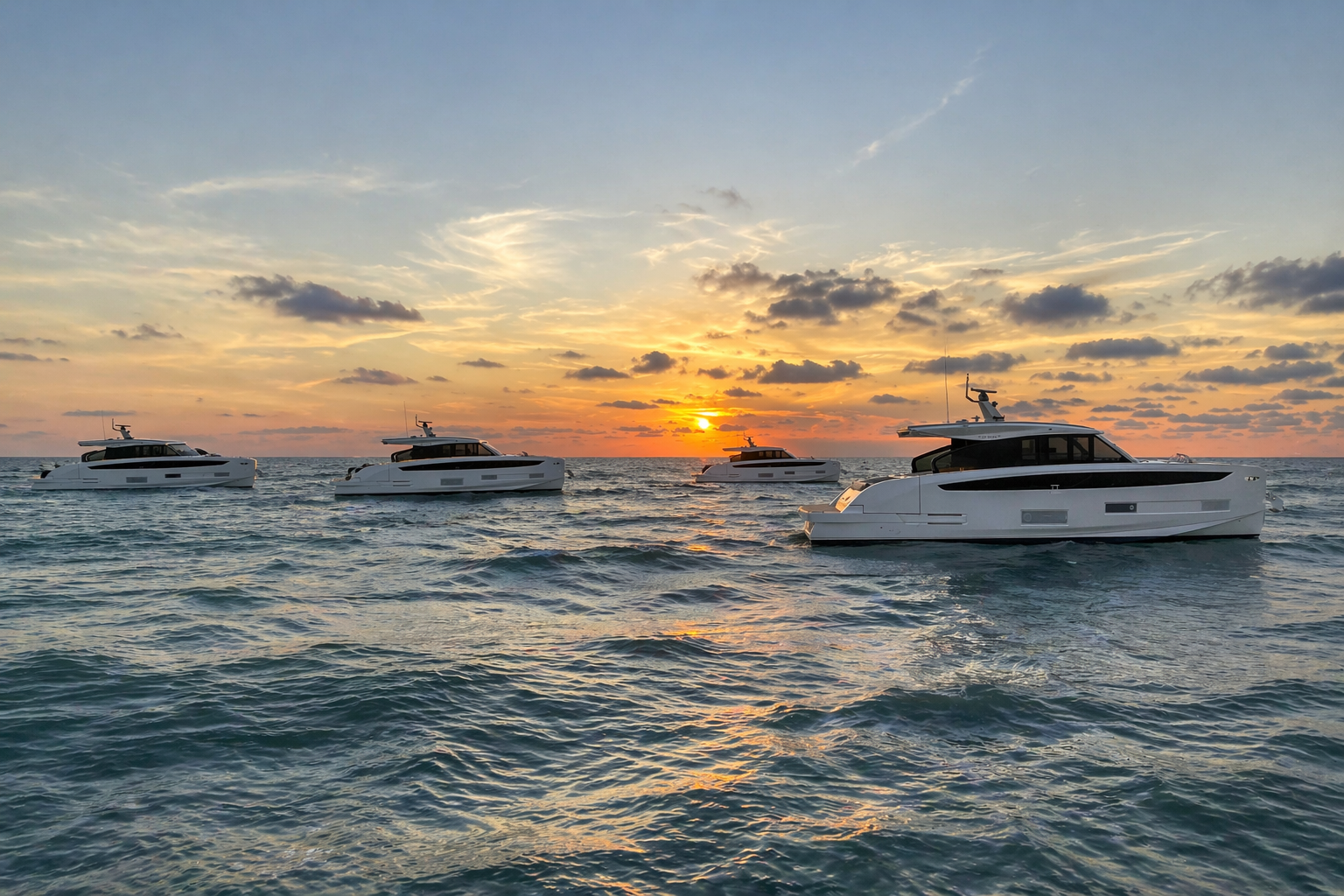
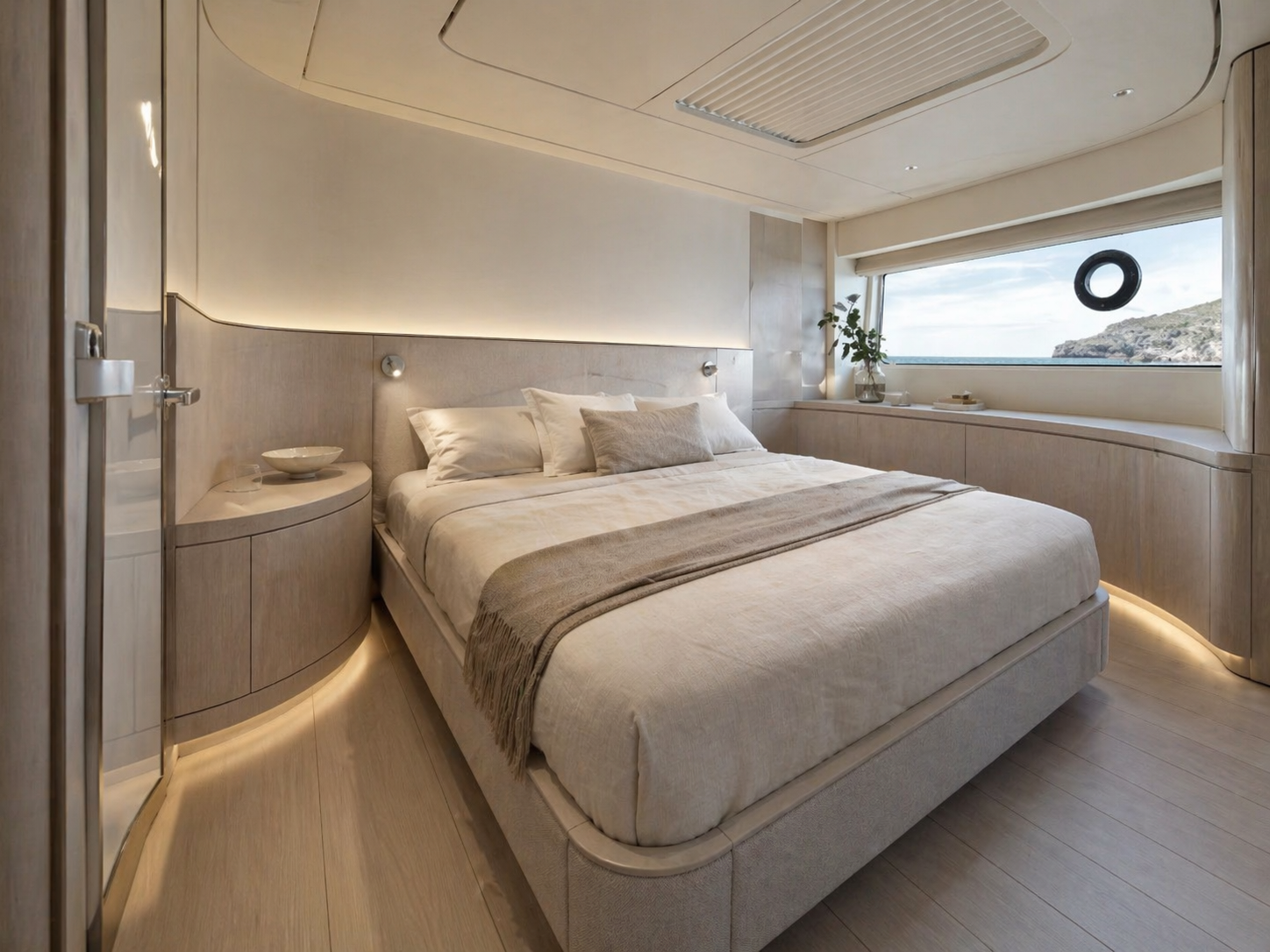
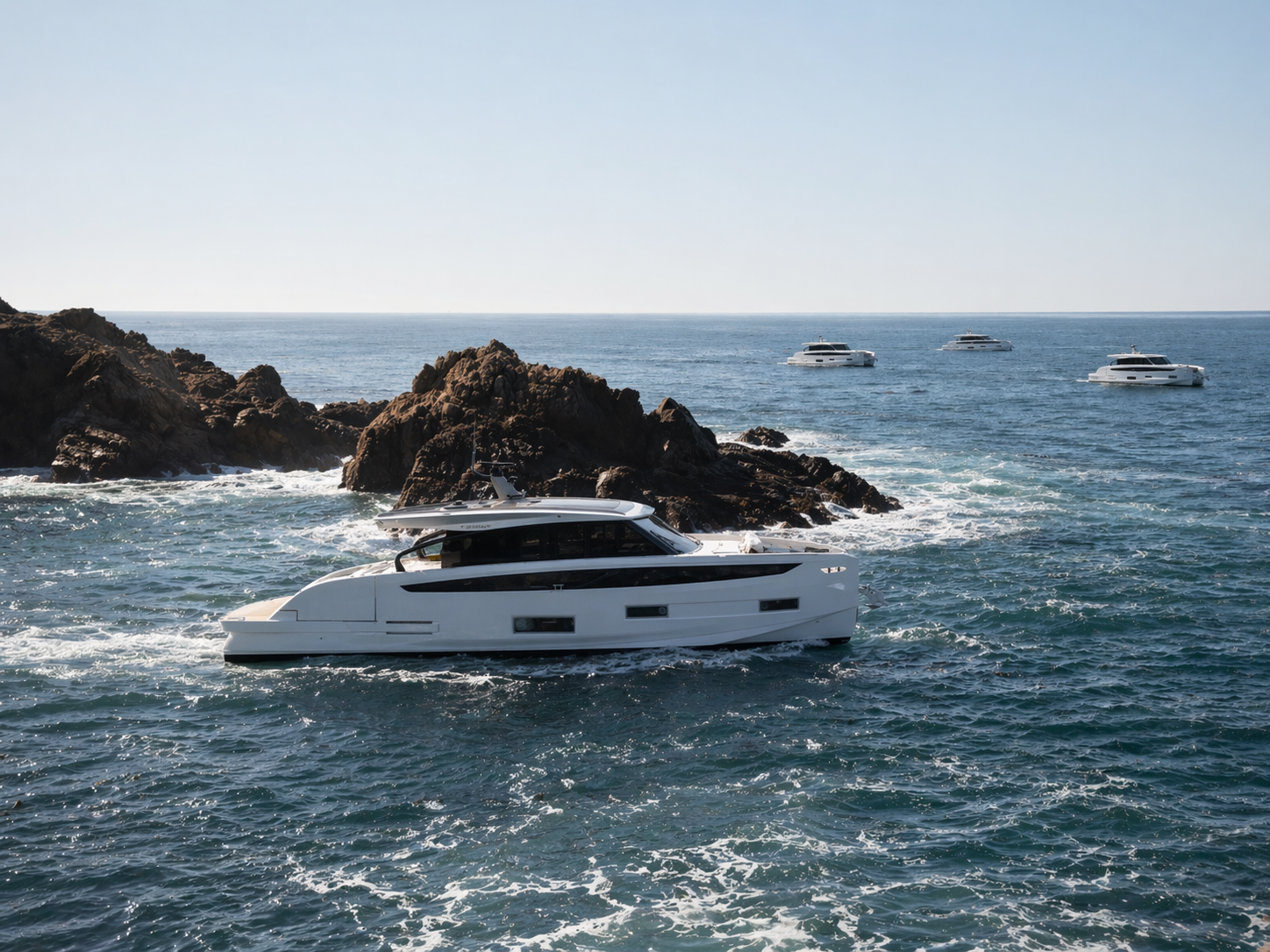
Use the gallery to judge the Seadeck 7 as a working family yacht: running profile, Fun Island, water access, helm, salon, owner suite, guest cabins and machinery spaces. Pay attention to how the stern changes when platforms and wings are deployed.
Pricing for the Azimut Seadeck 7 depends on model year, build specification, propulsion option, hybrid/battery equipment where fitted, electronics, stabilization, tender equipment, engine hours and service history.
Ownership cost should include dockage, insurance, IPS service, generators, HVAC, haul-out, bottom work, detailing and energy-system service. On battery-equipped boats, long-term replacement planning belongs in the budget even if the current battery health is excellent.
Pricing, costs and payment illustrations are for research only and are not offers or commitments to extend credit.
Figures come from this page’s Boat Details fields. Illustration only and not an offer of credit.
Use the yacht-loan calculator to compare purchase price, down payment, rate and term. Run multiple scenarios. Actual approval and structure depend on borrower credit, yacht age, value, condition and lender guidelines.
Illustration only and not an offer of credit. Your actual rate and term depend on credit profile, vessel age, loan amount and ownership structure.
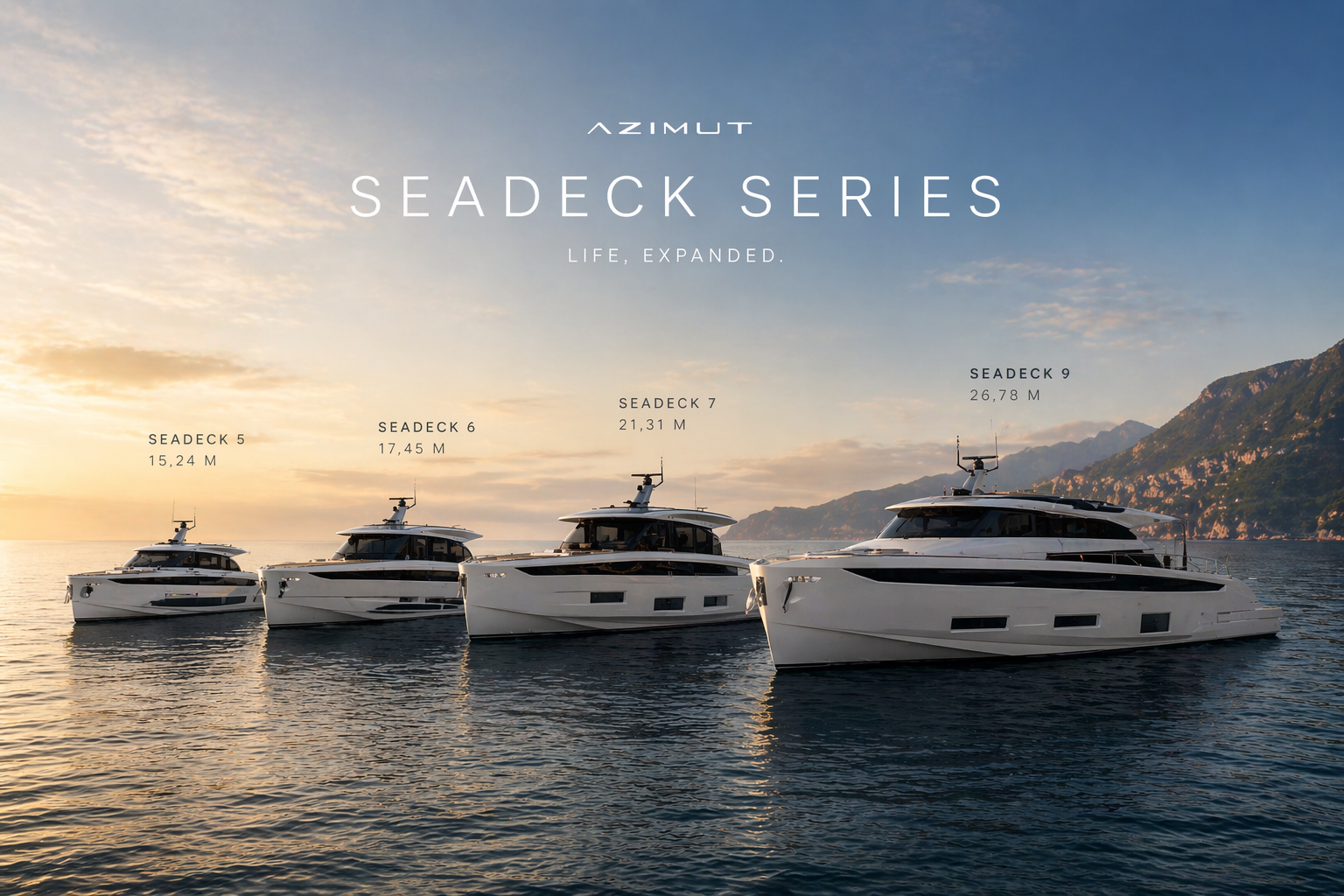
Compare adjacent Seadeck models by cabins, crew, dockage and operating scale—not just LOA. Step up only when the larger yacht solves a real ownership need.
New dealer stock offers the cleanest build-sheet and warranty path. Brokerage examples require closer attention to engine hours, battery/energy-system health where fitted, software updates and stern-hardware maintenance. Private-party purchases can work well but add title, lien, survey and closing coordination.
On Seadeck, do not let the sustainability story distract from normal yacht diligence. A survey should verify hull condition, IPS drives, electrical systems, generators, batteries, HVAC, stabilizers, opening terraces/wings and the service documentation behind them.
Already looking at a specific Azimut Seadeck 7? Send Float Finance the listing. The financing discussion should be based on the actual hull, actual equipment and transaction type—especially on a newer series where two boats can differ meaningfully in energy systems and options.
Actual value varies with model year, propulsion, options, electronics, stabilization, battery/energy equipment, hours and service history. A recent major service or stronger specification can justify a meaningful premium over an apparently similar listing.

Azimut lists 4 + 1 crew cabins and 8 + 2 crew berths. Confirm the general arrangement on the specific hull because layout options can change how guest and crew spaces are allocated.
The Seadeck 7 uses 2 × Volvo Penta IPS 1200 (900 hp) / optional IPS 1350 (1,000 hp), producing 1,800 hp standard / 2,000 hp optional. Verify whether the exact yacht has the standard or optional package and review the full IPS service history before purchase.
Azimut publishes Up to 31 kn maximum speed and Up to 23 kn published cruise; 26 kn fast-cruise test point cruising performance. Actual results change with load, sea state, bottom condition and option weight.
Azimut publishes 8.9 liters per nautical mile at a 23-knot cruise point with a 374-nautical-mile range, and 10.0 liters per nautical mile at 26 knots with a 332-nautical-mile range. Those figures give buyers a rare manufacturer-supplied way to compare the cost of faster cruising rather than relying on guessed GPH values.
The Seadeck family is marketed by Azimut as its first hybrid Series, but exact propulsion and hotel-energy systems vary by model and build. Current official technical tables list Volvo Penta IPS diesel packages. Verify the battery, generator, hybrid and propulsion specification of the exact hull instead of assuming every Seadeck has identical technology.
Potentially, yes, subject to borrower, yacht and lender eligibility. A newer technology-heavy yacht may require clear survey and equipment documentation during underwriting. Getting prequalified before negotiating helps establish a realistic purchase range.
Yes. At 71′ 2″ overall and 17′ 12″ of beam, the Seadeck 7 is a marina or professionally managed dockage yacht. Confirm slip dimensions, draft, shore power and service access before closing.
Tell us a little bit about yourself and the boat you are looking to finance.