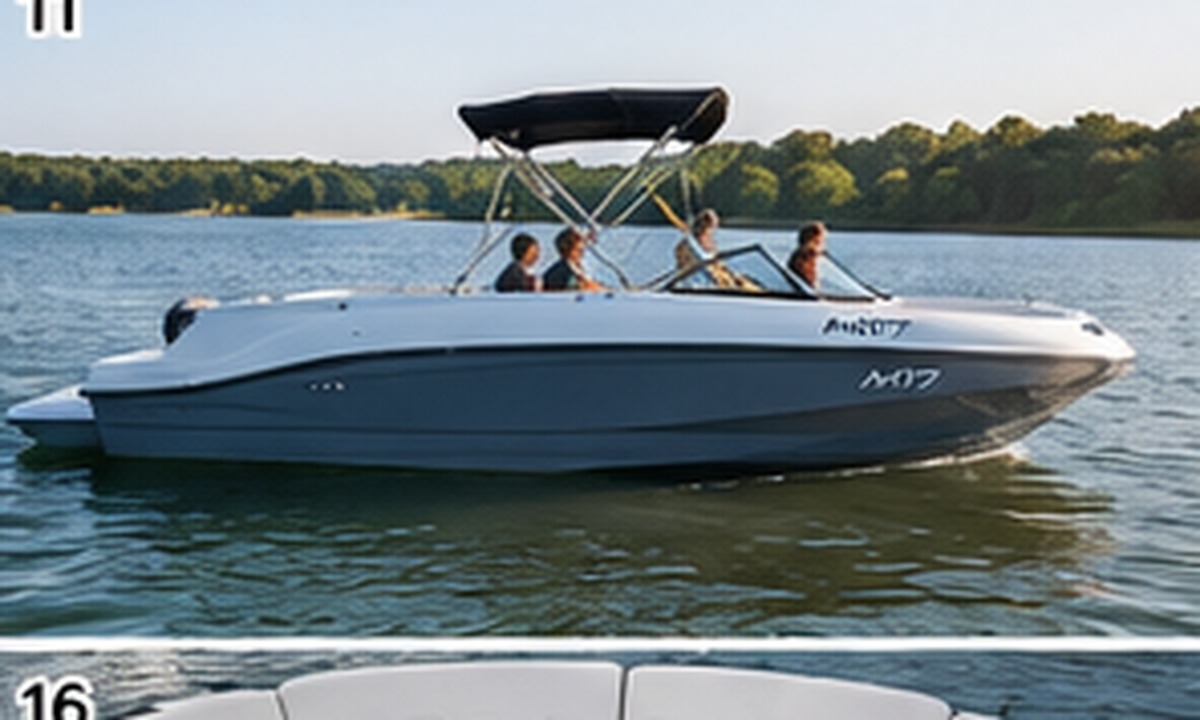
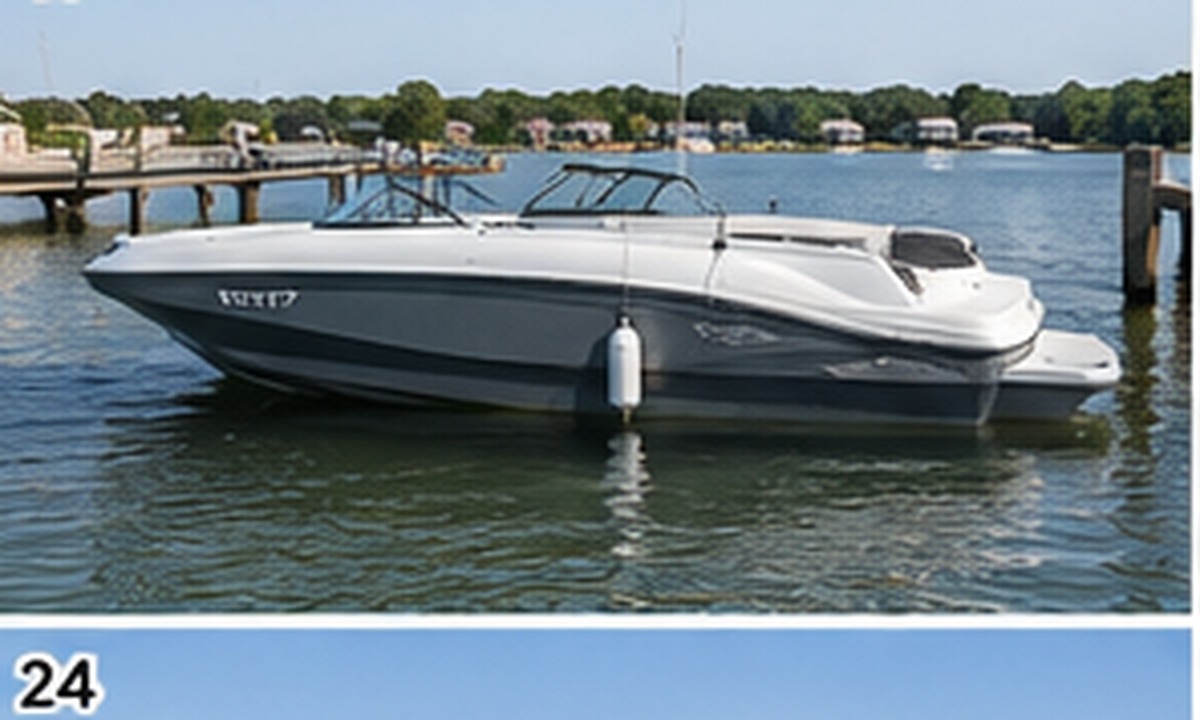
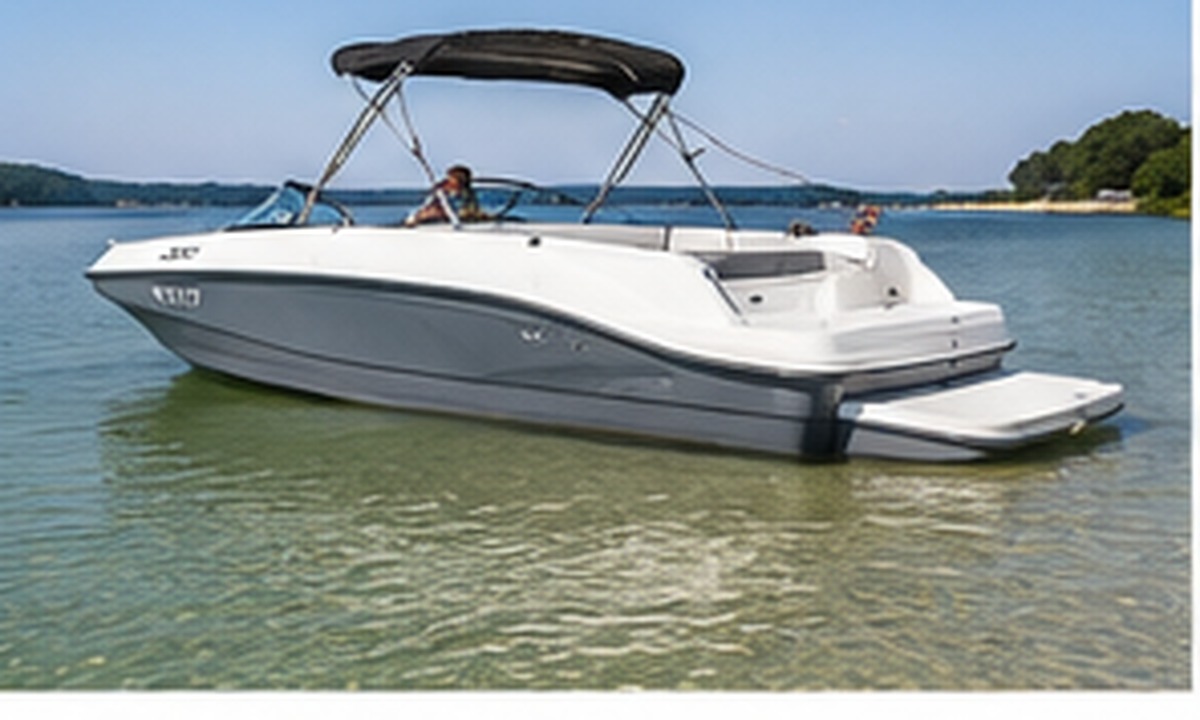
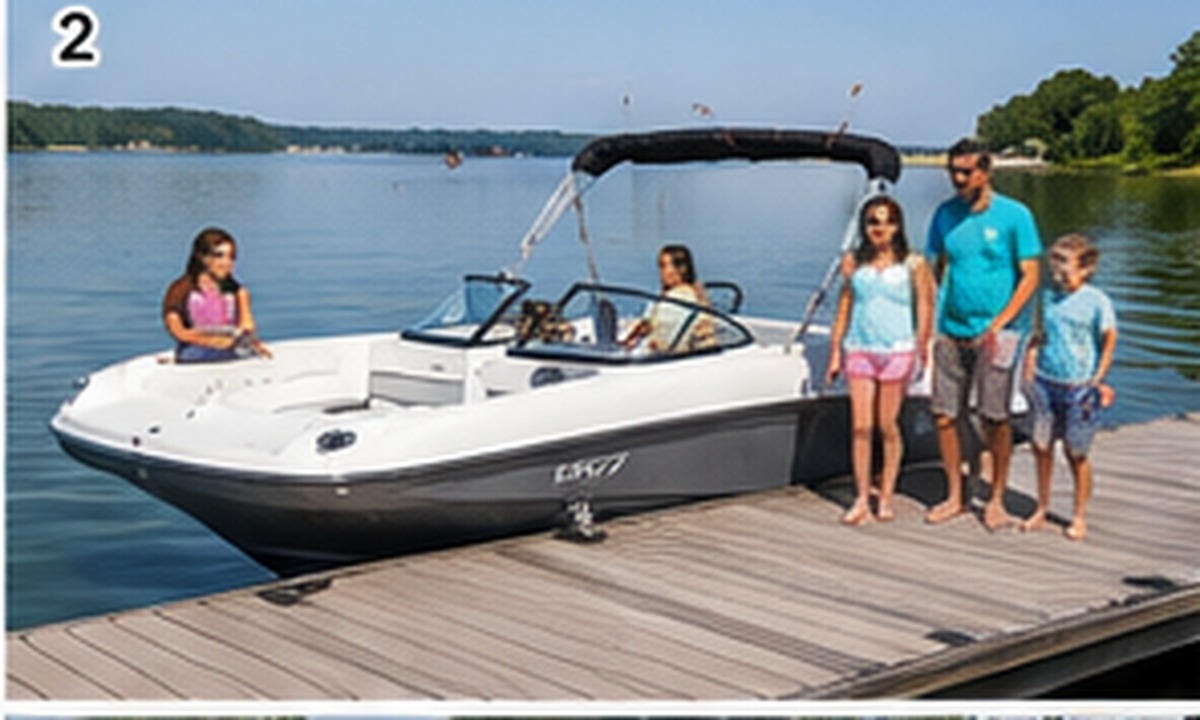
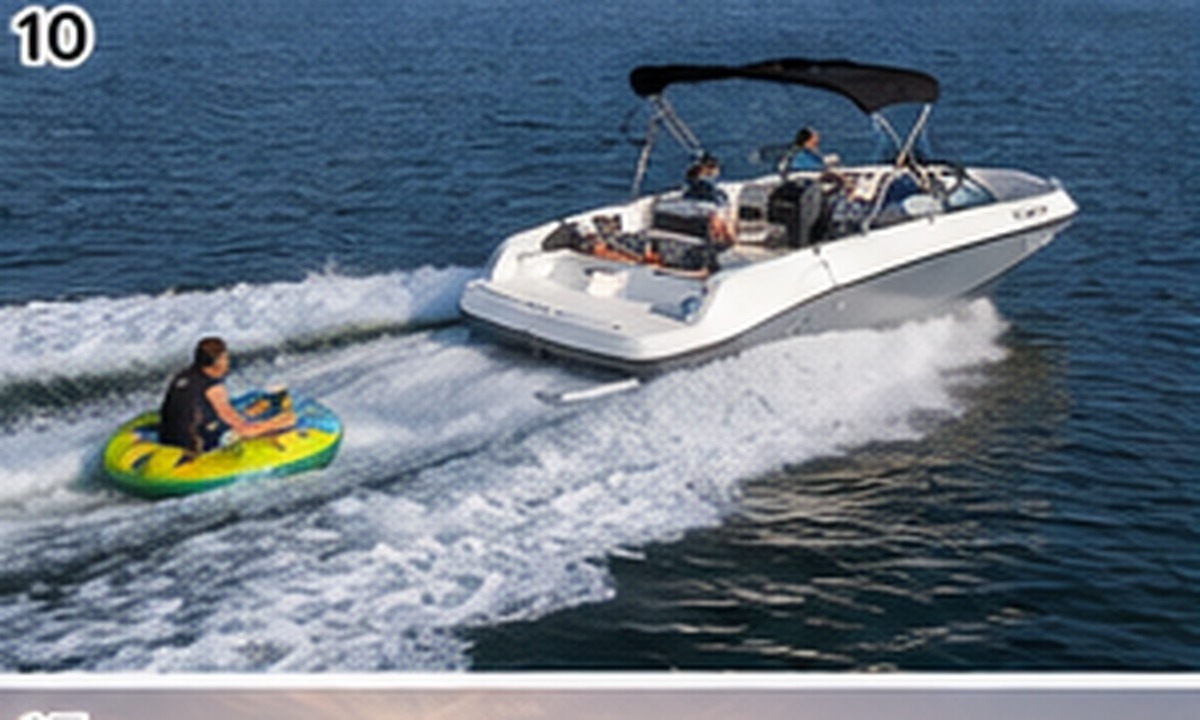
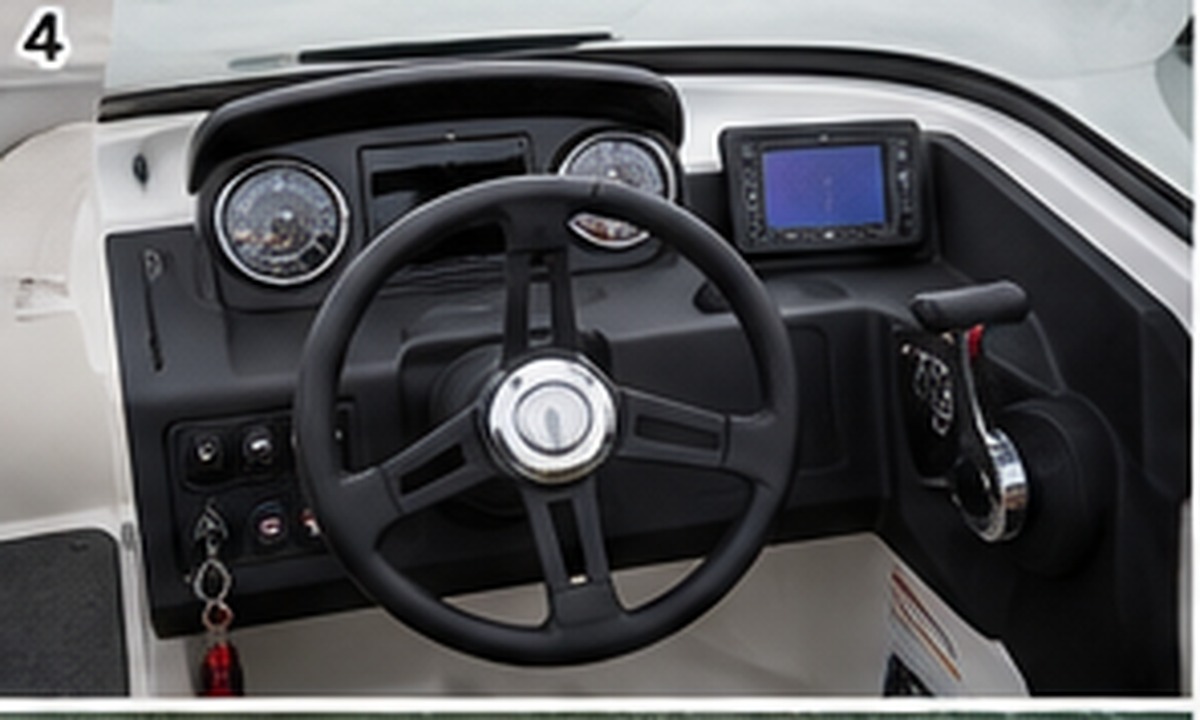
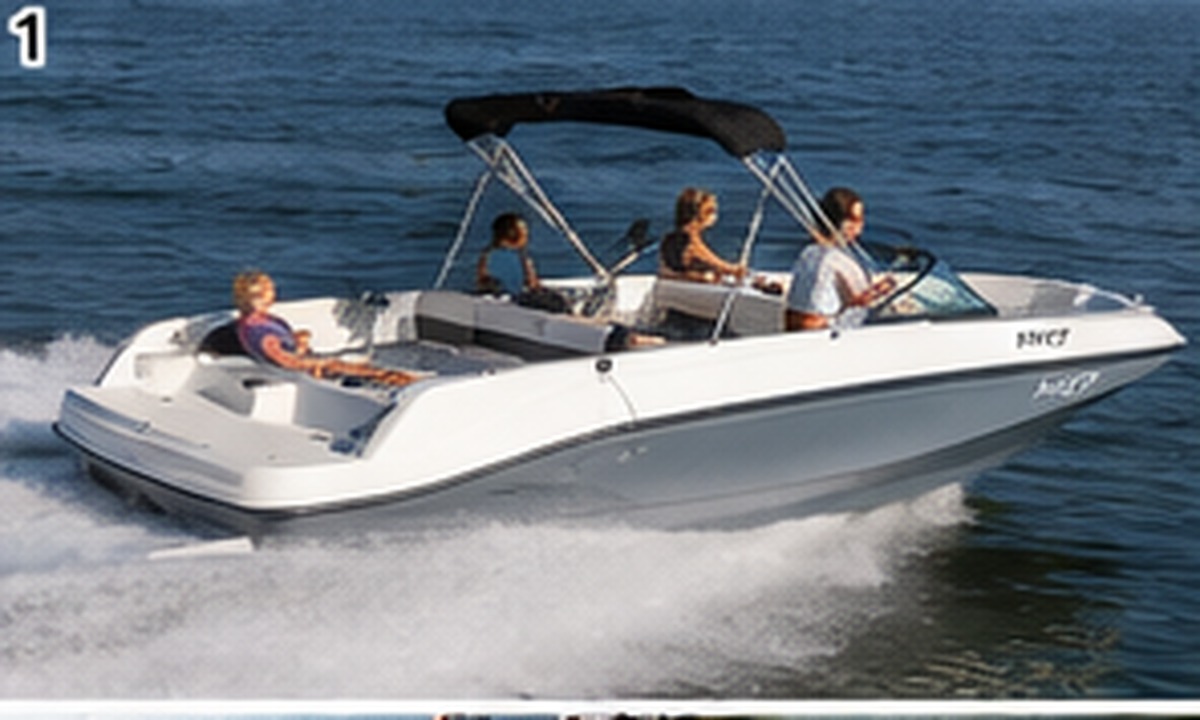
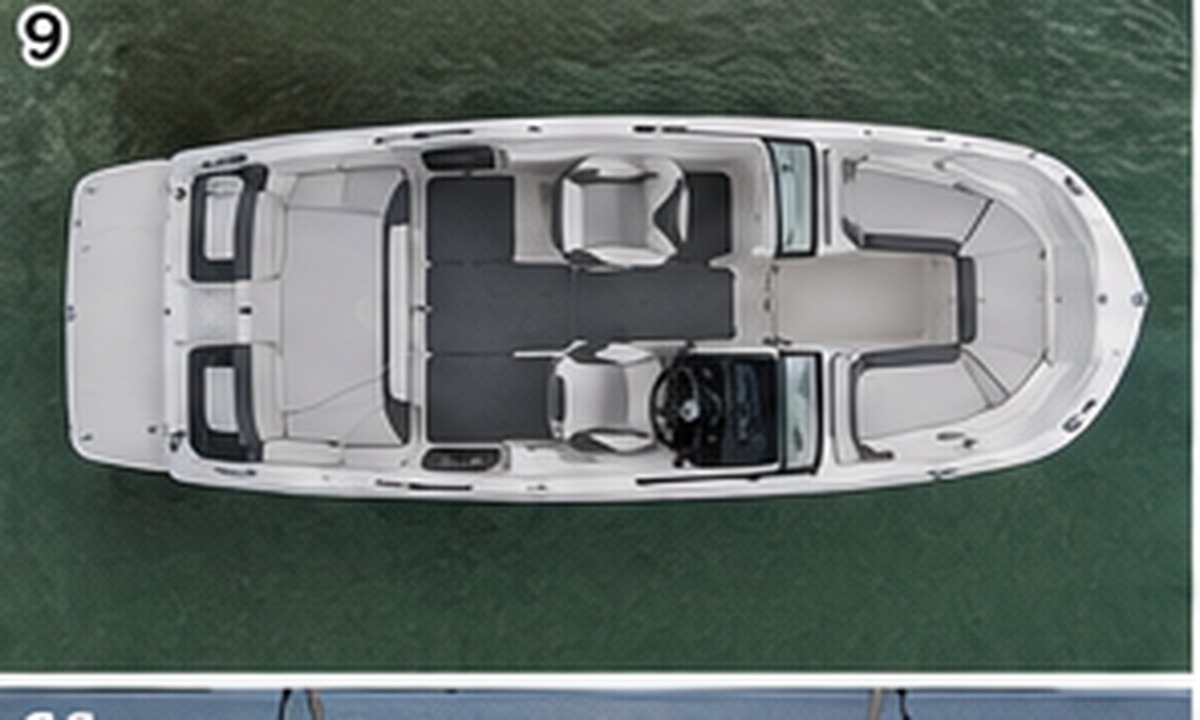
The Bayliner M17 is a 17-foot M-Hull boat with seven-person capacity, an 18-gallon tank, 60–90 HP Mercury power, and a used market that makes it a compelling first-boat value.
The M17 makes the strongest case in this lineup for enough boat without too much boat. At 17 feet overall, it sits directly between the 16-foot-2-inch E16 and 18-foot-2-inch E18. Capacity is seven. Standard power is a 60-horsepower Mercury FourStroke EFI, with a 90-horsepower option. Fuel capacity is 18 gallons, half again as much as either Element boat.
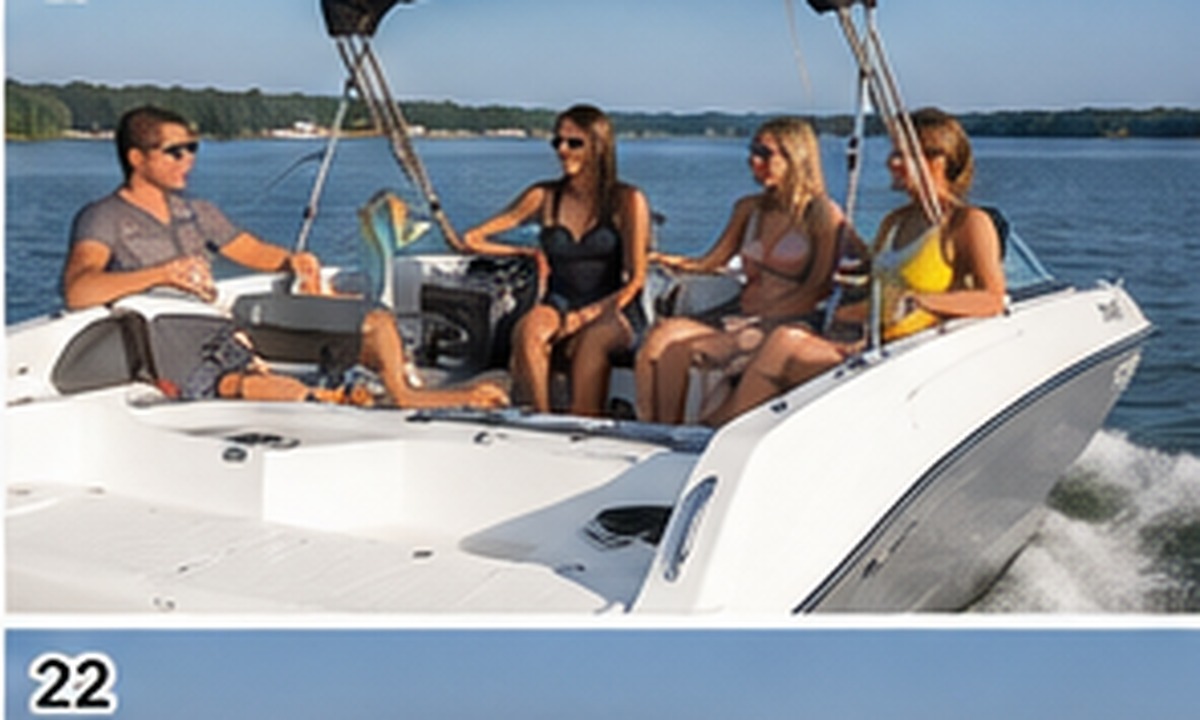
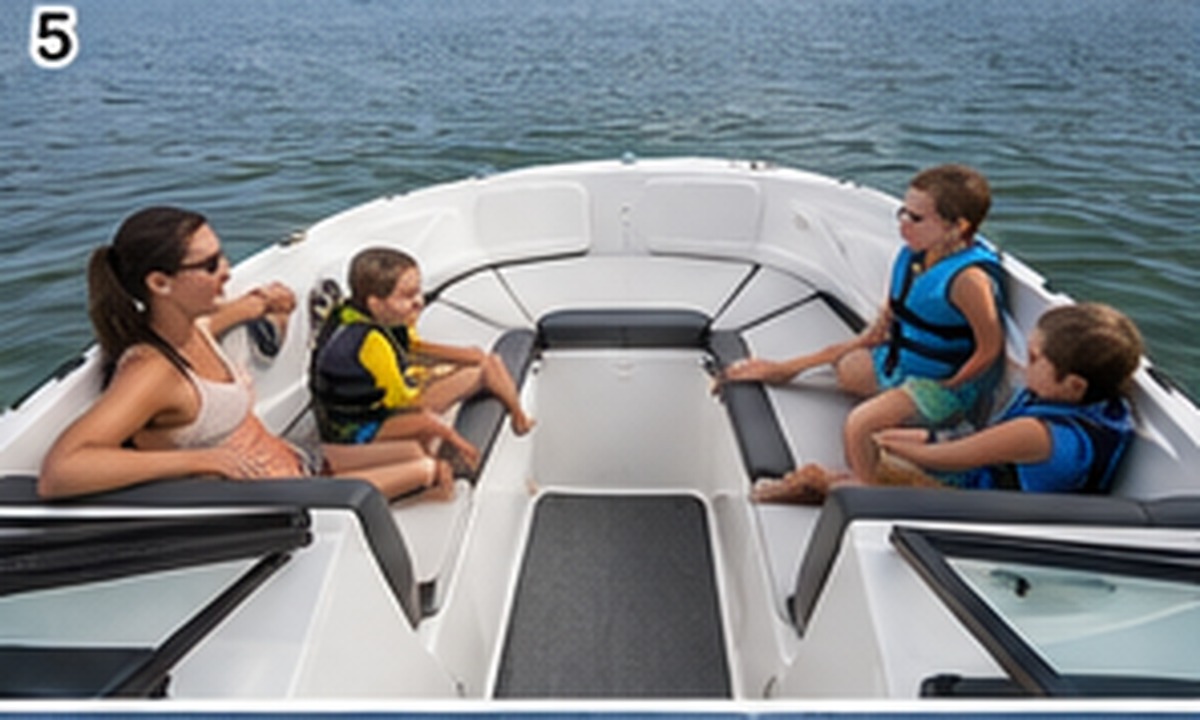
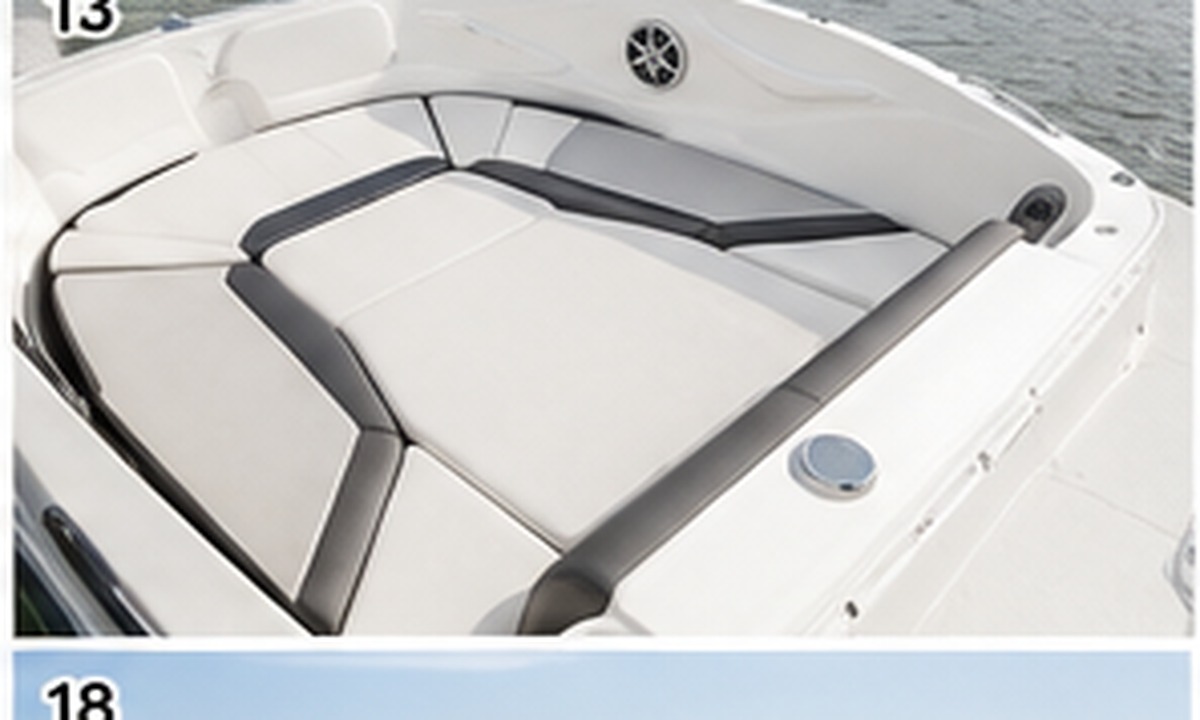
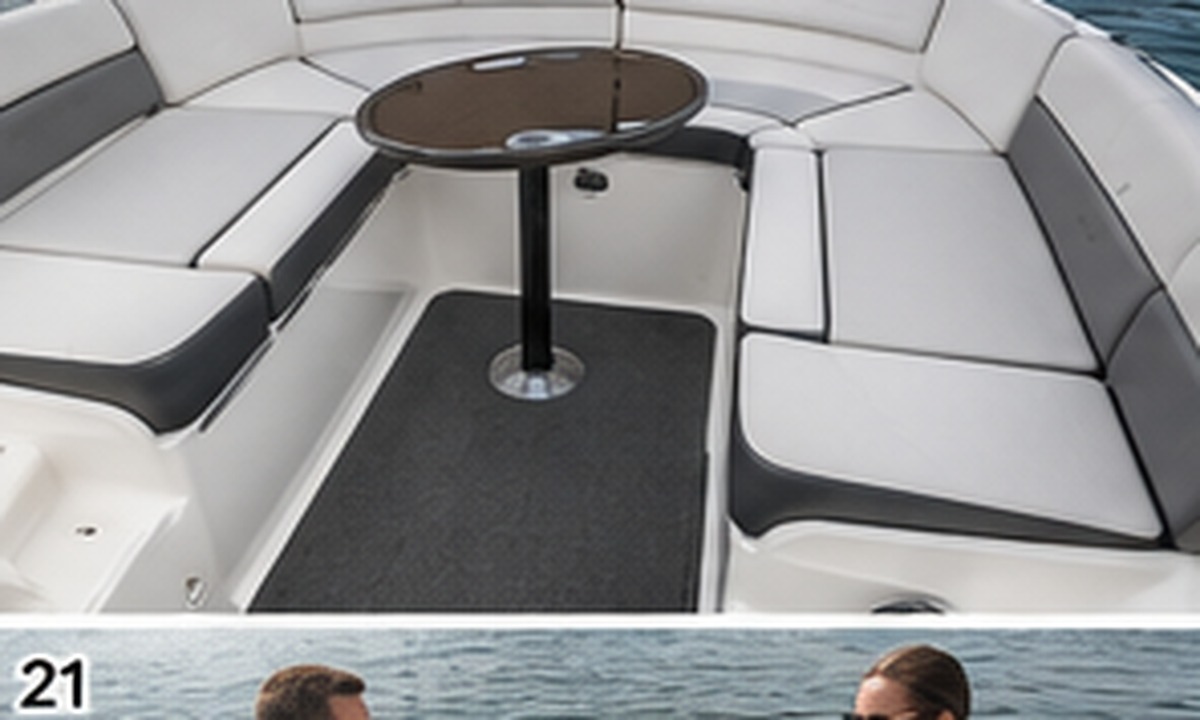
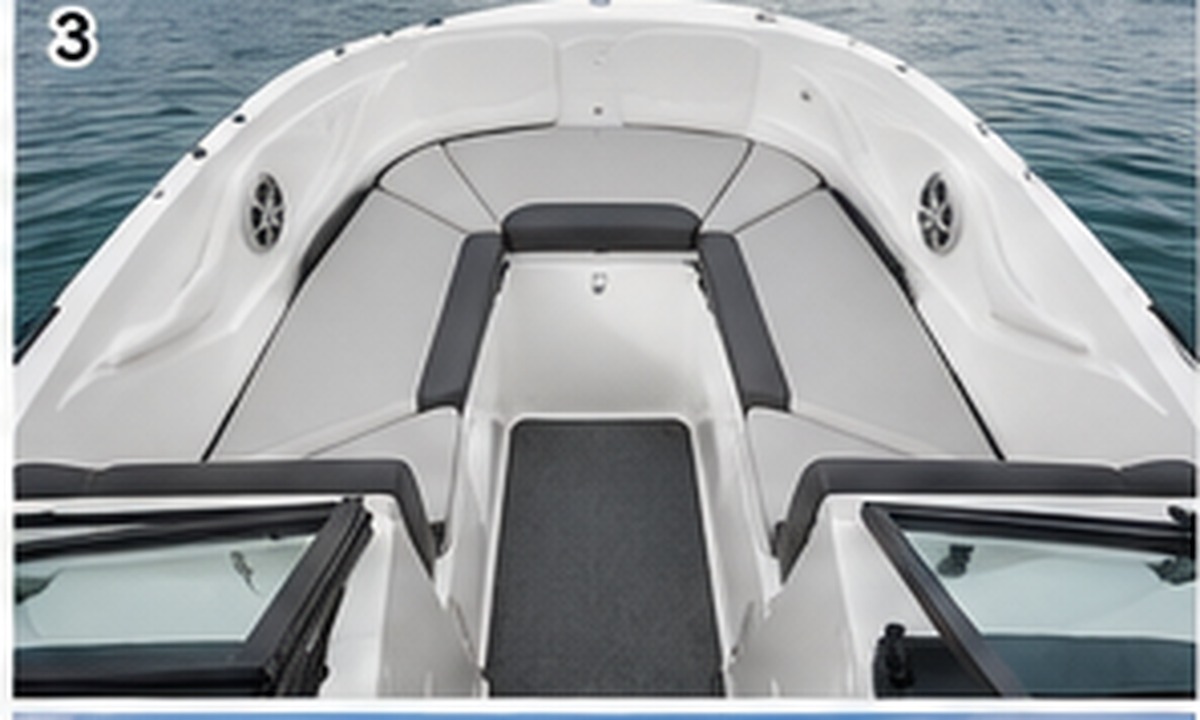
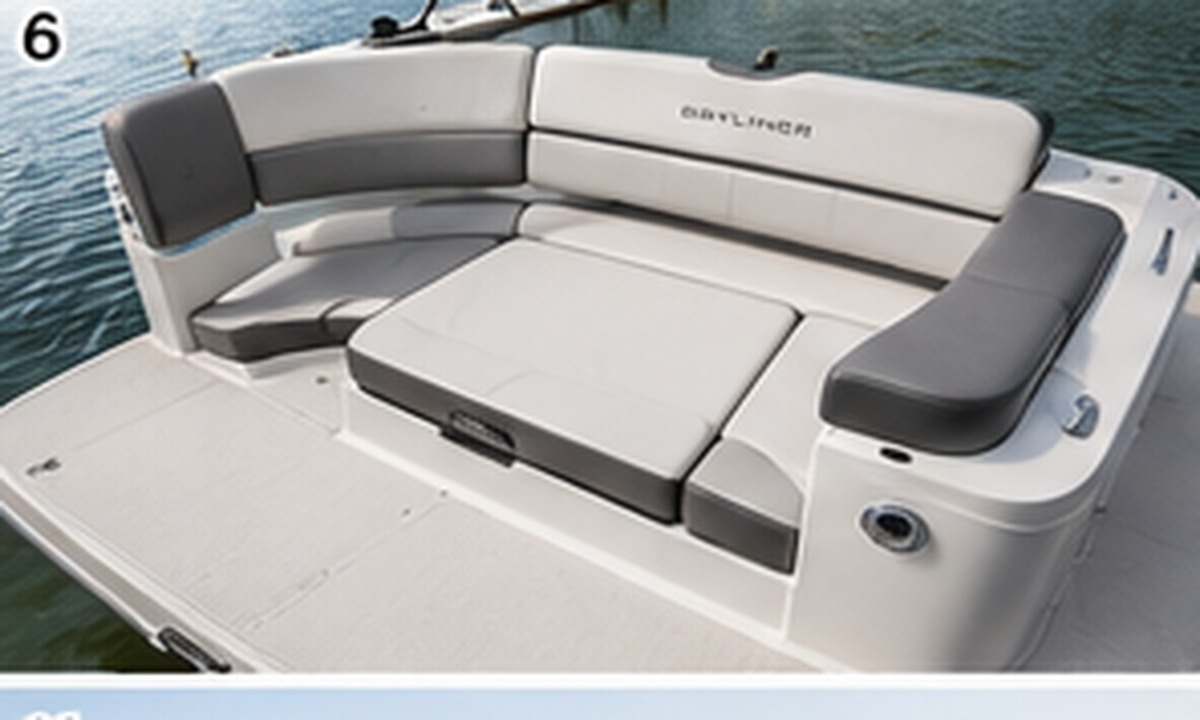
Bayliner builds the M17 around its M-Hull and describes the handling as stable and predictable. The cockpit uses nook-style social seating rather than trying to mimic the D Series, and a bow filler cushion can convert the forward area into a sun lounger. That gives the M17 a distinct personality instead of making it an E17 that happens to carry another name.
The power choice is meaningful. A 60-horsepower boat can keep the purchase affordable for a small crew focused on cruising. A 90-horsepower M17, especially with hydraulic steering, becomes a stronger family package for loaded use and light watersports.
The September 2026 market sample includes 57 listings from 2022 through 2026. That is enough age spread to create genuine used opportunities, but not so much that buyers are routinely evaluating decade-old hulls. It is arguably the easiest market in the package for comparing new against two-, three-, or four-year-old depreciation.
The M17 is not the right boat for a nine-person family. The E18 carries more people and more horsepower. It is not the right choice for someone who wants D-Series layout options and equipment. It is for the buyer who values light weight, M-Hull behavior, a useful 18-gallon tank, and a boat that can live at home without requiring the household to reorganize itself around boating.
Draft, maximum: 2’3″ in Bayliner M17 spec sheet; current page lists 9.6 in minimum draft
The M17 is 7 feet 6 inches wide and carries the flattest published deadrise in this deck-boat group at 16 degrees. Combined with the M-Hull design, that helps explain Bayliner’s emphasis on stability and predictable low-speed handling.
The tradeoff is that a relatively flat, light 17-foot boat will not slice steep chop like a heavier deep-V. Owners should slow down and let the hull do what it was designed to do.
Maximum capacity is seven people with 1,000 pounds of published maximum people weight. That is a useful midpoint between the E16’s six and E18’s nine.
Storage length is 20 feet 1 inch and height on trailer is 6 feet 8 inches. Approximate weight with trailer is 2,457 pounds. Those figures keep the M17 in the category of boats many owners can genuinely store at home rather than merely describing it as trailerable in theory.
The M17 hull works best for the buyer who wants an easy platform but does not want to feel boxed into the E16’s smaller crew or 12-gallon fuel capacity.
The standard M17 engine is a 60-horsepower Mercury FourStroke EFI. Bayliner offers a 90-horsepower EFI Mercury FourStroke and hydraulic steering.
This is one of the most consequential engine choices in the Deck Series because 30 horsepower represents a fifty-percent increase over the base engine. The 60 is aligned with low-cost cruising and lighter loads. The 90 gives the hull noticeably more reserve for families carrying several people or pulling towables.
A buyer should test the 60 before assuming it is underpowered. If the normal crew is two adults and two children, the savings may be worthwhile. If the boat will routinely carry six or seven, the 90 can be a better long-term purchase.
Used-market age is concentrated in 2022–2026, so most engines should still be relatively young. Even so, verify hours, annual service, lower-unit oil, cooling, trim, propeller, skeg, steering, and corrosion. A 2022 boat may already have four full seasons of ramp and dock use.
The outboard architecture keeps inspection simple, which supports the M17’s first-boat mission and makes private-party buying less intimidating than evaluating a hidden sterndrive system.
The M17 carries an 18-gallon internal tank with integrated vent. That differentiates it immediately from the E16 and E18, both of which currently list 12 gallons. The extra six gallons gives the M17 more operating margin without moving into the D20’s 33-gallon system.
Consumption depends heavily on whether the boat has the 60- or 90-horsepower engine. A light crew cruising with 60 horsepower will have different range than a seven-person boat running the 90 and pulling a tube.
Bayliner does not publish a universal GPH value on the current model page, so exact range should use verified engine data. But the tank itself can be part of the buying decision. Families whose favorite lake requires a longer run from the ramp may prefer the M17’s 18 gallons over the Element boats even if they do not need more passenger capacity.
A full 18-gallon tank adds roughly a hundred pounds, still keeping the overall tow package relatively light.
The M17 is therefore a useful middle ground: enough onboard fuel to feel less constrained than the Elements without carrying the 33- or 55-gallon capacity of a heavier D Series.
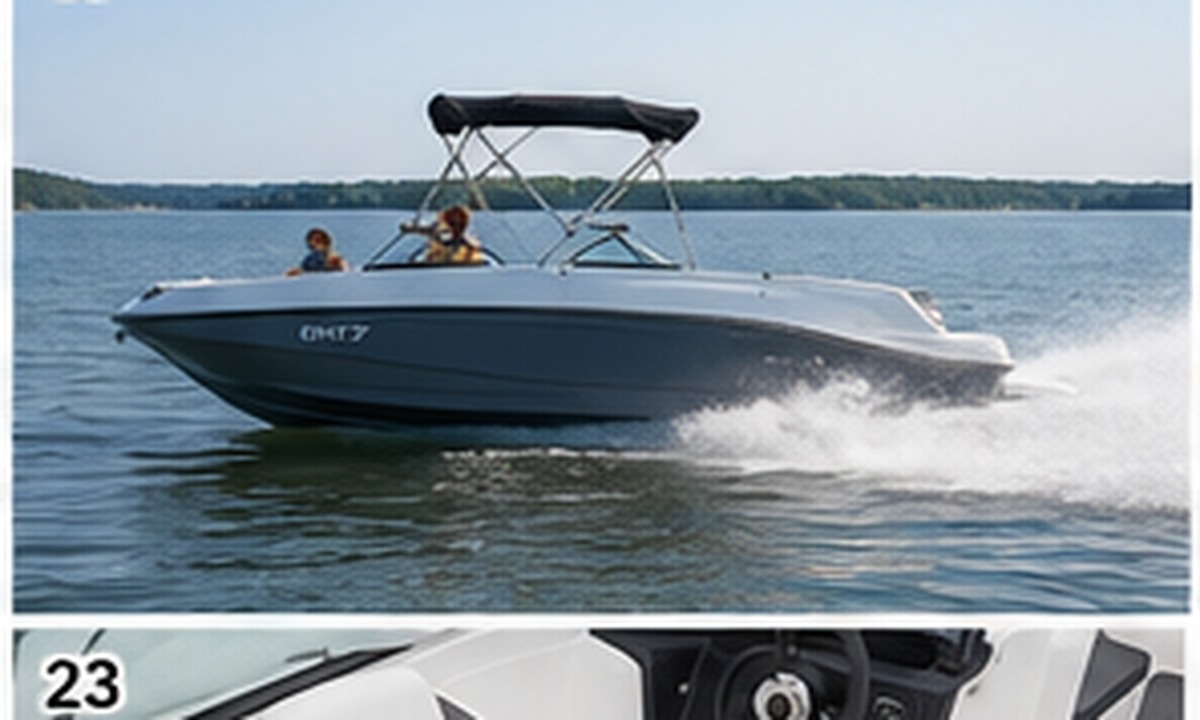
The M17’s performance character comes from its M-Hull, modest deadrise, light weight, and two distinctly different engine outputs. With the 60-horsepower standard engine, the boat is positioned as an easy cruiser. With the 90, it becomes more capable under load and better suited to recreational towing.
Because published boat weight is only 1,984 pounds with standard engine, passenger placement can affect trim and planing. A good sea trial should move people between bow and cockpit and observe how the boat responds.
Bayliner emphasizes familiar, predictable handling. For the buyer, the relevance is confidence: steering and throttle behavior should feel intuitive enough that a newer operator can build skill quickly.
The 16-degree deadrise and short hull reward sensible speed in chop. Stable feel at rest is valuable for swimming and social use, but a flatter running surface can transmit more impact if driven too hard into closely spaced wakes.
For a first-time buyer, the 90-horsepower option may be less about speed than avoiding the feeling of outgrowing the engine as the family loads the boat more heavily.
Nook Seating, Windshield Choices and a Convertible Bow
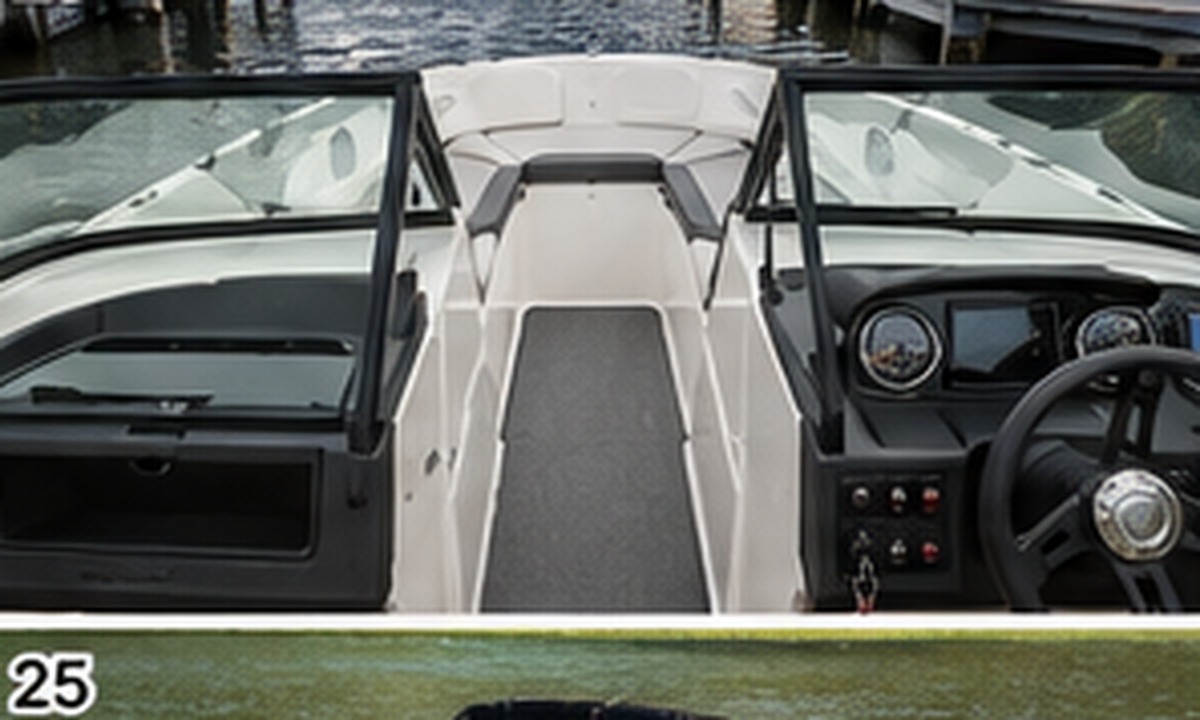
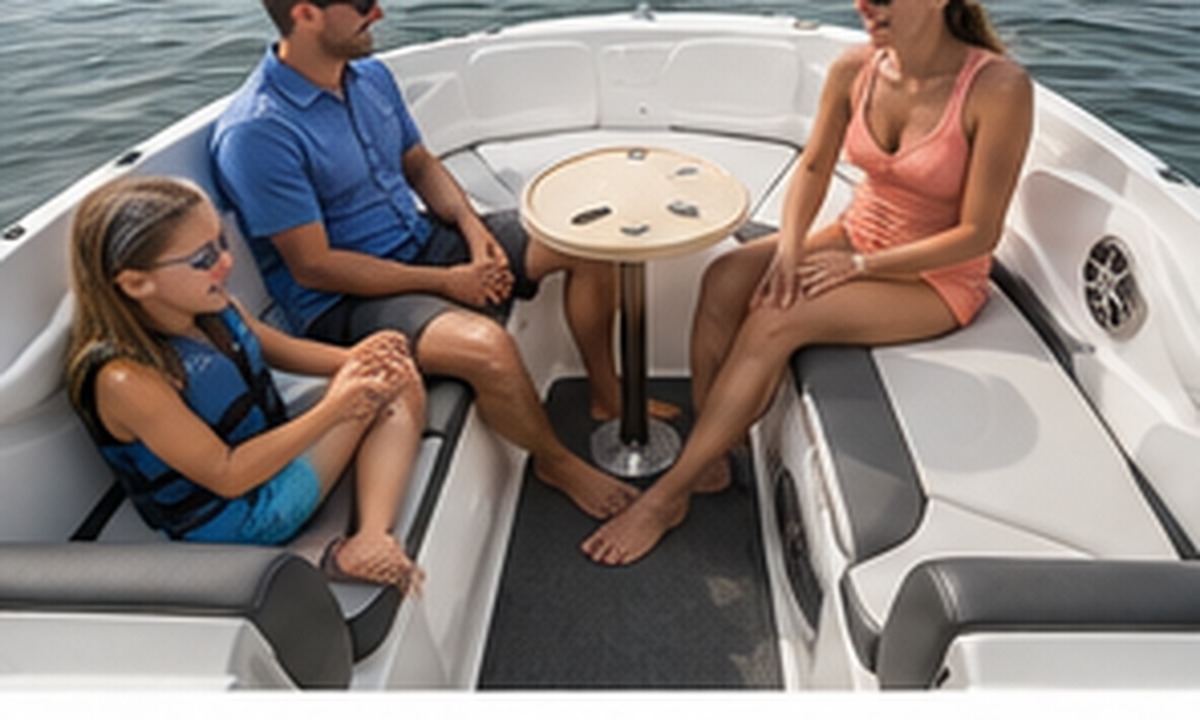
The M17 cockpit uses nook-style social seating, one of the model’s more distinctive design choices. Bayliner creates small social zones with molded-in storage and cup holders so the 17-foot boat feels intentional rather than sparse.
A bow filler cushion turns the front seating into a sun lounger. That matters because the M17 does not have the expansive sunpad or transitional transom arrangements of the D-Series sterndrives. The bow becomes the primary place to stretch out at anchor.
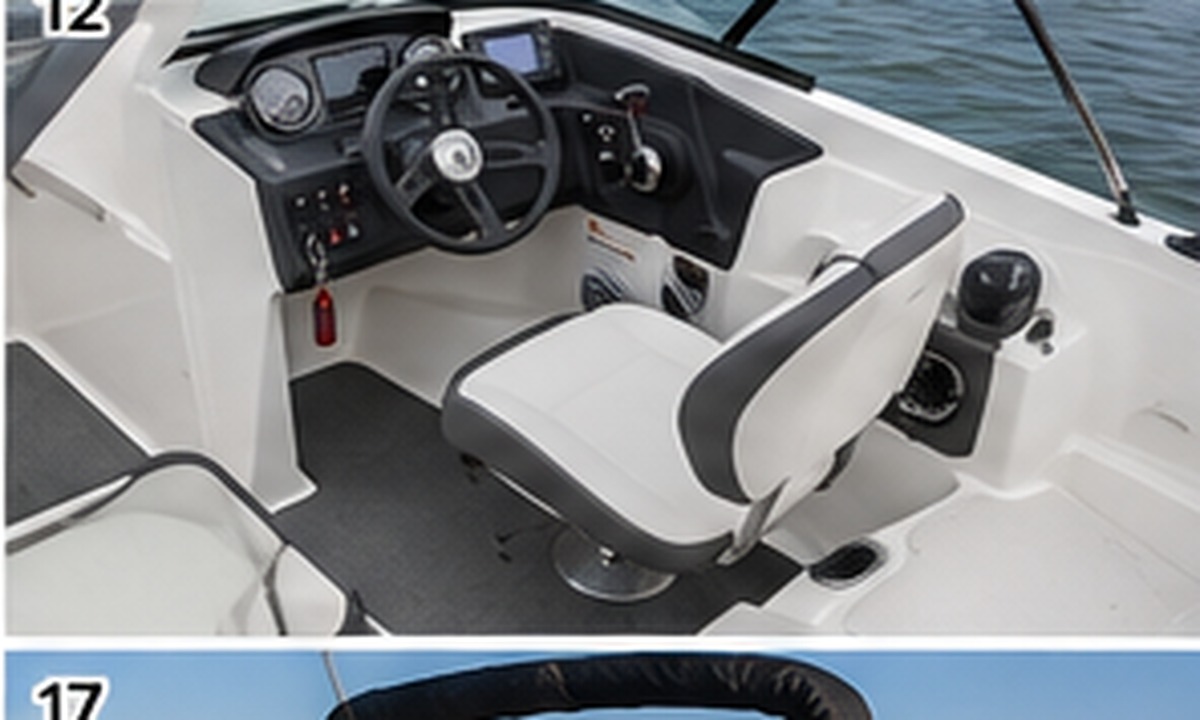
The standard helm uses a single windscreen, but buyers can choose a dual acrylic windscreen or full windshield with opening center panel. Families boating in cooler climates may value the full windshield much more than buyers who only run on hot summer afternoons.
Watersports options include a ski tow arch and ski tow pylon. M Comfort and MX packages create additional ways to build the boat toward appearance and comfort.
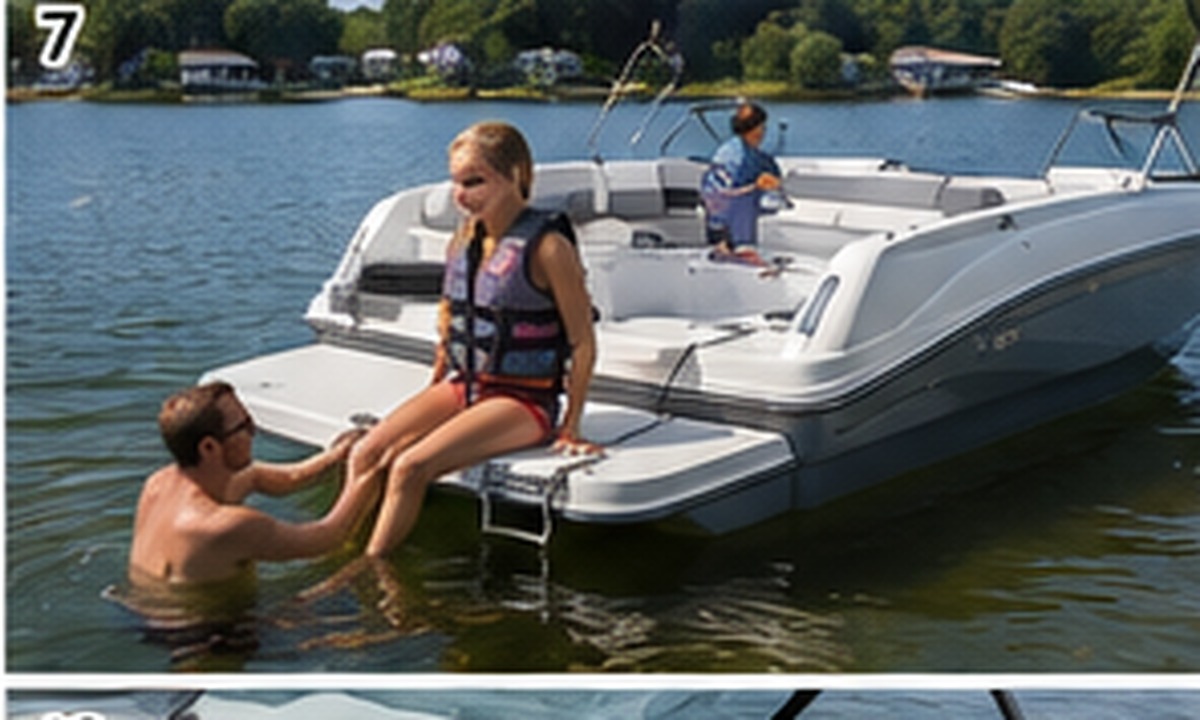
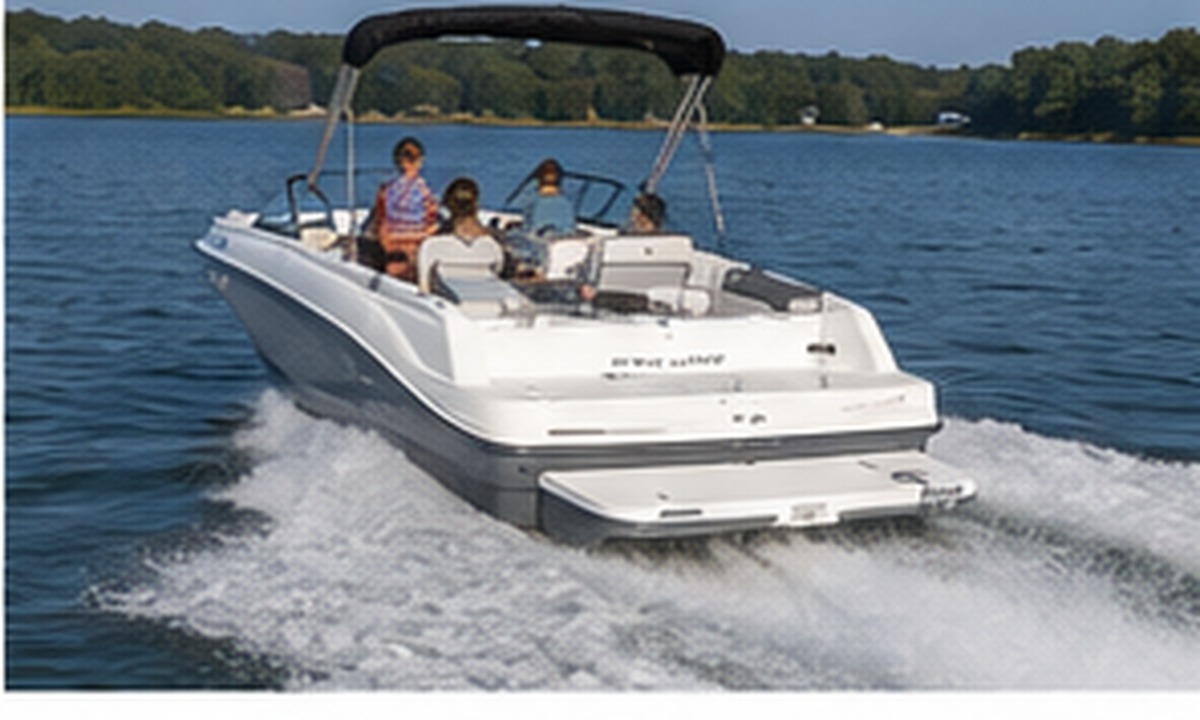
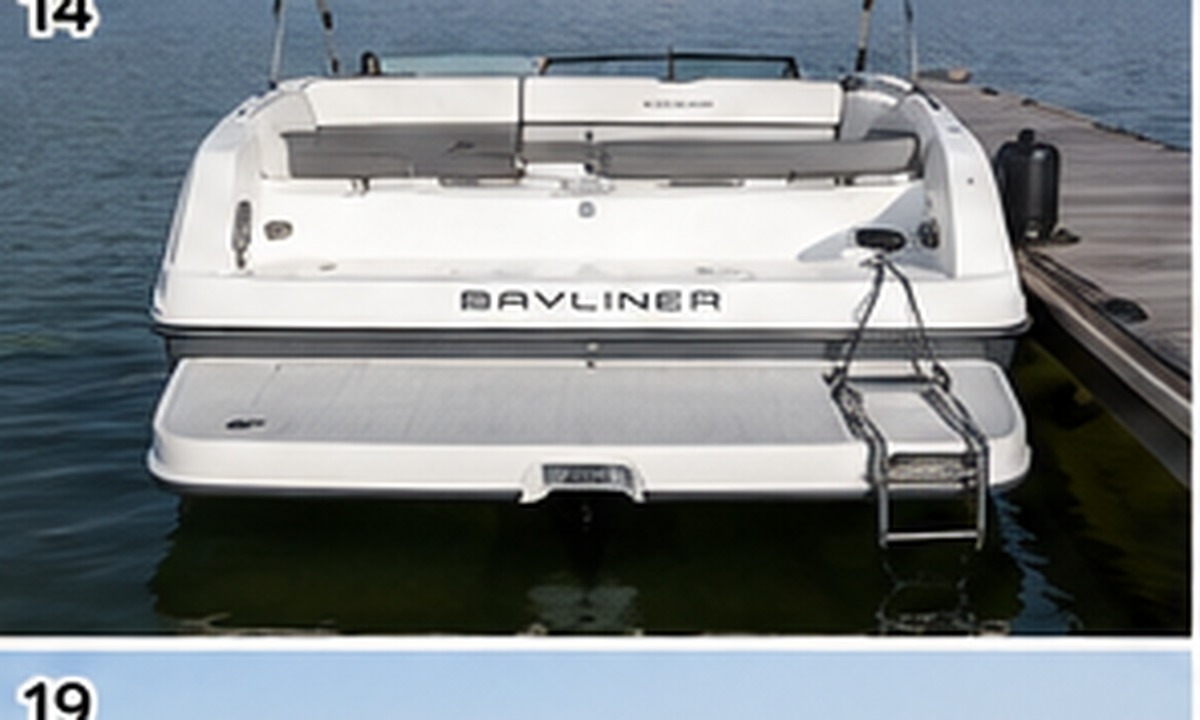
The swim platform with telescoping ladder is straightforward, and the outboard remains visible at the transom. That arrangement is less seamless than a sterndrive swim platform but much easier to inspect and service.
Everything on the M17 should be evaluated through the lens of compact ownership. Options are worthwhile when they improve the way a family uses a 17-foot boat, not when they attempt to make it imitate a D22.
Eight M17 Features That Matter When You Are Buying
18-Gallon Internal Fuel Tank – Six gallons more than the E16 and E18, giving the compact boat additional day-use range flexibility.
M-Hull Design
The core M17 feature, aimed at stable, predictable operation rather than a conventional narrow-V feel.
Nook-Style Cockpit Seating
Creates distinct social seating zones with molded storage rather than a generic bench layout.
Bow Filler Cushion
Converts the forward seating into a dedicated sun-lounging surface at anchor.
Full Windshield Option
Gives M17 buyers more weather protection than the standard single helm screen when desired.
Hydraulic Steering Option
Particularly relevant with the 90-horsepower engine for buyers who want lighter helm effort.
Ski Tow Arch or Pylon
Two factory watersports directions allow families to equip the M17 for occasional towing.
What to Inspect on a 2022–2026 M17
The M17 market is old enough to show real wear but young enough that deterioration should not automatically be accepted as normal.
Verify the Mercury’s actual horsepower because 60- and 90-horsepower boats have different market appeal. Check serial number, hours, service history, cold start, cooling, lower unit, trim, propeller, skeg, anodes, and steering. On 90-horsepower boats with hydraulic steering, look for leaks and smooth operation.
Inspect the 18-gallon fuel system, bilge pump, battery, multipurpose gauge, horn, 12-volt outlet, navigation lights, and any added stereo equipment. The standard feature set is simple, so unexplained electrical complexity often comes from aftermarket work.
Check whichever windshield system is installed. Full windshields need clean latches and alignment; acrylic screens should not be badly crazed.
Trailer inspection should cover the painted or galvanized single axle, swing tongue, hubs, tire age, bunks, lights, winch, and coupler. A 2022 trailer may already be due for tires based on age even if tread remains deep.
The M17 is approximately 1,984 pounds with standard engine and about 2,457 pounds with trailer. That is one of the model’s strongest purchase facts because it keeps the towing conversation accessible.
Bayliner lists 20 feet 1 inch of storage length, 6 feet 8 inches of height on trailer, and 8 feet 6 inches of beam on trailer. Buyers with a full windshield or tow arch should confirm the actual stored height of the configured boat.
The 18-gallon tank adds roughly a hundred pounds when full. Add battery, safety equipment, coolers, and personal gear before comparing the rig with tow ratings.
A single-axle trailer keeps maneuvering around a driveway simpler than the tandem rigs used by larger boats. That convenience can matter more than a few inches of cockpit space for someone who launches alone.
Like the Element boats, the M17 can avoid marina fees entirely if the buyer has home storage. Portability is part of the boat’s value, not simply a transportation detail.
The market is old enough to create real used-shopping leverage and young enough that most examples are not aging projects.
Engine choice is important. A 90-horsepower boat can be more desirable than a base 60-horsepower version, especially when hydraulic steering and watersports equipment are included.
Condition still comes first. A 2022 boat with clean service, indoor storage, and a maintained trailer may be a stronger buy than a 2024 with sun-damaged upholstery and questionable aftermarket wiring.
Compare new pricing against two- and three-year-old boats to see what the first owner’s depreciation actually buys you. The M17 is a model where a lightly used example can preserve most of the current design and utility while materially reducing acquisition cost.
Market price band
$19,900 – $36,410
Estimated monthly
$135/mo – $250/mo
Figures come from this page’s Boat Details fields. Illustration only and not an offer of credit.
Estimate the M17 Payment Before You Choose the Engine
Compare the actual 60- and 90-horsepower boats you are considering. A small monthly difference can be worthwhile if it prevents you from outgrowing the power package, but total cost still matters.
Illustration only and not an offer of credit. Your actual rate and term depend on credit profile, vessel age, loan amount and ownership structure.
M17 vs. E16 vs. E18 vs. D20
The M17 is a capability step from the E16: ten inches longer, one more passenger, 18 gallons instead of 12, and up to 90 horsepower versus 75. It weighs more but remains very manageable.
Against the E18, the choice is compact ownership versus passenger capacity. The E18 carries nine and uses 115 horsepower. The M17 carries seven, has the larger fuel tank, and is shorter and lighter as a trailer package.
Against the D20, the M17 occupies a different budget and ownership level. The D20 adds a broad 8’1″ beam, ten-person capacity, 33 gallons of fuel, and much more layout flexibility. The M17 wins when the buyer wants the simplest boat that still feels substantial enough for family use.
Buying an M17 After the First Owner Takes the Depreciation
The M17’s 2022–2026 market lets buyers shop depreciation intelligently. A 2022 or 2023 boat is old enough to be meaningfully cheaper than new, but still young enough that a maintained example should not require restoration.
Start by identifying the engine. A 60-horsepower M17 and 90-horsepower M17 are not equal substitutes for a family that expects to carry six people or tow riders. Confirm whether hydraulic steering, full windshield, Comfort Package, MX Package, tow arch, or pylon are installed.
Ask how the boat was stored and how often it was used. Sun exposure can affect upholstery and acrylic screens quickly. Trailered saltwater use can age hubs and hardware faster than the hull.
Check service invoices, not just engine hours. Low use without annual maintenance can still create fuel and corrosion problems.
For new boats, compare the cost of ordering the 90-horsepower configuration you actually want against a lightly used boat already equipped that way. Used inventory is plentiful enough that compromising on the wrong engine should not be necessary.
Your next step
Finance the M17 That Gives You Enough Boat
Send Float Finance the actual M17 listing. The difference between a base 60-horsepower boat and a 90-horsepower used example can matter both to value and to whether the boat fits your family.
Prequalification may involve a soft credit inquiry where applicable. Your information is not sold as a lead list.
The M17 is 17’0″ overall with a 7’6″ beam and 16 degrees of deadrise. Bayliner lists 20’1″ of storage length, 6’8″ of height on trailer, approximately 1,984 pounds with standard engine, and about 2,457 pounds with trailer.
Bayliner uses the M-Hull design to emphasize stability and predictable handling. For the buyer, its relevance is confidence at low speed and at rest rather than a claim that the boat is built for aggressive rough-water running.
The 60 is standard and can make sense for lighter crews and cruising. The 90 adds substantial reserve for heavier passenger loads and watersports. Test the base engine if possible before deciding.
It can be. The current used market reaches back to 2022, so buyers can capture some depreciation without necessarily buying an old hull. Inspect engine, trailer, storage history, upholstery, wiring, and installed options.
Choose the M17 for lighter, shorter ownership and the larger fuel tank. Choose the E18 when nine-person capacity and 115 horsepower better match the family.
Potentially. With listings spanning 2022–2026, model year and purchase amount can affect available structures. Send Float Finance the actual listing for a deal-specific review.