Call Us : 207-994-5109
Mon – Fri: 8 am to 9 pm & Sat – Sun: 10 am to 8 pm
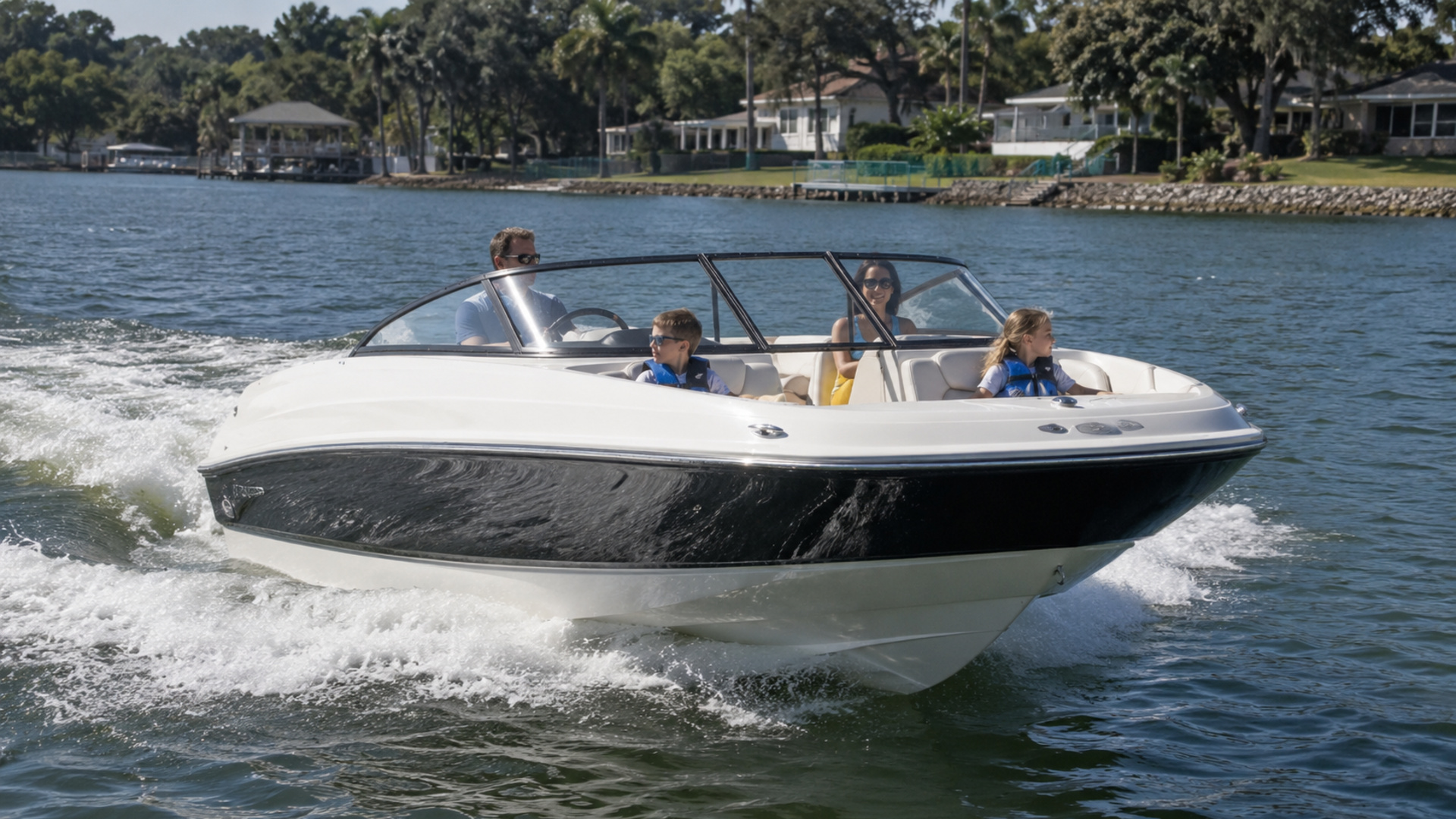
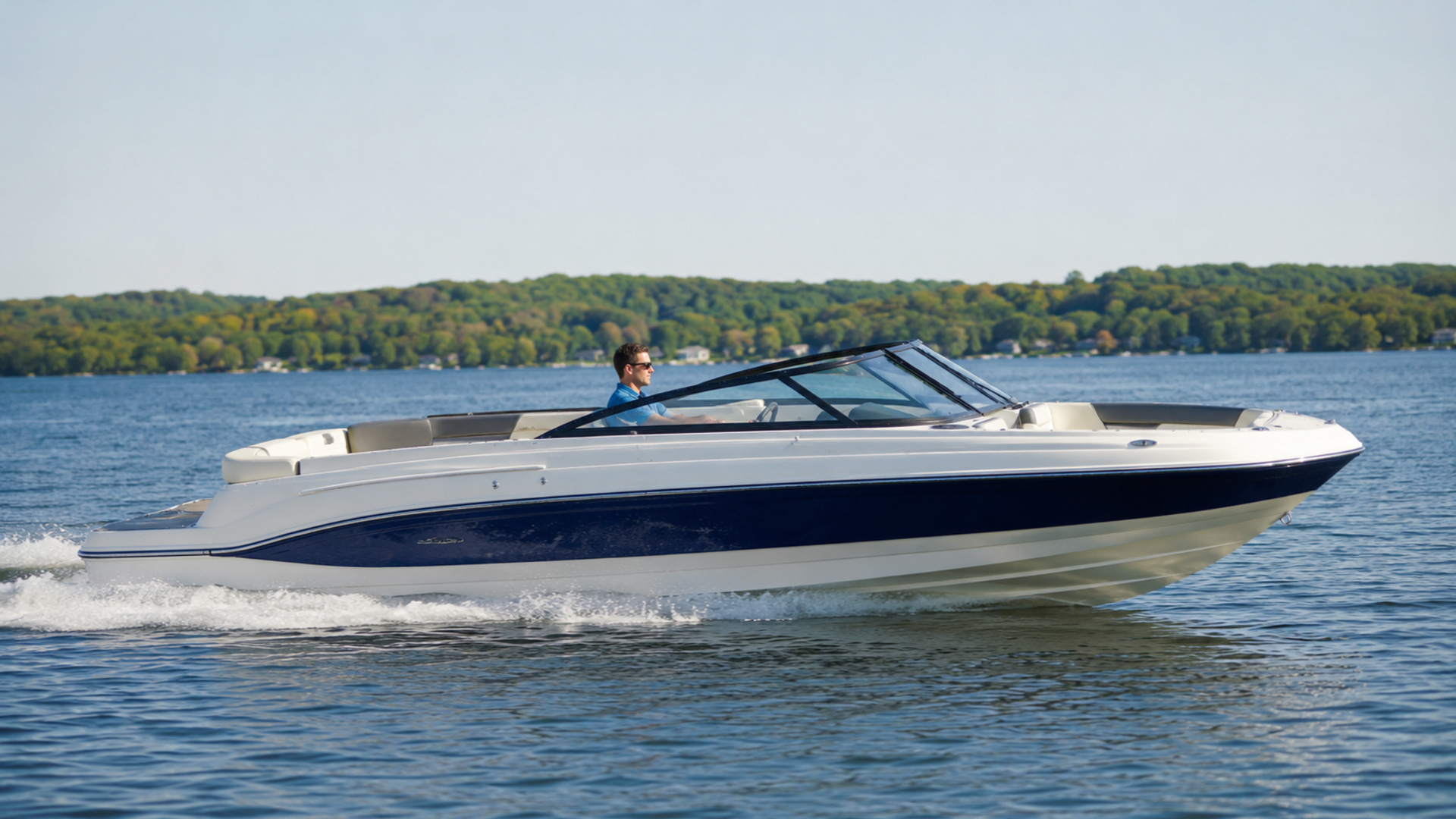
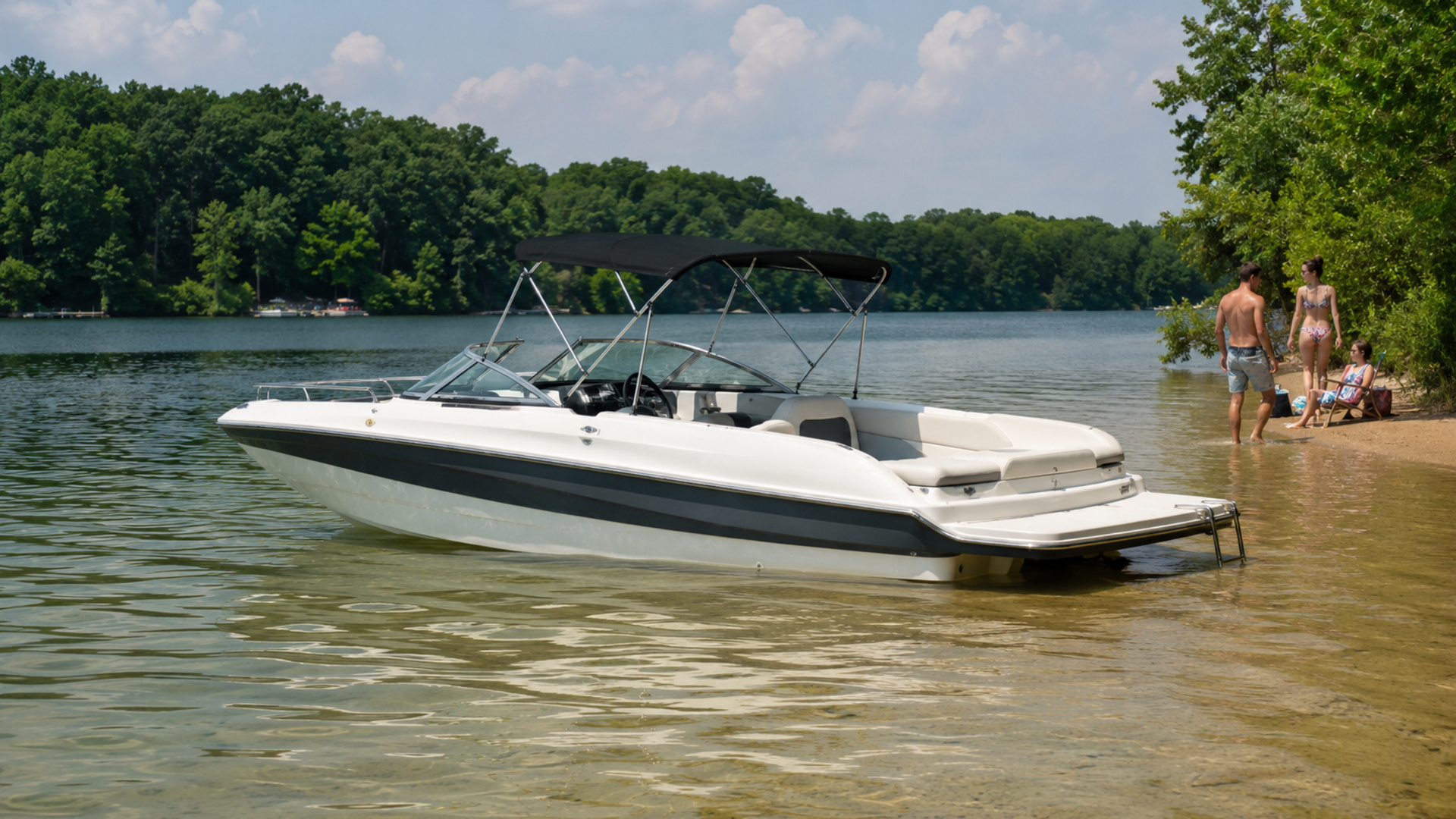
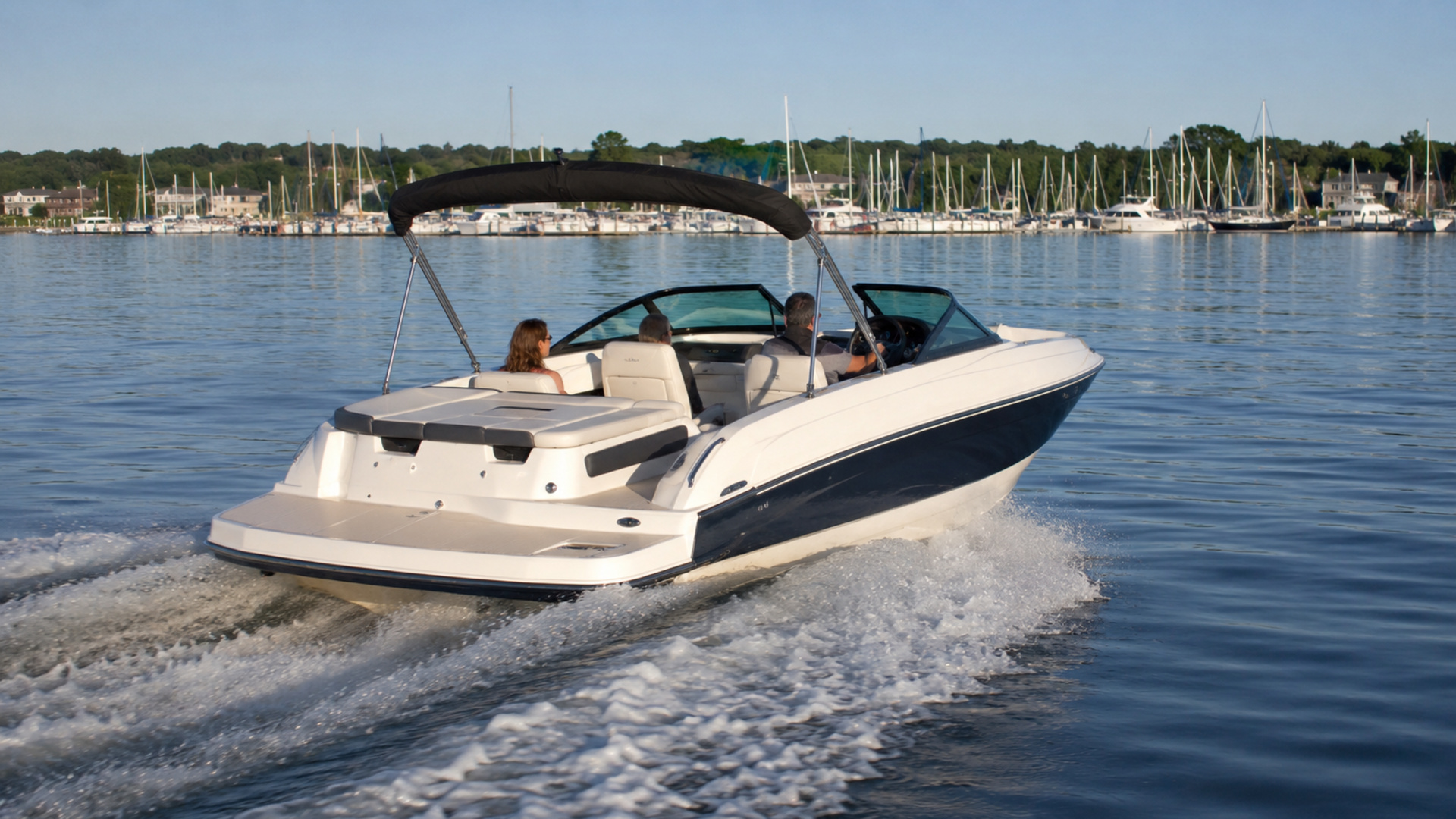
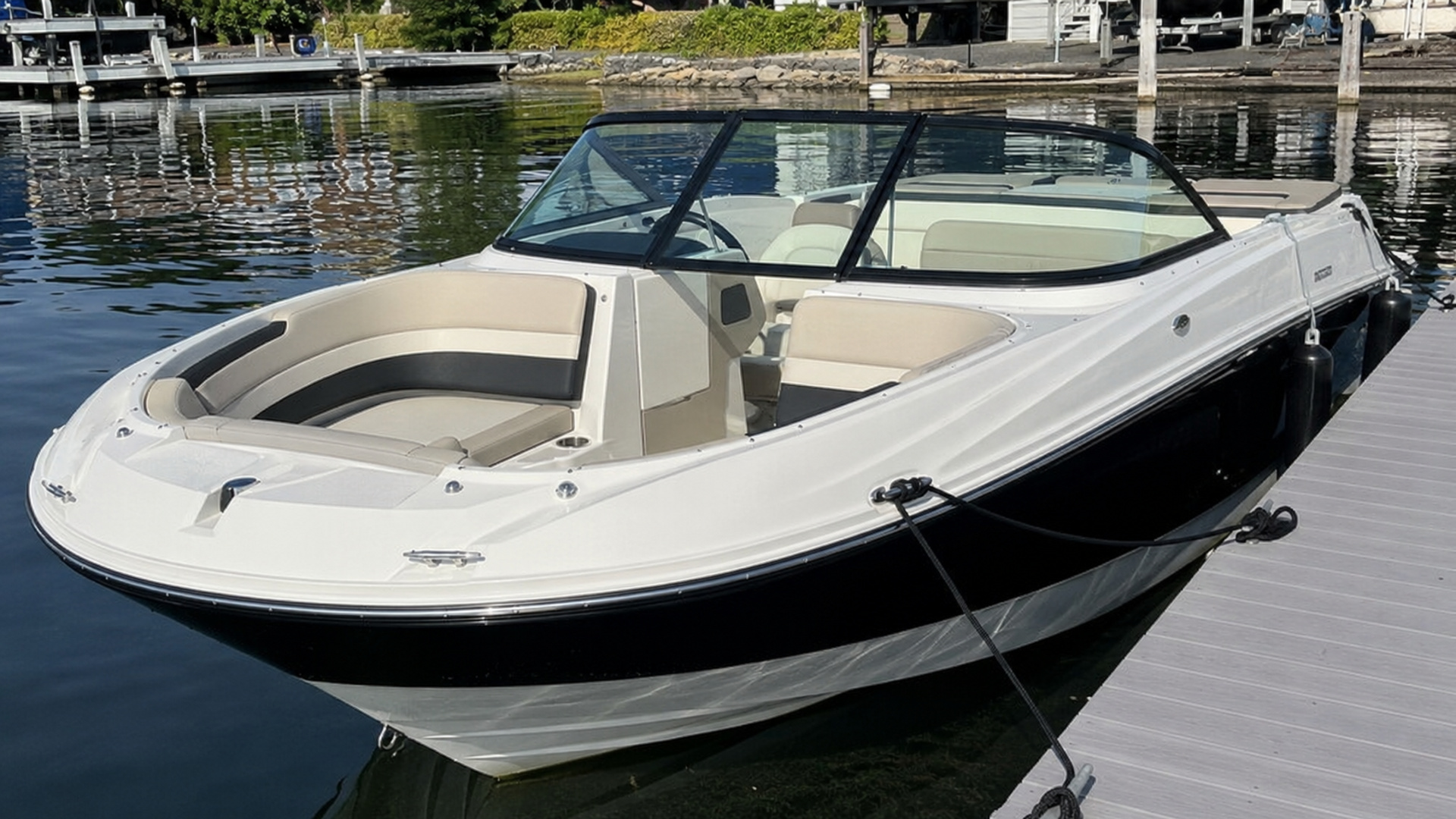
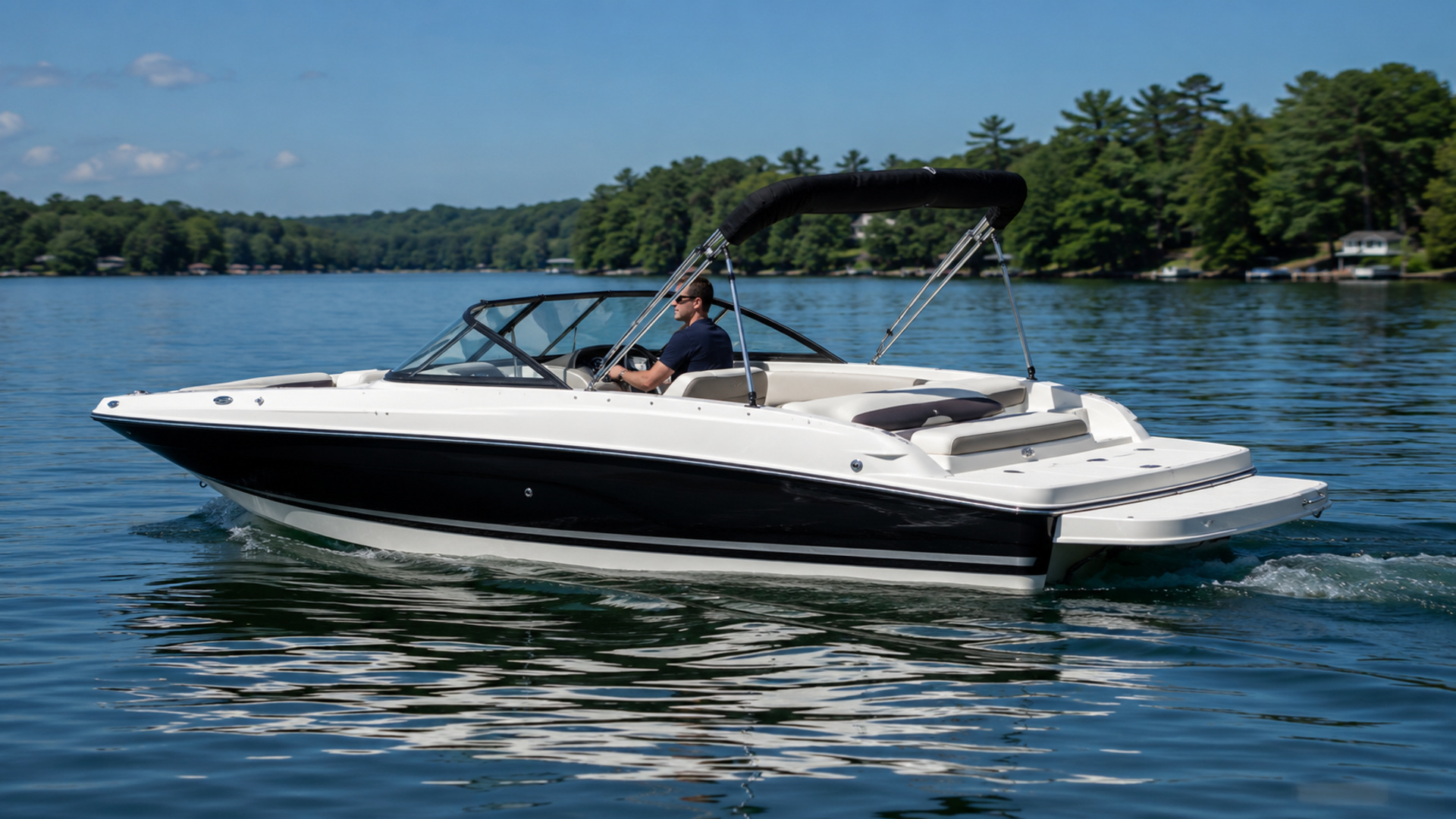
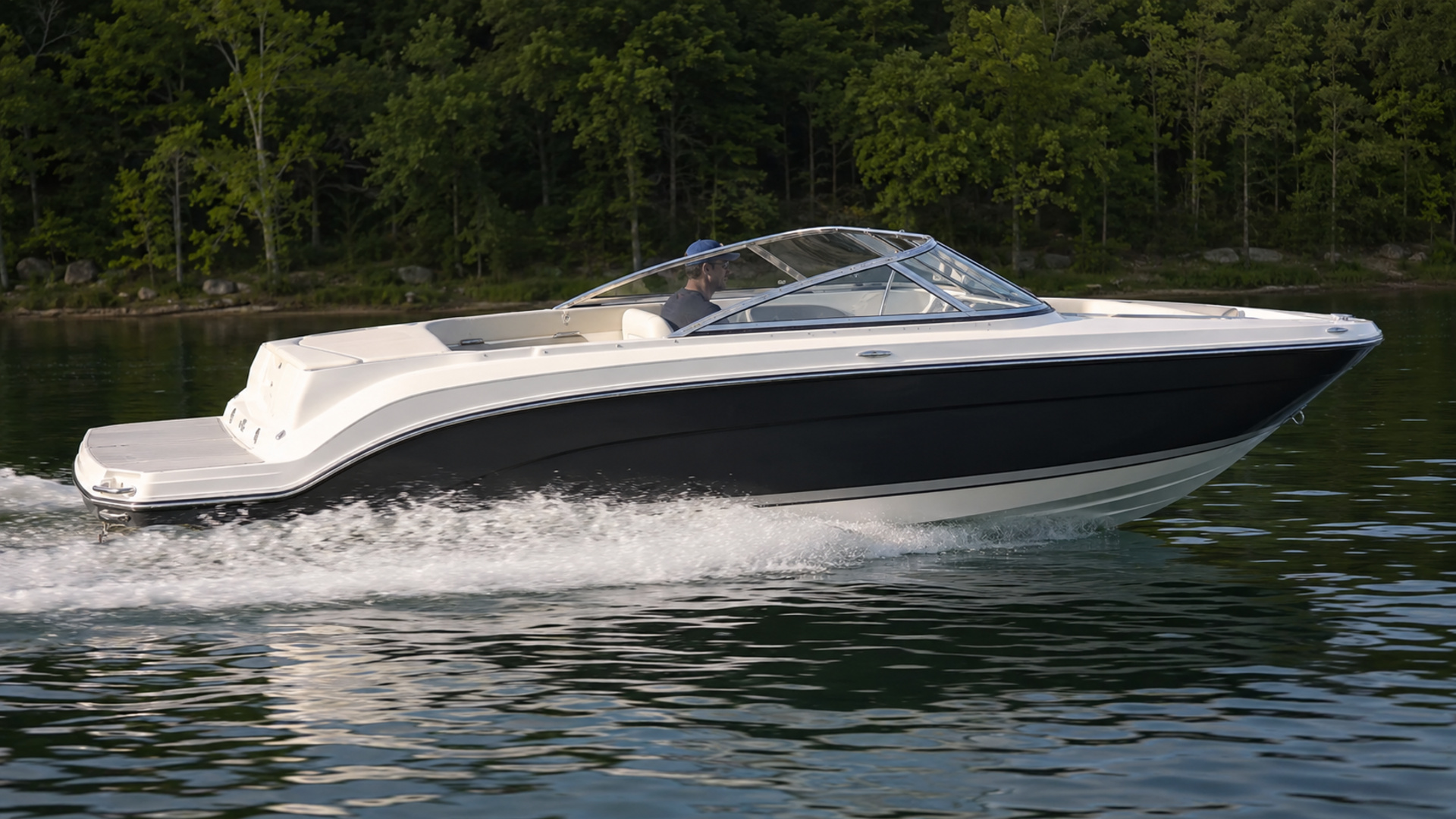
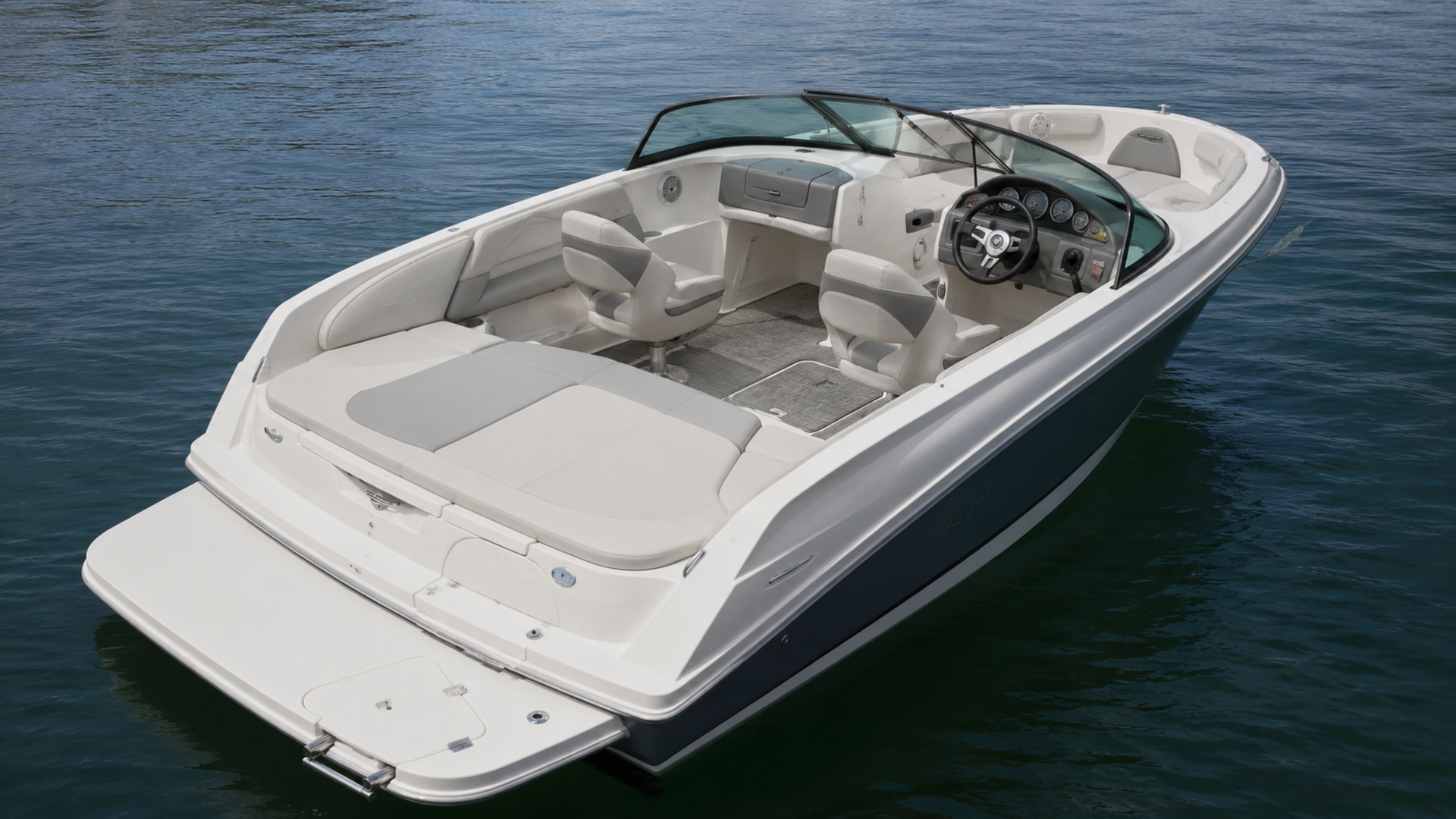
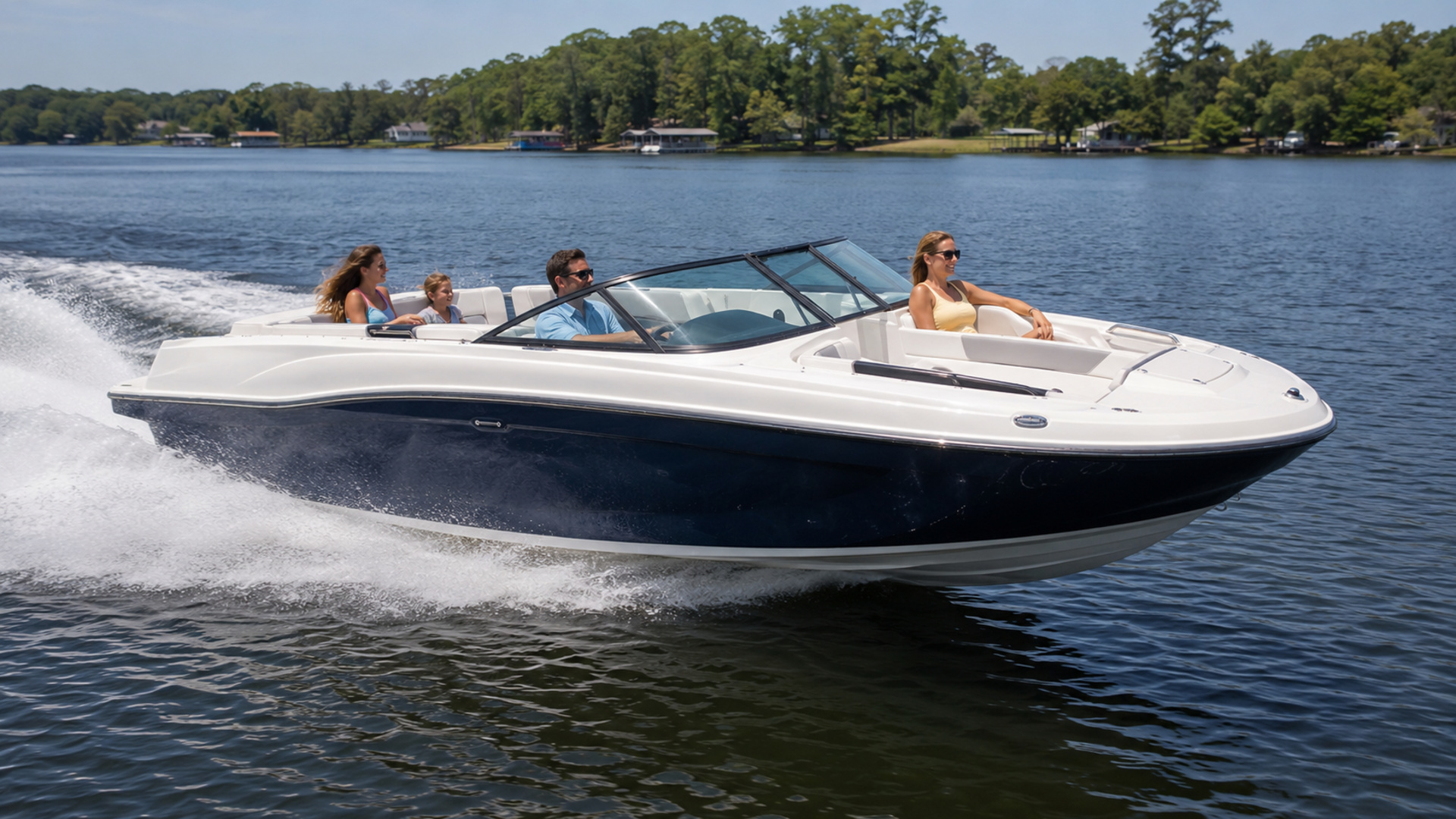
The Bayliner D20I keeps the 19’6″ D-Series footprint but moves to 200–250 HP MerCruiser sterndrive power for buyers who prioritize the stern, acceleration, and a three-layout interior.
The D20I should not be treated as a D20 with a different engine. Moving the powertrain inside the hull changes passenger capacity, weight, stern design, performance potential, maintenance, and even the published storage footprint. That makes this page a propulsion decision as much as a size decision.
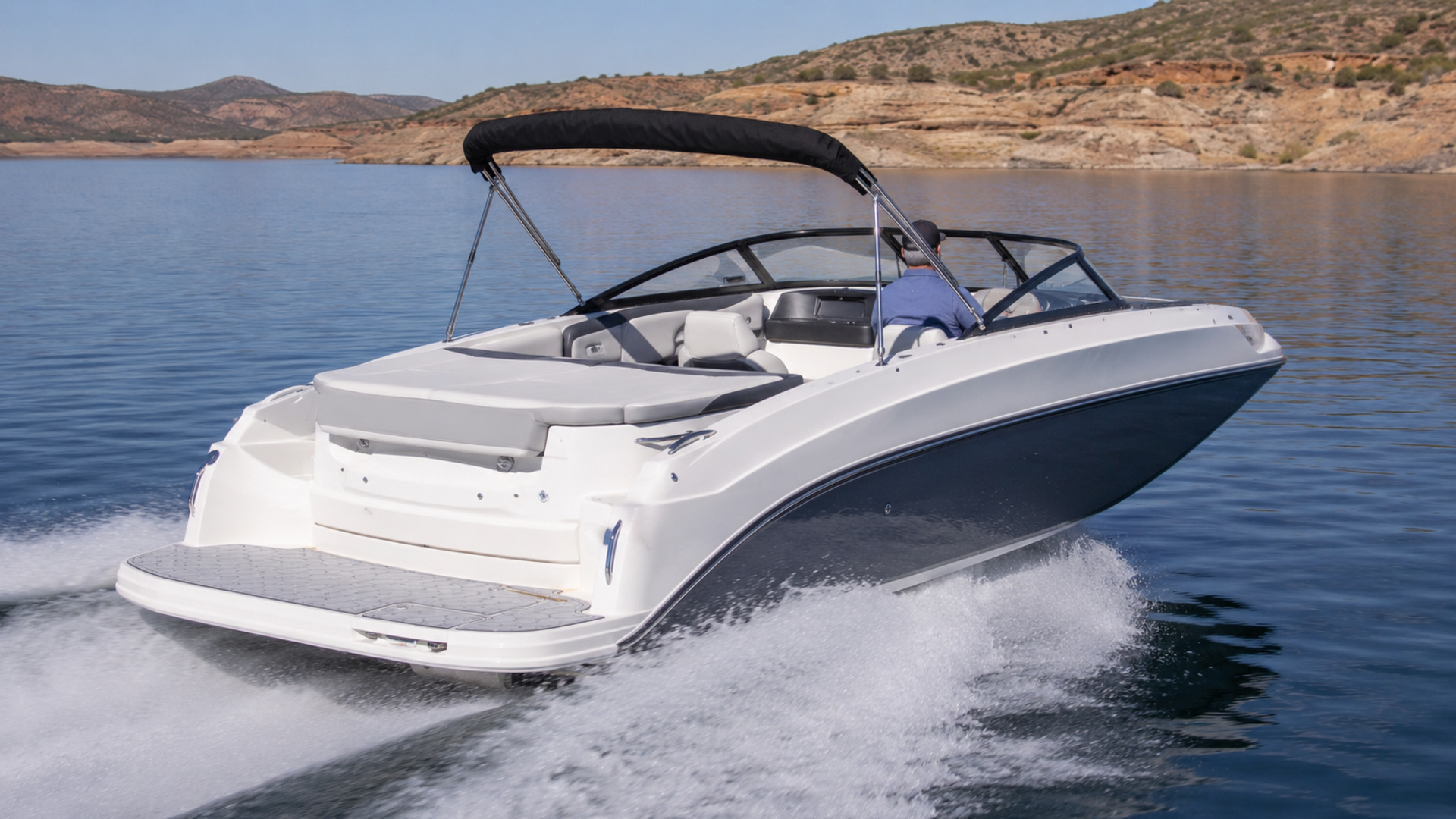
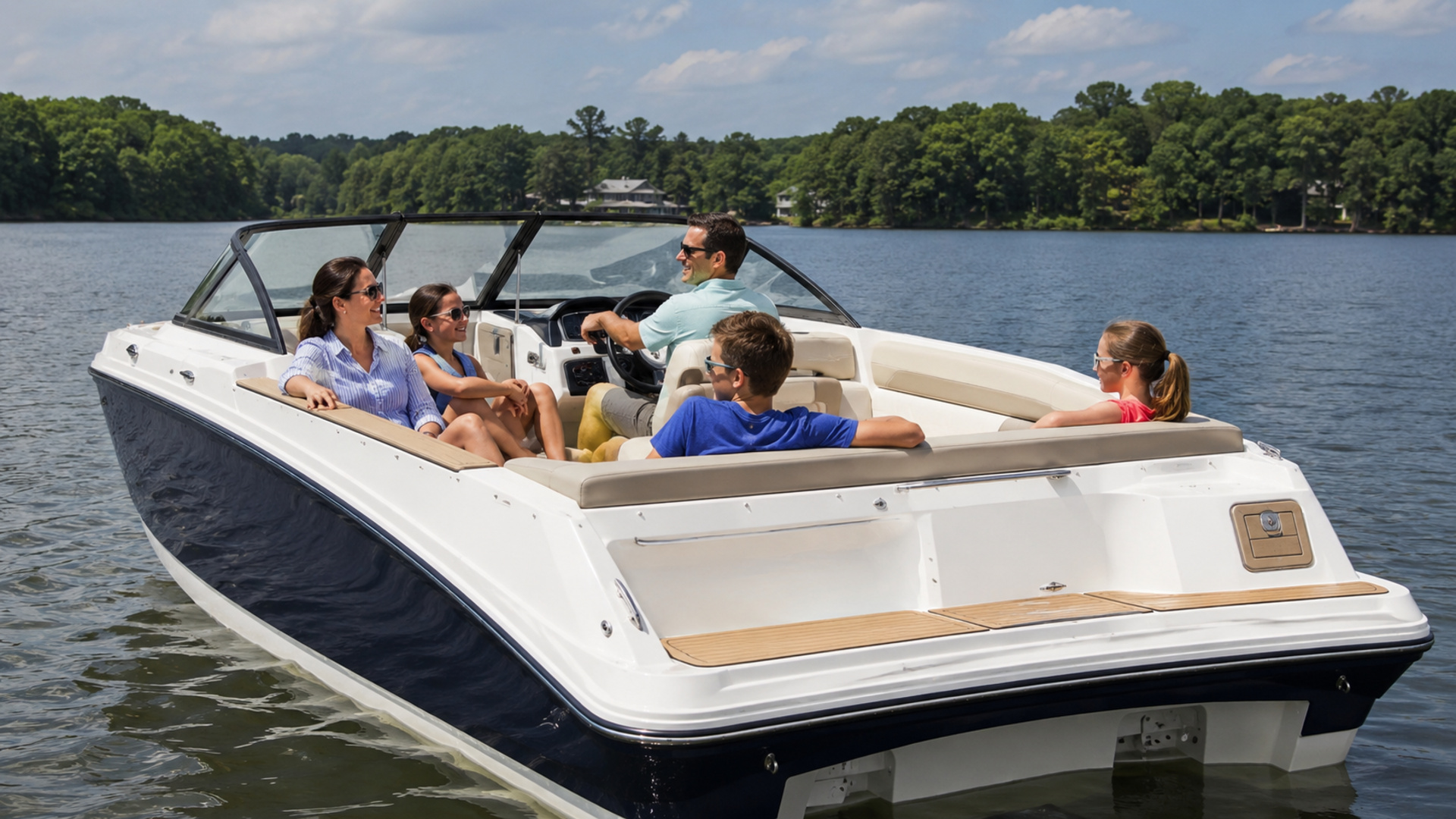
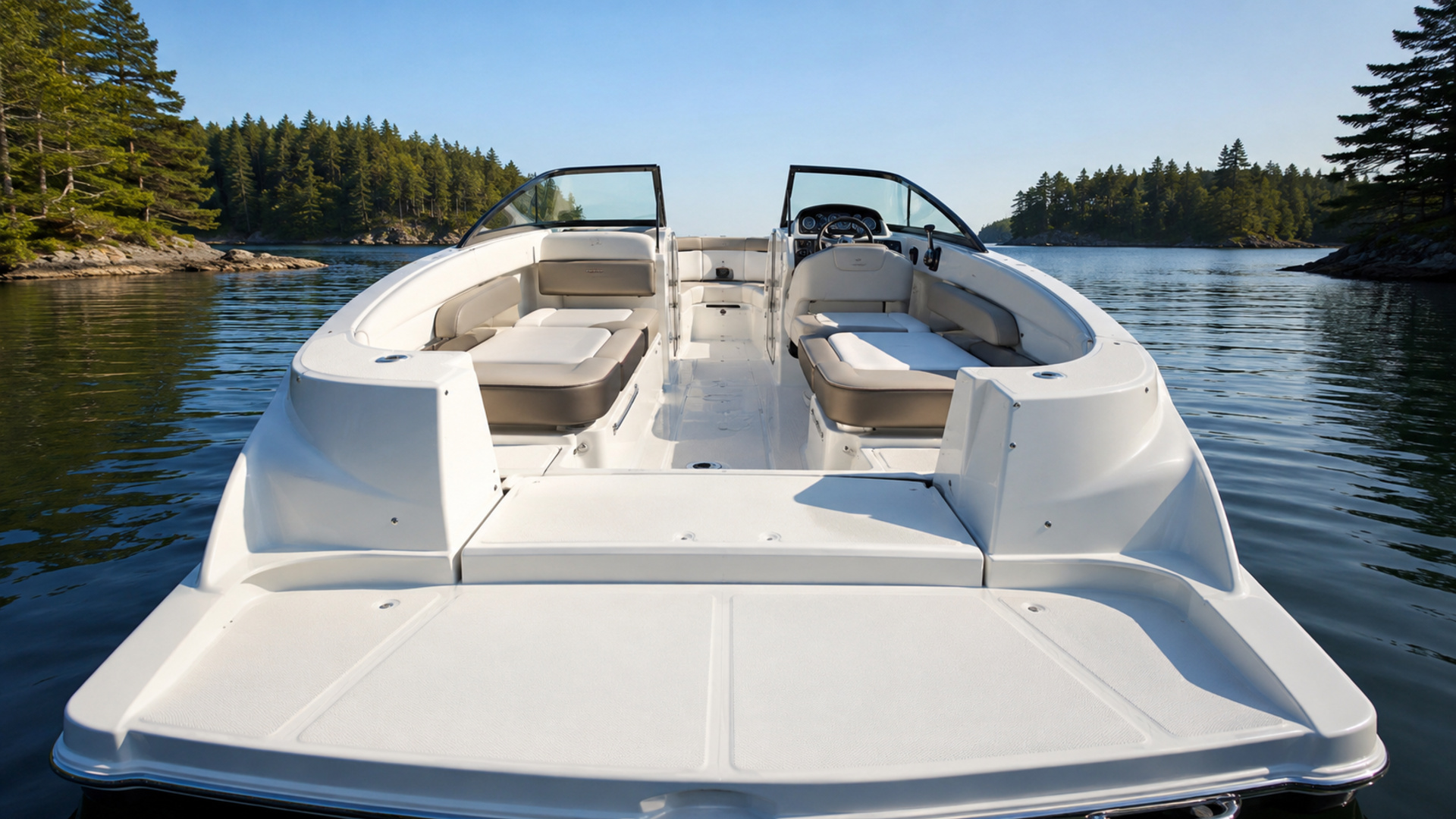
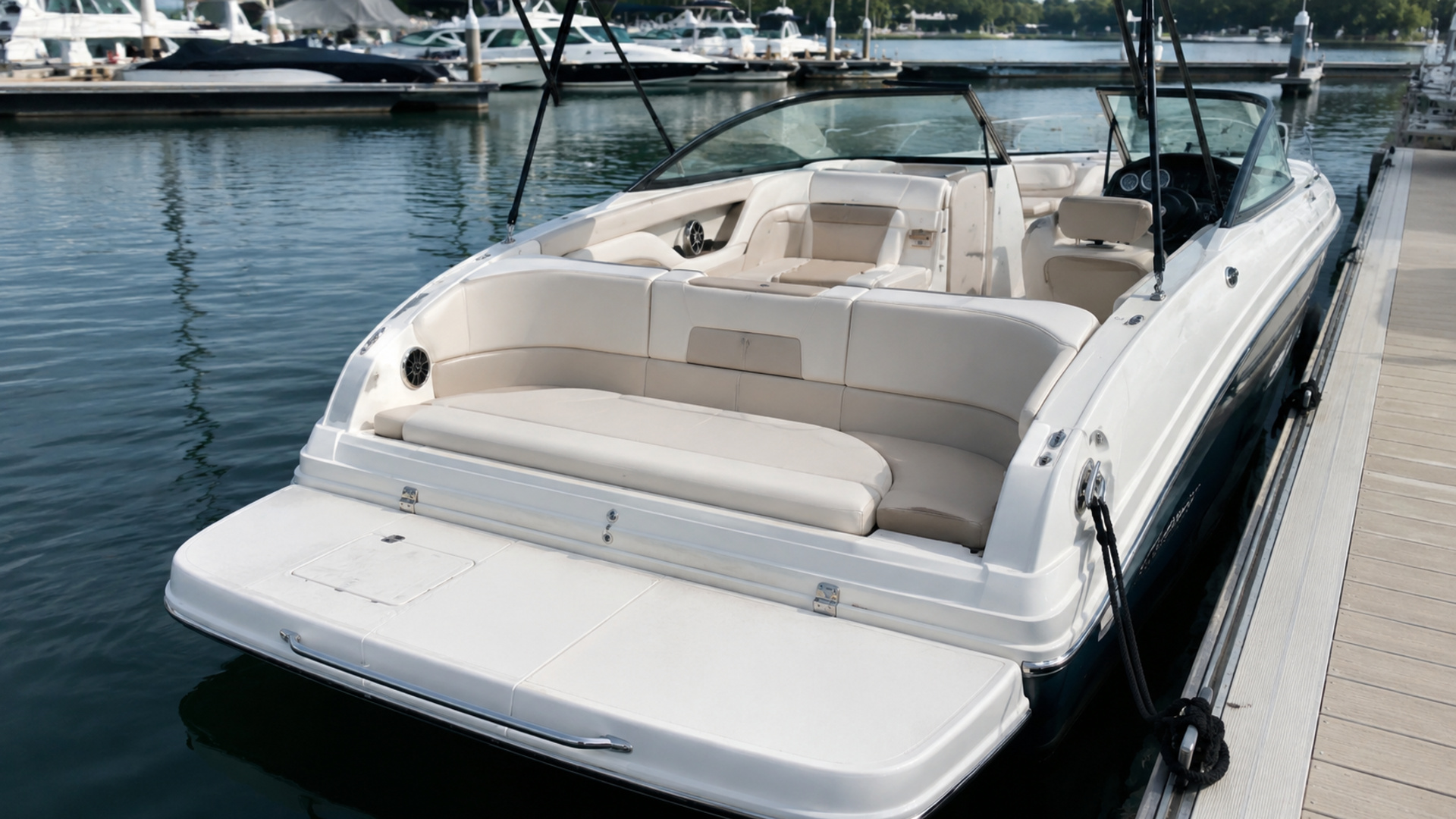
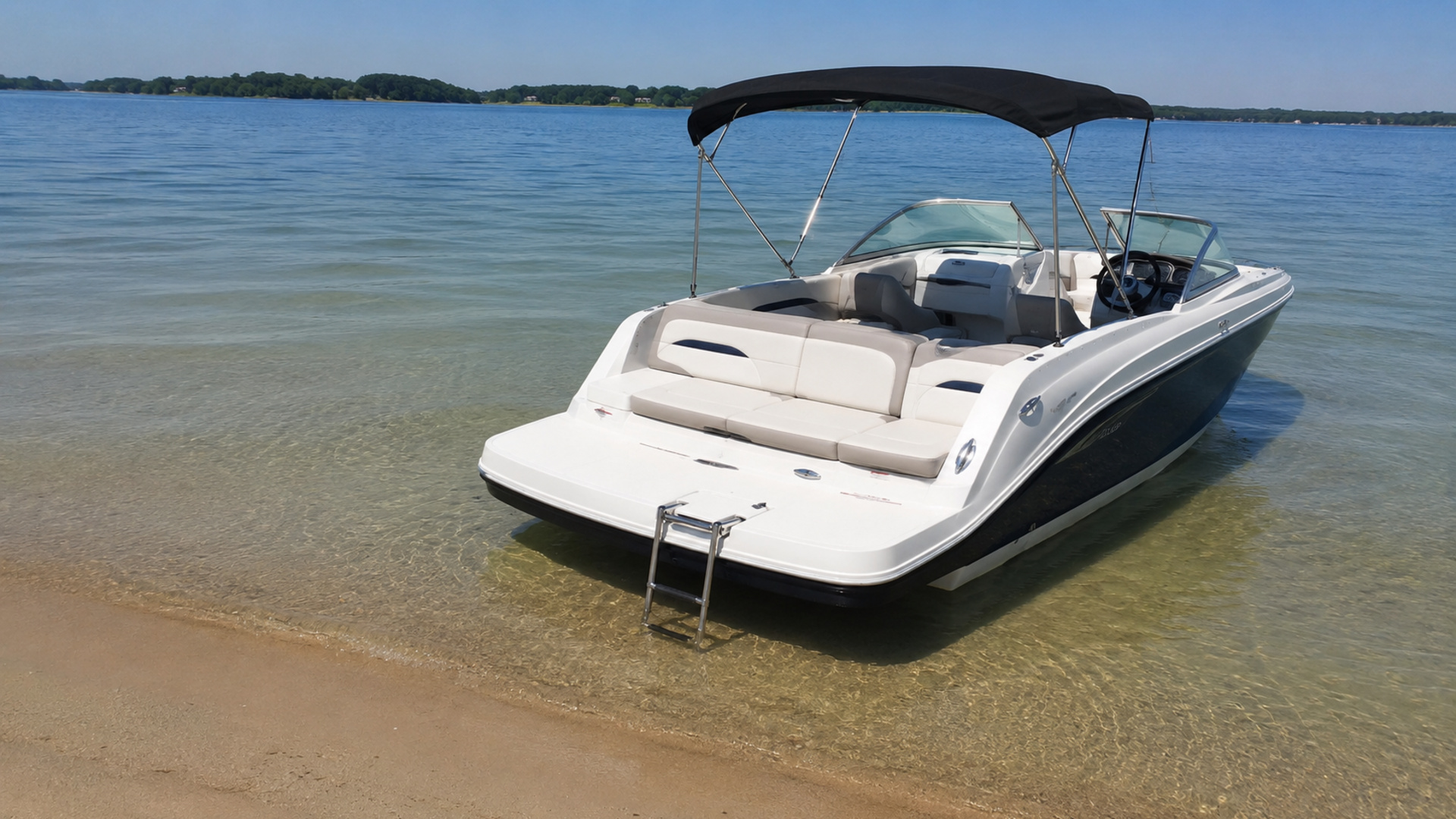
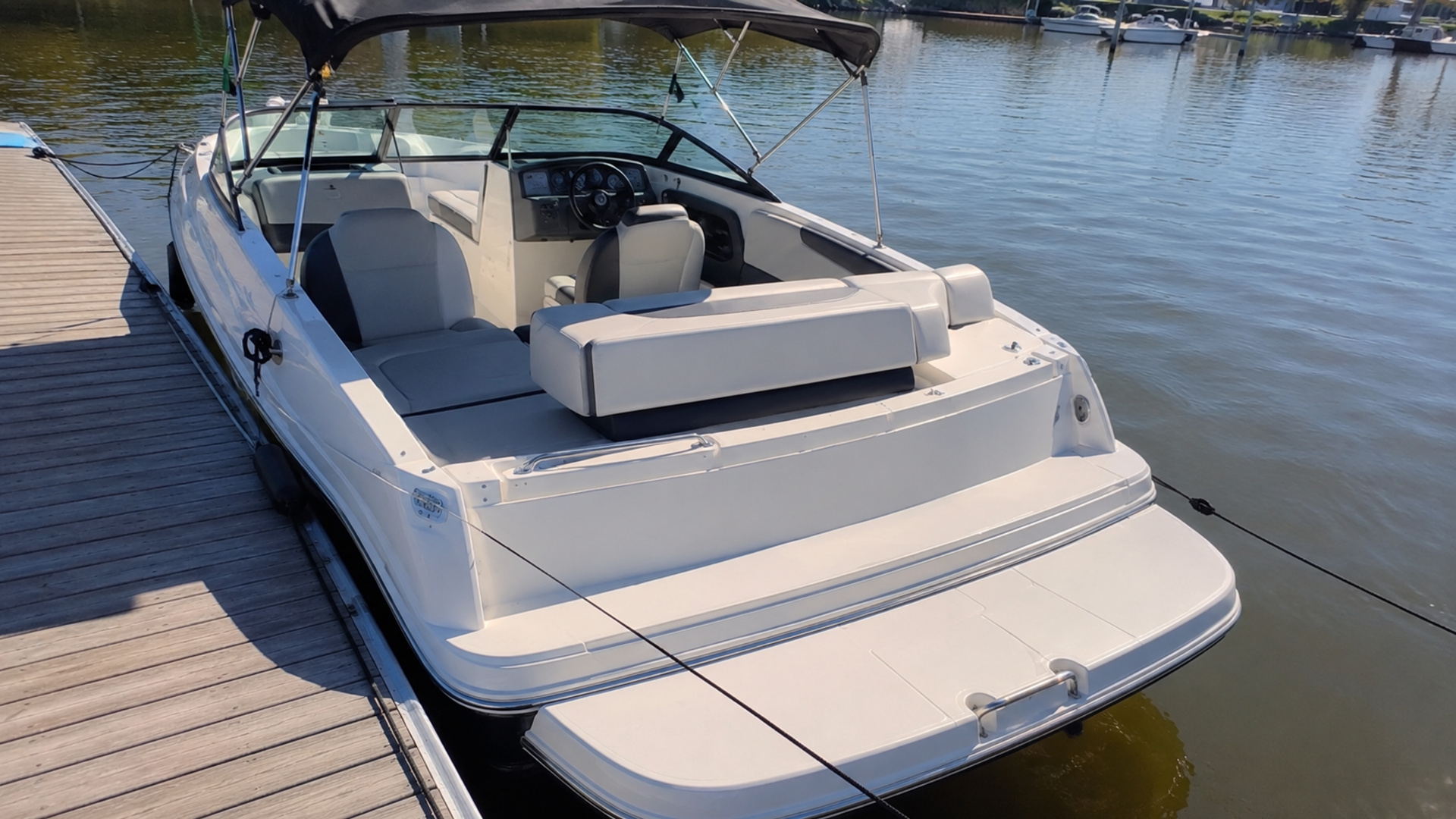
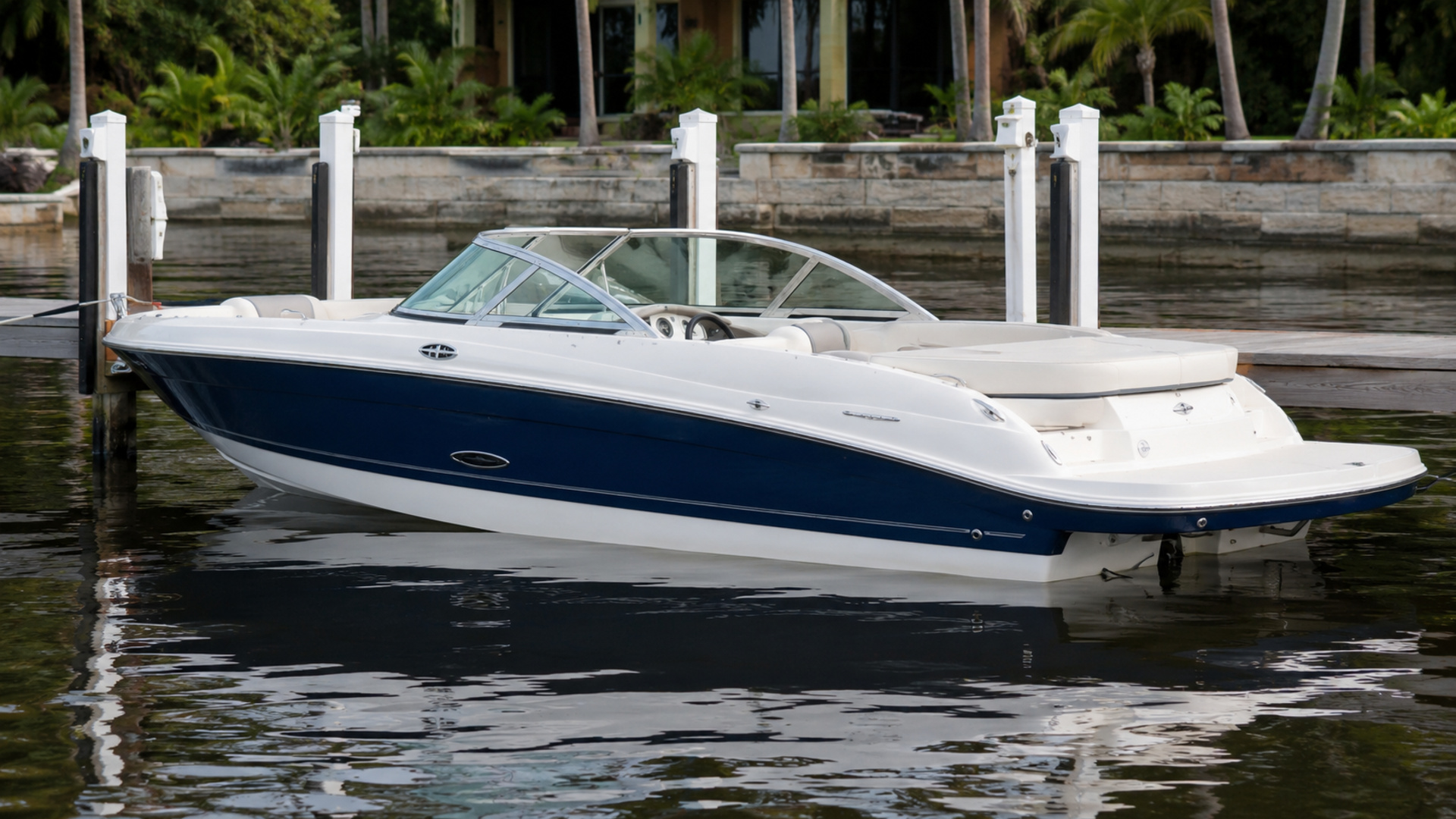
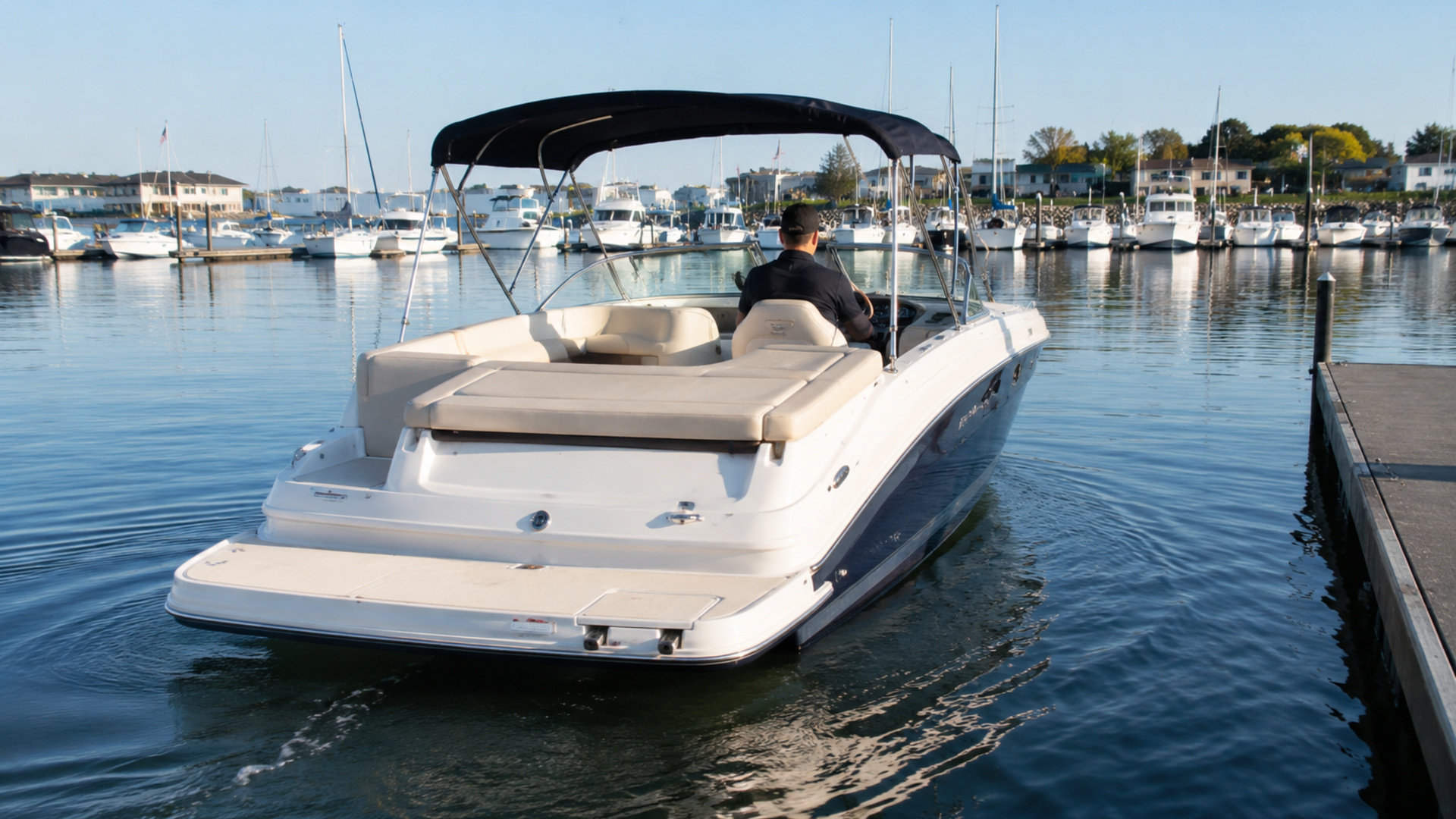
Bayliner gives the D20I three interior floorplan options. That flexibility is aimed at buyers who want to choose between seating, lounge space, and a more protected cockpit without moving into a longer boat. The transitional transom is especially important. With the MerCruiser below the aft structure instead of an outboard hanging off the transom, the rear seating can convert into a broad sun-lounging area and the swim platform reads as part of the boat rather than space arranged around an engine.
Current U.S. specifications list 200-horsepower MerCruiser ECT 4.5L MPI power with an Alpha One outdrive as standard and 250 horsepower available. Published capacity is nine people. At 3,880 pounds with standard engine, the D20I is nearly 500 pounds heavier than the D20 before a trailer or gear enters the conversation.
That extra mass and machinery are the cost of the layout. Buyers who swim constantly, lounge at the stern, pull riders, or simply prefer sterndrive power may consider it worthwhile. Buyers who care most about easy engine access, lower acquisition cost, and a lighter towing package should not assume the D20I is automatically the upgraded choice.
The September 2026 market sample contains 13 D20I listings, all from 2025 or 2026. Like the other D models, this is a current-market page. The buying work is comparing configuration, dealer price, condition, and the value of options, not sorting through a decade of used examples.
Published factory figures. Confirm every dimension against the individual boat before you commit.
The D20I shares the D20’s overall length and beam, but published maximum draft grows to 2 feet 11 inches versus 2 feet 7 inches on the outboard. Minimum draft is 1 foot 9 inches. That is a practical reminder that the sterndrive extends beneath and behind the hull differently from an outboard installation.
Deadrise remains 18 degrees. Bayliner also emphasizes deeper gunnels and a stable, dry ride for newer boaters. That matters because the D20I is often being considered by step-up families, not only by experienced performance-boat owners.
Approximate weight with standard engine is 3,880 pounds, and the boat is rated for nine people with a maximum weight capacity of 1,270 pounds. The sterndrive machinery adds substantial mass inside the hull, and the certification reflects the complete package rather than simple seat count.
Bayliner lists a storage length of 22 feet 6 inches and height on trailer of 8 feet 2 inches. The published storage length is notably shorter than the D20 outboard’s 26 feet 9 inches even though the hulls share the same overall length. That is why buyers need manufacturer storage dimensions instead of assumptions.
The D20I’s 200-horsepower standard package immediately separates it from the D20. Maximum power rises to 250 horsepower, one hundred more than the outboard sibling’s ceiling. The advantage is not merely top speed. A family carrying seven or eight people can benefit from stronger acceleration and additional reserve when planing or towing.
Sterndrive power also changes the maintenance list. The engine sits below the aft deck, so cooling-system condition, blower operation, hoses, belts, fluids, and evidence of water in the compartment matter. Outside the hull, the Alpha One adds bellows, gimbal components, drive oil, propeller, skeg, trim cylinders, and corrosion points.
On a 2025 or 2026 D20I, age is not the main concern. Use is. A boat that spent two summers in salt water without disciplined flushing can show early corrosion. A trailer boat repeatedly backed into shallow ramps can have skeg or propeller damage.
The 250-horsepower option should be purchased for loaded use. If the boat is usually carrying a couple and two children, the 200 may already deliver everything needed. If nine-person capacity and tow sports are central, the higher output is easier to defend.
The D20I uses the same 33-gallon fuel capacity as the D20, but the two boats should not be expected to return identical range. The sterndrive version weighs more and carries 200 or 250 horsepower instead of 115 or 150.
Bayliner does not publish a universal gallons-per-hour figure, so exact burn needs to come from verified engine-specific testing or the boat’s instrumentation. What can be said confidently is that 33 gallons is aimed at full day-boat use rather than distance cruising.
Fuel also enters the towing calculation. Thirty-three gallons adds roughly two hundred pounds when full. Combined with the 3,880-pound standard-engine boat and the trailer, the real departure weight can be substantially different from the brochure number.
If fuel economy is the dominant concern, the D20 outboard deserves a direct test. If stern use and stronger loaded performance matter more, the D20I’s additional consumption may be a reasonable cost of choosing the configuration you actually prefer.
The D20I carries more horsepower than many buyers expect from a 19-foot-6-inch deck boat. Where that power earns its keep is load. Nine people, fuel, coolers, and tow gear can make a 20-foot boat work. The 200-horsepower standard package already gives the D20I significant reserve compared with the D20 outboard. The 250 adds another margin for acceleration and planing.
During a sea trial, test wake crossings, trim response, visibility, steering consistency, and vibration through the Alpha One drive. At idle, practice how the sterndrive responds in reverse and when turning in wind. The D20I is best understood as a compact family boat with unusually strong available propulsion, not a performance boat wearing a family interior.
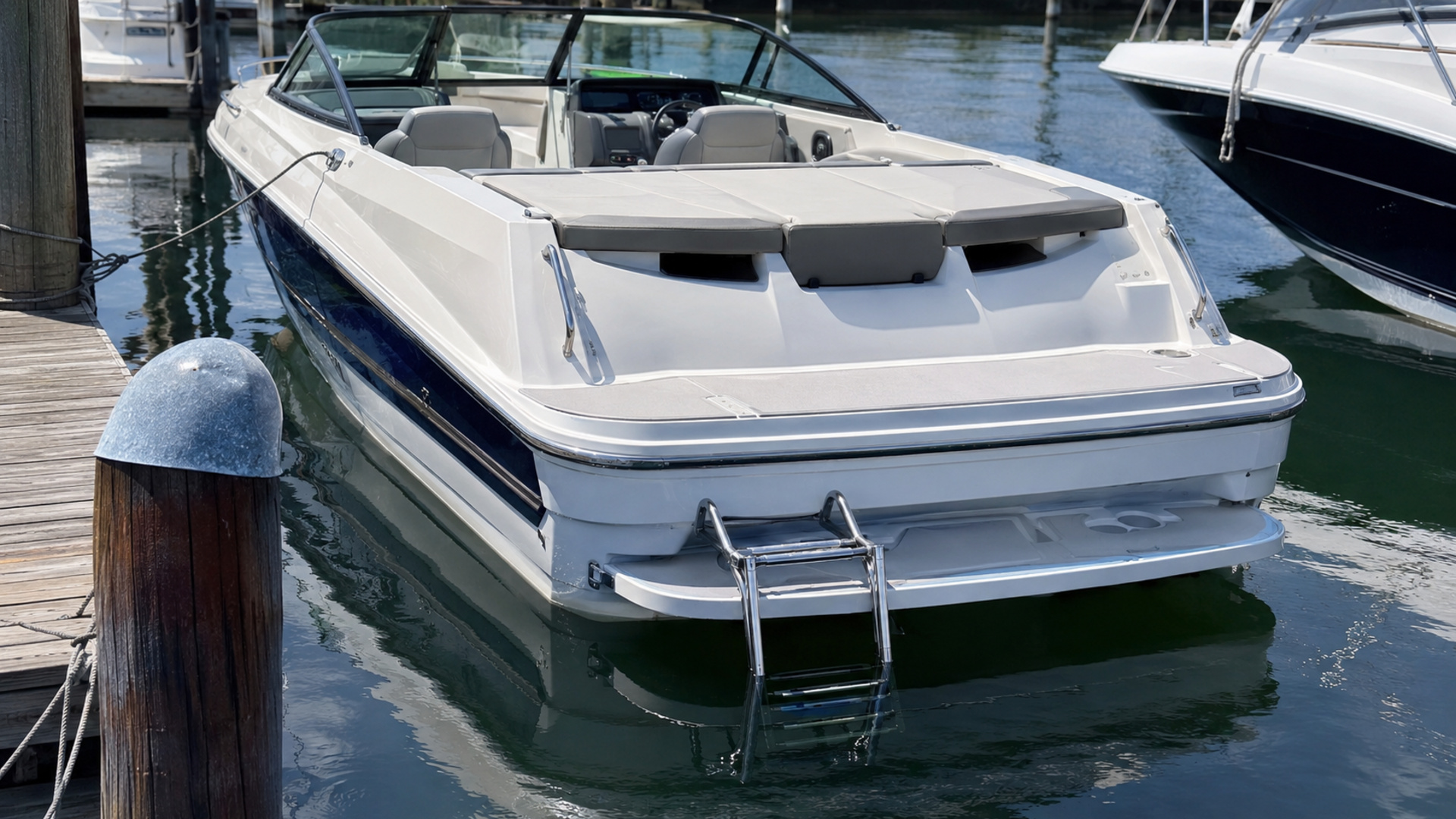
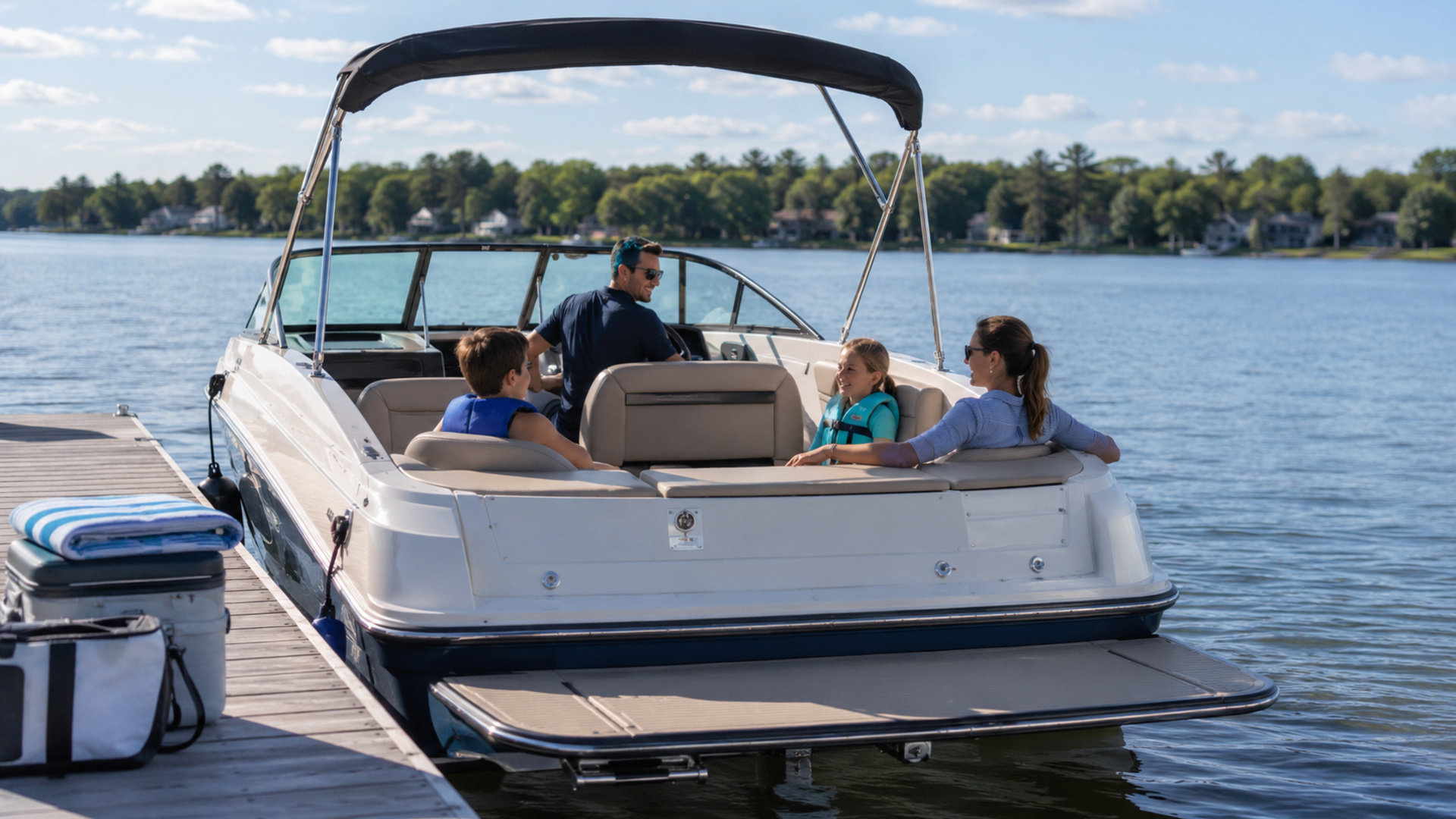
Bayliner’s D20I deck story begins at the transom. The transitional aft seating converts toward a broad sun lounge because the engine is packaged underneath rather than occupying the center of the stern. An available swim-platform extension pushes that concept farther, giving swimmers more room to sit, board, and stage gear at the waterline.
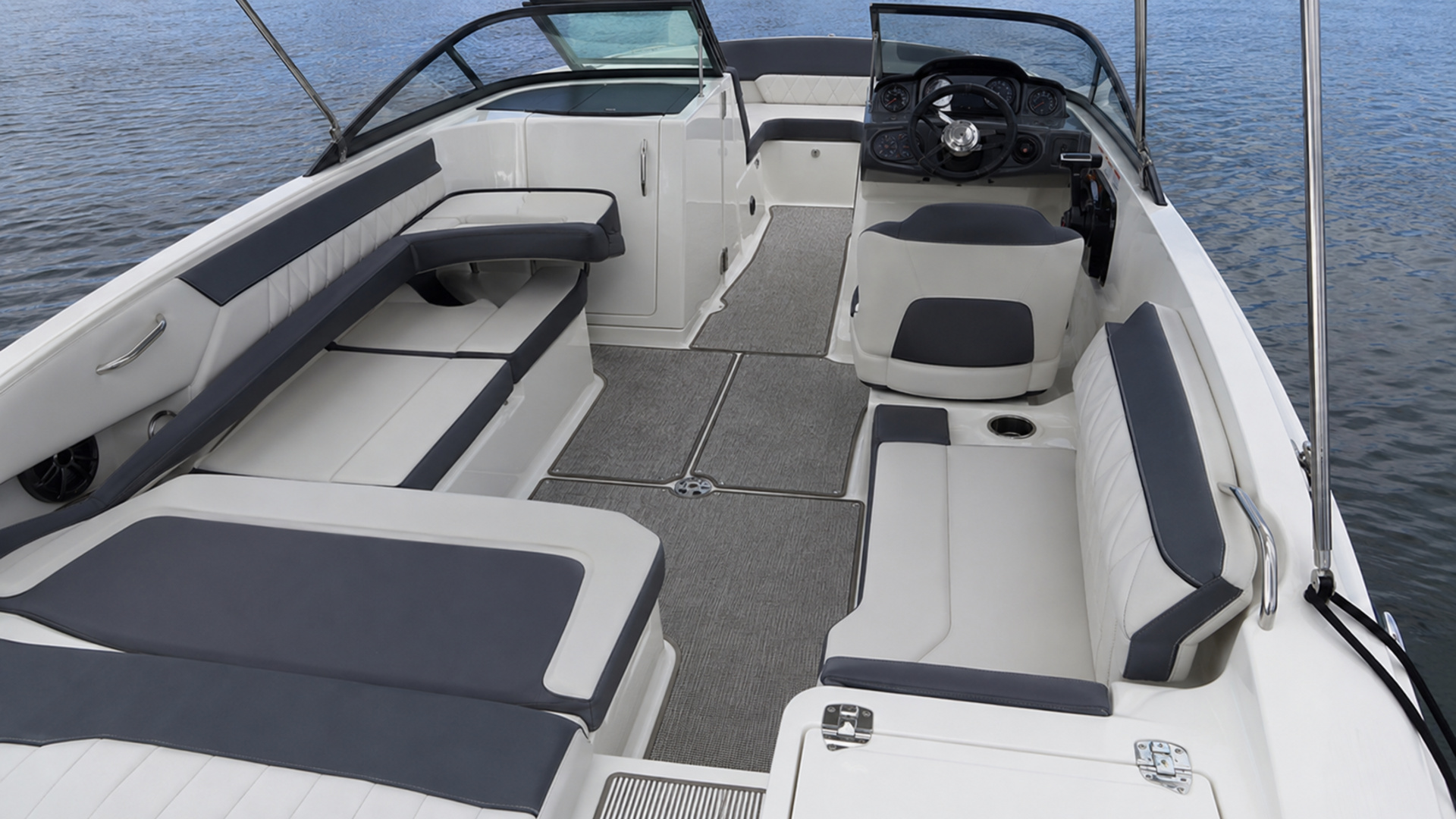
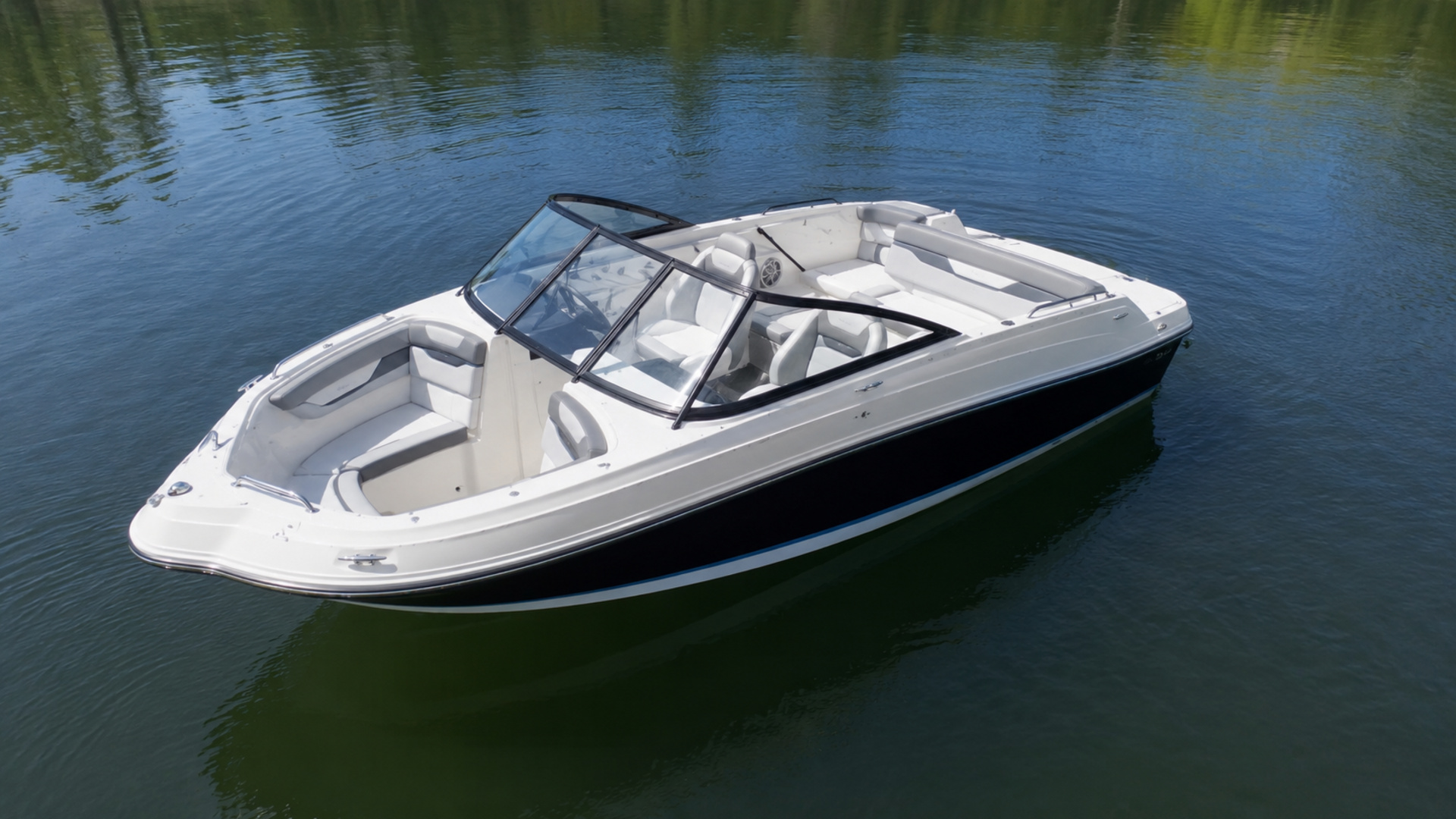
The model also offers three interior floorplan choices. In a boat under twenty feet, shifting console and seat arrangement can change how six or eight people move through the cockpit. Buyers should compare the actual floorplans rather than assuming dealer inventory is interchangeable.
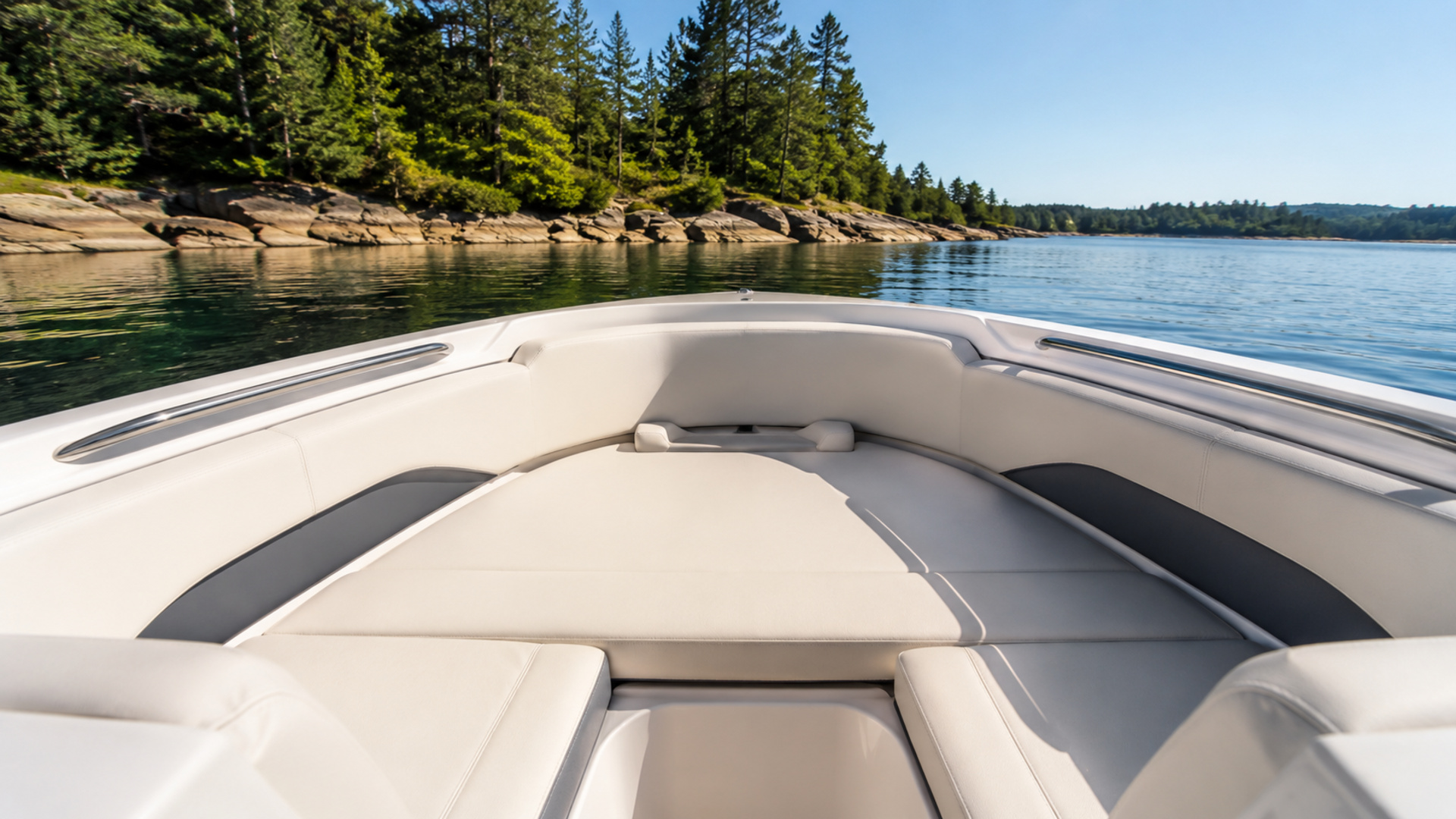
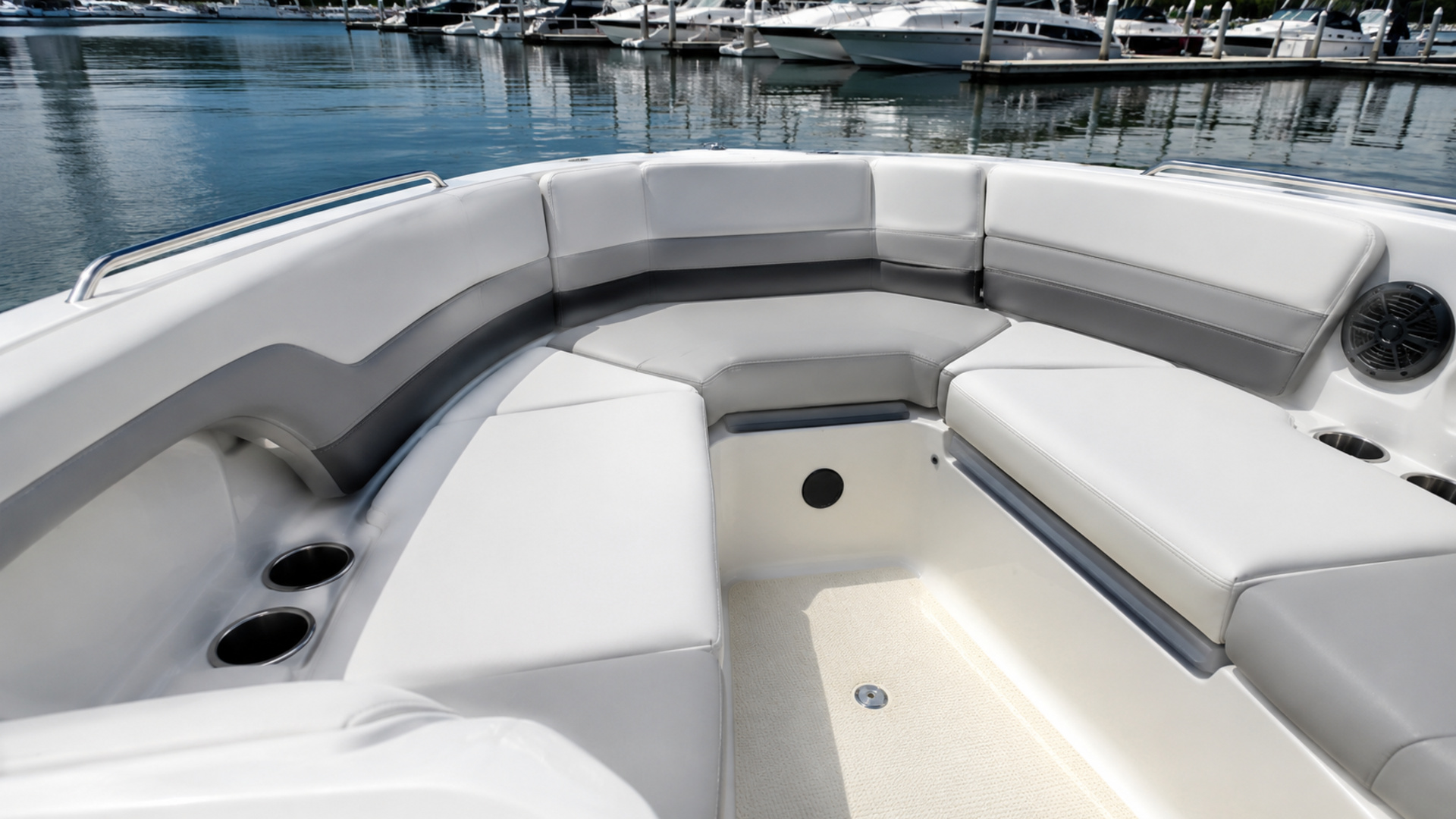
A bow ladder with hinged lid supports beach and sandbar use from the front. In-floor ski and wakeboard storage keeps long equipment out of the cockpit. A stainless tow ring is standard, while the Tower Package can make sense for families that spend a meaningful share of the day pulling riders.
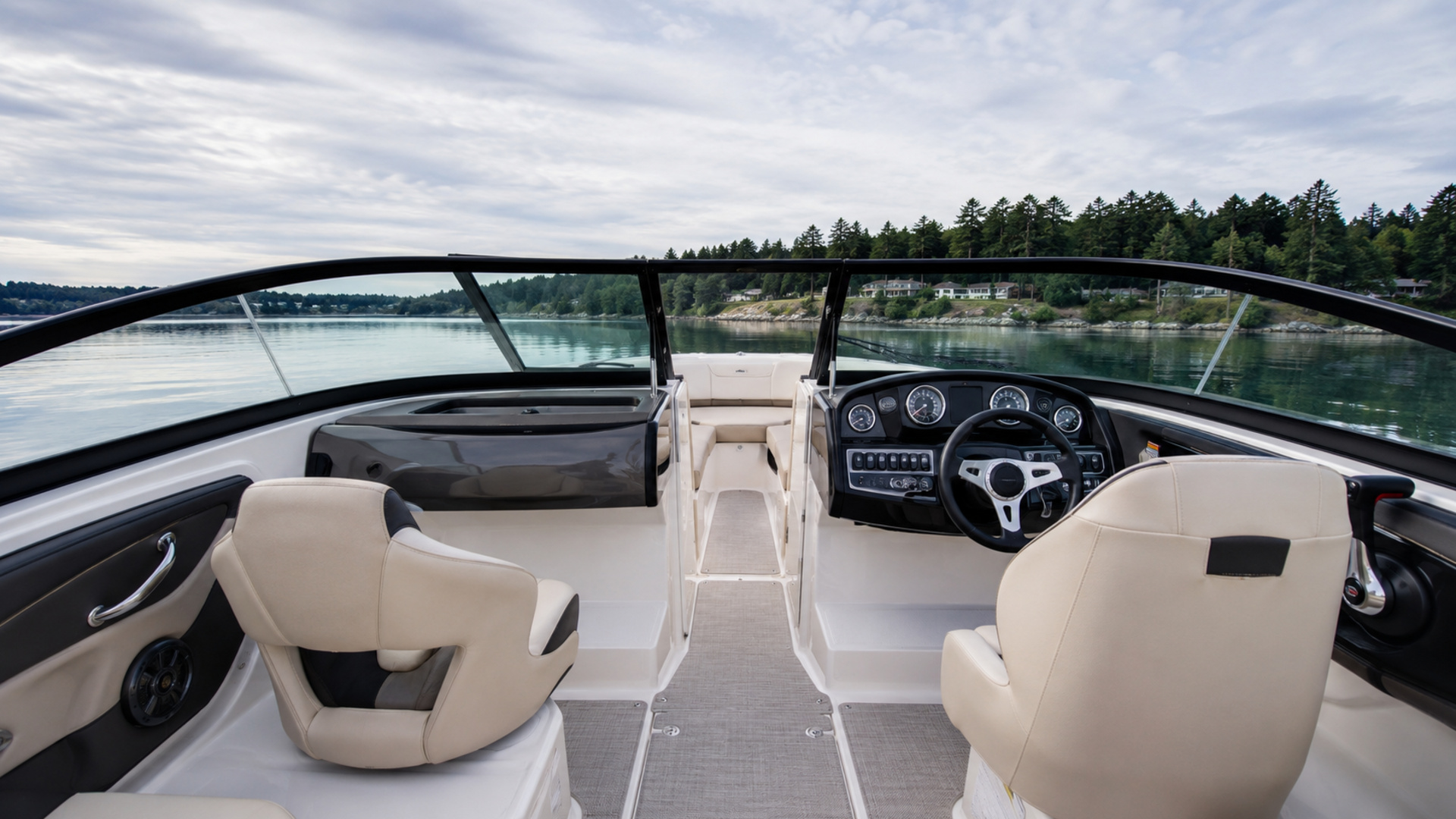
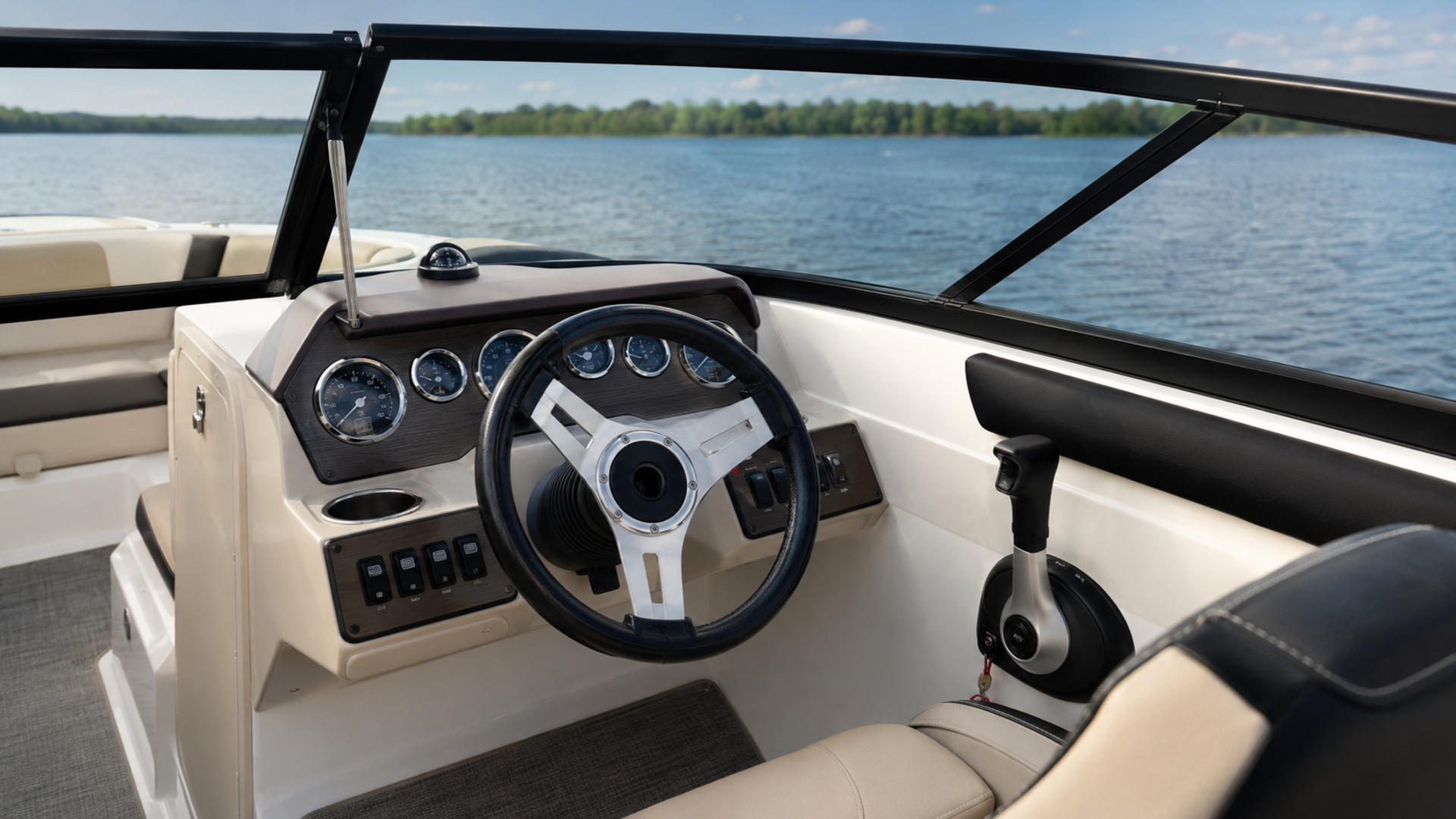
The helm starts with analog multifunction gauges, but Bayliner offers a Simrad 7-inch Digital Dash with engine data. Convenience options include a bow table, bow wind block, digital depth indicator, and freshwater shower.
If the stern is not important to you, the D20 outboard deserves the money-saving comparison. If the stern is where your family spends half the day, the D20I’s layout advantage becomes much easier to justify.
200–250 HP MerCruiser Power – The D20I starts with far more horsepower than the outboard D20 and gives loaded crews additional reserve.
Bayliner gives D20I buyers three ways to arrange the interior around seating, lounge space, and cockpit protection.
The sterndrive installation allows the aft seat structure to become a substantial lounging surface without an outboard in the middle.
Adds more dedicated water-level space for families that swim and board repeatedly.
Standard tow hardware supports the watersports role without requiring a tower.
Lets passengers board from the bow at beaches and shallow-water stops.
Integrates engine data into a modern helm display when selected.
Particularly useful on an I/O boat whose stern is intended to function as a swimming and lounging zone.
Open the engine compartment and look for water staining, fluid seepage, loose wiring, corrosion, deteriorated hoses, and poor access. Run the blower before starting. Verify the automatic bilge pump and battery switch. At the drive, inspect the Alpha One housing, skeg, propeller, trim cylinders, and bellows. Ask specifically about winterization and drive-oil service.
Then evaluate the selected options. The Simrad display should show engine data consistently. The swim-platform extension should be solid and correctly mounted. Tower-equipped boats should have clean mounting points. Run the freshwater shower and check for leaks if fitted.
Because the D20I is heavier than the outboard D20, trailer brakes and tire condition are especially important. A lightly used boat can still have a trailer that sat outside near salt air for two years.
The D20I’s published storage length of 22 feet 6 inches is residential-friendly for a 19-foot-6-inch boat, but height on trailer is still 8 feet 2 inches. A tower can create additional clearance issues.
Approximate boat weight is 3,880 pounds with standard engine. Bayliner does not publish a current boat-and-trailer weight on the U.S. page, so towing calculations need the actual trailer specification. Add 33 gallons of fuel, battery, gear, and factory options.
The single-axle trailer options include brakes and a swing tongue. That can help storage, but buyers should confirm how much length it saves on the exact configuration.
A D20I can also live in a slip. Sterndrive owners keeping it in the water should understand corrosion control, anodes, local fouling, and drive maintenance.
Configuration explains much of the value difference: 250 versus 200 horsepower, swim-platform extension, Simrad dash, tower, comfort package, upgraded flooring, and floorplan can separate otherwise similar boats.
The D20I also needs to be compared with the D20. The outboard sibling’s lower starting point means the buyer is paying a deliberate premium for the sterndrive arrangement. If the family does not value the transom or extra horsepower, that premium may not produce enough utility.
A nearly new used example can be attractive if the first owner absorbed early depreciation and the boat has clean service. It can also be a poor deal if priced just below new inventory while giving up the ability to choose the exact configuration.
Figures come from this page’s Boat Details fields. Illustration only and not an offer of credit.
Compare the 200- and 250-horsepower configurations using real selling prices. The useful number is not the lowest advertised payment; it is the payment attached to the boat your family will keep.
Illustration only and not an offer of credit. Your actual rate and term depend on credit profile, vessel age, loan amount and ownership structure.
The D20I and D20 share the same 19’6″ length and 8’1″ beam, but the D20I gives you 200–250 HP sterndrive power and an integrated stern. The D20 gives you ten-person capacity, lower weight, simpler outboard ownership, and a lower acquisition point.
Against the D22I, the question is whether you need two more feet, five more inches of beam, two additional published passengers, and a 55-gallon tank. If nine people and 33 gallons already fit the mission, the D20I preserves a smaller purchase and trailer footprint.
D20I inventory is too young for age to tell you much. The September 2026 sample contains only 2025 and 2026 boats. Ask what happened during those seasons. Was the boat dealer demo inventory? Was it a trade from someone moving larger? Did it live in salt water? How many hours did the 4.5L MerCruiser accumulate? Was it winterized professionally?
Ask for service invoices rather than a verbal statement that everything is current. Confirm that any drive work makes sense for hours and environment. Examine the engine compartment for chronic water and the transom for stress or repair.
New buyers should compare floorplans before negotiating. A discount on the wrong layout is not savings if the family dislikes the seating for the next five years.
The second is the loaded watersports buyer who wants to stay near the 20-foot mark. Nine-person capacity combined with 200 or 250 horsepower gives the D20I more reserve than the outboard D20 without jumping to a 22-foot hull. That can be attractive when garage length or towing comfort caps the boat size but the buyer still wants stronger acceleration.
The third is the buyer who prefers a more enclosed, automotive-style cockpit feel. With the correct floorplan and windshield configuration, the D20I can feel more protected than a wide-open side-console arrangement. That matters on northern lakes where mornings can be cool even in summer.
The poor-fit buyer is the owner who hates engine-compartment maintenance or expects to leave the boat in salt water without disciplined drive care. In that case, the D20 outboard can be the better ownership match even if the D20I looks more polished at the stern.
Conversely, a 2025 D20I with a clean engine compartment, documented seasonal service, a straight drive, good trailer brakes, and the floorplan you already wanted can be more compelling than ordering a new boat and paying for options again.
The D20I can still be a very manageable family boat, but it makes the most sense when its specific advantages are used often. A clean stern that becomes a swim-and-lounge zone, strong loaded acceleration, and the preferred floorplan are benefits worth financing. If those features are not central to your weekends, the outboard D20 may leave more money for fuel, storage, and time on the water.
Send Float Finance the actual D20I listing and purchase price so the financing conversation begins with the boat, engine, options, and seller you are considering.
Prequalification may involve a soft credit inquiry where applicable. Your information is not sold as a lead list.
The D20I is 19 feet 6 inches long, 8 feet 1 inch wide, and has 18 degrees of deadrise. Bayliner publishes 2 feet 11 inches of maximum draft, 22 feet 6 inches of storage length, 8 feet 2 inches of height on trailer, and approximately 3,880 pounds with standard engine.

Bayliner lists a 200-horsepower MerCruiser ECT 4.5L MPI sterndrive with Alpha One outdrive as standard. A 250-horsepower version is available.
Published capacity is nine people with a maximum weight capacity of 1,270 pounds. The D20 outboard is rated for ten.
The sterndrive architecture leaves the center of the transom clear, and Bayliner offers a swim-platform extension. That gives the D20I a meaningful advantage for families that spend a large portion of the day swimming or lounging aft.
It has a different maintenance profile. In addition to the engine, the sterndrive adds bellows, gimbal components, drive oil, and underwater hardware. An outboard is more exposed and easier to access.
Yes. Bayliner lists 22 feet 6 inches of storage length and 8 feet 2 inches of height on trailer. The boat weighs about 3,880 pounds with standard engine before trailer, fuel, and gear.
Buy the D20I if nine-person capacity and the 19’6″ platform already fit your family. Buy the D22I when the extra cockpit room, eleven-person capacity, and 55-gallon tank solve a recurring problem.
Potentially. Current inventory is heavily 2025–2026. Send Float Finance the specific listing so purchase price, model year, seller, and borrower qualifications can be evaluated together.
Tell us a little bit about yourself and the boat you are looking to finance.