Call Us : 207-994-5109
Mon – Fri: 8 am to 9 pm & Sat – Sun: 10 am to 8 pm
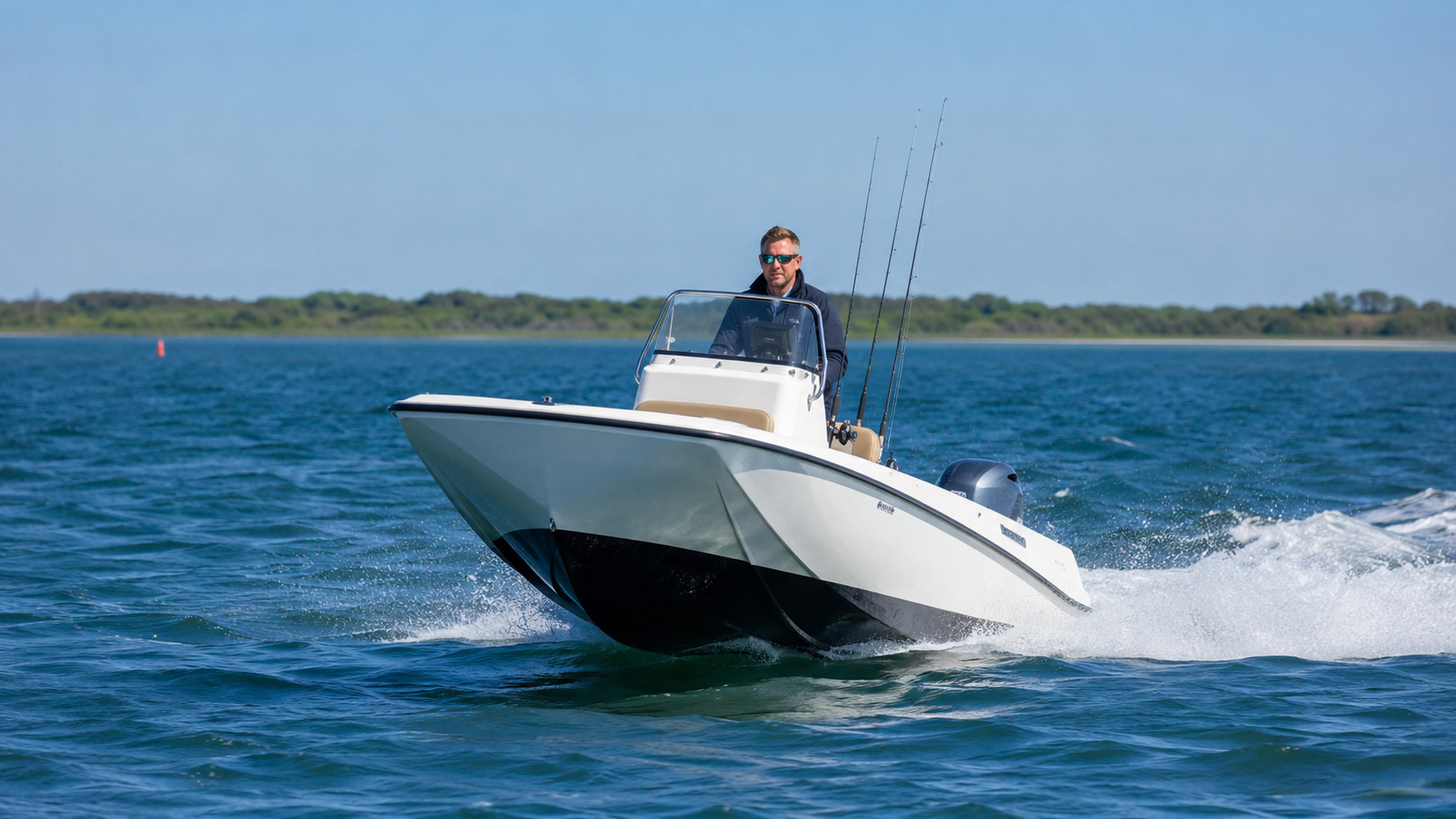
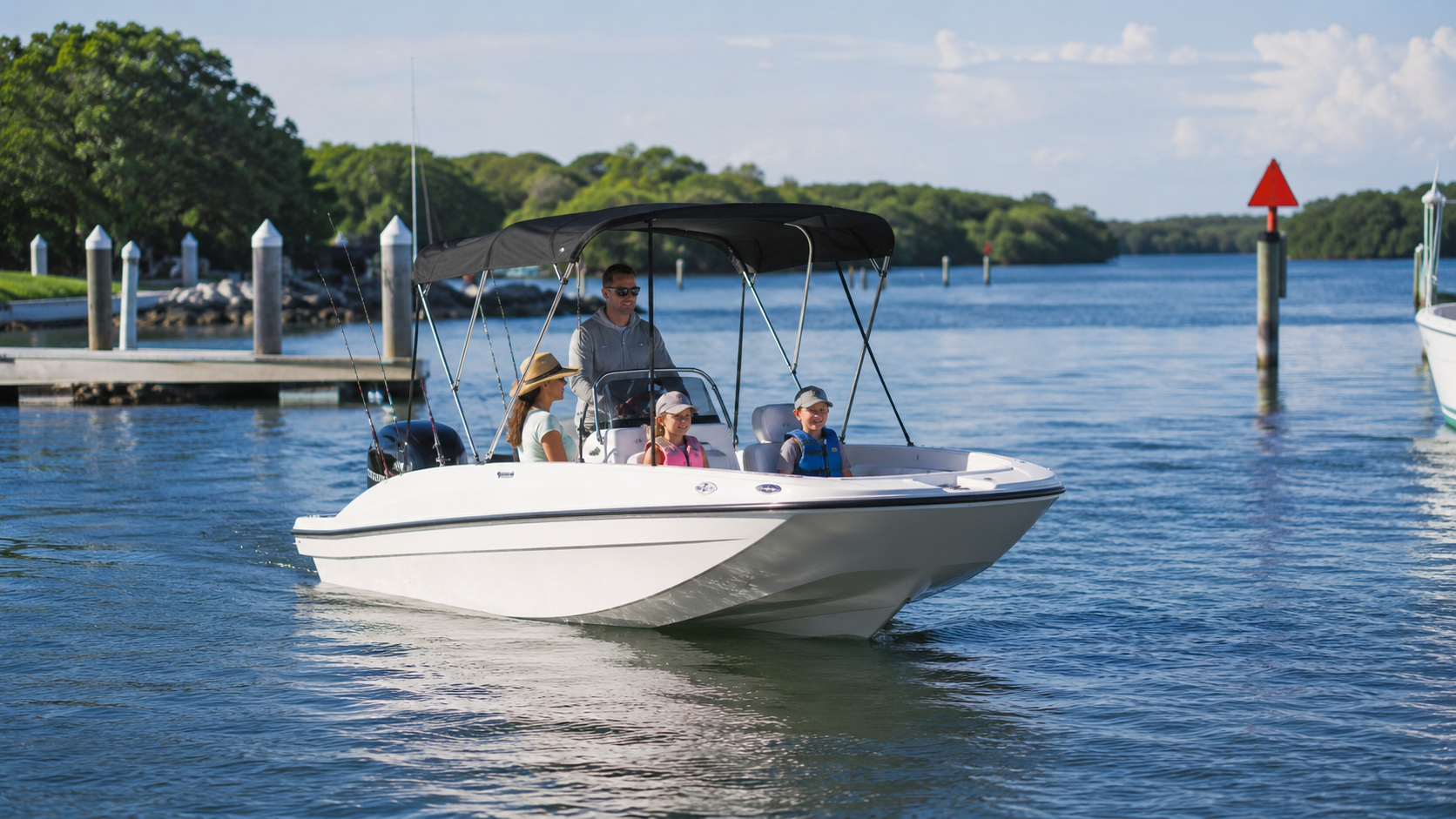
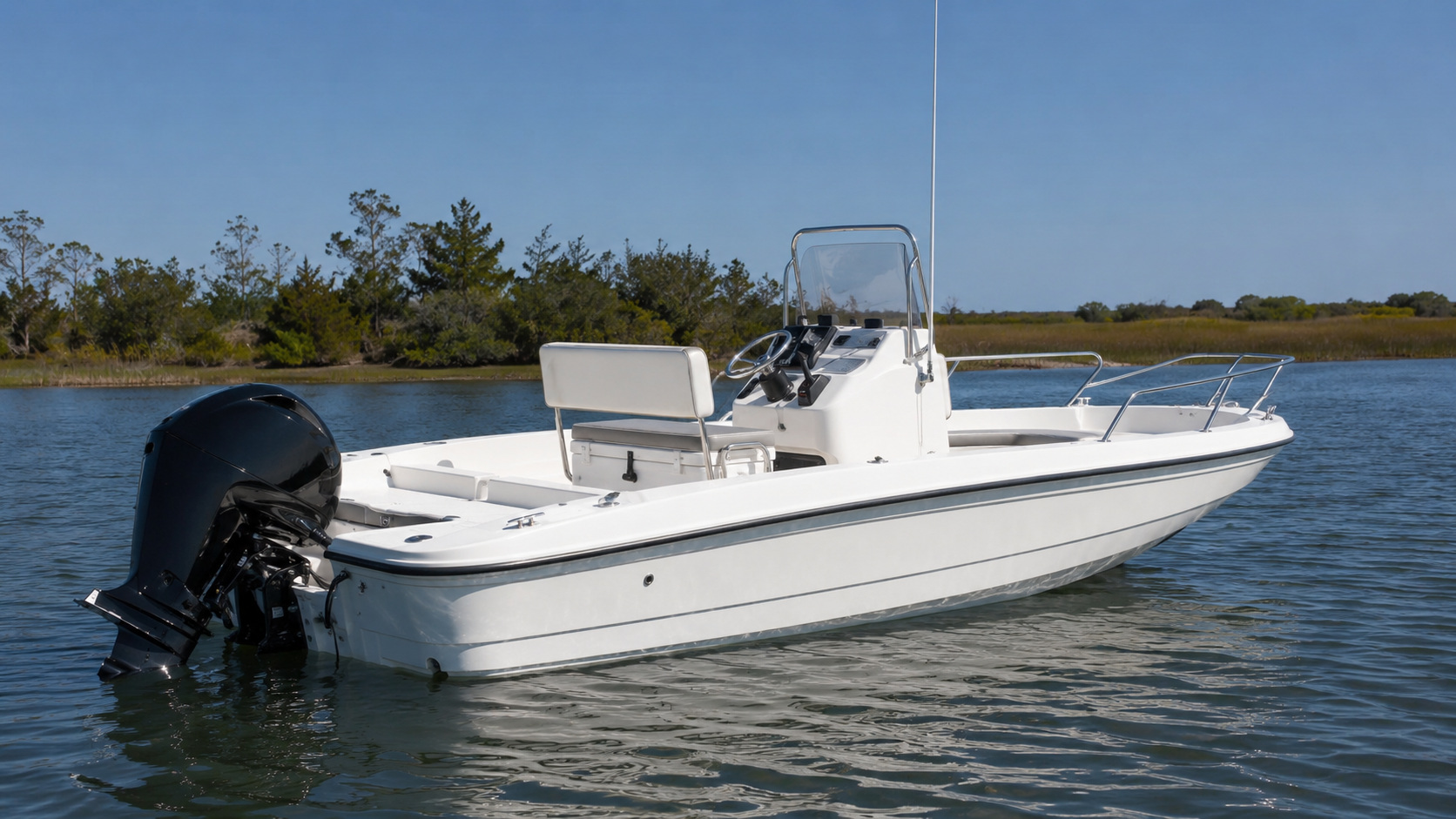
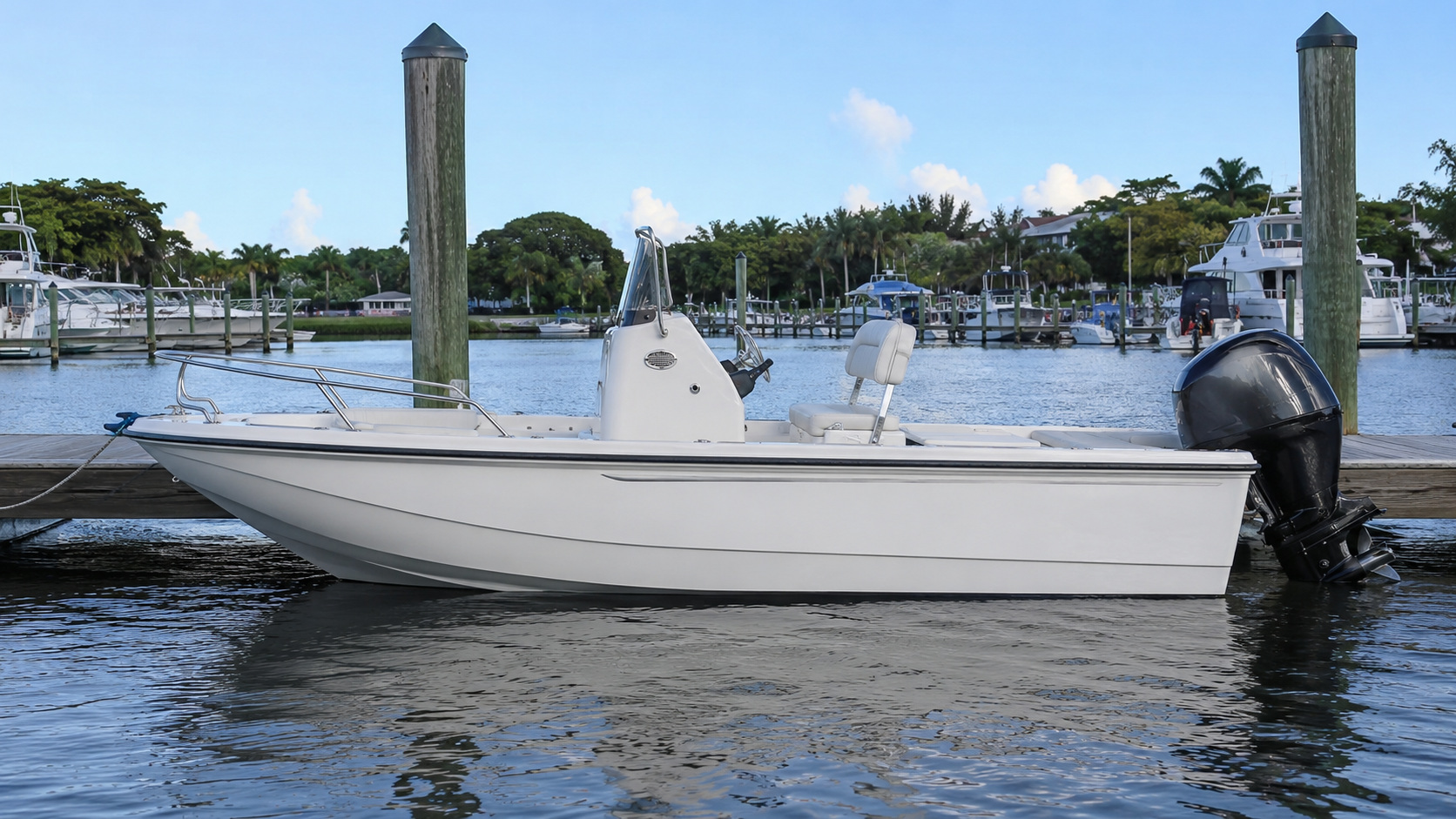
The Bayliner T18 is the compact Trophy for buyers who want a real center-console fishing layout without taking on the weight, cost, and storage demands of a larger coastal boat.
The T18 is the right place to start if your fishing does not require a 20- or 24-foot boat. At 18 feet 2 inches with a 7-foot-5-inch beam, six-person capacity, and a 115-horsepower maximum, it stays light enough to remain one of the easiest Trophy models to tow, launch, store, and operate.
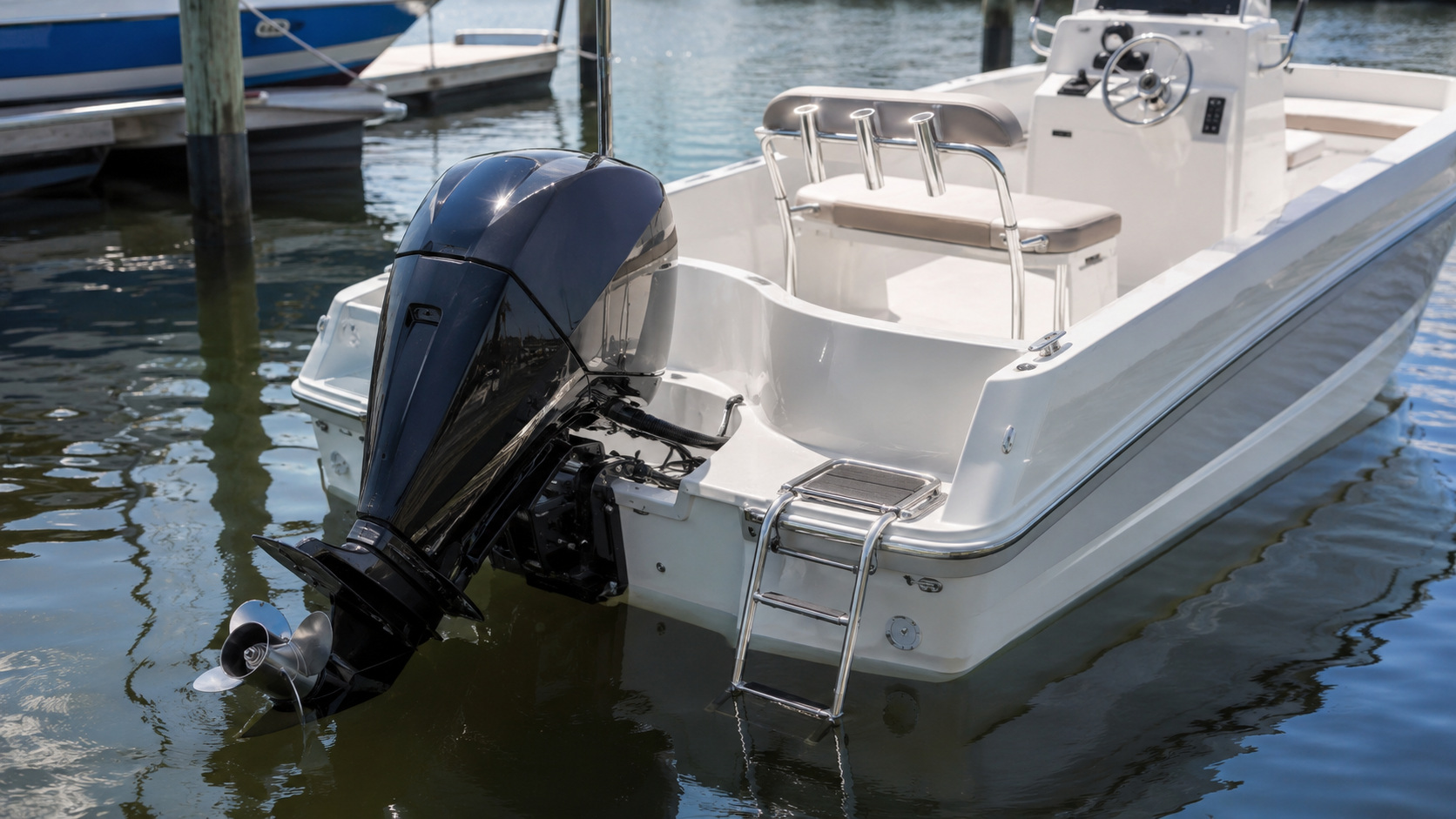
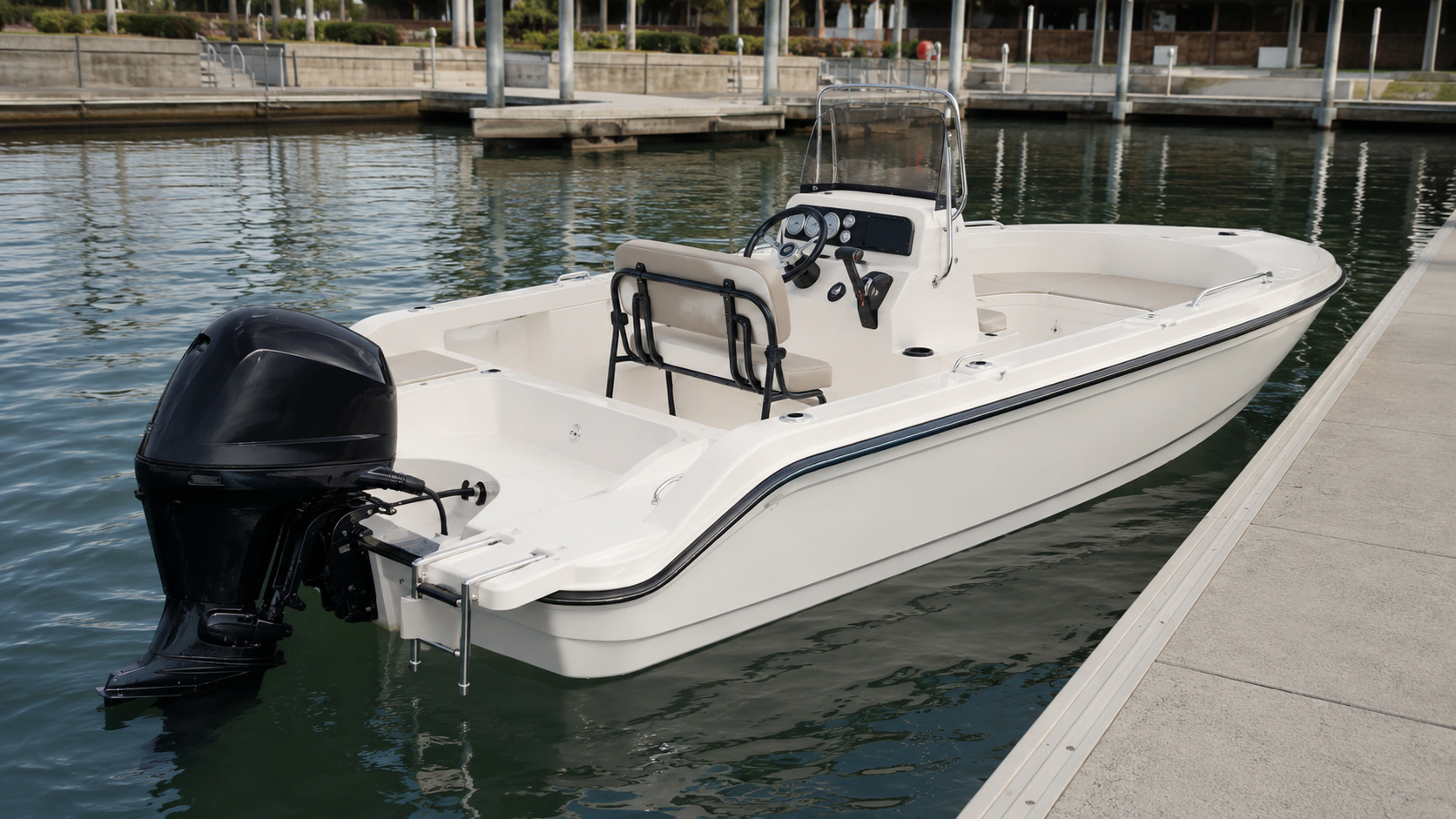
That smaller footprint does not remove the basic center-console advantages. The helm remains in the middle, giving anglers usable movement around the boat. Bayliner includes a fiberglass floor liner, gunnel rod holders, anchor storage, swim boards, and ladder access, while available packages can add a forward livewell, hydraulic steering, stainless upgrades, and a trolling-motor bracket.
The T18 is particularly attractive to first-time fishing-boat buyers because the ownership logistics remain manageable. Bayliner publishes approximately 2,000 pounds with standard engine and roughly 2,750 pounds with trailer. That puts it within reach of more tow vehicles than the larger Trophy boats and makes home storage realistic for many owners.
The compromise is capacity. Six people is the published limit, but a serious fishing day with rods, tackle, coolers, bait, safety gear, and several adults will use the interior quickly. If four to six people regularly fish together, the T20CC deserves a close look. If two or three anglers make up most trips, the T18 can be the smarter purchase because you avoid paying for unused hull every month.
Published factory figures. Confirm every dimension against the individual boat before you commit.
The T18 measures 18 feet 2 inches overall, 7 feet 5 inches across the beam, and carries 18 degrees of deadrise. Bayliner lists an estimated draft of 12 inches, which makes the boat appealing for buyers who regularly work shallower lakes, rivers, bays, and inshore areas.
The 18-degree running surface is a practical compromise. It gives the T18 more V than a flat-bottom utility boat while keeping the hull efficient enough to work with a 115-horsepower outboard. The short waterline will still react more to closely spaced chop than a T22CC or T24CC, so buyers should match expectations to the water they actually fish.
Published storage length is 21 feet 10 inches, and Bayliner lists 8 feet 3 inches of height on trailer. Measure the actual garage, side yard, or storage space before buying rather than assuming an 18-foot hull automatically fits.
Bayliner lists a 115-horsepower Mercury FourStroke on the T18. That amount of power matches the boat’s mission: keep weight, fuel demand, and mechanical complexity under control while providing enough performance for fishing, family cruising, and ordinary recreational use.
For the buyer, the important advantage is accessibility. The outboard sits outside the hull, making routine visual checks, flushing, service access, and future repowering straightforward. That simplicity is valuable on a boat likely to live on a trailer.
On a used T18, inspect engine hours, service records, lower-unit oil, cooling flow, trim and tilt, steering, propeller and skeg damage, mounting hardware, and evidence of corrosion. A low purchase price is not attractive if the outboard immediately needs major work.
The T18 carries 30 gallons of fuel. That capacity suits the model’s intended use well because the boat is light, modestly powered, and generally aimed at day trips rather than long offshore runs.
Actual consumption will depend on load, propeller, bottom condition, weather, and throttle setting. A lightly loaded fishing day with time spent trolling or anchored will look very different from an afternoon of continuous high-speed running.
The useful ownership question is how many gallons a normal trip will consume, not how far the boat can run with every drop in the tank. Build range with a reserve and use verified engine data rather than a generic online fuel-burn claim.
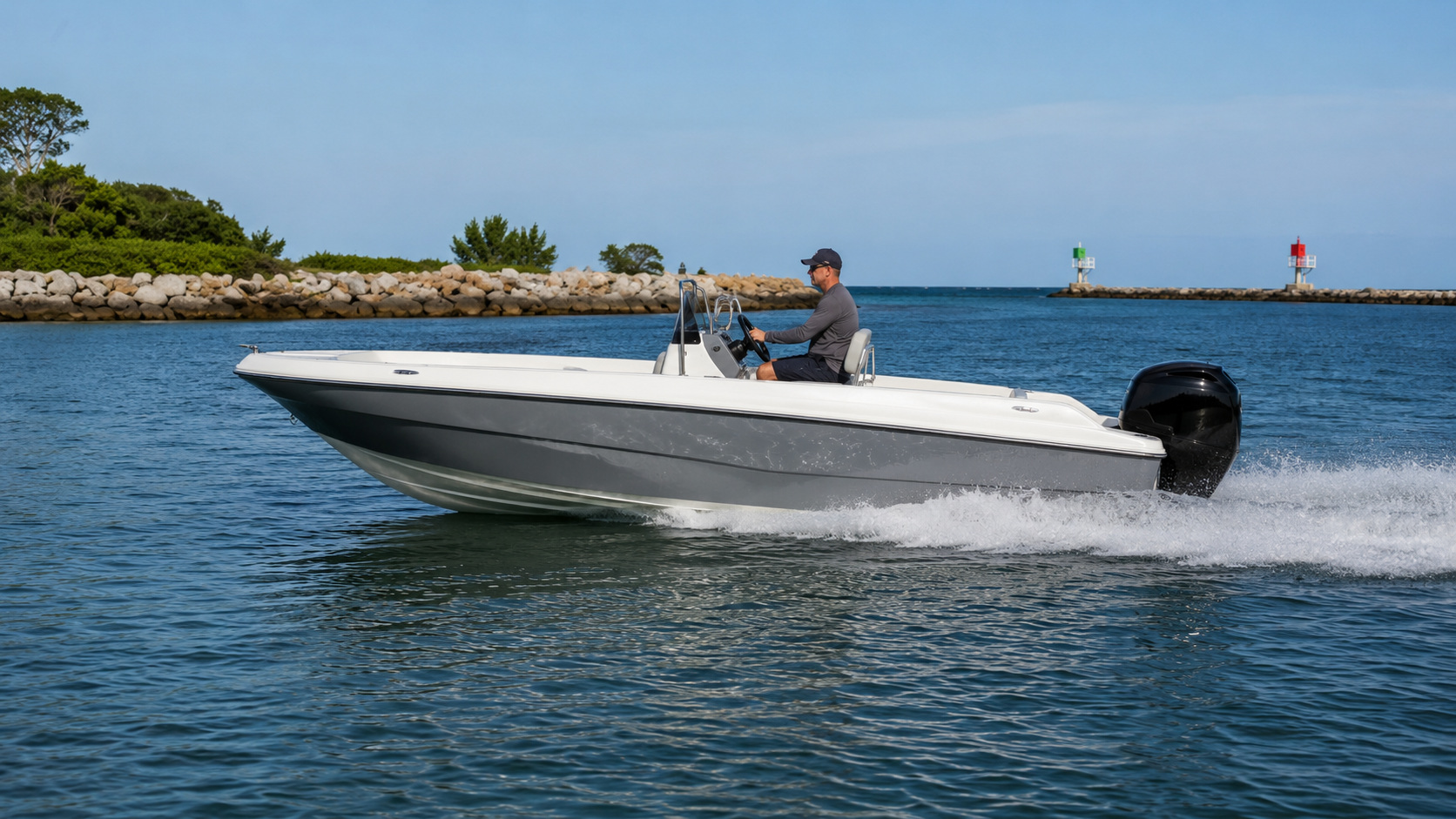
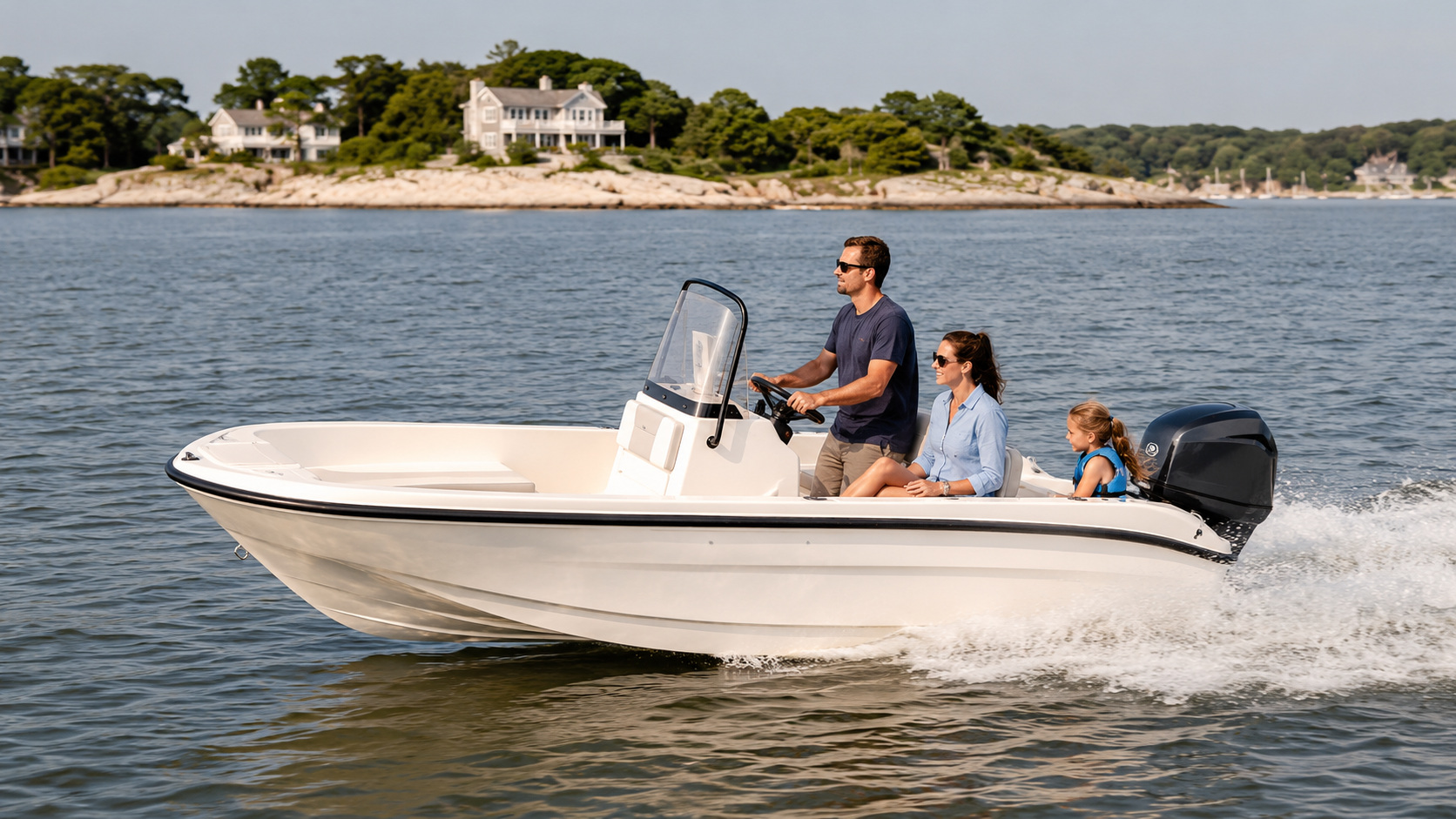
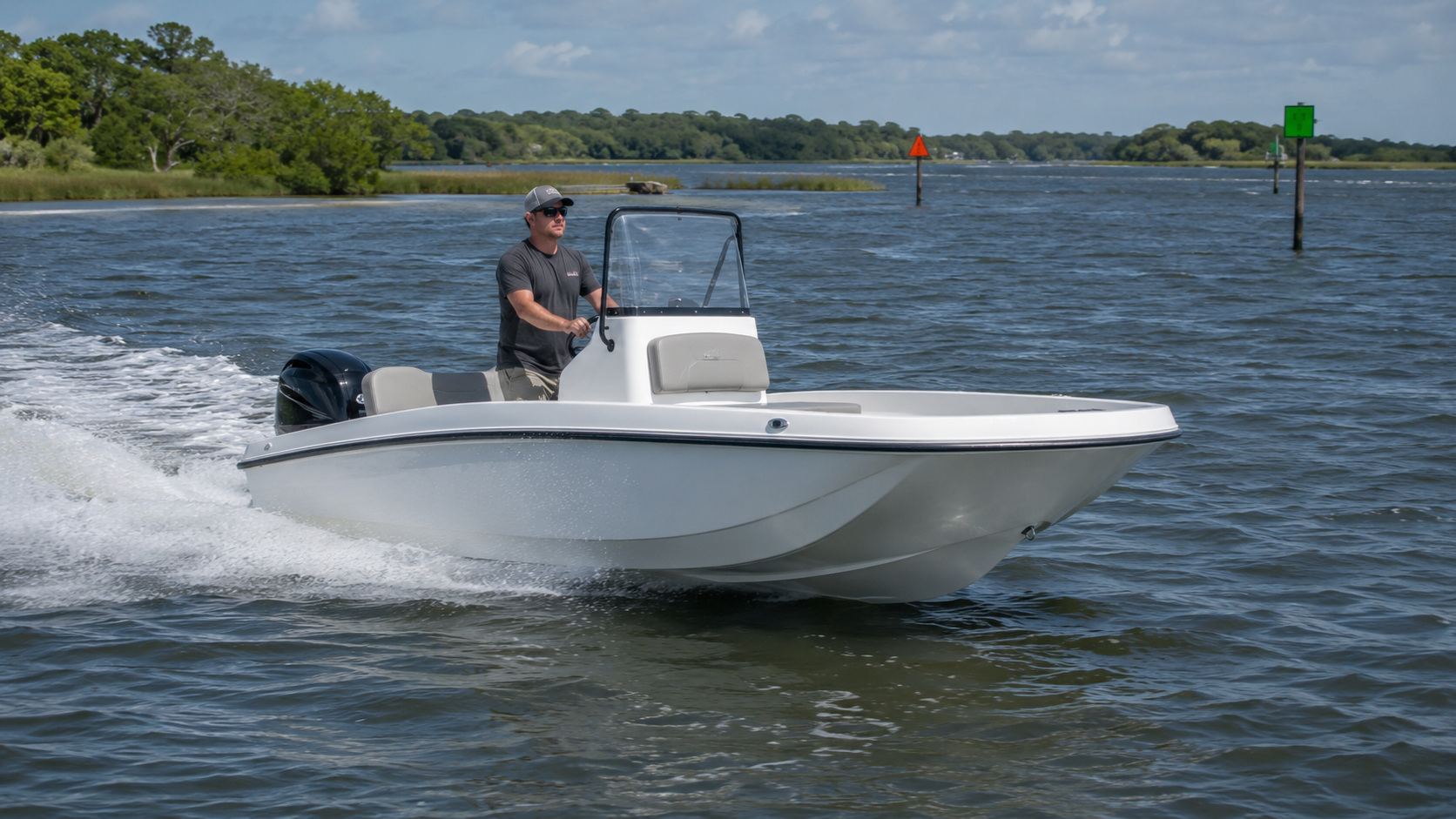
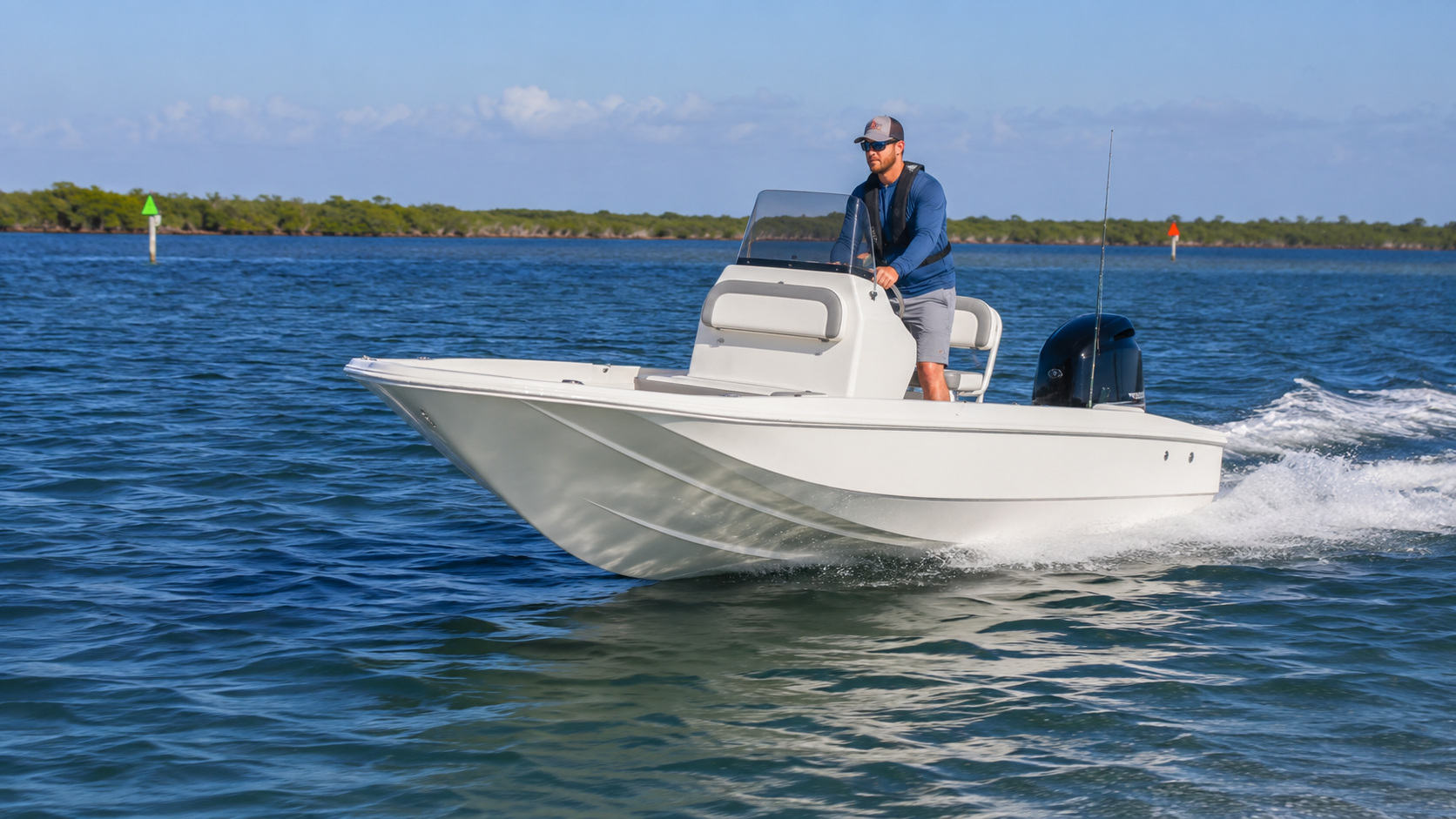
The T18 is not trying to be an offshore speed boat. Its advantage is that a relatively light 18-foot hull can plane with modest horsepower and remain easy for a newer owner to handle around ramps, docks, and shallow fishing areas.
During a test ride, check how quickly it planes with the number of people you actually expect to carry. Run across normal wakes, make a few moderate turns, and pay attention to bow rise and visibility. In closely spaced chop, the shorter hull will tell you quickly when it is time to reduce speed.
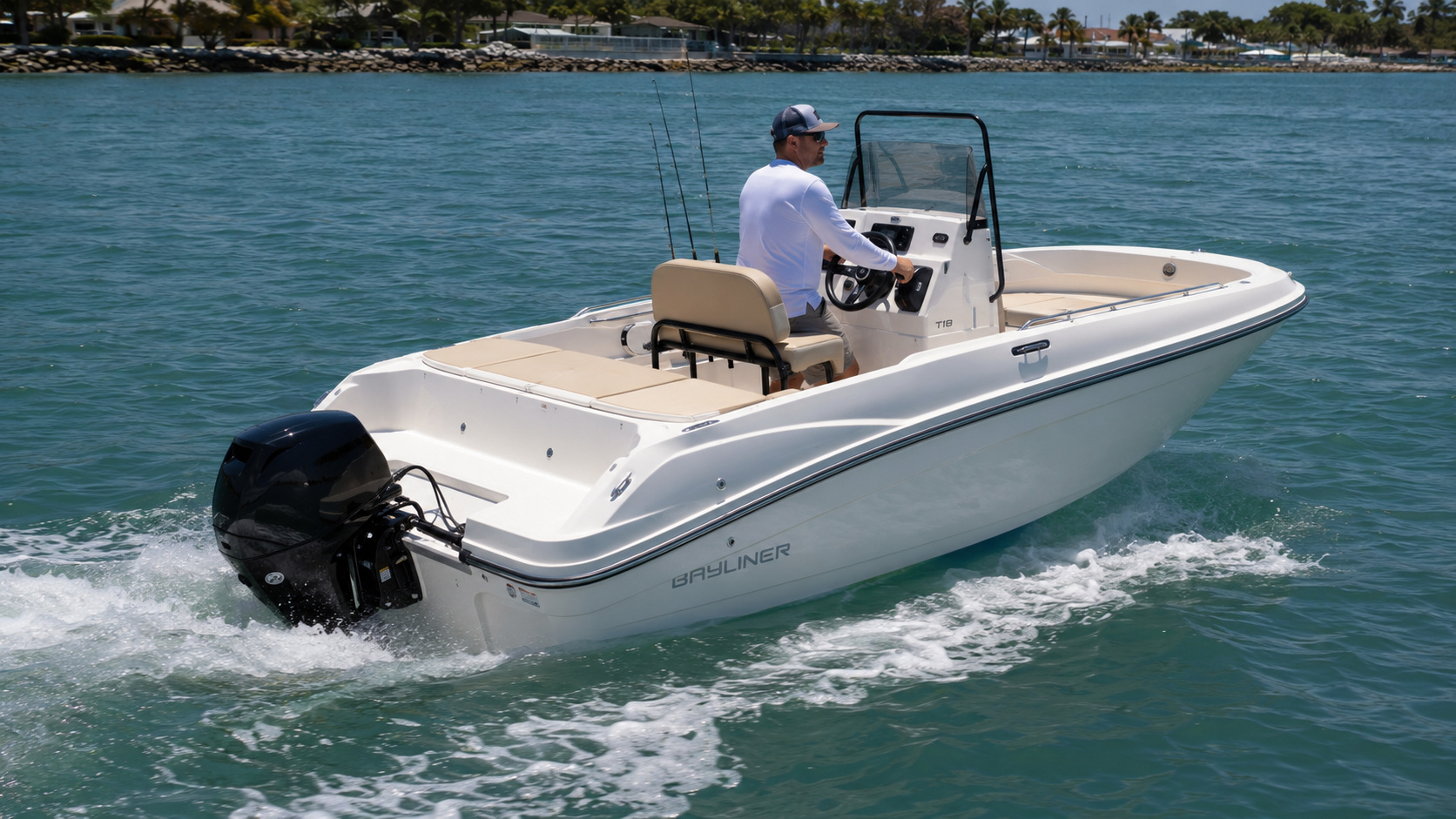
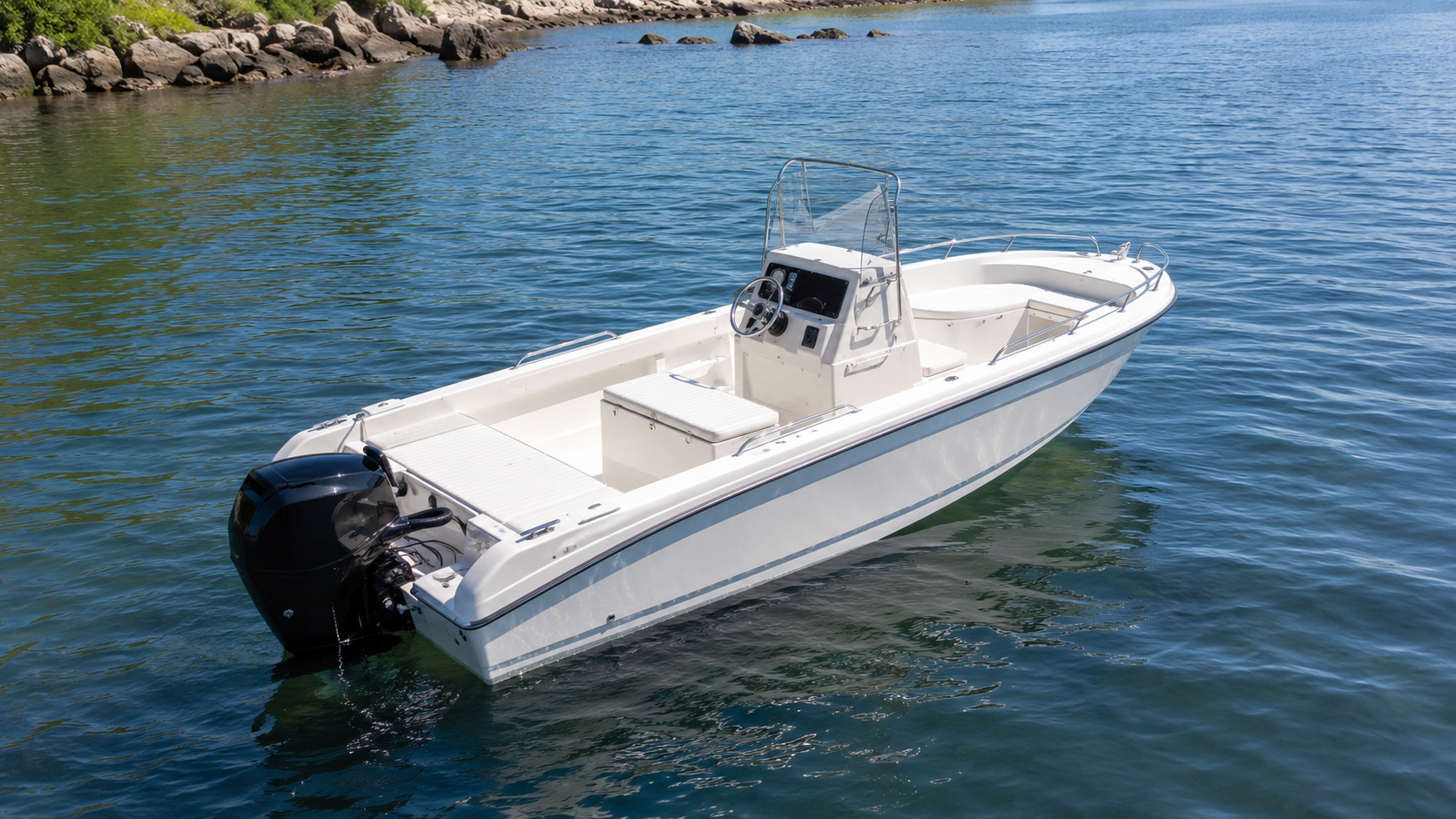
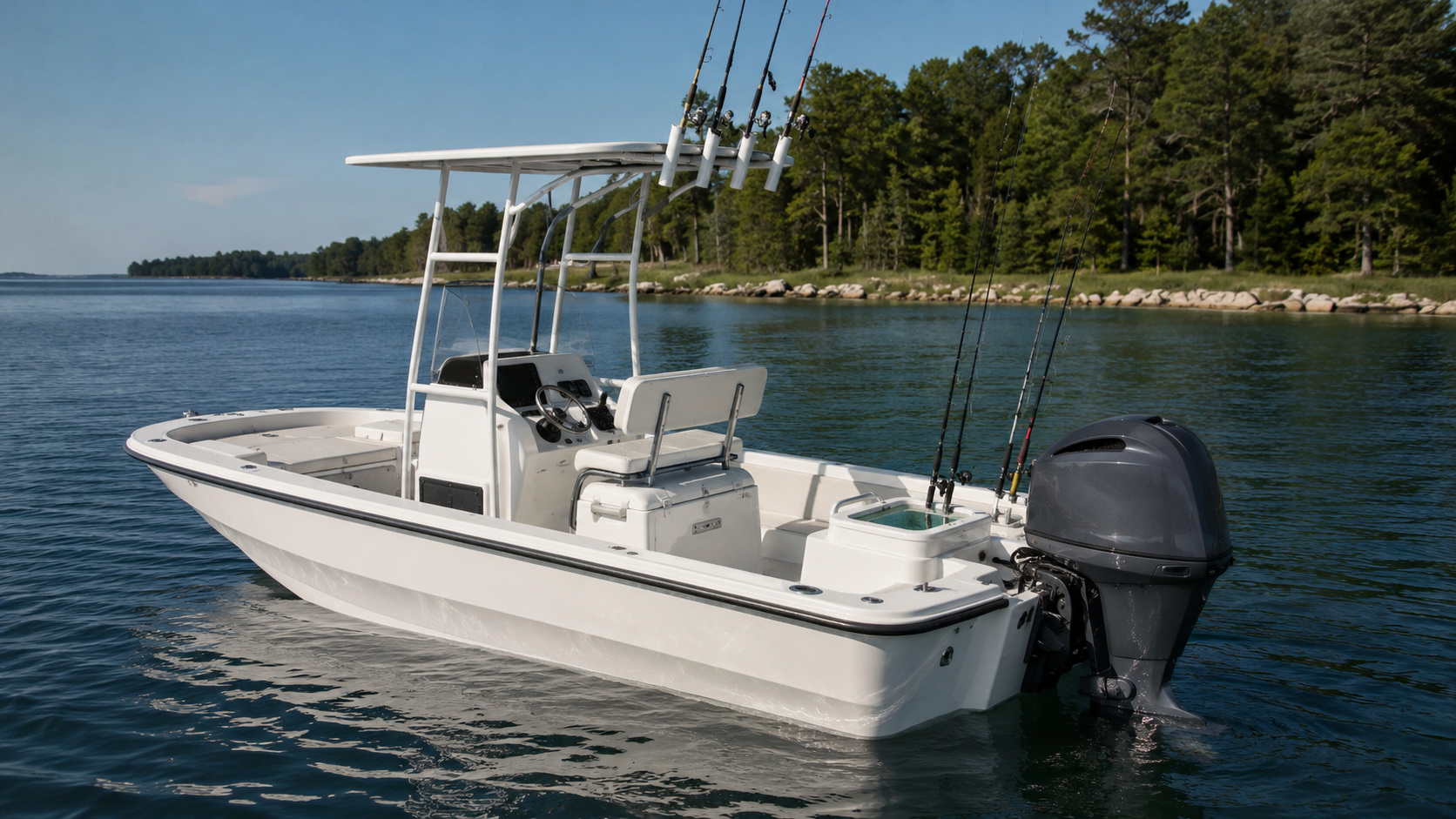
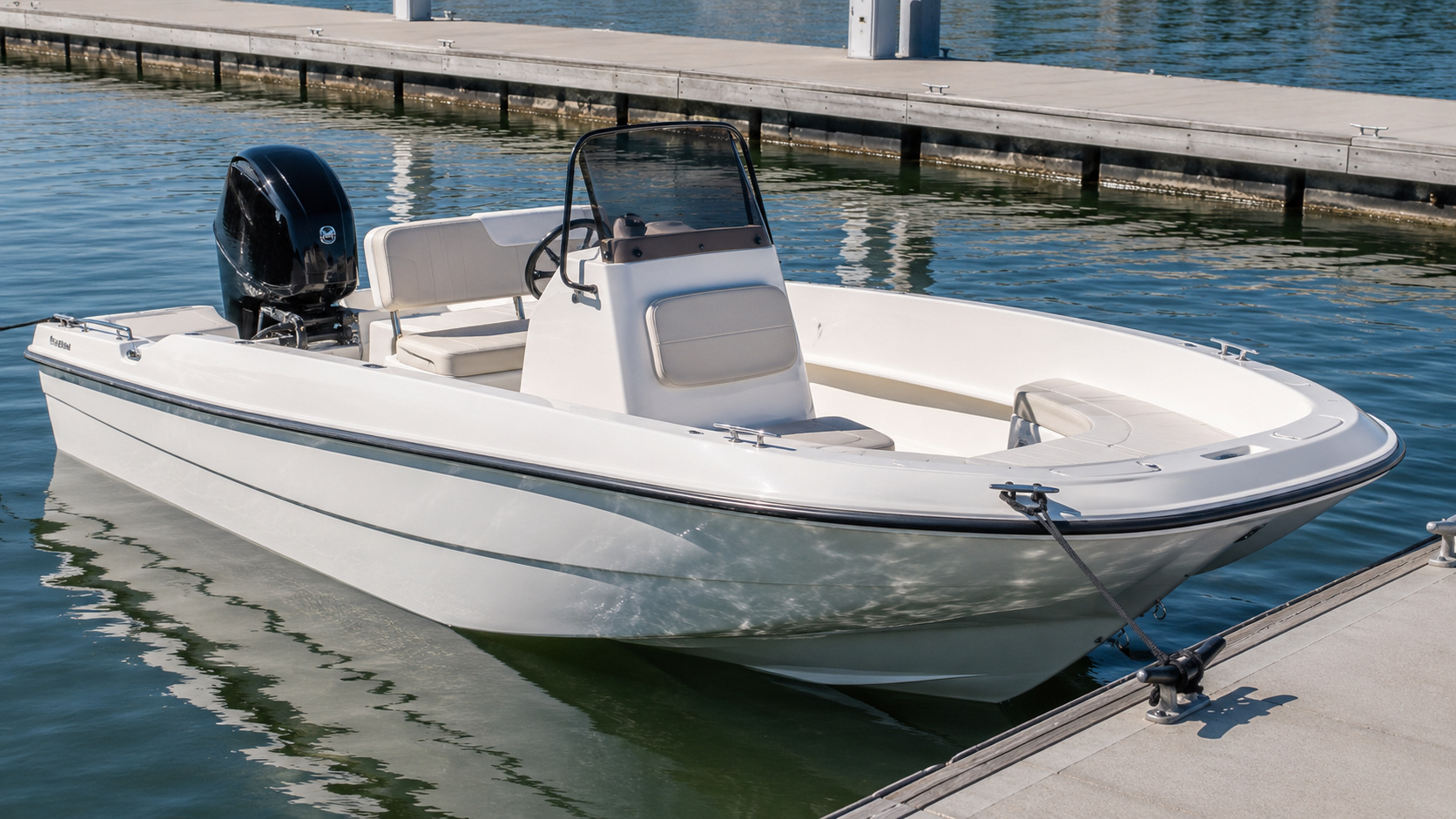
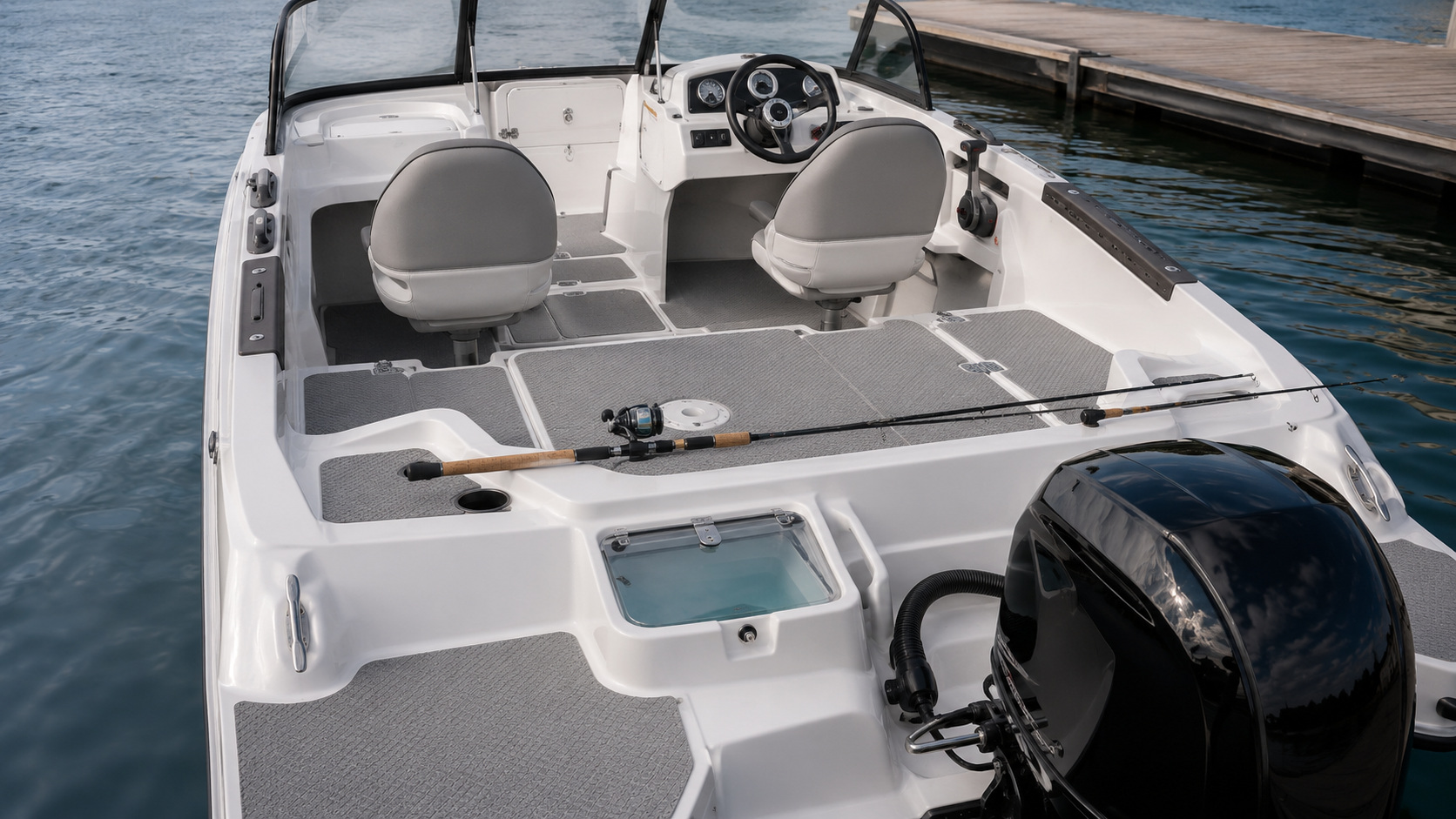
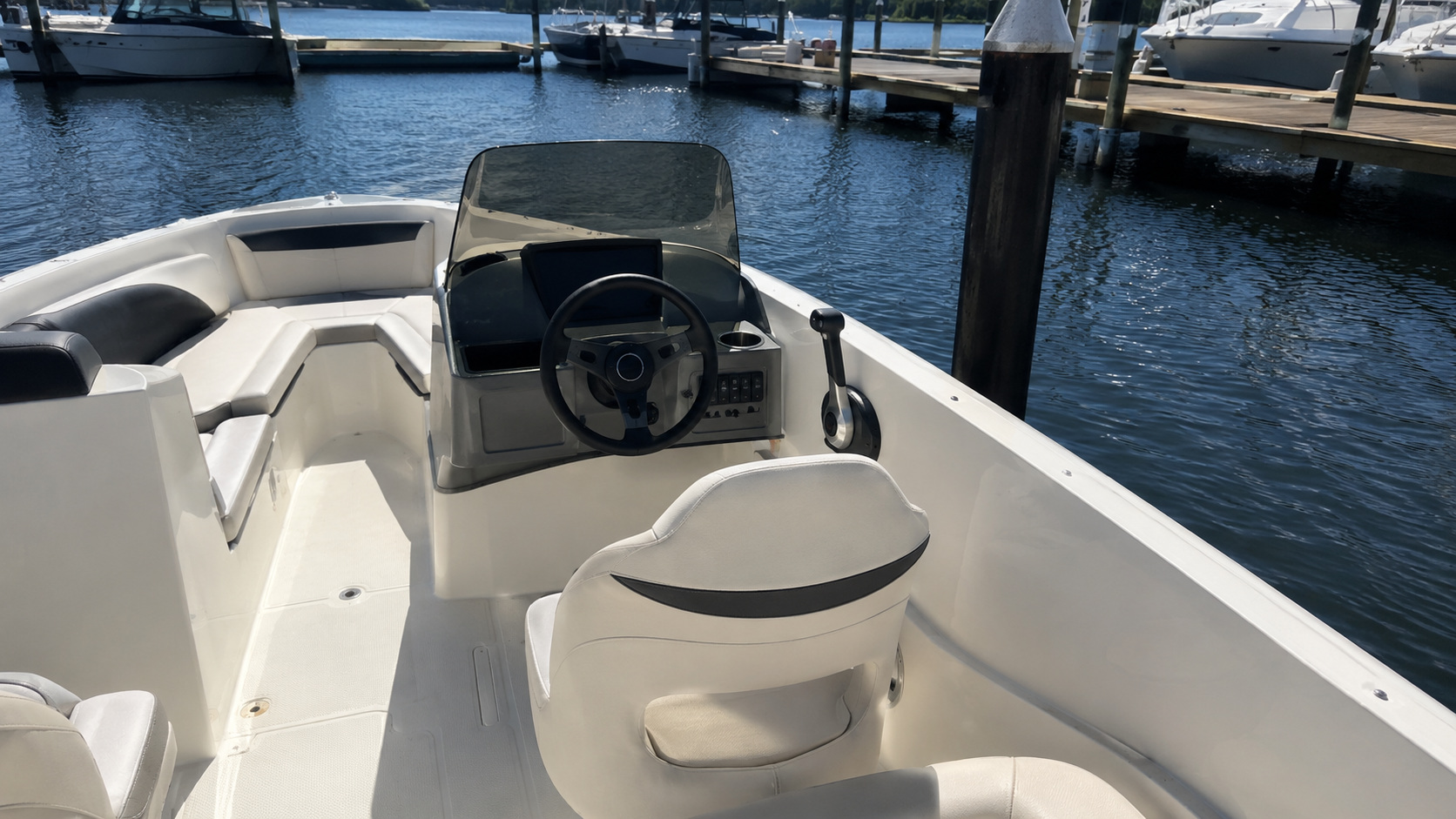
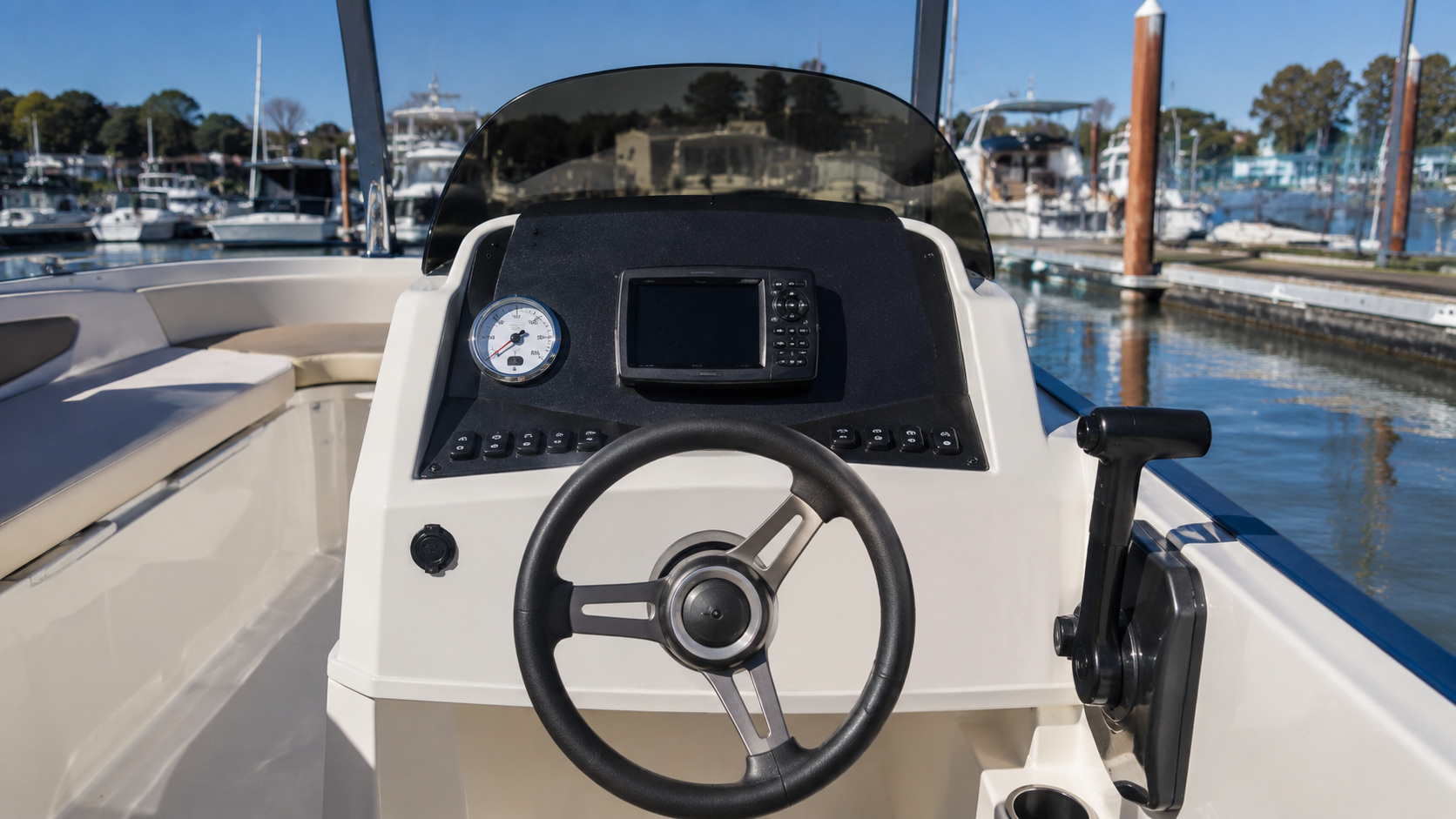
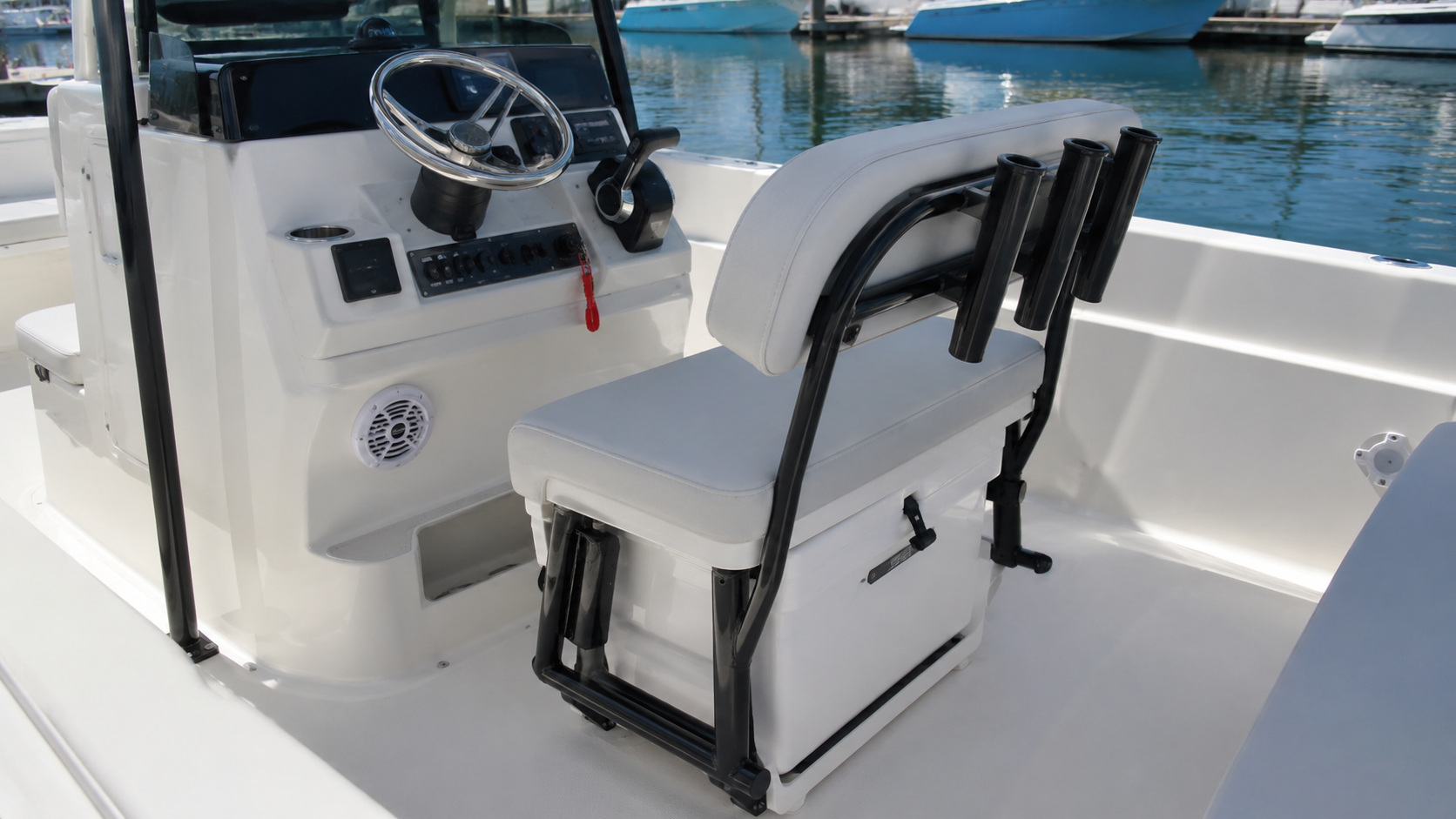
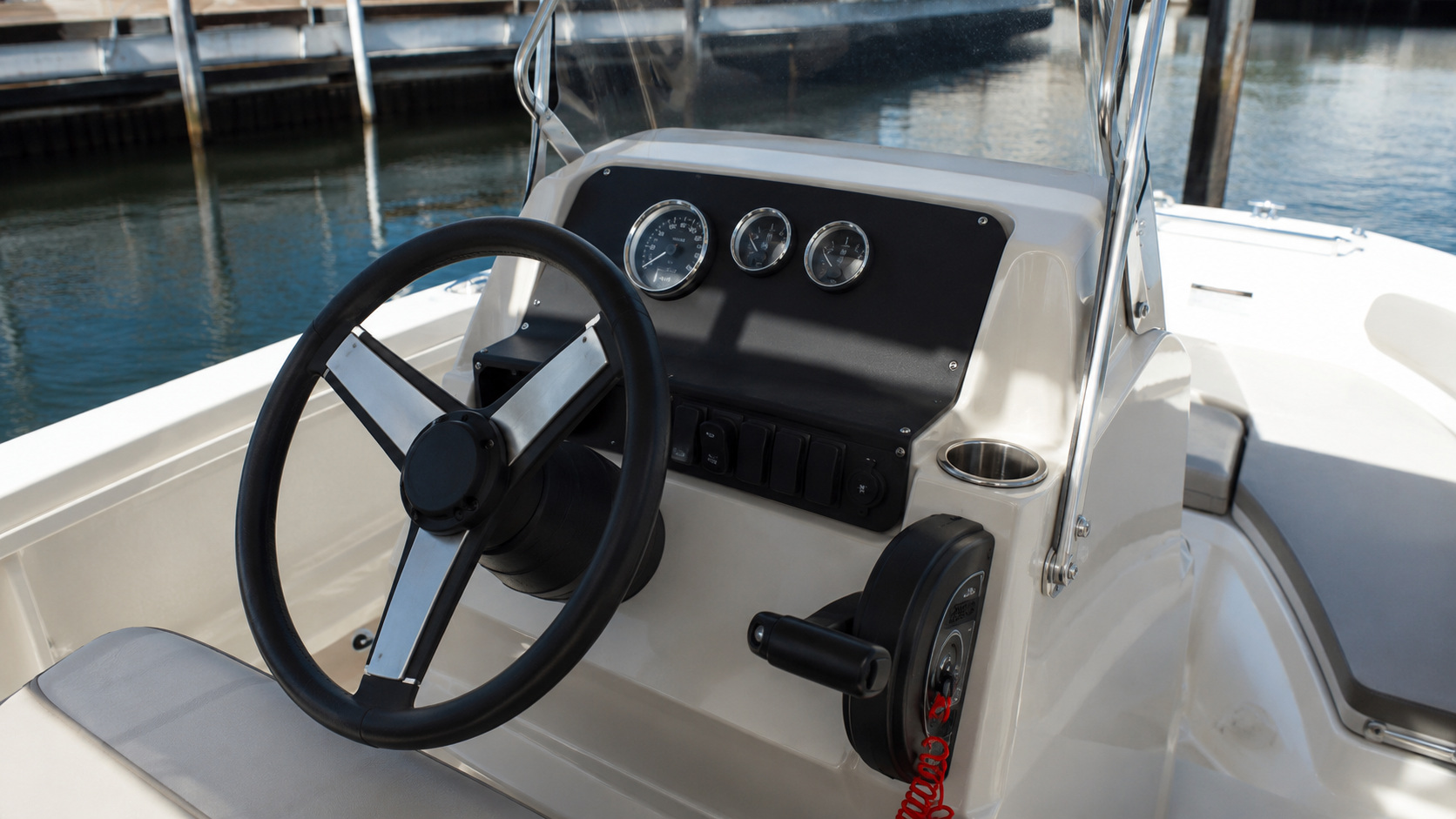
The center console gives anglers room to move fore and aft rather than forcing everyone to work from one cockpit corner. Gunnel rod holders keep equipment accessible, while the fiberglass liner makes cleanup easier after bait, fish, and lake water end up on the deck.
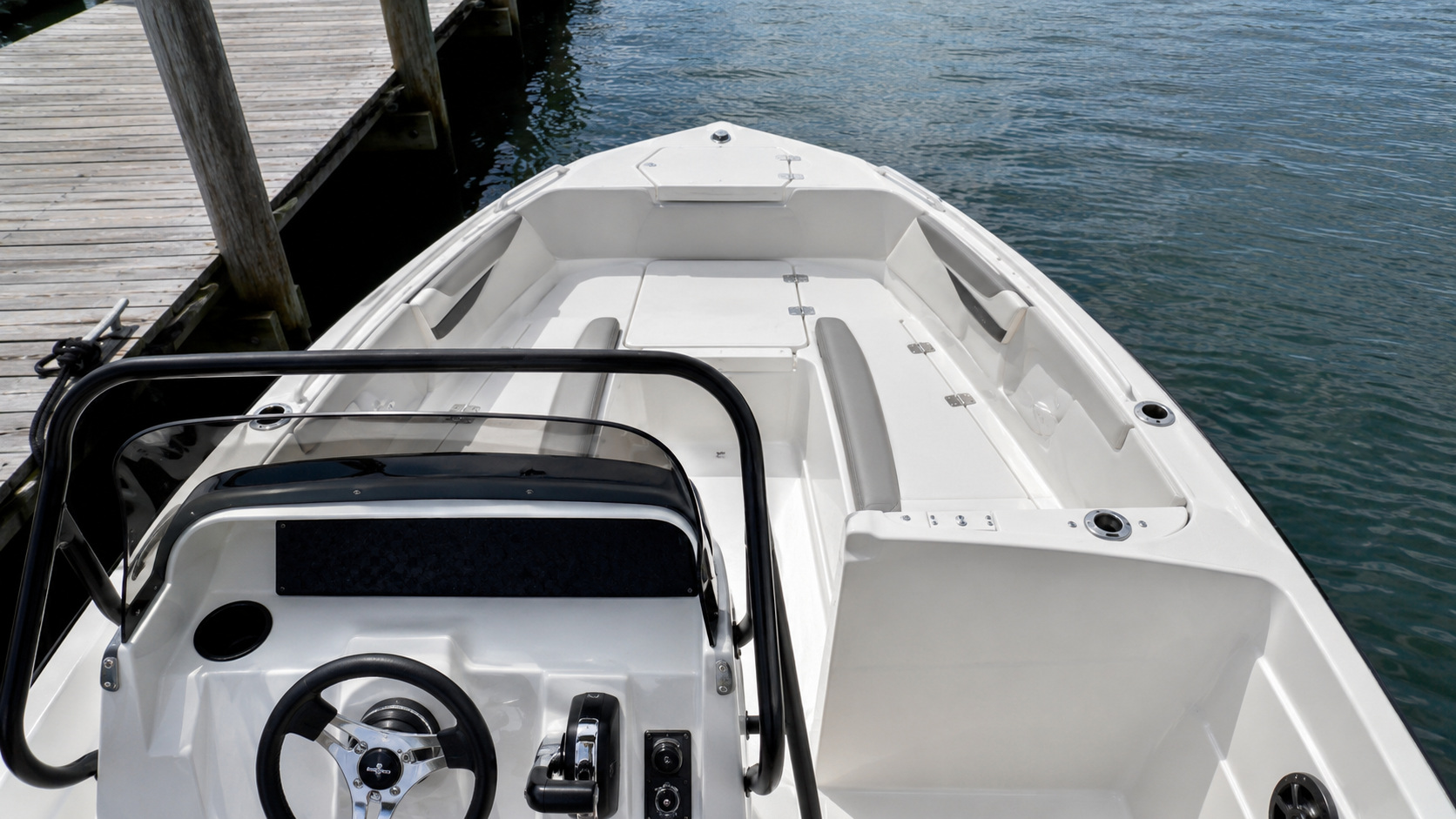
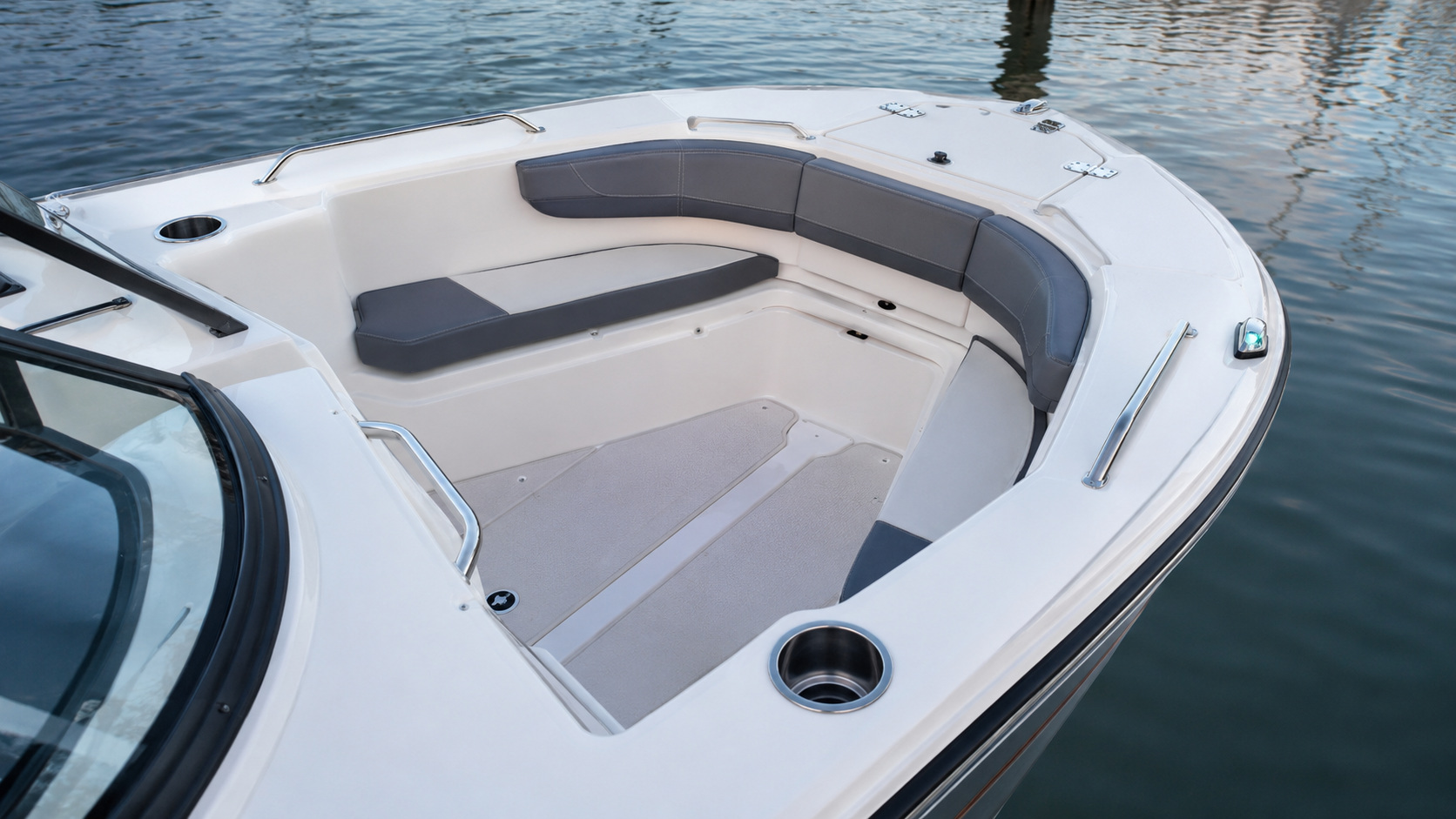
The bow can remain open for casting, and available fishing equipment can add a forward livewell and trolling-motor bracket. Port and starboard swim boards with a ladder keep the boat useful when the rods are put away.
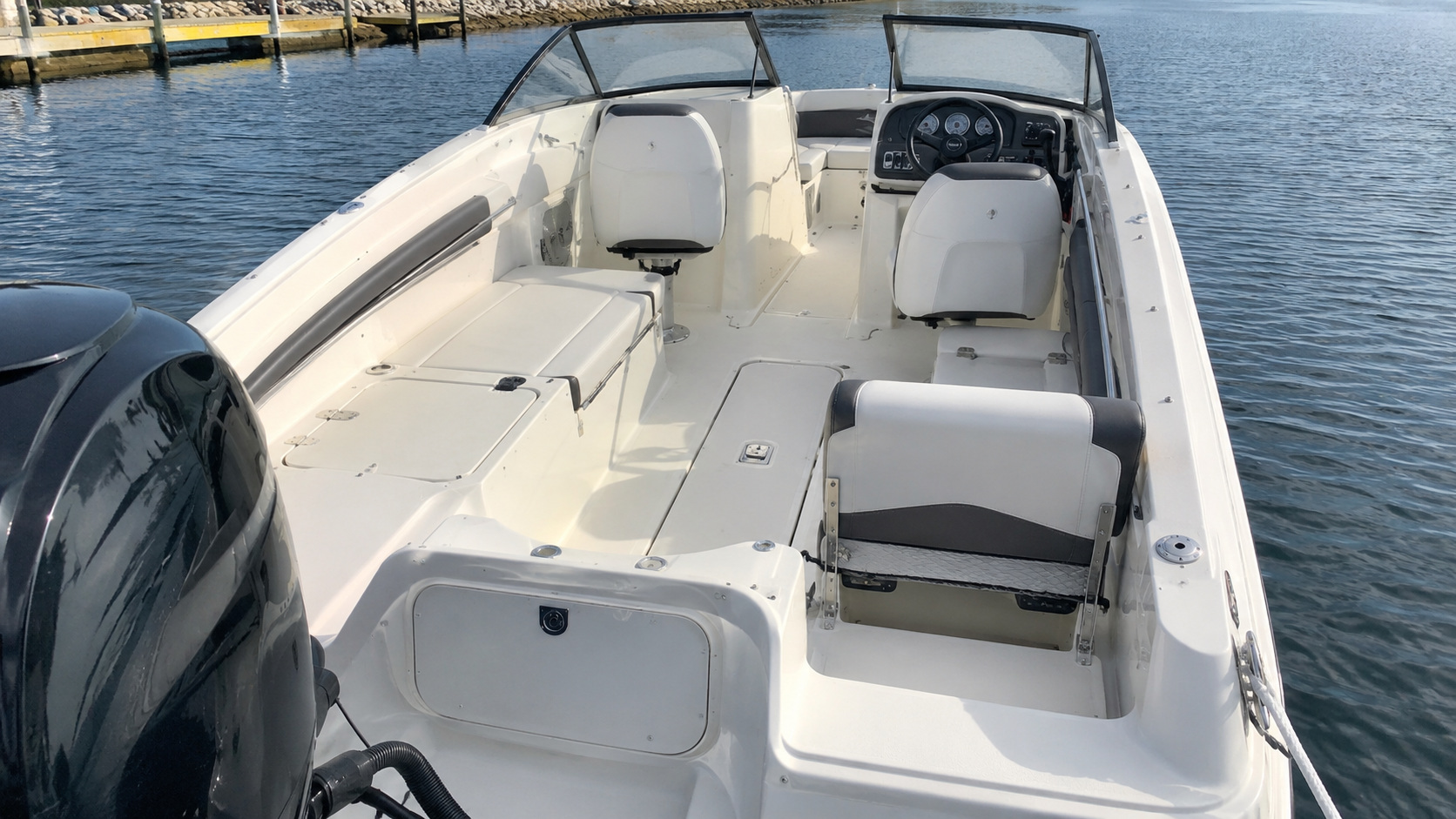
The T18’s interior should be judged with gear aboard. Two anglers may find the layout generous. Six people with tackle and coolers will change the feeling completely. That is why an in-person walk-through matters more on a compact center console than a capacity number alone.
Keeps the helm central and allows anglers to work around the boat.
Provides dedicated rod storage without filling the cockpit floor.
Makes cleanup easier after fishing and family use.
Keeps the T18 useful for swimming and general recreation.
Moves ground tackle out of the main deck area.
Adds bait or catch-management capability for anglers who need it.
Makes the smaller Trophy more useful for controlled inshore and freshwater fishing.
Supports the T18's core trailer-and-go ownership model.
Start with the outboard and trailer because they can generate the largest immediate bills. Check engine service history, lower-unit condition, propeller, cooling, steering, and trim. On the trailer, inspect tires, hubs, lights, winch, coupler, bunks, and corrosion.
Inside the boat, test the bilge pump, horn, gauges, accessory outlet, navigation lights, battery, and any optional stereo or livewell equipment. Look closely at the hull bottom for ramp damage and at the transom for stress or poorly installed accessories.
Bayliner lists approximately 2,000 pounds with standard engine and roughly 2,750 pounds with trailer. The actual road weight will be higher after fuel, battery, safety equipment, tackle, and everything stored aboard are added.
The manageable towing package is one of the strongest arguments for buying the T18. If a larger Trophy forces you to replace the tow vehicle or pay for off-site storage, the smaller boat may save far more than the difference in boat price.
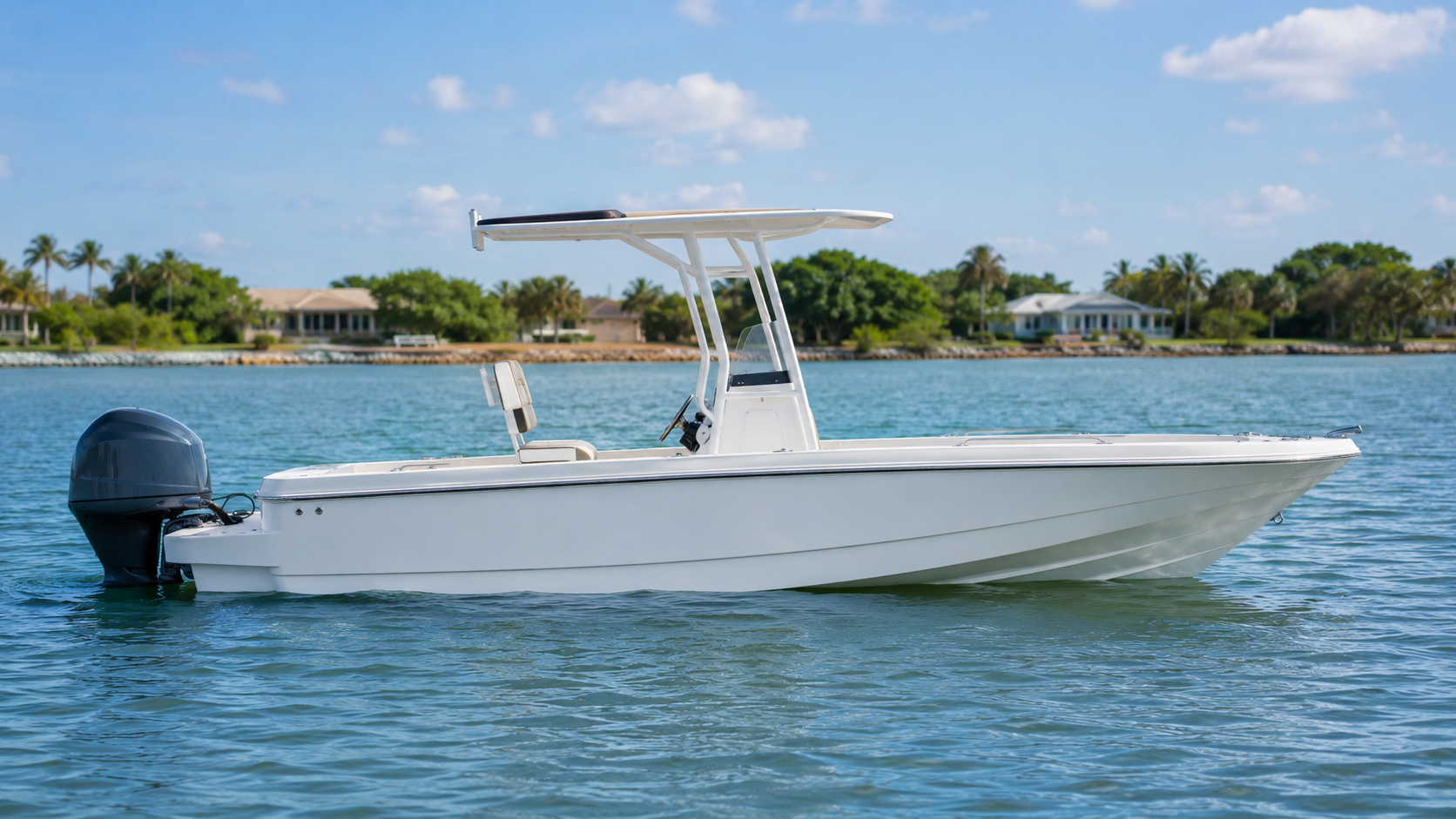
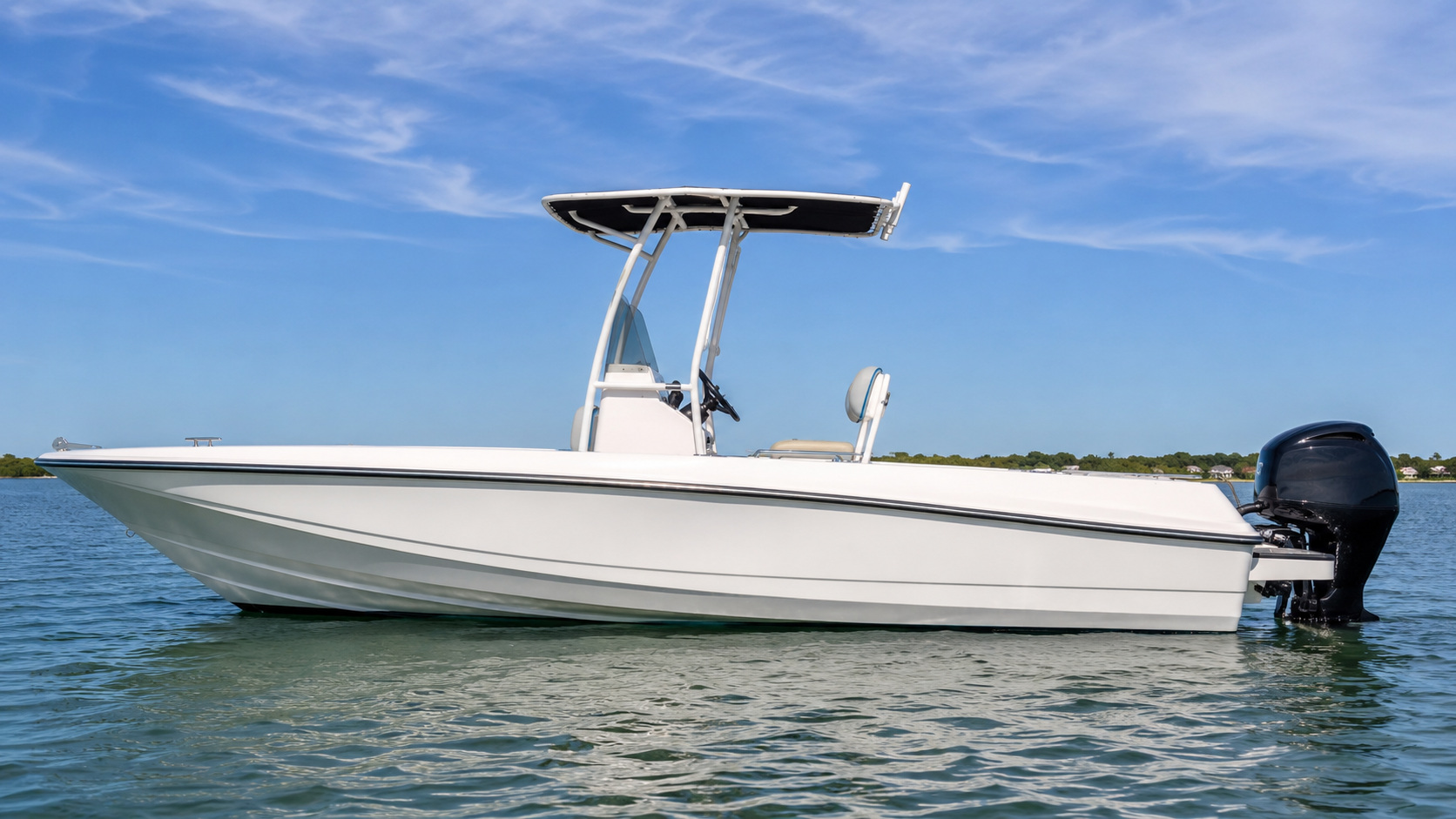
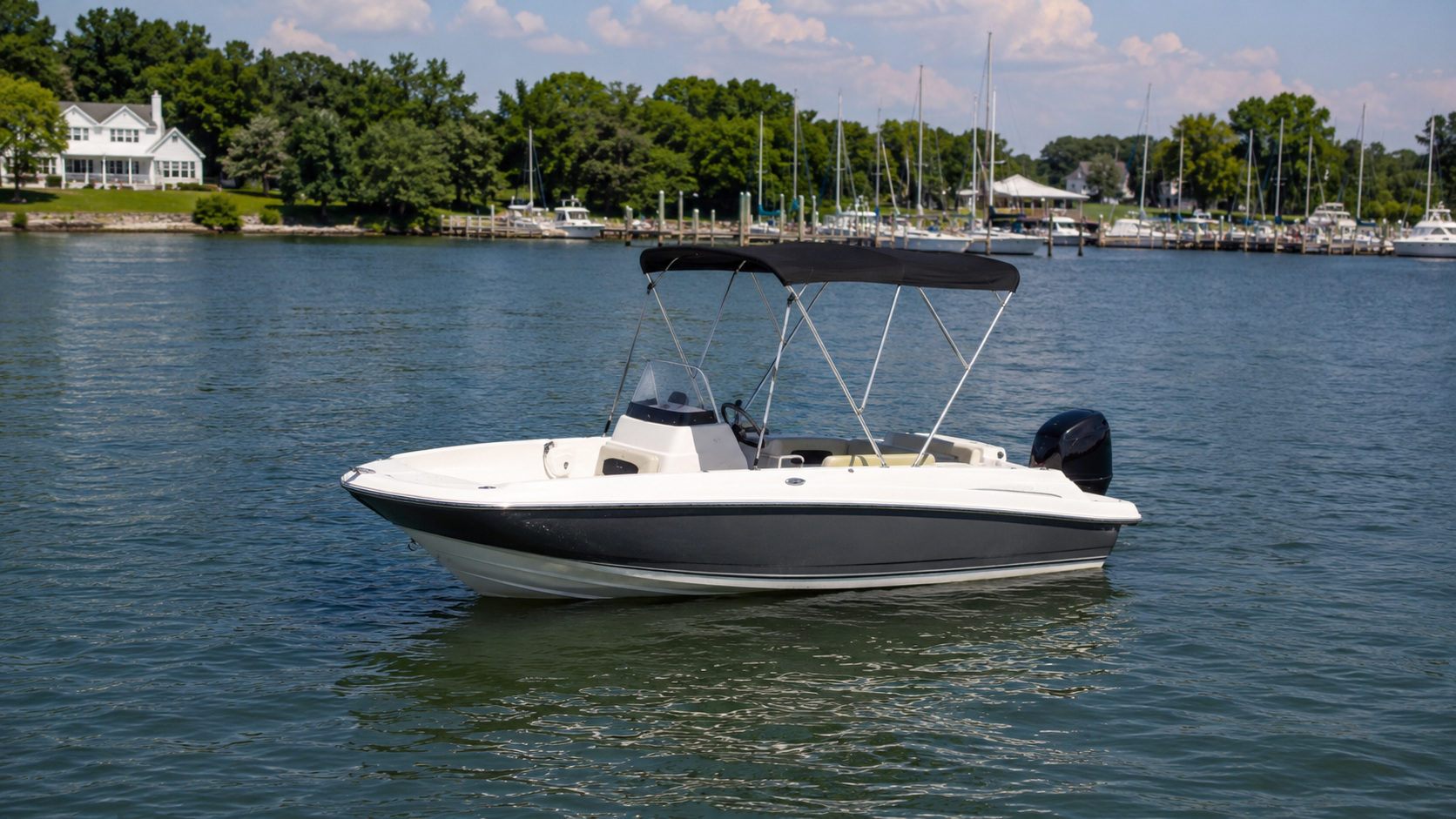
Use the gallery to judge casting room, space around the console, bow layout, rod storage, stern access, and trailerability. The key question is whether the compact footprint works with your normal fishing gear and crew.
Bayliner currently advertises the T18 starting in the low-$30,000 range before taxes, registration, dealer preparation, freight, and optional equipment. For buyers comparing new and used boats, the engine and trailer should carry substantial weight in the value calculation.
A cheaper used T18 can stop being cheap quickly if it needs a lower unit, trailer axle work, electronics, batteries, or neglected service. On a boat in this price band, a few thousand dollars of repairs represents a meaningful percentage of the purchase price.
Figures come from this page’s Boat Details fields. Illustration only and not an offer of credit.
Use the actual selling price after trailer and options. On a lower-priced boat, small changes in rate or loan term can make a meaningful difference in total borrowing cost.
Illustration only and not an offer of credit. Your actual rate and term depend on credit profile, vessel age, loan amount and ownership structure.
Buy the T18 when six-person capacity, easy towing, and simple ownership cover your real needs. Move to the T20CC when the wider beam, eight-person capacity, 55-gallon fuel tank, and 175-horsepower ceiling solve recurring space or range problems.
A new T18 gives buyers the easiest path to warranty coverage and a known starting condition. Used examples can be strong values because the boat’s mechanical systems are relatively straightforward, but outboard and trailer history still matter.
Private-party inventory is common in this size class. Verify title, lien status, engine serial number, trailer paperwork, and service records before money changes hands.
Found the T18 you want? Send Float Finance the listing and selling price. We can evaluate the financing around the actual boat instead of asking you to shop from an arbitrary monthly-payment number.
Bayliner currently advertises the T18 starting around $33,500 before destination, dealer preparation, taxes, registration, and optional equipment. Used prices vary with model year, engine hours, trailer condition, electronics, and maintenance. Compare the final transaction rather than the headline base price. On a compact boat, a neglected outboard or trailer can erase the savings of a low asking price quickly.

Bayliner lists capacity for six people. The T18 is most comfortable when the normal crew is smaller than the legal maximum, particularly once fishing gear, bait, coolers, and safety equipment are aboard. If five or six people will fish together regularly, the wider T20CC may be worth the extra cost. If two or three anglers make up most trips, the T18’s compact ownership footprint becomes a major advantage.
Bayliner lists a 115-horsepower Mercury FourStroke. That power level keeps the boat relatively simple and suits its 18-foot hull. Used buyers should verify hours, service records, lower-unit condition, steering, cooling, trim, and propeller damage. Maintenance history matters more than cosmetic shine when comparing two boats.
Fuel capacity is 30 gallons. That is well matched to a lightweight 18-foot fishing boat intended primarily for day use. Actual range depends on load, speed, propeller, water conditions, and engine health. Keep a reserve and use the exact engine’s verified fuel-burn data rather than assuming the full 30 gallons are available for travel.
Yes. Easy trailering is one of its strongest buying arguments. Bayliner lists about 2,000 pounds with standard engine and around 2,750 pounds with trailer. Loaded road weight will be higher once fuel, battery, equipment, tackle, and personal gear are added. Confirm tow rating, payload, hitch rating, and tongue weight before buying.
Potentially, yes. Financing depends on the boat’s age, value, condition, purchase price, borrower profile, and transaction. If you already found a T18, send Float Finance the listing and seller information so the financing discussion can start with the actual boat.
It can be used in salt water, but maintenance discipline matters. Flush the outboard according to manufacturer guidance, rinse the boat and trailer, inspect corrosion-prone hardware, and stay ahead of trailer maintenance. Saltwater history is not a reason to reject a used T18 by itself, but neglected corrosion or poor flushing practices should affect the purchase decision.
Buy larger only when the extra capacity solves a problem you have repeatedly. The T20CC brings more beam, fuel, horsepower, and passenger capacity. The T22CC and T24CC add another level of coastal capability. If your fishing is mostly local with a small crew, the T18 can be easier and less expensive to own every weekend.
Tell us a little bit about yourself and the boat you are looking to finance.