
Call Us : 207-994-5109
Mon – Fri: 8 am to 9 pm & Sat – Sun: 10 am to 8 pm
The Bayliner T25 Pilothouse is the fishing-first 25-footer for buyers who want a 9’6″ beam, 86 gallons of fuel, 300-horsepower capability, fish lockers, livewell systems, and an enclosed helm built for long days.
The T25 Pilothouse is the most serious fishing tool in Bayliner’s current single-engine overnight range. At 25 feet 4 inches long and 9 feet 6 inches wide, it is only slightly shorter than the T25 Explorer but noticeably broader. Bayliner uses that width for fishing space, storage, and a protected working cabin rather than for the Explorer’s larger social lounge concept.
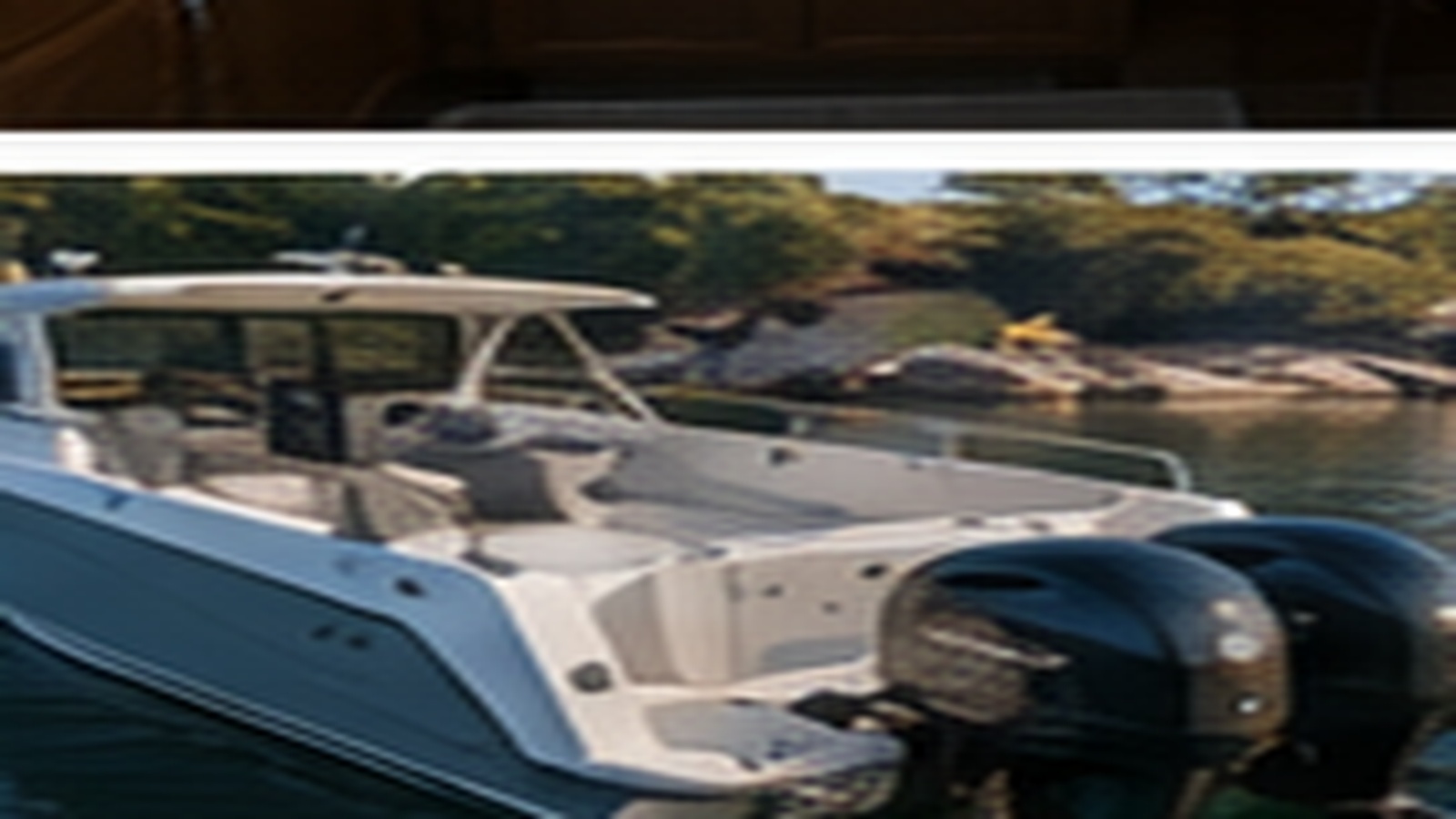
The cockpit equipment tells the story quickly. Port and starboard fish lockers with pumpout, interior rod racks, a fishing station with livewell system, raw-water washdown, gunnel pads, cockpit rod storage, and self-bailing deck all support anglers who expect the boat to work before it relaxes.
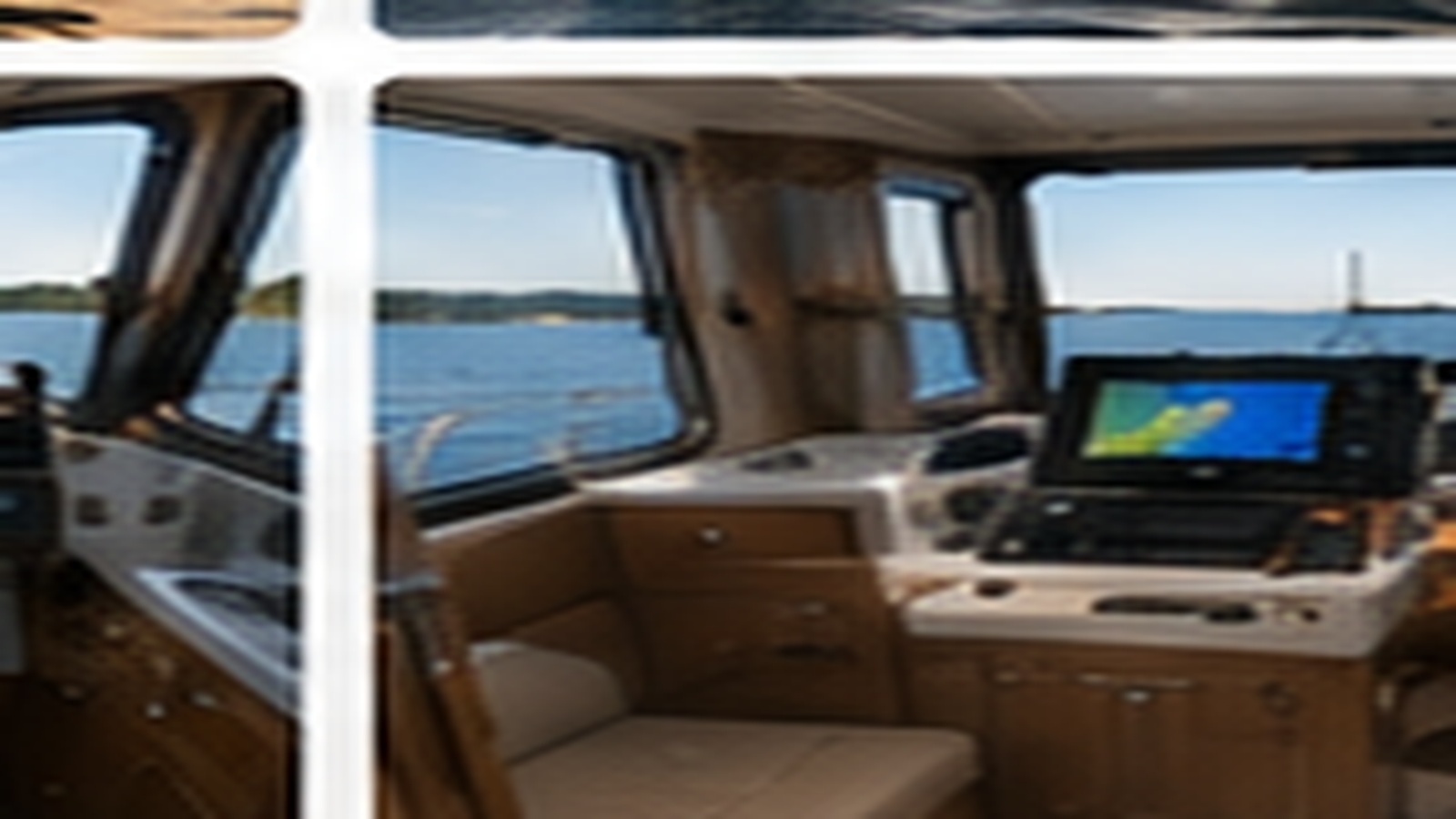
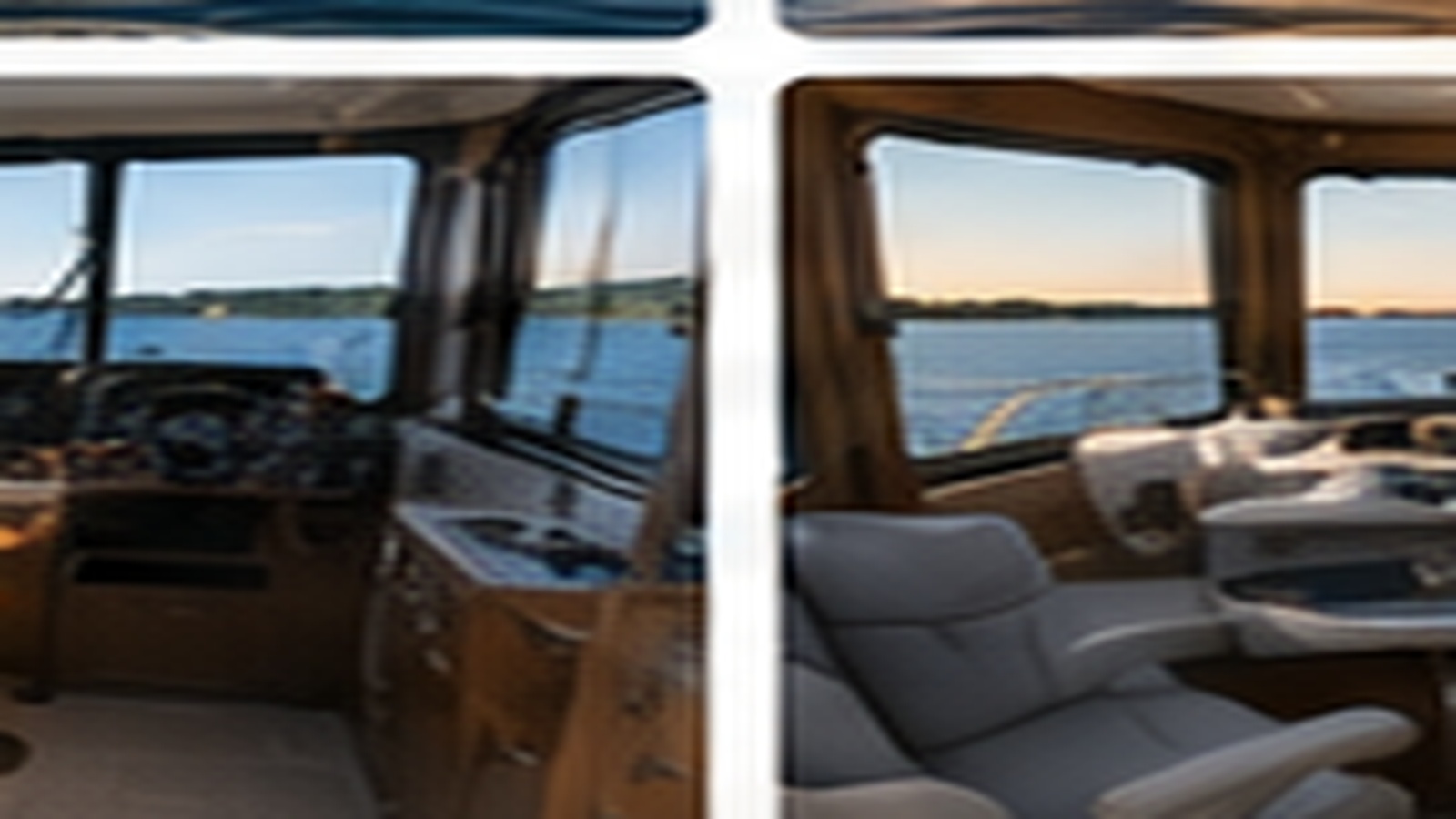
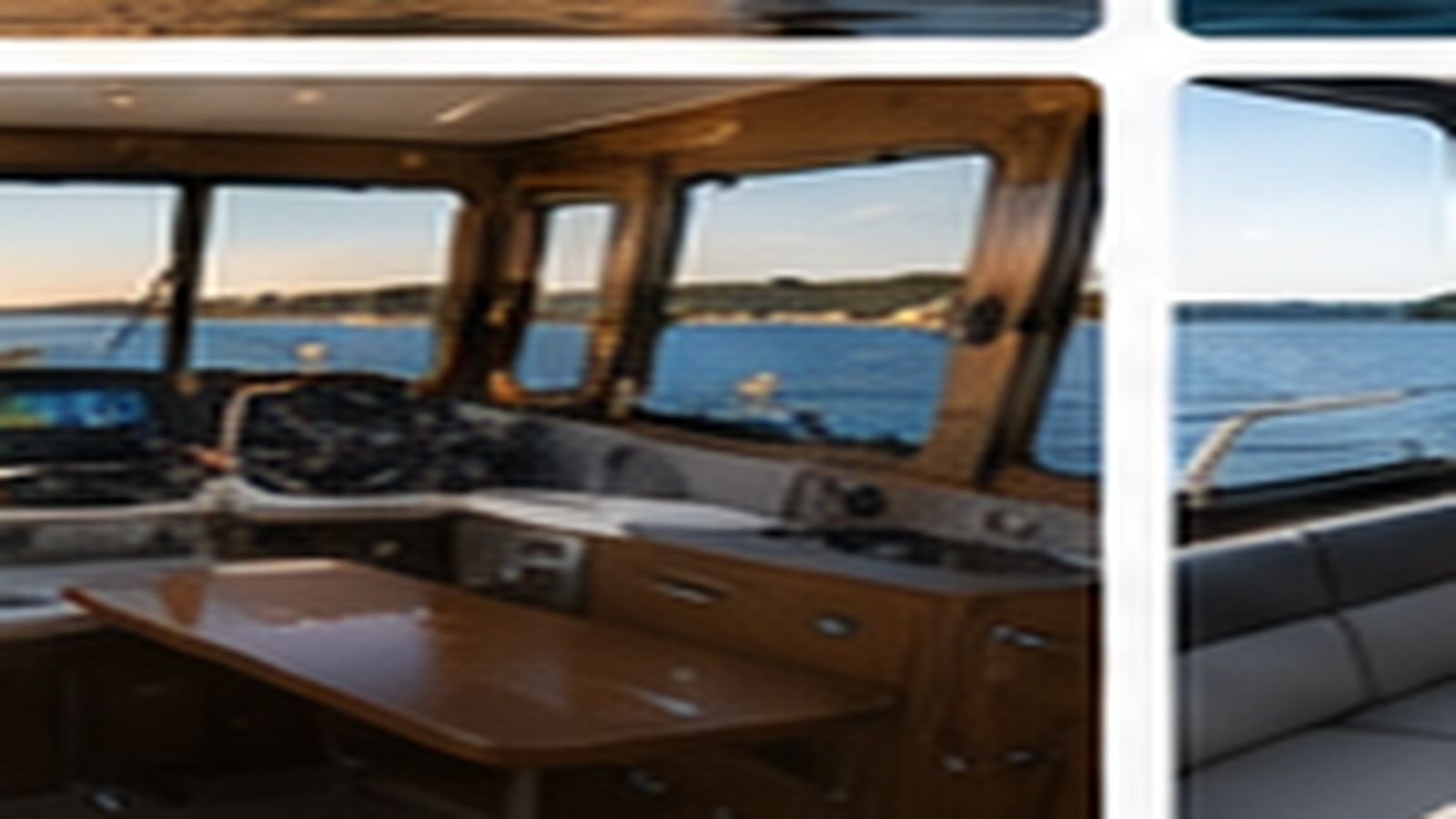
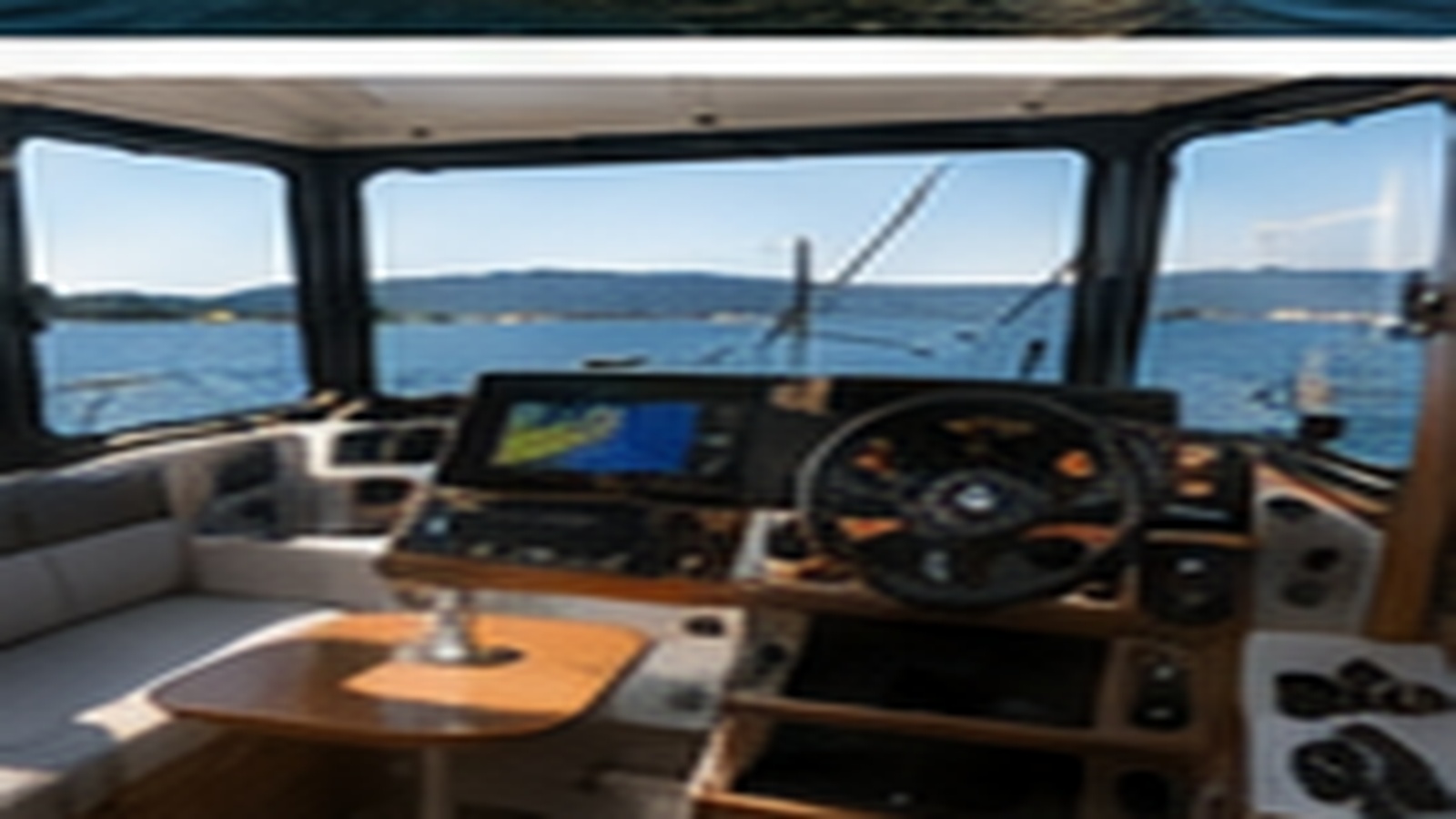
The pilothouse protects that workflow. Both port and starboard entry doors let crew move between helm and cockpit without everyone using one doorway. A starboard windshield wiper, Simrad navigation, VesselView integration, and tilt steering keep the driver inside while the weather worsens outside.
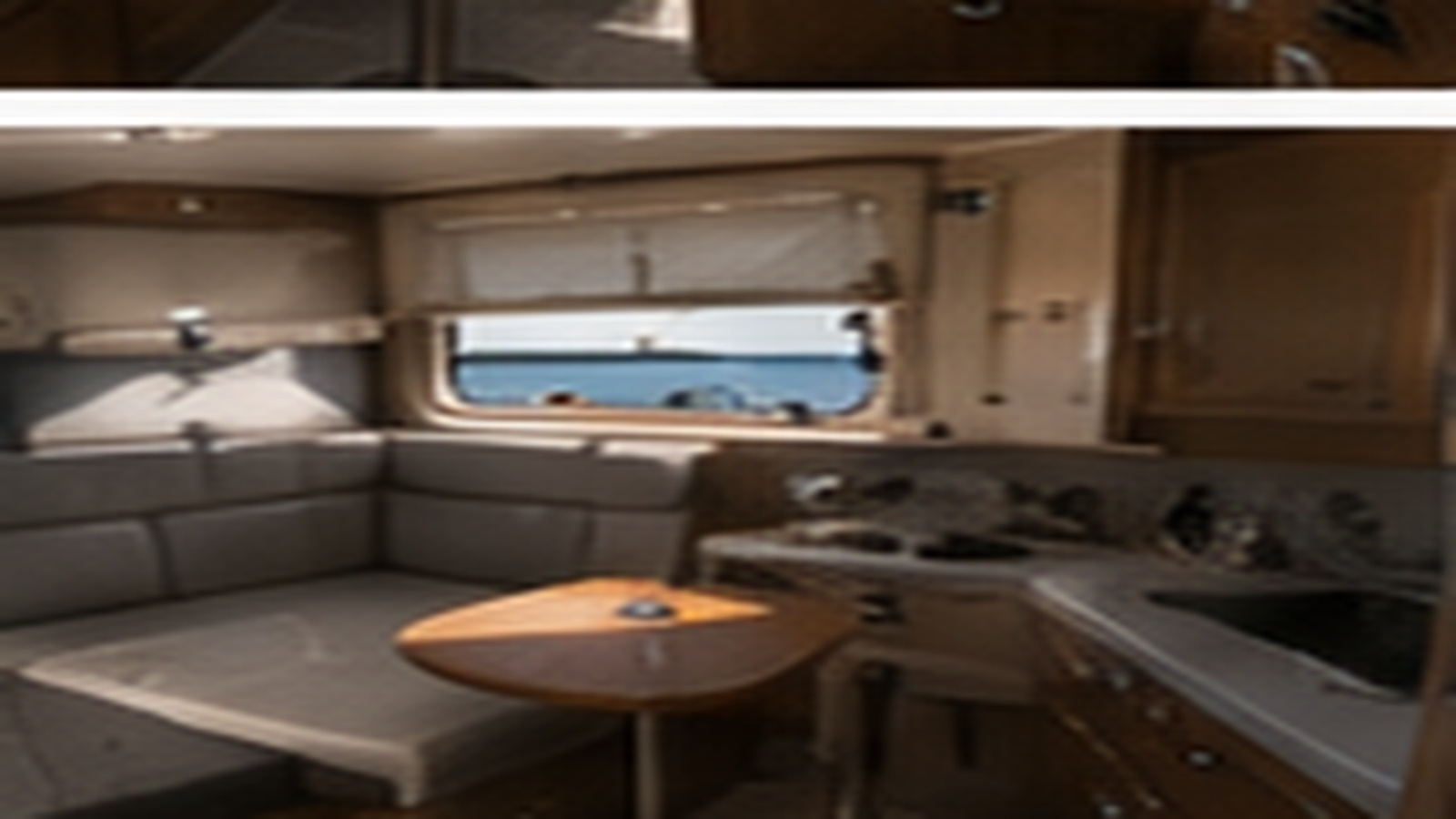
The cabin still has overnight value. Bayliner includes storage below the berth, cabin lights, sink with tap, opening portlight, enclosed sea toilet, CO monitor, smoke detector, shore power, roof hatch, and dual batteries. That is enough infrastructure for an early departure, late return, or overnight between fishing days without turning the boat into a lounge-first cruiser.
Power starts at 225 horsepower and reaches 300 through a Mercury V8 Verado. Bayliner also lists dual-helm rigging options for both 225 and 300 horsepower, which matters to anglers who want an additional control station for specific fishing styles.
The 86-gallon fuel tank is another fishing-first signal. It is 12 gallons larger than the T25 Explorer despite nearly identical hull length. That extra fuel supports longer runs and more time between refueling, though it also adds loaded weight.
Current national inventory spans roughly 2023 through 2026, giving the T25 Pilothouse a more meaningful used/new split than the Explorer models. Buyers can compare depreciated used examples against current dealer boats rather than assuming the entire market is nearly new.
That used depth means inspection matters. A 2023 fishing boat can already have heavy hours, saltwater exposure, pump use, electronics wear, and trailer miles. Model year alone does not tell you whether it had an easy life.
The T25 Explorer is the alternative when cabin comfort and social use need equal billing. It carries one more person, publishes four berths, and leans harder into dinette, L-lounge, sun lounge, climate, and cruising equipment.
Buy the T25 Pilothouse when the boat’s primary job is to let serious fishing continue in more weather, for more hours, and with more gear. The cabin supports that mission rather than replacing it.
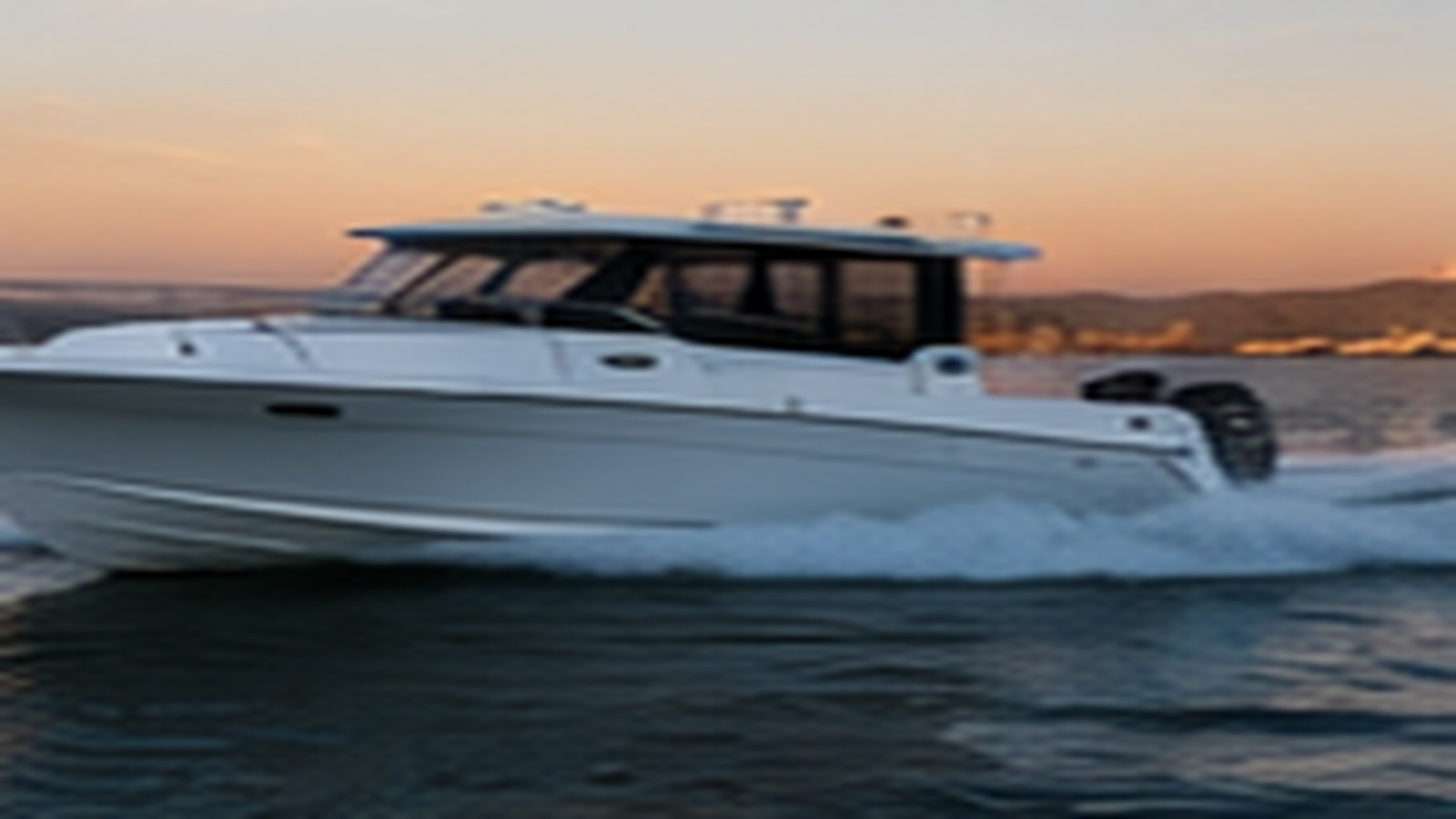
Published factory figures. Confirm every dimension against the individual boat before you commit.
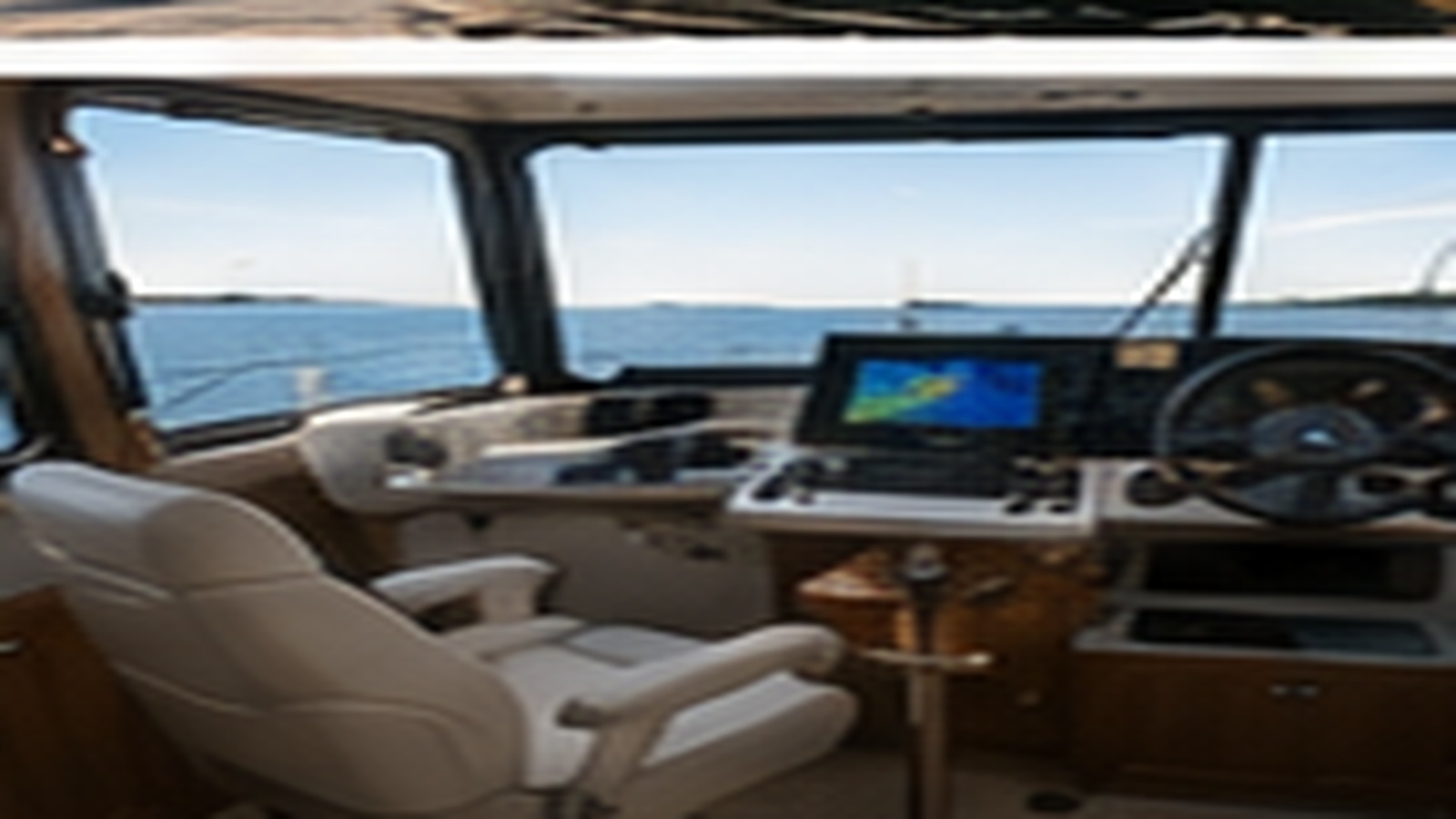
The T25 Pilothouse measures 25 feet 4 inches overall with a 9-foot-6-inch beam, 17 degrees of deadrise, 2 feet of minimum draft, and 3 feet 7 inches of maximum draft. Approximate weight with standard engine is 5,367 pounds.
The beam is two inches wider than the T25 Explorer and a full foot wider than the T23 Pilothouse. That extra width is valuable on a fishing deck because anglers need room to pass, open lockers, handle fish, and work around each other without constantly crossing rods and tackle.
It also changes transport. At 9 feet 6 inches, the hull exceeds the common 8-foot-6-inch unrestricted trailer width in many U.S. jurisdictions. Owners who plan regular highway towing should research permits and route rules before buying.
Seventeen degrees of deadrise matches the T25 Explorer. The fishing advantage therefore comes more from beam, cockpit layout, and equipment than from a radically different bottom shape.
Bayliner publishes ten-person capacity with a 1,650-pound maximum people weight. Fishing crews often carry ice, tackle, bait, safety equipment, and extra batteries, so the real load can approach practical limits with fewer than ten people.
The 5,367-pound standard-engine weight is slightly heavier than the T25 Explorer. Add 86 gallons of fuel and the Pilothouse can carry roughly another five hundred pounds of gasoline before the trailer or gear are considered.
Port and starboard toe rails, bow roller, roof hatch, swim ladder, bow thruster, windlass, and hardtop spotlight reinforce the boat’s offshore and shoulder-season orientation.
The hull makes sense for buyers who accept marina or permit-based transport in exchange for more fishing room and range. If unrestricted trailer width is non-negotiable, the T23 Pilothouse is the cleaner ownership fit.
If the T25 is chosen, use the width. A broad fishing boat should carry the gear, crew, and systems that justify moving beyond the easier-to-transport T23.
The T25 Pilothouse uses a single Mercury outboard with 225-horsepower V6 and 300-horsepower V8 Verado choices. Bayliner lists 300 horsepower as the maximum.
The 225 can suit anglers who run moderate crews and do not need maximum acceleration. It also reduces acquisition cost while retaining the single-engine simplicity that separates the T25 from the twin-powered T29 Explorer.
The 300 is easier to justify on this hull than on many family boats. The T25 Pilothouse can carry ten people, 86 gallons of fuel, fish, ice, bait, tackle, batteries, and substantial fishing equipment. More power can help the boat reach plane and cruise efficiently under real load.
Bayliner also lists dual-helm versions of the 225 and 300. That is a major model-specific option for fishing buyers. An additional control station can improve boat handling while trolling or working a spread, depending on the exact configuration.
Outboard power keeps service access straightforward even though the boat itself contains many systems. Owners do not have to maintain an in-hull gasoline engine compartment simply to gain enclosed helm protection.
Verify service hours and usage on used boats. A 2023 T25 Pilothouse may have accumulated hundreds of hours if it belonged to a dedicated angler.
Inspect the lower unit, propeller, skeg, trim, steering, corrosion, anodes, engine mounting, and cooling system. On a 300 Verado with advanced steering or controls, confirm the entire rigging package functions correctly.
If a dual helm is installed, test both control stations. Throttle, shift, steering, start/stop, and display integration should work consistently.
The 300’s value is loaded authority, not bragging rights. If the 225 performs comfortably with the real crew and fishing load, it can be the smarter purchase.
If the boat will regularly make longer runs with full fuel and several anglers, the 300 may save more frustration than the upfront difference suggests.
The T25 Pilothouse carries 86 gallons of fuel, the largest tank in the lineup until the T29 Explorer jumps to 126 gallons.
That capacity fits the boat’s fishing-first mission. Anglers may run farther to the grounds, spend hours repositioning or trolling, and return against changing weather rather than following a predictable cruise route.
The tank is 12 gallons larger than the T25 Explorer. That difference is not cosmetic. It gives the Pilothouse more range flexibility but also adds up to roughly seventy additional pounds of gasoline when both tanks are full.
Fuel burn depends on whether the boat carries 225 or 300 horsepower, how heavily it is loaded, trim, propeller, sea state, and operating speed. Dual-helm rigging does not change engine output, but fishing style can change how many hours the engine spends at low or mid-range rpm.
Bayliner does not publish one universal GPH number for every configuration. Buyers should use verified engine-specific data and maintain a reserve appropriate to the operating area.
An 86-gallon tank can encourage longer trips, which makes communication, weather planning, and engine maintenance more important. More fuel does not reduce the consequences of a mechanical problem far from the ramp.
The tank also complicates trailering. A full load of fuel materially increases an already substantial 5,367-pound boat before the trailer and fishing equipment are added.
For marina-kept boats, the larger capacity may reduce refueling frequency and make early starts easier. For trailer boats, owners can choose how much fuel to carry based on destination and towing limits.
Buy the T25 Pilothouse’s fuel capacity because your fishing genuinely benefits from it. If most trips remain close to the ramp, the T23’s 51 gallons may support the same use with less boat to own.
The T25 Pilothouse’s performance should be judged with fishing weight aboard. Ice, live bait, gear, electronics, full fuel, and several adults can transform the way a single-engine 25-footer accelerates.
The 225 is the baseline. Test it with enough load to represent a real day, not an empty dealer demonstration.
The 300 V8 Verado offers stronger reserve, particularly when the boat leaves with 86 gallons and returns with additional fish weight.
Bayliner equips the current boat with a bow thruster and offers Zipwake Dynamic Trim-Control System 450S as an option. Those systems can make a broad, high-sided pilothouse easier to control both on plane and around docks.
The 17-degree deadrise balances fishing stability with running comfort. It is not an extreme offshore angle, so speed should be managed when steep chop develops.
Windshield visibility matters. Test the starboard wiper and wash system in spray or rain conditions if possible. Protected helm space is only valuable when the driver can see.
The 9-foot-6-inch beam adds windage at low speed. Use the bow thruster as a tool rather than a substitute for learning how the single outboard moves the boat in reverse and crosswind.
If dual helm controls are installed, test boat handling from both stations. The second station should feel like an operating position, not an accessory no one verified.
The best performance outcome is confidence during the entire fishing cycle: leaving a tight marina, running to the grounds, trolling or repositioning, returning in deteriorating weather, and docking with a tired crew.

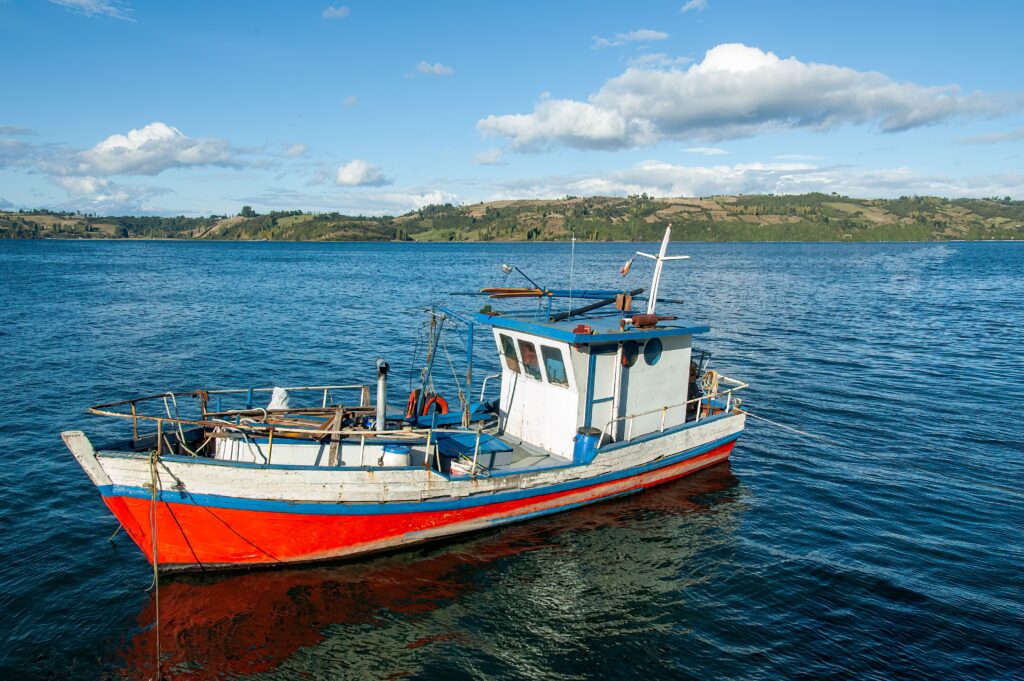
The T25 Pilothouse cockpit is built to process a fishing day. Port and starboard fish lockers with pumpout give the catch dedicated volume instead of asking anglers to fill loose coolers.
A fishing station with livewell system keeps bait management centralized. Raw-water washdown with faucet lets the crew clean blood, scales, and bait residue before it dries into the deck.
Interior rod racks and cockpit rod storage keep expensive tackle protected and organized. Gunnel pads provide a more comfortable surface when anglers brace against the side during a fight.
The transom door and swim ladder provide stern access, while the broad beam gives people room to move without crossing every line in the cockpit.
Inside, pilot and co-pilot seats put two people in the protected cabin. Port and starboard pilothouse entry doors make it easier for the operator or crew to move directly to either side.
The cabin includes a sink, storage below the berth, lights, opening portlight, enclosed sea toilet, CO monitor, and smoke detector. Shore power extends the boat’s overnight usefulness when docked.
A roof hatch adds light and ventilation. The hardtop spotlight supports early departures and late returns, while the bow windlass reduces the amount of manual anchor work.
Optional Explorer rails with fender holders and roof rack add more storage and docking organization. Radar and VHF options support buyers who genuinely plan to operate farther from familiar local water.
The T25 Pilothouse can still host family members, but its deck does not pretend every passenger is there to lounge. If the family wants a sun lounge, four published berths, and a more social dinette, the Explorer is the better compromise.
The Pilothouse is for the buyer who sees every locker, rack, washdown fitting, and side door as time saved while fishing. That is what makes the extra beam valuable.
Port and Starboard Fish Lockers With Pumpout – Gives serious anglers dedicated catch storage on both sides of the cockpit and makes cleanup more practical.
Centralizes bait handling and keeps live bait accessible without using a loose portable tank.
Lets the crew clean the working deck after bait and fish, a core fishing feature rather than a cosmetic convenience.
Allows crew to move quickly to port or starboard from the protected helm during docking and active fishing.
Adds real overnight utility without shifting the boat away from its fishing-first identity.
Helps control the broad 9-foot-6-inch hull in crosswind and tight marina situations.
Available with both 225 and 300 horsepower configurations, giving specific fishing styles another operating position.
Supports navigation, engine integration, weather awareness, and communication for buyers venturing beyond familiar nearshore water.
The T25 Pilothouse inspection should begin in the cockpit because fishing systems can reveal the boat’s maintenance culture quickly. Run the livewell and raw-water washdown. Fill and pump out the fish lockers. Check drains and hoses for leaks or clogging.
Inspect rod racks, gunnel pads, and fish-station hardware for damage. These areas receive repeated use and salt exposure.
Test both pilothouse entry doors and the starboard windshield wiper. Check the roof hatch and opening portlight for leaks.
Verify the dual-battery system, electrical and manual bilge pumps, shore power, CO monitor, smoke detector, Fusion stereo, 12-volt socket, cabin lights, and VesselView systems.
Run the enclosed sea toilet. Sanitation equipment should function cleanly before the boat becomes an overnight purchase.
Test the bow windlass and bow thruster under load. Optional Zipwake, radar, VHF, diesel heat, and dual-helm controls should each receive a functional test.
At the Mercury, verify hours and service. Look for lower-unit impact, corrosion, weak trim, steering play, or salt buildup.
A 2023 boat can have several seasons of serious fishing use. Inspect pumps and electrical connections for corrosion even if the gelcoat looks fresh.
The T25 Pilothouse should feel operationally ready. A fishing boat with dead pumps or unreliable electronics is not simply missing conveniences. It is failing at the systems buyers are paying to own.
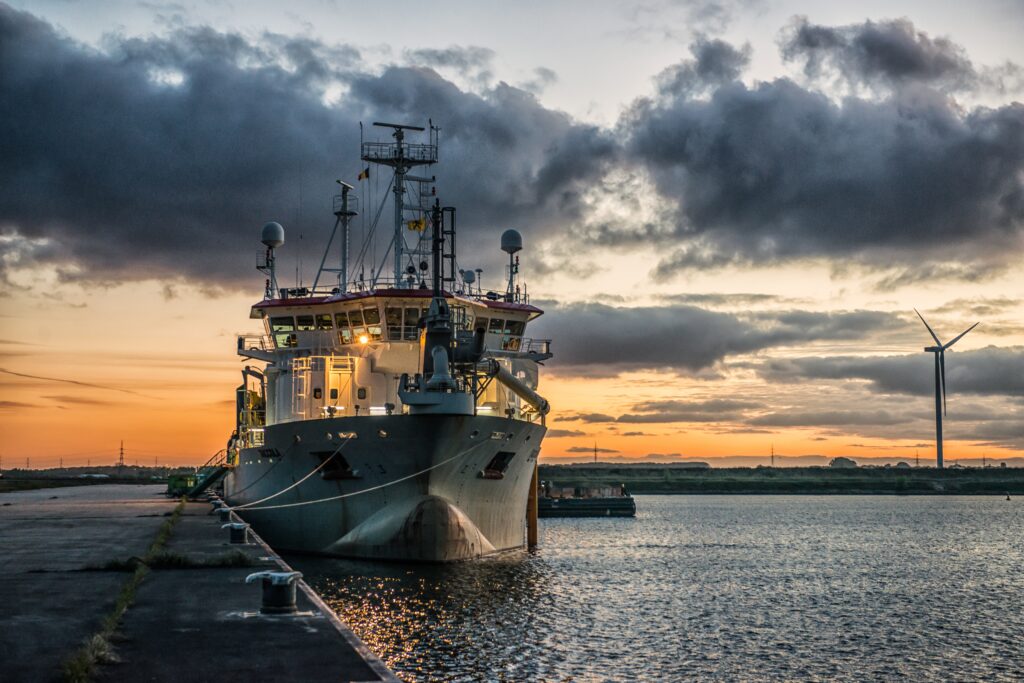
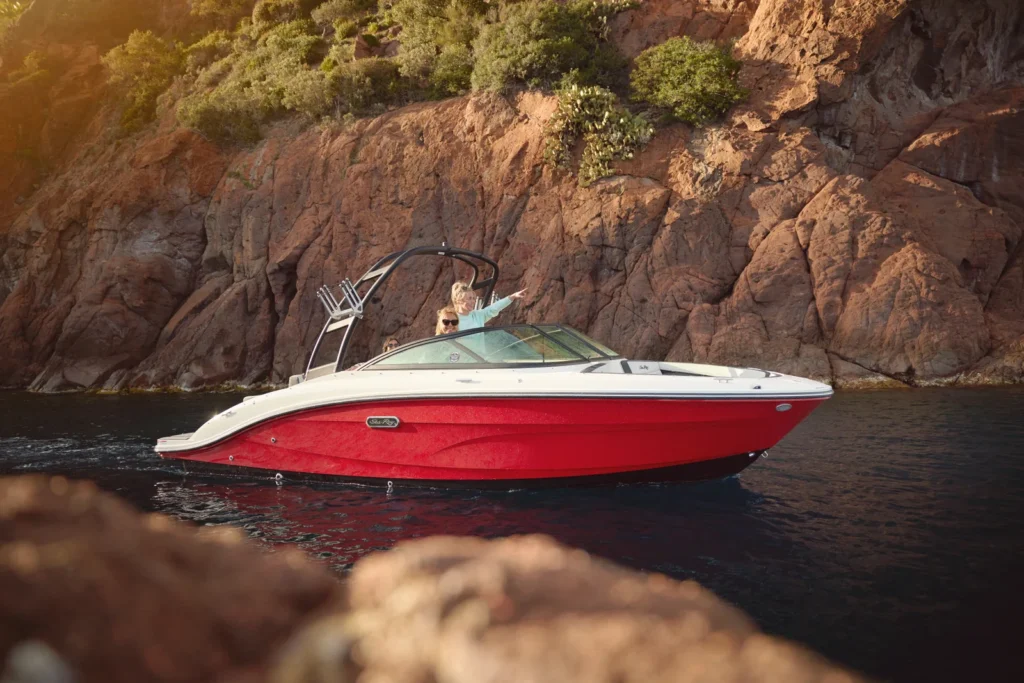
At 9 feet 6 inches of beam, the T25 Pilothouse is a wide boat for routine highway towing. In many U.S. jurisdictions, it exceeds the common 8-foot-6-inch unrestricted width and may require permits or route planning.
Approximate weight with standard engine is 5,367 pounds before trailer, 86 gallons of fuel, batteries, tackle, ice, fish, and cabin equipment.
That makes the loaded transport package substantial even with one outboard. Buyers should calculate actual trailer weight, hitch rating, vehicle payload, tongue weight, brakes, and cooling capacity.
Fishing boats often carry heavy gear permanently. Downriggers, extra batteries, tackle, safety equipment, coolers, anchors, and electronics can remain aboard for the entire season.
A marina slip can make the T25 Pilothouse far more usable because early departures no longer begin with a wide-beam trailer launch. That convenience can be worth more to a serious angler than the theoretical flexibility of moving the boat every weekend.
Wet storage brings bottom condition, corrosion, anodes, shore power, and security into the ownership plan. Outboard tilt can help, but the boat itself still lives in the marine environment.
Dry-stack storage may work, but confirm beam, height, weight, and access to the roof rack or radar equipment.
The T23 Pilothouse remains the easier choice for buyers who need conventional-width mobility. The T25 should be purchased when the extra beam, 86-gallon tank, 300 horsepower, and larger fishing systems clearly justify the transport trade.
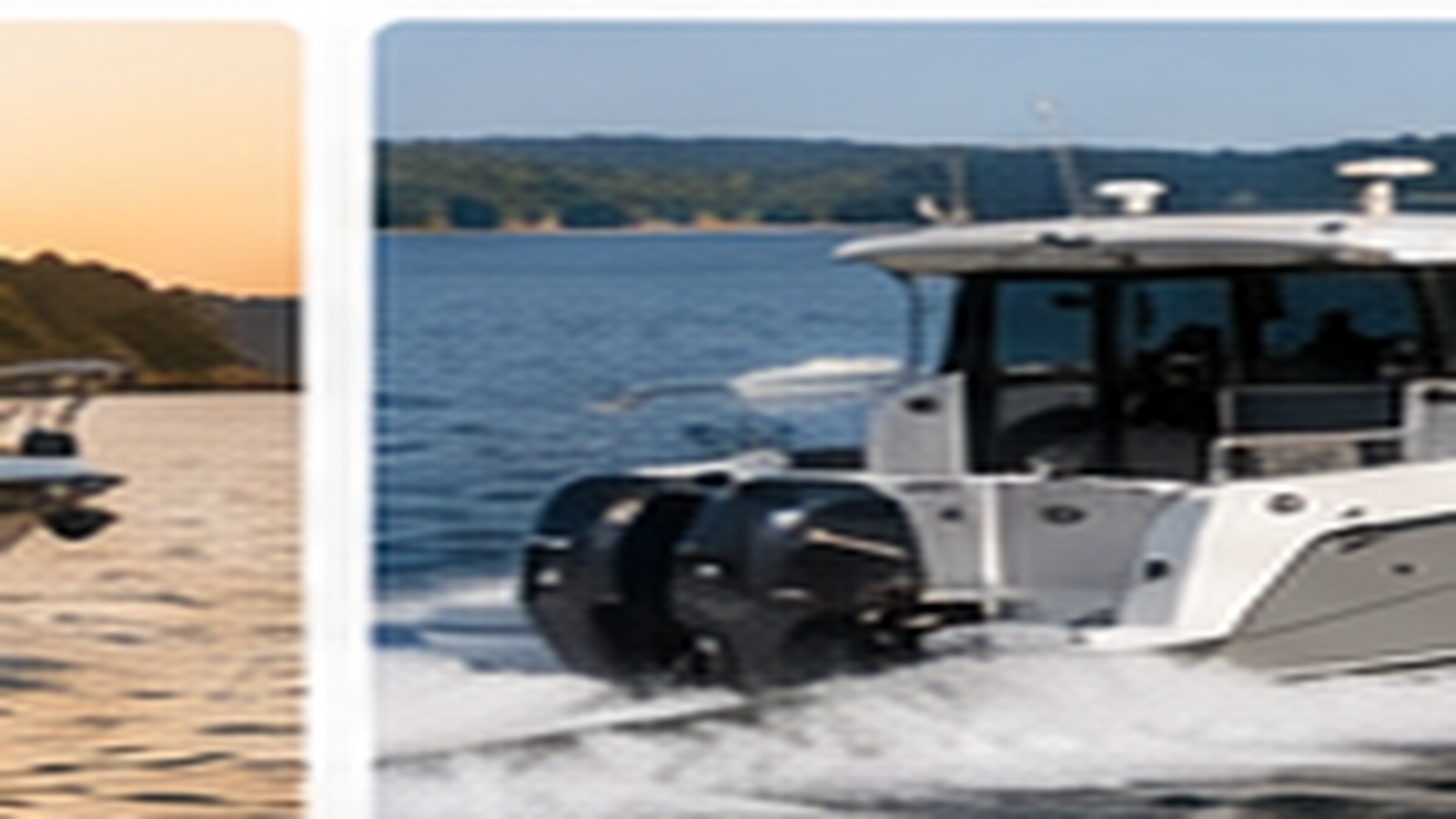
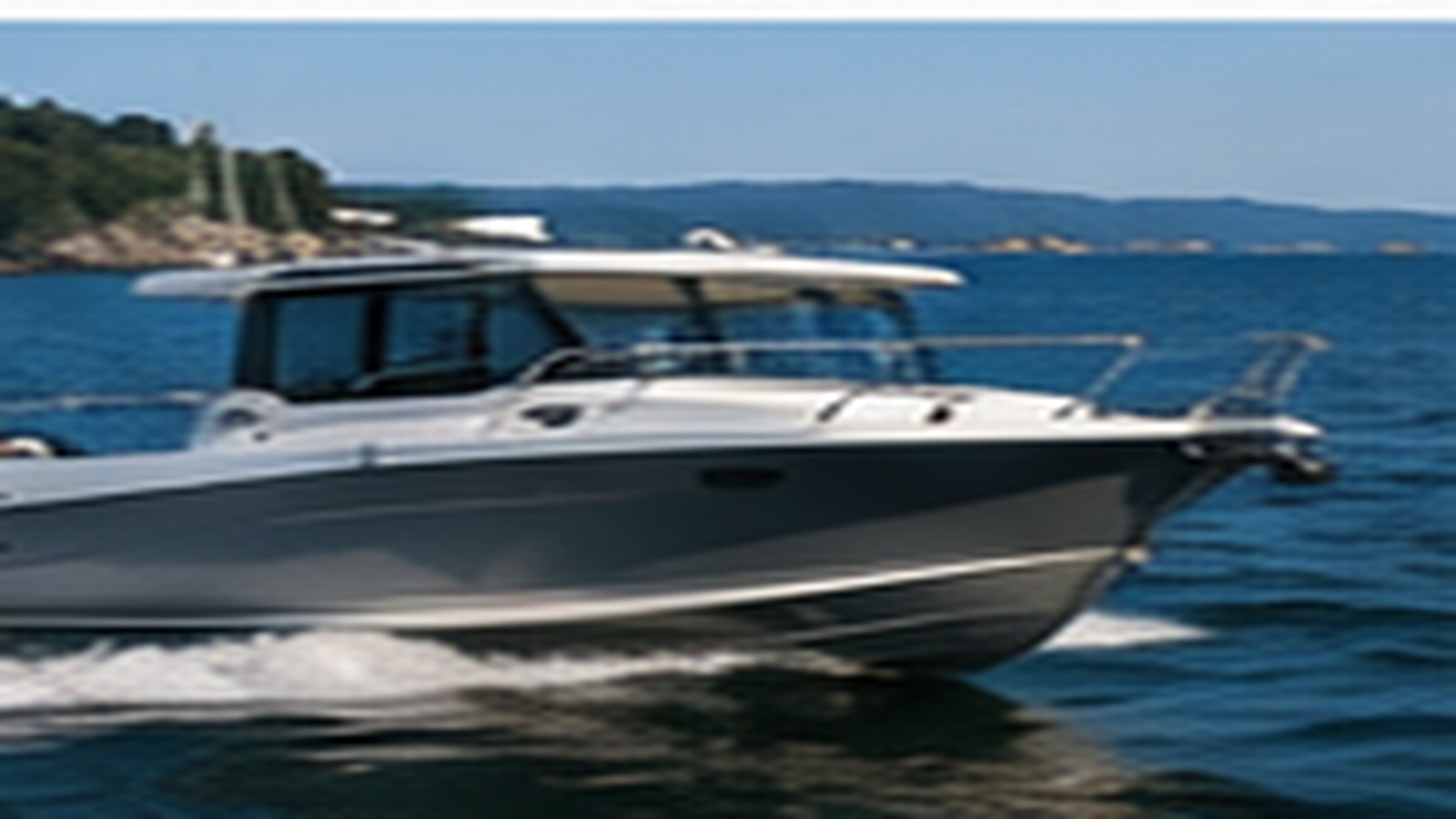
Market Character: Current national inventory spans roughly 2023-2026, with both new and used boats available.
Current T25 Pilothouse listings span roughly 2023 through 2026, giving buyers a more mature used/new comparison than the Explorer models.
A 2023 boat with several seasons of fishing should not be priced like a current 2026 simply because both carry 300 horsepower.
Engine choice matters. Compare 225-horsepower boats with other 225s and 300-horsepower Verado boats with similar rigging.
Dual helm can materially affect value for the angler who needs it. For everyone else, it is equipment to maintain rather than a reason to overpay.
Fishing systems need to work before they are assigned value. A livewell, fish-box pumpout, washdown, radar, or VHF with failed pumps or wiring is not a premium feature.
Older used boats can be strong buys because early depreciation is already absorbed. The savings are only real when outboard service, trailer condition, electronics, pumps, and cabin systems remain healthy.
Late-model dealer inventory should be compared on an out-the-door basis. Freight, preparation, electronics, engine selection, and optional equipment can create a large gap between headline pricing and the actual financed amount.
Use live price fields and let condition adjust the decision. This is a specialized fishing boat, and a well-maintained 2023 can be more valuable to the right buyer than a stripped newer boat missing the systems needed for the intended fishery.
Pricing varies. Model year, engine package, options, trailer, condition and dealer all move the number, and listings change weekly. Send us the boat you are looking at and we will price that exact one.
Illustration only and not an offer of credit.
Leave room in the ownership budget for insurance, propulsion service, storage or dockage, cabin systems, pumps, electronics, and the first round of repairs or maintenance that can accompany any used overnight boat.
Illustration only and not an offer of credit. Your actual rate and term depend on credit profile, vessel age, loan amount and ownership structure.
T25 Pilothouse versus T25 Explorer begins with what the cockpit is supposed to do.
Pilothouse is 25 feet 4 inches long, 9 feet 6 inches wide, carries ten people, holds 86 gallons, and concentrates on livewell systems, fish lockers, rod storage, washdown, dual-side cabin access, and serious fishing equipment.
Explorer is 25 feet 6 inches long, 9 feet 4 inches wide, carries eleven, holds 74 gallons, publishes four berths, and emphasizes L-lounge seating, sun lounge, dinette, enclosed head, shore power, and family cruising comfort.
Both reach 300 horsepower.
Choose Pilothouse when fishing drives the purchase and overnight capability supports the fishing.
Choose Explorer when overnight family cruising and social use are as important as fishing.
T23 Pilothouse is the easier transport alternative with an 8-foot-6-inch beam, 51 gallons, and 225-horsepower maximum. It gives up space and range but preserves much more trailer flexibility.
The T25 Pilothouse market gives buyers enough age spread that a used purchase should begin with a systems audit, not a walk-around complimenting the gelcoat.
Verify engine hours and whether the boat has 225 or 300 horsepower. Ask for annual service records and corrosion history.
If dual helm is installed, operate it. Do not pay for a feature that was never maintained.
Fill the livewell and fish lockers. Run the pumpout and raw-water washdown. A serious fishing boat needs working pumps.
Test the Simrad, VesselView, radar, VHF, Zipwake if fitted, bow thruster, windlass, and all helm controls.
Inspect the enclosed sea toilet and shore-power system. Check CO and smoke detectors and cabin ventilation.
Look around every window, door, and hatch for leaks. Protected cabins can hide water damage behind cushions and trim.
Inspect the trailer or confirm the marina/transport plan before buying. The 9-foot-6-inch beam changes legal towing requirements in many places.
Compare the T25 Explorer only after deciding how much fishing specialization you need. If you value L-lounges and sleeping capacity more than fish boxes, choose Explorer honestly.
If you are here because weather protection, live bait, catch storage, and long fishing days matter, buy the cleanest Pilothouse with the engine and electronics package suited to the water you actually fish.
If you already found a Bayliner T25 Pilothouse, send Float Finance the exact listing, asking price, model year, engine configuration, seller type, and major installed equipment. An overnight boat’s financing should be built around the real transaction, not a stripped base price that ignores the systems you plan to use.
The T25 Pilothouse is 25 feet 4 inches long with a 9-foot-6-inch beam and 17 degrees of deadrise. Bayliner publishes 2 feet of minimum draft, 3 feet 7 inches of maximum draft, and approximately 5,367 pounds with standard engine.
Bayliner lists capacity for ten people and a maximum people-weight figure of 1,650 pounds. Fishing gear, ice, bait, and equipment add substantial load beyond the people rating.
Current options include 225-horsepower Mercury V6 power and a 300-horsepower Mercury V8 Verado. Bayliner also lists dual-helm rigging configurations for both outputs.
Fuel capacity is 86 gallons, 35 gallons more than the T23 Pilothouse and 12 gallons more than the T25 Explorer.
Yes. Current Bayliner equipment includes an enclosed sea toilet, making occasional overnight trips more practical for fishing crews.
Choose Pilothouse for fish lockers, livewell system, washdown, rod storage, wider fishing deck, and 86 gallons of fuel. Choose Explorer for eleven-person capacity, four berths, social cockpit, dinette, and cruising-oriented comfort.
Its 9-foot-6-inch beam exceeds the common 8-foot-6-inch unrestricted highway width in many U.S. jurisdictions. Regular towing can require permits or route planning. The boat also weighs roughly 5,367 pounds before trailer, fuel, and gear.
Yes. Current national inventory reaches back to around 2023, creating more used/new choice than several Explorer models. A used boat should be judged by outboard service, fishing-system pumps, electronics, cabin leaks, trailer condition, and the exact engine package.
Tell us a little bit about yourself and the boat you are looking to finance.