
Call Us : 207-994-5109
Mon – Fri: 8 am to 9 pm & Sat – Sun: 10 am to 8 pm
The Chaparral 23 SSi is the largest current sterndrive SSi, combining an 8-foot-6-inch beam, 300 horsepower, 13-person capacity, and a broad family cockpit.
The Chaparral 23 SSi exists for a specific buyer: families who need 23-foot cockpit space, 300-horsepower capability, and a full-width swim platform without moving into a more expensive luxury bowrider. The largest current value-oriented sterndrive ssi is the reason this page should not read like a generic Chaparral sport-boat article.
The 23 SSi is the largest current value-oriented sterndrive SSi.
On the 23 SSi, the first decision is not color or stereo. The 23 SSi measures 23′ 0″, carries a 8′ 6″ beam, and publishes 3,700 lbs with engine as its weight reference. With this 23 SSi, those numbers determine whether the boat belongs on the family’s existing trailer, lift, or marina plan.
The 23 SSi also publishes 300 HP maximum horsepower and 50 gallons of fuel. For a 23 SSi buyer, those figures describe the power and range envelope, but they do not answer whether the propulsion layout suits how the family swims, fishes, trailers, or services the boat.
Buy the 23 SSi when 300-horsepower potential and a clean stern platform justify sterndrive care. Buy the 23 SSi OB when the family would rather own the engine outside the boat.
The most important alternative is 23 SSi OB. Choose the 23 SSi OB when easier engine service, six extra gallons of fuel, and a lighter published package are more valuable than the sterndrive model’s 300-horsepower ceiling and cleaner stern.
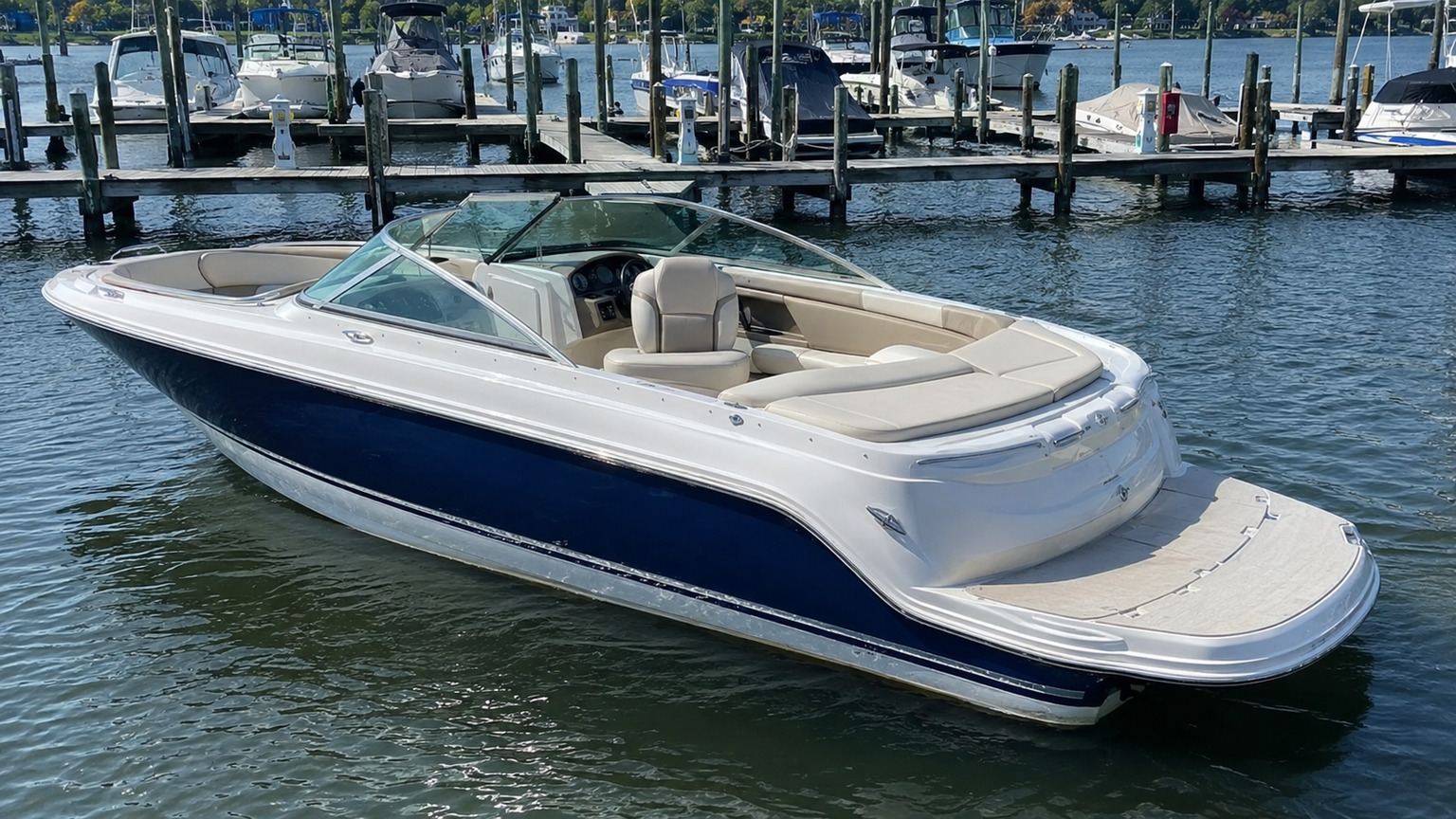
Published factory figures. Confirm every dimension against the individual boat before you commit.
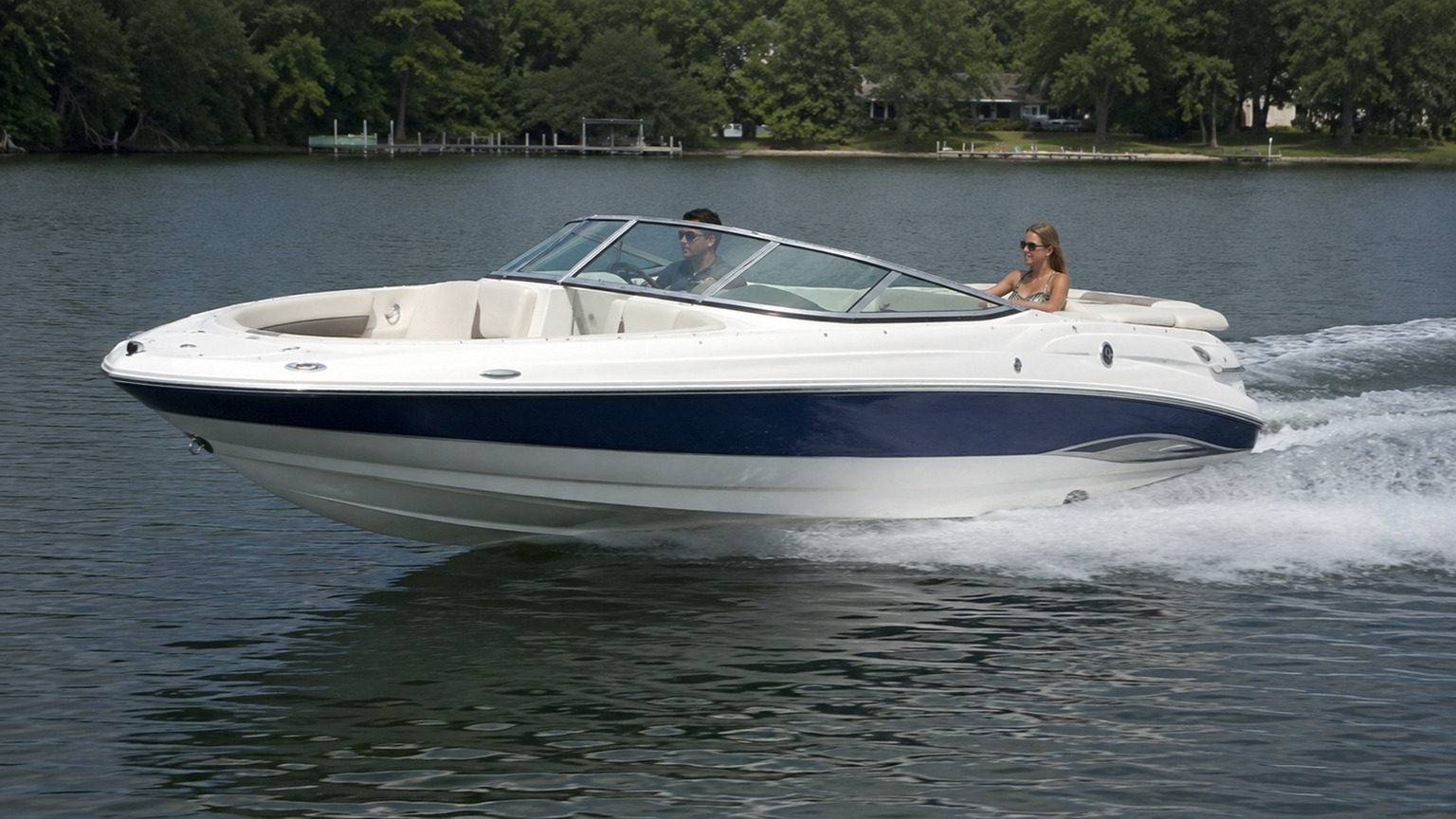
The 23 SSi holds to an 8-foot-6-inch beam and 23-foot hull while keeping the engine under the aft deck. It is the largest current SSi sterndrive, so buyers are choosing maximum SSi space rather than a different type of boat.
The 23 SSi uses Chaparral’s Extended V-Plane approach, but the way weight is packaged matters as much as the running-surface name. With the 23 SSi at 23′ 0″ and 8′ 6″ wide, on this sterndrive model, propulsion changes what sits inside the aft hull, how the transom is loaded, and where service access lives.
At 20° of transom deadrise, the 23 SSi should be judged for the water it actually runs. With the 23 SSi at 23′ 0″ and 8′ 6″ wide, the buyer should look for clean tracking, sensible bow rise, and a comfortable response to ordinary lake or coastal chop rather than chasing a theoretical hull number.
Published draft is 17″ drive up. With the 23 SSi at 23′ 0″ and 8′ 6″ wide, that figure belongs in the ramp and lift discussion because the sterndrive hardware changes how the stern occupies shallow water.
The 23 SSi publishes 3,700 lbs with engine before the full effect of fuel, batteries, gear, water, and trailer. A full 50 gallons fuel load can materially change tow and lift weight.
Inspect the 23 SSi from keel to transom in bright light. With the 23 SSi at 23′ 0″ and 8′ 6″ wide, pay special attention to strakes, chines, swim-platform joints, engine or drive mounting areas, and any place where a lift or trailer bunk repeatedly contacts the hull.
The 23 SSi keeps its engine under the aft deck and sends power through the transom. On the 23 SSi, that layout is exactly why the stern stays open for swimming, but it also creates a drive-specific maintenance list that does not belong on an outboard page.
The 300-horsepower ceiling is 50 horsepower above the 23 SSi OB. That extra sterndrive power comes with transom-drive service, bellows and gimbal inspection, blower operation, cooling-system care, and drive-specific winterization.
Open the 23 SSi engine hatch before the motor starts. During a 23 SSi propulsion check, the compartment should be dry, free of raw-fuel odor, and organized well enough that routine service points can actually be reached.
Blower operation is a basic safety check on the 23 SSi. With the 300 HP sterndrive package, the blower should run strongly before startup, the vent path should be clear, and wiring near the engine compartment should not look improvised.
At the 23 SSi engine bay or transom, inspect the transom drive assembly, bellows or sealing hardware, gimbal area, trim cylinders, propellers, skeg, and drive housing. For this 23 SSi drivetrain, corrosion, oil seepage, impact marks, or cracked rubber components can turn a low asking price into an immediate repair bill.
Ask specifically how the 23 SSi was winterized. For a 23 SSi stored in freezing climates, the engine block, raw-water system, drive, freshwater equipment where fitted, and batteries all need model-appropriate storage preparation.
The 23 SSi should shift cleanly into forward and reverse without a violent clunk or long delay. During a 23 SSi propulsion check, under load, the engine should pull smoothly through acceleration and reach the expected operating range without overheating or warning messages.
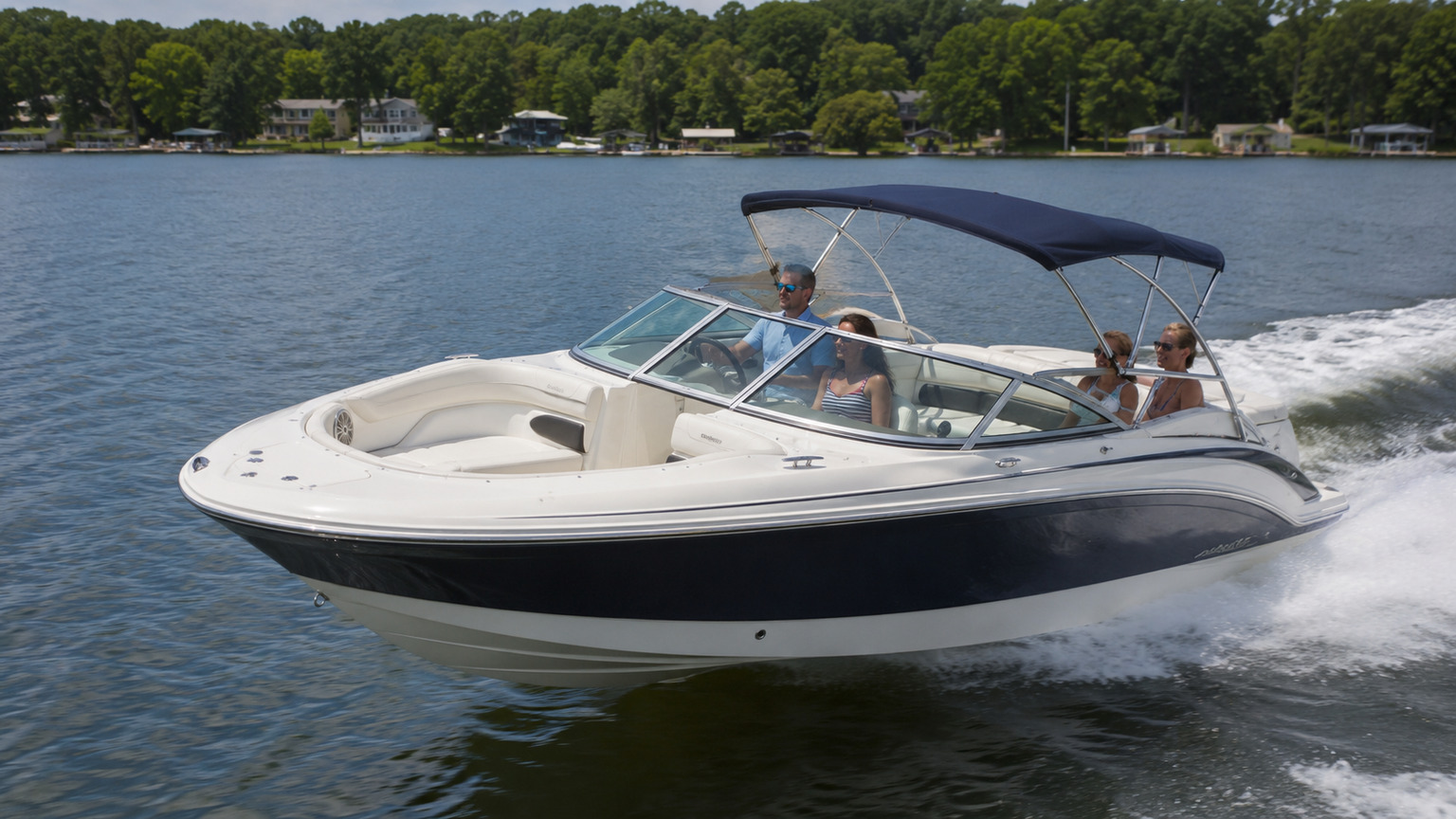
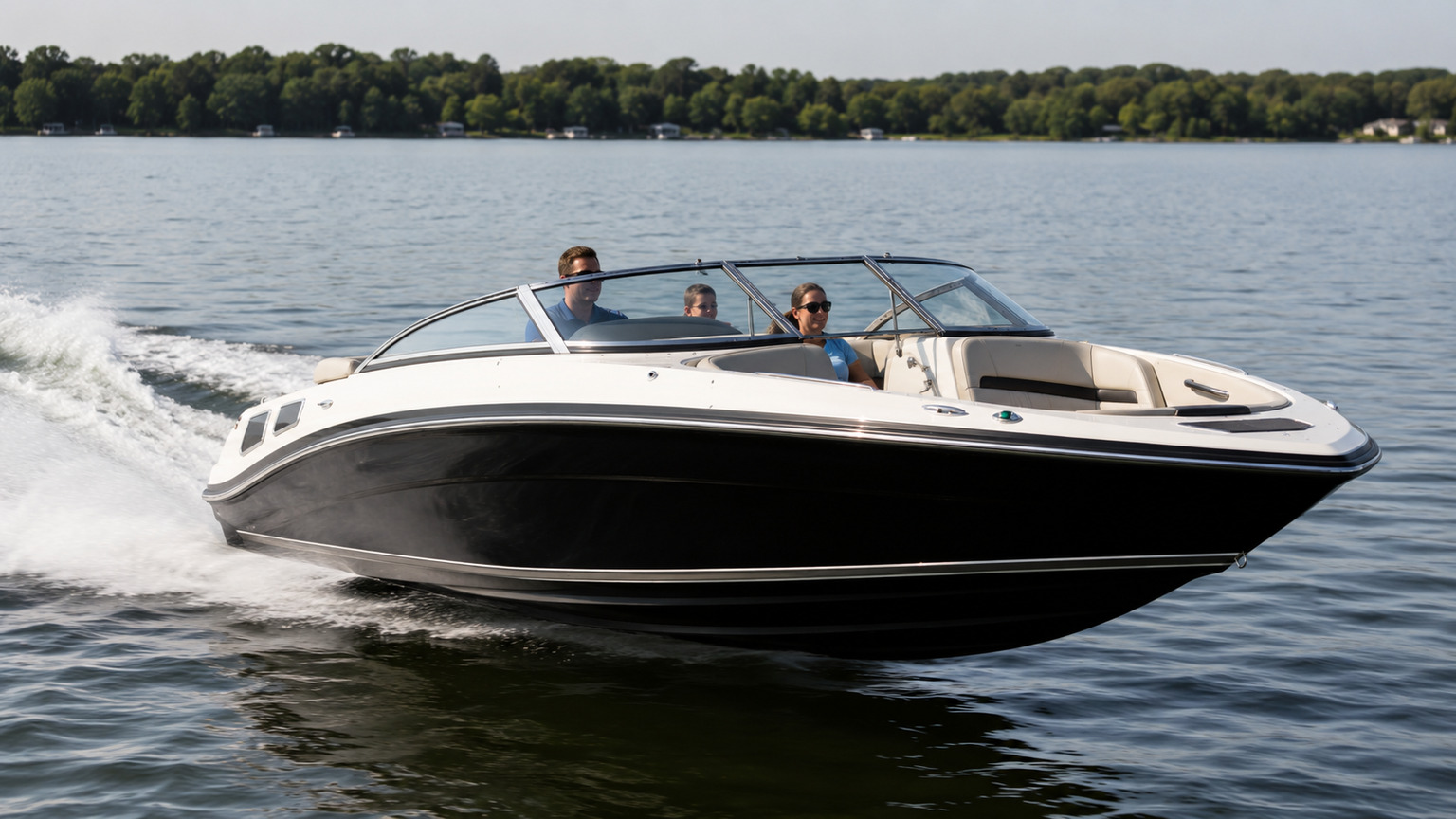
The sterndrive 23 carries 50 gallons, six fewer than the 23 SSi OB. A shopper should decide whether the extra OB fuel and lighter package matter more than the sterndrive boat’s power ceiling and platform layout.
The 23 SSi should be range-planned from actual cruise fuel flow, not from tank size alone. With 50 gallons of fuel aboard the 23 SSi, propulsion, passenger load, trim, water state, and the amount of time spent accelerating all change consumption.
A full 50 gallons tank adds weight at a specific location in the hull. On the 23 SSi, that weight interacts with the sterndrive installation and the normal passenger load, so acceleration and trailer weight should be evaluated realistically.
With 50 gallons of fuel aboard the 23 SSi, freshwater is listed as Not published by Chaparral and holding capacity as Not published by Chaparral. With 50 gallons of fuel aboard the 23 SSi, if the model does not publish those systems, the buyer should not assume another Chaparral’s plumbing package applies here.
Inspect the 23 SSi fill, vent, hoses, sender, separators, and any tank-access points. With 50 gallons of fuel aboard the 23 SSi, on an older boat, fuel odor or brittle hose deserves explanation before delivery.
The 23 SSi should prove why its sterndrive layout and 20° hull belong together. On the 23 SSi’s 20° running surface, a sea trial should make the model’s handling logic obvious rather than simply confirming that the engine reaches full throttle.
With a normal passenger load aboard, the 23 SSi should climb onto plane without excessive bow rise. On the 23 SSi’s 20° running surface, watch whether the driver keeps forward visibility and whether passengers have to relocate to make the boat feel balanced.
The 23 SSi holds to an 8-foot-6-inch beam and 23-foot hull while keeping the engine under the aft deck. It is the largest current SSi sterndrive, so buyers are choosing maximum SSi space rather than a different type of boat.
At idle, use the 23 SSi in reverse, make a tight turn, and approach a dock. On the 23 SSi’s 20° running surface, the sterndrive arrangement changes where thrust acts and how the stern responds in crosswind.
On the 23 SSi’s 20° running surface, at cruising speed, cross ordinary wakes and make a few broad turns. The 23 SSi should track cleanly without steering correction that feels excessive for its size.
Trim response should be progressive. On the 23 SSi, the driver should be able to free the hull at cruise without porpoising, propeller ventilation, or a sudden loss of steering confidence.
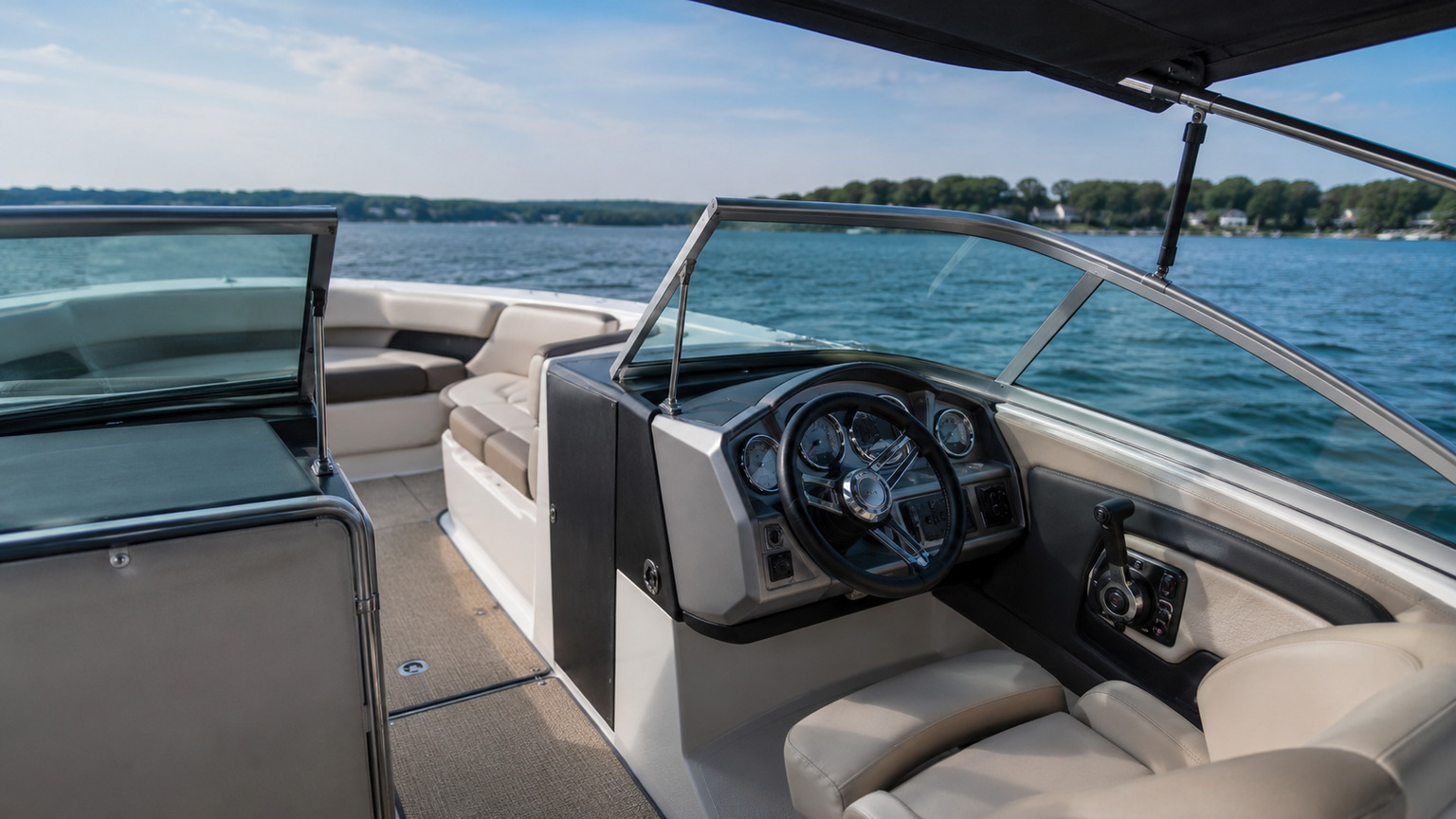
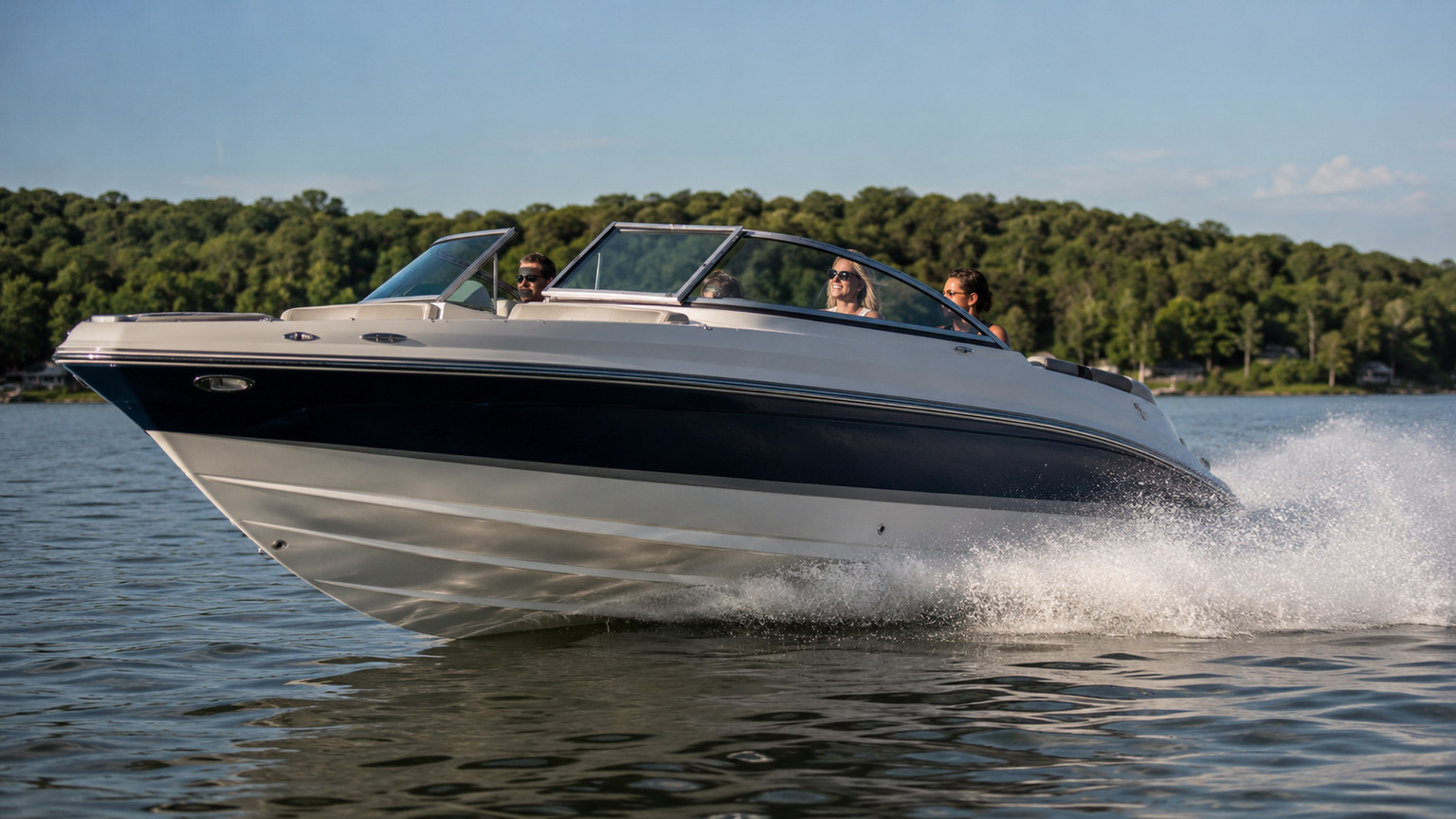
With the engine under the aft deck, the 23 SSi keeps the center of the swim platform open. Families that spend as much time swimming as cruising should physically compare the stern with the outboard sibling.
On the 23 SSi, that stern arrangement is not a minor styling difference. With passengers aboard the 23 SSi, the sterndrive package determines where the engine mass lives, what the family steps around when boarding, and how much mechanical space competes with storage.
The 23 SSi should be tested with adults in the bow, helm, and aft cockpit. Across the 8′ 6″ beam, walk from bow to stern without asking everyone to move and see whether the normal route remains open.
Open the 23 SSi storage with the seats occupied. In normal 23 SSi use, life jackets, dock lines, boards, rods, towels, and a cooler can consume useful space faster than the raw capacity number suggests.
At the 23 SSi helm, check the view over the windshield with the bolster up and down. The 23 SSi should not force the driver to stand simply because adults are sitting forward.
On the 23 SSi, use the swim ladder and platform exactly as the family will. With this 23 SSi, the sterndrive arrangement should feel like an advantage, not a compromise the buyer notices every time someone gets in the water.
300-HP maximum – This 23 SSi feature should be inspected for condition, operation, and whether it improves the family’s real use rather than merely adding option-sheet value.
This 23 SSi feature should be inspected for condition, operation, and whether it improves the family's real use rather than merely adding option-sheet value.
This 23 SSi feature should be inspected for condition, operation, and whether it improves the family's real use rather than merely adding option-sheet value.
This 23 SSi feature should be inspected for condition, operation, and whether it improves the family's real use rather than merely adding option-sheet value.
This 23 SSi feature should be inspected for condition, operation, and whether it improves the family's real use rather than merely adding option-sheet value.
This 23 SSi feature should be inspected for condition, operation, and whether it improves the family's real use rather than merely adding option-sheet value.
The 23 SSi remains mechanically straightforward for a 23-foot family bowrider. Focus on drive trim, blower, bilge, battery, Simrad or factory helm electronics, audio, tower hardware, and the tandem trailer.
The 23 SSi electrical check begins with the blower and bilge because both live around an enclosed engine installation. On the 23 SSi, the blower should operate strongly, and the bilge should be dry after the sea trial.
Drive trim is another primary system on the 23 SSi. During a 23 SSi systems check, run it through its normal range, watch the gauge, and listen for pump strain or uneven movement.
Within the 23 SSi sterndrive installation, battery placement deserves attention because engine starting, blower, bilge, audio, displays, and powered accessories share the same enclosed mechanical environment.
Any aftermarket wiring near the 23 SSi engine bay should be especially clean. At the 23 SSi helm and machinery spaces, unsupported cables, unfused audio amplifiers, or components that block service access create a different risk than a cosmetic dashboard modification.
On a 23 SSi with freshwater or a head, run those systems long enough to expose leaks, then inspect the engine compartment again because plumbing can route through nearby spaces.
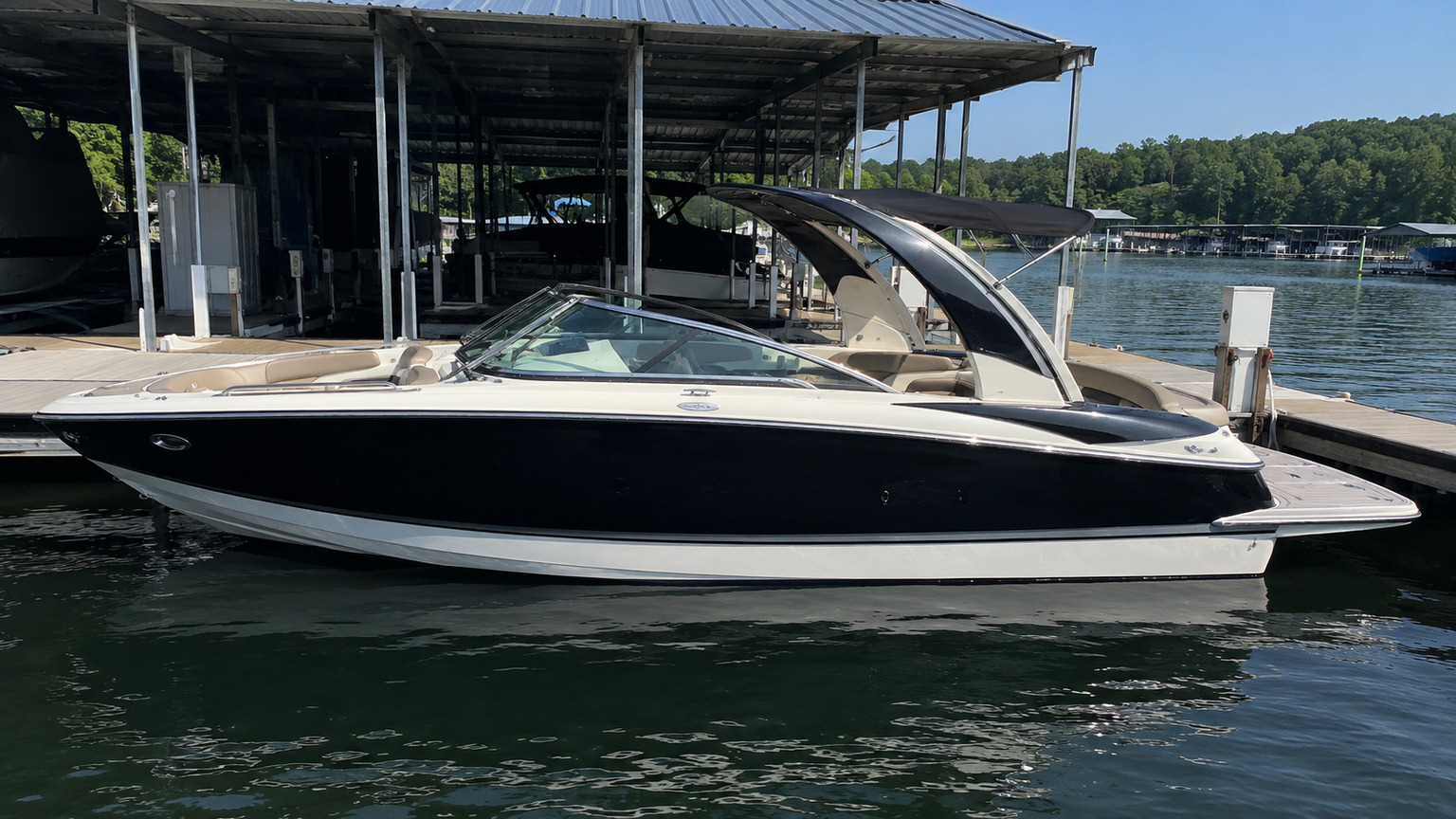
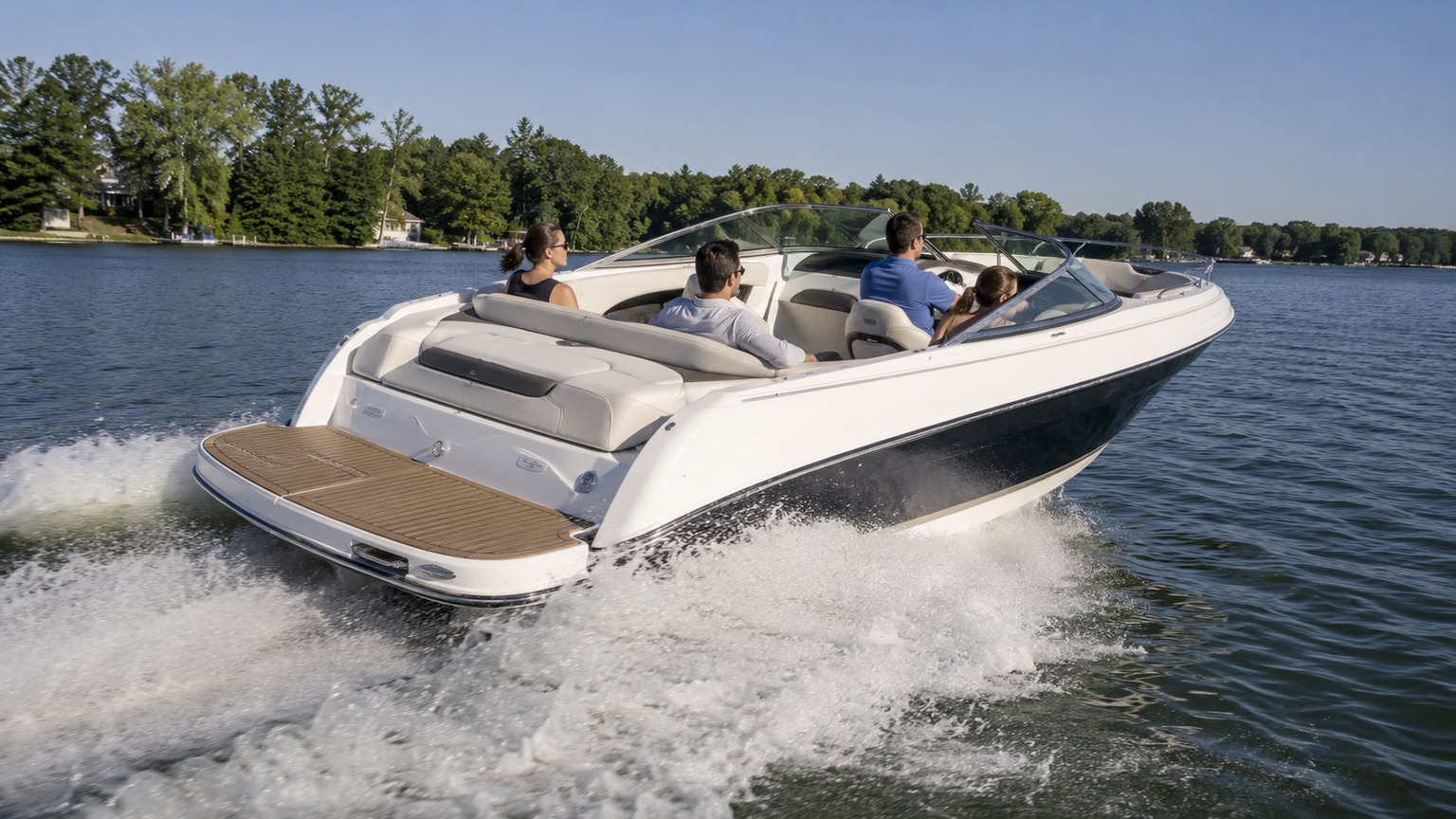
The 23 SSi measures 23′ 0″ overall, spans 8′ 6″, and publishes 3,700 lbs with engine before the full loaded condition. On the 23 SSi, those numbers need to match the owner’s real storage plan.
The 23 SSi holds to an 8-foot-6-inch beam and 23-foot hull while keeping the engine under the aft deck. It is the largest current SSi sterndrive, so buyers are choosing maximum SSi space rather than a different type of boat.
If the 23 SSi stays on a trailer, add 50 gallons of fuel, batteries, gear, water, and trailer weight before comparing the rig with the tow vehicle’s ratings.
The 23 SSi beam is 8′ 6″. The 23 SSi’s 8′ 6″ beam stays within conventional road width, making loaded tow weight and trailer length the more likely transport limits.
Bridge or tower clearance should be measured on the actual 23 SSi. The 23 SSi’s actual stored height should be measured with its installed tower, speakers, antennas, and electronics rather than inferred from a catalog figure.
A lift for the 23 SSi needs capacity for the sterndrive package, fuel, batteries, and the gear normally left aboard. The 23 SSi lift or trailer bunks must support its running surface without loading the sterndrive, transducer, or swim-platform hardware.
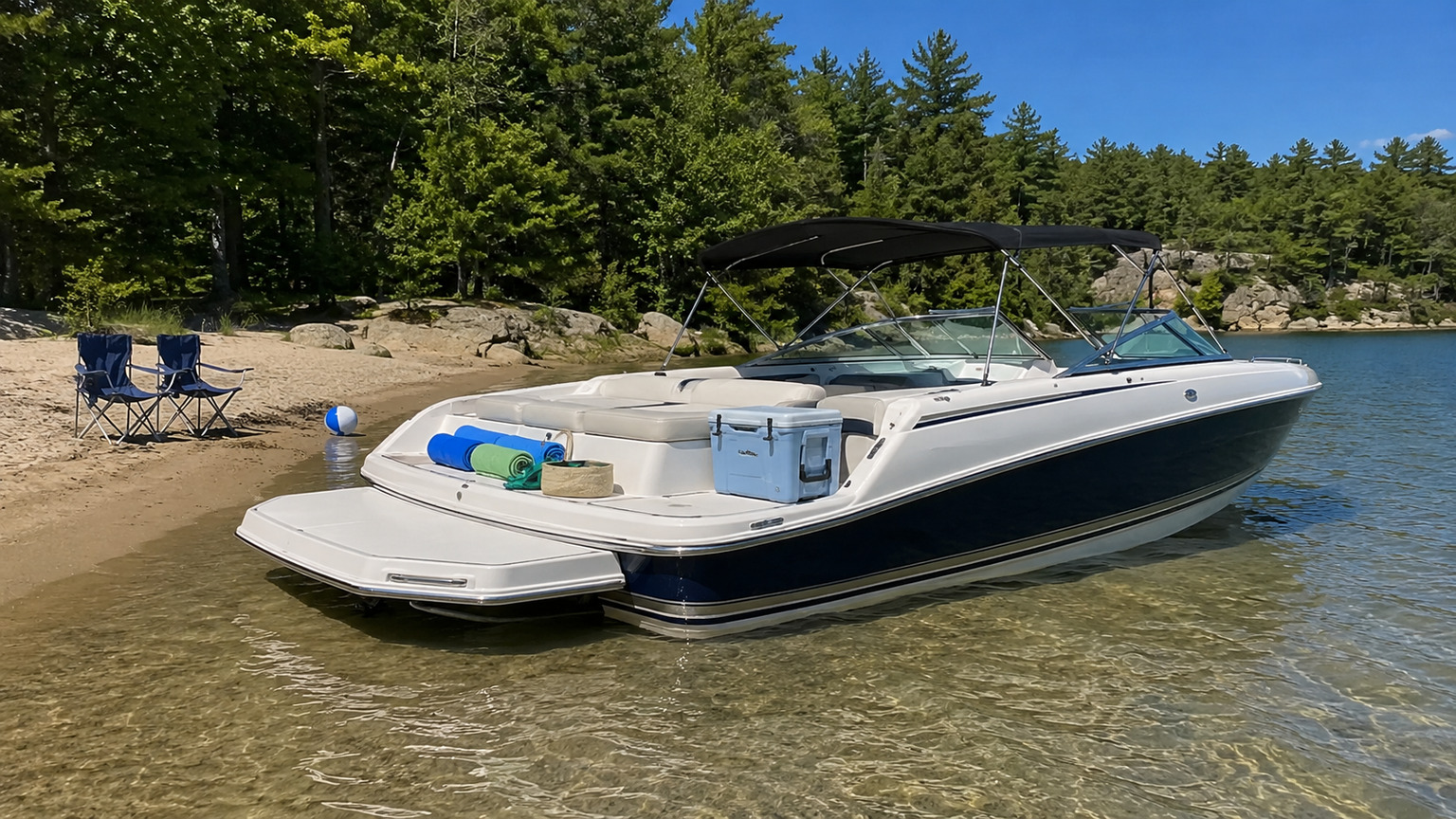
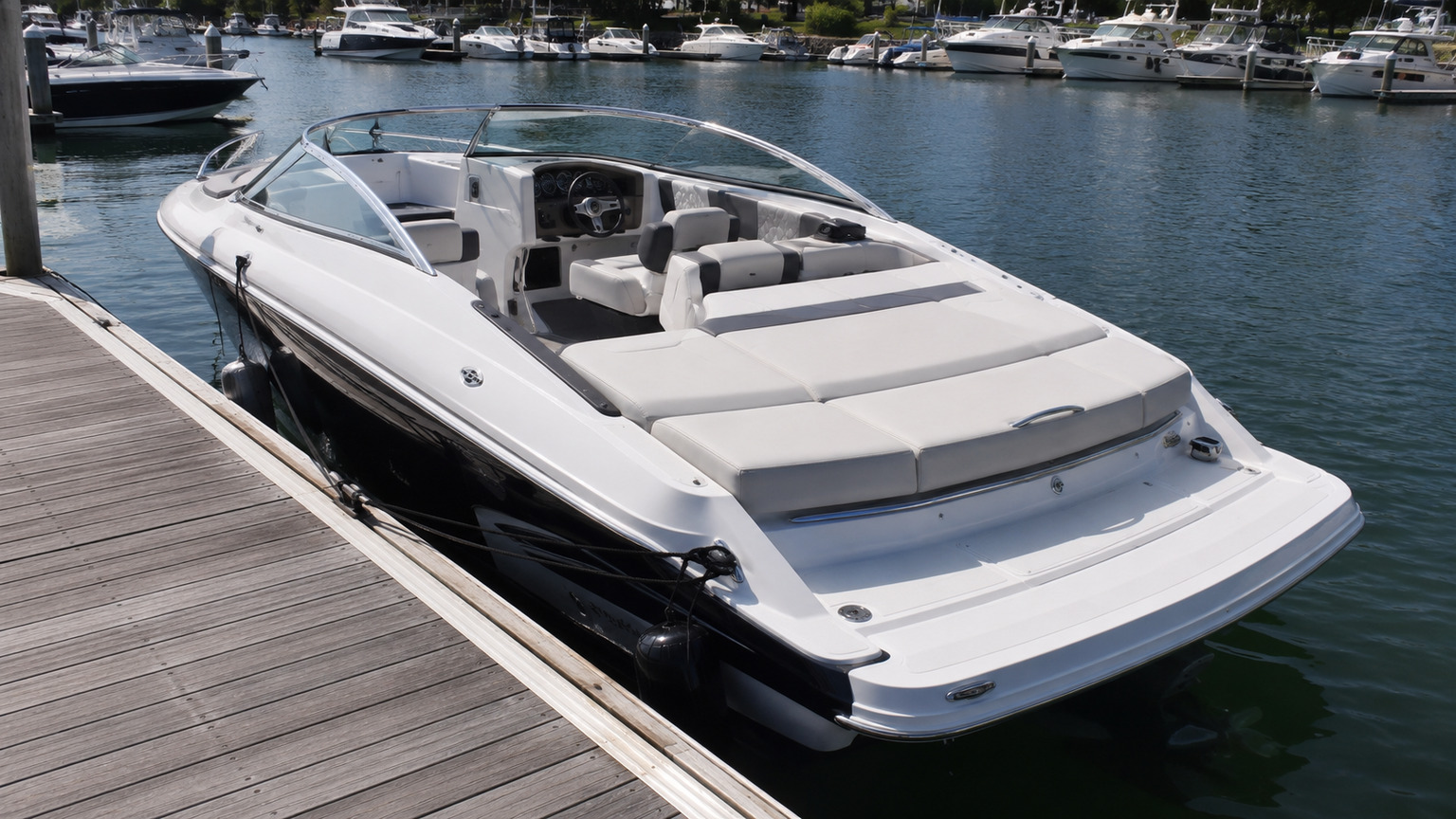
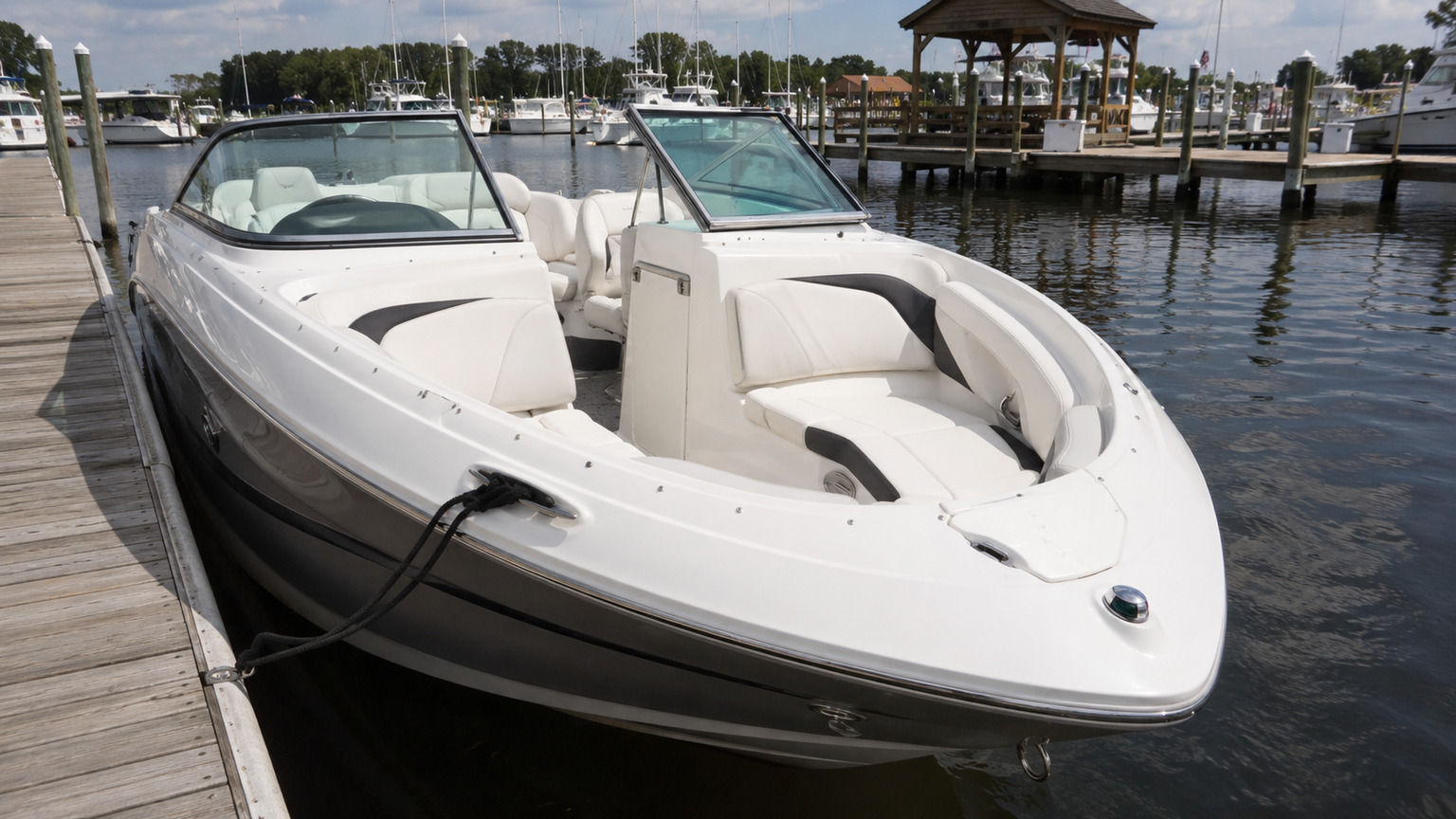
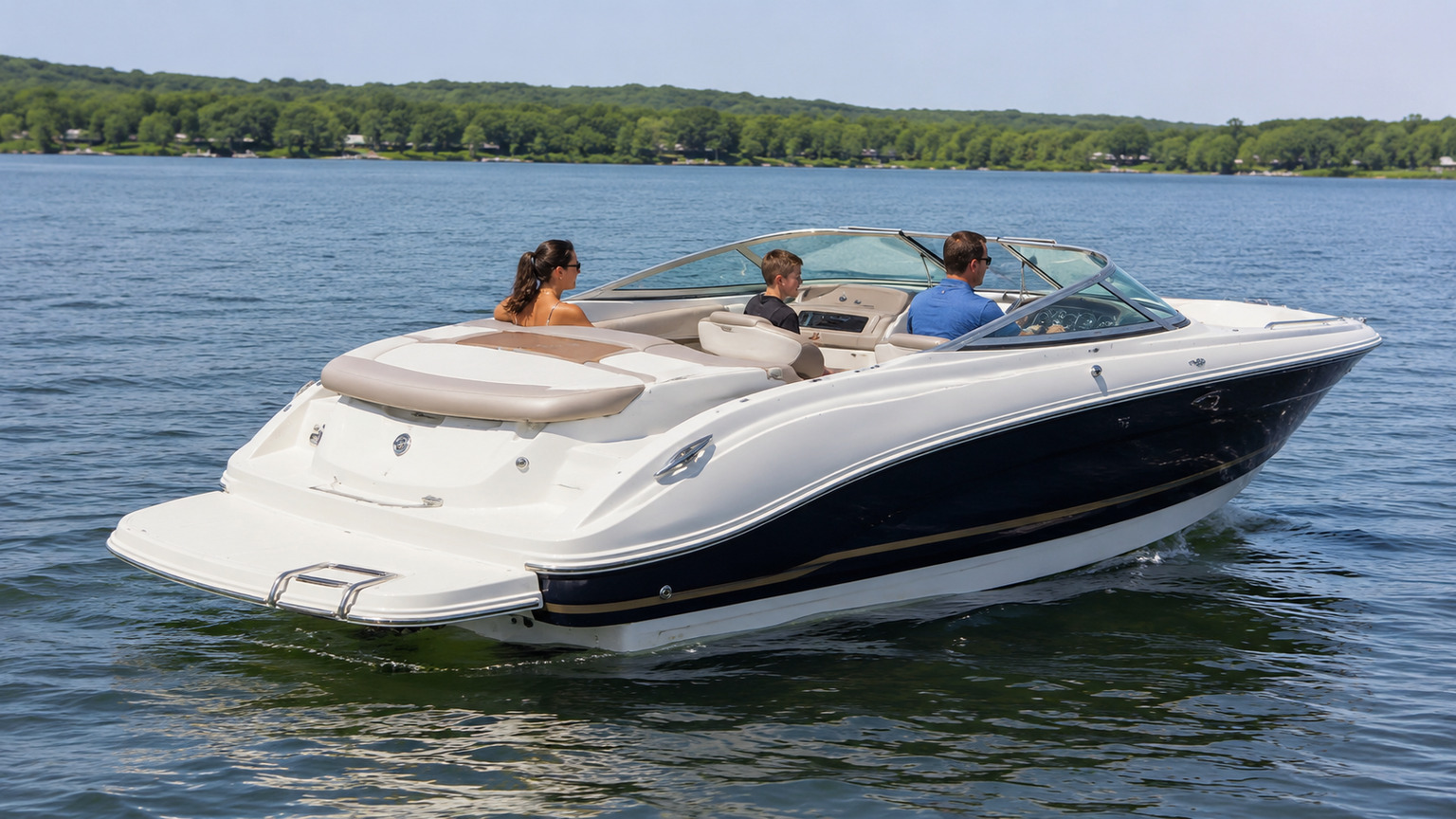
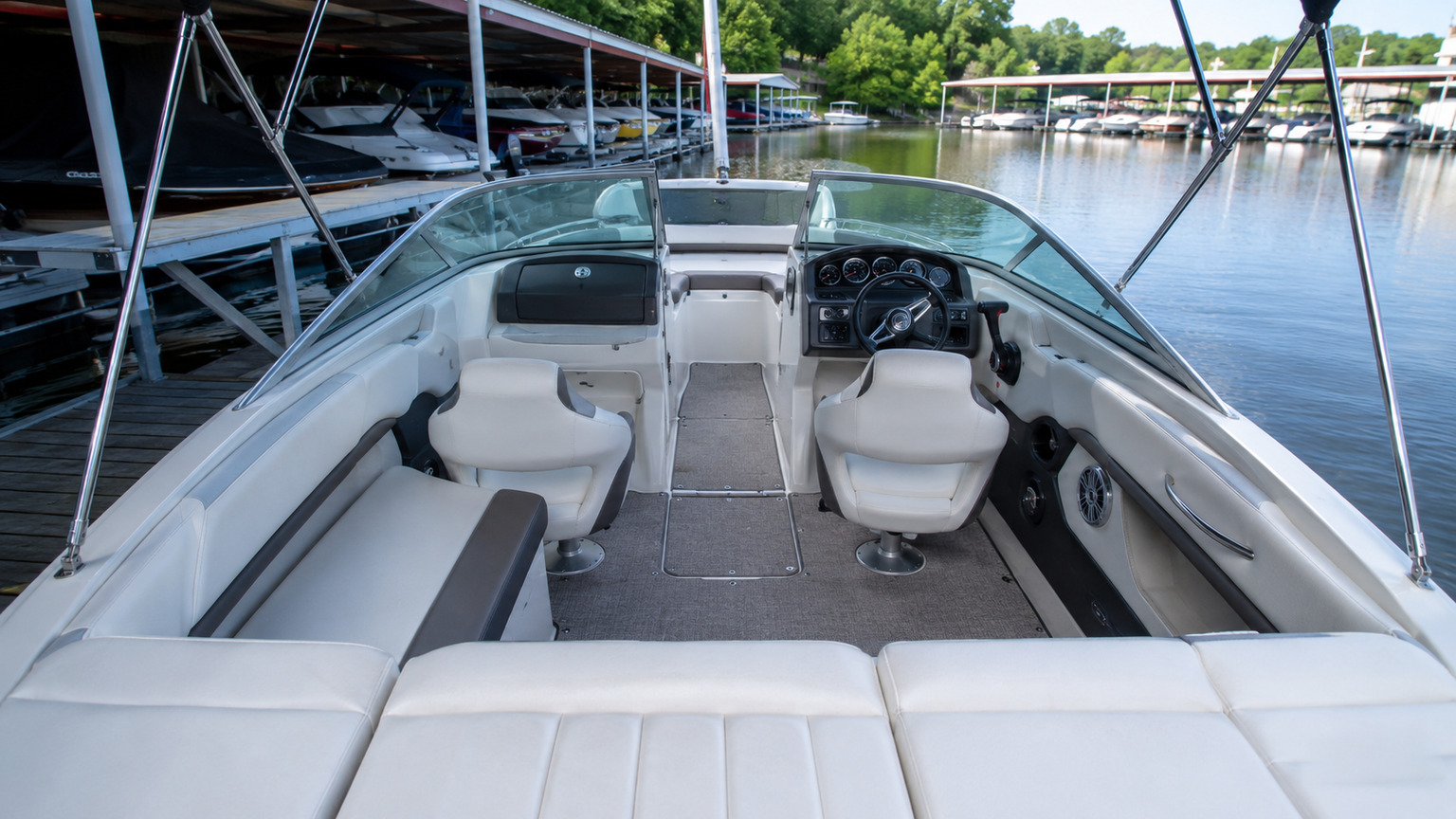
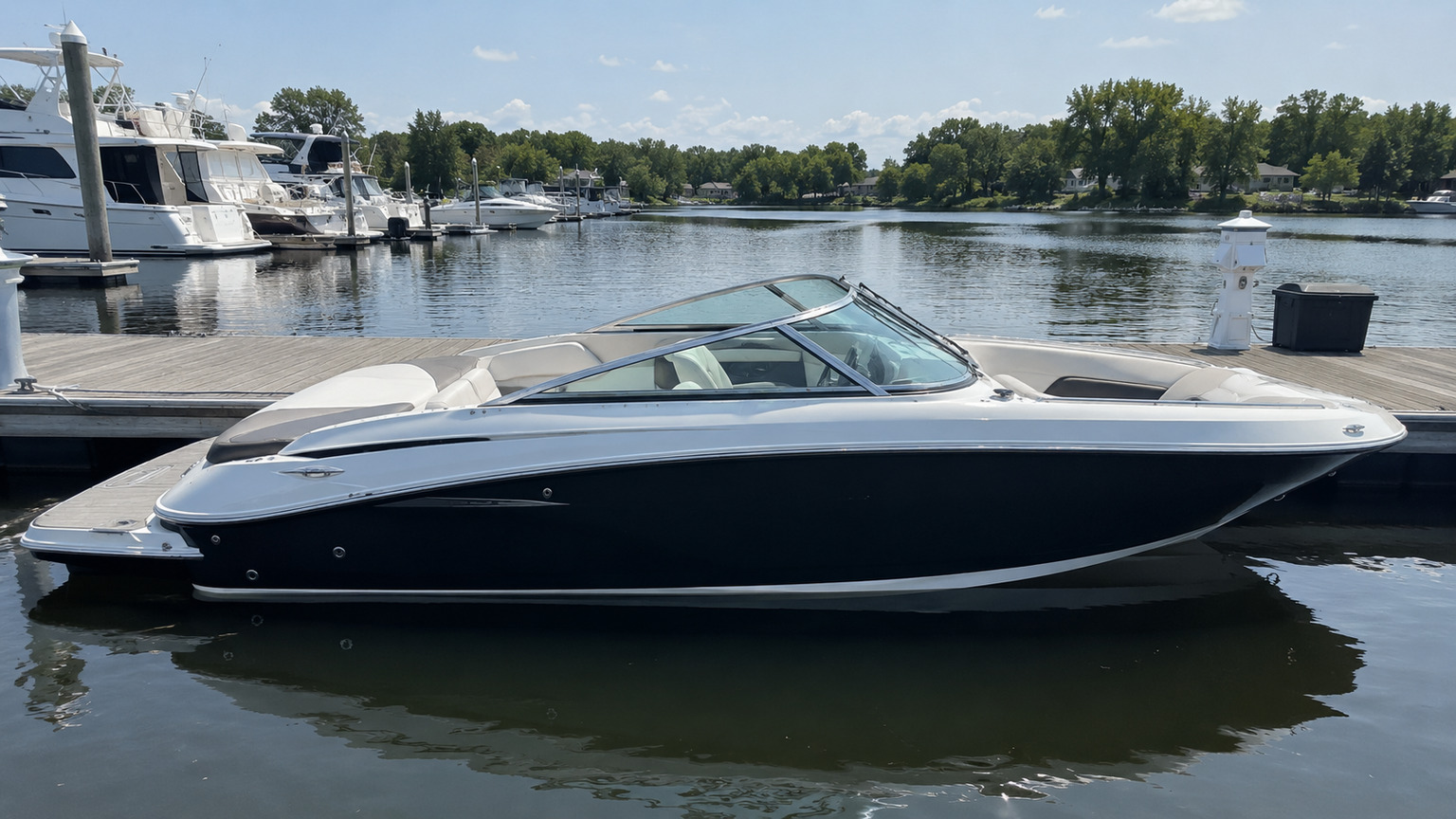
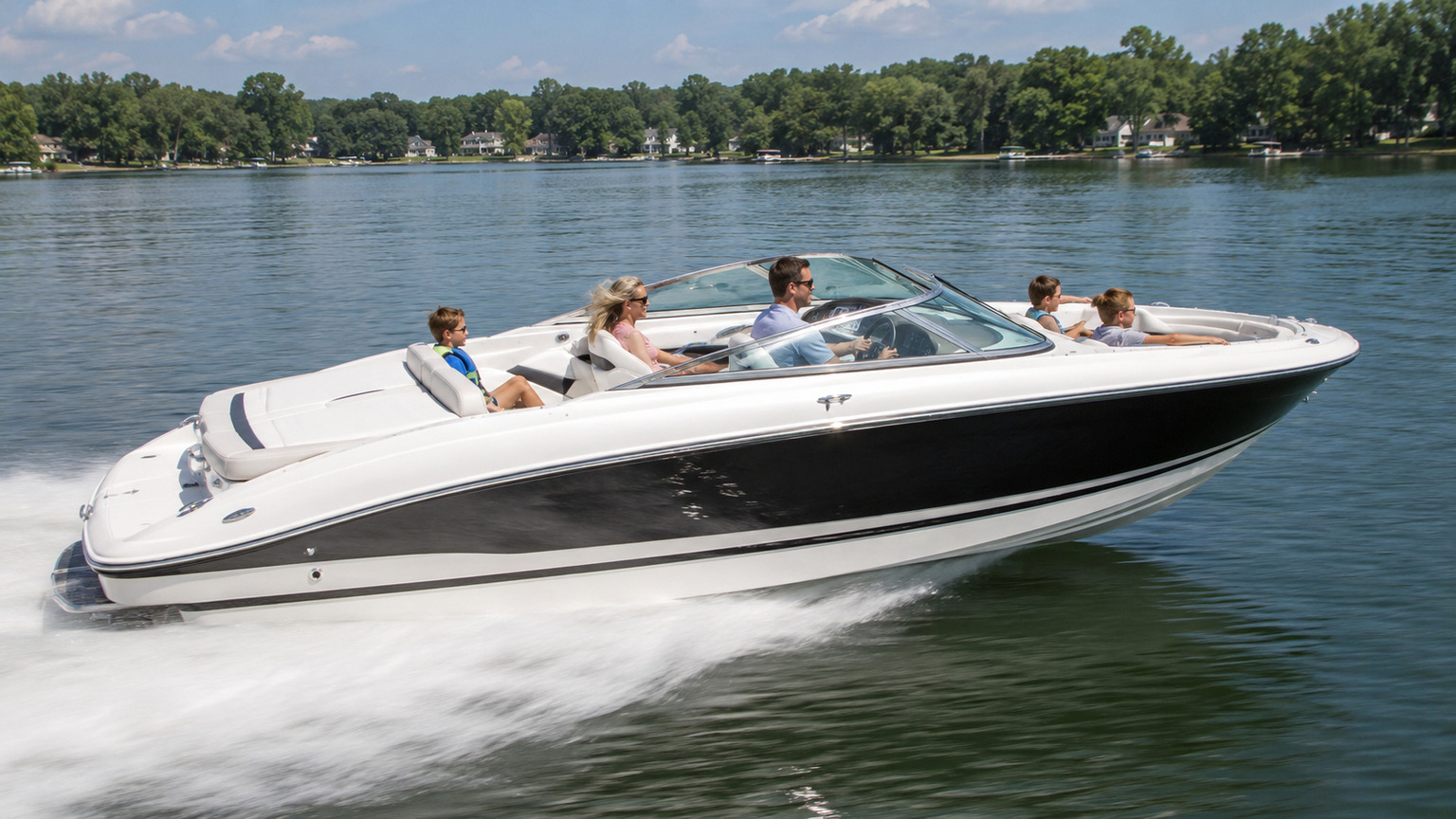
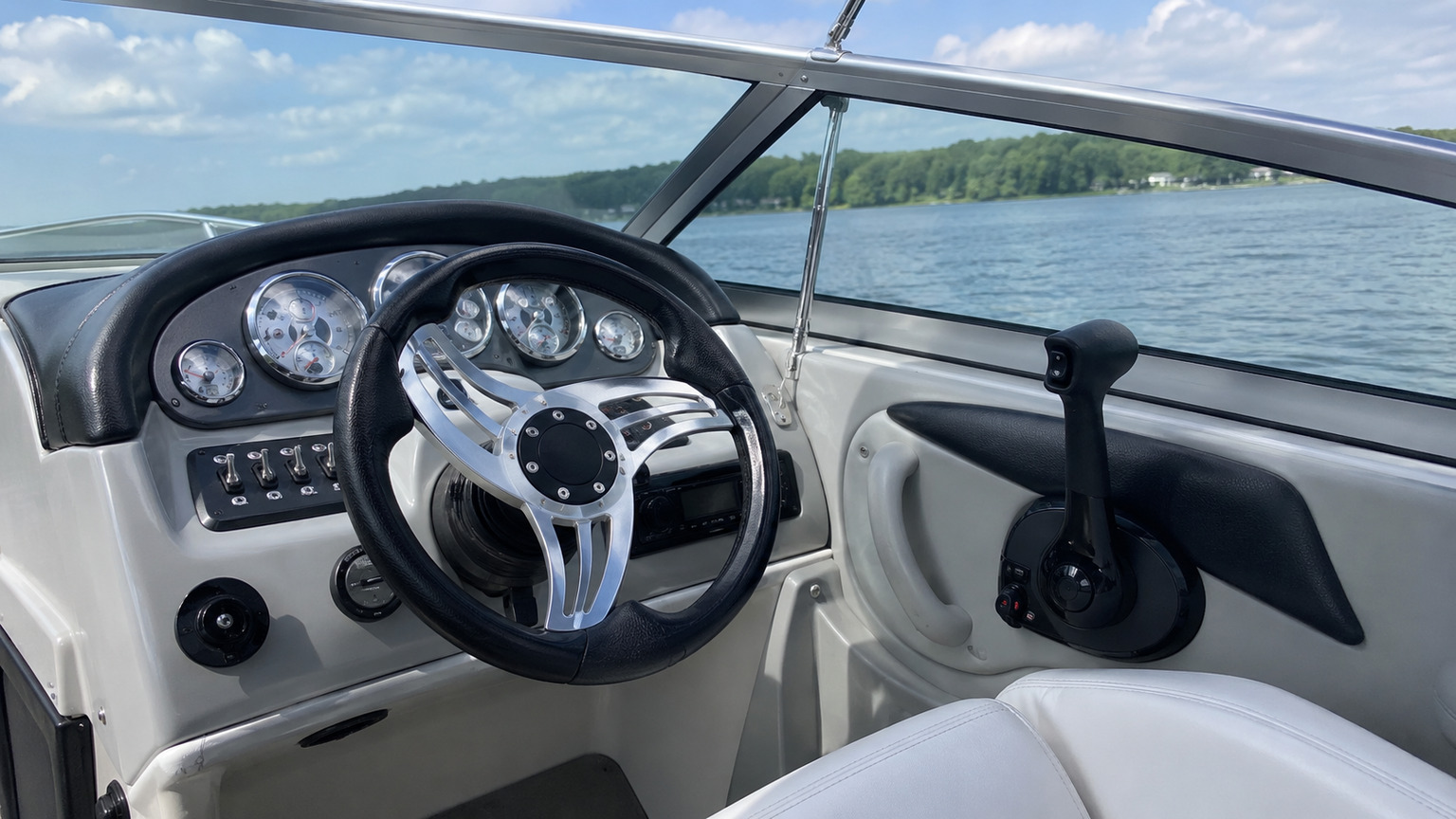
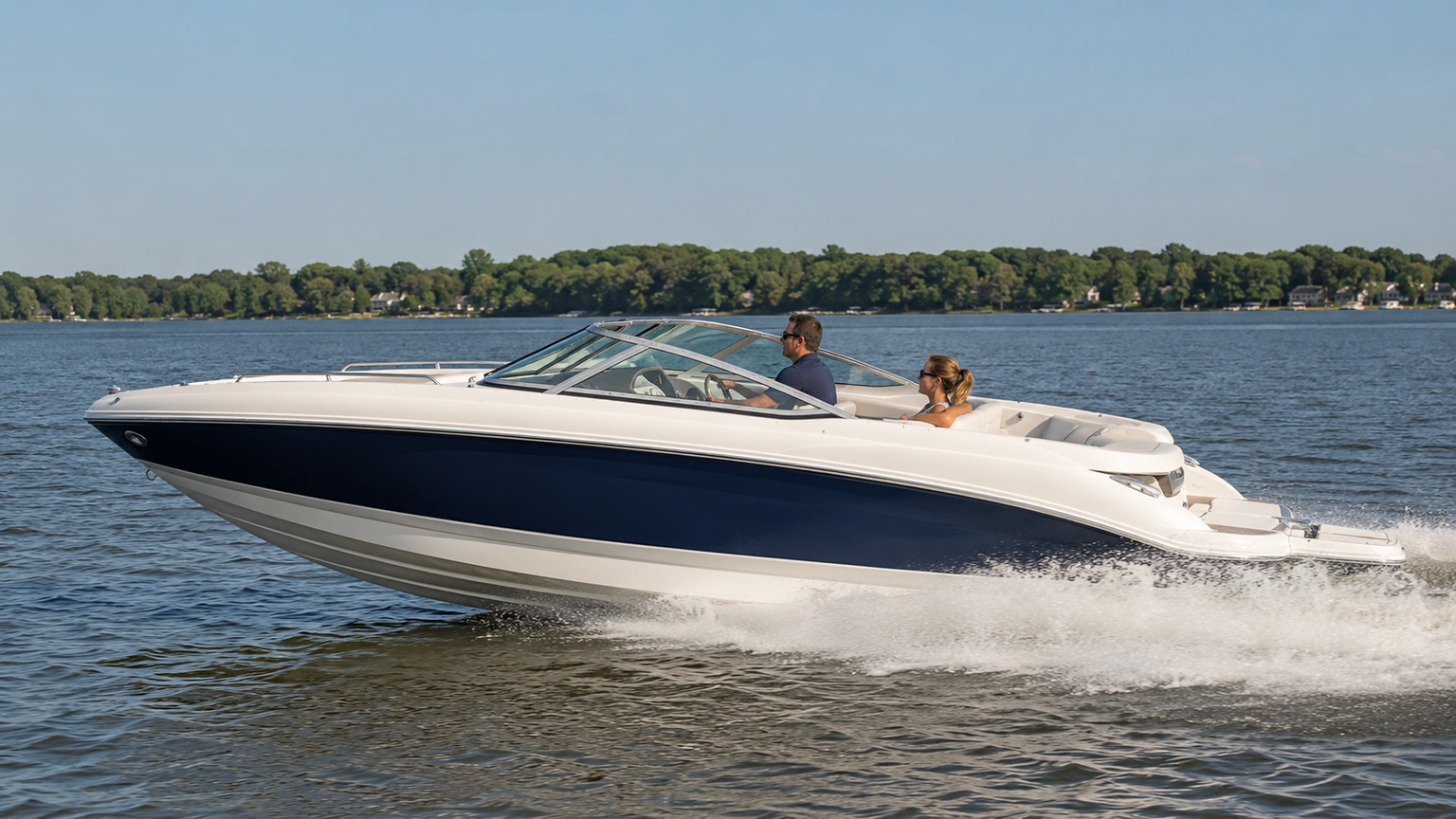
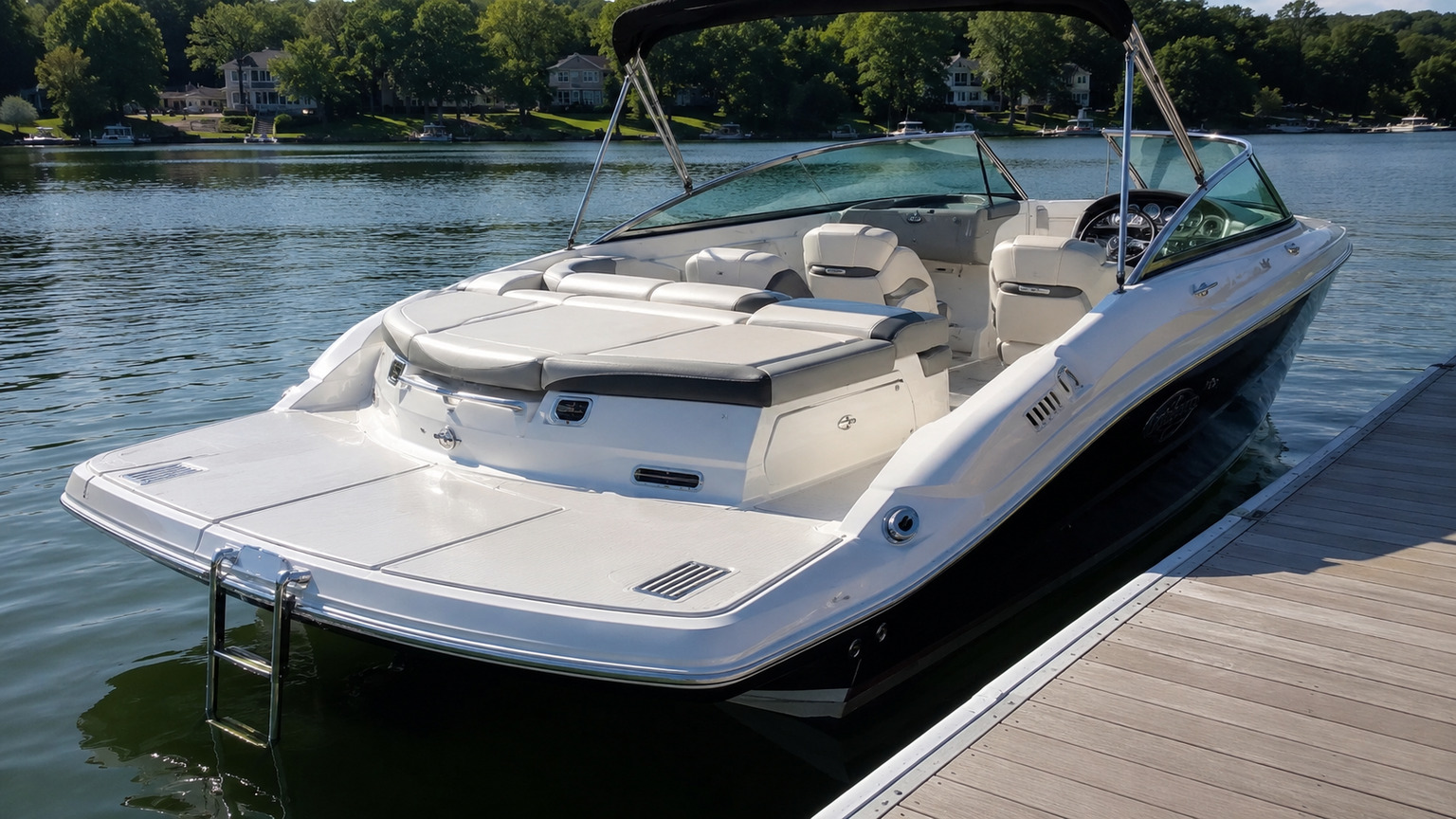
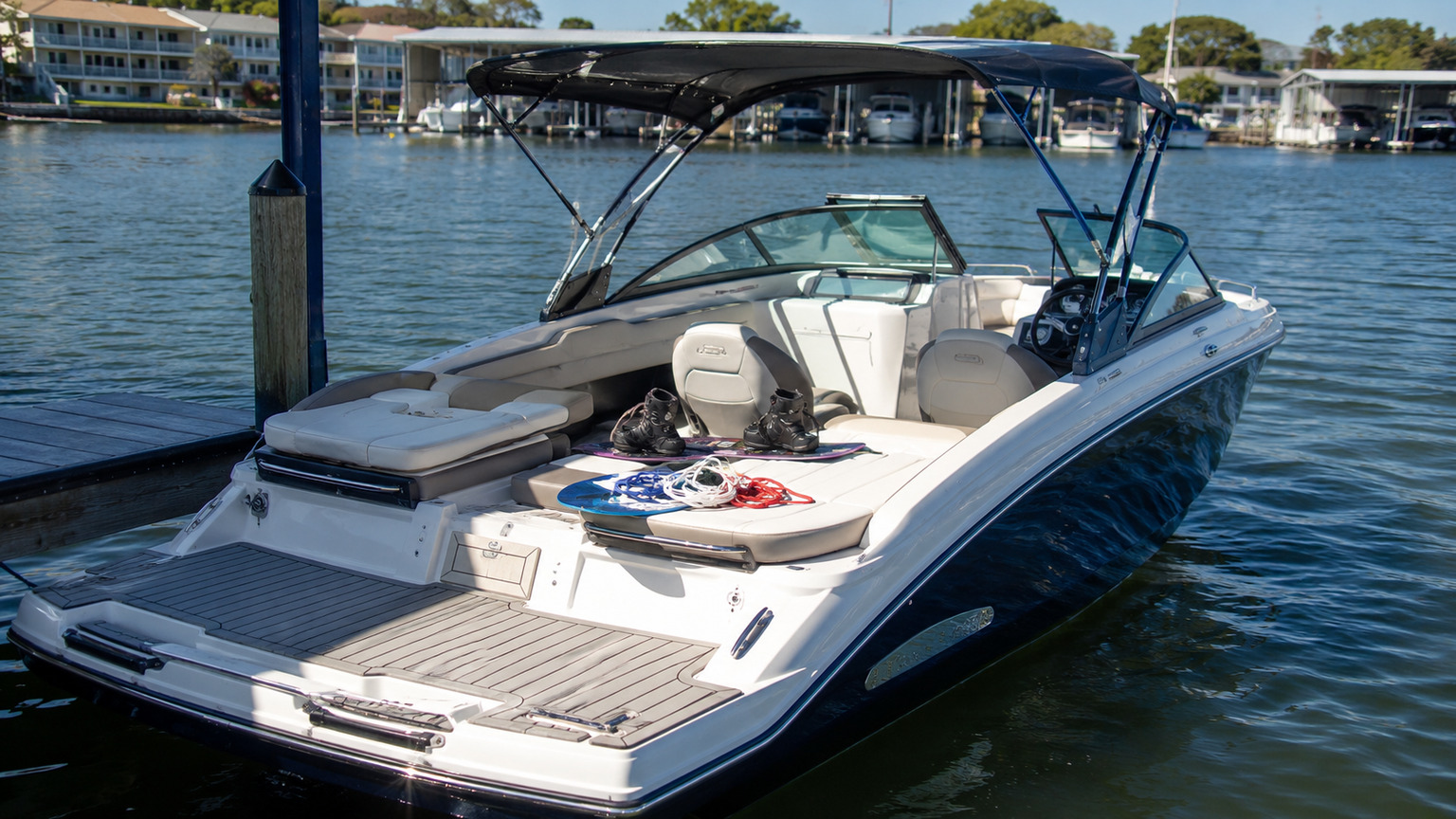
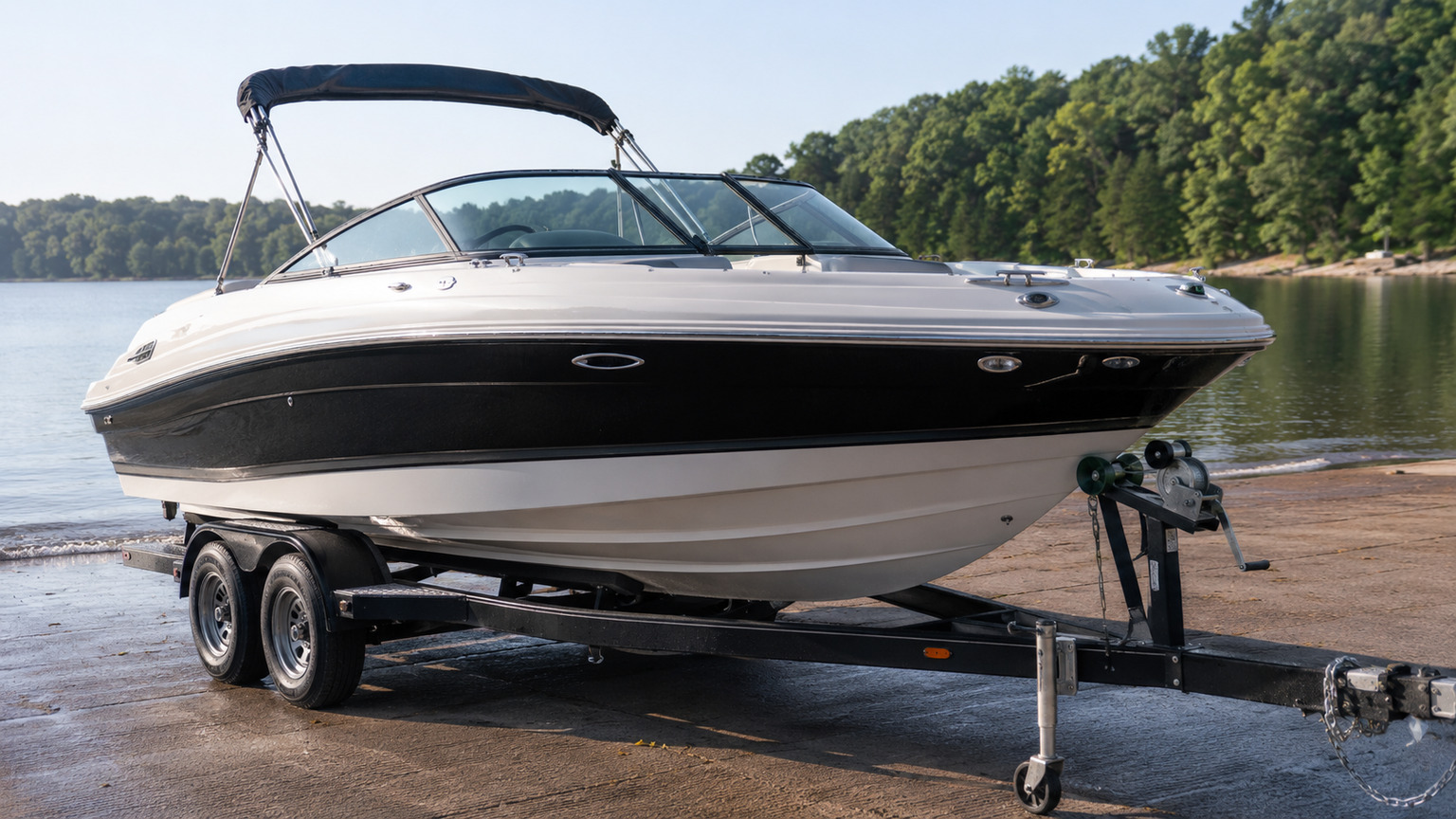
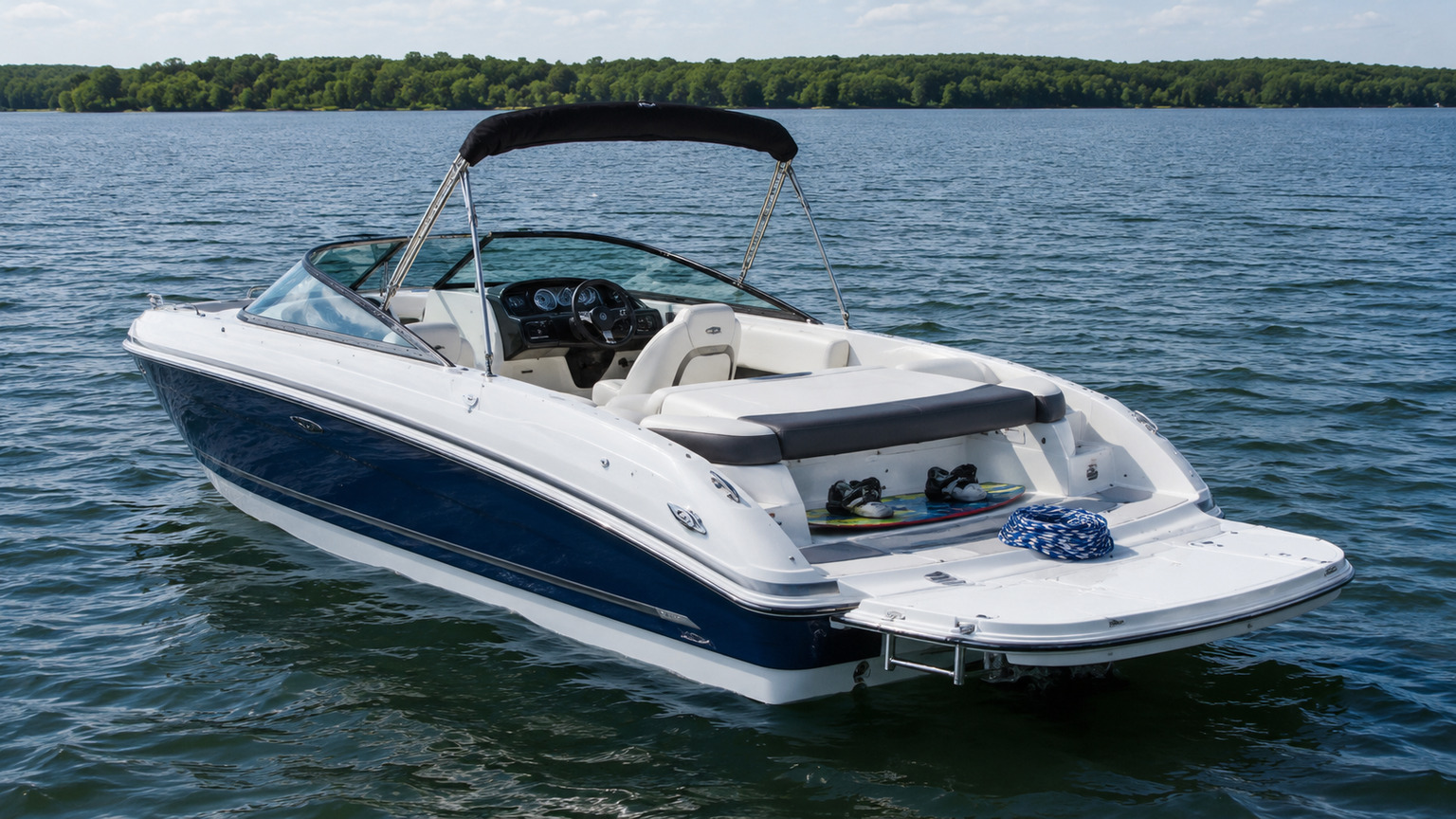
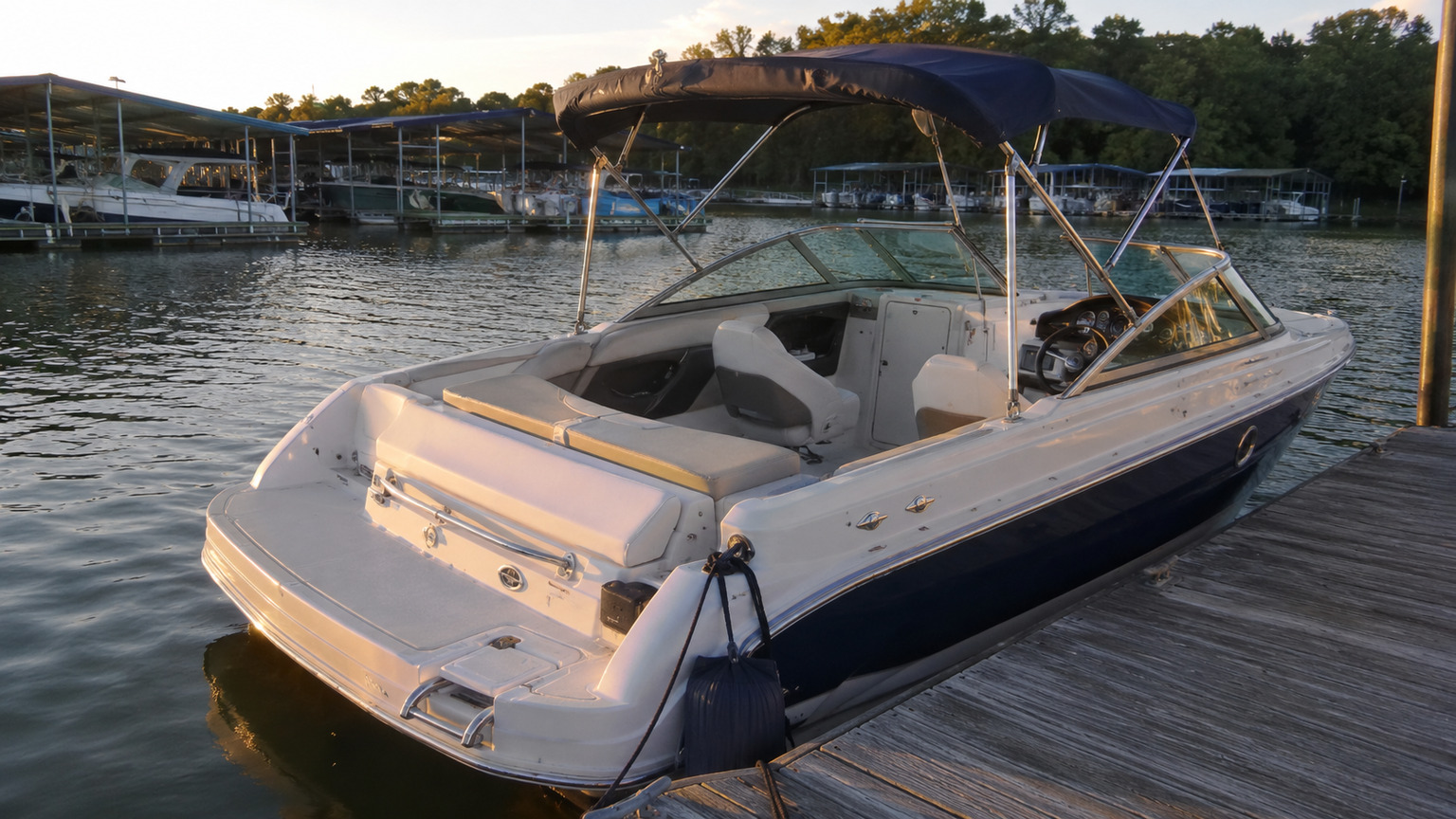
The best 23 SSi comparables match 250- or 300-horsepower drive, engine brand, tower, trailer, flooring, model year, and service records. The sterndrive service file should influence price before stereo upgrades do.
In the 23 SSi market, a permanent price band would age quickly because dealer inventory, model year, engine hours, and option packages change.
In the 23 SSi market, the largest value component is usually propulsion. On the 23 SSi, compare engine or drive brand, horsepower, hours, service history, and any steering or joystick equipment before cosmetics.
In the 23 SSi market, the second adjustment should follow the model’s reason for existing.
Trailer condition matters most when the 23 SSi is realistically a tow-and-ramp boat. In the 23 SSi market, on marina-oriented models, slip and lift compatibility can matter more than the included trailer.
In the 23 SSi market, electronics should be priced for current usefulness. In the 23 SSi market, a functioning older display can be perfectly serviceable without carrying the replacement value of current hardware.
Illustration only and not an offer of credit.
When calculating a 23 SSi payment, the payment should leave room for the sterndrive-specific service plan, insurance, fuel, and the trailer, lift, or marina setup required by this exact boat.
Illustration only and not an offer of credit. Your actual rate and term depend on credit profile, vessel age, loan amount and ownership structure.
The 23 SSi is the largest current value-oriented sterndrive SSi.
Choose the 23 SSi OB when easier engine service, six extra gallons of fuel, and a lighter published package are more valuable than the sterndrive model’s 300-horsepower ceiling and cleaner stern.
Buy the 23 SSi when 300-horsepower potential and a clean stern platform justify sterndrive care. Buy the 23 SSi OB when the family would rather own the engine outside the boat.
The 23 SSi should win because its exact propulsion packaging and ownership routine fit the household. In a 23 SSi versus 23 SSi OB decision, if the alternative solves the same boating mission with fewer recurring compromises, the buyer should move to the alternative before financing.
Start with the hull identification and exact model year. That matters especially on the 23 SSi because Chaparral has changed power, electronics, upholstery, and model availability over time.
Verify the 23 SSi against its published dimensions: 23′ 0″ LOA, 8′ 6″ beam, 3,700 lbs with engine weight reference, 300 HP maximum horsepower, and 50 gallons fuel capacity.
Before closing on a 23 SSi, inspect the hull before the interior. For this 23 SSi, chines, keel, transom, swim-platform joints, tower mounts, and trailer contact points can reveal damage that a clean cockpit hides.
On this sterndrive 23 SSi, propulsion inspection needs to follow the architecture. The 300-horsepower ceiling is 50 horsepower above the 23 SSi OB. That extra sterndrive power comes with transom-drive service, bellows and gimbal inspection, blower operation, cooling-system care, and drive-specific winterization.
Before closing on a 23 SSi, review engine hours and service records. For this 23 SSi, a vague statement that the boat was “dealer maintained” is less useful than invoices that identify actual drive, cooling, lower-unit, or winterization work.
Before closing on a 23 SSi, operate steering, trim, shifting, and throttle under load. The 23 SSi should not produce warnings, vibration, or delayed engagement during a proper sea trial.
The 23 SSi remains mechanically straightforward for a 23-foot family bowrider. Focus on drive trim, blower, bilge, battery, Simrad or factory helm electronics, audio, tower hardware, and the tandem trailer.
Use every feature that defines the 23 SSi. With the engine under the aft deck, the 23 SSi keeps the center of the swim platform open. Families that spend as much time swimming as cruising should physically compare the stern with the outboard sibling.
Before closing on a 23 SSi, inspect the trailer if it is part of the transaction. For this 23 SSi, tires, brakes, bearings, bunks, winch, coupler, frame, and tongue hardware should be valued separately from the boat.
A final 23 SSi fit check should use the family’s real load. With 8′ 6″ of beam, 300 HP of published maximum power, and 50 gallons of fuel capacity, the boat needs to feel organized with the same adults, coolers, boards, fishing gear, or day bags that will normally come aboard. Empty-showroom space can exaggerate how large a cockpit feels once the weekend gear arrives.
Resale planning on the 23 SSi starts with preserving the systems that define this exact model. Keep service records for the sterndrive package, document any electronics or tower work, and photograph major upgrades when they are installed. A later buyer can understand a well-kept 23 SSi quickly when the paperwork explains why the hull, propulsion, and equipment are still worth more than a neglected comparable.
Send Float Finance the actual 23 SSi listing with model year, sterndrive propulsion, engine hours where available, seller type, and asking price.
The 23 SSi is built around families who need 23-foot cockpit space, 300-horsepower capability, and a full-width swim platform without moving into a more expensive luxury bowrider. For a 23 SSi buyer, its strongest reason to exist is not just size; it is the way the sterndrive package, deck, and storage profile fit that use.
The 23 SSi publishes 23′ 0″ of overall length and a 8′ 6″ beam. When shopping a 23 SSi, those numbers should be checked against the actual trailer, lift, garage, or marina because installed engines and accessories can change the real footprint.
Chaparral publishes 300 HP as the maximum reference for the 23 SSi. On this 23 SSi, the capacity plate and model-year build remain authoritative on a used boat.
The 23 SSi publishes 50 gallons of fuel capacity. For a used 23 SSi, usable range depends on the sterndrive setup, passenger load, trim, cruise speed, and water conditions rather than tank size alone.
The 300-horsepower ceiling is 50 horsepower above the 23 SSi OB. That extra sterndrive power comes with transom-drive service, bellows and gimbal inspection, blower operation, cooling-system care, and drive-specific winterization. In a 23 SSi comparison, that drive-specific inspection should happen before a buyer assigns value to upholstery, audio, or cosmetic packages.
Start with 23 SSi OB. Choose the 23 SSi OB when easier engine service, six extra gallons of fuel, and a lighter published package are more valuable than the sterndrive model’s 300-horsepower ceiling and cleaner stern.
Buy the 23 SSi when 300-horsepower potential and a clean stern platform justify sterndrive care. Buy the 23 SSi OB when the family would rather own the engine outside the boat. The sterndrive 23 SSi is strongest when the family values the uninterrupted stern platform enough to accept blower, bellows, gimbal, drive-service, and winterization responsibilities.
Potentially. A used 23 SSi financing decision can depend on model year, value, condition, purchase amount, seller type, and borrower qualifications. In the 23 SSi decision, send Float Finance the exact listing so the loan discussion reflects the actual boat.
Tell us a little bit about yourself and the boat you are looking to finance.