
Call Us : 207-994-5109
Mon – Fri: 8 am to 9 pm & Sat – Sun: 10 am to 8 pm
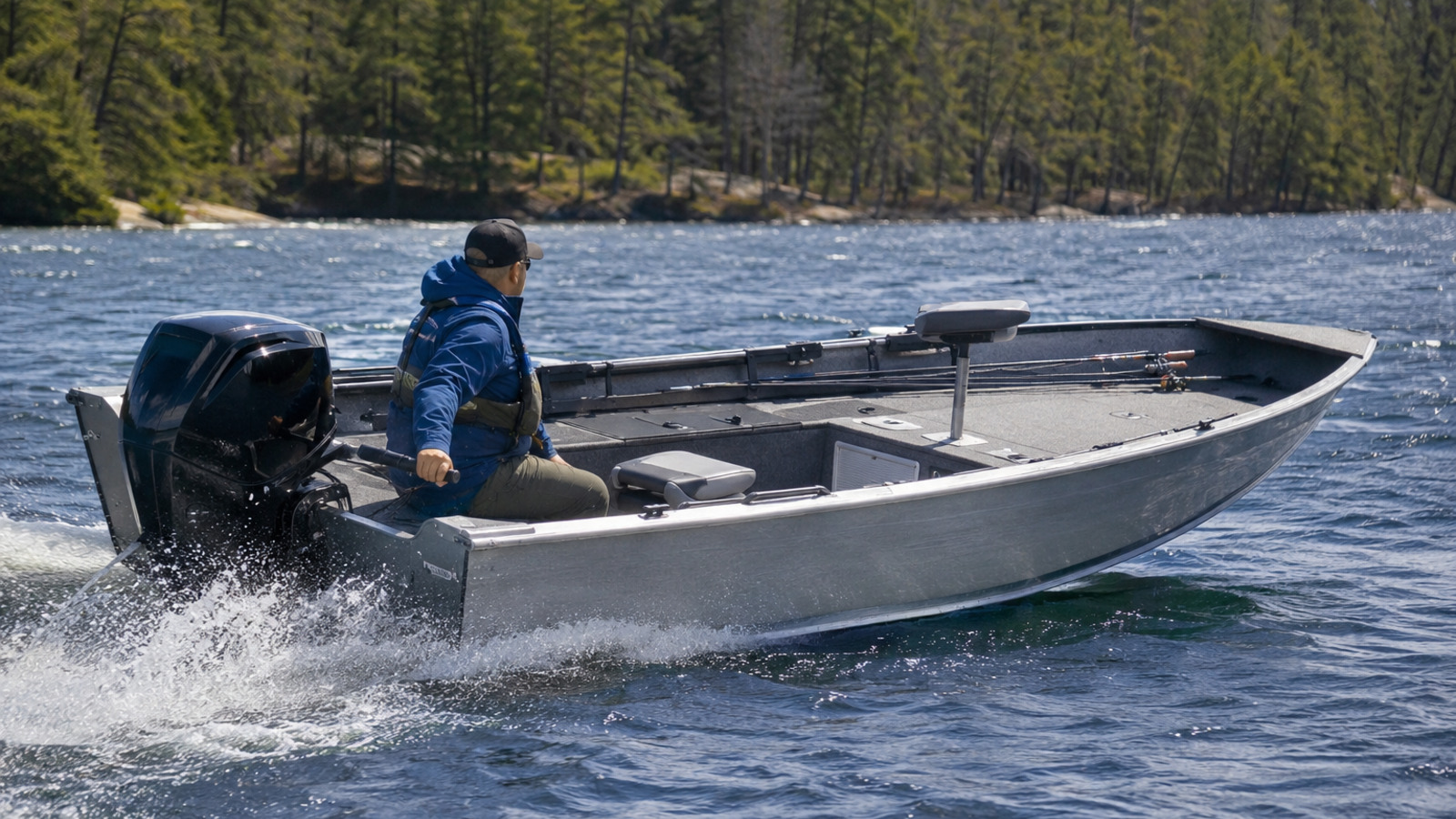
The 1875 Pro Guide is aimed at walleye guides, backtrollers, and anglers who intentionally prefer tiller control and an open working cockpit. The 1875 Pro Guide is designed around the operator at the stern, not around a windshield: 90 hp, 35 gallons of fuel, dual livewells, and nine-foot rod storage are organized for fishing first.
The Lund 1875 Pro Guide makes sense only when its layout is matched to the way the owner actually boats. The Lund 1875 Pro Guide measures 18′ 10″, carries a 93″ beam, is rated to 90 HP, and applies the Pro Guide design brief to serious big-water tiller fishing, keeping the operator at the stern and the cockpit open instead of building the boat around a windshield.
Within the Pro Guide family, the 1875 Pro Guide is the compact choice and the 2075 Pro Guide is the natural size-up comparison. The 1875 Pro Guide keeps the package at 18′ 10″ and 93″, while the 2075 Pro Guide moves to 20′ 9″ and 93″; buy the larger hull only if its extra room, power, or water capability solves a recurring problem rather than an occasional one.
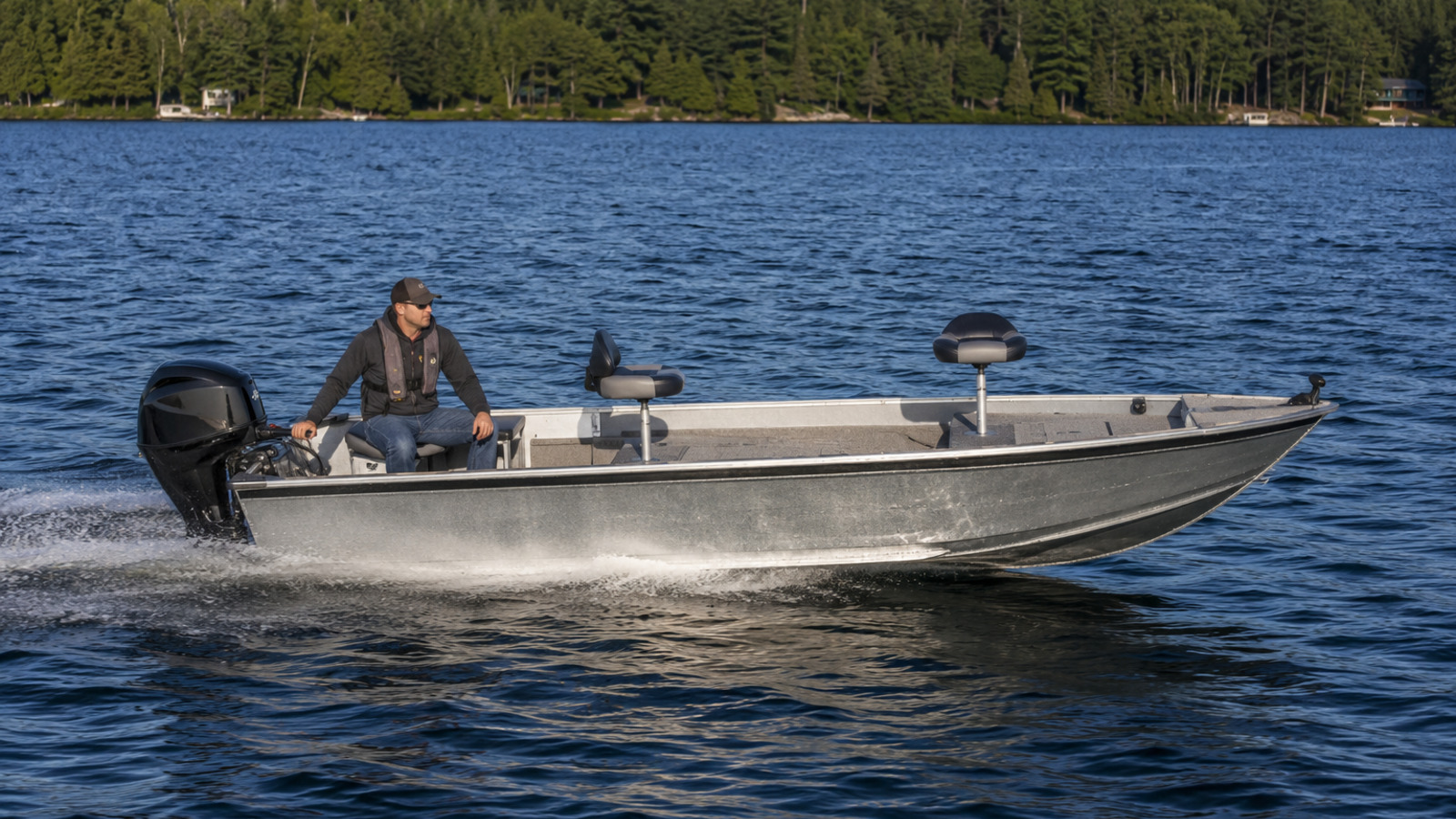
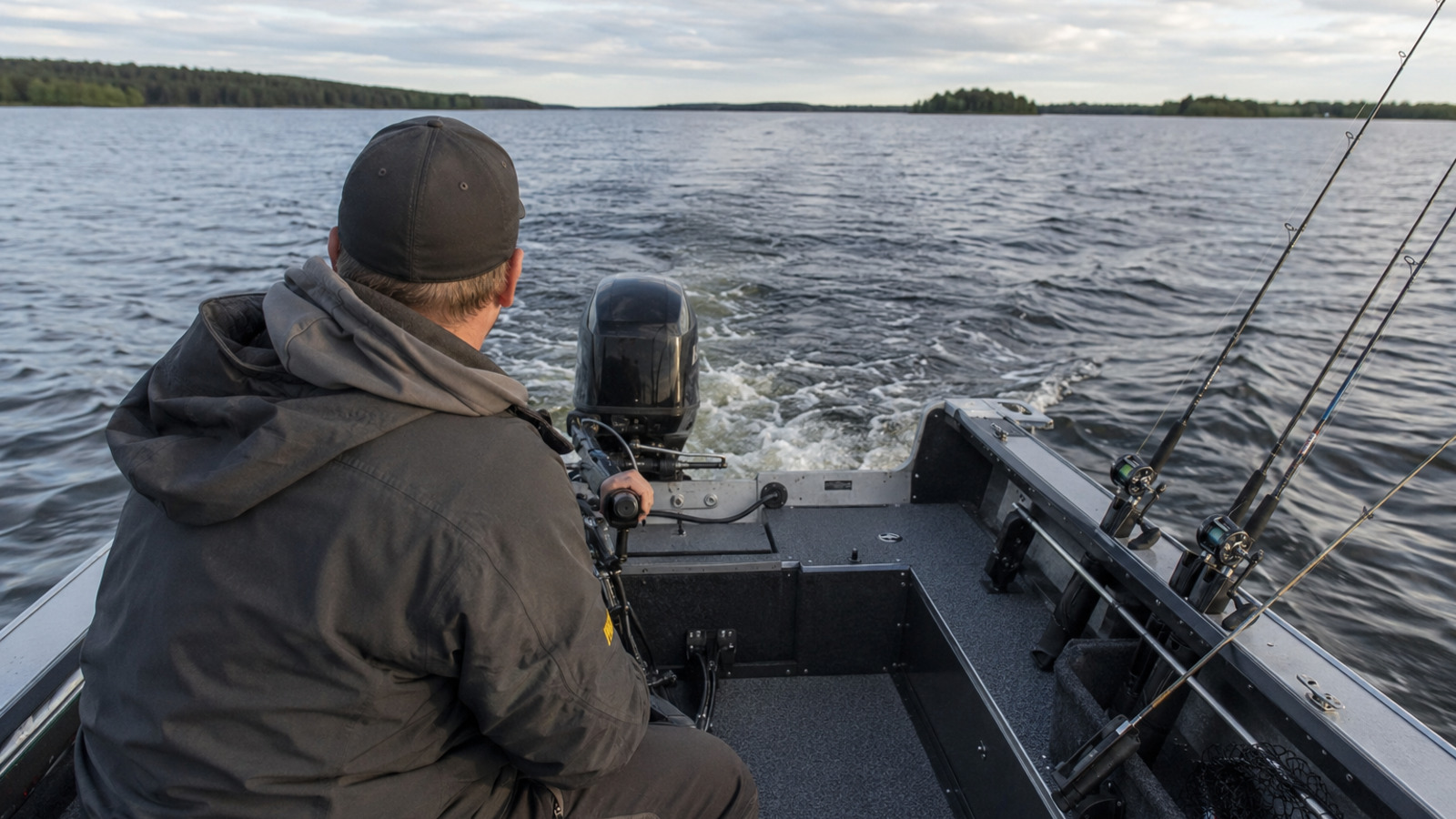
Because the 1875 Pro Guide is tiller-steered, the operator works from the stern and the middle of the boat stays comparatively open; that favors precise low-speed fishing and cargo room but concentrates driver, battery, and engine weight aft.
The 1875 Pro Guide is aimed at this use case: Walleye guides, backtrollers, and anglers who intentionally prefer tiller control and an open working cockpit; the 2075 Pro Guide is aimed at this one: Experienced tiller anglers who want twenty-foot big-water capability without giving up stern steering. The deck decision should follow those two jobs before it follows horsepower or price.
For a Lund 1875 Pro Guide, financing should come after this fit test.
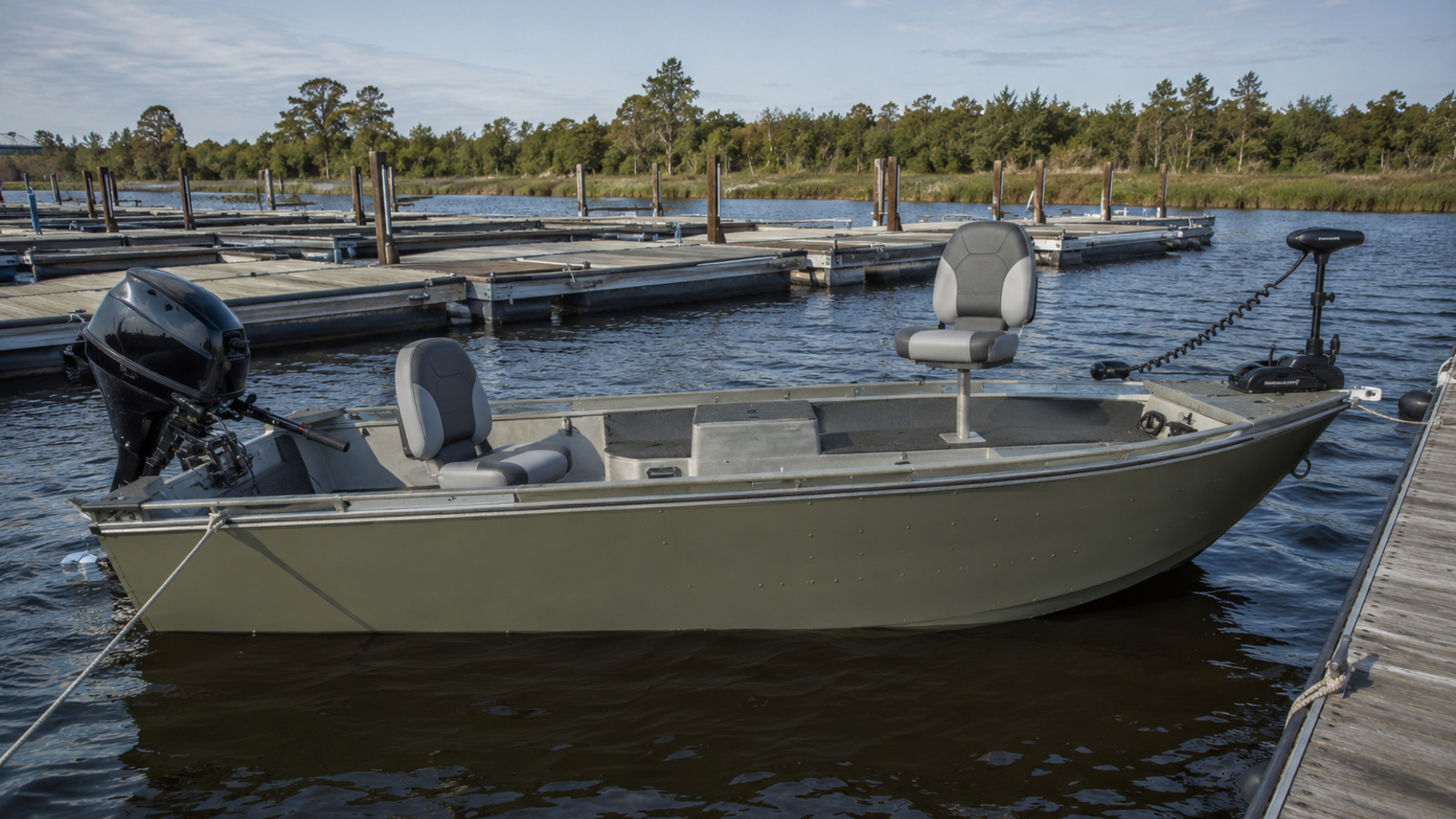
Published factory figures. Confirm every dimension against the individual boat before you commit.
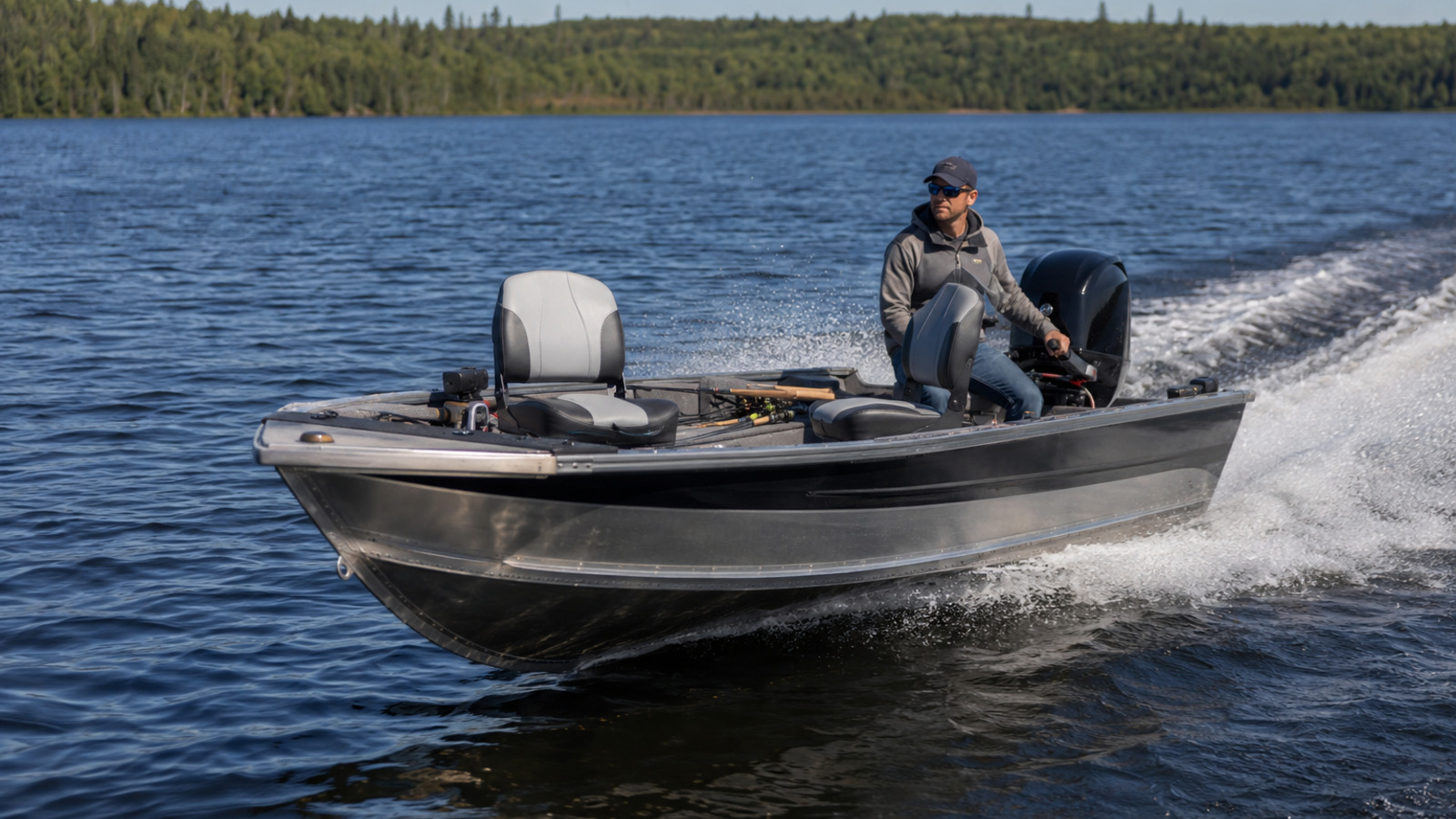
The 1875 Pro Guide starts with a 18′ 10″ hull and 93″ beam, but the useful hull question is what those dimensions let this Pro Guide do. In this case, the 1875 Pro Guide is built for multi-species water where precise boat control, backtrolling, and a tiller-oriented fishing position are central to the day. For the 1875 Pro Guide, the published construction description is .080 in bottom; .160 in double-plated bow; .063 in freeboard; IPS2.
On this aluminum 1875 Pro Guide, work from the keel outward. On the 1875 Pro Guide, check the bottom where trailer bunks carry weight, the chines, the transom, fastened seams, and holes added for transducers, ladders, electronics, or other equipment. For the 1875 Pro Guide, repeated dents or poorly sealed accessories tell more about long-term condition than carpet wear, especially on a boat expected to operate in walleye water from inland lakes to larger exposed fisheries.
For the 1875 Pro Guide, the nearest physical comparison is the 2075 Pro Guide, which measures 20′ 9″ on a 93″ beam and is rated to 250 HP. The 1875 Pro Guide is 18′ 10″ on 93″ with 90 HP. The differences around the 1875 Pro Guide should show up in usable room, trailer fit, and the conditions the boat can handle comfortably.
For the 1875 Pro Guide, Lund lists 1,335 lb as the published boat-weight reference for this configuration. For the 1875 Pro Guide, that is not the tow-ready number.
Lund rates the 1875 Pro Guide to 90 HP. For the 1875 Pro Guide, the published power ceiling belongs beside the tiller layout and this intended use: Walleye guides, backtrollers, and anglers who intentionally prefer tiller control and an open working cockpit. On the 1875 Pro Guide, engine choice changes how the hull carries crew and gear, while steering position changes how the owner uses the deck on every trip.
The tiller position keeps the middle of the 1875 Pro Guide open and puts the driver at the stern. On the 1875 Pro Guide, that supports a deep-V fishing deck arranged around direct tiller control, open cockpit room, long rods, livewells, and anglers who work from the stern.
Power is one difference between the 1875 Pro Guide and 2075 Pro Guide. Lund publishes 90 HP for the 1875 Pro Guide and 250 HP for the 2075 Pro Guide. Sea-trial the 1875 Pro Guide and 2075 Pro Guide with realistic load, then compare time to plane, midrange response, steering effort and control at the speeds the owner will actually use.
For the exact outboard on a used 1875 Pro Guide, begin with a cold start and service history. On the 1875 Pro Guide, inspect the gearcase, skeg, propeller, mounting hardware, steering, charging output, fuel lines and rigging.
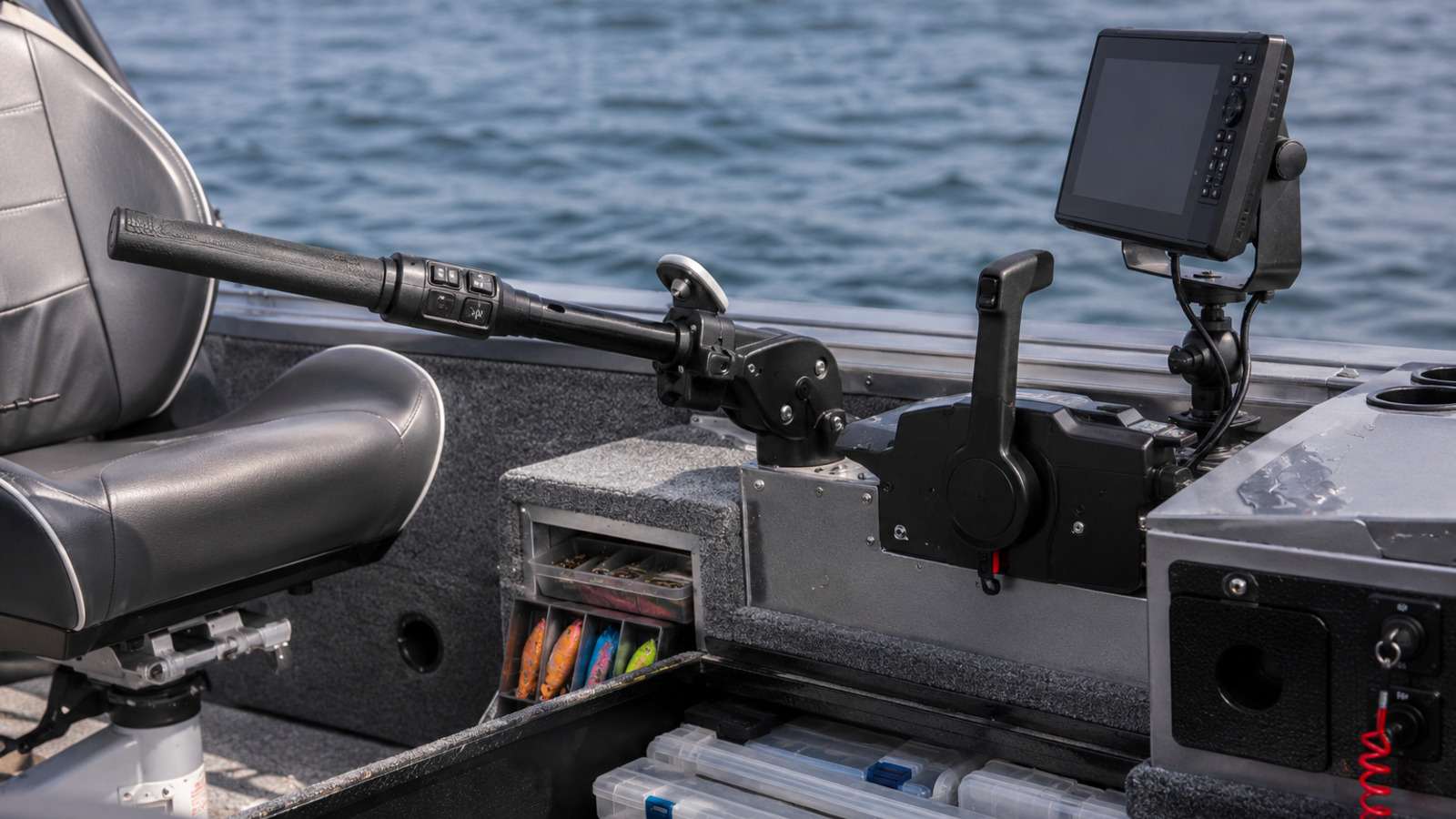
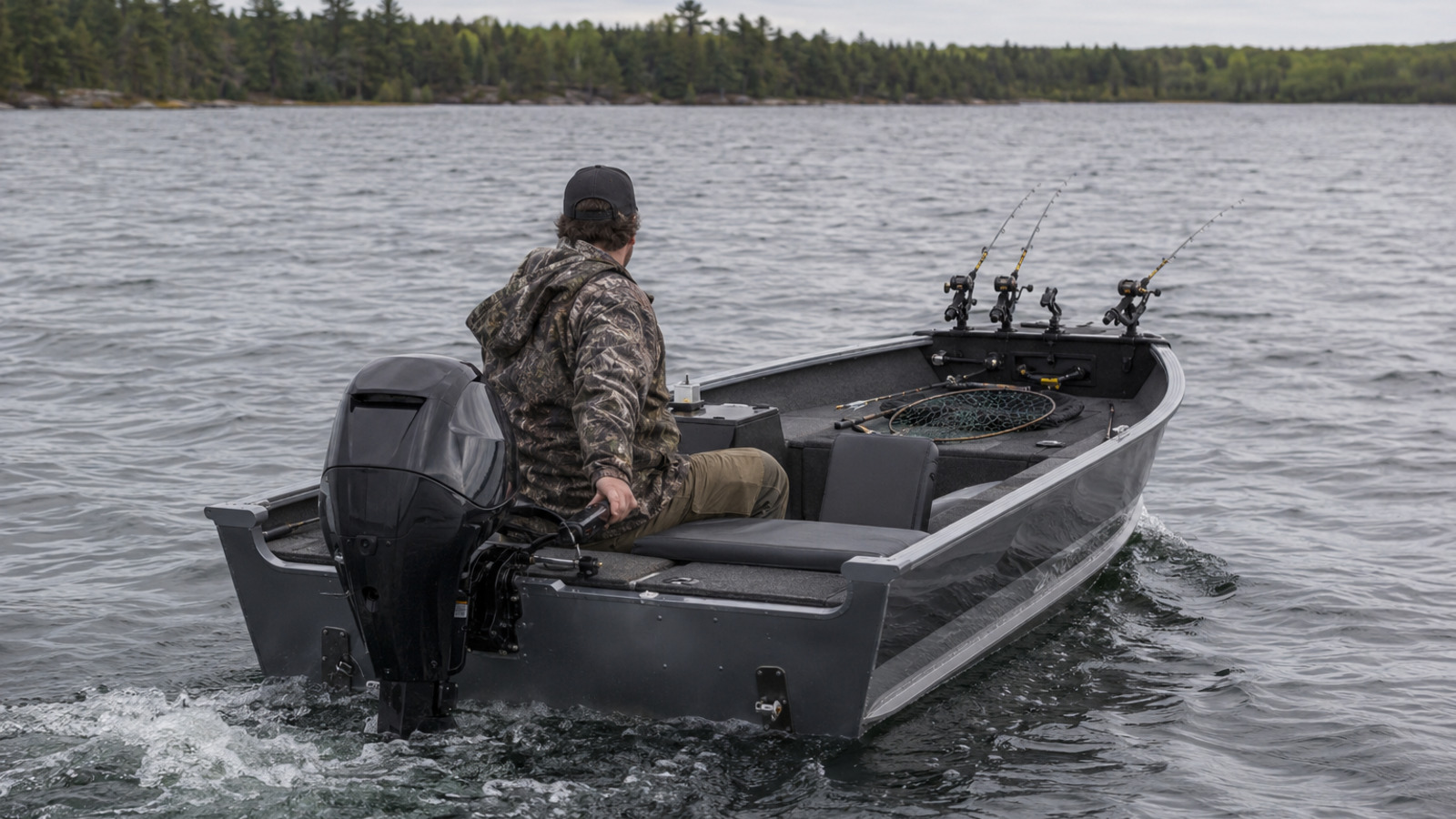
The 1875 Pro Guide carries 35-gallon fuel capacity. For the 1875 Pro Guide, that tells you how much fuel can be stored, not how far the boat will travel.
For the 1875 Pro Guide, the published speed reference is 36 to 40 mph. On the 1875 Pro Guide, treat that as a setup reference rather than a cruise target.
Fuel capacity also separates the 1875 Pro Guide from the 2075 Pro Guide. The 1875 Pro Guide carries 35-gallon fuel capacity; the 2075 Pro Guide carries 43-gallon fuel capacity. For the 1875 Pro Guide, the 2075 Pro Guide has the larger reserve, which can matter for long runs.
On the 1875 Pro Guide, keep fuel outside the loan payment when testing affordability. That is especially important for the 1875 Pro Guide because its intended use is specific: Walleye guides, backtrollers, and anglers who intentionally prefer tiller control and an open working cockpit.
The 1875 Pro Guide should be tested in the mixed conditions it is actually likely to see: multi-species water where precise boat control, backtrolling, and a tiller-oriented fishing position are central to the day.
For the 1875 Pro Guide, the 2075 Pro Guide is the useful control in the comparison. The 2075 Pro Guide measures 20′ 9″ with a 93″ beam and 250 HP maximum power; the 1875 Pro Guide is 18′ 10″ with 93″ and 90 HP.
If the exact 1875 Pro Guide is slow to plane, porpoises, ventilates in turns or requires unusual steering effort, separate setup from hull design before drawing a conclusion. Propeller pitch, engine height, damaged blades, battery placement, excessive stern load and an outboard that is not producing full power can all create behavior that another correctly rigged 1875 Pro Guide will not share.
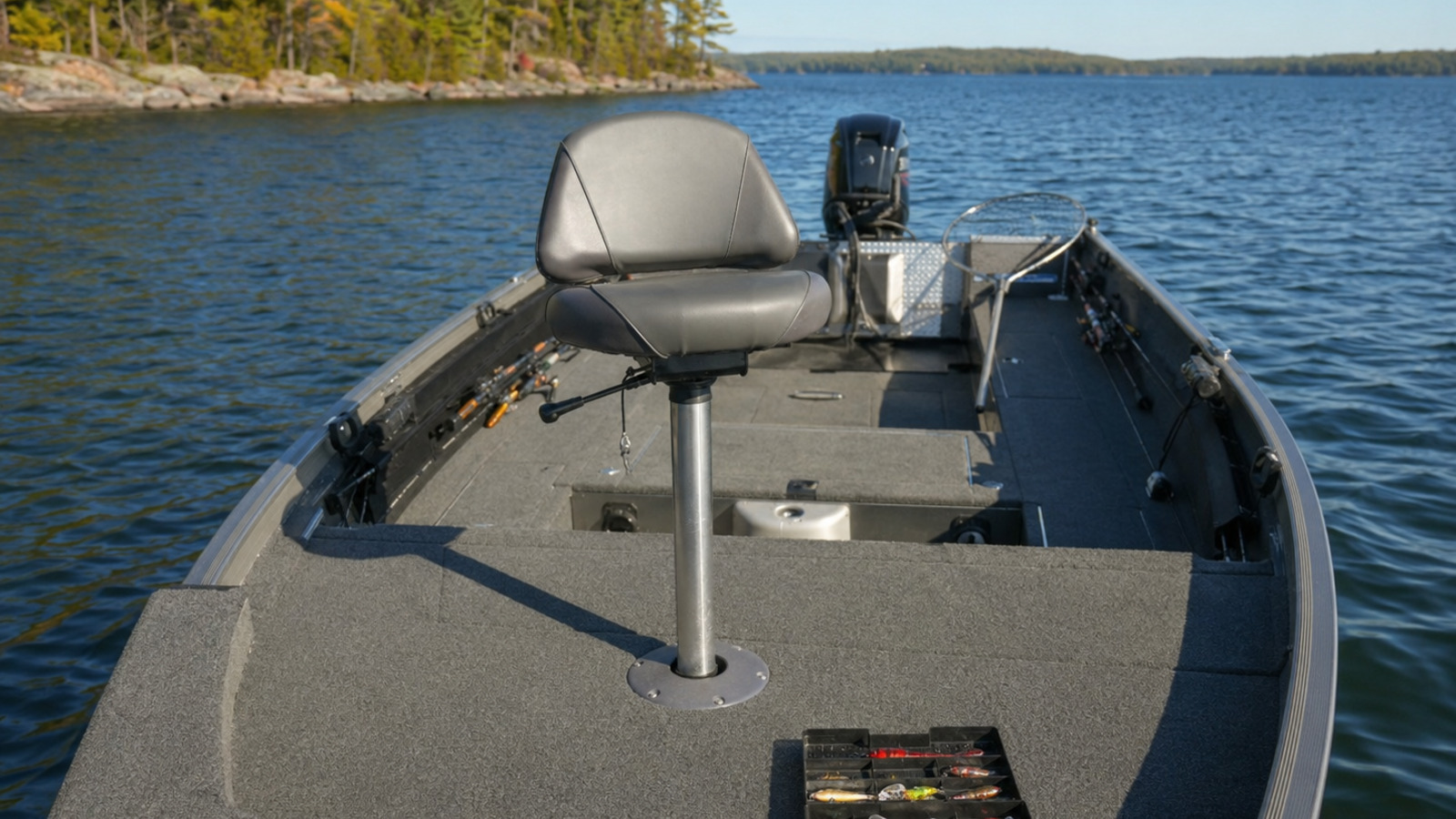
The deck is where the 1875 Pro Guide either proves or disproves its fit. The 1875 Pro Guide is aimed at this buyer and use case: Walleye guides, backtrollers, and anglers who intentionally prefer tiller control and an open working cockpit.
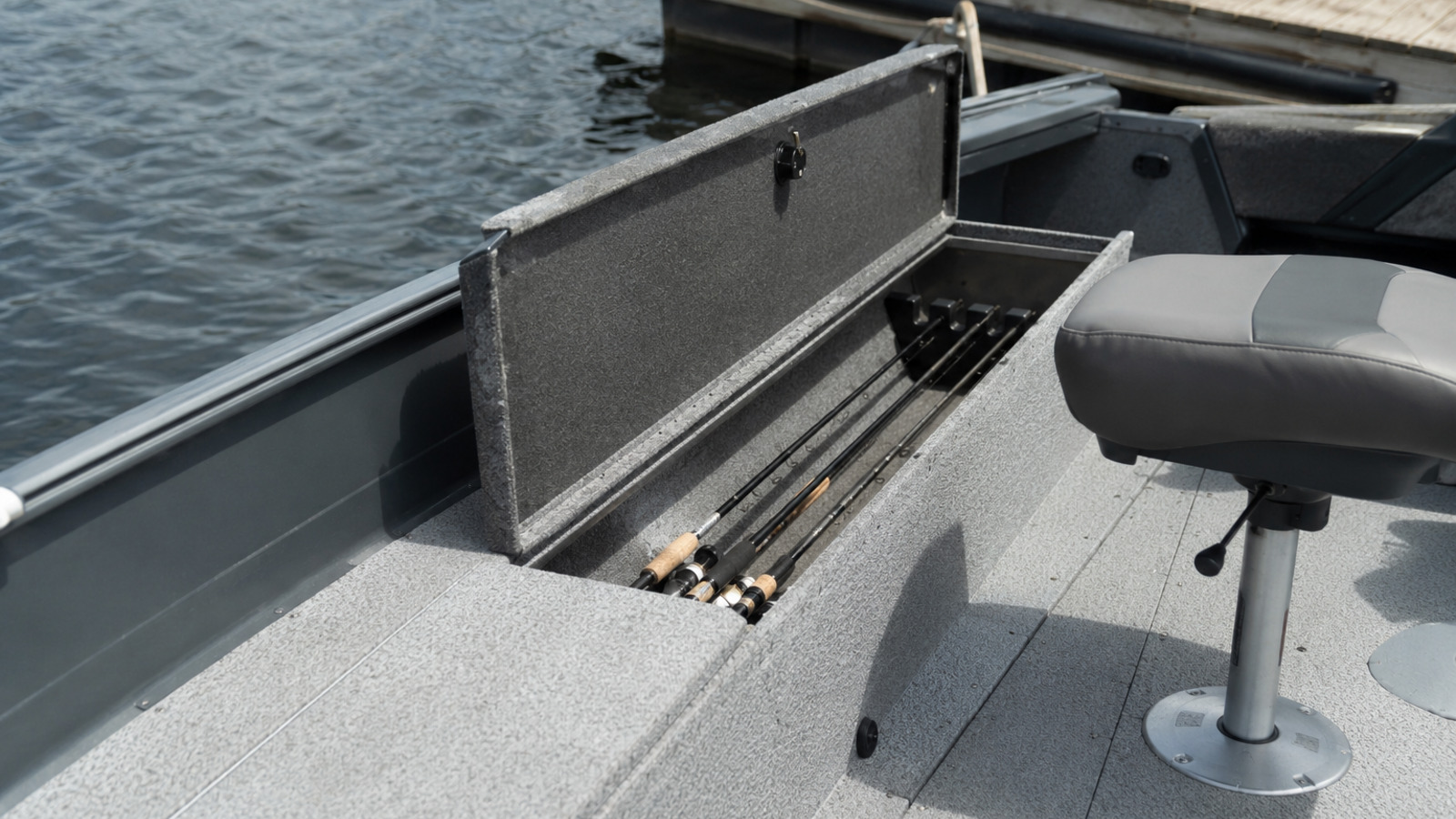
On this 1875 Pro Guide, rod storage is published as 9-foot rod storage; fish-holding equipment is listed as Dual livewells; the capacity rating is 6 people. Those are not abstract specifications. On the 1875 Pro Guide, load the longest rods the owner will carry, open and operate the livewell with nearby seats or gear in normal positions and place the normal crew where they will sit, stand, fish or ride.
The tiller keeps helm hardware out of the middle of the 1875 Pro Guide and preserves the open working area that defines this layout.
Walk the 1875 Pro Guide and 2075 Pro Guide back to back if possible. For the 1875 Pro Guide, the 2075 Pro Guide is aimed at this use case: Experienced tiller anglers who want twenty-foot big-water capability without giving up stern steering. The 1875 Pro Guide is aimed at this one: Walleye guides, backtrollers, and anglers who intentionally prefer tiller control and an open working cockpit.
Use these eight 1875 Pro Guide features as a hands-on checklist and verify each item on the exact boat being purchased.
On the 1875 Pro Guide, inspect tiller steering for condition, secure mounting and practical access before treating it as included value.
On the 1875 Pro Guide, run the dual livewells pumps, recirculation and drains where fitted, then check nearby compartments for leaks.
On the 1875 Pro Guide, inspect ips2 for condition, secure mounting and practical access before treating it as included value.
On the 1875 Pro Guide, inspect guide-oriented command area for condition, secure mounting and practical access before treating it as included value.
The 1875 Pro Guide systems review should reflect trolling and sonar power, livewell plumbing, batteries, tiller rigging, and kicker or accessory installations that should preserve stern balance. On the 1875 Pro Guide, start with batteries, charging, main circuit protection, bilge equipment, navigation lights and the electronics included in the sale.
Lund lists Dual livewells for the 1875 Pro Guide. For the 1875 Pro Guide, fill and drain the system, run recirculation or aeration functions that are actually fitted, and look into neighboring compartments for leakage.
For the 1875 Pro Guide, the published rod-storage reference is 9-foot rod storage. On the 1875 Pro Guide, load that compartment with the longest rods the owner actually uses and check tubes, hinges, latches and lid clearance.
On the 1875 Pro Guide, finish with the trailer and outboard rigging. On the 1875 Pro Guide, inspect trailer lights, tires, bearings, winch, safety chains, bunks or rollers and brakes where fitted, then check the transom wiring and steering as the outboard turns from lock to lock.
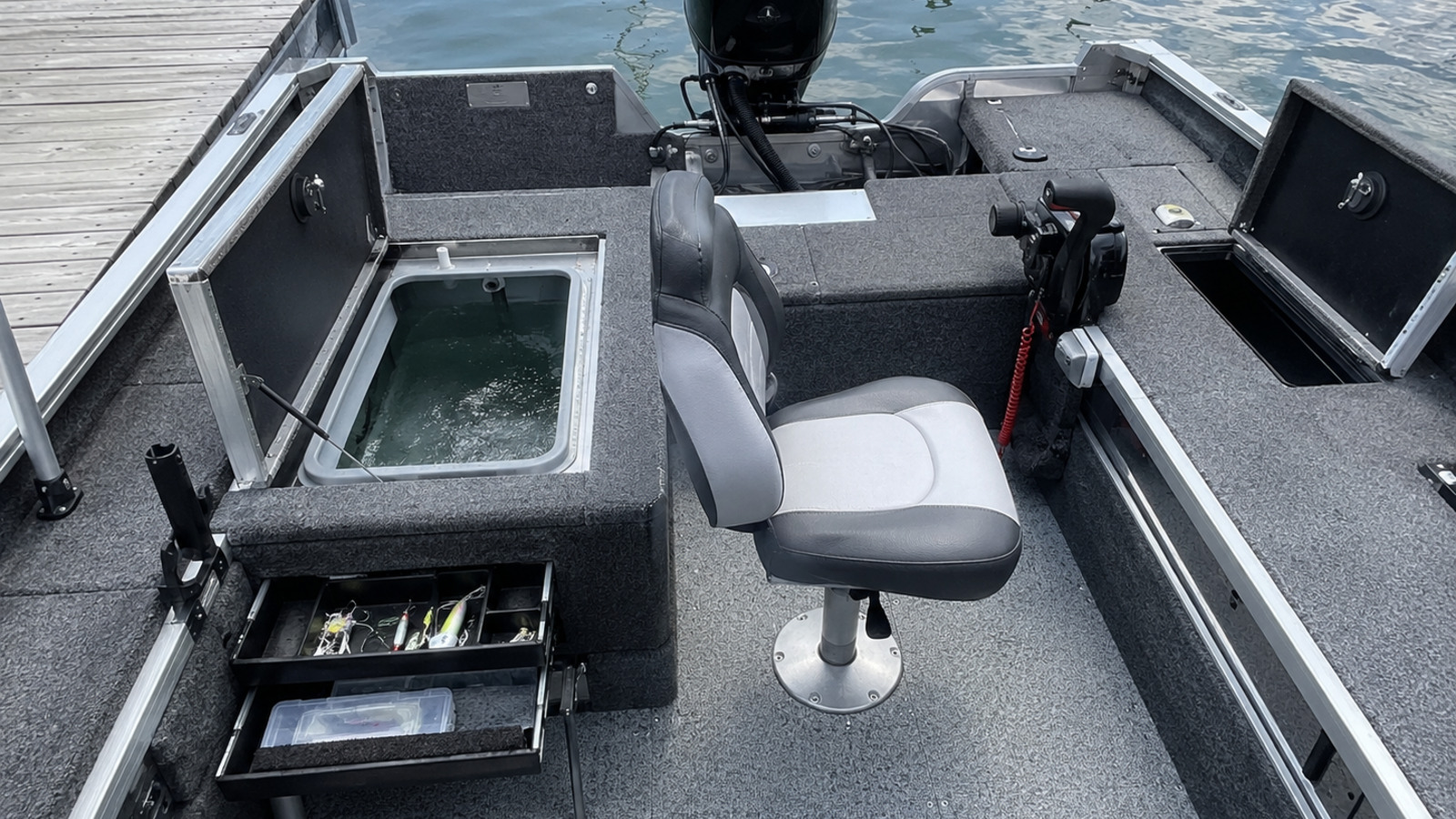
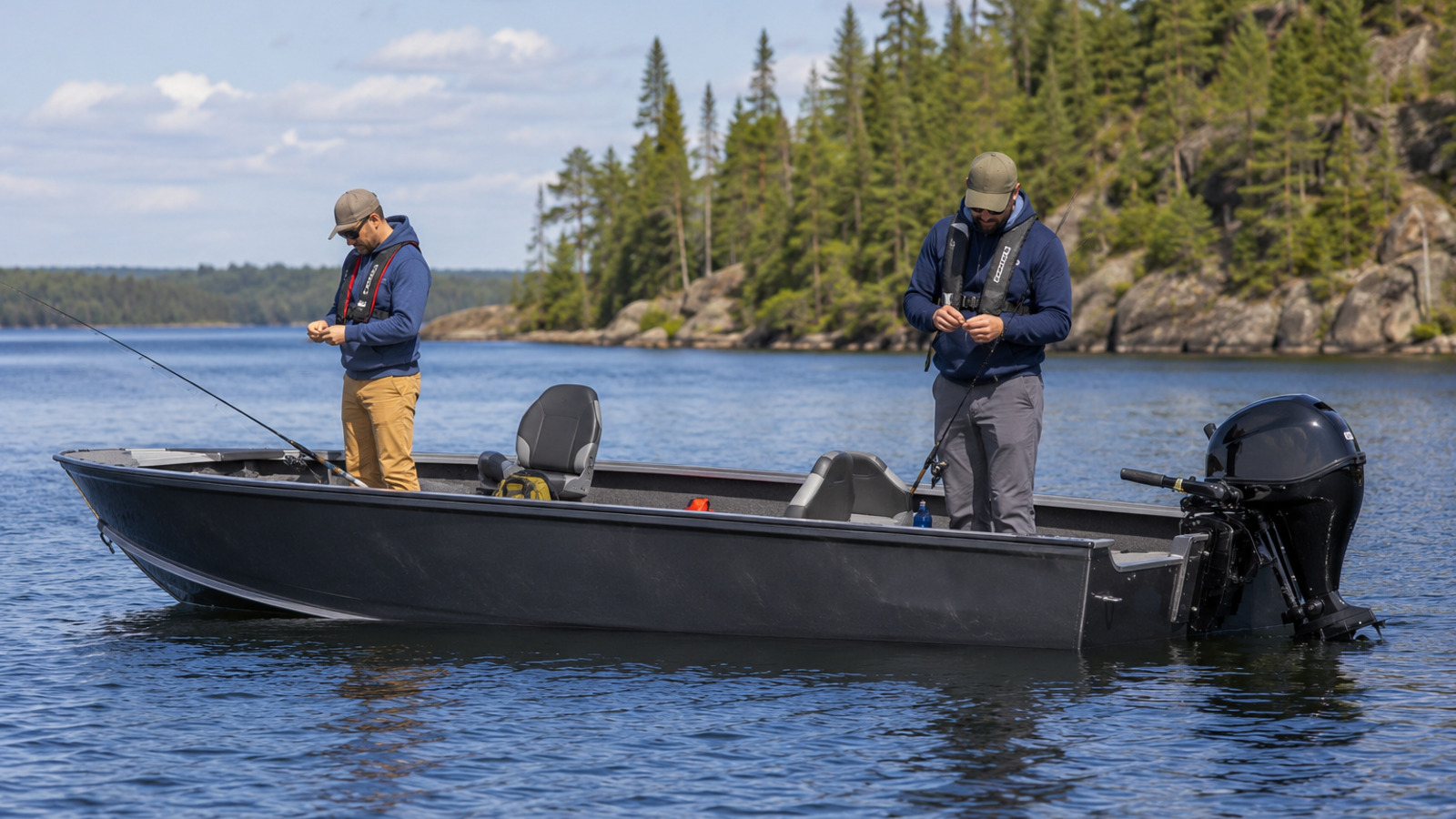
The 1875 Pro Guide is normally a day boat, so dock and storage fit should be settled before closing. For the 1875 Pro Guide, the hull is 18′ 10″ long and 93″ wide, but the complete package adds trailer tongue, outboard position, windshield or console height, trolling motor, guide posts and accessories.
For the 1875 Pro Guide, the published boat-weight reference is 1,335 lb. Add the selected outboard, trailer, 35 gallons of fuel, batteries, electronics and normal gear before matching the 1875 Pro Guide to a tow vehicle.
In New Hampshire and other freeze climates, the 1875 Pro Guide also needs a winter plan that matches its equipment. On the 1875 Pro Guide, protect the outboard and fuel system, manage batteries, drain pumps or plumbing that are actually fitted, and prevent water from pooling under the cover.
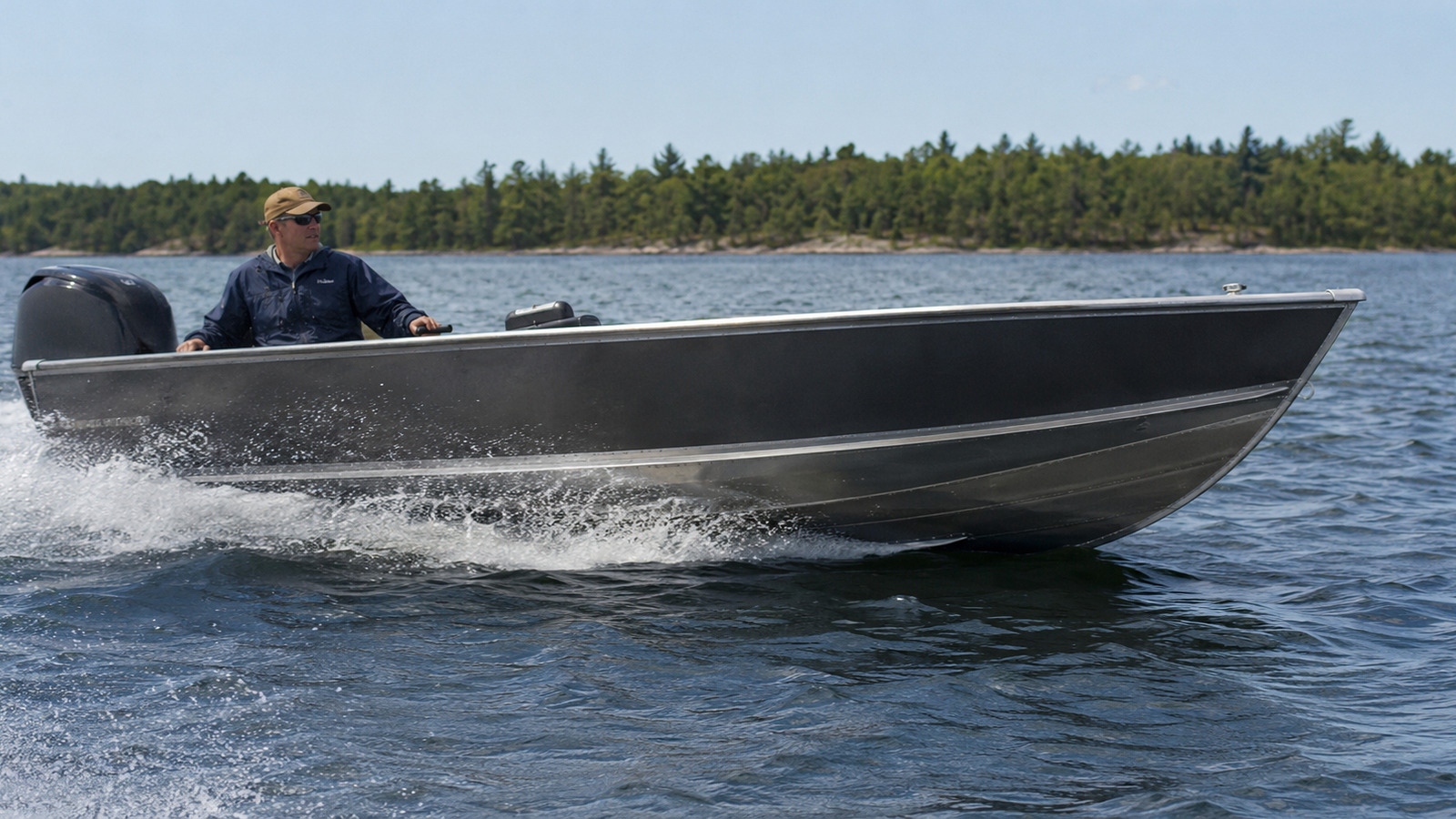
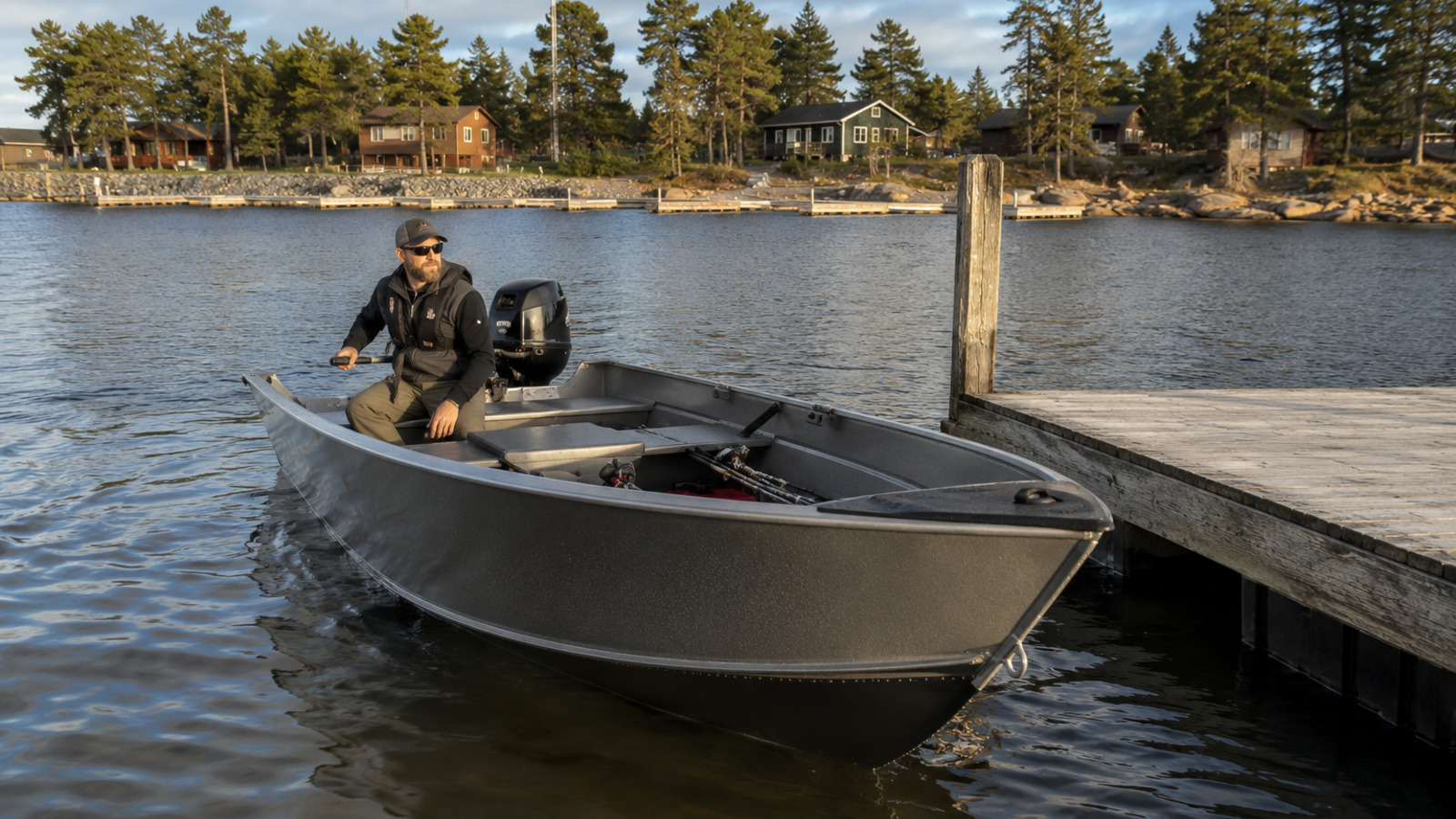
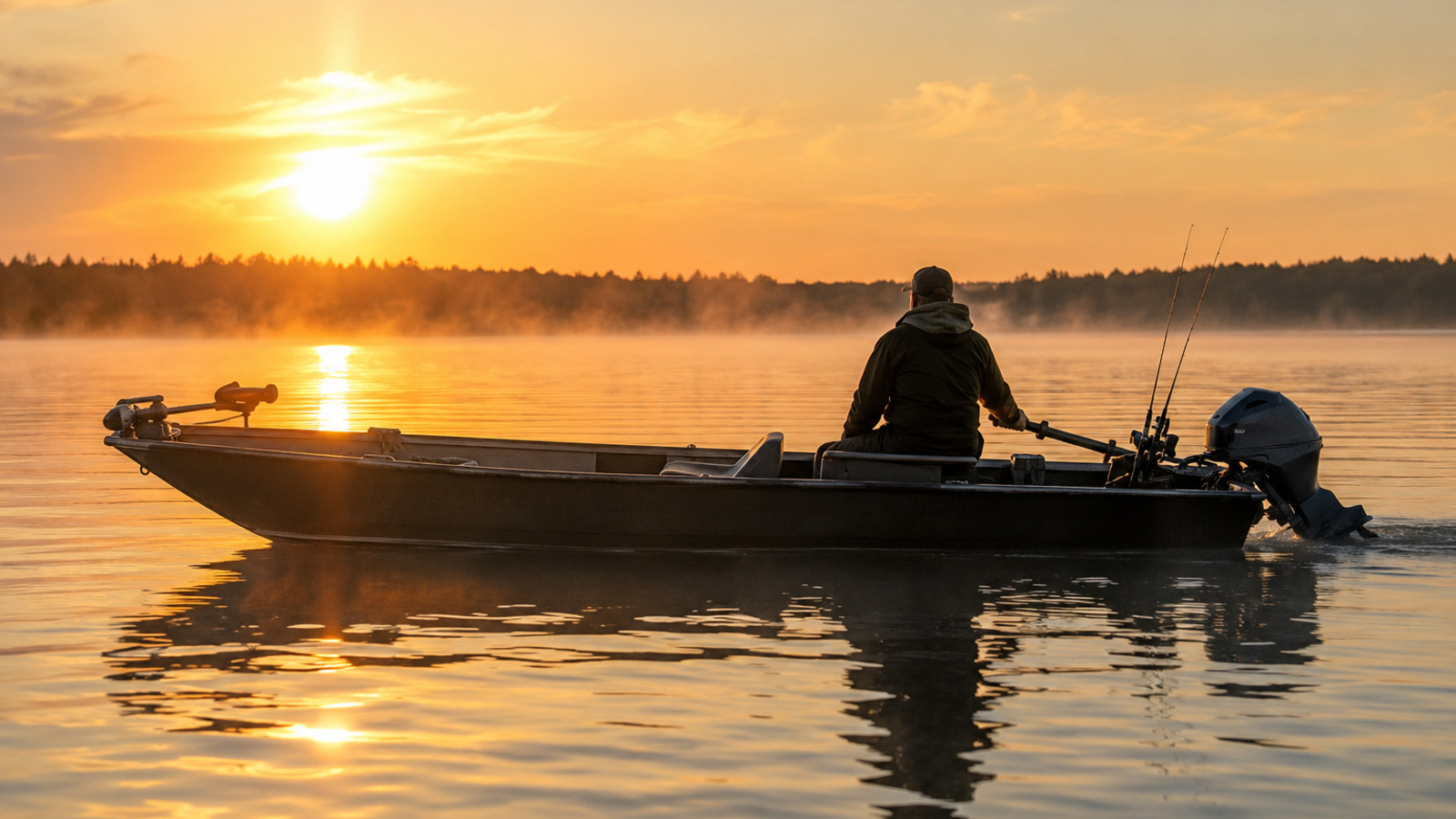
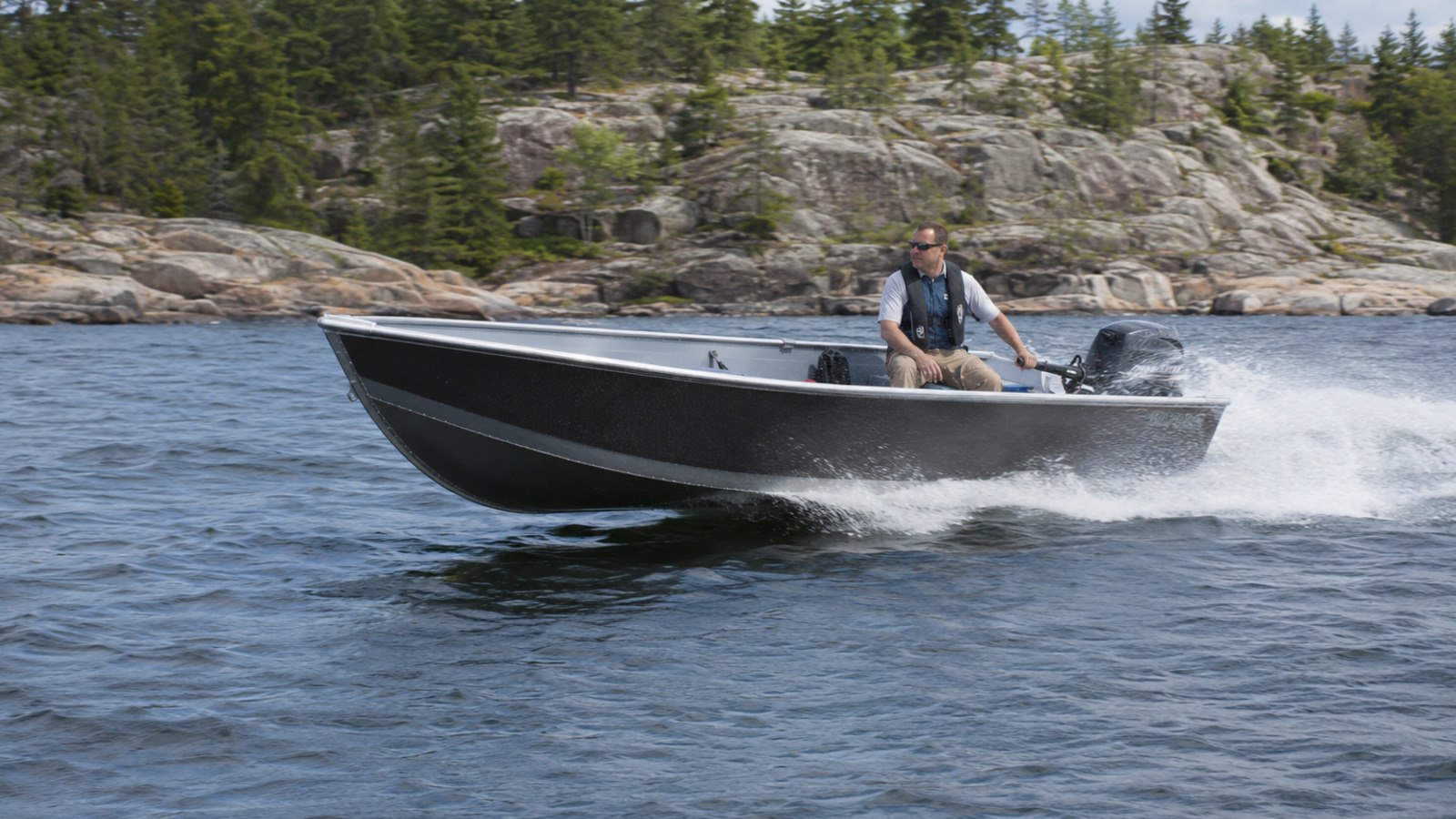
Use the gallery to check the spaces that specifications cannot explain: helm room, rod-loading angles, cockpit depth, livewell access, stern boarding and trailer support. On the 1875 Pro Guide, those views help confirm the core design point: the 1875 Pro Guide is designed around the operator at the stern, not around a windshield: 90 hp, 35 gallons of fuel, dual livewells, and nine-foot rod storage are organized for fishing first.
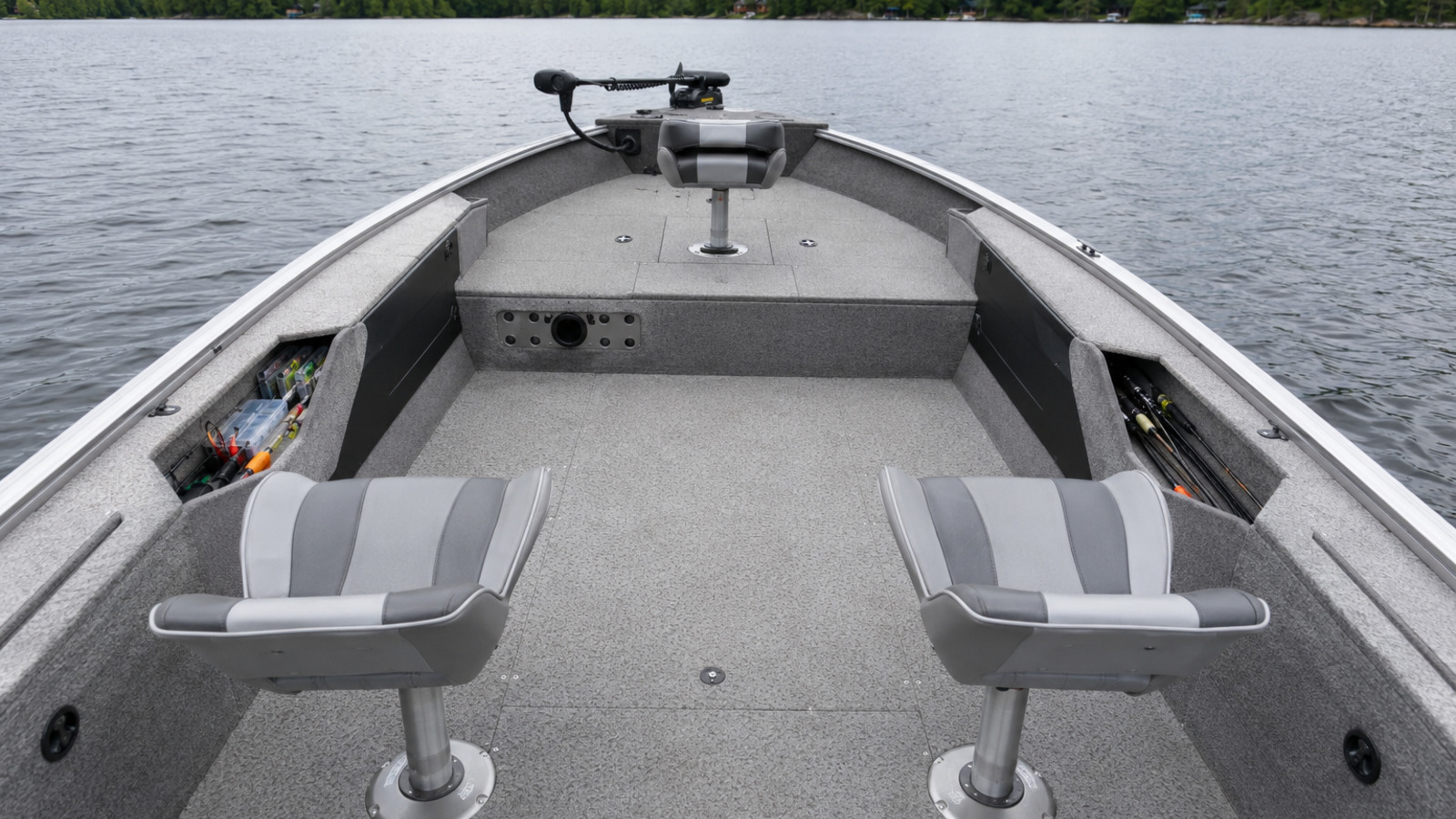
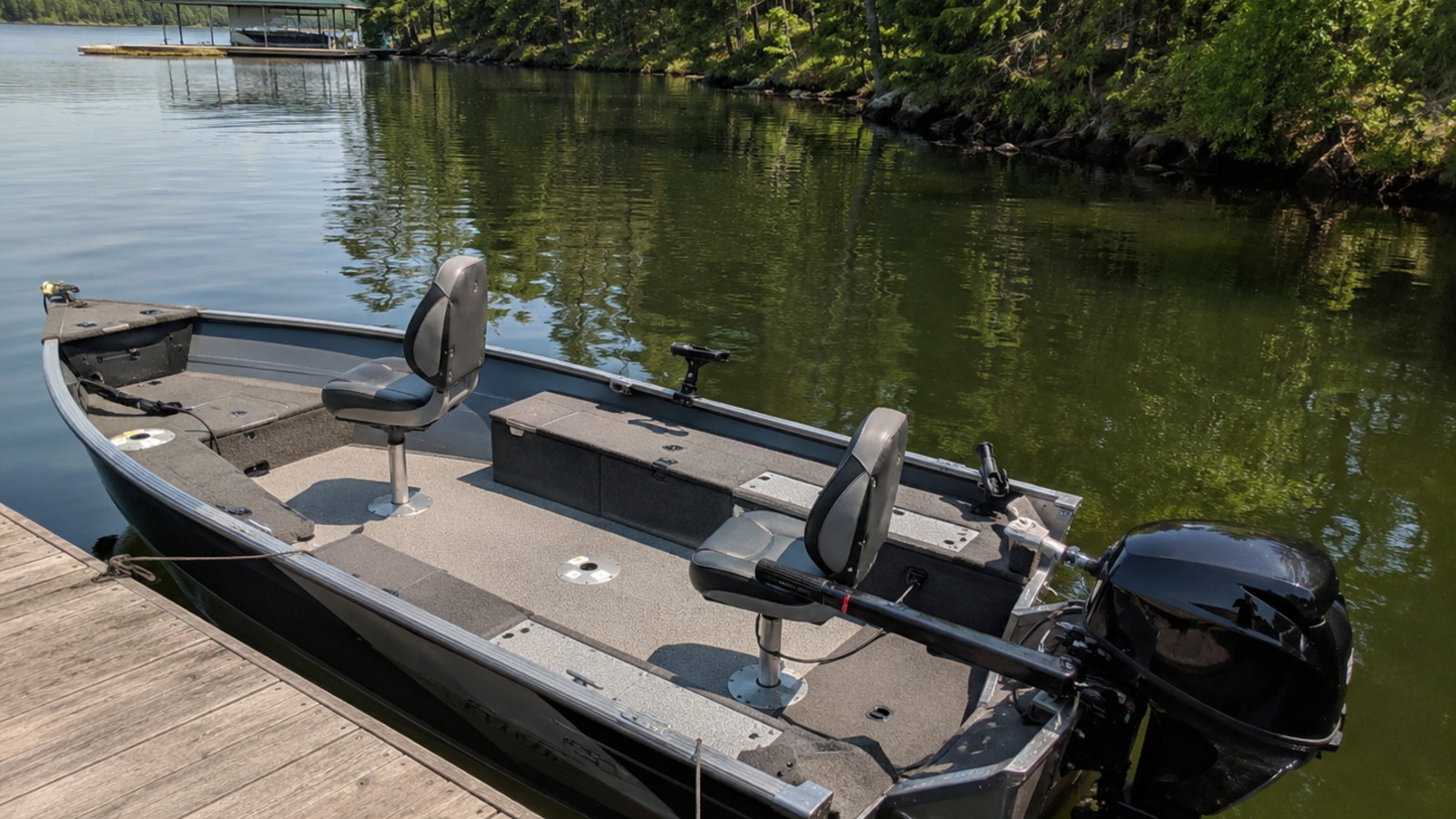
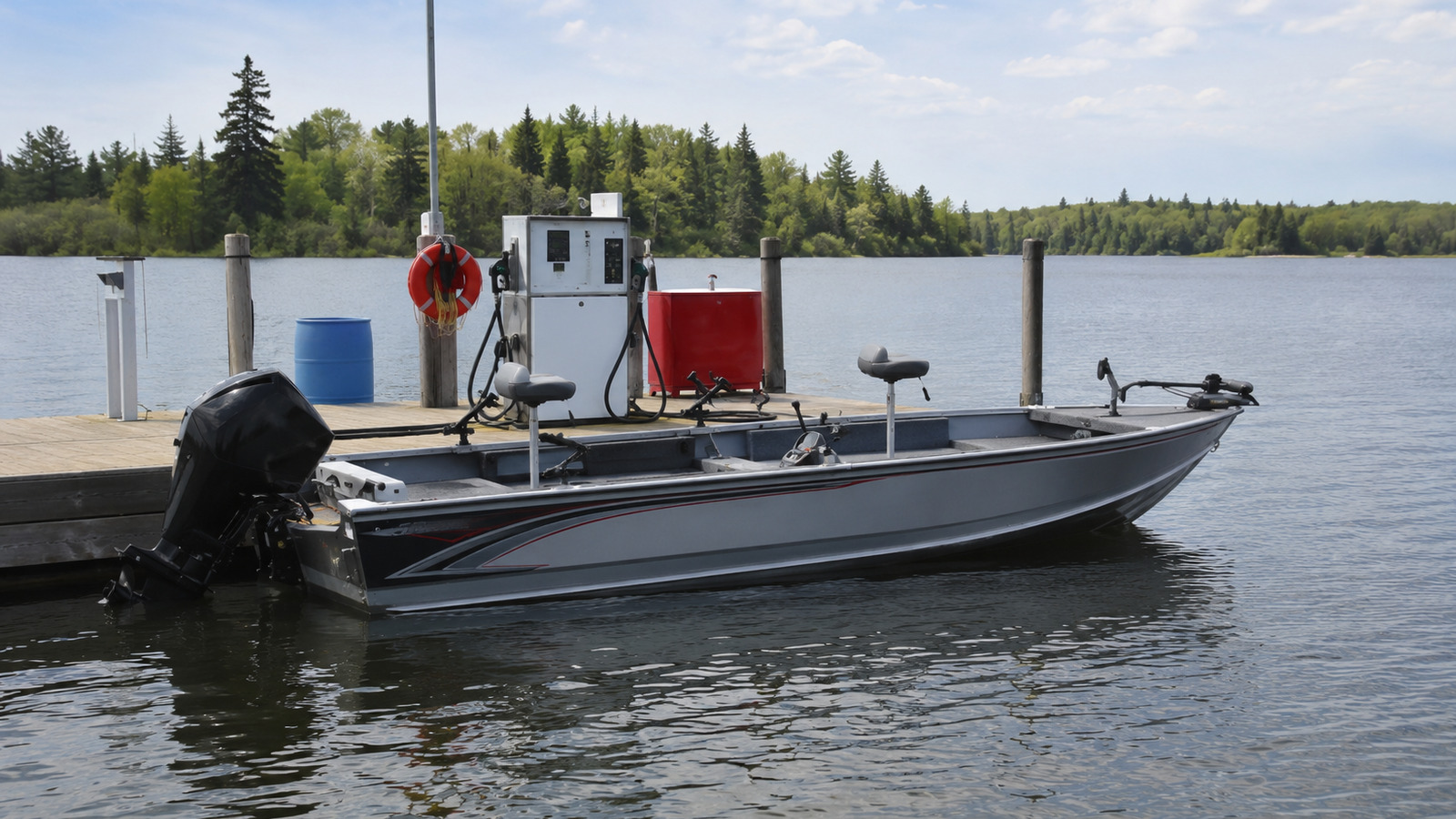
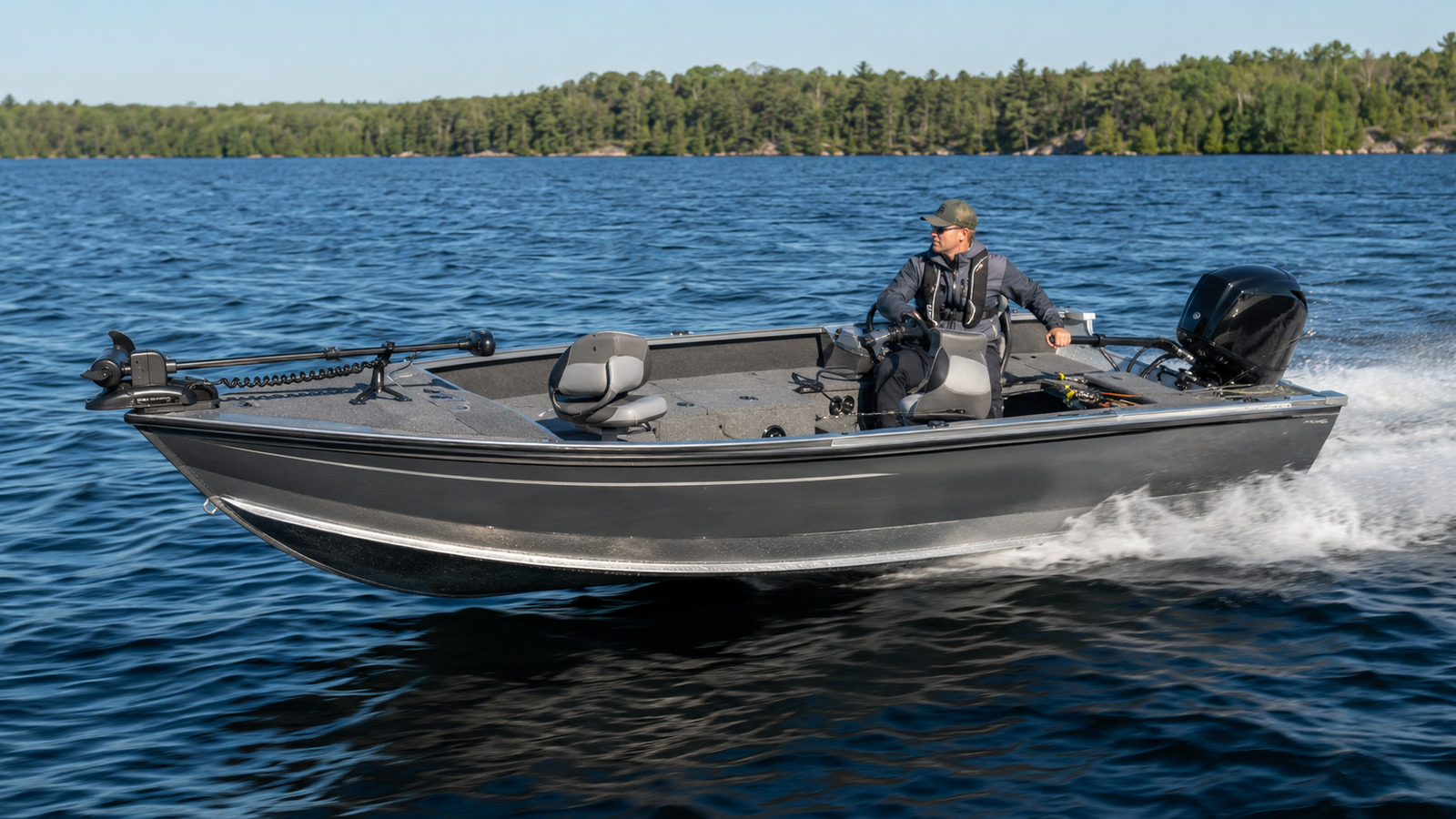
On the 1875 Pro Guide, configuration should explain the price difference. For the 1875 Pro Guide, steering layout, fishing equipment, family-use hardware, engine package and trailer can change how two examples work even when the hull badge is identical.
On the 1875 Pro Guide, keep the 2075 Pro Guide visible while reading the market. The 1875 Pro Guide offers 18′ 10″, 93″ and 90 HP; the 2075 Pro Guide offers 20′ 9″, 93″ and 250 HP.
On the 1875 Pro Guide, keep 35 gallons of fuel, insurance, routine outboard service, winterization, storage or slip cost, trailer maintenance, batteries and electronics beside the payment.
For the Lund 1875 Pro Guide, pricing and payment examples are planning tools rather than offers of credit. Actual approval, rate, term, down payment, taxes, fees and transaction requirements depend on the borrower and purchase.
Illustration only and not an offer of credit.
A Lund 1875 Pro Guide payment estimate is not a credit offer or approval; final financing depends on the borrower, collateral, value, condition, transaction type, rate, term, down payment, taxes, and fees.
Illustration only and not an offer of credit. Your actual rate and term depend on credit profile, vessel age, loan amount and ownership structure.
The 1875 Pro Guide should be cross-shopped with the 2075 Pro Guide: the 1875 Pro Guide is for Walleye guides, backtrollers, and anglers who intentionally prefer tiller control and an open working cockpit, while the 2075 Pro Guide is for Experienced tiller anglers who want twenty-foot big-water capability without giving up stern steering.
The 1875 Pro Guide should be cross-shopped with the 1875 Pro-V: the 1875 Pro Guide is for Walleye guides, backtrollers, and anglers who intentionally prefer tiller control and an open working cockpit, while the 1875 Pro-V is for Tournament walleye anglers and serious multi-species owners who want Pro-V storage and deck design in the shortest hull of the family.
The 1875 Pro Guide should be cross-shopped with the 1875 Alaskan: the 1875 Pro Guide is for Walleye guides, backtrollers, and anglers who intentionally prefer tiller control and an open working cockpit, while the 1875 Alaskan is for Anglers who want open Alaskan utility with enough length for bigger water and multiple steering choices.
The cross-shop test for the Lund 1875 Pro Guide is simple: when this description fits the buyer: Buyers whose normal water, crew or storage needs make 2075 Pro Guide, 1875 Pro-V, 1875 Alaskan a better fit.
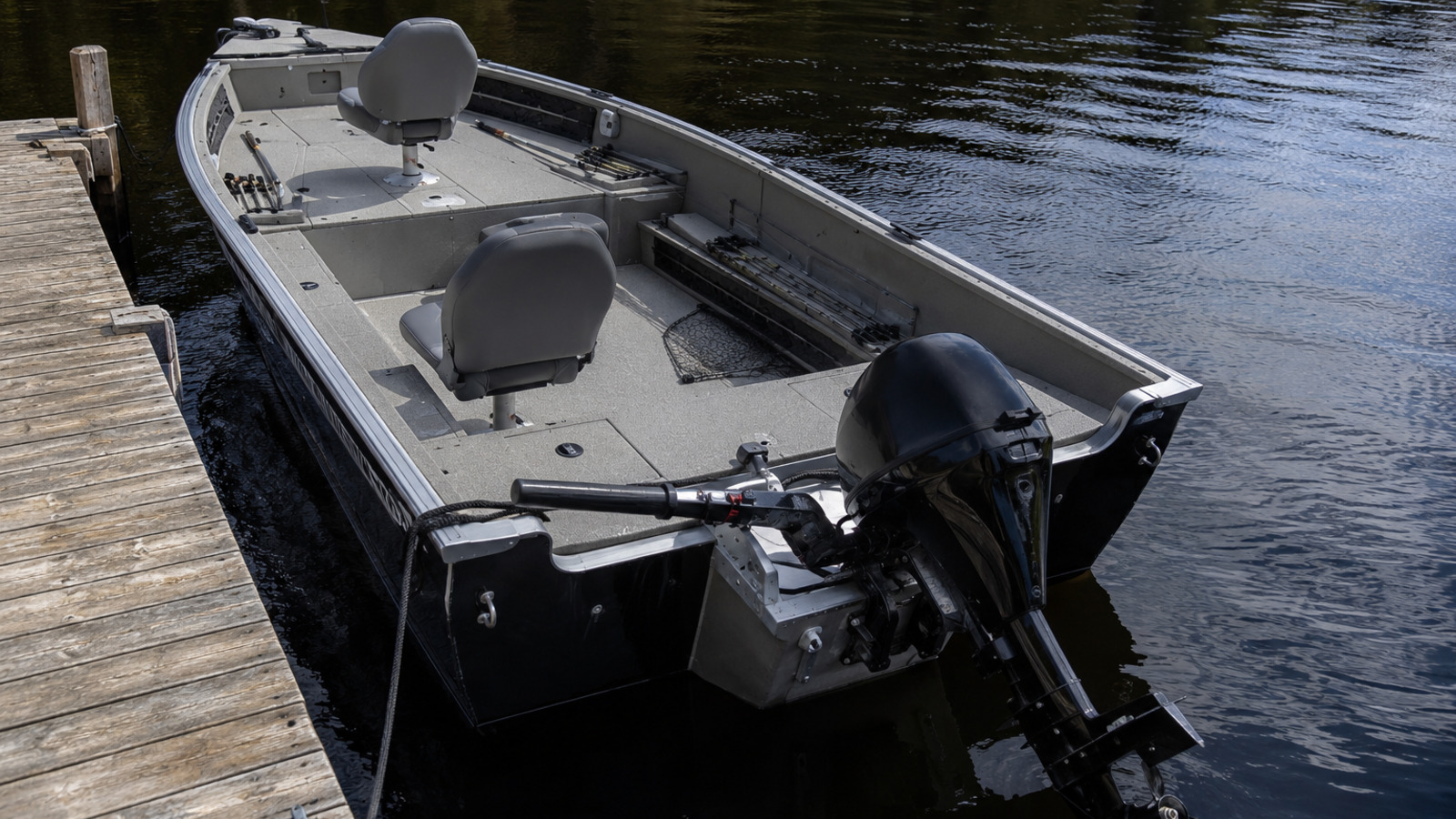
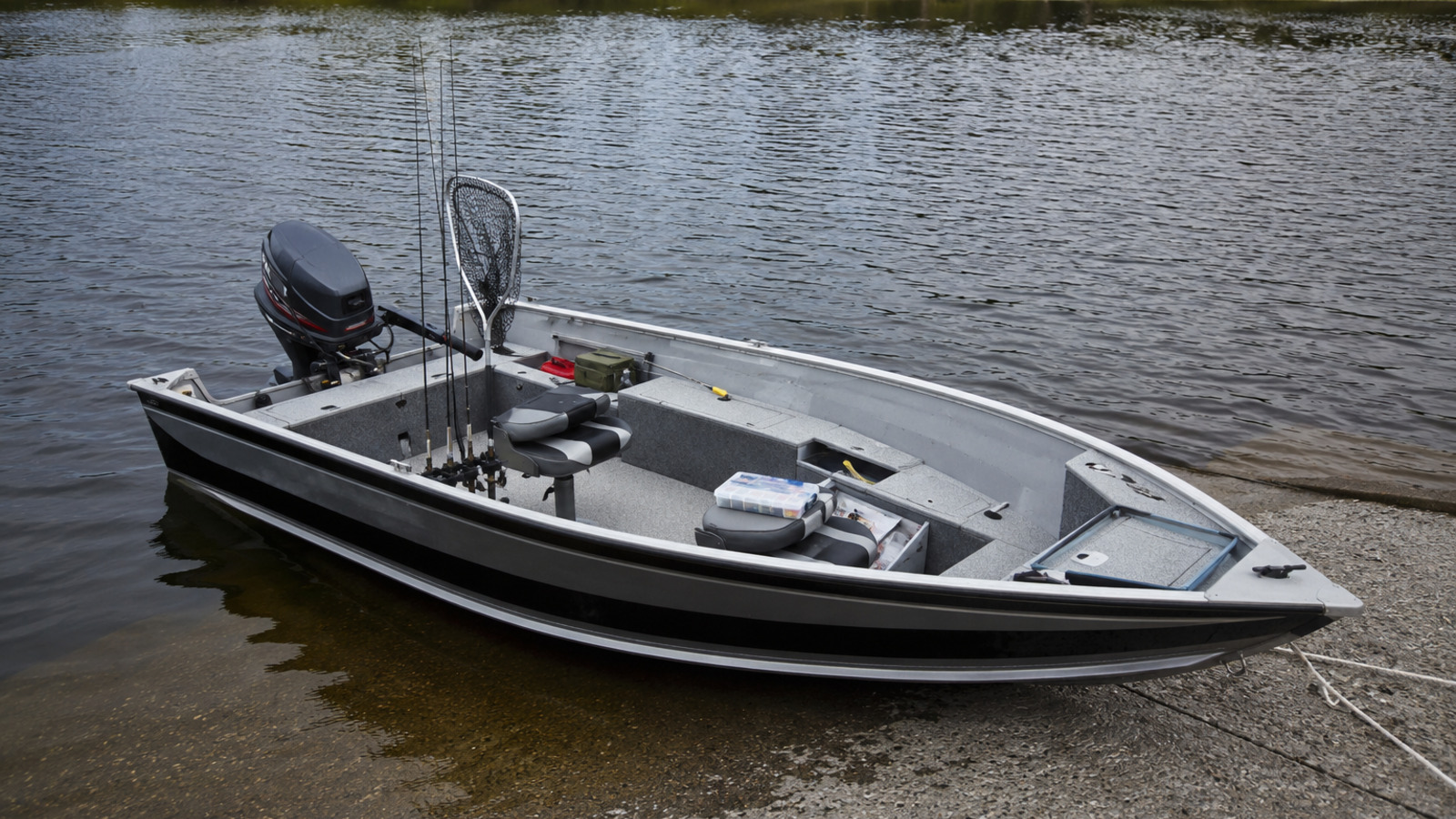
A new Lund 1875 Pro Guide should be delivered as the exact package that was priced. On the 1875 Pro Guide, confirm the outboard and propeller, tiller equipment, batteries, electronics, trolling motor, trailer, fishing hardware and any family-use options before accepting the boat. For the 1875 Pro Guide, the goal is not to maximize equipment.
For a used 1875 Pro Guide, connect hull condition to the way this family is normally used. On the 1875 Pro Guide, inspect the bottom and transom, then cold-start the outboard, review service history, test steering, electronics and pumps that are fitted, and inspect the trailer.
For the 1875 Pro Guide, a private-party purchase adds paperwork that should be resolved before funds move. On the 1875 Pro Guide, confirm seller ownership, lien payoff when applicable, hull identification number, engine serial number, trailer title or registration requirements and the bill of sale. Dealer and brokerage purchases can simplify some steps, but none of the three routes replaces inspecting the actual 1875 Pro Guide and verifying what equipment is included.
If the search keeps producing both a 1875 Pro Guide and 2075 Pro Guide, use the difference as a buying filter rather than shopping two nearly random boats.
A financing application makes sense after the Lund 1875 Pro Guide has passed the fit test for this use case: Walleye guides, backtrollers, and anglers who intentionally prefer tiller control and an open working cockpit. Float Finance is a marine lender based in Alton Bay, New Hampshire, and eligible 1875 Pro Guide purchases can include dealer, brokerage, and private-party transactions.
The 1875 Pro Guide is a strong fit for this buyer and use case: Walleye guides, backtrollers, and anglers who intentionally prefer tiller control and an open working cockpit; it is a weaker fit for this buyer: Buyers whose normal water, crew or storage needs make 2075 Pro Guide, 1875 Pro-V, 1875 Alaskan a better fit.
For the 1875 Pro Guide, the hull measures 18′ 10″ by 93″ and the published boat-weight reference is 1,335 lb. A ready-to-tow 1875 Pro Guide also includes the outboard, trailer, 35 gallons of fuel, batteries, electronics, fishing gear and personal equipment. On the 1875 Pro Guide, use the complete rig for tow-vehicle and storage decisions.
Lund publishes 90 HP as the maximum for the 1875 Pro Guide, but the maximum is not a requirement. On the 1875 Pro Guide, choose power around normal crew, gear, altitude, towing or fishing use and how quickly the boat needs to plane.
On this 1875 Pro Guide, livewell equipment is listed as Dual livewells and rod storage is listed as 9-foot rod storage. On the 1875 Pro Guide, bring the rods and tackle normally used, open the storage with seats in their normal positions and run every pump that is fitted.
The 1875 Pro Guide is aimed at this profile: Walleye guides, backtrollers, and anglers who intentionally prefer tiller control and an open working cockpit; the 2075 Pro Guide is aimed at this one: Experienced tiller anglers who want twenty-foot big-water capability without giving up stern steering. The specifications reinforce the split: 1875 Pro Guide is 18′ 10″ by 93″ with 90 HP; 2075 Pro Guide is 20′ 9″ by 93″ with 250 HP.
On the 1875 Pro Guide, inspect the hull and transom for the kind of use expected from this Pro Guide, then cold-start the outboard, review service history, test steering and electrical equipment, operate pumps that are fitted and inspect the trailer or transport setup.
The 1875 Pro Guide ownership budget should account for buying the control advantages of a tiller boat while accepting less windshield protection and a driver position that places more working weight aft.
For the 1875 Pro Guide, eligible Float Finance transactions can include dealer, brokerage and private-party boat purchases. A private 1875 Pro Guide purchase still needs clean ownership and lien information, hull and engine identification, trailer documentation where applicable, acceptable value and condition, and a borrower and transaction that meet lender requirements.
Tell us a little bit about yourself and the boat you are looking to finance.