
Call Us : 207-994-5109
Mon – Fri: 8 am to 9 pm & Sat – Sun: 10 am to 8 pm
The Lund SSV 16 measures 16′ 2″, carries a 72″ beam, is rated to 40 HP, and applies the SSV design brief to simple V-hull camp and utility transportation with bench seating, tiller power, and enough structure for remote use. Camp and utility users who want more carrying room than the SSV 14 while keeping simple tiller ownership.
The useful way to read the Lund SSV 16 is to start with the job it was built to do, not with the horsepower number. The Lund SSV 16 measures 16′ 2″, carries a 72″ beam, is rated to 40 HP, and applies the SSV design brief to simple V-hull camp and utility transportation with bench seating, tiller power, and enough structure for remote use.
The SSV 16 is the middle choice between the SSV 14 and SSV 18. At 16′ 2″ with a 72″ beam, it should appeal to buyers who have outgrown the SSV 14 but cannot point to a regular reason for accepting the SSV 18’s larger footprint, power, and ownership cost.
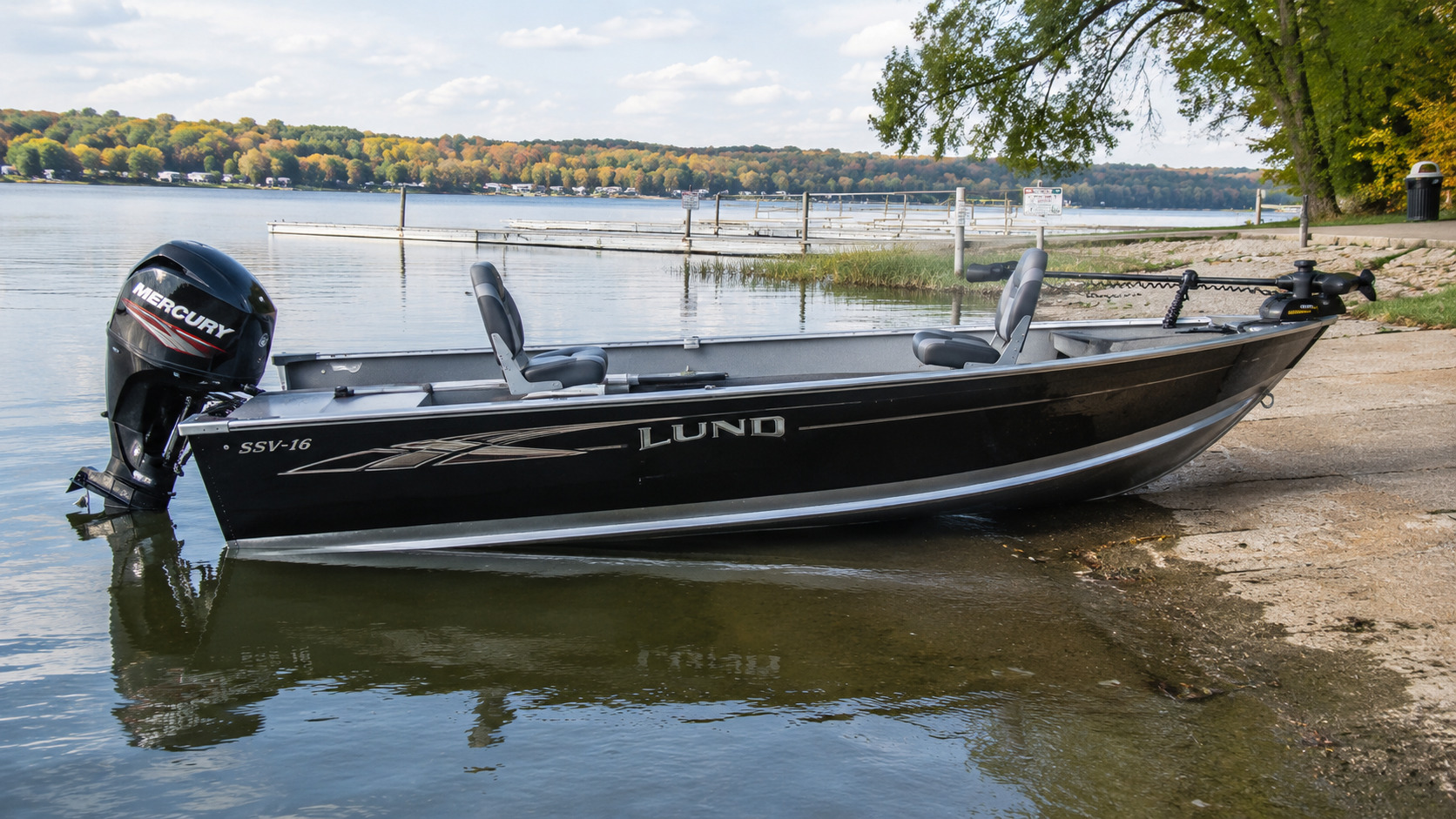
The SSV 16 can be found with tiller with side-console option, so steering choice changes the boat more than a trim badge would suggest; a tiller preserves floor area, a console relocates the driver, and a windshield version trades some openness for weather protection.
The SSV 16 is aimed at this use case: Camp and utility users who want more carrying room than the SSV 14 while keeping simple tiller ownership; the SSV 14 is aimed at this one: Camp owners who want a four-person 14-foot tiller boat that can be moved, launched, and stored with minimal infrastructure. The deck decision should follow those two jobs before it follows horsepower or price.
For a Lund SSV 16, financing should come after this fit test.

Published factory figures. Confirm every dimension against the individual boat before you commit.
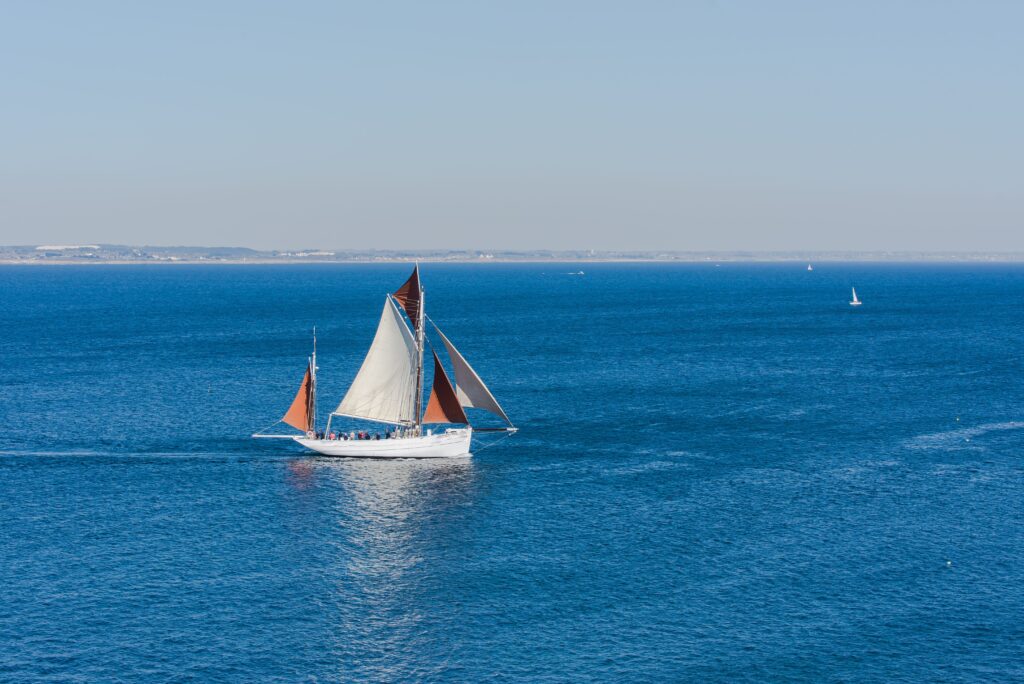
The SSV 16 starts with a 16′ 2″ hull and 72″ beam, but the useful hull question is what those dimensions let this SSV do. In this case, the SSV 16 is built for remote camp lakes and protected water where a simple V-bottom utility boat needs to carry people and gear without complicated systems. For the SSV 16, the published construction description is heavy-grade aluminum SSV hull.
The SSV 16 is more likely to show its history on the bottom than in the upholstery. On the SSV 16, inspect the simple aluminum utility hull for stump or rock strikes, bank abrasion, bent spray rails, seat-base movement, transom distortion, and damage where a small trailer or pickup-bed transport has concentrated load.
For the SSV 16, the nearest physical comparison is the SSV 14, which measures 14′ 2″ on a 70″ beam and is rated to 30 HP. The SSV 16 is 16′ 2″ on 72″ with 40 HP. The differences around the SSV 16 should show up in usable room, trailer fit, and the conditions the boat can handle comfortably.
On the SSV 16, use the actual rig for towing calculations rather than filling in a missing or configuration-dependent hull-weight figure. The outboard, trailer, portable fuel, batteries, electronics, Composite bench seating, Optional side console, Optional drop-in floor, safety gear, and cargo need to be weighed or documented on the exact SSV 16 being purchased.
Lund rates the SSV 16 to 40 HP. For the SSV 16, the published power ceiling belongs beside the tiller with side-console option layout and this intended use: Camp and utility users who want more carrying room than the SSV 14 while keeping simple tiller ownership.
Because the SSV 16 can appear with tiller with side-console option, two examples of the same hull can feel like different boats. For the SSV 16, a tiller preserves floor area and direct low-speed control. For the SSV 16, a wheel moves the operator forward. For the SSV 16, a windshield version adds protection but occupies more cockpit.
Power is one difference between the SSV 16 and SSV 14. Lund publishes 40 HP for the SSV 16 and 30 HP for the SSV 14. On the SSV 16, run both with a realistic load and compare stern trim, low-speed control, turning room and whether each outboard can reach its manufacturer-specified operating range.
For the exact outboard on a used SSV 16, begin with a cold start and service history. On the SSV 16, inspect the gearcase, skeg, propeller, mounting hardware, steering, charging output, fuel lines and rigging. Then run the SSV 16 with portable fuel, normal batteries and expected gear aboard, confirming that the engine reaches its manufacturer-specified operating range without unusual vibration, ventilation or steering load.
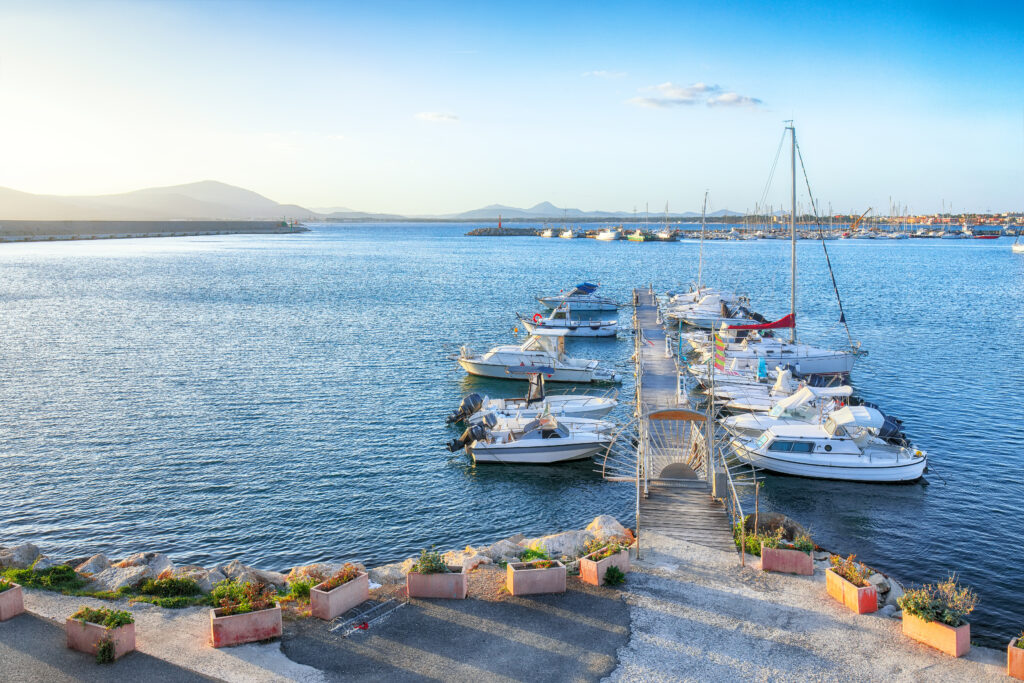
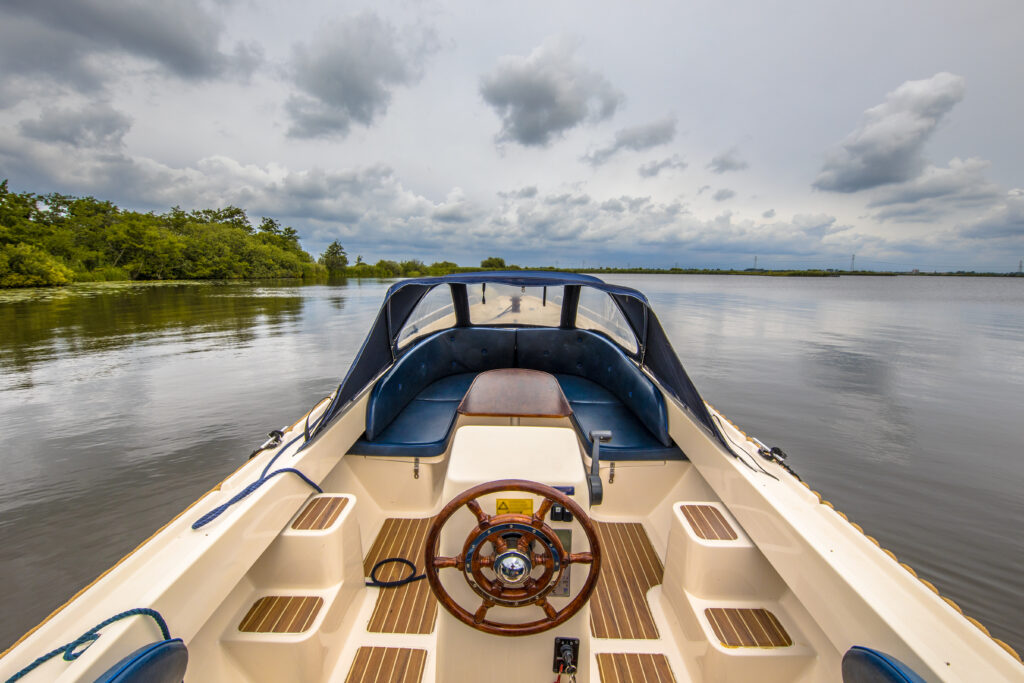
The SSV 16 should be planned around the fuel system actually installed on the boat, not around a guessed integrated-tank number. For the SSV 16, the ownership case for this boat is built around light infrastructure, straightforward winter storage, and choosing length for people and cargo rather than buying features a remote camp will not use.
There is no useful universal speed-and-burn figure for every SSV 16 configuration. For the SSV 16, outboard choice and load matter too much.
Fuel setup is still worth comparing between the SSV 16 and SSV 14. The SSV 16 uses portable-fuel setup; the SSV 14 uses portable-fuel setup. On the SSV 16, verify the exact tanks and routing on the boats being considered, then judge range from measured burn and the owner’s normal route rather than assuming the larger hull automatically travels farther.
On the SSV 16, keep fuel outside the loan payment when testing affordability.
The SSV 16 should be tested in the mixed conditions it is actually likely to see: remote camp lakes and protected water where a simple V-bottom utility boat needs to carry people and gear without complicated systems.
For the SSV 16, the SSV 14 is the useful control in the comparison. The SSV 14 measures 14′ 2″ with a 70″ beam and 30 HP maximum power; the SSV 16 is 16′ 2″ with 72″ and 40 HP.
If the exact SSV 16 is slow to plane, porpoises, ventilates in turns or requires unusual steering effort, separate setup from hull design before drawing a conclusion. Propeller pitch, engine height, damaged blades, battery placement, excessive stern load and an outboard that is not producing full power can all create behavior that another correctly rigged SSV 16 will not share.

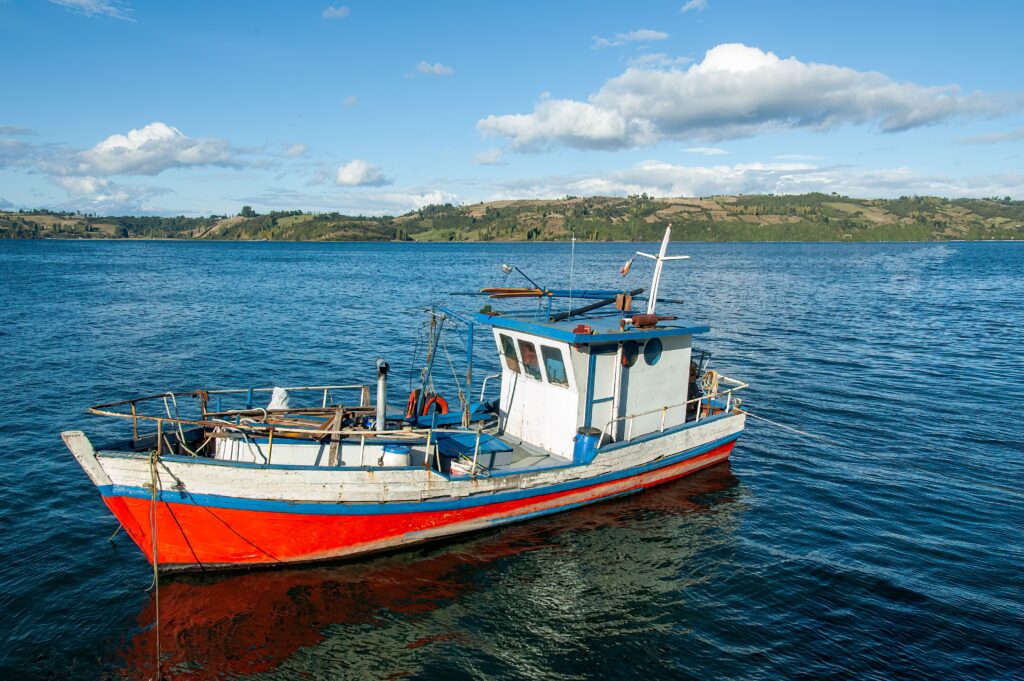
The deck is where the SSV 16 either proves or disproves its fit. The SSV 16 is aimed at this buyer and use case: Camp and utility users who want more carrying room than the SSV 14 while keeping simple tiller ownership.
On this SSV 16, the capacity rating is 5 with 15-inch transom or 6 with 20-inch transom people. Those are not abstract specifications. On the SSV 16, place the normal crew where they will sit, stand, fish or ride.
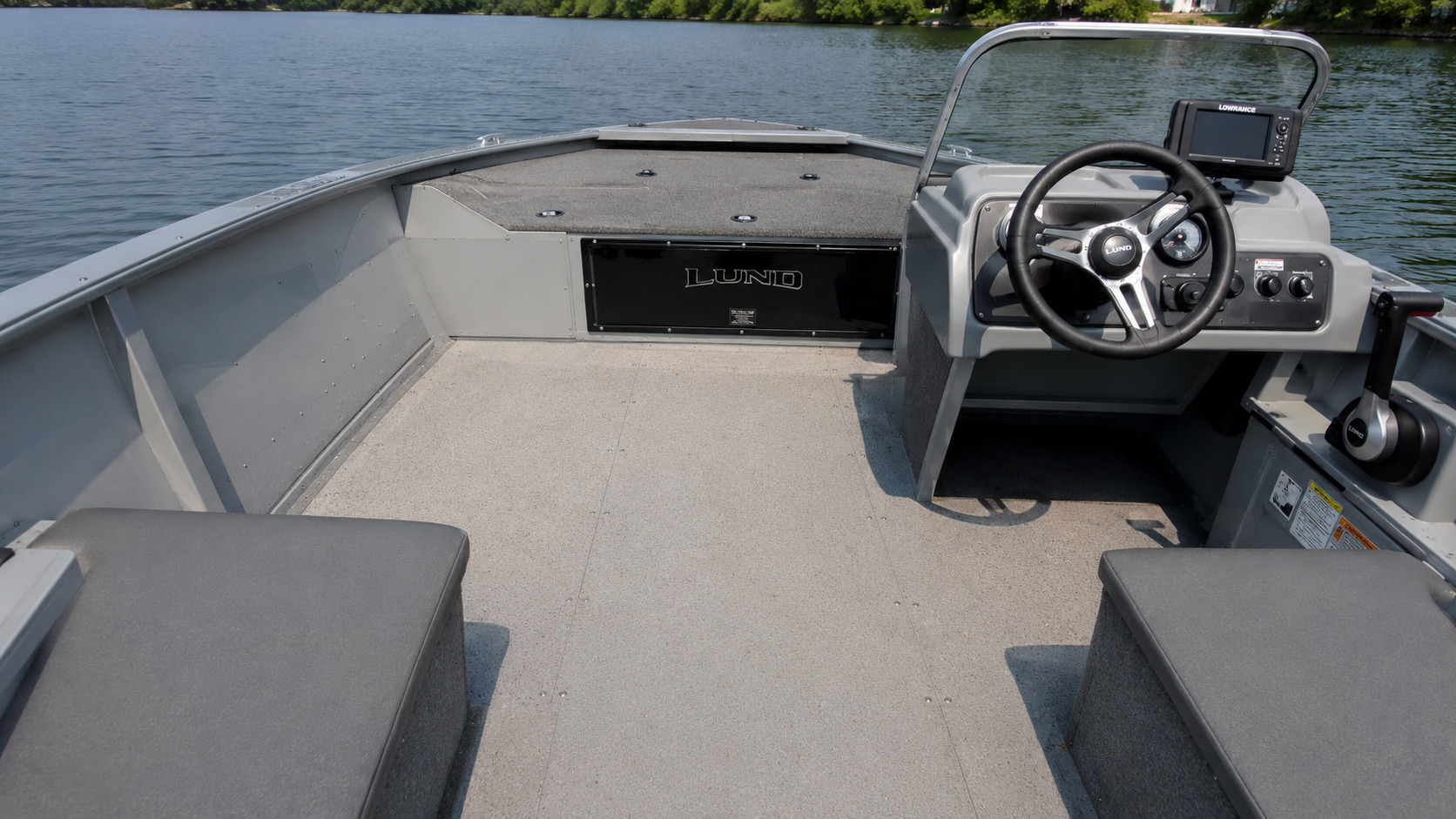
At the SSV 16 control position (tiller with side-console option), check sightlines, throttle reach and the path around the controls after electronics are mounted. For the SSV 16, the operator position should support bench-style camp-boat space that can handle passengers, fuel, fishing gear, and supplies without pretending to be a fully rigged tournament platform. If the SSV 16 helm steals the floor area the buyer needs most often, compare a different steering configuration before financing.
Walk the SSV 16 and SSV 14 back to back if possible. For the SSV 16, the SSV 14 is aimed at this use case: Camp owners who want a four-person 14-foot tiller boat that can be moved, launched, and stored with minimal infrastructure. The SSV 16 is aimed at this one: Camp and utility users who want more carrying room than the SSV 14 while keeping simple tiller ownership.
Use these eight SSV 16 features as a hands-on checklist and verify each item on the exact boat being purchased.
Check the SSV 16 composite bench seating bases, latches and travel position, then confirm the seats do not block fishing access when occupied.
Inspect the SSV 16 optional side console for secure mounting, clear sightlines and hardware that operates without looseness or binding.
On the SSV 16, inspect optional drop-in floor for condition, secure mounting and practical access before treating it as included value.
On the SSV 16, inspect motor mount plate for condition, secure mounting and practical access before treating it as included value.
On the SSV 16, inspect corner castings for condition, secure mounting and practical access before treating it as included value.
On the SSV 16, inspect simple tiller layout for condition, secure mounting and practical access before treating it as included value.
Use the SSV 16 fuel tank storage as a model-specific comparison point, then verify the related structure, labels or installed hardware on the actual boat.
On the SSV 16, inspect camp-boat utility interior for condition, secure mounting and practical access before treating it as included value.
The SSV 16 should remain electrically simple. On the SSV 16, follow every added wire from battery to load, looking for abrasion, unprotected connections and accessories fastened through thin aluminum without proper backing or sealing. For the SSV 16, a small utility Lund loses much of its ownership advantage when years of improvised lights, pumps and electronics turn the wiring into a troubleshooting project.
On the SSV 16, do not assume a built-in livewell or pump package exists simply because another Lund has one. On the SSV 16, verify the exact storage or gravity-fed provision, if any, and value the boat for its simple utility rather than for fishing systems that are not part of the configuration being purchased.
On the SSV 16, finish with the trailer and outboard rigging. On the SSV 16, inspect trailer lights, tires, bearings, winch, safety chains, bunks or rollers and brakes where fitted, then check the transom wiring and steering as the outboard turns from lock to lock. For a SSV 16, reliable launch-and-retrieve hardware is part of the boat’s systems package because light infrastructure, straightforward winter storage, and choosing length for people and cargo rather than buying features a remote camp will not use.
For the SSV 16, storage is more important than the word berthing. For the SSV 16, the reason to own this boat is light infrastructure, straightforward winter storage, and choosing length for people and cargo rather than buying features a remote camp will not use.
Because the published weight varies by configuration or is not a single useful number in this source set, use the actual SSV 16 rig for tow planning. For the SSV 16, a scale ticket or documented package weight is more useful than filling the gap with an estimate, especially after the outboard, trailer, fuel, batteries and gear are aboard.
In New Hampshire and other freeze climates, the SSV 16 also needs a winter plan that matches its equipment. On the SSV 16, protect the outboard and fuel system, manage batteries, drain pumps or plumbing that are actually fitted, and prevent water from pooling under the cover.
Use the SSV 16 gallery to verify steering position, deck movement, storage access, transom rigging, and the proportions that support this use case: Camp and utility users who want more carrying room than the SSV 14 while keeping simple tiller ownership
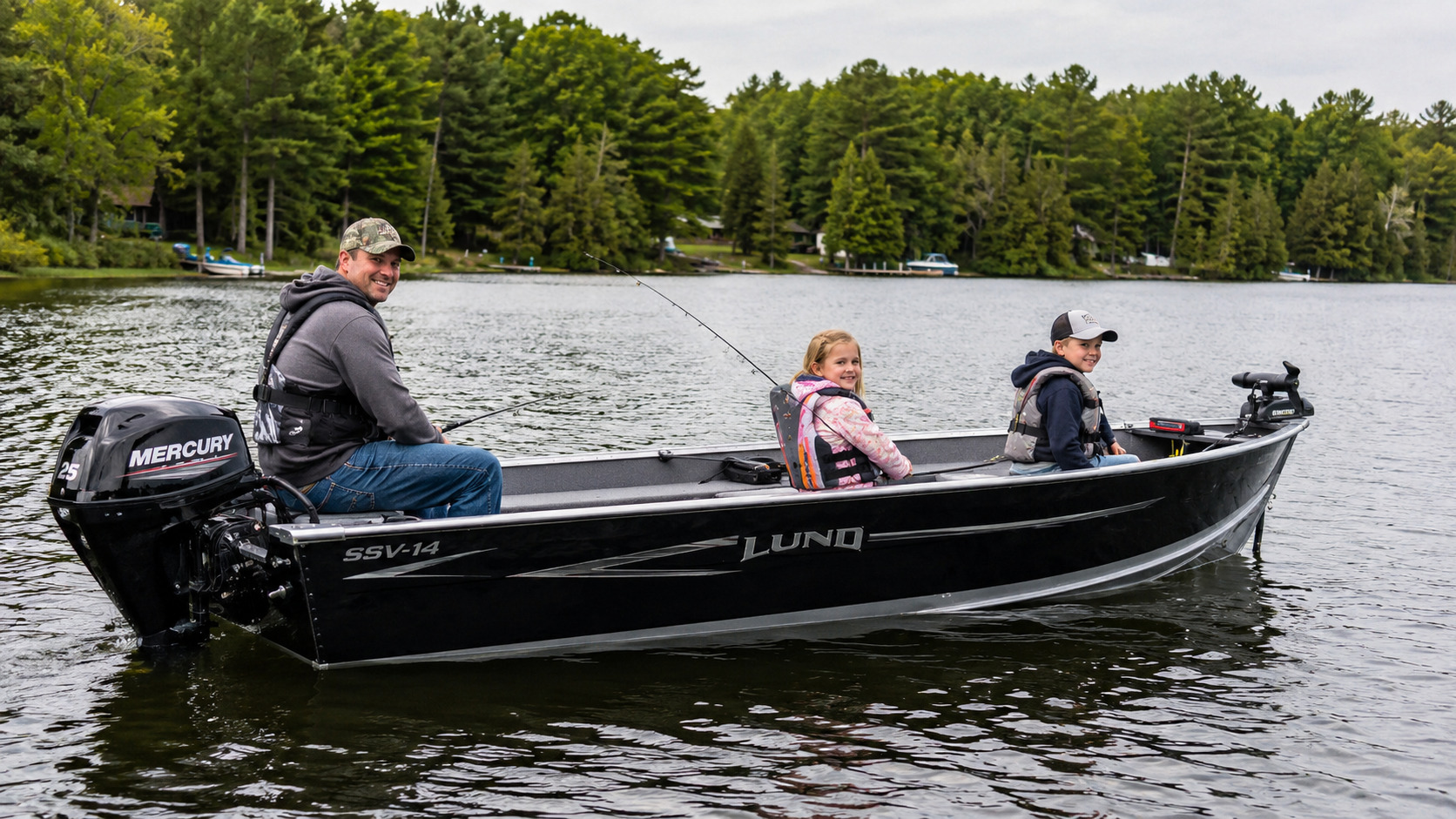
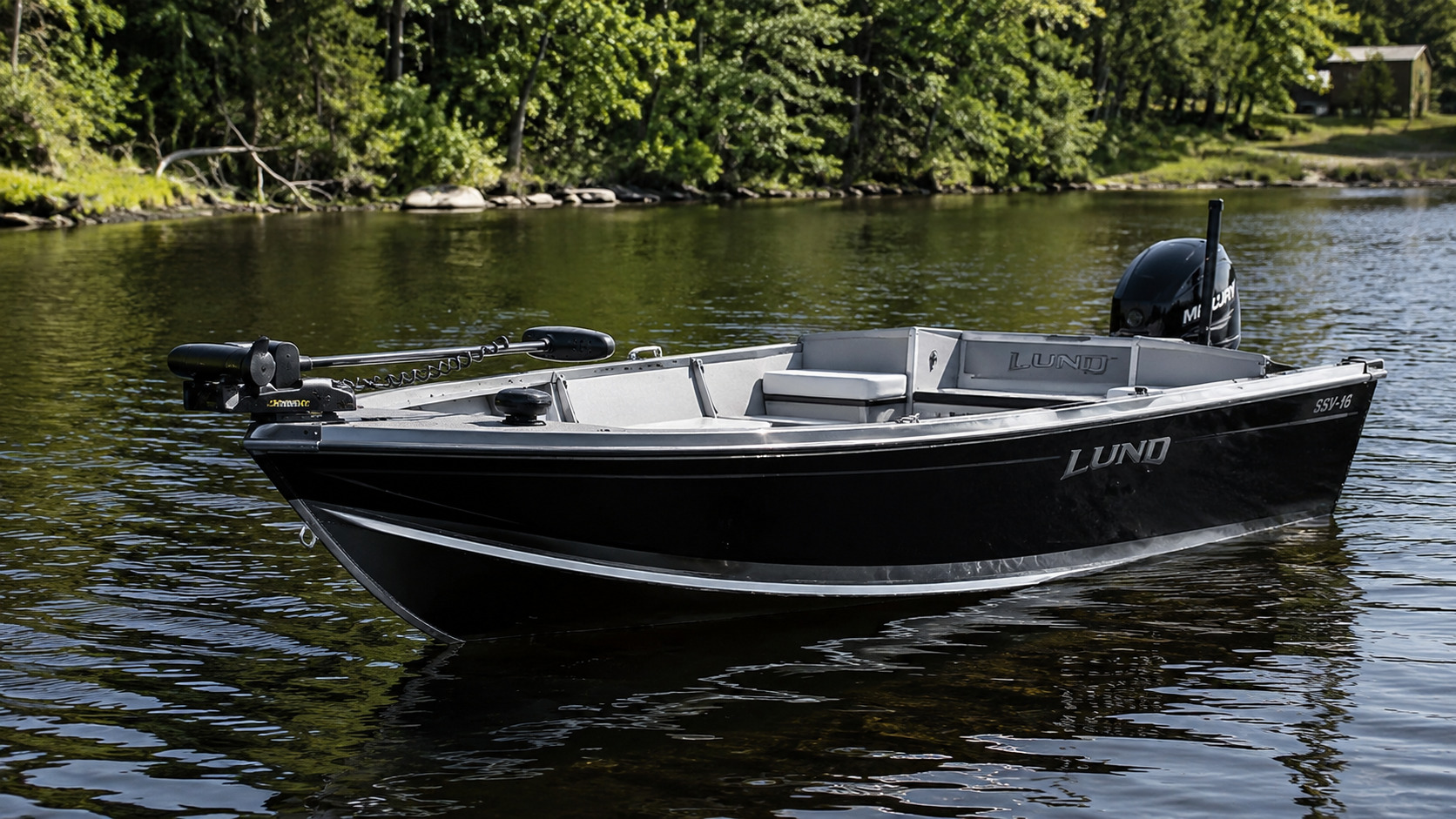
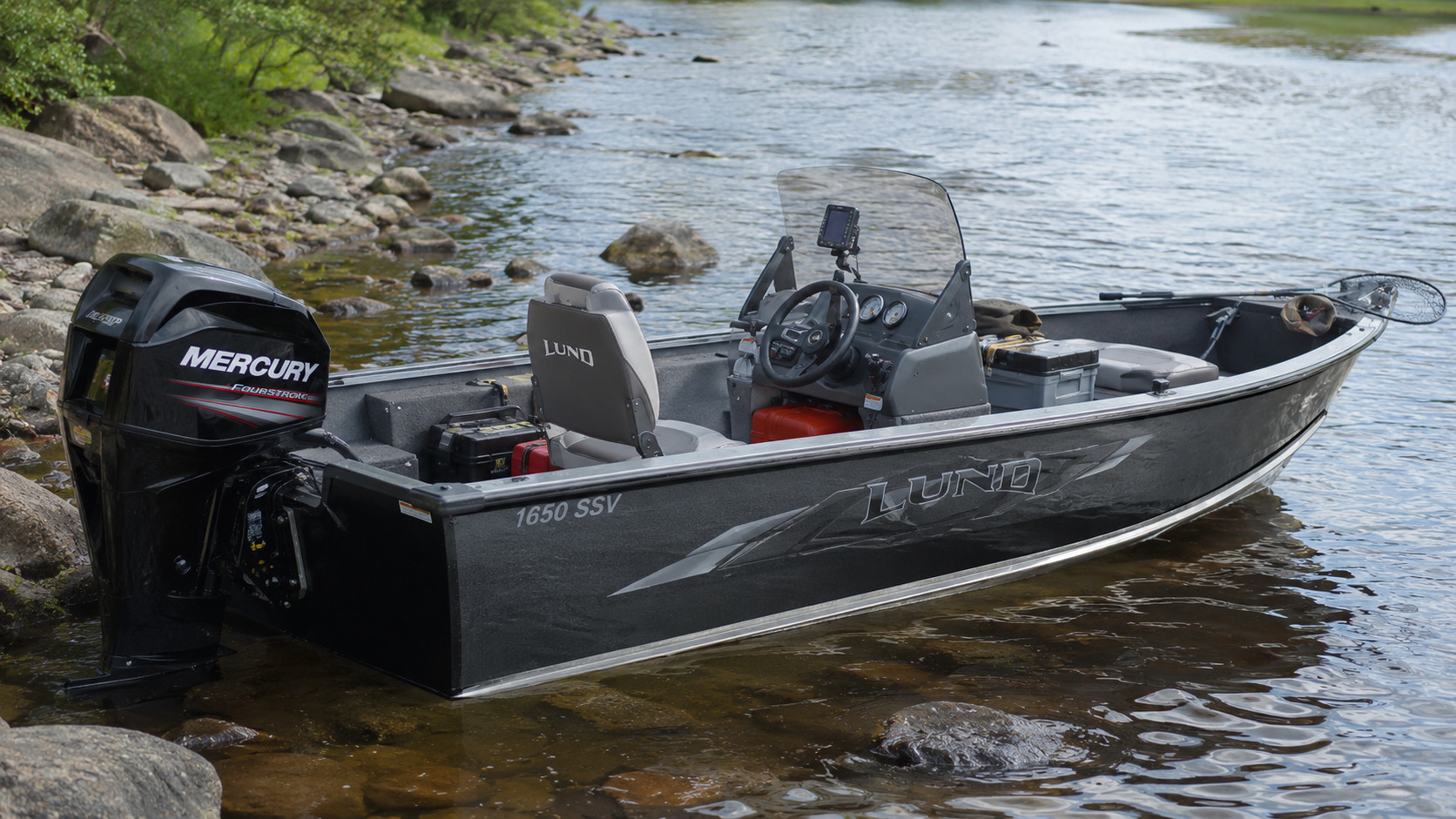
On the SSV 16, value can move with the outboard, model year, engine hours, trailer, electronics, trolling motor, batteries, steering configuration, package equipment and documented maintenance.
For a relatively simple SSV 16, condition and completeness matter more than a long option list. On the SSV 16, compare hull damage, transom condition, the small outboard, portable-fuel hardware, trailer or transport setup and any owner-added electrical equipment.
On the SSV 16, keep the SSV 14 visible while reading the market. The SSV 16 offers 16′ 2″, 72″ and 40 HP; the SSV 14 offers 14′ 2″, 70″ and 30 HP.
On the SSV 16, keep portable fuel, insurance, routine outboard service, winterization, storage or slip cost, trailer maintenance, batteries and electronics beside the payment.
For the Lund SSV 16, pricing and payment examples are planning tools rather than offers of credit. Actual approval, rate, term, down payment, taxes, fees and transaction requirements depend on the borrower and purchase.
Illustration only and not an offer of credit.
A Lund SSV 16 payment estimate is not a credit offer or approval; final financing depends on the borrower, collateral, value, condition, transaction type, rate, term, down payment, taxes, and fees.
Illustration only and not an offer of credit. Your actual rate and term depend on credit profile, vessel age, loan amount and ownership structure.
The SSV 16 should be cross-shopped with the SSV 14: the SSV 16 is for Camp and utility users who want more carrying room than the SSV 14 while keeping simple tiller ownership, while the SSV 14 is for Camp owners who want a four-person 14-foot tiller boat that can be moved, launched, and stored with minimal infrastructure.
The SSV 16 should be cross-shopped with the SSV 18: the SSV 16 is for Camp and utility users who want more carrying room than the SSV 14 while keeping simple tiller ownership, while the SSV 18 is for Remote-camp users who need the SSV idea at 18 feet, with room for seven people and a 60-hp ceiling.
The SSV 16 should be cross-shopped with the WC 16: the SSV 16 is for Camp and utility users who want more carrying room than the SSV 14 while keeping simple tiller ownership, while the WC 16 is for Camp transportation and simple fishing where the WC 14 is too tight but a full-featured fishing boat would add unnecessary weight and complexity.
The cross-shop test for the Lund SSV 16 is simple: when this description fits the buyer: Buyers who need the SSV 18’s seven-person capacity or a fully rigged fishing layout.
A new SSV 16 purchase should be checked for hull straightness, transom specification, included seats or floor components, the exact engine or no-engine configuration, and the trailer or transport plan. For the SSV 16, these boats are simple enough that the buying decision can stay simple too.
For a used SSV 16, connect hull condition to the way this family is normally used. On the SSV 16, inspect the bottom and transom, then cold-start the outboard, review service history, test steering, electronics and pumps that are fitted, and inspect the trailer.
For the SSV 16, a private-party purchase adds paperwork that should be resolved before funds move. On the SSV 16, confirm seller ownership, lien payoff when applicable, hull identification number, engine serial number, trailer title or registration requirements and the bill of sale. Dealer and brokerage purchases can simplify some steps, but none of the three routes replaces inspecting the actual SSV 16 and verifying what equipment is included.
If the search keeps producing both a SSV 16 and SSV 14, use the difference as a buying filter rather than shopping two nearly random boats.
A financing application makes sense after the Lund SSV 16 has passed the fit test for this use case: Camp and utility users who want more carrying room than the SSV 14 while keeping simple tiller ownership. Float Finance is a marine lender based in Alton Bay, New Hampshire, and eligible SSV 16 purchases can include dealer, brokerage, and private-party transactions.
The SSV 16 is a strong fit for this buyer and use case: Camp and utility users who want more carrying room than the SSV 14 while keeping simple tiller ownership; it is a weaker fit for this buyer: Buyers who need the SSV 18’s seven-person capacity or a fully rigged fishing layout.
The SSV 16 is 16′ 2″ long with a 72″ beam. For the SSV 16, portability still depends on the outboard, trailer or transport method, portable fuel and cargo. For the SSV 16, buyers using rough camp launches should measure the complete package rather than assuming every small aluminum boat is equally easy to move.
Lund publishes 40 HP as the maximum for the SSV 16, but the maximum is not a requirement. On the SSV 16, choose power around normal crew, gear, altitude, towing or fishing use and how quickly the boat needs to plane. For the SSV 16, a properly propped smaller engine can be the better ownership choice when the buyer does not use the extra acceleration or load capacity of a max-power setup.
The SSV 16 should be valued for simple V-hull camp and utility transportation with bench seating, tiller power, and enough structure for remote use, not for an assumed list of livewells or lockers that may not be part of the exact configuration. On the SSV 16, verify what is physically installed and focus on hull condition, steering, transom, fuel setup and owner-added rigging before assigning value to accessories.
The SSV 16 is aimed at this profile: Camp and utility users who want more carrying room than the SSV 14 while keeping simple tiller ownership; the SSV 14 is aimed at this one: Camp owners who want a four-person 14-foot tiller boat that can be moved, launched, and stored with minimal infrastructure.
On the SSV 16, inspect the hull and transom for the kind of use expected from this SSV, then cold-start the outboard, review service history, test steering and electrical equipment, operate pumps that are fitted and inspect the trailer or transport setup.
The SSV 16 ownership budget should account for light infrastructure, straightforward winter storage, and choosing length for people and cargo rather than buying features a remote camp will not use.
For the SSV 16, eligible Float Finance transactions can include dealer, brokerage and private-party boat purchases. A private SSV 16 purchase still needs clean ownership and lien information, hull and engine identification, trailer documentation where applicable, acceptable value and condition, and a borrower and transaction that meet lender requirements.
Tell us a little bit about yourself and the boat you are looking to finance.