
Call Us : 207-994-5109
Mon – Fri: 8 am to 9 pm & Sat – Sun: 10 am to 8 pm
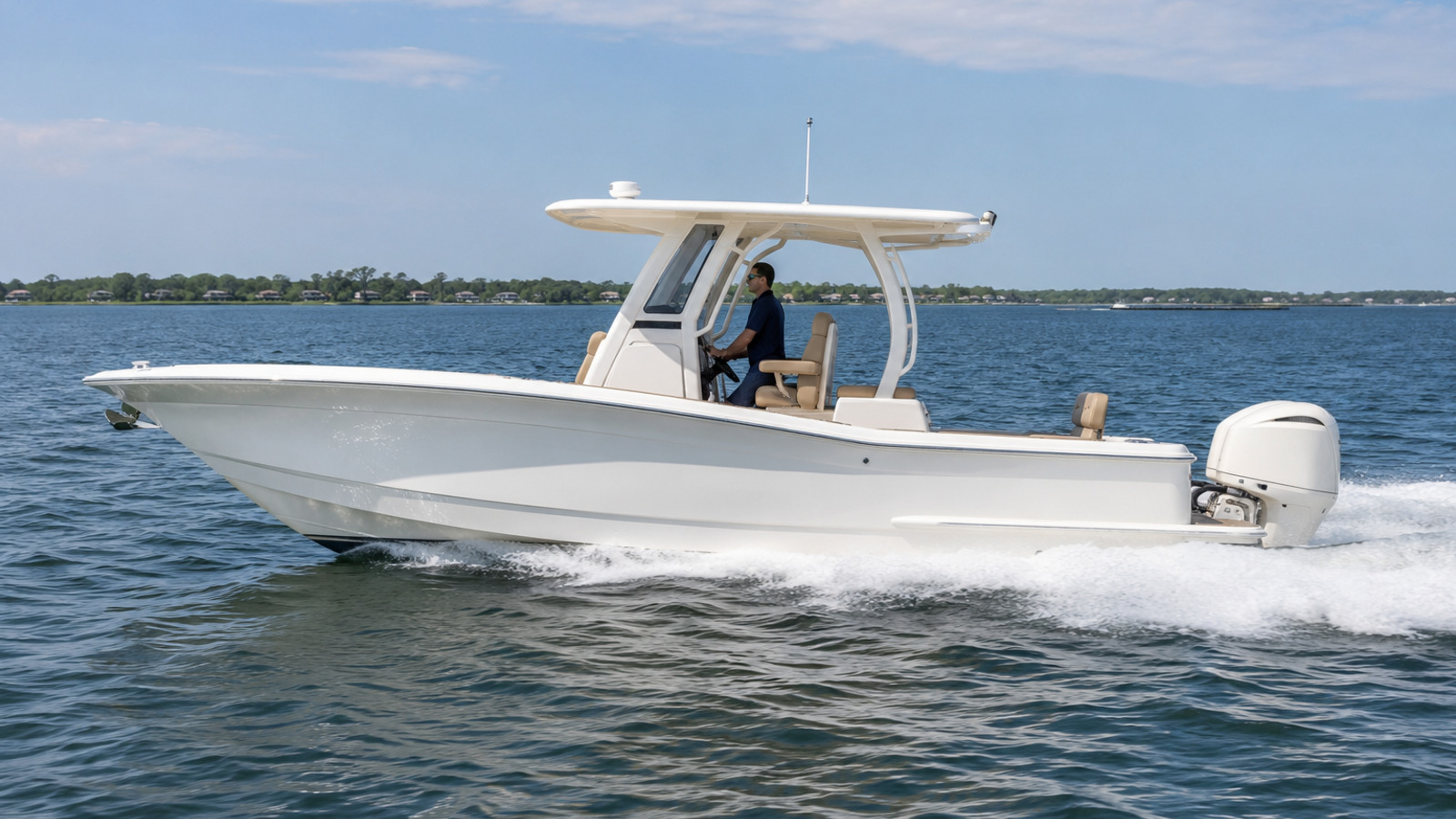
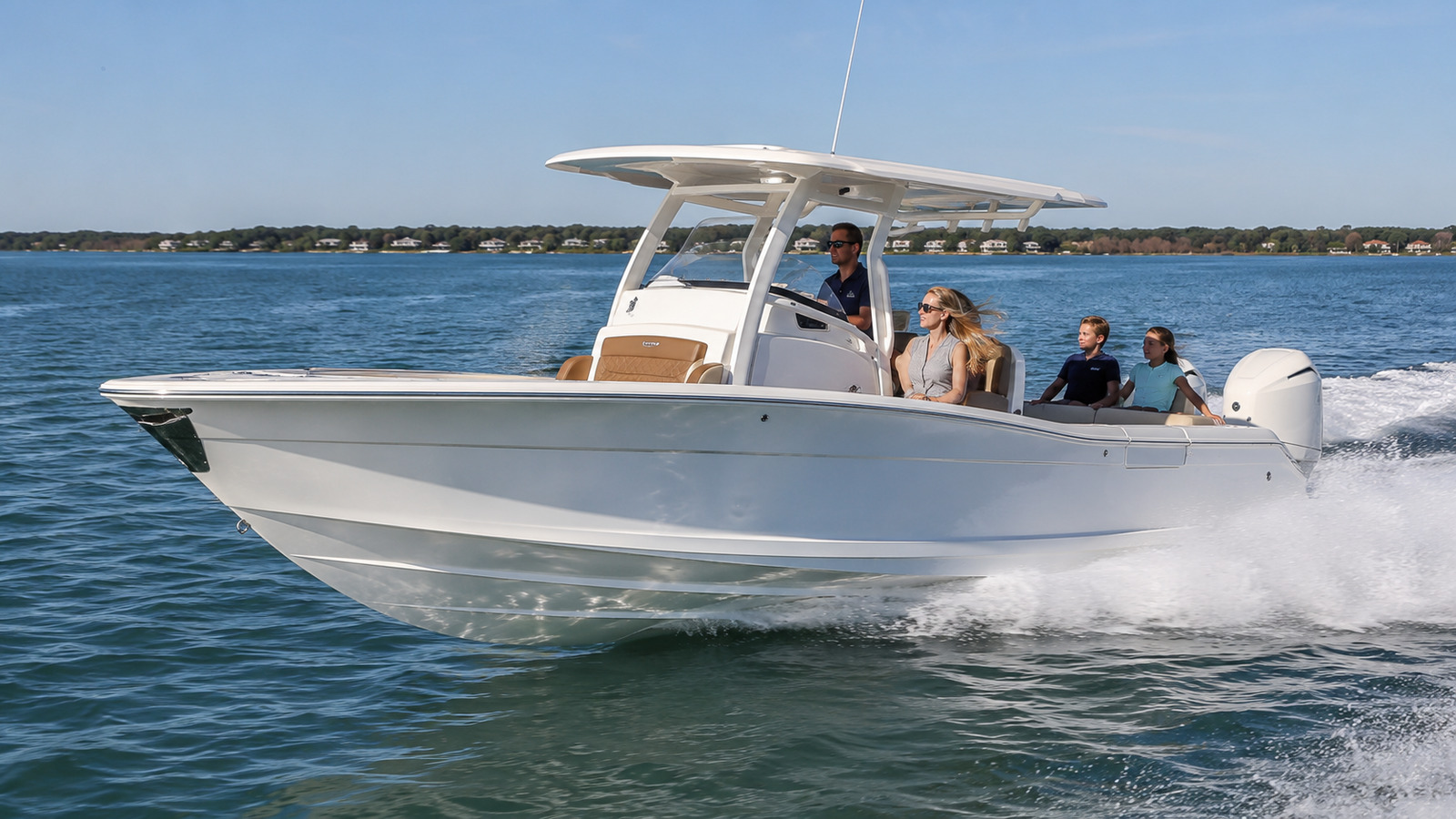
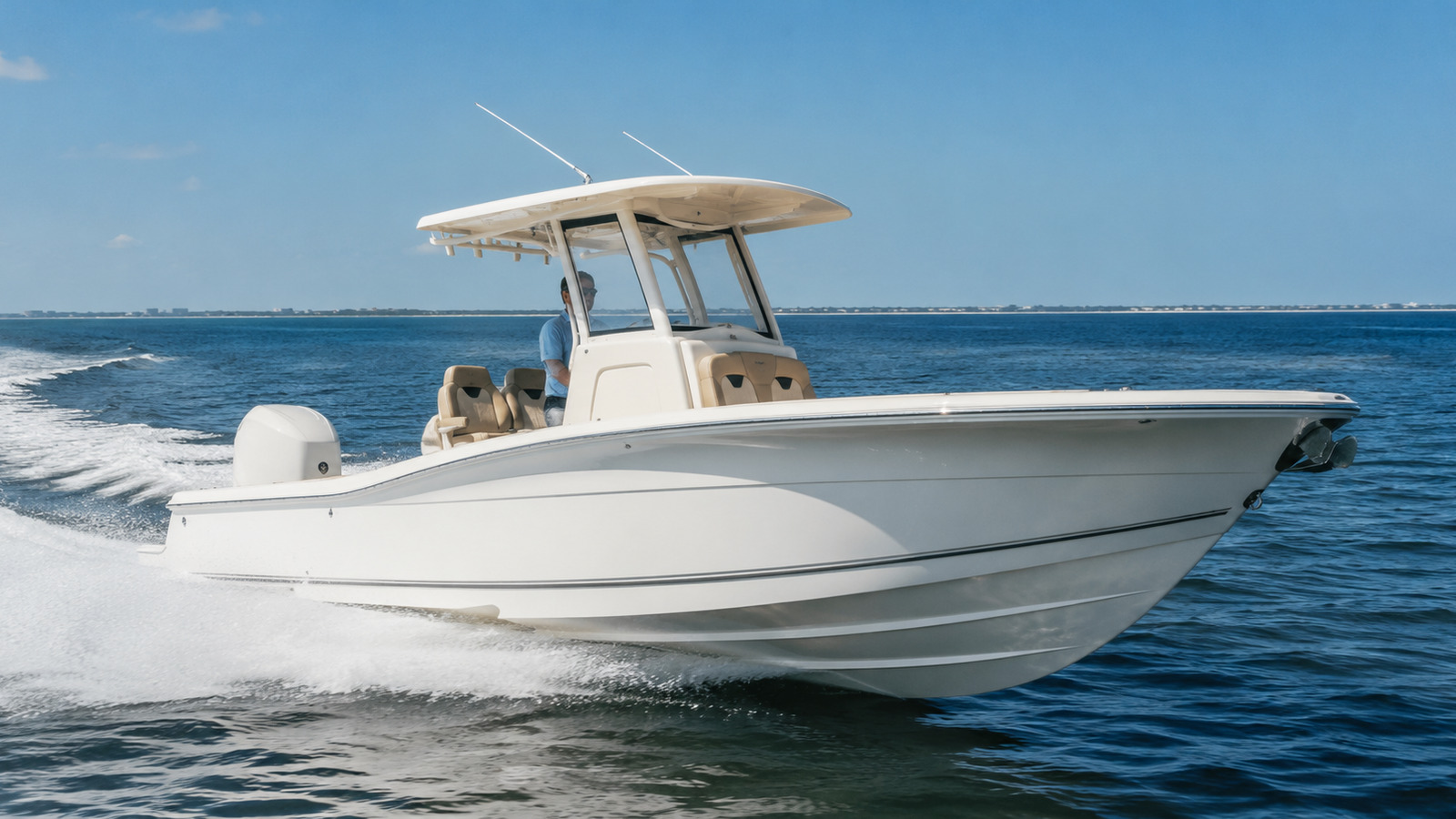
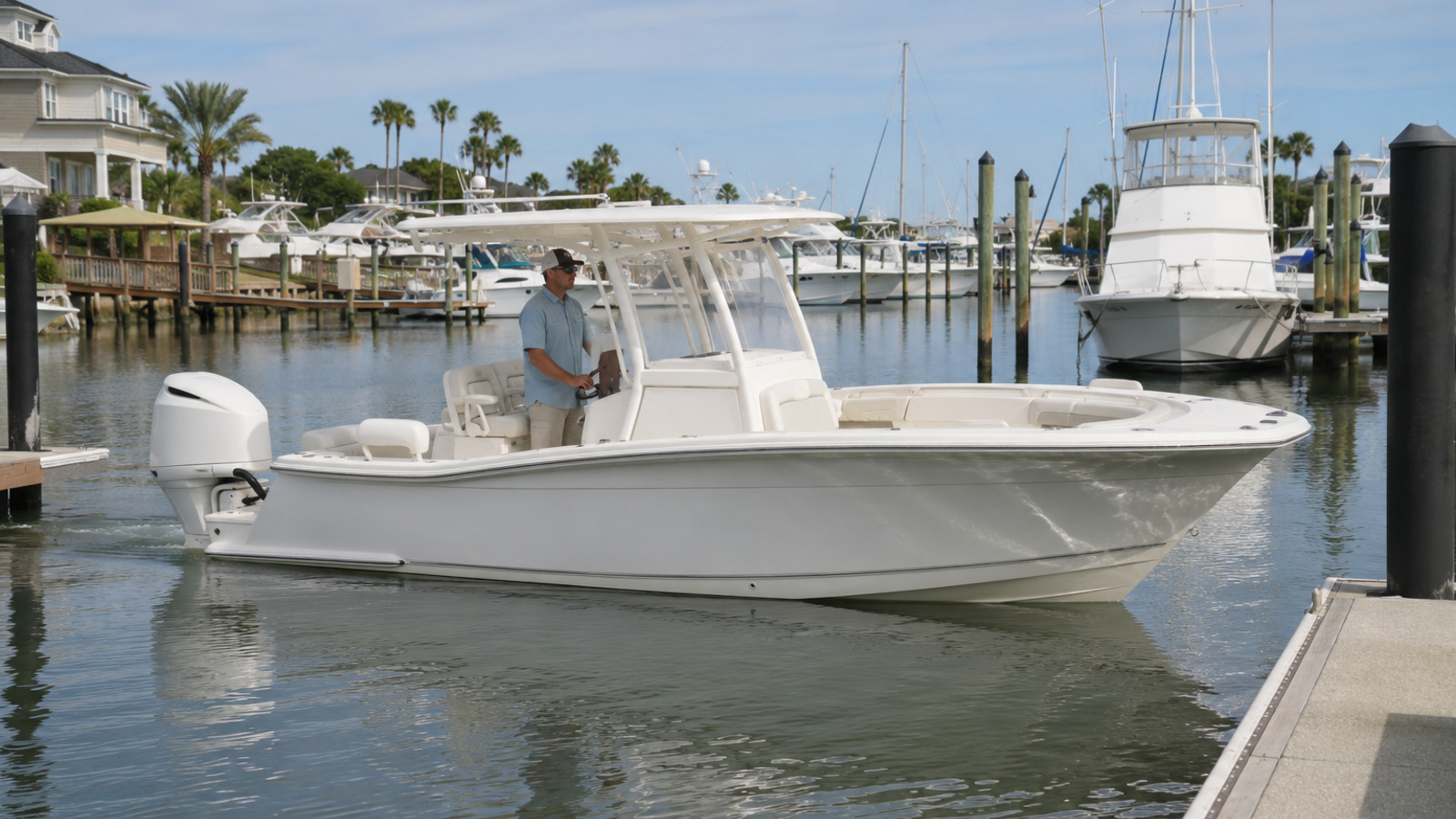
The Scout 260 LXF is a 26-foot luxury center console with an enclosed-windshield carbon-fiber T-top, forward lounge, side dive door and Seakeeper Ride.
The Scout 260 LXF is a 26-foot luxury center console with an enclosed-windshield carbon-fiber T-top, forward lounge, side dive door and Seakeeper Ride. It is best suited to buyers who want a refined fishing center console with a step-inside head and strong family-day capability. That mission should stay at the center of the purchase because a premium boat can still be the wrong boat when its main advantages do not match the 260 LXF owner’s normal day.
Reference dimensions are 26′ 0″ overall with 8′ 11″ of beam, 146 gal of fuel and a maximum horsepower rating of 450 HP. Approximate draft is 20″. For the Scout 260 LXF, those numbers affect launch access, slip size, wet weight and how much boat the driver has to manage at low speed.
The 260 brings premium systems and 146 gallons of fuel into a 26-foot footprint, increasing cost and complexity over Scout’s XSF models.
The 260 LXF has to justify the word luxury without losing the center-console job. In the 260 LXF ownership decision, use the fish boxes, livewell, side access and rod storage first, then test the seating, head or cabin and entertainment systems. the 260 LXF should remain easy to fish after the comfort systems are fully in use.
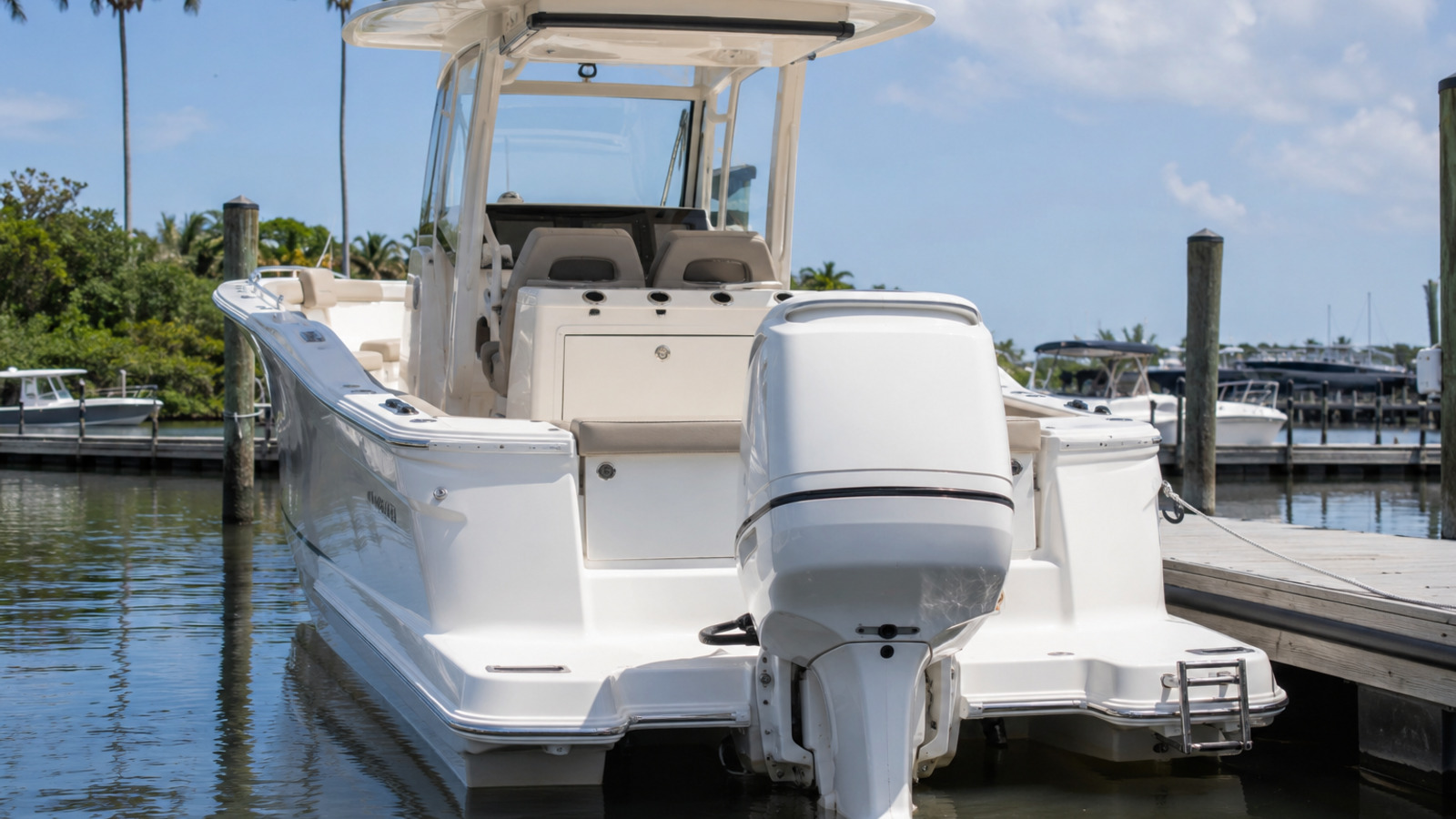
Published factory figures. Confirm every dimension against the individual boat before you commit.
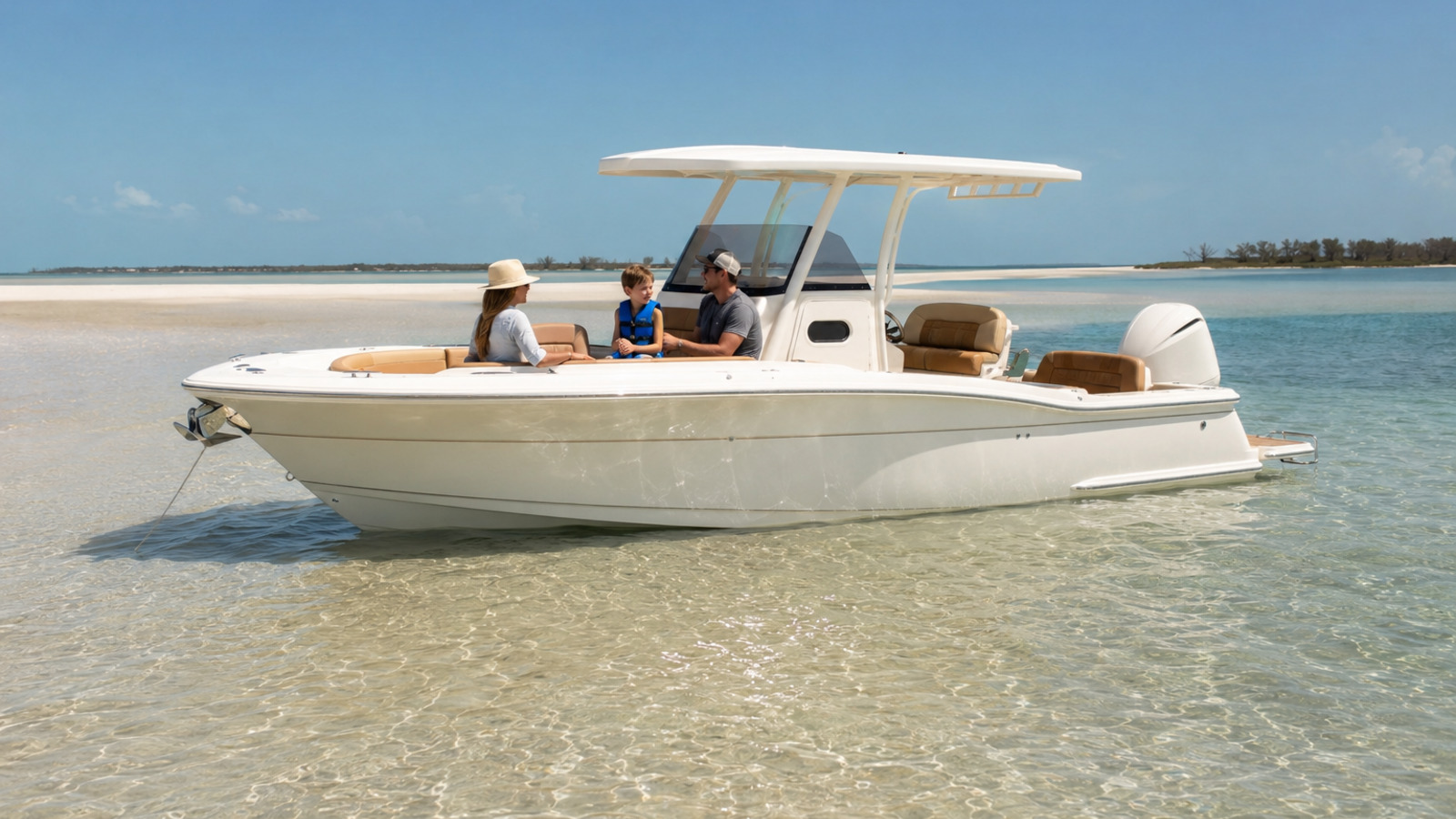
The 260 LXF combines 21.5° of transom deadrise with 8′ 11″ of beam. That geometry should be judged in the 260 LXF owner’s actual water. On the 260 LXF hull, run across wakes, quarter into chop and make a low-speed turn with passengers aboard rather than accepting a single straight-line pass as proof of ride quality.
Published or reference dry weight is about 5,300 lb dry before engines or operating load. During a 260 LXF hull inspection, add fuel, batteries, water where fitted, engines when the dry figure excludes them, safety gear and the normal crew before using the number for a trailer, lift or haul-out decision.
Inspect the 260 LXF before launch. For the 260 LXF’s running profile, sight along the keel, chines and running surface for impact or repair work, then check through-hulls, transom hardware, trim or ride-control equipment and the support points used by a trailer or lift. On the 260 LXF hull, cosmetic polish should not hide structural or rigging questions.
During the sea trial, run the 260 LXF at the cruise speed the owner expects to use most often. Watch how the bow settles, how much trim correction the driver needs and whether the 260 LXF remains predictable as passengers move. During a 260 LXF hull inspection, ride quality is a loaded-boat question, not a catalog number.
The Scout 260 LXF is an outboard-powered platform. On the 260 LXF propulsion package, that keeps major propulsion components outside the hull and makes engine access straightforward, but engine count, gearcases, steering, propellers and digital controls can still represent a large share of the annual maintenance budget.
Ask to see the 260 LXF start cold. Compare idle quality, charging voltage, temperature and steering response before the 260 LXF leaves the dock. For a used 260 LXF, on multi-engine examples, engines should carry load evenly and respond consistently to throttle and steering commands.
Run the 260 LXF through idle, normal cruise, acceleration and a hot restart. During the 260 LXF engine test, a short top-speed burst does not replace the operating conditions that reveal weak batteries, cooling issues, steering faults or propeller vibration.
On the 260 LXF propulsion package, after the sea trial, inspect lower units, skegs, propellers, steering hardware, engine mounts and accessible rigging. Match engine serial numbers and service records to the exact 260 LXF being purchased. For a used 260 LXF, confirm current factory availability and exact model-year equipment before purchase.
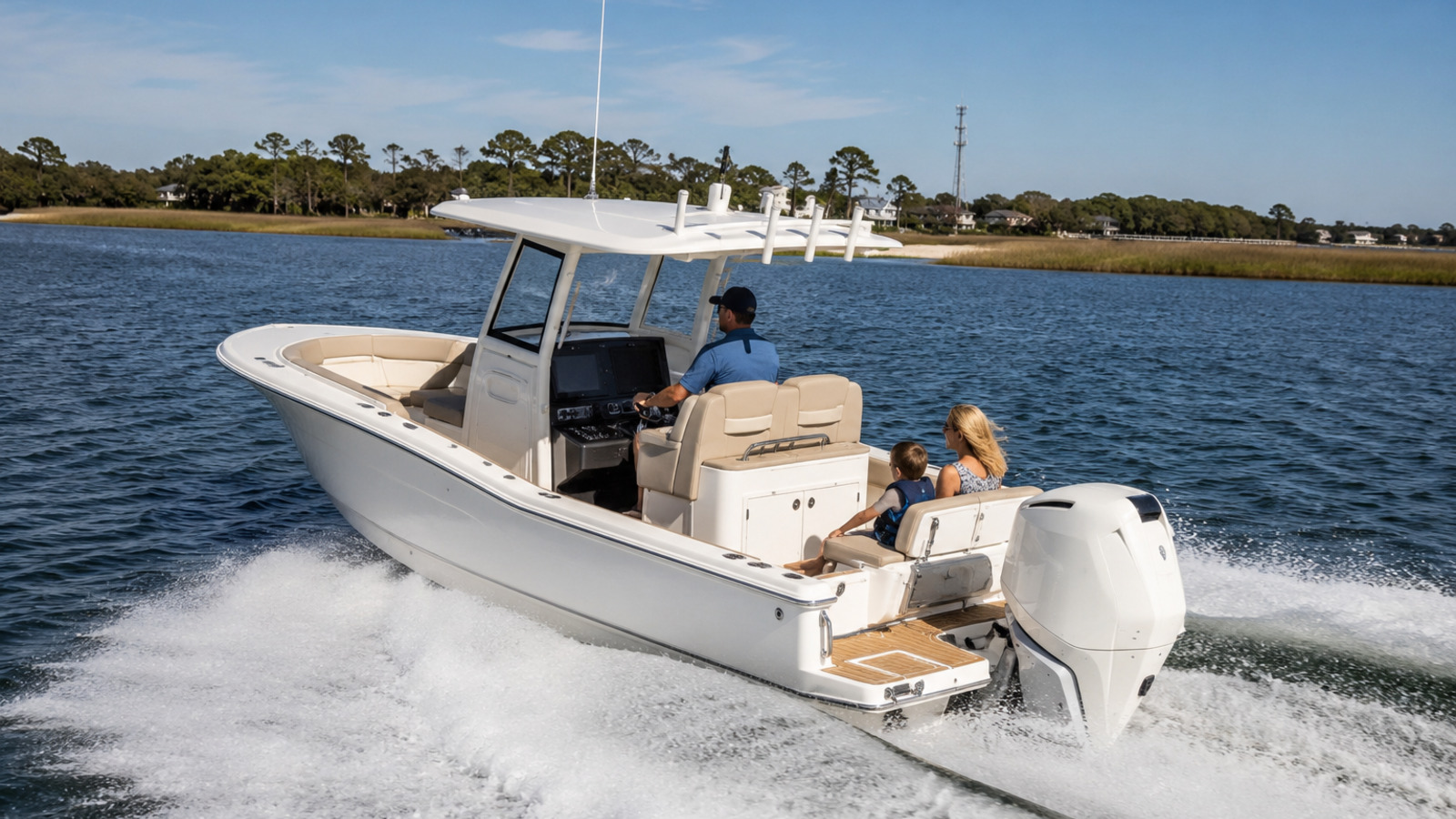
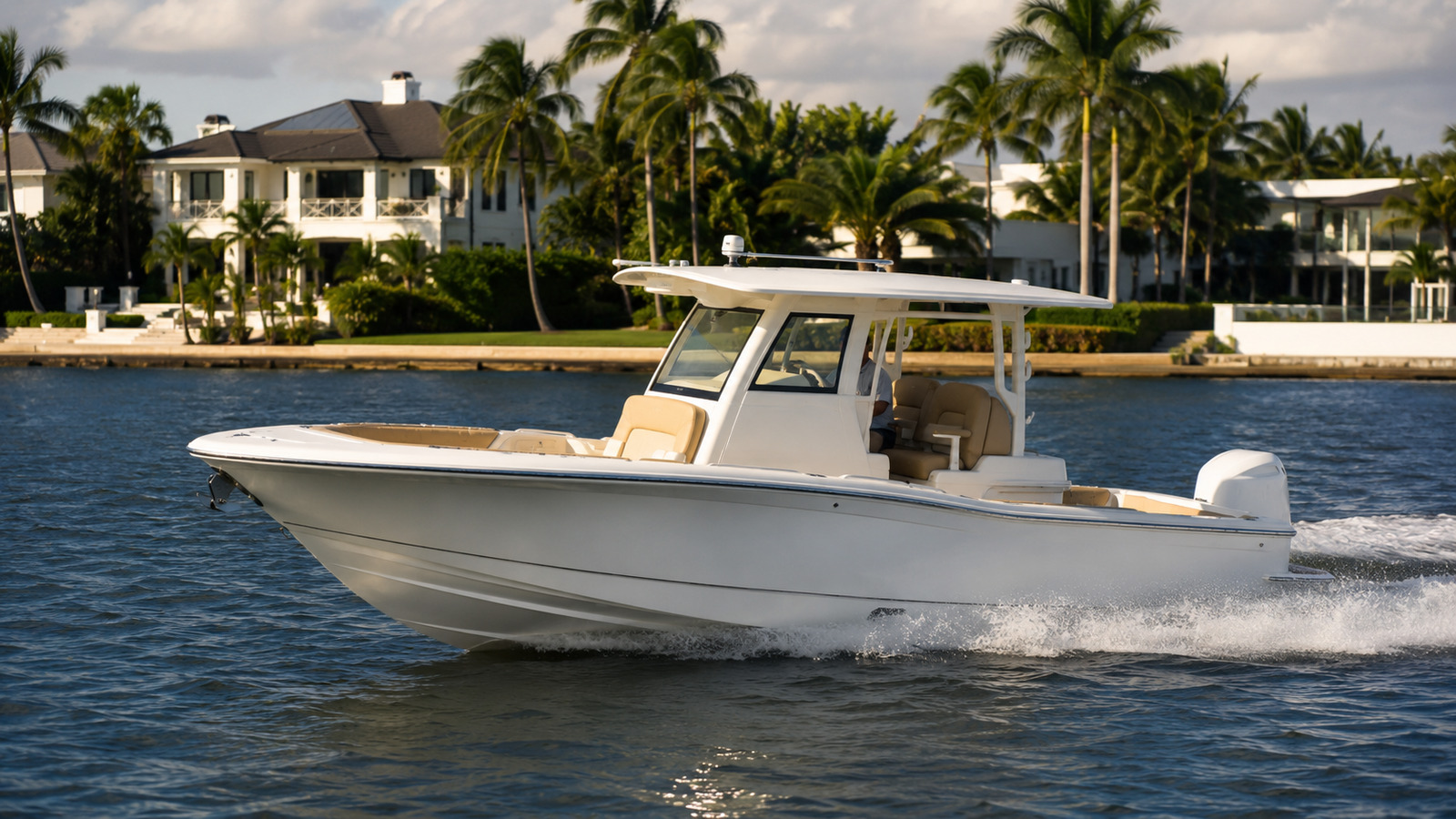
The 260 LXF carries 146 gal of fuel. Use the exact engine display to record fuel flow at a comfortable cruise, then build range from the route the 260 LXF owner actually runs with a reserve. For the 260 LXF’s fuel plan, tank capacity by itself is not a mileage promise.
A full 146 gal fuel load adds meaningful weight to the 260 LXF. On a loaded 260 LXF, add that fuel to engines, batteries, freshwater where fitted, people, tackle and day gear before deciding whether a lift, trailer or rack-storage plan has enough capacity.
When budgeting a 260 LXF, fuel-system inspection should include fills, vents, filters, accessible lines and any persistent odor. On a 260 LXF that has spent long periods inactive, stale fuel can create drivability problems that look like engine faults.
For the 260 LXF’s fuel plan, for ownership budgeting, separate local fishing days from long offshore or cruising runs. The 260 LXF does not burn the same amount of fuel in every mission, so annual cost should be built from the owner’s expected hours and routes rather than one performance-test number.
Sea-trial the 260 LXF the way it will be owned: offshore fishing, coastal cruising, entertaining and long day trips. During a 260 LXF sea trial, start at idle, establish a normal cruise, cross wakes from several angles and finish with a real docking or ramp exercise.
On the 260 LXF underway, visibility and driver workload matter as much as speed. When testing the 260 LXF, the helm should let the operator see forward through acceleration, hold a comfortable cruise without constant trim correction and reach steering, throttle and electronics without awkward movement.
During a 260 LXF sea trial, passenger comfort should be checked from more than the helm. Put people in the bow, aft seating and any companion lounge while the 260 LXF crosses realistic chop. On the 260 LXF underway, a premium layout should protect the whole crew, not just the driver.
Use the 277 LXF as the first control for the 260 LXF. If the 277 LXF handles the same crew and water with less beam, fuel or system complexity, the 260 LXF should have a clear reason to stay on the short list. When testing the 260 LXF, that reason might be fishing space, weather protection, cabin comfort or propulsion capacity, but it should be used repeatedly.
Load the 260 LXF for a realistic day before judging the deck. Stow rods, gaffs, tackle, coolers, fenders, dock lines
and the overnight gear appropriate to the trip. Then walk the 260 LXF from bow to stern with the normal crew aboard.
The layout should preserve safe movement, access to the water and the working space central to this model’s mission
after the boat is fully occupied.
Three 260 LXF details deserve focused inspection: forward lounge, hardtop and windshield and private head or cabin. Review those details with the cockpit occupied and the normal gear aboard. A useful premium feature should reduce work for the 260 LXF crew rather than create a new sequence of seats, hatches or switches every time the activity changes.
On the 260 LXF deck, at the helm, sit and stand. With the 260 LXF loaded for the day, check sightlines around the windshield or console, throttle reach, seat support and the passenger handholds nearest the driver. On the 260 LXF, ergonomics matter because fishing and family days often mean hours underway rather than one short run.
When using the 260 LXF cockpit, finish the deck test at the stern. On the 260 LXF deck, outboards, boarding access, livewell hardware and aft seating all compete for the same area. The 260 LXF is well integrated only when swimmers, anglers and the engine-service plan can coexist without constant reconfiguration.
The 260 LXF balances fishing deck space with a dedicated forward social seat.
Insulated fish storage keeps the 260 LXF credible as a fishing platform.
Live bait capacity supports offshore and coastal fishing rather than decorative rod holders.
Integrated top structure protects the helm and carries electronics, lights and rod storage.
A side door or beach-platform arrangement makes the 260 LXF easier to board from dock or water.
Multiple or single outboards keep major propulsion outside the hull and preserve interior volume.
The 260 LXF adds comfort systems that separate LXF ownership from a basic open center console.
Navigation, engine and vessel-system information are concentrated at the 260 LXF helm.
The systems inspection on a Scout 260 LXF should concentrate on fish-box and livewell plumbing, helm electronics, hardtop structure, side-access hardware, cabin systems and multi-outboard service history. These systems are part of the 260 LXF’s real value and should be tested under use, not just switched on for a moment.
On the 260 LXF, test the systems that create its identity under simultaneous load. On the 260 LXF’s systems, run helm electronics, pumps, audio, refrigeration or climate where fitted, and any powered doors or seating. During a 260 LXF systems check, watch voltage, pump cycling and control responsiveness for long enough to expose an intermittent fault.
For the 260 LXF’s electrical and plumbing load, check batteries, charging, digital switching and networked electronics together. On the 260 LXF’s systems, modern marine systems can look healthy with one display running and behave very differently once pumps, stereo, refrigeration, climate or powered deck hardware are operating at the same time.
During a 260 LXF systems check, after the sea trial, reopen the bilge and utility areas. New water, an unexpectedly cycling pump, a warm connection or a fresh alarm on the 260 LXF deserves investigation before the buyer treats the boat as ready.
The Scout 260 LXF is best understood as a step-inside console/head arrangement rather than a full cruising cabin. For the 260 LXF’s storage plan, that distinction matters because a buyer should not pay for cabin capability they will never use or expect a day boat to become a comfortable cruiser simply because a head or console compartment is available.
Storage planning begins with 26′ 0″ overall length and 8′ 11″ of beam. Confirm the actual trailer, rack, lift or slip rather than assuming a nearby boat will fit because the 260 LXF numbers are close.
If the 260 LXF has freshwater, sanitation, refrigeration, air conditioning or shore power, run those systems and inspect for leaks, pump cycling and moisture. When planning to keep a 260 LXF, if it is day-boat oriented, focus instead on dry storage, shade and whether fishing gear can stay aboard without occupying passenger seating.
Use photography to verify the details that specifications do not show well on a Scout 260 LXF: hull stance, helm
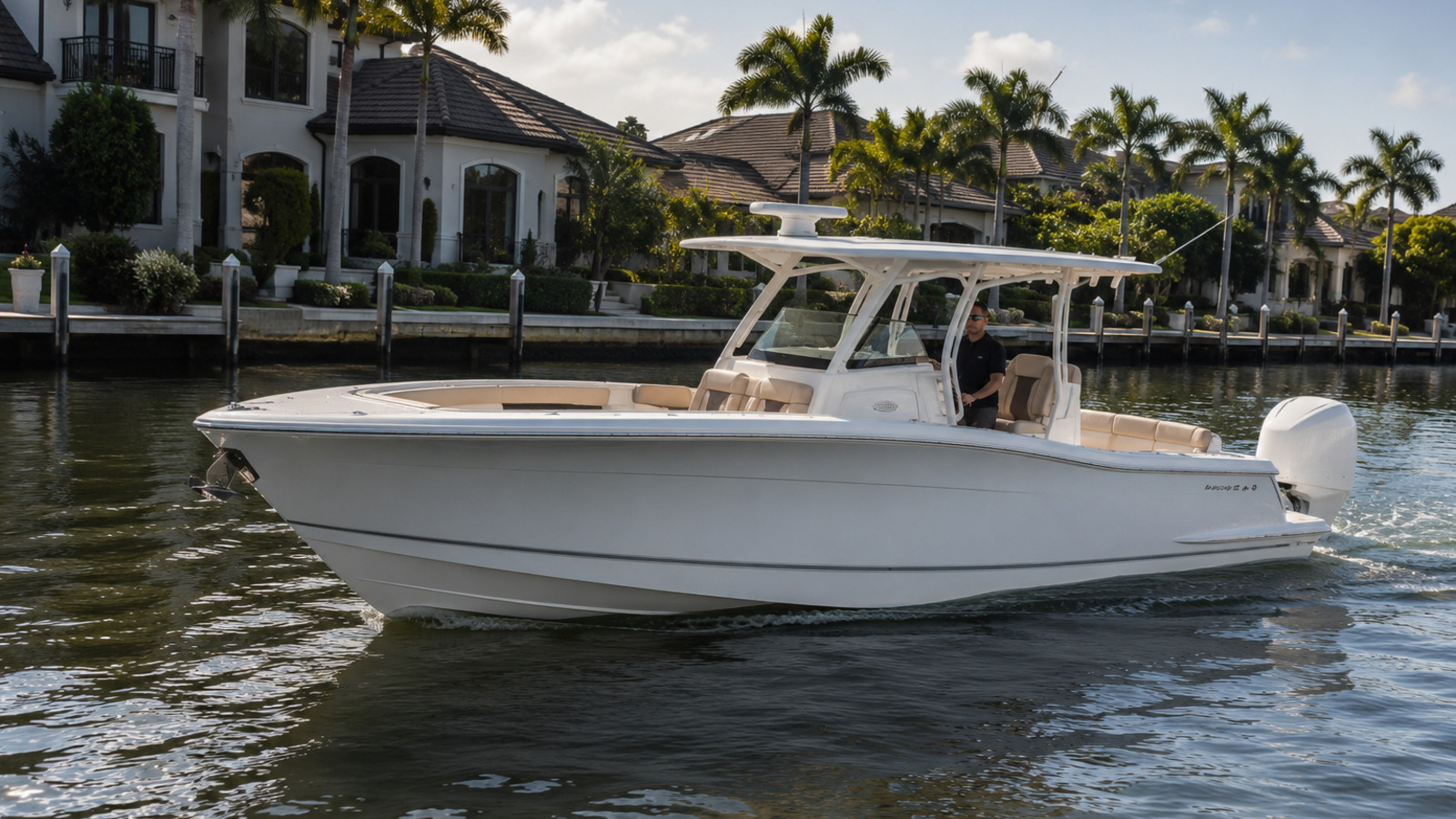
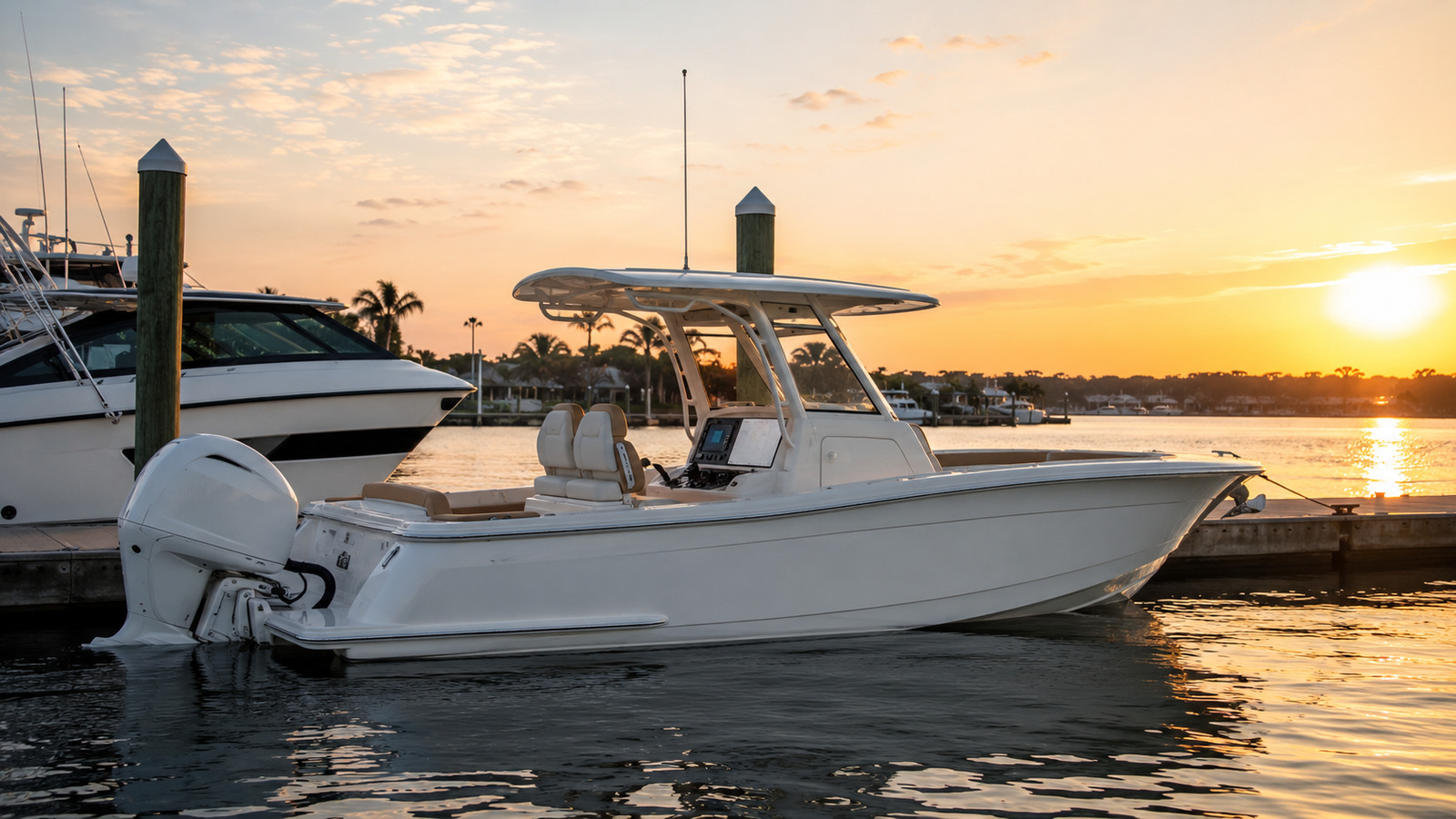
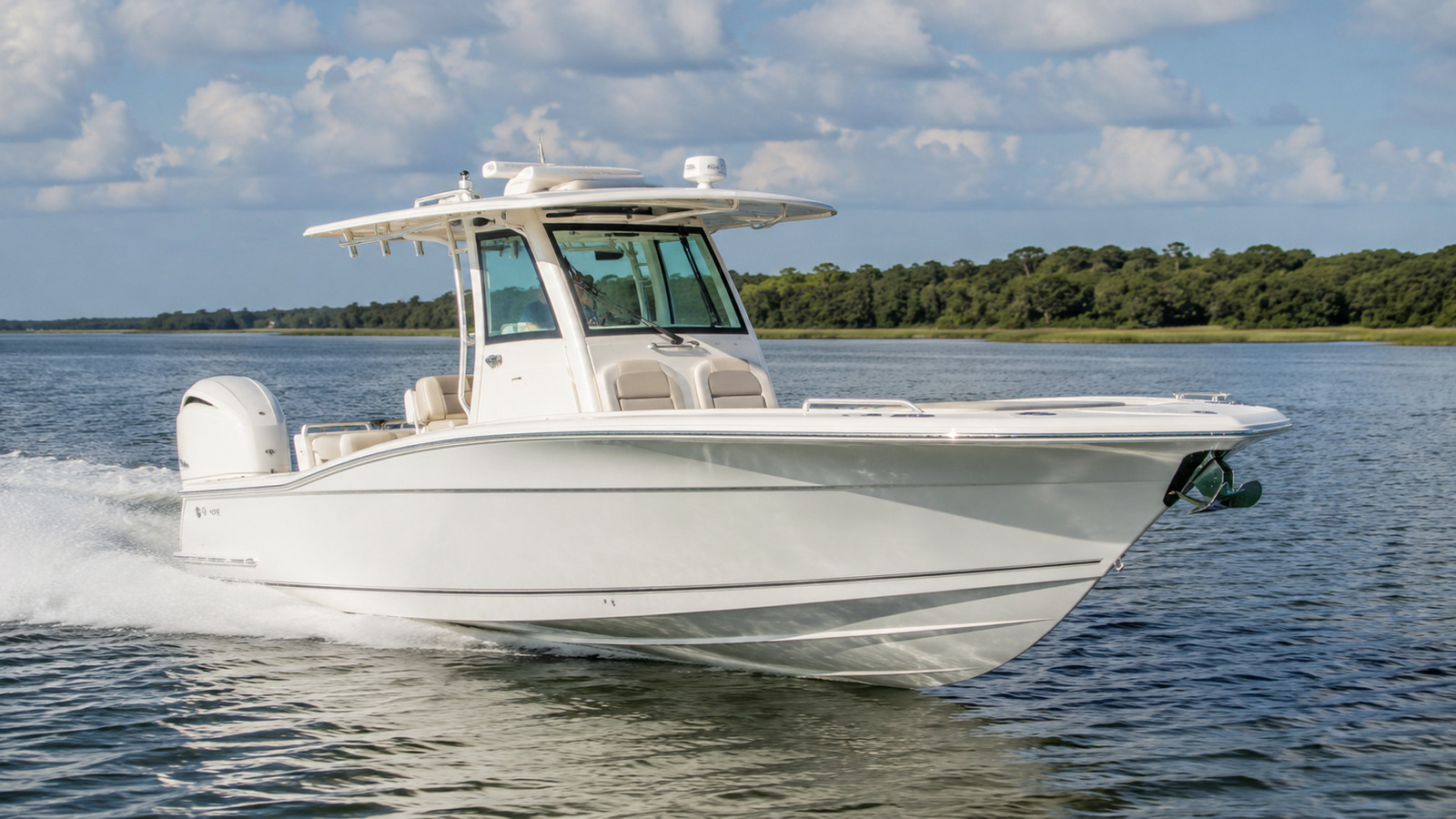
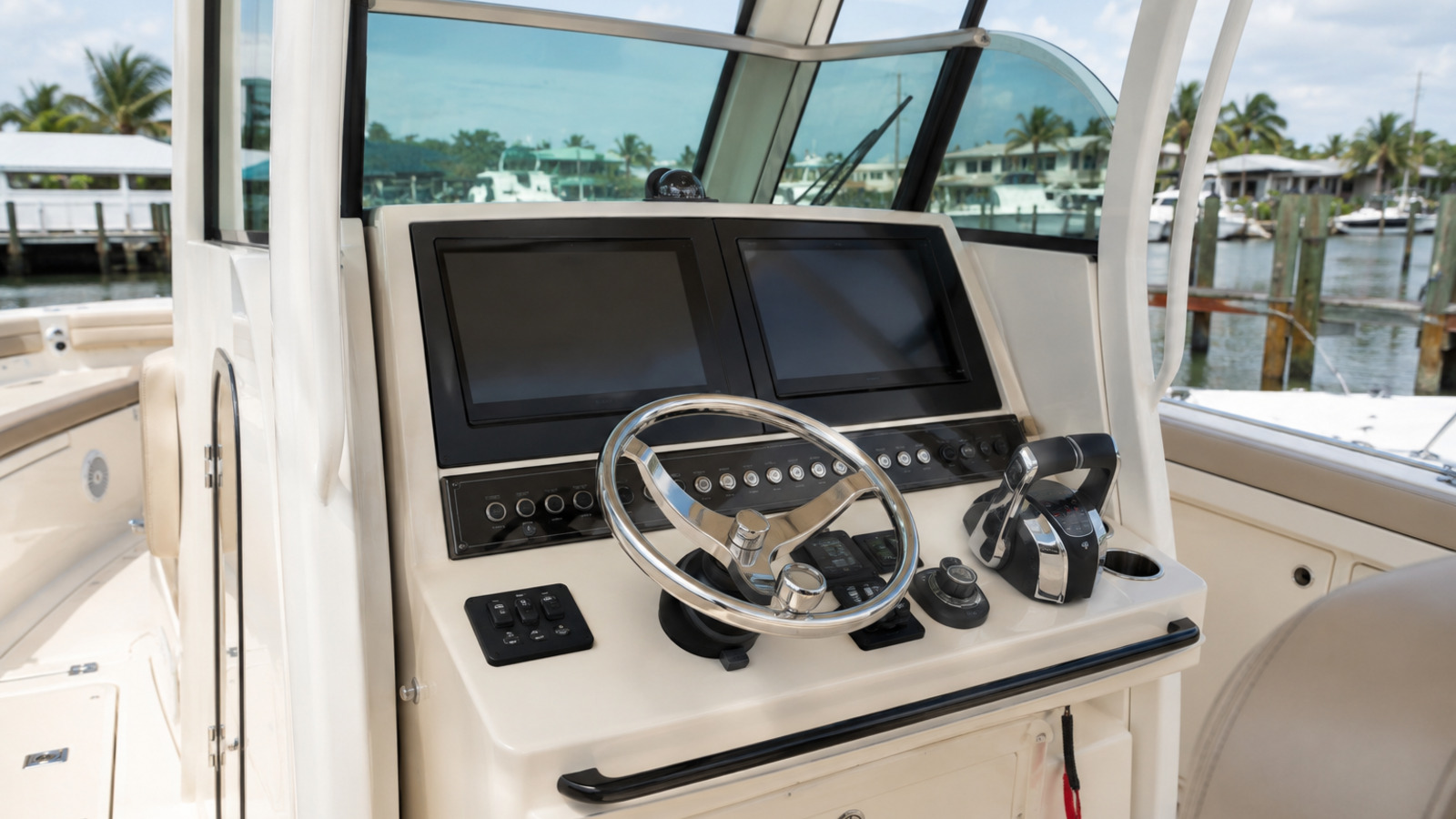
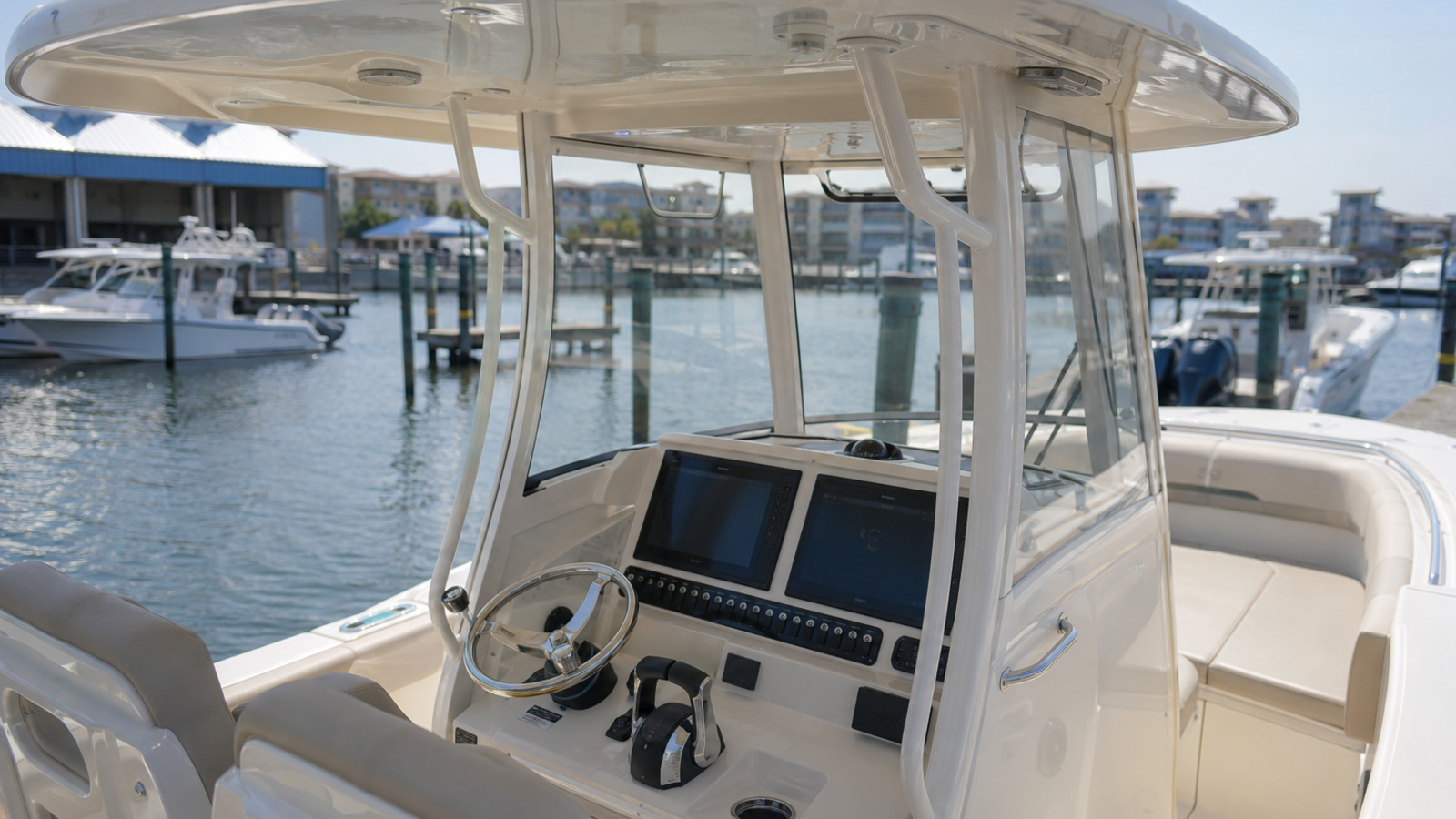
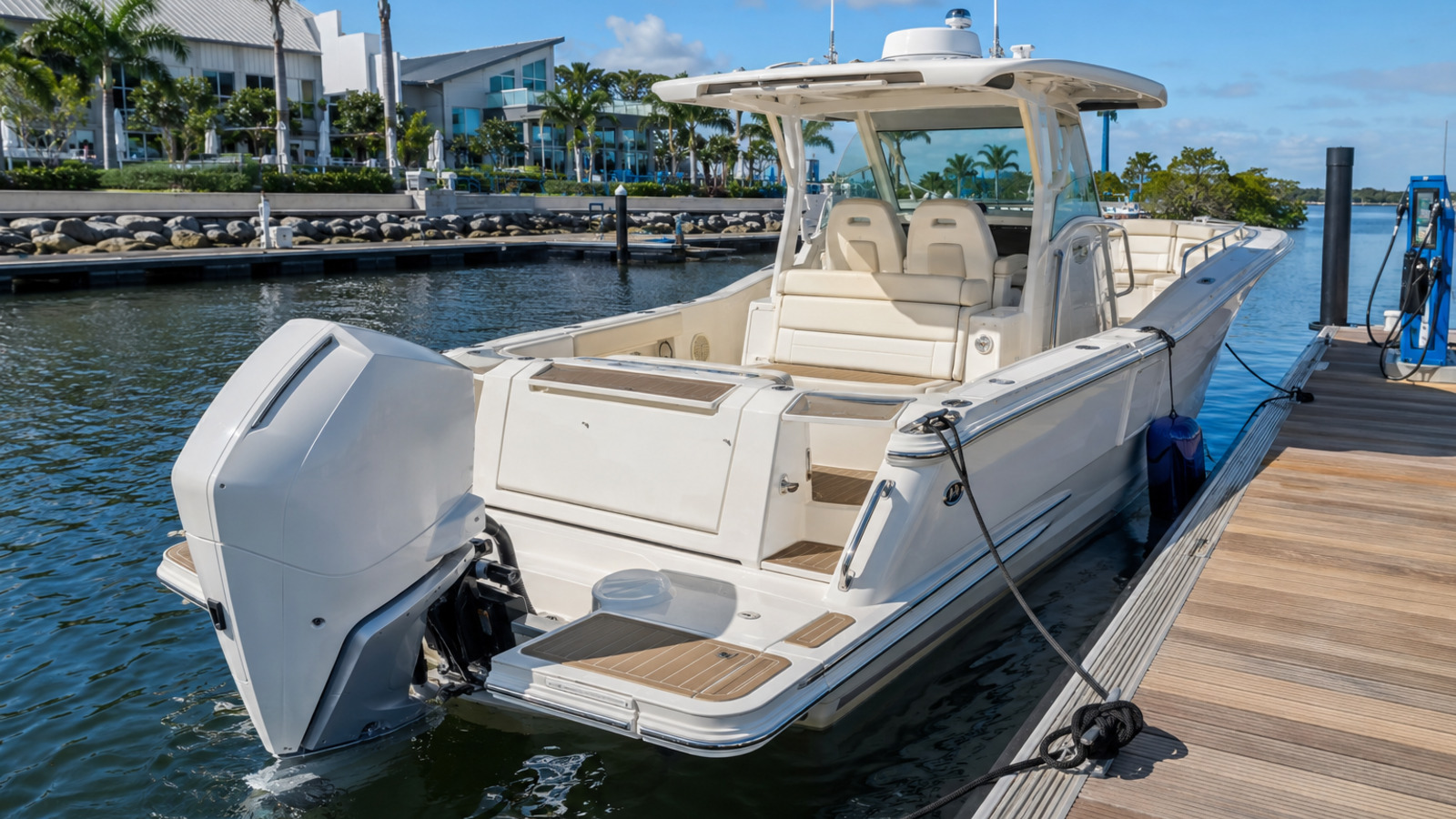
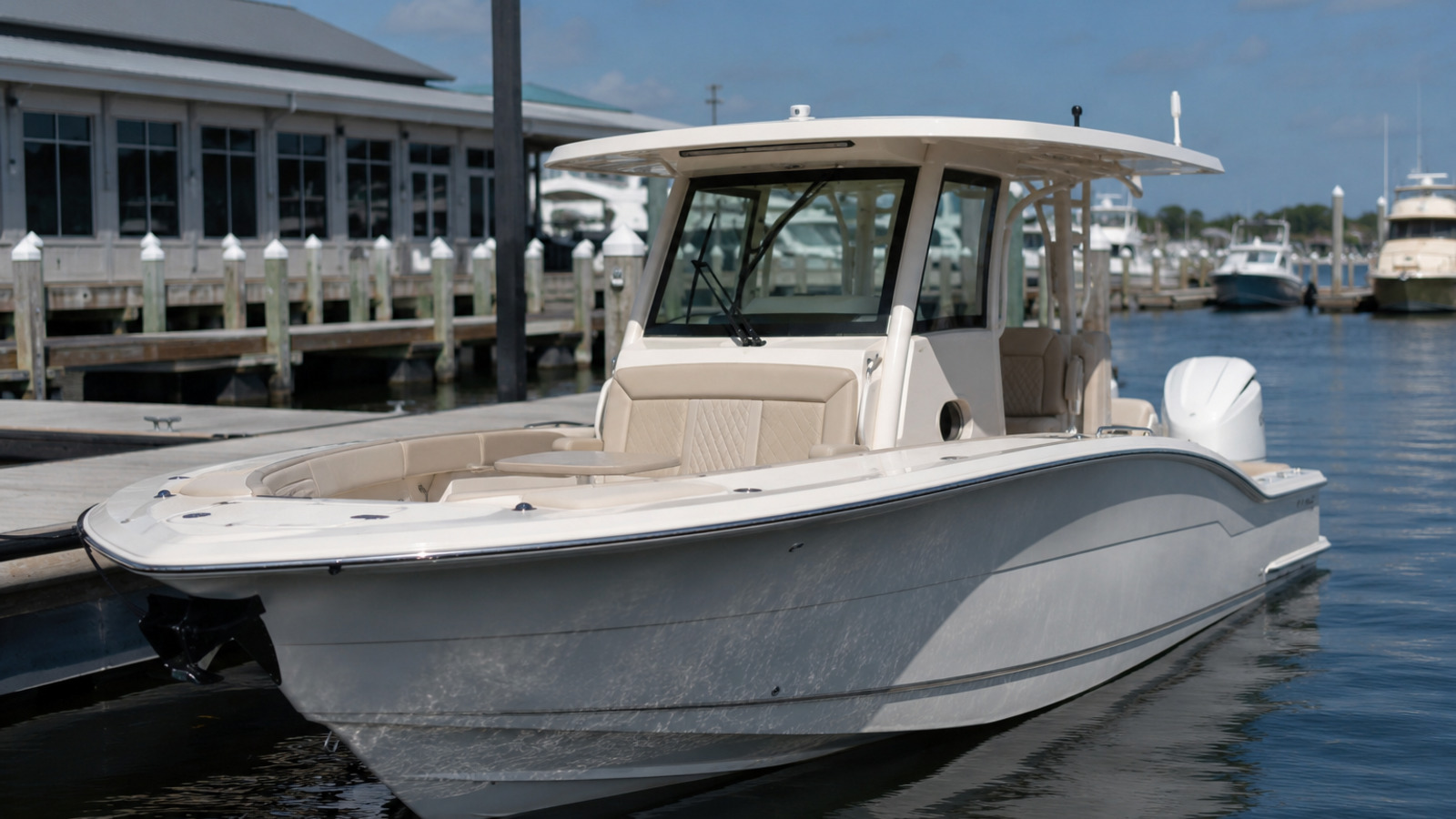
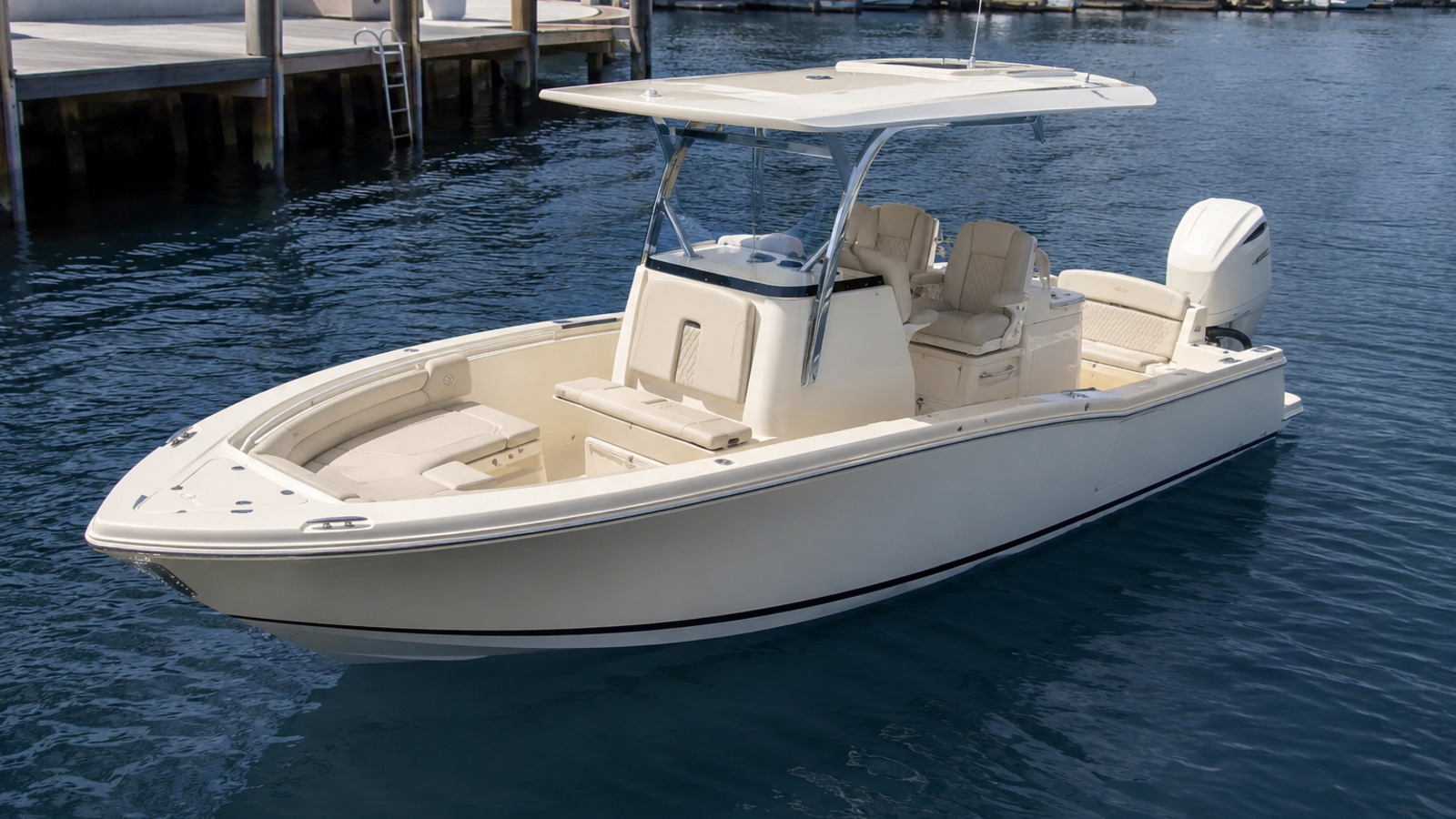
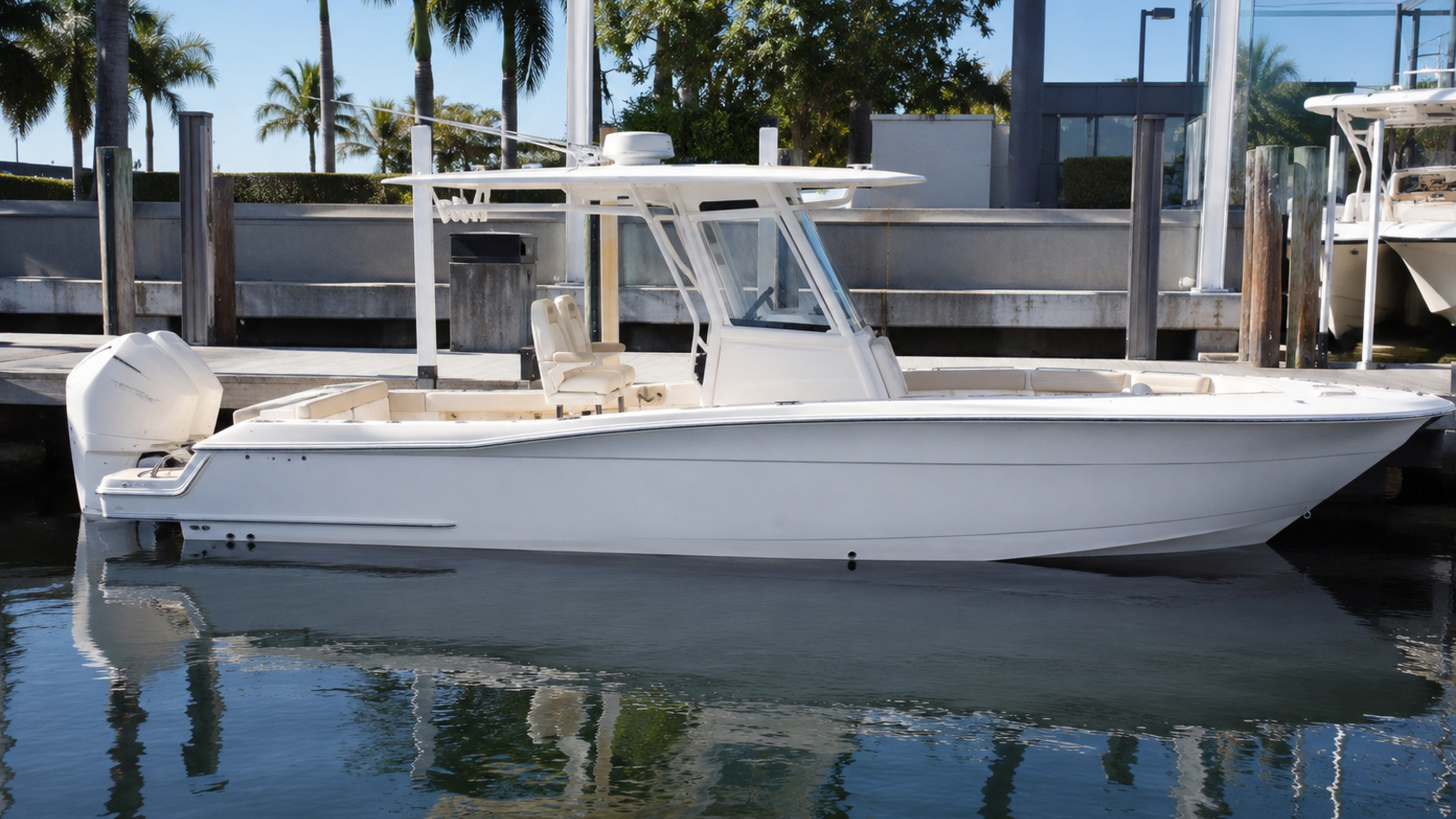
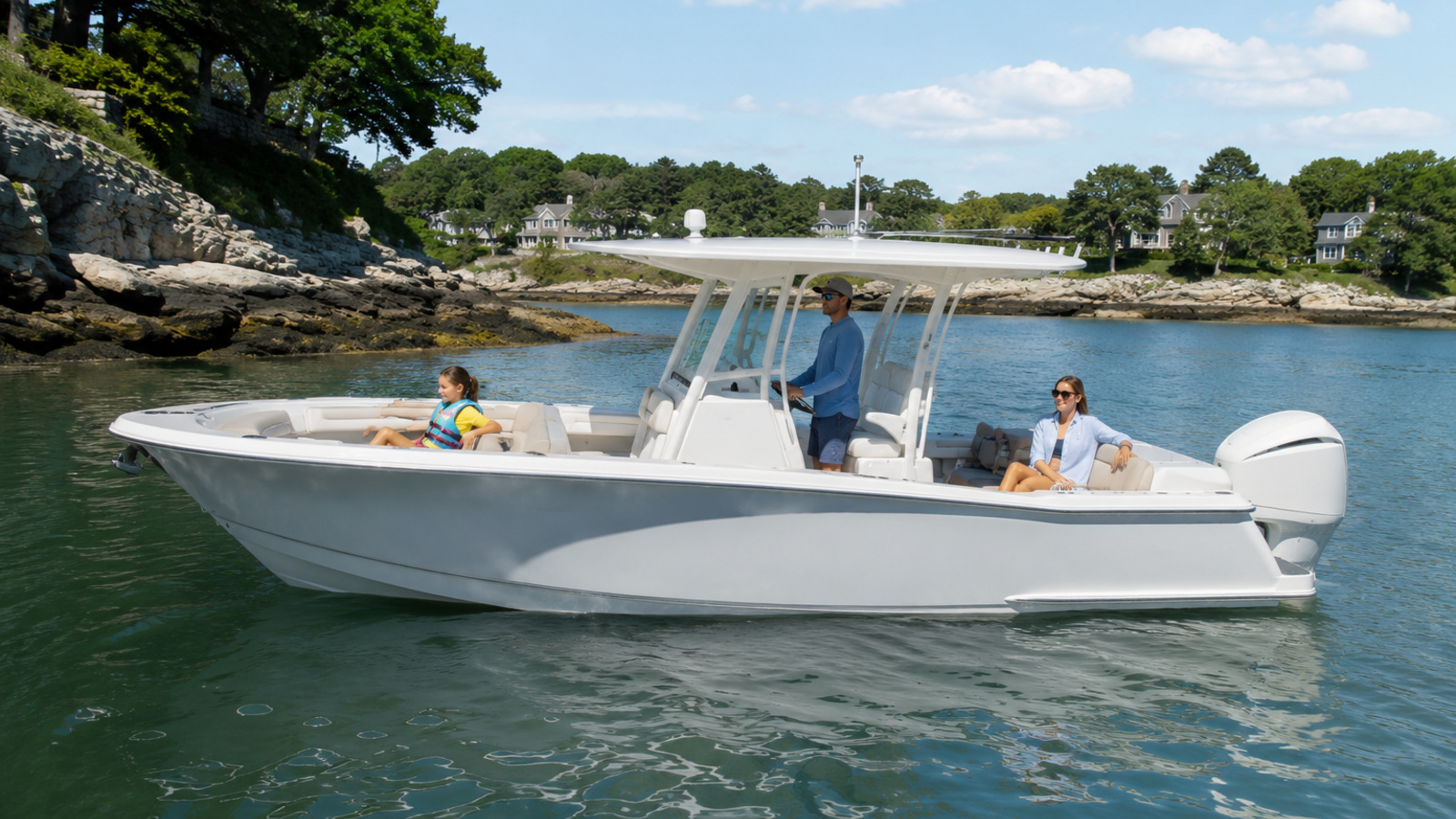
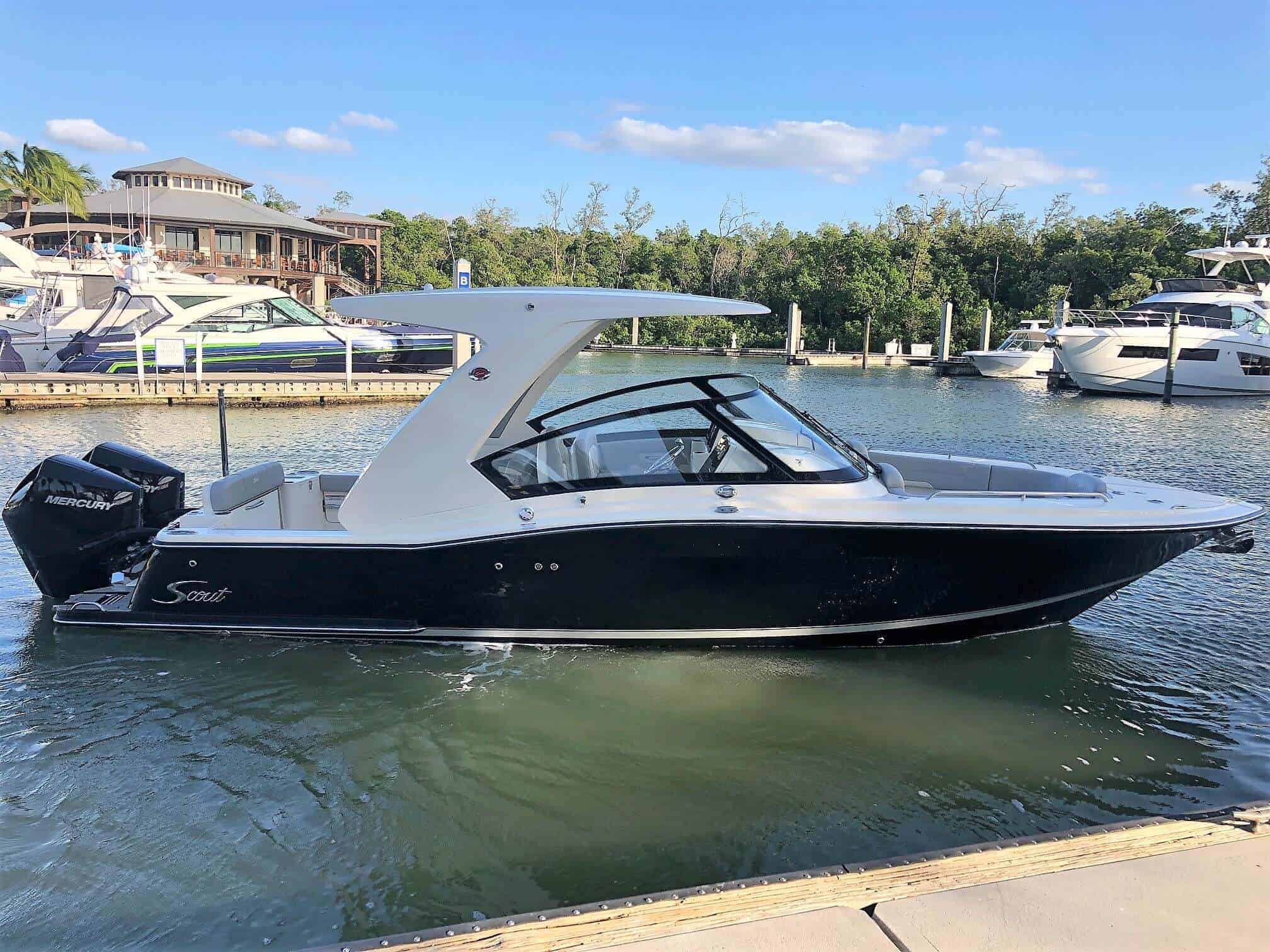
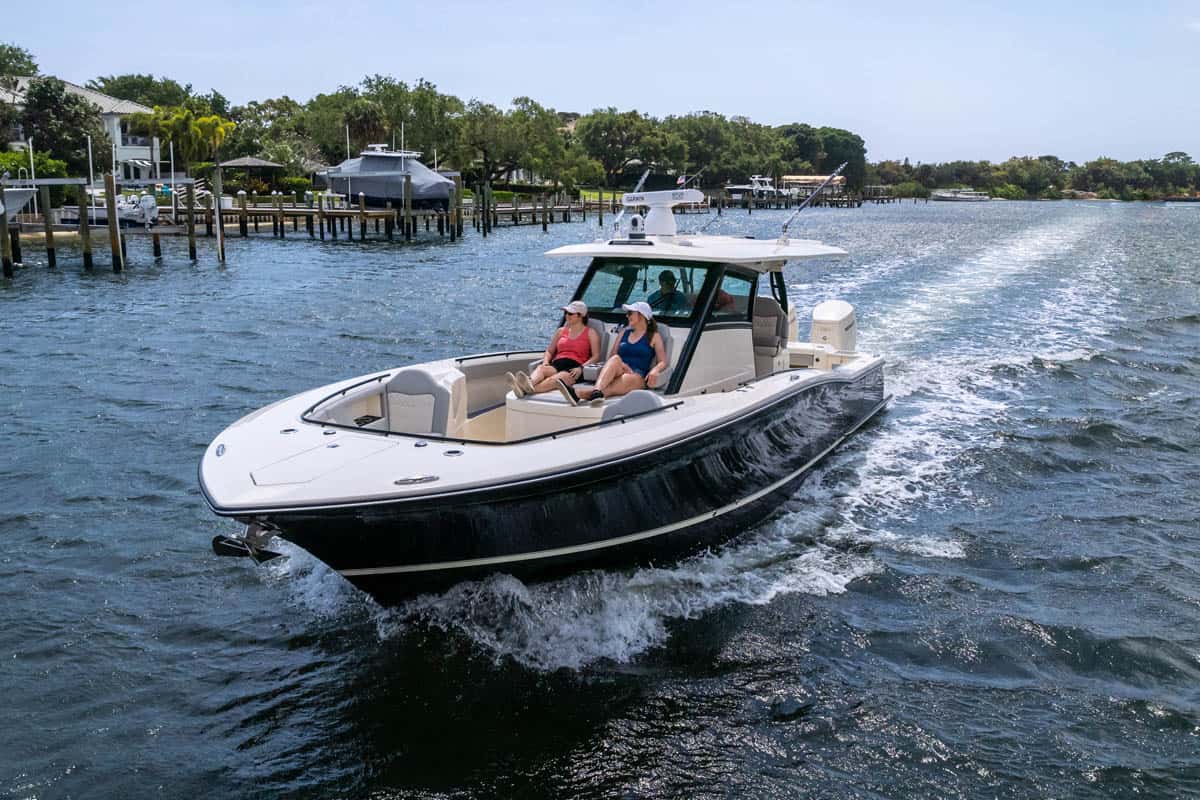
When valuing a 260 LXF, actual value can move with model year, propulsion package, hours, electronics, stabilization, lithium equipment, hardtop options, upholstery and overall condition.
For a pre-owned 260 LXF, options should be valued by function. In the 260 LXF price comparison, a working Seakeeper, lithium system, powered seat, beach platform, livewell, joystick or electronics suite adds utility. When valuing a 260 LXF, the same option in failed condition becomes a repair line even if it was expensive when new.
Propulsion history has outsized value on the 260 LXF. For a pre-owned 260 LXF, complete engine service records, clean lower units and healthy steering can justify more than cosmetic upgrades because deferred outboard work multiplies quickly on multi-engine boats.
In the 260 LXF price comparison, keep the first-year correction budget separate from asking price. When valuing a 260 LXF, batteries, pumps, upholstery, electronics, props, steering, canvas and climate equipment can erase an attractive discount if several systems are due together.
Illustration only and not an offer of credit.
Add the storage, insurance, fuel and service costs created by a 26′ 0″ boat with 146 gal of fuel capacity.
Illustration only and not an offer of credit. Your actual rate and term depend on credit profile, vessel age, loan amount and ownership structure.
The 277 LXF is the first useful cross-shop because it changes size, layout or series mission without leaving Scout. It measures 27′ 9″ with 9′ 0″ of beam and carries 164 gal of fuel, compared with 26′ 0″, 8′ 11″ and 146 gal on the 260 LXF. In the 260 LXF cross-shop, the point is not to crown a larger boat. It is to see which platform solves the 260 LXF owner’s recurring use with the least unnecessary complexity.
The Scout 260 LXF belongs on the short list when its own mission still makes sense after those comparisons: buyers who want a refined fishing center console with a step-inside head and strong family-day capability. When comparing the 260 LXF, the purchase should be based on repeated utility, not simply the largest hull or highest horsepower the budget can reach.
Confirm the exact Scout 260 LXF before negotiating. Before buying a 260 LXF, record the hull identification, model year, engine serial numbers and high-value factory or aftermarket equipment that is physically installed. In a 260 LXF pre-purchase review, remember that Scout’s equipment and availability can change over time, so the actual boat is the source of truth for the transaction.
Ask how the 260 LXF was stored, where it was used and whether engine and onboard-system service stayed on schedule. For the exact 260 LXF being considered, a coherent service history is easier to value than low hours with long inactive periods and no maintenance record.
Inspect the 260 LXF with extra attention to fish-box and livewell plumbing, helm electronics, hardtop structure, side-access hardware, cabin systems and multi-outboard service history. Before buying a 260 LXF, open accessible lockers and service panels. In a 260 LXF pre-purchase review, water staining, corrosion trails, improvised wiring or pumps that never stop cycling can reveal a more useful ownership story than a fresh detail.
Run the 260 LXF until propulsion and major systems are warm, then inspect the bilge, engines and utility spaces again. For the exact 260 LXF being considered, heat and vibration often reveal issues that a cold dockside inspection does not.
Before buying a 260 LXF, verify ownership documents, lien payoff where applicable, serial numbers and transaction structure independently of the mechanical inspection. In a 260 LXF pre-purchase review, a sound boat and clean paperwork are separate requirements.
The 260 LXF sits at the intersection of fishing boat and yacht. Its 146 gal fuel load, 450 HP power ceiling and 8′ 11″ beam mean the owner should price dockage, haul-out and propulsion service with the same seriousness as the purchase price.
Once the Scout 260 LXF has passed the fit, condition and sea-trial checks, evaluate financing for the actual boat. For the 260 LXF purchase, float Finance can help consumers pursue financing for eligible dealer, brokerage and private-party marine purchases, subject to borrower, collateral and transaction requirements.
The Scout 260 LXF is strongest for buyers who want a refined fishing center console with a step-inside head and strong family-day capability. Its main compromise is The 260 brings premium systems and 146 gallons of fuel into a 26-foot footprint, increasing cost and complexity over Scout’s XSF models. For the Scout 260 LXF, if that compromise shows up on most trips, compare another Scout before applying.
The reference figures are 26′ 0″ overall length, 8′ 11″ beam, 146 gal fuel capacity, 450 HP maximum horsepower and approximately 20″ draft. Dry weight is 5,300 lb and transom deadrise is 21.5°. On the exact 260 LXF, verify the exact model year and installed equipment before purchase.
The Scout 260 LXF carries 146 gal of fuel. Actual range depends on engine package, rpm, sea state, load and bottom condition, so use real fuel-flow data from the exact 260 LXF rather than a universal range claim.
When researching the 260 LXF, the current reference specification used here lists up to 450 HP. The exact engine count and package can vary by model and model year, so confirm serial numbers, rigging, propellers and service history on the 260 LXF being purchased.
The Scout 260 LXF is best described as a step-inside console/head arrangement rather than a full cruising cabin. For the Scout 260 LXF, buyers planning regular nights aboard should test berth size, storage, ventilation, climate, freshwater and head systems with the actual sleeping party.
On the exact 260 LXF, start with cold propulsion behavior and service records, then focus on fish-box and livewell plumbing, helm electronics, hardtop structure, side-access hardware, cabin systems and multi-outboard service history. Operate forward lounge and hardtop and windshield, sea-trial the 260 LXF until systems are warm, and inspect the bilge or machinery areas again after the run.
When researching the 260 LXF, the 277 LXF is a useful comparison because it changes the size or mission without leaving the Scout family. For the Scout 260 LXF, put the same crew, storage plan, fishing gear and water conditions against both boats. On the exact 260 LXF, choose the one whose layout and ownership scale solve the normal trip.
Float Finance can help consumers pursue financing for eligible Scout 260 LXF purchases through dealers, brokerages and private parties, subject to borrower, collateral and transaction requirements.
Tell us a little bit about yourself and the boat you are looking to finance.