Call Us : 207-994-5109
Mon – Fri: 8 am to 9 pm & Sat – Sun: 10 am to 8 pm
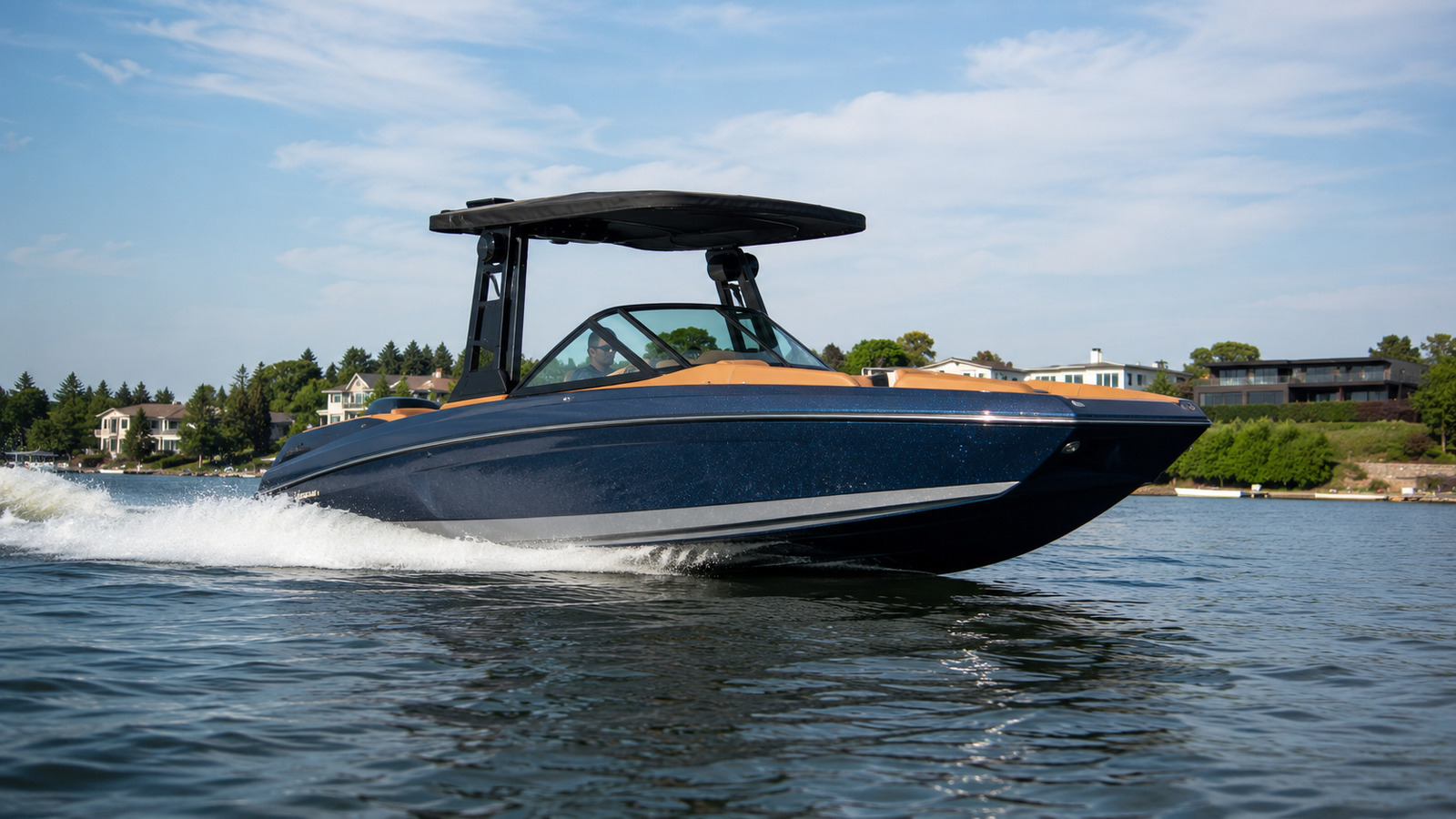
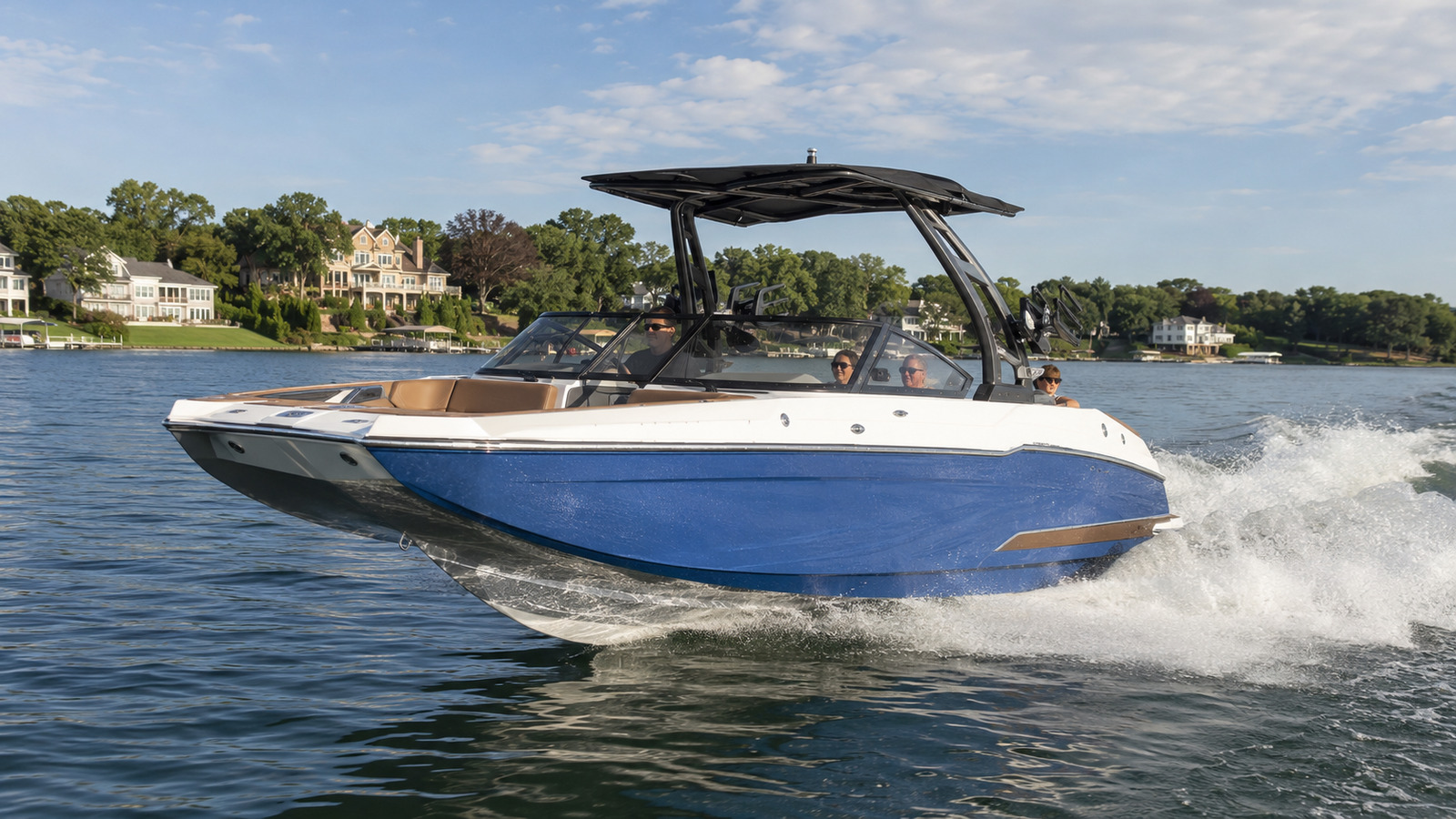
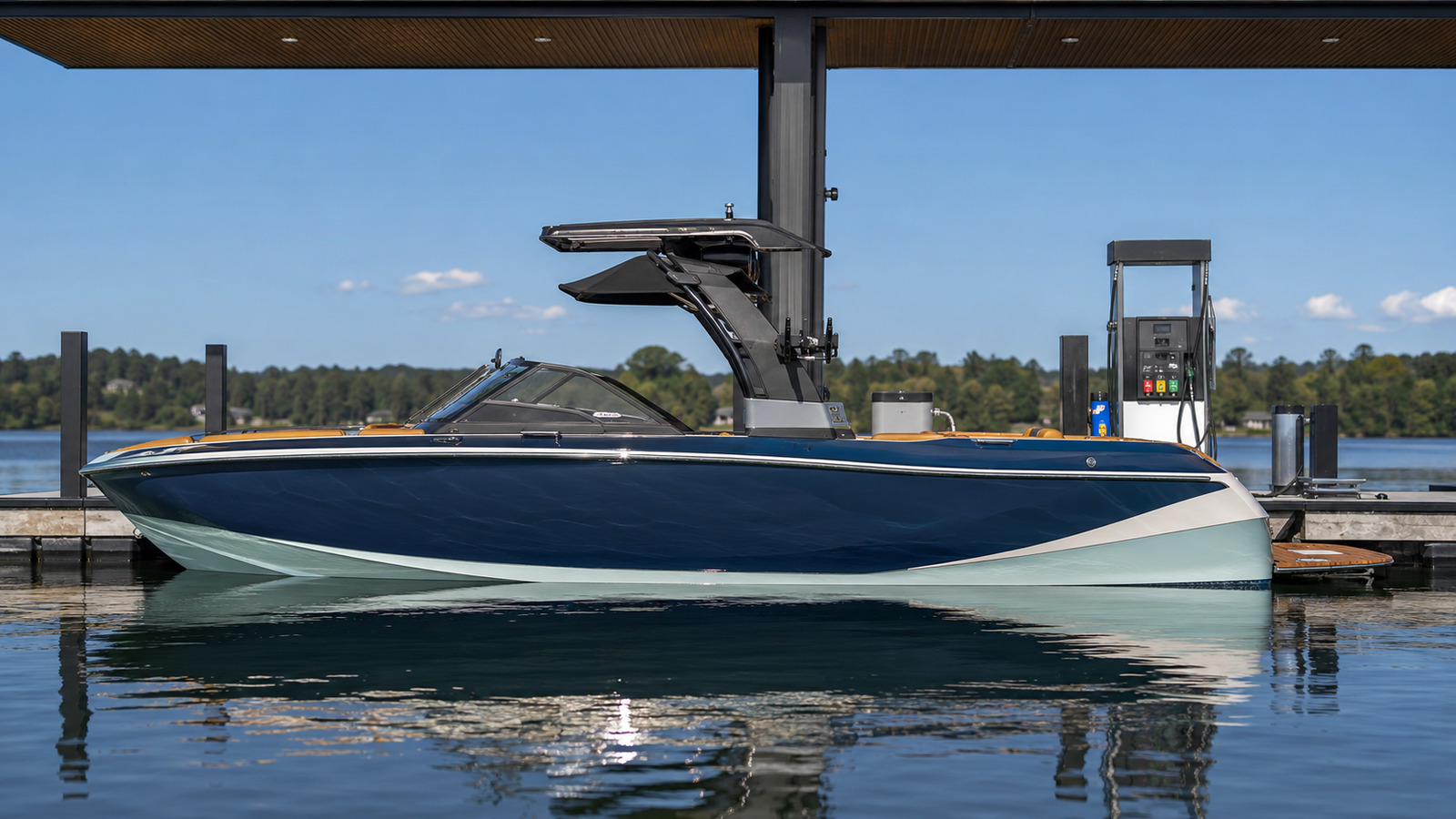
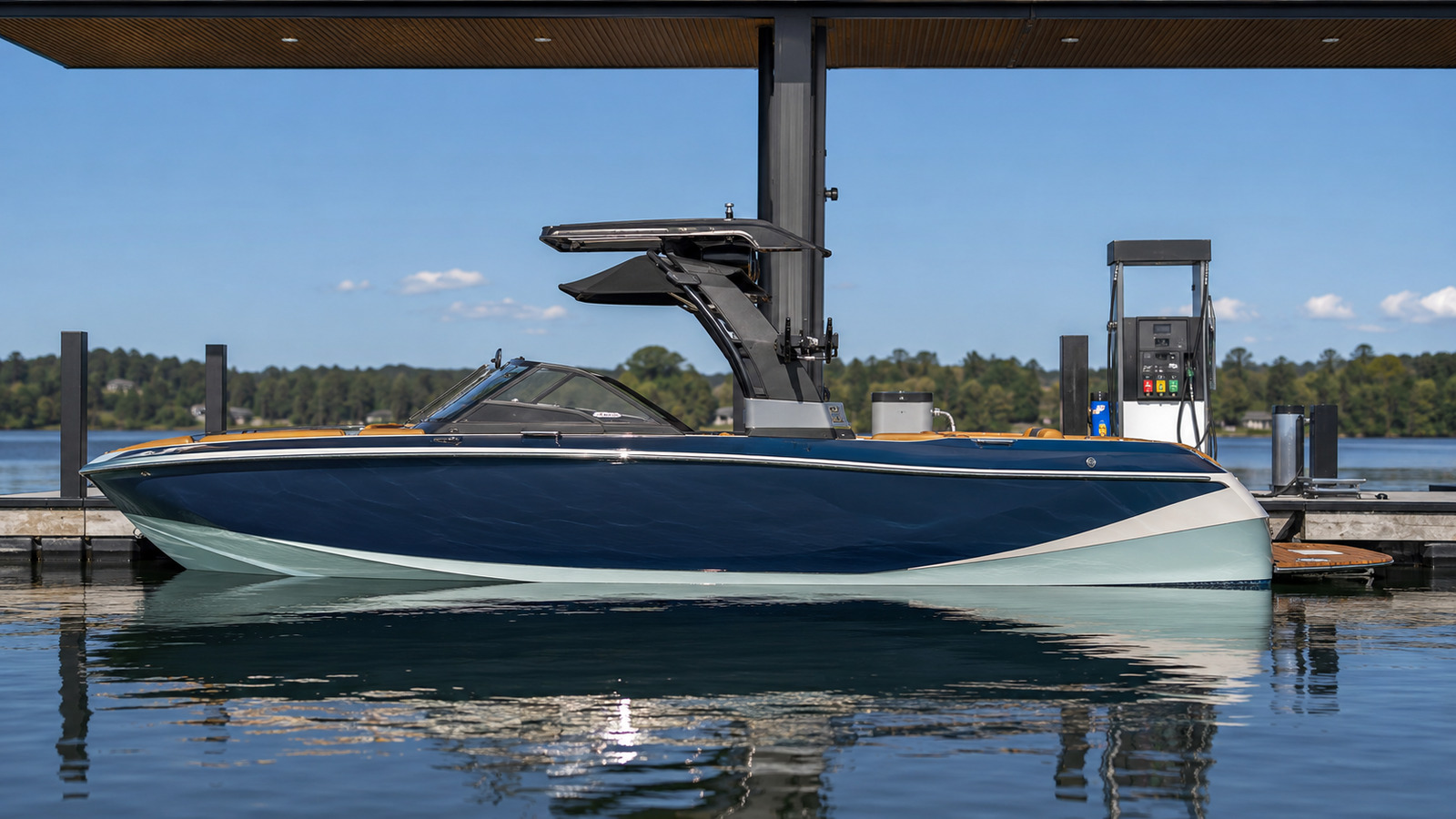
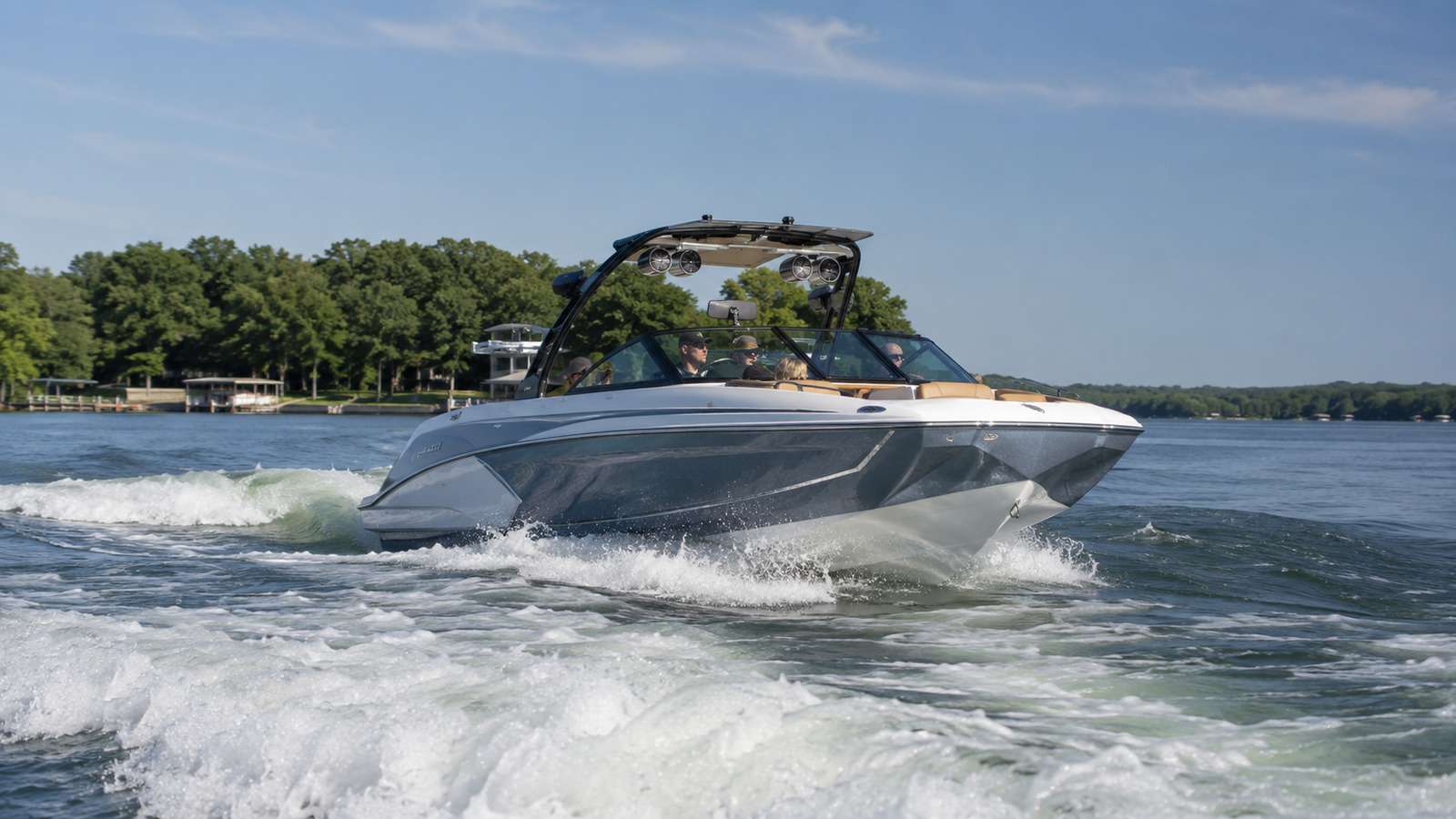
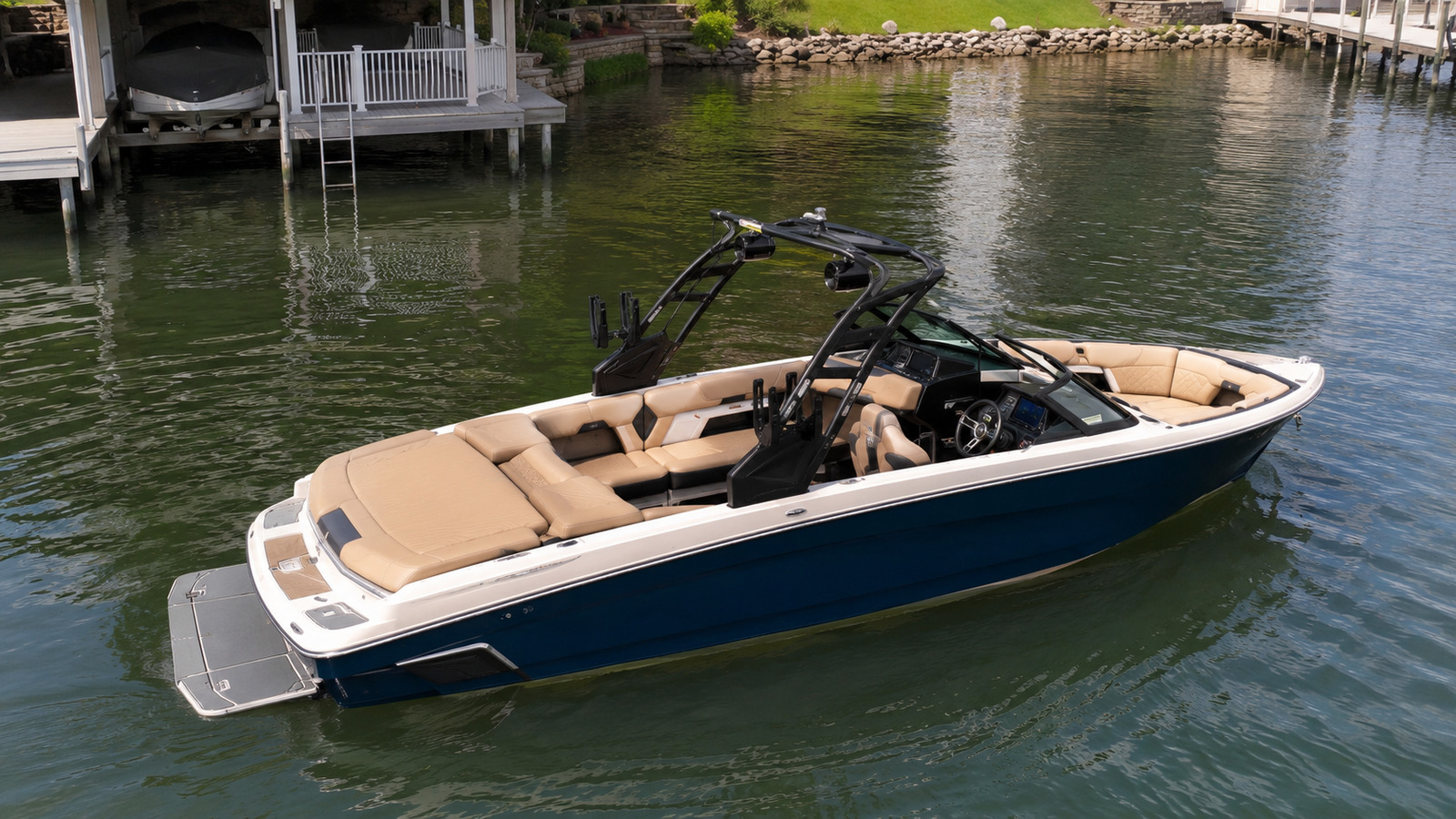
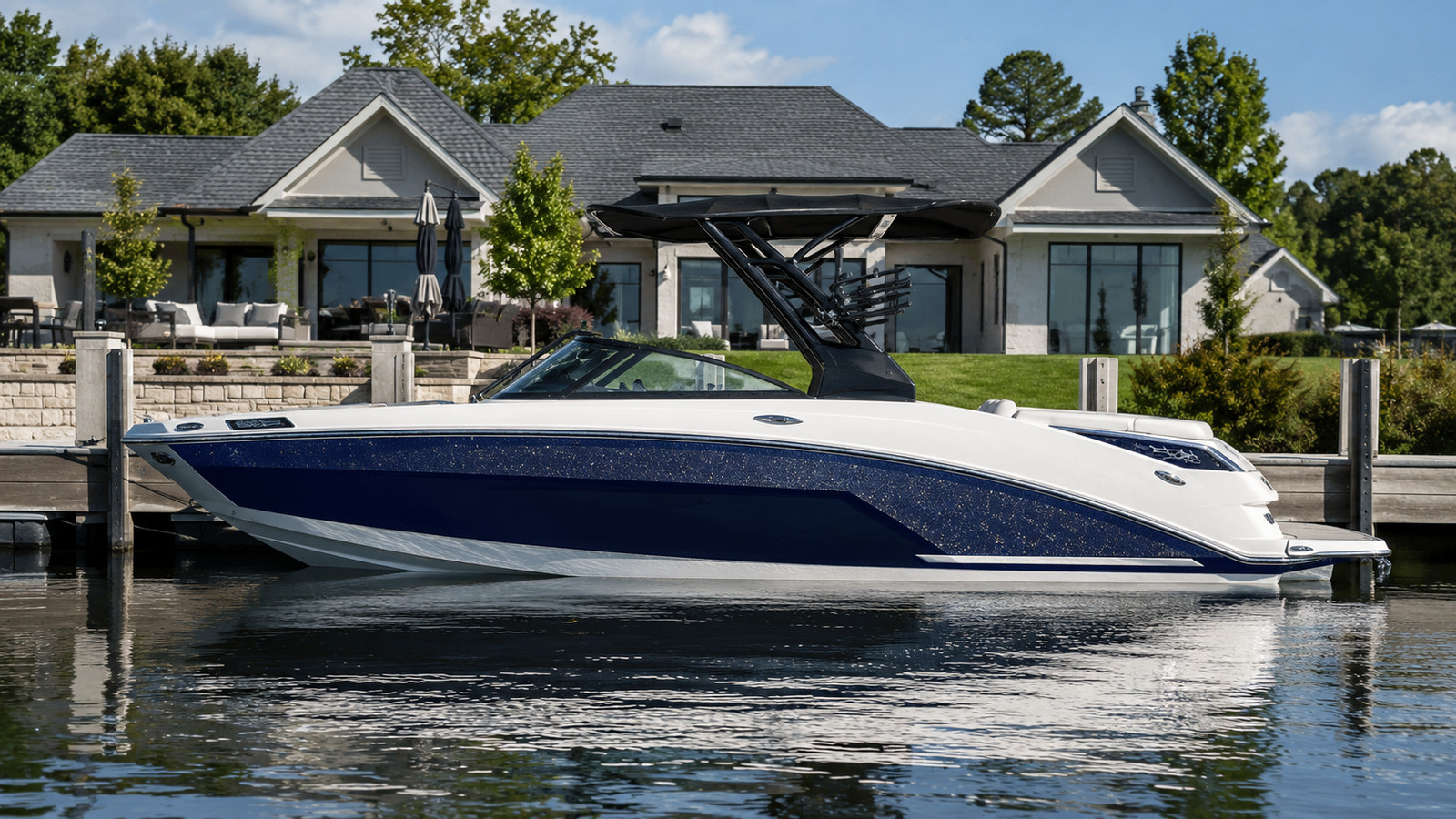
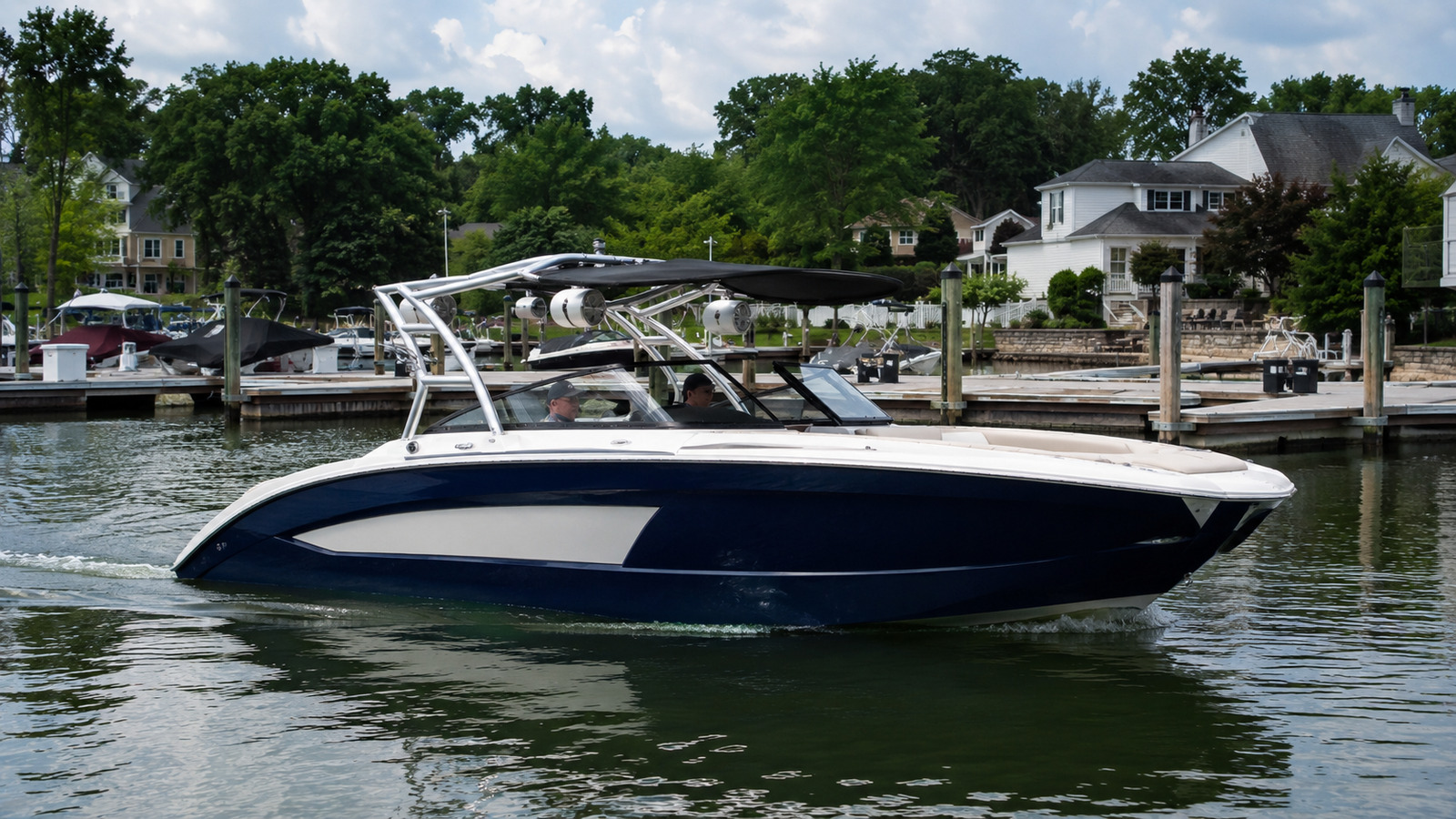
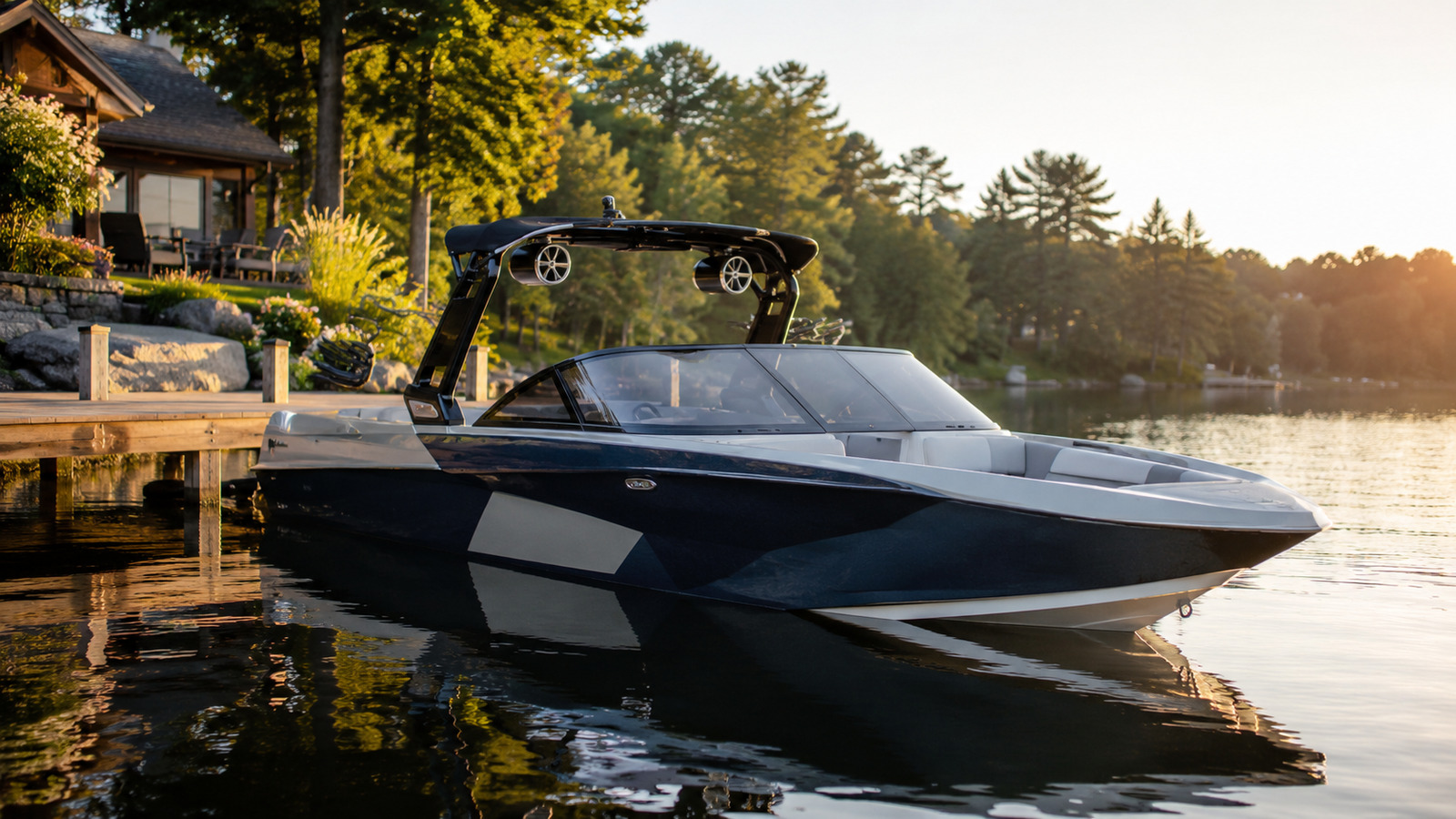
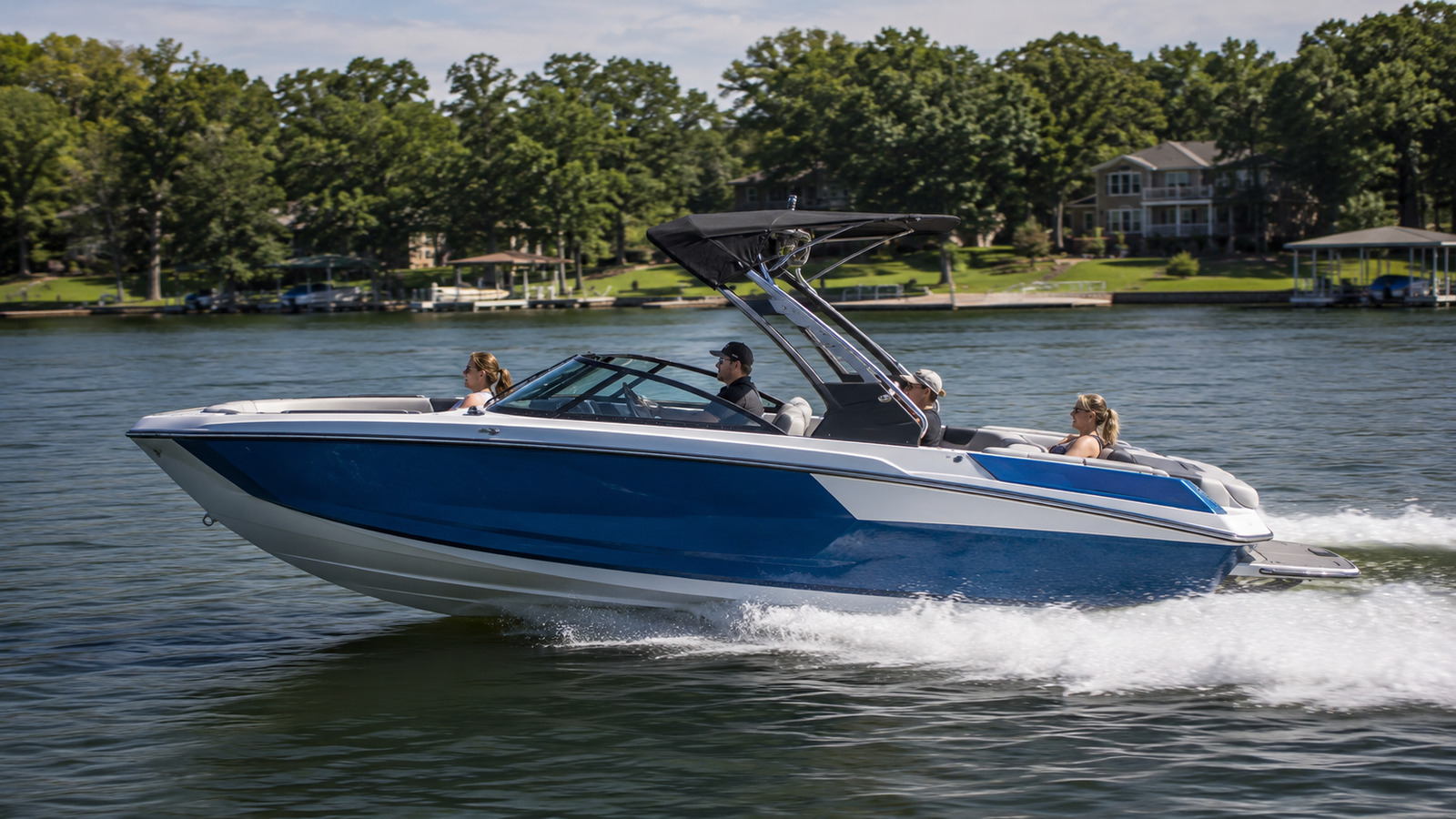
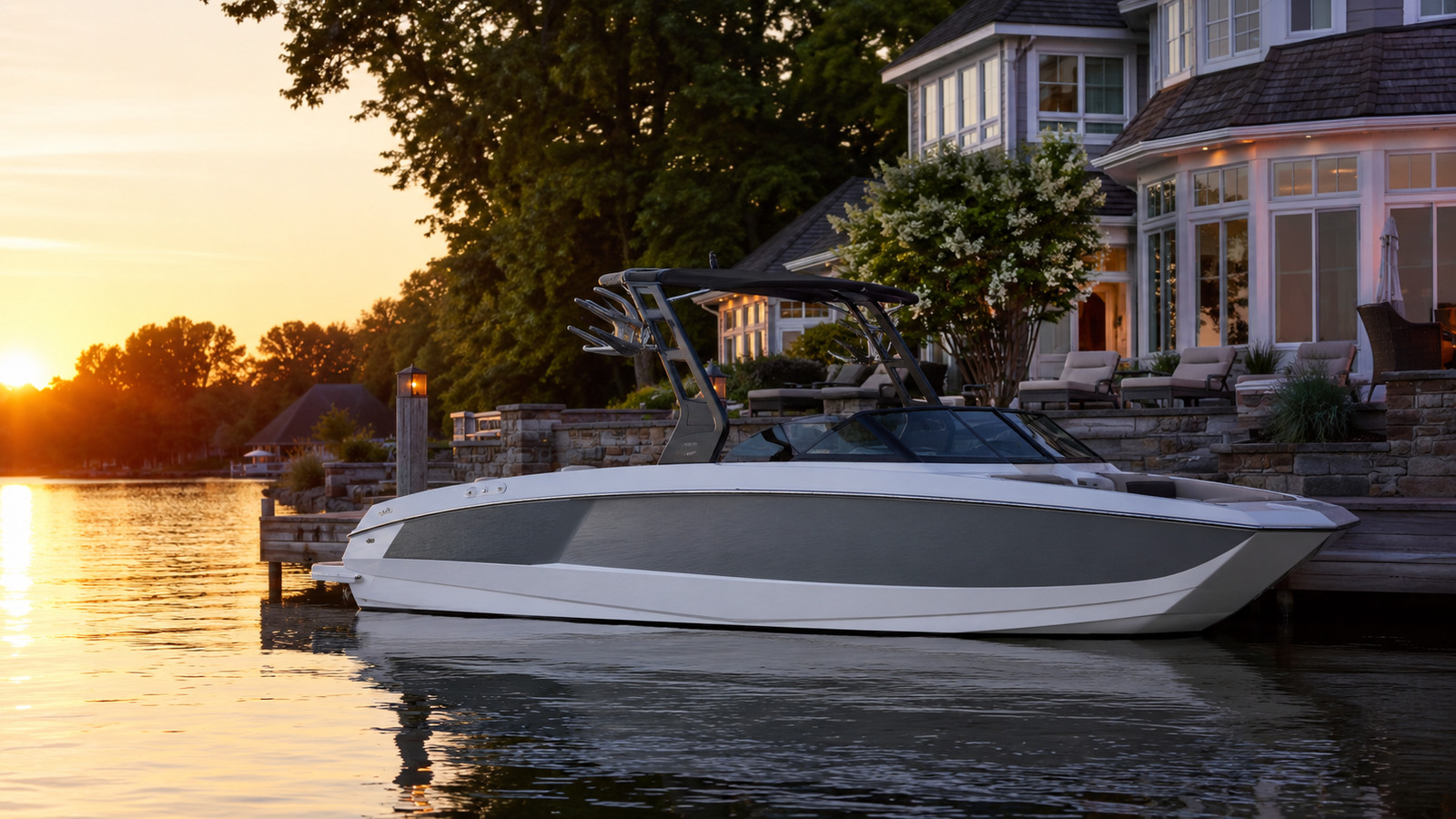
The Regal LS6 Surf is a 26-foot surf bowrider that combines 2,000 pounds of ballast with the roomier LS6 cockpit, head and 74-gallon fuel tank.
A Regal LS6 Surf buyer is choosing more than length. This model is a 26-foot surf bowrider that combines 2,000 pounds of ballast with the roomier LS6 cockpit, head and 74-gallon fuel tank, and its clearest fit is families who surf seriously but still want the comfort and storage of a larger premium day boat. The boat carries 74 gal of fuel and uses Volvo Forward Drive. The LS6 Surf is easier to manage than the LS9 Surf, but the 29-footer offers more beam, ballast and social room for larger crews. On the LS6 Surf, that means the buyer should be able to point to the layout, propulsion or cabin advantage that will be used often enough to justify the boat’s scale.
Size alone does not explain the LS6 Surf. The boat pairs an 8′ 6″ beam with Volvo Forward Drive and a 74 gal fuel load, which creates a specific balance of room, service and range. The nearest useful Regal comparison, the LS4 Surf, is 24′ 5″ long with 8′ 6″ of beam and 56 gal of fuel, so the step between them is large enough to affect storage and operating cost as well as interior room. Use that LS6 Surf balance to decide fit before focusing on upholstery, electronics packages or payment.
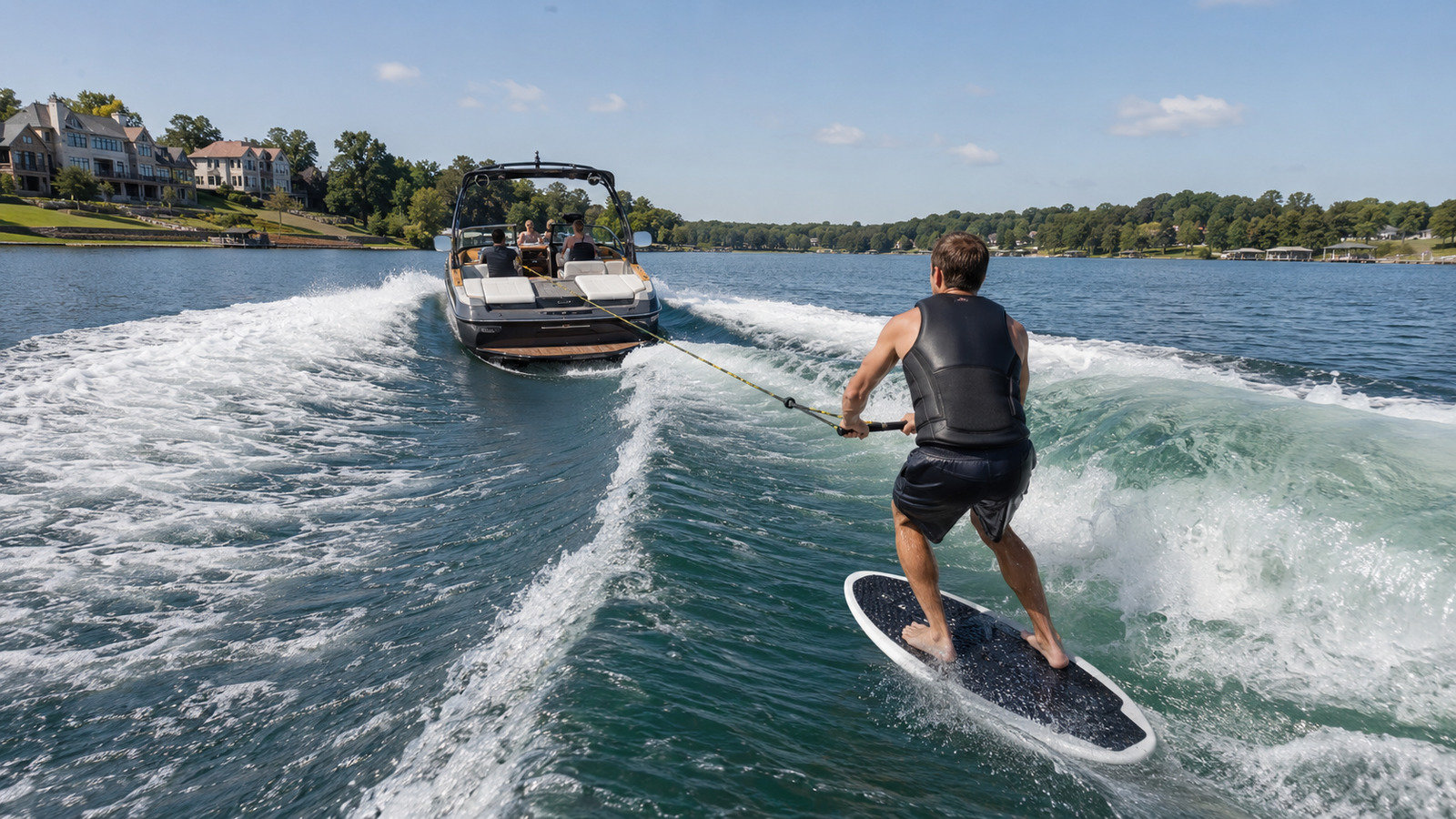
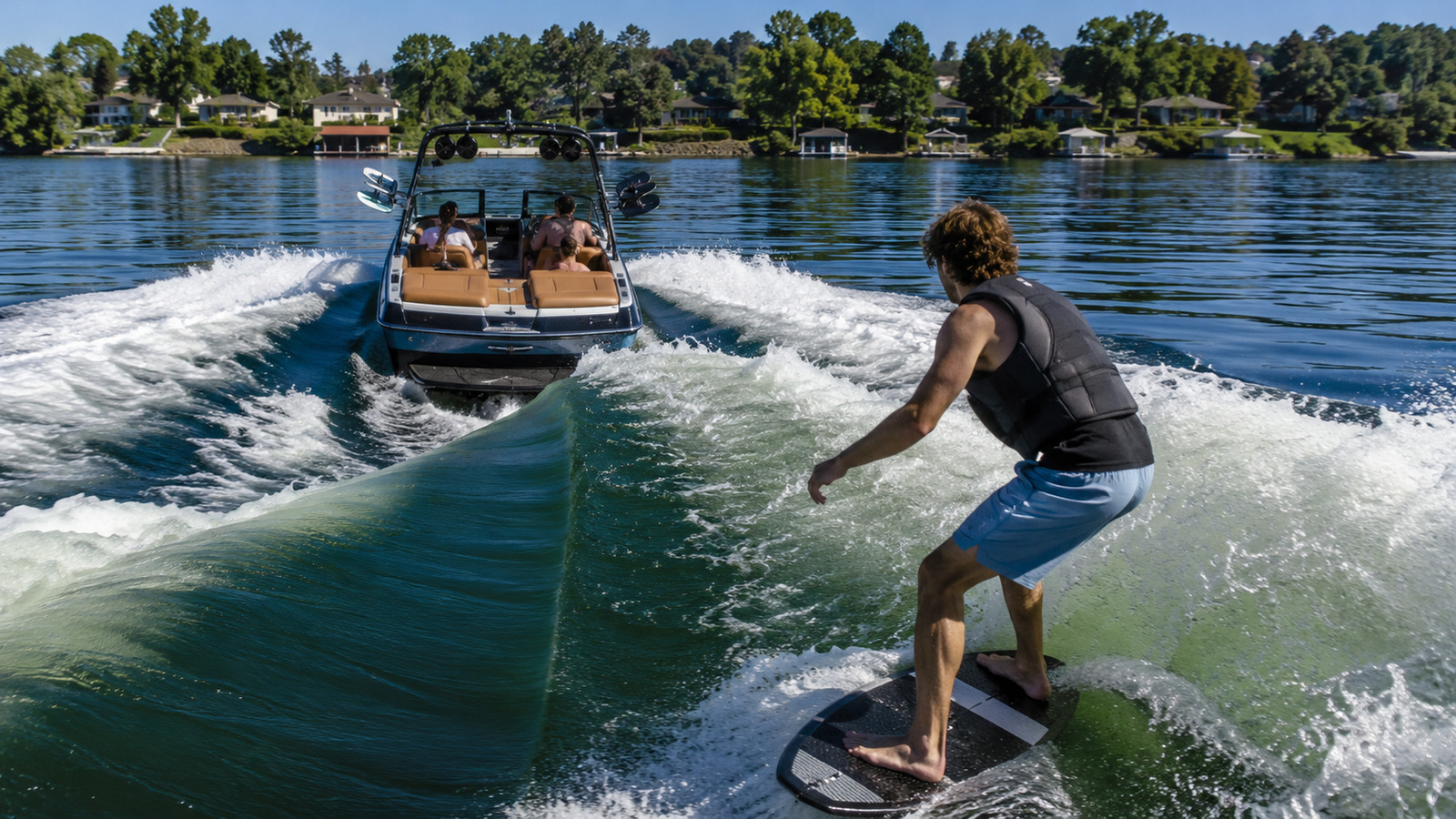
The LS6 Surf needs two successful sea trials at once: a normal family-day test and a surf test. The crew should like the LS6 Surf when nobody is riding, and the rider should like the wave when the surf system is fully set. A boat that excels at only one half of that job creates a compromise every outing.
The LS6 Surf should also be judged against a realistic ownership day: a rider-focused day with ballast or surf controls active, repeated pickups, wet gear and a normal family cruise home. That scenario forces the LS6 Surf’s cabin, seating, propulsion and storage to work at the same time instead of one feature at a time. If the LS6 Surf still feels organized under that load, its premium features are solving real problems rather than adding showroom complexity.
Published factory figures. Confirm every dimension against the individual boat before you commit.
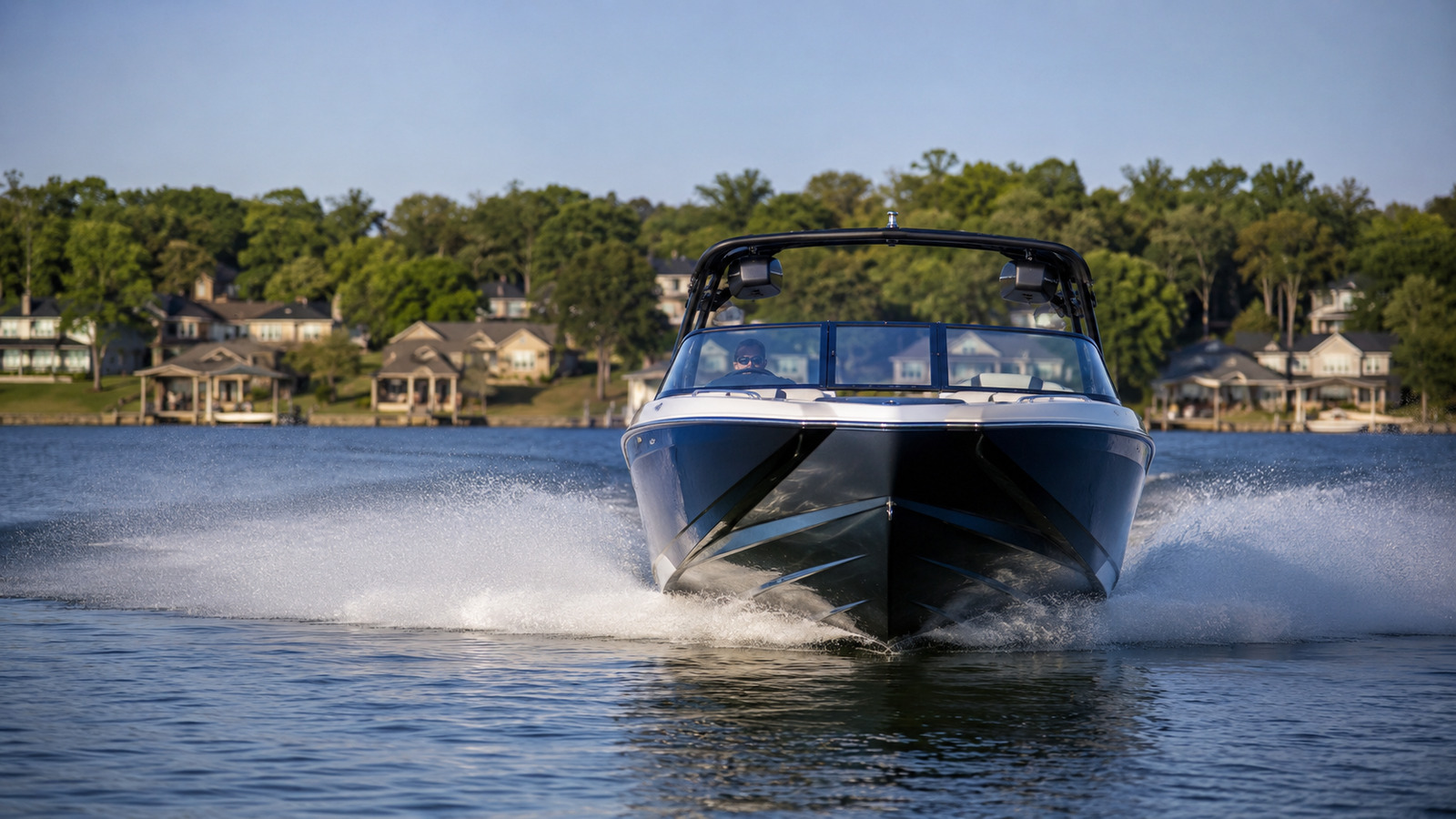
The LS6 Surf carries 21° of transom deadrise on an 8′ 6″-wide hull. A real operating LS6 Surf is heavier after 74 gal of fuel, freshwater where fitted, batteries, passengers and gear are added. On an 8′ 6″-wide LS6 Surf, also look for signs that the boat has been supported poorly on a lift or stored with water sitting in the bilge. Run the LS6 Surf into, with and across the prevailing chop.
Before launch, spend time under and around the LS6 Surf. A 26′ 4″ hull with 8′ 6″ of beam gives plenty of surface area for old repairs, lift marks or neglected fittings to hide. Understanding those LS6 Surf details before the sea trial makes the underway impressions easier to interpret.
The LS6 Surf’s published draft also belongs in the purchase and storage plan. With 40″ of drive-down or operating draft, the LS6 Surf should be checked against the owner’s lift, canal, ramp or shallow-water route before the boat is purchased. On the LS6 Surf, that clearance or access limit can matter more than a small performance gain.
Physical scale is easy to underestimate on the LS6 Surf. At 26′ 4″ overall and 8′ 6″ of beam, the LS6 Surf needs room not only to sit in a slip but also to be boarded, serviced and protected with fenders. Because the LS6 Surf begins around 5,350 lb dry, a full 74 gal fuel load can materially change lift and haul-out calculations before gear and water are added.
The LS6 Surf uses Volvo Forward Drive, which is central to both normal cruising and surf safety. Start the LS6 Surf from cold and watch oil pressure, temperature and charging data as the drive warms. Service history is especially important on an LS6 Surf that has spent many hours at tow-sports load. Hours alone are not enough.
Do not treat the LS6 Surf’s propulsion as a line item separate from the deck. The Volvo Forward Drive arrangement changes swimming access, machinery space and service routines. The right LS6 Surf configuration is the one whose benefits show up during normal ownership rather than only in a specification comparison.
Forward Drive is not just a surf feature on the LS6 Surf; it changes propeller location, draft and service. A pre-purchase inspection should include the drive housings, props, steering and corrosion protection, followed by a warm-water test at both surf speed and normal cruise.
Propulsion choice becomes clearer when the LS6 Surf is compared with the LS4 Surf. The LS4 Surf is 24′ 5″ long, 8′ 6″ wide and 56 gal of fuel, while the LS6 Surf uses Volvo Forward Drive in a 26′ 4″ platform. That comparison helps a buyer decide whether the LS6 Surf’s service routine, transom arrangement and low-speed behavior are worth choosing over the alternative.
Fuel capacity on the LS6 Surf is 74 gal. Surf configuration also matters because the LS6 Surf uses 2,000 lb of ballast. Use the exact LS6 Surf’s engine or helm display during the sea trial. Owners moving up to the LS6 Surf should calculate infrastructure from a loaded boat rather than from the published 5,350 lb dry figure. Inspect fills, vents, filters and accessible fuel-system components on a pre-owned LS6 Surf.
A buyer moving into the LS6 Surf should think about fuel in dollars and weight. 74 gal can represent a significant seasonal expense and a meaningful part of wet displacement. Both belong in the LS6 Surf ownership plan before financing is used to stretch into a larger model.
Seasonal fuel planning for the LS6 Surf should start with the trips the owner actually repeats. A 74 gal tank can support long days, but the LS6 Surf’s annual fuel budget depends more on cruise hours, idle time and load than on tank size alone. Recording the LS6 Surf’s real cruise burn during the sea trial gives the buyer a number that can be used in an ownership budget rather than a generic performance estimate.
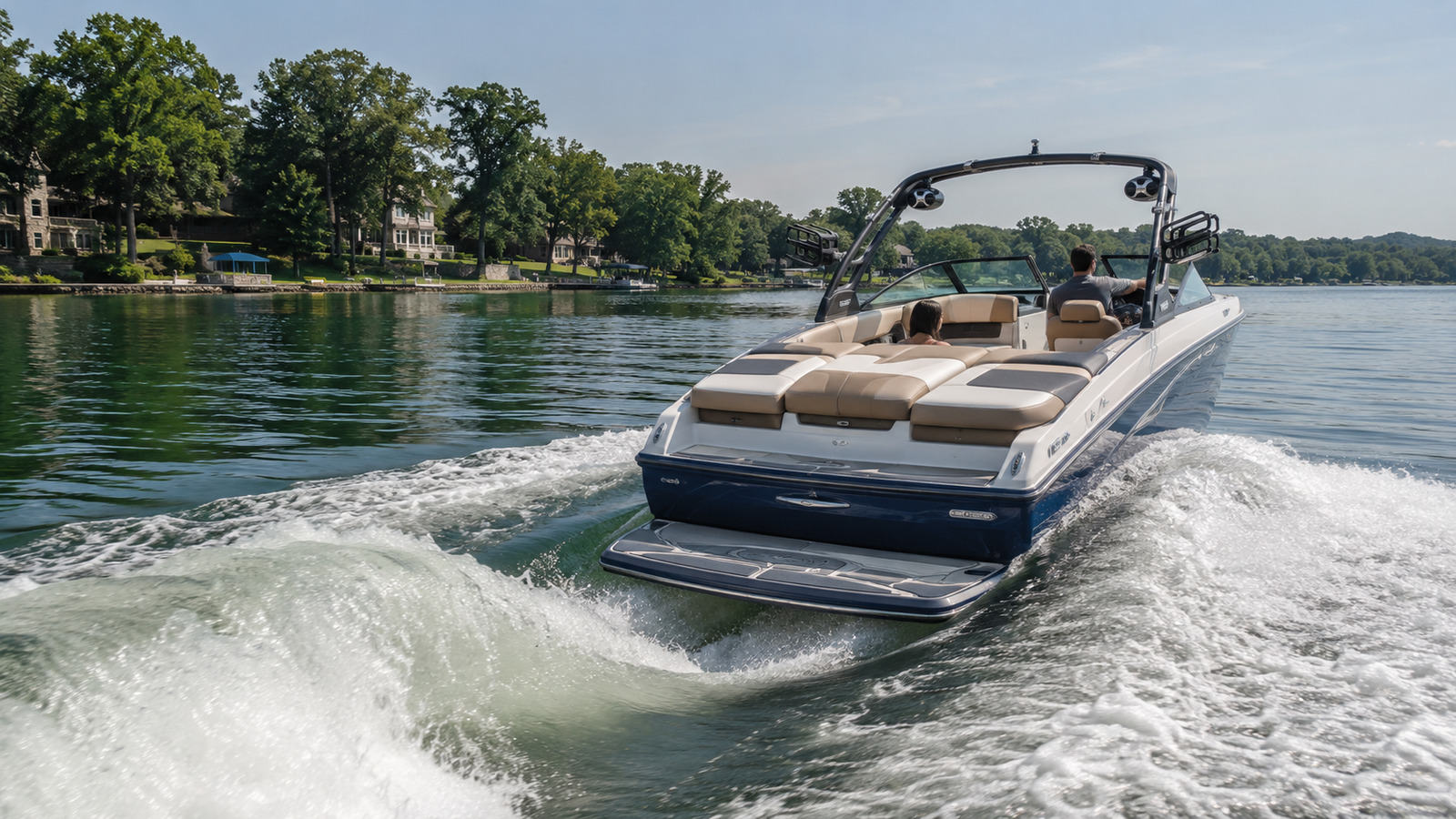
The sea trial for an LS6 Surf should look like ownership: wakesurfing, wakeboarding, swimming and family day use. Pay attention to driver workload. On the LS6 Surf, the surf test should include the intended crew and a rider at the speed and side the family expects to use. If a nearby Regal produces the same useful comfort with less weight, fuel or mechanical complexity, the LS6 Surf has to justify why its extra capability matters to this buyer.
Use a nearby Regal as the LS6 Surf’s performance control. If the LS6 Surf is larger or more complex but does not deliver a meaningful comfort or utility gain in the owner’s water, the smaller alternative may be the smarter purchase. That is the kind of LS6 Surf tradeoff the sea trial should reveal.
With 8′ 6″ of beam, the LS6 Surf should be judged at the dock as carefully as underway. Put the LS6 Surf beside the actual finger pier or lift geometry if possible; boarding height, line angles and fender placement become part of everyday ownership.
The LS6 Surf should be tested with passengers in the seats they will normally use, because weight location changes both ride and visibility. On the LS6 Surf, the 21° transom and 8′ 6″ beam need to feel comfortable not only in a straight line but also through turns, quartering wakes and low-speed maneuvering. A good LS6 Surf test drive should leave the buyer confident about the next three hours, not merely impressed by the first three minutes.
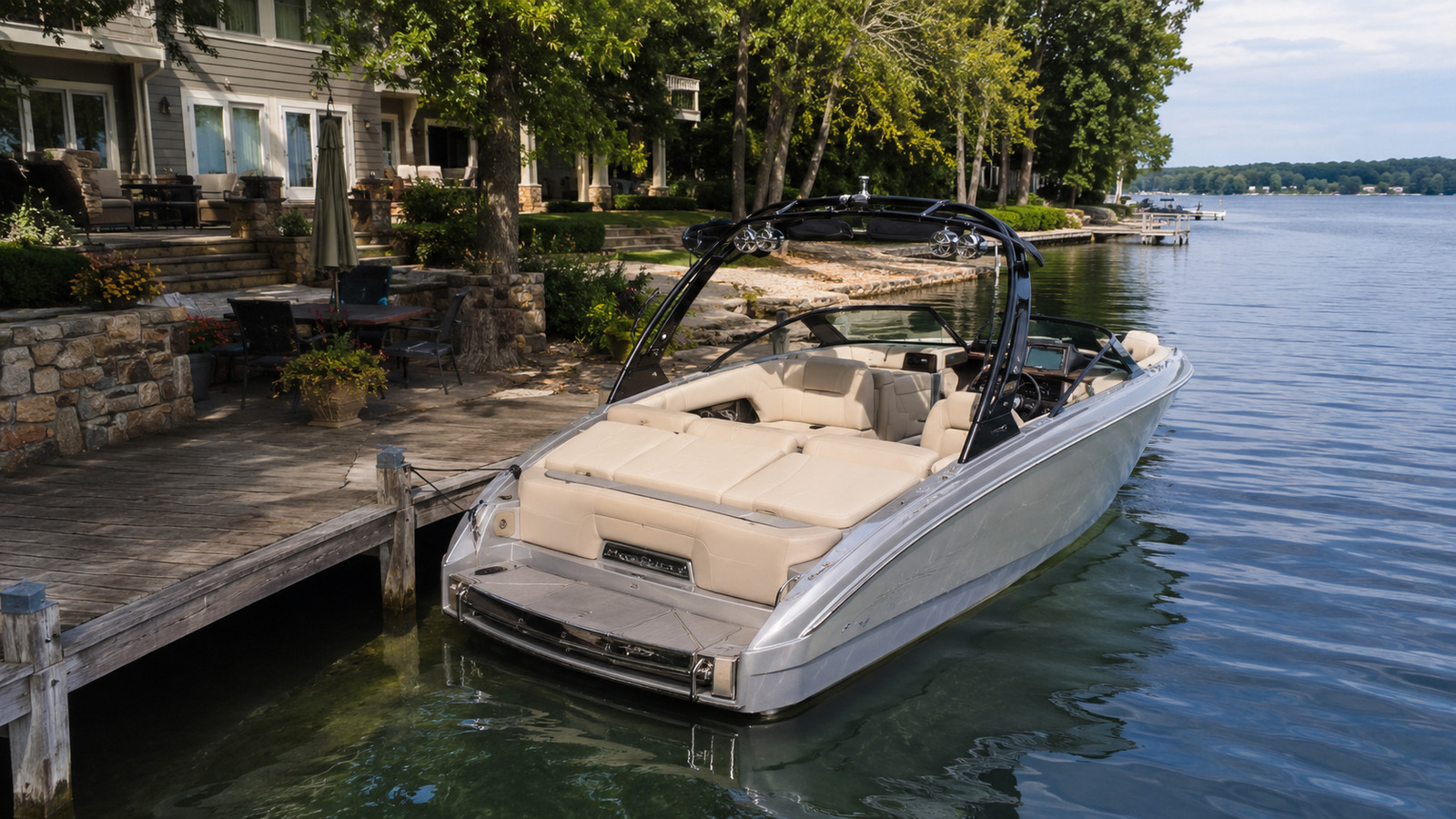
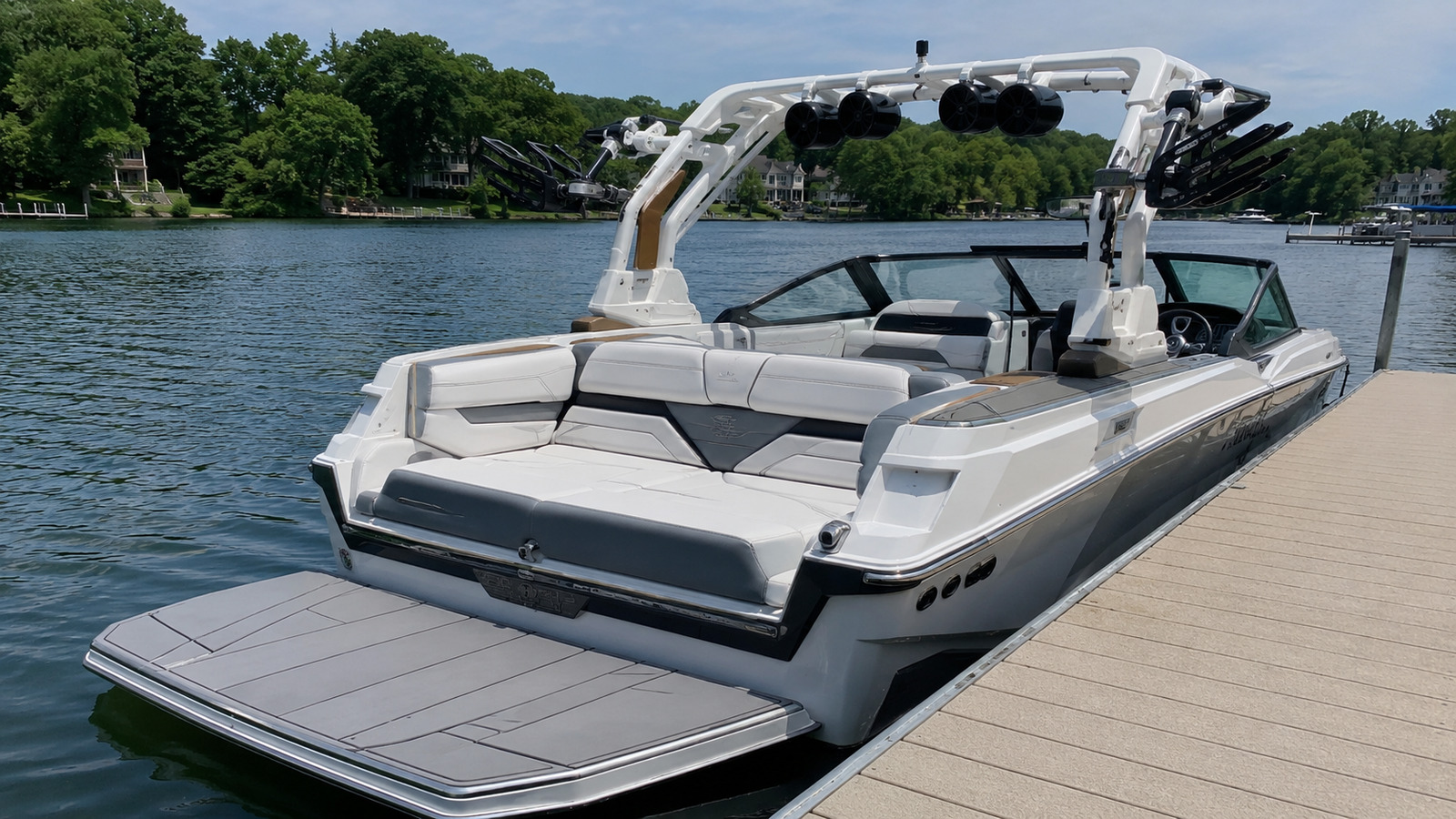
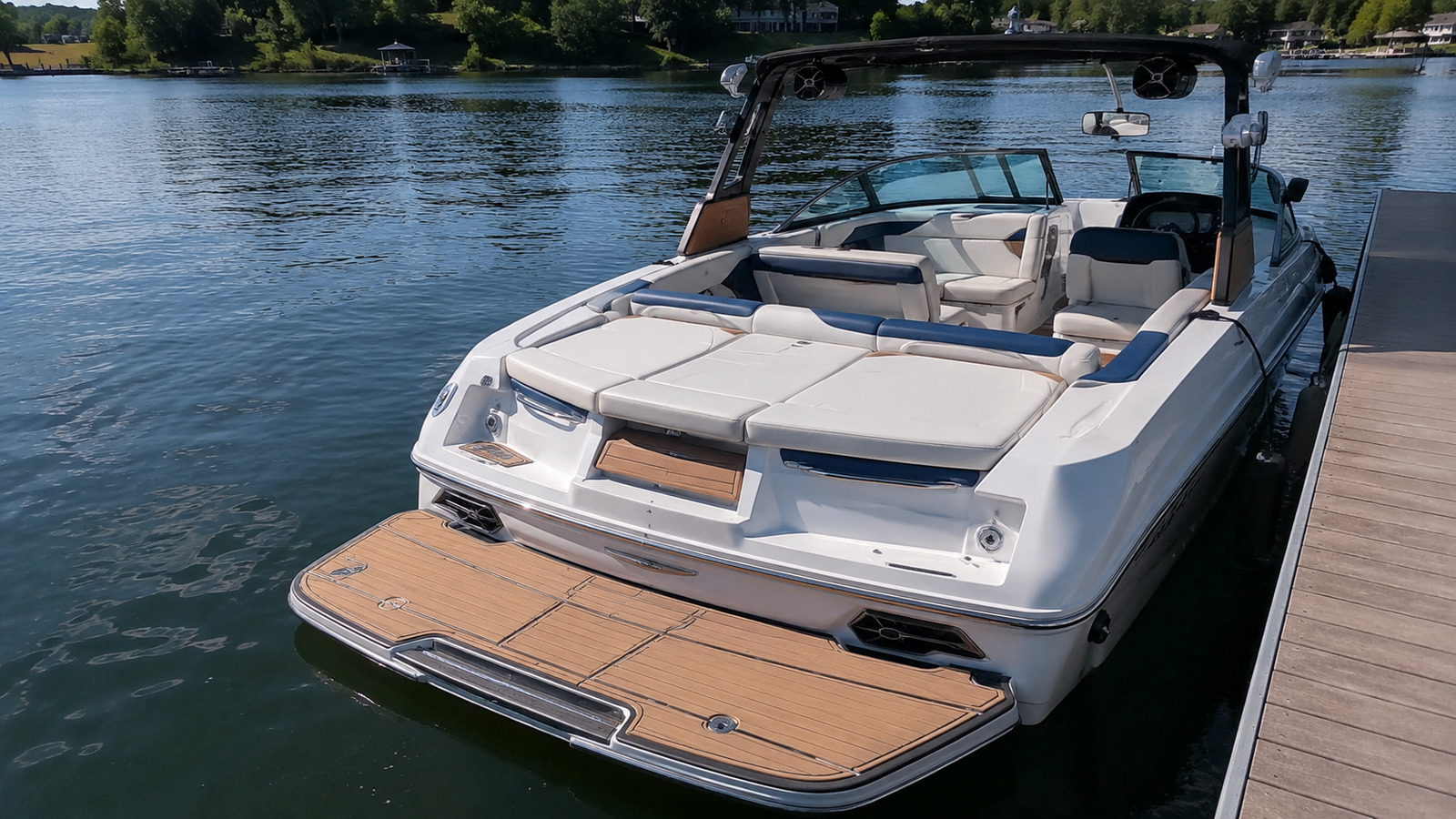
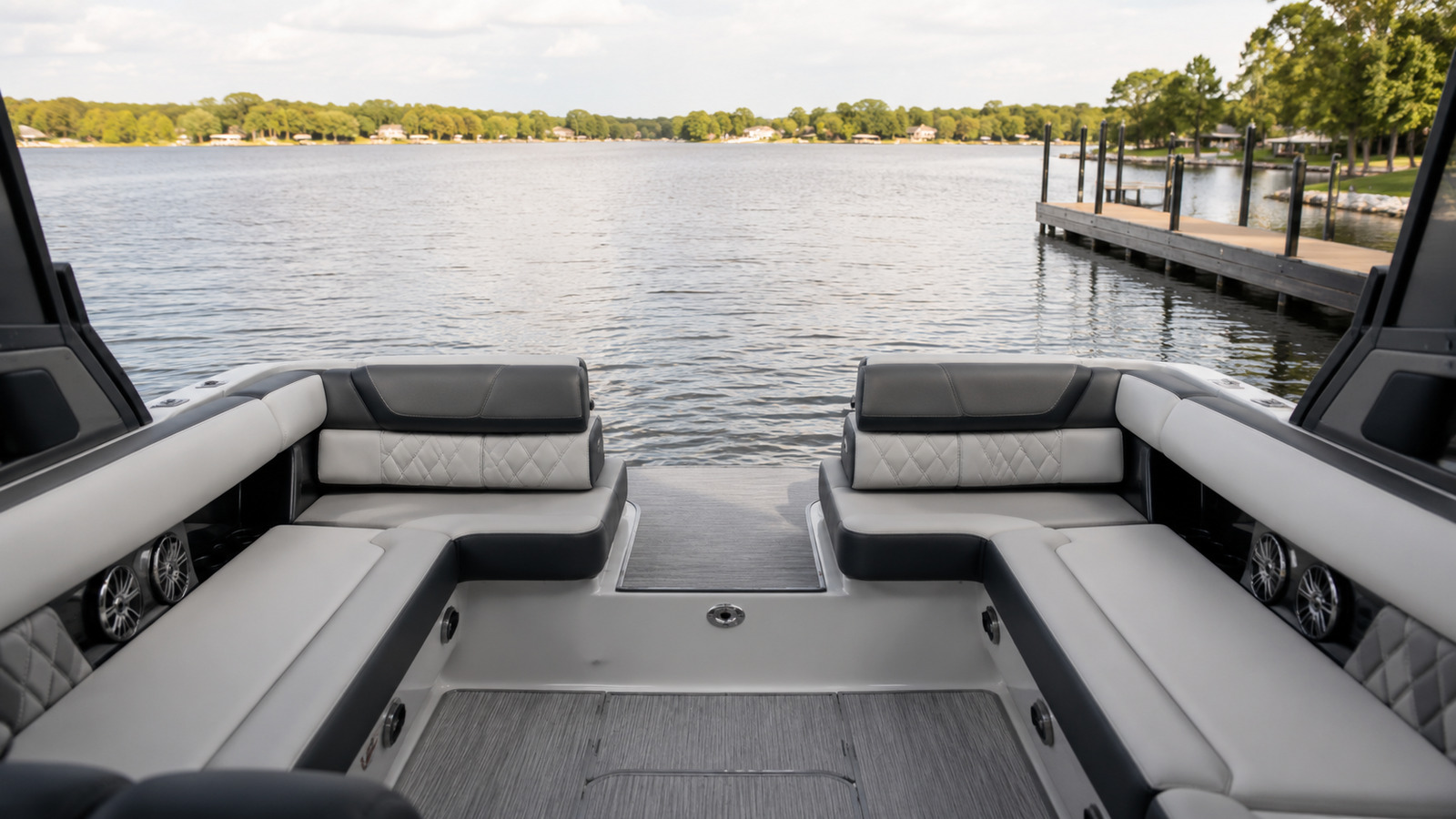
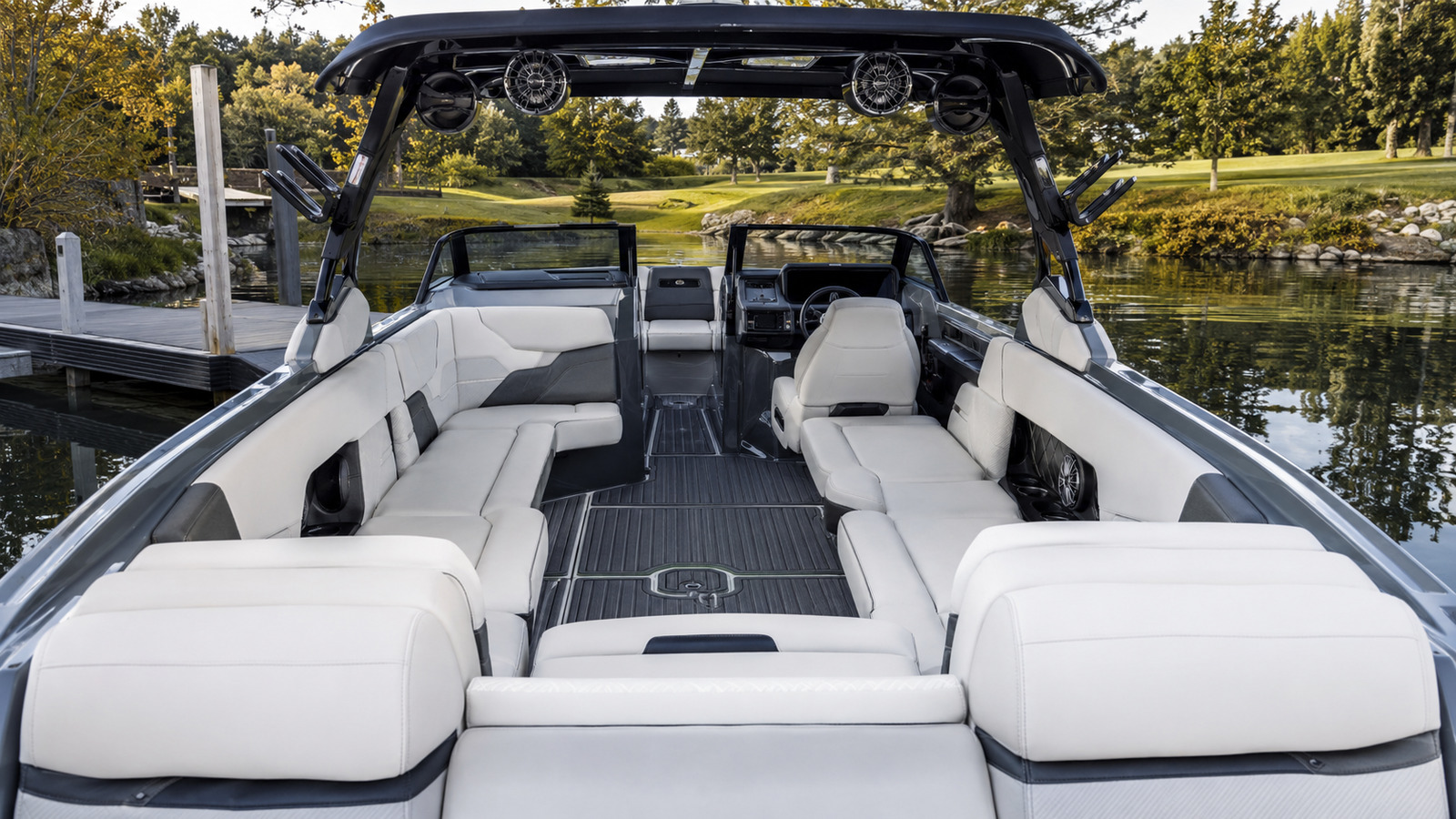
Deck fit is easier to judge with real gear aboard. Load a cooler, bags and the equipment central to the LS6 Surf’s mission, then walk from bow to stern. At the LS6 Surf helm, sit and stand. Finish at the stern. The LS6 Surf is well integrated only when the transom still works after the boat is loaded for the day.
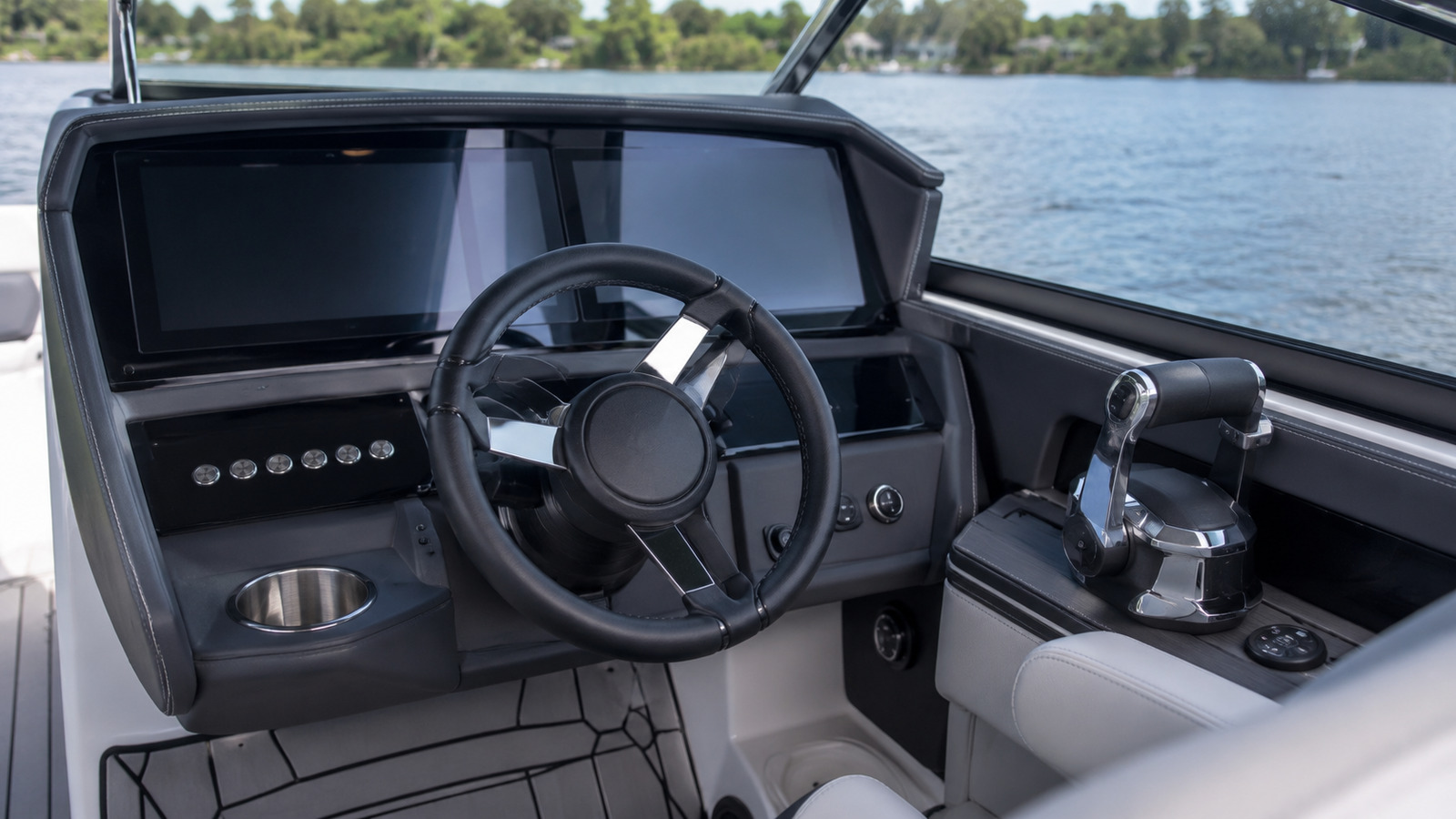
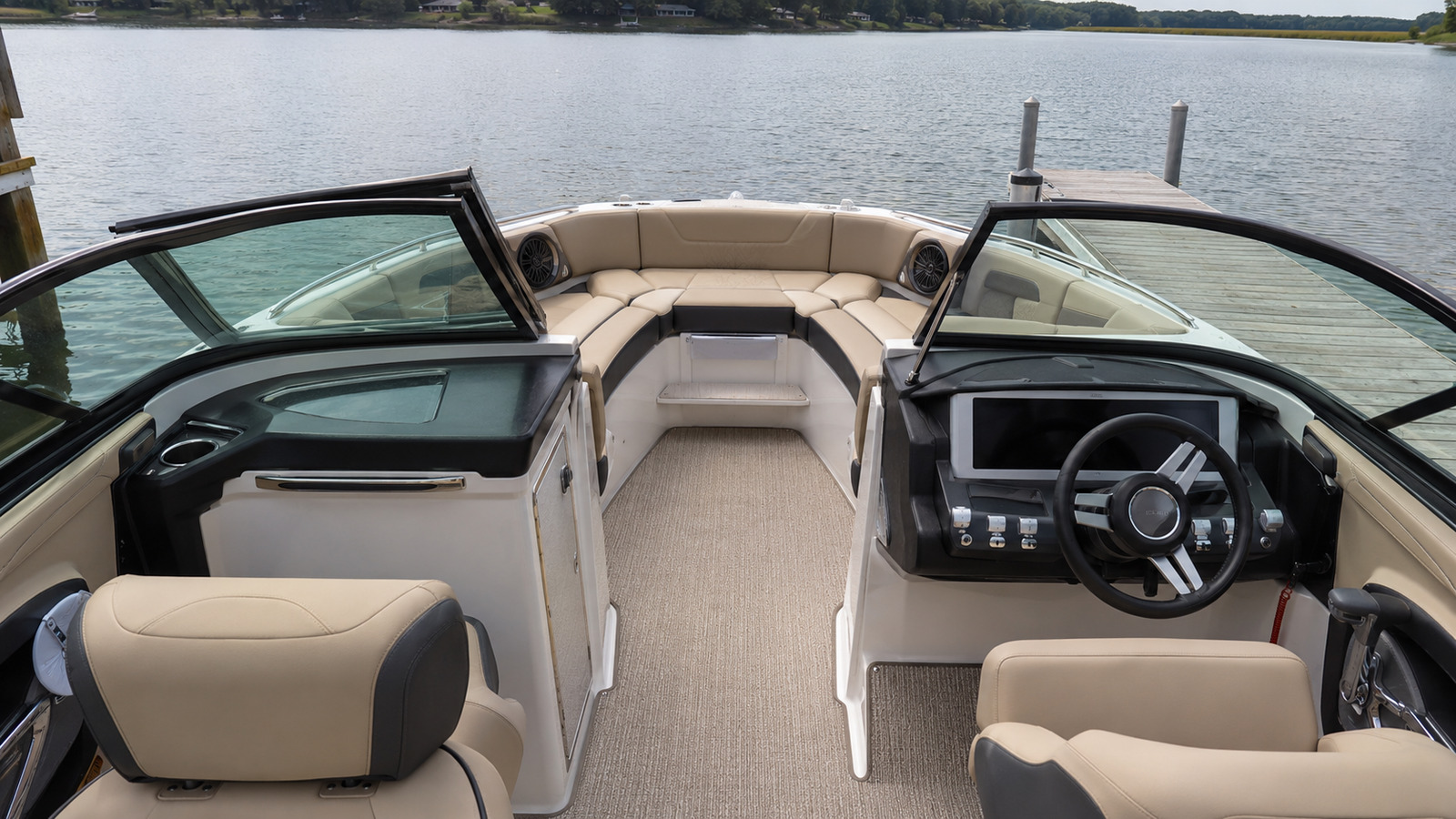
At the LS6 Surf helm, have another passenger occupy the nearest social seat while the driver reaches every primary control. Then move aft and use volvo forward drive. That simple exercise shows whether the LS6 Surf was designed around real people moving at the same time.
Three details reveal whether the LS6 Surf’s deck works under pressure: volvo forward drive, regal surf system and 2,000 lb ballast system. Use those features on the LS6 Surf while another passenger moves through the cockpit, then open the nearby storage and boarding access. The LS6 Surf should remain easy to live with after the deck is occupied, because that is when clever design either proves itself or becomes clutter.
2,000 lb ballast system – The LS6 Surf uses 2,000 lb of ballast as part of its surf setup, making fill, drain and pump condition part of every inspection.
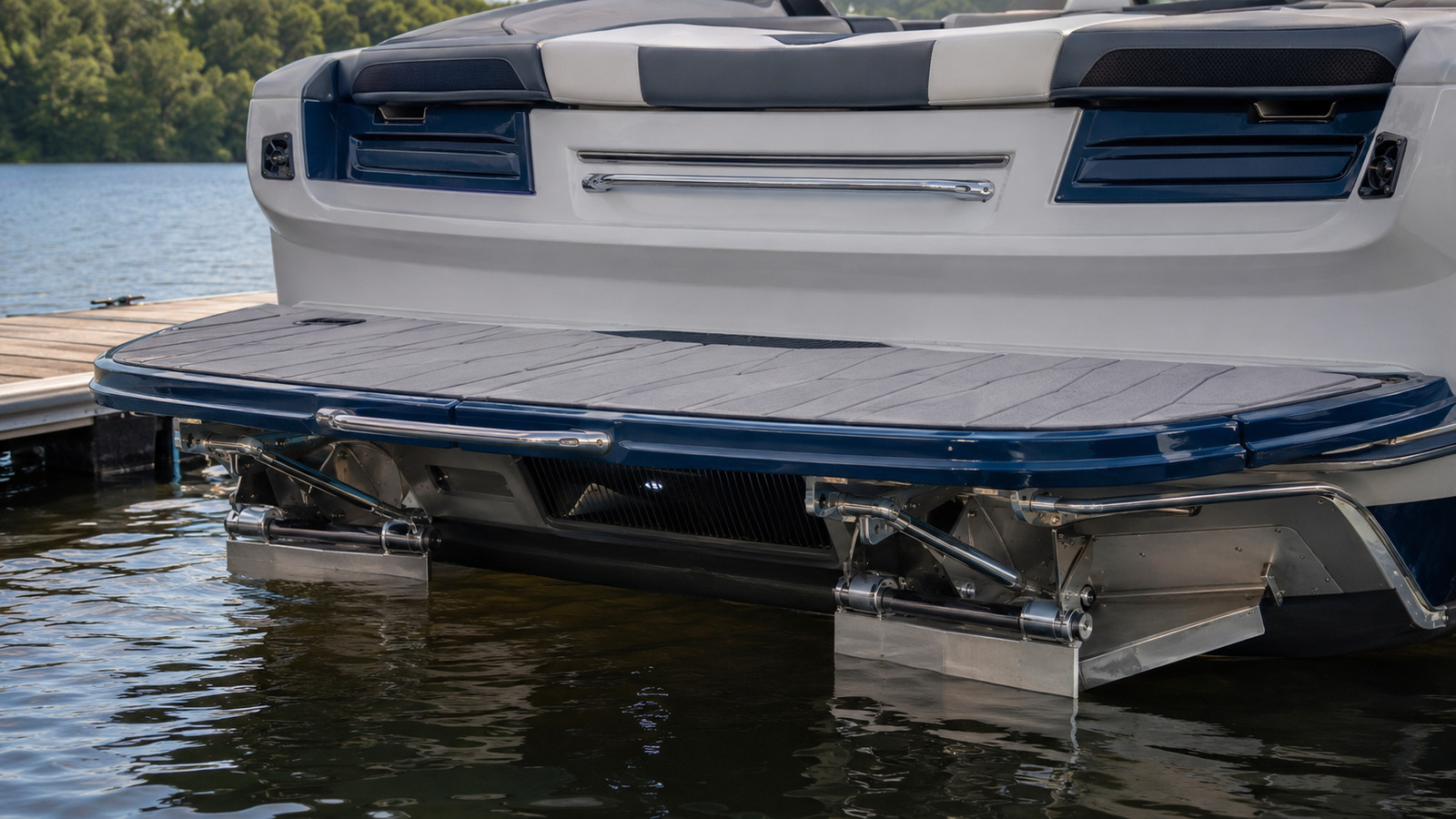
Forward-facing props sit beneath the hull, supporting surf use while keeping the propeller farther from the rider than a conventional sterndrive.
Integrated controls coordinate speed, trim and wave shaping for the LS6 Surf.
Water access is central to the LS6 Surf because riders repeatedly enter and exit the boat.
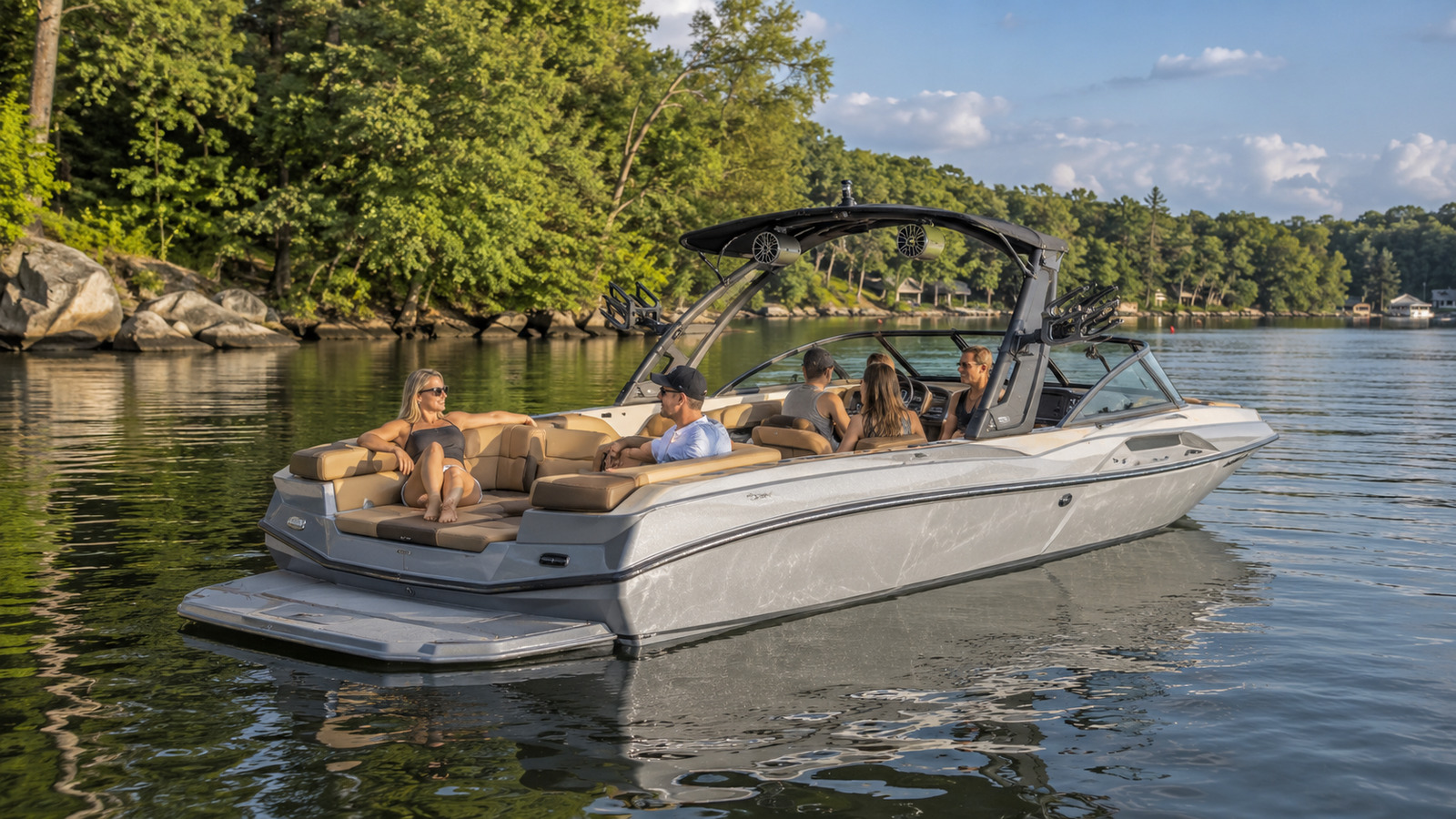
The cockpit still needs to function as a family day boat when nobody is riding.
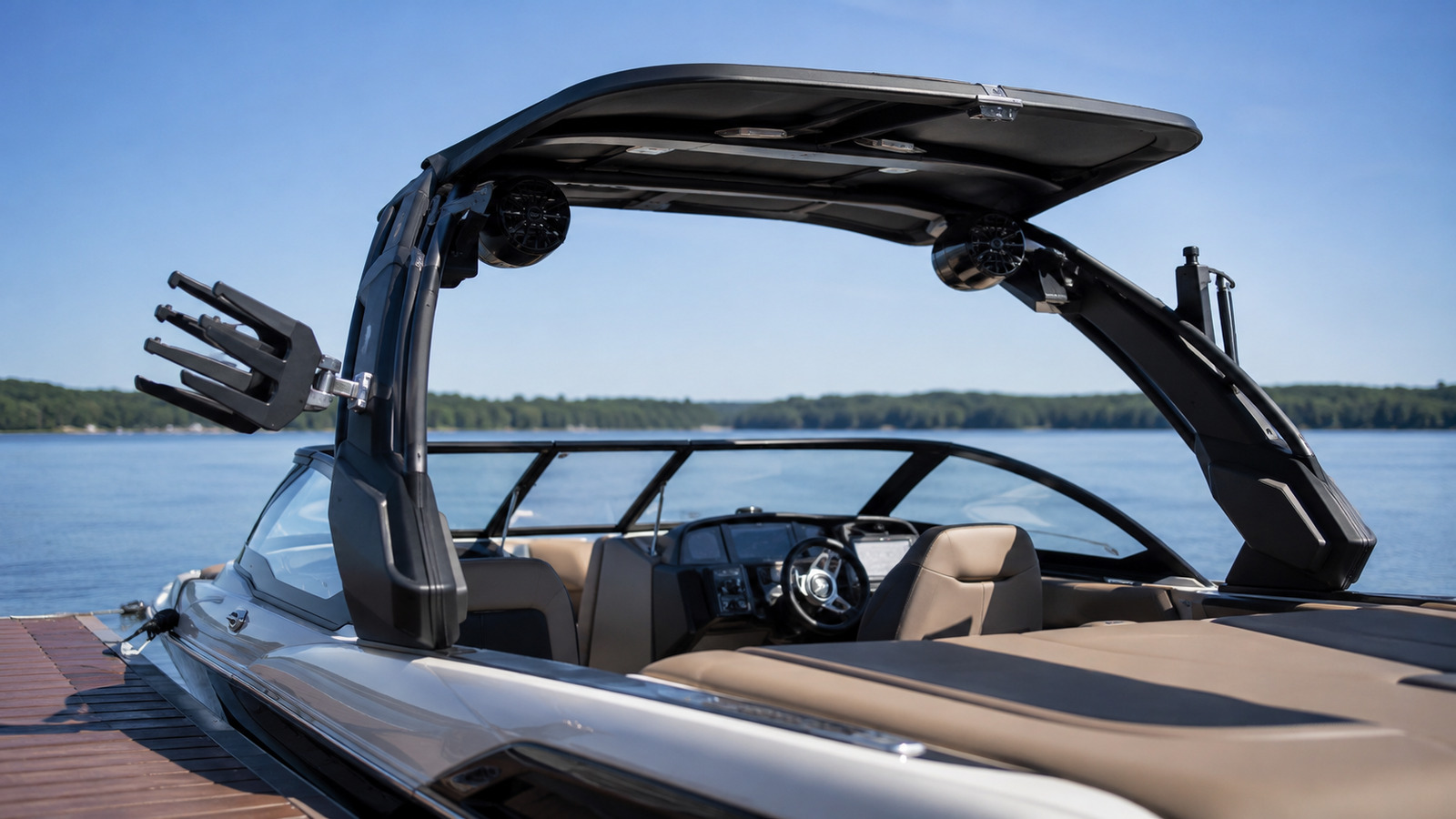
Tow-sports equipment needs dedicated space so boards and ropes do not take over passenger seating.
Audio equipment supports the social side of a surf day, especially around the stern and swim area.
The LS6 Surf still has to cruise efficiently and comfortably when it is not creating a wave.
The systems inspection on an LS6 Surf should concentrate on Forward Drive condition, surf controls, ballast where fitted, wave-shaping hardware, swim-platform safety and the actual wave with the normal crew aboard. Start with batteries and charging. Voltage that looks healthy with one light on can behave very differently when the LS6 Surf carries a realistic house load. If the LS6 Surf has generator, stabilization or digital switching, leave those systems on long enough to reveal heat, communication or cooling faults. An LS6 Surf that returns with new water, a cycling pump or a fresh alarm needs investigation even if every switch appeared normal at the dock.
After the LS6 Surf has been run, revisit the machinery and utility spaces with everything still warm. After running the LS6 Surf, a new smell, cycling pump or damp fitting is more informative than it was before departure.
Three LS6 Surf systems are worth isolating during inspection: volvo forward drive, low swim platform and marine audio. Each contributes to the LS6 Surf’s intended experience, so each should be operated repeatedly. On a Regal LS6 Surf, premium equipment adds value only when it operates reliably.
System condition on the LS6 Surf should be evaluated as an interaction, not a checklist. Run low swim platform while board and gear storage and the helm electronics are active, then watch the LS6 Surf’s voltage and pumps for several minutes. A healthy LS6 Surf should tolerate normal simultaneous loads without unexplained resets, slow actuators or pumps that begin cycling after the crew stops using them.
The LS6 Surf should be planned as a day boat. Storage planning still matters. At 26′ 4″ overall with 8′ 6″ of beam and about 5,350 lb dry, the LS6 Surf needs a realistic slip, lift or trailer plan before purchase. Buyers who keep imagining regular nights aboard should compare a Regal Express Cruiser, SAV or yacht instead of forcing the LS6 Surf into a job it was not designed to do.
The decision to sleep aboard the LS6 Surf should be practical. Convert the berth if one exists, close privacy doors and place real bags in the cabin. If the space only works while empty, the LS6 Surf buyer should compare a more cabin-focused Regal before paying for overnight capability.
Storage and overnight expectations need to match the LS6 Surf’s actual architecture. The reference profile for the LS6 Surf is day-boat layout rather than a dedicated overnight-cruiser interior. If the LS6 Surf will live in a slip, the owner should also account for boarding clearance, shore power where fitted, engine or drive movement and enough service access to maintain the boat without moving it every time.
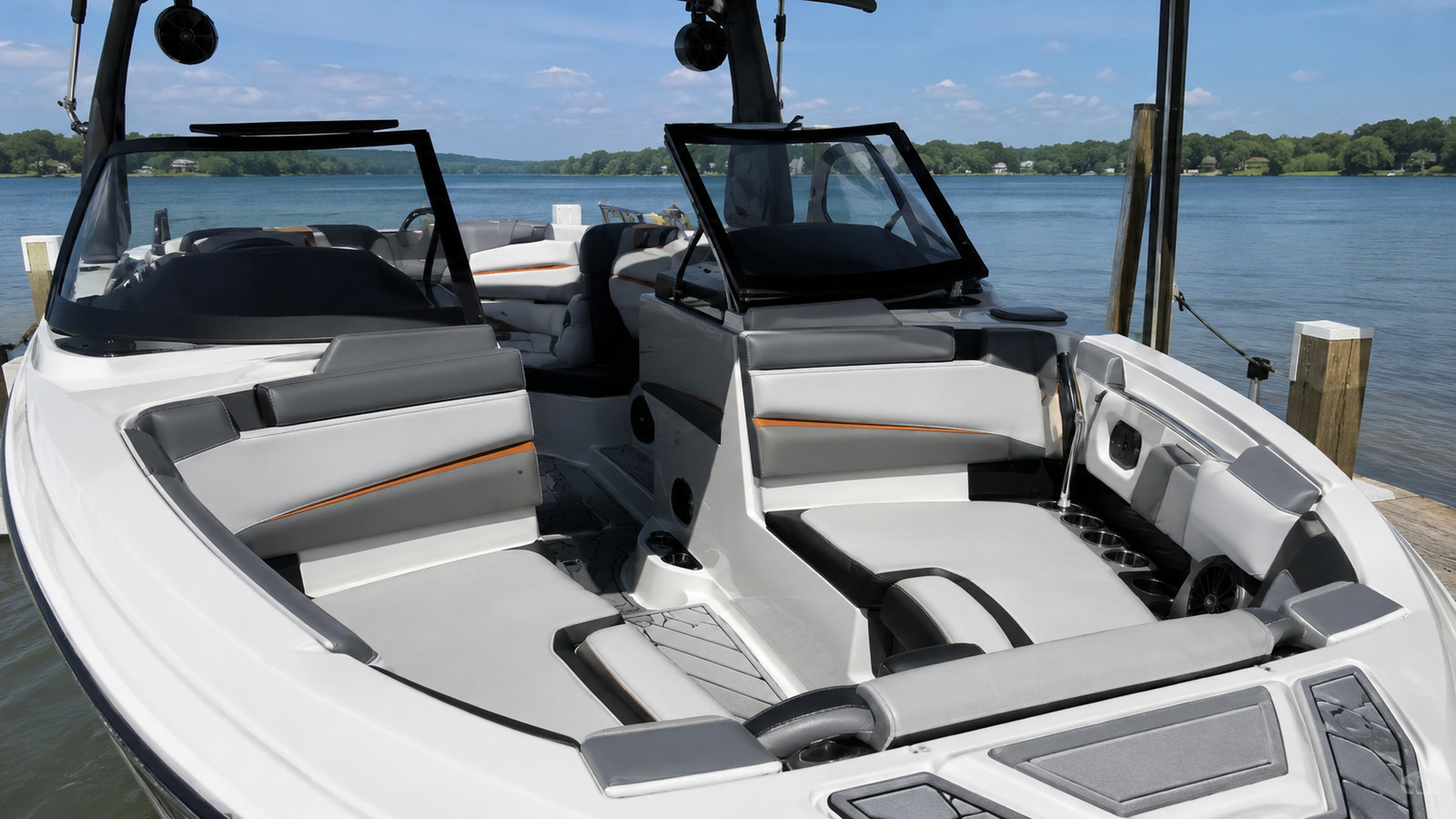
Use photography to verify the details that specifications cannot show well on an LS6 Surf: sightlines, passenger circulation, storage access, transom use, helm ergonomics and cabin proportions where applicable. Every image should depict the actual Regal LS6 Surf, not a nearby model with a similar layout.
Propulsion history carries disproportionate weight on the LS6 Surf.
Pricing should also reflect whether the LS6 Surf’s main layout advantages are intact. If a key powered seat, Terrace Door, surf system or cabin component is disabled, the LS6 Surf is no longer delivering the experience that justified its original premium.
A used LS6 Surf should be valued around the cost to make it fully usable, not merely the cost to make it look clean. On the LS6 Surf, condition of volvo forward drive, low swim platform and the Volvo Forward Drive package can affect first-year spending more than cosmetic differences between two examples. The strongest LS6 Surf value is often the boat with fewer deferred systems, even if its asking price starts higher.
Illustration only and not an offer of credit.
Final rate, term, down payment and eligibility depend on the borrower, the Regal LS6 Surf being purchased and the transaction structure.
Illustration only and not an offer of credit. Your actual rate and term depend on credit profile, vessel age, loan amount and ownership structure.
The LS4 Surf is the most useful cross-shop when the buyer wants a different balance of size, propulsion or layout. It measures 24′ 5″ overall with 8′ 6″ of beam and 56 gal of fuel, compared with 26′ 4″, 8′ 6″ and 74 gal on the LS6 Surf. The LS9 Surf is the most useful cross-shop when the buyer wants a different balance of size, propulsion or layout. It measures 29′ 0″ overall with 9′ 0″ of beam and 108 gal of fuel, compared with 26′ 4″, 8′ 6″ and 74 gal on the LS6 Surf. It measures 26′ 4″ overall with 8′ 6″ of beam and 74 gal of fuel, compared with 26′ 4″, 8′ 6″ and 74 gal on the LS6 Surf.
The Regal LS6 Surf should stay on the short list only when its own mission remains clear after those comparisons.
Against the LS4 Surf, the LS6 Surf changes the equation from 24′ 5″ and 8′ 6″ to 26′ 4″ and 8′ 6″. The useful question is what the LS6 Surf owner receives for that change: more cabin, more social deck, a different propulsion plan or easier storage. If the LS6 Surf adds cost without changing the owner’s normal day, a smaller or simpler Regal deserves another sea trial.
Confirm the exact LS6 Surf before negotiating. For a pre-owned LS6 Surf, ask how the boat was stored, where it was used and whether propulsion service was kept on schedule. Run the LS6 Surf until propulsion and major onboard systems are warm. Finish by testing the ownership plan: slip or storage, insurance, service access, annual fuel and a reserve for the systems this LS6 Surf carries.
The final question is whether the LS6 Surf still solves the buyer’s real use after inspection. If the LS6 Surf sea trial exposes a recurring compromise that another Regal fixes, changing models before financing is cheaper than changing boats after one season.
Before the LS6 Surf is cleared for purchase, photograph the hull identification, propulsion serial numbers and the high-value equipment that influenced the negotiation. Match the LS6 Surf’s serial numbers and installed equipment to the service file and purchase documents. That step is simple, but it prevents a buyer from financing assumptions about equipment that the exact LS6 Surf does not have.
Once the Regal LS6 Surf has passed the fit, condition and sea-trial checks, the buyer can evaluate financing for the actual boat.
The Regal LS6 Surf fits families who surf seriously but still want the comfort and storage of a larger premium day boat. Its main compromise is equally important: The LS6 Surf is easier to manage than the LS9 Surf, but the 29-footer offers more beam, ballast and social room for larger crews. If that compromise appears on most outings, the buyer should compare a different Regal before moving forward.
The reference Regal LS6 Surf figures used in this guide are 26′ 4″ overall length, 8′ 6″ beam, about 5,350 lb dry weight, 74 gal fuel capacity and 21° transom deadrise. Draft: 26″ drive up / 40″ drive down. The reference propulsion description is Volvo Forward Drive. Verify the exact LS6 Surf model year, installed propulsion and option content on the boat being purchased.
The Regal LS6 Surf carries 74 gal of fuel. The LS6 Surf’s 74 gal tank is not a guaranteed range figure. Use fuel-flow data from the exact LS6 Surf at the cruise rpm the owner expects to use, then leave a reserve for weather, current, idle time and route changes.
This guide references the Regal LS6 Surf with Volvo Forward Drive. On a pre-purchase test, verify the installed engine or drive package, serial numbers, service history, steering and propeller condition. The correct propulsion package is the one that moves the loaded LS6 Surf comfortably and can be supported by local service.
The Regal LS6 Surf is best described as day-boat layout rather than a dedicated overnight-cruiser interior. Because the boat is day-oriented, buyers who expect frequent overnights should compare a cabin-focused Regal rather than valuing the LS6 Surf as a cruiser.
Start a used Regal LS6 Surf inspection with cold propulsion behavior and complete service records. Then focus on Forward Drive condition, surf controls, ballast where fitted, wave-shaping hardware, swim-platform safety and the actual wave with the normal crew aboard. Operate volvo forward drive and low swim platform, sea-trial the boat until major systems are warm, and reopen the bilge or machinery spaces after the run.

The LS4 Surf is the first comparison because it changes the ownership equation without leaving the nearby Regal range. The LS6 Surf measures 26′ 4″ by 8′ 6″ and carries 74 gal of fuel; the LS4 Surf measures 24′ 5″ by 8′ 6″ and carries 56 gal. Choose between the LS6 Surf and its comparison model by which layout, propulsion and operating scale fit the owner’s normal trips.
Float Finance can help consumers pursue financing for eligible Regal LS6 Surf purchases through dealers, brokerages and private parties, subject to borrower, collateral and transaction requirements.
Tell us a little bit about yourself and the boat you are looking to finance.