
Call Us : 207-994-5109
Mon – Fri: 8 am to 9 pm & Sat – Sun: 10 am to 8 pm
Regal Surf models for buyers comparing the right Regal by use, ownership scale and purchase fit.
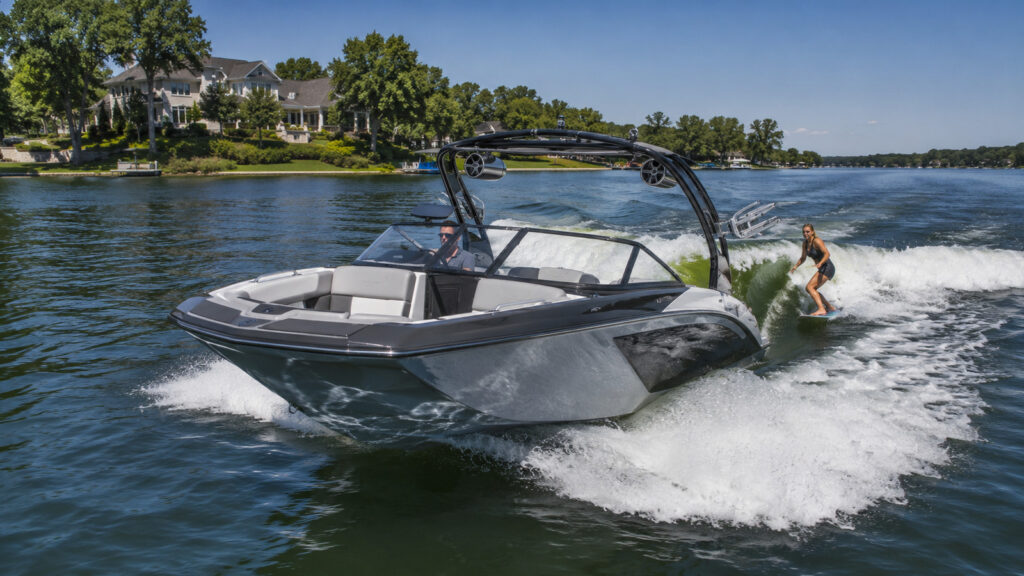
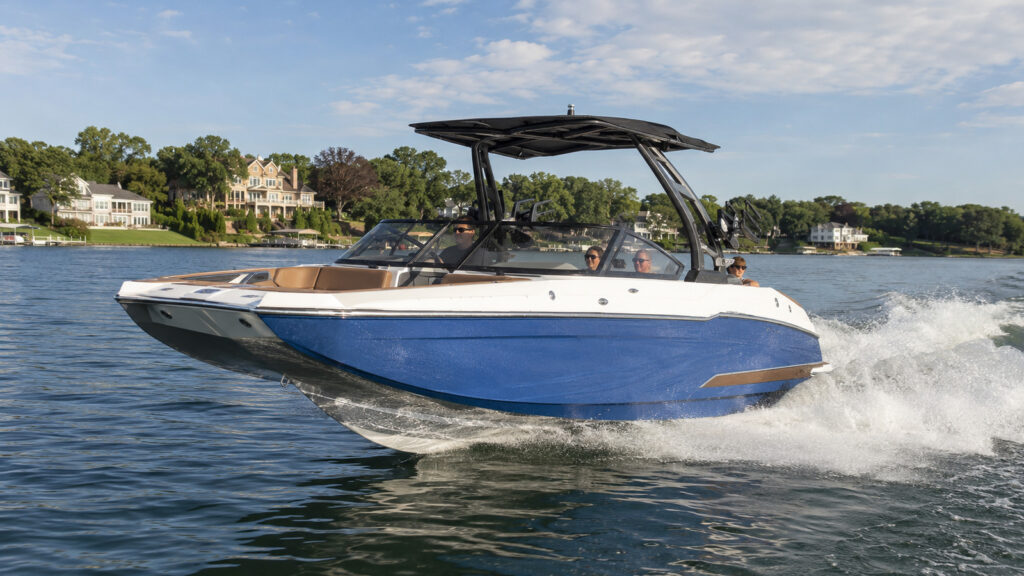
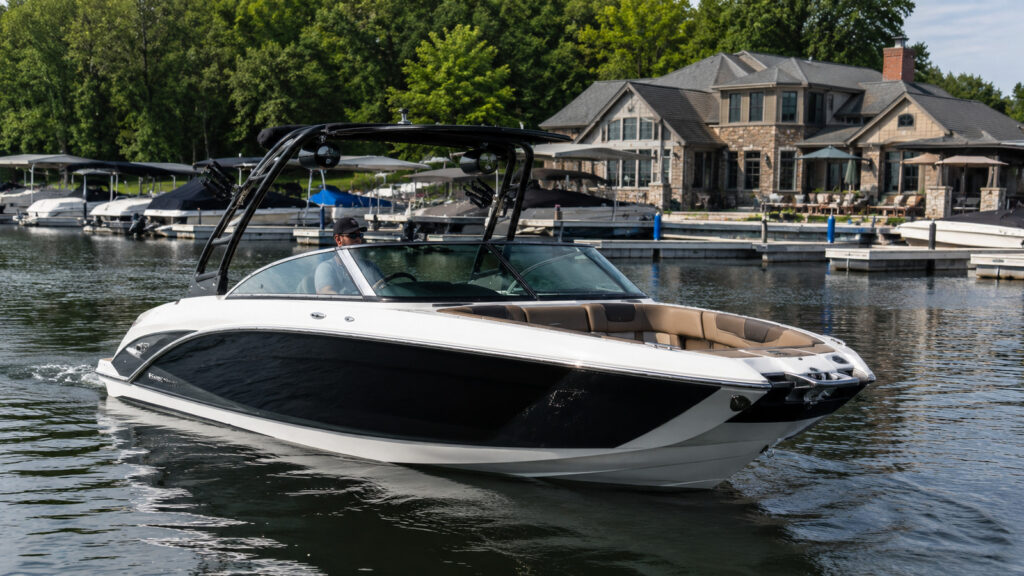
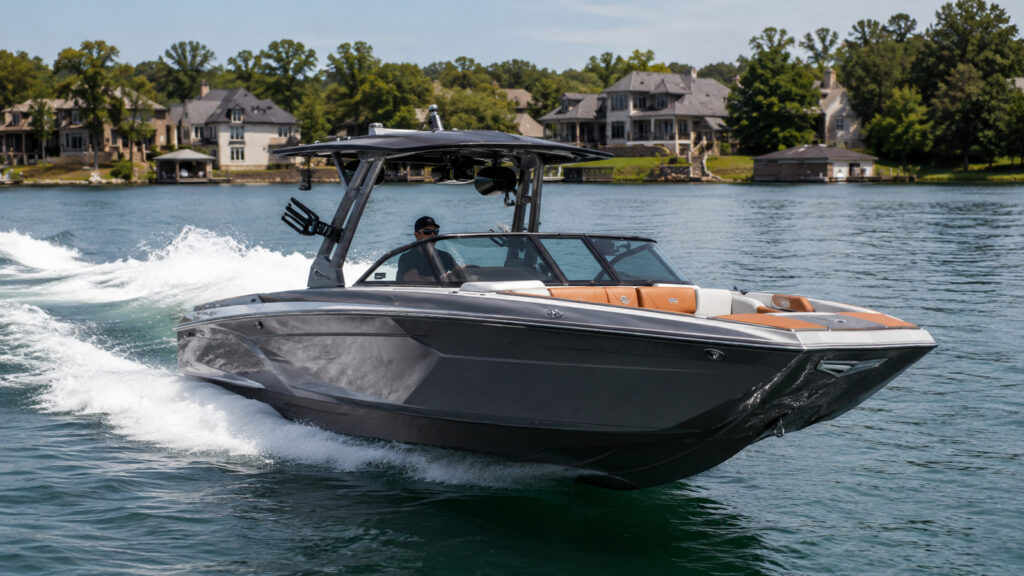
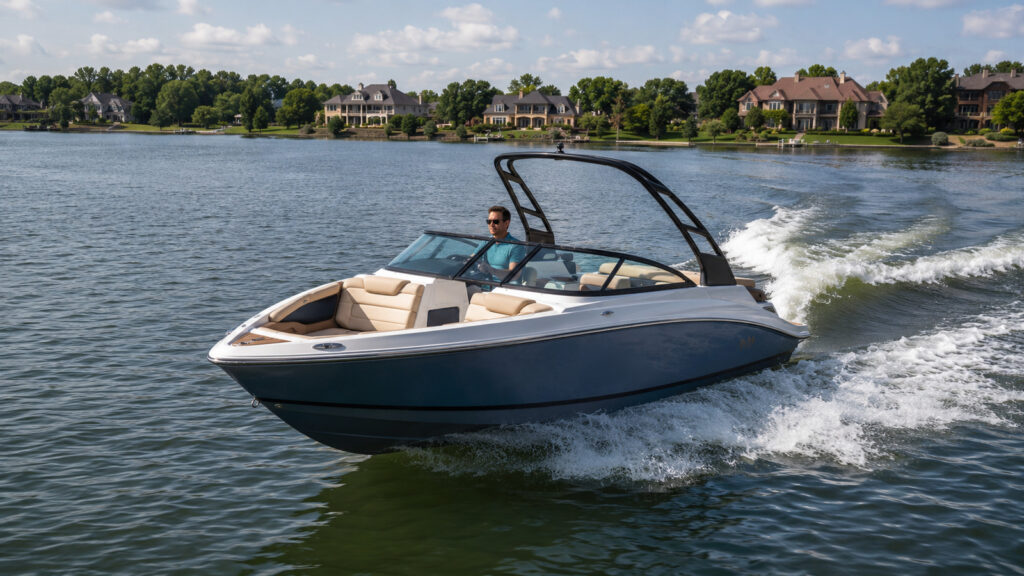
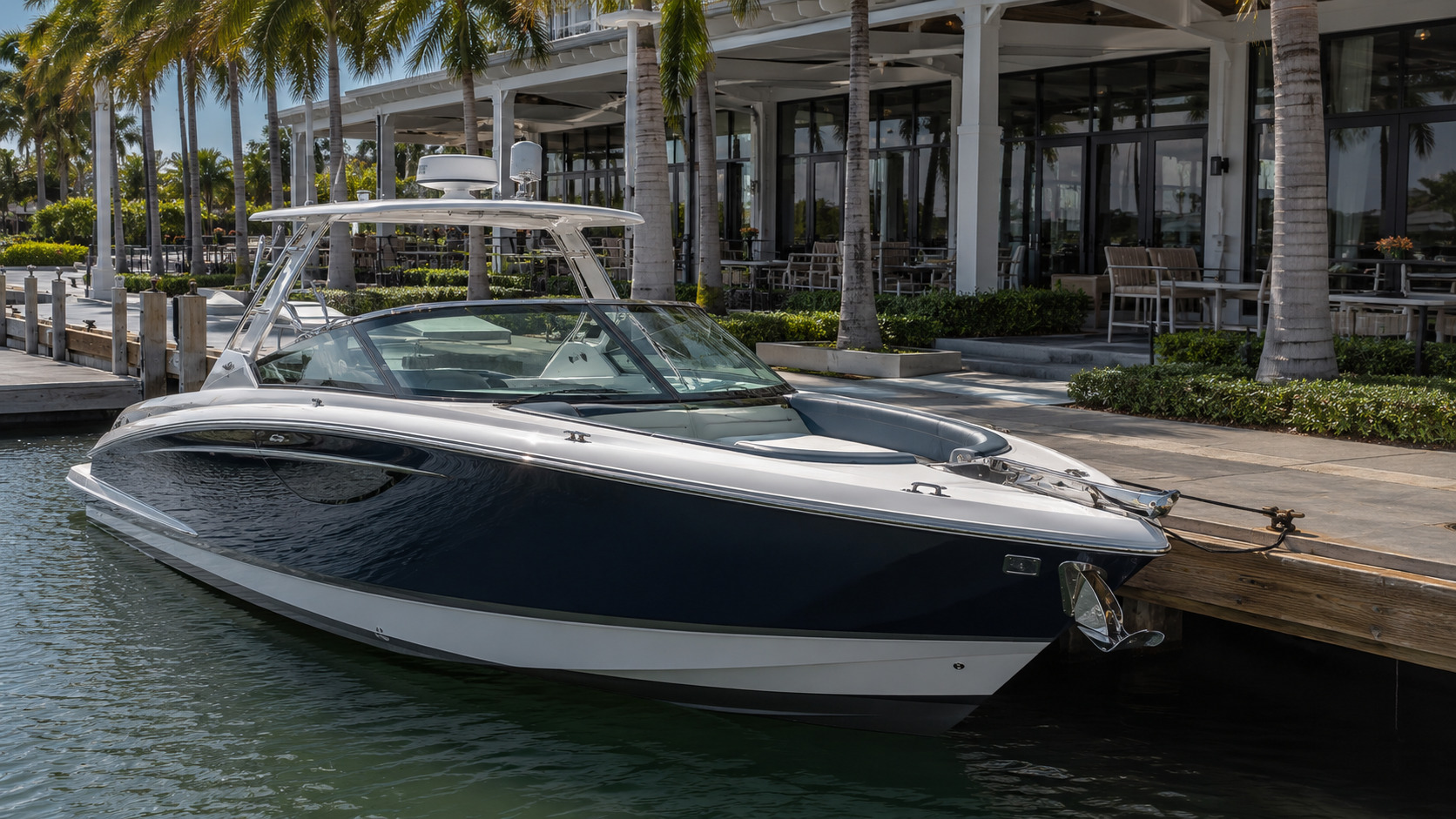
Regal’s Surf family takes familiar LS-style day-boat layouts and changes the mechanical brief around wakesurfing. The LS2 Surf, LS4 Surf, LS6 Surf and LS9 Surf use Volvo Forward Drive plus dedicated wave shaping and ballast. The 38 Surf takes a radically different approach by using dual Forward Drives and hull mass without ballast tanks. That distinction matters. A Surf buyer should not choose only by passenger capacity. Wave setup, rider pickup, ballast fill and drain time, drive service and swim-platform safety all become part of the decision. The smaller LS-based boats retain the ownership logic of a family bowrider. The 38 Surf is a nearly 40-foot day yacht with 249 gallons of fuel, large entertainment systems and a completely different dockage plan. Choose the platform that matches both the rider and the owner. A huge wave is less useful if the family dislikes managing the boat at the dock, while a compact Surf boat can feel crowded if twelve people come every weekend.
Ballast separates the LS-based Surf models clearly. LS2 Surf carries 1,800 pounds, LS4 Surf and LS6 Surf each carry 2,000, and LS9 Surf increases to 2,500. The 38 Surf is the exception: Regal’s current design uses dual Volvo Forward Drives and hull mass without ballast tanks. It should be compared as a surf-capable day yacht, not simply the next ballast number.
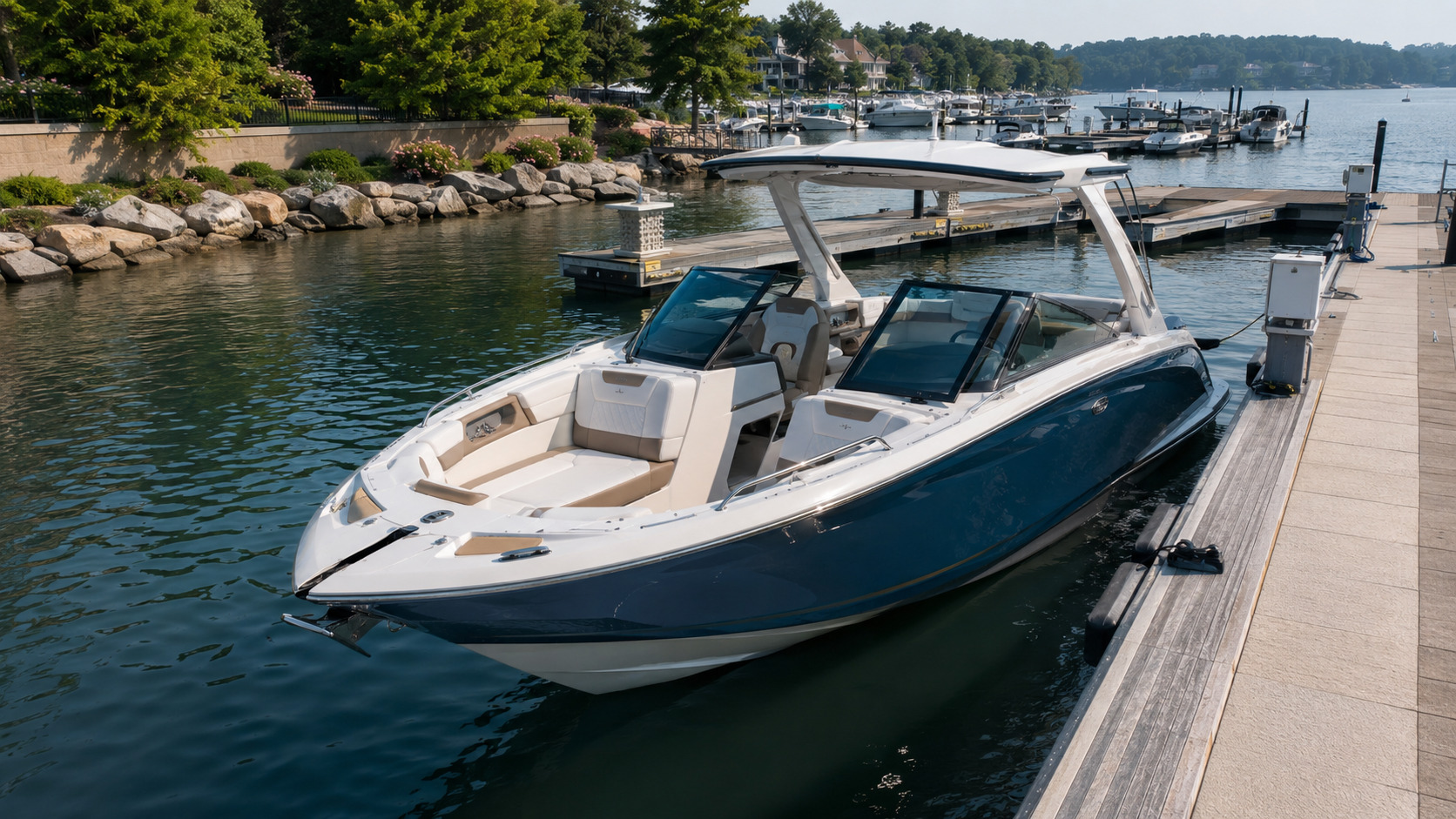
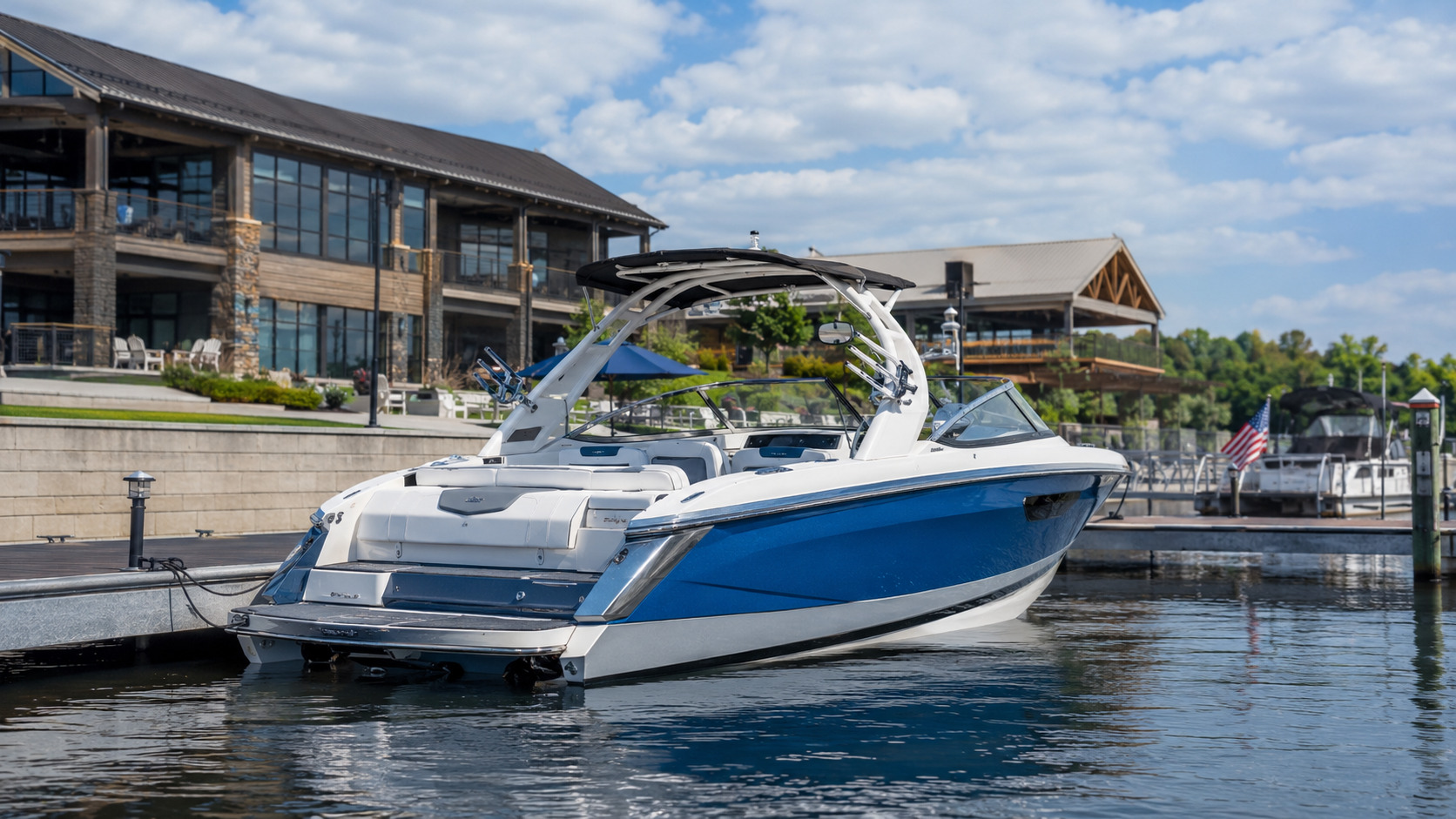
Forward Drive places the propellers beneath the hull rather than behind the transom, which supports wakesurfing safety and changes service priorities compared with a conventional sterndrive. Ballast scales from 1,800 pounds on LS2 Surf to 2,500 pounds on LS9 Surf. Pumps, tanks and fill/drain behavior should be tested under real water load. The 38 Surf is the outlier. Regal’s current page describes a no-ballast setup using dual Volvo Forward Drives, large hull mass and surf controls to shape the wave. Every Surf model still has to function as a family boat when nobody is riding. Seating, storage, head access and swim-platform use should be judged separately from the wave.
Wet weight is especially important in this series. A 5,350-pound LS6 Surf can add 2,000 pounds of ballast before fuel and people. That temporary load matters while surfing even though it is drained for trailering. Buyers planning a lift should know which operating condition the lift must support and which condition applies only while the boat is underway.
Regal series names describe different deck, cabin and propulsion priorities rather than simple trim levels. Move to another Regal family when the Surf Series architecture keeps forcing a compromise that shows up on the owner’s normal trip.
Compare this family when the buyer wants a different balance of propulsion, cabin space or deck use.
Compare this family when the current series keeps forcing a compromise that appears on every normal trip.
The lineup in this guide runs from 38 Surf through LS9 Surf. Treat every Surf Series model as a complete ownership package rather than a length-and-price step. Inside the Regal Boats Surf Series, beam, propulsion, fuel load and the systems maintained every season can matter more than the difference between two neighboring model numbers.
Body: Use [PRICE_LOW] to [PRICE_HIGH] as the live market frame for the Regal that fits. Then use [ESTIMATED_PAYMENT] to test affordability without separating the loan from fuel, service, storage and insurance.
LS2 Surf is the manageable entry point. LS4 Surf adds room and 2,000 pounds of ballast. LS6 Surf keeps that ballast while adding more fuel, cockpit space and head utility. LS9 Surf is the largest traditional LS-based surf platform in this set. Its 9-foot beam and 2,500 pounds of ballast suit larger crews but require more tow and storage capacity. 38 Surf should be considered separately. It is for buyers who want a luxury day yacht that can surf, not simply the biggest towboat available. Sea-trial every Surf model with a rider if possible. Wave shape, push, driver workload and rider pickup behavior are more useful than judging a surf system from the helm screen.
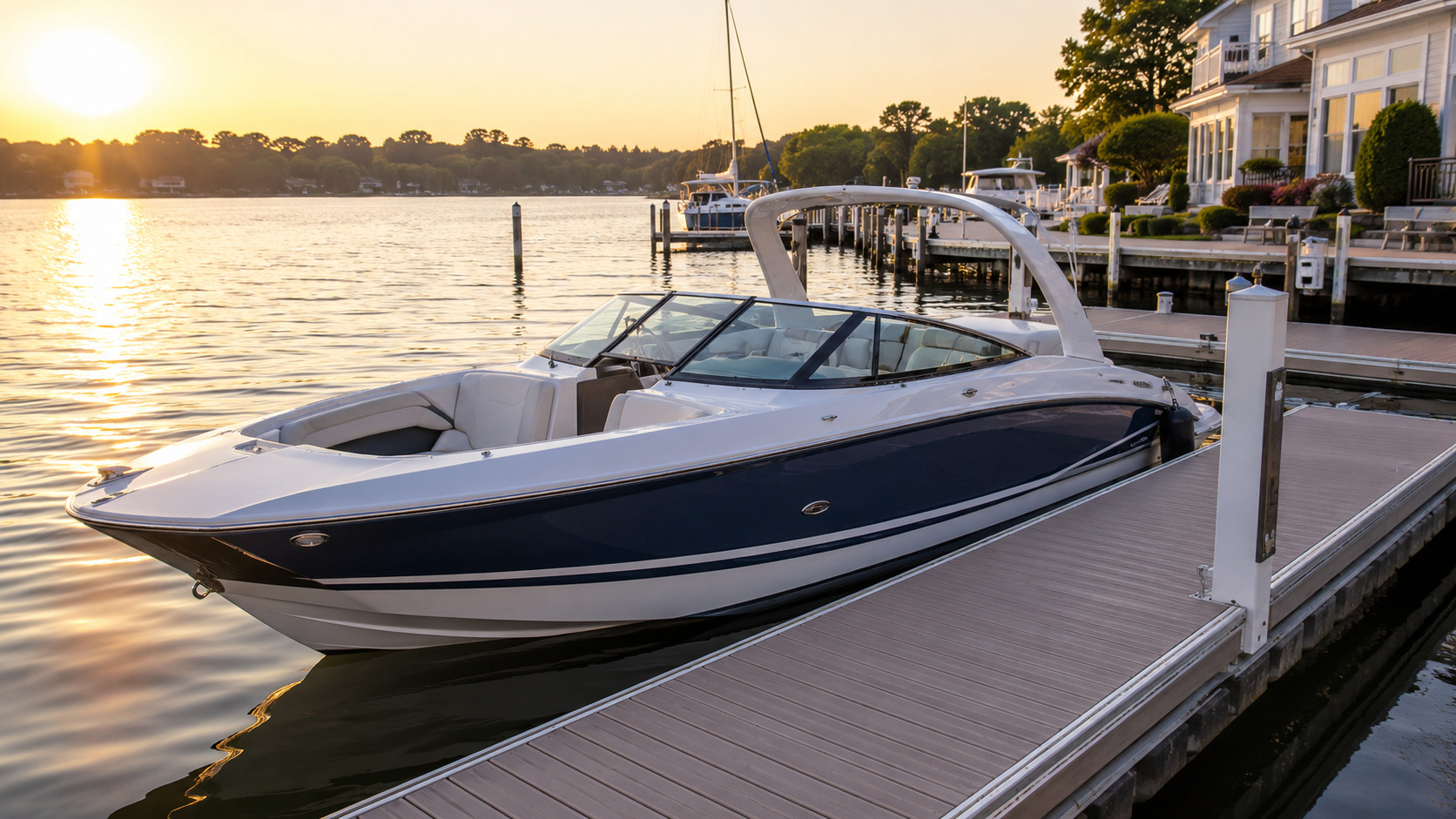
Surf use puts sustained load on propulsion and repeated cycles on pumps and actuators. Service history should reflect that operating pattern rather than focusing only on total hours. Ballast water adds thousands of pounds temporarily. Trailering, lift and performance calculations should separate dry weight, fuel load and surf ballast so the owner knows which condition applies. Boards, ropes and wet passengers create more cockpit wear than casual cruising. Upholstery, flooring, tower hardware and storage latches deserve a close look on a pre-owned Surf model. A surf boat that cannot be maintained confidently will stop being fun quickly.
Surf pumps and actuators should be timed during inspection rather than merely switched on. A slow fill or incomplete drain changes how long the crew waits between normal cruising and riding. Forward Drive service also belongs in the seasonal budget. The best Surf model is not the one with the largest possible wave; it is the one the family can launch, set up, ride and maintain without turning every session into work.
Body: Once the model, condition, storage plan and annual operating budget make sense, use the Float Finance application for the actual boat. Contact Float Finance before moving forward on a 38 Surf through LS9 Surf purchase if you want help understanding the financing process or transaction structure.
These topics help turn a model comparison into a complete purchase plan.
This guide covers 38 Surf, LS2 Surf, LS4 Surf, LS6 Surf, LS9 Surf. The range runs from the 38 Surf to the LS9 Surf, but size alone does not explain the differences; propulsion, cabin use and deck layout change throughout the group.
The strongest buyer is someone whose normal boating matches the series brief: regal boats surf models built around regal’s surf family takes familiar ls-style day-boat layouts and changes the mechanical brief around wakesurfing. Compare the Regal Boats Surf Series with its neighboring Regal families before applying, especially when propulsion or overnight use is the reason for changing series.
Start the Surf Series comparison with the normal crew, the owner’s water, the actual storage arrangement and the propulsion style they are prepared to maintain. Then compare the 38 Surf through LS9 Surf on length, beam, fuel, cabin use and the equipment the owner will maintain every season. Within this Surf Series range, moving up should solve a recurring crew, cabin, propulsion or storage need rather than simply add length.
No. The LS2 Surf, LS4 Surf, LS6 Surf and LS9 Surf use dedicated ballast as part of their surf setup. The 38 Surf is different: Regal describes it as a no-ballast design that uses dual Forward Drives, hull mass and surf controls.
On a used Regal Surf Series, begin with a cold propulsion check, then operate the powered deck and cabin equipment that defines this series and keep it running long enough to expose heat, voltage or plumbing faults. After sea-trialing a 38 Surf or larger model in this series, reopen the bilge and machinery spaces and look for anything that changed under heat and load.
For an eligible boat in the Regal Boats Surf Series, Float Finance can help consumers pursue financing for dealer, brokerage and private-party purchases, subject to borrower, collateral and transaction requirements.
Body: The right Regal series should make the owner’s normal day easier, not simply put more boat around the same routine. Compare the 38 Surf, LS2 Surf end of the range with the larger options, inspect the exact Regal, and understand the annual ownership commitment before applying.
Tell us a little bit about yourself and the boat you are looking to finance.