
Call Us : 207-994-5109
Mon – Fri: 8 am to 9 pm & Sat – Sun: 10 am to 8 pm
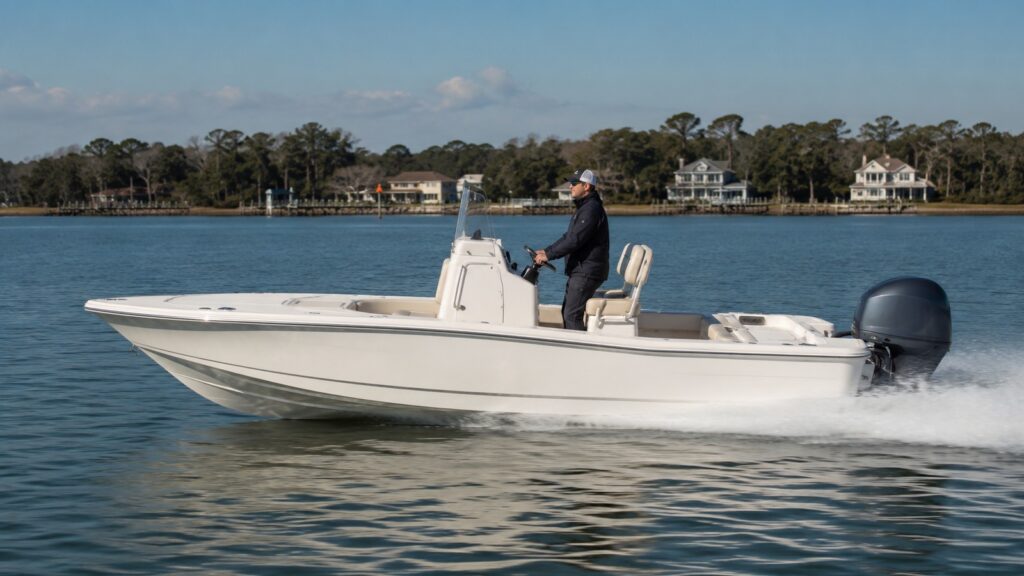
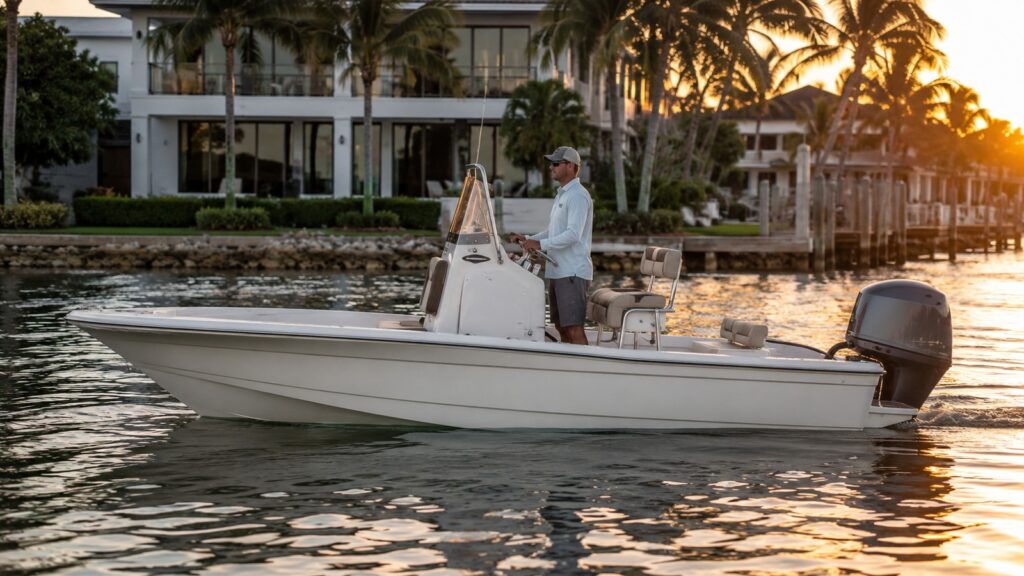
Scout’s XSS bay and inshore-offshore crossover range, from the compact 177 XSS through the carbon-epoxy 281 XSS flagship.
Scout’s Bay Series is built around the XSS idea: shallow-water fishing capability without forcing the owner into a bare skiff. The range begins with the compact 177 XSS, moves through the 231 and 261, and reaches the carbon-epoxy 281 XSS flagship. The lineup is not a simple length ladder. The 177 is a light, easy-launch fishing platform. The 231 adds a full 8-foot-6-inch beam and far more power potential. The 261 becomes a true inshore-offshore crossover, while the 281 adds a 9-foot-4-inch beam, advanced construction and 126 gallons of fuel. That progression matters because bay-boat buyers often want contradictory things: shallow draft, easy trailering, offshore confidence, large casting decks and family comfort. Every extra foot and gallon solves some of those demands while making the boat heavier and more expensive to store and run. Choose the XSS that handles the owner’s normal fishing water first. Financing should come after the shallow-water, offshore and storage requirements are already clear.
A practical XSS comparison starts at the ramp. The 177 can fit ownership plans that would never accept a 281, while the 231 and 261 preserve an 8-foot-6-inch beam even as fuel and horsepower increase. That makes beam, trailer width and launch frequency just as important as fishing range when deciding where the owner should enter the lineup.
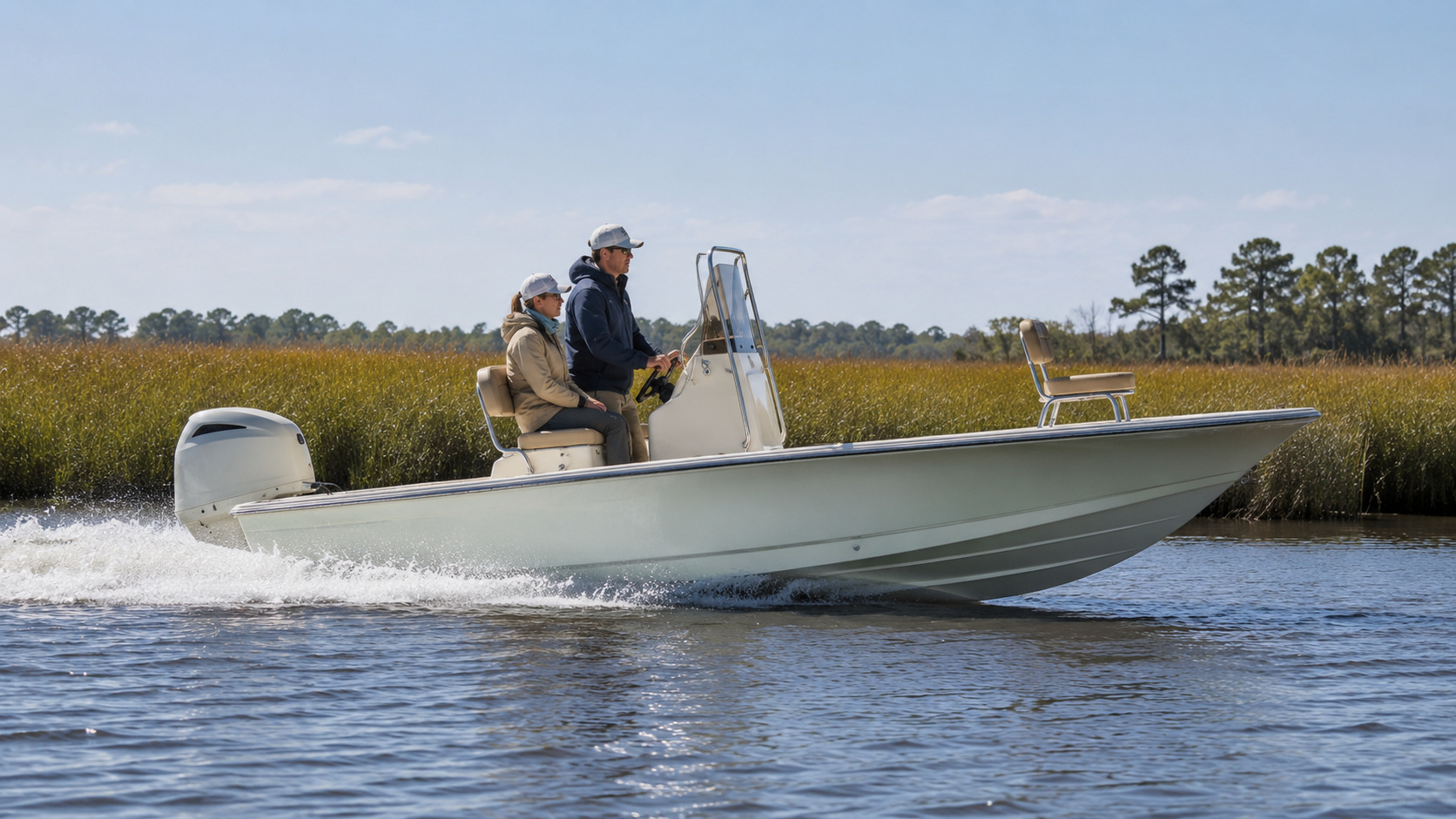
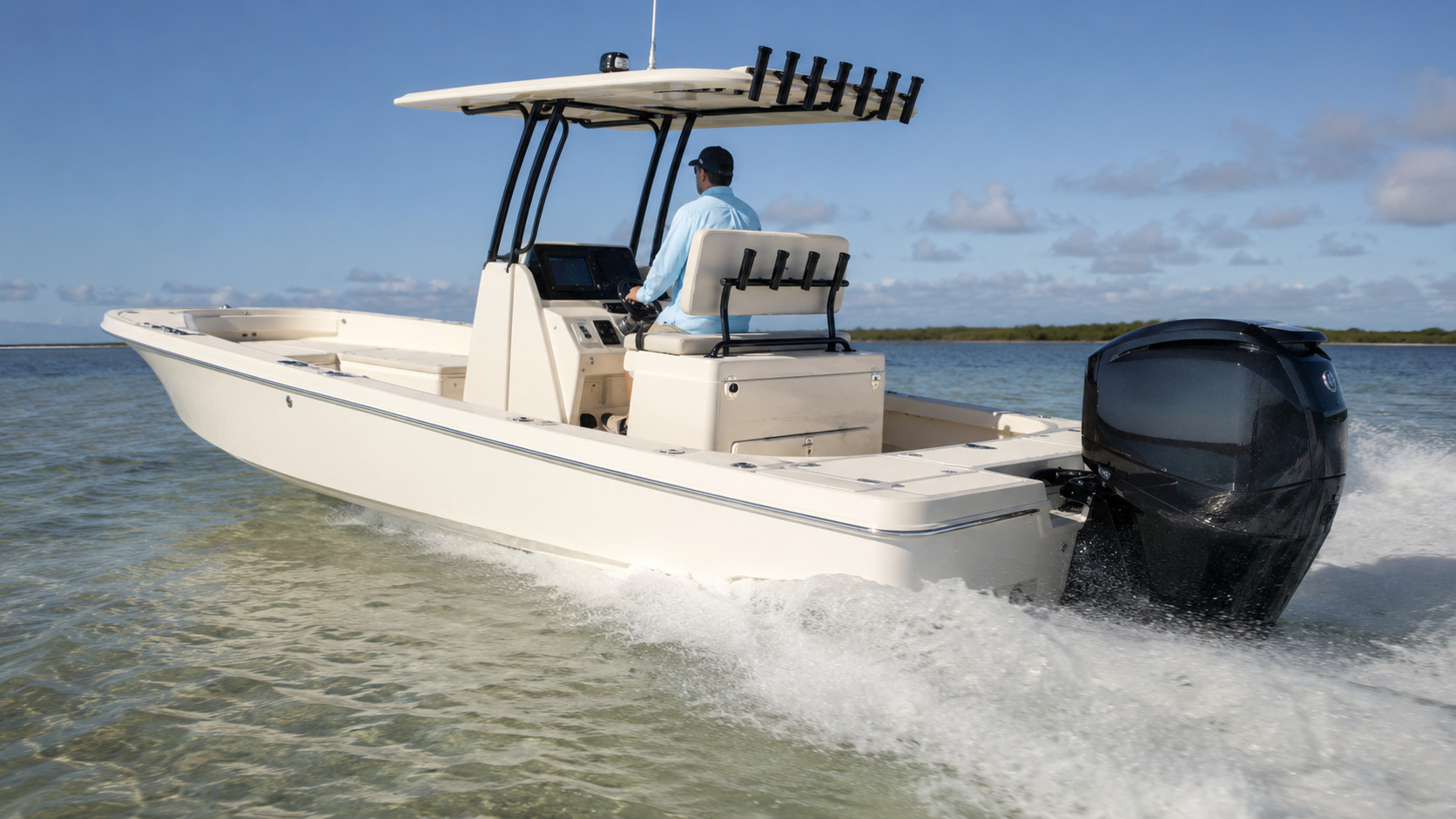
Raised casting areas and open fishing circulation define the Bay Series more than upholstery. Rod storage, livewells, trolling-motor rigging and shallow-water anchoring hardware should be usable without constantly converting the boat. The 261 XSS is a useful midpoint because it keeps an 8-foot-6-inch beam while carrying 90 gallons of fuel and 400-hp capability. That gives a coastal angler meaningful range and deck space without accepting the 281’s wider beam. The 281 XSS changes construction as well as scale. Scout uses carbon-fiber/E-glass epoxy infusion on the flagship, and the boat supports equipment such as an upper station that changes both sightlines and bridge-clearance planning. Shallow draft should not be confused with small-boat ownership. A 281 XSS carrying 126 gallons of fuel and up to 600 hp needs a much different trailer, lift and service plan than a 177 XSS.
Current Scout specifications show how quickly the range changes: 20 gallons of fuel on the 177, 65 on the 231, 90 on the 261 and 126 on the 281. Those numbers should be read as operating scale, not just range. More fuel means more wet weight, larger engines, longer runs and a greater need for reliable pumps, chargers and corrosion control.
Compare this family when the buyer wants a different balance of fishing circulation, family seating, cabin use or propulsion scale.
Compare this family when the current series keeps forcing a compromise that appears on the Scout Bay Series owner's normal trip.
The lineup in this guide covers 177 XSS, 231 XSS, 261 XSS, 281 XSS. For the Scout Bay Series, compare each as a complete ownership package. Length matters, but beam, fuel, engine count, deck architecture and the systems maintained every season can create a larger difference than the Scout Bay Series model number suggests.
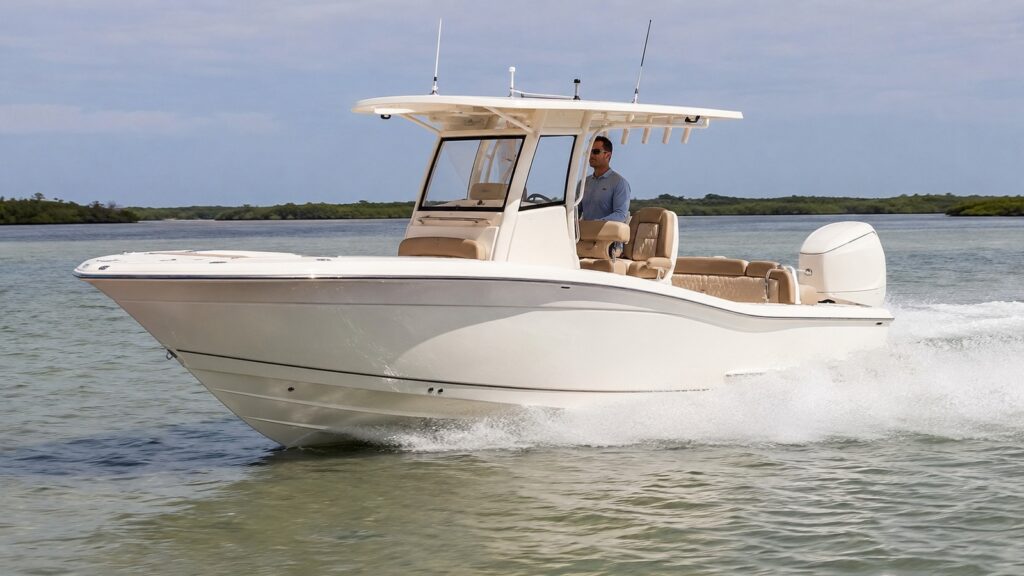
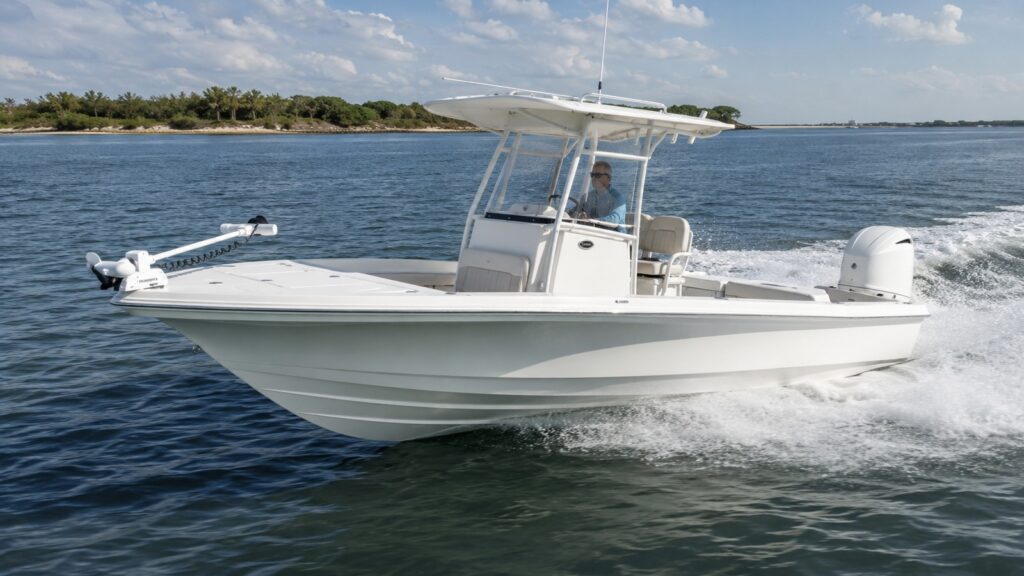
Body: Use [PRICE_LOW] to [PRICE_HIGH] as the live market frame for the model that fits. Then use [ESTIMATED_PAYMENT] without separating the loan from fuel, engine service, storage and insurance.
Choose the 177 XSS when frequent launching, shallow access and a small crew matter more than offshore mass. Its 20-gallon tank and 7-foot-3-inch beam keep the ownership footprint compact. The 231 XSS is the step for anglers who want much more deck and horsepower without moving beyond an 8-foot-6-inch beam. Its removable seating and Scout Post option broaden the boat beyond a pure casting platform. The 261 XSS makes the most sense when exposed coastal water is part of the regular trip. The 90-gallon fuel load, dual aft baitwells and crossover layout justify the larger hull when those features are used often. The 281 XSS is for buyers who need flagship-scale fishability and technology. Its 9-foot-4-inch beam and 126-gallon tank should solve a real offshore or crew-capacity need before the owner accepts the larger storage and operating burden.
Do not choose an XSS from casting-deck photos alone. Bring the normal number of rods, a cooler and the tackle system to the sea trial. The right boat should still allow safe movement around the console and between fore and aft decks after everything is aboard.
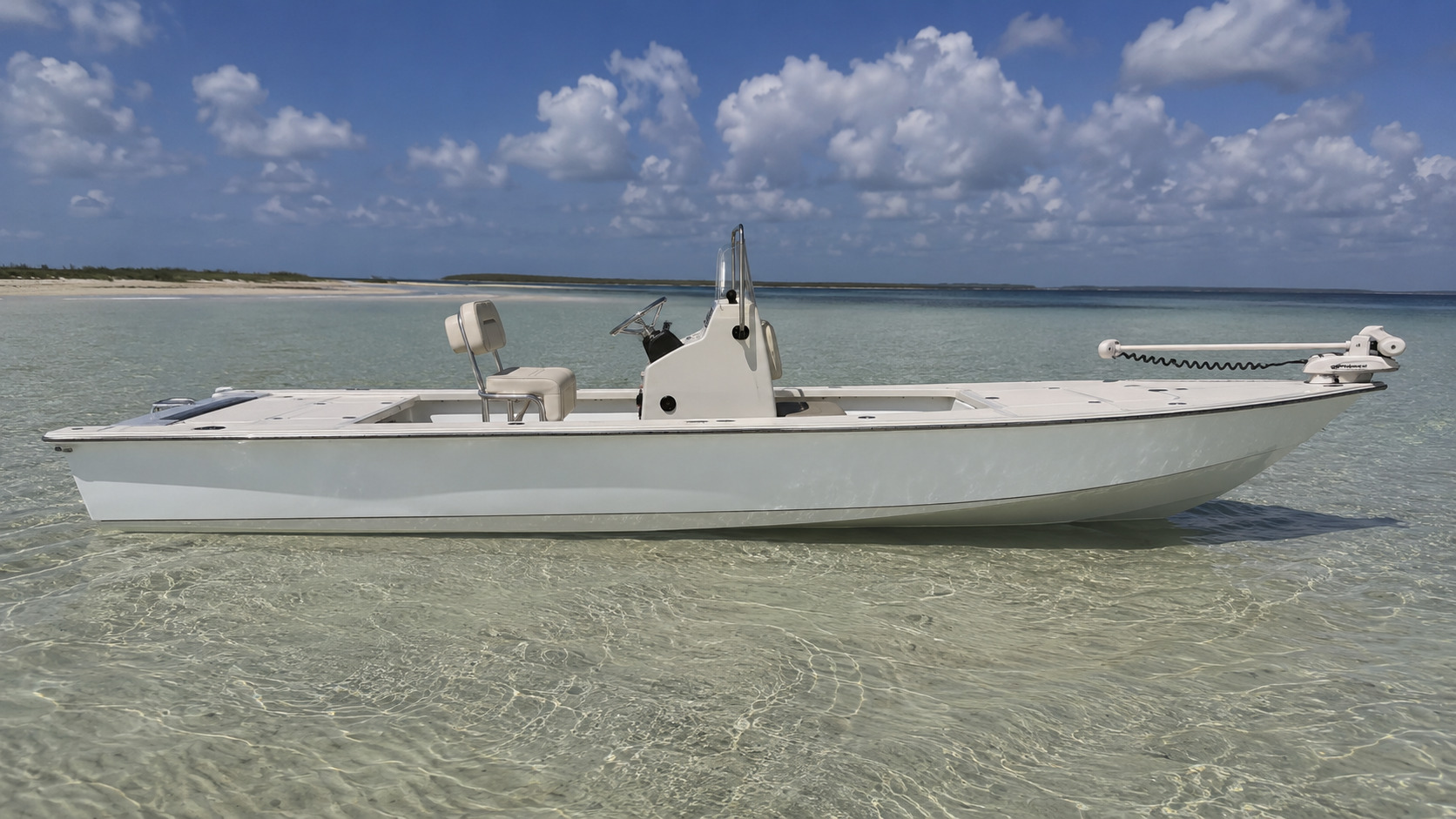
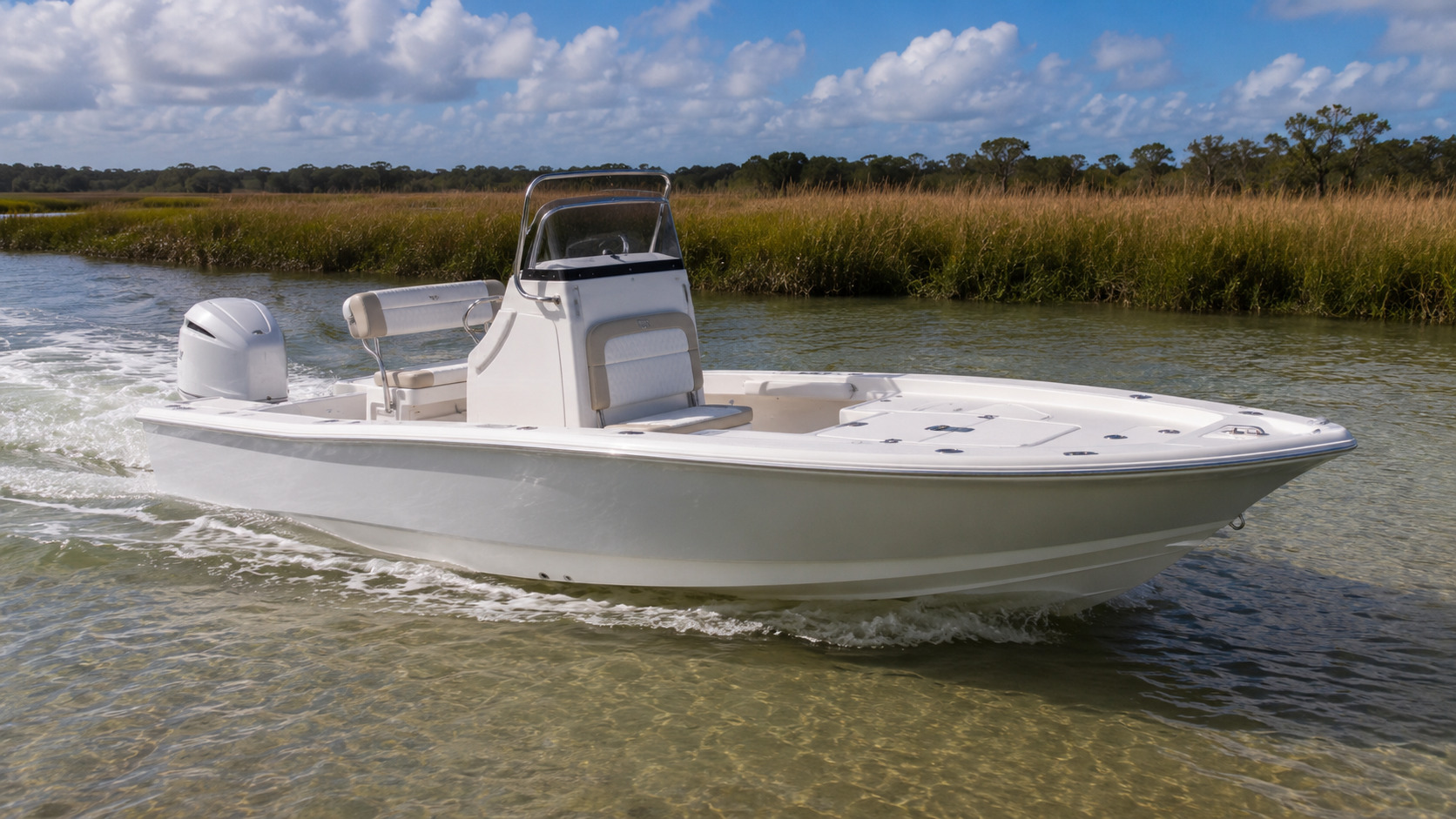
Bay boats accumulate fishing equipment quickly. Trolling motors, shallow-water anchors, electronics, chargers and multiple pumps should be treated as one electrical system rather than unrelated accessories. Trailer and lift capacity should be calculated from the loaded boat. Fuel, engines, batteries, livewell water and tackle add substantial weight to the dry hull before the family arrives. Saltwater use makes rinse access and corrosion control important even on a shallow-water boat. Inspect electrical connections, jackplates, steering, trim hardware and trailer components with the same care as the hull. The best XSS is the one that stays easy to use after it is fully rigged.
Shallow-water hardware deserves inspection under load. Cycle trolling motors, jackplates, trim systems and Power-Pole equipment while watching battery voltage. On a large XSS, several fishing systems can draw from the same electrical reserve, and a weak charging setup can turn an otherwise excellent hull into a frustrating ownership experience.
Body: Once the model, condition, storage plan and annual operating budget make sense, use the Float Finance application for the actual boat. Within the Scout Bay Series, contact Float Finance if you want help understanding the financing process or transaction structure first.
These topics help turn a Scout comparison into a complete purchase plan.
This guide covers 177 XSS, 231 XSS, 261 XSS, 281 XSS. When shopping the Scout Bay Series, compare them by beam, fuel, propulsion, fishing layout and the systems maintained every season rather than treating the lineup as a simple length ladder.
The strongest fit is a buyer whose normal use matches the series brief: Scout’s XSS bay and inshore-offshore crossover range, from the compact 177 XSS through the carbon-epoxy 281 XSS flagship. For the Scout Bay Series, choose a neighboring Scout family if its architecture solves the day more directly.
Within the Scout Bay Series, start with normal crew, water, storage and propulsion requirements. When shopping the Scout Bay Series, then compare the smallest model that works with the next step up. For the Scout Bay Series, the larger boat should solve a repeated need, not simply provide a higher model number.
The XSS models prioritize shallow-water access, raised casting decks, trolling-motor and shallow-anchor rigging while still carrying enough freeboard and fuel for coastal crossover use. XSF and LXF center consoles place more emphasis on open-water running and center-console cockpit circulation.
Within the Scout Bay Series, start with cold propulsion and service records, then operate the fishing, electrical, seating and comfort systems that define the exact model. When shopping the Scout Bay Series, sea-trial long enough to warm the equipment and inspect the bilge or machinery areas again afterward.
For the Scout Bay Series, float Finance can help consumers pursue financing for eligible dealer, brokerage and private-party Scout purchases, subject to borrower, collateral and transaction requirements.
Body: The right Scout series should make the owner’s normal day easier, not simply put more boat around the same routine. Within the Scout Bay Series, compare the models, inspect the exact boat and understand the annual ownership commitment before applying.
Tell us a little bit about yourself and the boat you are looking to finance.