
Call Us : 207-994-5109
Mon – Fri: 8 am to 9 pm & Sat – Sun: 10 am to 8 pm
Scout’s center-console Sportfish and XSF family for buyers prioritizing fishability, open-deck access and outboard simplicity.
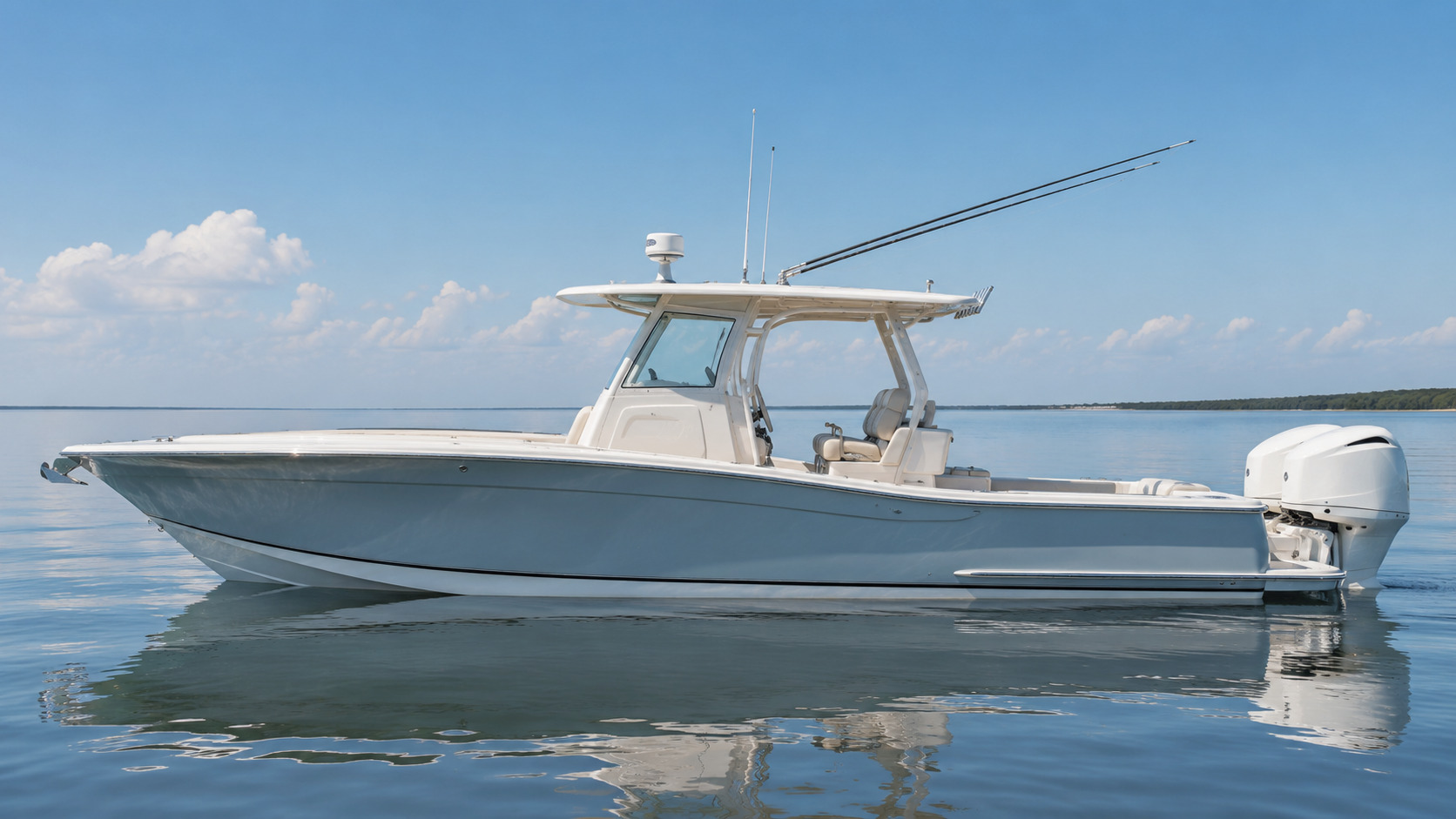
Scout’s XSF Sportfish family is the more direct center-console choice in this guide. The 175, 188 and 195 Sportfish keep the layout compact and trailerable, while the 215 XSF and 240 XSF add fuel, bow lounge space and offshore-day capability without moving into the luxury-system load of the LXF line. The center console keeps circulation open around the helm. That matters for anglers moving rods, fighting fish or working the bow and stern, and it is the basic reason an XSF or Sportfish can feel less compartmentalized than a similar-length Dorado. Family utility is still present. Swim platforms, forward seating, optional tow hardware and audio let these boats handle more than fishing, but the fishing deck remains the priority. Choose the XSF/Sportfish hull that matches crew and water first. The buyer who wants more enclosed comfort, cabin features or premium electronics should compare LXF instead of loading a smaller XSF with options that fight its simple mission.
The XSF/Sportfish family is useful for buyers who want the Scout build and styling without the equipment escalation of LXF. That can be a financial advantage beyond purchase price. Fewer powered seats, climate systems and yacht amenities mean fewer things competing for battery capacity and maintenance time.
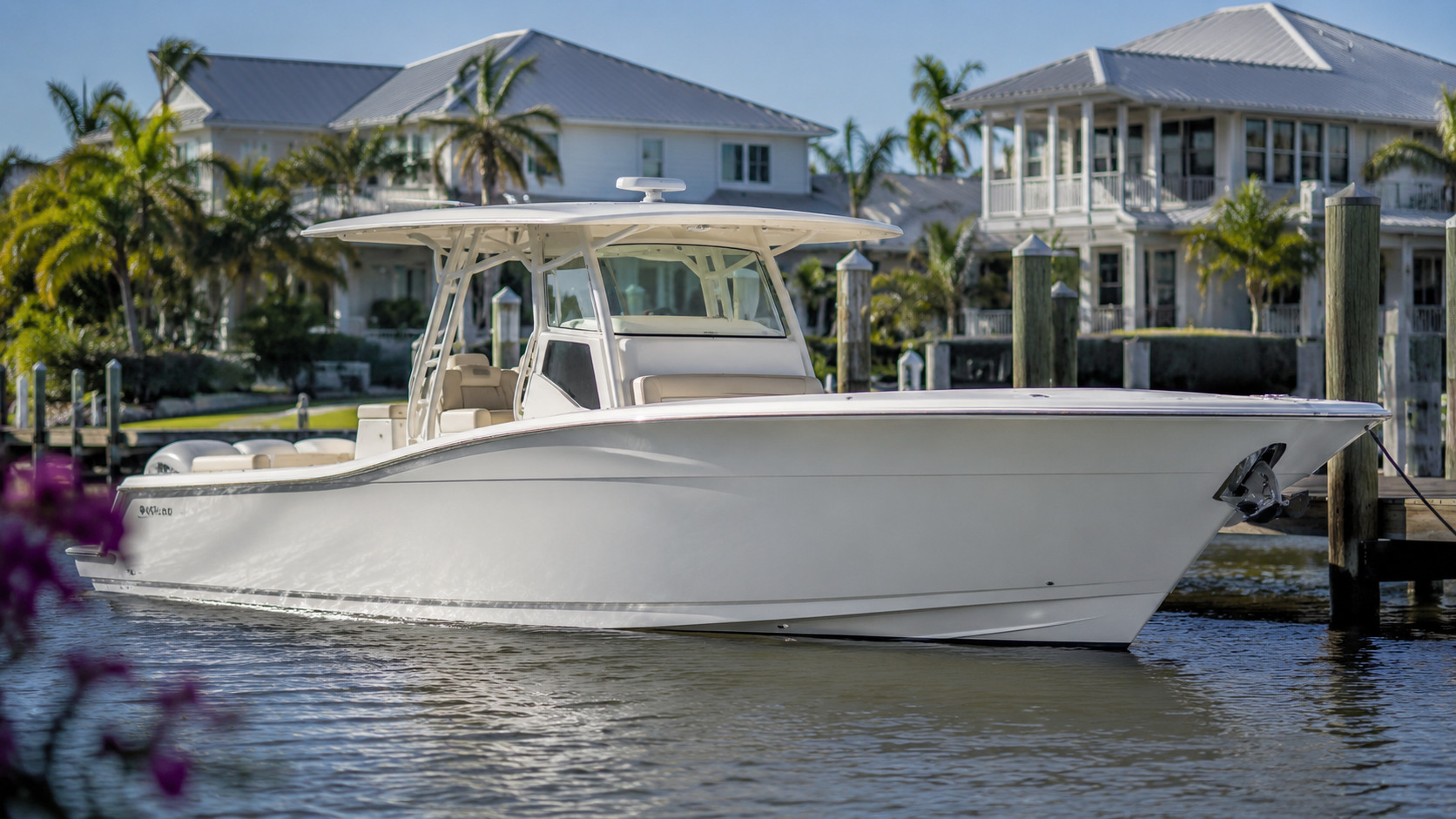
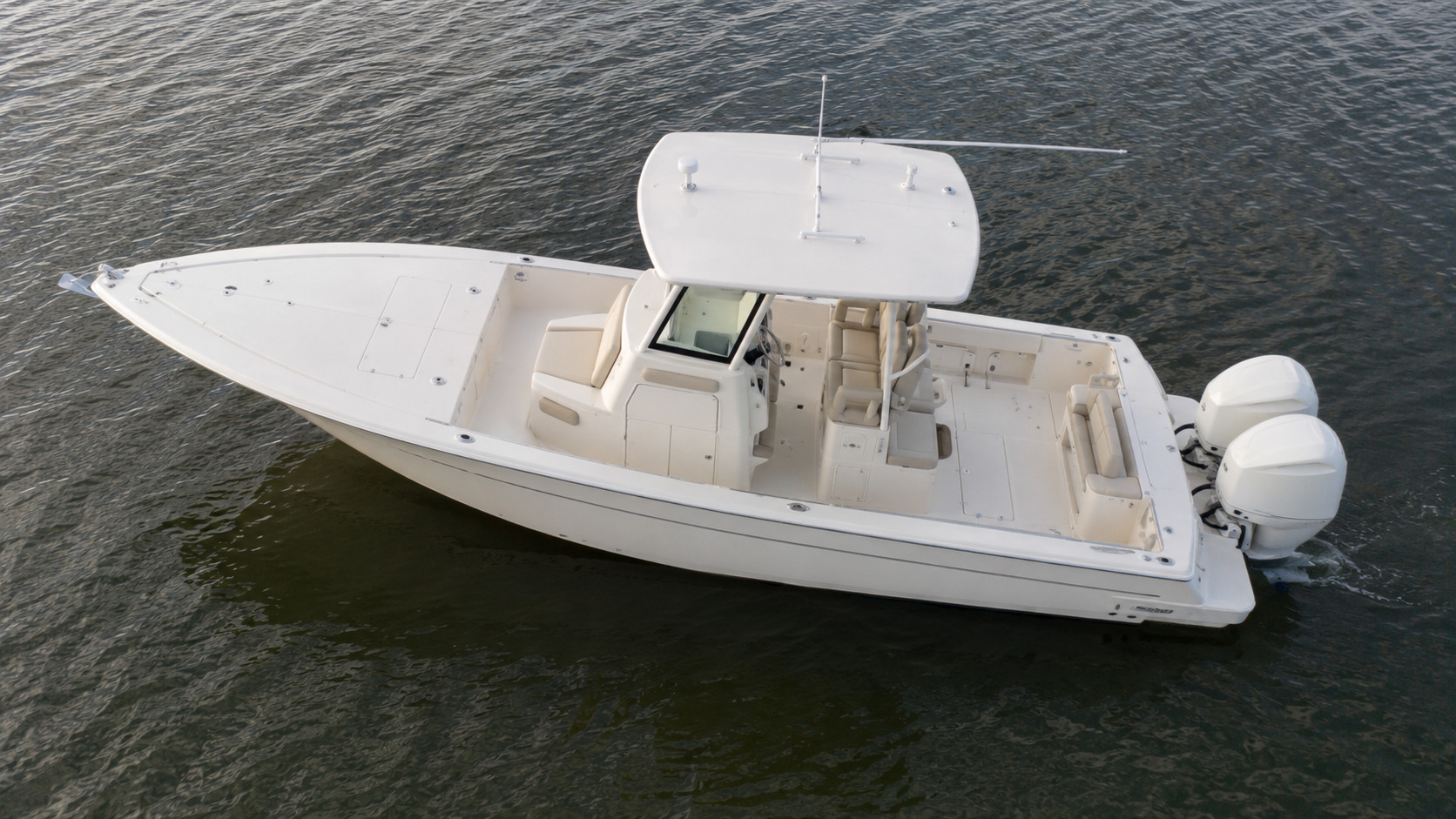
The 175 Sportfish uses a compact 17-foot-5-inch hull and 10-inch draft, making it the easiest model here to launch and reach shallow water. The 188 grows length and fuel while keeping a narrow beam. The 195 Sportfish is the width jump. Its 8-foot-6-inch beam gives substantially more cockpit room while the 43-gallon tank and 150-hp ceiling remain manageable. The 215 XSF moves into NuV3 hull design with 82 gallons of fuel, forward seating and a sun-lounge/coffin-box arrangement. It is the first model in this set that feels like a larger coastal center console rather than a compact fishing runabout. The 240 XSF keeps an 8-foot-6-inch beam but adds 100 gallons of fuel, hardtop protection, full transom swim access and 300-hp capability. That makes it the range choice for buyers who still want trailerable width but run farther.
The 240 XSF is the clearest upper boundary in this specific map. Its 100-gallon tank, hardtop and 300-hp capability make it substantially more serious than the 175 or 188, yet the 8-foot-6-inch beam still fits many conventional trailer and storage plans. That combination is why it should be evaluated as a coastal fishing platform rather than a stretched runabout.
Compare this family when the buyer wants a different balance of fishing circulation, family seating, cabin use or propulsion scale.
Compare this family when the current series keeps forcing a compromise that appears on the Scout XSF Sportfish Series owner's normal trip.
The lineup in this guide covers 175 Sportfish, 188 Sportfish, 195 Sportfish, 215 XSF, 240 XSF. For the Scout XSF Sportfish Series, compare each as a complete ownership package. Length matters, but beam, fuel, engine count, deck architecture and the systems maintained every season can create a larger difference than the Scout XSF Sportfish Series model number suggests.
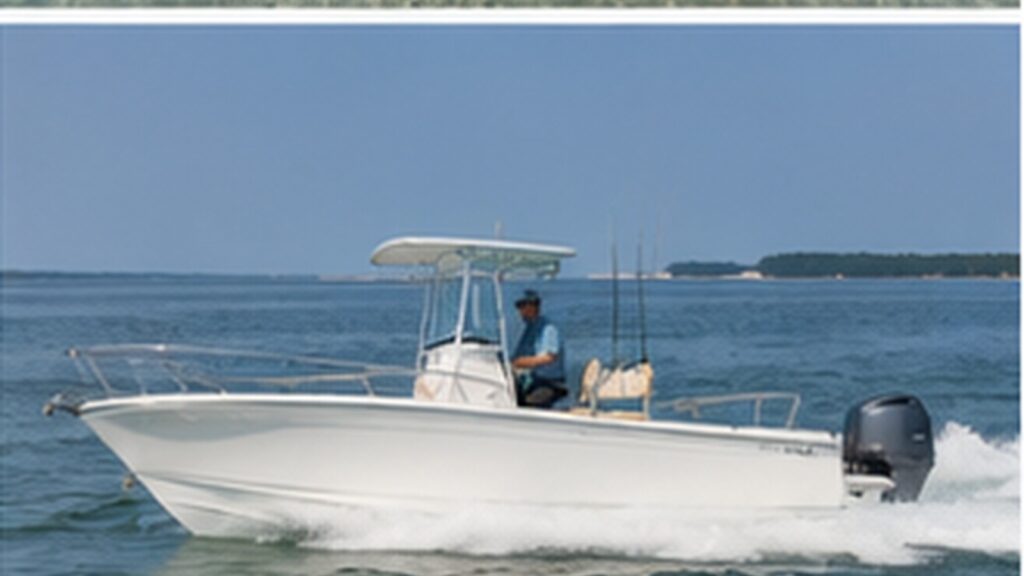
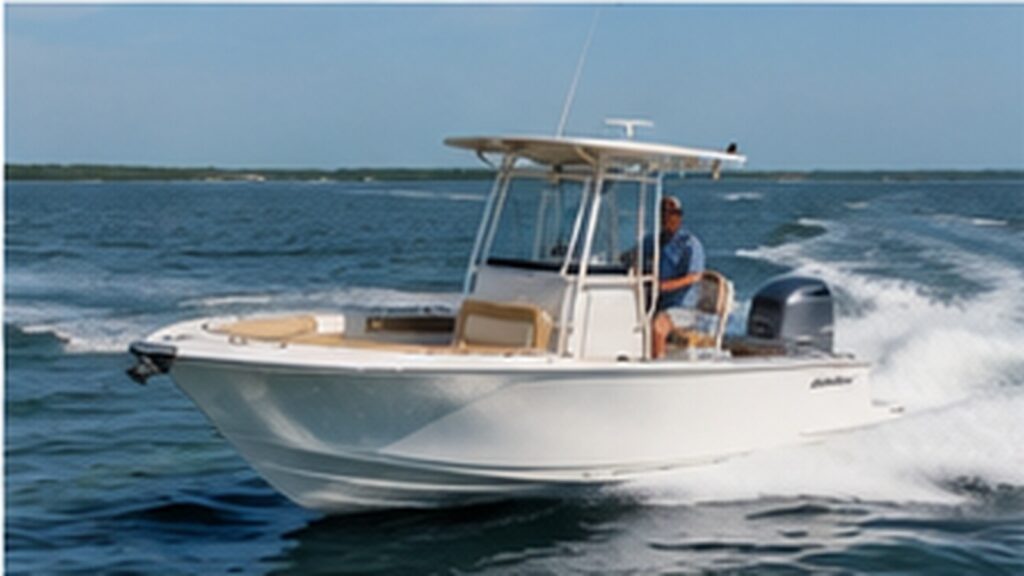
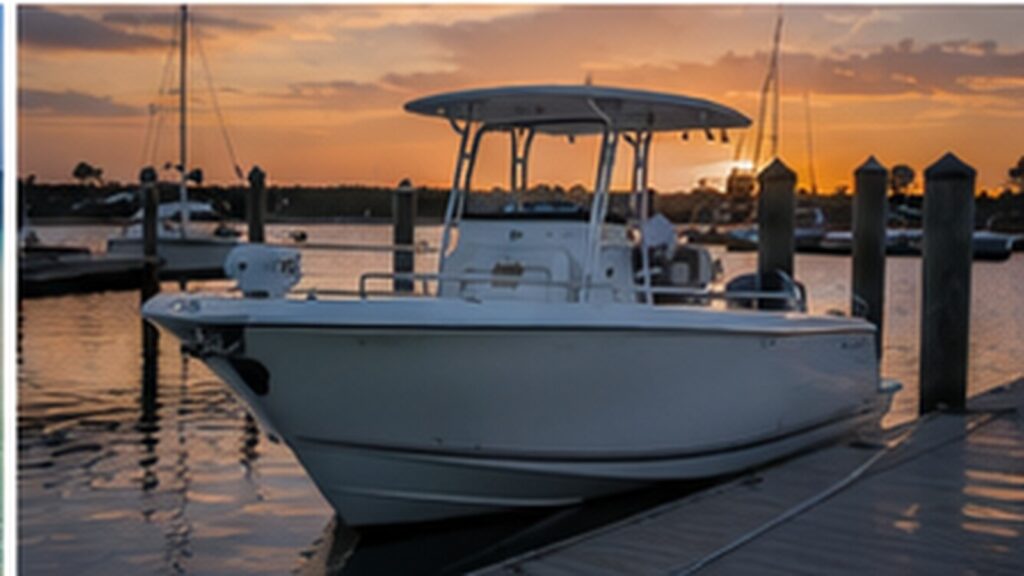
Body: Use [PRICE_LOW] to [PRICE_HIGH] as the live market frame for the model that fits. Then use [ESTIMATED_PAYMENT] without separating the loan from fuel, engine service, storage and insurance.
Choose 175 or 188 when shallow access, easy launch days and a small crew define ownership. The 188 adds space and fuel without changing the storage problem dramatically. The 195 is the practical move for anglers who want a wider deck but are not ready for the fuel and weight of the 215. Its 8-foot-6-inch beam is the feature that changes the fishing experience most. The 215 XSF is the balanced family-fishing choice when forward lounge space and an 82-gallon tank matter. Buyers who consistently run offshore or carry more gear should test the 240 before committing. The 240 XSF is the most substantial platform in this specific map. Its 100-gallon tank, 300-hp ceiling and hardtop create real coastal range, while the beam remains friendly to many trailer plans.
A family deciding between Sportfish and XSF should test the bow carefully. The smaller Sportfish boats keep the deck simple, while the 215 and 240 add more lounge space and storage. If passengers regularly ride forward, those differences can matter more than raw fishing-square-footage.
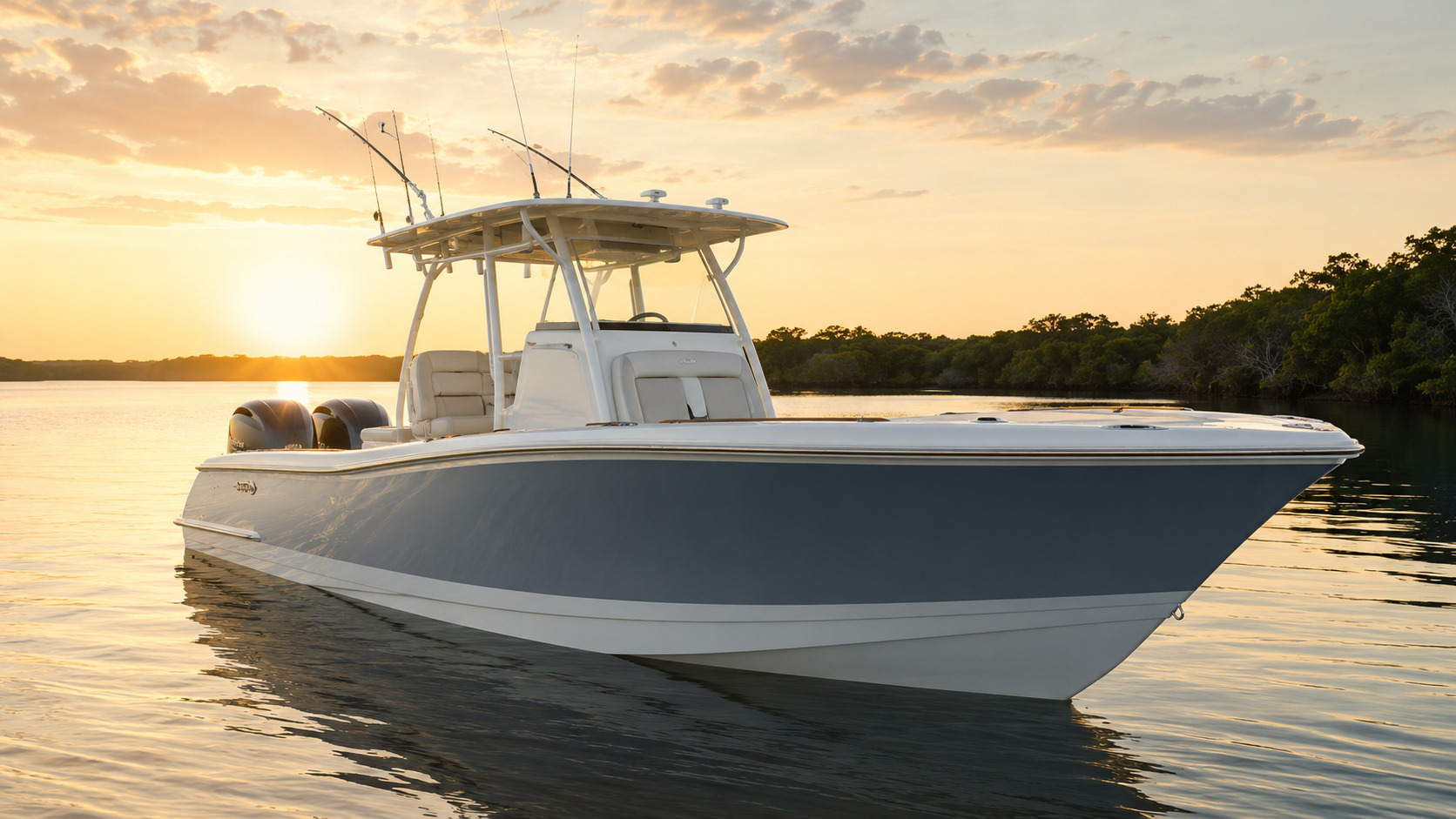
Smaller XSF and Sportfish boats reward mechanical simplicity. Keep rigging clean, avoid unnecessary electrical additions and maintain the livewell and bilge pumps so the boat remains easy to troubleshoot. Trailer service matters because these boats are often moved more frequently than Scout’s larger LXF models. Tires, bearings, brakes, bunks and tie-downs belong in the annual ownership budget. Saltwater anglers should check rod-storage drains, livewell plumbing, steering and electrical connections regularly. The open center-console deck makes access easier, which is an advantage only when the owner uses it. XSF ownership is attractive when the boat stays simple enough to launch and use on short notice.
Because these boats are likely to be trailered, launching frequency becomes part of maintenance. Inspect the hull bottom, transom, propeller and trailer after frequent ramp use, especially in saltwater. A simple single-outboard Scout stays inexpensive to own only when trailer neglect does not create the next repair.
Body: Once the model, condition, storage plan and annual operating budget make sense, use the Float Finance application for the actual boat. Within the Scout XSF Sportfish Series, contact Float Finance if you want help understanding the financing process or transaction structure first.
These topics help turn a Scout comparison into a complete purchase plan.
This guide covers 175 Sportfish, 188 Sportfish, 195 Sportfish, 215 XSF, 240 XSF. When shopping the Scout XSF Sportfish Series, compare them by beam, fuel, propulsion, fishing layout and the systems maintained every season rather than treating the lineup as a simple length ladder.
The strongest fit is a buyer whose normal use matches the series brief: Scout’s center-console Sportfish and XSF family for buyers prioritizing fishability, open-deck access and outboard simplicity. For the Scout XSF Sportfish Series, choose a neighboring Scout family if its architecture solves the day more directly.
Within the Scout XSF Sportfish Series, start with normal crew, water, storage and propulsion requirements. When shopping the Scout XSF Sportfish Series, then compare the smallest model that works with the next step up. For the Scout XSF Sportfish Series, the larger boat should solve a repeated need, not simply provide a higher model number.
Both live in Scout’s center-console fishing family. The smaller boats use the Sportfish name, while larger XSF models add more fuel, bow-lounge space and offshore-oriented features. The buying decision should still focus on deck layout and operating scale rather than the badge alone.
Within the Scout XSF Sportfish Series, start with cold propulsion and service records, then operate the fishing, electrical, seating and comfort systems that define the exact model. When shopping the Scout XSF Sportfish Series, sea-trial long enough to warm the equipment and inspect the bilge or machinery areas again afterward.
For the Scout XSF Sportfish Series, float Finance can help consumers pursue financing for eligible dealer, brokerage and private-party Scout purchases, subject to borrower, collateral and transaction requirements.
Body: The right Scout series should make the owner’s normal day easier, not simply put more boat around the same routine. Within the Scout XSF Sportfish Series, compare the models, inspect the exact boat and understand the annual ownership commitment before applying.
Tell us a little bit about yourself and the boat you are looking to finance.