Call Us : 207-994-5109
Mon – Fri: 8 am to 9 pm & Sat – Sun: 10 am to 8 pm
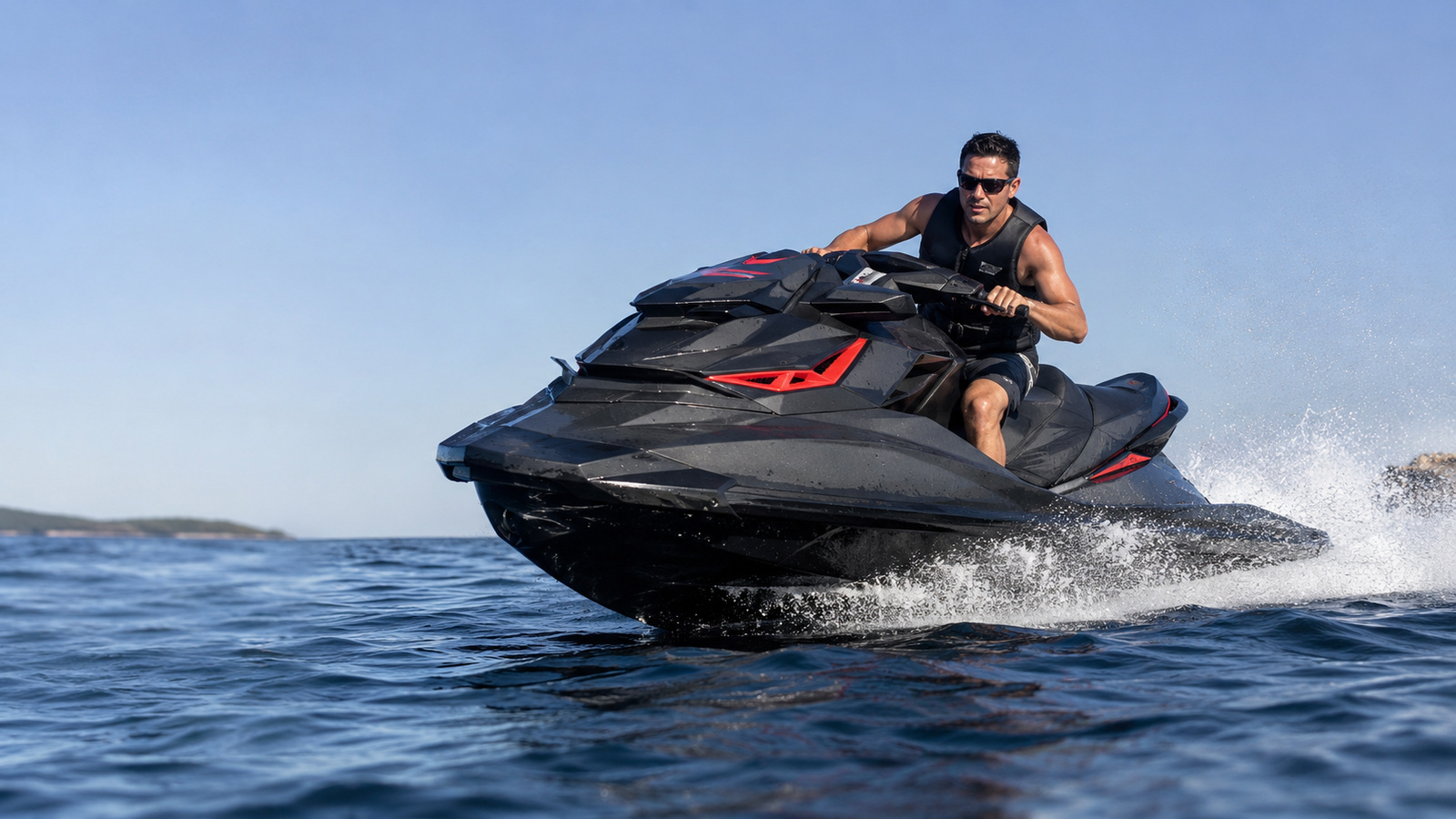
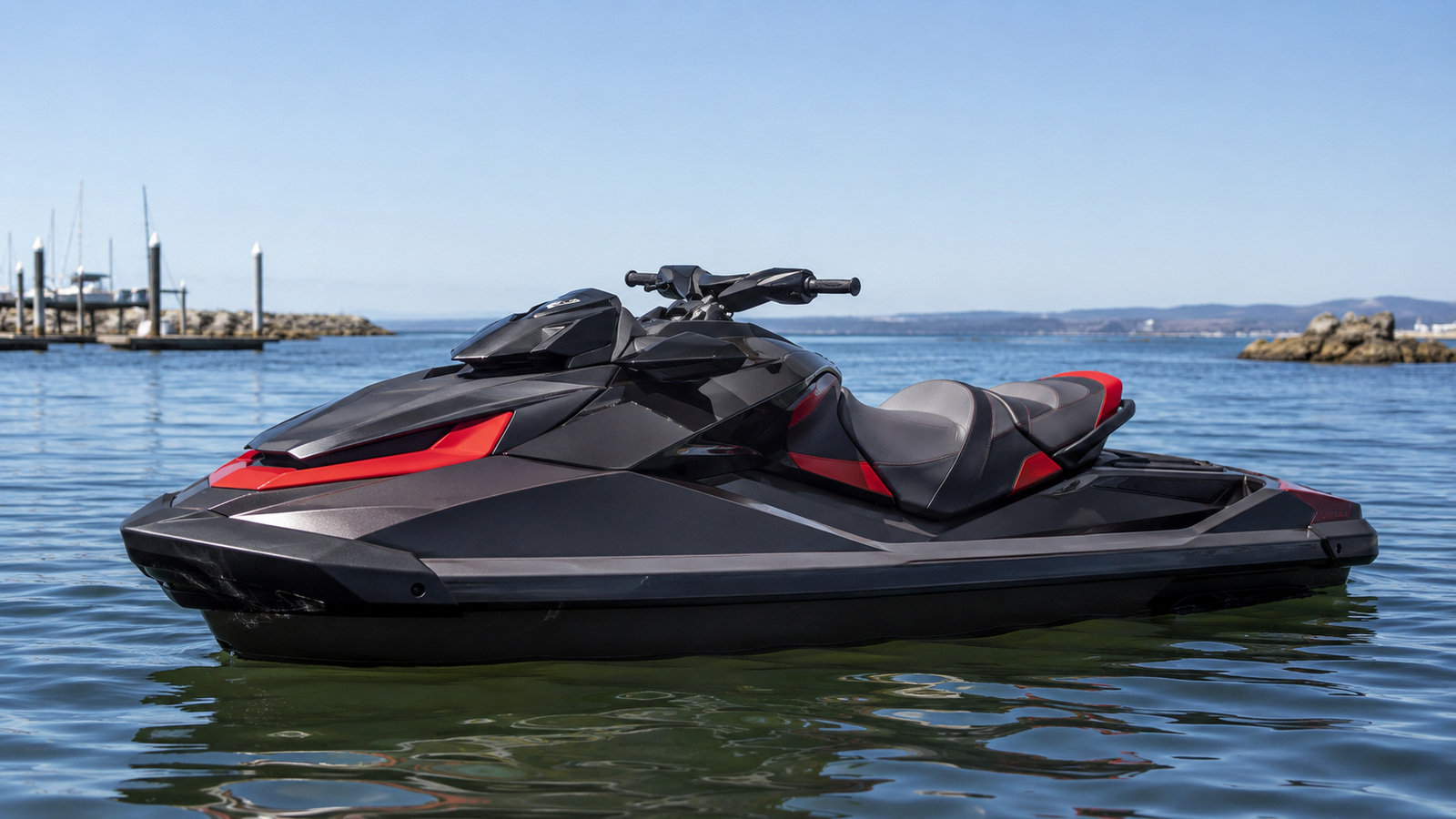
A 300-hp performance PWC that keeps the GTI hull but adds race-oriented rider ergonomics, extended trim range and more aggressive control hardware.
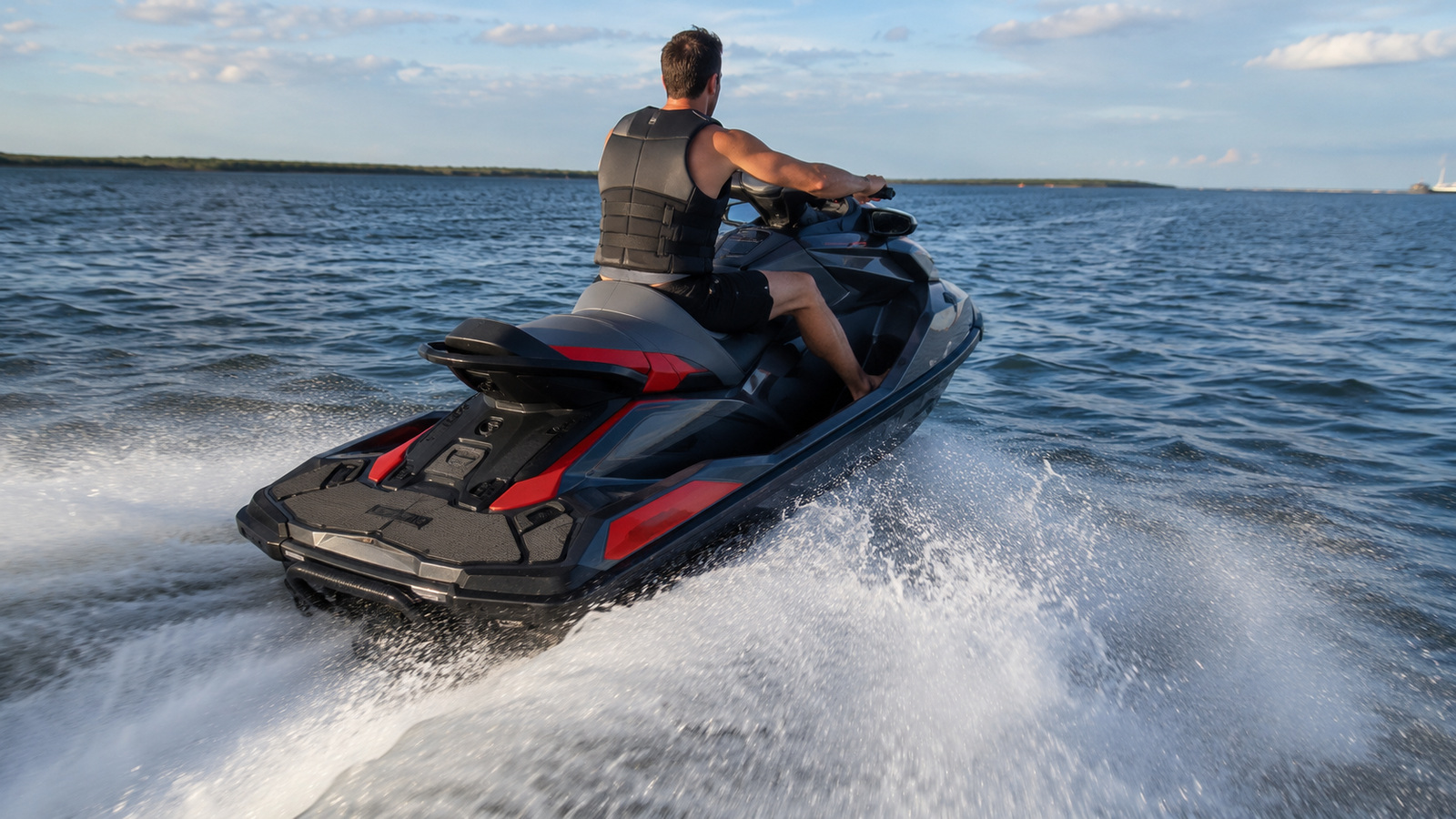
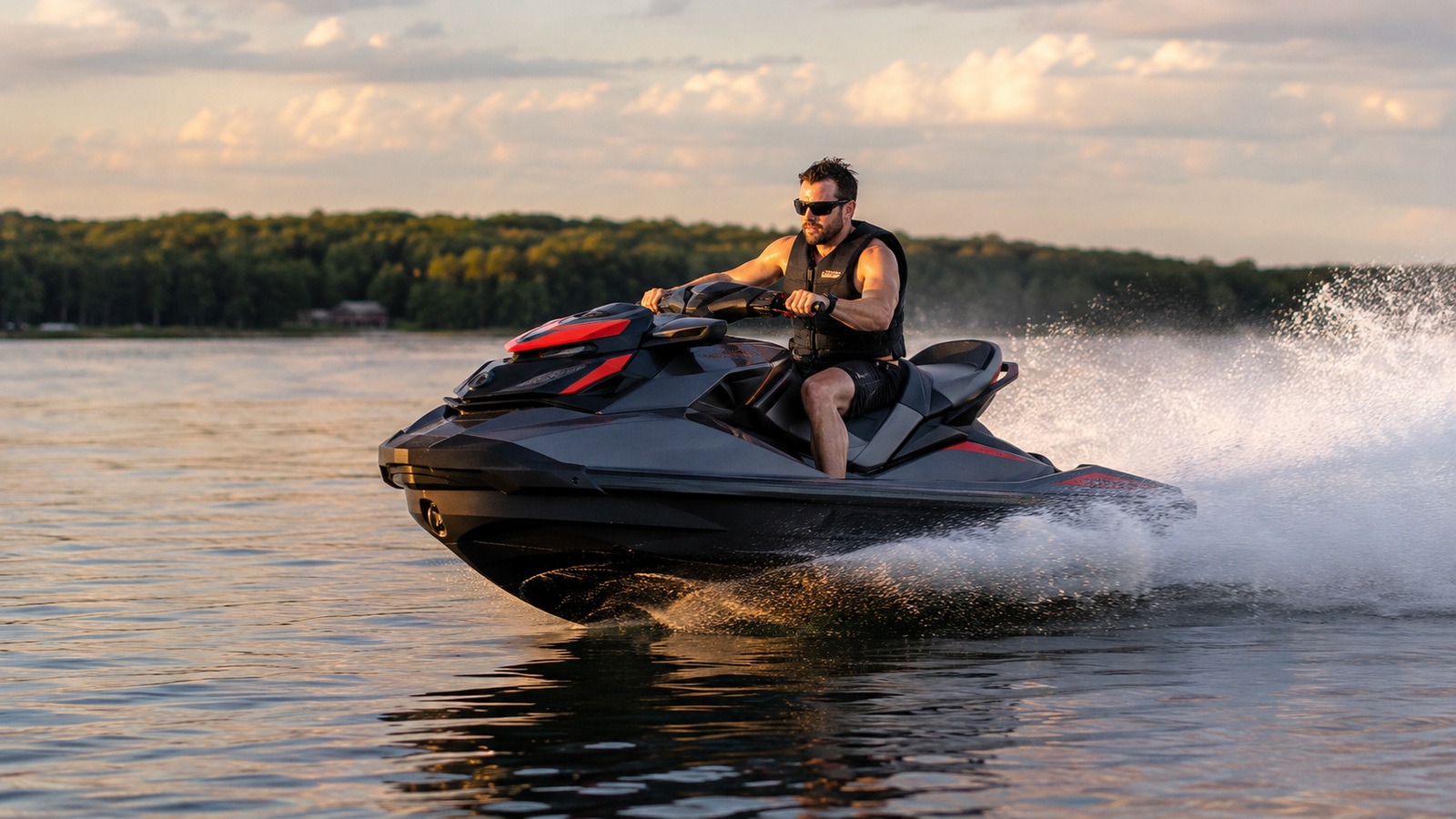
A GTR-X buyer is choosing a specific kind of ride: a 300-hp performance PWC that keeps the GTI hull but adds race-oriented rider ergonomics, extended trim range and more aggressive control hardware. It makes the most sense for riders who want a major step up from GTR acceleration while keeping a three-person platform and more everyday versatility than the RXP-X. The model earns its place when hard acceleration, aggressive cornering and rider-focused control without giving up a three-person platform describes a normal weekend.
The 2026 reference platform is 130.7 in long and 49.2 in wide, carries 18.5 gal of fuel, stores 40.3 gal and is rated for up to 3 riders; that matters on a GTI-hull racing setup. Power is 300 hp. For an Extended-VTS performance package, those numbers matter because they set the scale of the trailer, passenger load and riding day, but they do not replace a fit test.
GTR-X makes sense for a rider who wants substantially more acceleration and more locked-in ergonomics than GTR but still values the GTI hull’s everyday usefulness.
The compromise is equally important. The GTR-X is faster and more rider-focused than GTR, but its GTI-hull personality is still different from the dedicated T3-R race hull under the RXP-X, especially on a racing-seat performance PWC. On this 300-hp GTI platform, the nearest useful comparison is GTR. If the rider keeps wishing the GTR-X behaved more like that alternative, the model decision should be settled before financing; that matters on a GTI-hull racing setup.
Published factory figures. Confirm every dimension against the individual boat before you commit.
The tension in GTR-X is deliberate. For an Extended-VTS performance package, Sea-Doo puts 300 hp and more aggressive rider hardware on the same GTI hull family that also underpins recreation models. That creates a machine with serious thrust but a less single-purpose platform than RXP-X, especially on a racing-seat performance PWC. On this 300-hp GTI platform, the sea trial should include hard direction changes and sustained chop, not only straight-line acceleration. A buyer who likes the GTI hull’s playfulness may prefer that blend; a rider chasing the sharpest possible cornering should compare the T3-R RXP-X; that matters on a GTI-hull racing setup.
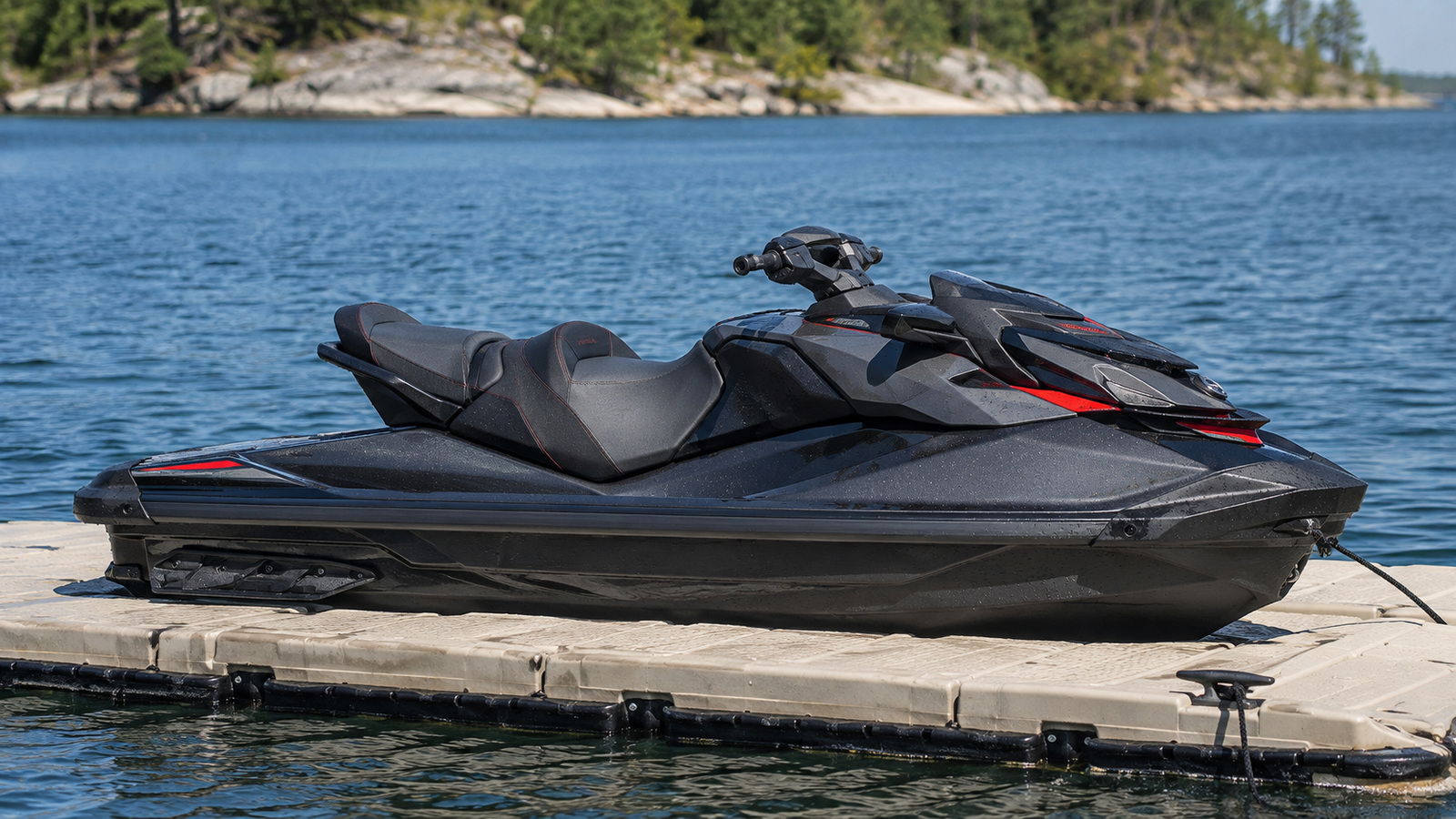
For an Extended-VTS performance package, the GTI Hull is built in Polytec, and the machine weighs 794 lb; 813 lb with audio dry. Test it with the rider and passenger load the owner actually expects, especially on a racing-seat performance PWC. On this 300-hp GTI platform, a PWC can feel planted solo and noticeably different when another adult shifts weight during idle, reboarding or a turn.
Before launch, inspect the intake grate, hull bottom, ride-plate area and edges around the pump opening; that matters on a GTI-hull racing setup. For an Extended-VTS performance package, deep gouges, impact repairs or evidence of repeated beaching deserve more attention than upper-body cosmetics. Then cross the same wake from several angles so the buyer sees how the hull reacts instead of judging it from one straight acceleration run, especially on a racing-seat performance PWC.
GTR-X raises output to 300 hp, so the question shifts from whether the rider wants performance to how much performance they can actually use. On this 300-hp GTI platform, propulsion inspection should include jet-pump condition, impeller wear, intake damage and throttle behavior after the engine is fully warm. A 300-hp machine that has been repeatedly launched hard or run in shallow debris deserves a closer pump inspection than a lightly used family GTI; that matters on a GTI-hull racing setup.
For an Extended-VTS performance package, jet-pump condition belongs beside engine condition. The impeller, wear-ring area and intake can make a healthy Rotax 1630 ACE, supercharged feel weak if the pump is damaged, especially on a racing-seat performance PWC. On this 300-hp GTI platform, during the ride, listen for cavitation and make sure engine speed translates into clean thrust.
Low-speed control should be tested after the machine is warm; that matters on a GTI-hull racing setup. For an Extended-VTS performance package, iBR-equipped examples should move predictably between forward, neutral and reverse, because trailer loading, docking and rider pickup depend on that behavior. Match the engine designation, hours and service records to the exact craft before comparing value, especially on a racing-seat performance PWC.
The GTR-X carries 18.5 gal of fuel. For hard acceleration, aggressive cornering and rider-focused control without giving up a three-person platform, range should be learned from the exact machine’s display and the route the owner repeats, not from a universal mileage claim. On this 300-hp GTI platform, engine output changes the meaning of the tank. A rider using 300 hp aggressively can see very different consumption from an owner cruising steadily, towing a rider or spending long periods trolling; that matters on a GTI-hull racing setup. For an Extended-VTS performance package, leave reserve for weather, detours and repeated acceleration. Fuel also adds operating weight before passengers and cargo, especially on a racing-seat performance PWC. On this 300-hp GTI platform, when trailering, calculate the PWC, fuel, trailer and accessories together. Use the fuel grade specified for the exact engine package, and treat old fuel as a possible cause when a low-hour machine has sat for long periods; that matters on a GTI-hull racing setup.
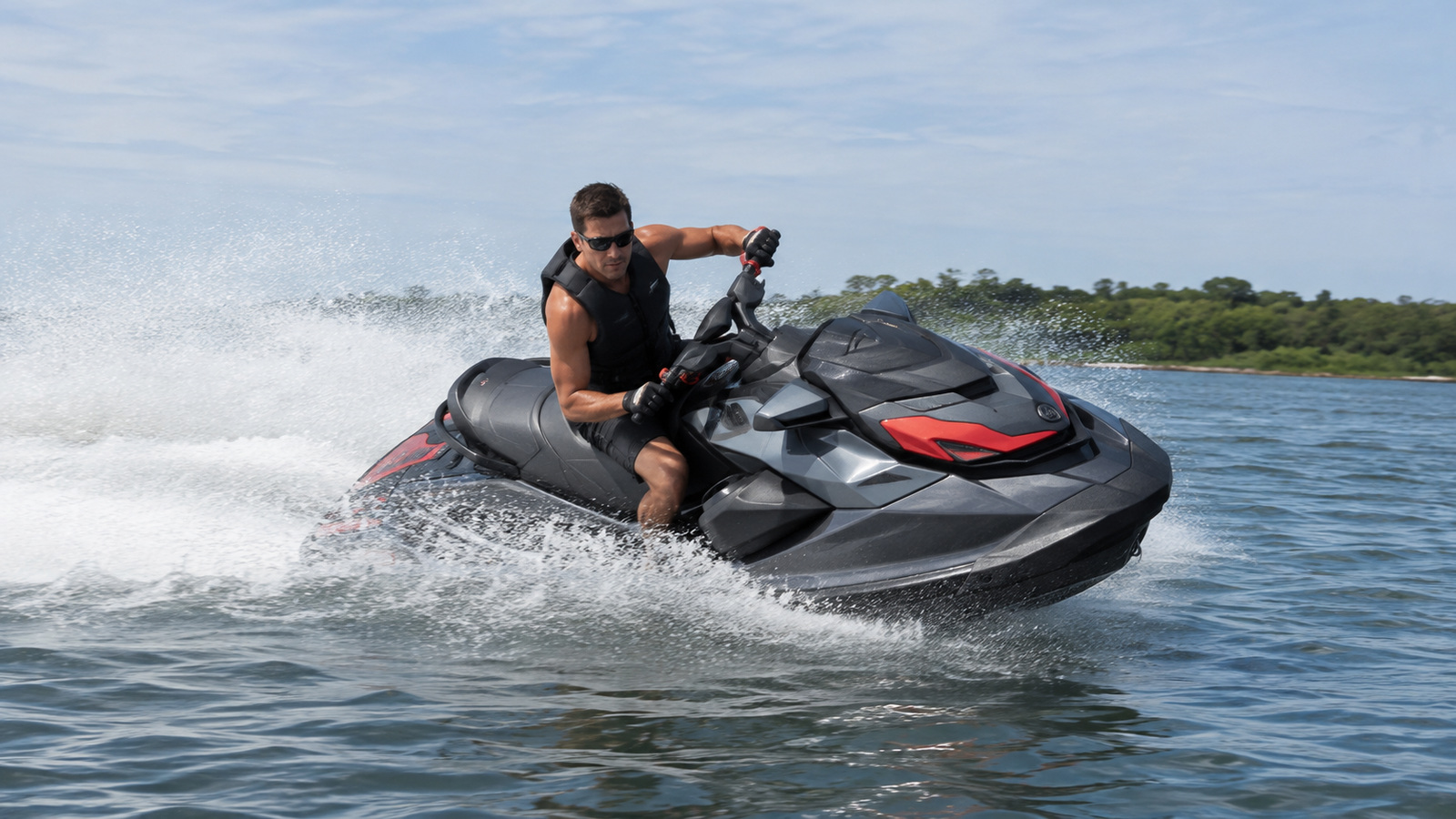
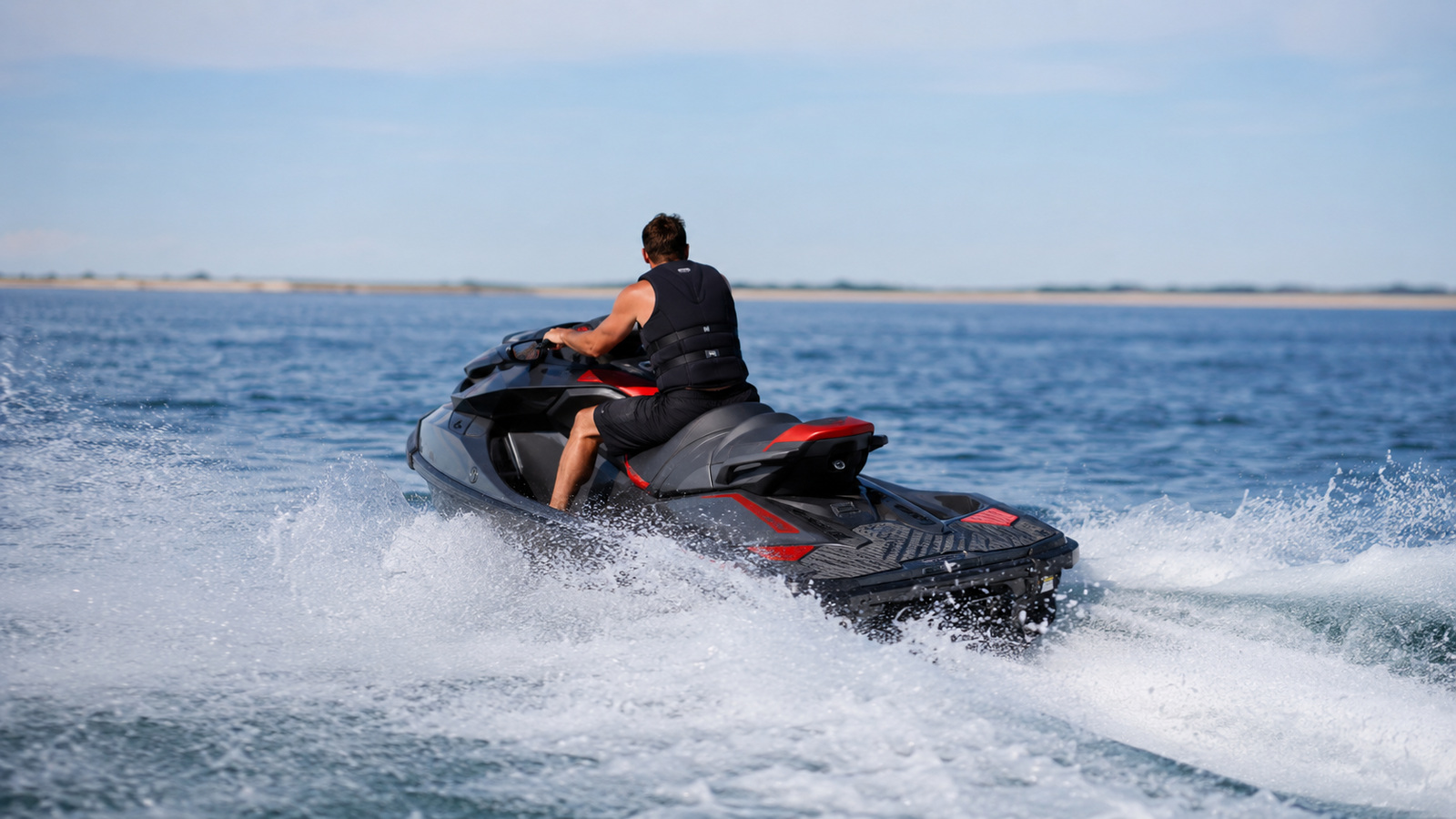
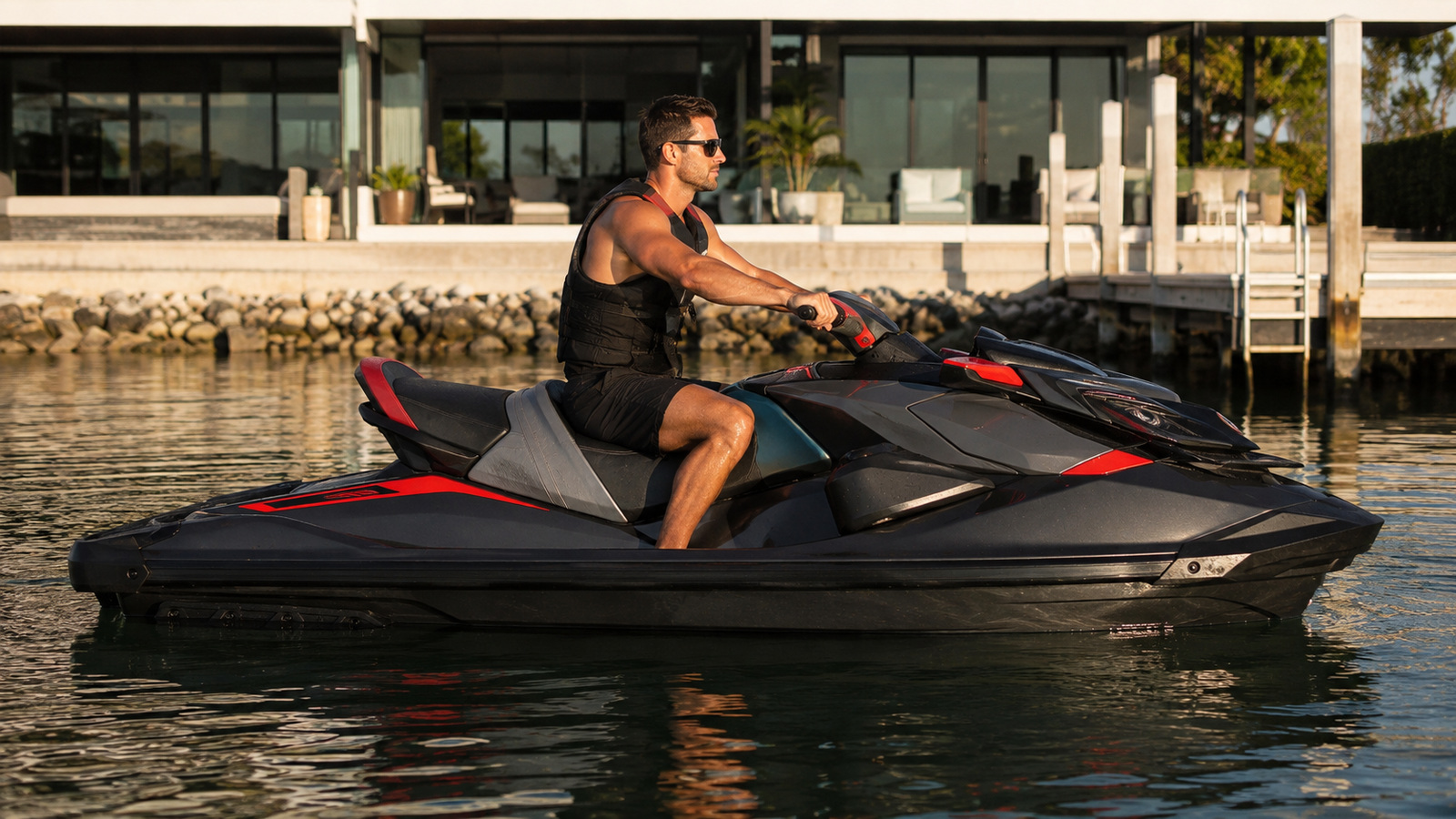
The sea trial should reproduce hard acceleration, aggressive cornering and rider-focused control without giving up a three-person platform. For an Extended-VTS performance package, that means more than a full-throttle pass: include idle control, normal cruise, several turns, wake crossings and the activity that makes this model different from GTR. Rider ergonomics are part of performance, especially on a racing-seat performance PWC. On this 300-hp GTI platform, seat shape, footwell support and handlebar reach determine whether the available 300 hp can be used without fatigue. A rider who feels locked in comfortably will experience the same hull differently from someone fighting knee or wrist position; that matters on a GTI-hull racing setup. For an Extended-VTS performance package, add the normal passenger when the GTR-X will regularly carry one. Repeat low-speed turns, acceleration and reboarding, especially on a racing-seat performance PWC. On this 300-hp GTI platform, passenger weight changes a PWC immediately, so capacity on a specification sheet is not proof that the owner will enjoy the machine loaded. The useful result is confidence after a sustained ride; that matters on a GTI-hull racing setup. For an Extended-VTS performance package, if the pump cavitates, the steering needs constant correction or the rider keeps wishing for the GTR’s platform, investigate the setup or change models before deciding the behavior is simply normal.
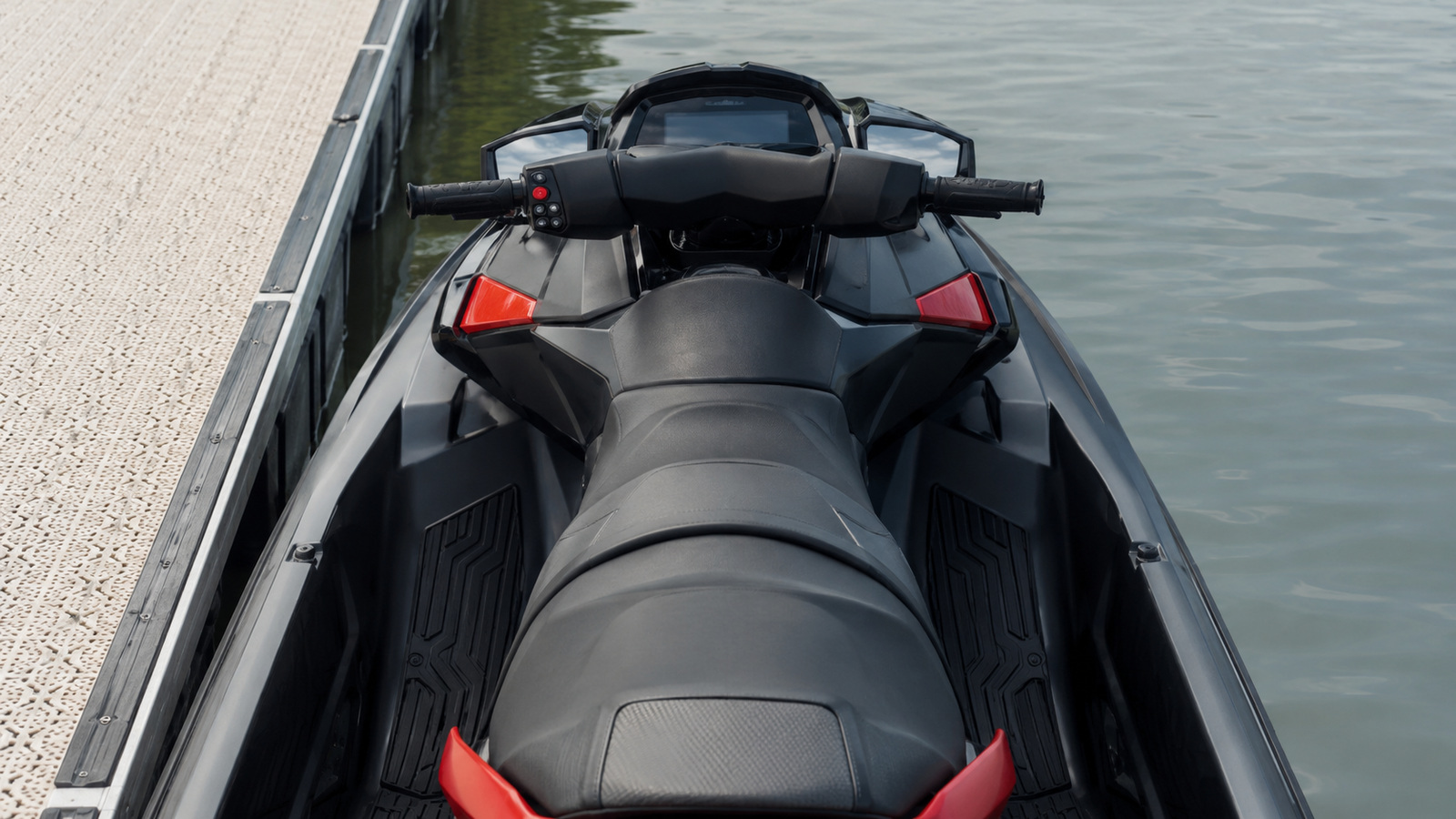
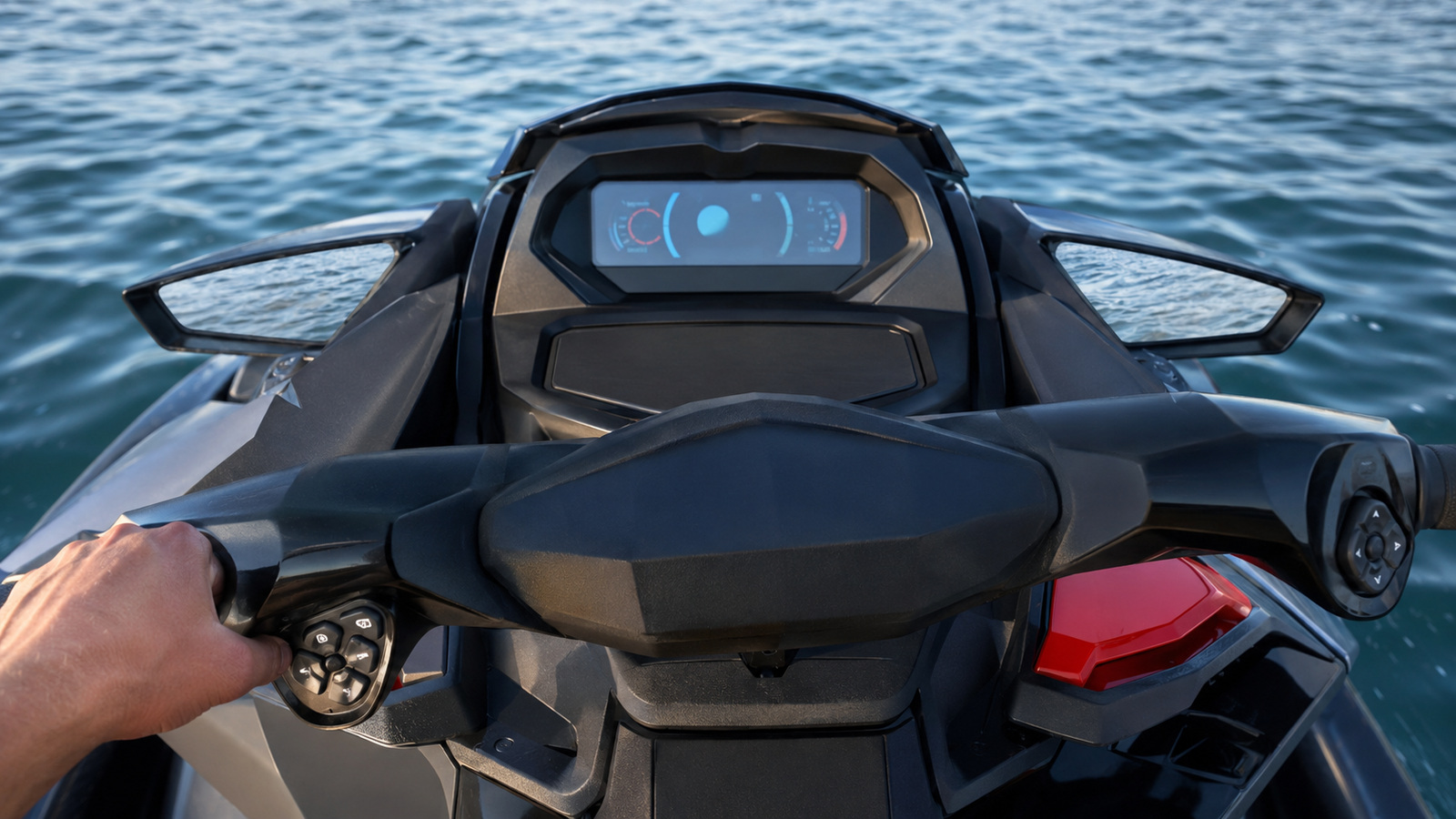
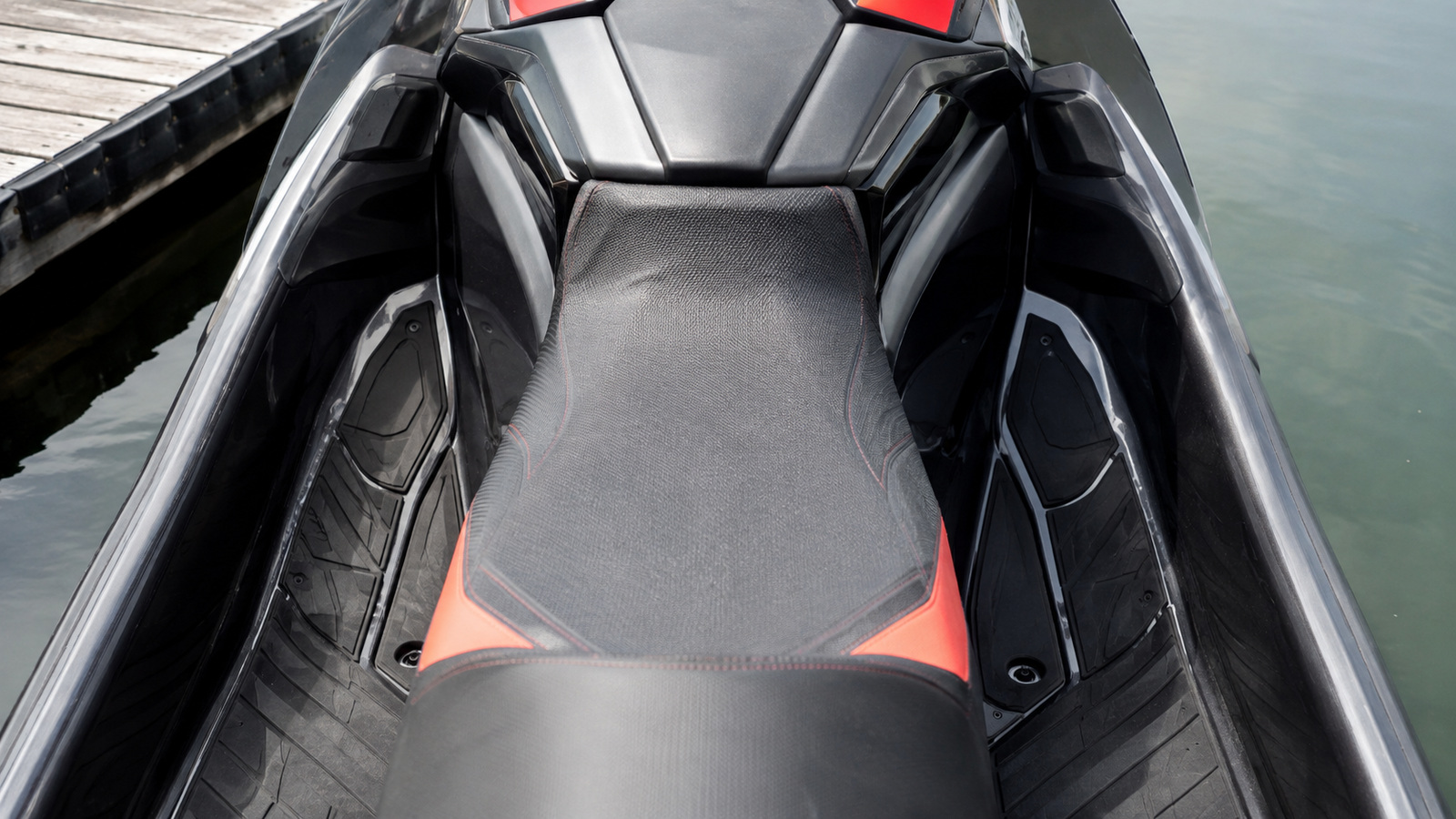
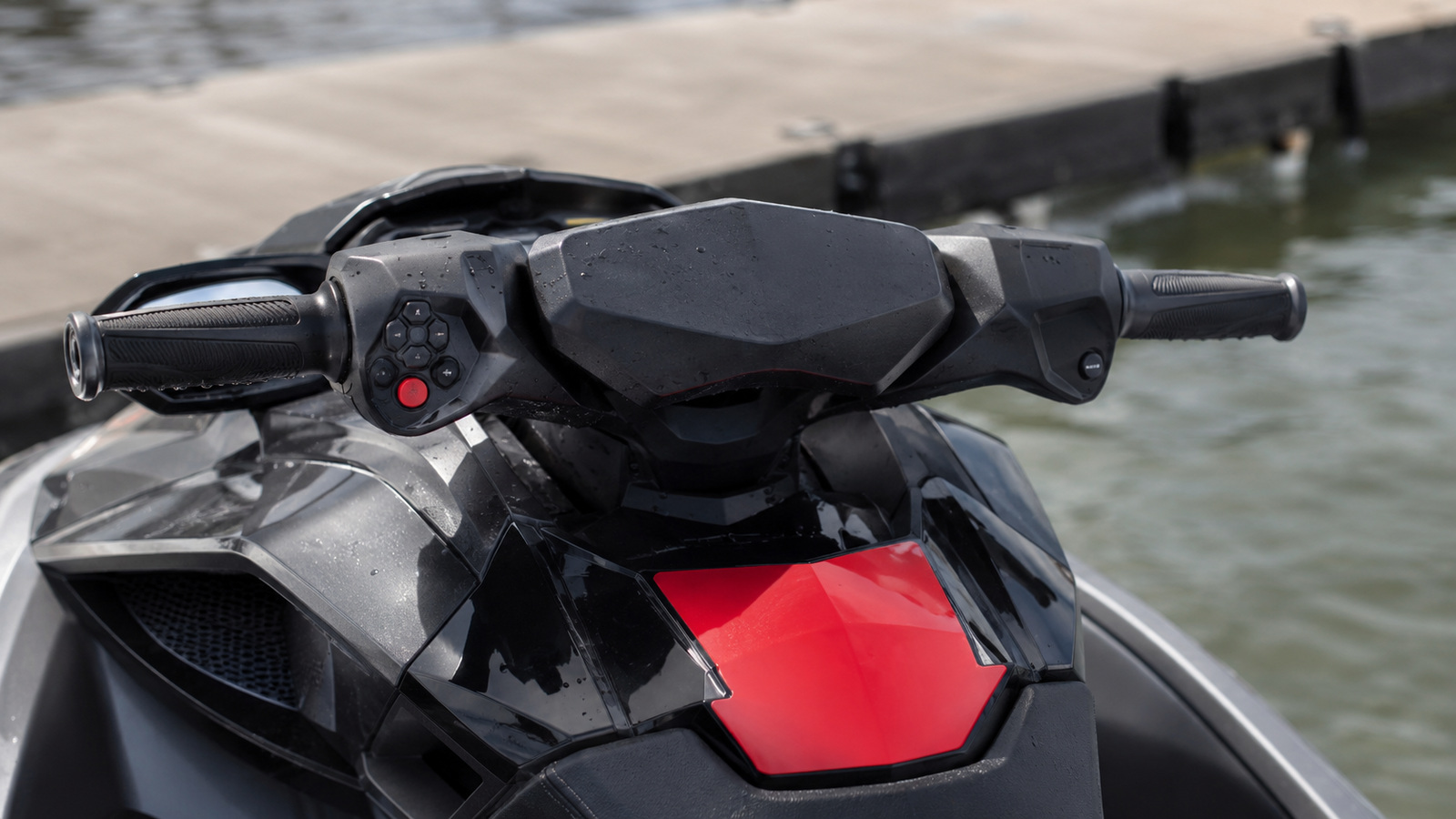
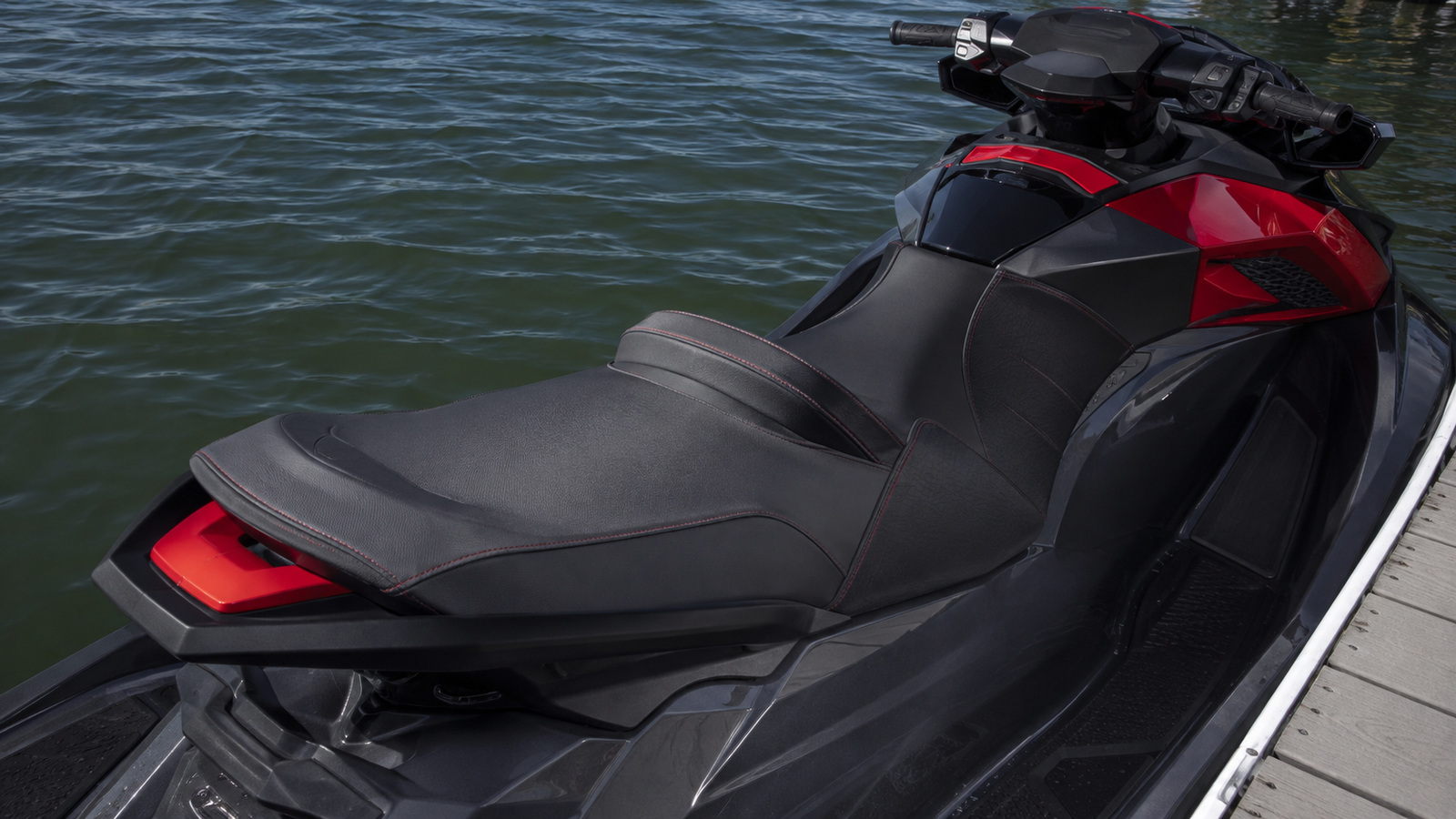
The rider deck should be tested around rider-locking ergonomics, footwell support, trim controls and the balance between solo aggression and passenger usefulness. Put the normal PFD, passenger and activity gear aboard, then open storage, reboard from the water and move through the positions used during hard acceleration, aggressive cornering and rider-focused control without giving up a three-person platform. The 40.3-gallon storage volume remains recreation-friendly even though the cockpit is more aggressive, which is one reason GTR-X can work as a daily performance machine, especially on a racing-seat performance PWC. On this 300-hp GTI platform, storage volume is only useful when the compartment can be reached and loaded without making the rider area awkward or shifting too much weight into one end of the craft. Seat seams, traction surfaces, grab handles and rear-platform edges often reveal actual use better than an hour meter; that matters on a GTI-hull racing setup. For an Extended-VTS performance package, fishing machines show mounting and gear wear; tow models show board and rope contact; performance models concentrate wear where the rider braces against the machine. Loose cargo is a safety and handling issue on a PWC, especially on a racing-seat performance PWC. On this 300-hp GTI platform, the GTR-X should have a secure place for the equipment central to its mission, whether that means fishing gear, boards, route cargo or simple family-day supplies.
the full adjustment range rather than assuming the trim system is healthy because the indicator moves.
Extended VTS changes bow attitude and lets the rider tune the GTR-X for acceleration, chop or playful handling. Test
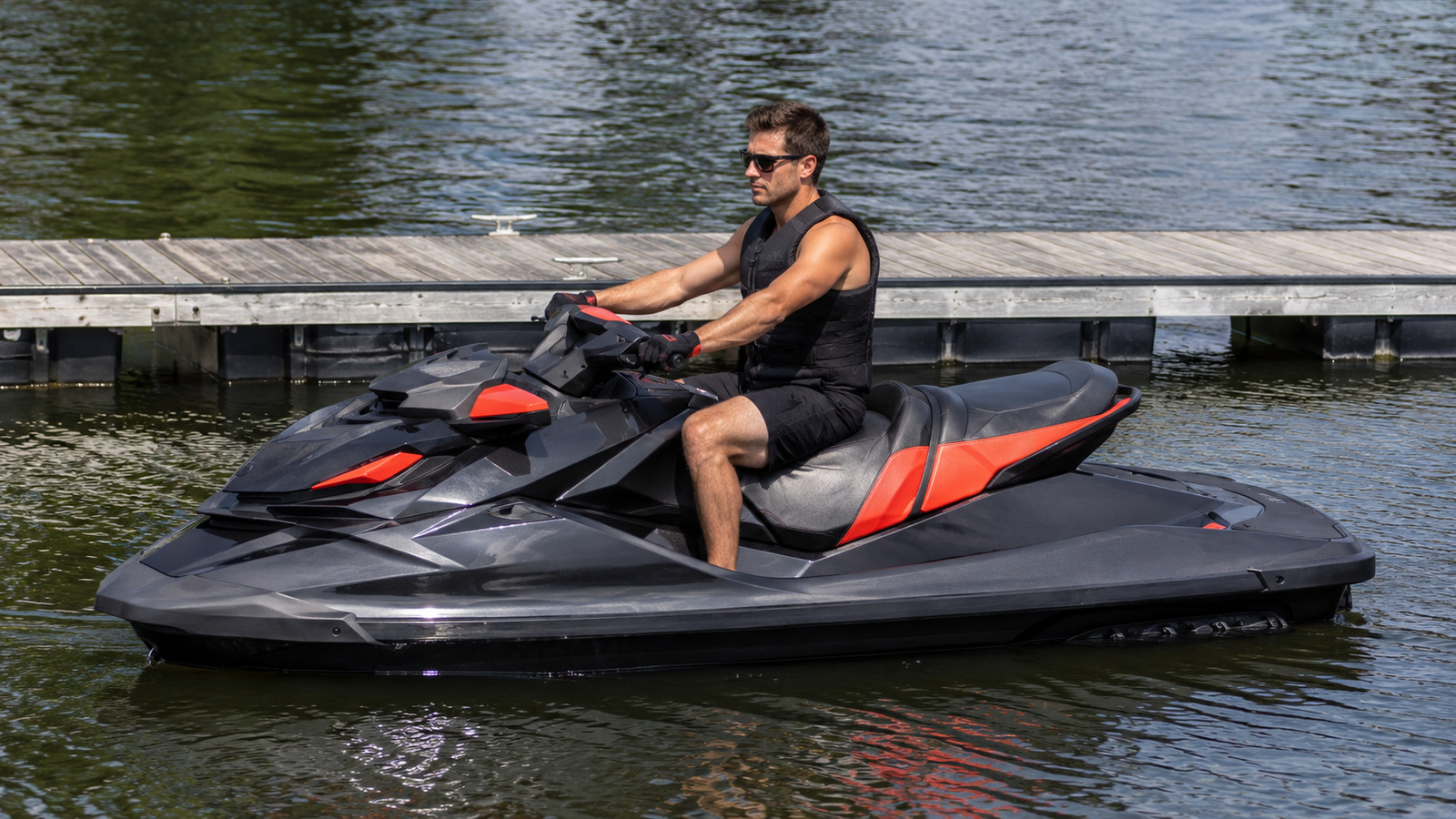
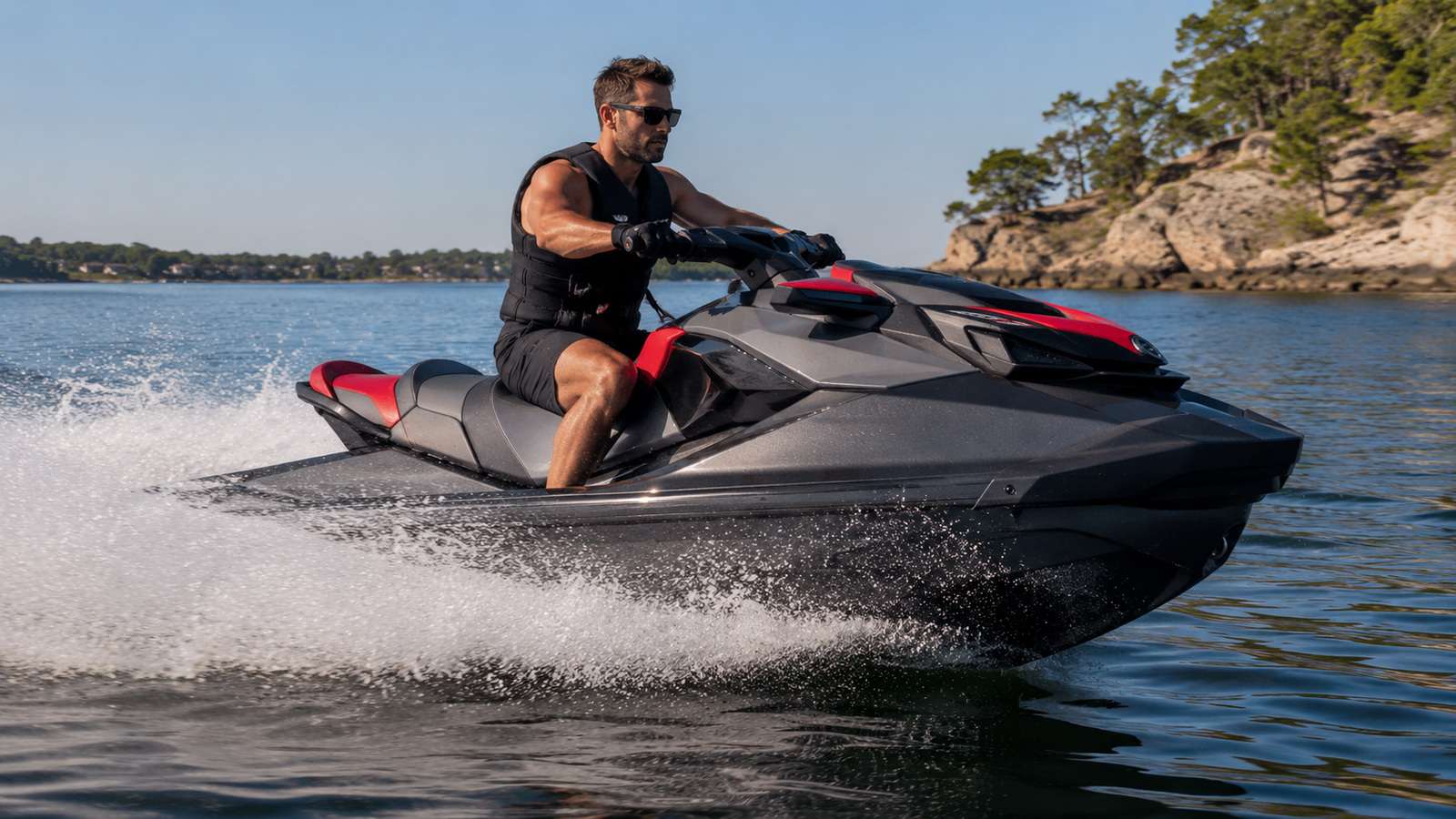
Ergolock two-piece racing seat changes how the rider's hips, knees and legs stay connected to the GTR-X. Spend
LinQ attachment system lets the GTR-X carry modular cargo without improvised straps. Inspect the attachment points
The systems check should focus on jet pump, iBR, VTS, steering hardware, display functions and the electrical load created by audio or Tech Package equipment. Test the display, iBR, trim and model-specific equipment after several starts rather than assuming one clean power-up proves the electrical system is healthy; that matters on a GTI-hull racing setup. For an Extended-VTS performance package, battery voltage matters because weak power can create confusing display or control faults. If audio, navigation, fishing electronics or USB accessories are installed, run them long enough to see whether charging remains stable, especially on a racing-seat performance PWC. On this 300-hp GTI platform, after the ride, look inside the hull again. New water, fuel odor, hot connections, loose hoses or components that shifted under vibration deserve explanation before the machine is treated as ready for the season.
Ownership logistics revolve around trailer weight, garage fit, battery care, security and how performance hardware is protected during transport. The craft itself is 130.7 in long and 49.2 in wide, but the trailer adds its own length, width and tongue weight. Measure the complete stored package rather than assuming the PWC fits because the hull does. Dry weight is 794 lb; 813 lb with audio. Add fuel, trailer, accessories and normal gear before choosing a tow vehicle, rack or lift. Windshields, board racks and fishing equipment can also change stored height and clearance. Beach and dock habits matter to jet-pump life. Shut down before the intake reaches sand or gravel, use fenders where bodywork can rub, and follow Sea-Doo guidance for flushing, corrosion prevention, battery care and seasonal storage.
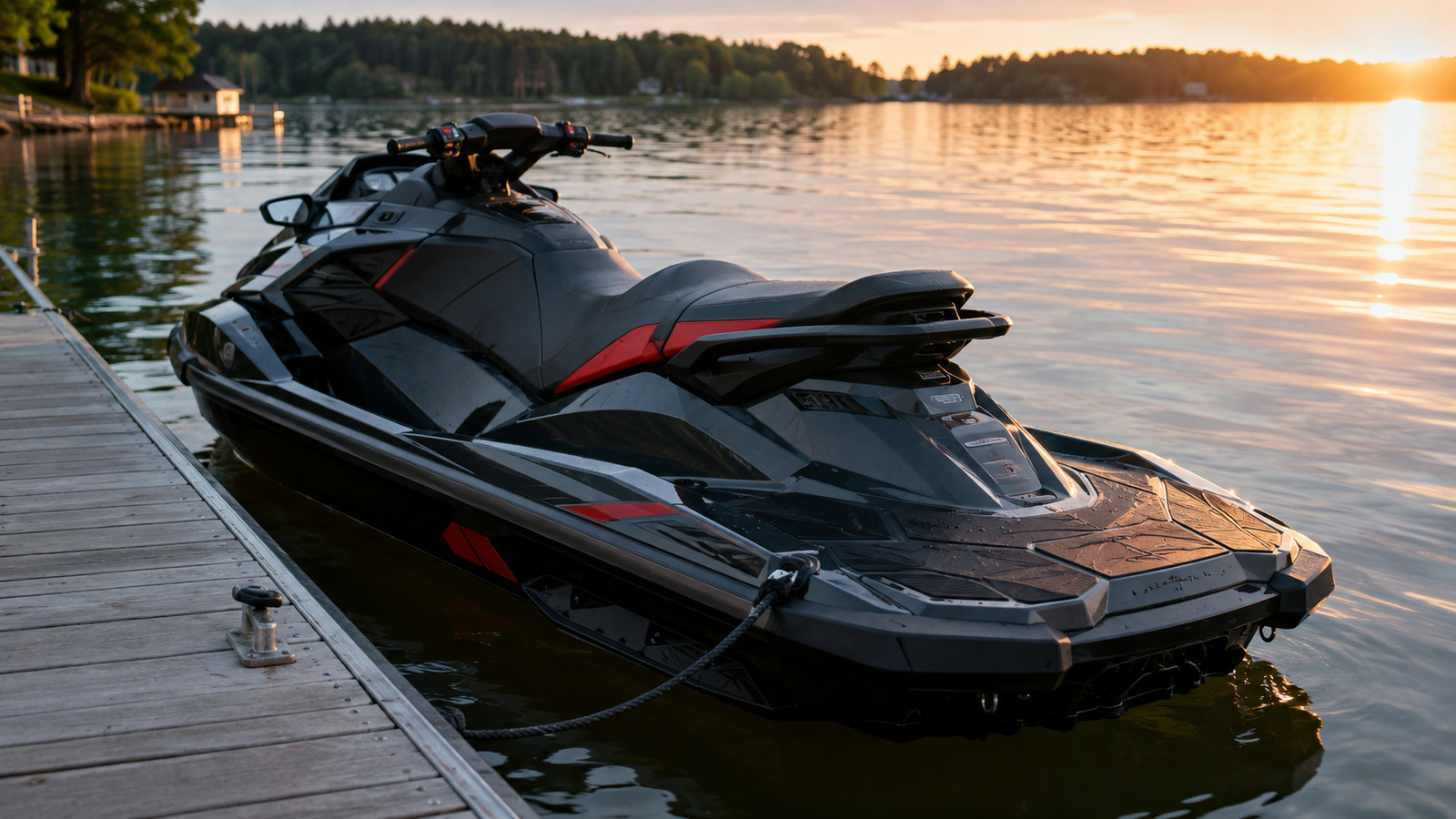
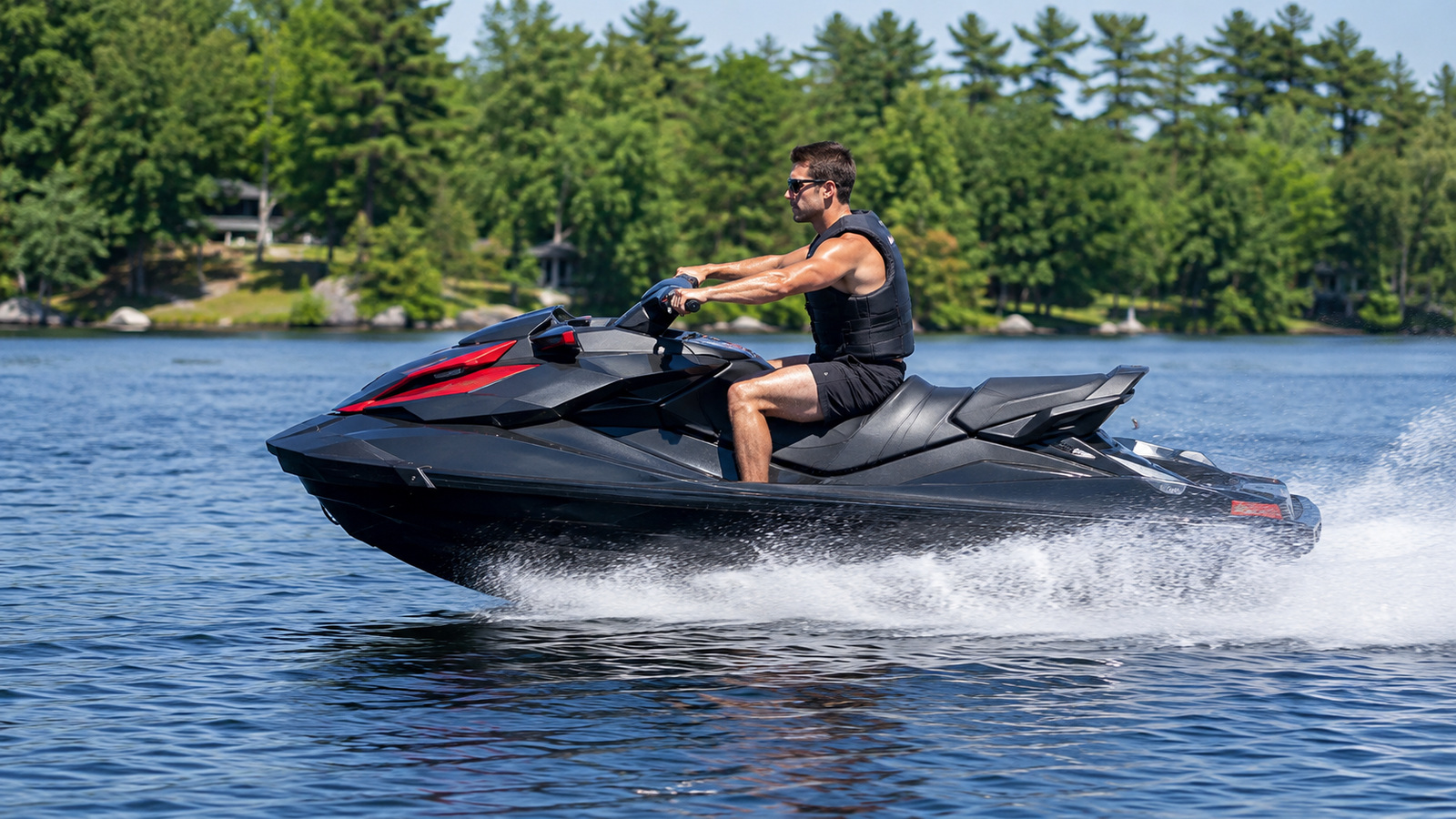
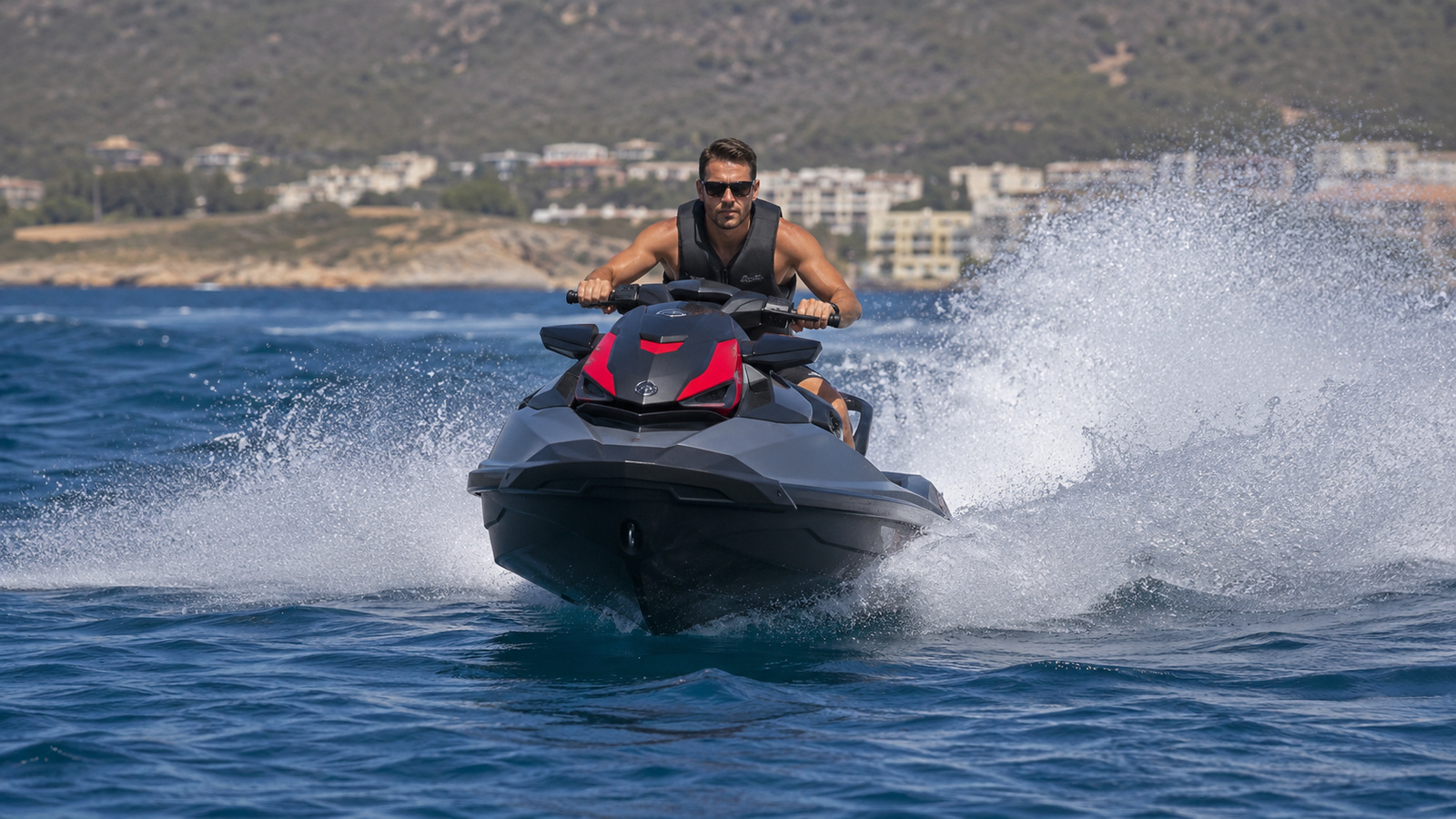
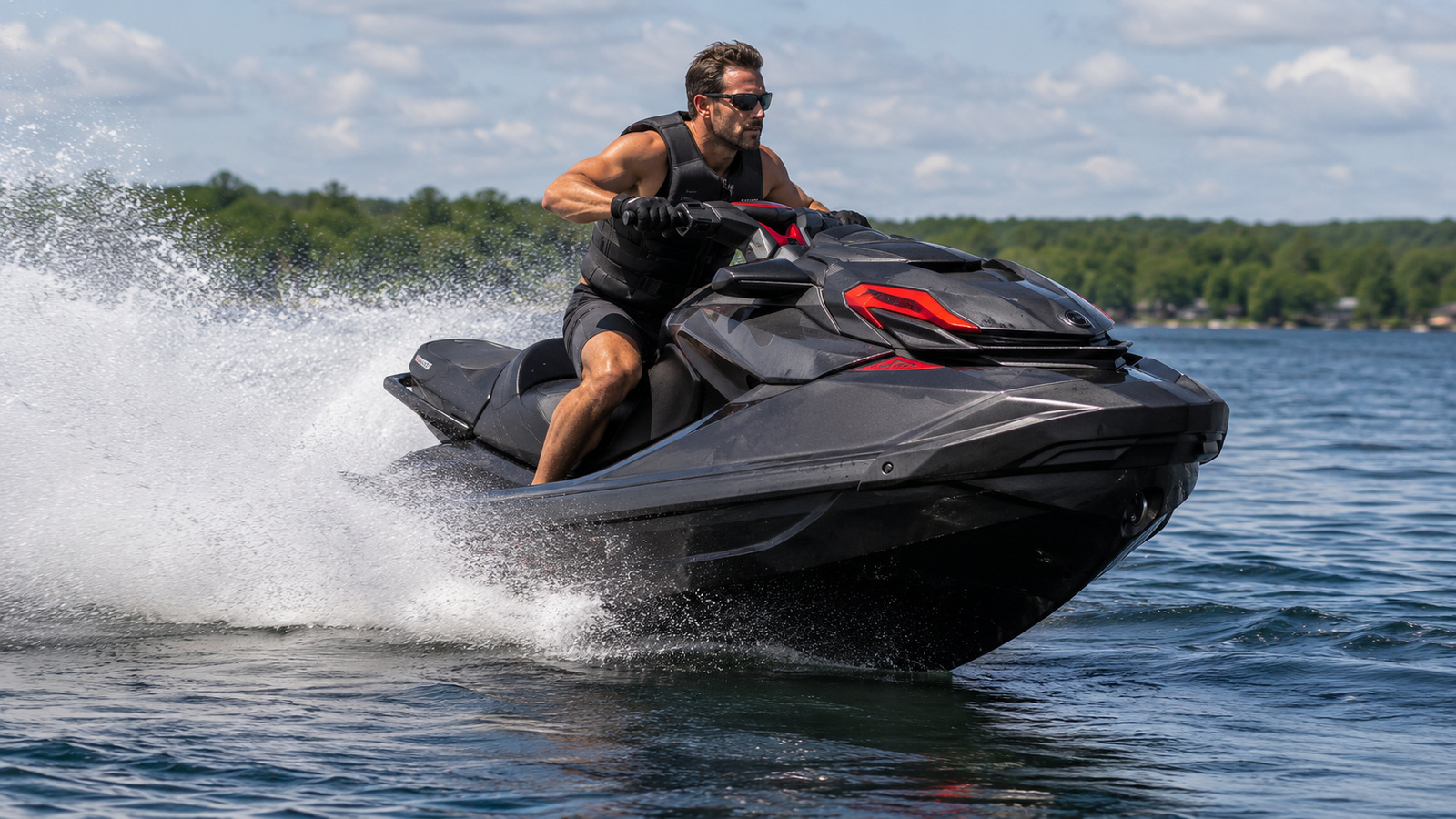
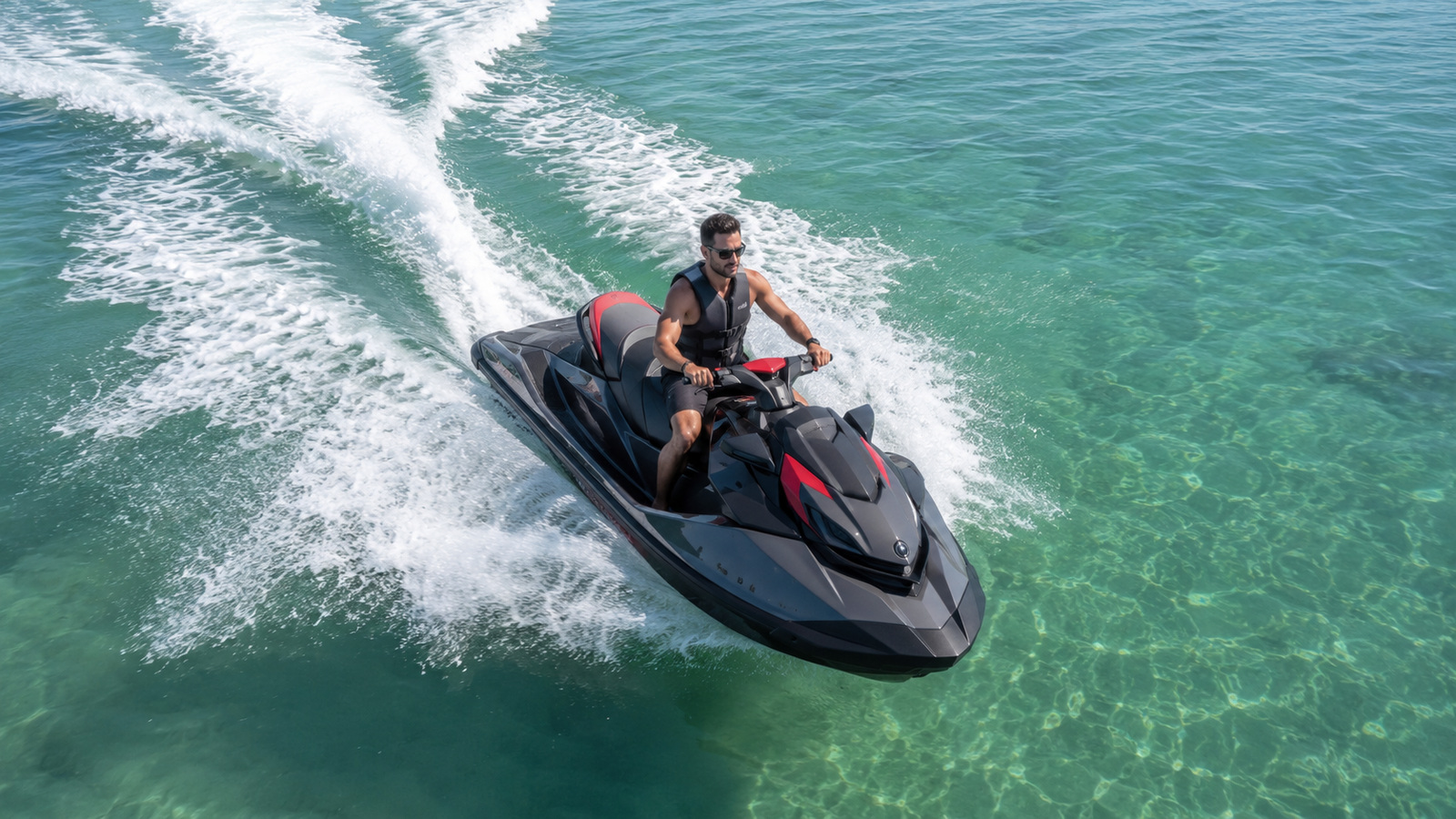
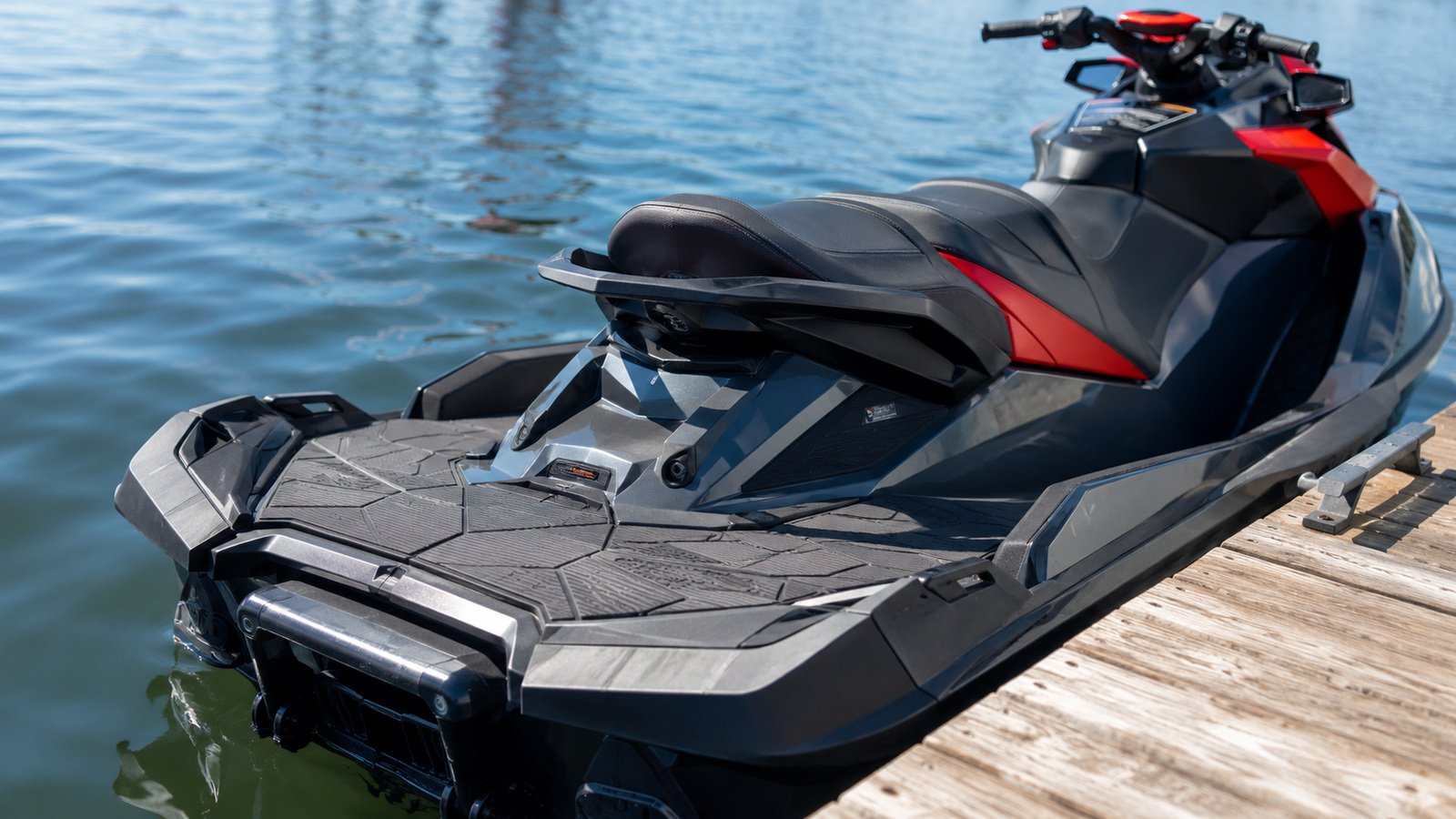
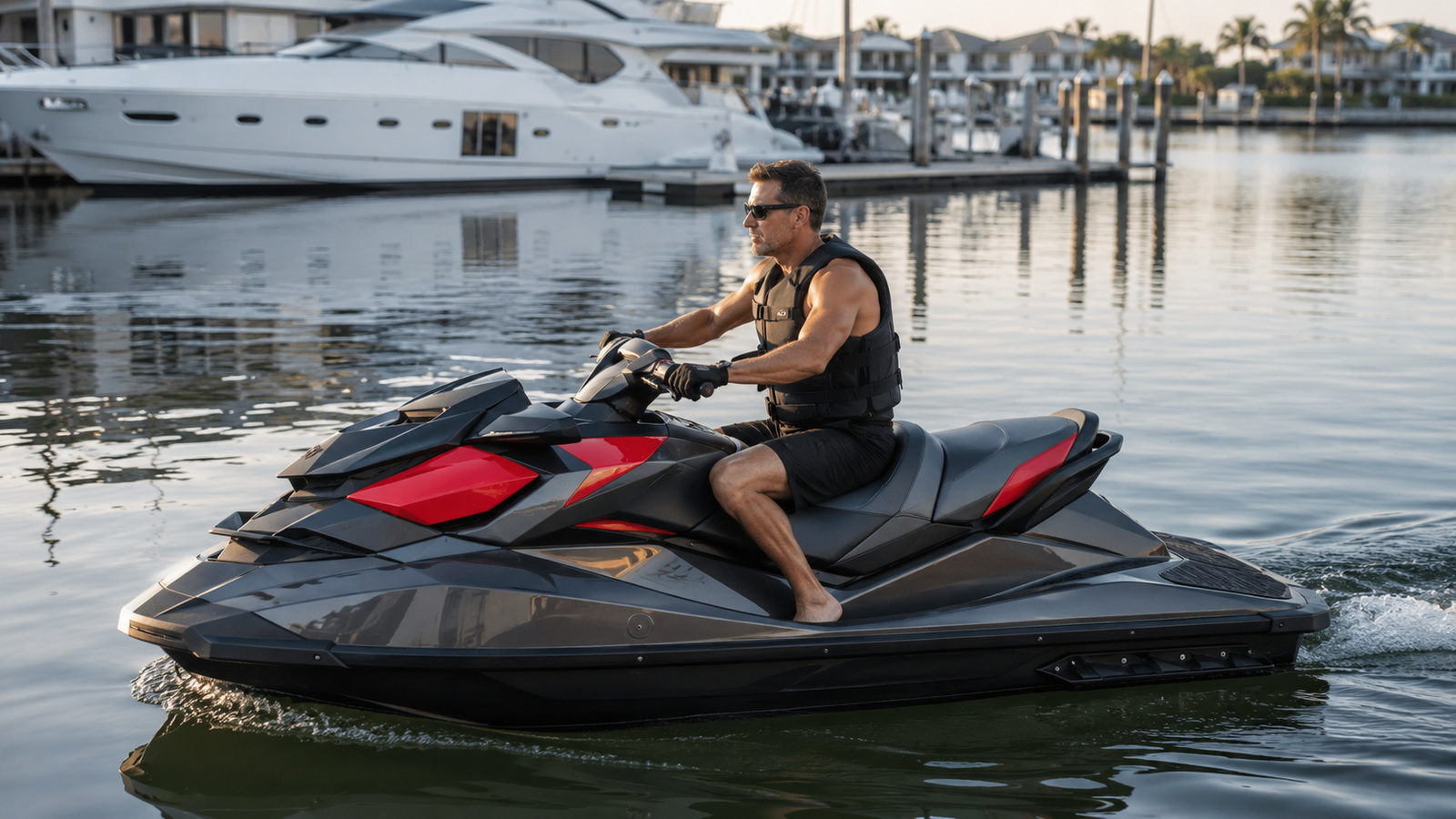
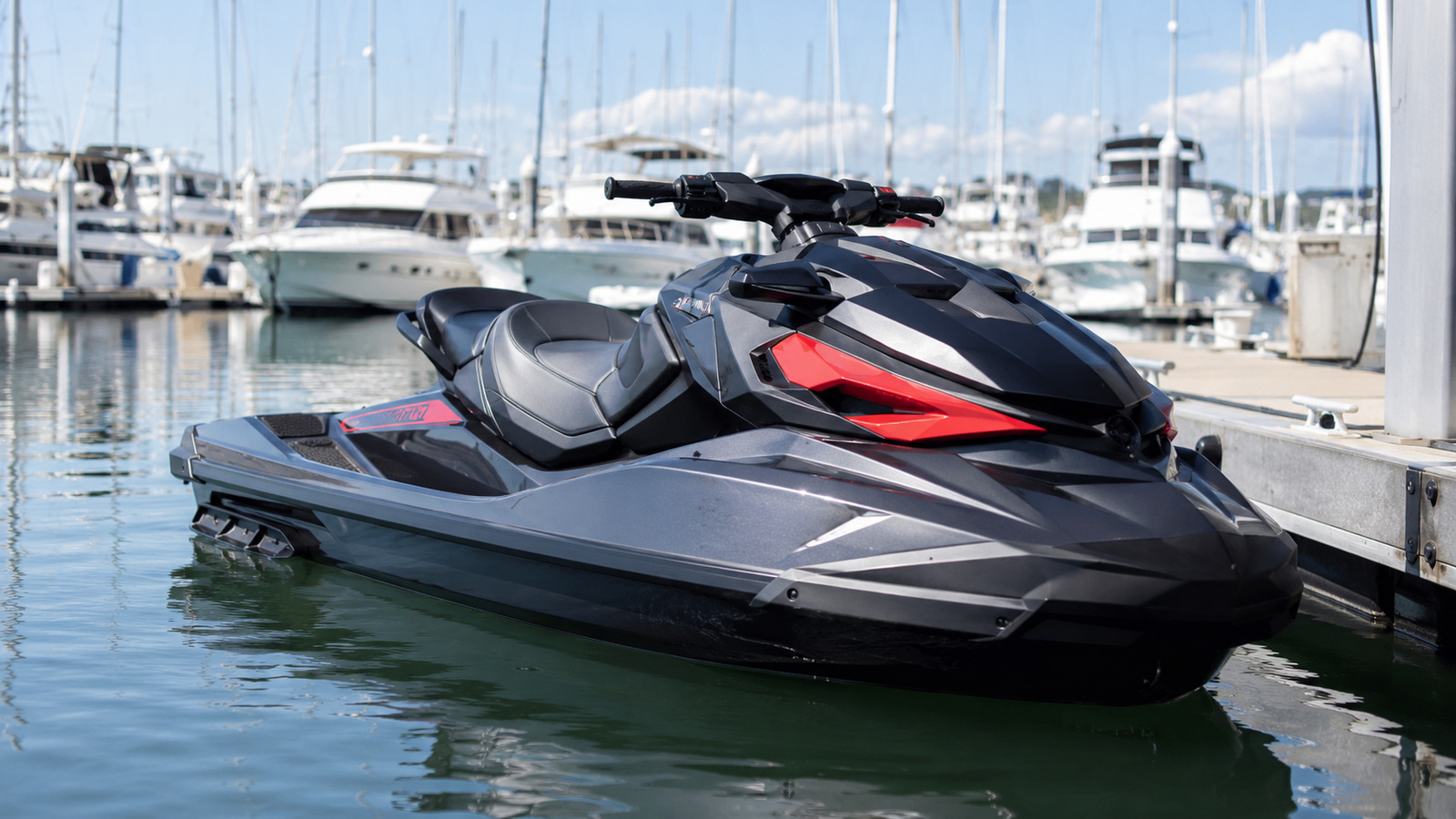
Use photography to show the details specifications cannot explain well on the GTR-X: rider posture, hull stance,
Compare like-for-like year, engine output, trailer inclusion and package equipment before assuming one example is a bargain. Condition can move value faster than hours. Pump or wear-ring work, battery replacement, iBR faults, trailer tires and bearings, damaged upholstery or failed electronics can erase a lower asking price during the first season. Accessories deserve value only when they fit the buyer’s use and were installed cleanly. A board rack, fishing electronics, audio package or LinQ cargo system is useful when it supports hard acceleration, aggressive cornering and rider-focused control without giving up a three-person platform; it should not command a premium if it needs repair or will be removed.
Illustration only and not an offer of credit.
Include the trailer and financed accessories only when they are part of the actual transaction.
Illustration only and not an offer of credit. Your actual rate and term depend on credit profile, vessel age, loan amount and ownership structure.
Compare the GTR-X with the GTR around power delivery, hull behavior and rider ergonomics. The GTR-X is 130.7 in long with 18.5 gal of fuel and 300 hp available, while the GTR uses a GTI Hull and is rated at 230 hp. The useful question is which differences change the owner’s normal ride instead of merely creating a higher specification.
Compare the GTR-X with the RXP-X around power delivery, hull behavior and rider ergonomics. The GTR-X is 130.7 in long with 18.5 gal of fuel and 300 hp available, while the RXP-X uses a T3-R Hull and is rated at 325 hp. The useful question is which differences change the owner’s normal ride instead of merely creating a higher specification.
The GTR-X belongs on the short list when its advantage is still clear after those rides. The deciding question remains: Will the 300-hp engine and race-oriented ergonomics be used often enough to justify the step beyond GTR?
Confirm the exact model year, package, engine output, HIN, hours and included trailer before negotiating. Sea-Doo can use one model name across multiple power or equipment configurations, so the craft in front of the buyer matters more than a remembered specification. On GTR-X, aftermarket performance parts deserve more scrutiny than they do on a GTI. A modified impeller, intake grate, tune or exhaust may change reliability and resale. The cleanest purchase is often a stock or lightly modified machine with clear service history. If the buyer wants a modified example, the modifications should be documented well enough that a technician can understand what the machine is supposed to do. Inspect the hull bottom, intake grate, jet pump, iBR hardware where fitted, steering, seat, storage seals and battery. Inspect the trailer separately, including tires, bearings, bunks, winch, lights and coupler. A reliable PWC on a neglected trailer is not a ready-to-use purchase. Water-test the GTR-X from a cold start if possible, let it reach normal temperature, then restart it hot. A short hose test cannot show pump loading, hull behavior or low-speed control. After the ride, check the hull interior again for water or anything that changed under heat and vibration. Ask how the machine was stored and whether it was used in saltwater. Service and corrosion-control history should fit that environment. Verify title, lien status and trailer paperwork separately from mechanical condition before funds move.
Once the GTR-X has passed the rider-fit, condition and sea-trial checks, evaluate financing for the actual machine. Float Finance can help consumers pursue marine financing for eligible Sea-Doo purchases, subject to borrower, collateral and transaction requirements.
The GTR-X fits riders who want a major step up from GTR acceleration while keeping a three-person platform and more everyday versatility than the RXP-X. The decision turns on this question: Will the 300-hp engine and race-oriented ergonomics be used often enough to justify the step beyond GTR? The GTR-X is faster and more rider-focused than GTR, but its GTI-hull personality is still different from the dedicated T3-R race hull under the RXP-X.
For the 2026 reference configuration, the GTR-X measures 130.7 in long and 49.2 in wide, carries 18.5 gal of fuel, offers 40.3 gal of storage and is rated for up to 3 riders. Power is 300 hp and the platform uses the GTI Hull.
The tension in GTR-X is deliberate. Sea-Doo puts 300 hp and more aggressive rider hardware on the same GTI hull family that also underpins recreation models. That creates a machine with serious thrust but a less single-purpose platform than RXP-X. The sea trial should include hard direction changes and sustained chop, not only straight-line acceleration. A buyer who likes the GTI hull’s playfulness may prefer that blend; a rider chasing the sharpest possible cornering should compare the T3-R RXP-X. The important part for a buyer is how that behavior fits hard acceleration, aggressive cornering and rider-focused control without giving up a three-person platform; the hull should be tested with the normal passenger and cargo load.
The GTR-X uses the Rotax 1630 ACE, supercharged with 300 hp. GTR-X raises output to 300 hp, so the question shifts from whether the rider wants performance to how much performance they can actually use. Propulsion inspection should include jet-pump condition, impeller wear, intake damage and throttle behavior after the engine is fully warm. A 300-hp machine that has been repeatedly launched hard or run in shallow debris deserves a closer pump inspection than a lightly used family GTI.
Sea-Doo lists 40.3 gal of storage for the reference configuration. The 40.3-gallon storage volume remains recreation-friendly even though the cockpit is more aggressive, which is one reason GTR-X can work as a daily performance machine.
On GTR-X, aftermarket performance parts deserve more scrutiny than they do on a GTI. A modified impeller, intake grate, tune or exhaust may change reliability and resale. The cleanest purchase is often a stock or lightly modified machine with clear service history. If the buyer wants a modified example, the modifications should be documented well enough that a technician can understand what the machine is supposed to do. Also inspect the hull bottom, intake grate, impeller and wear-ring area, iBR hardware where fitted, battery, steering and the trailer before closing.

The GTR-X and GTR solve different versions of the same purchase. The GTR-X uses the GTI Hull with 300 hp and 40.3 gal of storage; the GTR uses the GTI Hull with 230 hp and 40.3 gal of storage. Ride both with the same passenger load and decide which compromise fits the normal day.
Float Finance can help consumers pursue marine financing for eligible Sea-Doo purchases, subject to borrower, collateral and transaction requirements.
Tell us a little bit about yourself and the boat you are looking to finance.