
Boat insurance commonly costs between $200 and $500 per year for smaller recreational boats, while larger vessels with broader protection may cost $1,000 to several thousand dollars annually. So, how much is boat insurance for your specific vessel? The final premium depends on the boat’s value, size, age, engine power, storage location, operating area, and selected coverage. Two owners with similar boats can receive very different quotes because insurers also consider experience, claims history, and exposure to storms or theft.
The lowest quote is not always the best policy. Liability limits, deductibles, agreed-value protection, towing coverage, and exclusions can significantly affect what an owner actually pays after an accident. Reviewing these details helps boaters compare policies accurately rather than choosing coverage based only on the annual premium.
Factors That Influence Boat Insurance Premiums
Boat insurance premiums are not one-size-fits-all; instead, they are tailored based on several factors. Insurance companies assess these elements to determine the risk associated with insuring a particular boat, which directly affects the cost. Below are some of the key factors that influence how much boat insurance will cost.
Type and Size of the Boat
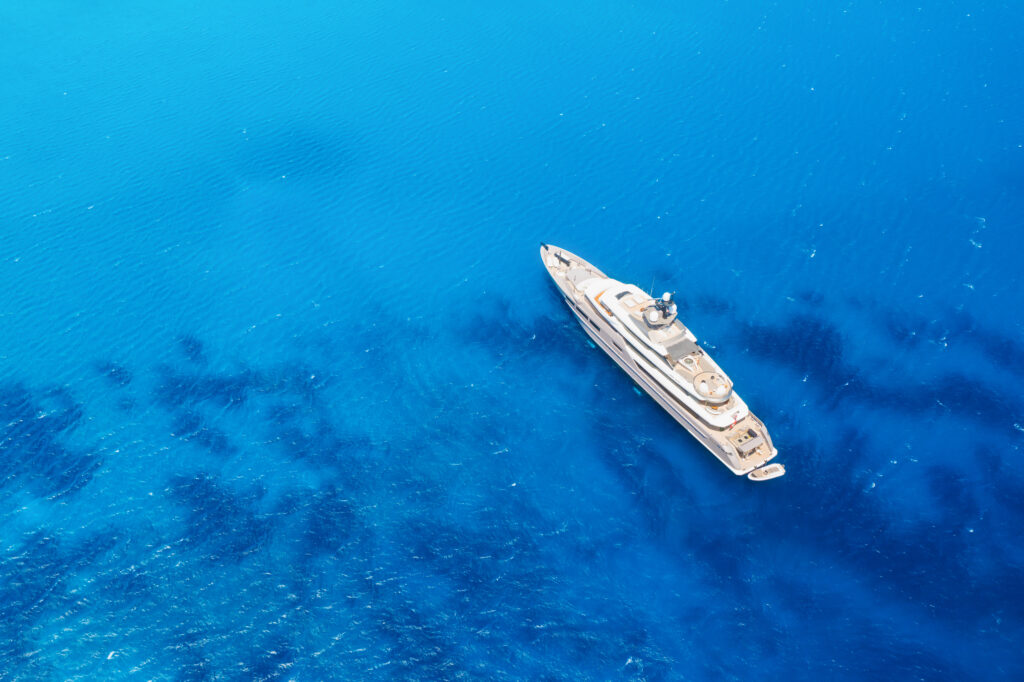
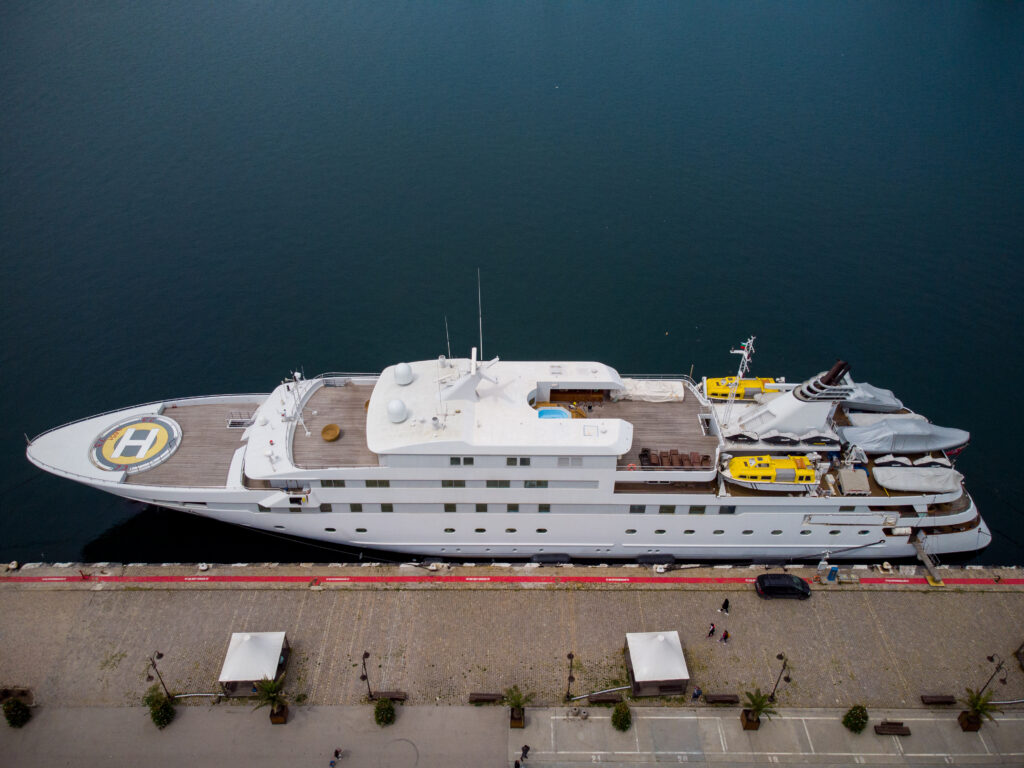
The type and size of your boat are perhaps the most significant factors affecting your insurance cost. Smaller, less expensive boats, such as fishing boats or inflatable kayaks, tend to cost less to insure than large, high-end luxury yachts or superyachts. This is because larger boats are generally more expensive to repair or replace, and they pose a higher risk to the insurer in terms of potential claims.
Additionally, the type of boat also plays a role. Speedboats and high-performance motorboats are often considered higher risk because of their increased likelihood of accidents or damage. Conversely, a sailboat might be less expensive to insure due to its lower speed and fewer components that could potentially be damaged. Insurance premiums will reflect the inherent risks associated with the type of boat you own.
Age and Condition of the Boat
Like cars, boats experience depreciation over time. The older the boat, the less it may cost to insure, provided it is in good condition. However, an older boat might also require more maintenance and repairs, making it a higher risk to the insurer. Well-maintained older boats can still attract a relatively low premium, but if the boat is in poor condition or has been involved in previous accidents, the insurance cost may rise due to the increased risk of future claims.
New boats, on the other hand, often come with modern safety features, making them less risky to insure. New boat owners typically face higher insurance premiums initially, but over time, as the boat depreciates, the cost of insurance may decrease.
Usage and Location
How often and where you plan to use your boat also heavily influences the price of your insurance. Frequent boaters who use their vessels regularly or for long periods may face higher premiums due to the increased likelihood of accidents or wear and tear. If you plan to take your boat out on long voyages or in rough waters, this can also raise the cost of your coverage.
The location where the boat is kept or used also affects premiums. For example, boats in areas prone to storms, hurricanes, or flooding are typically more expensive to insure. Boats in states like Florida or Louisiana, which experience frequent severe weather, can expect higher premiums. Additionally, boats used in open waters or near coastal regions are at a higher risk of damage compared to those kept in calm inland waters or on lakes.
Experience and History of the Boat Owner
Your boating experience and history are also considered when determining boat insurance rates. First-time boat owners or individuals with little experience may face higher premiums since insurers perceive them as a higher risk. Additionally, a history of accidents or claims can lead to higher premiums, as insurance companies view such individuals as more likely to file future claims.
In contrast, experienced boat owners with a history of safe boating practices may qualify for discounts or lower premiums. Some insurers offer safe boating discounts or membership discounts through boating associations like the U.S. Power Squadron or American Sailing Association.
Coverage Type and Limits
The type of coverage you choose will greatly influence the cost of boat insurance. Generally, there are three primary types of boat insurance policies:
- Liability Coverage – Liability coverage helps pay for injuries or property damage the boat owner causes to others. Although state requirements vary, lenders, marinas, and storage facilities may require specific liability limits before approving financing or providing a slip.
- Comprehensive Coverage – This covers damage to your own boat, including accidental damage, theft, vandalism, or natural disasters like hurricanes. It is a more extensive form of coverage and increases the overall premium.
- Collision Coverage – This covers damage caused by a collision, either with another boat or a stationary object, and is often included in more comprehensive policies.
The deductible is another important factor in determining the cost of insurance. Choosing a higher deductible (the amount you pay out of pocket before insurance kicks in) can lower your premium, while selecting a lower deductible can increase your premium.
Additional Coverage Options
Beyond the basic types of coverage, boat owners may opt for additional policies or riders to protect specific aspects of their boat and its use. These might include:
- Medical Payments – Coverage for medical expenses if the boat owner or passengers are injured.
- Uninsured/Underinsured Boater Coverage – Protection in case of an accident with a boater who does not have adequate insurance.
- Personal Property Coverage – Protection for personal items on the boat, such as electronics, fishing gear, or other equipment.
The more comprehensive your coverage, the higher your insurance premiums will be. Additionally, if you decide to insure any additional equipment, like trailers or boating accessories, you may face increased costs.
What Boat Insurance May Not Cover
Boat insurance does not automatically cover every type of damage or loss. Standard exclusions may include normal wear and tear, gradual deterioration, corrosion, marine growth, mechanical failure, and damage caused by poor maintenance. Some policies also restrict coverage for racing, commercial use, named operators, or travel outside an approved navigation area.
Owners should review exclusions carefully before accepting a policy. A low premium may provide limited protection if the policy excludes equipment, storm exposure, salvage expenses, or the waters where the boat is normally used. Comparing coverage details alongside price gives a more accurate picture of the policy’s value.
Average Boat Insurance Costs
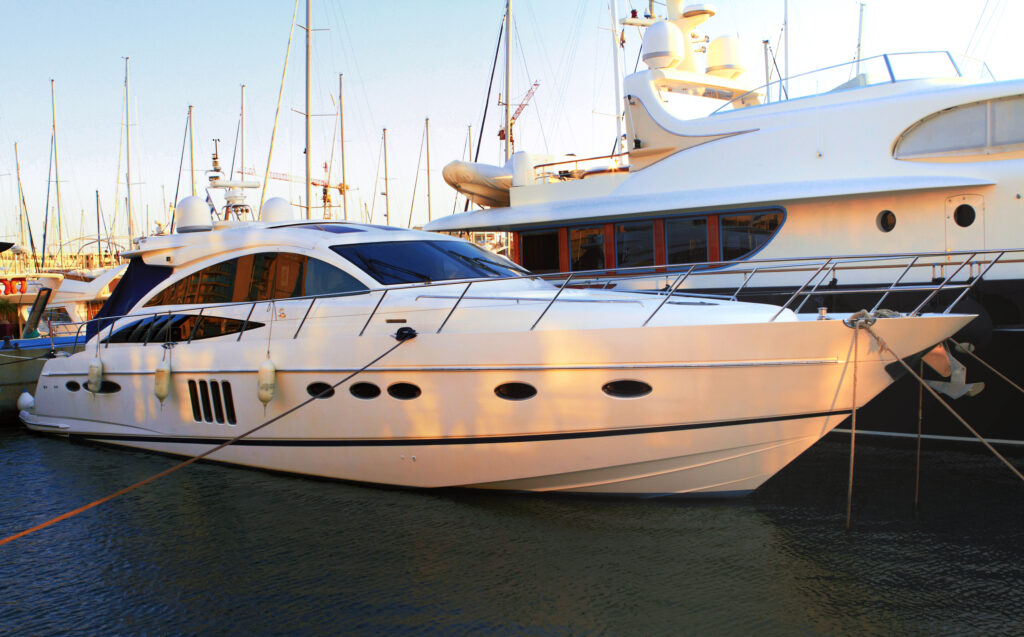
Boat insurance costs can vary widely depending on the factors mentioned above. On average, boat owners can expect to pay anywhere from $200 to $500 annually for basic liability insurance on smaller boats. For mid-range boats with comprehensive coverage, such as $20,000 to $30,000 yachts or cruisers, premiums typically range from $500 to $1,500 per year.
For larger, high-end boats or yachts, especially those valued over $100,000, boat insurance premiums can easily exceed $3,000 to $5,000 annually. The more luxurious the boat and the more extensive the coverage, the higher the cost. Superyachts and mega yachts valued at several million dollars can see annual premiums of $20,000 or more.
As a general rule, insurance premiums are usually calculated as a percentage of the boat’s value. For smaller boats, this percentage tends to be around 1% to 2% of the boat’s value per year. For larger boats and yachts, this percentage may decrease slightly, but the actual dollar amount is still significantly higher.
Reducing the Cost of Boat Insurance
While boat insurance is necessary, there are several ways to reduce your premiums without sacrificing coverage. Here are some tips that can help lower your boat insurance costs:
- Shop Around – Insurance rates can vary between companies, so it’s important to get quotes from multiple providers before making a decision.
- Bundle Insurance – Some insurance companies offer discounts if you bundle your boat insurance with other types of insurance, such as car or home insurance.
- Take a Boating Safety Course – Completing a certified boating safety course can demonstrate to insurers that you are a responsible and knowledgeable boater, often resulting in a discount.
- Increase Your Deductible – Choosing a higher deductible can reduce your monthly premiums, though it means you will have to pay more out-of-pocket in the event of a claim.
- Install Security Features – Adding GPS tracking, alarms, or other security features to your boat can help reduce the risk of theft, which may lower your premiums.
Boat Insurance for Financing
For buyers who choose to finance their boat purchase, boat insurance may be required by the lender. This ensures that the boat is protected in case of an accident, theft, or other incidents. Float Finance offers financing options for boat buyers, and part of the loan package may include recommendations for comprehensive insurance coverage. This can streamline the process and ensure that your boat is adequately insured from the start.
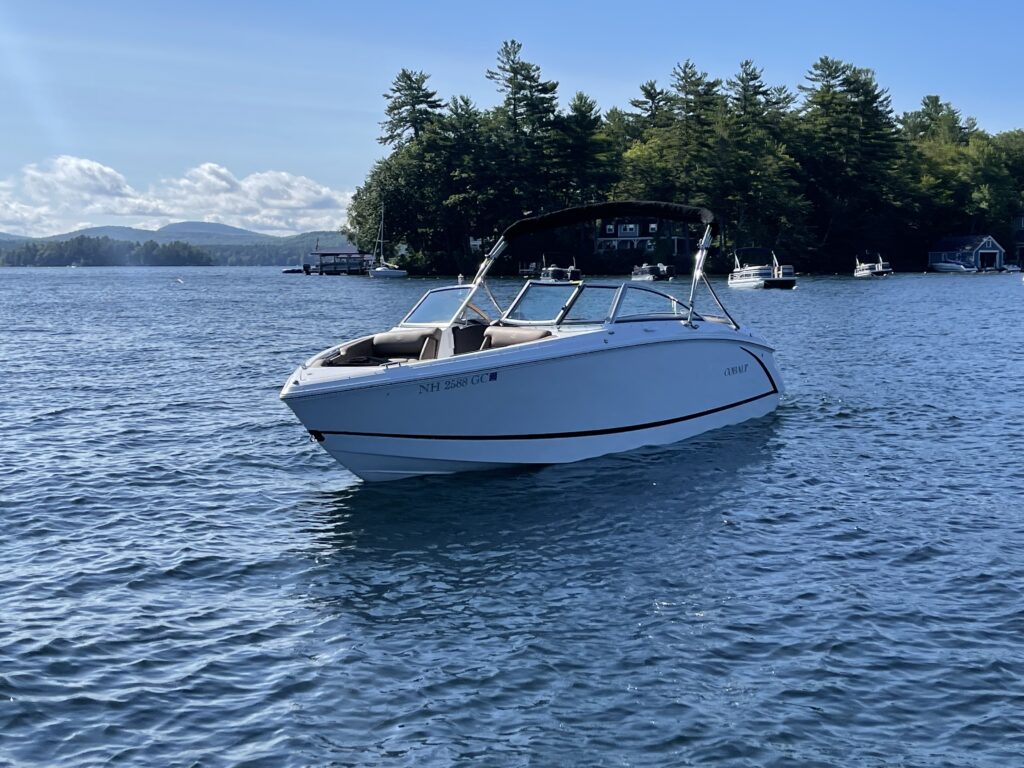
Float Finance and Boat Insurance
At Float Finance, we understand the importance of protecting your investment when financing a boat. Our boat loan services come with a range of flexible financing options, and we work with reputable insurance providers to help secure coverage that meets your needs. Whether you’re financing a modest fishing boat or a high-end luxury yacht, we offer affordable payment terms and can help guide you through the process of selecting the right insurance.
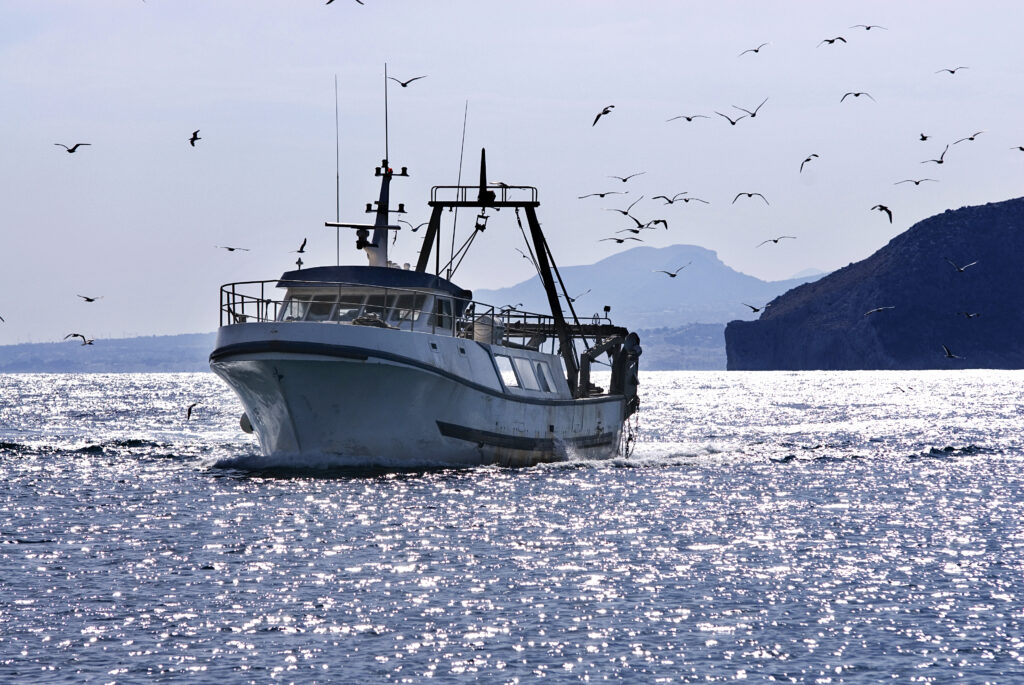
Conclusion
So, how much is boat insurance? Smaller recreational boats may cost only a few hundred dollars per year to insure, while larger vessels, yachts, and boats operating in high-risk areas can cost considerably more. Boat value, engine power, operating location, storage method, owner experience, deductible, and coverage limits all influence the final premium. Comparing exclusions and protection levels is just as important as comparing prices because the cheapest policy may leave significant risks uncovered.
Boat buyers should include insurance, maintenance, storage, and marina expenses when setting an ownership budget. Those preparing to purchase or finance a vessel can explore marine lending information through the official Float Finance website.