Call Us : 207-994-5109
Mon – Fri: 8 am to 9 pm & Sat – Sun: 10 am to 8 pm
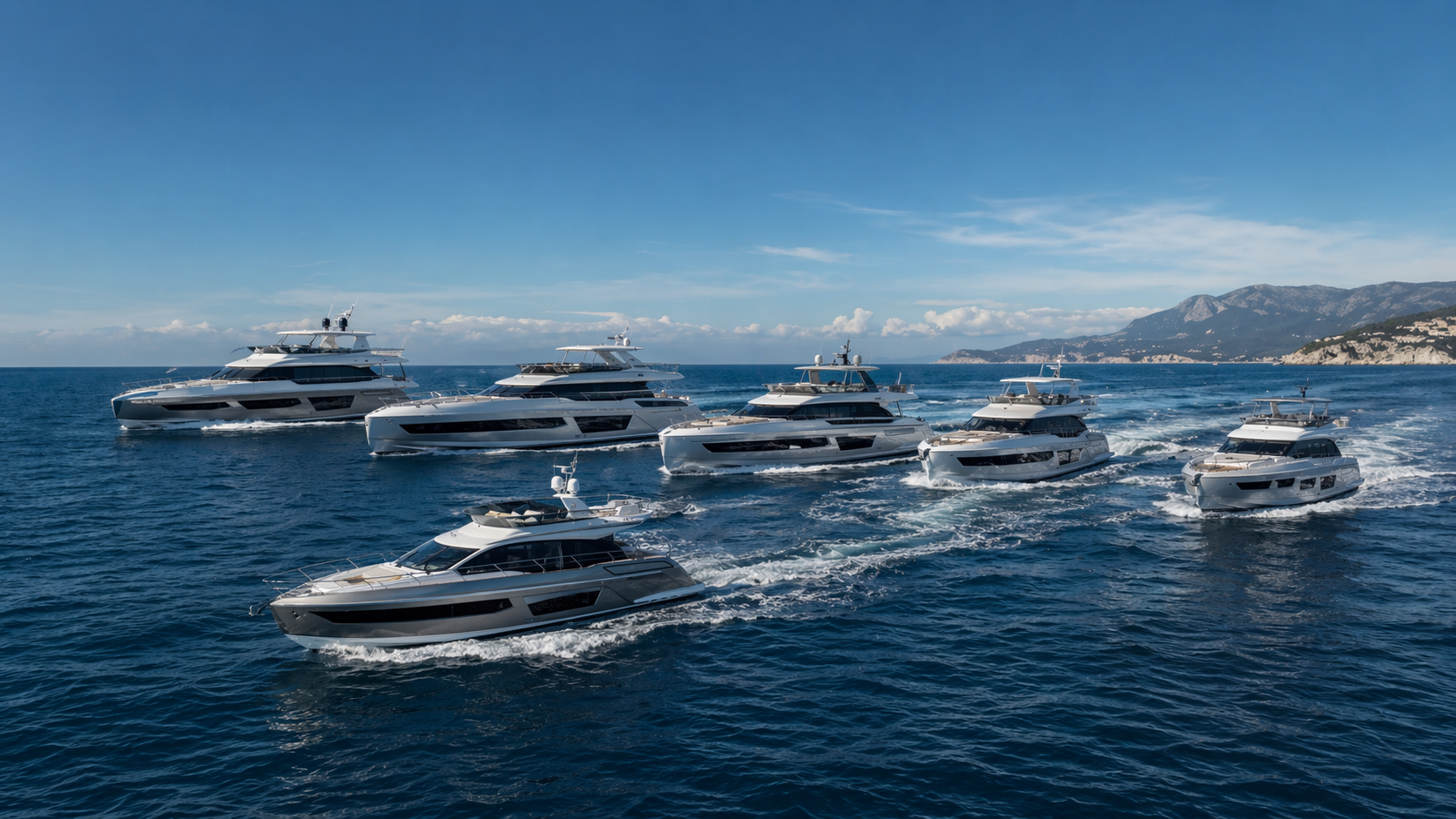
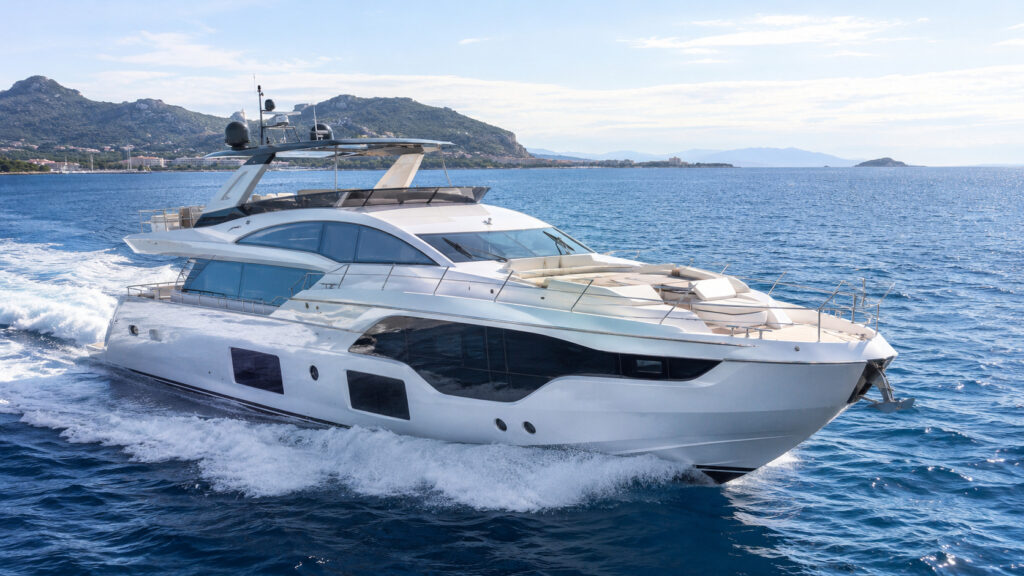
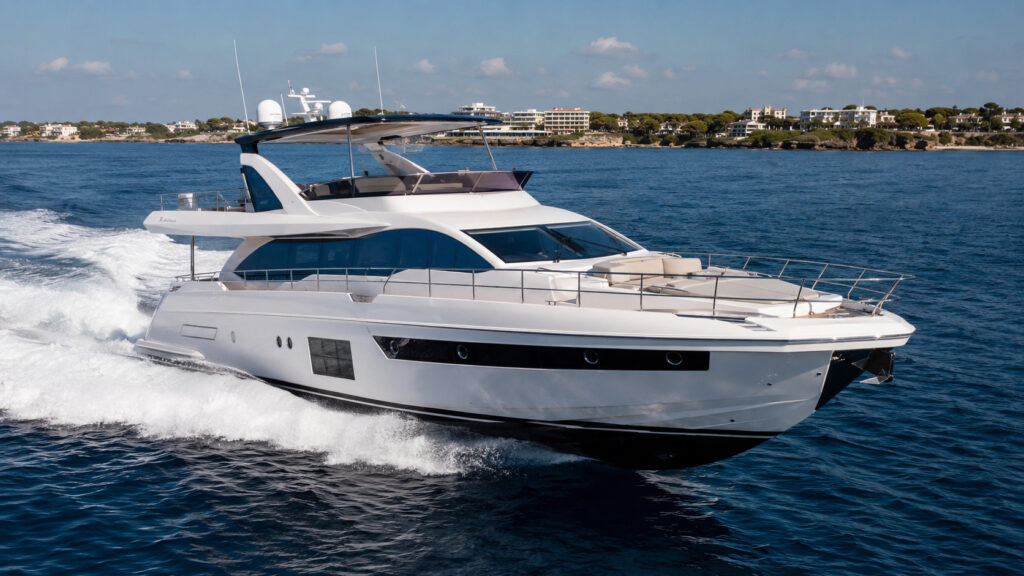
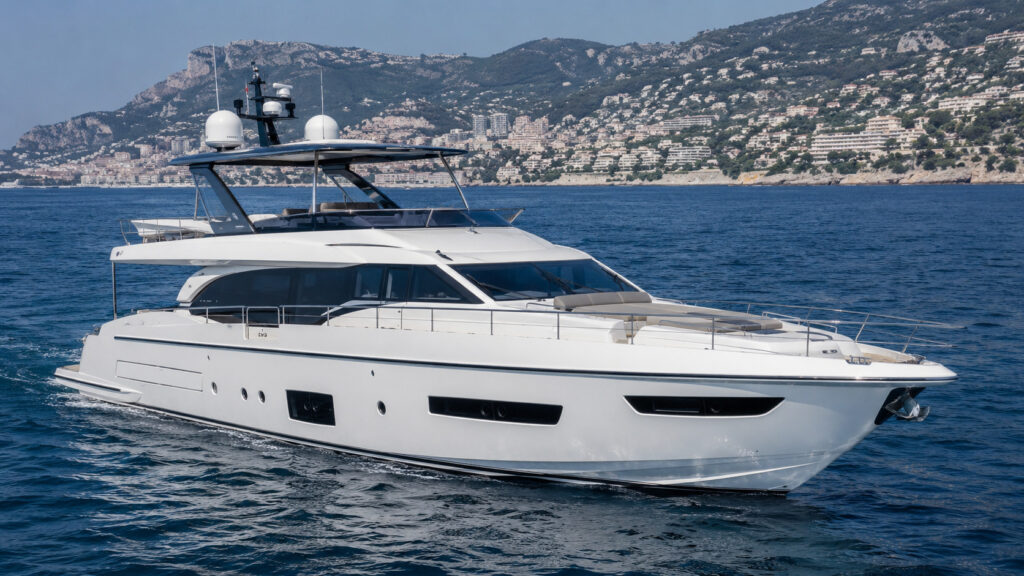
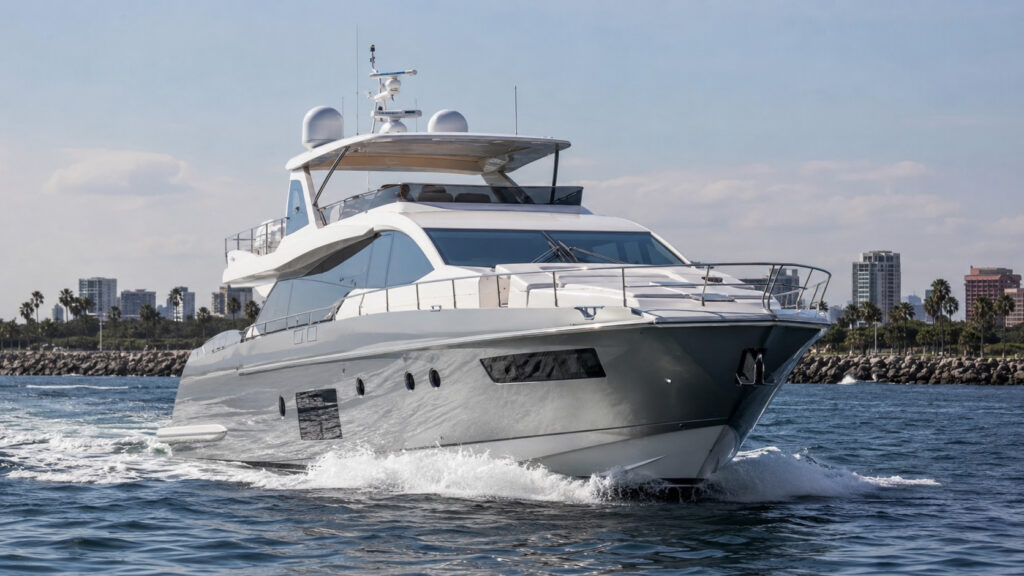
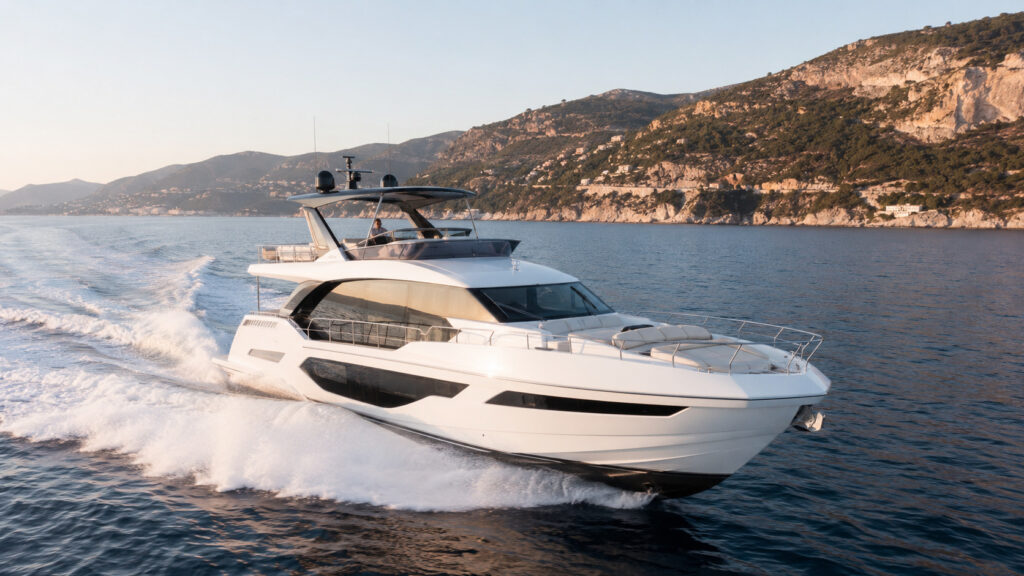
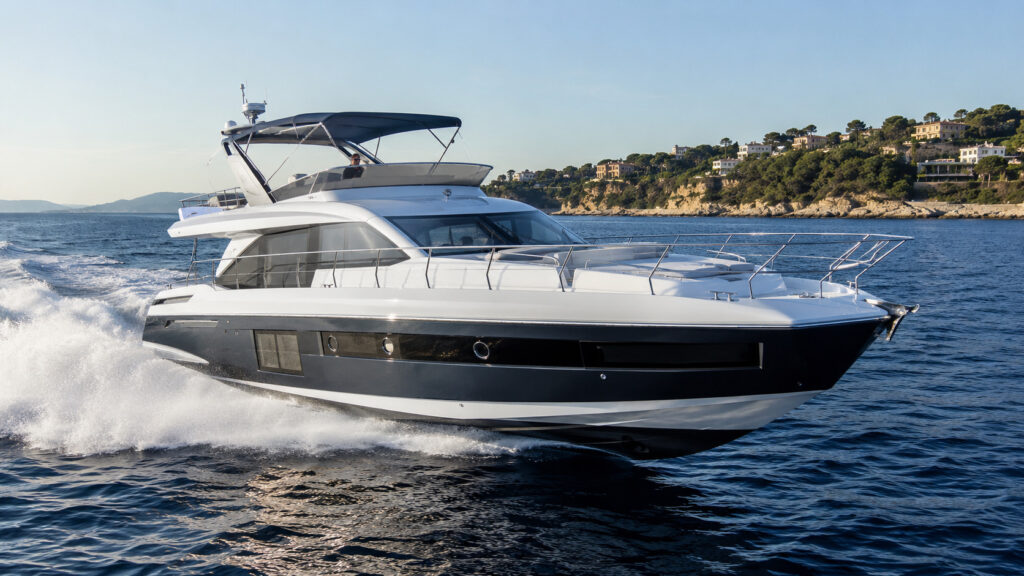
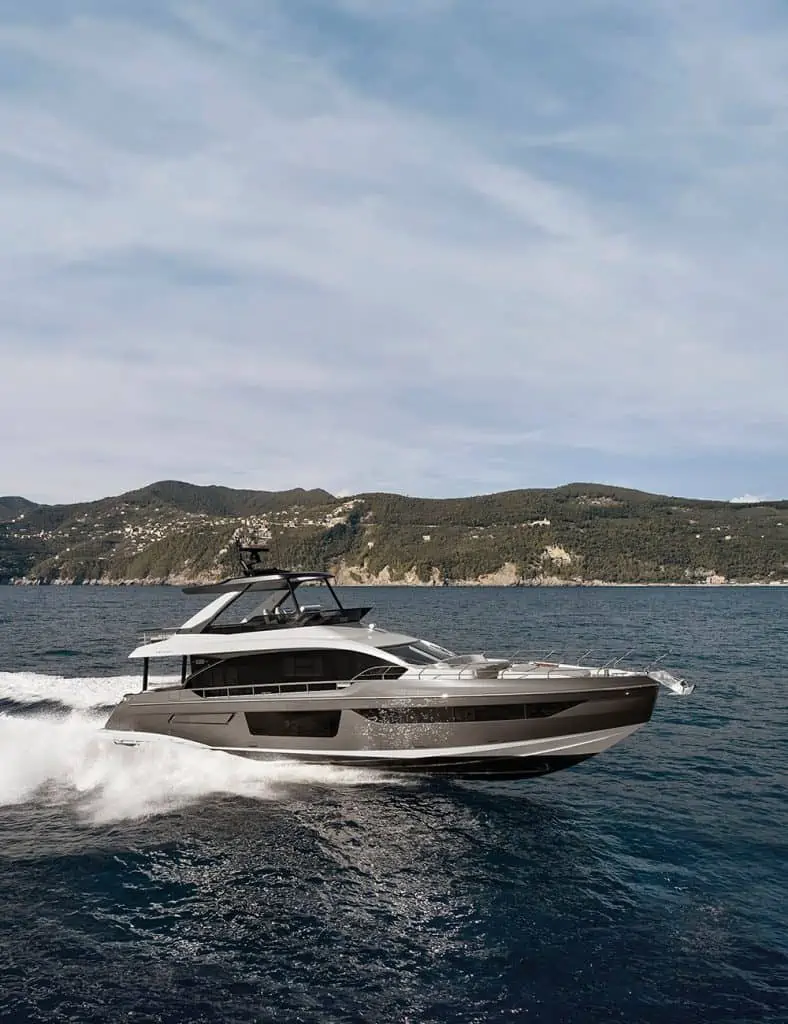
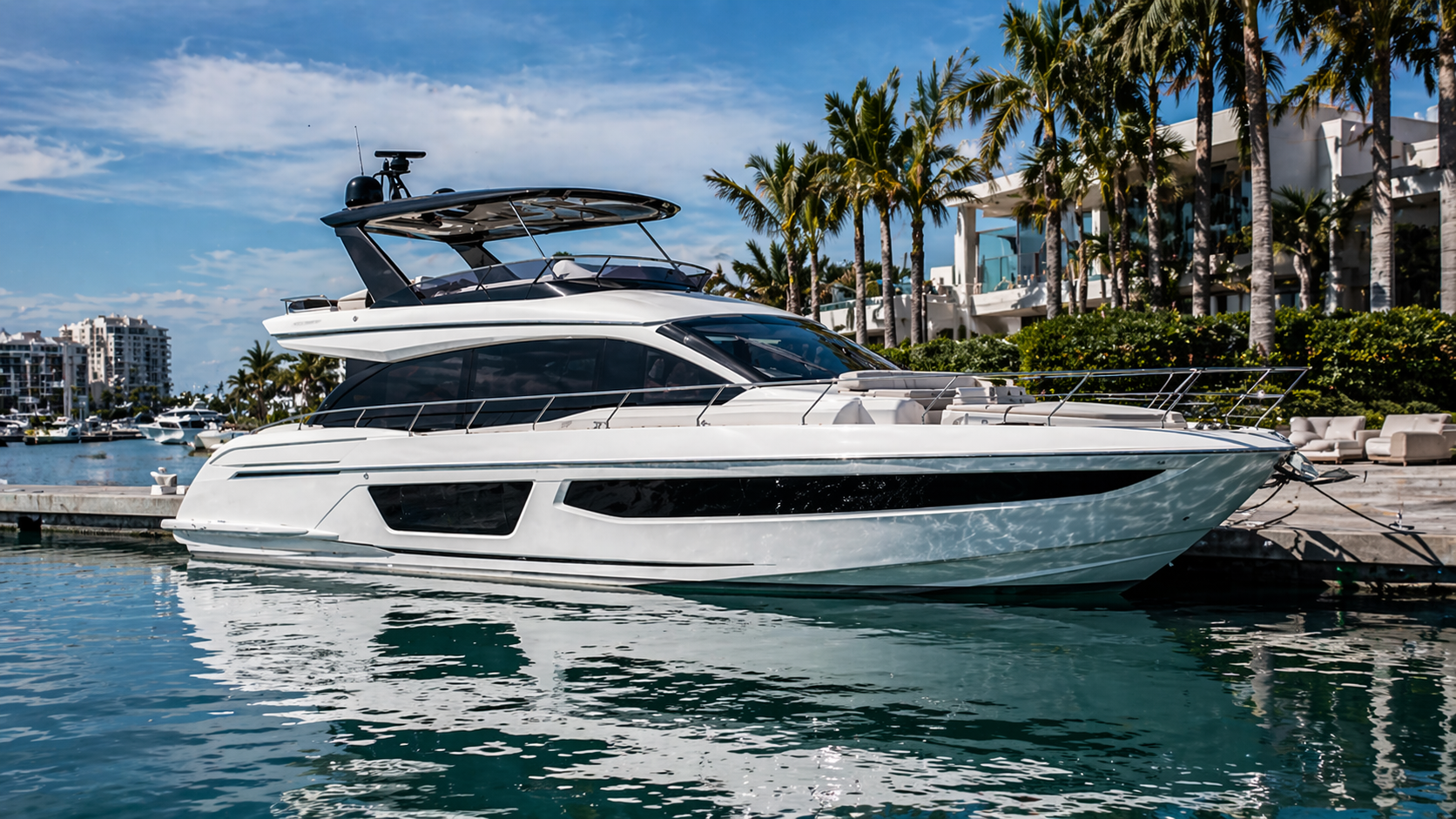
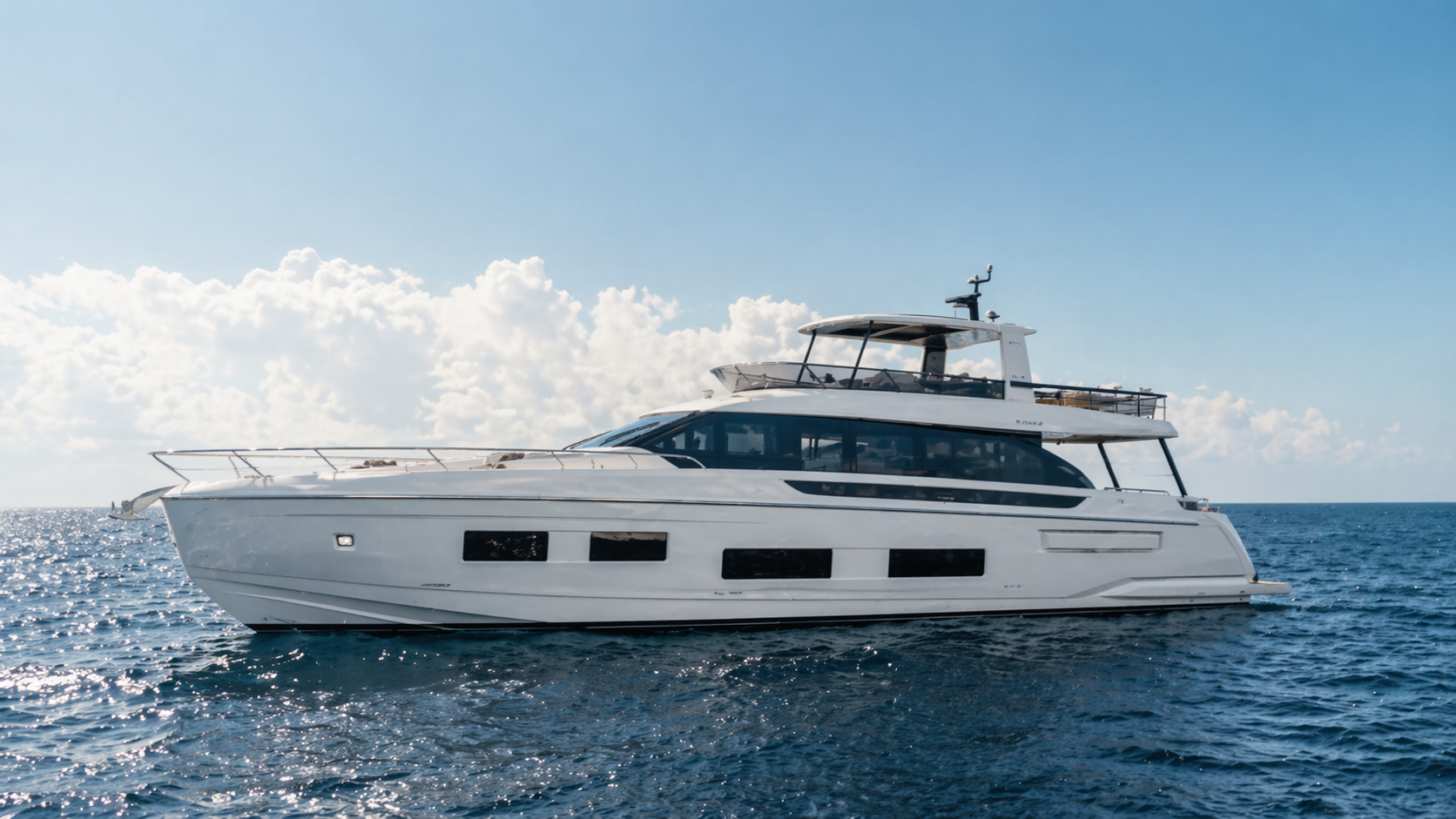
Flybridge motor yachts built around a simple advantage: more usable space above the main deck without giving up the speed and handling buyers expect from a modern planing yacht.
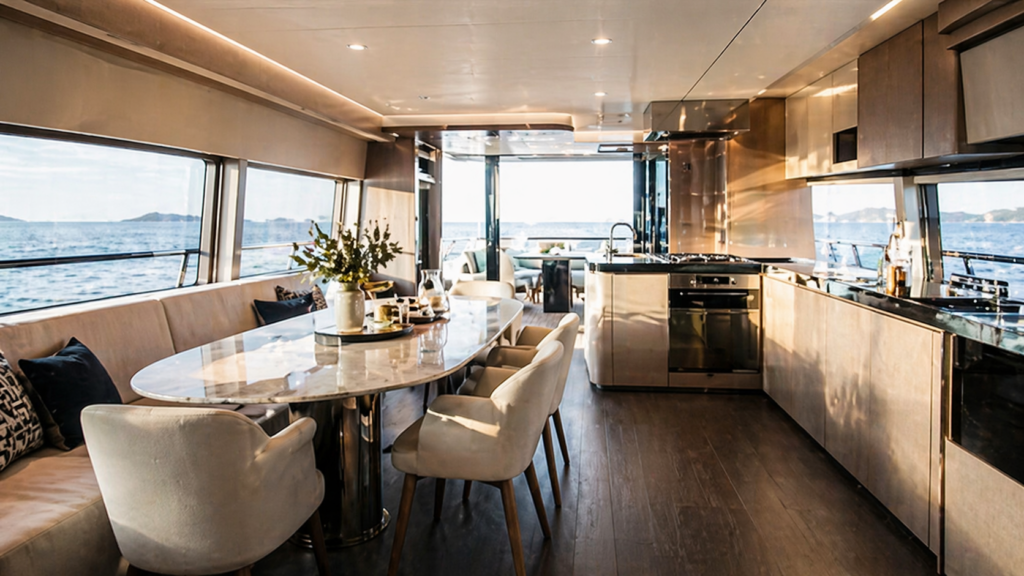
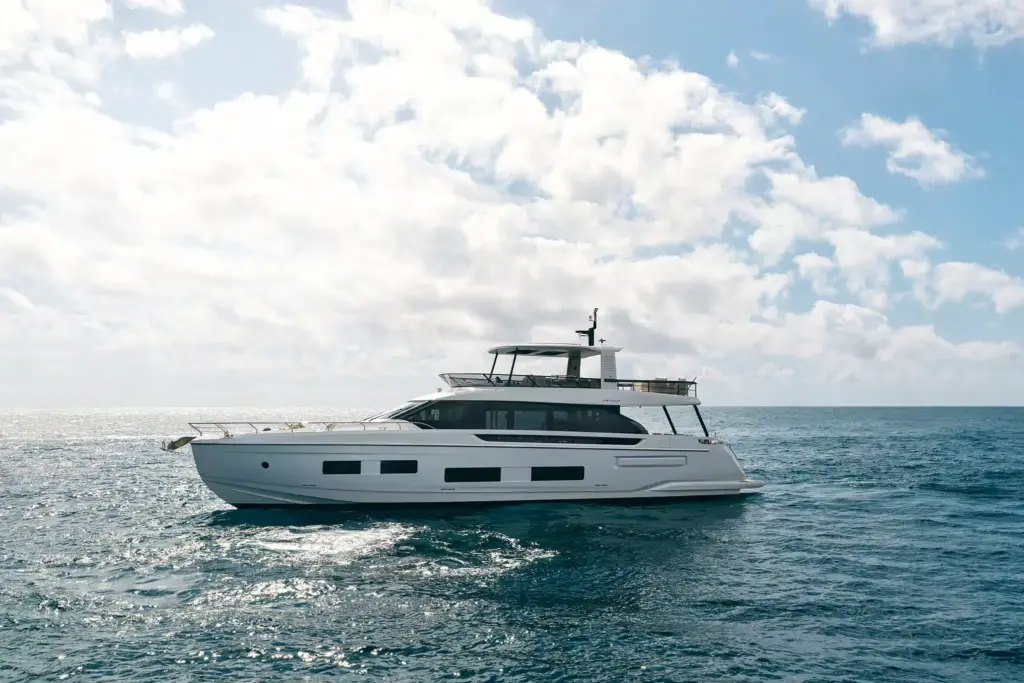
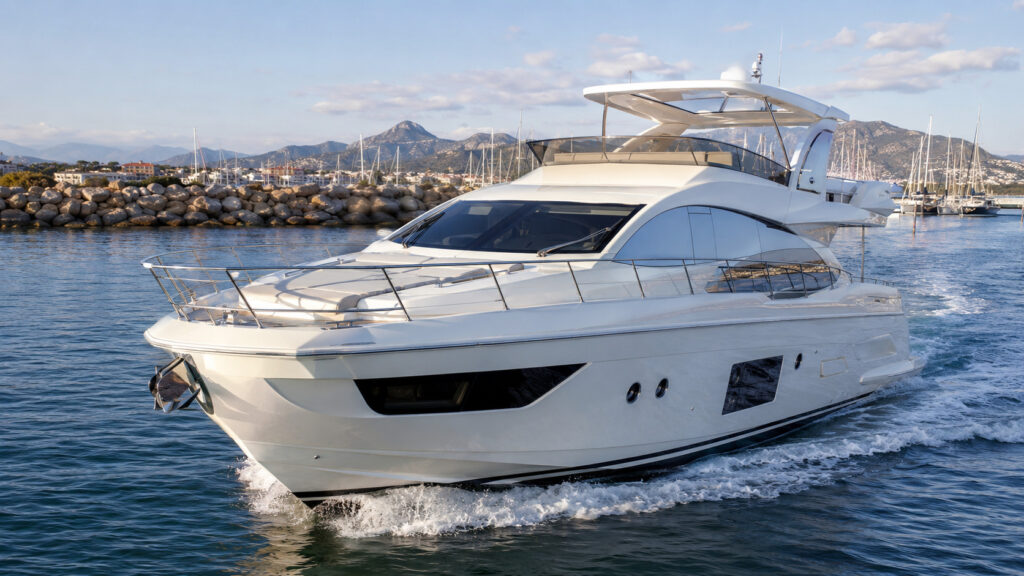
The Azimut Fly Series is built for buyers who want the extra living area of a true flybridge yacht without moving immediately into slower, heavier long-range cruising or full-time crew territory. The defining decision is vertical: put a second helm and a substantial outdoor living area above the main deck, then design the rest of the yacht so that upper level feels like part of everyday use rather than an occasional observation deck. Across the current range, Azimut offers seven Fly models from the 55-foot Fly 53 through the 81-foot Fly 82.
That layout buys a lot. The lower helm remains protected for poor weather, while the flybridge creates another place to drive, eat, entertain or get away from the main salon. The trade is equally real. Added height affects air draft, windage and some marina decisions. A flybridge also creates more exterior space to clean, maintain and outfit. Buyers who value the lowest possible profile or a more performance-first experience may be better served by a sport-cruiser or sport-yacht layout.
The range also changes character as it grows. A Fly 53 can still make sense for an experienced owner who expects to run the boat personally. The Fly 60 and Fly 62 add space without abandoning that basic proposition. By the Fly 68 and larger models, accommodations, systems and crew provisions begin moving the ownership conversation closer to the yacht end of the market. The decision is therefore less about choosing a length and more about deciding how much yacht you actually want to operate.
The Fly models share a planing-yacht philosophy, but Azimut does not simply stretch the same hull and equipment package from one model to the next. Hull geometry, propulsion and construction change as the boats grow. The Fly 53, for example, uses a GRP planing hull with twin Volvo Penta IPS 950 engines, while the Fly 60 combines GRP and carbon fiber with twin Volvo Penta D13 900-hp engines. The newer Fly 62 returns to an IPS propulsion package, and the Fly 68 pairs twin IPS 1350s with GRP and carbon-fiber construction.
That difference matters because weight high in a flybridge yacht has consequences. Azimut selectively uses carbon fiber in upper structures on models where reducing that weight can help preserve interior volume while controlling the yacht’s center of gravity and roll behavior. On applicable models, Azimut says its Carbon Tech approach can lighten laminated components substantially while reducing roll momentum.
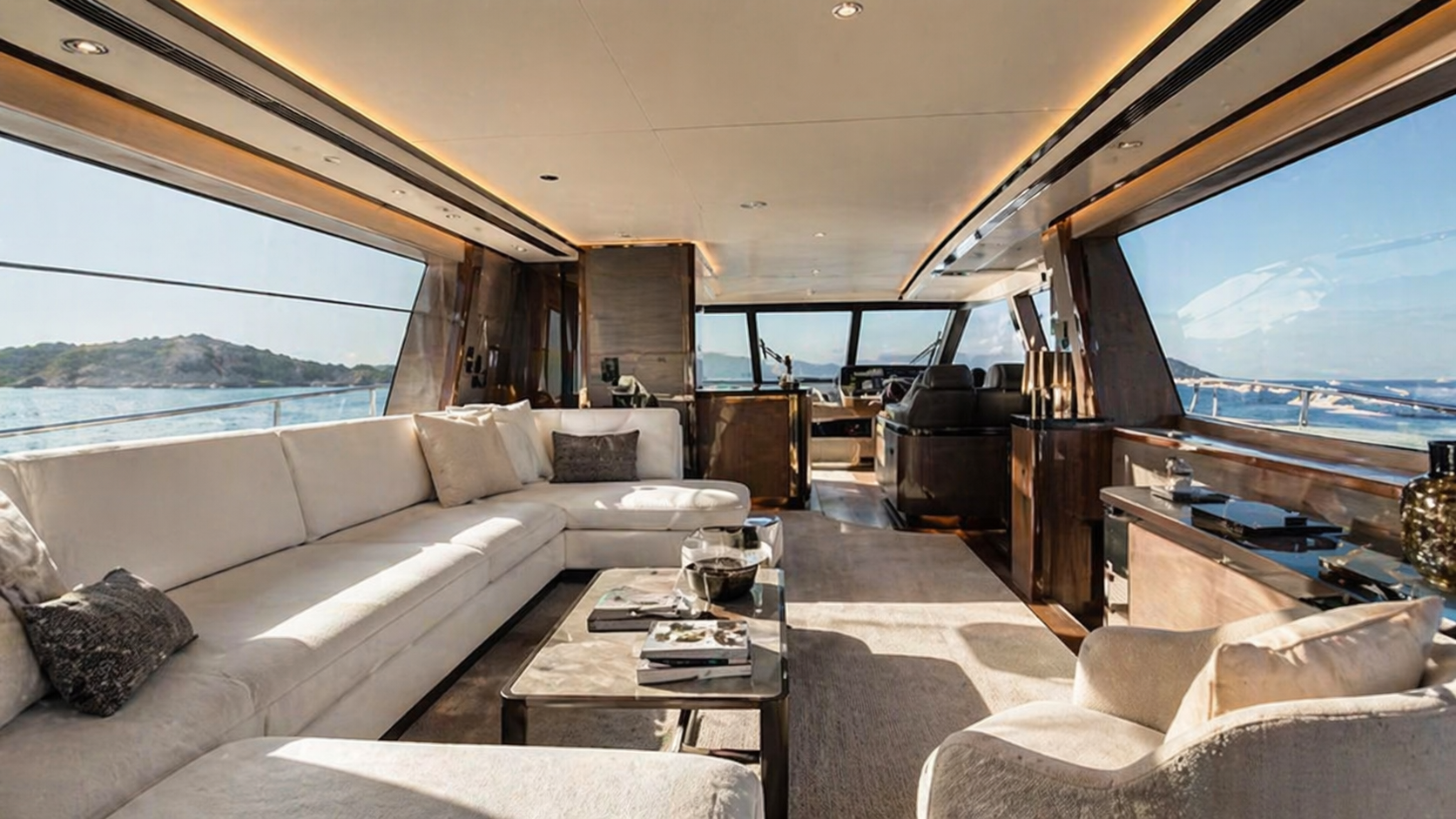
What stays consistent is the goal: substantial interior and exterior living space without turning the Fly range into displacement cruisers. What changes is the amount of boat required to deliver it. Beam increases, cabin count grows, fuel capacity rises, crew accommodation becomes more relevant and propulsion packages become more substantial as buyers move upward. That is why the correct Fly model is not automatically the largest one within budget. Each step changes operating requirements along with space.
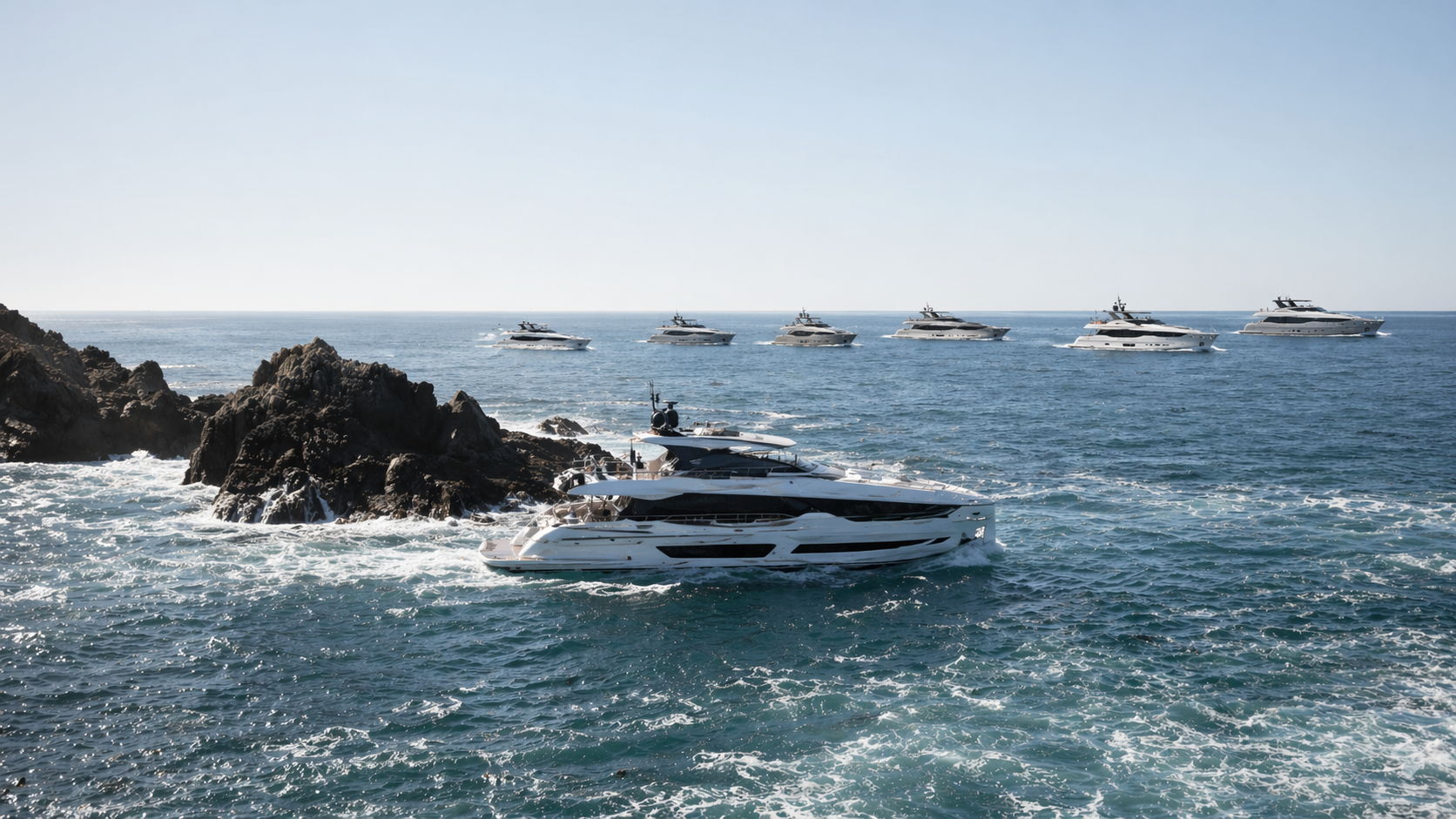
The Fly Series is only one interpretation of an Azimut motor yacht. If the extra upper deck is not central to how you plan to use the boat, another Azimut family may provide a better trade between performance, range, profile, outdoor access and crew requirements.
Atlantis — Lower-profile sport cruisers with a more direct performance-first layout.
S Series — Faster, sportier yachts where performance and streamlined design take priority.
Magellano — Long-cruise crossover yachts designed around range, comfort and varied speeds.
Seadeck — Efficiency-focused family yachts built around closer access to the water.
Grande — Larger superyacht-oriented layouts with substantially greater crew and systems demands.
Verve — Outboard-powered performance yachts for faster, more spontaneous coastal use.
Start with how you intend to use the yacht, not with the largest LOA you can afford. Moving up the Fly range changes cabin count, crew practicality, fuel capacity, marina requirements and systems complexity. The 53-to-68 progression is especially useful for seeing where a personally operated flybridge yacht begins turning into a more involved yacht ownership proposition.
Once you know which Azimut Fly belongs on your shortlist, Float Finance can help you evaluate the purchase and financing structure instead of making the boat decision around a guessed monthly payment.
The best comparison starts with four ownership questions. Size matters, but the differences between Fly models show up just as quickly in where you keep the yacht, how many people regularly stay aboard, whether you expect to operate it yourself and how much ongoing complexity you want to own.
Answer these in order. They narrow the range faster than any spec comparison will.
Check slip length, beam limits, water depth and bridge clearance before falling in love with more LOA. A larger Fly can change both marina availability and annual dockage economics.
The Fly 53, 60 and 62 each provide three guest cabins, while the Fly 68 moves to four. That extra cabin matters more to some owners than several additional feet of overall length.
Modern joystick systems and integrated controls can reduce the workload, but greater size still means more boat to dock, wash, provision and manage. Decide how often professional help will realistically be aboard.
Fuel capacity, cruising efficiency and usable range vary by model. Compare the actual route you expect to run instead of choosing from top speed or fuel-tank capacity alone.
Purchase price is only the first number to compare. Ownership of a Fly Series yacht can include marina or mooring fees, insurance, scheduled engine service, generator and systems maintenance, haul-outs, bottom work, detailing, winter storage where applicable, electronics repairs and the normal replacement cycle for equipment aboard a complex motor yacht.
The important point is that costs do not necessarily rise in a straight line with LOA. Moving into a larger model can change the slip category available at your marina, the value insured, the amount of machinery aboard and whether paid crew or regular professional management makes sense. A buyer comparing a Fly 60 with a Fly 68 should therefore compare the operating structure around each yacht, not simply the difference in purchase price.
Financing can change with the transaction as well. Model year, purchase price, down payment, borrower profile, vessel condition and whether the yacht is being purchased from a dealer, broker or private seller can all affect the documentation and lending process. Higher-value used yachts may also involve survey and insurance requirements during underwriting. Float Finance works with dealer, brokerage and private-party transactions and can help buyers evaluate financing before committing to a specific listing.
Send Float Finance the listing. We can help you evaluate financing whether the yacht is being sold by a dealer, yacht broker or qualified private seller.
The yacht is only one side of the decision. These Float Finance resources can help you understand the financing and transaction process before you make an offer.
The biggest difference is the upper deck. The Fly Series is designed around a true flybridge, giving owners another helm position and a substantial outdoor living space above the main deck. Atlantis models are lower-profile sportive cruisers, currently represented by the Atlantis 45 and 51. Choose Fly when the extra upper-level entertaining and driving space is central to how you boat. Atlantis makes more sense when you prefer a more compact, lower-profile sport-cruiser layout and do not need a flybridge.
They approach cruising differently. Fly models combine substantial living space with planing performance and the outdoor advantages of a flybridge. Azimut positions the Magellano family as crossover yachts intended for longer journeys, using its Dual Mode hull concept and a wider range of efficient cruising speeds. Buyers expecting extended passages may find the Magellano philosophy more aligned with the mission. Buyers who prioritize a conventional flybridge experience, faster cruising and multi-level entertaining will generally start with the Fly range.
It depends on the model. The Fly 53, Fly 60 and Fly 62 each list three guest cabins plus separate crew accommodation. The Fly 68 moves to four guest cabins plus crew quarters, and the larger Fly models continue the four-cabin format with increasing crew capacity. That distinction matters when comparing boats for family use because a fourth cabin can eliminate the need to convert shared spaces or double up guests during longer trips. Always confirm the exact layout of the individual yacht being purchased.
Potentially, yes. Float Finance works with private-party boat transactions as well as dealer and brokerage purchases. A private sale generally requires more coordination because there is no dealer handling title, lien, insurance and closing paperwork. Depending on the yacht, lender and transaction, documentation may include a bill of sale, title or documentation verification, lien payoff information, insurance and a marine survey. Get the financing path established before sending a non-refundable deposit to a private seller.

There is no responsible single percentage that applies to every Fly. Annual cost depends on the individual model, where it is kept, insurance, engine hours, fuel use, maintenance history, storage, local labor rates and whether professional crew or management is involved. A Fly 53 kept behind a private waterfront home can have a very different operating structure from a Fly 68 kept in a full-service coastal marina. Build an ownership budget from the actual yacht and location rather than applying a generic yacht-cost formula.
Start with the smallest model that comfortably handles your real passenger, accommodation and cruising needs. The Fly 53 gives buyers three cabins in a 55-foot overall package. The Fly 60 adds size while retaining three guest cabins. The newer Fly 62 brings a redesigned cockpit concept and IPS propulsion, while the Fly 68 is a meaningful step to four guest cabins, greater fuel capacity and a more yacht-like operating footprint. Compare those changes before assuming the larger boat is automatically the better choice.
Dealer, brokerage or private-party listing — bring Float Finance the yacht you’re considering and explore a financing structure around the real purchase.
Tell us a little bit about yourself and the boat you are looking to finance.