Call Us : 207-994-5109
Mon – Fri: 8 am to 9 pm & Sat – Sun: 10 am to 8 pm
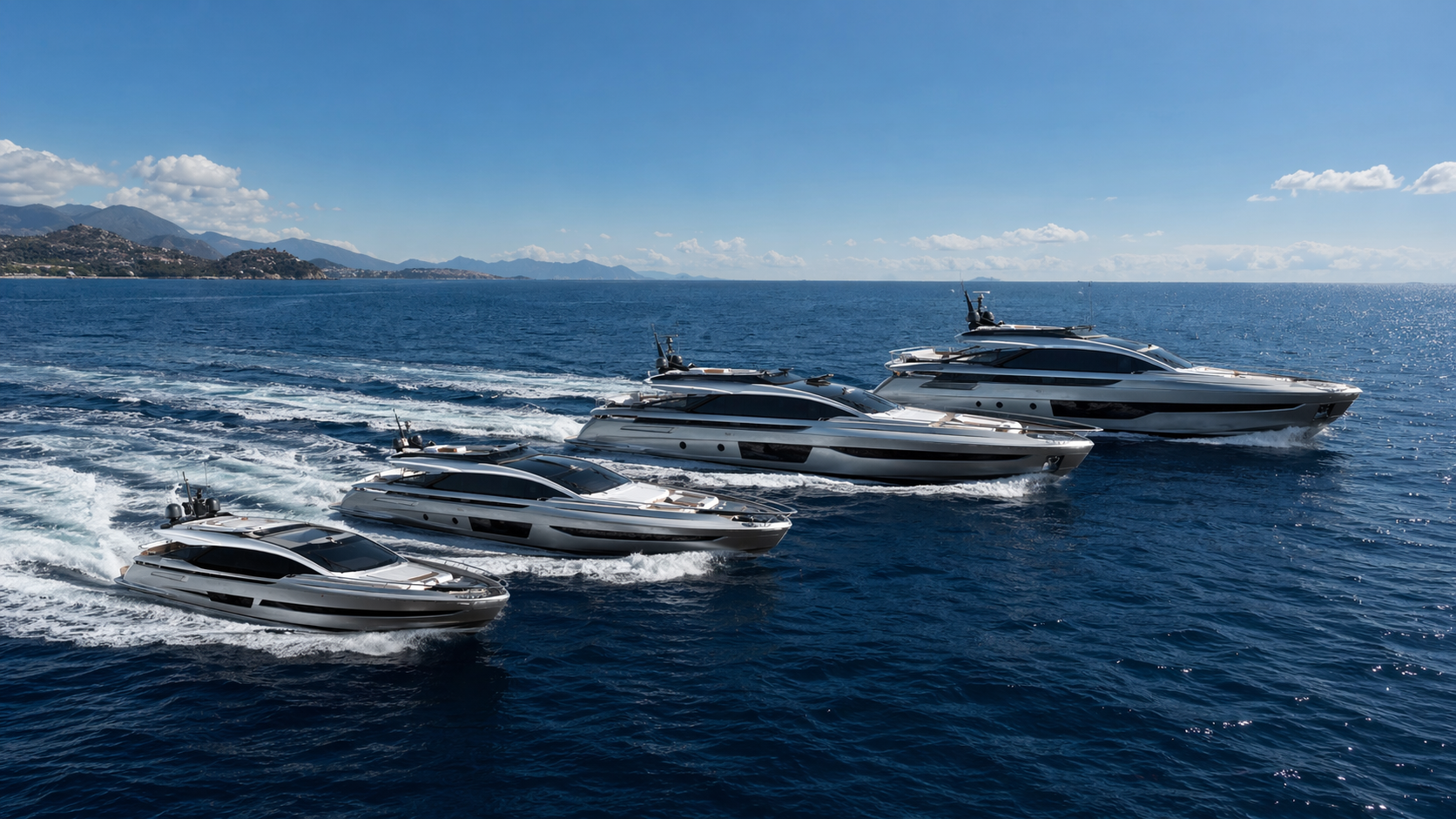
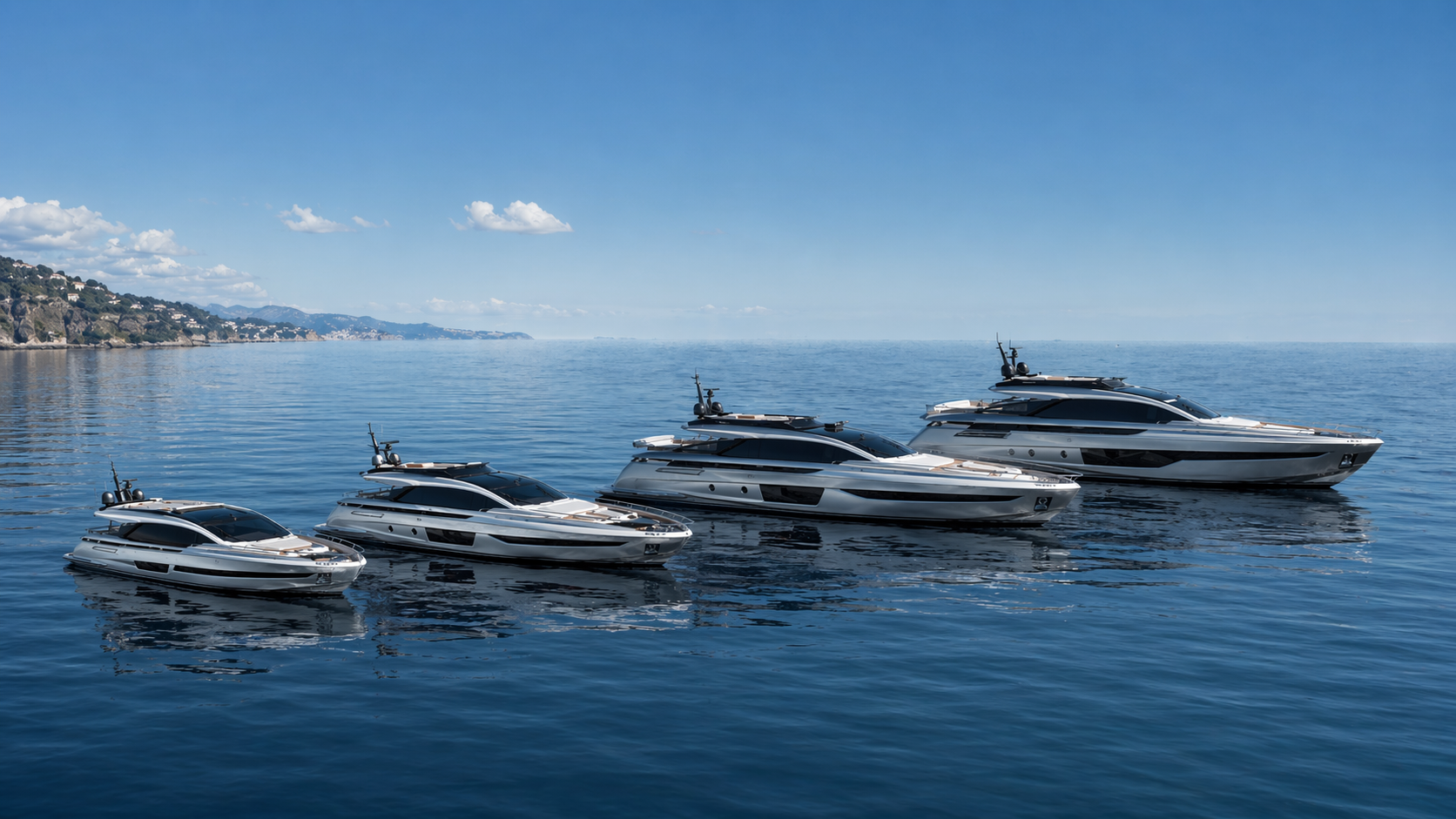
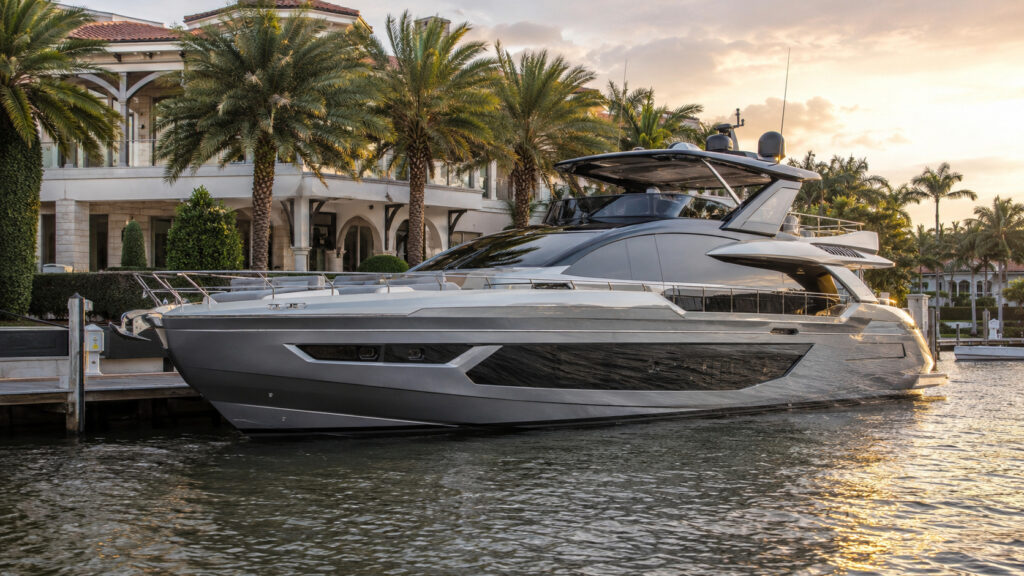
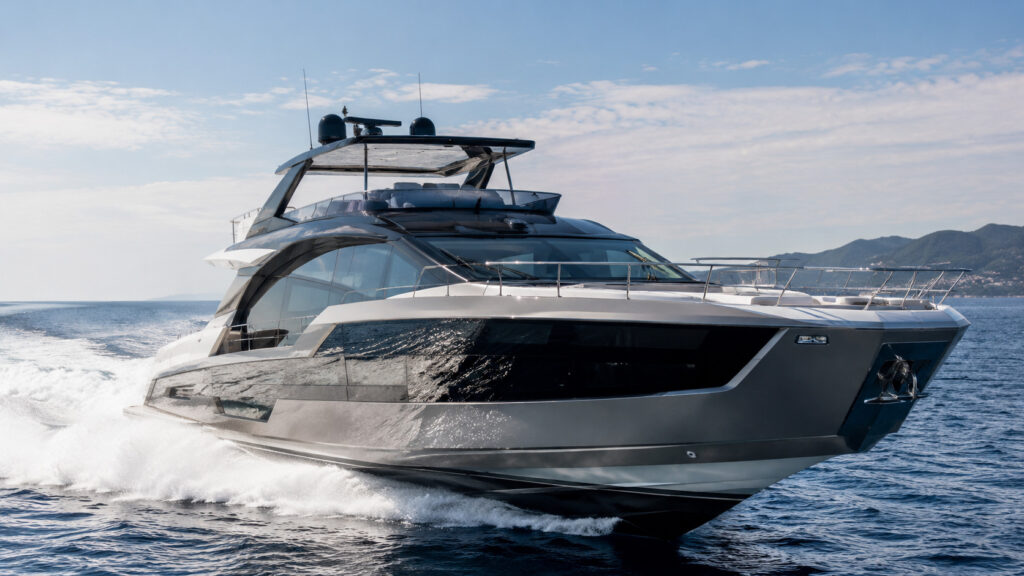
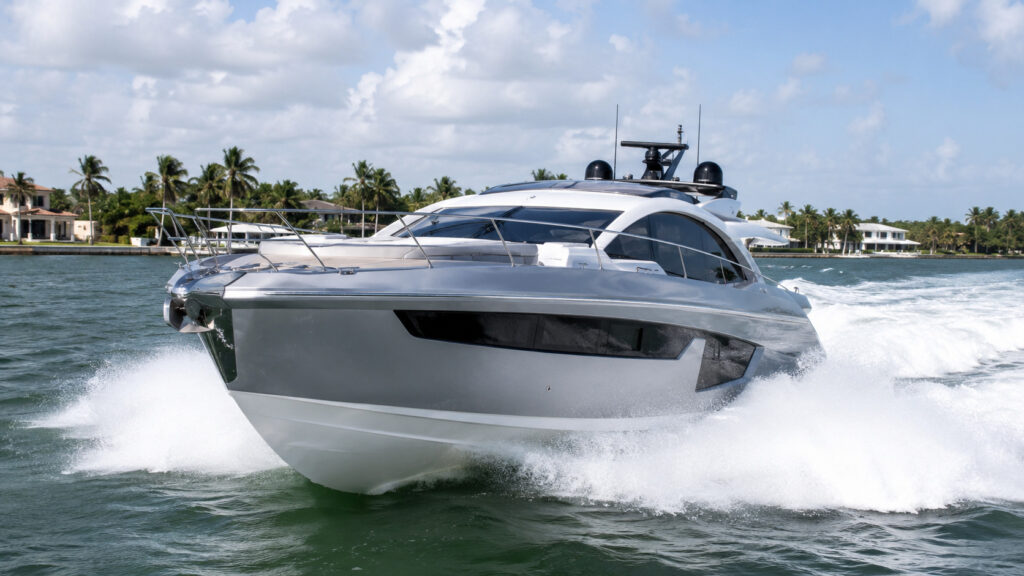
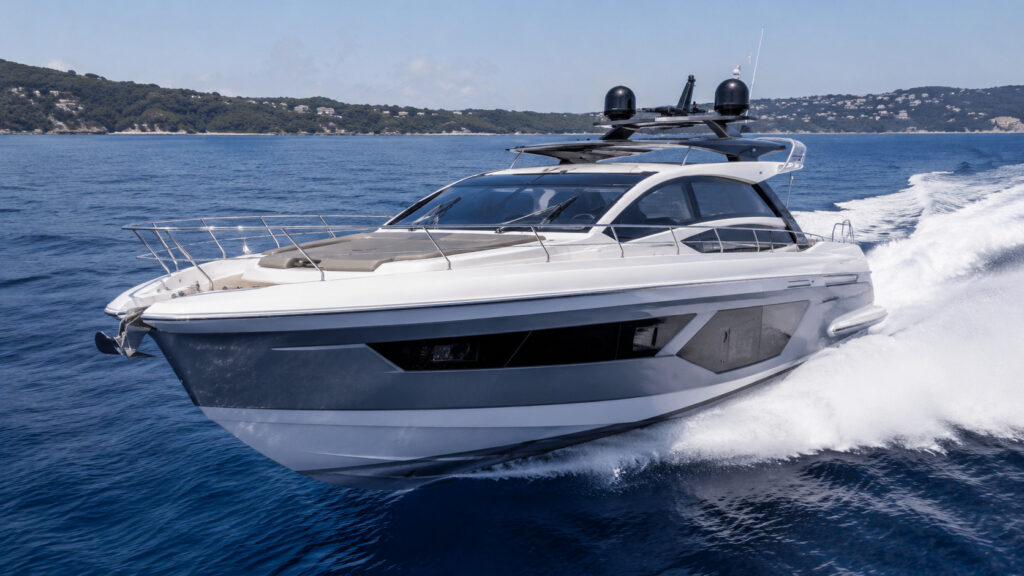
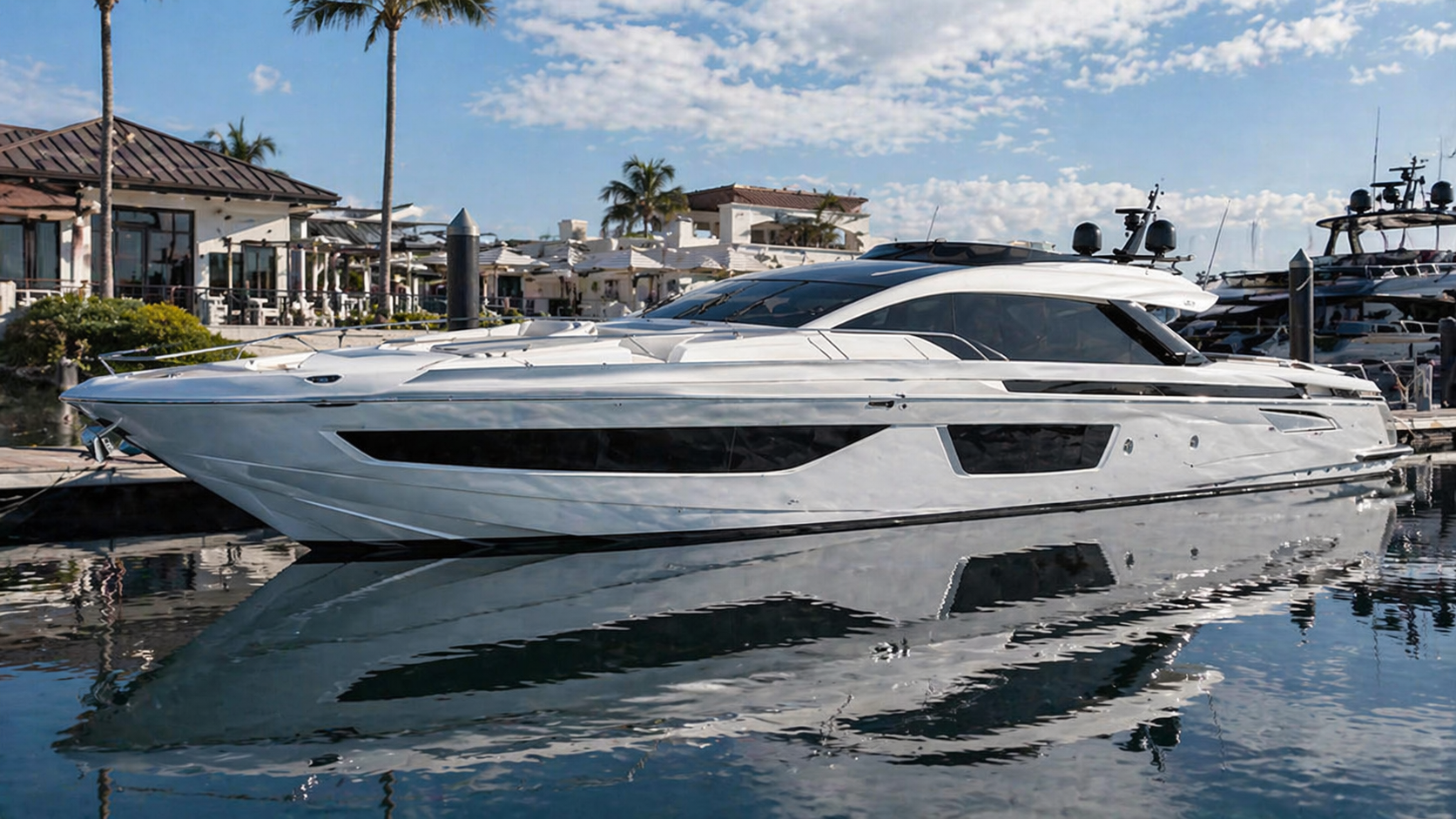
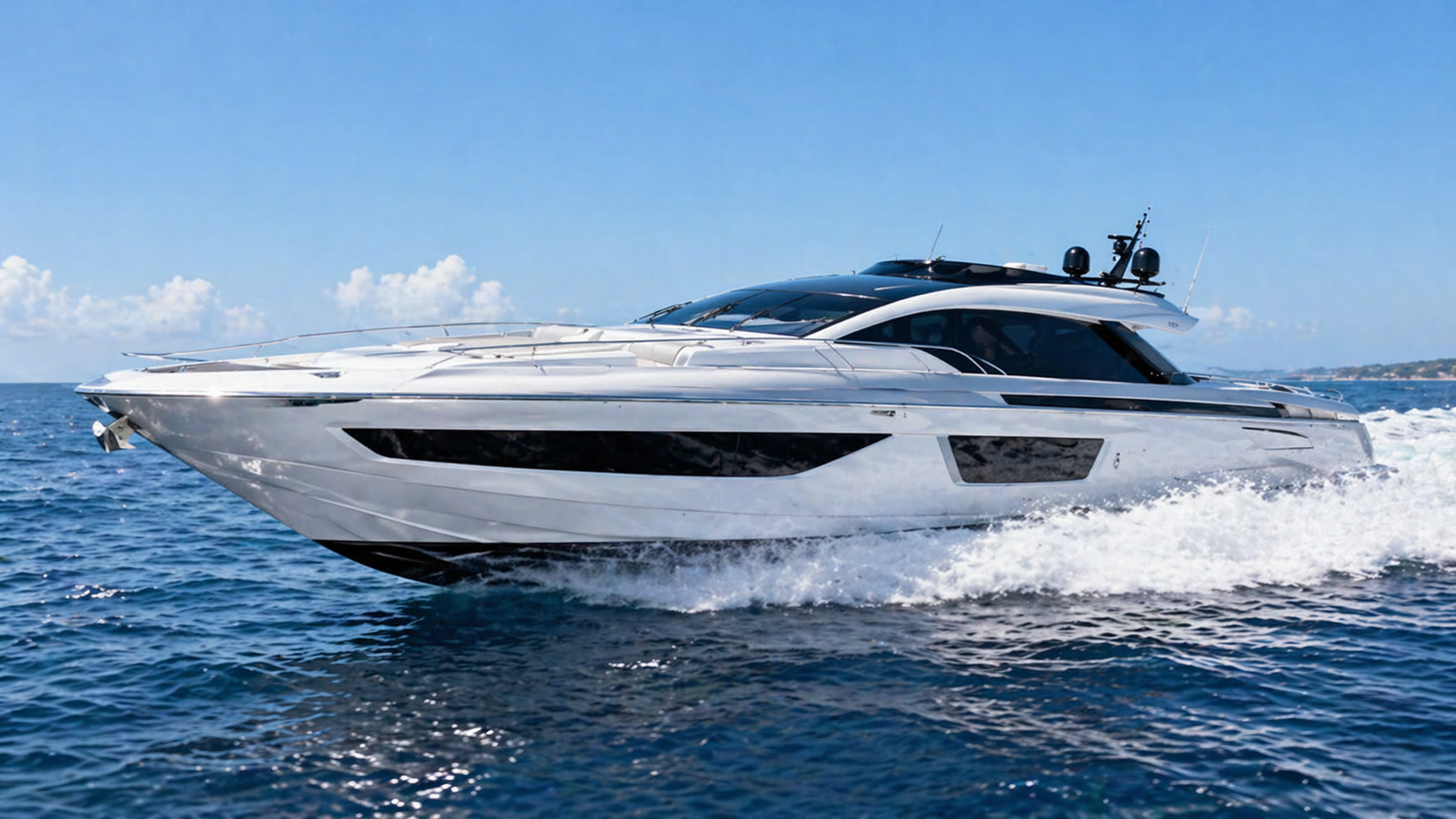
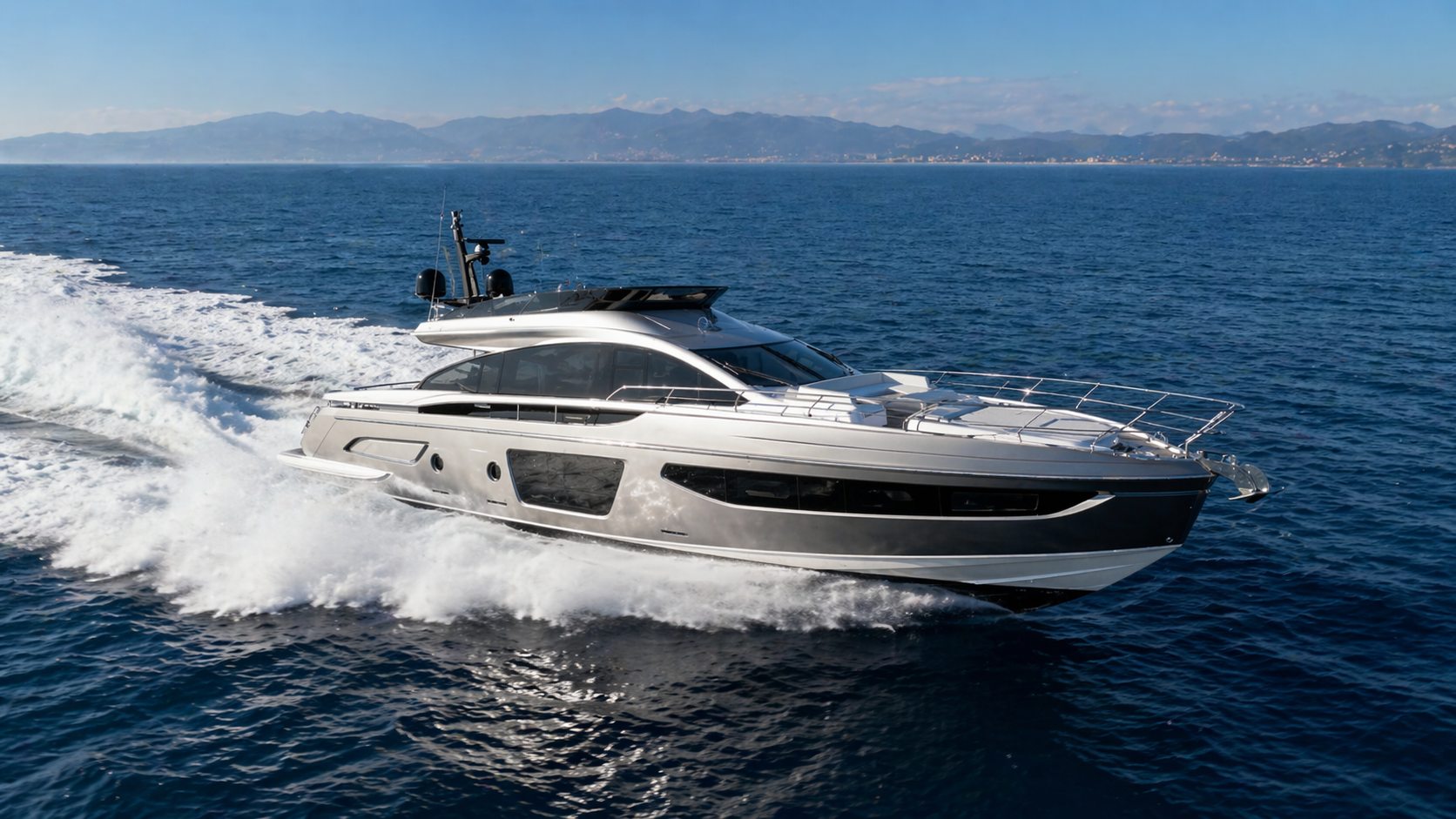
The Azimut S Series is for buyers who want a yacht to feel fast before it feels formal. Instead of using overall length primarily to create more decks and interior rooms, the S range keeps a low, athletic profile and makes propulsion, hull efficiency and weight control part of the design brief. That is why the current lineup runs from the 59-foot S6 through the 94-foot S10 without losing the visual language of a sport yacht.
The trade is straightforward. You gain quicker acceleration, higher cruise speeds, lower-profile exterior proportions and a more connected driving experience. You give up some of the vertical separation and upper-deck acreage available on a comparably sized Fly or Grande model. Buyers who spend most of their time entertaining at anchor may prefer the extra deck levels of a flybridge yacht. Buyers who care about how the yacht moves, how the helm feels and how quickly a weekend itinerary can cover distance are more likely to understand the S Series immediately.
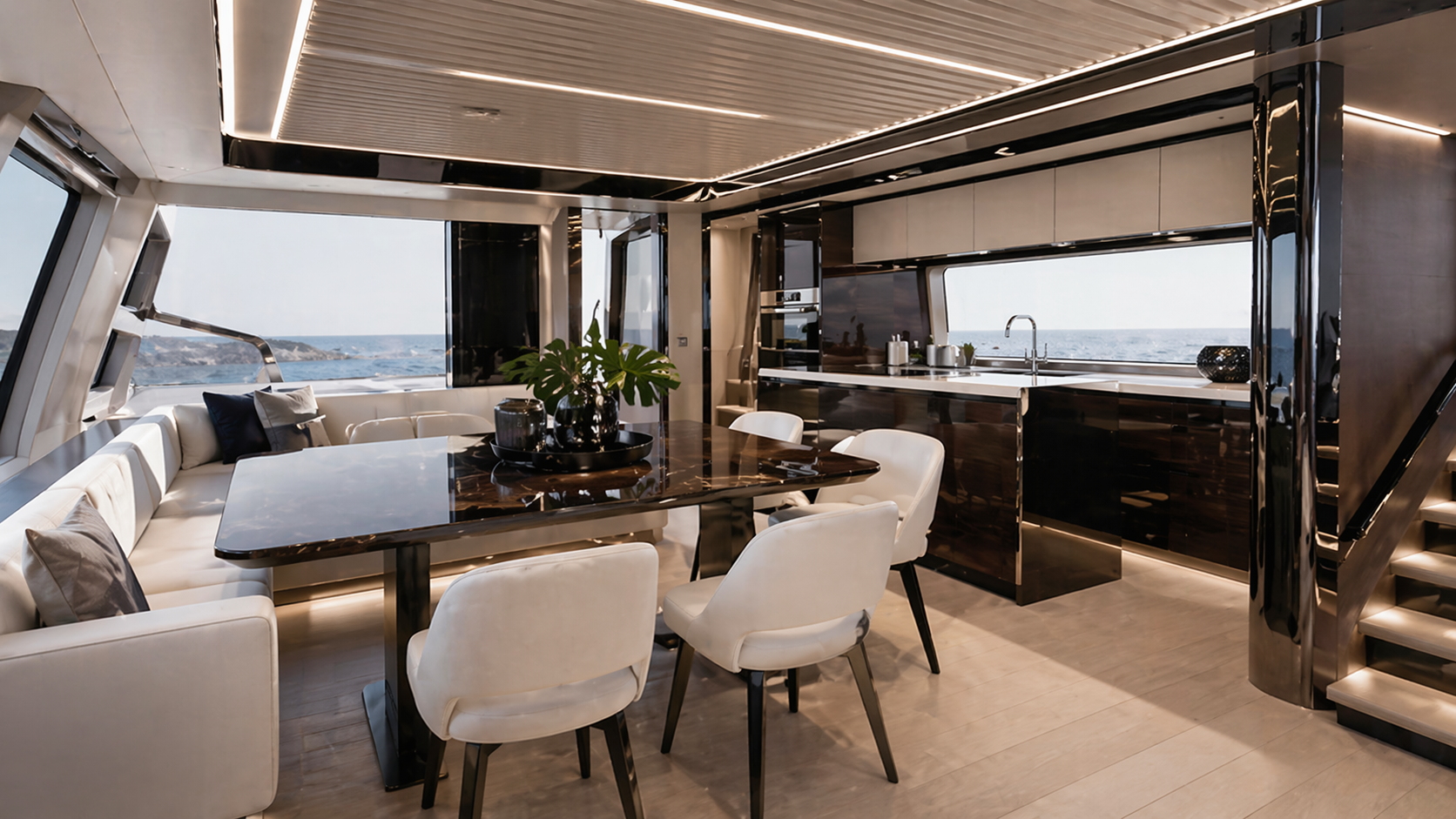
The range is not one boat stretched four times. The S6 is a three-cabin, triple-IPS yacht that can still make sense for an experienced owner-operator. The S7 moves to four guest cabins and published long-range cruise data while keeping triple IPS. The S8 becomes an 80-foot yacht with two crew berths and a double garage for a tender and personal watercraft. The S10 changes the formula again with twin 2,600-hp MTUs, a 94-foot hull and a true flagship ownership profile.
Carbon fiber is one of the shared engineering decisions across the S family. Azimut uses it high in the structure to reduce weight where it most affects the center of gravity. On the S6, S7 and S8, that approach works alongside triple Volvo Penta IPS propulsion. The compact pod-drive installation helps free interior volume while providing joystick maneuvering and a different handling character from traditional shaft-drive yachts.
The S6 uses three IPS 700 units for 1,650 total horsepower. The S7 steps to triple IPS 1050s for 2,400 total horsepower, and the S8 uses three IPS 1350s for 3,000 total horsepower. The S10 is the outlier: twin MTU M96L diesels rated at 2,600 hp each. All four are planing yachts and Azimut publishes top speeds of 34 to 35 knots across the range.
That consistency in top speed hides major differences in ownership. As size rises, displacement, fuel capacity, crew needs, marina requirements and machinery complexity rise with it. The S Series should therefore be compared by mission, not by a simple ‘bigger is better’ ladder.
If the S Series is too performance-focused—or not performance-focused enough—Azimut has several genuinely different alternatives. Fly prioritizes flybridge living and multi-level entertaining. Atlantis keeps the sport-cruiser idea in a smaller, more approachable package. Magellano moves toward longer-range crossover cruising, while Grande is the step into larger superyacht-style layouts and more formal crewed ownership.
choose it when an upper helm and larger flybridge entertaining zones matter more than the lowest profile.
choose it when you want a smaller sport-cruiser footprint with a more approachable purchase and operating scale.
choose it when range, slower-speed efficiency and extended cruising matter more than 30-knot-plus performance.
choose it when you want superyacht-scale accommodations, crew infrastructure and customization rather than a pure sport-yacht brief.
The key variable is not only length. Look at cabin count, crew accommodation, propulsion architecture and the point where the yacht stops feeling like something an experienced couple can run largely for themselves.
Once you know which S model belongs on your shortlist, Float Finance can help you evaluate the transaction and financing structure around the actual yacht instead of guessing at the payment from an asking price.
Start with how you intend to run the boat. The S6 and S7 preserve more owner-operator logic. The S8 and especially the S10 bring more machinery, more crew accommodation and more of the operational footprint associated with larger yachts. Four questions narrow the range quickly.
The purchase price is only the entry point. Budget for insurance, dockage, scheduled engine and drive service, generator and HVAC maintenance, haul-outs, bottom work, detailing, electronics, stabilization or trim systems where fitted, and fuel. The S6’s three IPS units make it mechanically different from a conventional twin-engine cruiser; the S8 triples that pod-drive service burden at a larger scale. The S10 shifts into a different machinery and crew category again.
Ownership cost does not rise in a straight line with length. Crossing from roughly 60 feet to 70, 80 and then 94 feet can change the marina category, insurance expectations, crew planning, haul-out options and amount of outsourced maintenance. Buyers should compare annual operating structure alongside the purchase price before choosing the larger hull.
Financing can also change with model year, value, survey findings, seller type and vessel condition. Float Finance can work with dealer, brokerage and qualified private-party transactions, but higher-value yachts may require more documentation and underwriting than a smaller recreational boat.
Send Float Finance the listing. We can help you evaluate financing whether the yacht is offered by a dealer, broker or qualified private seller.
Pair model research with the financing and transaction questions that determine whether the boat actually fits your budget and buying plan.
understand the added title, lien and closing work when no dealer is involved.
The S Series is built around a lower, sportier profile and high-speed performance, while the Fly Series adds a full upper flybridge and more vertical living space. Both can cruise quickly, but the S range puts more emphasis on driving character, streamlined proportions and carbon-fiber weight control. Choose Fly for upper-deck living; choose S when the performance-oriented layout is the reason you are buying.
The S6 is the natural starting point. At 59 feet with triple IPS and joystick control, it is still a substantial yacht but remains closer to the size band experienced owners may run without a full-time captain. The S7 adds length and a fourth cabin. By the S8 and S10, crew accommodations and operating scale make professional help increasingly practical.
Azimut publishes maximum speeds of up to 35 knots for the S6, S7 and S10, and up to 34 knots for the S8. Cruising speed varies by model. The S7, for example, is published at up to 27 knots with a 328-nautical-mile fast-cruise range under the manufacturer’s stated test conditions.
The S7, S8 and S10 each provide four guest cabins. The S6 uses a three-cabin guest arrangement. Cabin count is one of the cleanest dividing lines in the range because it changes how comfortably the yacht supports multiple couples or a larger family on overnight trips.
Potentially, yes, subject to the yacht, borrower and lender. Private-party yacht transactions usually require more coordination around title or documentation, liens, insurance, survey and closing. Establish the financing process before sending a non-refundable deposit so the seller and lender are working from compatible timelines.

Start with the smallest model that meets your cabin and cruising requirements. If three cabins are enough, begin with the S6. If four cabins are mandatory, start at the S7. Move to the S8 for more crew support, storage and 80-foot scale, or to the S10 when you specifically want flagship proportions and are prepared for the operating footprint that comes with them.
Bring Float Finance the real listing and explore financing around the yacht you want to own—before you negotiate around a payment that was never realistic.
Tell us a little bit about yourself and the boat you are looking to finance.