
Call Us : 207-994-5109
Mon – Fri: 8 am to 9 pm & Sat – Sun: 10 am to 8 pm
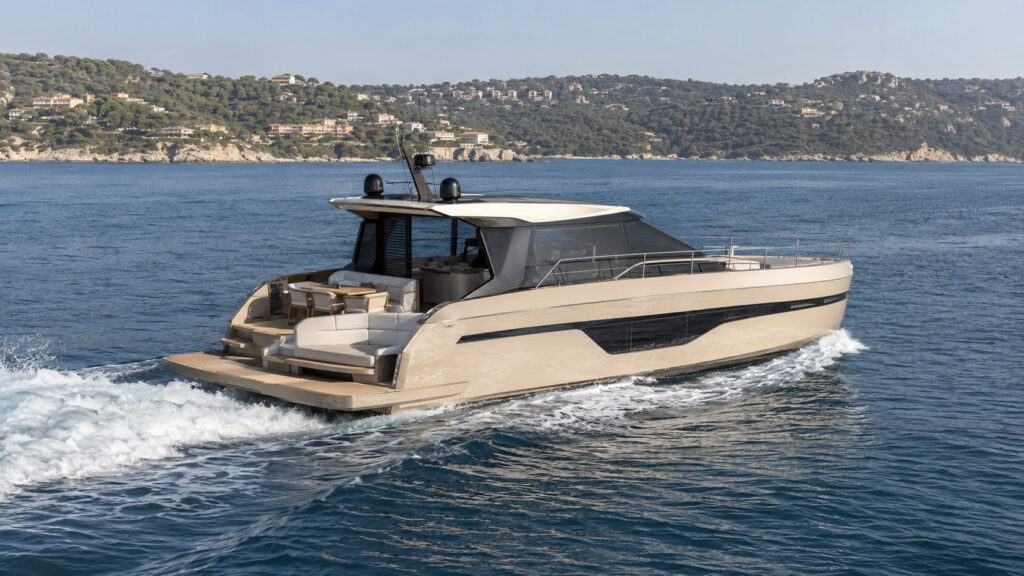
Seadeck is Azimut’s family of Low Emission Yachts, designed around two ideas that normally compete for attention: make the boat more efficient, and make it more enjoyable at anchor. The signature feature is the Fun Island, a stern arrangement that lowers the social center of the yacht toward the water instead of placing every important gathering space higher in the superstructure. On the Seadeck 6 and 7, opening wings and sliding or lowering platforms widen that relationship with the sea. On the Seadeck 9, the concept expands into a three-level cascade of terraces with an integrated pool.
Azimut also treats weight and onboard energy use as engineering problems rather than marketing labels. Carbon fiber is used to reduce weight high in the structure, recycled and recyclable materials appear throughout the interior and exterior specification, and the hull/propulsion packages are designed around lower consumption than comparable traditional layouts. Azimut says the combined Seadeck approach can reduce CO2 emissions by as much as 40% over a year of average use when navigation and time at anchor are considered together. That is a manufacturer claim with a defined comparison basis, not a promise that every owner will see the same result.
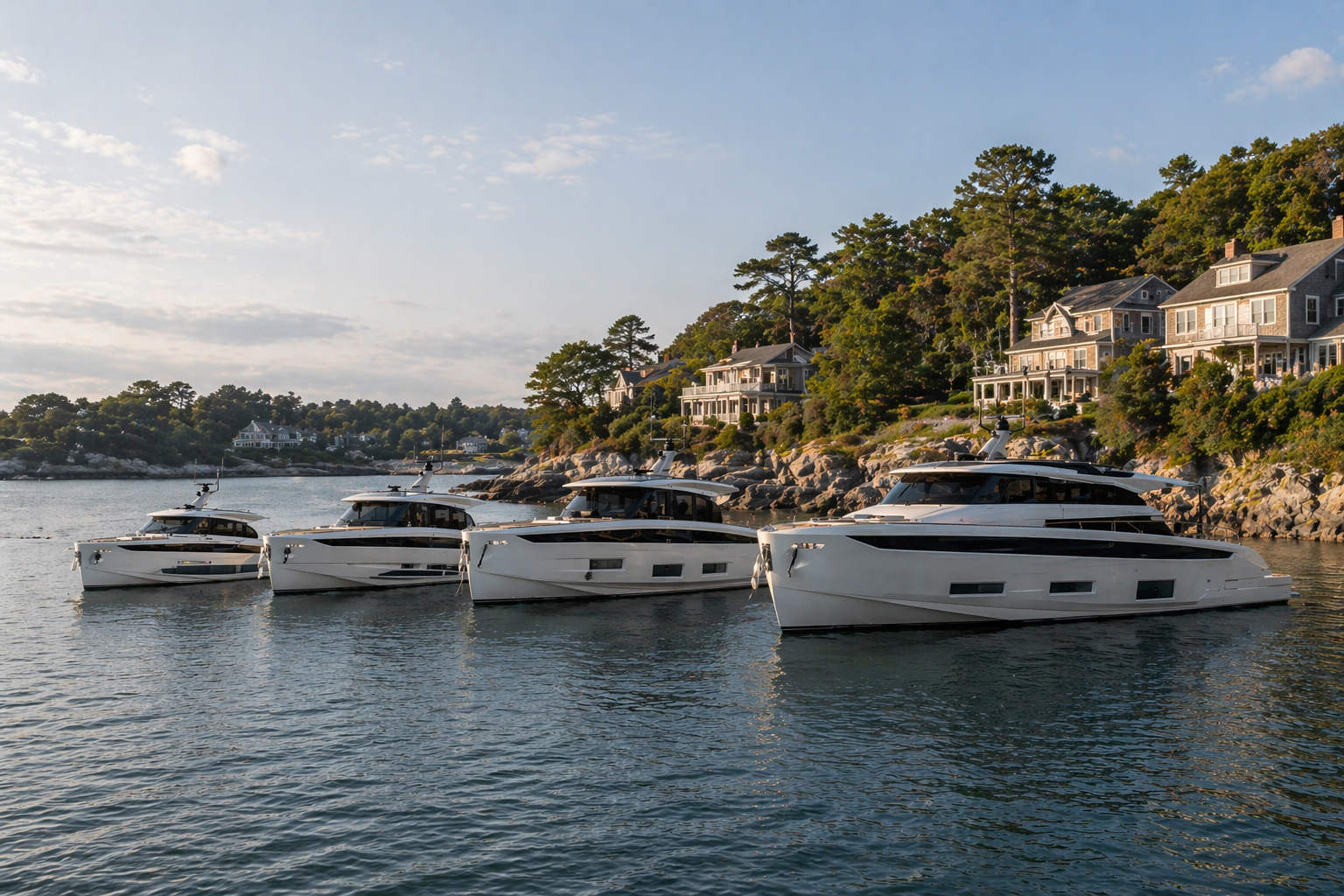
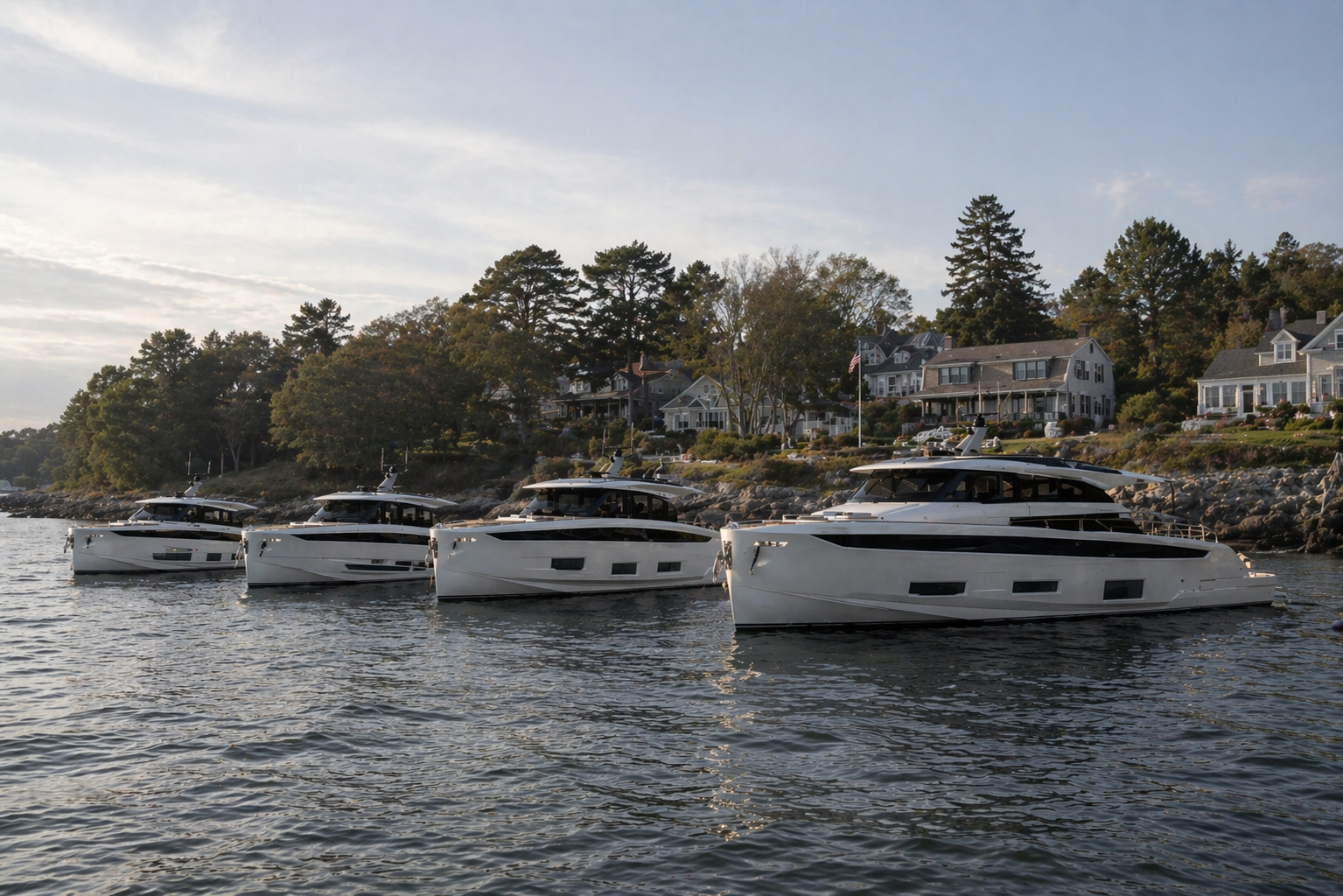
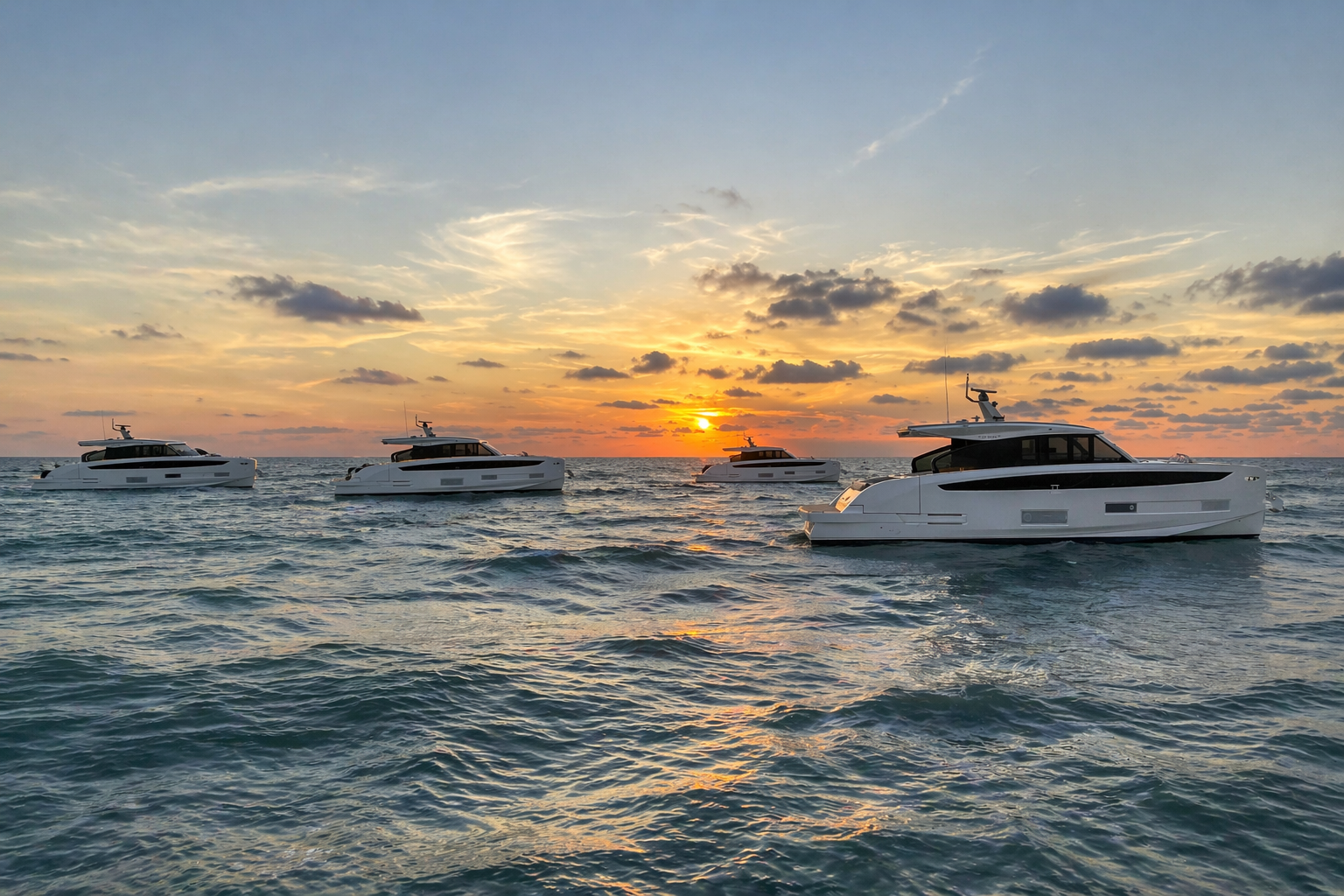
The range changes quickly as it grows. Seadeck 6 is a 56-foot yacht with three guest cabins and triple IPS, making it the most approachable model for an experienced owner-operator. Seadeck 7 moves to 71 feet, four guest cabins and twin high-output IPS drives. Seadeck 9 is an 84-foot flagship with four or five guest cabins, two crew cabins, triple IPS power and a much more professional yacht-management footprint.
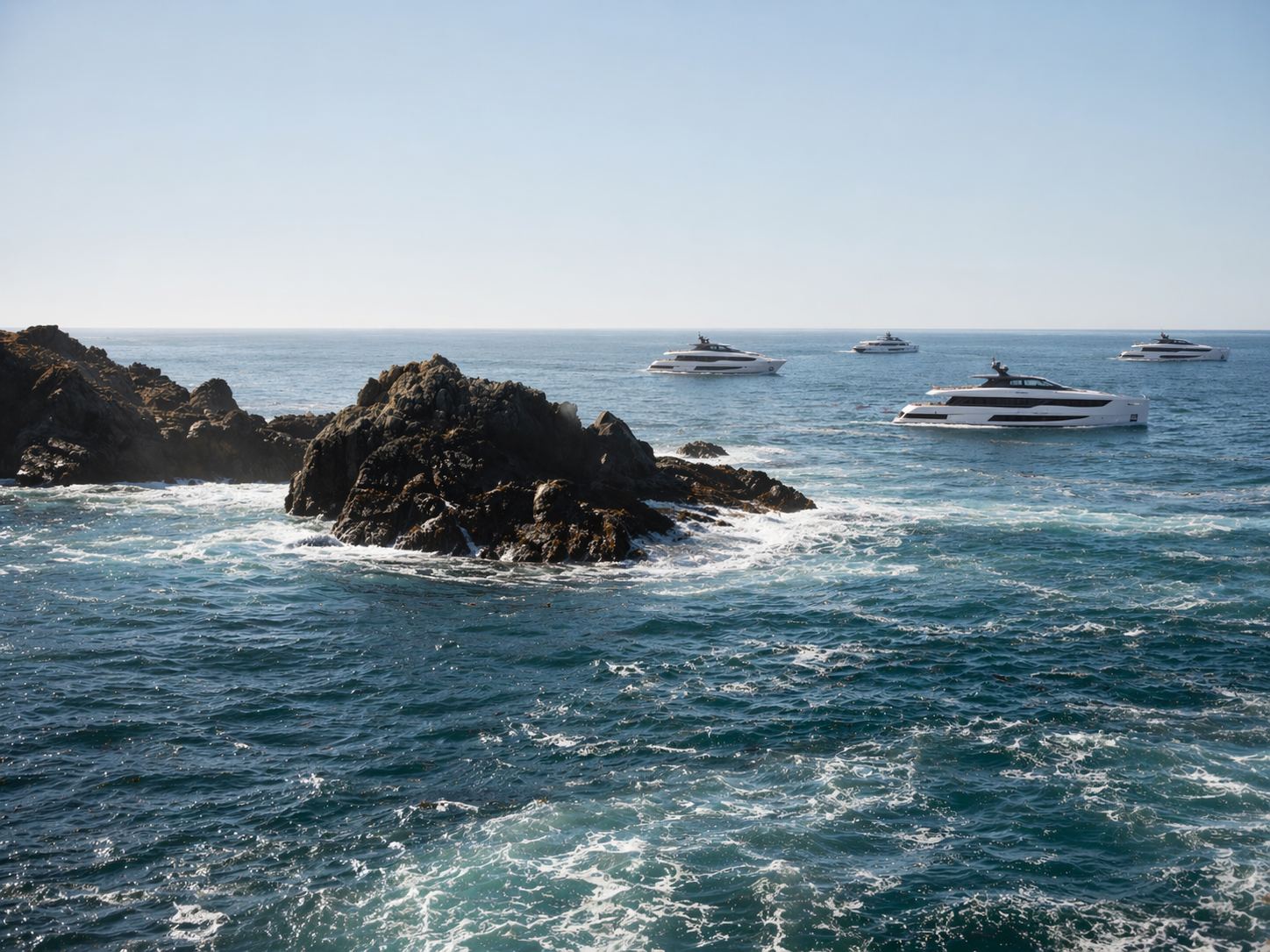
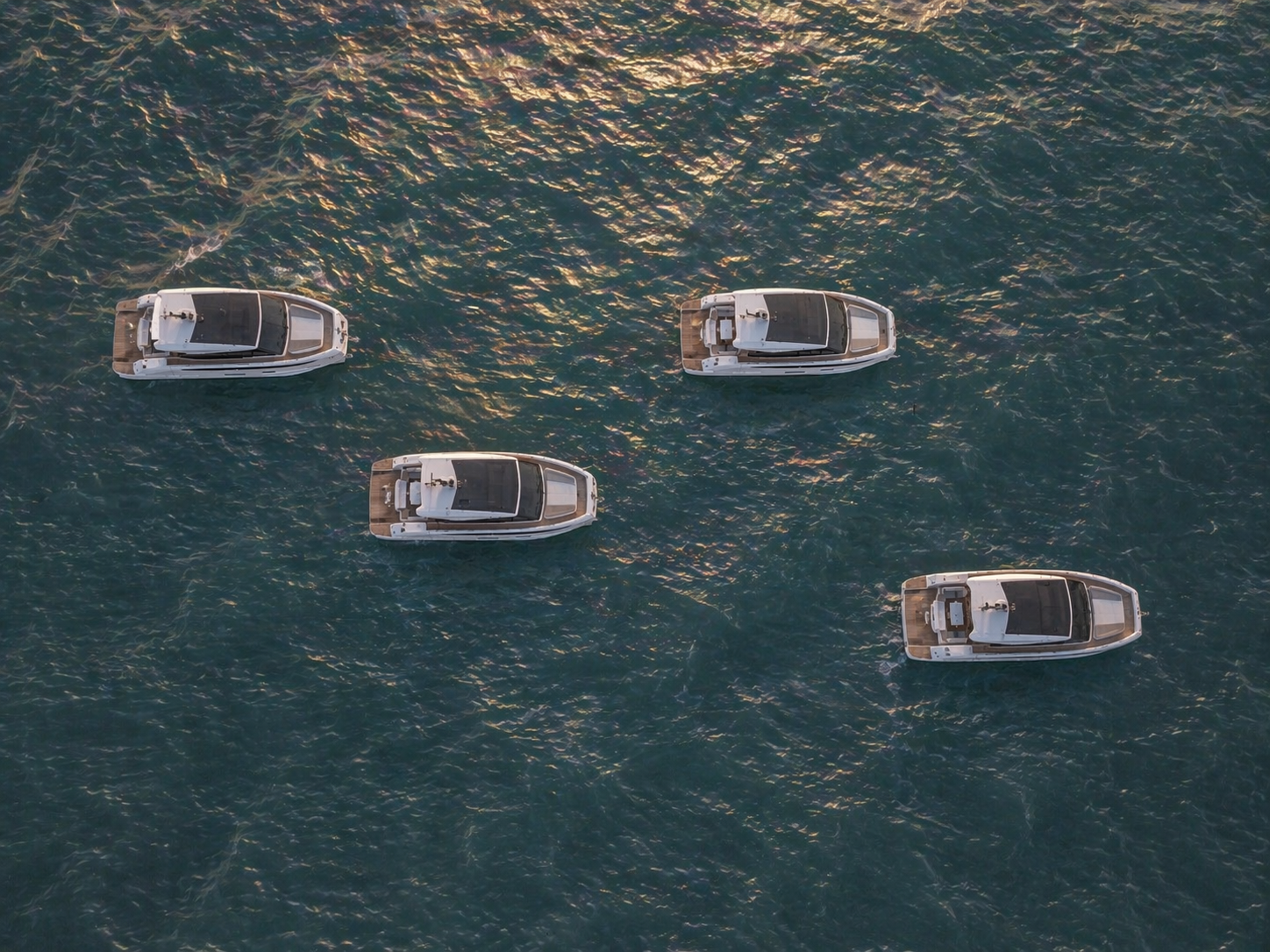
The engineering thread across Seadeck is efficiency through weight reduction, hull design, pod propulsion and lower hotel-load demand. Azimut’s Carbon Tech program removes mass from the superstructure where it most affects center of gravity. The Seadeck 6 combines carbon fiber and GRP with a planing hull, triple IPS power and published consumption as low as 6.9 liters per nautical mile at 18.5 knots. The Seadeck 7 uses twin IPS 1200 or optional IPS 1350 power and carries 978 gallons of fuel. The Seadeck 9 scales the idea to triple IPS 1200 or optional IPS 1350 power and 1,532 gallons of fuel.
The word hybrid deserves care. Azimut presents Seadeck as its first hybrid family of motoryachts, but exact propulsion and onboard-energy architecture varies by model and build. Early Seadeck 6 sea trials documented diesel IPS propulsion paired with a lithium-based hotel-energy system, while current official technical tables still list conventional Volvo Penta IPS engine packages for Seadeck 6, 7 and 9. Buyers should verify the exact hybrid, battery, generator and propulsion specification of the hull they are buying rather than assuming every Seadeck carries the same system.
What does stay consistent is the design priority: less weight, efficient planing behavior, substantial battery/electrical integration where fitted, and a stern that is used as living space rather than treated as a barrier between the yacht and the water.
Seadeck is not simply the newest-looking Azimut family. Its water-level living and efficiency brief makes it genuinely different from the brand’s other ranges. Buyers should cross-shop based on mission, not styling alone.
choose it when a full flybridge and more traditional multi-level motor-yacht living matter more than Seadeck's water-level layout.
choose it when crossover cruising, long passages and efficiency across varied speeds matter more than the open stern lifestyle.
choose it when 30-knot-plus sport-yacht performance and a lower, more aggressive profile are the priority.
choose it when customization, crew infrastructure and superyacht-scale accommodations matter more than an efficiency-first family brief.
The key step is not just length. Seadeck 6 is the compact three-cabin entry point, Seadeck 7 adds a fourth cabin and stronger long-cruise capacity, and Seadeck 9 changes the scale with four/five cabins, a plunge pool, three-level sea terraces and full-yacht crew expectations.
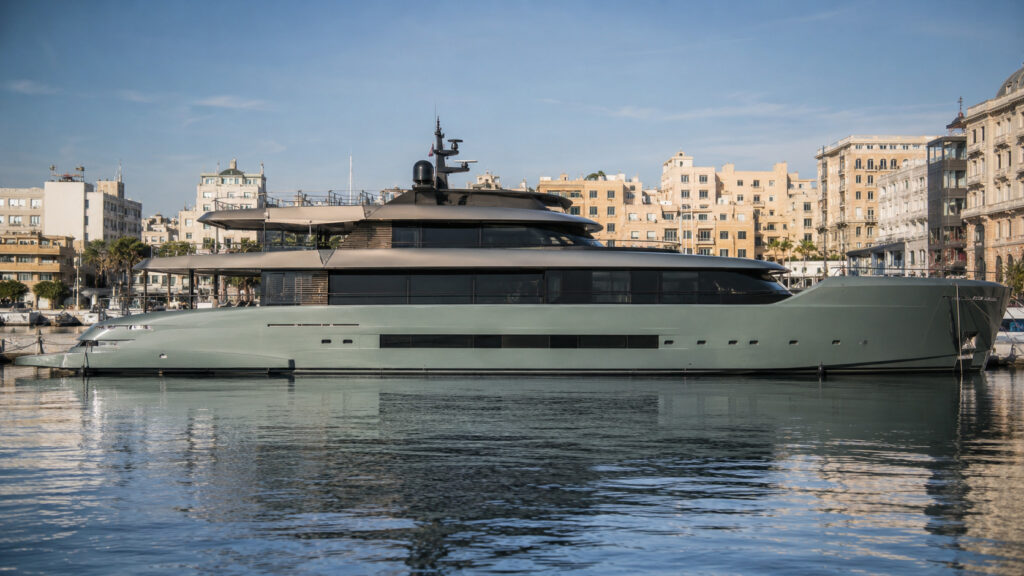
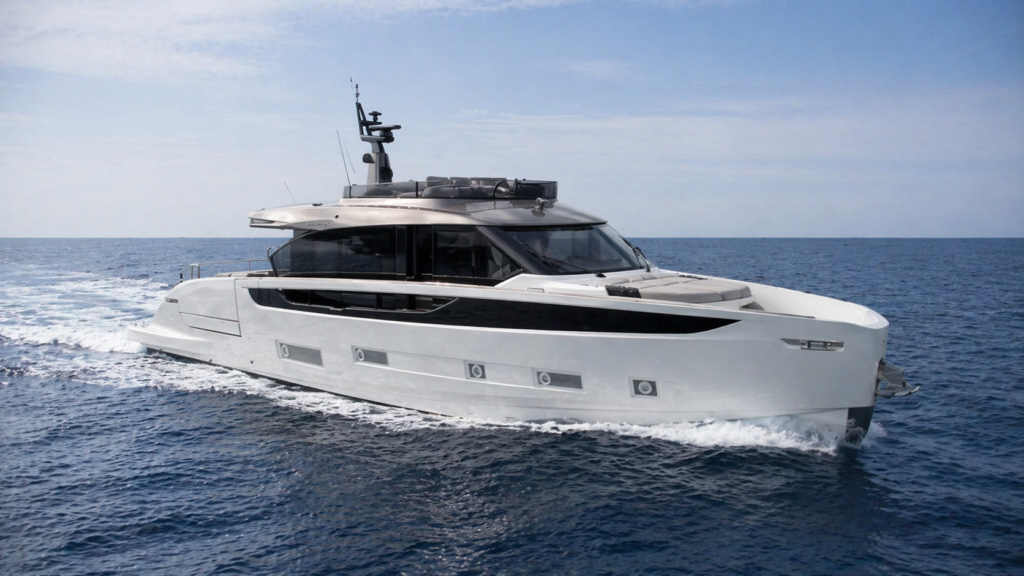
When the right Seadeck model is clear, Float Finance can help you evaluate the purchase and financing structure around the actual yacht instead of a generic payment guess.
Start with how many people will really sleep aboard, who will operate the yacht, where it will live and how much systems complexity you want to manage. Those questions separate the three Seadeck models faster than LOA alone.
Seadeck’s efficiency story does not remove normal yacht ownership costs. Dockage, insurance, Volvo Penta/IPS service, haul-outs, bottom work, batteries, HVAC, generator or energy-management systems, detailing and electronics still need annual budgeting. On hybrid or high-capacity battery-equipped builds, the survey should also document battery health, cooling, charging hardware and control-system status.
The cost curve is not linear across the range. A Seadeck 9 is not simply a Seadeck 6 with fifty percent more length. It carries substantially more fuel, more accommodation, more systems and more crew infrastructure. Insurance, dockage and professional management can jump at the same time. That is why buyers should compare annual ownership structure before deciding the larger model is automatically the better value.
Float Finance can work around dealer, brokerage and qualified private-party yacht transactions. Exact underwriting depends on borrower profile, yacht age, value, survey, insurance and transaction structure.
Send Float Finance the listing so the financing conversation can be based on the actual yacht, seller and transaction rather than an estimated online payment.
Pair the boat research with financing and transaction planning before you make an offer.
plan documentation and closing when there is no dealer handling the process.
Azimut describes Seadeck as its first hybrid family of motoryachts, but the exact propulsion and onboard-energy architecture varies by model and build. Current official technical tables list Volvo Penta IPS diesel packages for all three models. Early Seadeck 6 tests documented a lithium-based hotel-energy system with diesel propulsion. Verify the exact hull’s battery, generator, hybrid and propulsion configuration before purchase.
Fly is built around a traditional flybridge motor-yacht proposition: an upper helm and another major entertaining deck. Seadeck moves the social center down toward the water with the Fun Island and emphasizes efficiency, weight reduction and lower onboard energy demand. Choose Fly for upper-deck living; choose Seadeck when water access and the efficiency brief are more important.
It depends on the family. Seadeck 6 has three guest cabins and is the easiest size to imagine as an experienced owner-run yacht. Seadeck 7 adds a fourth guest cabin and more cruising capacity. Seadeck 9 offers four or five cabins and a dramatically larger outdoor-waterfront experience, but it also belongs in a more crew-oriented ownership category.
Azimut says Seadeck combines its Low Emission Yacht solutions, lighter structures, efficient hulls, pod propulsion and lower-energy hotel systems to reduce CO2 emissions by up to 40% over a year of average use. Published model data also includes specific fuel-consumption and range figures for Seadeck 6 and 7. Real-world results depend on load, speed, sea state and onboard energy use.
Potentially, yes, subject to borrower, yacht and lender eligibility. Because Seadeck is a newer, technology-heavy family, underwriting and survey should clearly identify the installed propulsion, battery and onboard-energy systems rather than treating every hull as the same specification.
Start with the smallest model that comfortably handles your real cabin, cruising and crew needs. Seadeck 6 is the logical starting point for hands-on ownership. Move to Seadeck 7 for four-cabin family cruising. Choose Seadeck 9 only when the larger sea terraces, pool, four/five-cabin plan and full-yacht operating scale solve needs you actually have.
Dealer, brokerage or qualified private-party listing — bring Float Finance the yacht you are considering and explore a financing structure around the real purchase.
Tell us a little bit about yourself and the boat you are looking to finance.