Call Us : 207-994-5109

Mon – Fri: 8 am to 9 pm & Sat – Sun: 10 am to 8 pm

Bayliner · Bowriders

Bayliner Bowrider

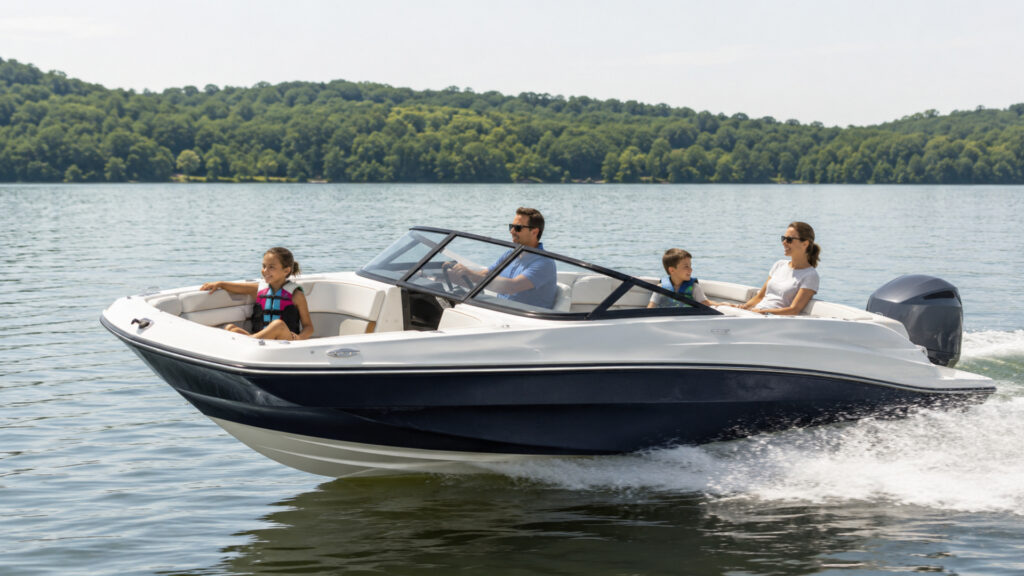
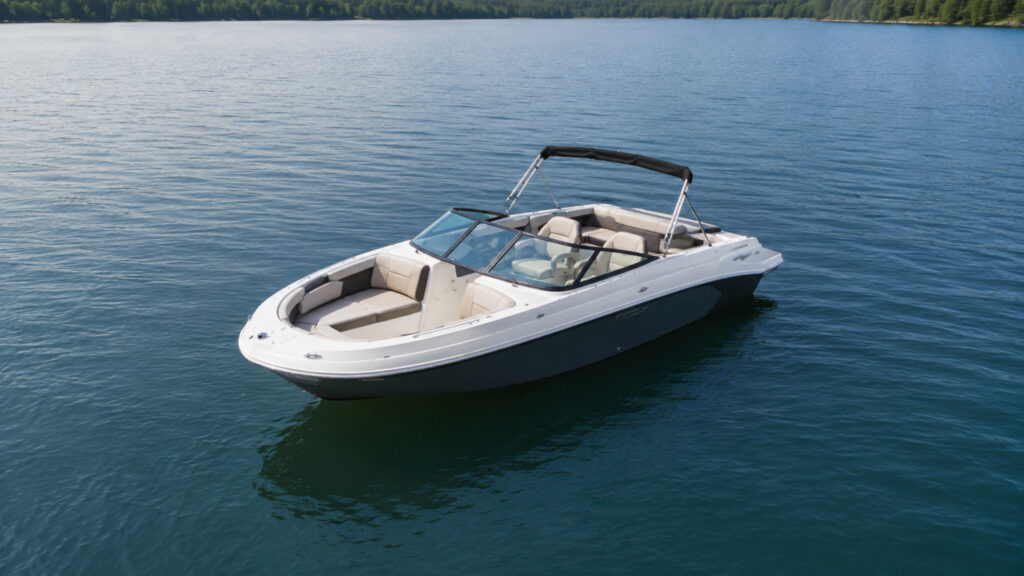
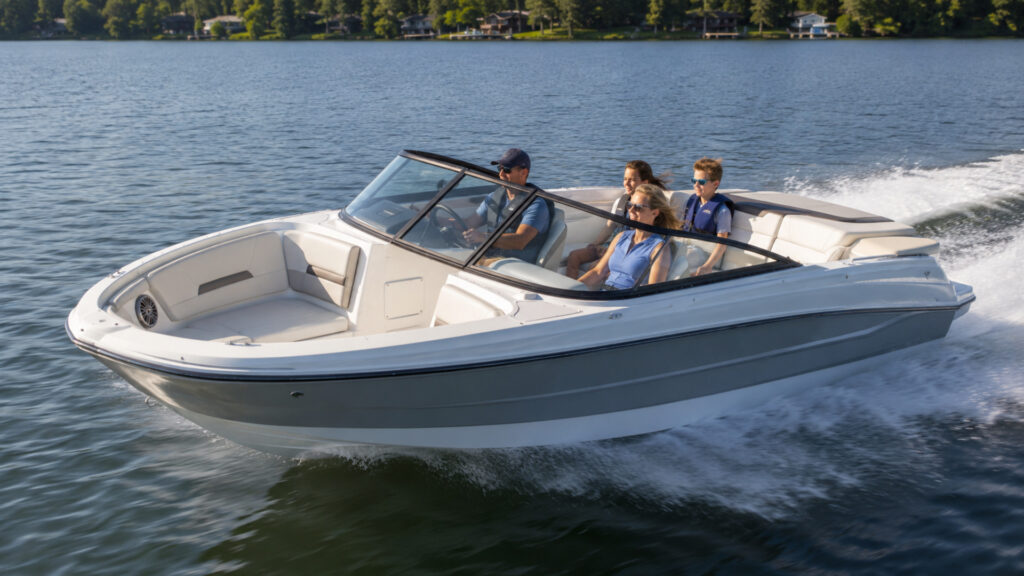
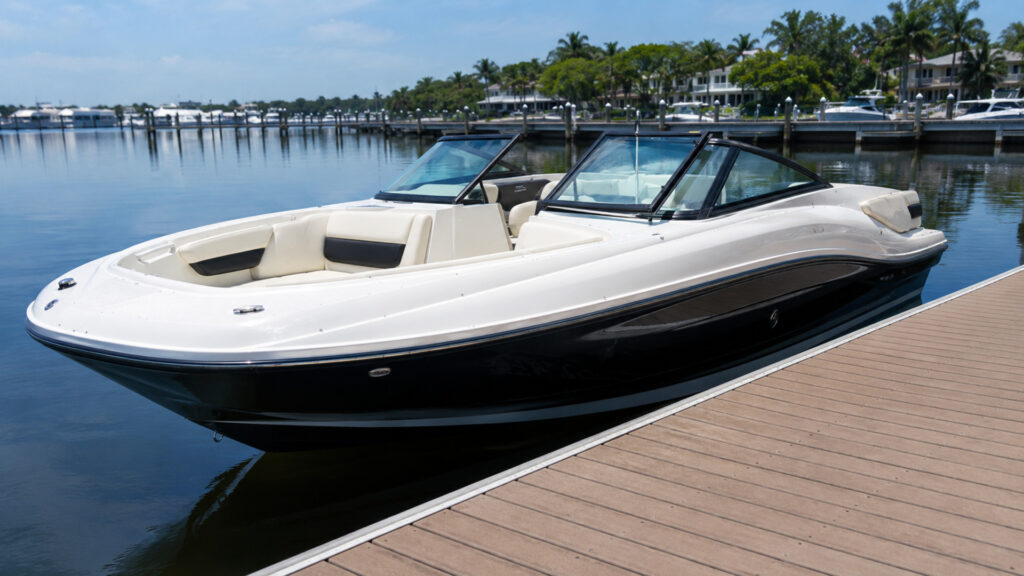
Bayliner bowriders are built for buyers who want one boat for cruising, swimming, watersports, and family days without moving into a larger, harder-to-own platform.

Current U.S. Lineup
5 Models
Length Range
18' 9"–22' 7"
Capacity Range
7–10 People
Power Options
Outboard & Sterndrive
Overview

A Bayliner bowrider makes the most sense when the boat needs to earn its place through use. These are not specialized fishing boats, overnight cruisers, or high-dollar performance machines. They are open-bow family boats designed around the things owners tend to do most often: cruise, swim, pull a tube, anchor with friends, and get back onto the trailer without turning every outing into a project.

That broad usefulness is the main reason buyers end up here. Bayliner gives you multiple ways to buy roughly the same type of boating experience without forcing everyone into the same hull or propulsion setup. The current V Series pushes toward a newer-generation layout with higher freeboard, wider-feeling interiors, and V20 outboard or V20I sterndrive choices. The VR family emphasizes usable interior room through Bayliner’s BeamForward and AftAdvantage concepts, with compact choices such as the VR4 and larger layouts such as the VR6.

The decision is therefore less about choosing the “best Bayliner” and more about buying the least amount of boat that comfortably handles your normal crew. A couple with two kids may get more value from a VR4 than a VR6. A family regularly carrying eight or nine people may quickly regret saving money on the smaller hull. Buyers who value easy engine access and offseason service may prefer an outboard. Buyers who want a cleaner stern and integrated swim platform may lean toward sterndrive power.

Buy for the weekends you will actually have, not the biggest guest list you can imagine once a year.

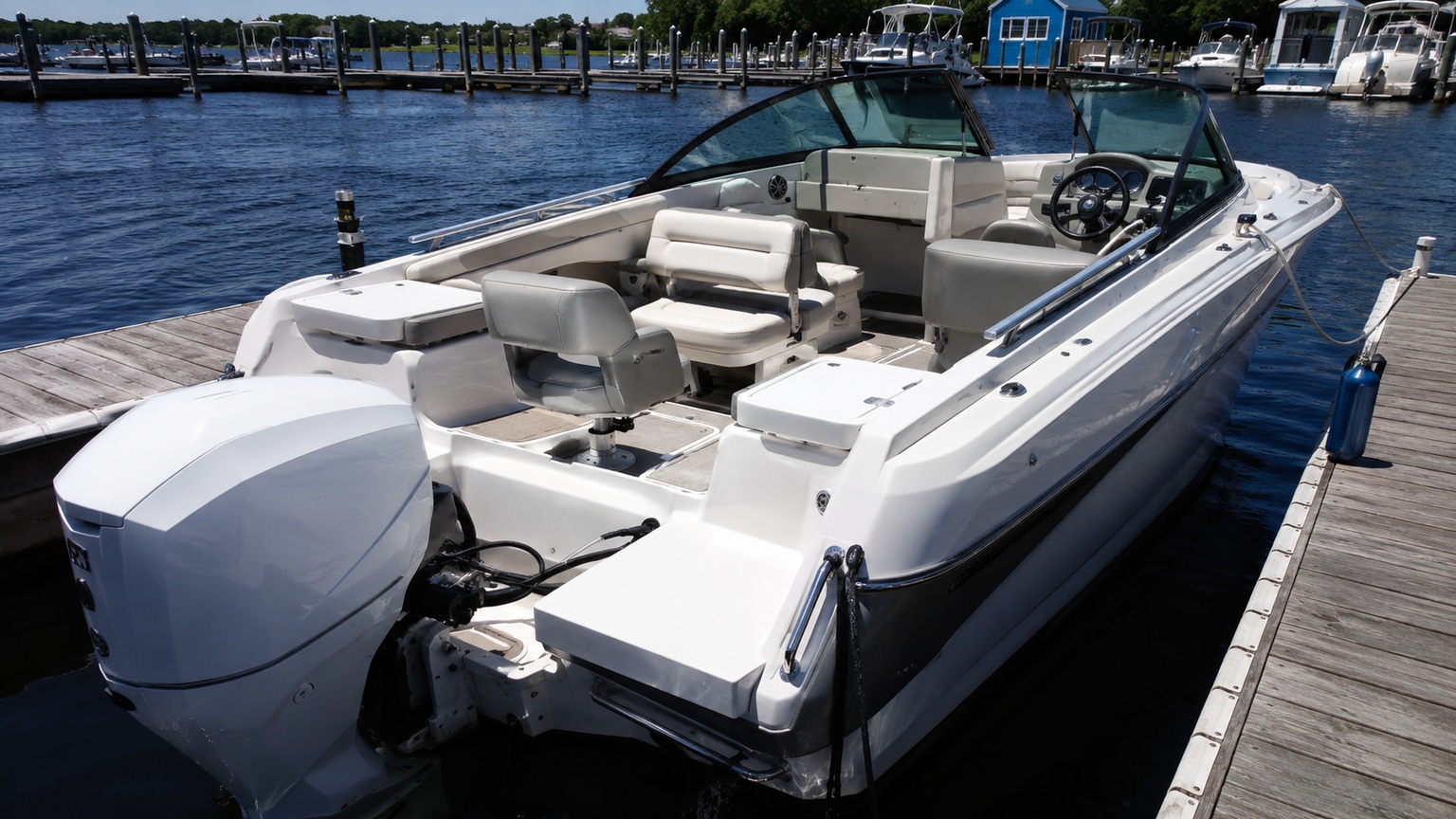
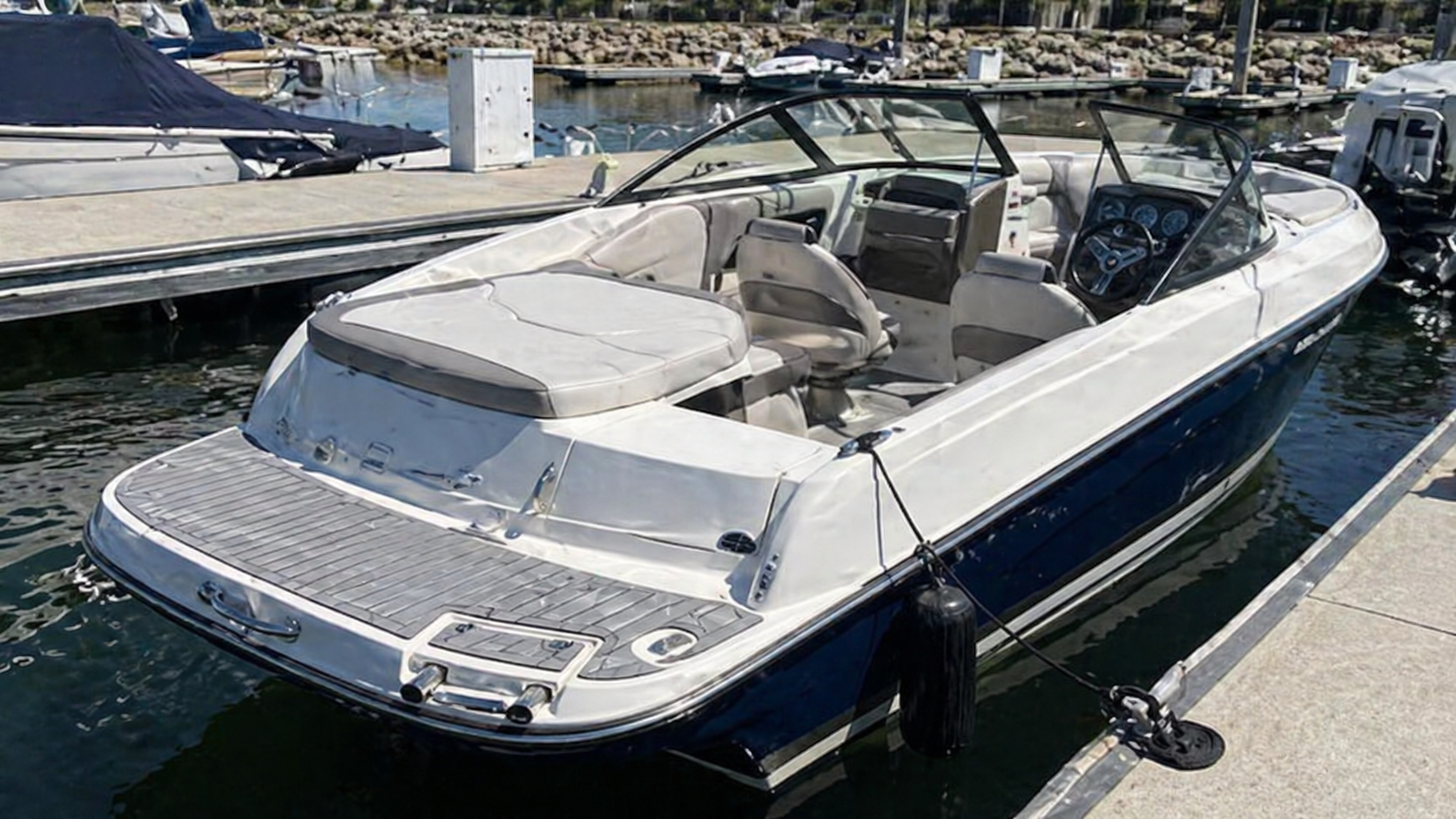
bayliner bowrider vr4
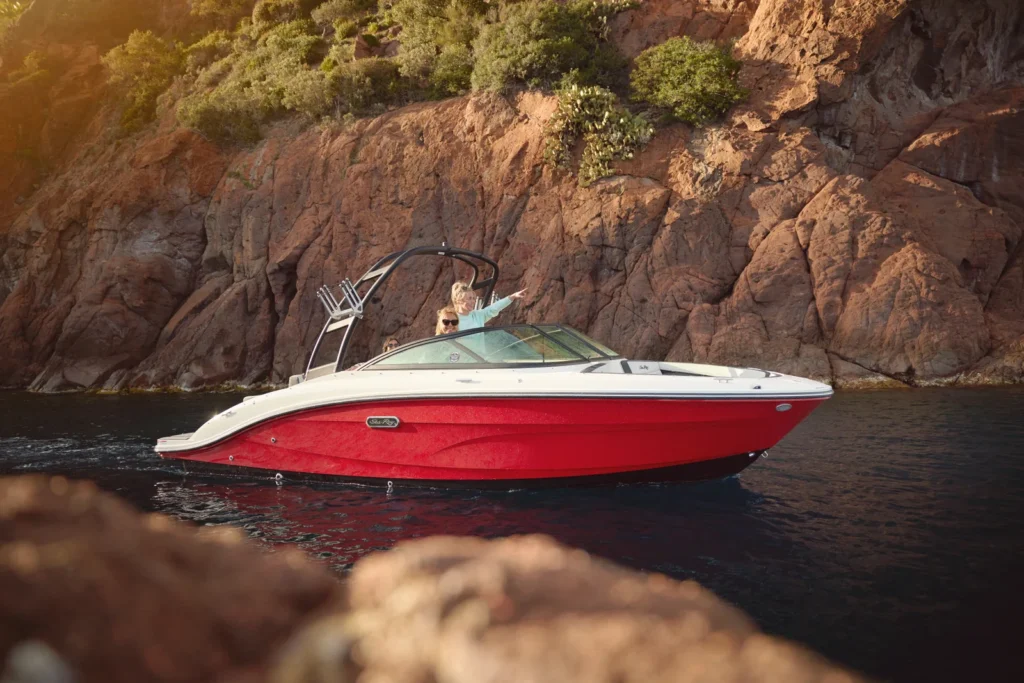
chaparral 21 ssi ob ski fish 23
Design Brief

Bayliner’s modern bowrider strategy is largely about creating more usable passenger space without forcing buyers into dramatically longer boats. BeamForward carries useful width farther toward the bow, reducing the sharply tapered feel common in older bowriders. AftAdvantage pushes seating farther toward the stern while keeping the swim platform outside the main cockpit footprint. The practical result is more usable seating and storage for a given overall length.

That matters most in the 18- to 22-foot range. On paper, another foot or two may not sound significant. In the boat, it can determine whether adults can sit comfortably in the bow, whether the cockpit still works with coolers and watersports gear aboard, and whether people need to climb over one another every time someone goes swimming.

Hull deadrise across the researched V and VR models sits around 19 to 20 degrees, keeping these boats in conventional recreational V-hull territory. The design target is predictable family handling, planing performance, and enough hull angle to deal with ordinary lake or coastal chop without making the boats unnecessarily heavy or power-hungry.

Propulsion creates the other major split. Outboards preserve simple engine access and make repowering straightforward. Sterndrives move the engine inside the hull, producing a cleaner stern and a more integrated swim-platform experience. Neither is automatically superior. The right one depends on how you boat, where the boat lives, and what you value when it is time to service it.

Other Bayliner Boats to Consider

A bowrider is the right Bayliner when open seating and general recreation come first. If your use is more specialized, another Bayliner category may be a better buy.

Deck Boats

Worth considering when passenger room and a broad, stable deck plan matter more than classic bowrider proportions.

Center Consoles

A stronger fit when fishing access, open deck movement, and outboard utility outweigh upholstered family seating.

Side Consoles

Useful for buyers who want flexible fishing and recreation in a smaller, less conventional layout.

Overnight Models

Make more sense when weather protection, enclosed accommodation, and weekend coastal cruising are part of the plan.

Compare Bayliner Bowrider Models

The most expensive Bayliner is not automatically the right one. Start with propulsion, normal passenger count, tow vehicle, storage space, and how much cockpit room you actually need.

Bayliner Bowrider
From $135/mo
$19,995 – $50,107
Bayliner Bowrider
From $160/mo
$23,500 – $59,900
Bayliner Bowrider
From $135/mo
$19,995 – $39,900
Bayliner Bowrider
From $135/mo
$19,500 – $54,180
Bayliner Bowrider
From $165/mo
$23,995 – $68,285
Bayliner Bowrider
From $300/mo
$43,963 – $71,565
Bayliner Bowrider
From $340/mo
$49,332 – $78,527

Find the Bayliner You Actually Want

Once you know the model and power setup that fits your family, Float Finance can help you evaluate the purchase and payment around the actual boat.

Choosing the Right Bayliner Bowrider

Start with how many people will be aboard most weekends, not the maximum number printed on the capacity plate. A boat may legally carry a large group and still feel crowded once bags, life jackets, coolers, tubes, and normal family gear come aboard.

For smaller crews, the VR4 keeps ownership simple. It is easier to store and tow than the larger boats and still delivers a real bowrider layout. The VR5 is the useful middle step for buyers who have already decided an 18-foot boat will feel tight but do not need the footprint of the VR6.

The V20 and V20I deserve their own comparison because propulsion is the deciding factor. The V20 gives you outboard serviceability and leaves the engine outside the cockpit structure. The V20I creates the cleaner sterndrive stern many buyers want for swimming and lounging.

The VR6 is the buy when crew size settles the argument. If eight, nine, or ten people are frequently coming along, the extra hull is not indulgence; it prevents the boat from feeling undersized every time the family gets together.

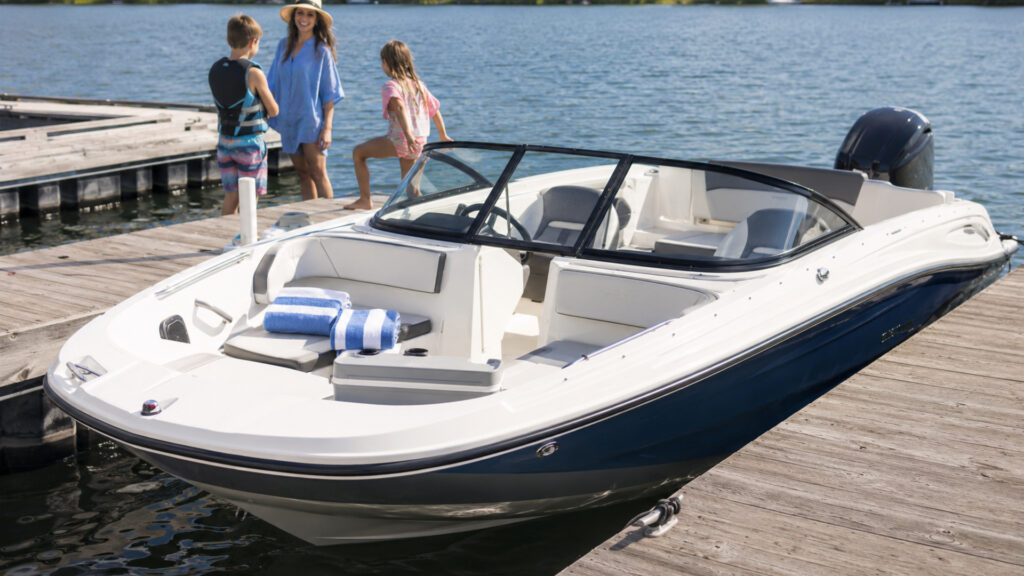
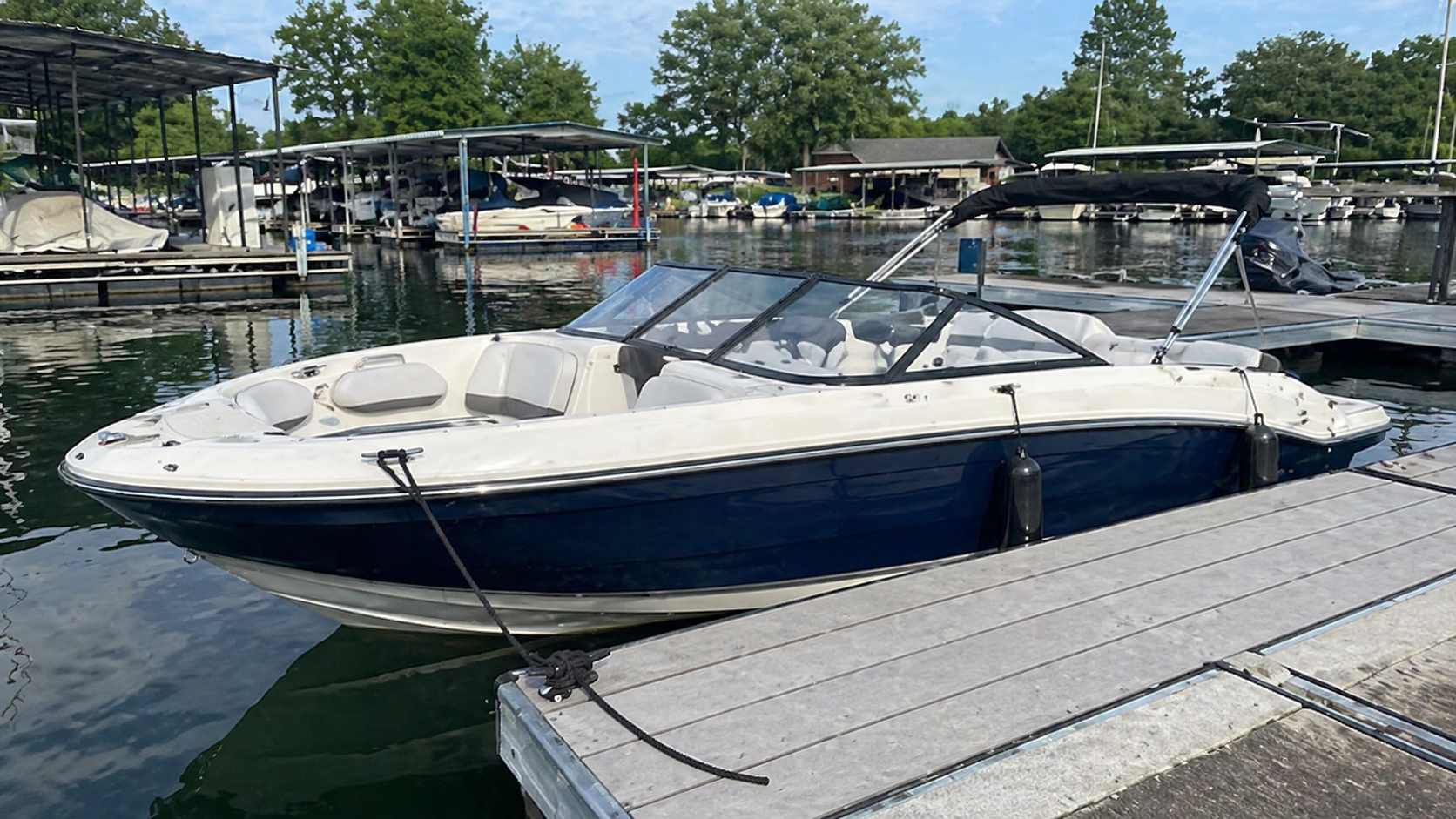
bayliner bowrider boats

Four questions that settle it

Answer these in order. They narrow the range faster than any spec comparison will.

How Many People Are Really Coming?

Choose around your regular crew plus gear. Published capacity is a limit, not a comfort guarantee.

Outboard or Sterndrive?

Outboards favor accessibility and straightforward maintenance. Sterndrives create a cleaner stern and more integrated swim-platform feel.

Can Your Vehicle Tow It?

Boat weight is only part of the calculation. Trailer, fuel, batteries, equipment, and gear all count toward actual tow weight.

Where Will You Store It?

Measure storage length and trailer dimensions before buying. A boat that does not fit at home can immediately change the ownership budget.

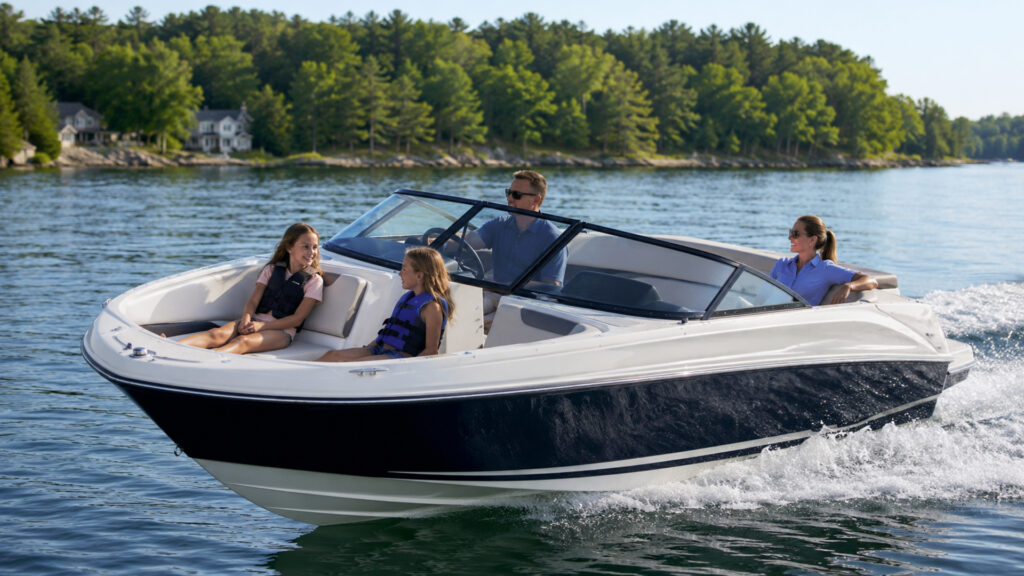
bayliner bowrider

What a Bayliner Bowrider Costs to Own

Bayliner bowriders avoid many of the expenses that come with larger cruisers, but the payment still should not be the entire budget. Insurance, fuel, annual engine service, trailer maintenance, winterization in seasonal climates, storage, detailing, batteries, covers, propeller damage, and watersports gear all add to the real cost.

Outboard and sterndrive ownership also create different service considerations. An outboard is exposed and accessible, which can simplify routine work and future replacement. A sterndrive puts the engine inside the hull and gives the stern a cleaner layout, but the drive, bellows, cooling system, and engine compartment deserve careful inspection on a used boat.

Trailer condition can become just as important as engine condition on an older Bayliner. Tires, brakes, hubs, bunks, lights, coupler hardware, and corrosion are easy to overlook while everyone focuses on the boat.

When financing, purchase price, model year, condition, borrower qualifications, and transaction type can affect available terms. The goal is to buy a boat that fits both the monthly payment and the way you intend to own it.

Already Found a Bayliner for Sale?

Send Float Finance the listing. We can work from the actual boat, purchase price, and transaction instead of asking you to guess what financing might look like.

Plan the Purchase

Bayliner Bowrider Questions

They can be. The strongest case is straightforward operation, familiar V-hull handling, open seating, and models small enough to trailer and store without committing to marina-based ownership. First-time buyers should still choose conservatively. A smaller VR4 may produce a better first season than a larger boat that strains the tow vehicle, storage space, or budget. Leave room for insurance, safety gear, maintenance, and the inevitable purchases that come after delivery.

The right model depends mainly on crew size and how much gear comes along. Smaller families may find the VR4 gives them everything they need without paying for unused hull length. The V20 provides a larger-feeling modern layout with outboard power. The VR6 makes more sense when larger groups are normal rather than occasional. Choose based on how the boat feels with your actual family aboard, not capacity numbers alone.

Choose the V20 if you prefer outboard power, easier engine access, and the flexibility that comes with having the propulsion system outside the hull. Choose the V20I if you prefer sterndrive power and want the cleaner aft layout and integrated swim-platform experience it creates. They share a similar basic size, so propulsion and stern use are more important than overall length when deciding between them.

The VR4 is the compact ownership choice, the VR5 is the middle ground, and the VR6 is the space-first option. If your regular crew fits comfortably in the VR4, moving up only adds cost, tow weight, and storage requirements. The VR5 solves crowding without going all the way to a 22-foot boat. The VR6 earns its size when you frequently carry a larger group or need more seating and storage every weekend.

Buy the outboard if engine accessibility, straightforward winterization, or future repowering matters most. Buy the sterndrive if you value an unobstructed stern and integrated swim-platform layout. Saltwater buyers should also think carefully about where the boat will live and how the propulsion will be flushed and maintained. A well-maintained version of either system is preferable to choosing a propulsion type while ignoring service history.

Yes, used Bayliner purchases may be financeable depending on the boat, borrower, value, model year, and transaction. Dealer, brokerage, and private-party purchases can involve different documentation. If you already found the boat, send Float Finance the listing so the financing conversation can start with the actual year, price, engine, and seller rather than a hypothetical loan amount.

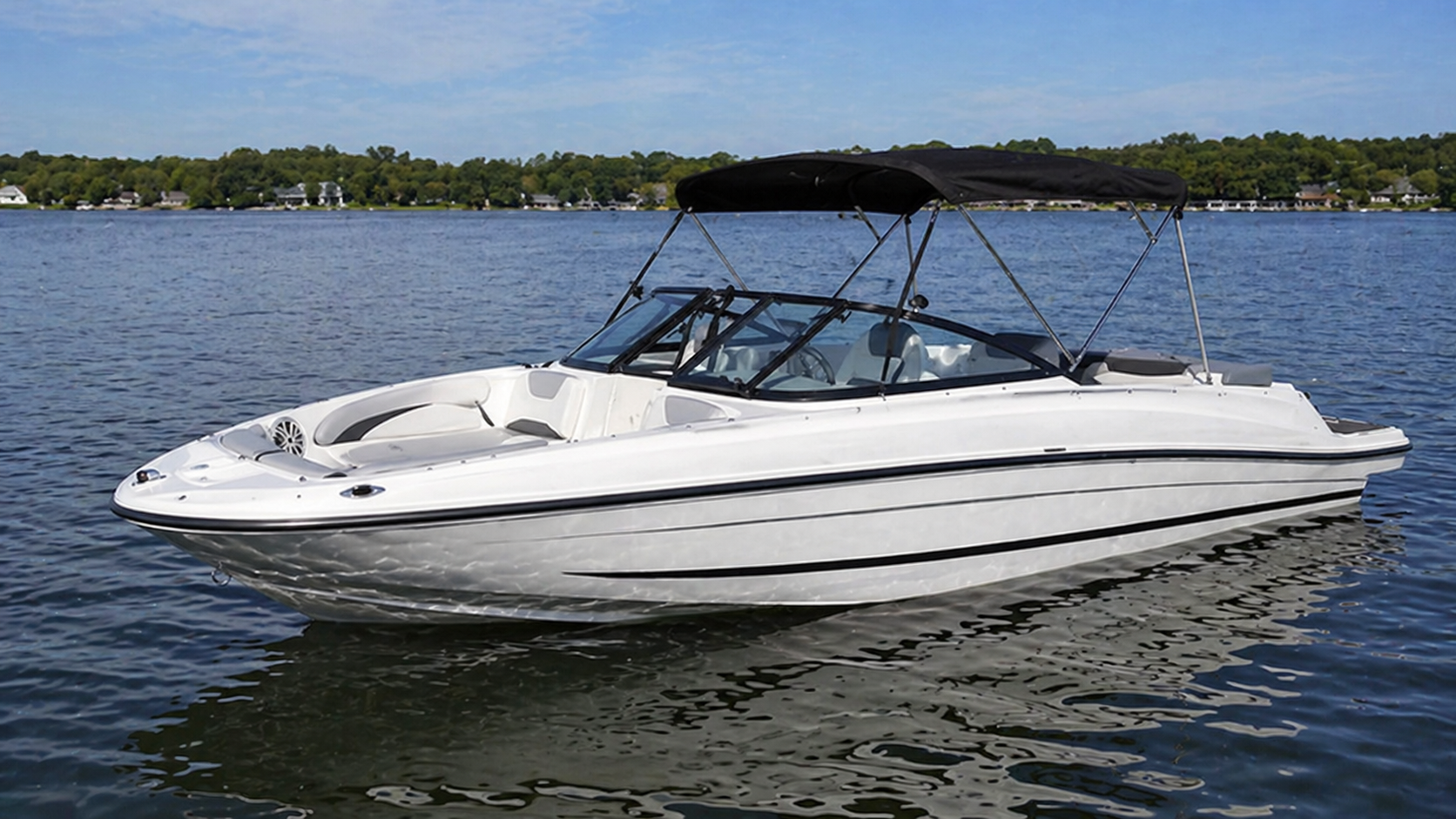
Buy the Bayliner That Fits Your Weekends

Find the right hull and propulsion setup first. Then let Float Finance help you structure financing around the boat you actually want to bring home.

Let's Make This Easy

Tell us a little bit about yourself and the boat you are looking to finance.

Skip to content