Call Us : 207-994-5109

Mon – Fri: 8 am to 9 pm & Sat – Sun: 10 am to 8 pm

Bayliner · V Series

Bayliner V20

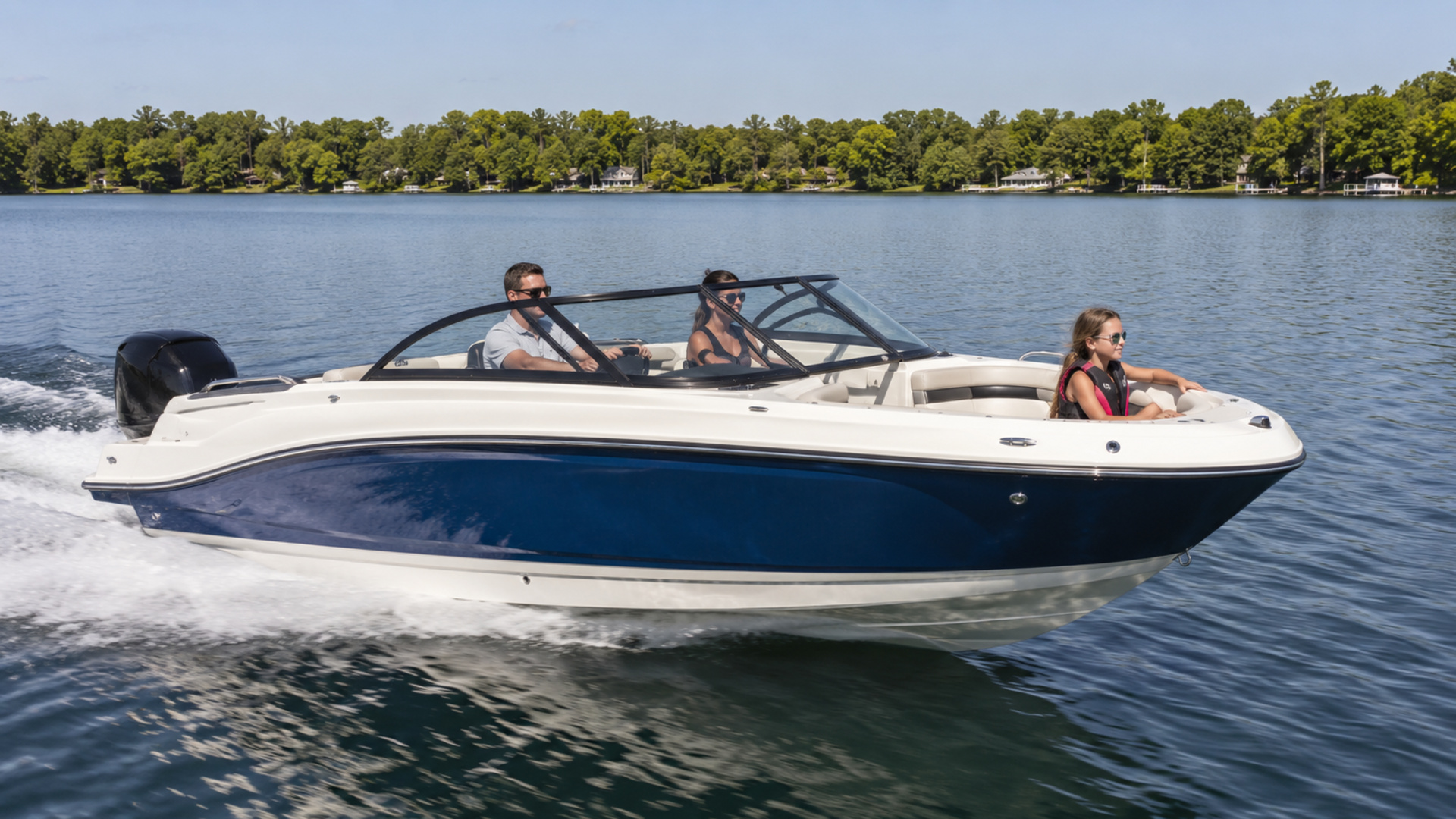
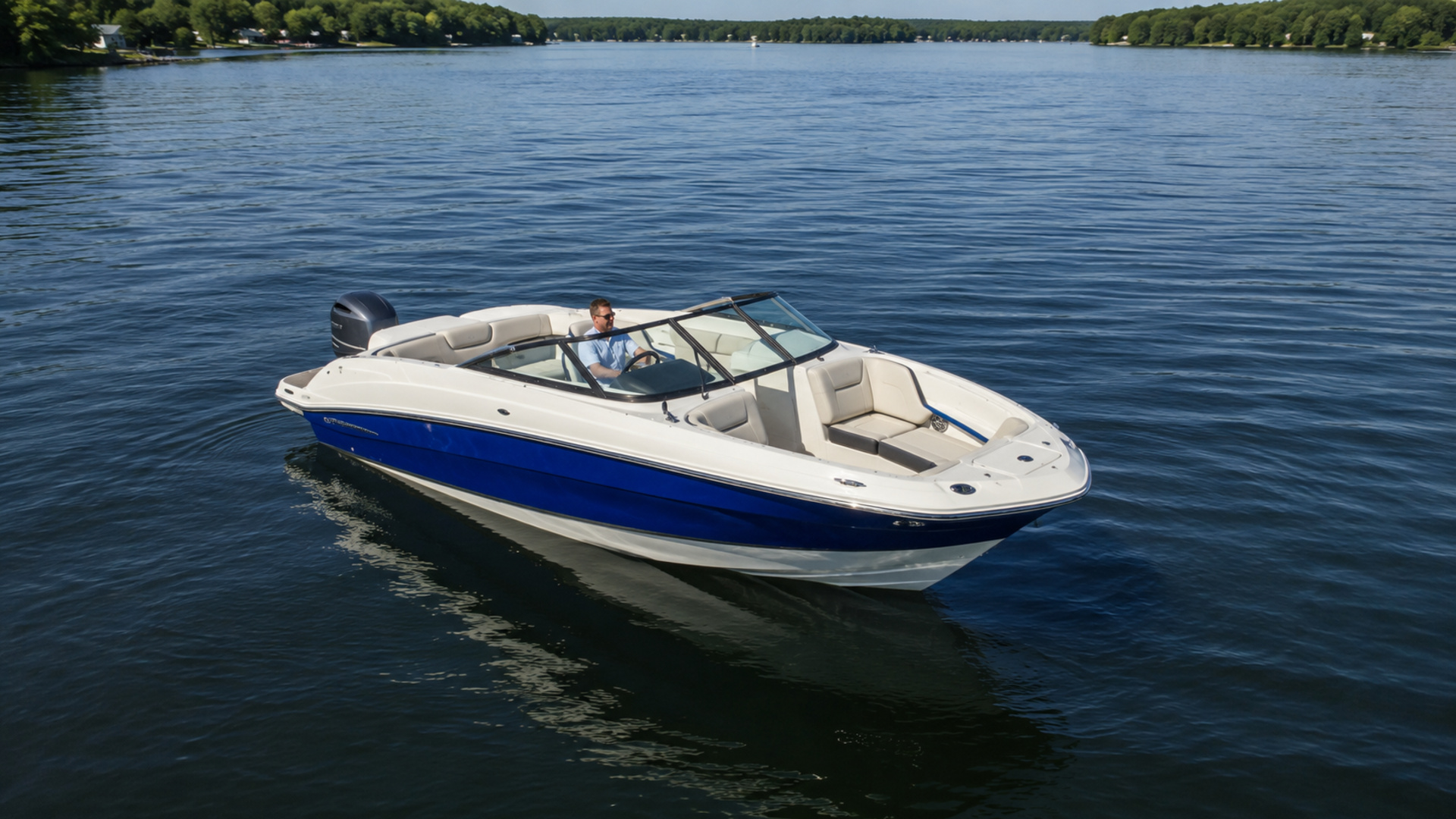
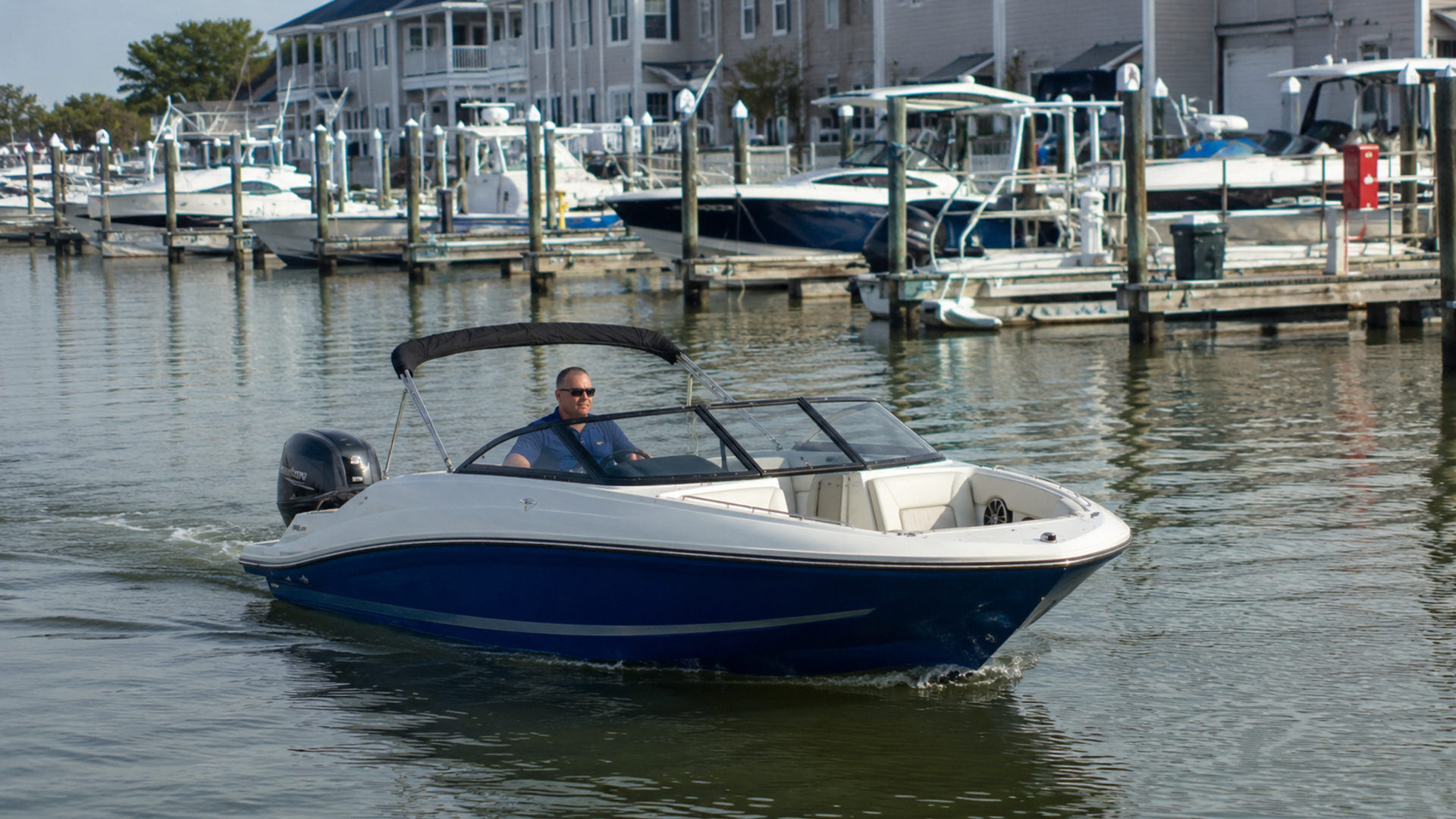
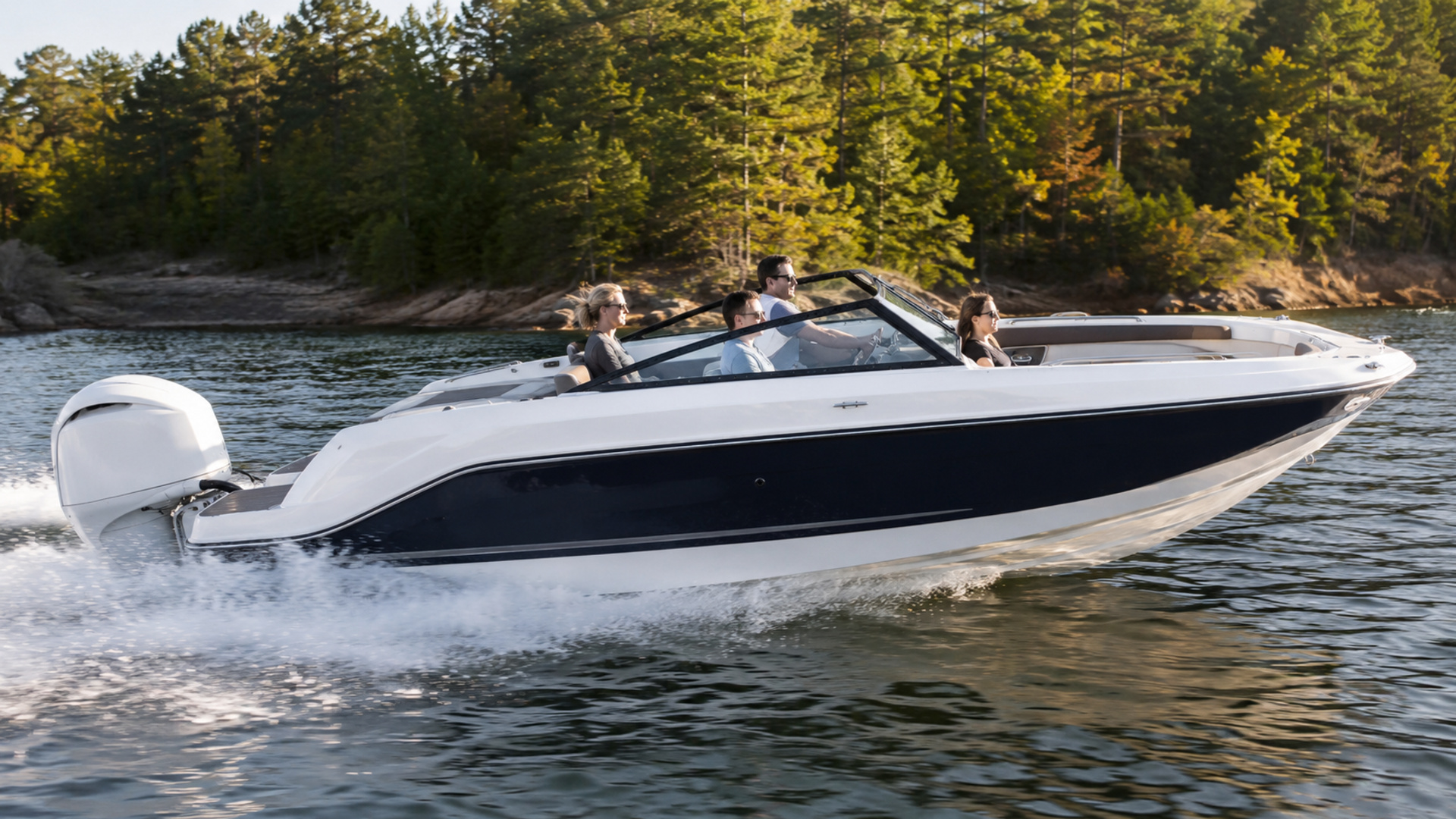
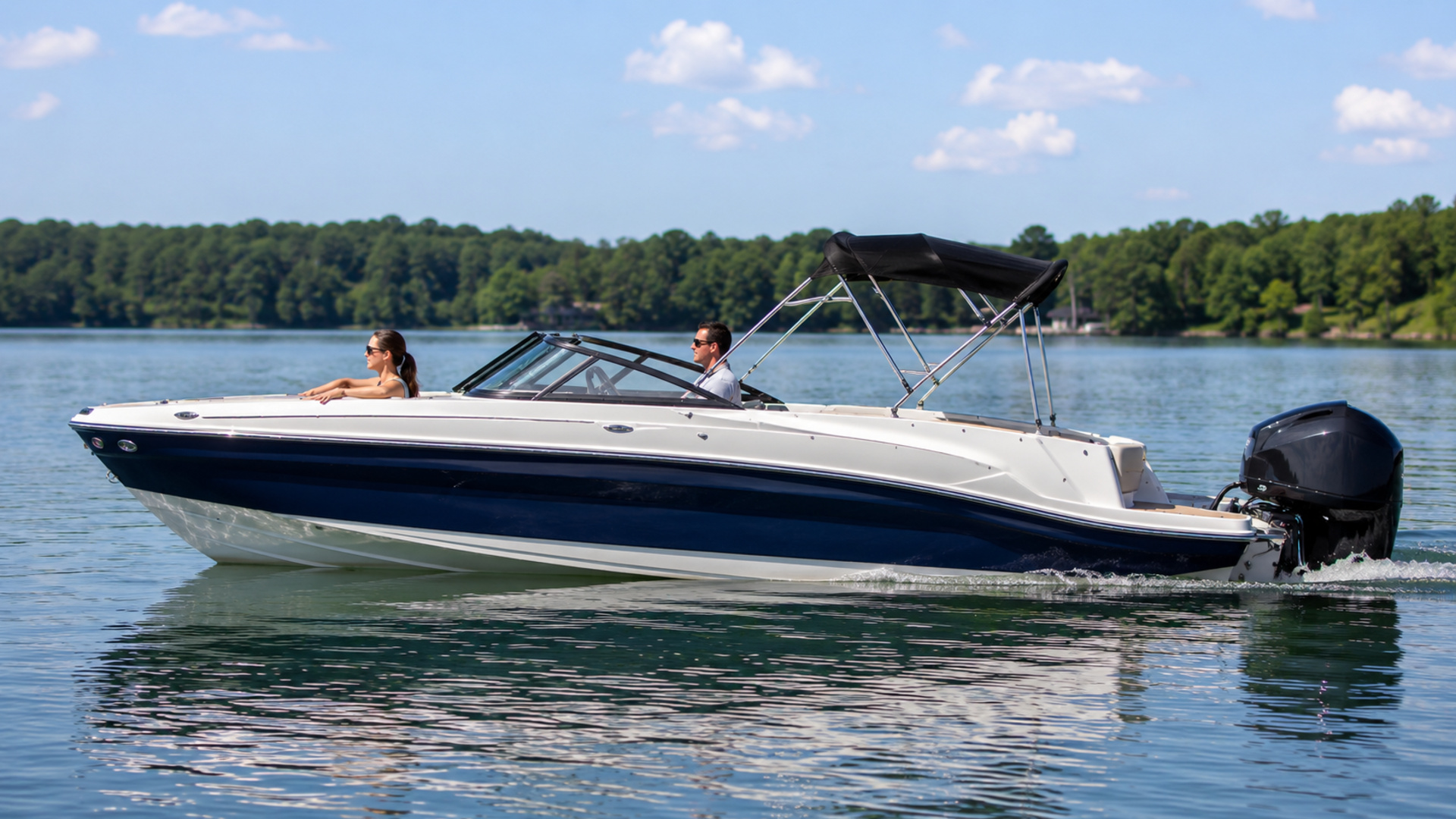
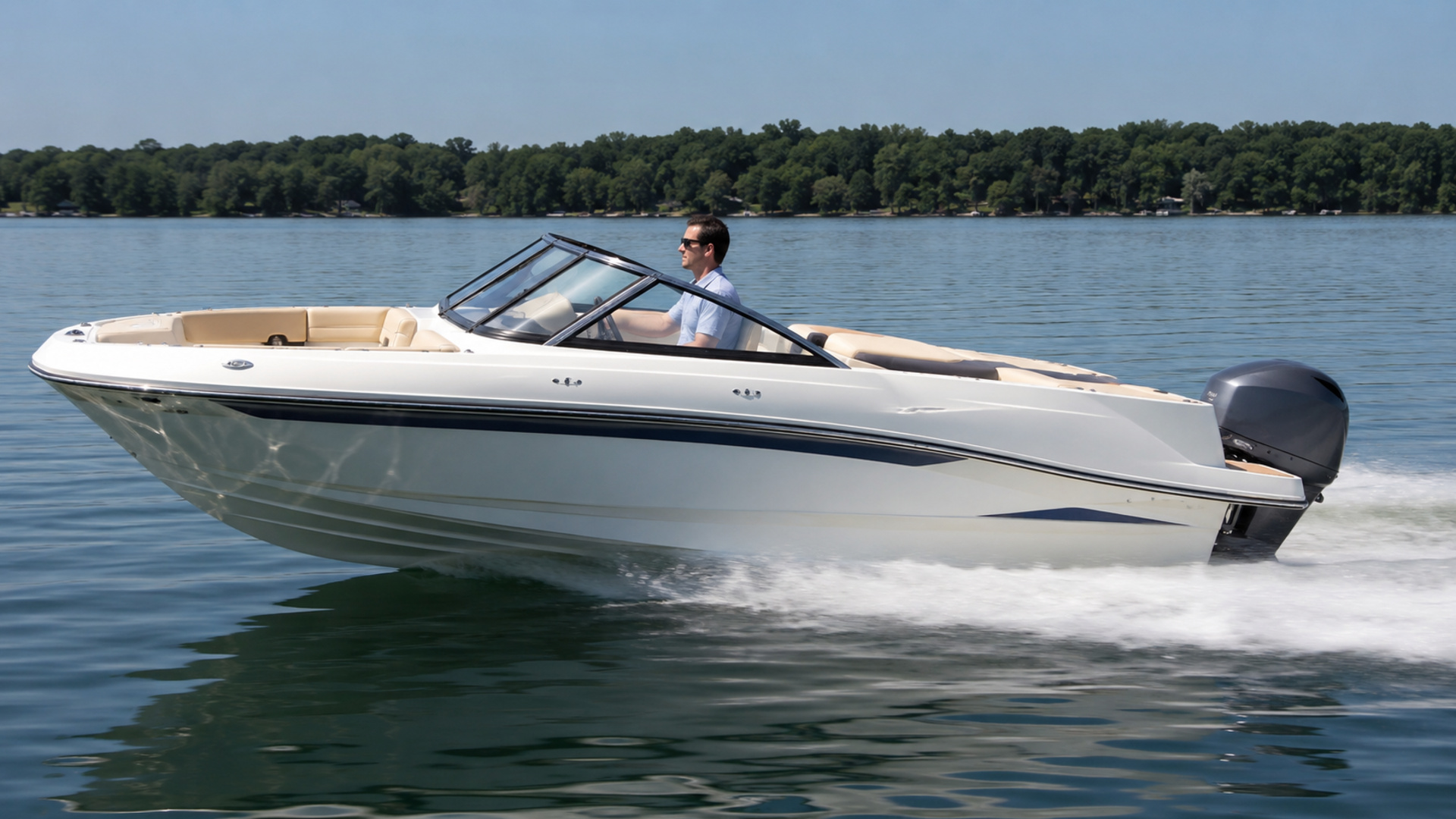
The Bayliner V20 is the outboard choice for buyers who want a modern 20-foot family bowrider with ten-person capacity and straightforward engine access.

Typical Market Range
$49,332 – $78,527
Estimated Payment
From $340/mo
Length Overall
20' 4"
Maximum Capacity
10 People

Should You Buy the Bayliner V20?

The V20 is one of the more interesting buys in Bayliner’s current bowrider range because its 20-foot-4-inch hull sits between compact starter-boat territory and the larger 22-foot family boats. Bayliner gives it an 8-foot-4-inch beam and capacity for up to ten people, so the boat can handle a growing family without automatically forcing the buyer into a larger tow vehicle, storage commitment, or purchase price.

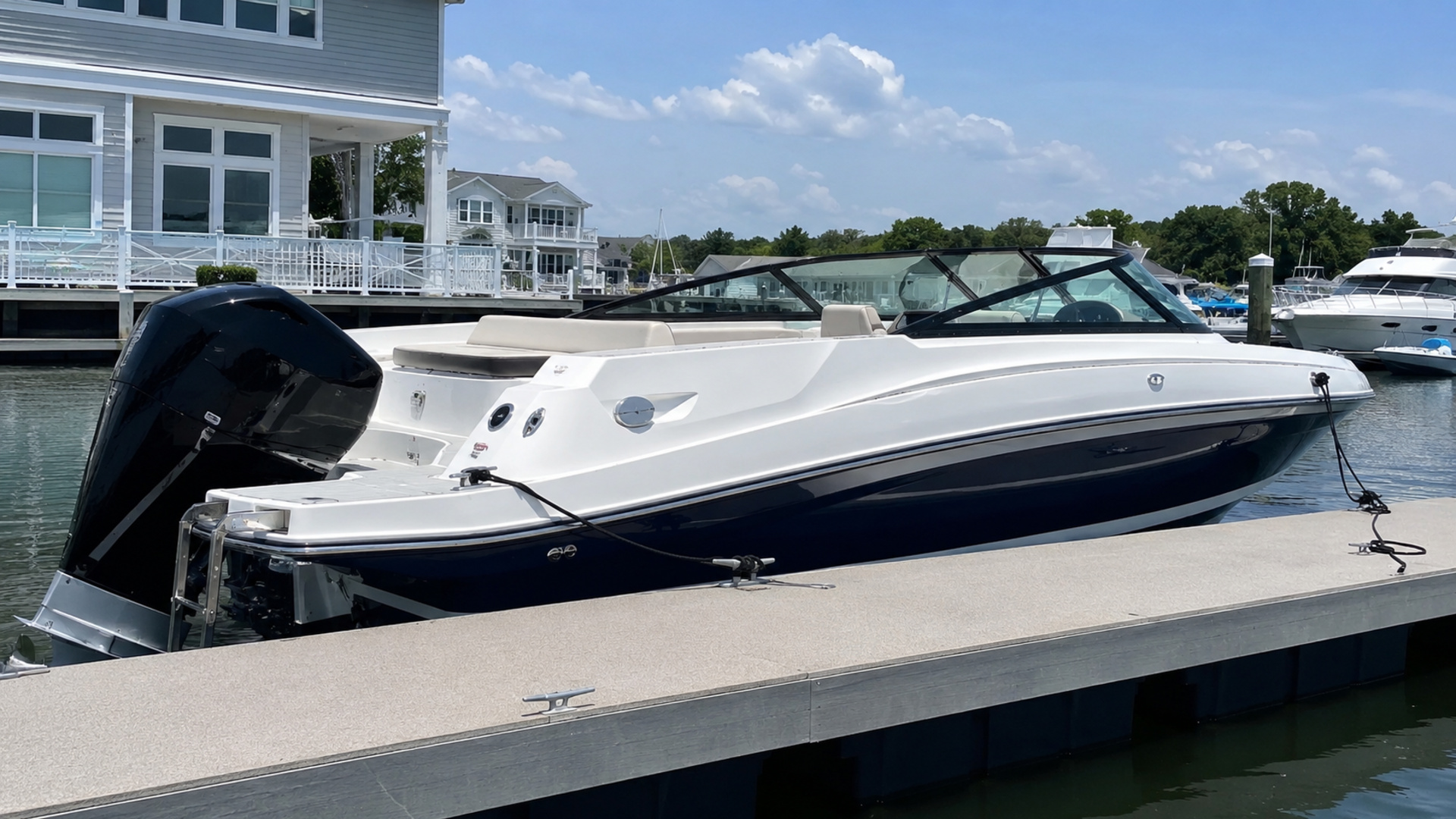
The V20 uses outboard propulsion, with current U.S. choices ranging through Mercury power up to 175 horsepower. That is the biggest reason to choose it over the V20I. The engine remains accessible outside the hull, freeing you from an enclosed engine compartment and making routine inspection, flushing, and future repowering easier. For buyers keeping the boat on a trailer or using it in mixed fresh and salt water, that can be a meaningful ownership advantage.

This is still a day boat. There is no overnight cabin, head compartment, or weather-protected living area. What you are buying is passenger space, storage, open-bow seating, a self-bailing cockpit, and a stern that works for swimming and watersports.

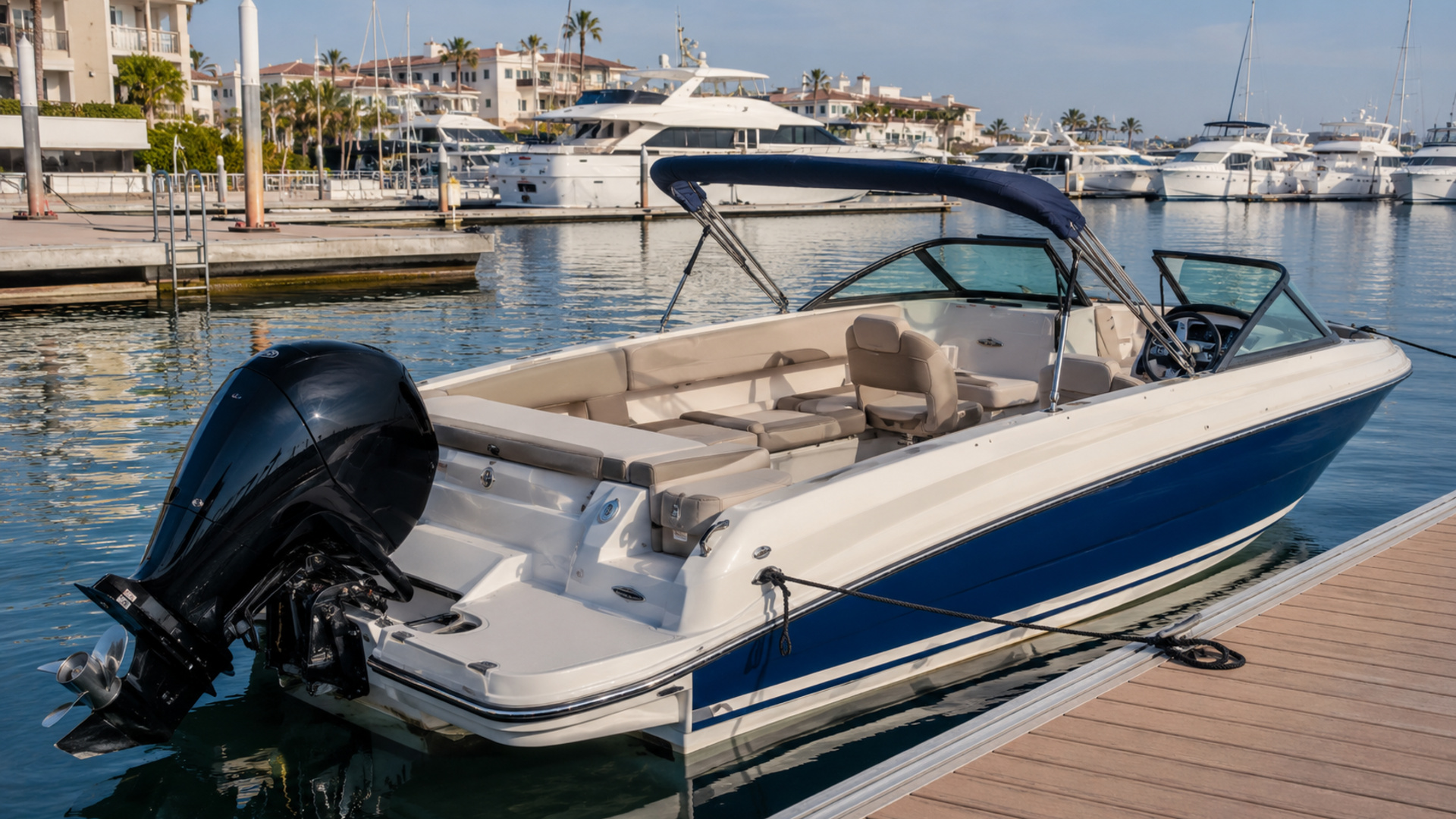
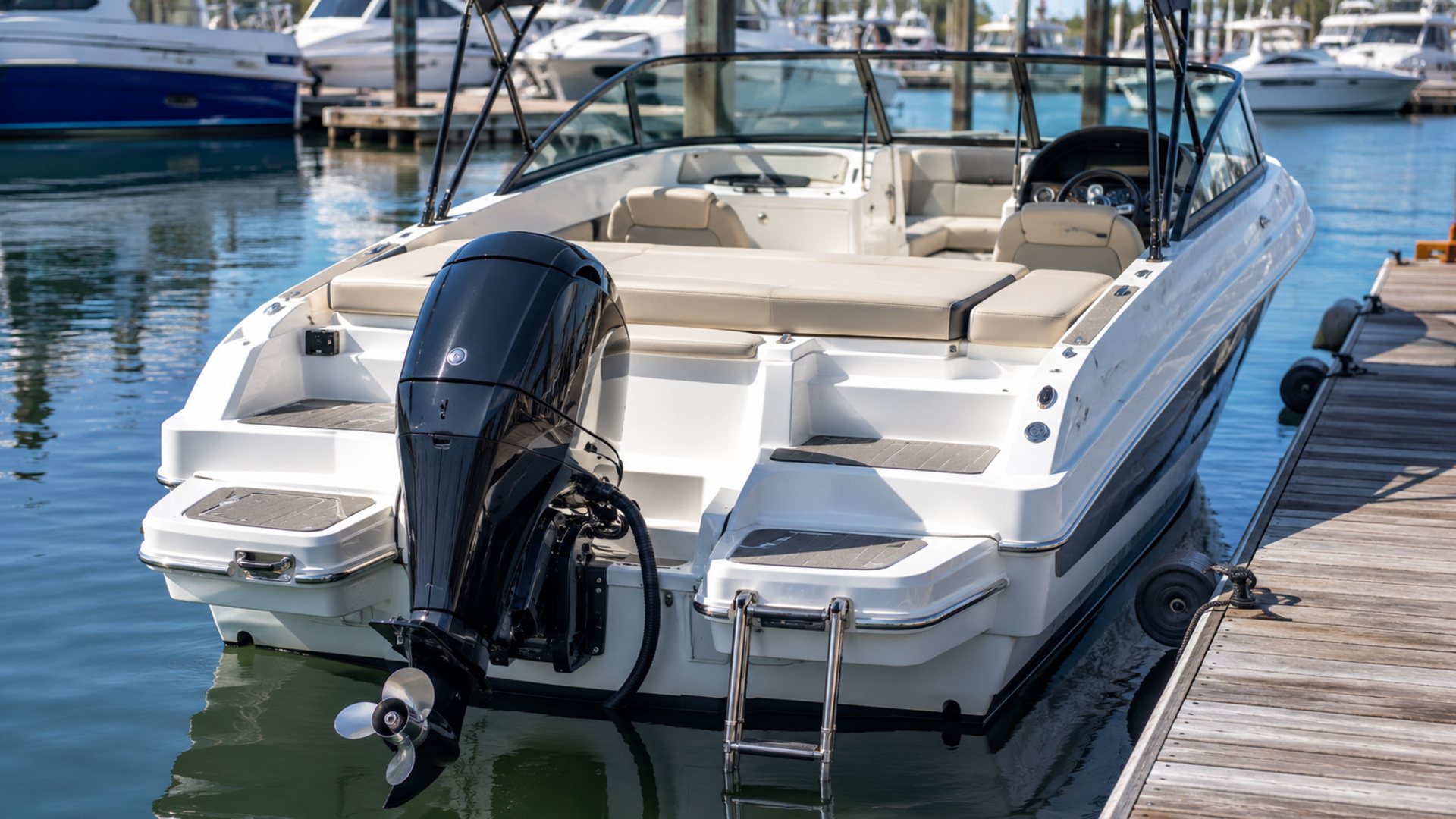
The compromise is that an outboard occupies visual and physical space at the transom. If you want the cleanest possible swim-platform layout and prefer the feel of sterndrive power, buy the V20I instead. If you want simpler engine access and would rather put the money into the boat, trailer, and time on the water, the V20 is arguably the more rational package.

bayliner v20 04

V20 Specifications

Published factory figures. Confirm every dimension against the individual boat before you commit.

Dimensions and build
Length Overall
20' 4"
Beam
8' 4"
Deadrise
20 degrees
Weight, standard engine
3,380 lb (approximate)
Maximum Capacity
10 people
Propulsion
Configuration
Mercury outboard
Power Options
115, 150 or 175 hp
Maximum Horsepower
175 hp
Engine Access
External, transom-mounted
Fuel and range
Fuel Capacity
45 gal
Storage Length
23 ft
Trailer Beam
8' 6"
bayliner v20 01

Hull and Ride

The V20 measures 20 feet 4 inches overall with an 8-foot-4-inch beam and 20 degrees of deadrise. That combination tells you what Bayliner is trying to accomplish. The boat is wide enough to create meaningful bow and cockpit space but retains a conventional recreational V-hull angle rather than flattening the running surface purely to maximize stability.

Twenty degrees is enough to give the hull a useful entry into ordinary chop without turning the V20 into a heavy deep-V performance boat that requires significantly more horsepower. A sharper bottom could improve comfort in rougher conditions but would increase power demand. A flatter hull could feel more planted at rest but give up some ability to soften short chop.

The boat’s approximate weight with standard engine is 3,380 pounds, so the real tow package will be noticeably heavier once trailer, batteries, fuel, safety gear, and family equipment are included. Do not buy based on dry weight alone. Compare the expected loaded trailer weight against the tow vehicle’s actual ratings, including payload and tongue weight.

For buyers storing the boat at home, Bayliner publishes a storage length around 23 feet. Measure the garage or storage pad before signing paperwork rather than assuming a “20-foot boat” occupies twenty feet.

Outboard Power

The V20’s defining mechanical choice is Mercury outboard power. Current U.S. offerings include 115-, 150-, and 175-horsepower configurations. The right engine is less about buying the largest number and more about how much weight, watersports use, and passenger load the boat will routinely carry.

For casual cruising with a lighter crew, the lower-power configurations can reduce initial purchase cost. Buyers who regularly load the boat with family, tow tubes or skiers, or want stronger acceleration should think harder about the 150- or 175-horsepower choices. A heavily loaded bowrider makes under-powering much more noticeable than it feels during a lightly loaded dealer demonstration.

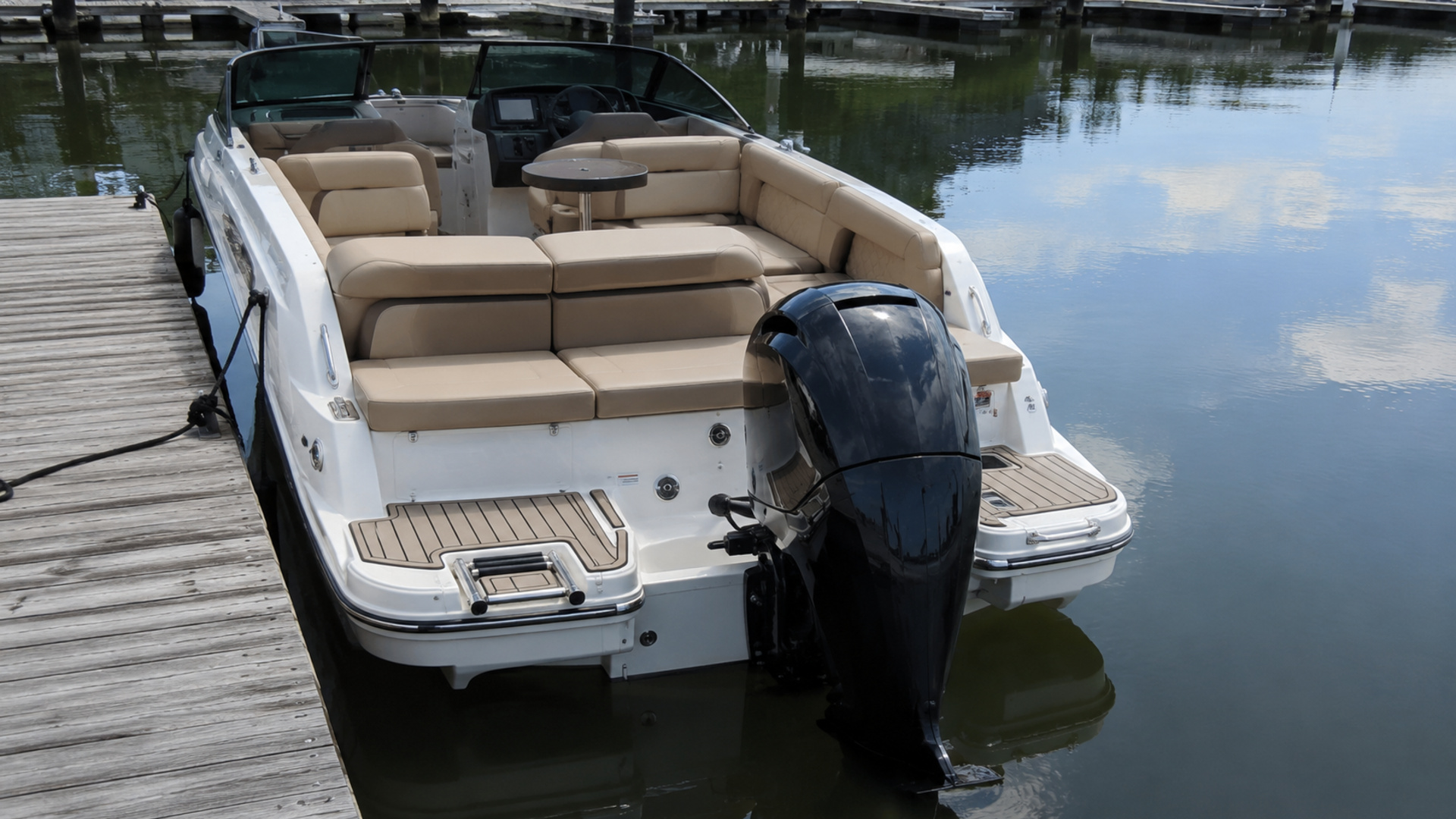
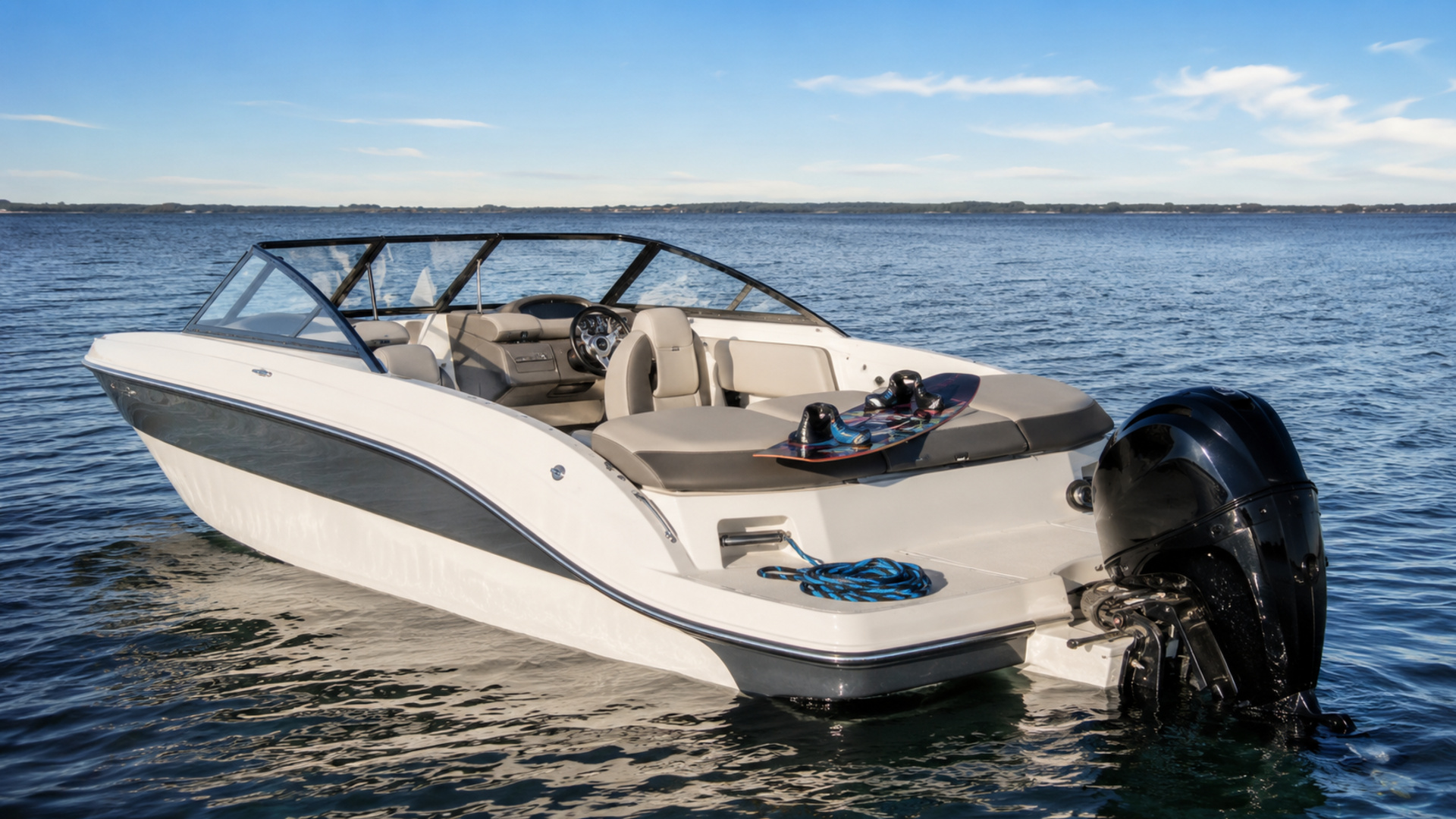
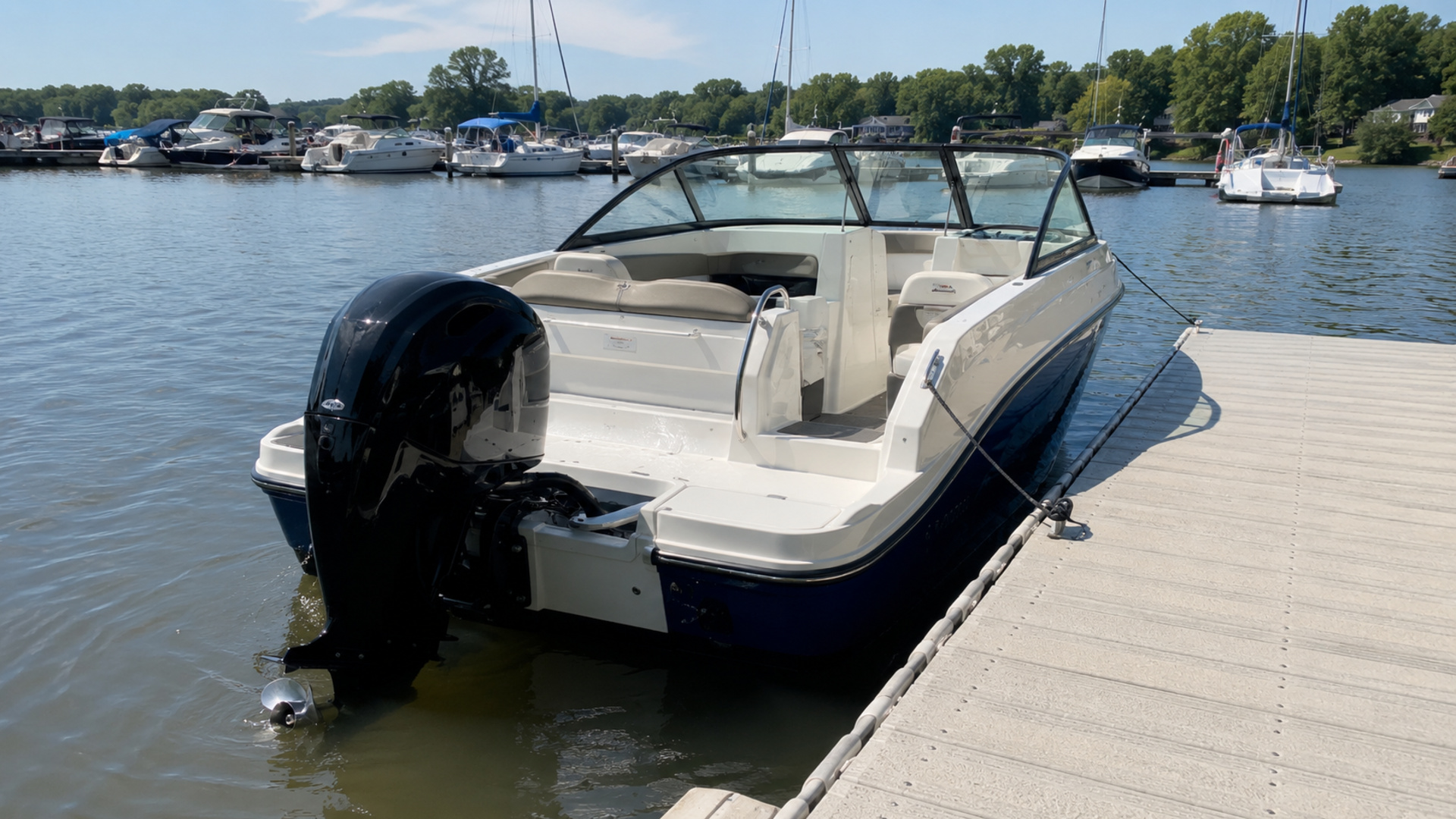
The outboard itself is one of the V20’s major purchase arguments. Access for inspections and service is straightforward, winterization can be simpler than with an enclosed sterndrive installation, and future engine replacement does not require rebuilding the boat around the propulsion package.

On a used V20, inspect engine hours, service records, lower-unit oil, propeller damage, skeg condition, cooling performance, trim-and-tilt operation, steering, and evidence of saltwater neglect. A shiny hull with a poorly maintained outboard is not a bargain.

bayliner v20 07
bayliner v20 07

Bayliner V20 Fuel Consumption

The V20 carries 45 gallons of fuel. Actual fuel burn depends heavily on whether the boat has the 115-, 150-, or 175-horsepower Mercury, how heavily it is loaded, propeller selection, water conditions, and cruising rpm. A single gallons-per-hour number should therefore not be treated as universal across every V20.

For most buyers, the useful efficiency target will be a clean planing cruise where the hull is settled, the engine is not working excessively hard, and speed is high enough to cover distance without running near wide-open throttle. The exact point belongs to the engine package fitted to the boat.

Fuel expense on a 20-foot outboard bowrider is usually easier to control than on a larger cruiser because owners can change their behavior. An afternoon anchored at a sandbar burns very little. A full day towing tubes and running at higher rpm can burn significantly more. Build the seasonal estimate around the way your family will actually use the boat.

Performance and Handling

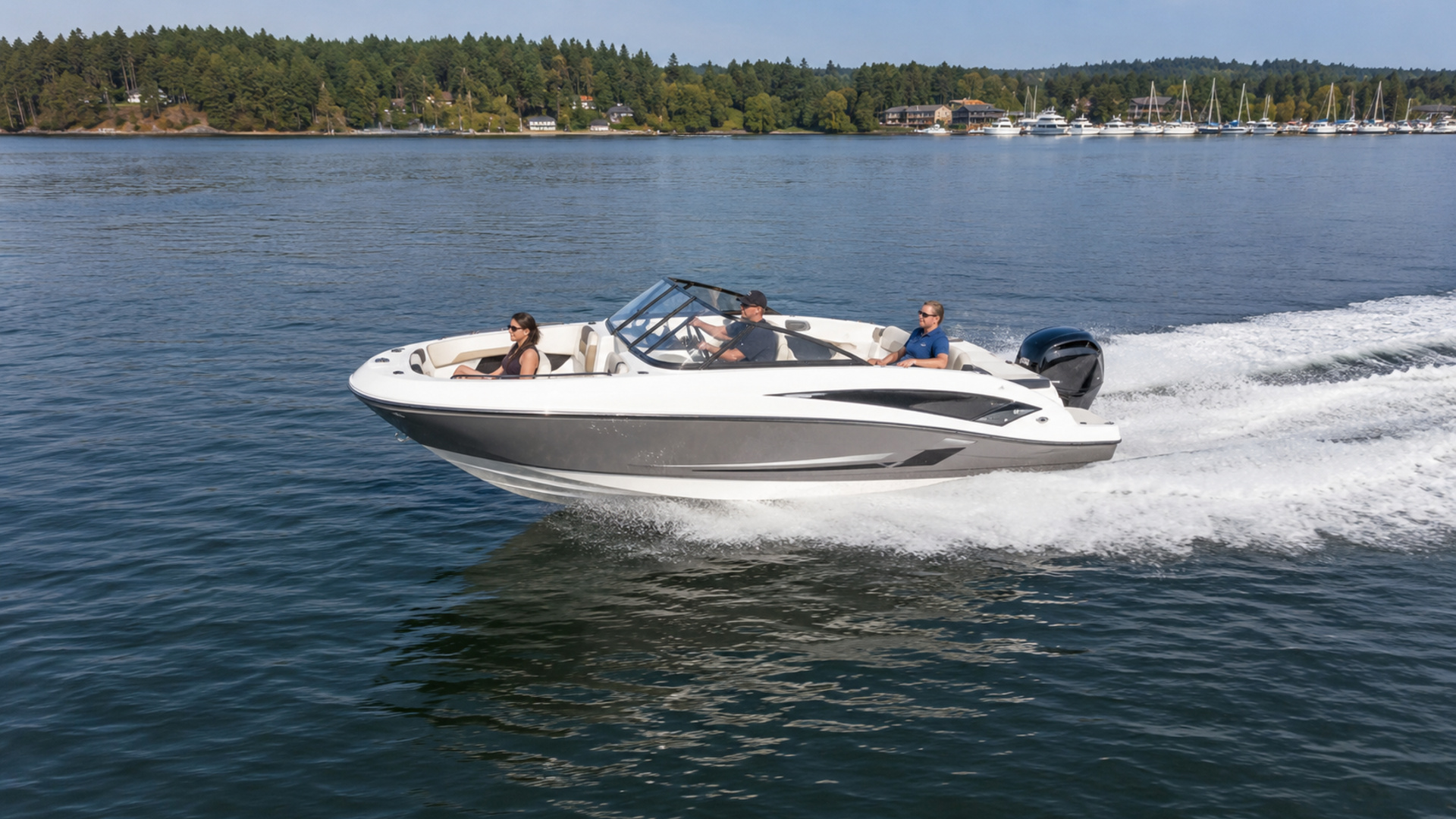
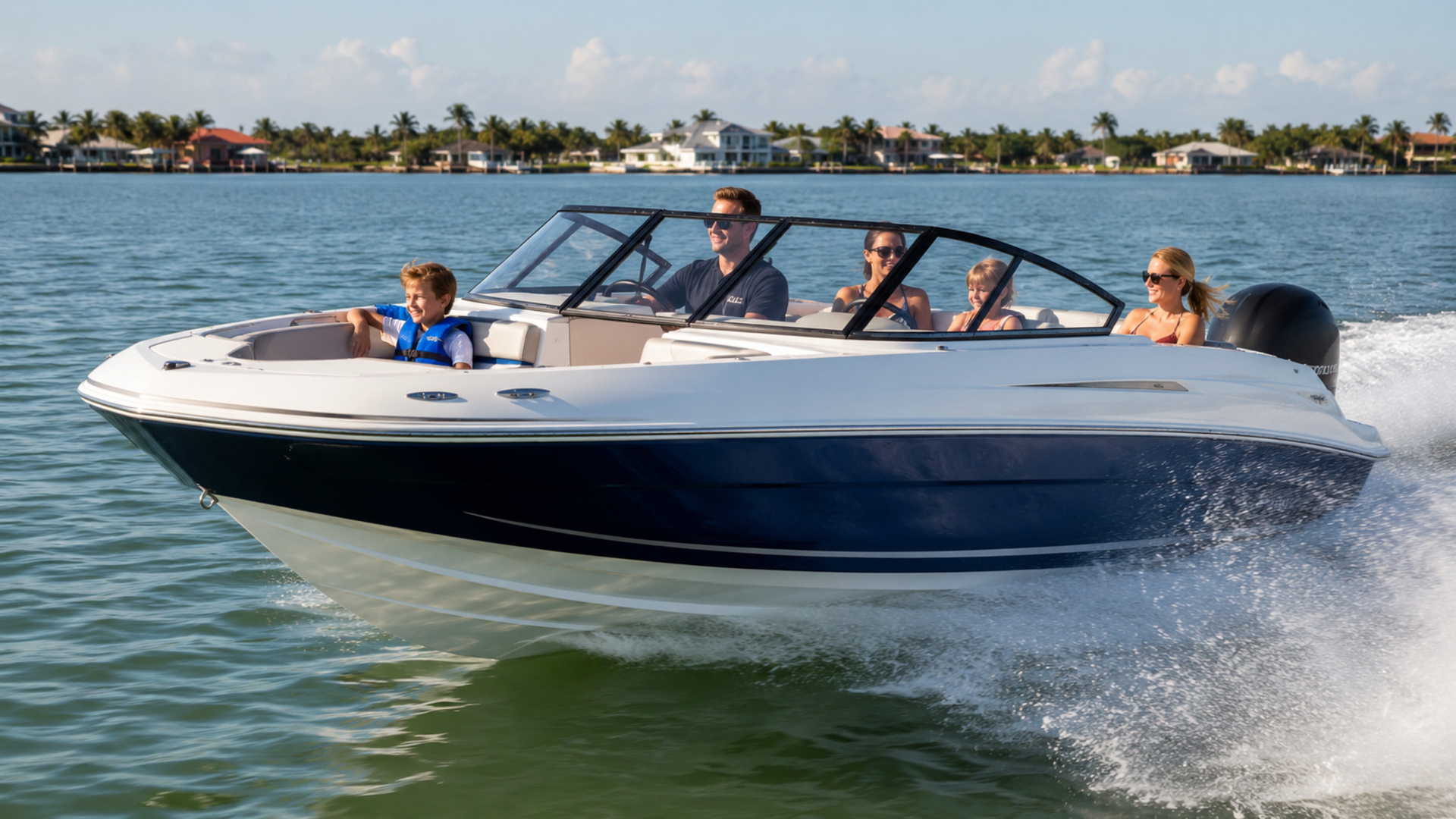
The V20’s 20-degree hull and available horsepower make it capable of family cruising and watersports without pushing the boat into specialized performance territory. With the higher-output engine options, buyers should expect stronger acceleration and better ability to stay responsive with a full crew aboard.

During a sea trial, test the boat with more than one person if possible. Watch how quickly it climbs onto plane, whether bow rise blocks visibility, how it holds speed in turns, and whether steering remains predictable. Run across normal boat wakes rather than only on flat water. At rest, move people between bow and stern to see how the boat reacts to real family movement.

bayliner v20 03
bayliner v20 06

Cockpit, Bow and Helm

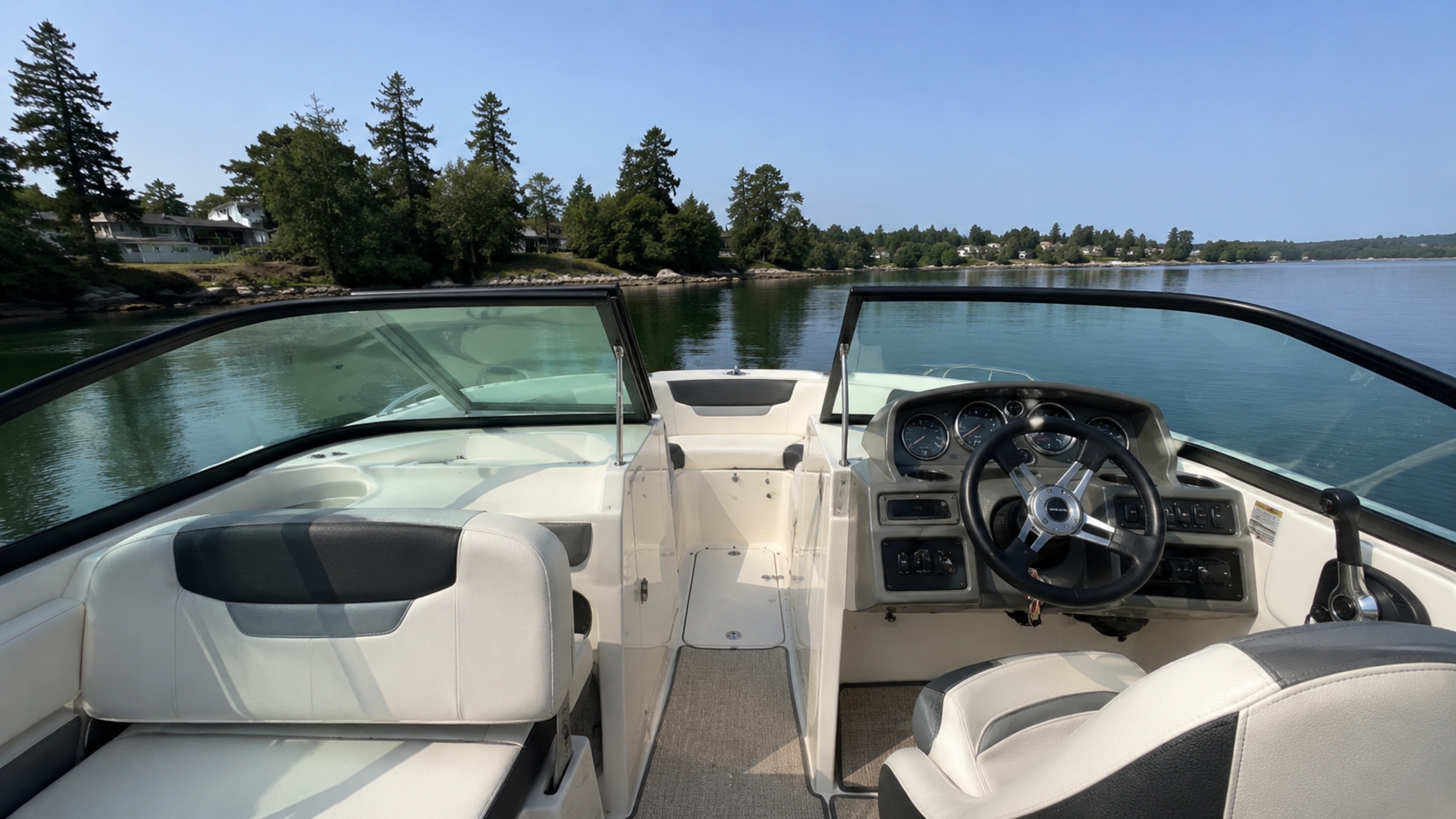
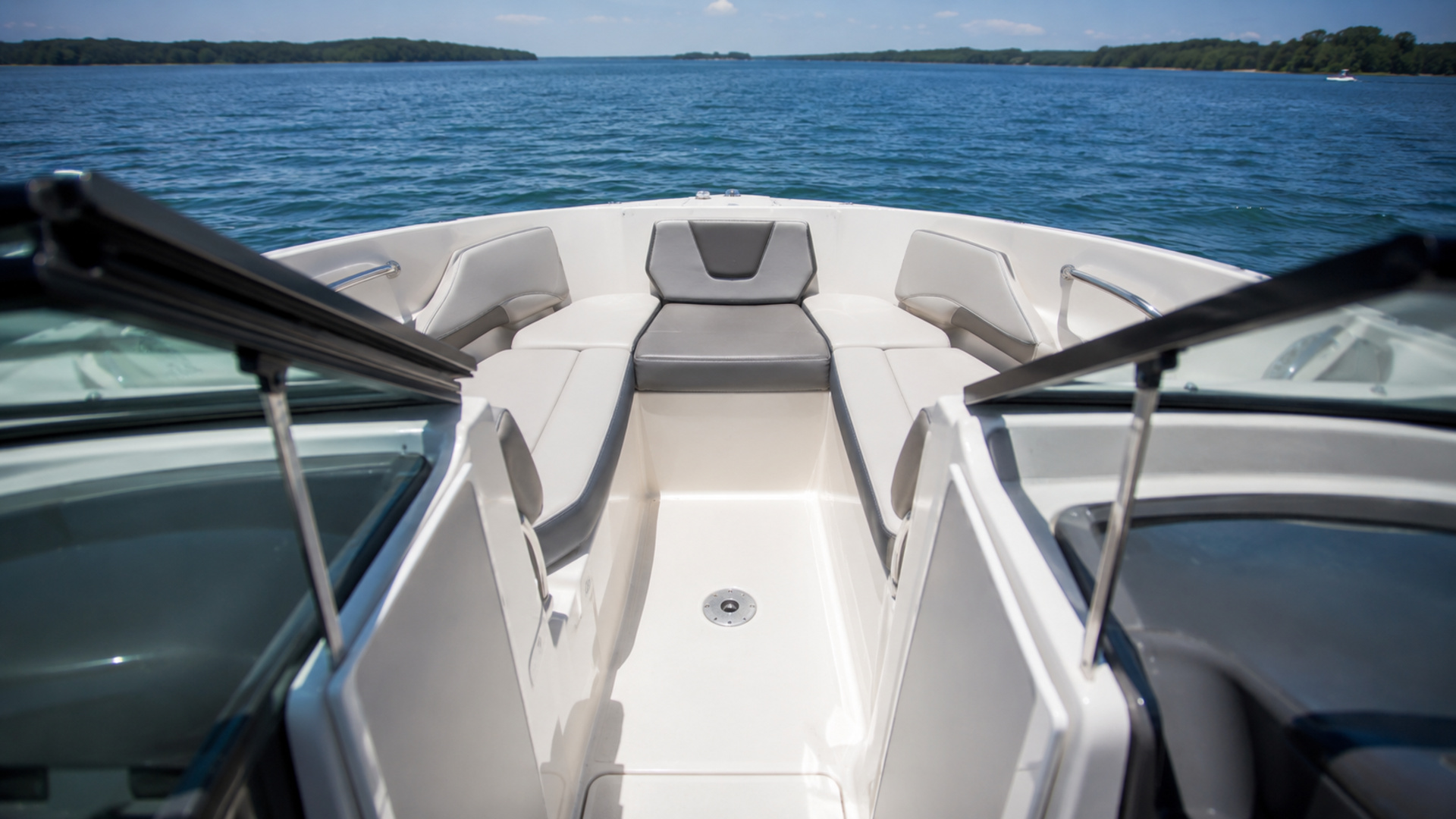
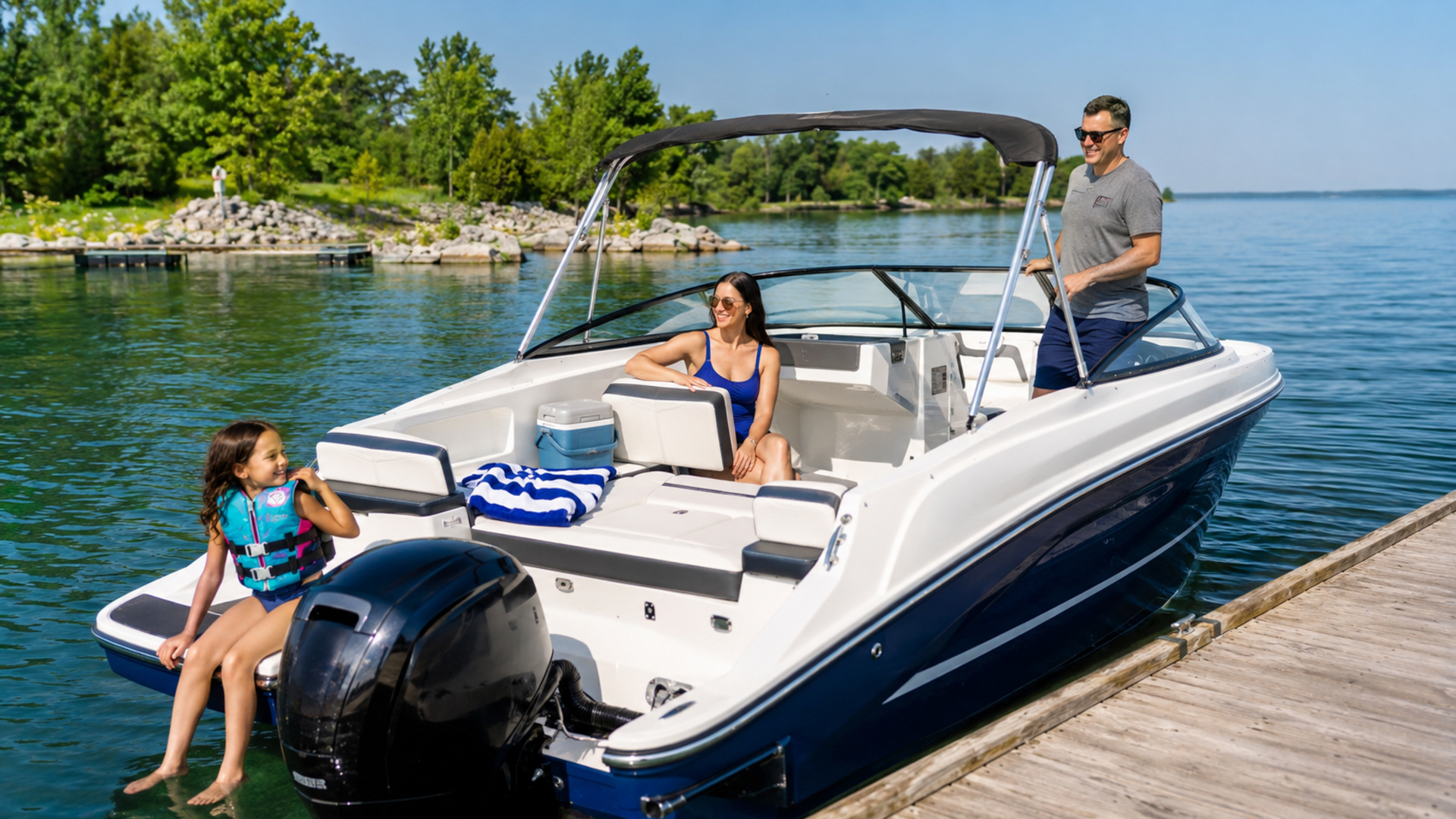
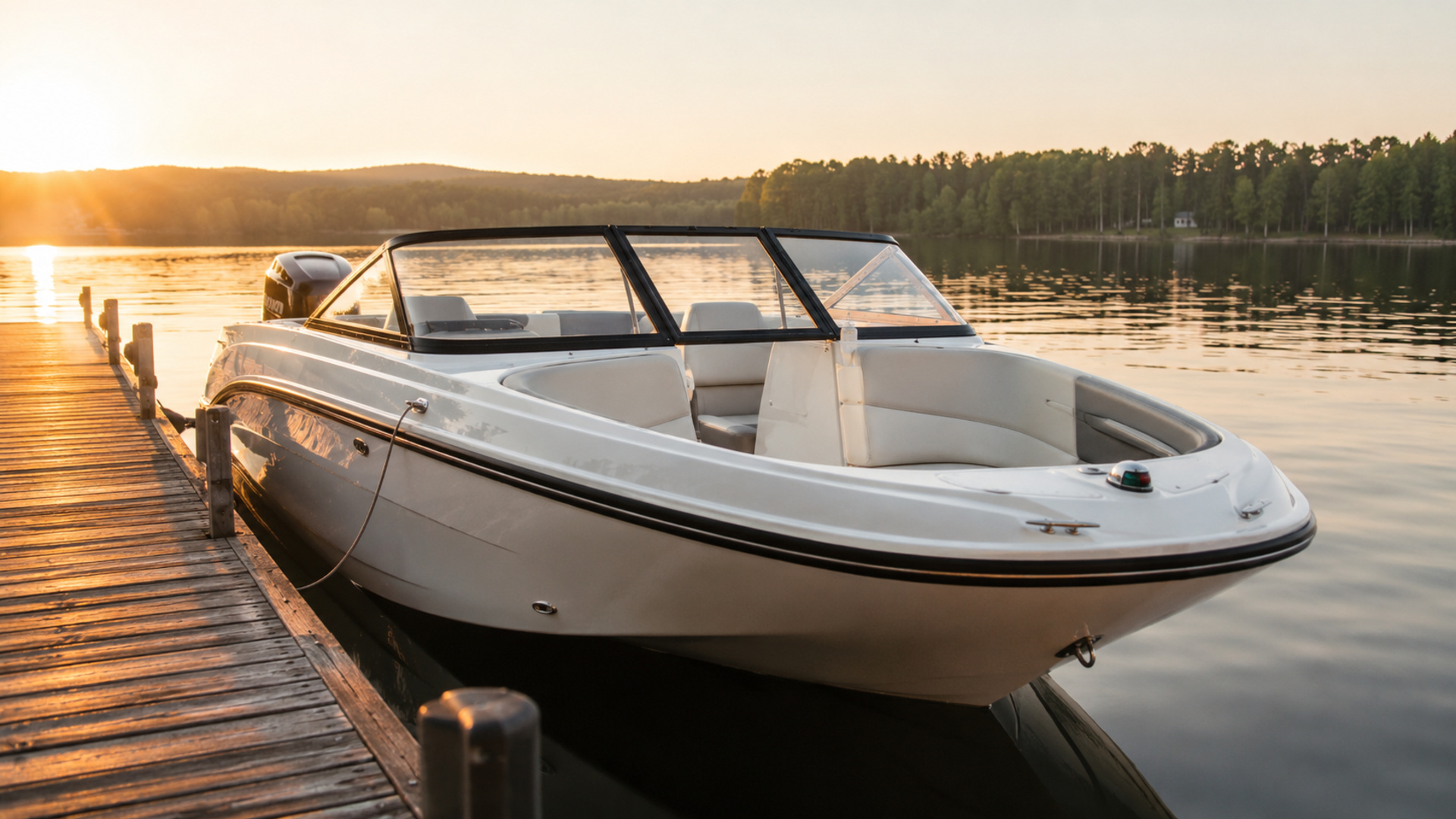
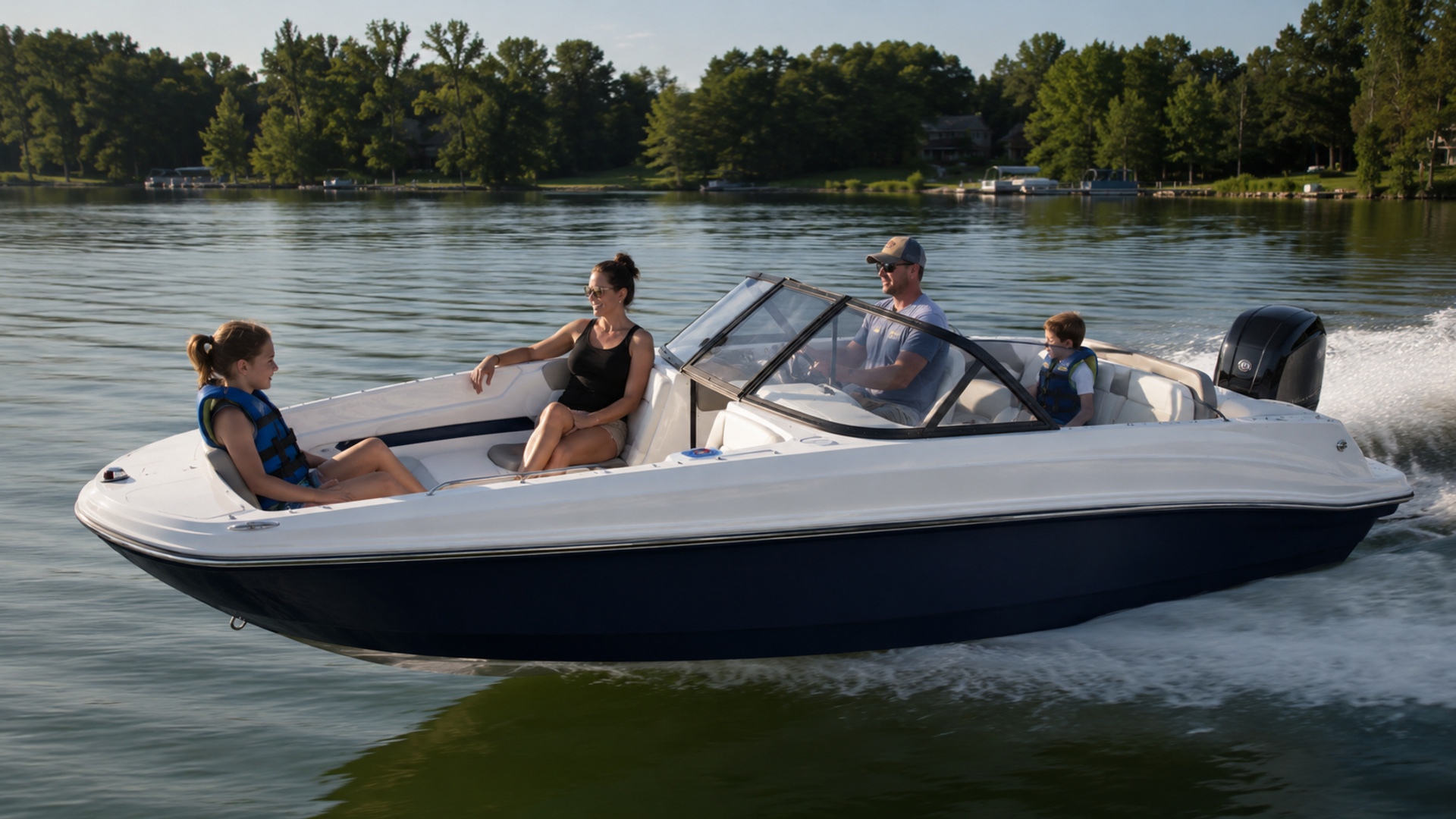
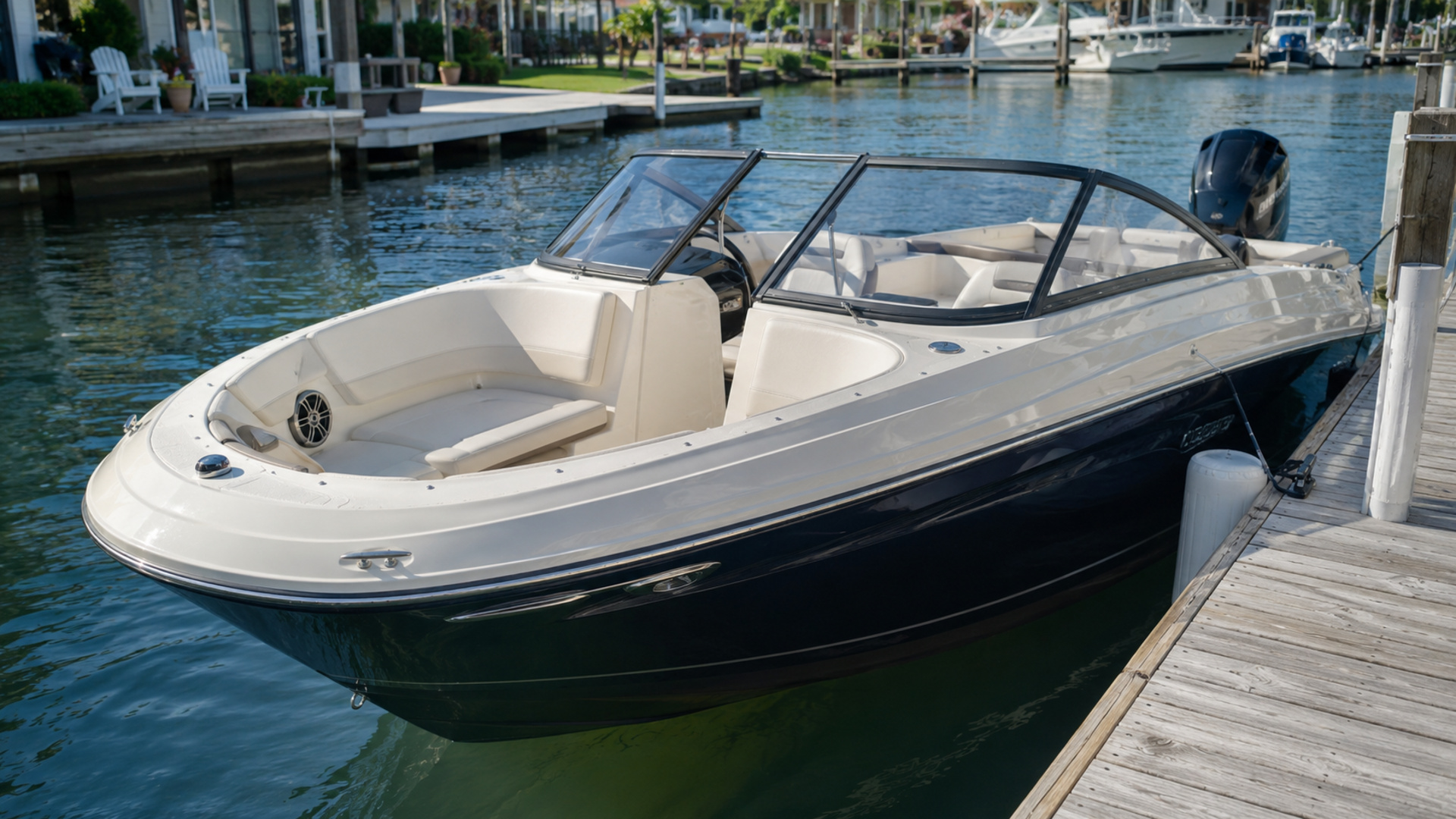
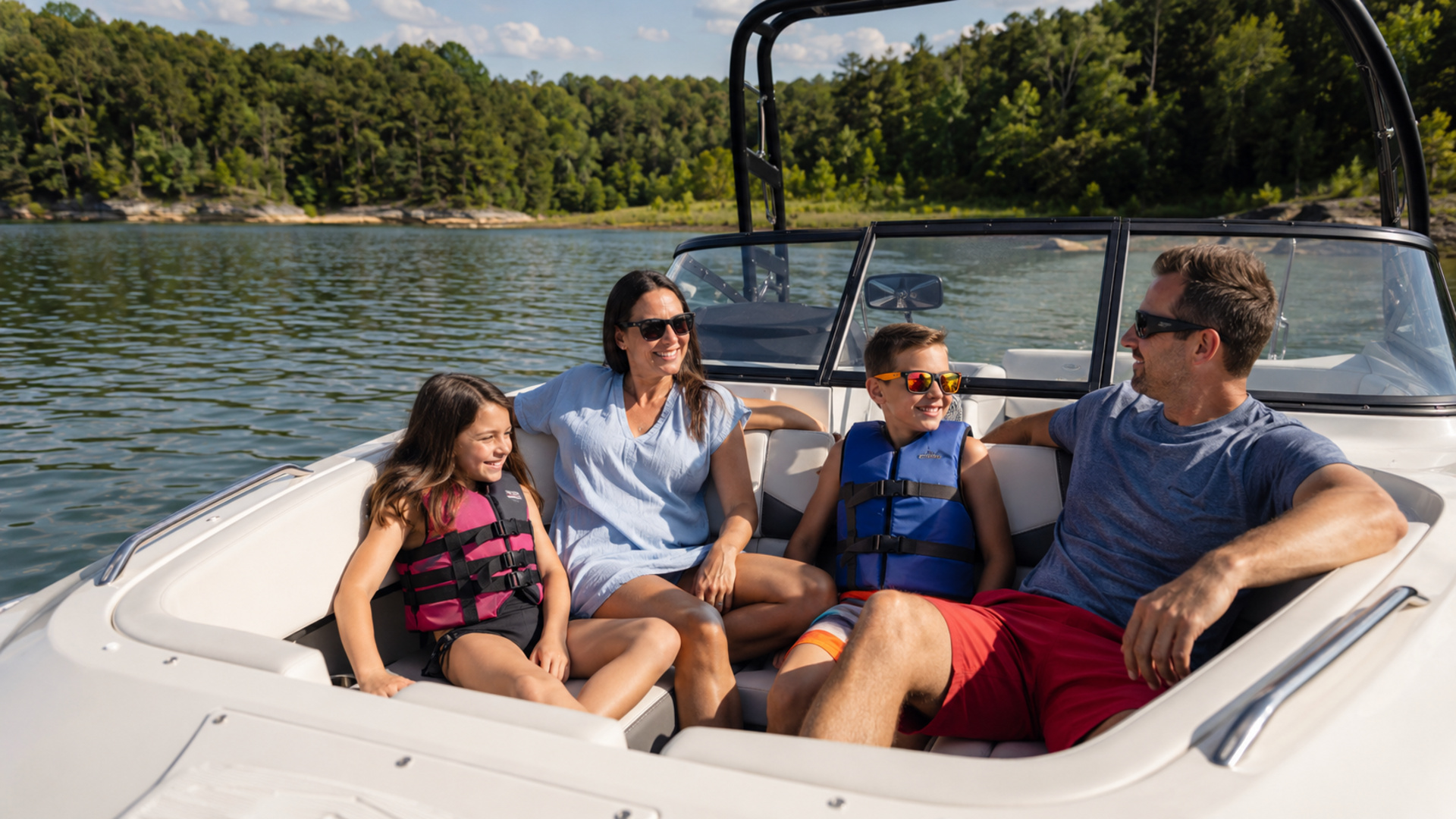
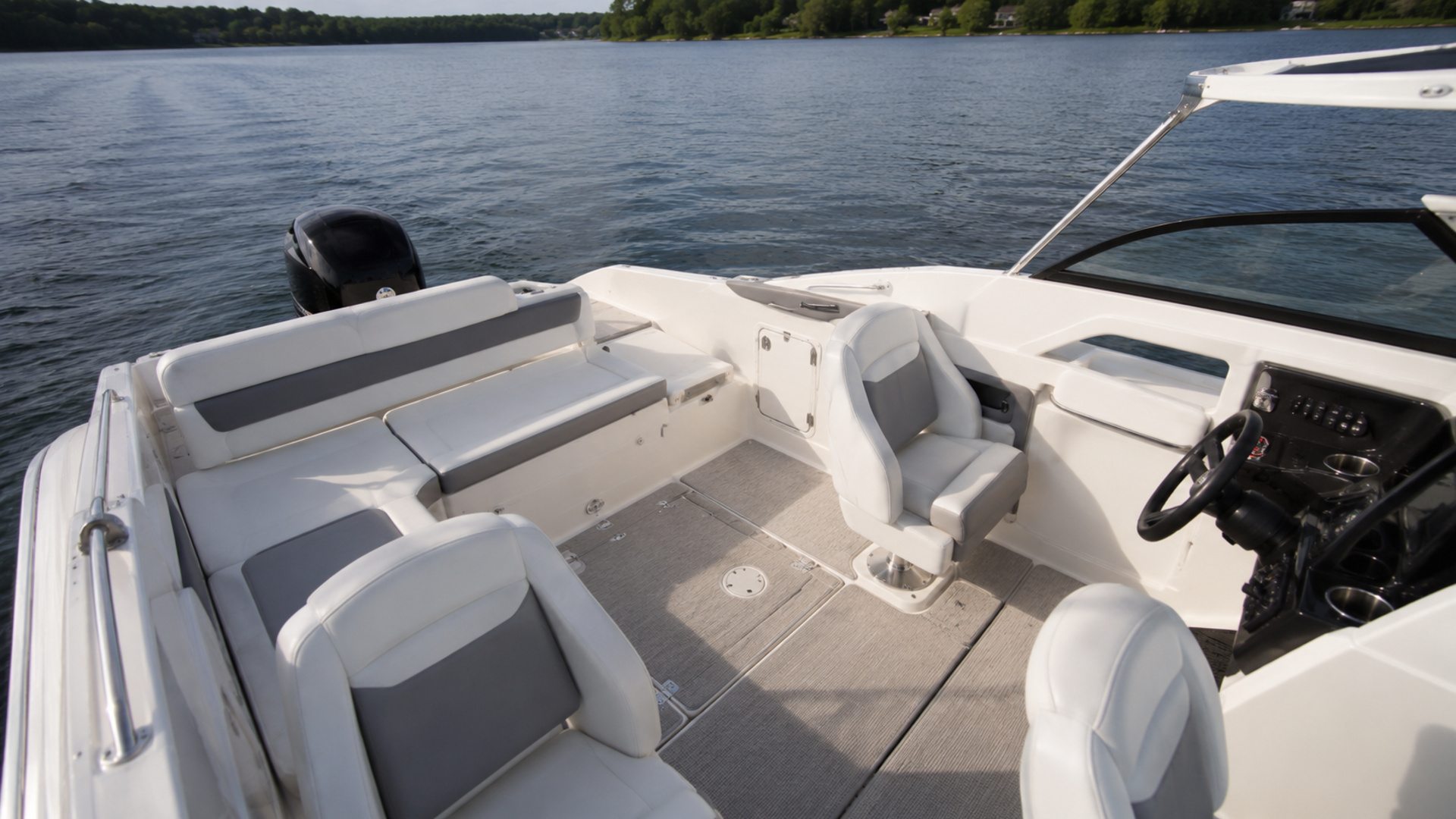
The V20’s 8-foot-4-inch beam gives the interior a broad feel for a boat just over twenty feet long. The bow provides usable passenger seating rather than serving as a narrow secondary area, and storage beneath the seats helps keep life jackets, lines, and smaller gear out of the cockpit.

The cockpit includes in-floor ski and wakeboard storage, an integrated cooler, passenger bucket seating, and a self-bailing layout. These details matter more after purchase than decorative trim because they determine whether the boat remains organized when several people bring their gear aboard.

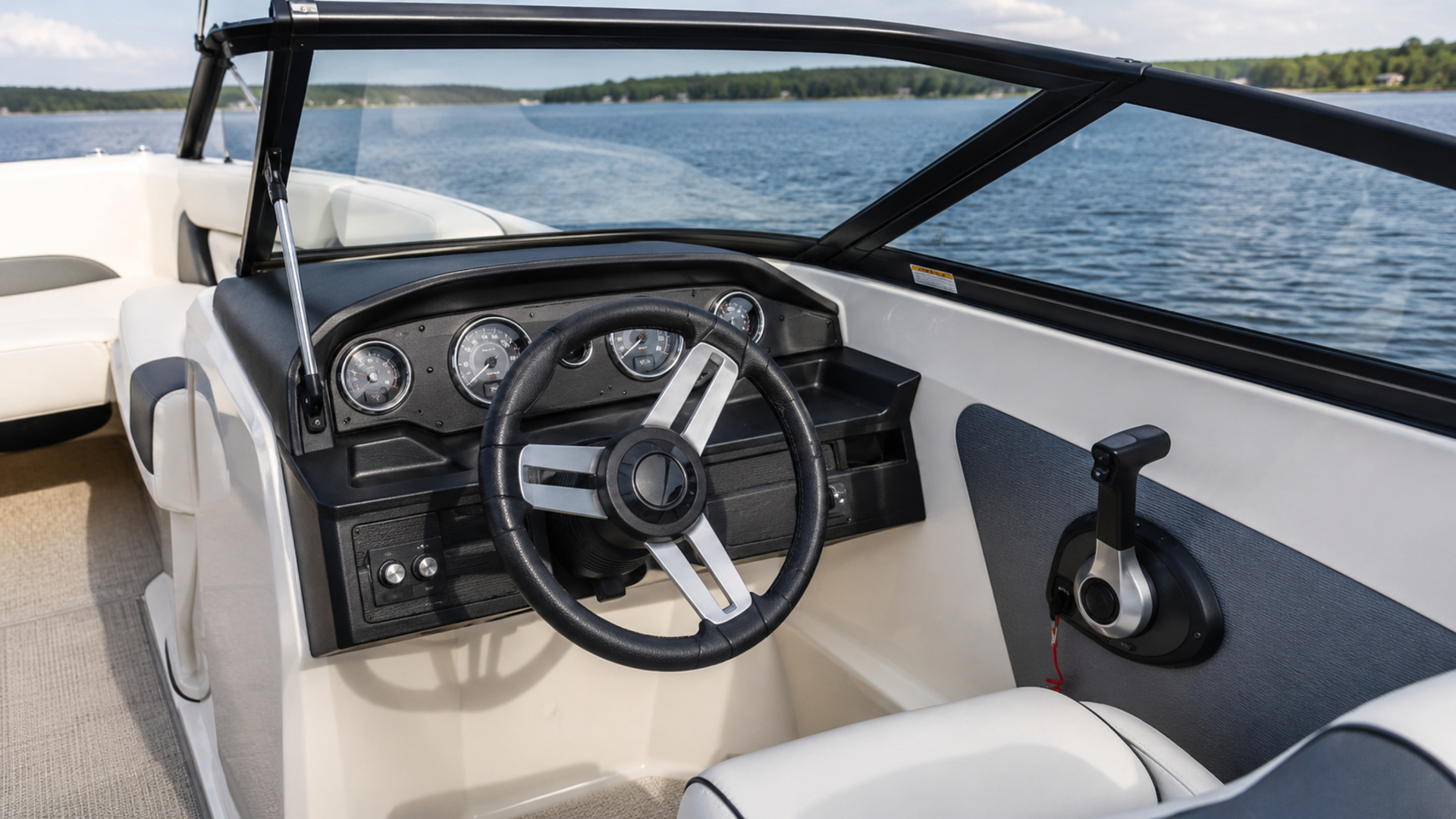
At the helm, hydraulic steering and conventional multifunction gauges keep operation straightforward. Available digital-display upgrades can add convenience, but the V20’s basic appeal does not depend on loading the dash with expensive electronics.

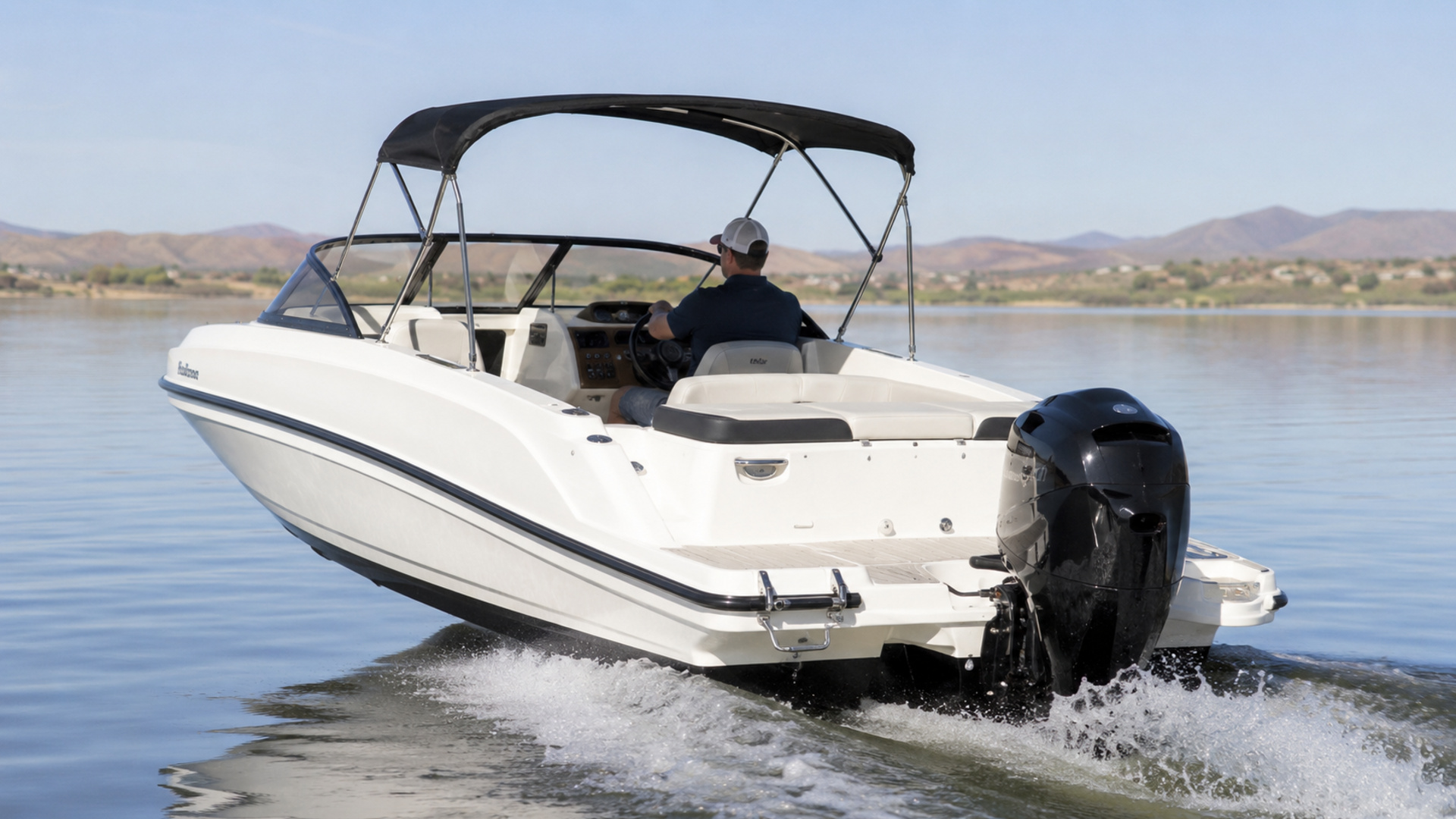
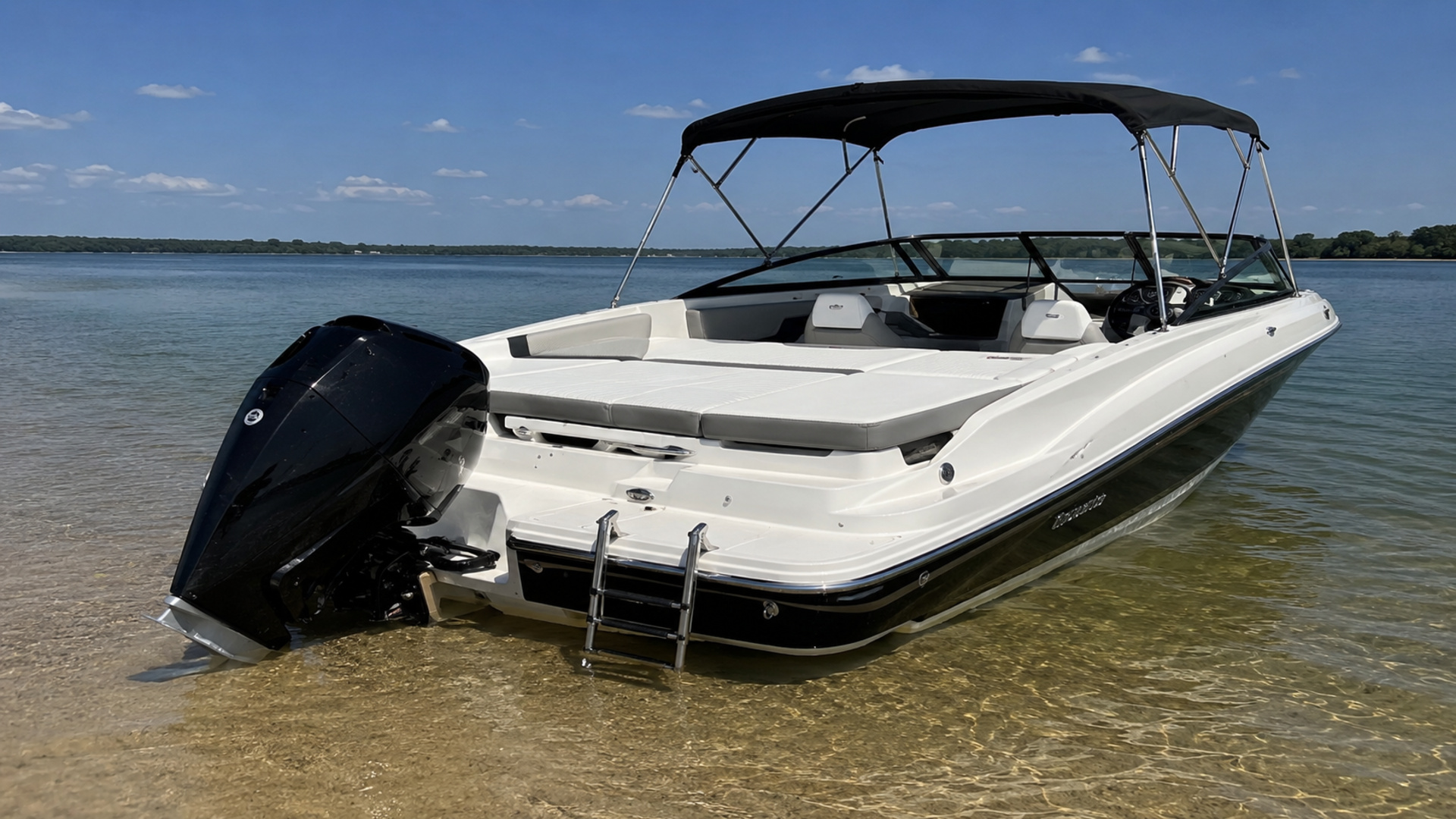
A wide aft entry and swim platform make boarding from the water straightforward. The outboard remains at the transom, so compare that setup directly with the V20I if stern lounging is a major part of how you use the boat.

Useful V20 Features

In-Floor Storage

Long gear such as skis and wakeboards can be moved out of the passenger area instead of occupying cockpit floor space.

Integrated Cooler

Built-in cooler space reduces the need for another loose item sliding around the cockpit.

Self-Bailing Cockpit

Water can drain from the cockpit without relying entirely on the bilge system during ordinary use.

Swim Platform

The aft platform creates a dedicated boarding and watersports staging area around the outboard installation.

Convertible Bow

Available filler arrangements allow the forward seating area to shift toward lounging rather than fixed passenger seating.

Hydraulic Steering

Standard hydraulic steering makes the larger outboard options easier to control than basic cable steering.

Cockpit Table

Available table arrangements allow the boat to function as an anchored lunch and social platform.

Watersports Packages

Tower and related options let buyers configure the V20 around towing without forcing every buyer to pay for the equipment.

What to Inspect

On a used V20, start with the outboard and trailer, then work inward. Confirm battery condition, bilge operation, navigation lights, stereo, gauges, steering, fuel system, and any added digital display.

Inspect seat bases, hinges, compartment drains, windshield hardware, deck fittings, and ski-storage areas for damage from normal family use. Trailer brakes, tires, hubs, lights, bunks, and corrosion deserve as much attention as the boat itself because a neglected trailer can create an immediate repair bill.

bayliner v20 05
bayliner v20 11

Trailer and Storage

The V20 is designed to remain a trailerable boat, which is one of its strongest buying arguments. Bayliner lists a 23-foot storage length and an 8-foot-6-inch trailer beam.

That does not mean every garage works. Measure door width, interior length, height, driveway slope, and turning room. Tow ratings should be calculated with the loaded boat and trailer, not the published boat weight.

If the V20 will live in a slip, confirm whether the marina allows outboards to remain tilted clear of the water and whether shore-side storage is available during severe weather.

Typical Pricing

New V20 pricing should be viewed as a starting configuration rather than a final delivered number. Engine choice, trailer, electronics, upholstery, tower packages, freight, dealer preparation, taxes, and accessories can materially change the transaction.

Used buyers should weigh engine hours and service history heavily. A newer hull with a neglected outboard can be a worse purchase than an older boat with a strong maintenance record and clean trailer.

Ownership costs remain relatively approachable compared with larger cruisers, but still budget for insurance, annual service, trailer work, fuel, storage, winterization where applicable, batteries, covers, and propeller damage.

Market price band
$49,332 – $78,527
Estimated monthly
$340/mo – $535/mo

Figures come from this page’s Boat Details fields. Illustration only and not an offer of credit.

Estimate Your V20 Payment

Enter the actual selling price, down payment, rate assumption, and term. Compare structures before you decide that a more expensive engine or option package is outside the budget.

Estimated monthly $340 Get prequalified

Illustration only and not an offer of credit. Your actual rate and term depend on credit profile, vessel age, loan amount and ownership structure.

V20 or V20I?

Choose the V20 for outboard accessibility and straightforward ownership. Choose the V20I if the sterndrive layout and cleaner swim platform matter enough to justify the higher starting cost and different service profile.

bayliner v20 25
bayliner v20 22

Buying a Bayliner V20

A new dealer boat gives you the easiest path to choosing engine, colors, and options before delivery. A used dealer or brokerage boat can reduce acquisition cost but should be evaluated around engine hours and trailer condition. Private-party V20s can offer strong value when service records are available, though title and lien handling need to be clean.

Imported boats require verification of engine specification, compliance, trailer suitability, taxes, and warranty applicability.

Secure Your Boat

Buy the V20 With a Better Payment

Already found a V20? Send Float Finance the listing and purchase price. We can work from the actual boat and transaction, then evaluate financing options around the deal instead of making you shop with a vague monthly budget.

Bayliner V20 Questions

New pricing depends heavily on engine choice and options. Bayliner currently advertises the V20 from the mid-$40,000 range before the full effect of selected power, packages, freight, dealer preparation, taxes, and local fees. Used prices vary with year, engine hours, trailer condition, electronics, and maintenance. Compare the final delivered price rather than the headline base price, and do not treat a cheaper used example as a bargain until the outboard and trailer have been inspected.

Bayliner lists a ten-person capacity for the current V20. That does not mean ten adults plus coolers, tubes, bags, and other gear will feel comfortable for an entire day. Buyers should evaluate the boat around their normal crew. If eight to ten people will regularly be aboard, load the seating mentally before purchase and compare the V20 with a larger 22-foot boat. If the usual crew is four to six, the V20 provides considerably more breathing room.

Fuel burn depends on the Mercury outboard fitted to the boat, with current U.S. options extending from 115 to 175 horsepower. Passenger load, propeller, water conditions, and cruising rpm also matter. Use verified performance data for the exact engine rather than applying one fuel-burn number to every V20. During the sea trial, check the engine display at your likely cruise speed and use that figure to build a realistic annual fuel estimate.

The right engine depends on load and use. A lighter crew focused on cruising may not need maximum horsepower. Families that regularly carry more passengers or tow watersports will appreciate the additional acceleration and load-carrying ability of the larger engine choices. Avoid deciding from top speed alone. The better question is how quickly the boat planes and how hard the engine works when the boat is loaded the way you will actually use it.

Expect insurance, fuel, annual outboard service, trailer maintenance, storage, winterization where applicable, batteries, cleaning, safety equipment, and occasional propeller or cosmetic repairs. Home storage can keep ownership costs lower than marina-based boating, which is one reason a trailerable V20 can be attractive. Buyers should still budget beyond the monthly payment. A boat that consumes every available dollar in loan payment leaves little room for the maintenance that keeps it reliable.

Yes. Trailerability is a core part of the V20 proposition. Bayliner lists the boat at roughly 3,380 pounds with its standard engine, but that is not the number to use for tow-vehicle selection. Add the trailer, fuel, batteries, options, safety gear, and everything stored aboard. Confirm payload and tongue-weight limits as well as maximum tow rating. Bayliner lists an approximate storage length around 23 feet, so measure the actual storage location before purchase.

A used V20 may be financeable depending on year, value, borrower qualifications, condition, and transaction. Dealer and private-party purchases can require different paperwork, but neither requires you to guess the financing before choosing the boat. If you already found a V20, send Float Finance the listing, seller type, and asking price so the financing discussion can be built around the actual boat.

Buy the V20 if its passenger room and storage already handle your normal crew. Moving into a larger 22-foot boat adds weight, purchase price, storage length, and potentially tow-vehicle requirements. Buy larger when you repeatedly carry enough people or equipment to make the V20 feel crowded. Do not pay every month for an extra two feet that gets used only once or twice a season.

Ready to Buy a Bayliner V20?

Let's Make This Easy

Tell us a little bit about yourself and the boat you are looking to finance.

Skip to content