
Call Us : 207-994-5109
Mon – Fri: 8 am to 9 pm & Sat – Sun: 10 am to 8 pm
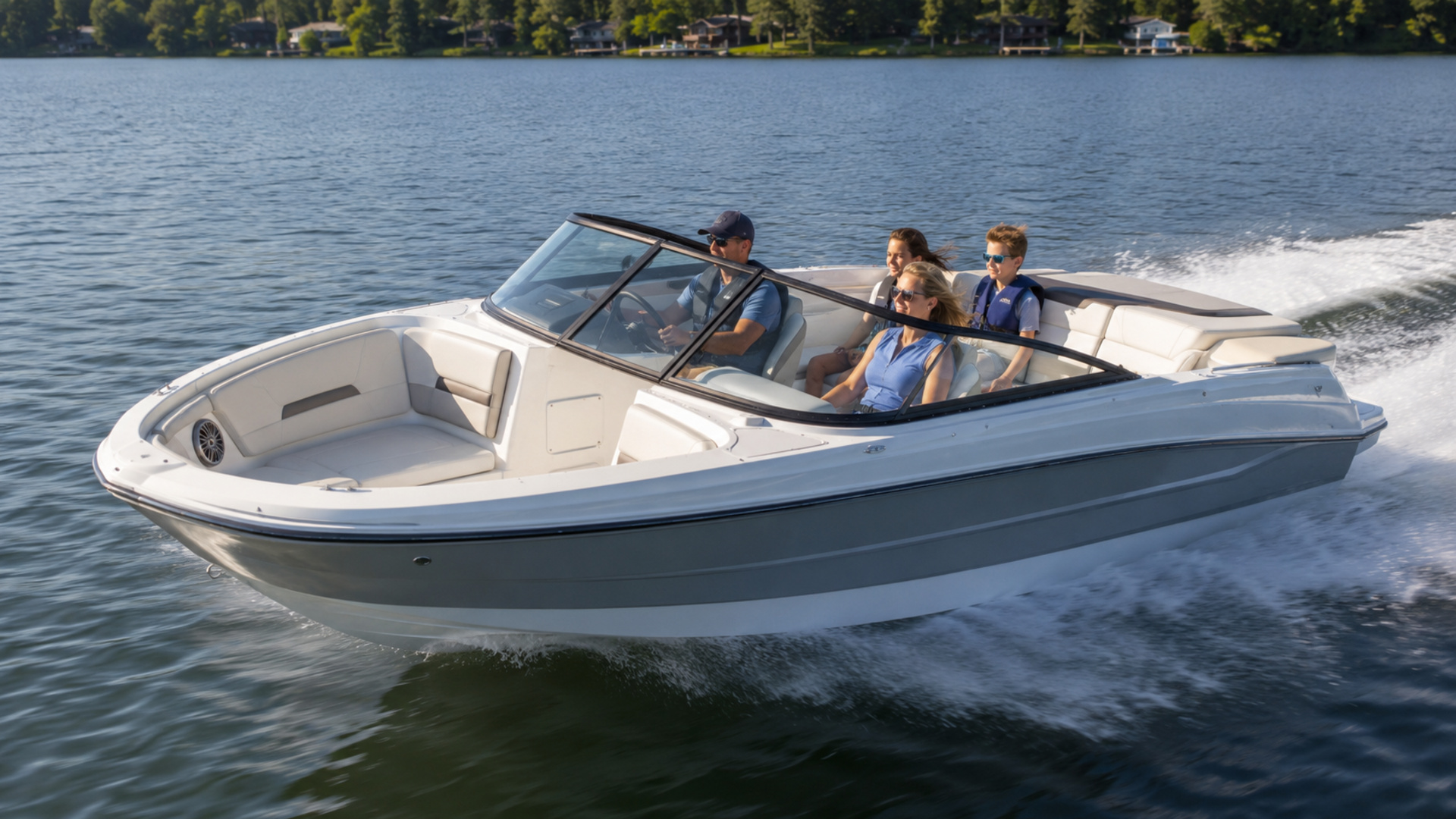
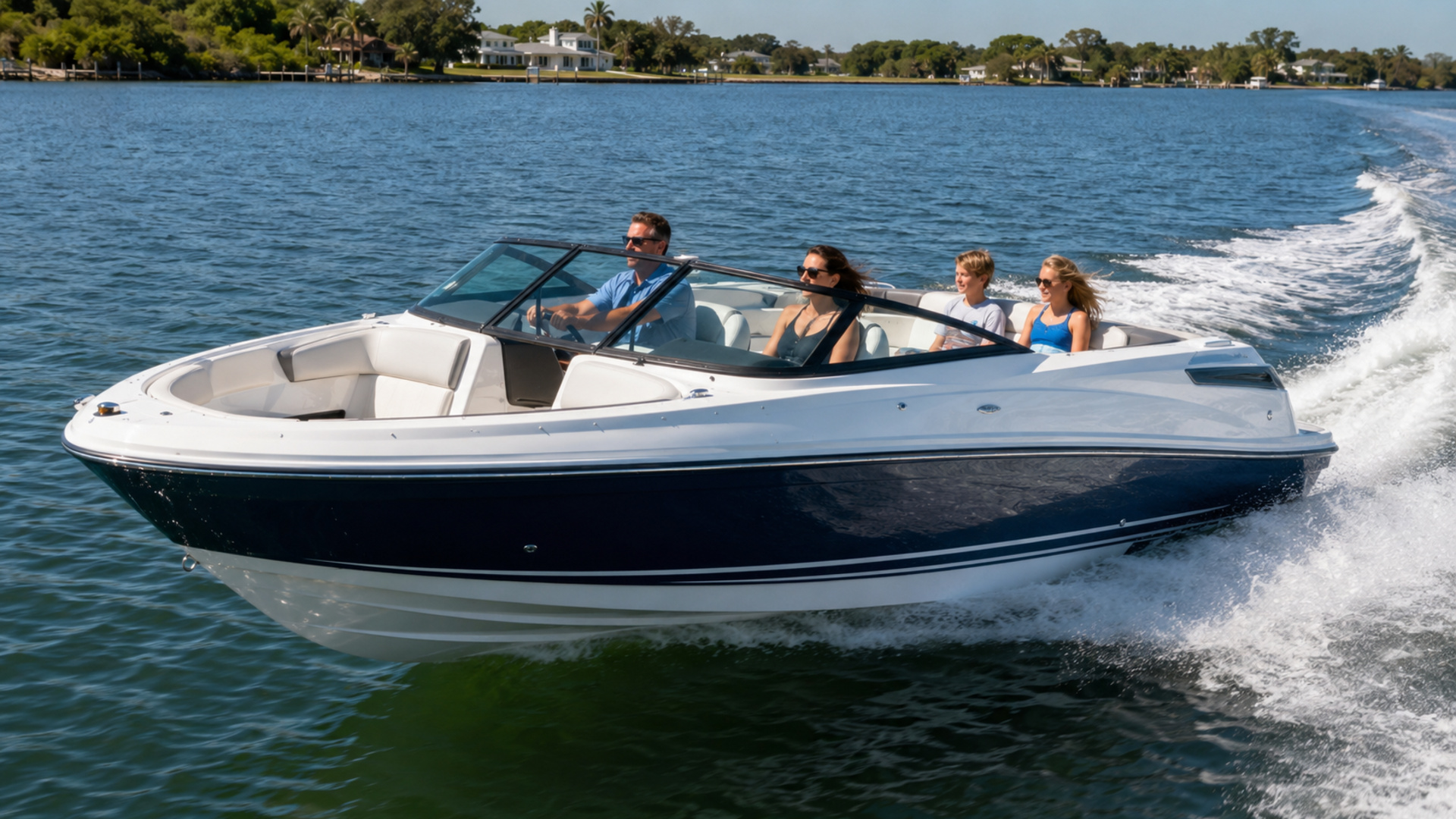
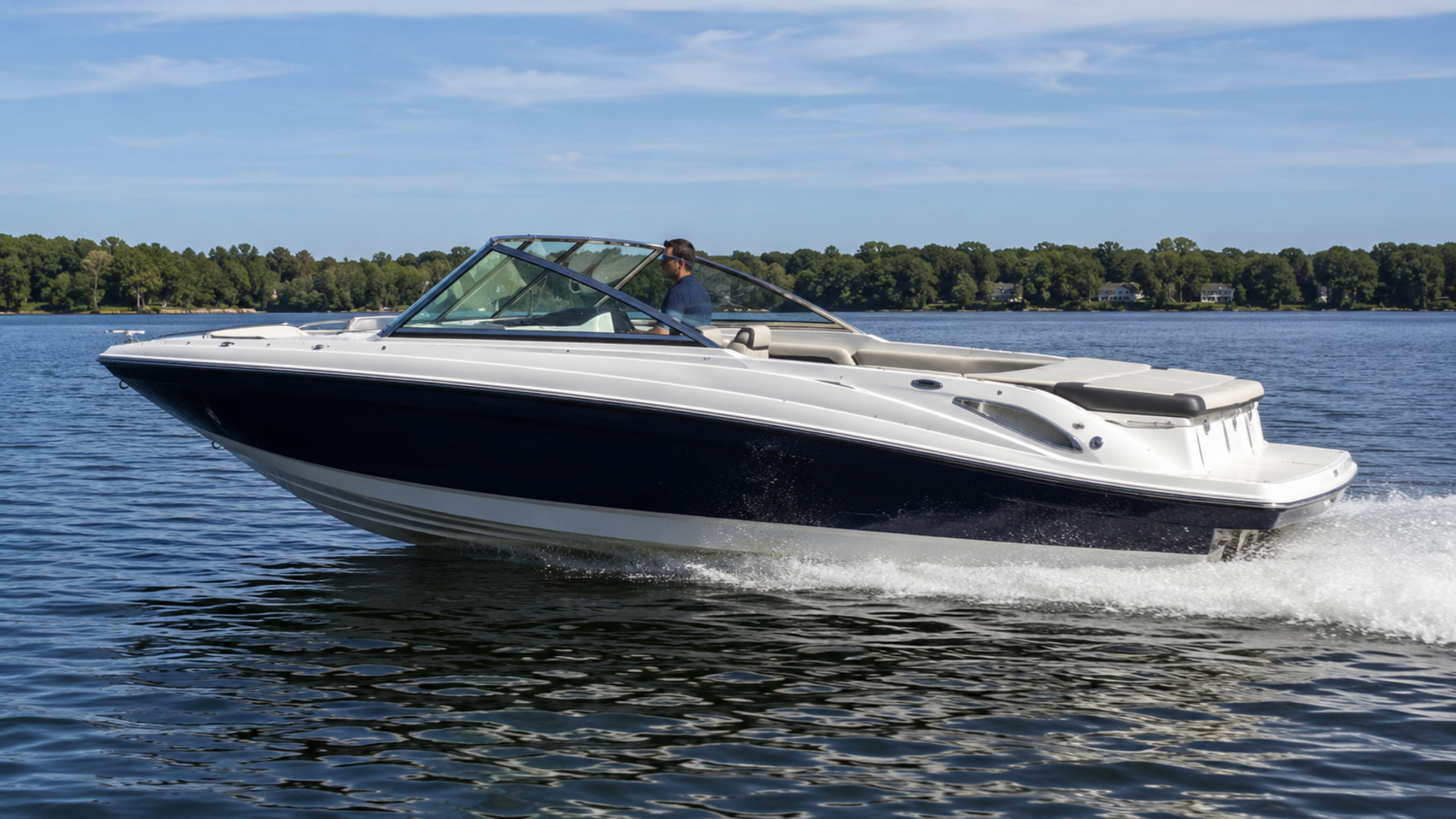
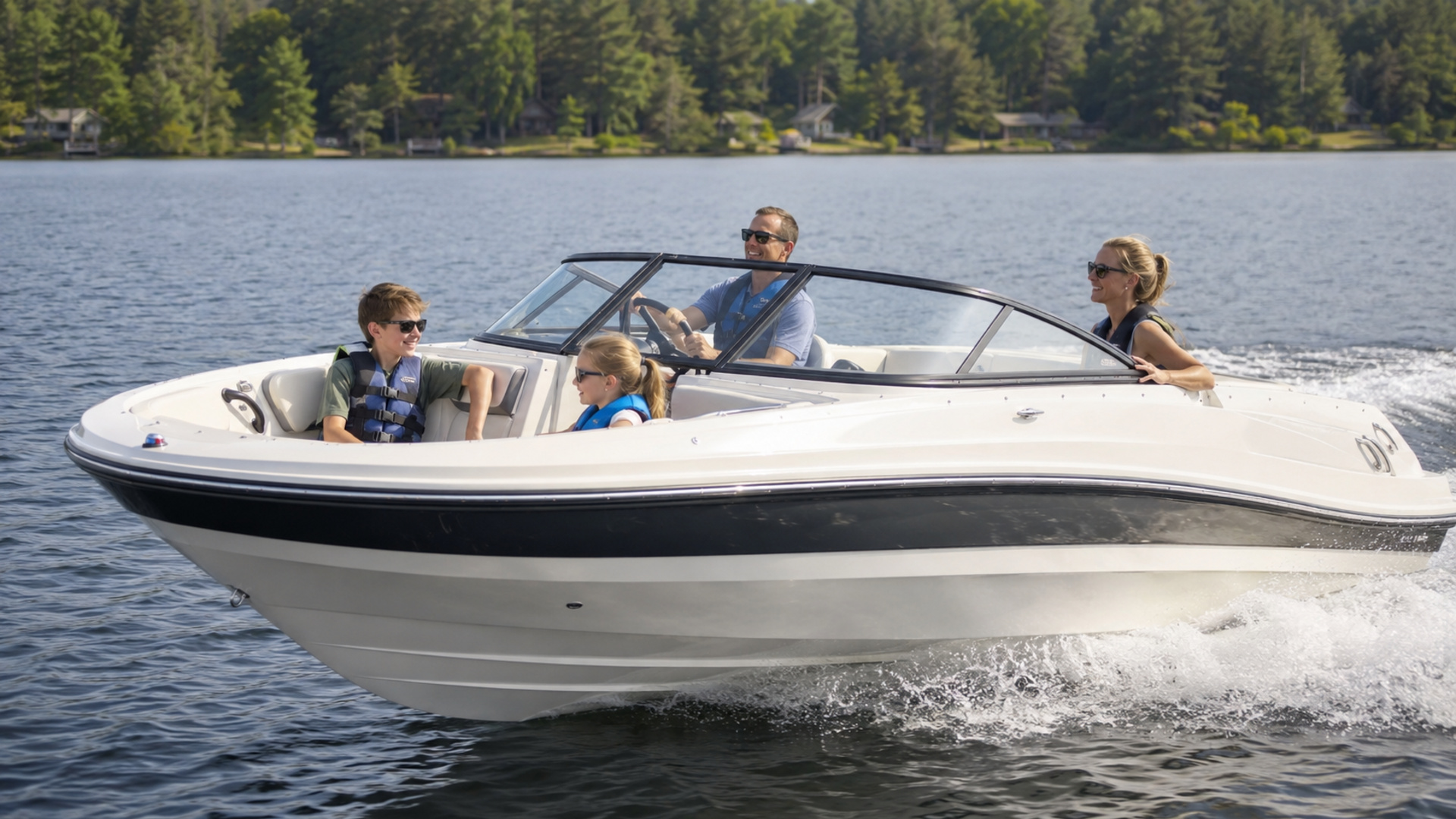
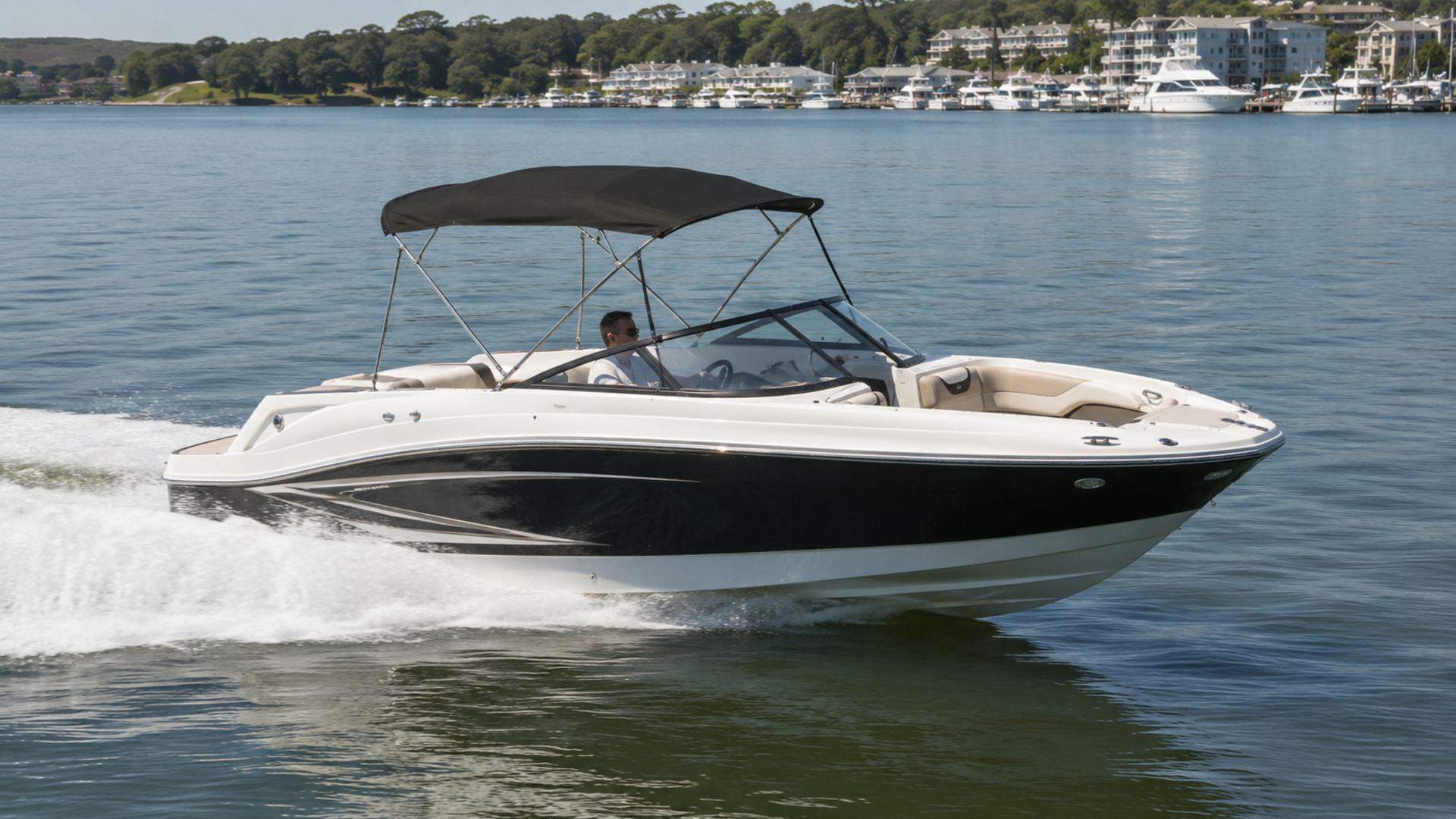
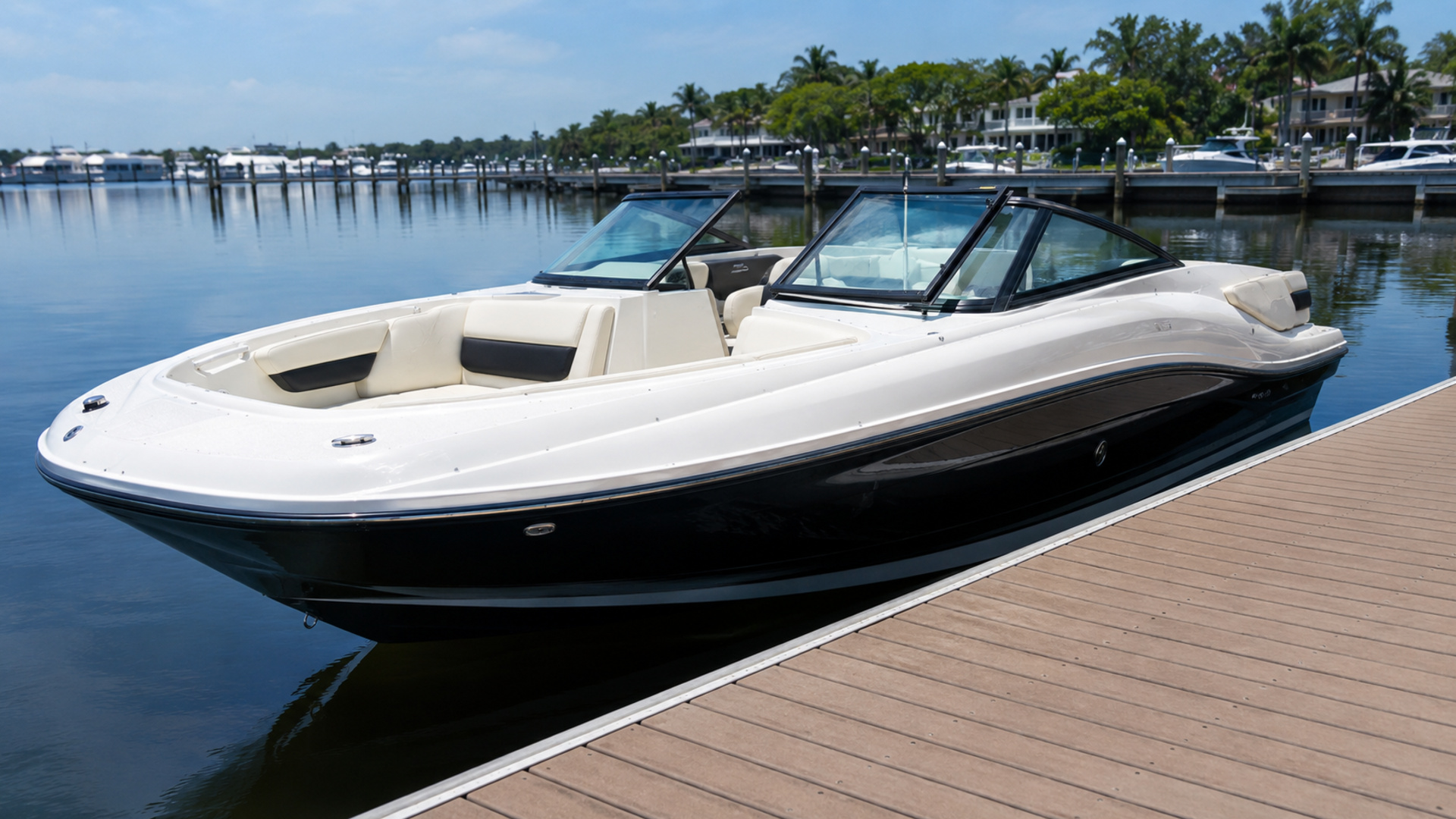
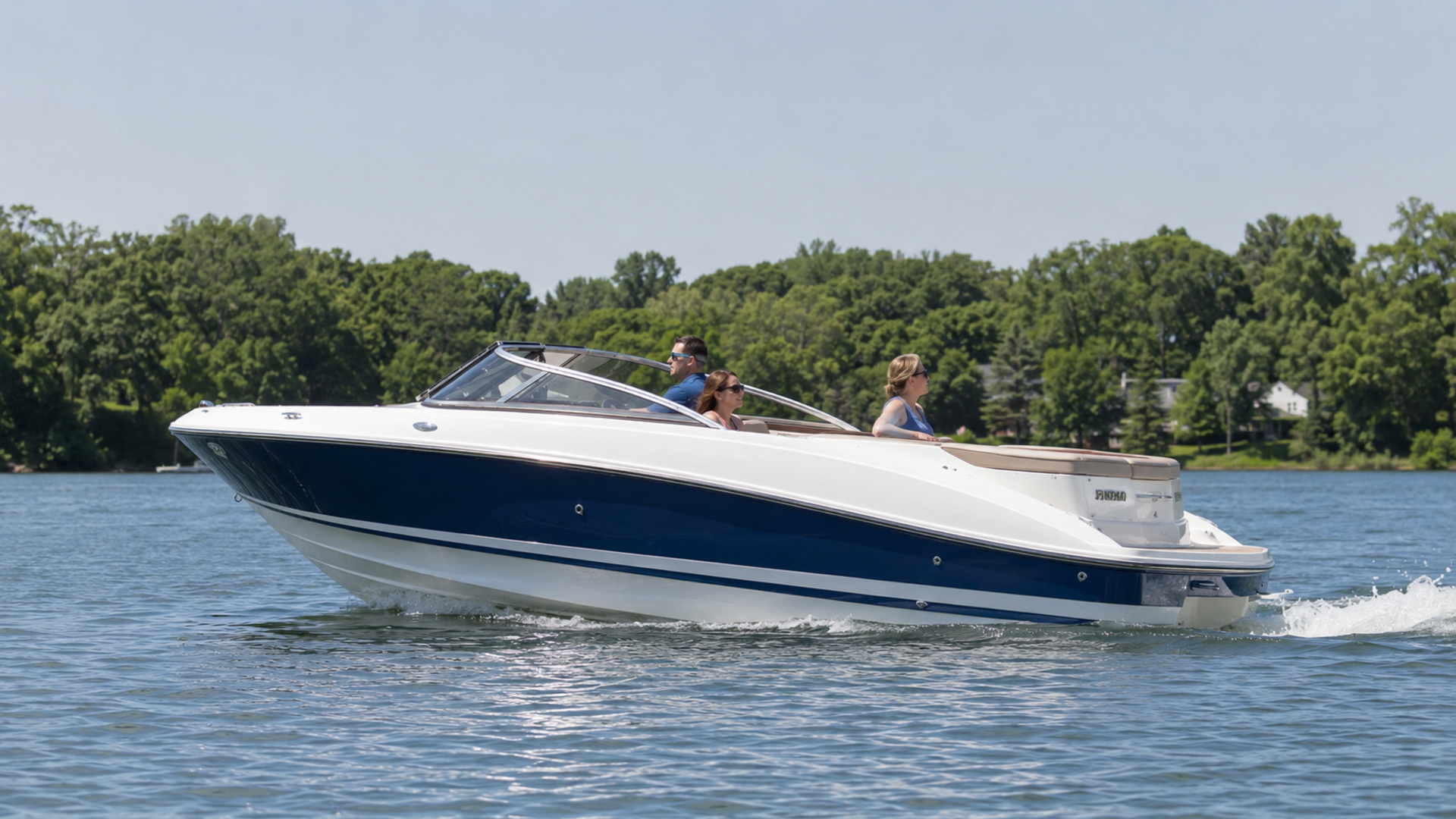
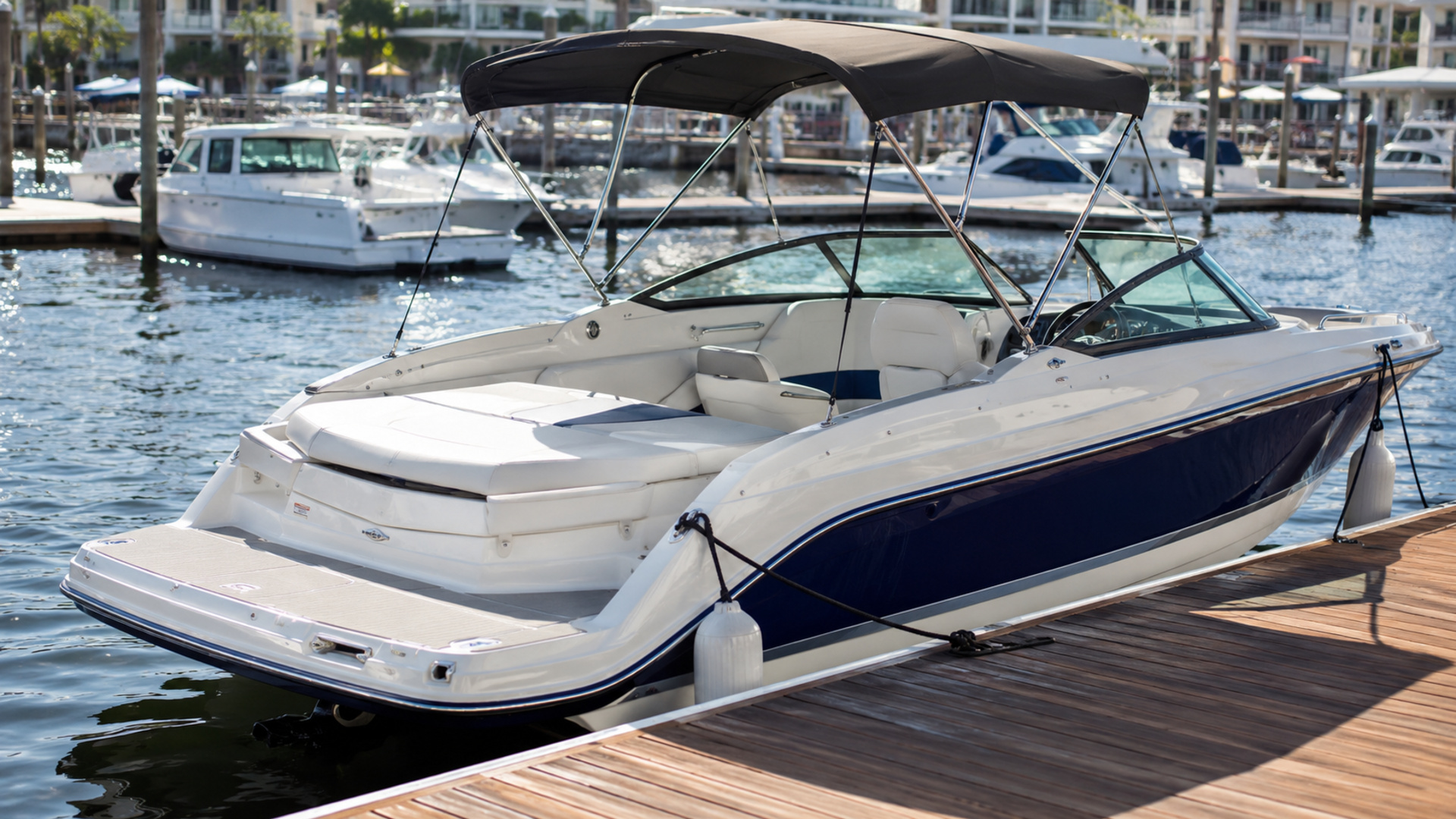
The Bayliner V20I is the sterndrive V20 for buyers who want a clean integrated stern, up to 250 horsepower, and a social 20-foot bowrider built around swimming.
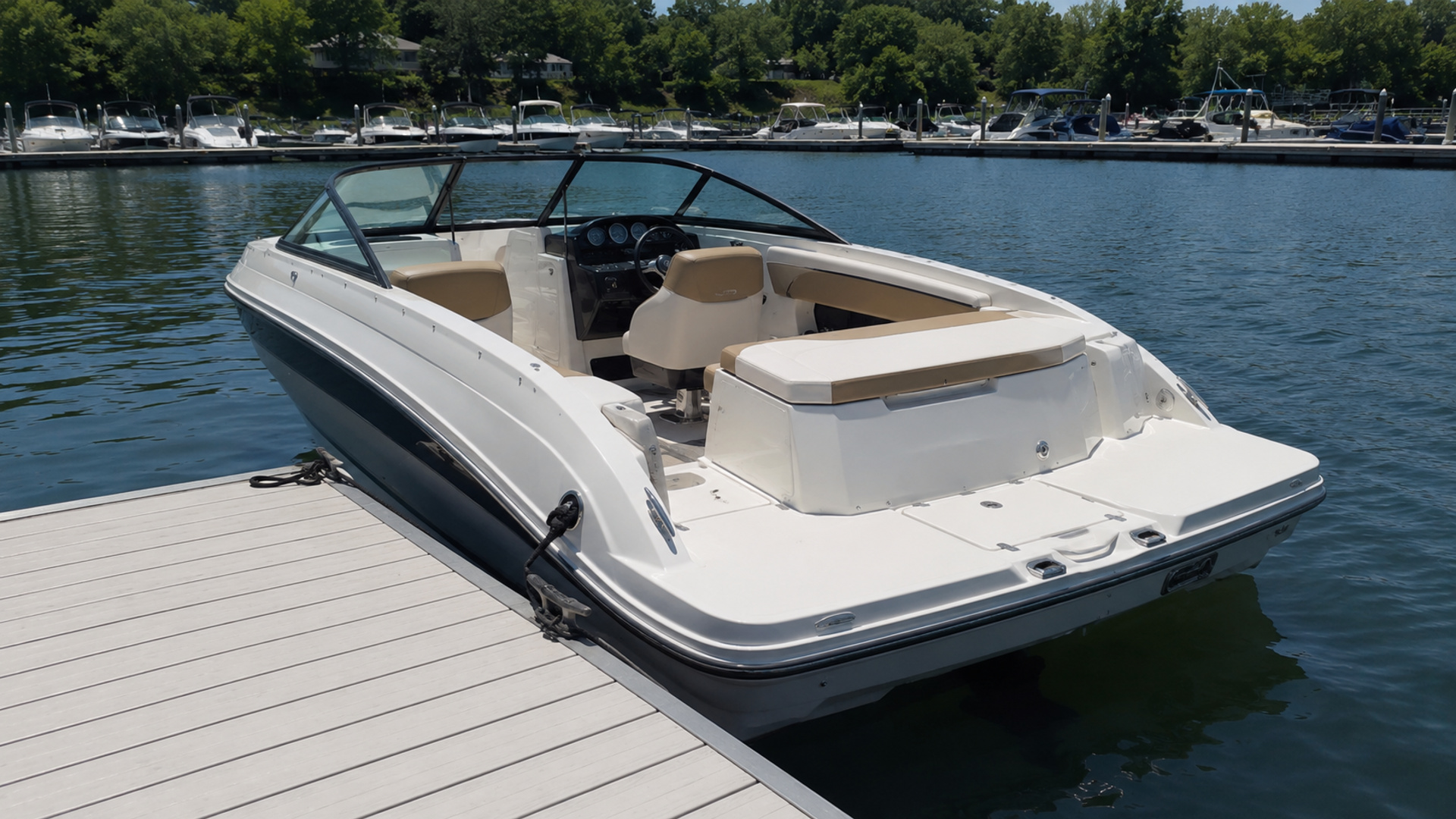
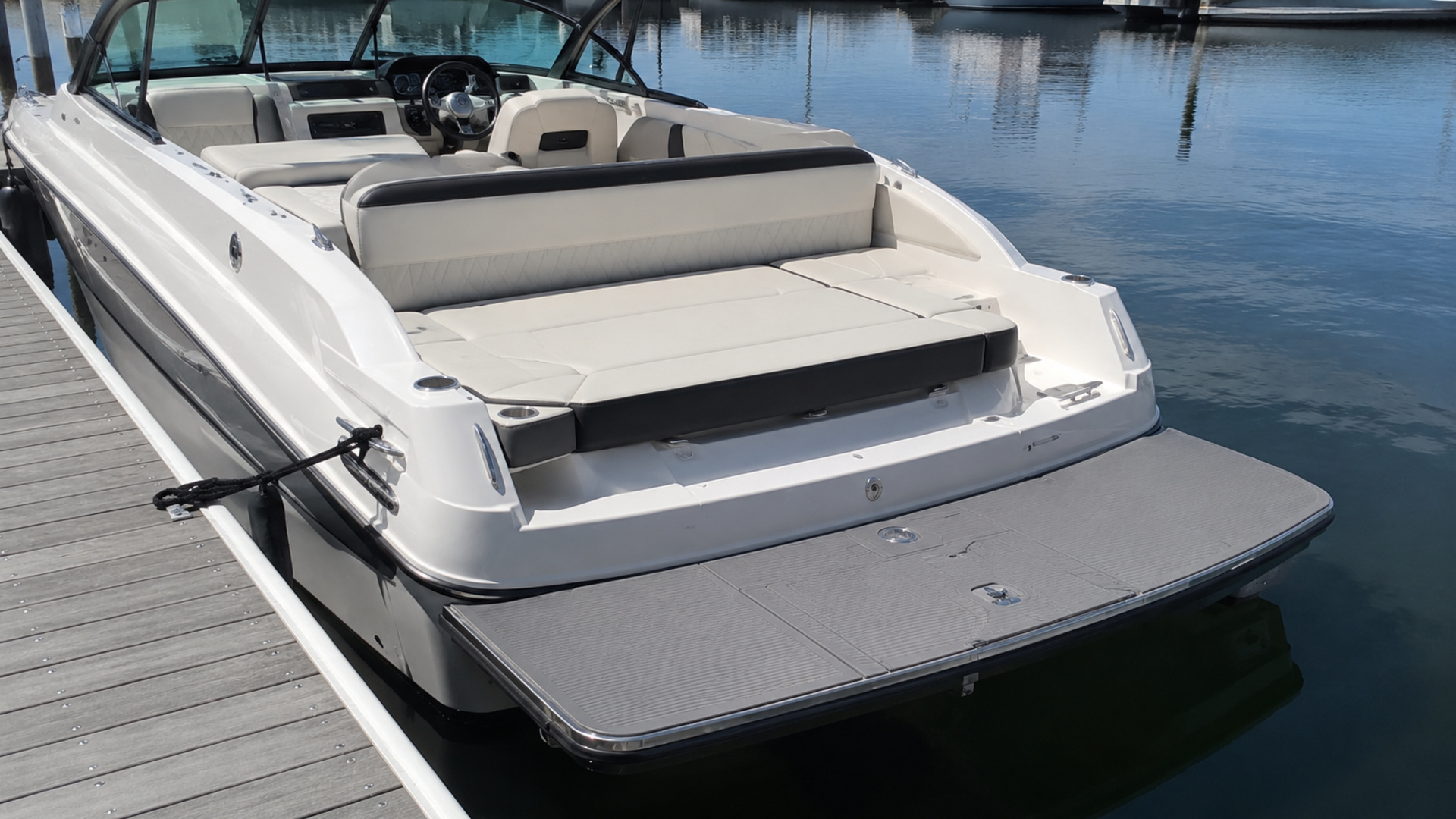
The V20I is the V Series choice for a buyer who already knows the stern matters. Bayliner puts the engine below the aft deck instead of hanging it on the transom, which leaves the center of the swim platform open and turns the engine cover into a real lounging area.
At 20 feet 4 inches, the V20I is not a larger alternative to the V20. It is the same-length answer for a different owner. Both boats use an 8-foot-4-inch beam and a 45-gallon fuel tank, so the decision is driven by propulsion, stern use, passenger capacity, weight, and horsepower.
The V20I carries nine people and reaches 250 horsepower. The V20 carries ten and tops out at 175 horsepower in current U.S. specifications. The V20I also weighs roughly 605 pounds more with standard engine. Those differences are large enough that buyers should stop thinking of the I/O as a trim upgrade.
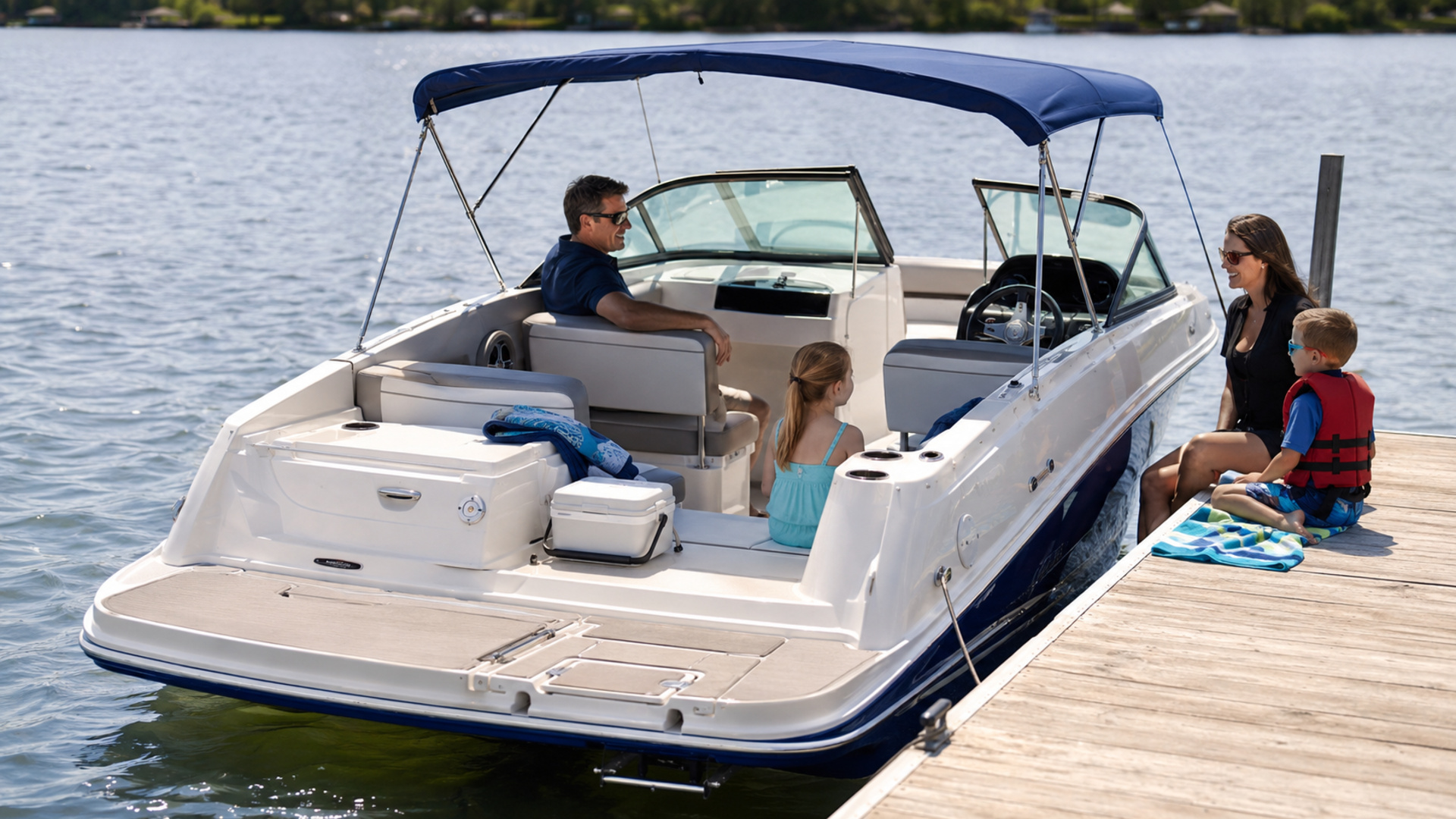
If weekends revolve around swimming, floating, and getting riders in and out of the water, the V20I has a persuasive advantage. The integrated swim platform does not ask passengers to work around an outboard powerhead, and the adjustable aft sun pad gives the rear of the boat another dedicated social zone.
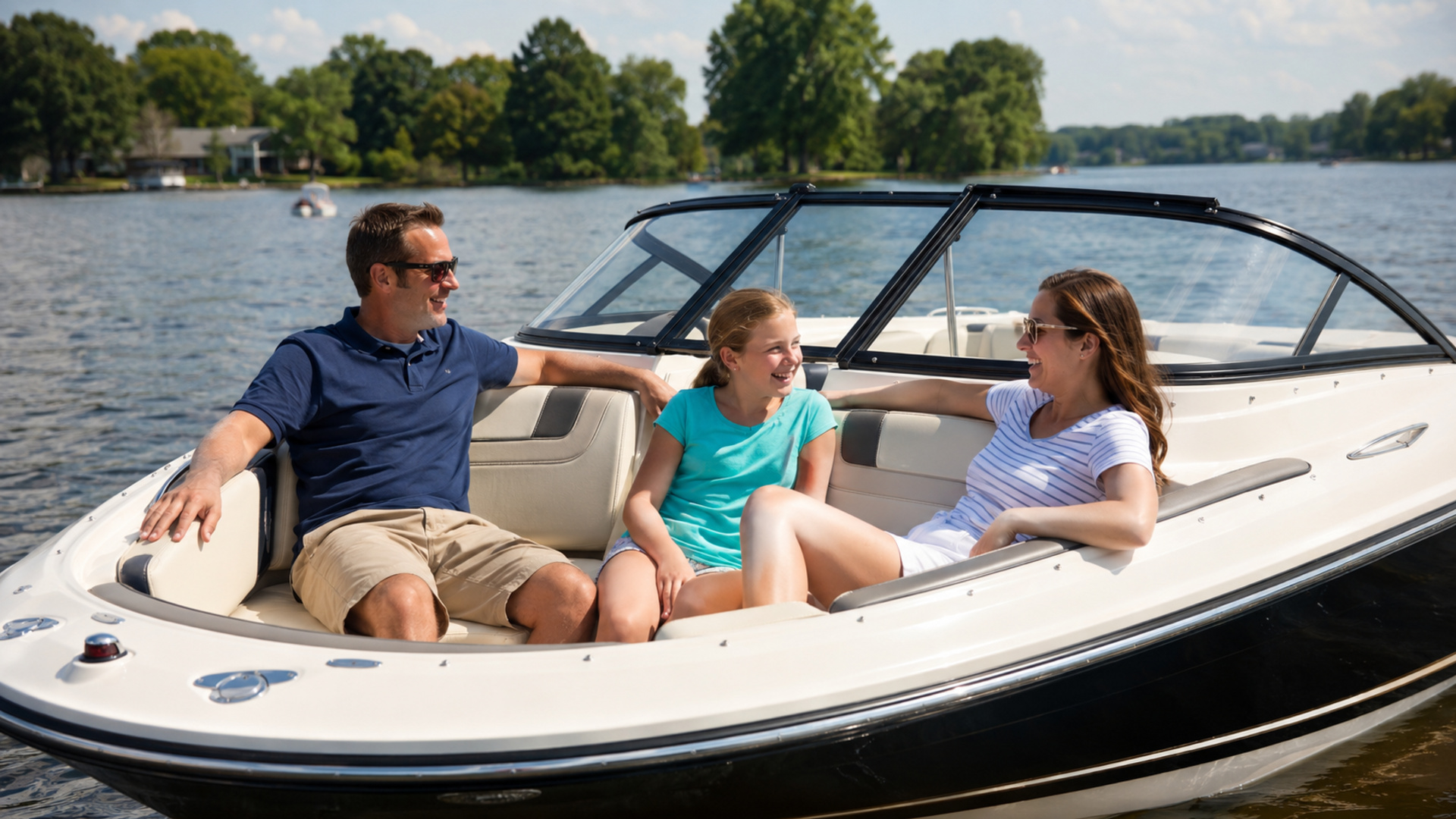
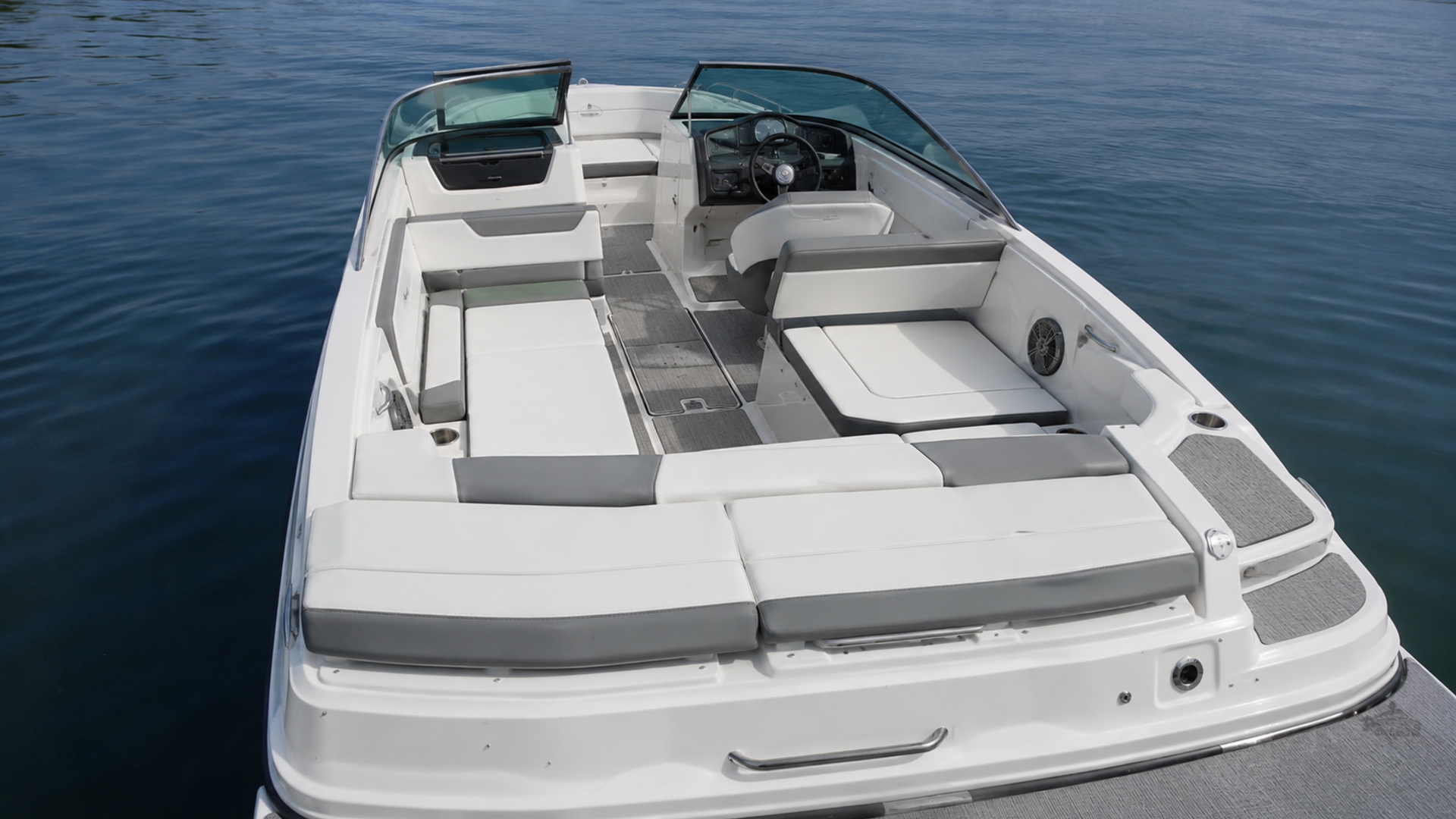
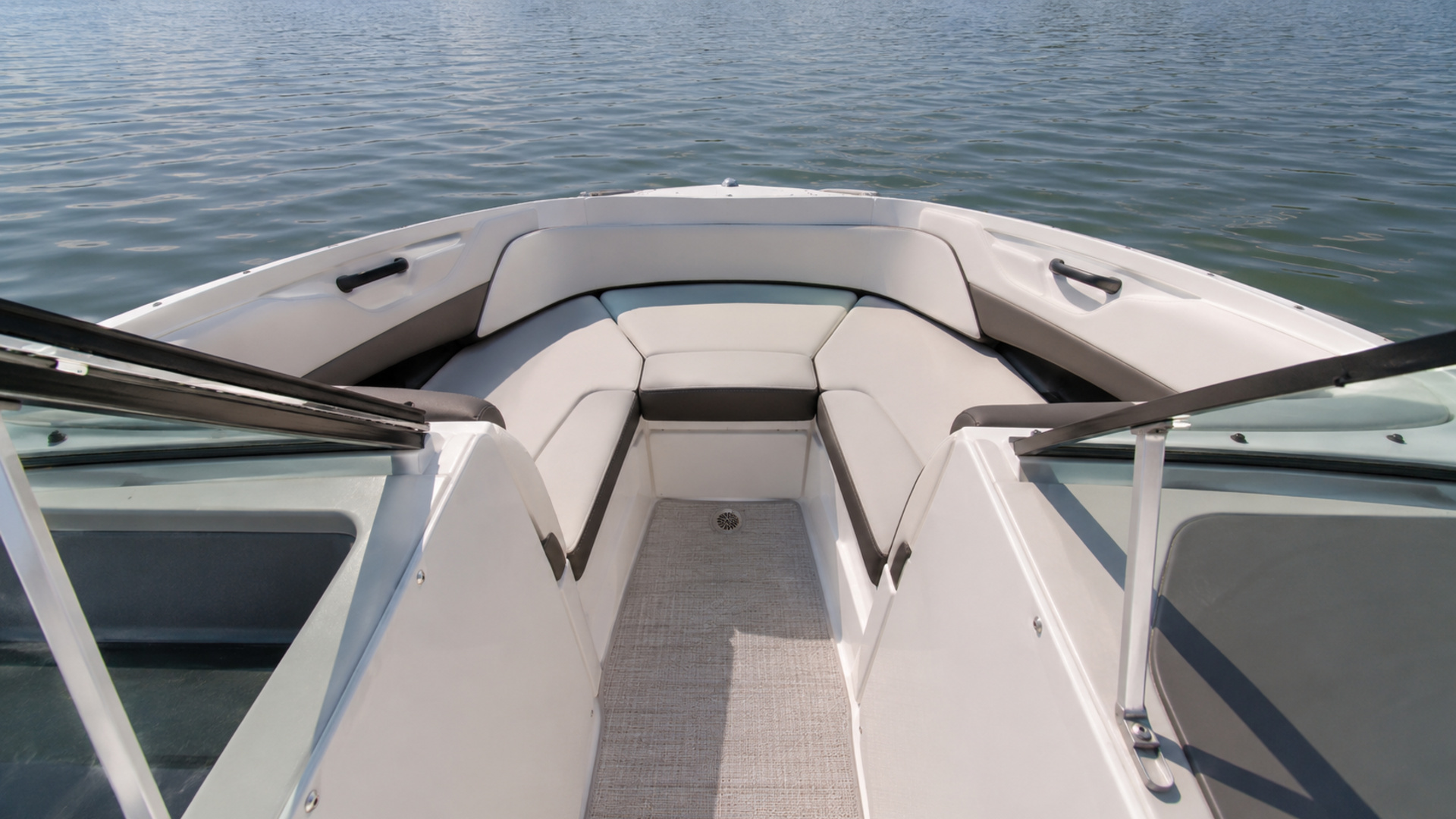
The bow is equally flexible. Bayliner lets the forward seating convert toward a sun lounge or second dining area, while the standard cockpit table and swiveling helm seat allow the central cockpit to become part of the conversation after the boat stops moving.
The V20I remains a day boat. There is no cabin to justify with occasional overnight trips. The money goes into a modern open layout, useful storage, sterndrive performance, and social spaces that are available every normal afternoon.
Current inventory is almost entirely 2025 and 2026 boats. That makes the V20I a present-market shopping decision rather than an older used-boat hunt. Buyers are mostly comparing dealer stock, nearly new inventory, engine choice, packages, and the value of buying someone else’s lightly used configuration.
That young market also means depreciation history is limited. A one-year-old boat can be attractive when it has the 250-horsepower engine or packages you already want, but it should be compared directly with new dealer inventory after freight, preparation, and other transaction costs are included.
Buy the V20I when the stern is a feature your family will use constantly. If the lighter package, tenth passenger position, and easy access to an external engine matter more, the V20 outboard is the better answer.
Published factory figures. Confirm every dimension against the individual boat before you commit.
The V20I measures 20 feet 4 inches overall with an 8-foot-4-inch beam and 20 degrees of deadrise. Bayliner publishes 1 foot 8 inches of minimum draft and 2 feet 11 inches of maximum draft. Approximate weight with standard engine is 3,985 pounds.
That beam gives Bayliner enough width to make the bow seating useful for adults while preserving a real passage between the cockpit and forward lounge. The boat does not need the full 8-foot-6-inch beam of a larger family platform to feel substantial.
Twenty degrees of deadrise keeps the hull in the recreational V-bottom range. The angle provides enough entry for ordinary lake and protected-coastal chop while avoiding the weight and power requirement of a deeper offshore hull.
The short hull still sets a limit. Closely spaced wakes can make any 20-foot boat work, and the correct response is to reduce speed rather than expecting 250 horsepower to erase hull length.
Maximum draft is one inch deeper than the current V20 outboard specification. That is not a major operational penalty, but it matters around shallow ramps, sandbars, and unfamiliar coves because the Alpha One drive remains the lowest mechanical component.
Weight is the more meaningful difference. The V20I is about 605 pounds heavier than the V20 with standard engine. Add the trailer, 45 gallons of fuel, batteries, gear, and passengers before deciding the two boats create the same towing experience.
The extra mass comes with the sterndrive package that makes the stern attractive. Buyers are not simply carrying unnecessary weight. They are accepting a heavier propulsion arrangement because it changes how the rear deck can be used.
The 23-foot published storage length is friendly for a 20-foot boat, but buyers should still measure the actual storage location. Trailer tongue geometry, tower height, and driveway approach can matter more than the hull number.
For the buyer, the V20I hull is best understood as a compact family platform carrying a larger mechanical package. If that package earns its keep at the stern and under load, the trade is reasonable. If not, the outboard version makes a cleaner ownership case.
The V20I uses MerCruiser 4.5-liter MPI sterndrive power with an Alpha One drive. Bayliner currently offers 200 horsepower as the standard configuration and 250 horsepower at the top of the range.
The 200 should not be dismissed simply because 250 is available. A lighter family that cruises, swims, and occasionally tows can use the base engine without treating every outing like a performance test.
The 250 is easier to justify when the boat regularly leaves the ramp loaded. Nine people, a full cooler, watersports equipment, and 45 gallons of fuel ask more of the powertrain than two adults on a dealer demonstration.
Available horsepower is one reason the V20I exists. The current V20 outboard reaches 175 horsepower, so a buyer who wants stronger reserve in this hull length has a mechanical reason to choose the I/O beyond appearance.
Sterndrive ownership also changes the maintenance checklist. The engine is inside the hull, which means the owner needs to monitor the engine compartment rather than performing every inspection from the transom.
The blower matters before starting. Cooling-system condition matters during the season. Hoses, belts, fluids, wiring, and evidence of water in the compartment all belong in a purchase inspection.
The Alpha One drive adds its own service points. Bellows, gimbal hardware, drive lubricant, trim components, propeller condition, skeg damage, and corrosion deserve direct attention.
Winterization is more involved in freezing climates than simply following outboard service procedures. Saltwater use also makes flushing, anodes, and corrosion control more important.
A nearly new V20I can still have mechanical history worth investigating. A 2025 boat may have spent two busy seasons towing riders or living in brackish water. Model year does not tell you hours, impacts, or maintenance discipline.
Listen for abnormal drive vibration during the sea trial. Run the trim through its operating range. Check shifting engagement and make sure steering effort stays consistent.
The real engine decision is two-layered. First decide whether the clean stern and I/O ownership profile fit you. Only then decide whether the 200 or 250 horsepower configuration matches the load.
If routine mechanical access is one of your highest priorities, do not rationalize the V20I because it has more power. Buy the V20 instead and enjoy the outboard for what it is.
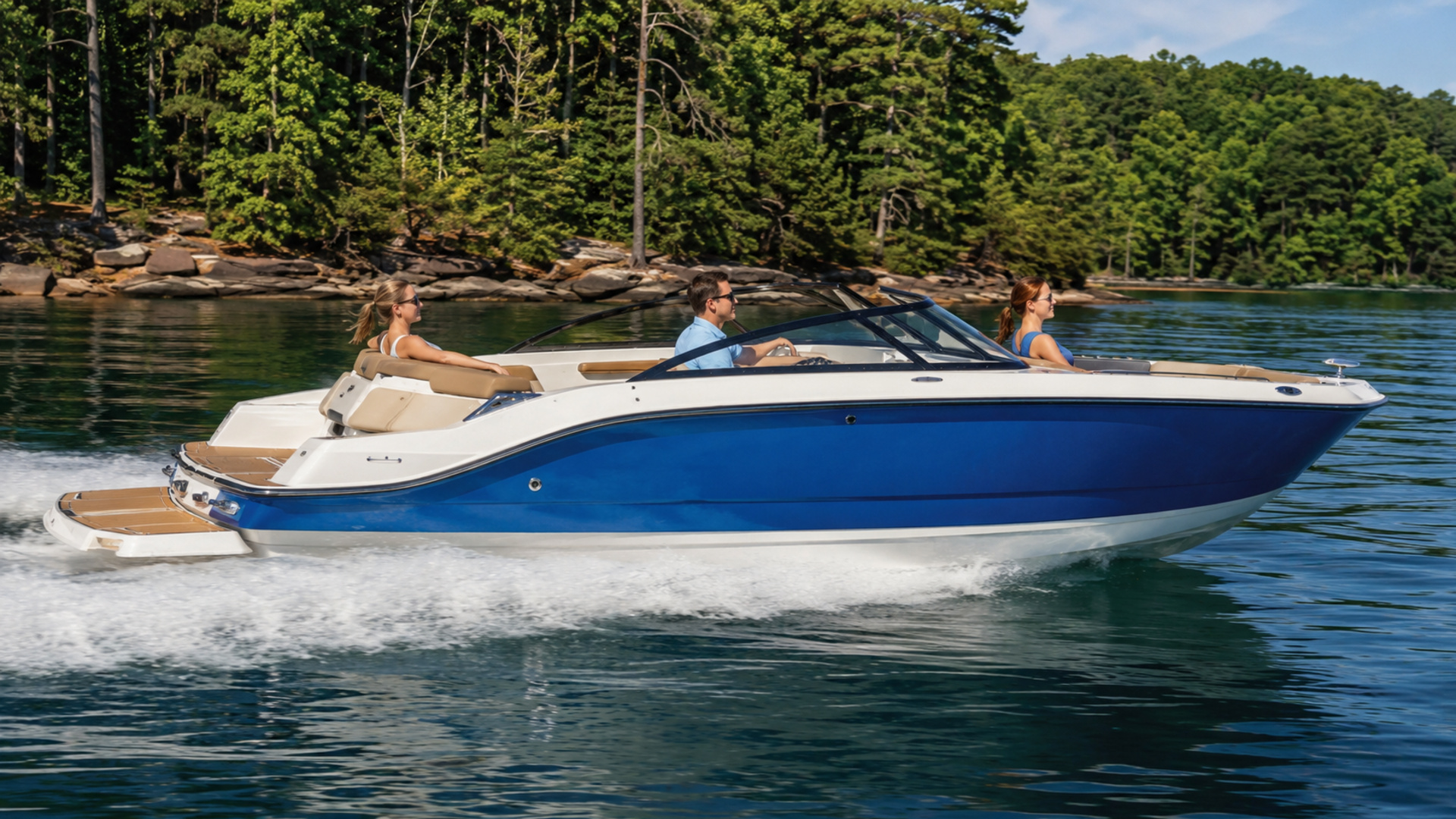
The V20I carries 45 gallons of fuel. That is the same capacity Bayliner publishes for the V20 outboard, but the two boats should not be assumed to return the same range.
The V20I is heavier and uses either 200 or 250 horsepower. Passenger load also changes fuel consumption, particularly when the boat is repeatedly accelerating for watersports.
Bayliner does not publish one universal current gallons-per-hour value for the model. A buyer should use verified performance information for the exact engine or inspect fuel data during the sea trial instead of relying on an invented estimate.
Forty-five gallons gives a 20-foot day boat useful flexibility. Many owners spend considerable portions of the day anchored rather than running continuously, which can keep actual daily consumption reasonable.
A family pulling tubes for several hours can have an entirely different fuel day. The boat is the same. The behavior is not.
Fuel weight should also be included in towing calculations. A full tank adds meaningful weight on top of the 3,985-pound published standard-engine figure.
For longer runs, calculate expected range from the actual engine configuration and maintain a reserve. The V20I is well suited to family day boating, but it should not be treated like a long-range cruiser simply because the tank holds 45 gallons.
The V20I should be tested with the weight your family will normally carry. Two adults and an empty ski locker can make almost any 250-horsepower 20-footer feel eager.
With seven or eight people aboard, the useful performance questions change. Watch how quickly the hull reaches plane, how much throttle is required to stay there, and whether the driver retains a clear view over the bow.
The 200-horsepower configuration already gives the V20I more power than the maximum currently offered on the V20. That can make it a satisfying package even without selecting the 250.
The 250 adds reserve. Families that tow regularly or run with a full passenger load may value that reserve far more than an owner who cruises with four people.
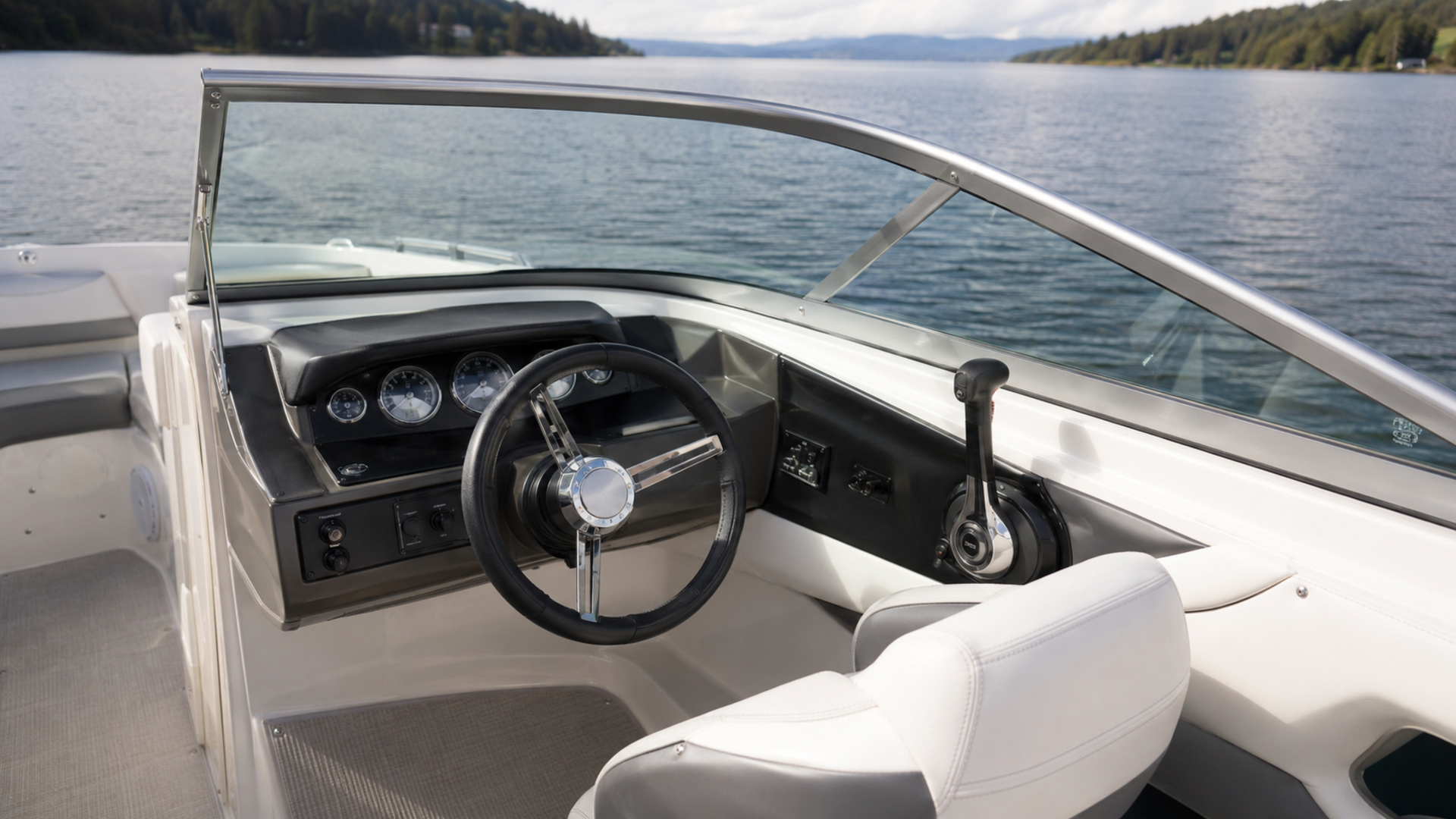
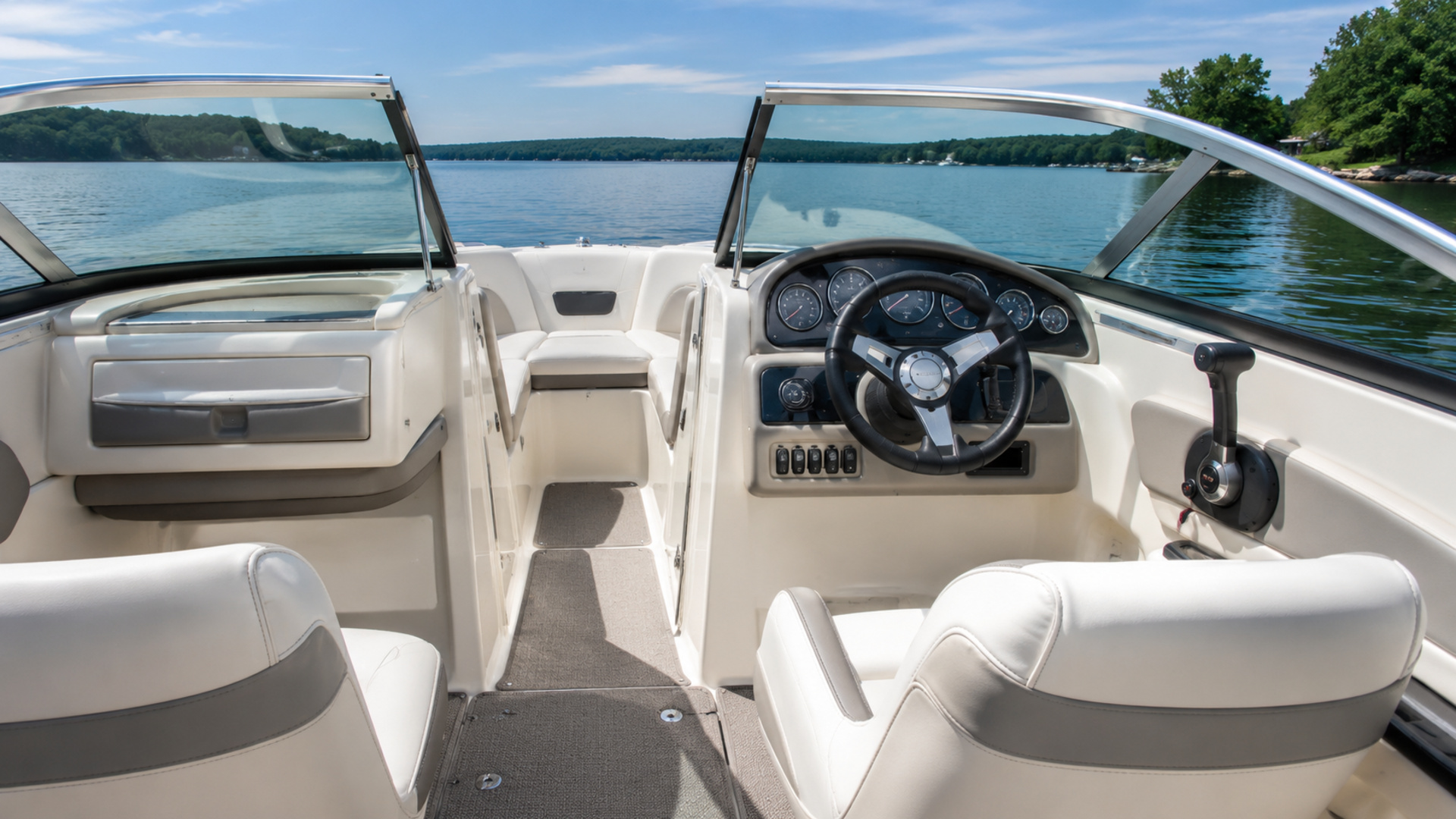
Hydraulic steering and power steering are part of the V20I helm specification. Steering should feel consistent through the trim range and should not bind when the drive is loaded in a turn.
Run the boat across ordinary wakes at several angles rather than spending the entire trial on flat water. Twenty degrees of deadrise gives useful recreational handling, but the hull is still only 20 feet 4 inches long.
Listen to the Alpha One drive at several rpm points. A smooth boat should not suddenly develop a persistent vibration in a narrow speed band.
Test reverse and low-speed maneuvering too. Sterndrive thrust responds differently from an outboard, and the buyer should leave the sea trial knowing how the boat behaves around a dock.
Top speed is the least interesting number for most V20I owners. Loaded planing, comfortable cruise, predictable steering, and low-speed confidence determine whether the boat feels good during normal family use.
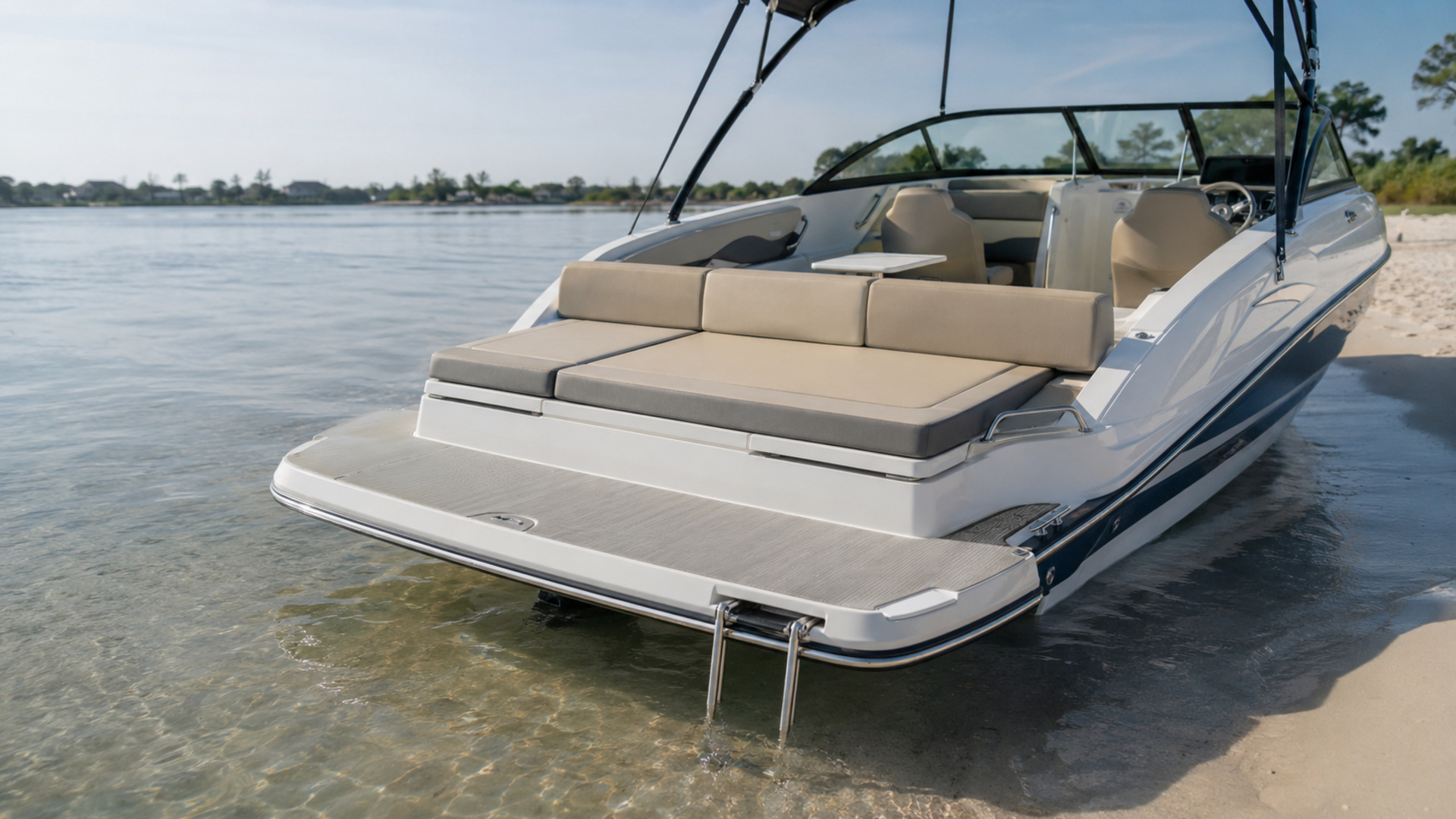
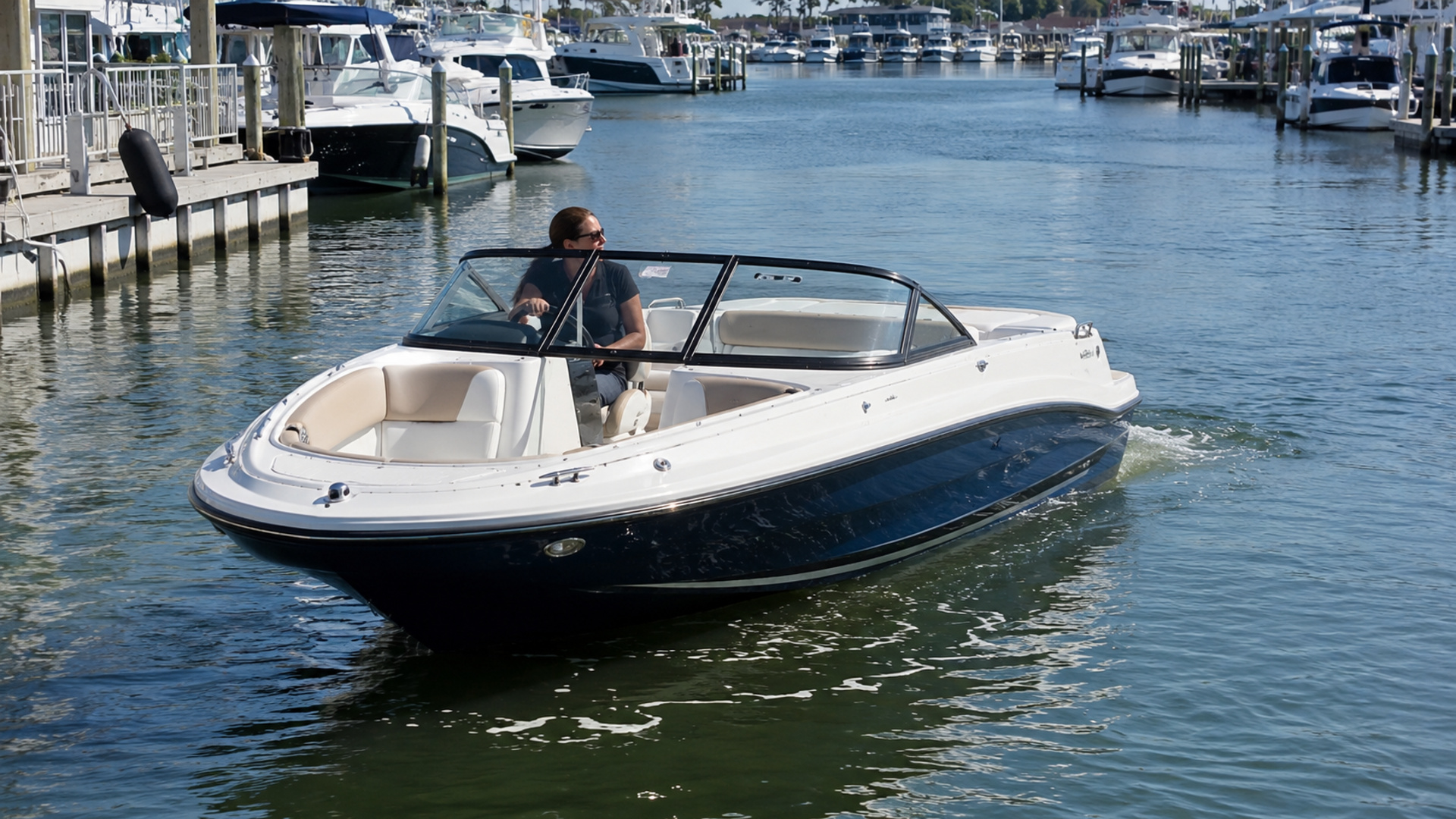
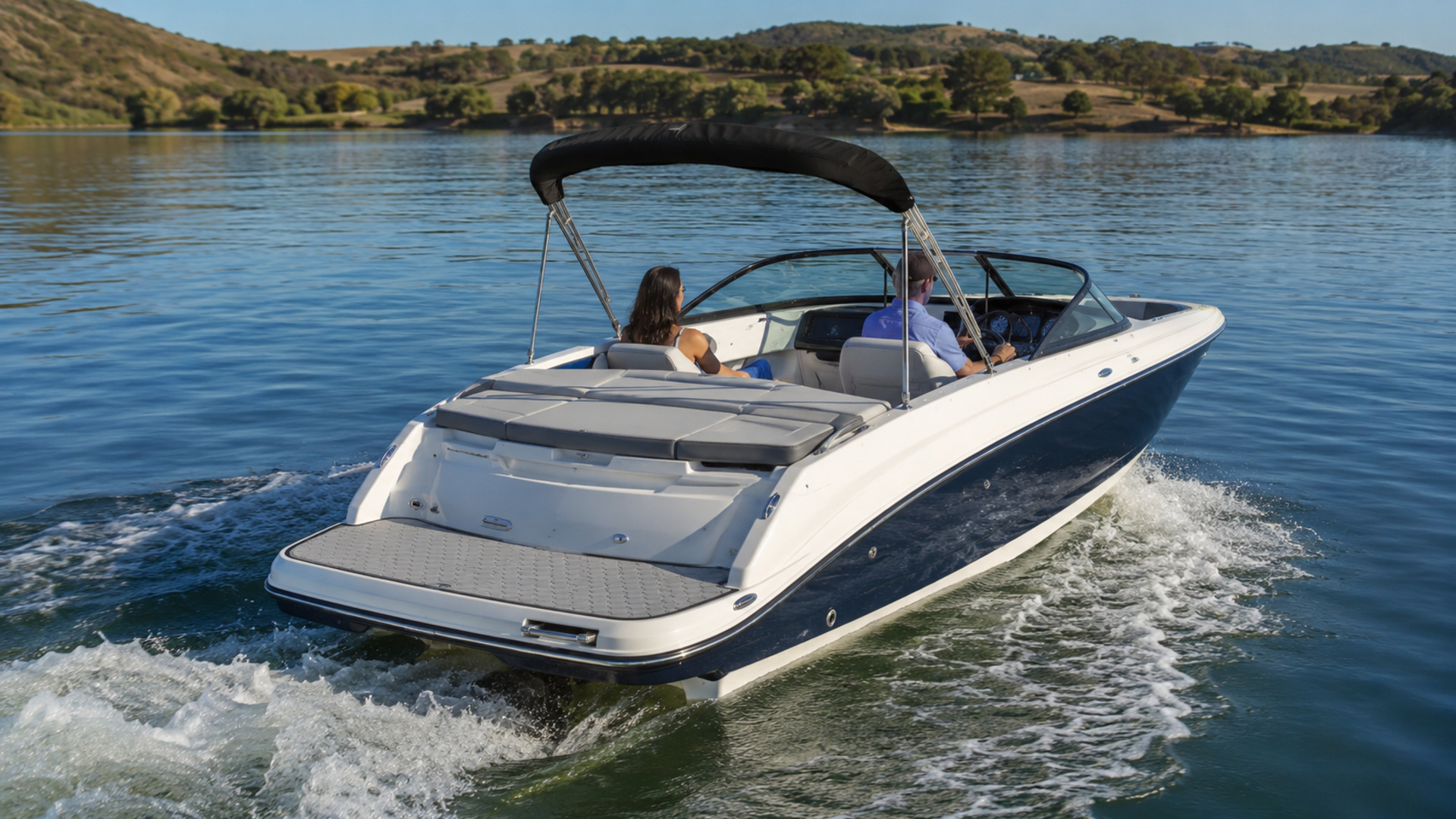
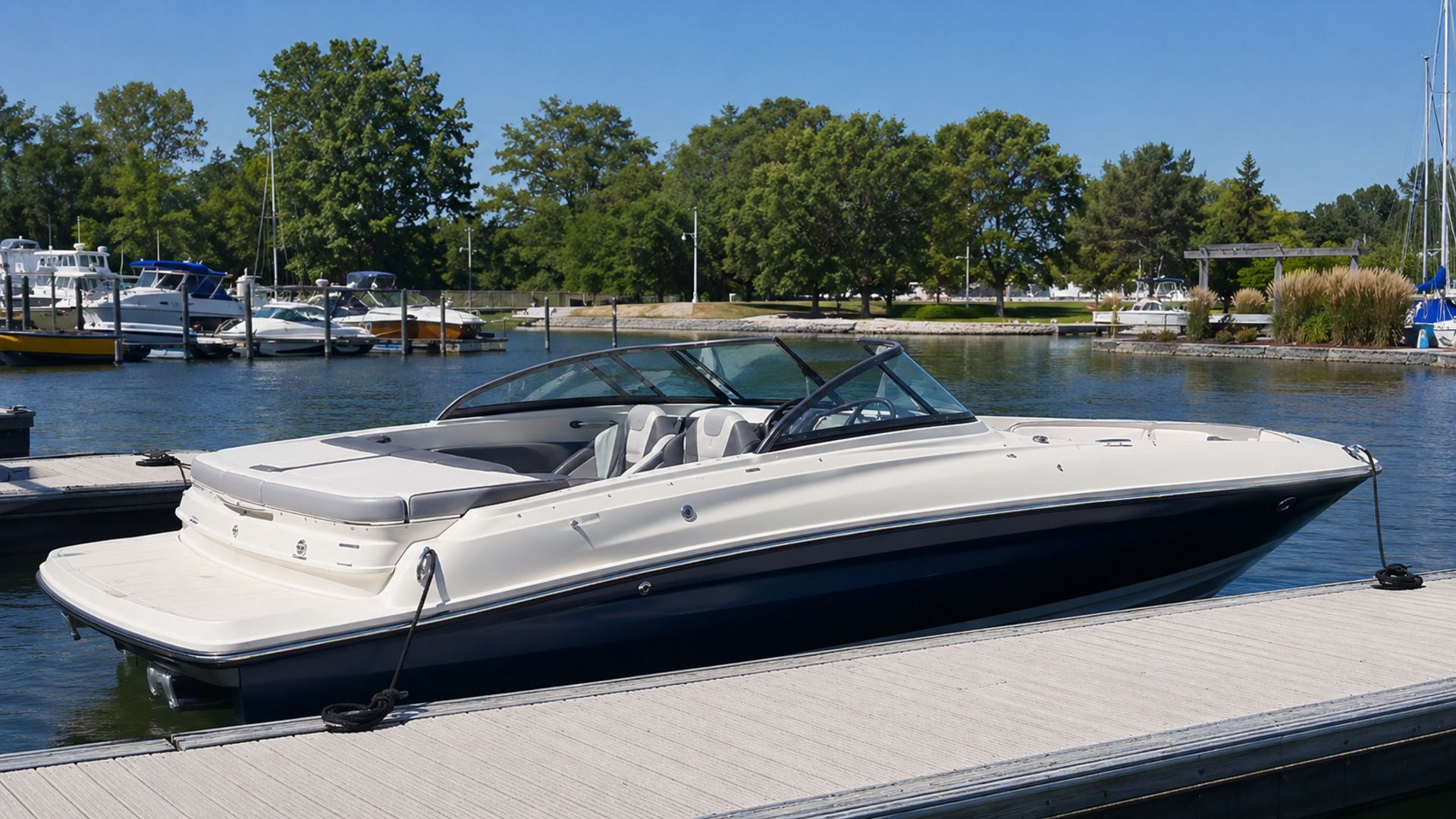
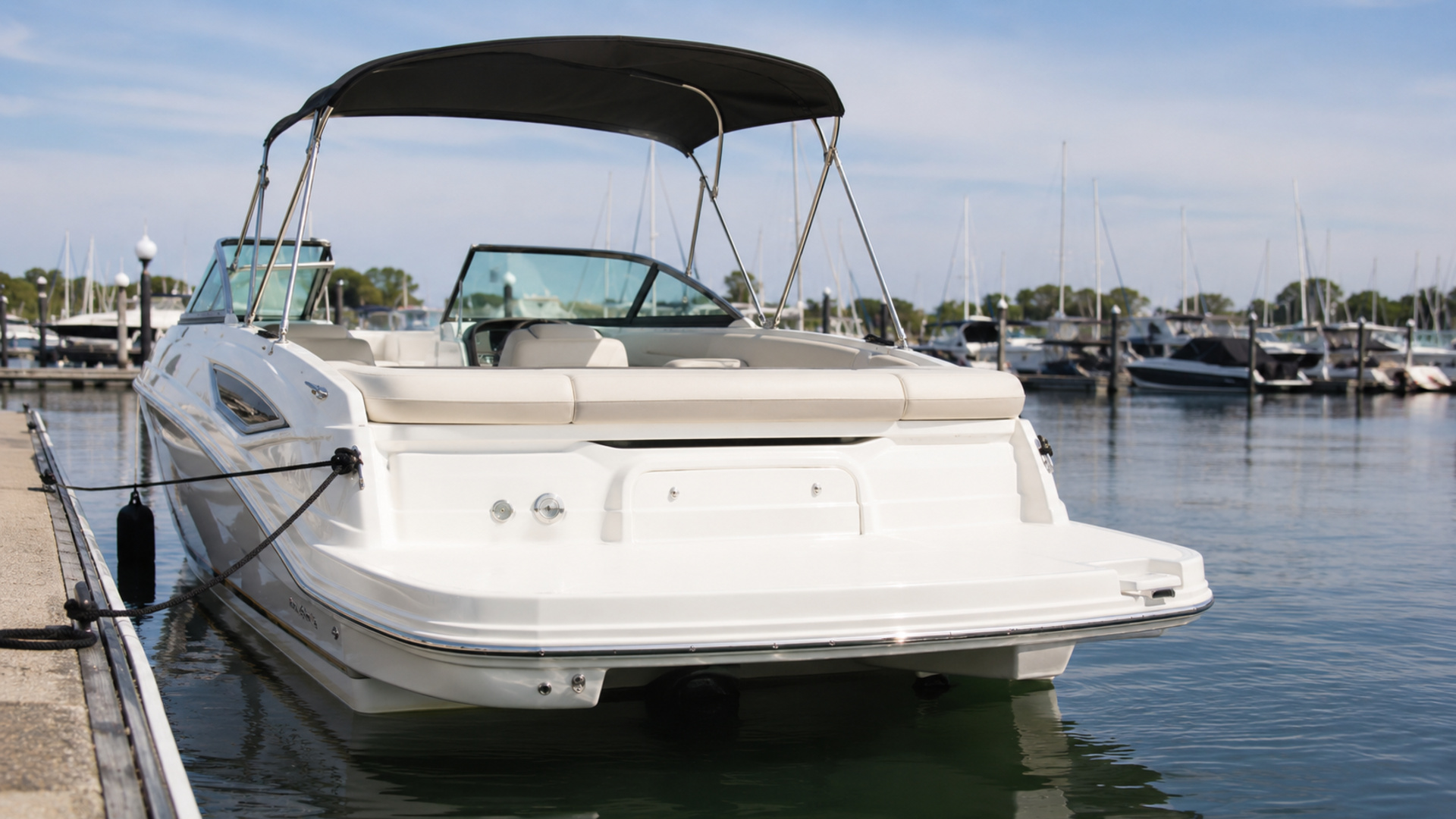
The V20I’s stern is its main buying argument. Moving the engine under the aft deck leaves the center of the transom open and gives the swim platform a cleaner relationship to the cockpit.
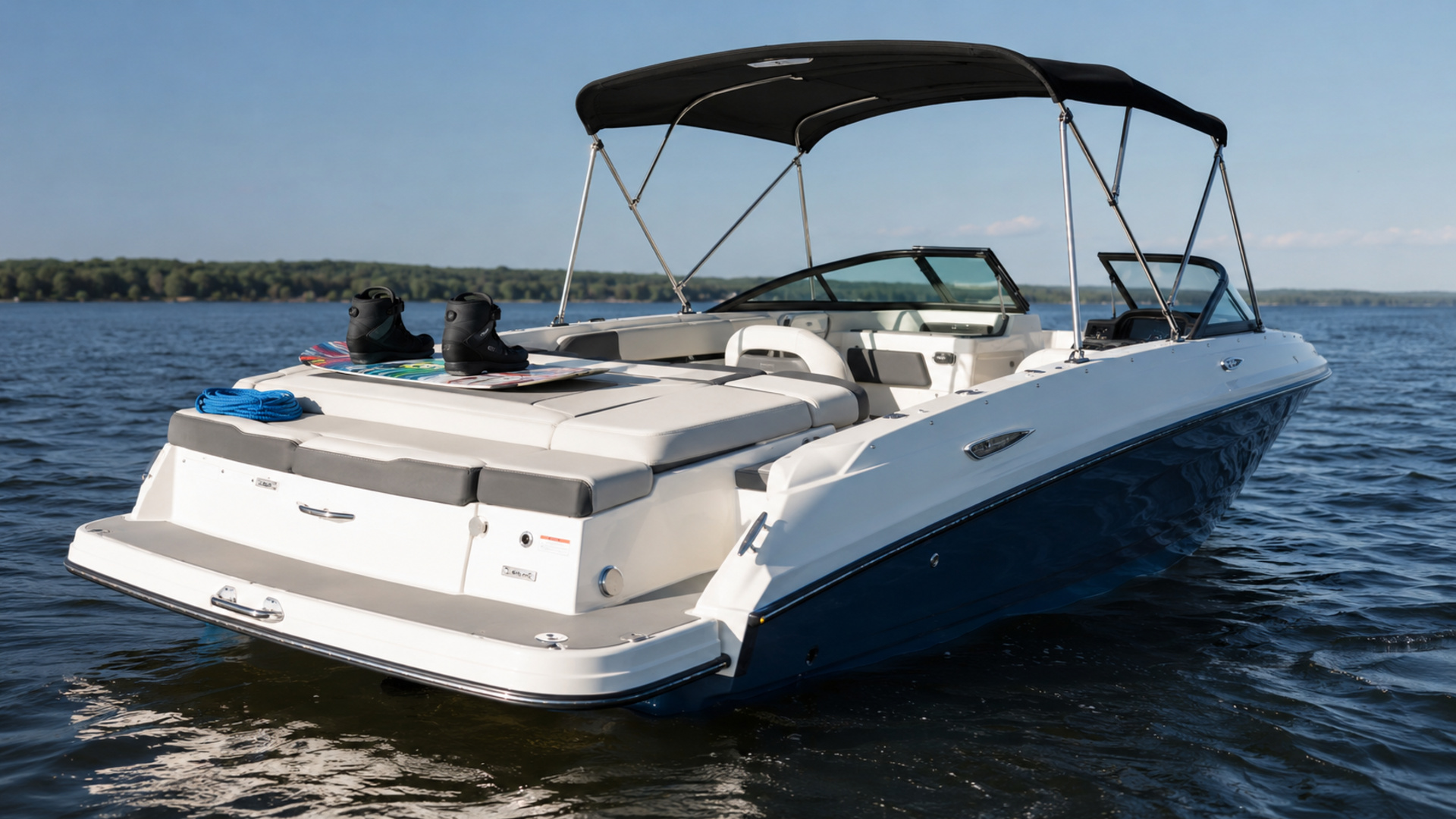
Bayliner adds an adjustable aft sun pad with an inclinable headrest. That turns the engine cover into a place someone will actually choose to use while the boat is anchored.
The standard telescoping ladder provides direct water access. Swimmers do not need to squeeze around an outboard powerhead before reaching the platform.
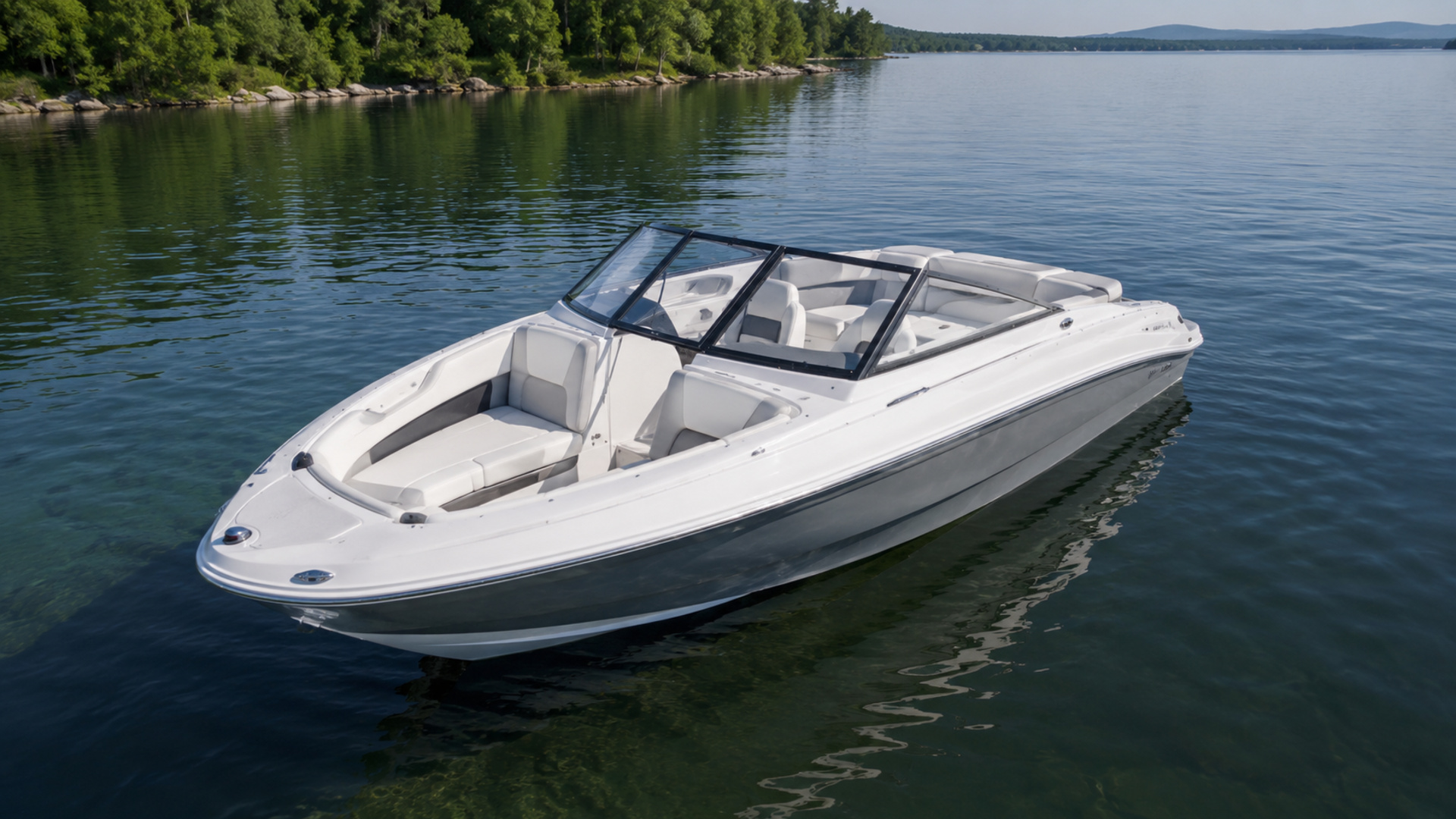
Forward, the bow seating can convert from passenger seating toward a lounge or second dining area. That matters on a 20-foot boat because it gives the same square footage more than one job.
The standard cockpit table creates another dining or snack surface. The helm seat rotates 180 degrees so the driver’s position can participate in the social cockpit once the engine is off.
Bayliner uses a dedicated co-pilot bucket seat rather than a simple back-to-back bench. That gives the companion a secure forward-facing position while underway.
In-floor ski and wakeboard storage gets long equipment below the deck. On a nine-person boat, that storage can be the difference between a usable cockpit and one filled with boards.
An integrated cooler solves another floor-space problem. The cooler has a place rather than becoming an object that passengers move every time someone changes seats.
The opening center windshield keeps the bow connected to the cockpit while still providing wind protection at the helm and co-pilot position.
If your family rarely swims and views the stern mainly as a boarding point, some of the V20I’s advantage disappears. In that case, the lighter V20 outboard can be the more logical purchase.
If swimming and lounging are the center of the day, the V20I uses the sterndrive layout to improve the exact spaces your family will touch most often.
The sterndrive engine stays below deck, leaving the center of the transom clear for boarding, swimming, and watersports staging.
Bayliner turns the engine cover into a dedicated lounge with an inclinable headrest for anchored afternoons.
The forward area can change from regular passenger seating into a sun lounge or second dining zone.
A standard table gives the central cockpit a proper surface for snacks and meals without requiring an aftermarket solution.
Long watersports gear disappears below deck instead of consuming the passenger walkway.
Factory cooler storage keeps another bulky item from sliding around a nine-person cockpit.
Available 7-inch and 9-inch displays can integrate Mercury VesselView-linked engine information at the helm.
Factory-supported stereo upgrades let buyers add stronger sound without relying on improvised aftermarket wiring.
A V20I inspection should begin below the aft sun pad. The engine compartment is central to the ownership experience, so signs of water, leaking fluids, loose wiring, deteriorated hoses, or ignored service should carry more weight than cosmetic scuffs elsewhere.
Test the blower before engine start. Verify the automatic bilge pump operates. Check the battery switch and inspect any optional dual-battery installation for clean cabling and secure trays.
At the Alpha One drive, inspect the propeller and skeg for impact. Look around the housing for corrosion or damaged paint that suggests repeated contact with the bottom.
Ask directly about bellows and drive service. On a 2025 or 2026 boat, there may not be extensive age-related wear yet, but poor storage or saltwater care can accelerate problems quickly.
Operate trim and steering through the full range. Shifting should engage cleanly without a harsh delay or excessive noise.
At the helm, confirm the analog gauges work. If a digital dash is fitted, verify that engine data appears consistently and that the screen does not reboot under load.
Run the stereo, navigation lights, courtesy lights, horn, and 12-volt accessories. Simple electrical faults are useful clues about how carefully the boat has been maintained.
Tower-equipped boats deserve inspection around the mounts. Look for stress cracks, loose hardware, or wiring that has been routed poorly.
The V20I market is young, but a young boat is not automatically a perfect boat. Condition should still determine whether the deal deserves the asking price.
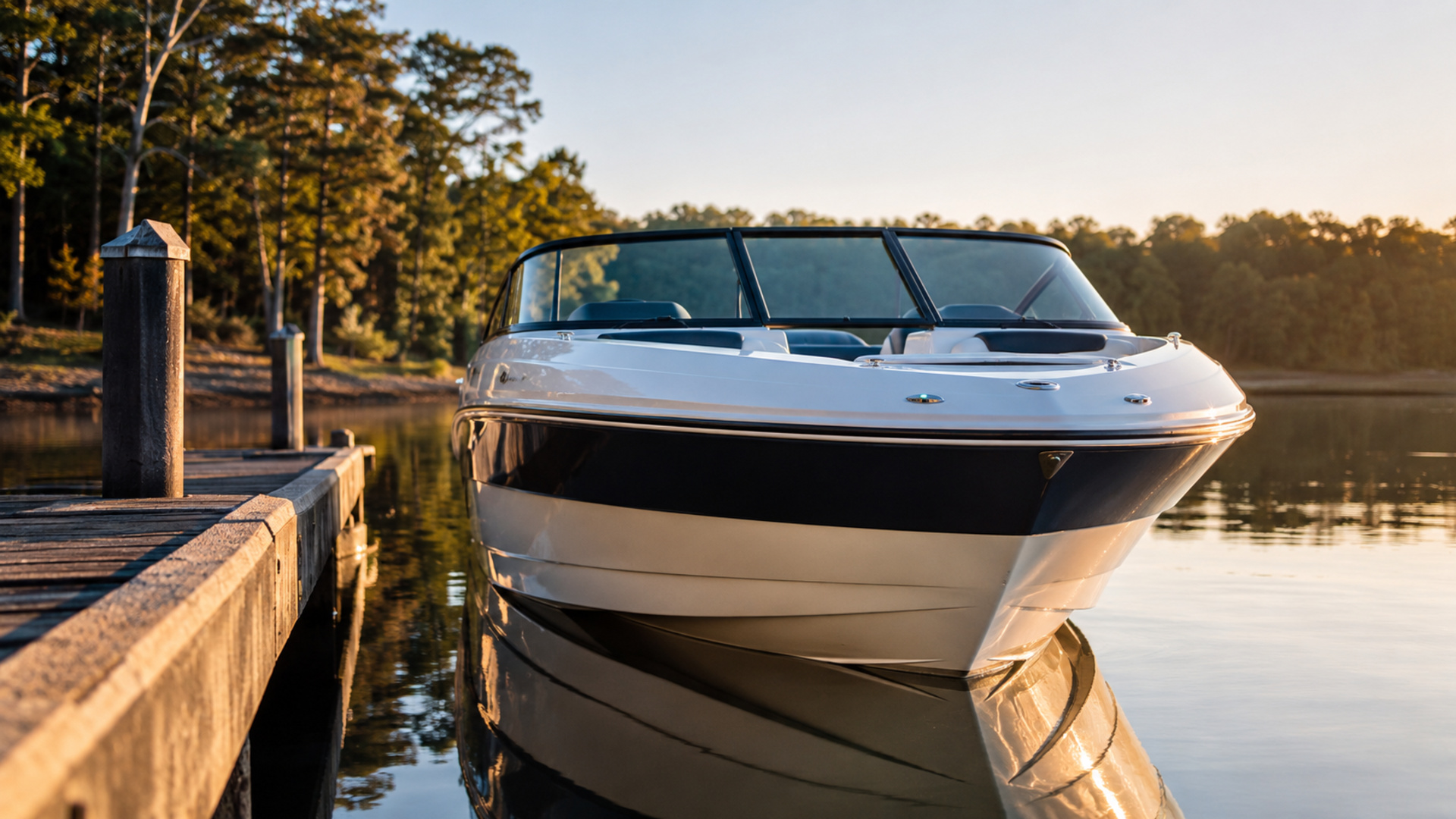
Bayliner publishes 23 feet of storage length, 8 feet of height on trailer, and an 8-foot-6-inch trailer beam for the V20I.
Those dimensions keep the boat within a familiar recreational footprint, but the weight deserves more attention than the length.
The hull and standard engine weigh approximately 3,985 pounds before the trailer is counted. Bayliner does not publish a combined current boat-and-trailer figure on the V20I model page.
Use the actual trailer specification included with the boat. Then add 45 gallons of fuel, batteries, equipment, and the items that remain aboard while towing.
The V20I is around 605 pounds heavier than the V20 before those additions. A tow vehicle that feels comfortable with the outboard version may be noticeably closer to its preferred operating margin with the sterndrive.
Bayliner offers braked single-axle swing-tongue trailers and a tandem-axle option. Buyers who travel longer distances may value the tandem setup differently from owners who tow five miles to a local ramp.
A slip can make frequent use easier, but a sterndrive that remains in the water brings corrosion and growth into the maintenance plan. Ask local service shops what similar Alpha One boats require in your water.
Residential storage is one of the advantages of staying near twenty feet. Measure the actual garage opening and ceiling rather than assuming the published storage height covers a tower-equipped configuration.
Engine choice can explain a meaningful part of the spread. A 250-horsepower boat should not be priced as if it were identical to a 200-horsepower configuration.
Packages matter too. Bimini, Comfort, Tech, and Tower packages change the equipment a buyer receives and can move the transaction far beyond a stripped starting price.
Digital helm equipment can differ between boats. Bayliner offers both 7-inch and 9-inch Simrad screens with VesselView linkage, and buyers should confirm exactly which unit is installed.
Trailer selection can also affect the number. Painted and galvanized single-axle trailers with brakes are available, along with a tandem-axle option.
Because used V20Is are nearly new, compare them directly with written out-the-door new quotes. A used boat has to earn its discount through price, included options, immediate availability, or a desirable engine package.
Low hours alone do not make a used V20I valuable. A boat can have low hours and still show poor storage, saltwater corrosion, or weak winterization history.
A nearly new boat with the 250-horsepower engine and options you would order can be a strong buy when the price difference is meaningful.
A used boat priced only slightly below new may be harder to justify if it forces you into someone else’s color, tower, trailer, or dash choices.
Use the live market fields for price and the actual listing for financing. The goal is not to find the cheapest V20I. It is to avoid paying premium money for the wrong V20I.
Pricing varies. Model year, engine package, options, trailer, condition and dealer all move the number, and listings change weekly. Send us the boat you are looking at and we will price that exact one.
Illustration only and not an offer of credit.
Start with the negotiated selling price after the engine and installed packages are known. Then compare down payment and term without pretending insurance and sterndrive service disappear after delivery.
Illustration only and not an offer of credit. Your actual rate and term depend on credit profile, vessel age, loan amount and ownership structure.
The V20I and V20 share the same 20-foot-4-inch overall length, 8-foot-4-inch beam, 20-degree deadrise, 45-gallon fuel tank, and 23-foot storage length.
The V20I uses 200 to 250 horsepower from a MerCruiser sterndrive. The V20 uses Mercury outboard power and currently reaches 175 horsepower.
Bayliner publishes approximately 3,985 pounds with standard engine for the V20I and 3,380 pounds for the V20. The outboard is materially lighter.
Passenger capacity also favors the V20 by one. It is rated for ten people while the V20I carries nine.
The V20I answers with the clean transom, integrated swim platform, and aft sun pad that sterndrive packaging makes possible.
Maintenance then breaks the tie. The V20 owner can stand behind the boat and see the engine. The V20I owner gains a cleaner stern but adds the engine compartment, blower, bellows, gimbal hardware, and Alpha One service to the routine.
Buy the V20 when access, towing weight, and the tenth passenger position are more important.
Buy the V20I when the stern and additional horsepower are features you will use often enough to justify the trade.
A V20I shopper is mostly choosing among current boats, not sorting through a decade of used inventory. That should change the questions you ask.
Confirm whether the listing has 200 or 250 horsepower. Do not assume the maximum number from a specification page is installed on every boat.
Identify the trailer. A single-axle galvanized rig and a tandem trailer are not interchangeable when it comes to storage, maintenance, and long-distance towing.
Ask for the factory option list. Determine whether the boat has the digital dash, upgraded stereo, tower, Bimini, comfort equipment, or other packages that explain the asking price.
Verify engine hours even on a 2025 model. One family may have used the boat twenty hours while another accumulated a full season of frequent watersports.
Find out where the boat lived. Freshwater trailer storage creates a different inspection than saltwater wet storage.
Open the engine compartment and inspect it yourself before a sea trial. A clean bilge does not prove perfect maintenance, but standing water or corrosion is valuable information.
Look closely at the aft sun pad because it is both upholstery and engine access. Repeated opening, boarding, and sun exposure can create wear early.
Inspect the swim platform and ladder for damage from docks or trailers. The stern is a high-use part of this model.
For new dealer stock, compare the complete out-the-door number. Make sure the quote identifies the engine, trailer, packages, freight, preparation, and any financing products.
For lightly used inventory, ask whether the discount compensates you for accepting the previous owner’s exact configuration.
The best V20I deal is the one where the sterndrive layout, engine, trailer, and options already match what you would have chosen yourself.
If you have already found a V20I, send Float Finance the listing and asking price. Financing should be evaluated around the exact engine, equipment, seller, and transaction.
The V20I is 20 feet 4 inches long with an 8-foot-4-inch beam and 20 degrees of deadrise. Bayliner publishes 1 foot 8 inches of minimum draft and 2 feet 11 inches of maximum draft. Approximate weight with standard engine is 3,985 pounds, and storage length is 23 feet.
Bayliner rates the V20I for nine people and publishes a maximum weight capacity of 1,485 pounds. The V20 outboard is rated for ten, so the sterndrive version does not gain passenger capacity simply because it carries more horsepower.
Current U.S. V20I configurations use a MerCruiser 4.5L MPI sterndrive with Alpha One drive. Bayliner lists 200 horsepower as the standard configuration and offers 250 horsepower for buyers who want additional loaded-performance reserve.
Fuel capacity is 45 gallons. Bayliner does not publish one universal current fuel-burn figure for every V20I, so range should be based on verified data for the exact engine, propeller, load, and operating speed.
It has a more involved maintenance profile. The V20I adds an engine compartment, blower, Alpha One drive, bellows, gimbal hardware, and sterndrive winterization considerations. The V20 outboard keeps the entire engine outside the hull where inspection and service access are simpler.
Buy the V20I when the integrated swim platform, aft sun pad, and 250-horsepower ceiling improve the way your family uses the boat. Buy the V20 when lower weight, ten-person capacity, and external engine access matter more.
Yes. Bayliner publishes 23 feet of storage length, 8 feet of height on trailer, and an 8-foot-6-inch trailer beam. The boat itself is approximately 3,985 pounds before the trailer, fuel, batteries, and equipment are added.
The market is still dominated by 2025 and 2026 boats. A lightly used example can make sense when the discount is meaningful and it already has the engine and packages you want. Otherwise, compare it directly with new dealer inventory rather than assuming used is automatically the better value.
Tell us a little bit about yourself and the boat you are looking to finance.