
Call Us : 207-994-5109
Mon – Fri: 8 am to 9 pm & Sat – Sun: 10 am to 8 pm
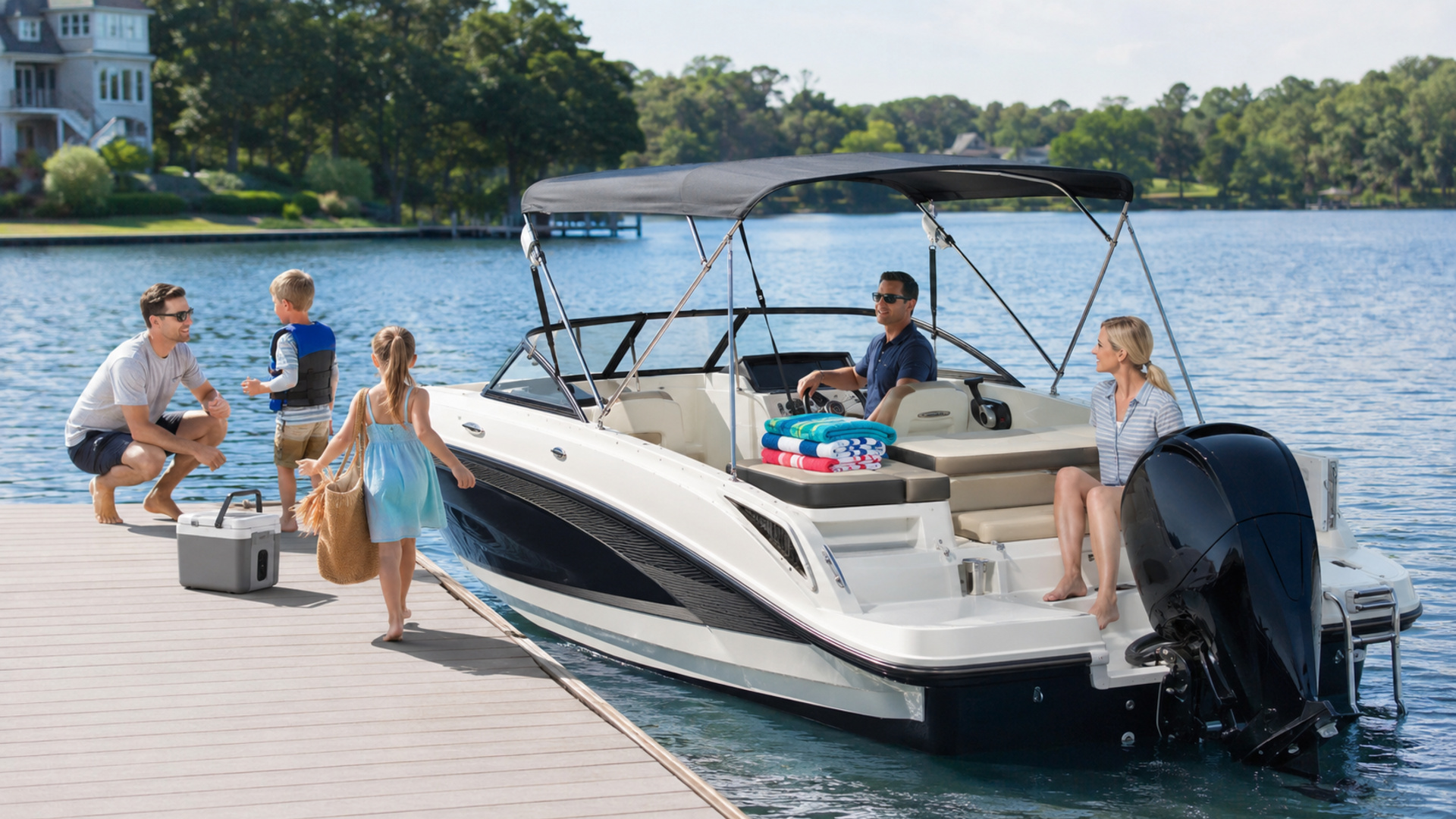
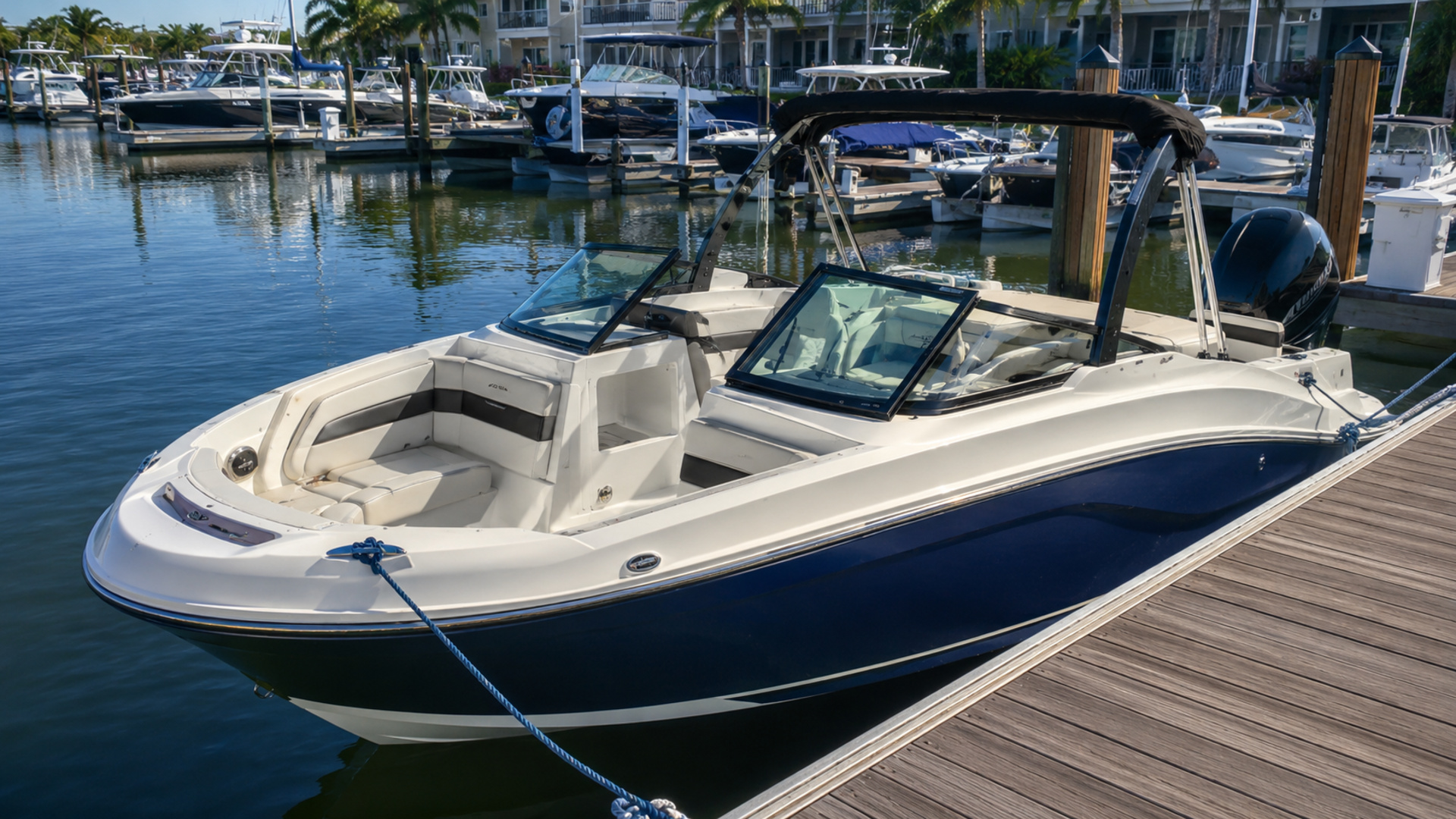
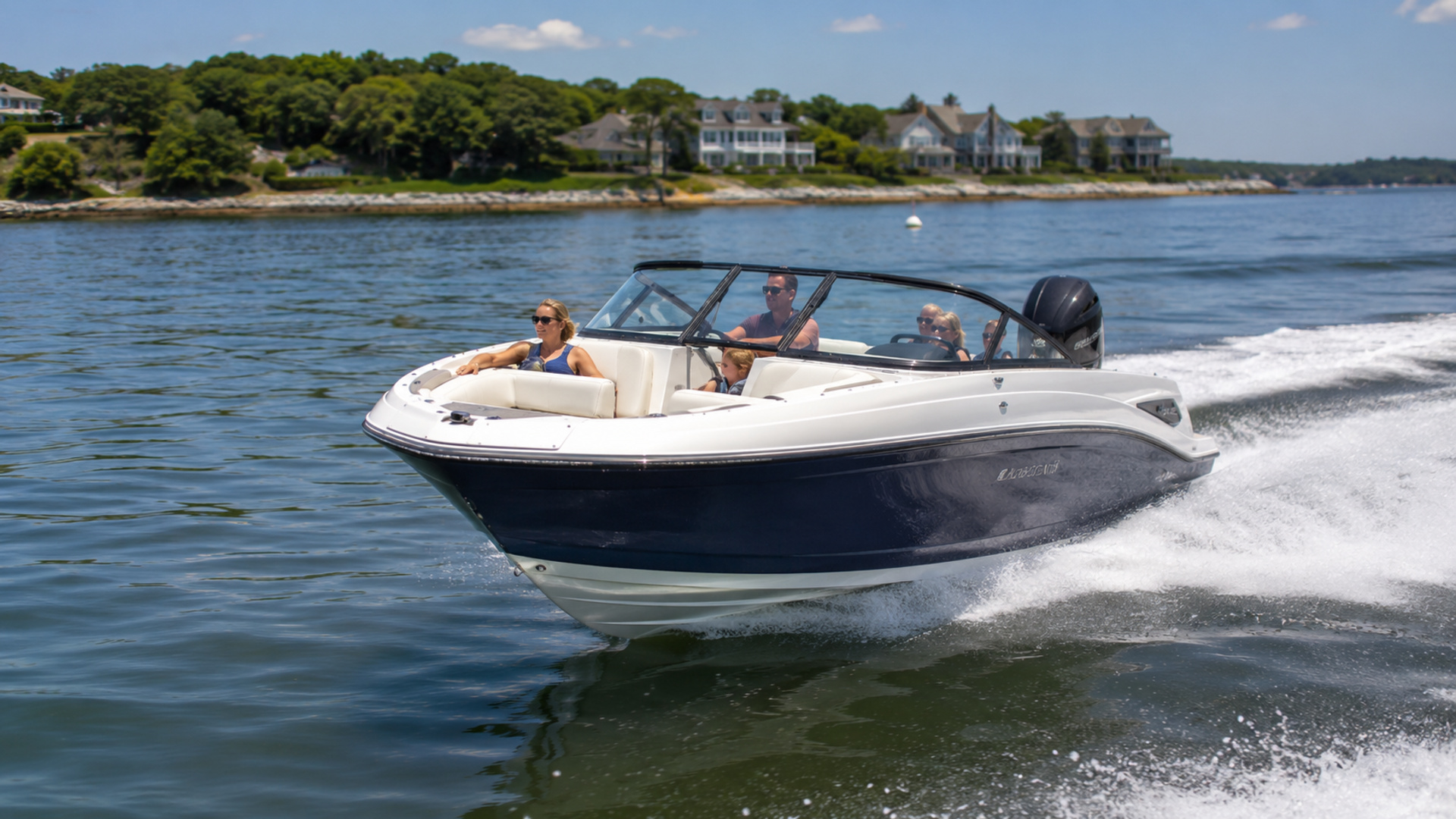
The Bayliner VR5 Outboard is the nine-person middle VR, combining a 20’7″ hull with 115 to 150 HP Mercury power, easy service access, and a mature used market.
The VR5 Outboard is the practical middle step for a family that has outgrown the VR4 but does not need the 22-foot-7-inch VR6.
It keeps Mercury power outside the transom while adding the eight-foot beam and 20-foot-7-inch hull that make a noticeable difference with people aboard.
Published capacity is nine people, one more than the referenced VR5 Bowrider specification.
Standard power is 115 horsepower and Bayliner allows 150.
That combination makes the VR5 Outboard less about maximum performance and more about usable family capacity.
A buyer can carry a larger crew without accepting the engine compartment, blower, bellows, and drive system of the sterndrive variant.
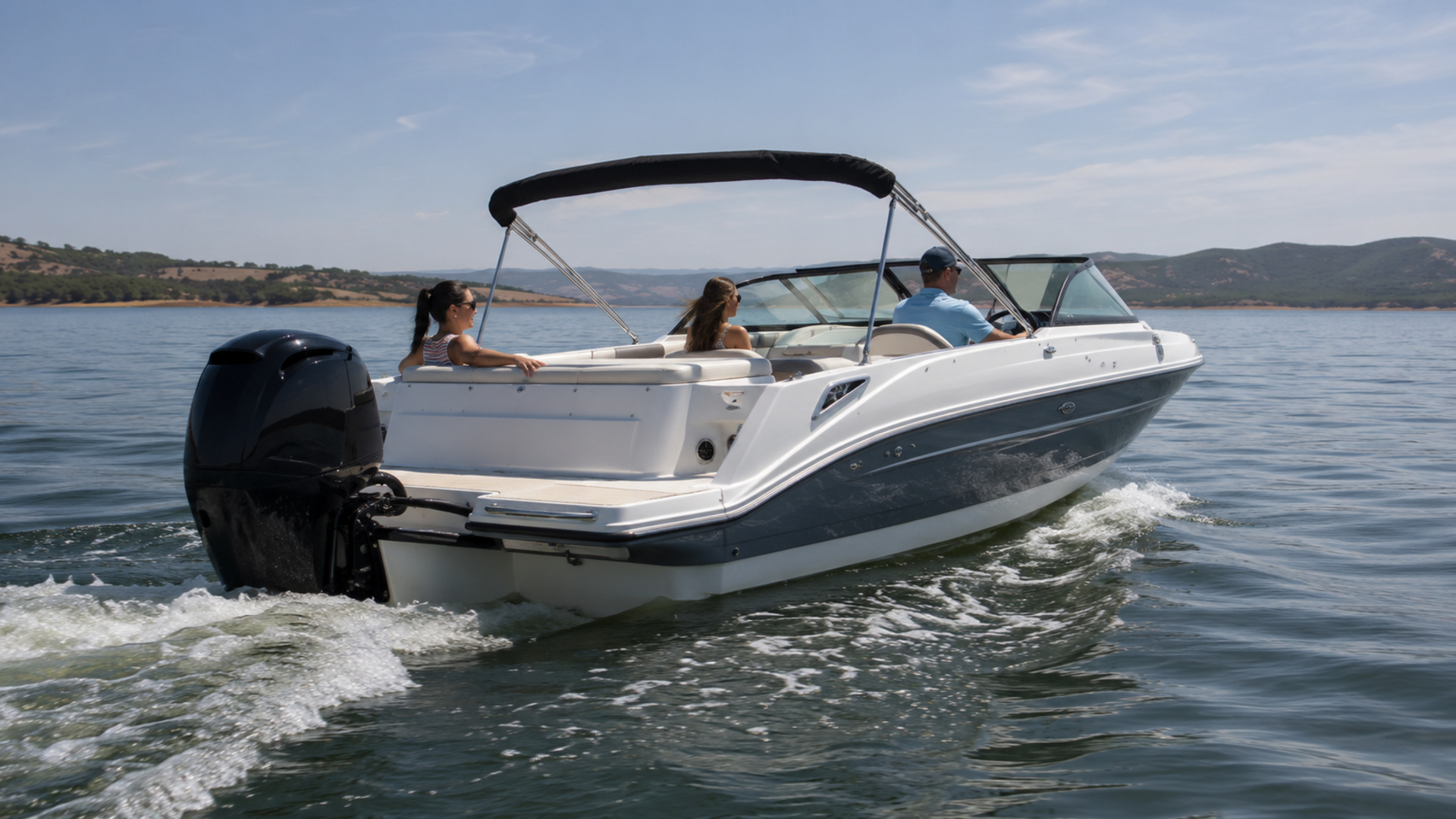
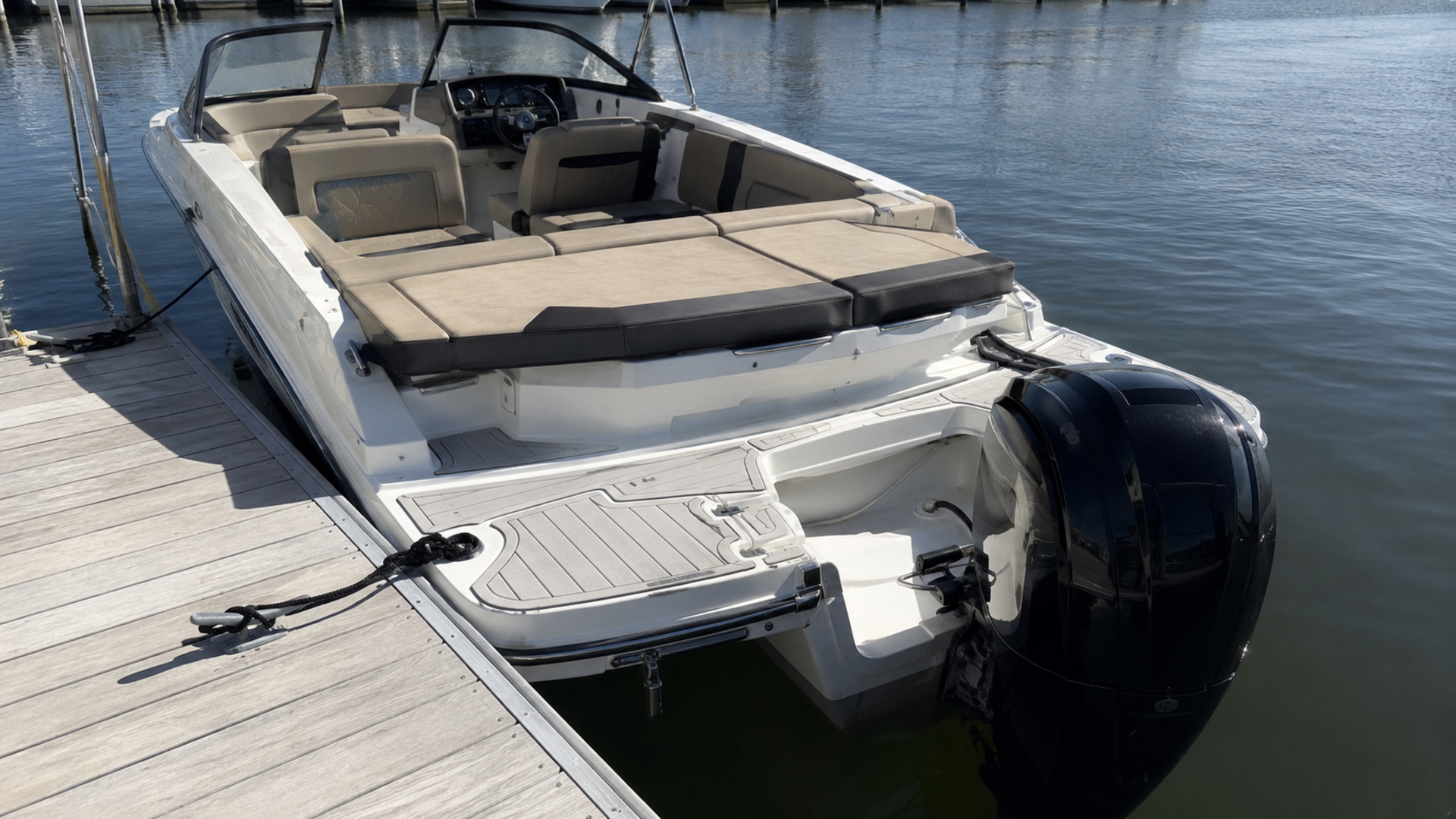
AftAdvantage preserves cockpit length by pushing seating toward the rear of the running surface, then placing the platform beyond it.
The outboard still occupies the center of the transom, but the layout gives passengers useful seating around that mechanical reality.
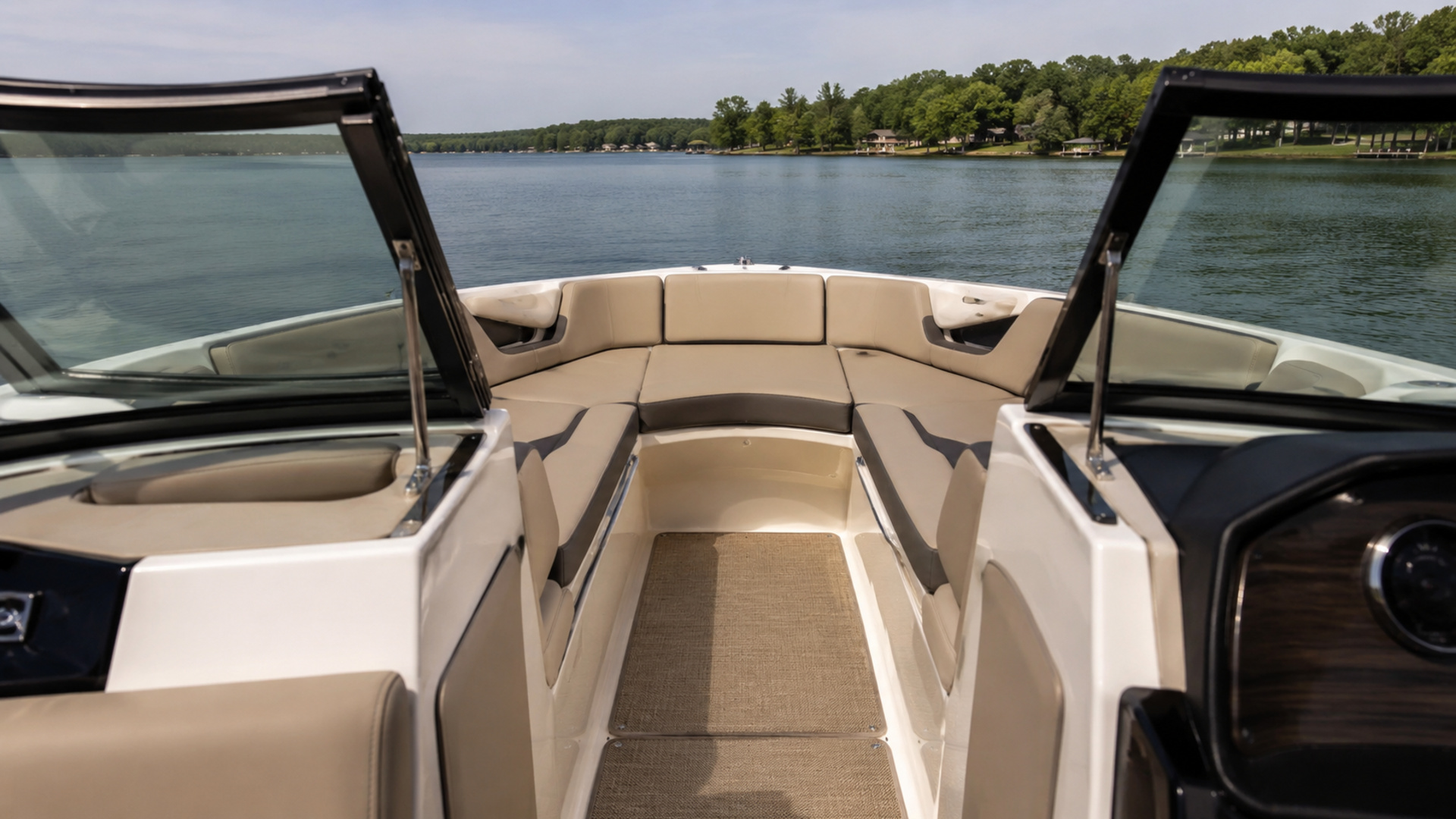
BeamForward makes the bow broad enough for adults, while high gunnels and under-seat storage help the forward area work as real passenger space rather than overflow seating.
The used market is mature. Current listings span 2017 through 2025.
That gives buyers multiple depreciation points and enough inventory to compare condition instead of settling for the only available boat.
The Outboard’s current average asking price sits below the Bowrider’s on the VR5 hull.
That can create a compelling value path for someone who does not need 250 horsepower or the clean I/O platform.
The 150-horsepower ceiling is the main performance limitation beside the sterndrive.
If a family routinely carries nine people and wants aggressive tow-sport acceleration, the Bowrider deserves a sea trial before signing for the Outboard.
If straightforward service, an external engine, and the extra passenger position matter more, the VR5 Outboard is the more coherent purchase.
This boat should feel like the version you chose to simplify ownership, not the version you settled for because the sterndrive cost more.
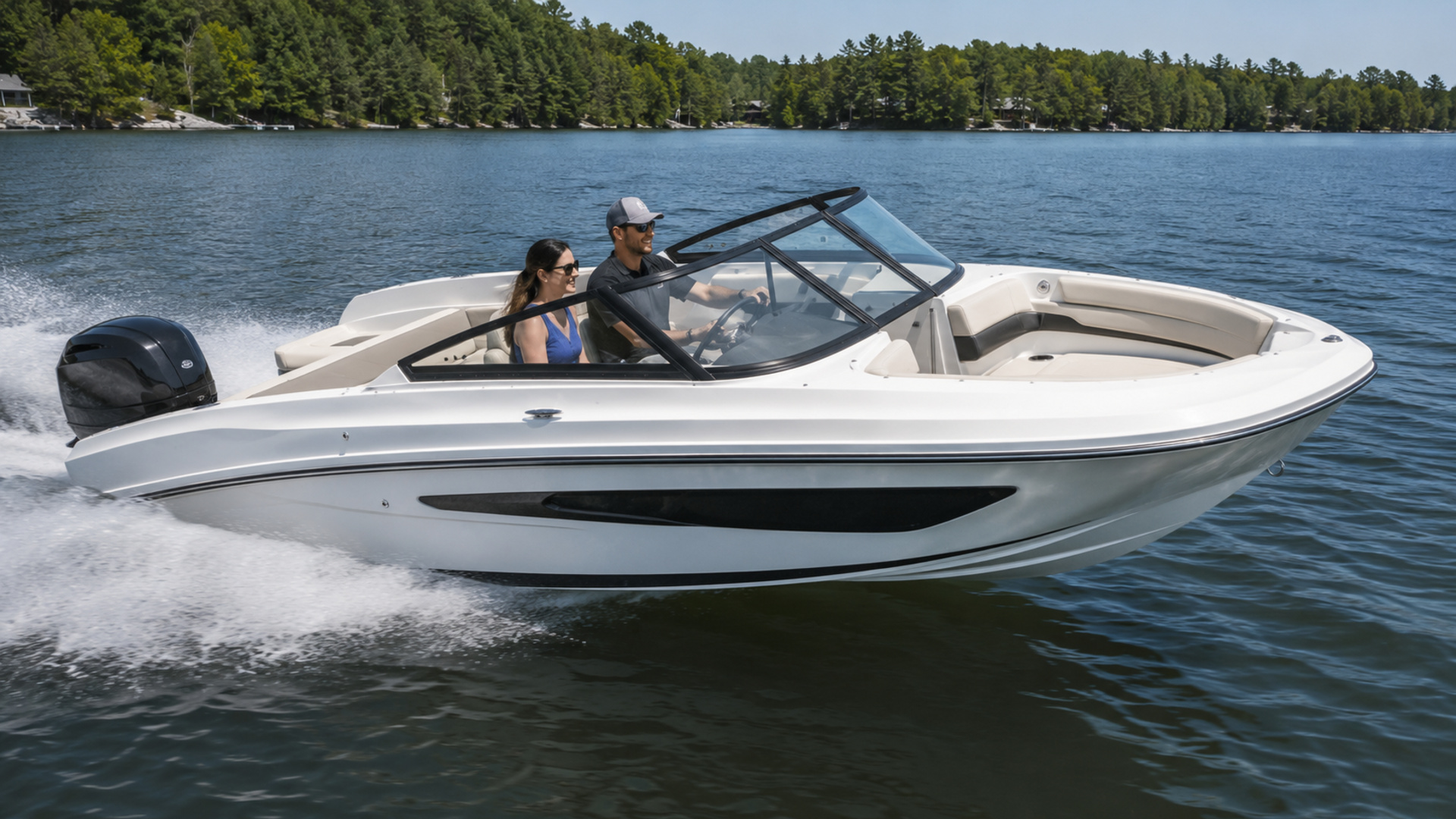
Published factory figures. Confirm every dimension against the individual boat before you commit.
The VR5 Outboard is 20 feet 7 inches overall with an 8-foot beam and 20 degrees of deadrise.
Bayliner publishes an estimated draft of 2 feet 8 inches, but the referenced model page does not list a separate maximum draft.
Approximate weight with standard engine is 3,342 pounds.
Bayliner also publishes approximately 4,095 pounds with trailer for the referenced Outboard configuration.
The hull is 22 inches longer than the VR4 and six inches wider.
Those gains are significant in a family bowrider because they create more usable spacing between passenger zones without jumping all the way to VR6 dimensions.
BeamForward carries the full eight feet farther toward the bow.
Adults can occupy the forward seats without the exaggerated taper found on older pointed bow designs.
AftAdvantage shifts cockpit seating rearward.
The outboard still sits at the transom, but the platform is added behind the aft end of the running surface instead of consuming interior seating length.
Twenty degrees of deadrise adds a little more V than the VR4.
Combined with the longer hull, that should make the VR5 feel more settled through ordinary wake patterns.
The 21-foot-2-inch storage length is compact for a 20-foot-7-inch hull.
Buyers should still confirm actual engine and trailer position before assuming the boat fits a specific garage.
The referenced trailer beam is 8 feet 8 inches, wider than the hull.
Gates and storage openings should be measured using the trailer, not the boat.
The VR5 earns the upgrade when the VR4’s seven-person layout feels crowded.
If the family still fits the smaller boat comfortably, the extra hull can add cost without improving enough weekends to justify it.
The VR5 Outboard uses Mercury FourStroke EFI power with 115 horsepower standard and 150 horsepower available in the referenced U.S. material.
That is a modest power range for a boat rated for nine people, which makes realistic load a central part of engine selection.
The 115 can work well for a lighter family focused on relaxed cruising.
It keeps acquisition cost down and preserves the simple character of the boat.
The 150 is the engine most buyers should at least test if they expect to use much of the nine-person capacity.
Additional reserve can make planing feel less strained once fuel, a cooler, towables, and several adults are aboard.
The entire engine remains outside the hull.
That is the ownership advantage over the VR5 Bowrider, and it affects every season of maintenance.
Routine visual inspection takes seconds.
Flushing is easy to understand. Lower-unit oil, propeller, skeg, anodes, and trim components are accessible without opening an engine compartment.
Used listings reach back to 2017.
Verify the actual engine serial number and horsepower because older boats may have been configured differently or repowered.
Ask for service invoices. Check cooling-system maintenance, lower-unit service, trim operation, steering, and corrosion control.
Inspect the transom around the mounting bolts.
A replacement engine can add value when the installation is clean and documented.
The Bowrider’s 200 to 250 horsepower is a legitimate alternative if loaded performance matters more than service simplicity.
The Outboard buyer should be comfortable choosing less peak power in exchange for easier propulsion ownership.
If you keep wishing the VR5 Outboard had 250 horsepower, stop trying to make it the wrong boat and shop the Bowrider.
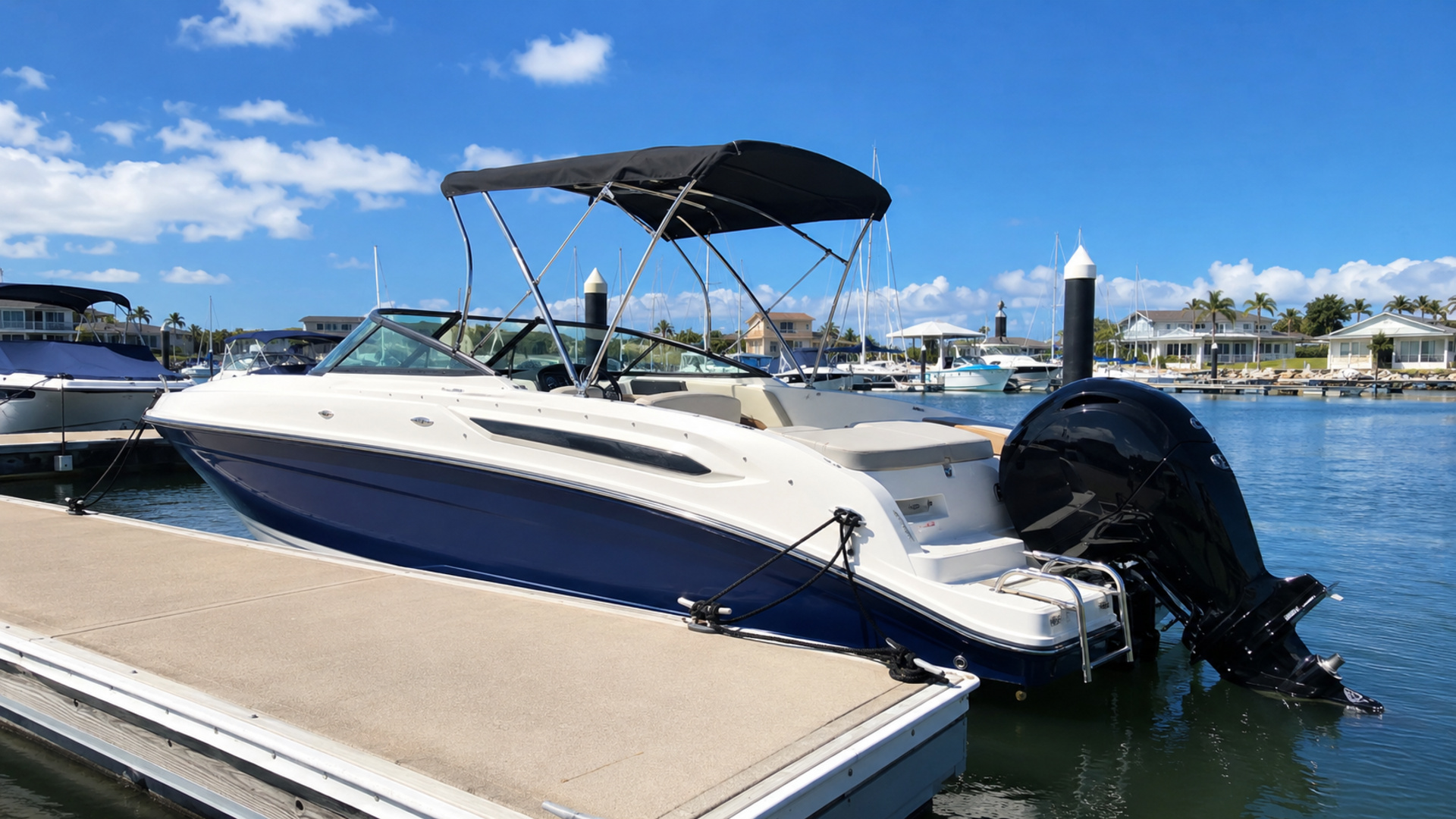
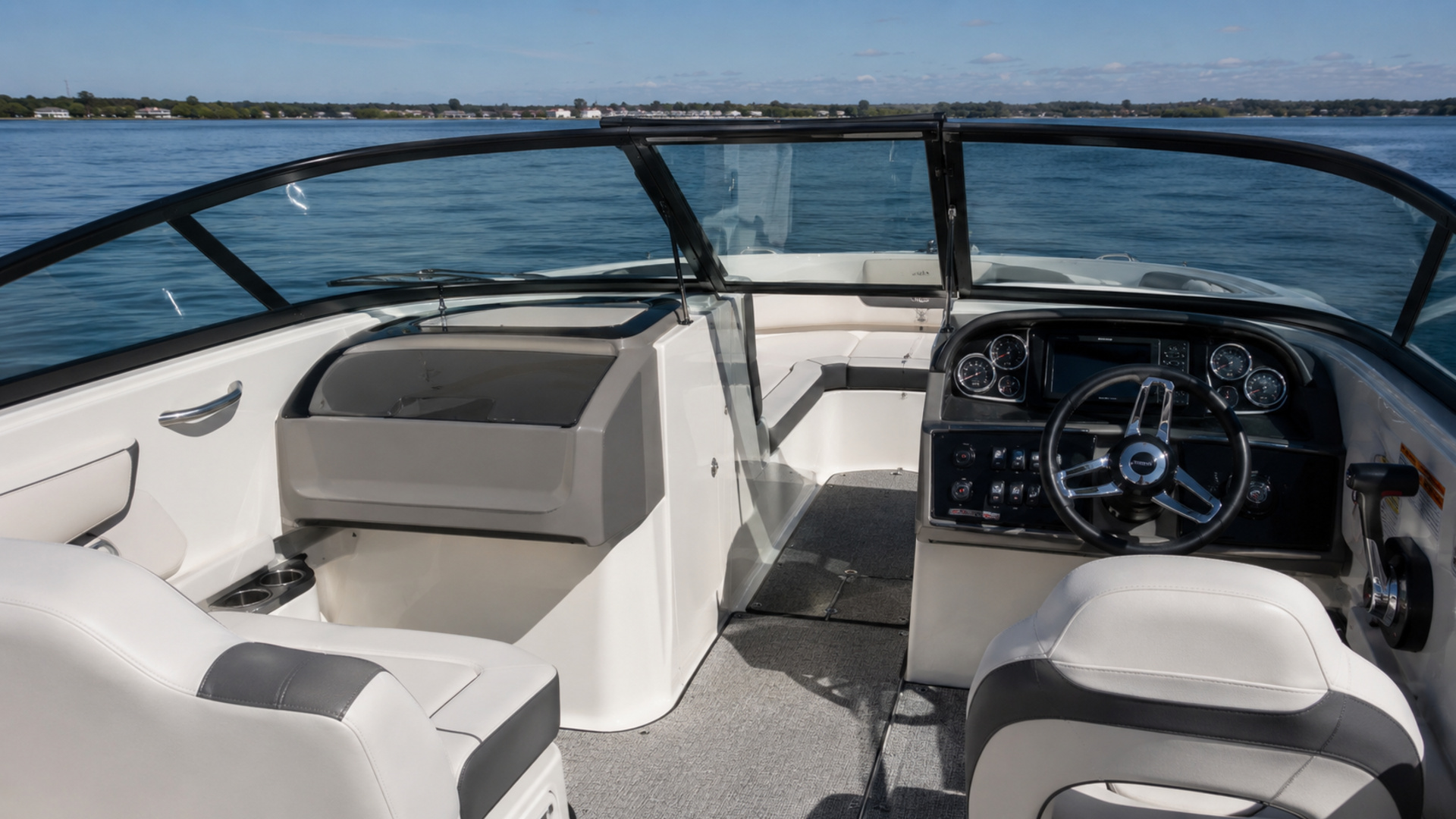
The VR5 Outboard carries 33 gallons of fuel, matching the VR5 Bowrider and VR4 variants.
A 115-horsepower configuration and a 150-horsepower configuration will not necessarily use that fuel at the same rate.
Nine-person capacity also makes passenger weight relevant.
A full cockpit, 33 gallons of fuel, a cooler, and towable equipment can add substantial load to the 3,342-pound boat.
Bayliner does not publish one current universal GPH figure.
Range should therefore be built from verified engine data for the exact boat and a sensible reserve.
The outboard is particularly friendly to owners who trailer between lakes.
Fuel can be purchased on land, and the engine can be flushed immediately after the boat returns home.
Older used boats deserve fuel-system attention.
Check hoses, venting, fittings, and signs that the boat sat with old gasoline for long periods.
The 33-gallon tank gives more flexibility than Bayliner’s small entry boats, but this is still a day-use platform.
If your boating area involves long distances between fuel points, calculate the actual route before purchase.
The choice between VR5 variants should not be made from tank size because they share the same published capacity.
Propulsion, passenger count, performance expectations, and stern layout should do the deciding.
A clean 150-horsepower VR5 Outboard can be a very effective family package when nine people and easy maintenance matter more than a clear transom.
The VR5 Outboard should be sea-trialed with the passenger load you actually expect to carry.
A 115-horsepower boat can feel perfectly pleasant with two adults and a light fuel load.
Add seven more people and the same engine has a different job.
The 150 reduces that gap and is worth serious consideration for families that use the boat heavily.
It can improve planing response and make casual tow sports less demanding.
The hull’s 20 degrees of deadrise and additional length over the VR4 create a more substantial running platform without making the boat intimidating.
Outboard steering can feel intuitive at low speed because the direction of thrust follows the visible engine.
Test the boat with passengers seated in the bow as well as the cockpit.
Watch bow rise and make sure the driver’s sightline remains acceptable.
Make moderate turns at cruise and check steering effort.
Cross several wakes. Listen for rattles around the windshield, tower, or storage compartments.
Check whether the engine reaches its proper operating range with the fitted propeller.
A used 150-horsepower boat that cannot perform correctly may have rigging, propeller, engine, or maintenance issues worth investigating.
If 150 horsepower still feels weak with your normal crew, the answer may be the 250-horsepower VR5 Bowrider.
If the 150 handles the family easily, the Outboard lets you keep adequate performance while avoiding sterndrive maintenance.
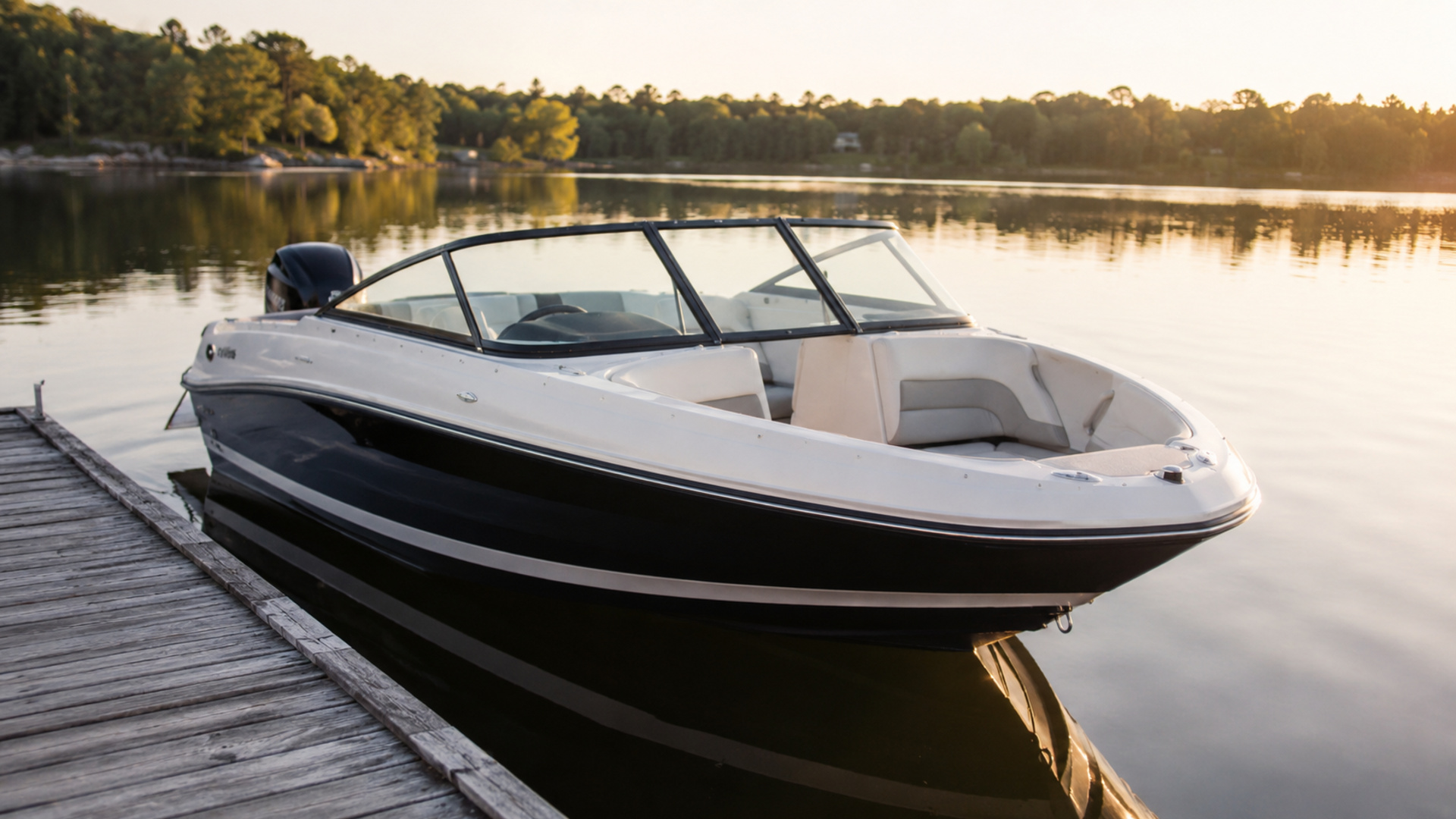
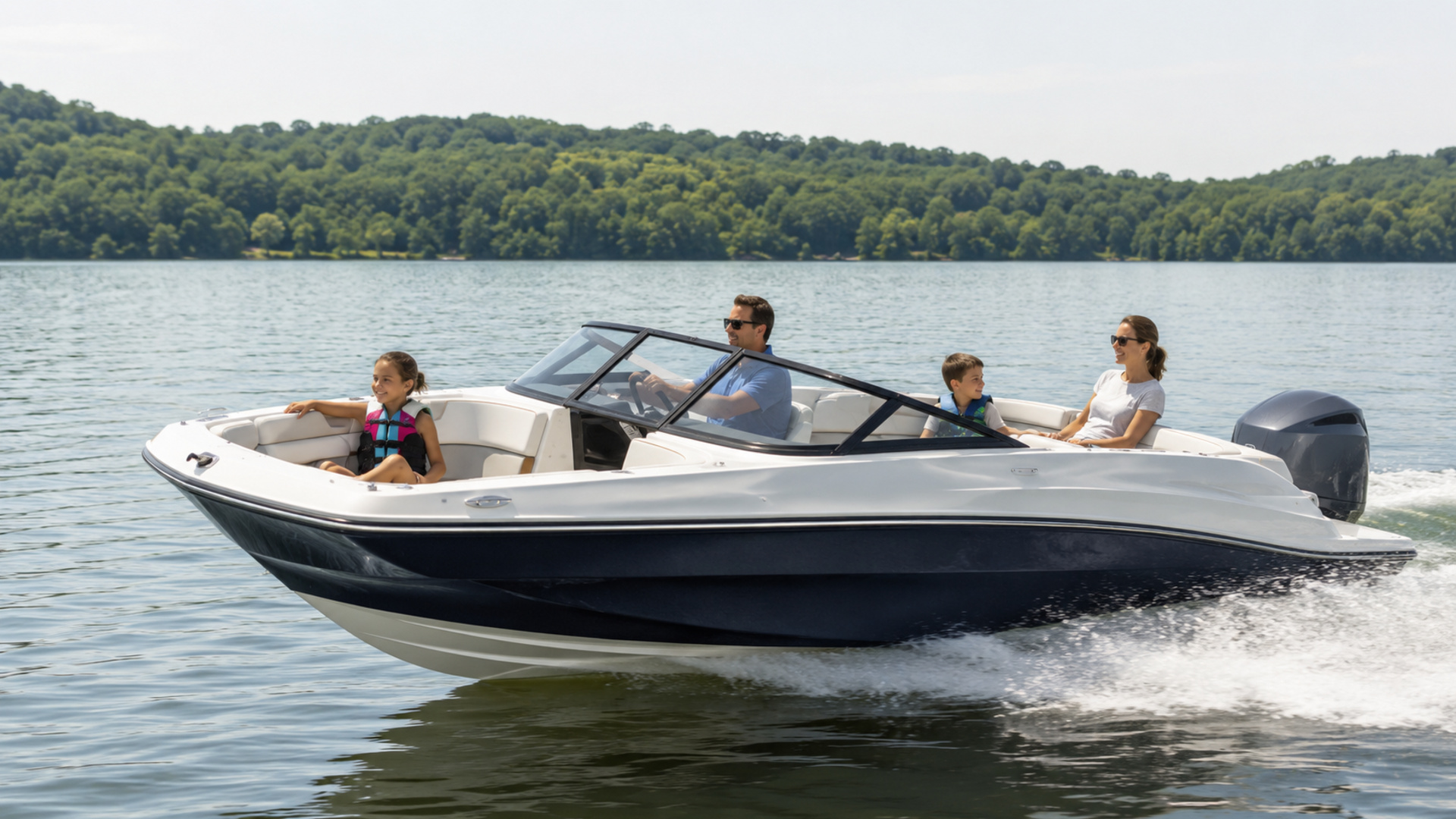
The VR5 Outboard deck is built around carrying more people without losing the practical simplicity of external power.
BeamForward extends the eight-foot width toward the bow, creating useful adult seating and storage beneath the cushions.
High gunnels add depth around forward passengers and can make parents more comfortable with younger riders.
AftAdvantage moves cockpit seating aft while the platform sits beyond the running surface.
The Mercury remains visible at the transom, but the interior does not lose the same amount of length to create water access.
A three-position portside companion seat gives the cockpit more flexibility than a fixed passenger bucket.
An integrated cooler keeps drinks in a dedicated location.
In-floor ski and wakeboard storage moves long equipment below deck.
The self-bailing cockpit is useful on a boat that regularly has wet swimmers and watersports gear moving through it.
The Outboard has also been offered with a privacy curtain, which can add practical flexibility for long days.
Fishing equipment is one of this variant’s stronger differentiators.
Bayliner has offered an aerated livewell under the rear bench, bow casting platform and seat, dual battery with 24-volt plug, fish finder, and trolling-motor bracket.
Watersports equipment can take the boat in the other direction.
A ProArc tower, ski tow pylon, wakeboard racks, and tower speakers can create a dedicated family tow setup.
The outboard occupies part of the stern, and no cushion can make it disappear.
If the family wants a completely clear platform, the VR5 Bowrider is the better physical layout.
If nine-person capacity, fishing flexibility, and engine accessibility matter more, the Outboard is one of the more versatile boats in the VR family.
115 to 150 HP Mercury FourStroke – Buyers can prioritize value with 115 horsepower or choose 150 for stronger loaded performance while keeping the engine external.
The passenger side can adapt for normal cruising, watching riders, or facing the social cockpit instead of remaining fixed.
The Outboard carries one more person than the referenced VR5 Bowrider specification, which matters to families near the model's capacity.
Adds useful privacy on long family outings without requiring the larger VR6 changing room.
Gives the VR5 Outboard genuine mixed-use fishing capability without consuming the main passenger area.
Converts the forward area toward angling when fishing is part of the family's normal week.
Provides a factory watersports setup while preserving the Mercury drivetrain.
Available VesselView-linked displays add engine and navigation information to the helm.
Used VR5 Outboards can be eight or nine seasons old, so inspection should be built around actual age.
Verify the Mercury’s serial number, horsepower, and hours first.
A 115 and 150 should not be valued as if they deliver the same loaded experience.
Check cold-start behavior, cooling stream, trim, steering, lower-unit oil, propeller, skeg, and anodes.
Look at the transom around engine mounts and steering hardware.
A repower is not automatically negative, but installation quality needs to be obvious.
Test the self-bailing cockpit and manual bilge pump.
Inspect drains for debris or signs of water sitting aboard.
Run the three-position companion seat through its adjustments.
Worn latches or tracks can reveal heavy family use.
Fishing-equipped boats need livewell, trolling-motor plug, battery, and electronics checks.
Tower-equipped boats need mounting and wiring inspection.
Look beneath cushions for mildew.
Older VR5s often live outdoors, and UV plus water can age upholstery before the hull itself looks old.
The trailer should be checked by age.
Tire date codes, bearings, brakes, lights, bunks, winch, swing tongue, and corrosion all matter.
The Outboard variant is mechanically simpler than the Bowrider, but simple equipment still needs maintenance.
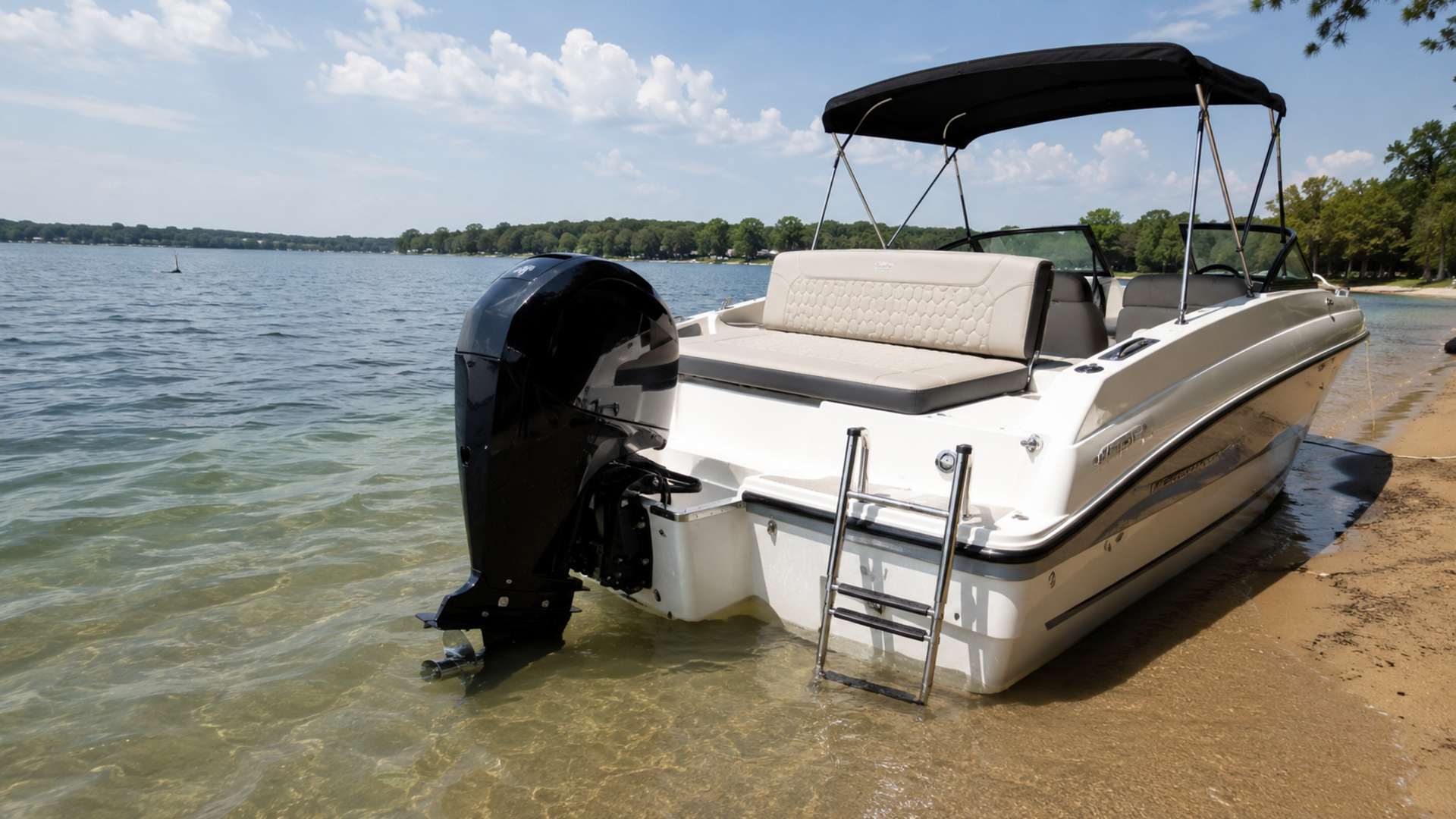
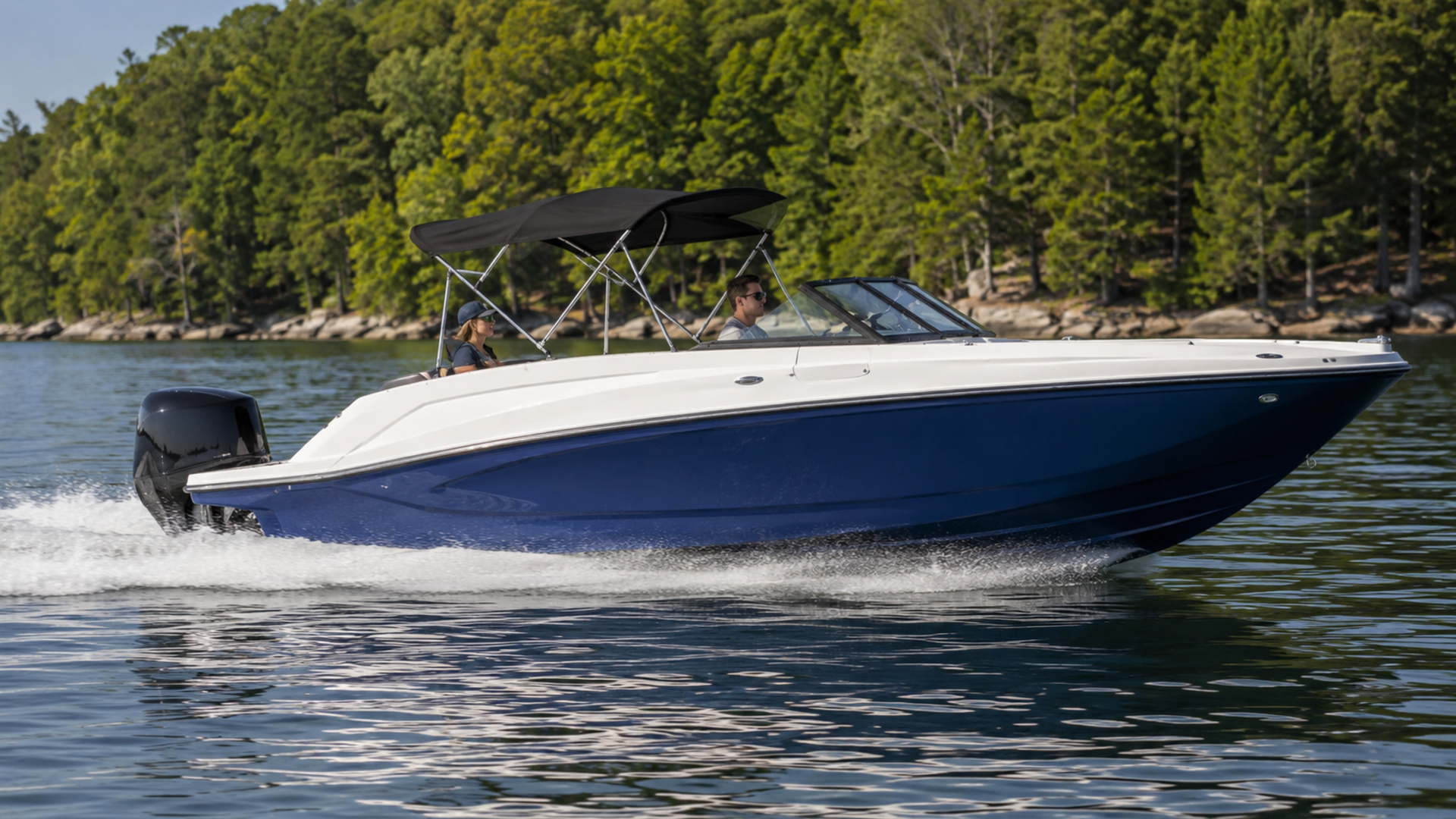
The referenced VR5 Outboard specifications list approximately 4,095 pounds with trailer and 21 feet 2 inches of storage length.
Bayliner also lists an 8-foot-8-inch beam on trailer in referenced material.
A buyer with a narrow side yard or gate should measure before bringing the boat home.
The boat itself is approximately 3,342 pounds with standard engine.
Add 33 gallons of fuel, batteries, tower equipment, and family gear to understand travel weight.
The VR5 remains manageable for many properly equipped tow vehicles, but it is a real step from the VR4.
Single-axle and tandem trailer choices have appeared in Bayliner VR5 options.
The actual trailer under a used boat should be considered part of the purchase.
Outboard owners gain easy post-trip access.
The engine can be tilted, inspected, and flushed without entering a compartment.
A slip can increase convenience, but the VR5 Outboard does not require one to be practical.
Home storage preserves one of its financial advantages.
The short published storage length makes the boat attractive to buyers who want near-VR6 passenger usefulness without the VR6’s 25-foot storage figure.
If towing and storage already feel close to household limits, test the VR4 before moving larger.
A boat used every weekend is more valuable than a larger one that stays home because launch day feels like work.
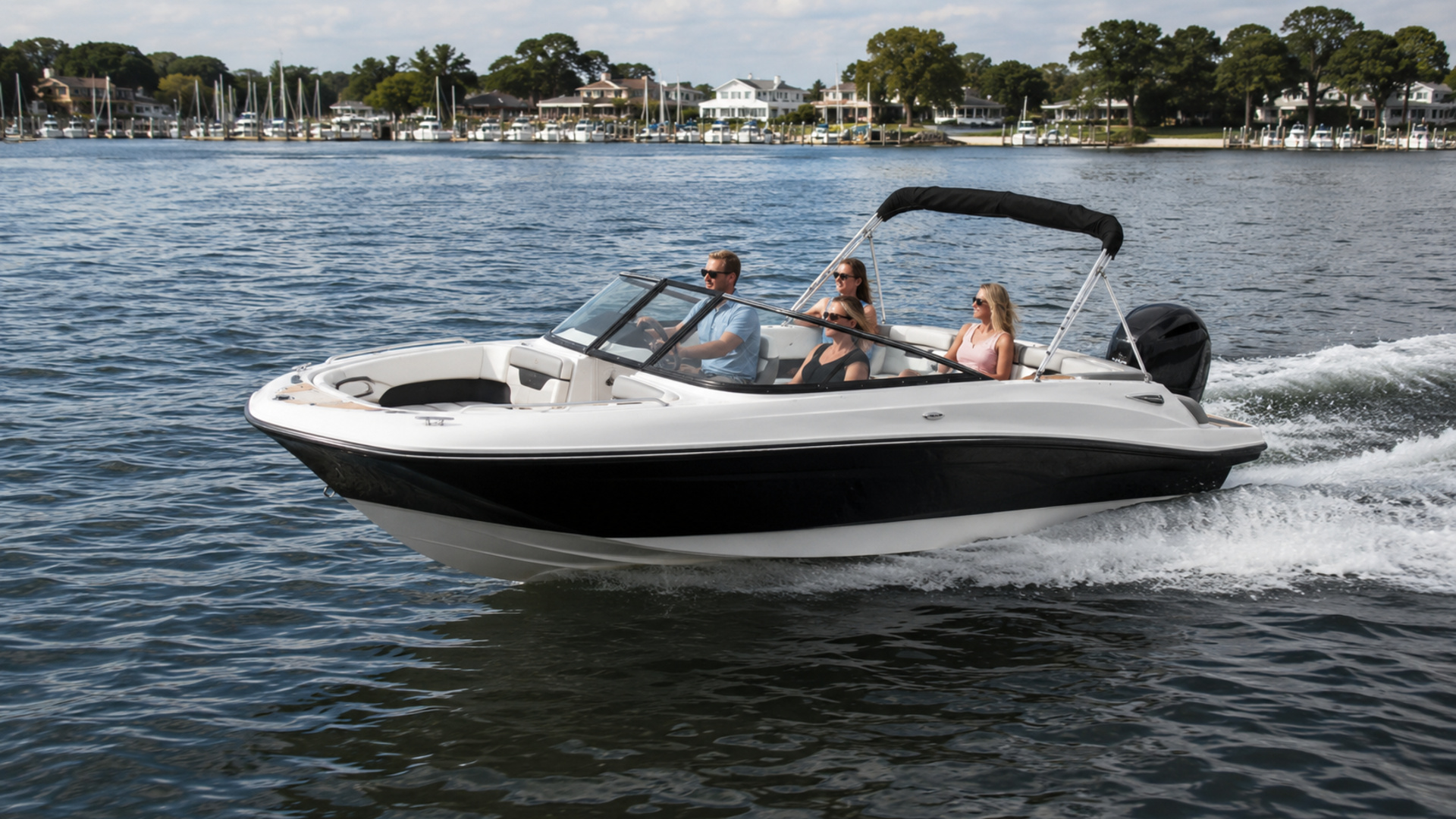
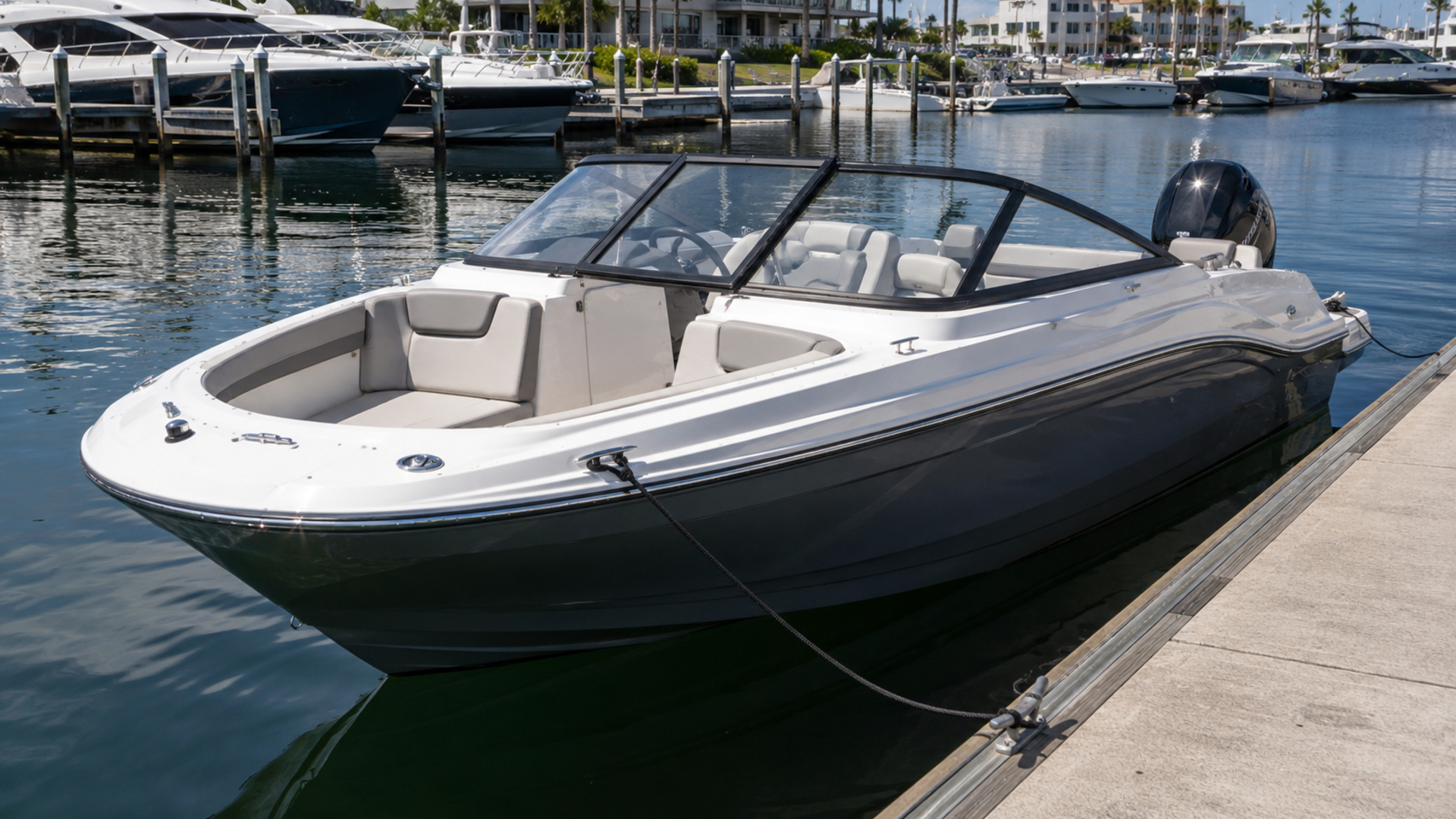
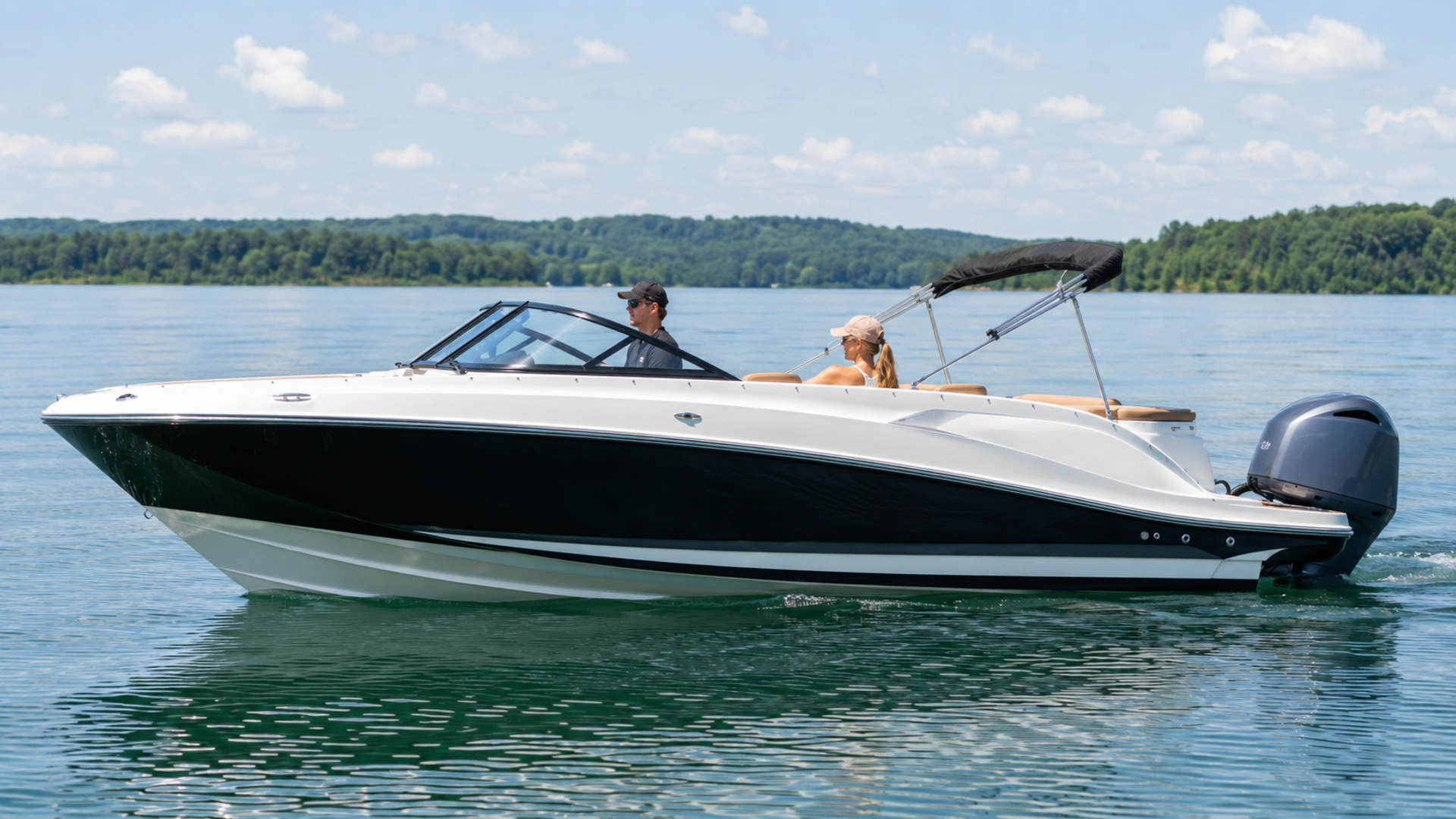
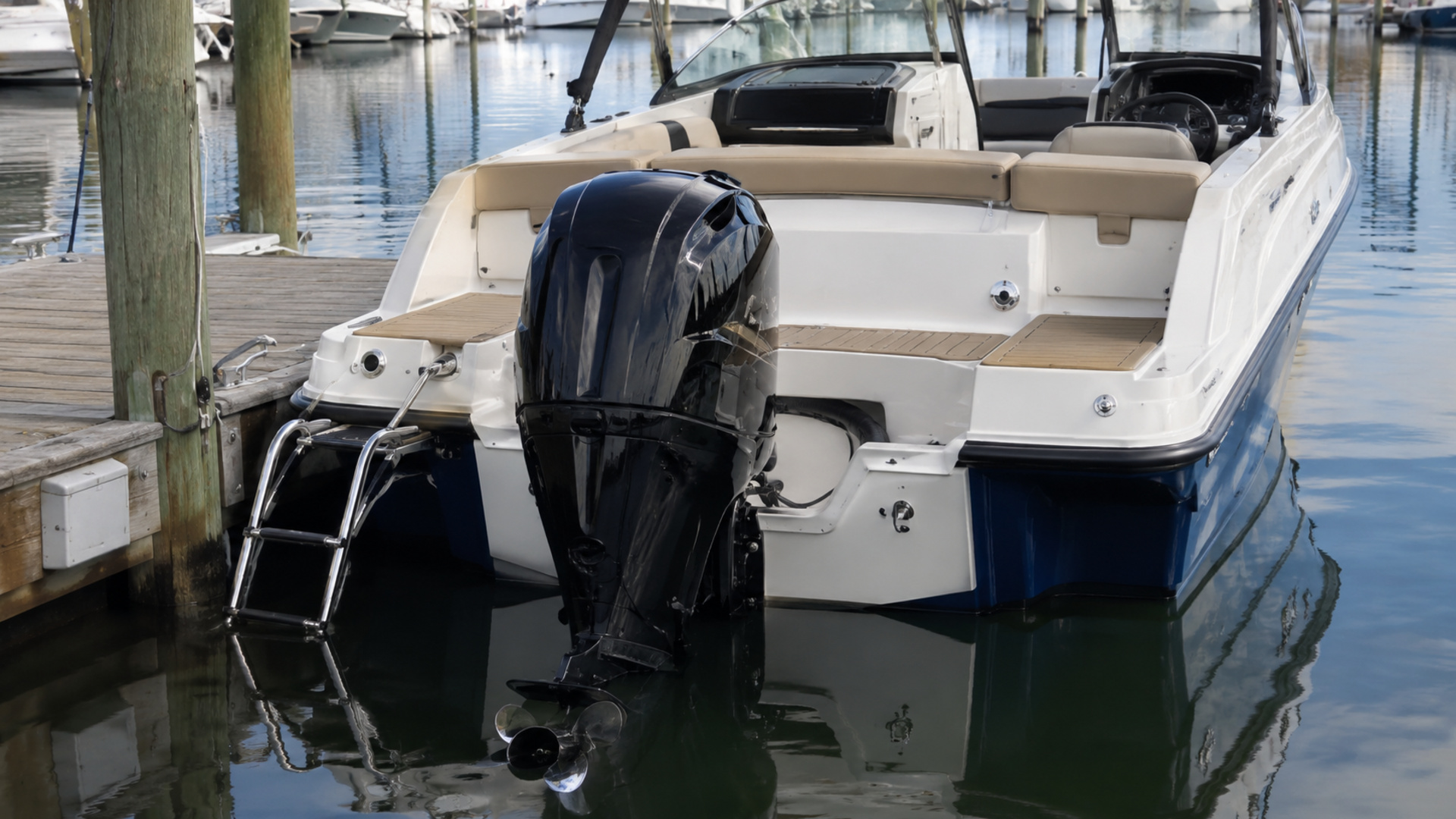
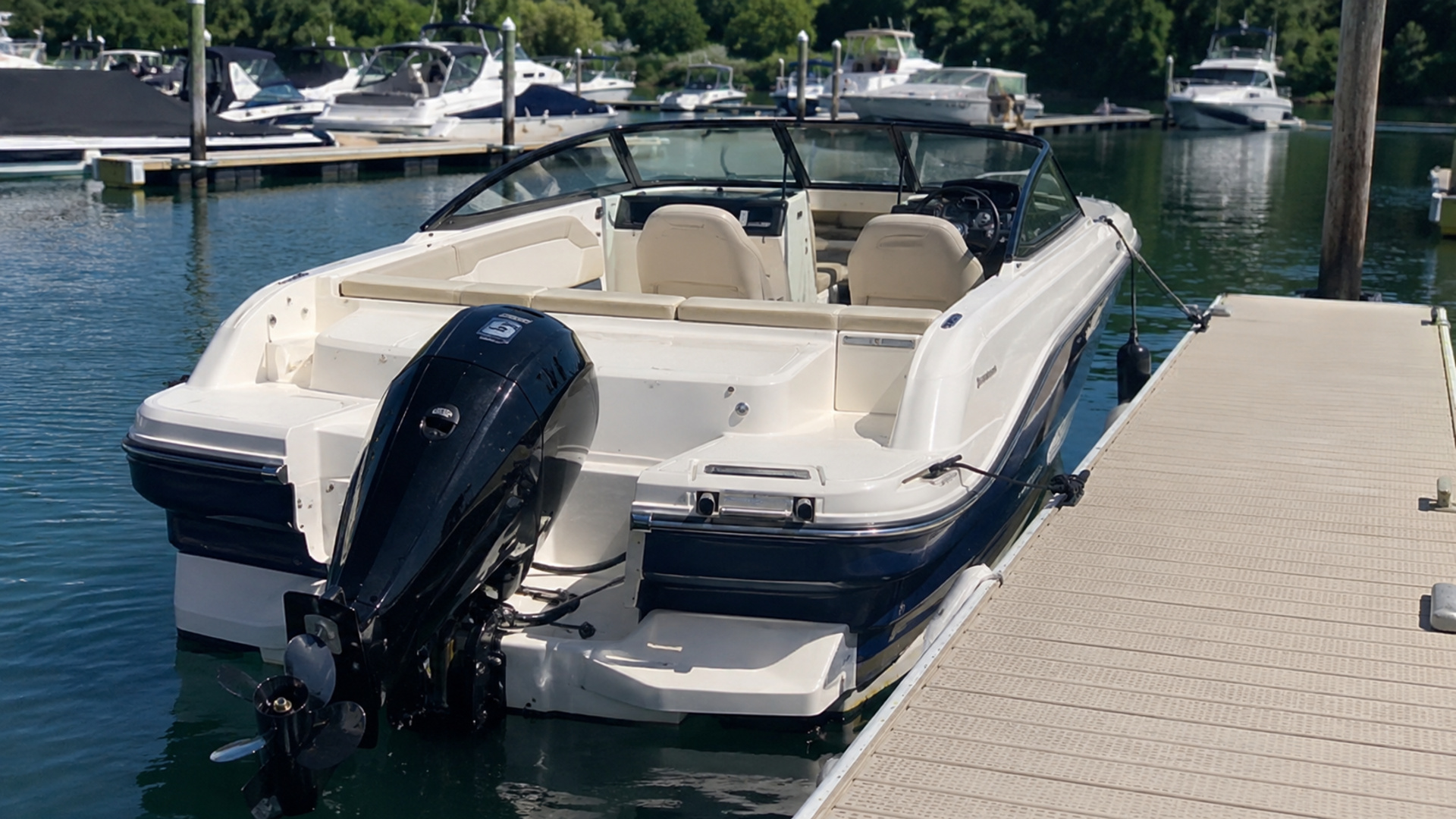
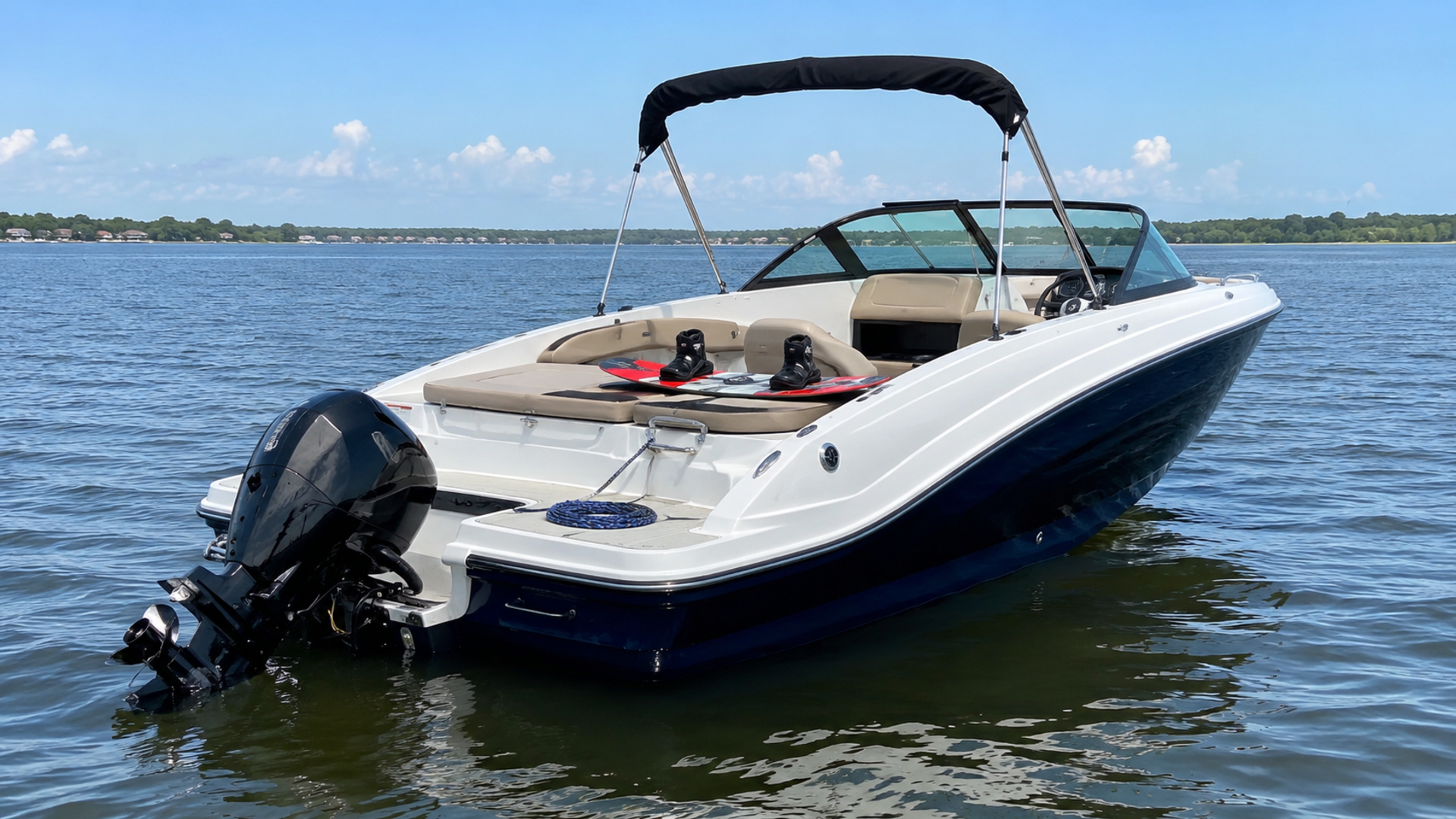
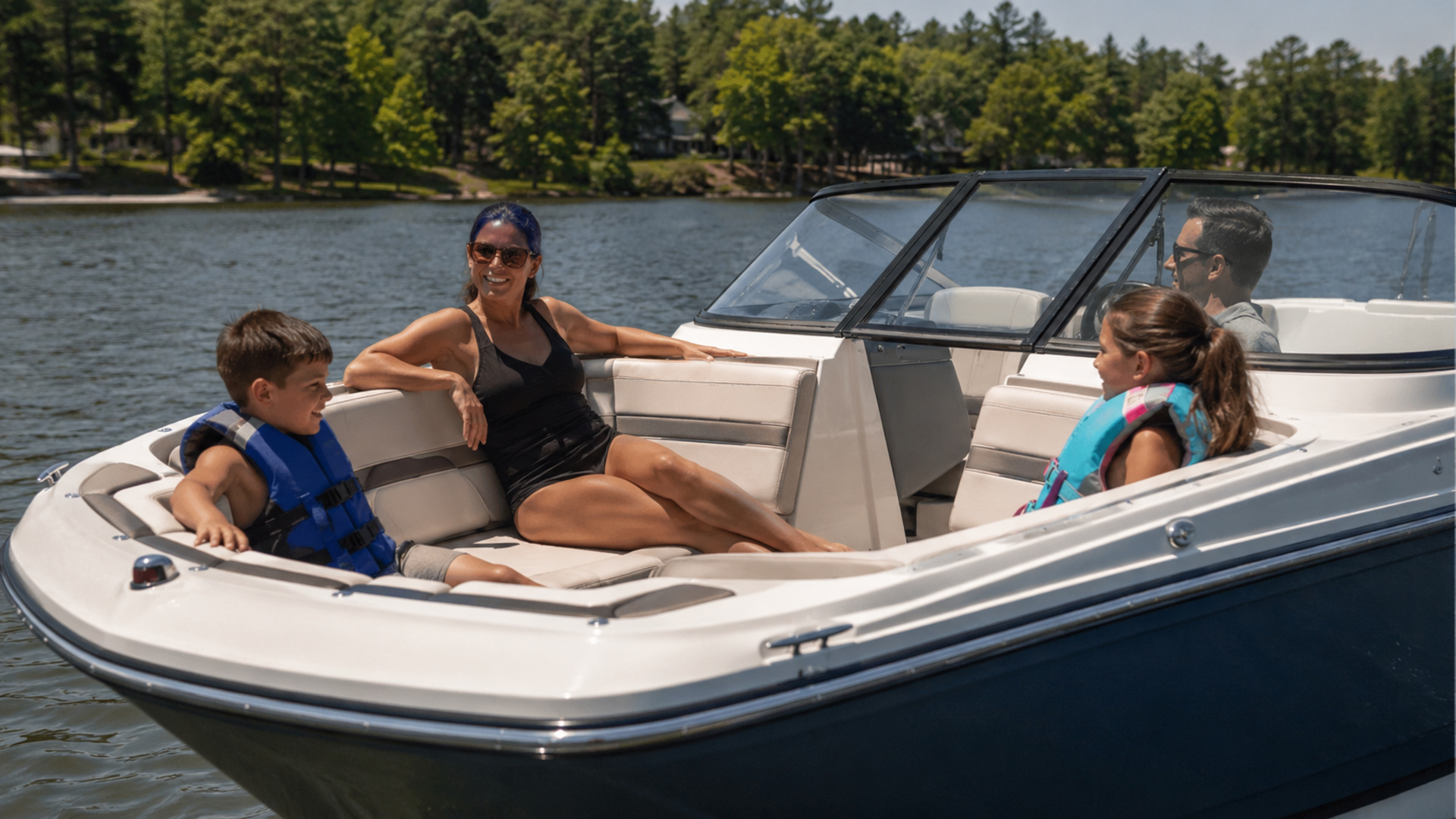
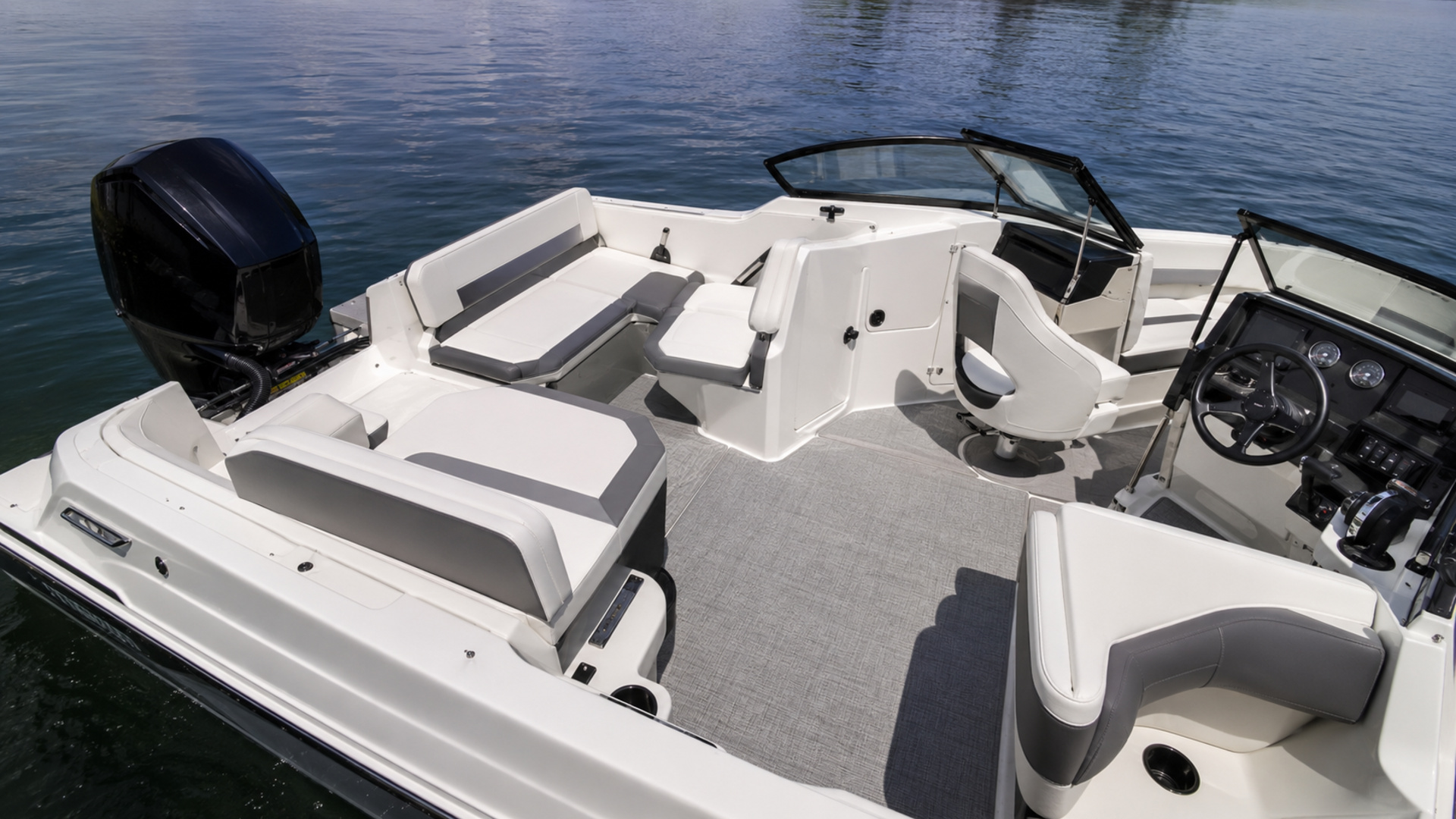
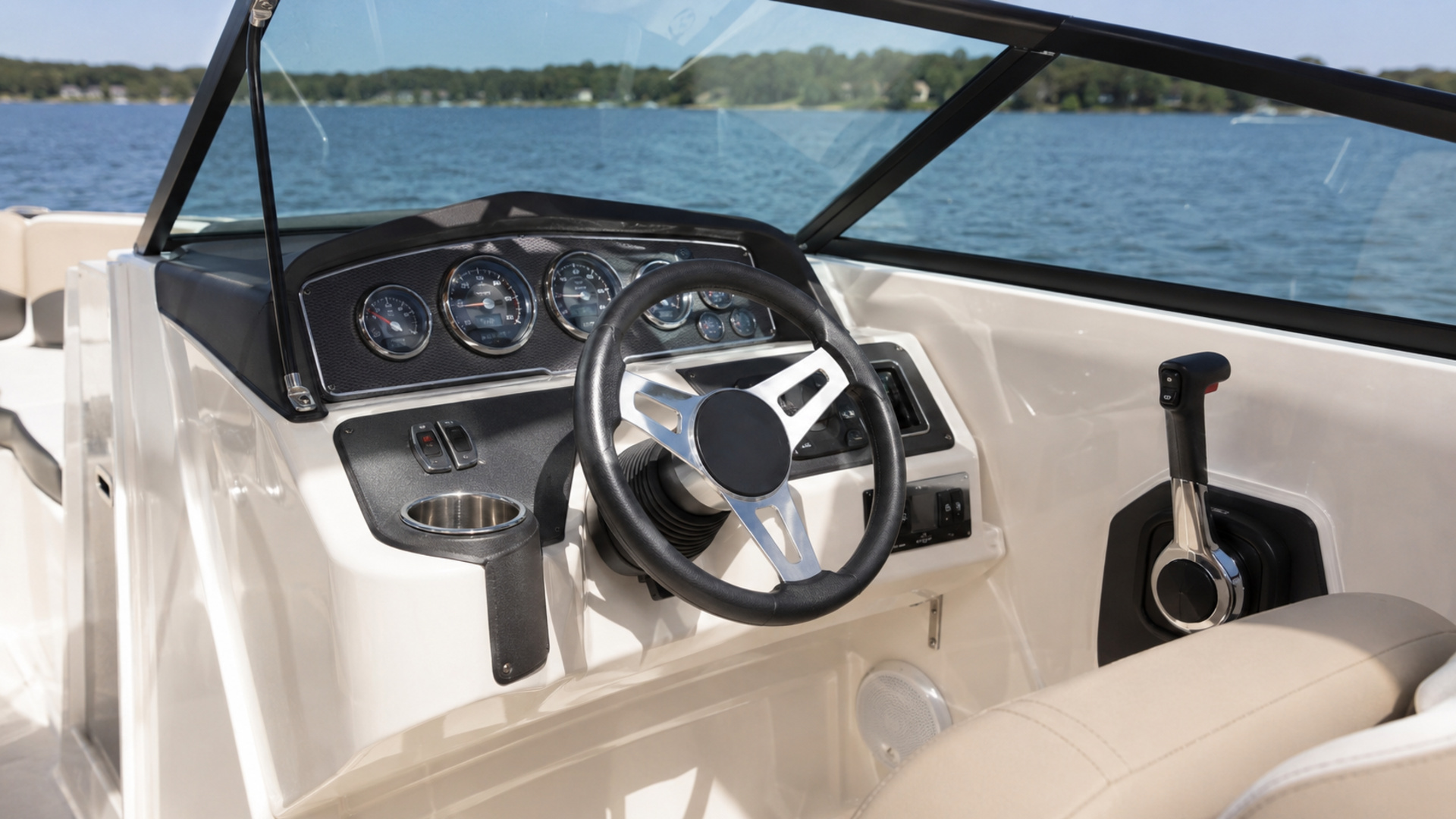
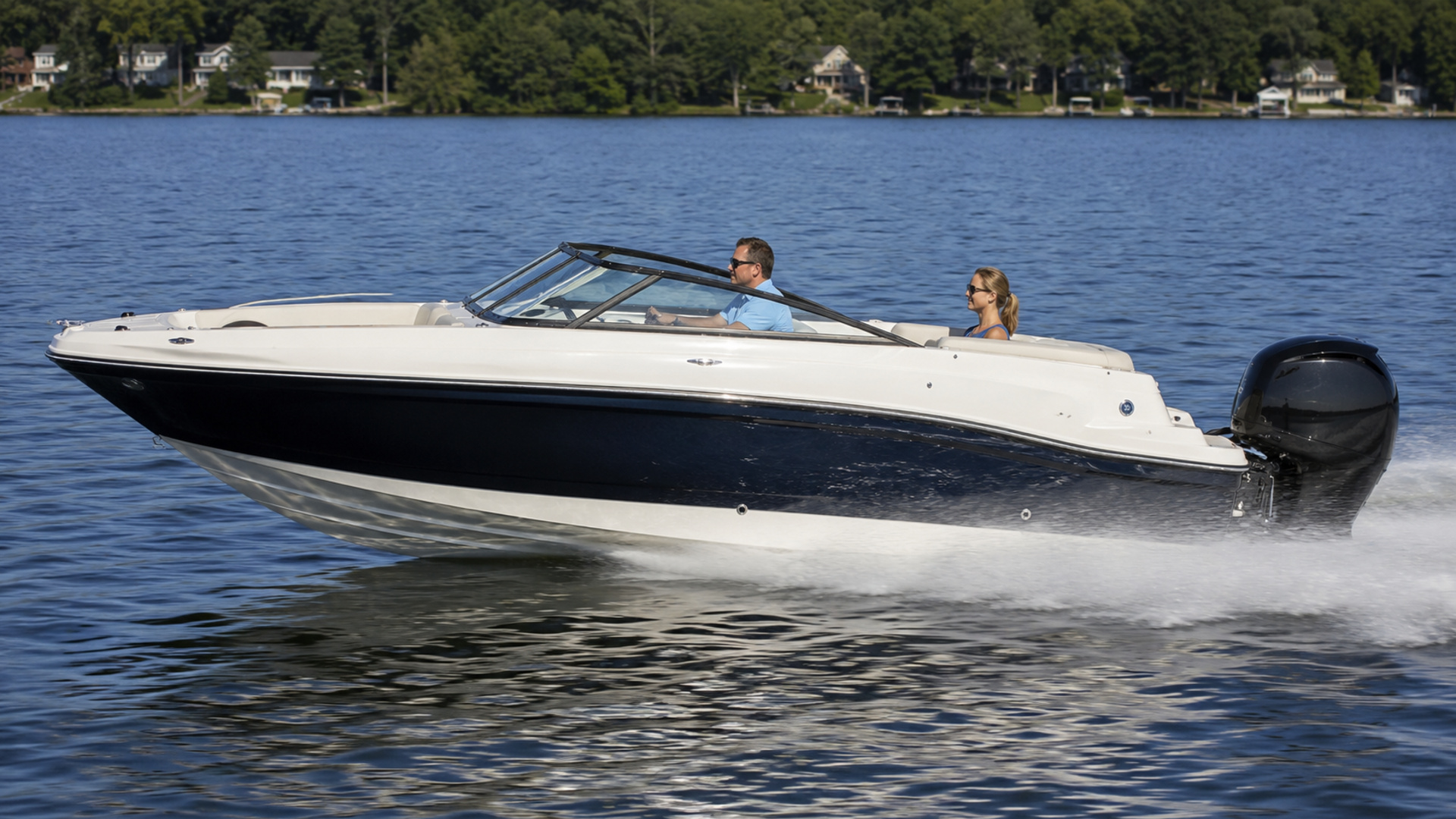
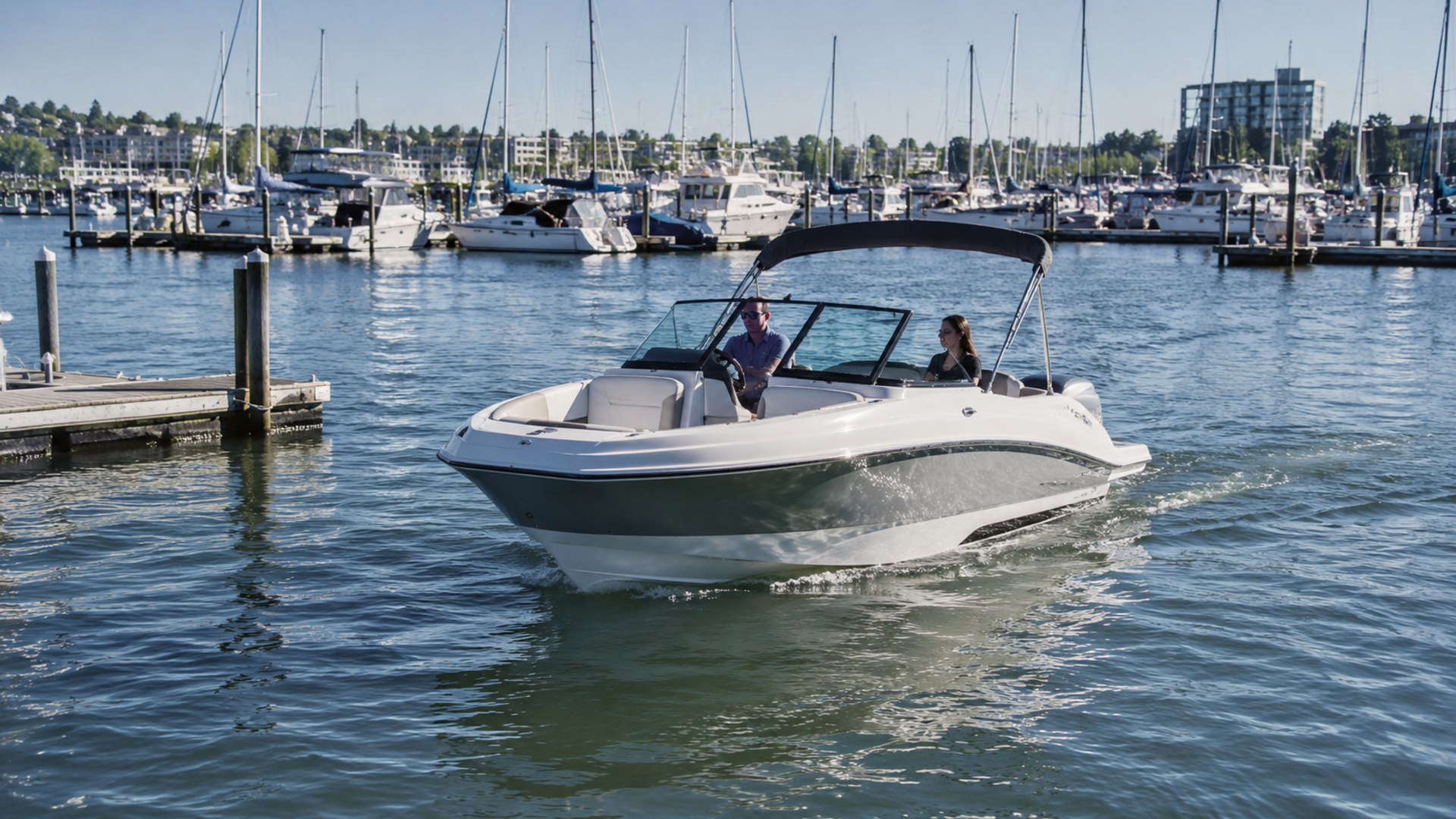
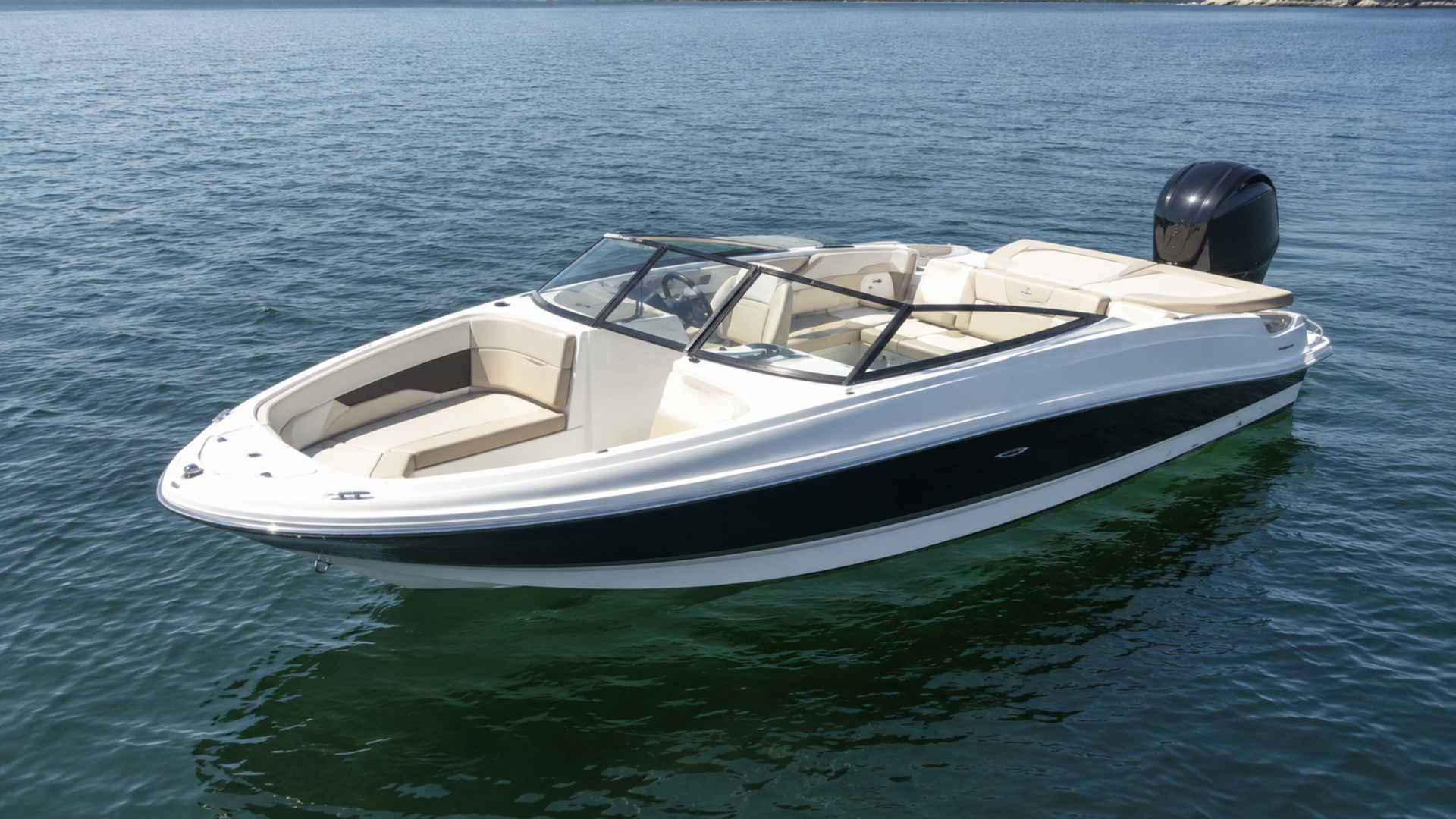
The VR5 Outboard market gives buyers a meaningful spread between older depreciated boats and late-model examples.
The current average asking price sits below the VR5 Bowrider average.
That can make the Outboard attractive to buyers who value easier maintenance and do not need the I/O’s 250-horsepower ceiling.
Engine selection matters.
A clean 150-horsepower boat can be worth more to a loaded family than an otherwise similar 115.
Older boats deserve a discount for aging equipment, but year alone should not determine value.
A documented 2018 Mercury can be more attractive than a 2022 engine with unknown service.
Fishing packages can add genuine utility for the right buyer.
A livewell and trolling-motor hardware are not valuable to everyone, so do not pay for them if they will never be used.
Tower equipment and electronics should be judged by condition and installation quality, not original retail price.
Because inventory is deeper than the Bowrider’s, buyers can be selective.
Walk away from poor service history, the wrong engine, or a trailer that needs too much work.
The strongest VR5 Outboard deal is often a mid-age boat with 150 horsepower, clean documentation, and a trailer ready to travel.
The market has enough supply that compromise should be deliberate rather than forced.
Pricing varies. Model year, engine package, options, trailer, condition and dealer all move the number, and listings change weekly. Send us the boat you are looking at and we will price that exact one.
Illustration only and not an offer of credit.
Run the payment on the actual 115- or 150-horsepower boat.
Illustration only and not an offer of credit. Your actual rate and term depend on credit profile, vessel age, loan amount and ownership structure.
Both variants use the same 20-foot-7-inch hull length, eight-foot beam, 20-degree deadrise, 33-gallon tank, and core BeamForward/AftAdvantage layout.
The Outboard carries nine people and uses 115 to 150 HP Mercury power.
The Bowrider carries eight and uses 200 to 250 HP MerCruiser sterndrive power.
The Outboard provides easier engine inspection, flushing, lower-unit work, and future repowering.
It also has more used inventory in the current listing pool.
The Bowrider gives the stern a clear center platform and offers substantially more horsepower.
Choose the Outboard when the boat needs to be easy to own and versatile enough for nine.
Choose the Bowrider when stern use and loaded performance outweigh the additional maintenance.
VR5 Outboard buyers have enough used inventory to shop with discipline.
Separate the market into 115-horsepower and 150-horsepower boats before comparing price.
Next look at age.
A 2017 example has lived a very different life from a 2025 boat even if both were detailed before the photographs.
Ask where the boat was stored and whether it lived in fresh or salt water.
Outboard condition, trailer corrosion, and upholstery age can reveal the answer.
Request maintenance records.
Verify lower-unit service, cooling work, trim, steering, and annual engine care.
Inspect propeller and skeg damage because family bowriders spend plenty of time around shallow ramps.
Check the three-position companion seat and storage hinges.
Heavy passenger use can wear moving furniture before the hull shows significant age.
On fishing-equipped boats, test the livewell and trolling-motor electrical system.
On tower boats, inspect hardware and wiring.
Examine canvas and flooring.
Replacement cost can change whether an older boat is actually cheaper.
Check trailer tires by date, not appearance.
Review brakes, bearings, bunks, swing tongue, lights, and winch.
Then compare the Bowrider variant.
If 150 horsepower is enough and the outboard stern does not bother you, there is little reason to buy more mechanical complexity.
If the family wants 250 horsepower or a completely clear stern, stop searching Outboards and look for the right Bowrider instead.
Send Float Finance the VR5 Outboard listing you are actually considering, including year, horsepower, seller type, and asking price.
The VR5 Outboard is 20 feet 7 inches long with an 8-foot beam and 20 degrees of deadrise. Bayliner lists an estimated draft of 2 feet 8 inches, approximately 3,342 pounds with standard engine, and 21 feet 2 inches of storage length. A separate maximum draft is not published on the referenced page.
The referenced U.S. specification lists capacity for nine people and a maximum people-weight figure of 1,790 pounds. That is one more passenger than the VR5 Bowrider.
The 115 can suit lighter crews and relaxed cruising. The 150 is the more compelling configuration for a regularly loaded nine-person boat or families that tow often. Used inventory is deep enough that buyers can shop for the engine they prefer.
The Outboard keeps the Mercury completely accessible, carries one more published passenger, and avoids sterndrive-specific maintenance. The Bowrider counters with a clear central platform and 200 to 250 horsepower.
Yes. Bayliner has offered an aerated livewell under the rear bench, bow casting platform and seat, fish finder, trolling-motor bracket, and dual-battery 24-volt setup.
Fuel capacity is 33 gallons. Real range changes with 115 versus 150 horsepower, passenger load, trim, propeller, and operating speed.
Current listings span 2017 through 2025 and provide more selection than the Bowrider version. That gives buyers room to compare depreciation, engine condition, trailer health, and equipment instead of settling for a single local boat.
Choose the VR5 when nine-person capacity and the 20-foot-7-inch footprint already fit. Move to the VR6 when ten-person capacity, a changing room, and a much larger social cockpit solve needs that appear on most outings.
Tell us a little bit about yourself and the boat you are looking to finance.