Call Us : 207-994-5109
Mon – Fri: 8 am to 9 pm & Sat – Sun: 10 am to 8 pm
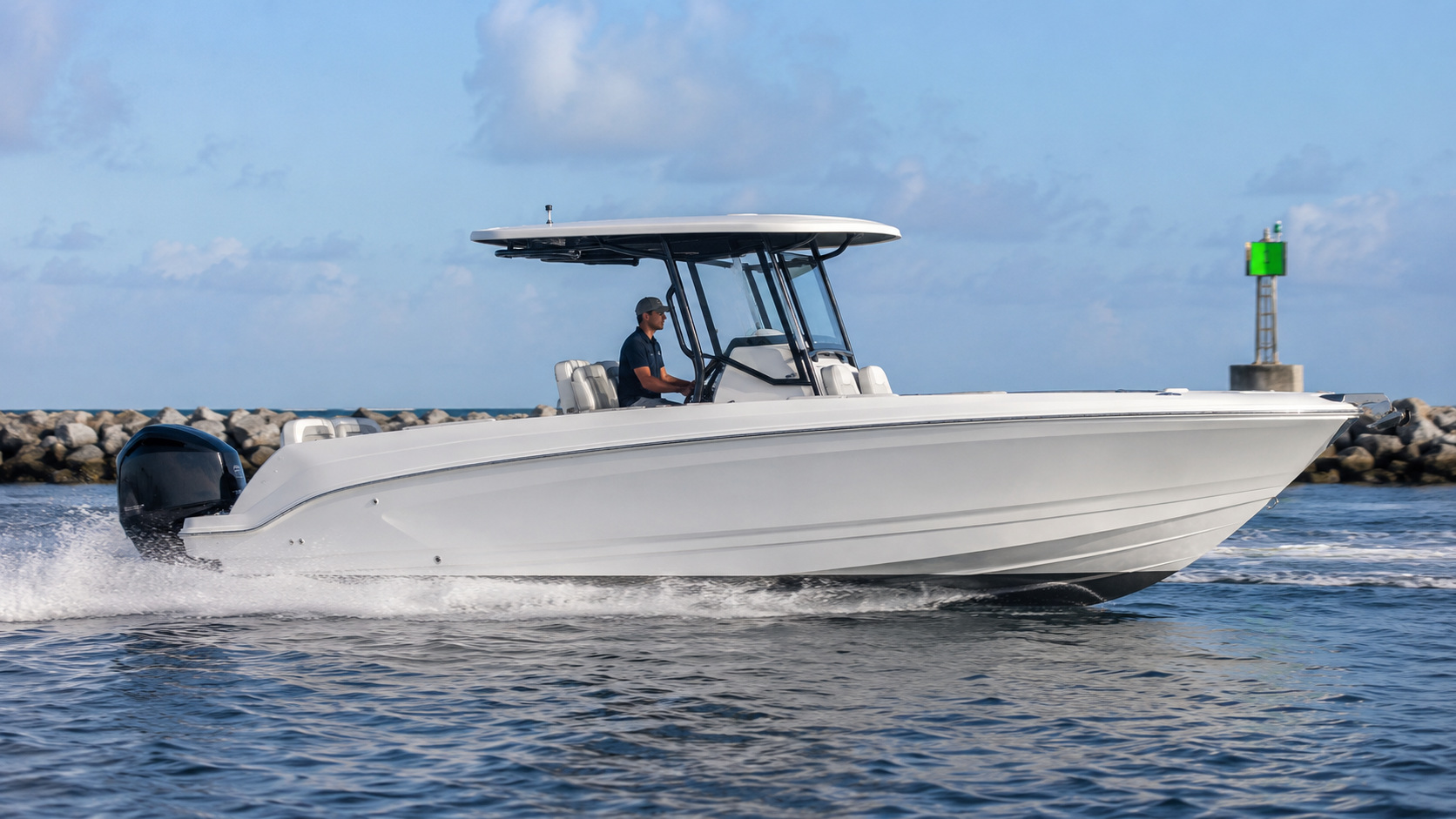
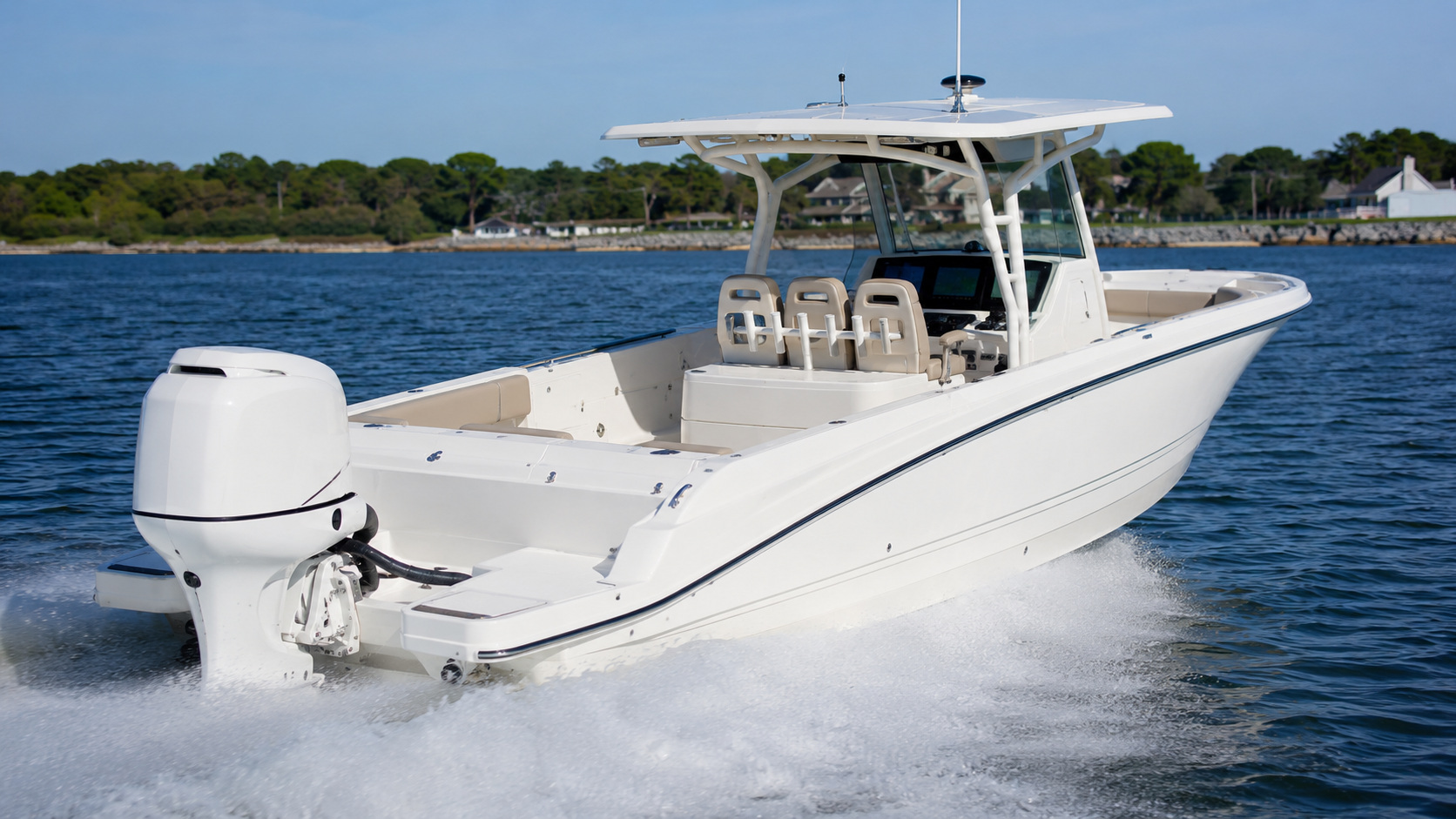
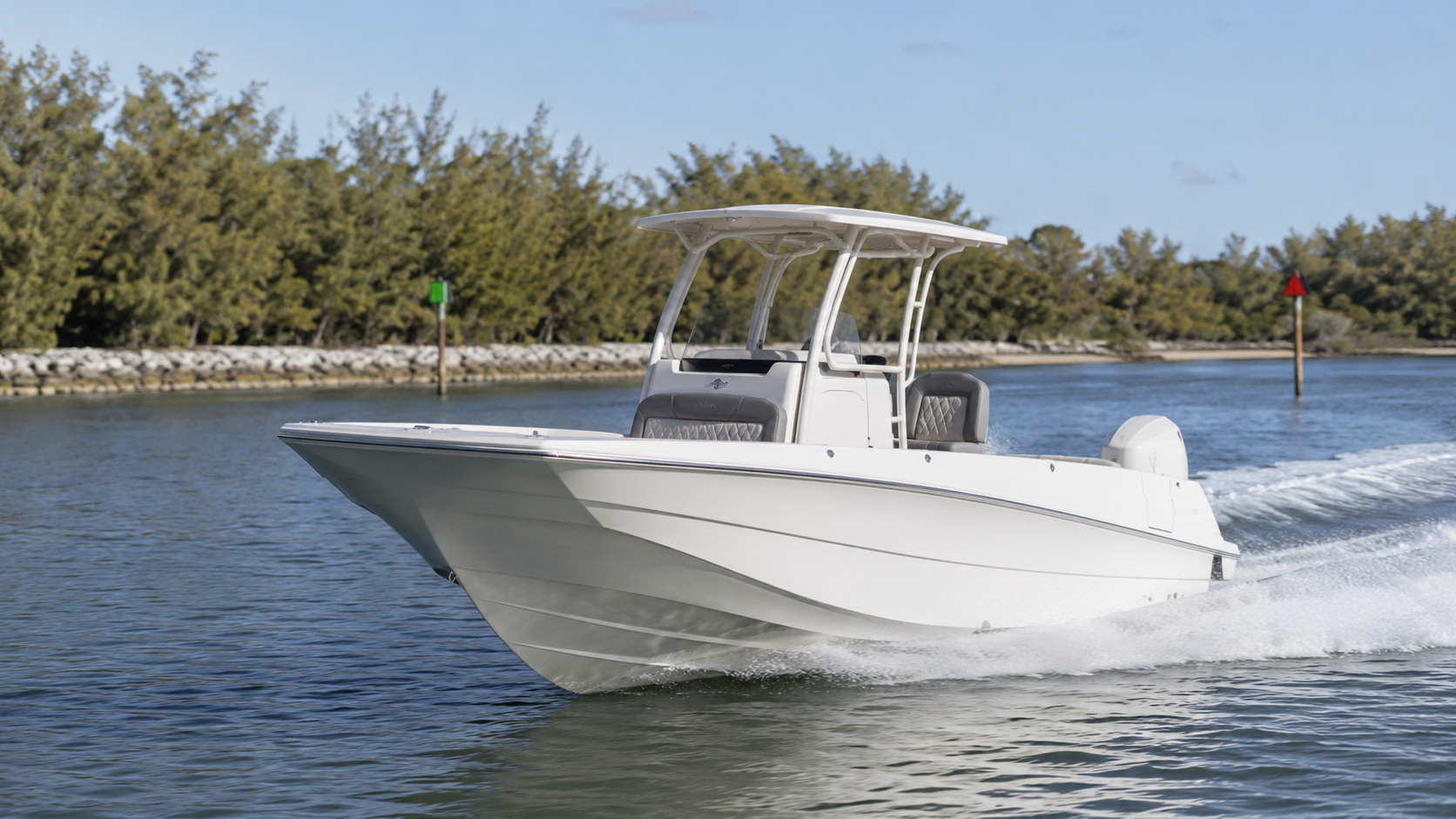
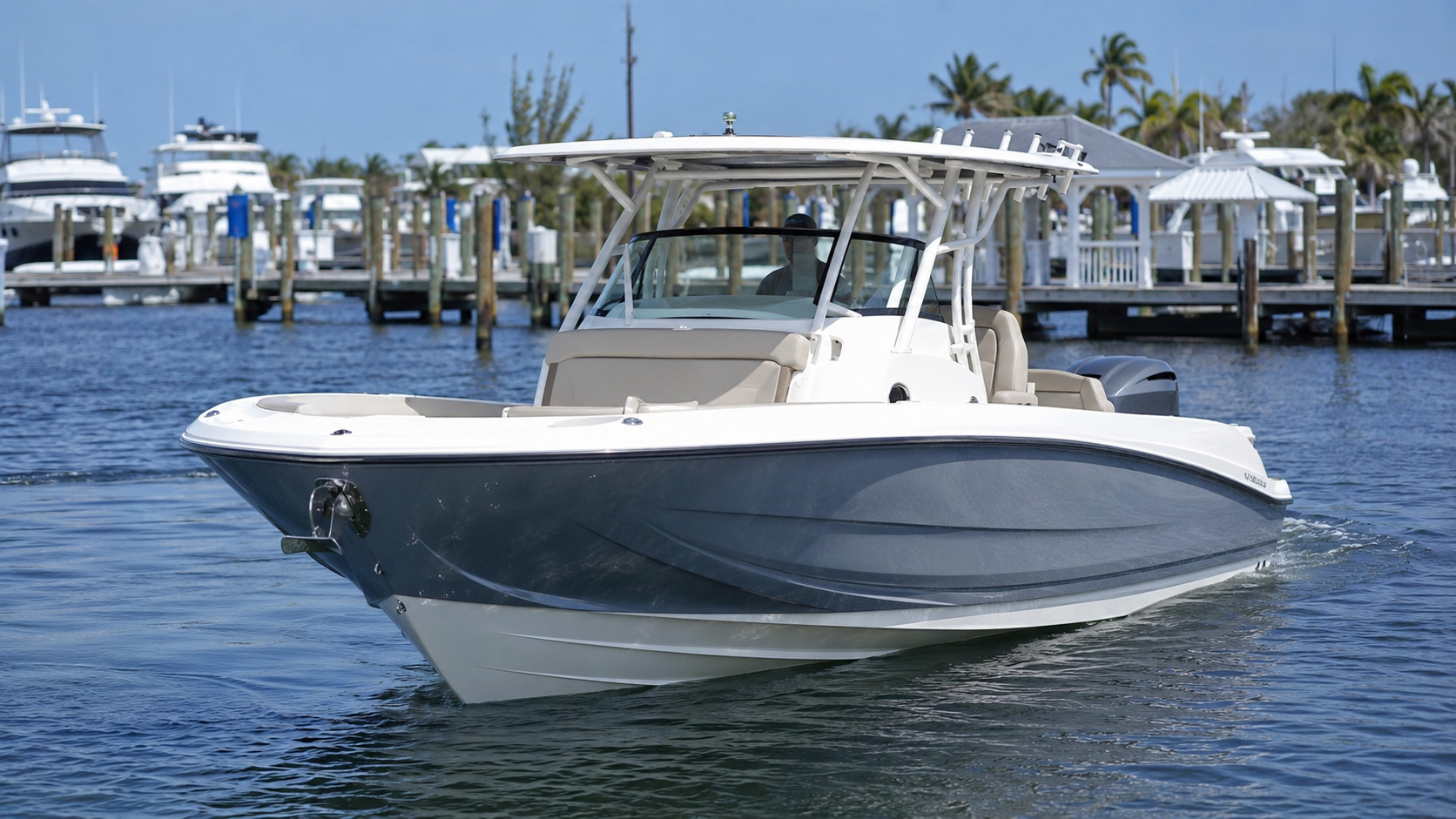
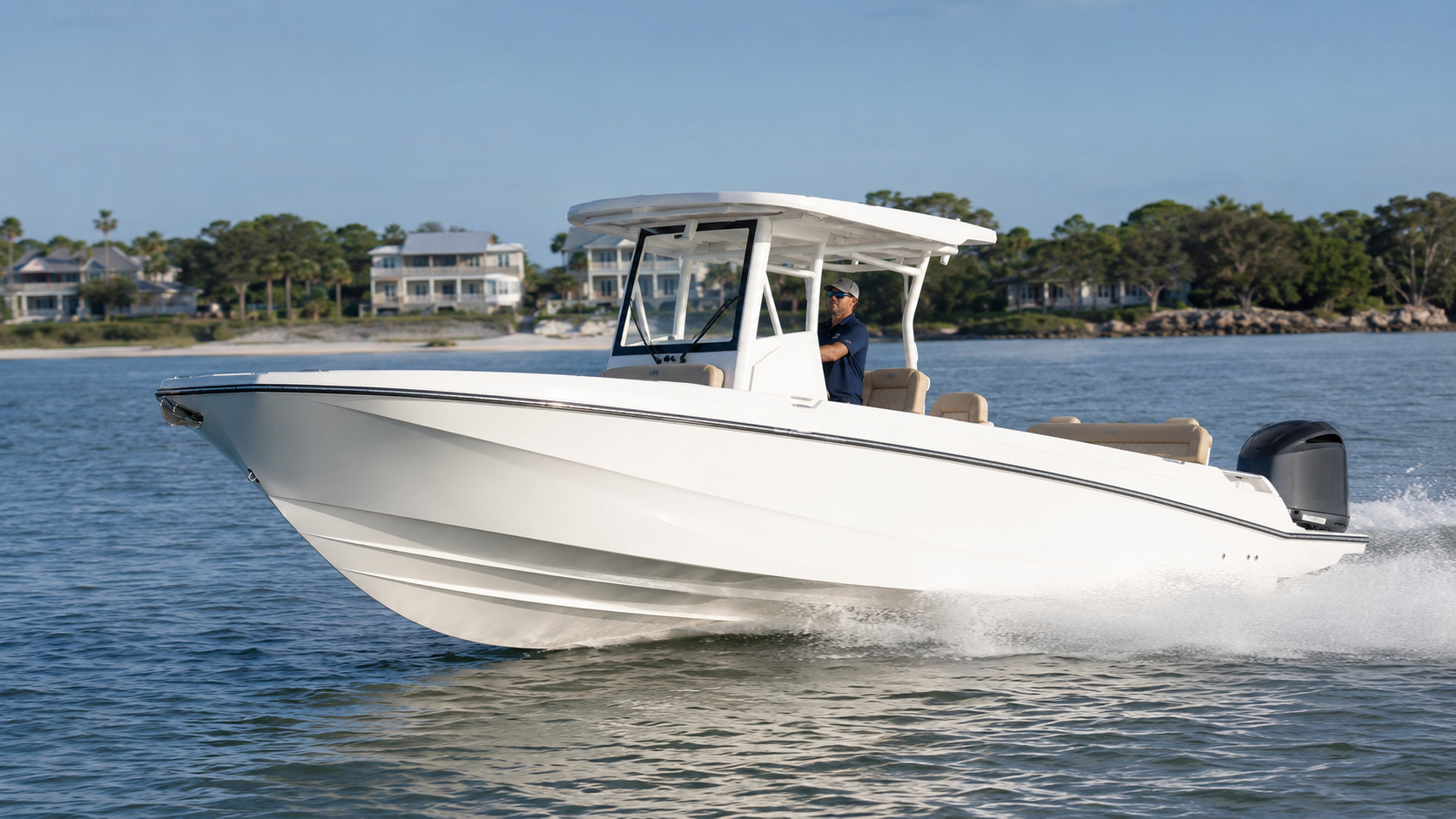
The Bayliner T24CC is the range-top Trophy center console for buyers who want 100 gallons of fuel, a 22-degree deep-V, serious fishing systems, and room for up to twelve people.
The T24CC is not simply a stretched T22CC. Bayliner changes the underlying capability enough that the 24-foot model should be treated as a separate buying decision. The hull grows to 24 feet, beam stays at 8 feet 6 inches, deadrise increases to 22 degrees, fuel capacity jumps to 100 gallons, and published passenger capacity rises to twelve.
That sharper running surface is one of the strongest reasons to move up. A 22-degree deep-V asks more from the engine and carries additional weight, but it gives buyers a hull better aligned with longer coastal runs and rougher open-water conditions than the flatter Trophy models. Bayliner pairs that with up to 300 horsepower and a standard 225-horsepower Mercury V8 in current U.S. material.
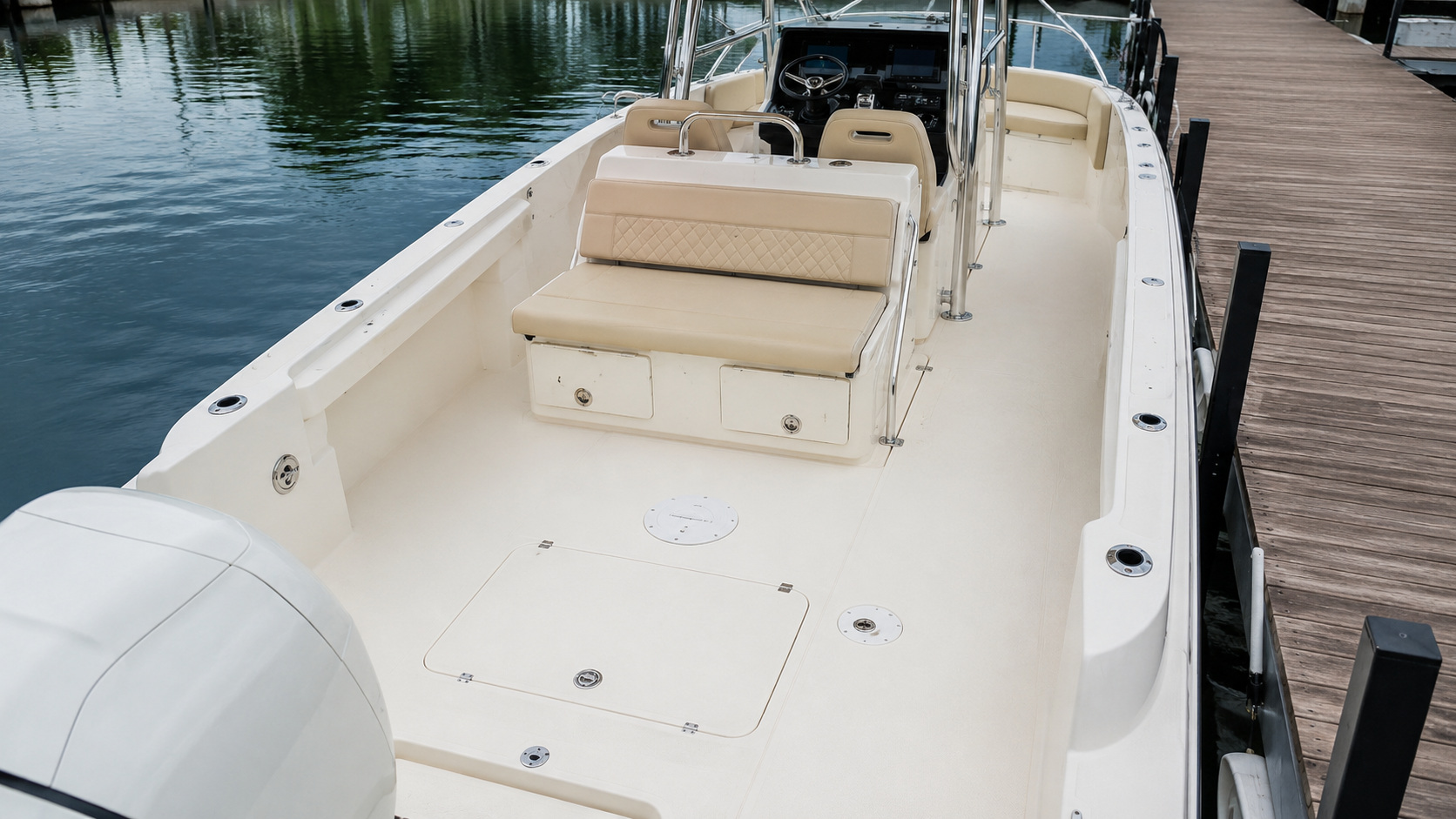
Fishing equipment also becomes more serious. Standard content includes a raw-water washdown, leaning-post livewell, separate baitwell, dual insulated fish boxes, under-gunnel rod storage, rod holders, trim tabs, dual batteries, a canvas T-top with rod holders, removable bow cushions, and fold-away rear seating. This is the model in the group that most clearly says fishing first while still leaving room for family passengers.
The downside is that you pay for the capability every time the boat moves. Bayliner lists approximately 4,466 pounds with standard engine and about 6,115 pounds with trailer. Add 100 gallons of fuel, batteries, electronics, tackle, and personal gear and the loaded road package becomes substantial. If your fishing stays close to the ramp and a T22CC already handles the crew, the 24 may be more boat than you need. If you regularly run farther, carry more gear, or want the deeper-V hull, the added cost becomes much easier to justify.
Published factory figures. Confirm every dimension against the individual boat before you commit.
The T24CC measures 24 feet overall with an 8-foot-6-inch beam and 22 degrees of deadrise. That 22-degree aft angle is a meaningful departure from the 18-degree T22CC and is central to the T24CC’s position as the larger coastal model.
More deadrise generally improves the way a hull enters chop but requires more power and can reduce static stability compared with flatter designs. Bayliner balances that with additional hull length, weight, and trim tabs. The result is a boat aimed at buyers who value running comfort and coastal confidence more than minimum horsepower or the lightest trailer package.
Estimated draft is 2 feet 11 inches at maximum in current specifications, with a minimum figure around 1 foot 6 inches. Published weight is 4,466 pounds with standard engine and approximately 6,115 pounds with trailer.
Bayliner currently lists a 225-horsepower Mercury V8 outboard as standard and a 300-horsepower maximum. The choice between standard and maximum power should be made around load and use rather than ego.
A T24CC can carry twelve people, 100 gallons of fuel, bait, tackle, coolers, and significant fishing equipment. Buyers who regularly run the boat near that load will place more value on the additional horsepower than owners who fish with two or three people.
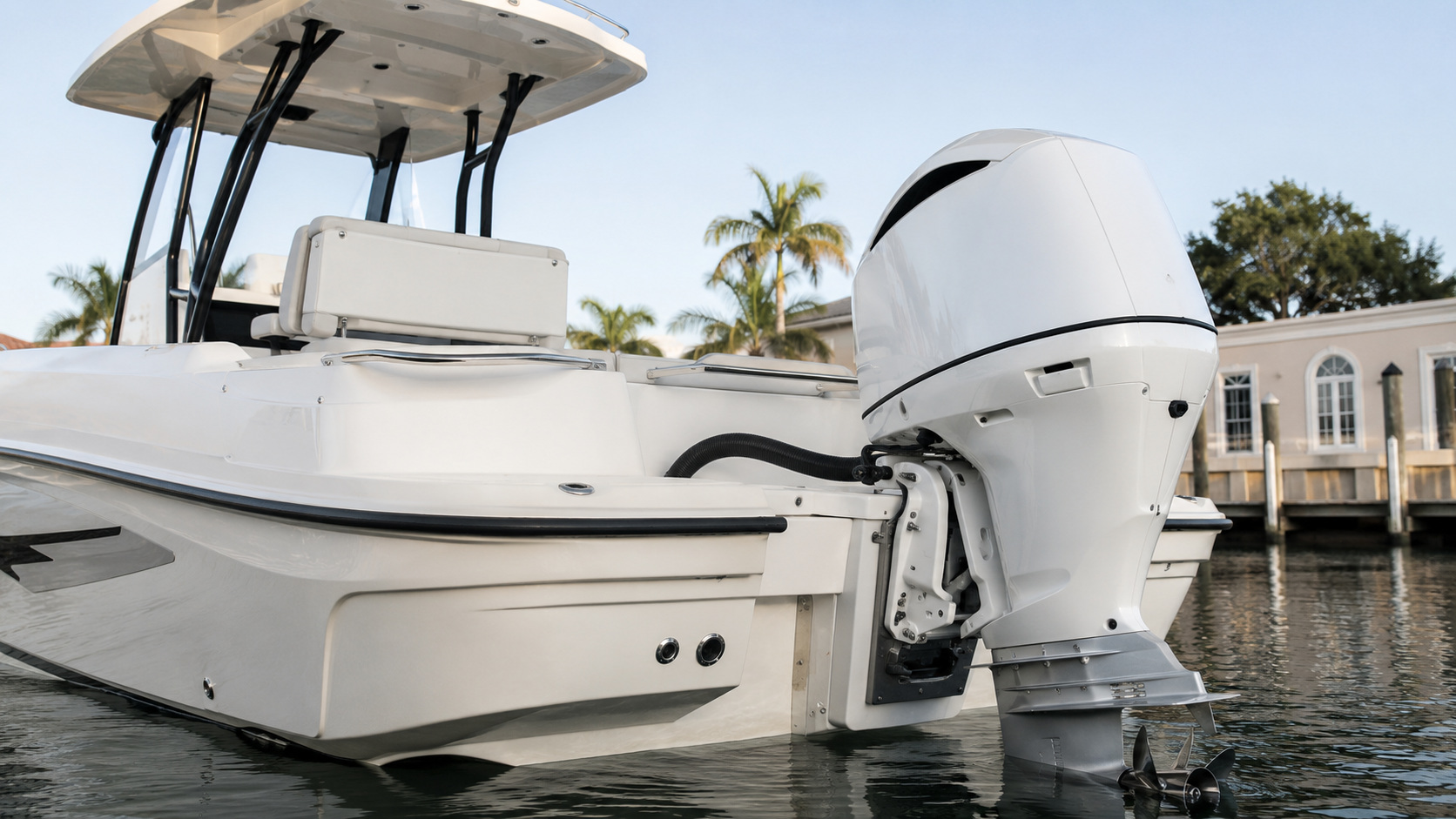
The outboard remains accessible for routine service, while trim tabs help the operator manage running attitude as load and sea conditions change.
Used buyers should inspect engine hours, service records, lower-unit condition, corrosion, propeller and skeg, trim and steering, cooling, batteries, and the rigging around any owner-added electronics.
The T24CC’s 100-gallon fuel tank is a major reason to buy the boat. It carries 35 gallons more than the T22CC and gives owners significantly more flexibility for long coastal days.
More fuel capacity does not automatically equal efficient range. The T24CC is heavier, uses a deeper-V hull, and can carry larger horsepower. Real-world consumption depends on engine, load, sea state, trim, bottom condition, and cruise speed.
Use verified engine performance data to find a sensible cruise and calculate range with a reserve. The owner who buys a 100-gallon boat because they routinely make long runs should be more disciplined about fuel planning, not less.
The T24CC’s 22-degree hull and 24-foot length give it the strongest rough-water case in the Trophy center-console group. That does not make it immune to bad conditions, but it gives the boat a sharper running surface than the 18-degree smaller models.
Trim tabs become especially useful as passengers, fuel, and gear shift the running attitude. During a sea trial, check acceleration, bow rise, steering load, tab response, visibility, and ride quality at the cruise speeds you will actually use.
The 300-horsepower ceiling adds performance headroom, but a good coastal setup is about balance. The right engine should plane the loaded boat confidently without forcing the owner to pay for horsepower that goes unused.
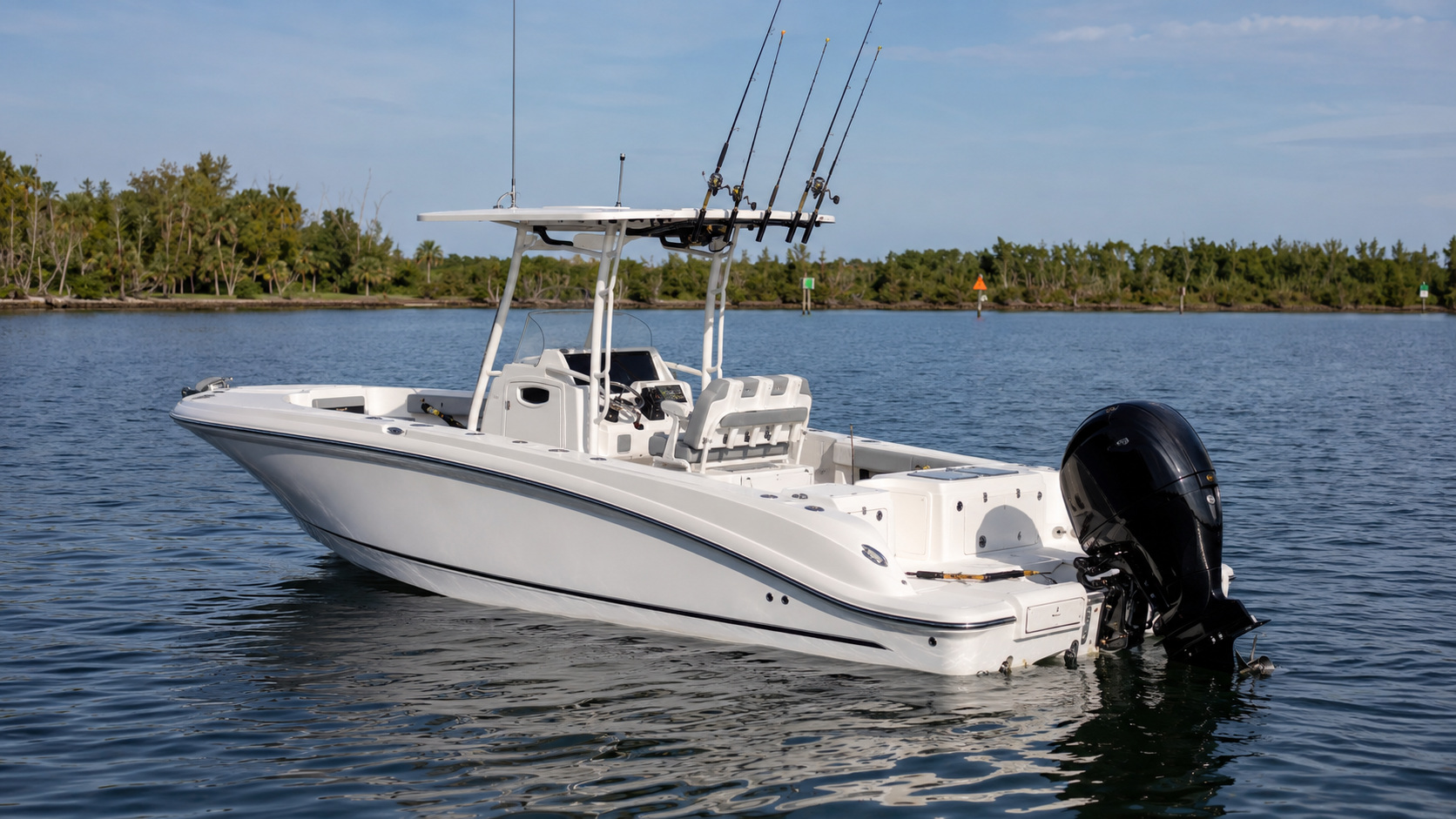
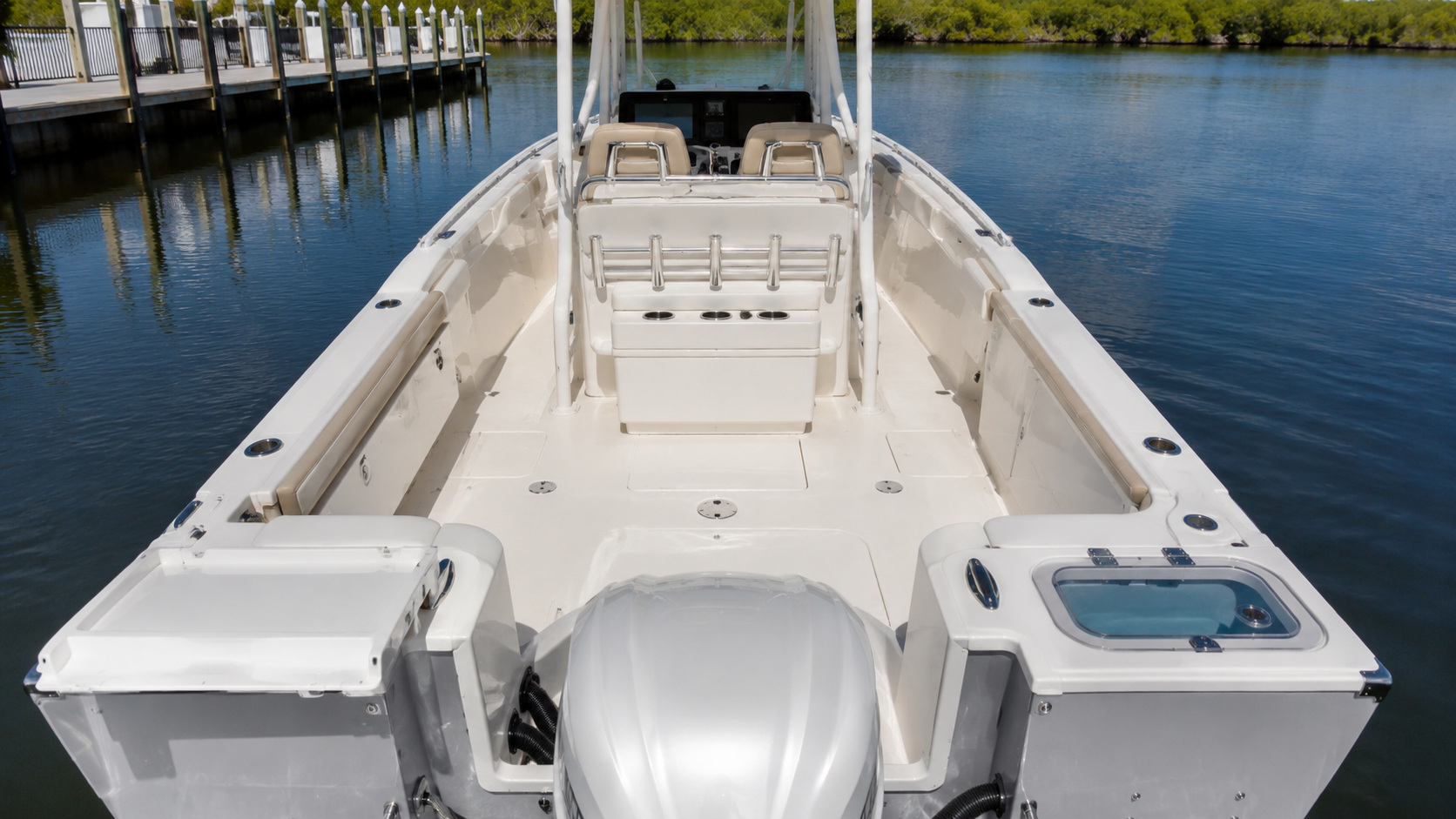
The T24CC’s fishing equipment is one of the clearest arguments for stepping up. A 15-gallon baitwell and 21-gallon leaning-post livewell support more active bait management. Dual six-foot insulated fish boxes provide dedicated catch storage. Under-gunnel rod storage and gunwale holders keep rods off the deck, and the standard canvas T-top adds shade plus additional rod storage.
A raw-water washdown is standard, which matters when the boat is being used hard. Dual batteries with a switch and an automatic bilge pump support the additional electrical load and operating environment of a larger fishing platform.
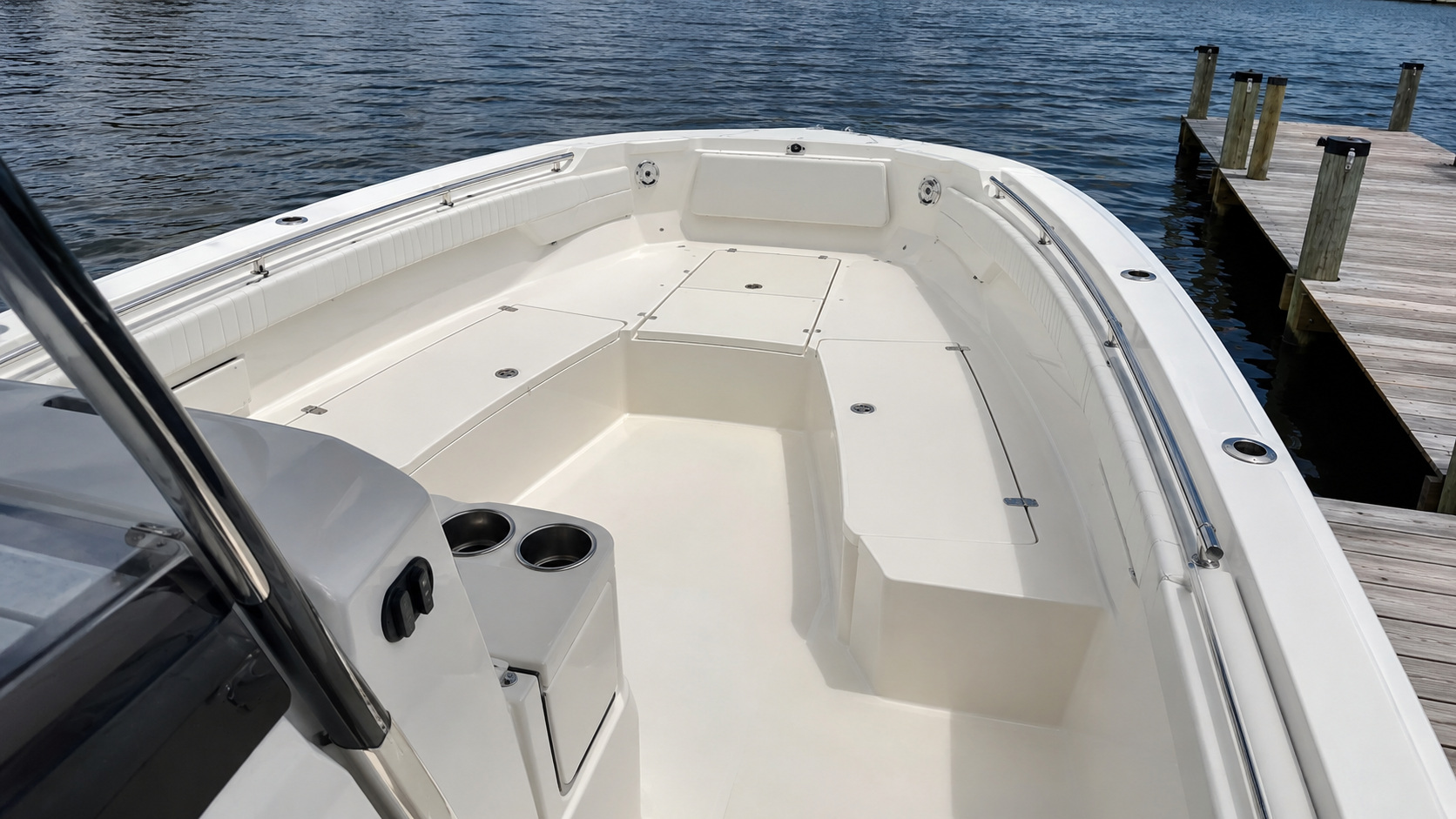
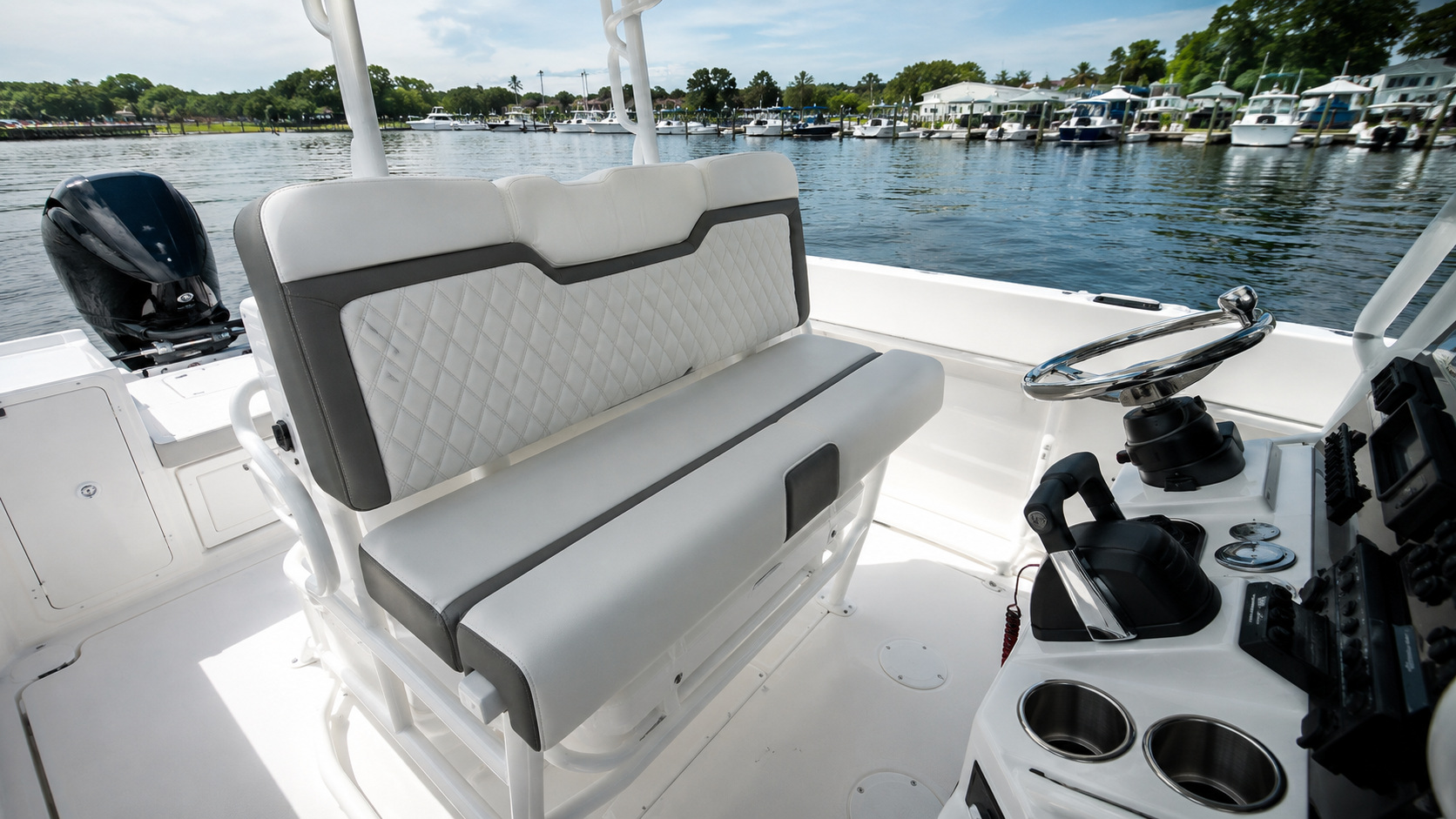
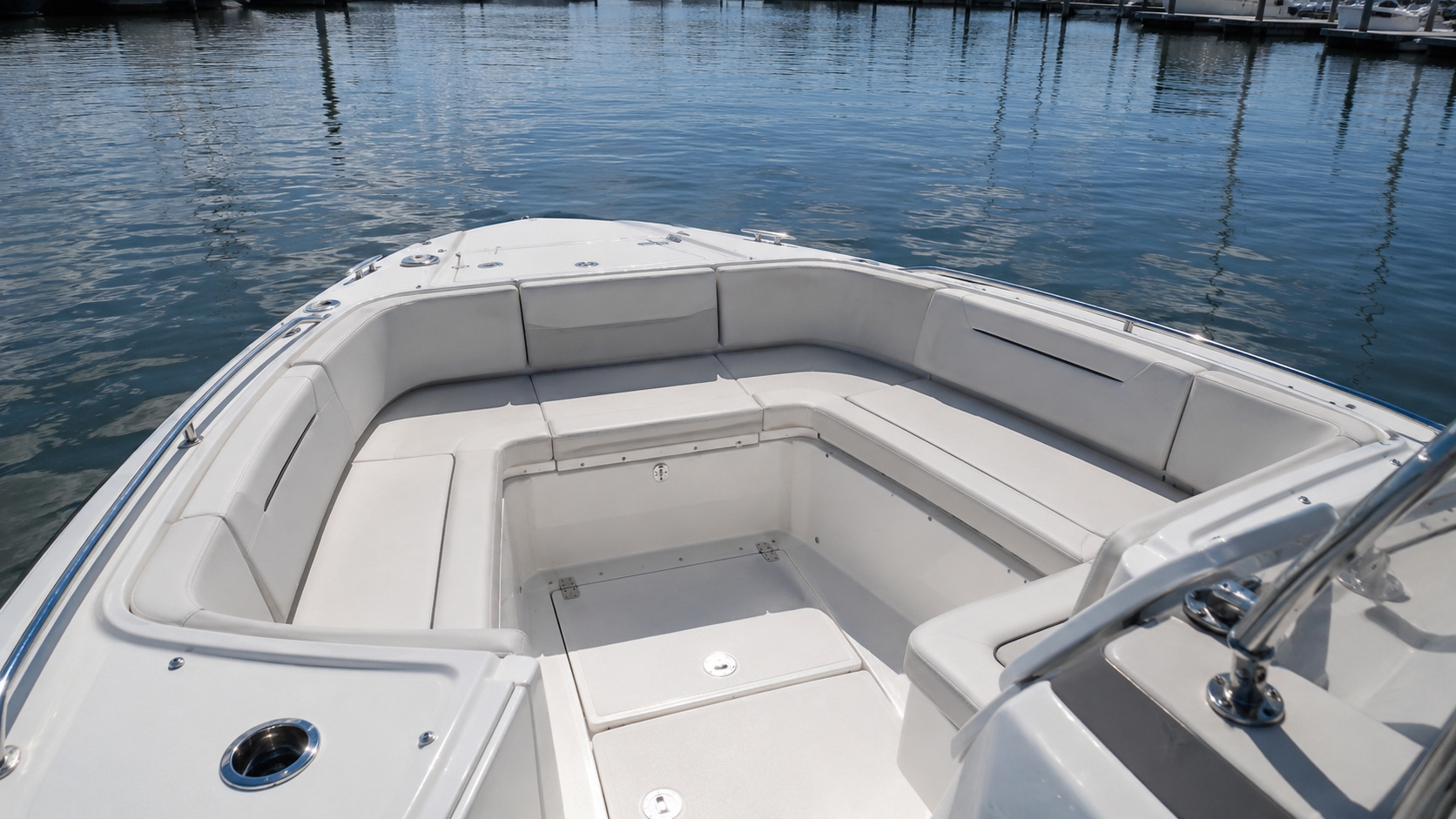
Family use remains part of the design. Removable bow backrests and cushions plus a fold-away rear bench allow the boat to switch between fishing space and passenger comfort rather than locking the owner into one setup.
100-Gallon Fuel Tank
Adds dedicated catch storage for longer fishing days.
Makes cleanup easier after bait, fish, and saltwater use.
Provides shade and overhead rod storage as standard equipment.
Keeps passenger seating available without permanently blocking the stern fishing zone.
The T24CC has more fishing and electrical equipment to inspect than the smaller Trophy models. Test both livewell or baitwell systems, washdown pump, automatic bilge pump, dual-battery switch, gauges, stereo, navigation lights, steering, trim tabs, and all installed electronics.
Inspect the T-top mounting points, rod holders, fish-box drains, hatch seals, transducer installation, and any trolling-motor or additional-battery wiring. Saltwater corrosion around hardware and electrical connections deserves close attention.
The trailer is a major asset on this boat, not an accessory. Check brakes, axles, hubs, tires, bunks, winch, lights, coupler, frame condition, and corrosion.
Bayliner lists approximately 6,115 pounds with trailer before normal owner gear and a full fuel load are added. One hundred gallons of gasoline alone adds substantial weight.
That means many buyers will need a full-size tow vehicle with adequate payload, hitch, brakes, and stability. Check actual loaded weight and tongue weight instead of shopping from a brochure number.
A seasonal slip may become more attractive at this size, especially for owners who fish multiple times per week. Add marina cost to the ownership budget if eliminating frequent launching would materially improve how often you use the boat.
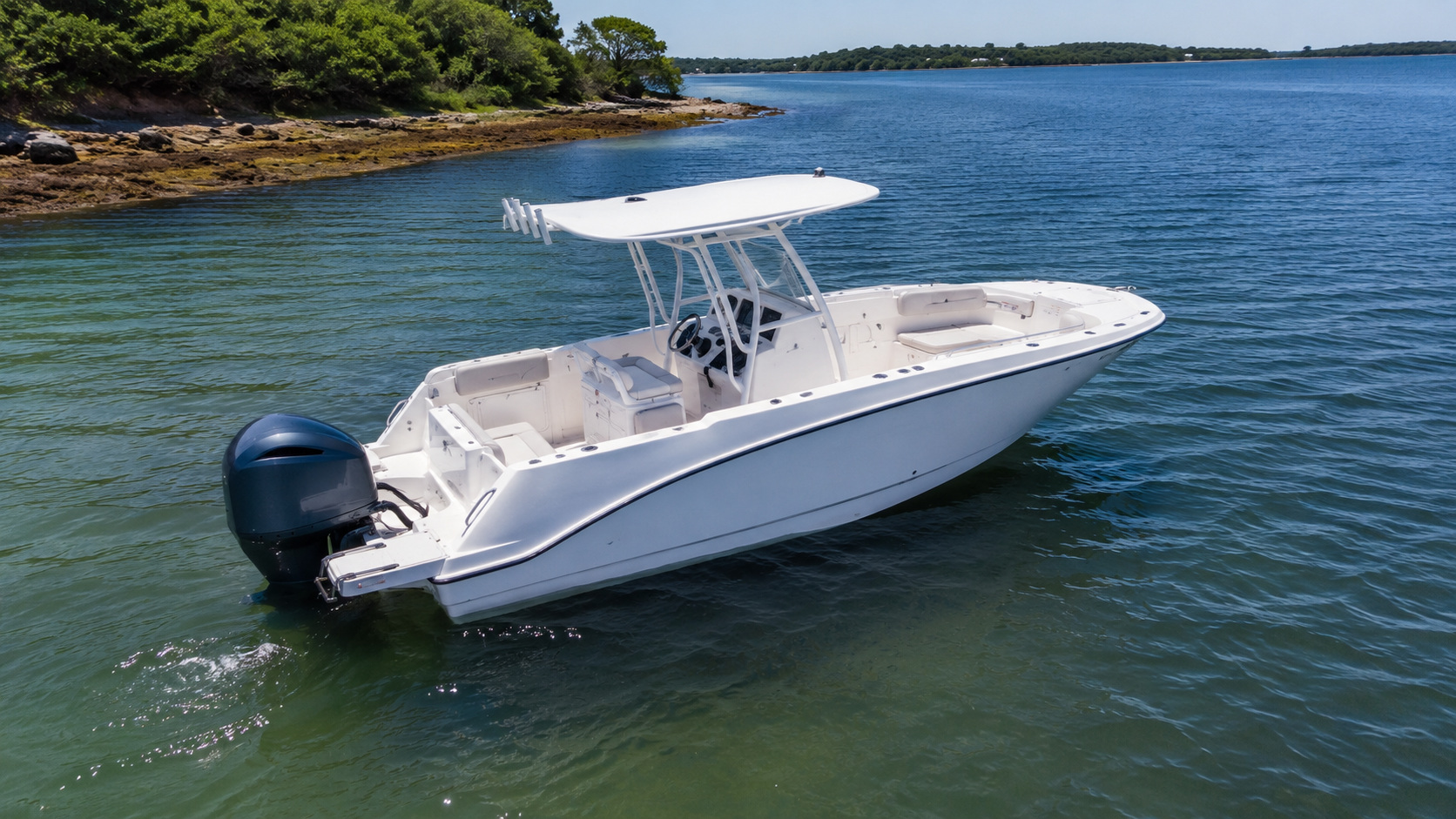
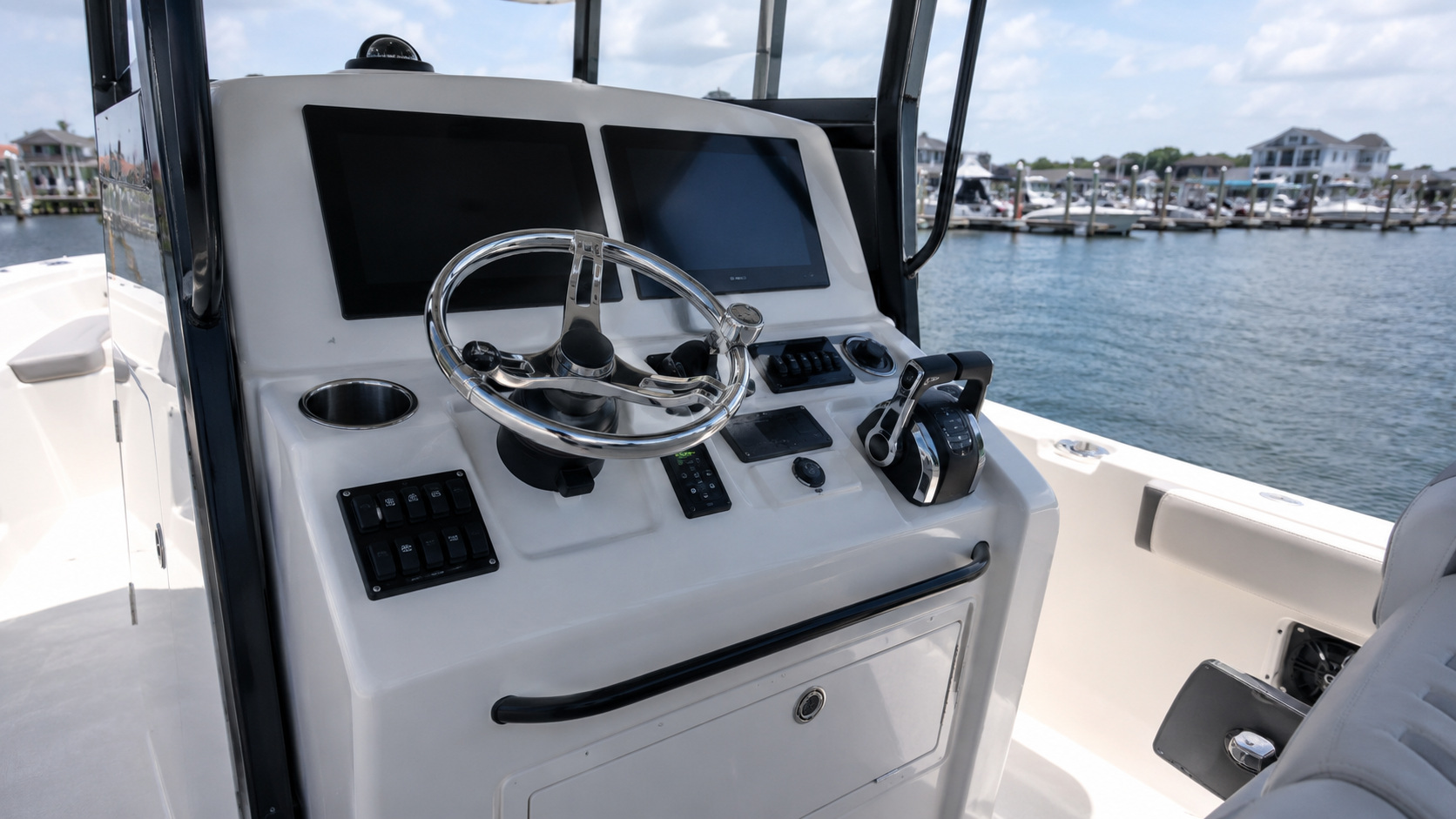
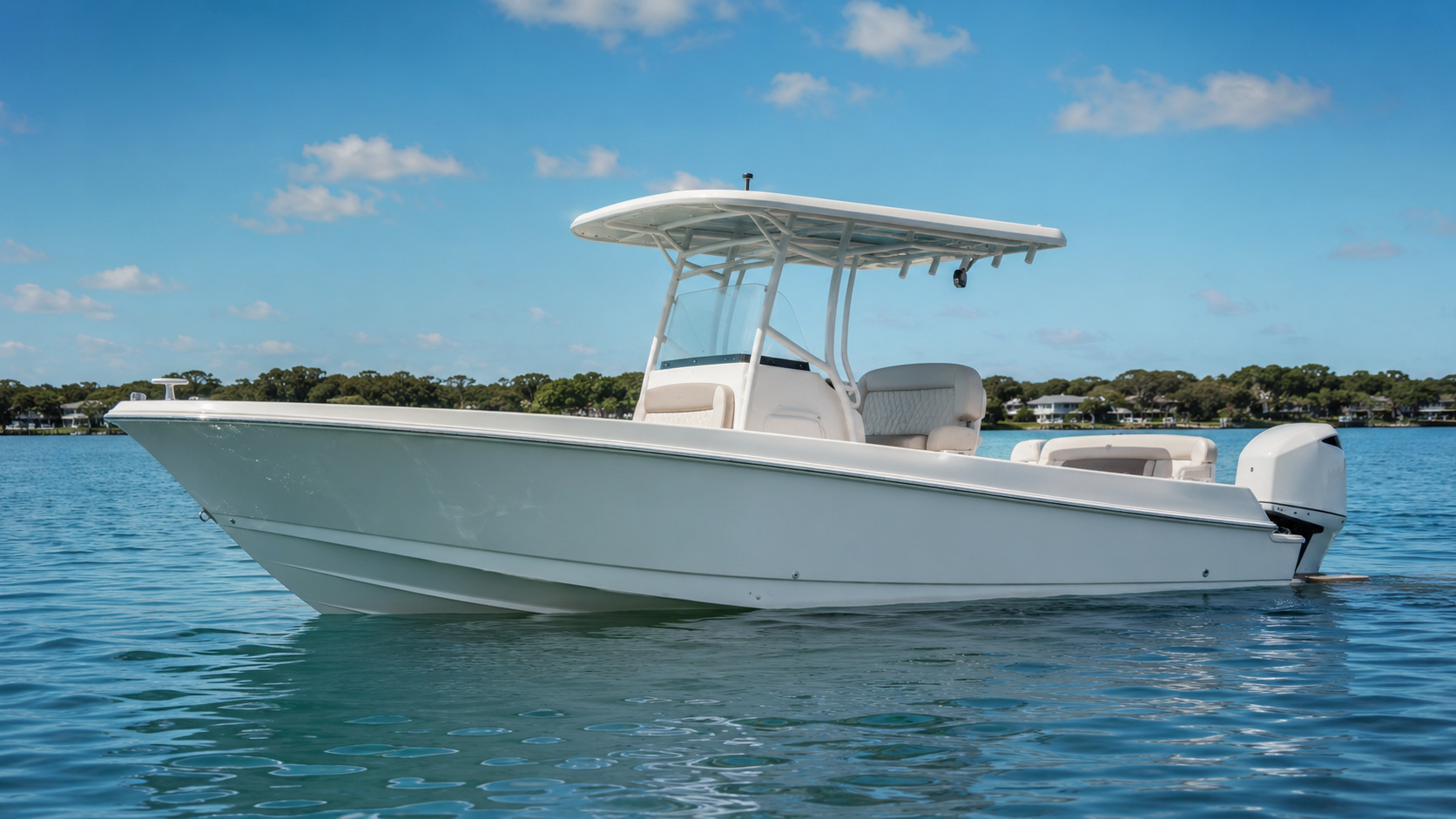
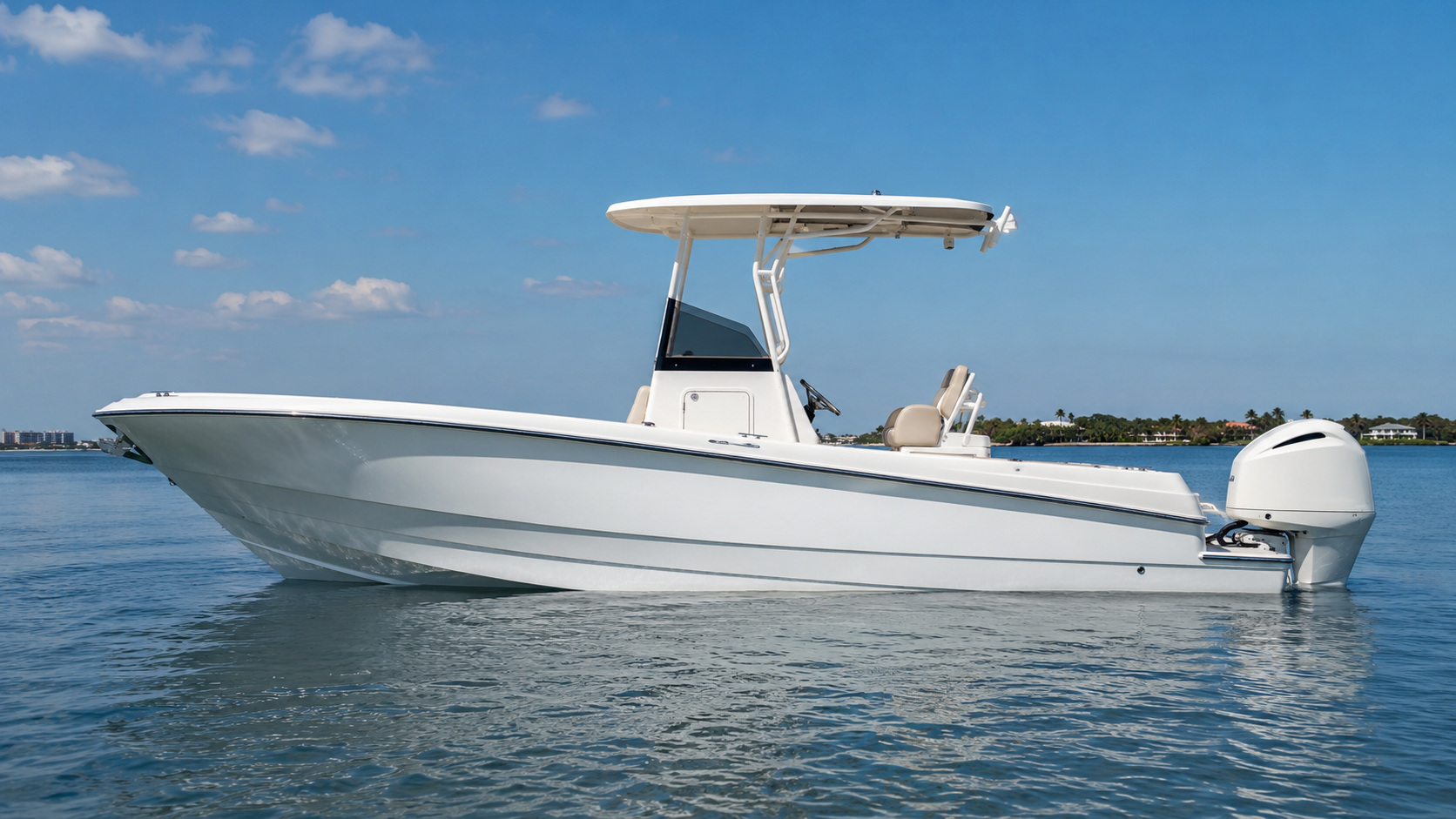
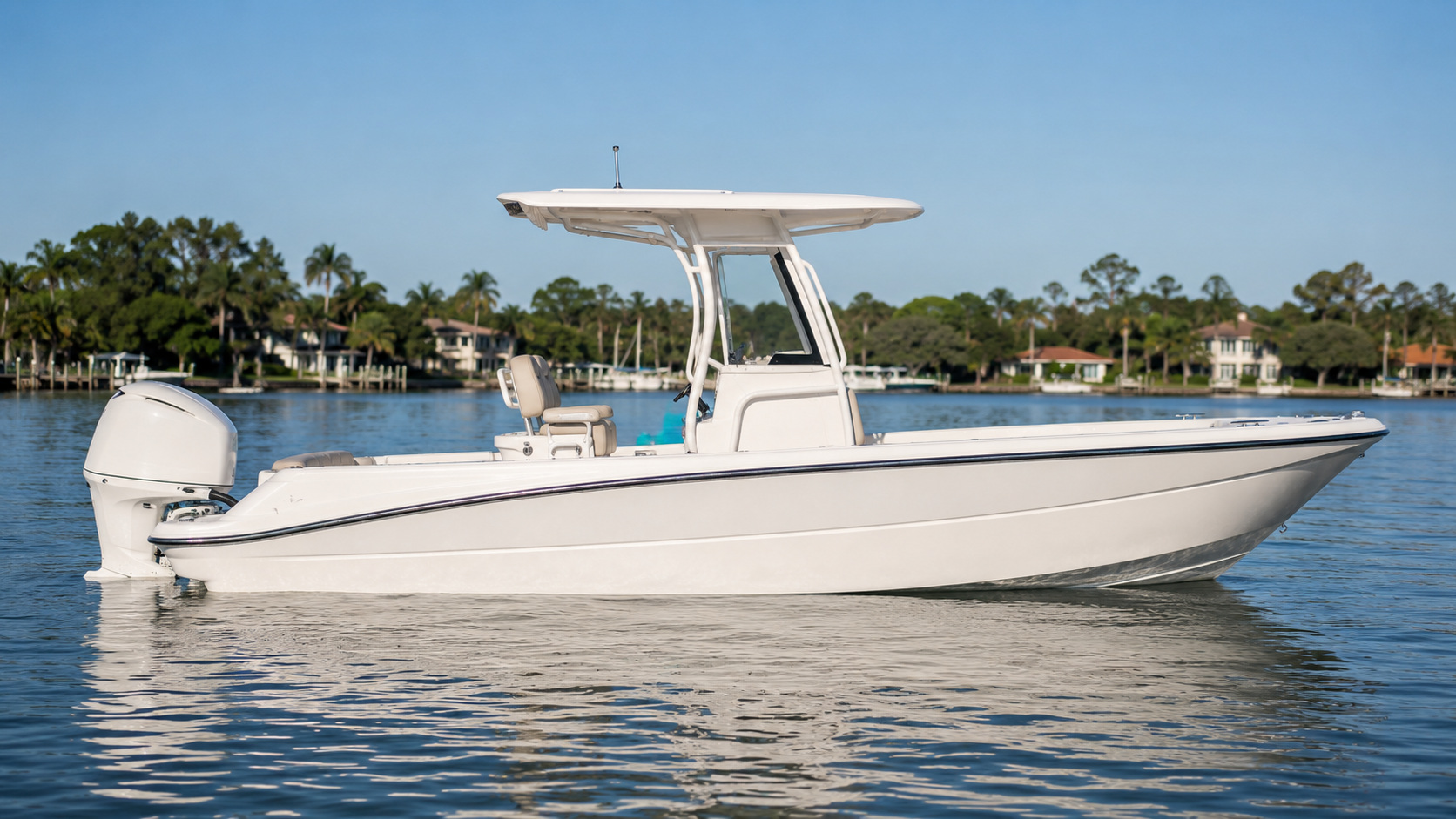
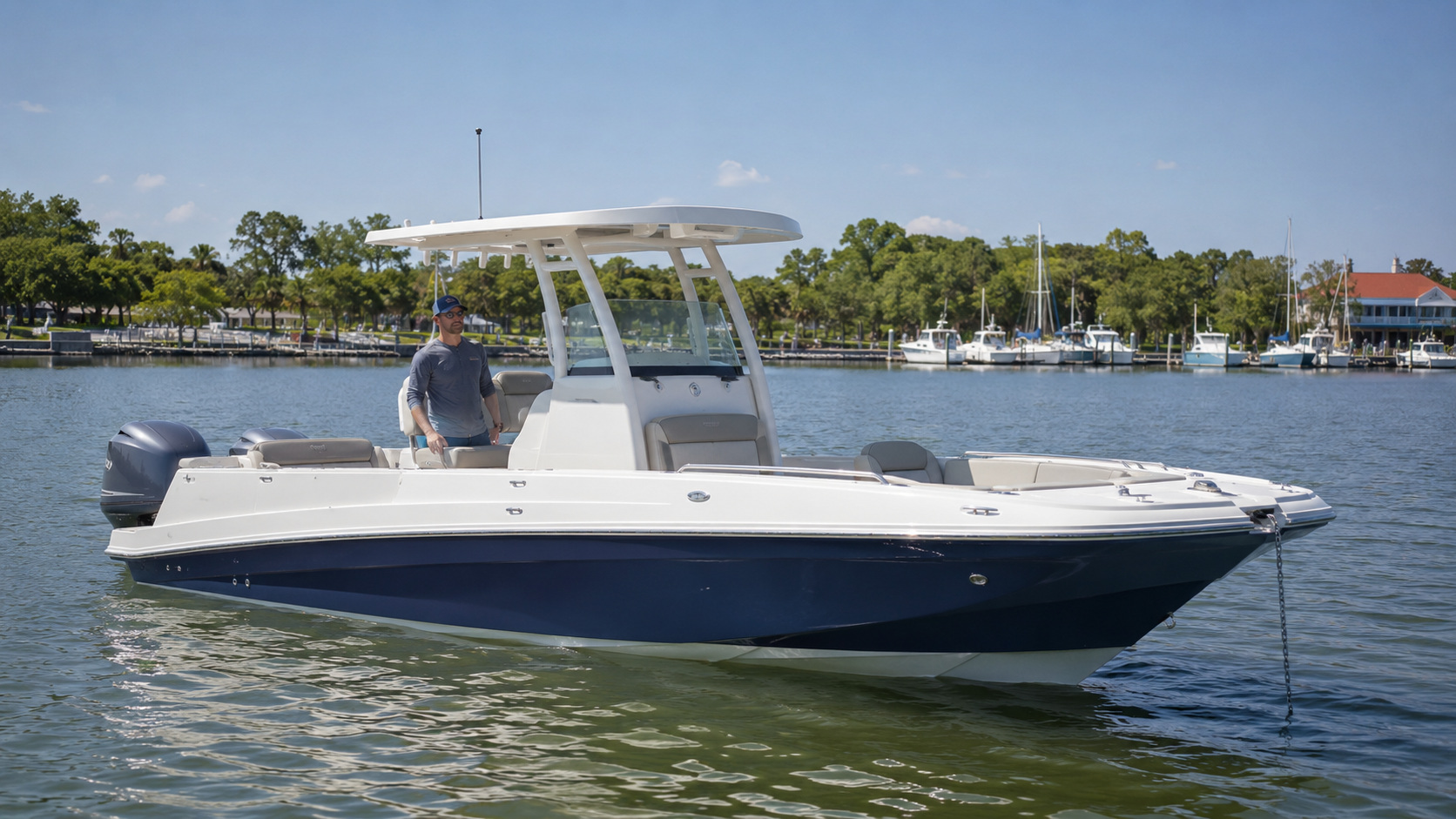
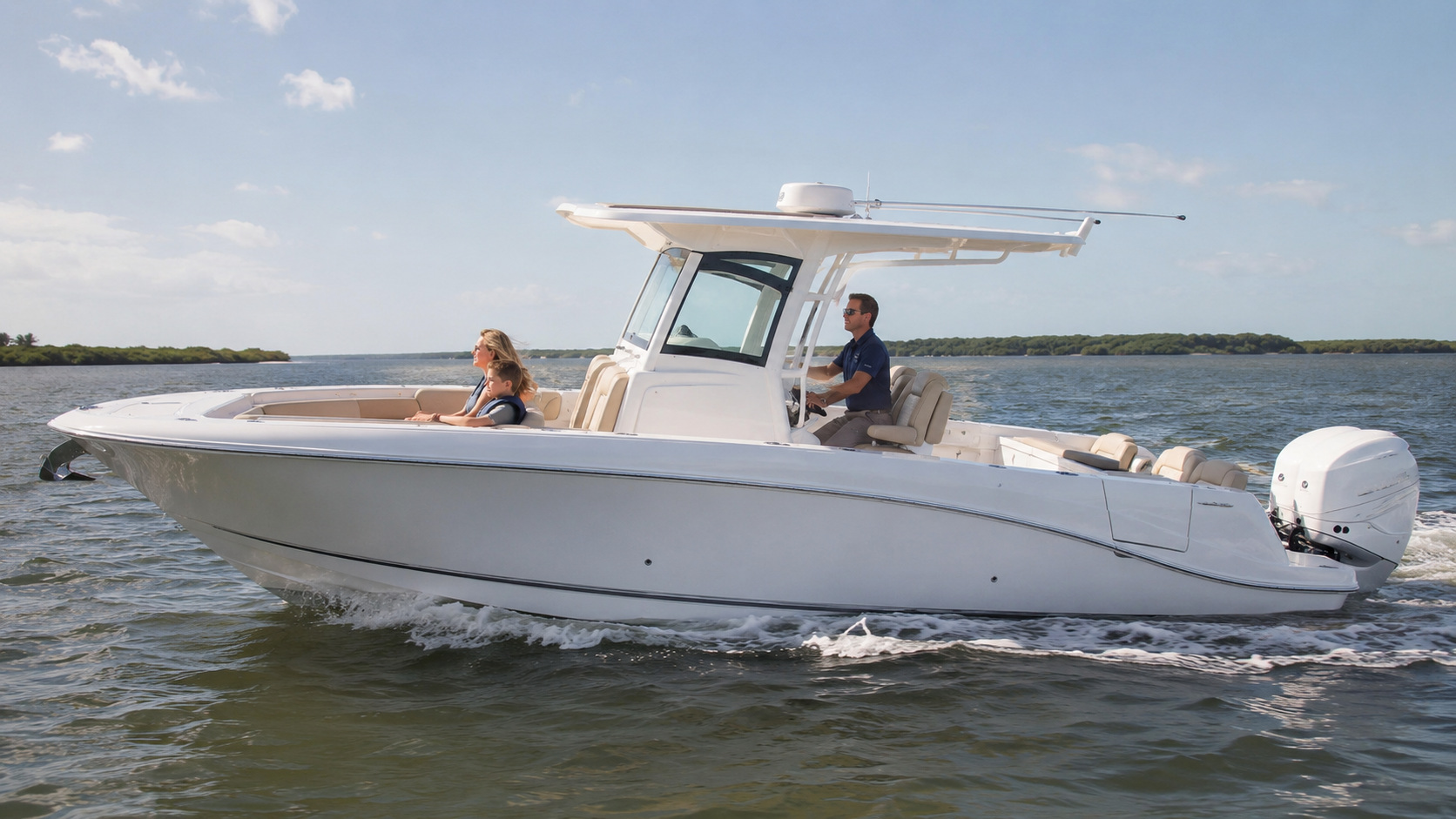
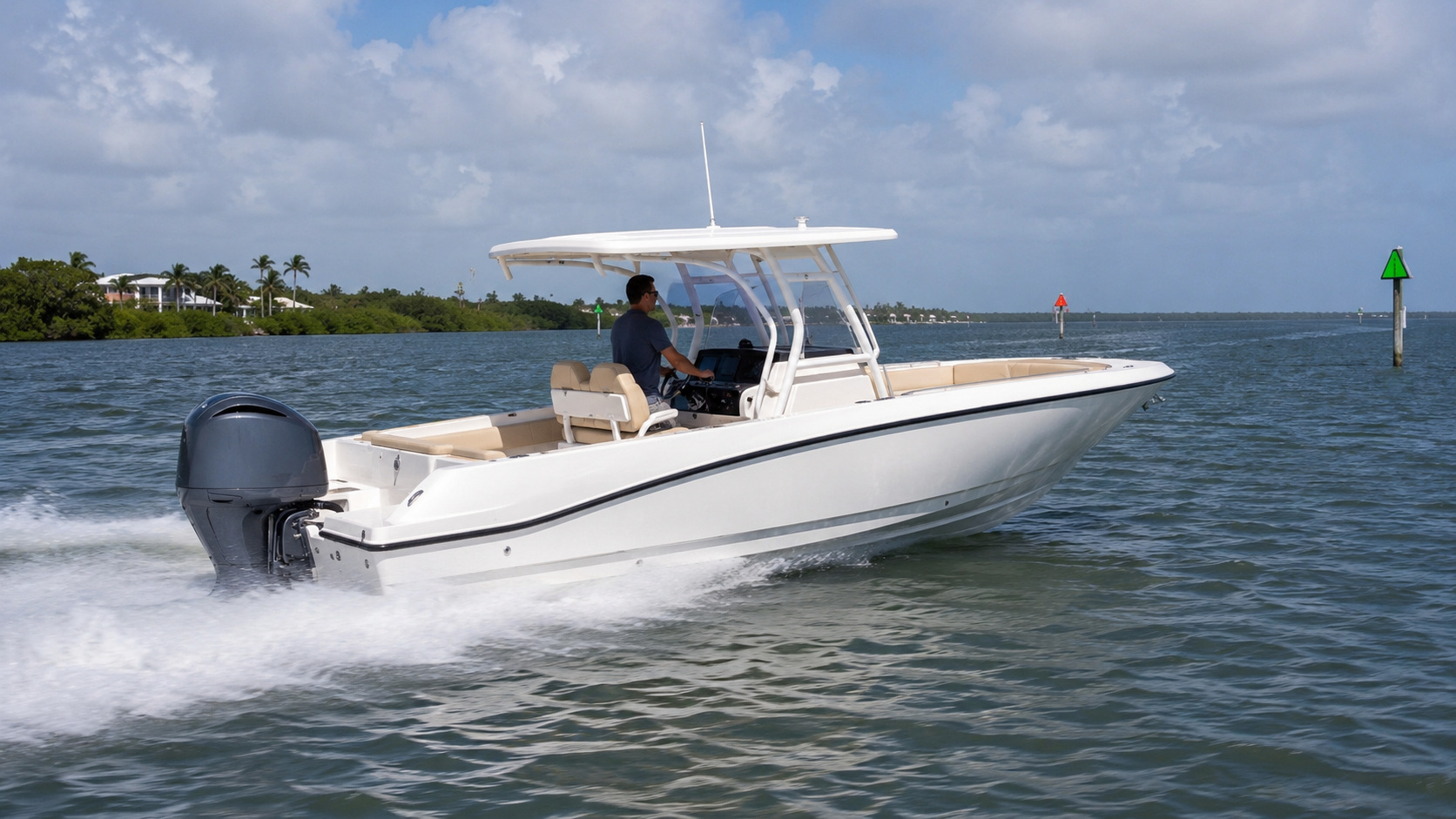
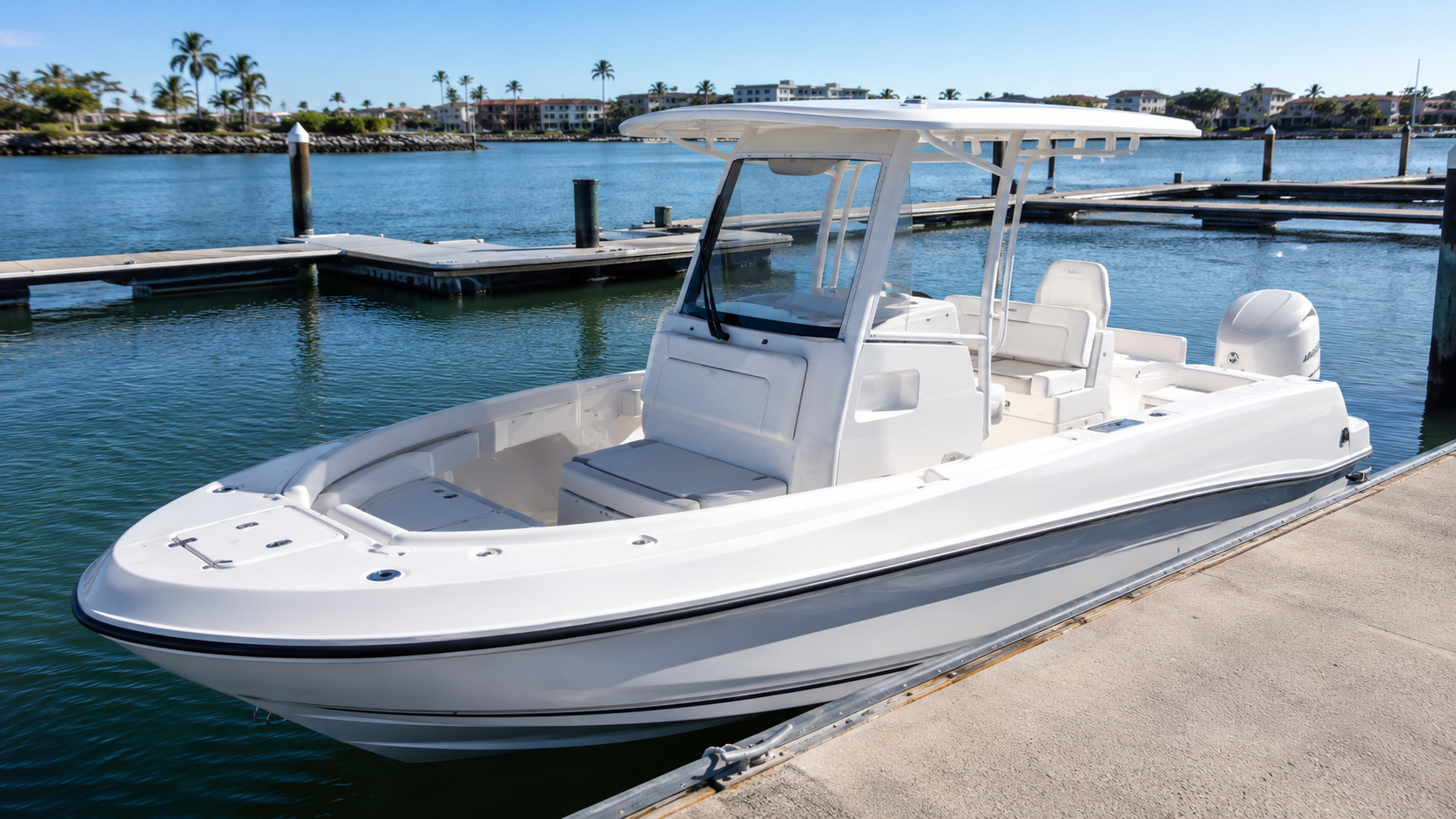
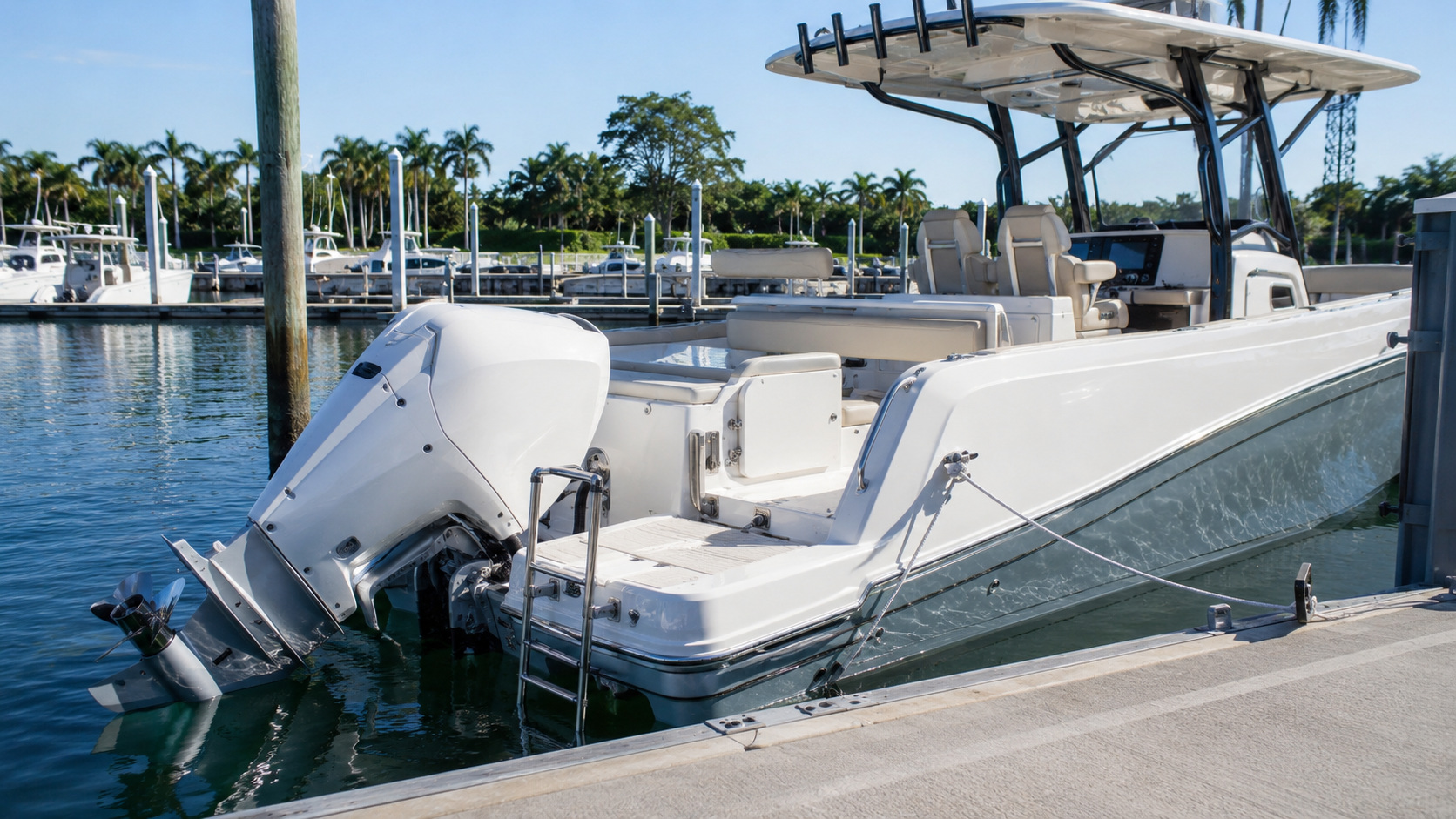
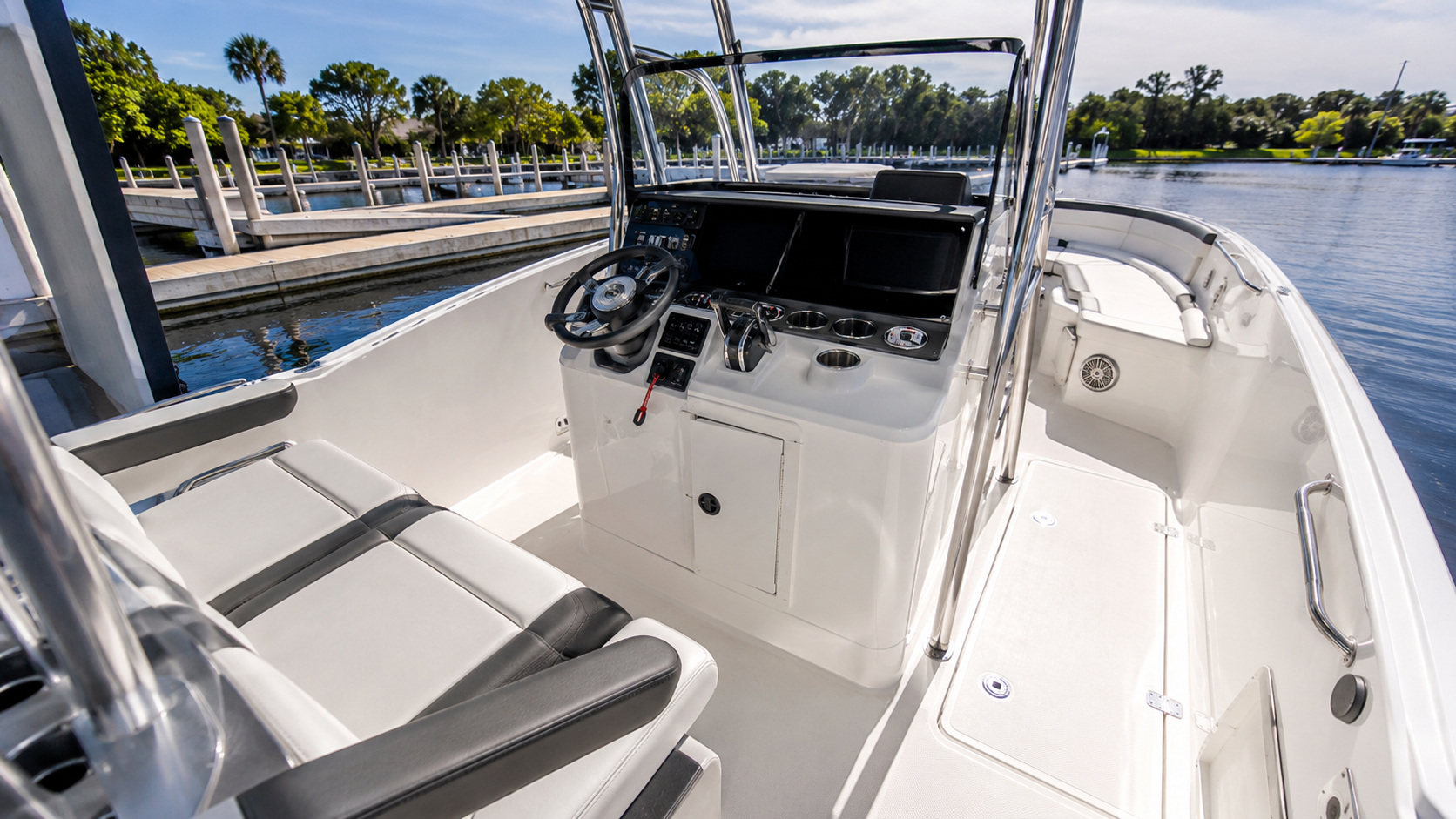
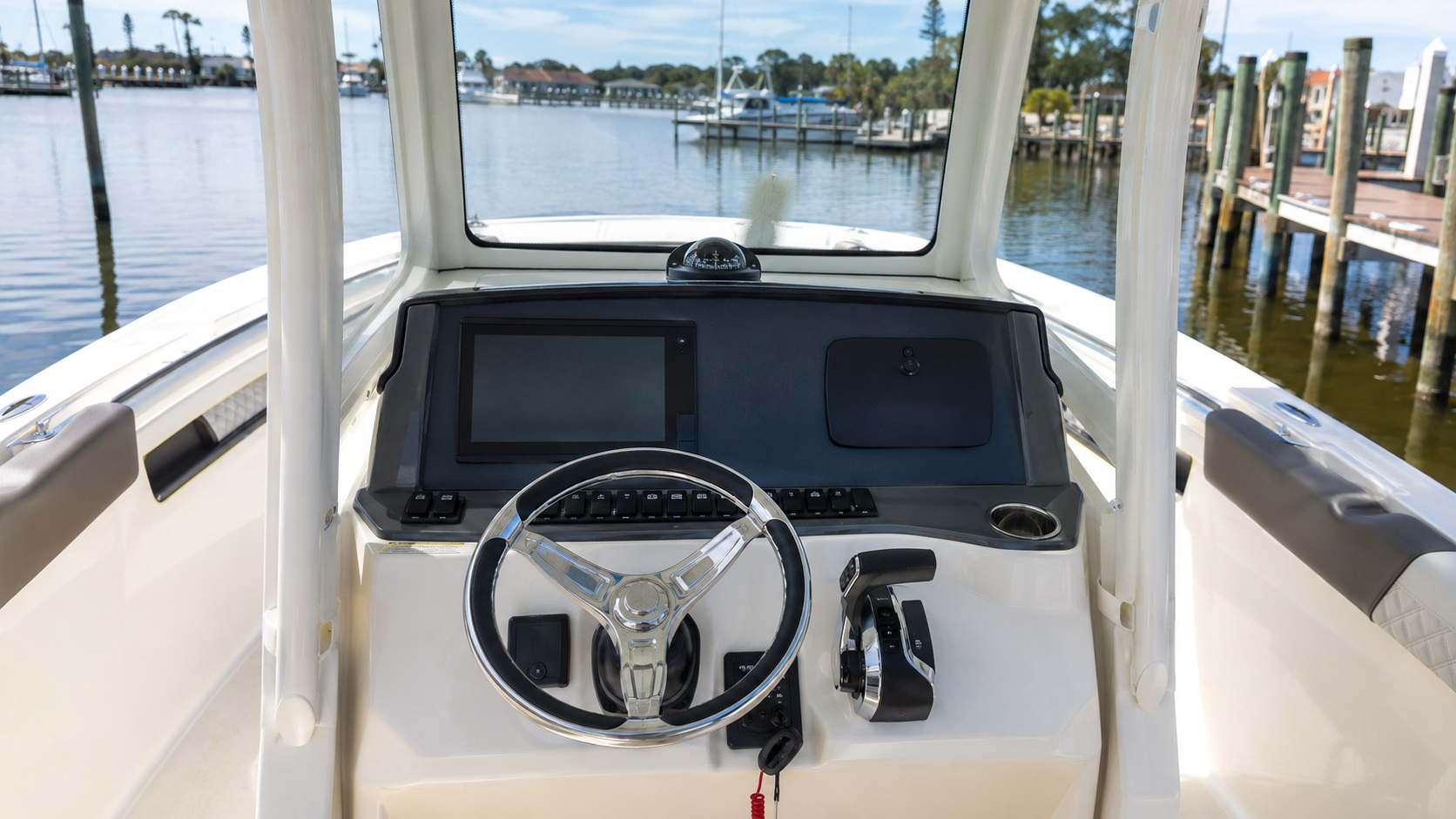
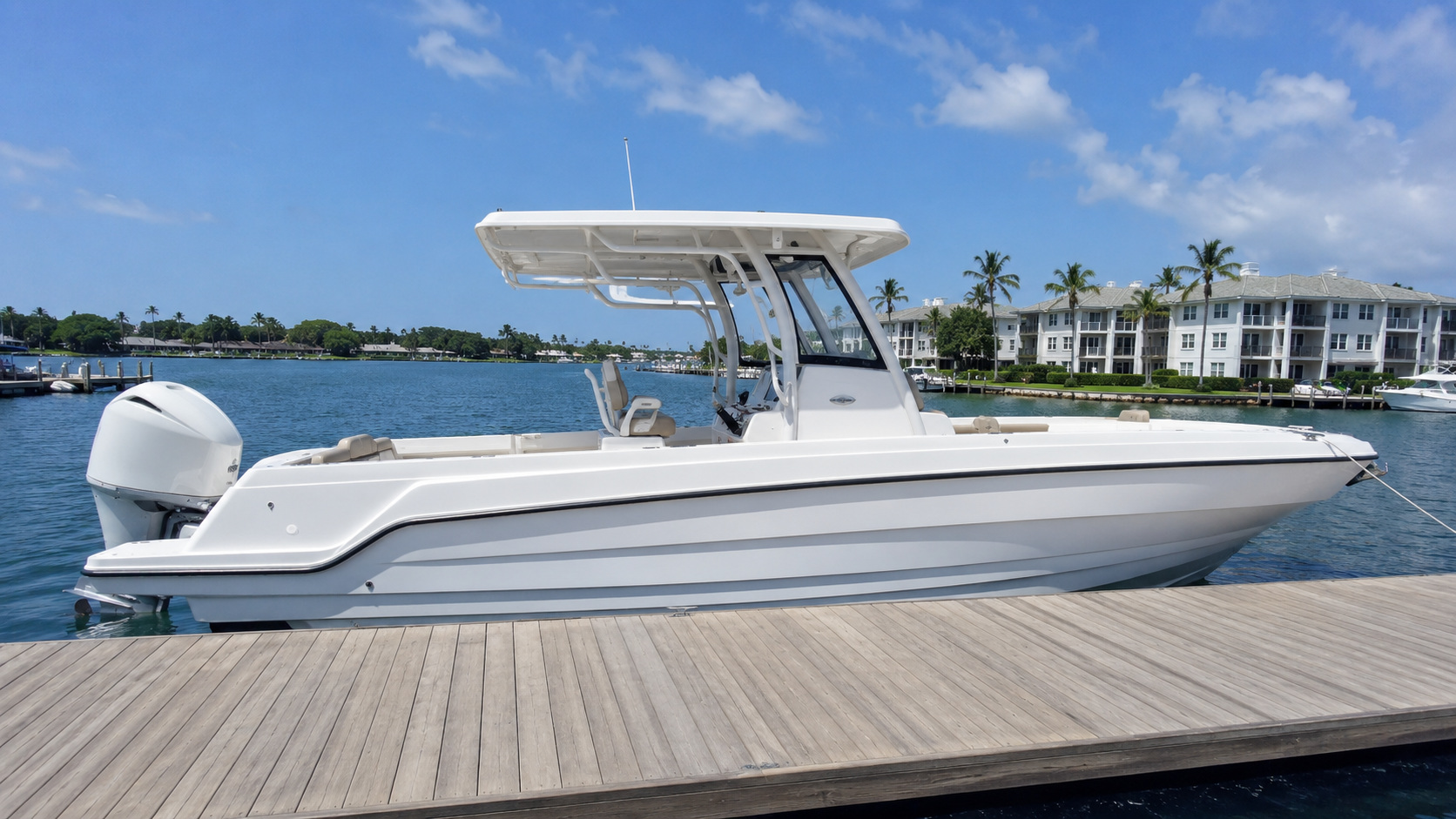
Use the gallery to inspect the working cockpit, baitwell, livewell, fish boxes, under-gunnel rod storage, T-top coverage, bow seating, rear bench, helm sightlines, swim access, and overall trailer scale. The T24CC should look and feel like a clear capability step from the T22CC.
Bayliner currently advertises the T24CC starting in the upper-$60,000 range before optional engine upgrades, electronics, trailer configuration, freight, dealer preparation, taxes, and registration. Buyers adding maximum power and serious electronics can move well above the advertised starting figure.
Used examples should be judged heavily on outboard service, electronics, livewell and washdown systems, trailer condition, corrosion, batteries, and T-top hardware. A well-rigged, well-maintained boat can justify a higher price because replacing neglected fishing systems and electronics adds up quickly.
Figures come from this page’s Boat Details fields. Illustration only and not an offer of credit.
Run the actual selling price after power, electronics, and trailer are included. A better-equipped T24CC may cost more up front but save you from immediately buying the equipment the cheaper boat was missing.
Illustration only and not an offer of credit. Your actual rate and term depend on credit profile, vessel age, loan amount and ownership structure.
Choose the T24CC when the 22-degree deep-V, 100-gallon tank, larger fishing systems, and 12-person capacity improve the trips you actually take. Choose the T22CC when 65 gallons of fuel, ten-person capacity, and up to 300 horsepower already cover your fishing and you would rather tow and own less boat.
New buyers should configure the boat around fishing style first: engine output, electronics, bait needs, and how often the full passenger capacity will be used. Used buyers should value service history, electronics quality, livewell and washdown function, trailer, batteries, and corrosion control.
Private-party boats can be compelling when the seller has complete service records and clean documentation. Verify title, liens, engine serial number, trailer paperwork, and any transferable warranty before closing.
If you found a T24CC with the engine, electronics, and fishing setup you want, send Float Finance the listing. We can evaluate the purchase around the actual boat instead of asking you to compromise before you know the financing structure.
Bayliner currently advertises the T24CC starting around $69,000 before selected power, electronics, freight, dealer preparation, taxes, registration, and other options. The final purchase can move substantially higher once a 300-horsepower engine and fishing electronics are added. Used boats vary with hours, service history, rigging, trailer, and corrosion. Compare complete equipment and condition instead of treating the starting price as the expected out-the-door number.

Bayliner lists capacity for twelve people and a maximum weight capacity of 1,984 pounds. That makes the T24CC the highest-capacity Trophy center console in this group. Fishing comfort is still different from legal capacity. Twelve passengers and their gear will fill the boat, while four to six anglers will have substantially more working room than they would on a T20CC.
Current U.S. specifications list a 225-horsepower Mercury V8 outboard as standard and 300 horsepower maximum. The larger option becomes easier to justify when the boat carries heavy passenger and fishing loads or when stronger acceleration is important. Used buyers should verify hours, service records, lower-unit condition, corrosion, propeller, steering, trim, and cooling performance.
Fuel capacity is 100 gallons, the largest in the current Trophy center-console lineup. That gives the T24CC a major range-planning advantage over the 65-gallon T22CC. Real range still depends on engine, speed, load, sea conditions, propeller, and hull condition. Use verified consumption data and keep a reserve.
It is the most offshore-oriented of the four current Trophy center consoles because it combines a 24-foot hull, 22 degrees of deadrise, 100 gallons of fuel, trim tabs, and up to 300 horsepower. Offshore suitability still depends on weather, local sea conditions, equipment, operator experience, and trip distance. Buyers routinely fishing far offshore should also compare more specialized twin-engine platforms rather than assuming a single-engine 24-footer fits every mission.
Yes, but the package is heavy. Bayliner lists approximately 6,115 pounds with trailer before a full 100-gallon fuel load, batteries, electronics, tackle, coolers, and personal gear are included. Buyers need to verify tow-vehicle payload, hitch rating, trailer brakes, tongue weight, and storage before purchasing.
Potentially. Financing depends on the boat’s value, model year, condition, purchase price, borrower profile, and seller type. If you already found a specific T24CC, send Float Finance the listing and asking price so the financing can be evaluated around the actual hull, engine, and transaction.
It is worth the move when the extra fuel, deeper-V hull, larger fishing systems, and additional passenger space solve real problems. If most trips are short and the T22CC already carries the crew and gear comfortably, the smaller boat may be easier to tow and cheaper to own. The T24CC earns its premium through capability, not simply because it is the largest model.
Tell us a little bit about yourself and the boat you are looking to finance.