
Call Us : 207-994-5109
Mon – Fri: 8 am to 9 pm & Sat – Sun: 10 am to 8 pm
The Bayliner T23 Explorer is the compact cruising-first Trophy for buyers who want a protected helm, three berths, social cockpit seating, and 225-horsepower capability without moving into a 25-foot boat.
The T23 Explorer is the smallest current Bayliner Explorer, but the important word is Explorer, not T23. This boat is not simply a T23 Pilothouse with different upholstery. It uses its roughly 24-foot footprint to create a more social cockpit, a convertible cabin, three published berths, extended swim platforms, a dinette, and galley basics while preserving enough rod storage and open deck space for mixed-use fishing.
That makes the T23 Explorer attractive to couples and small families who want their first enclosed boat to do more than keep the driver dry. The cabin has to justify itself at lunch, at anchor, in cold weather, and when someone decides the day should become an overnight.
Bayliner gives the boat an aft bench with storage below, an extension that helps form an L-lounge, a cockpit sun lounge, teak cockpit table, shower, transom door, self-bailing cockpit, and complete enclosed canvas. Those are cruising choices. The cockpit can still fish, but the furniture is designed to support the hours when no one is holding a rod.
Inside, the dinette can participate in the berth arrangement. Bayliner publishes three berths, storage below the berth, a filler cushion, deck hatch, hull-side windows, and a galley sink with tap. The cabin is compact, yet it gives a couple a legitimate reason to stay out after sunset instead of racing the weather back to the ramp.
The power range reinforces the compact mission. Current options run from 150 to 225 horsepower from a single Mercury outboard. A 53-gallon fuel tank gives the boat more operating flexibility than most open bowriders in this size range without pushing it into twin-engine ownership.
The T23 Explorer is also easier to understand than the T25 Explorer from an ownership standpoint. There is less beam, less weight, fewer berths, less fuel, and fewer major comfort systems. Buyers can still add a diesel heater, enclosed sea toilet with sink, Wallas stove, Simrad navigation, bow thruster, and electric windlass, but the boat does not force all of those systems on every owner.
Current national listings are concentrated in 2025 and 2026, so the buying process is mostly new versus nearly new. That means configuration matters more than deep depreciation. A lightly used T23 Explorer with the 225, toilet, heater, and electronics you want may be more valuable than a cheaper boat missing the systems that justify buying an Explorer in the first place.
The T23 Pilothouse is the alternative when fishing dominates. It is slightly shorter, two inches wider, uses a 51-gallon tank, and replaces much of the Explorer’s lounge-first thinking with fish lockers, livewell systems, cockpit rod storage, and a more work-oriented deck.
Buy the T23 Explorer when you want a compact weather-protected boat that can fish in the morning, feed people at lunch, and sleep a small crew after sunset. If the cabin only exists to support serious fishing, the Pilothouse is the sharper tool.
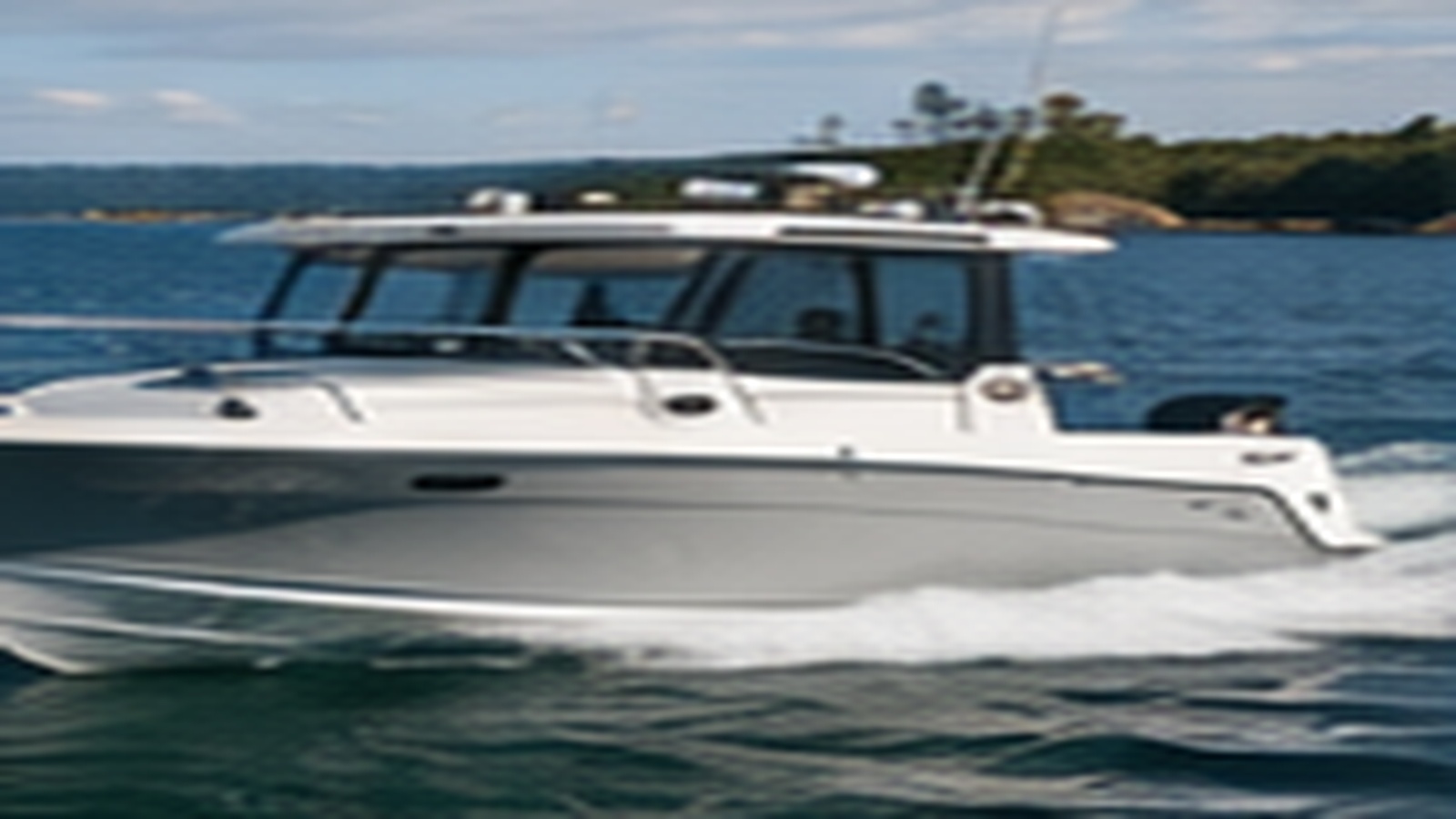
Published factory figures. Confirm every dimension against the individual boat before you commit.
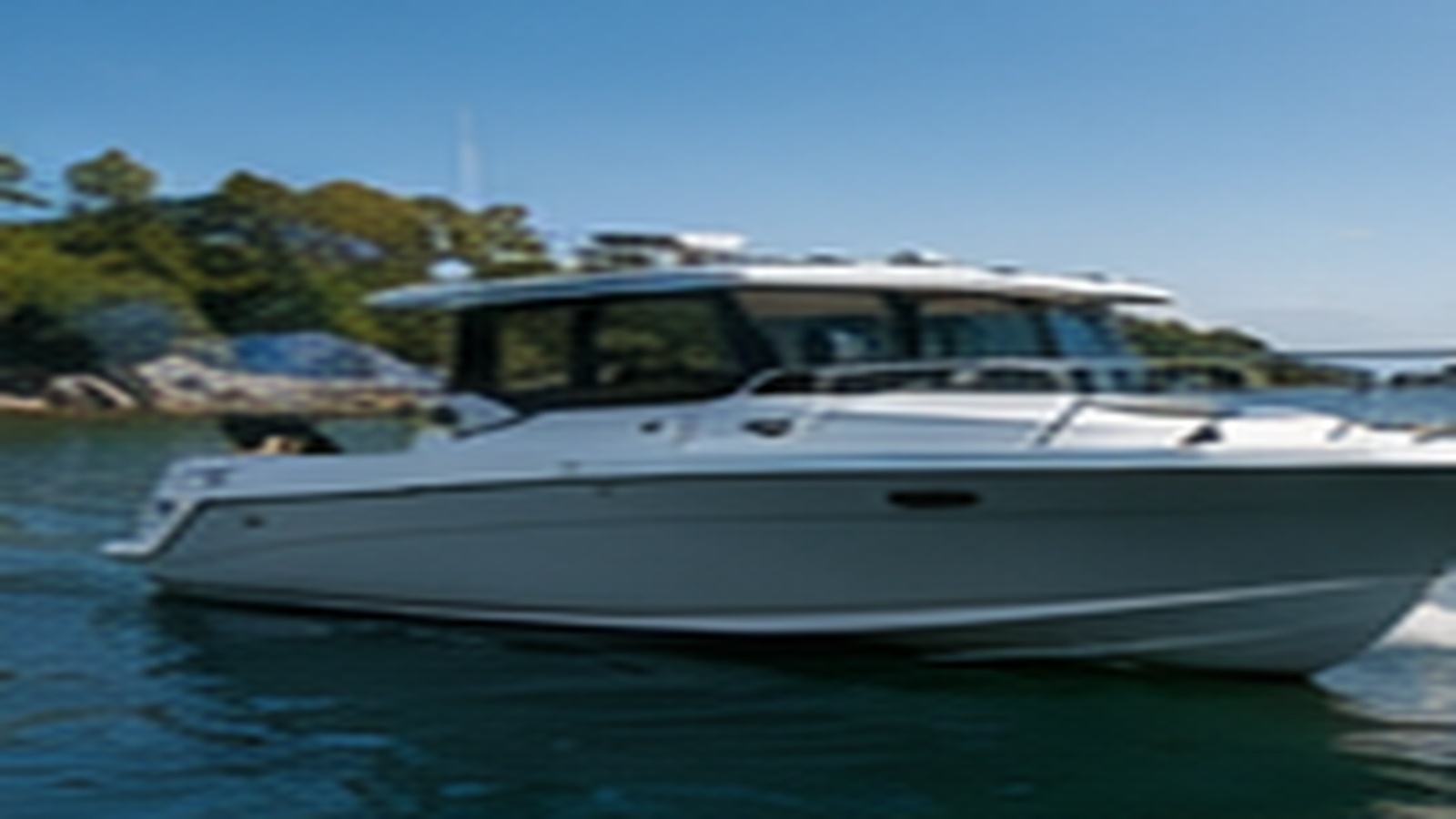
At 24 feet 2 inches overall, the T23 Explorer is actually longer than the T23 Pilothouse despite sharing the same model number. Beam is 8 feet 4 inches, deadrise is 16 degrees, minimum draft is 1 foot 7 inches, and Bayliner publishes 3 feet as both estimated and maximum draft.
The 8-foot-4-inch beam keeps the hull inside the common 8-foot-6-inch trailer-width threshold while still creating enough interior width for the dinette, pilothouse structure, and cockpit lounge. That matters to buyers who want enclosed-boat capability without immediately dealing with wide-load logistics.
Sixteen degrees of deadrise is the shallowest bottom angle in this overnight group. The design supports stability and efficiency, useful qualities for a compact cruising platform, but it also means the driver should manage speed intelligently when the water becomes short and steep.
Approximate weight with standard engine is 4,075 pounds. That is only four pounds more than Bayliner’s published T23 Pilothouse figure, which is useful because it shows how differently two boats can use almost the same mass. Explorer spends it on lounge, cabin, dinette, swim platforms, and cruising equipment. Pilothouse spends more of its mission on fishing systems.
Maximum capacity is nine people with a published weight capacity of 2,350 pounds. Nine people can legally fit, but an overnight boat needs more personal gear than a day boat. Coolers, bedding, food, jackets, fishing equipment, shore-power cords, and safety gear consume volume quickly. Buyers planning frequent overnight use should judge comfort at the normal sleeping crew size rather than the maximum daytime capacity.
The extended swim platforms on port and starboard increase the usefulness of the stern without requiring a sterndrive. The single outboard remains centered at the transom, so the platforms function around it rather than forming one uninterrupted surface.
For the buyer, the T23 Explorer hull is compelling because it stays close to conventional trailer dimensions while creating a real enclosed-cabin experience. The limitation is equally clear: if the family already needs eleven people, a full enclosed head, more cabin room, and 300 horsepower, the T25 Explorer is not a small upgrade. It is the correct hull.
The T23 Explorer is a single-outboard boat with current Mercury choices at 150, 175, and 225 horsepower. That broad range lets a buyer tune the boat toward acquisition cost or loaded performance without accepting a second engine.
The 150 is the value configuration. For a couple that cruises locally, spends hours anchored, and does not expect the boat to be heavily loaded, it can make sense. The hull is not intended to be a high-speed offshore fishing machine.
The 175 V6 is the middle ground. It gives additional displacement and reserve without moving all the way to the maximum engine. Buyers who carry several passengers or operate in current and wind may find that reserve useful.
The 225 is the most defensible choice for owners who will use the boat near its passenger or gear capacity, especially when cabin equipment, water, food, and overnight supplies are aboard. More horsepower can reduce the feeling that the engine is working hard to move a loaded cruising boat.
Single-outboard ownership is part of the T23 Explorer’s appeal. Routine service remains concentrated in one powertrain. The engine can be tilted for inspection and, where appropriate, clear of the water. Repowering years later is simpler than replacing twins.
Used inventory is very young, but buyers should still verify hours, annual service, lower-unit oil, propeller, skeg, trim, steering, anodes, and corrosion. A nearly new boat used heavily in salt water can show more mechanical wear than an older freshwater boat with disciplined maintenance.
The Explorer’s additional electrical and comfort systems make engine reliability especially important. When the boat is carrying sleeping gear and a family intends to stay out after dark, an engine problem is more than an inconvenience at the end of a short lake day.
During the sea trial, test acceleration with the cabin and cockpit loaded realistically. Make sure the chosen horsepower reaches plane without excessive struggle and can maintain a comfortable cruise without living at high rpm.
The right T23 Explorer engine is not automatically the biggest. It is the smallest engine that still feels relaxed under your real crew and gear load. If that turns out to be 225 horsepower, buy the 225 rather than hoping a lightly powered boat will somehow feel better after the purchase.
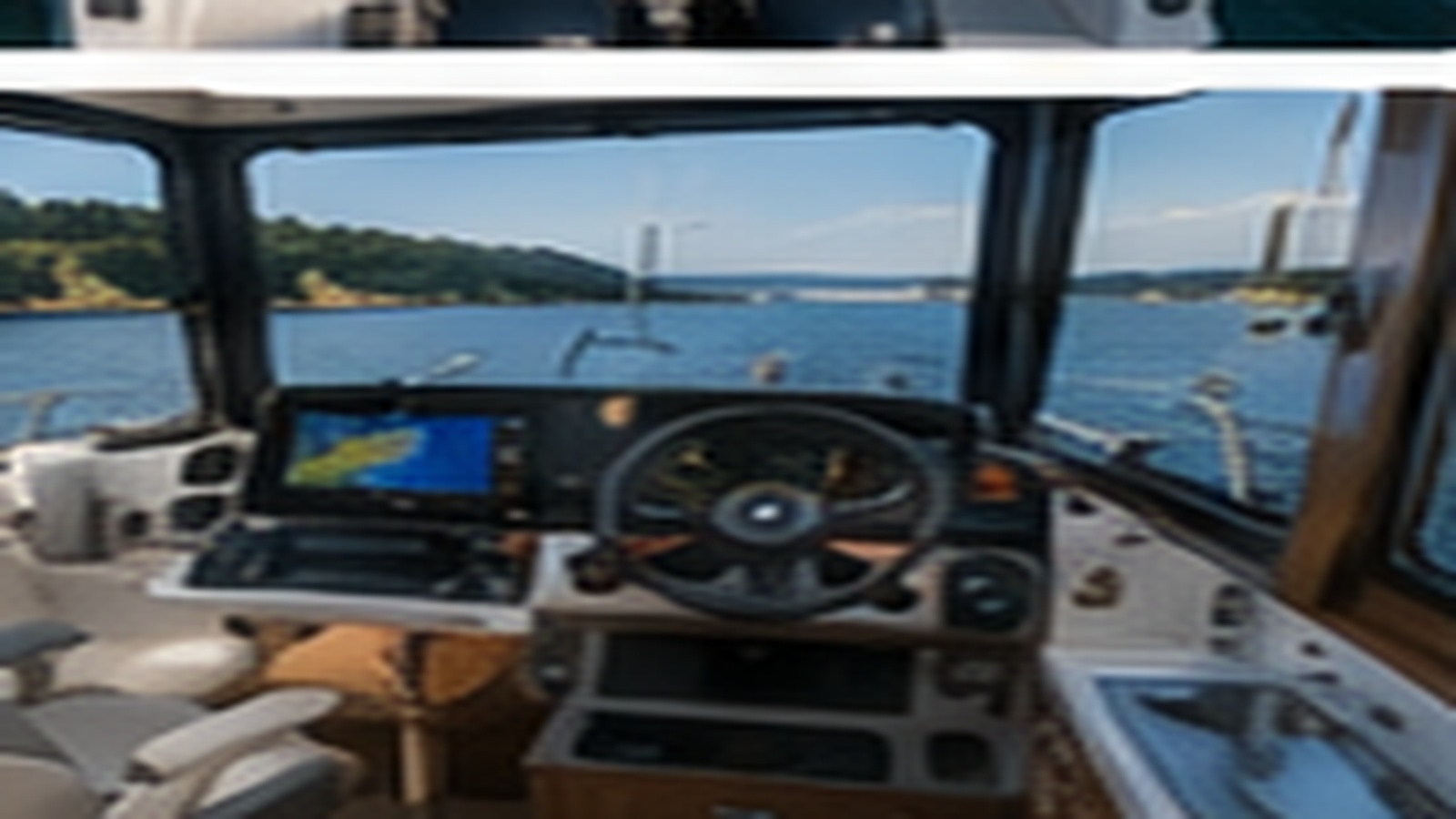
Fuel capacity is 53 gallons, two gallons more than the T23 Pilothouse. Tank size is therefore not a meaningful reason to choose Explorer over Pilothouse, but it is an important ownership fact for a compact overnight boat.
A 53-gallon tank supports longer day use and modest overnight itineraries without forcing a refuel after every short run. It also gives buyers enough fuel weight to include seriously in tow planning. A full tank adds several hundred pounds before water, food, bedding, and fishing equipment are loaded.
Fuel burn will change dramatically between the 150 and 225 horsepower configurations, and it also changes with sea state, passenger load, propeller, bottom condition, and cruise speed. Bayliner does not publish one universal current GPH figure for every T23 Explorer.
Range planning should therefore start with the exact engine and a real reserve. The cabin may encourage longer trips, but a berth does not extend fuel range.
Owners who primarily cruise to an anchorage and spend the afternoon off plane can enjoy a very different fuel budget from owners who run long stretches at higher speed. The boat’s mission is flexible enough that generic annual fuel estimates are not useful.
The 53-gallon tank also separates the T23 Explorer from smaller open family boats. Buyers moving up from an 18- or 20-foot bowrider may be surprised by how much fuel is onboard and how that changes both cost per fill and loaded trailer weight.
Because the boat can be optioned with a Wallas stove, heater, toilet, and other overnight equipment, buyers should think of fuel as one part of a larger trip budget that also includes shore power, battery use, and potentially freshwater or sanitation service.
For most T23 Explorer owners, the tank is well matched to the hull. The bigger question is whether the family truly needs the T25 Explorer’s 74 gallons and 300-horsepower capability. If not, the T23 preserves a lighter, simpler ownership footprint.
The T23 Explorer should feel like a stable, protected cruising platform before it feels like anything else. The 16-degree deadrise, 24-foot-2-inch length, and single outboard are aimed at mixed recreational use rather than aggressive offshore speed.
A sea trial should begin at low speed. Check visibility through the windshield, side sight lines, and how easily the driver can move between seated and standing positions. Enclosed structures create more blind areas than an open center console, so sight lines matter.
Then bring the boat onto plane with the number of passengers you expect to carry. The 150, 175, and 225 horsepower configurations will feel different once a full cabin, cooler, and overnight equipment are aboard.
Trim should let the driver settle the bow without creating excessive steering effort. Run across ordinary wakes at several angles and listen for cabinet, hatch, or glass rattles inside the cabin.
Windage is also different from an open boat. The pilothouse and canvas enclosure present more side area to the wind around a dock. The available bow thruster can be a useful option for owners who regularly handle the boat in tight slips.
The 8-foot-4-inch beam and relatively modest deadrise should help the boat feel stable at rest, valuable when passengers are moving between cockpit seating and cabin.
Do not use top speed as the deciding factor between engines. The best configuration is the one that planes cleanly with a real load and holds the cruise speed you prefer without feeling strained.
If the T23 Explorer feels busy or underpowered with the family aboard, the answer may be the 225 or a T25 Explorer. A compact overnight boat is only a good value if it still performs comfortably once overnight gear is added.
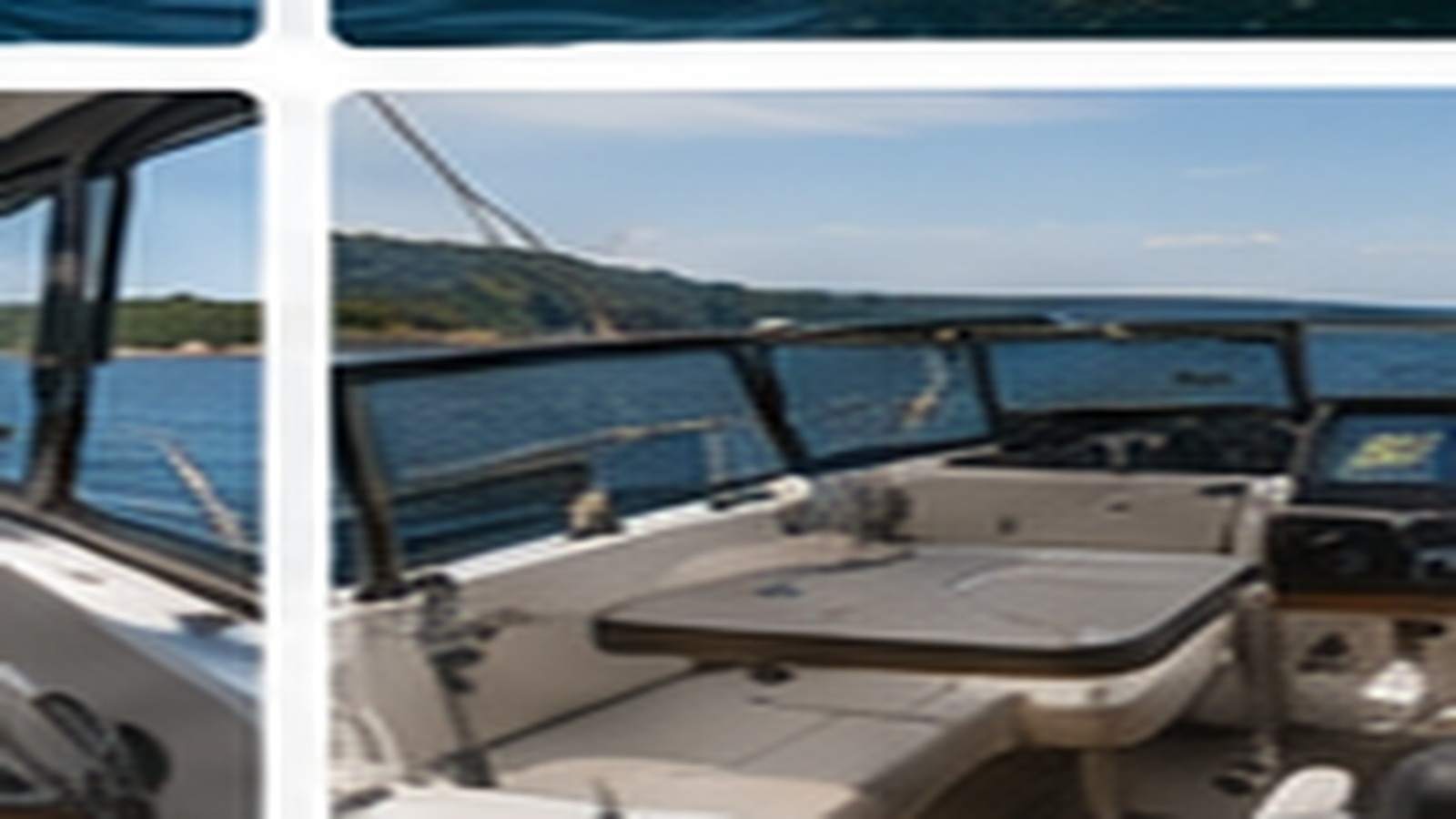
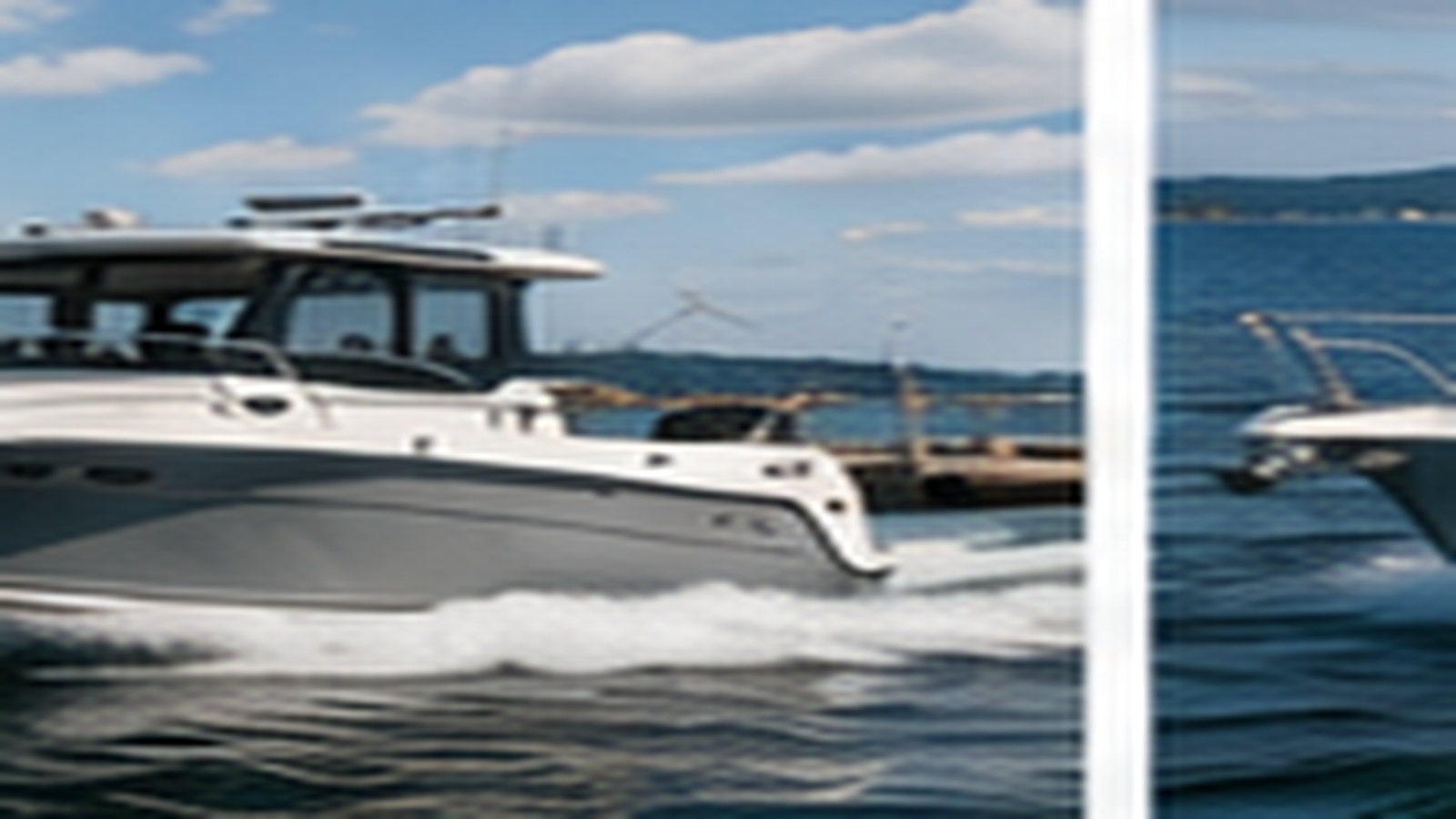
The T23 Explorer cockpit is designed to change personality during the day. An aft bench seat with storage below can work with the aft extension and L-lounge to create a social seating area rather than a fishing-only open deck.
A cockpit sun lounge gives another place to stretch out when the boat is stopped. That feature immediately separates Explorer thinking from the T23 Pilothouse, whose cockpit is much more deliberately organized around fishing.
The teak cockpit table lets the rear of the boat handle meals without forcing everyone into the cabin. For a couple spending a summer evening aboard, that can be more useful than another tackle drawer.
A transom door provides direct stern access. Port and starboard extended swim platforms create boarding areas around the centered Mercury outboard, and a swim ladder supports water access.
The complete enclosed canvas expands the seasonal window. When rain or cool wind arrives, the cockpit can gain protection rather than sending everyone into the compact cabin.
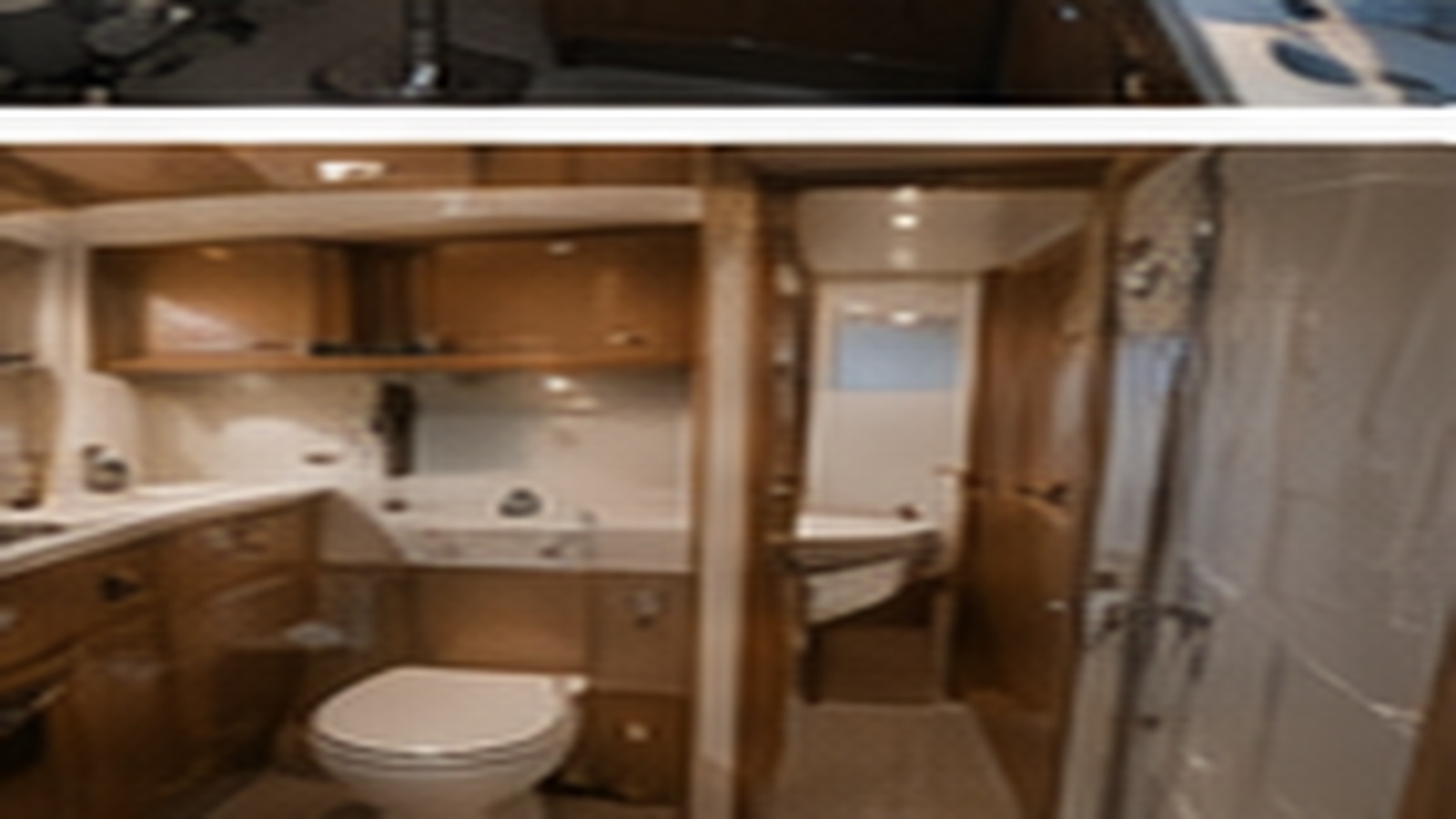
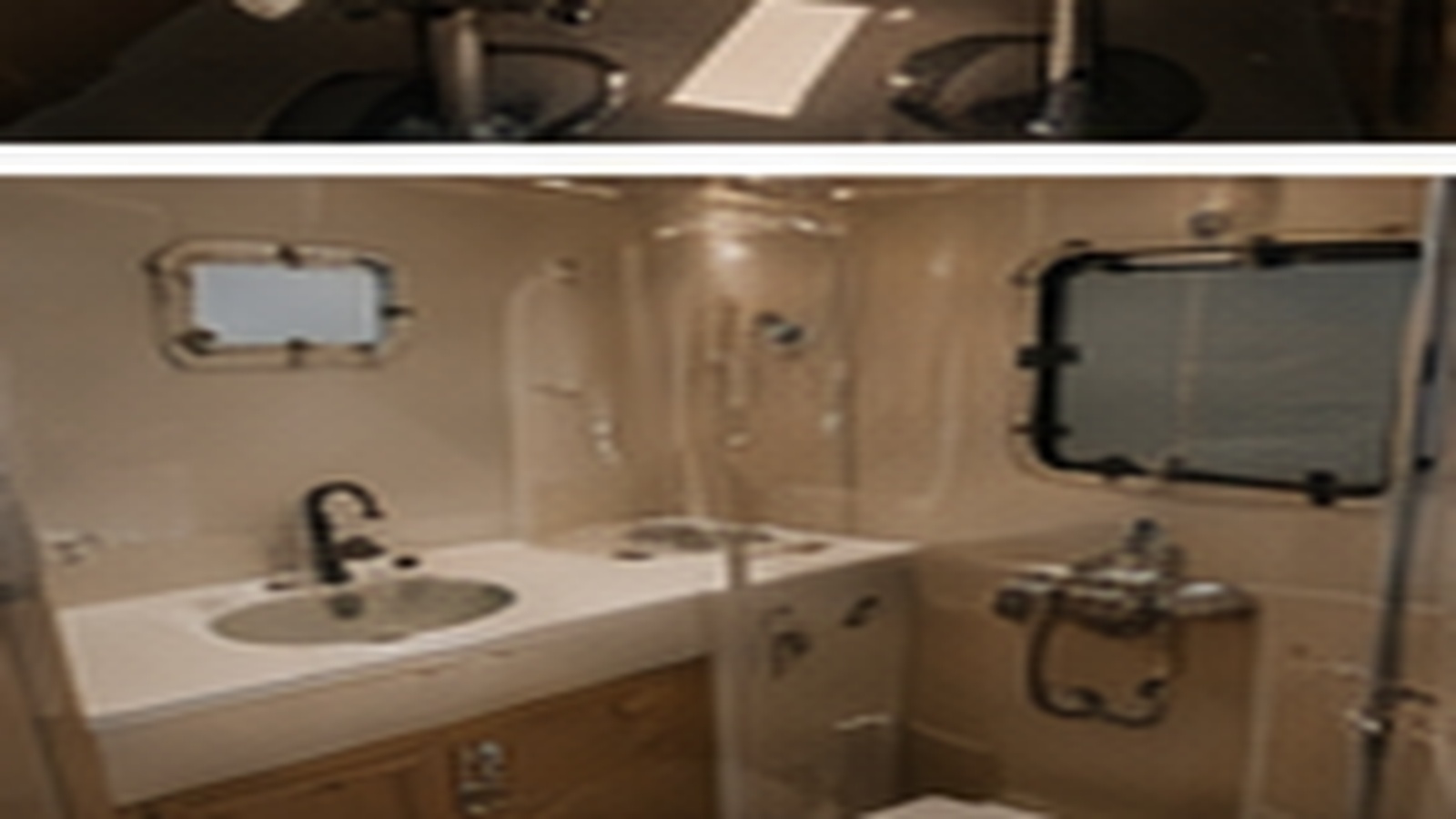
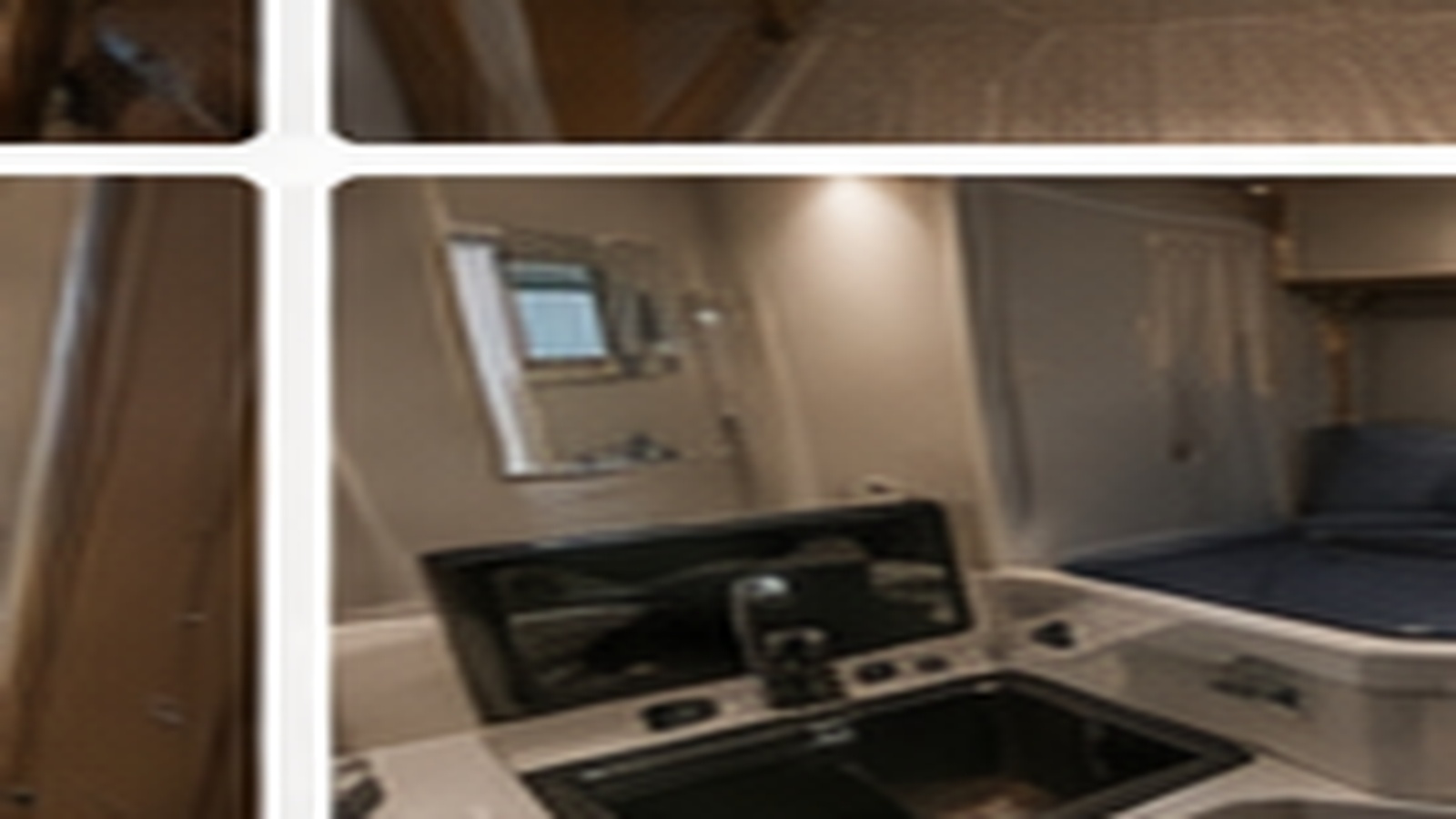
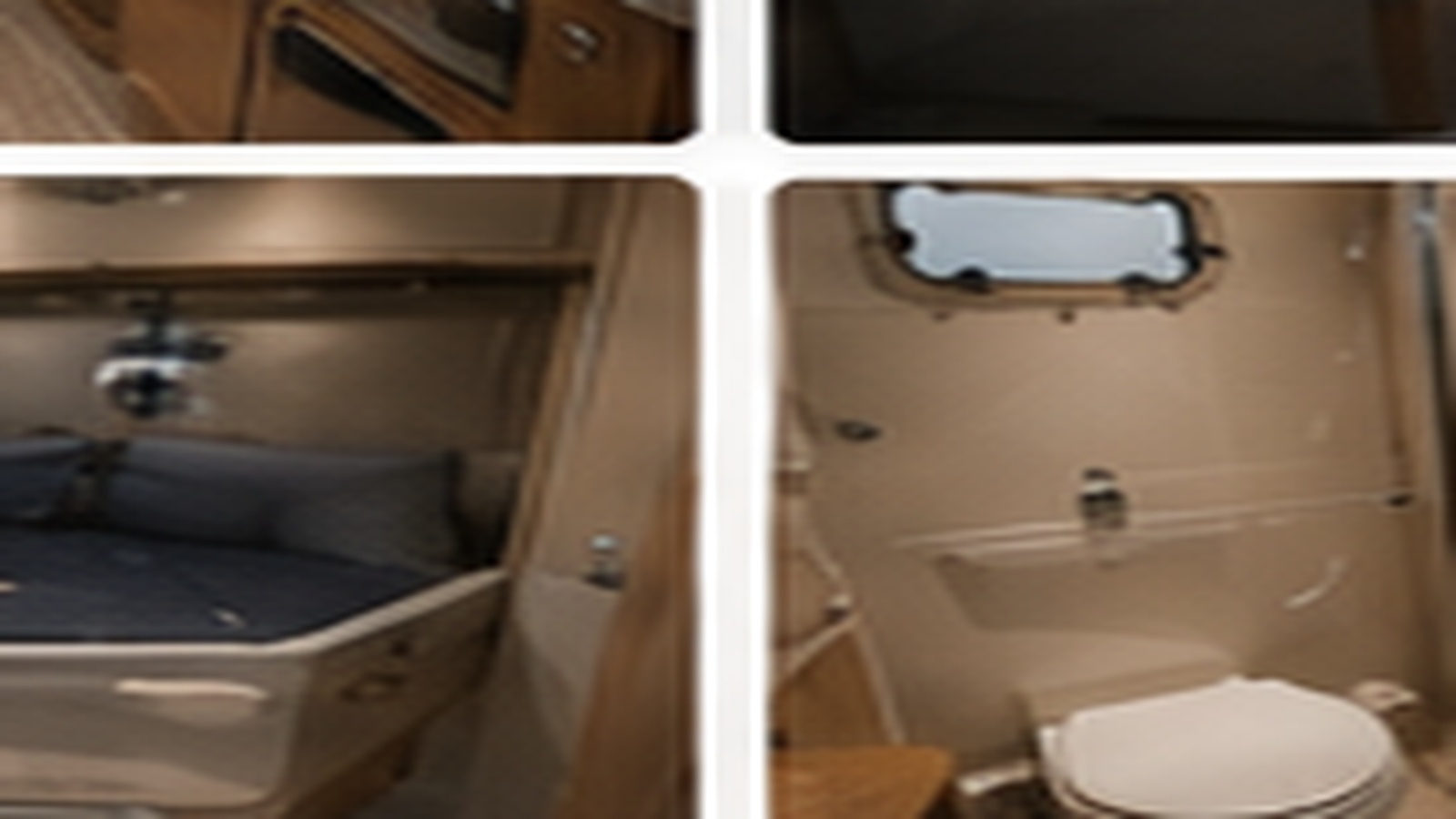
Inside, Bayliner publishes three berths, a dinette seating configuration, berth filler cushion, storage below the berth, cabin table, deck hatch, hull-side windows, and galley sink with tap.
That cabin is not a yacht stateroom. Buyers should physically lie on the berth arrangement, move around the dinette, and decide whether the space works for the people who will actually sleep there.
Rod holders remain part of the deck equipment, so casual fishing does not disappear. The difference is that rods share the boat with lounge and cruising functions rather than dominating the design.
Available foredeck cushions create another social area forward. Flexiteek flooring can change the look and cleanup feel of the cockpit.
The T23 Explorer deck succeeds when the family uses multiple modes in the same trip: run protected in the morning, fish for a while, eat at the cockpit table, swim from the extended platforms, then close the canvas and sleep aboard. If that sounds excessive for your boating, the simpler T23 Pilothouse or an open boat may be the smarter purchase.
Port and Starboard Extended Swim Platforms – Create water-access zones around the single outboard and make the stern more useful for swimming.
Gives the smallest Explorer a legitimate overnight role for a couple or small family instead of treating the cabin as storage only.
Extends the useful season and protects the social cockpit when weather changes after the boat is already away from the ramp.
Supports meals and social use in the open cockpit so every activity does not have to move into the cabin.
Converts the aft portion of the boat toward relaxation, a major difference from the fishing-first T23 Pilothouse.
Adds privacy and sanitation capability that can turn an occasional overnight into a much more realistic family trip.
Supports cool-weather cruising and simple onboard meal preparation for owners who intend to use the cabin beyond midsummer afternoons.
The T23 Explorer has enough cabin equipment that a used inspection should extend far beyond the Mercury outboard. Begin with every opening in the enclosed structure. Check hull-side windows, deck hatch, canvas, zippers, and seals for evidence of water intrusion.
Look beneath berth cushions and inside storage compartments for mildew or staining. A nearly new boat can still develop moisture problems if it was stored closed and wet.
Run the Fusion stereo, cabin lights, courtesy lights, SmartCraft gauges, navigation lights, and every 12-volt outlet. If a Simrad display is installed, verify GPS, depth data, and VesselView-linked engine information.
Test the cockpit shower and galley sink. If the boat has the optional enclosed sea toilet, inspect the system and look for leaks or odor that may indicate poor maintenance.
Heater-equipped boats need an operational test, not a glance at the control panel. The same applies to a Wallas stove.
Test the bow thruster if fitted. Listen for strong, consistent thrust and watch battery voltage because thrusters place a heavy load on the electrical system.
Run the windlass under load if possible. Inspect the bow roller, anchor locker, rode condition, and electrical connections.
At the outboard, verify service and hours. Then inspect the transom door, extended platform hardware, swim ladder, cockpit drains, and self-bailing system.
The T23 Explorer is still young in the current market, which is good news. It means buyers should expect the cabin and systems to work properly rather than accepting failures as normal aging.
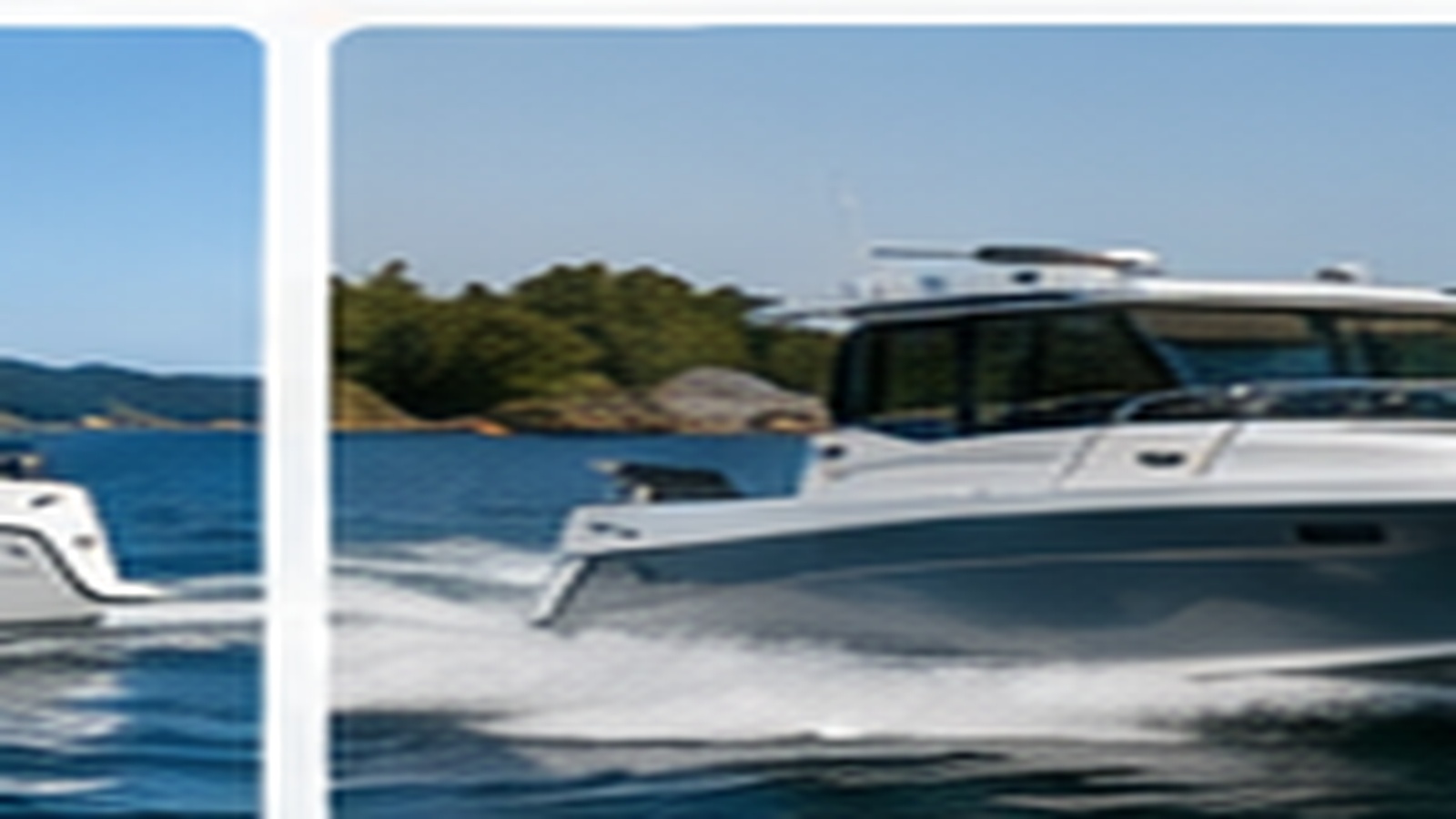
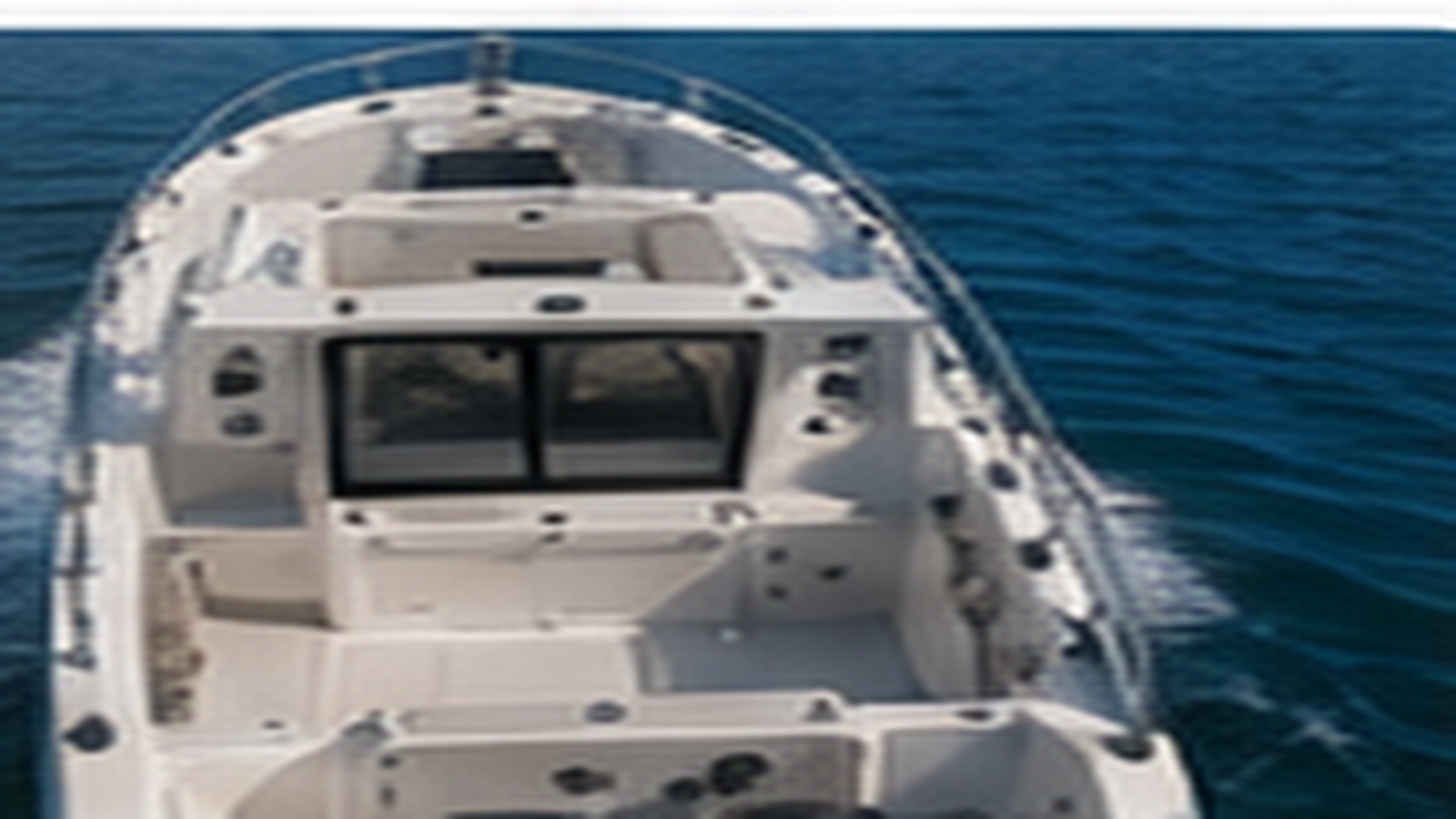
The T23 Explorer’s published 8-foot-4-inch beam keeps the hull within conventional U.S. trailer-width limits, one of the biggest reasons to choose it over the wider T25 and T29 boats.
Approximate boat weight is 4,075 pounds with standard engine before the trailer is counted. Add up to 53 gallons of fuel, battery or batteries, canvas, cruising options, food, bedding, fishing gear, and normal safety equipment.
That loaded number can be substantially higher than a buyer moving up from a bowrider expects. Tow vehicle payload, hitch rating, tongue weight, braking, and cooling capacity all deserve attention.
The boat’s overnight mission creates more gear than a day boat. Bedding, shore-power cords, dock lines, fenders, cooking equipment, extra clothing, and sanitation supplies can remain onboard, which means published dry-style weight is especially far from real travel weight.
Residential storage is still realistic for many owners because the beam stays below 8 feet 6 inches. Height and trailer length should be measured on the actual rig rather than inferred from the boat’s model name.
A seasonal slip can make the T23 Explorer dramatically easier to use. If the family can arrive after work, load food, and leave without launching, the cabin may get used more often.
Wet storage also increases attention to bottom condition, outboard bracket hardware, shore power, canvas, and ventilation. Boats that sleep aboard need to stay dry while no one is present.
The T23 Explorer is the strongest overnight choice in the lineup for buyers who still want towing freedom. If the plan already requires paid wide-beam transport or permanent marina storage, the T25 Explorer’s additional cabin and passenger room deserve a closer look.
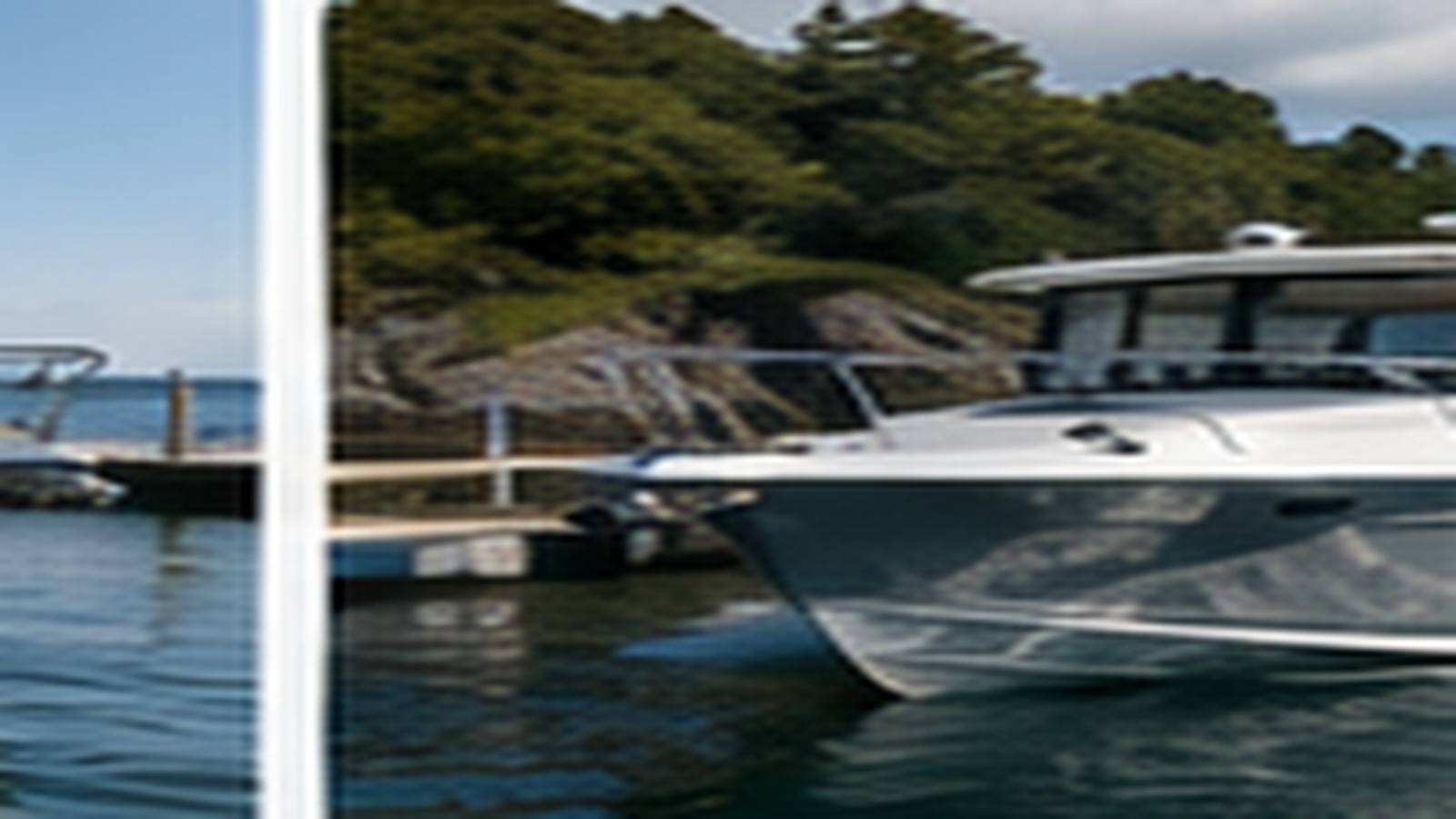
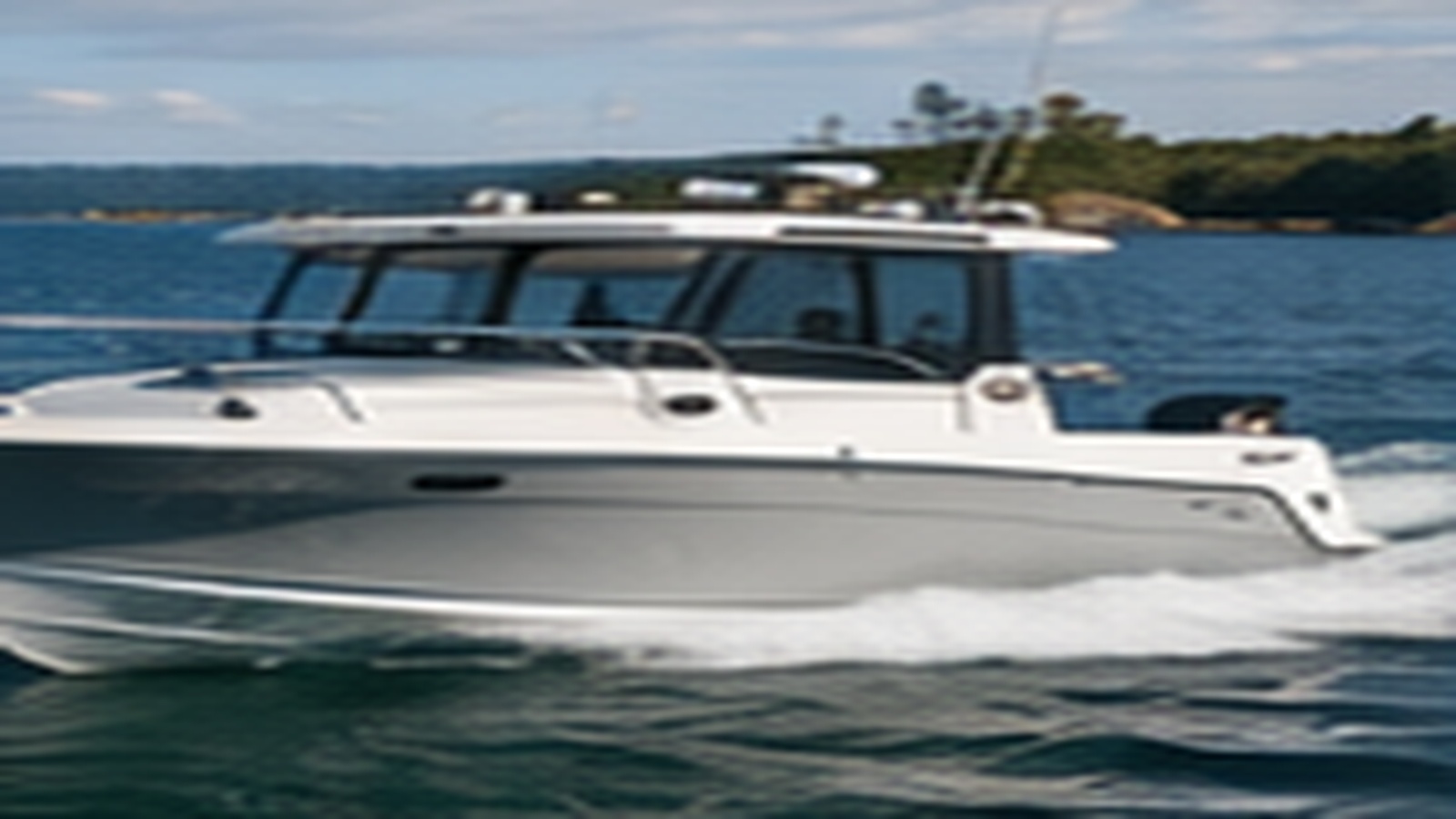
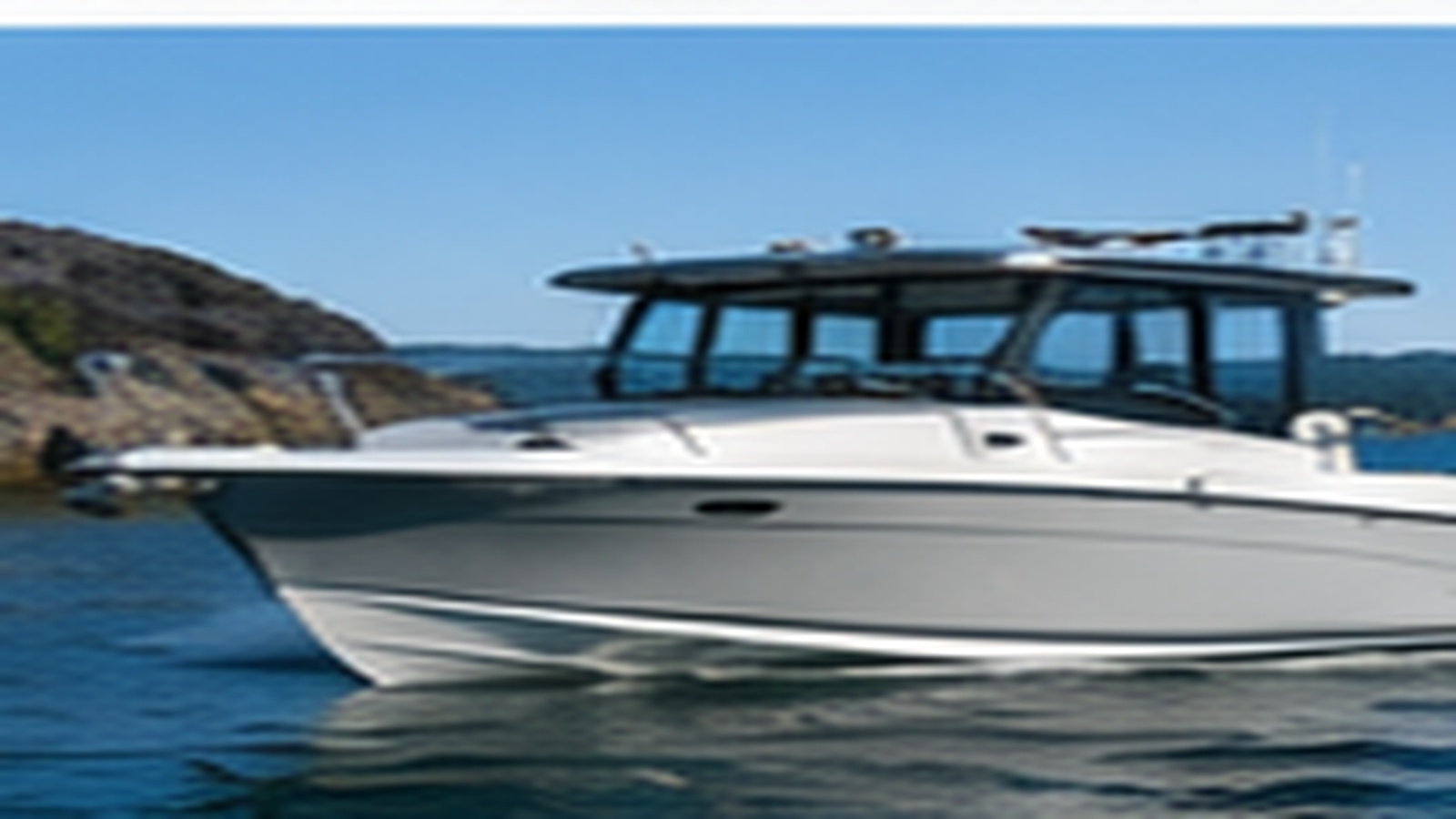
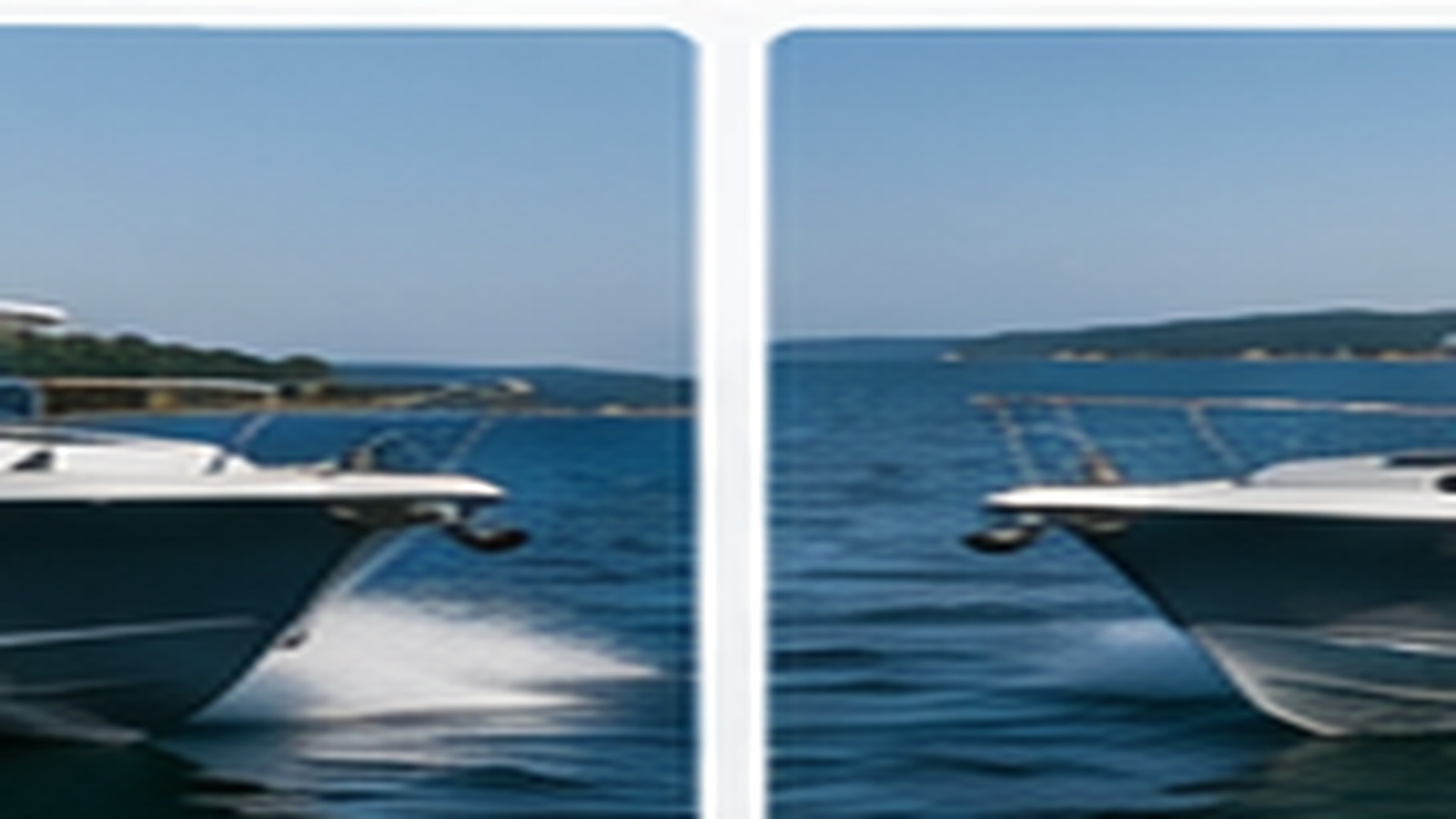
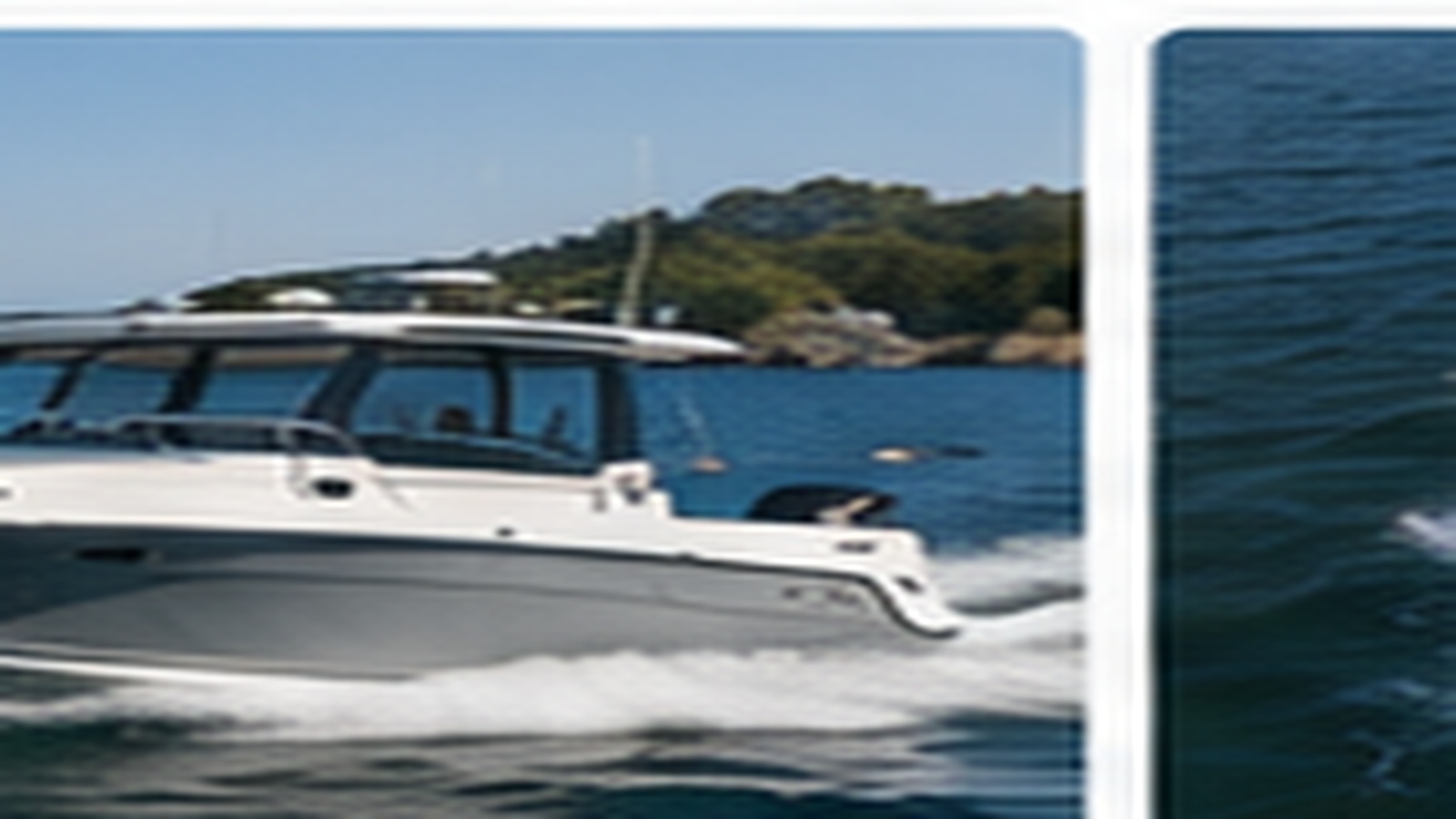
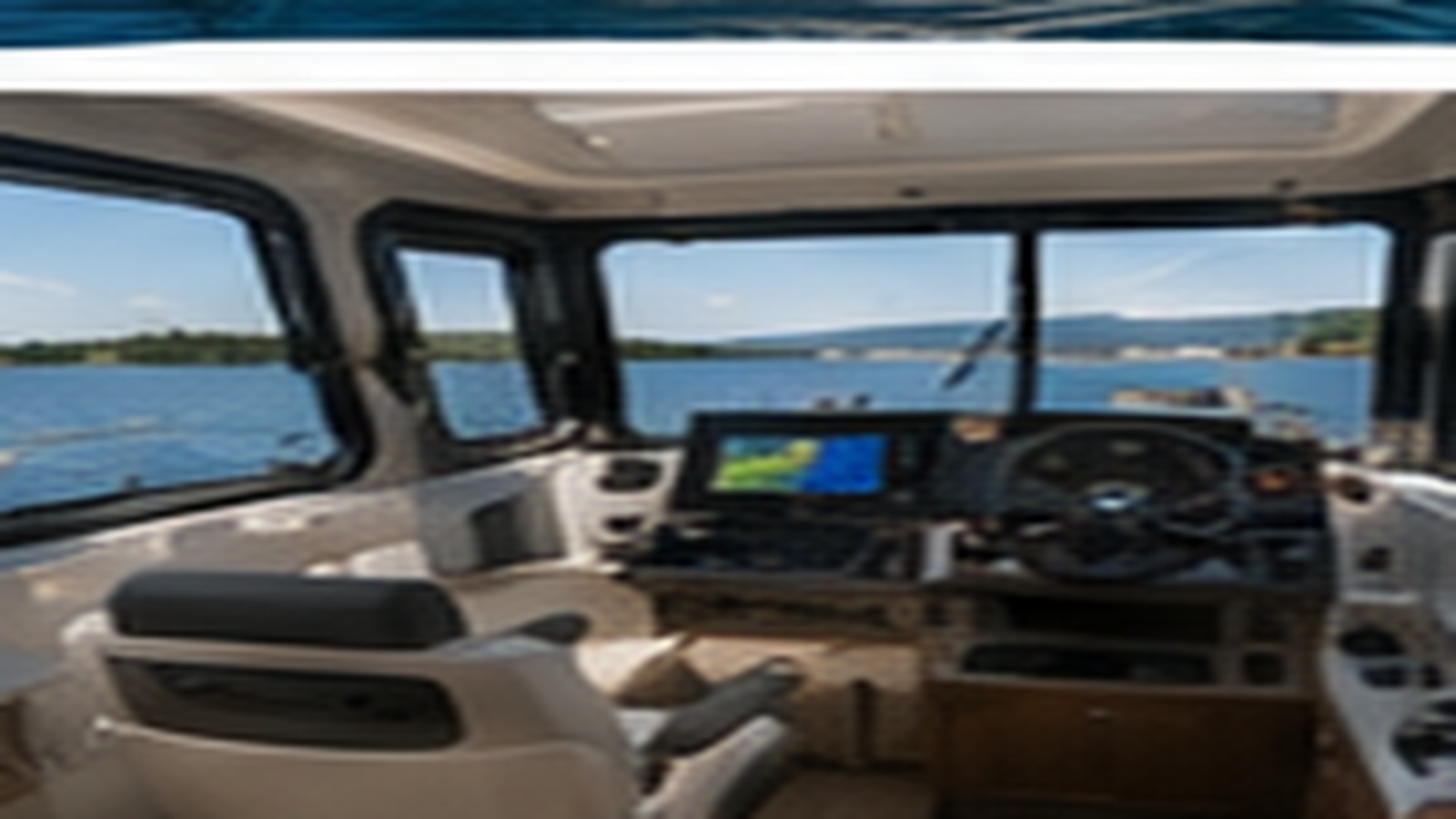
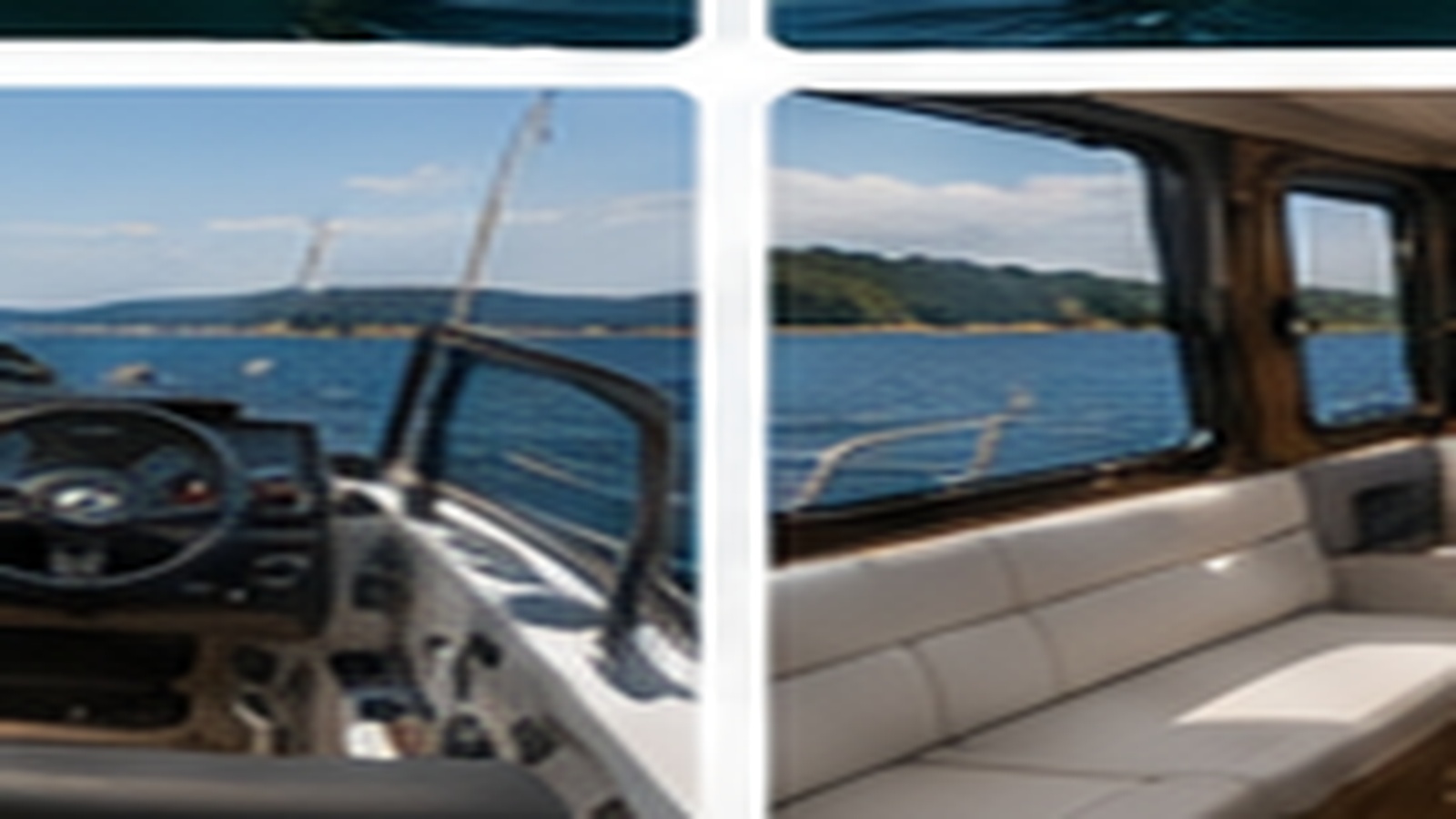
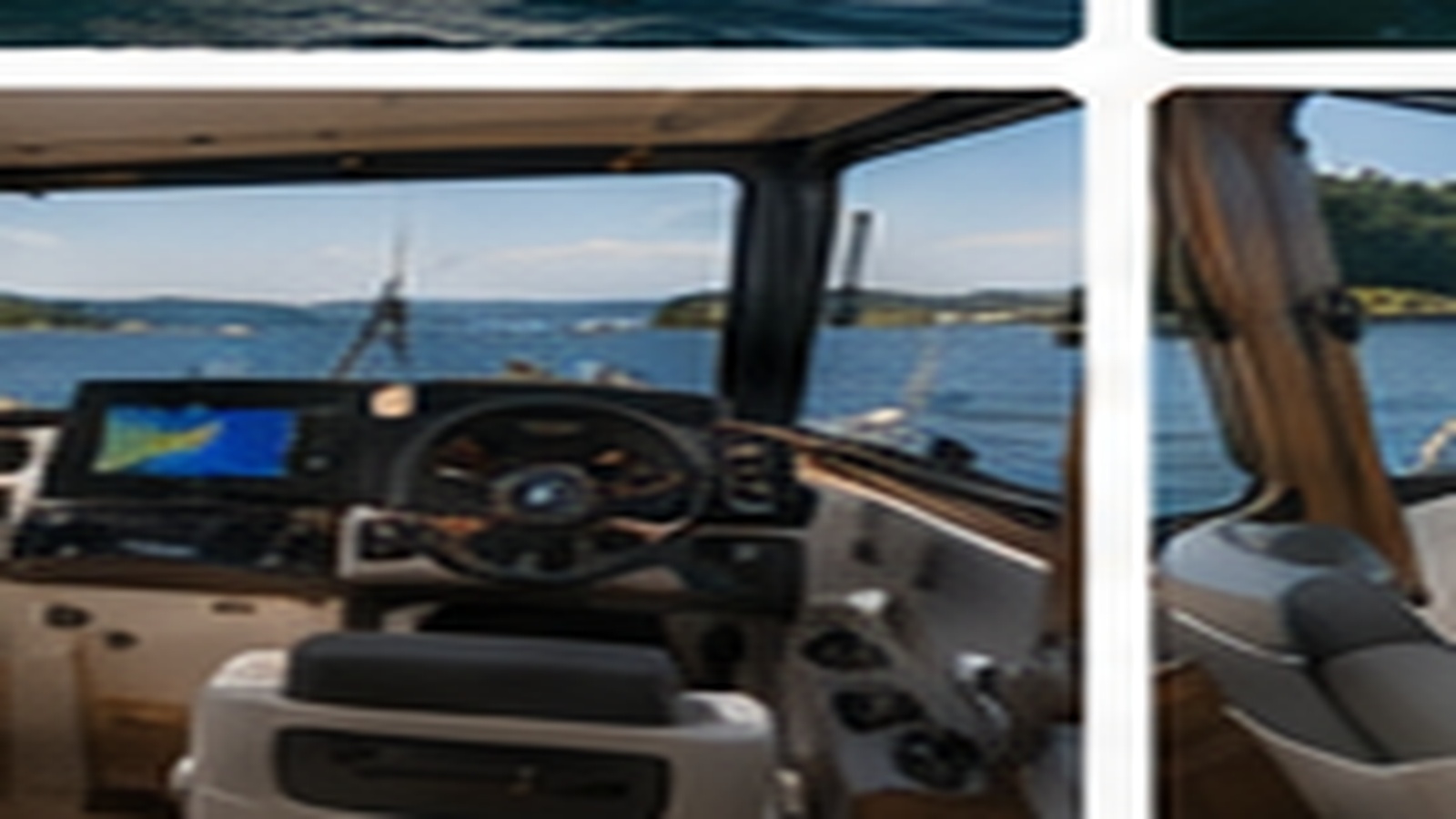
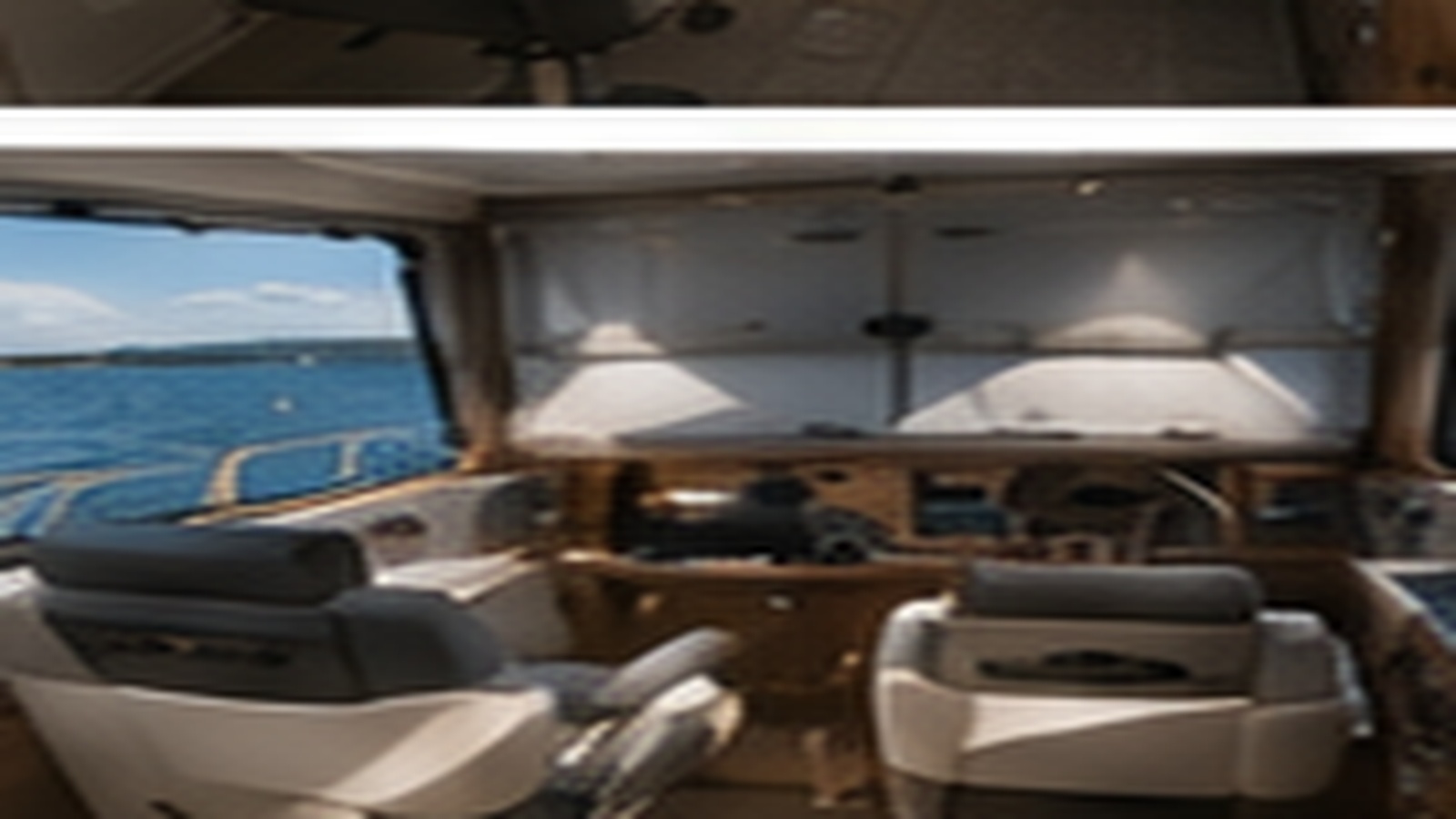
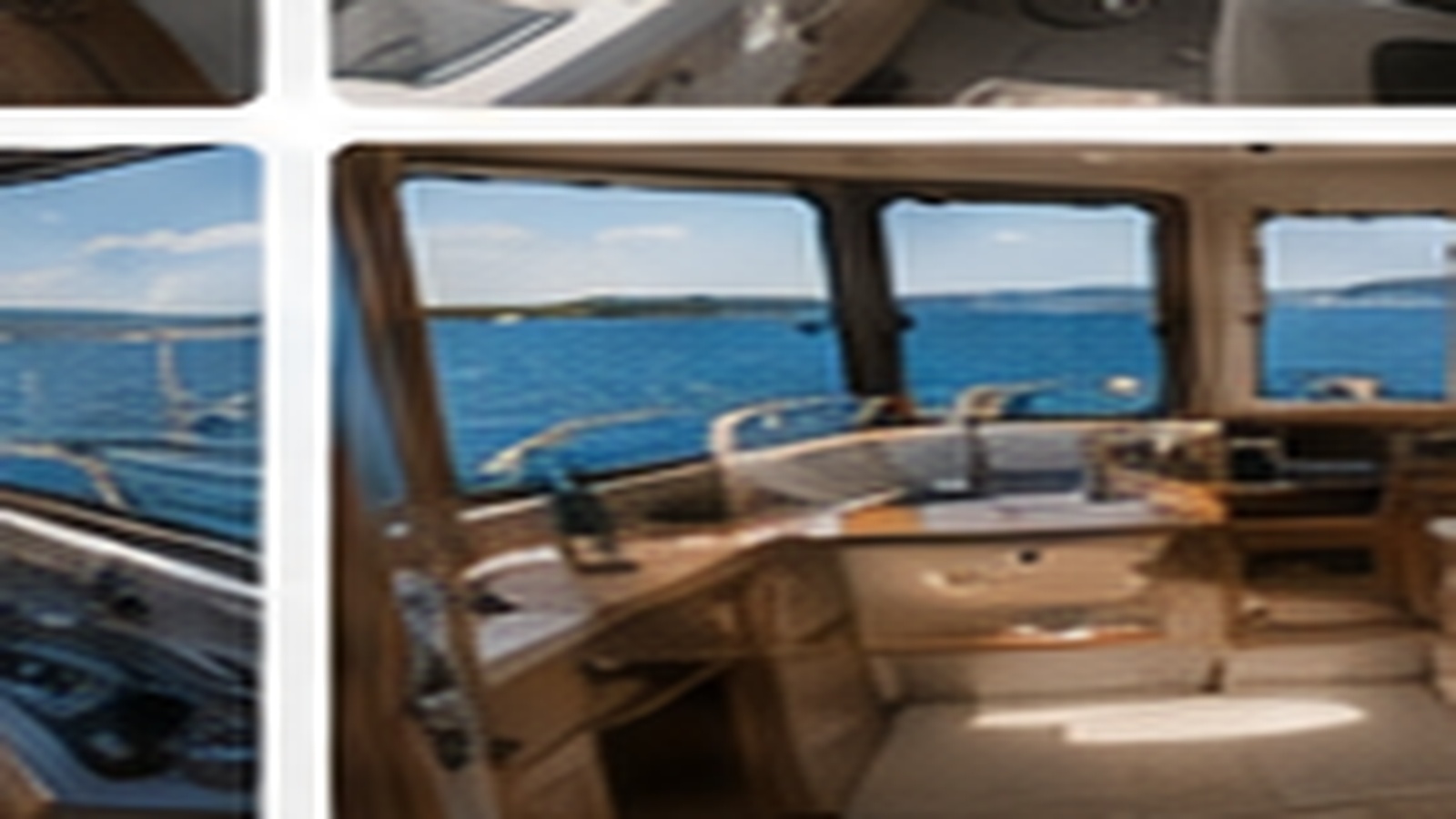
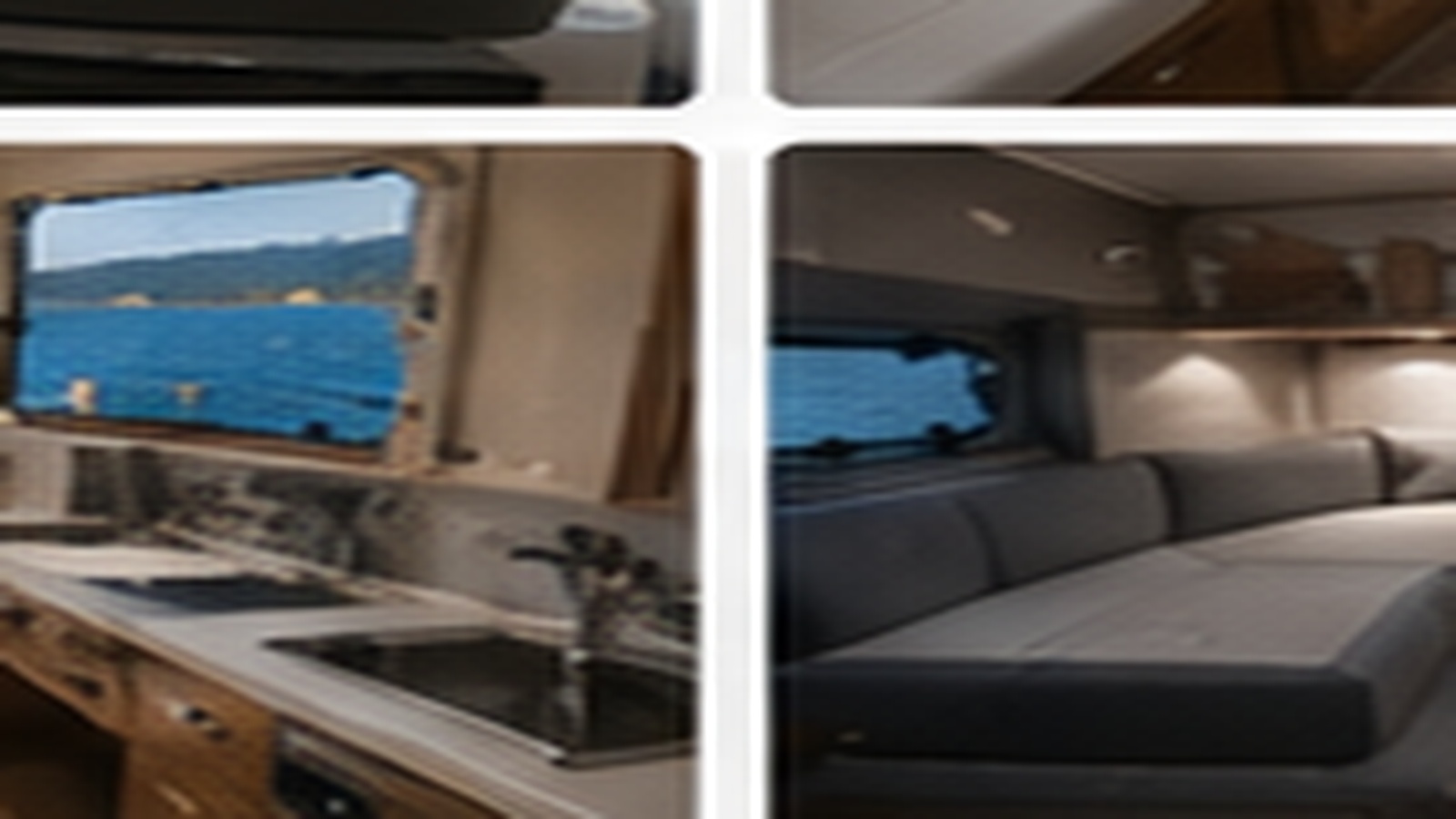
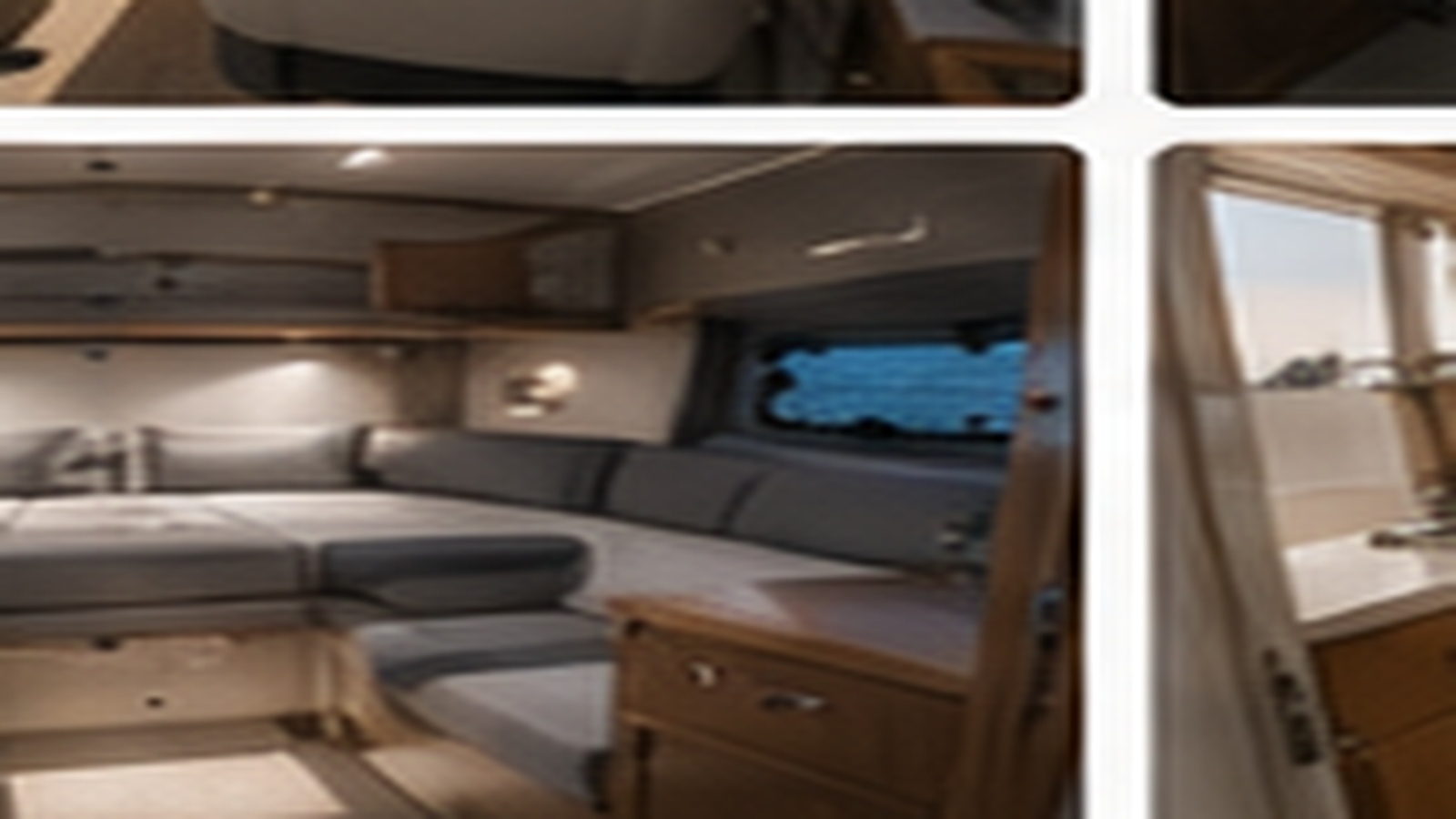
Market Character: Current national inventory is concentrated in 2025-2026 boats.
Current T23 Explorer listings are concentrated in 2025 and 2026 boats.
Configuration is the first pricing variable. A 225-horsepower boat deserves to be compared with other 225s, not with a 150 simply because both listings say T23 Explorer.
Comfort equipment can move value too. Enclosed sea toilet, diesel heater, Wallas stove, bow thruster, windlass, Simrad display, foredeck cushions, and Flexiteek flooring all change what the buyer receives.
Those options matter more on an Explorer than cosmetic upgrades because they directly affect whether the boat can support the overnight or shoulder-season trips the buyer is imagining.
A nearly new used boat can be attractive when the previous owner already paid for the expensive options you want. It can also be a weak deal if the asking price sits close to new inventory and the configuration is not ideal.
Compare complete new dealer quotes against used asking prices. Freight, preparation, electronics, canvas, and engine selection can make headline numbers misleading.
Because the model is still young, depreciation history is limited. The buying decision should focus on condition, equipment, engine hours, and discount from a truly comparable new boat.
Use the live market fields rather than hard-coding a number that will age. The useful page content is explaining why two T23 Explorers can deserve different prices even when their model years match.
Pricing varies. Model year, engine package, options, trailer, condition and dealer all move the number, and listings change weekly. Send us the boat you are looking at and we will price that exact one.
Illustration only and not an offer of credit.
Leave room in the ownership budget for insurance, propulsion service, storage or dockage, cabin systems, pumps, electronics, and the first round of repairs or maintenance that can accompany any used overnight boat.
Illustration only and not an offer of credit. Your actual rate and term depend on credit profile, vessel age, loan amount and ownership structure.
The closest comparison is the T23 Pilothouse. Both carry nine people, use single Mercury outboards up to 225 horsepower, and remain around the 24-foot range.
The Explorer is 24 feet 2 inches and 8 feet 4 inches wide. It carries 53 gallons and publishes three berths. Its cockpit emphasizes the L-lounge, sun lounge, table, swim platforms, and complete canvas.
The Pilothouse is 23 feet 7 inches and 8 feet 6 inches wide. It carries 51 gallons. Its deck emphasizes fish lockers, rod holders, livewell equipment, cockpit rod storage, and fishing workflow.
The Explorer is the better purchase for mixed family use and occasional overnight cruising.
The Pilothouse is the better purchase when fishing is the primary reason the enclosed boat exists.
If the Explorer cabin feels too small in person, compare the T25 Explorer rather than trying to solve a space problem with options. The T25 adds beam, four berths, an enclosed head, 74 gallons of fuel, and up to 300 horsepower.
Buying a T23 Explorer today is mostly a new-versus-nearly-new decision. Start by identifying the engine. A 150-horsepower boat and a 225-horsepower boat should not be treated as equal simply because the hull is the same.
Next, determine which overnight systems are installed. The sea toilet, heater, stove, thruster, windlass, Simrad display, and other options are not trivial additions on a compact cabin boat.
Open every berth compartment. Smell the cabin before the seller opens all the hatches. Persistent dampness can reveal poor ventilation or water intrusion.
Inspect canvas carefully. Complete enclosure panels are expensive enough that cracked windows, damaged zippers, or missing pieces should influence the deal.
Run every pump. That includes cockpit shower, galley sink, bilge, sanitation equipment if fitted, and wash or water systems.
Test shore-side or battery-dependent equipment where applicable. Do not assume a heater or stove works because it appears on the option list.
Verify Mercury hours and service. A nearly new boat with heavy commercial-style use is different from a lightly used family cruiser.
Check the trailer if included. An overnight boat is heavier and may have traveled farther than an open day boat.
Finally, compare the Pilothouse and T25 Explorer before signing. The T23 Explorer is only the right value when its balance between compact ownership and cruising comfort is exactly the balance you want.
If you already found a Bayliner T23 Explorer, send Float Finance the exact listing, asking price, model year, engine configuration, seller type, and major installed equipment. An overnight boat’s financing should be built around the real transaction, not a stripped base price that ignores the systems you plan to use.
The T23 Explorer is 24 feet 2 inches long with an 8-foot-4-inch beam and 16 degrees of deadrise. Bayliner publishes 1 foot 7 inches of minimum draft and 3 feet of maximum draft. Approximate weight with standard engine is 4,075 pounds.
Bayliner lists capacity for nine people and a maximum weight capacity of 2,350 pounds. Overnight comfort should be judged at a much smaller sleeping crew because bedding, food, gear, and cabin space become the limiting factors.
Bayliner publishes three berths. The cabin uses a dinette and filler-cushion arrangement, so buyers should inspect the actual sleeping layout rather than assuming three adults will have the space of a conventional stateroom.
Current options include 150, 175, and 225 horsepower from Mercury. The smaller engines suit lighter crews and local cruising. The 225 is easier to justify when the boat will carry several passengers, overnight gear, or operate regularly in current and wind.
Bayliner offers an enclosed sea toilet with sink and portlights as an option. Verify the actual boat because not every T23 Explorer is equipped the same way.
Choose Explorer for social cockpit seating, three berths, dinette use, extended swim platforms, and cruising comfort. Choose Pilothouse for a more fishing-focused cockpit with fish lockers, livewell equipment, rod storage, and dedicated angling systems.
Its 8-foot-4-inch beam stays below the common 8-foot-6-inch width threshold in the United States, though local laws, trailer dimensions, and total loaded weight still need to be checked.
Potentially. Current listings are mostly 2025 and 2026 boats, so buyers may be comparing new dealer inventory against lightly used examples. Financing depends on the specific transaction, borrower, value, and seller type.
Tell us a little bit about yourself and the boat you are looking to finance.