
Call Us : 207-994-5109
Mon – Fri: 8 am to 9 pm & Sat – Sun: 10 am to 8 pm
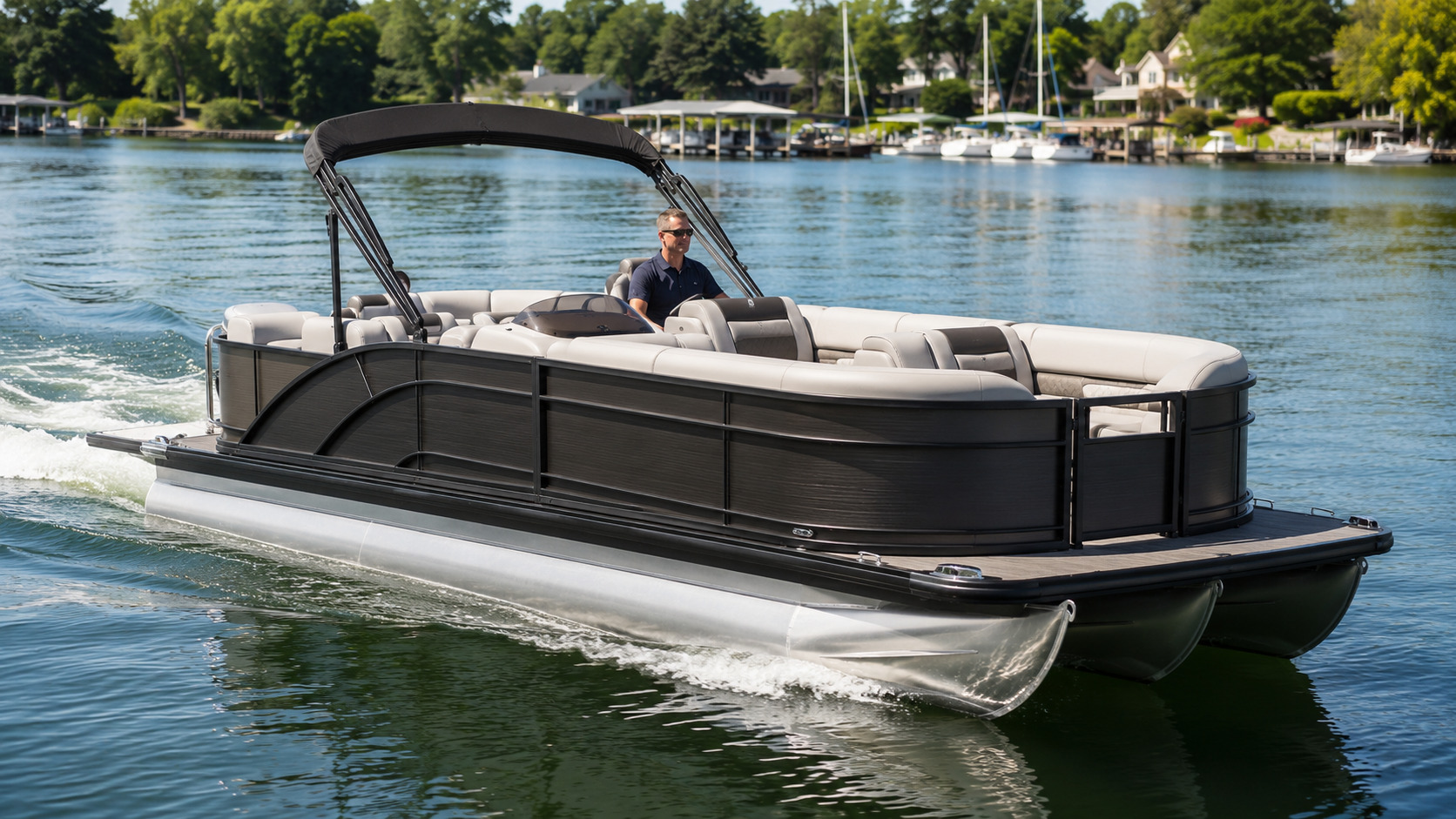
The Bennington 25 LSAPG is the largest approved L Fish & Cruise layout for households that genuinely split weekends between angling and social cruising.
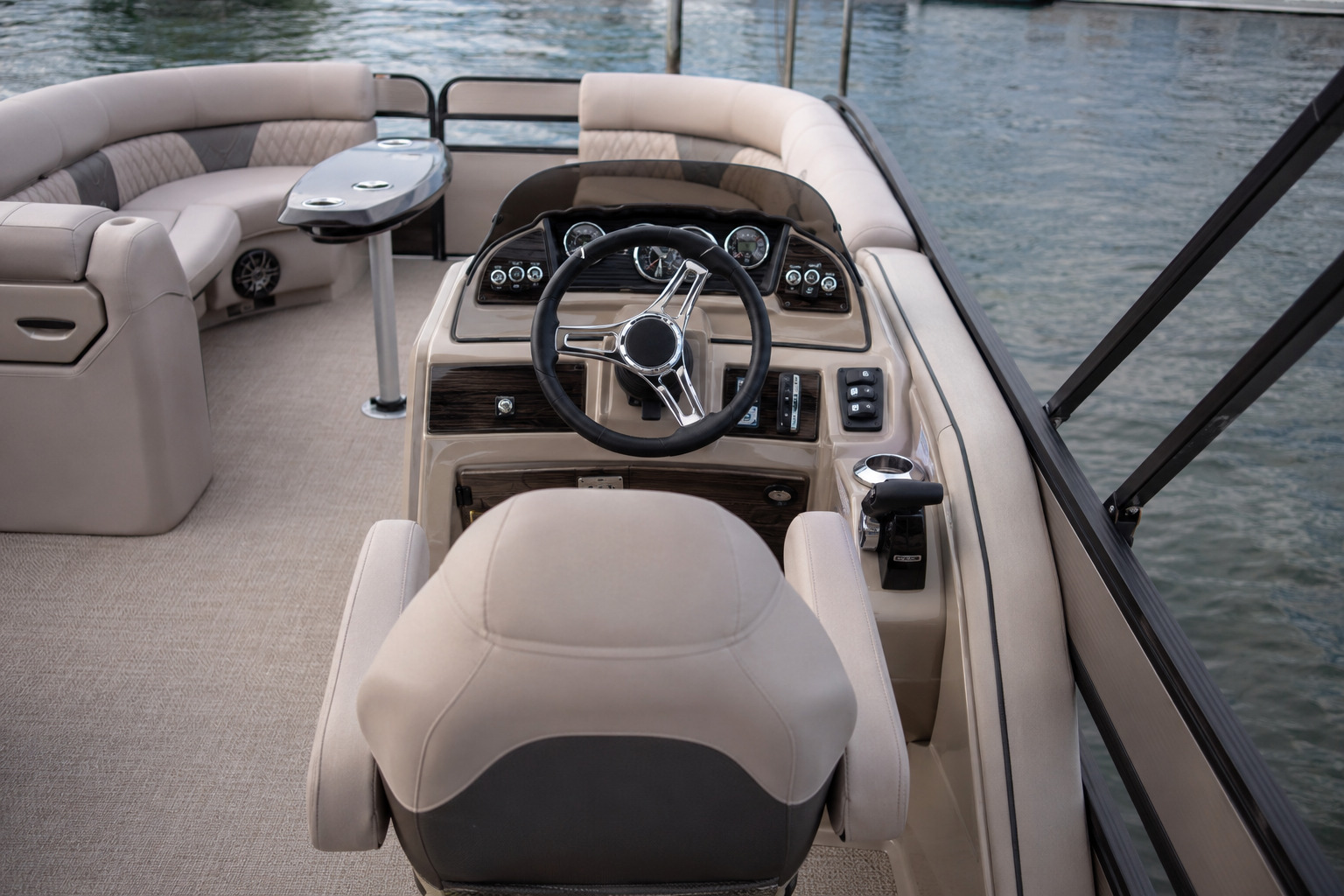
The 25LSAPG sits in Bennington’s upgraded L Line, where Diamond Pressed styling, Simtex CoolTouch furniture, the Expedition Plus console, recessed toe-kick space, and Rockford Fosgate audio move the experience above the more value-focused families. For the 25LSAPG, the finished boat still depends heavily on floorplan, performance package, and engine.
The 25LSAPG is specifically the largest approved L Fish & Cruise layout for households that genuinely split weekends between angling and social cruising. While shopping the 25LSAPG, its value comes from solving a more specific use case than a generic luxury-pontoon label can describe.
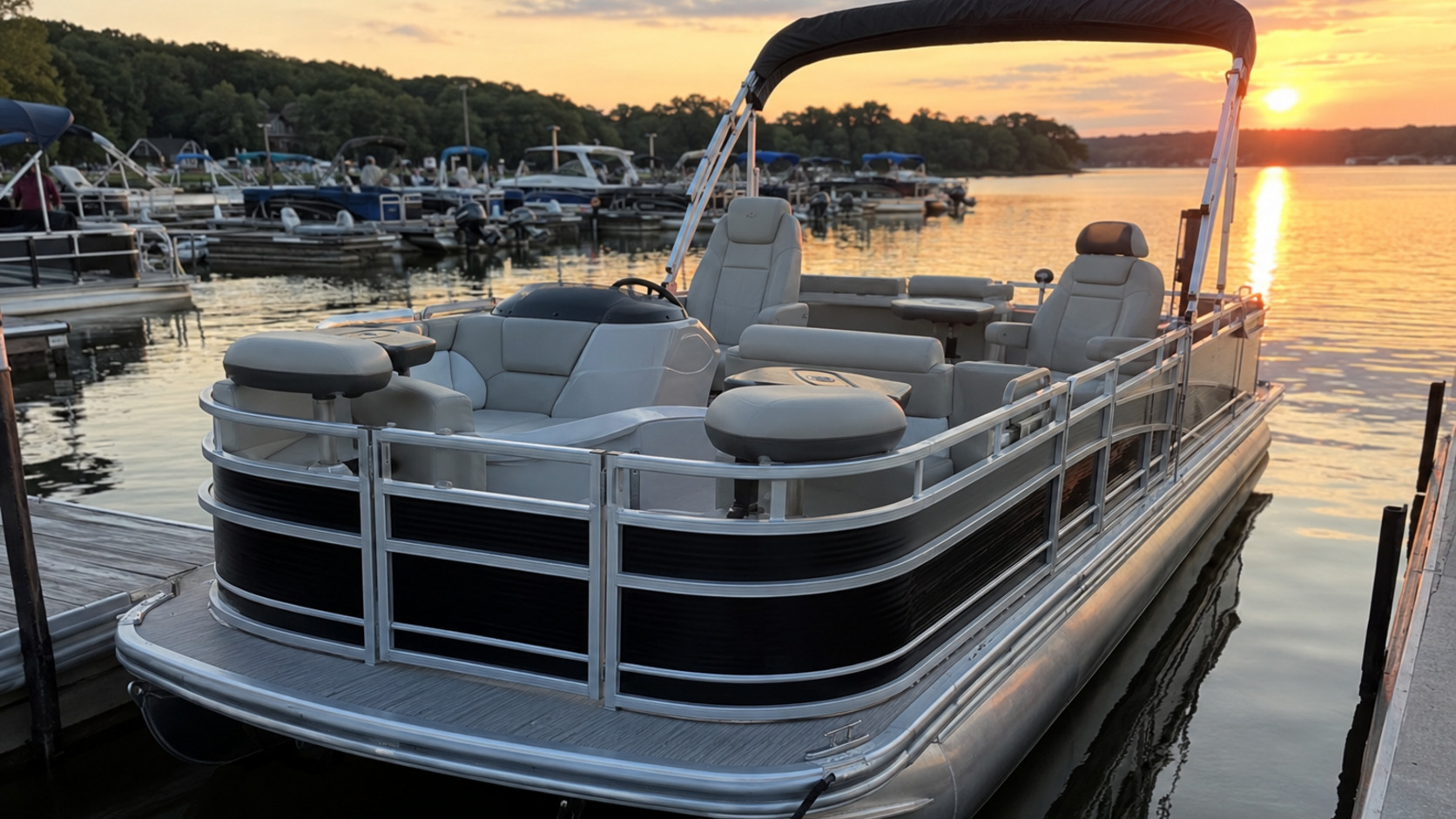
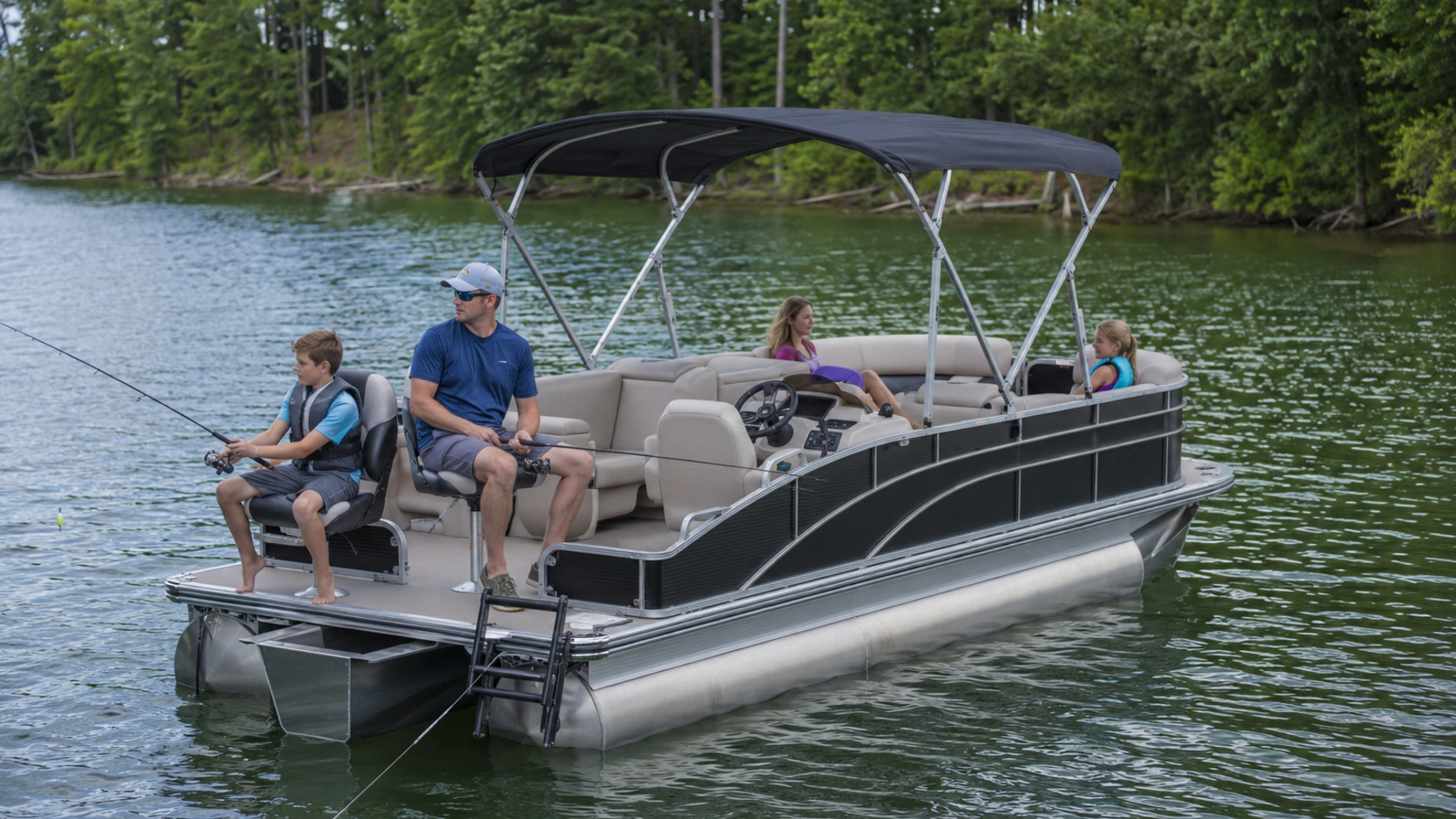
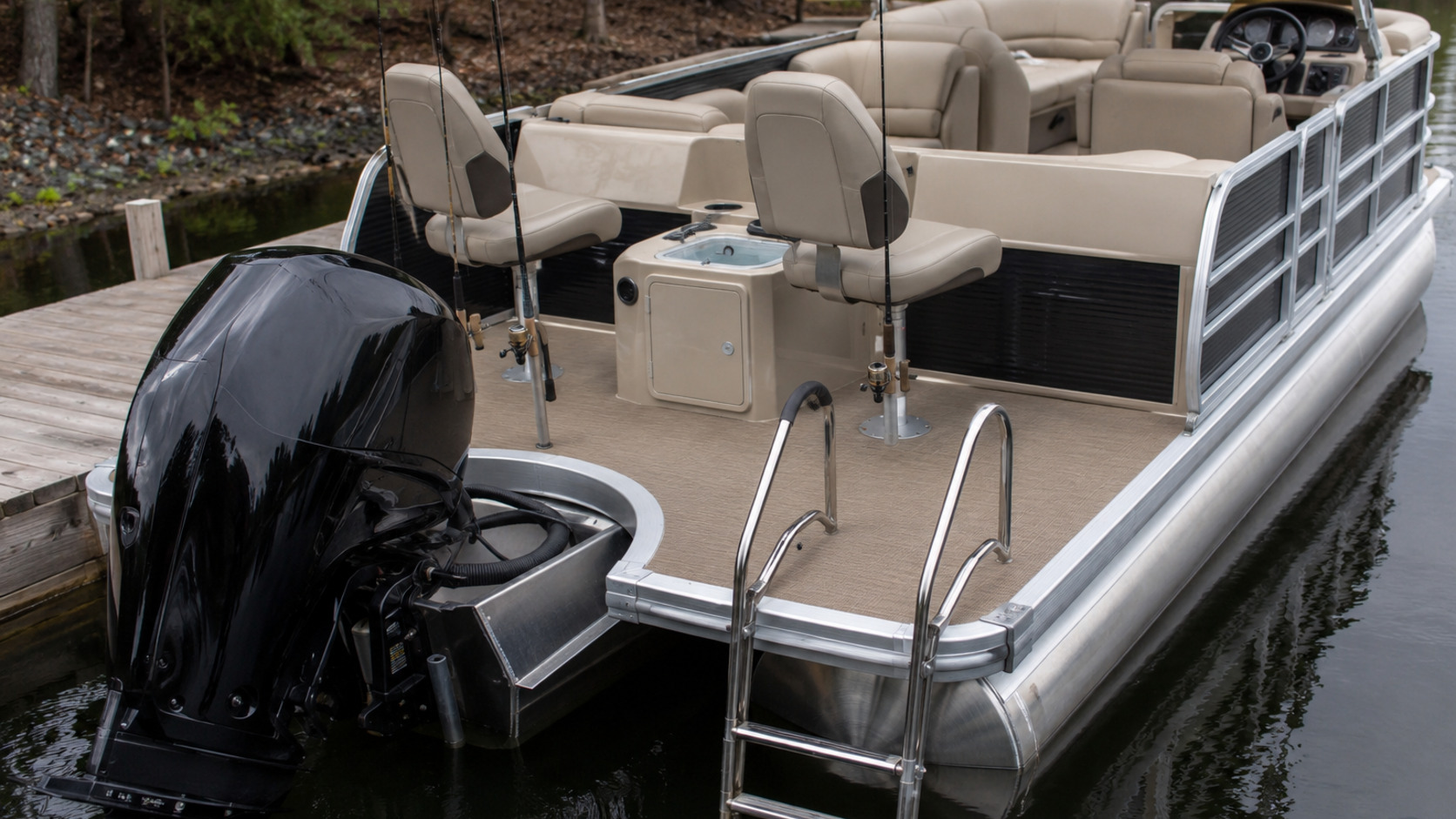
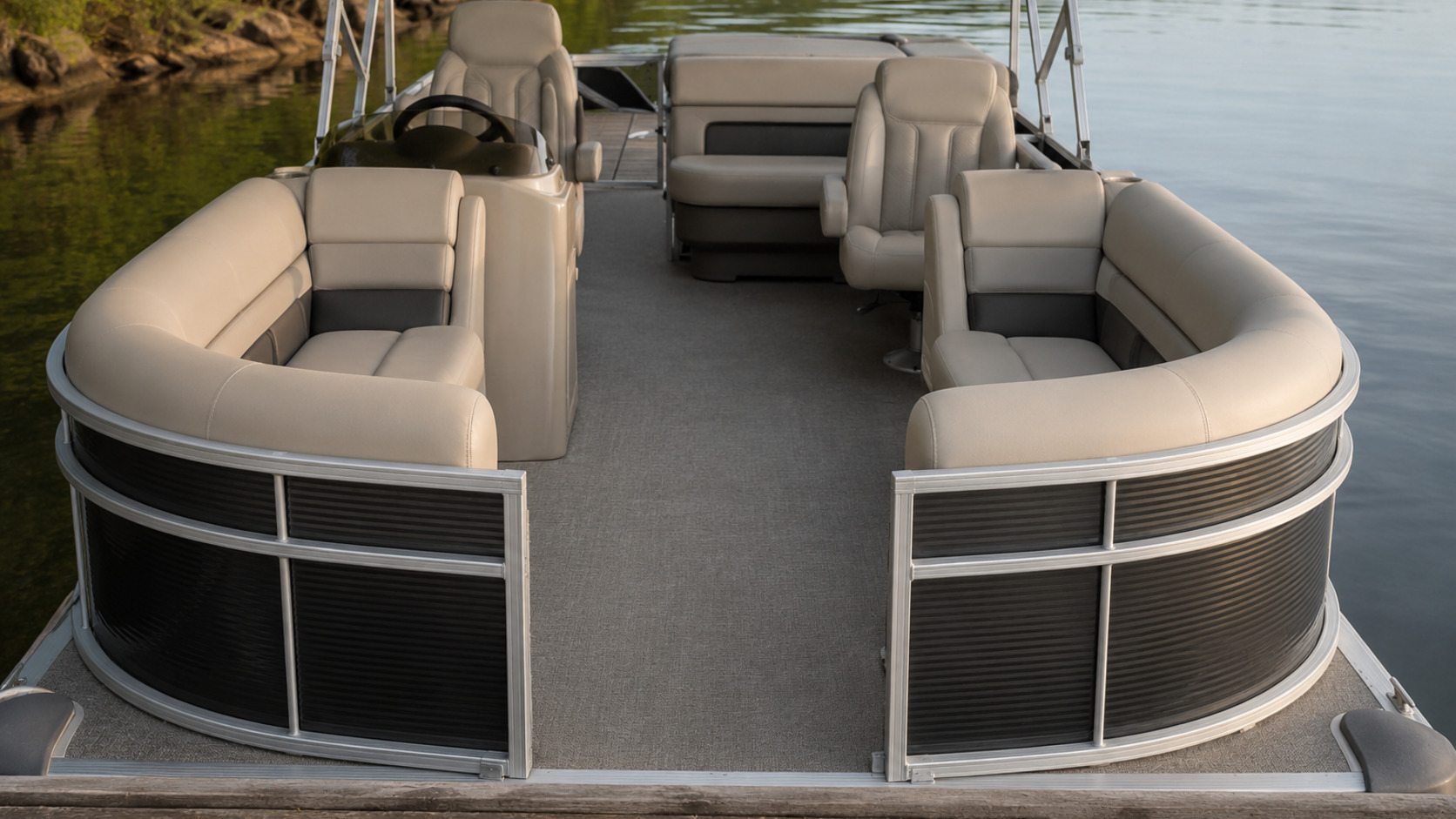
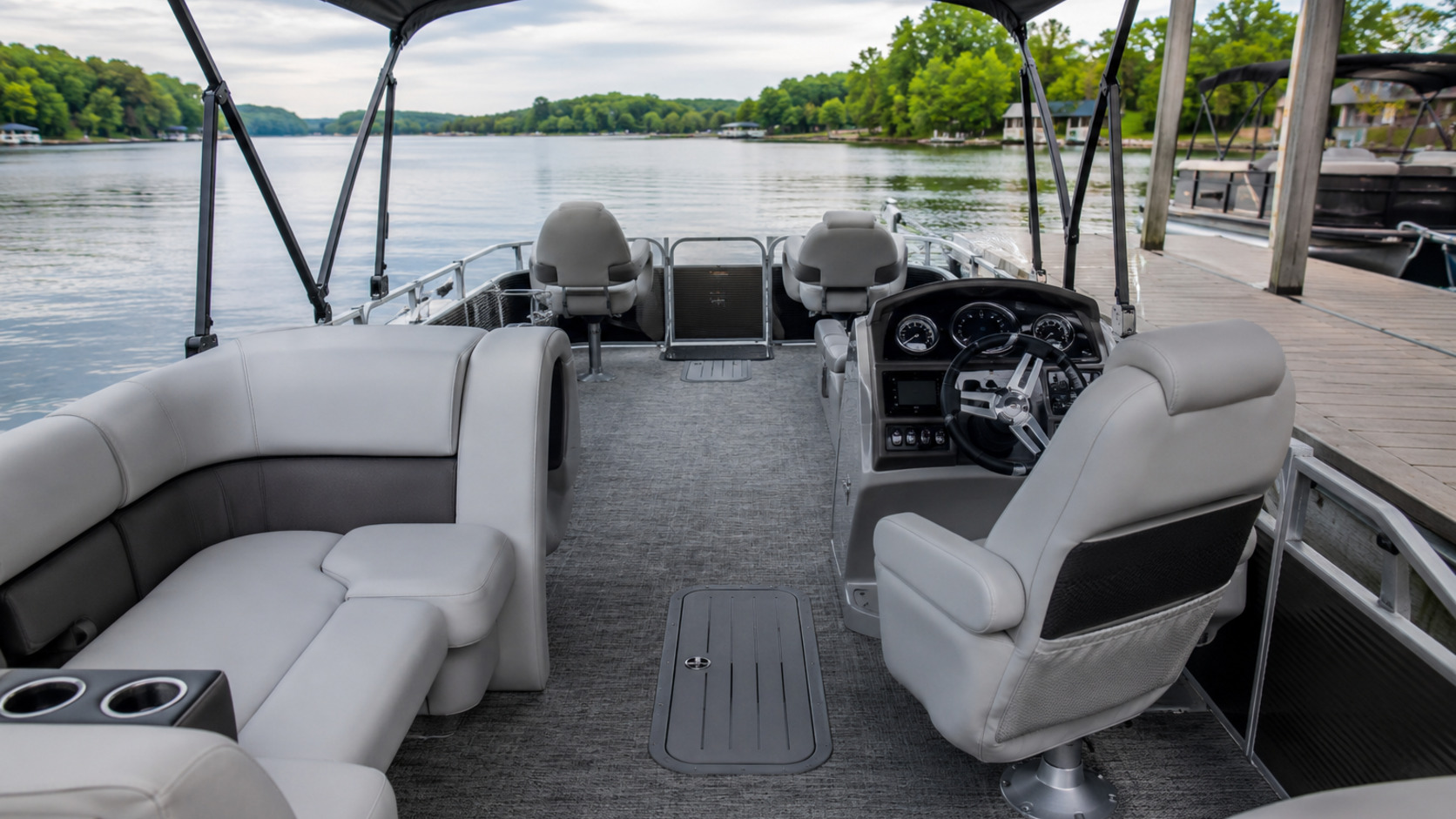
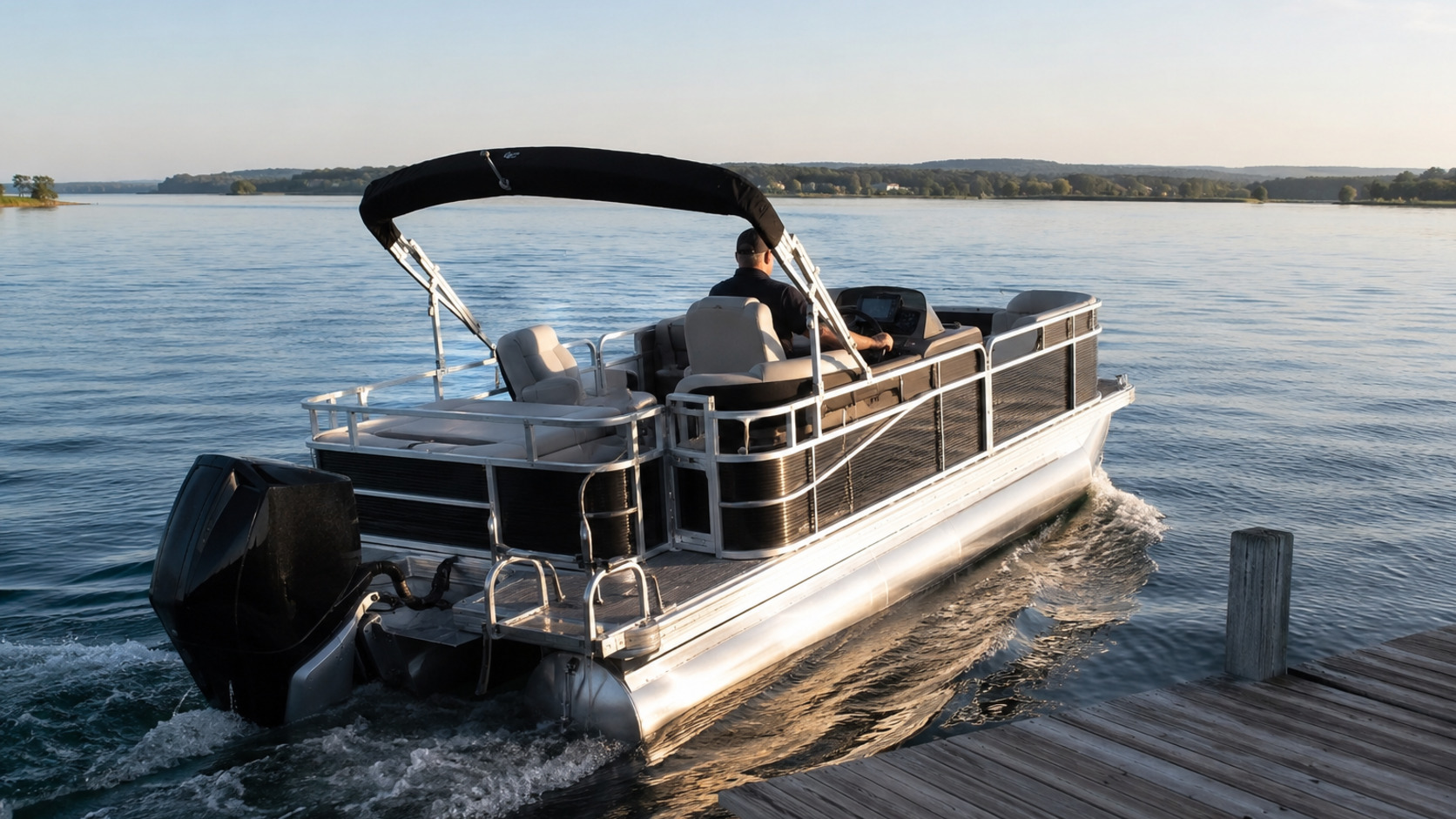
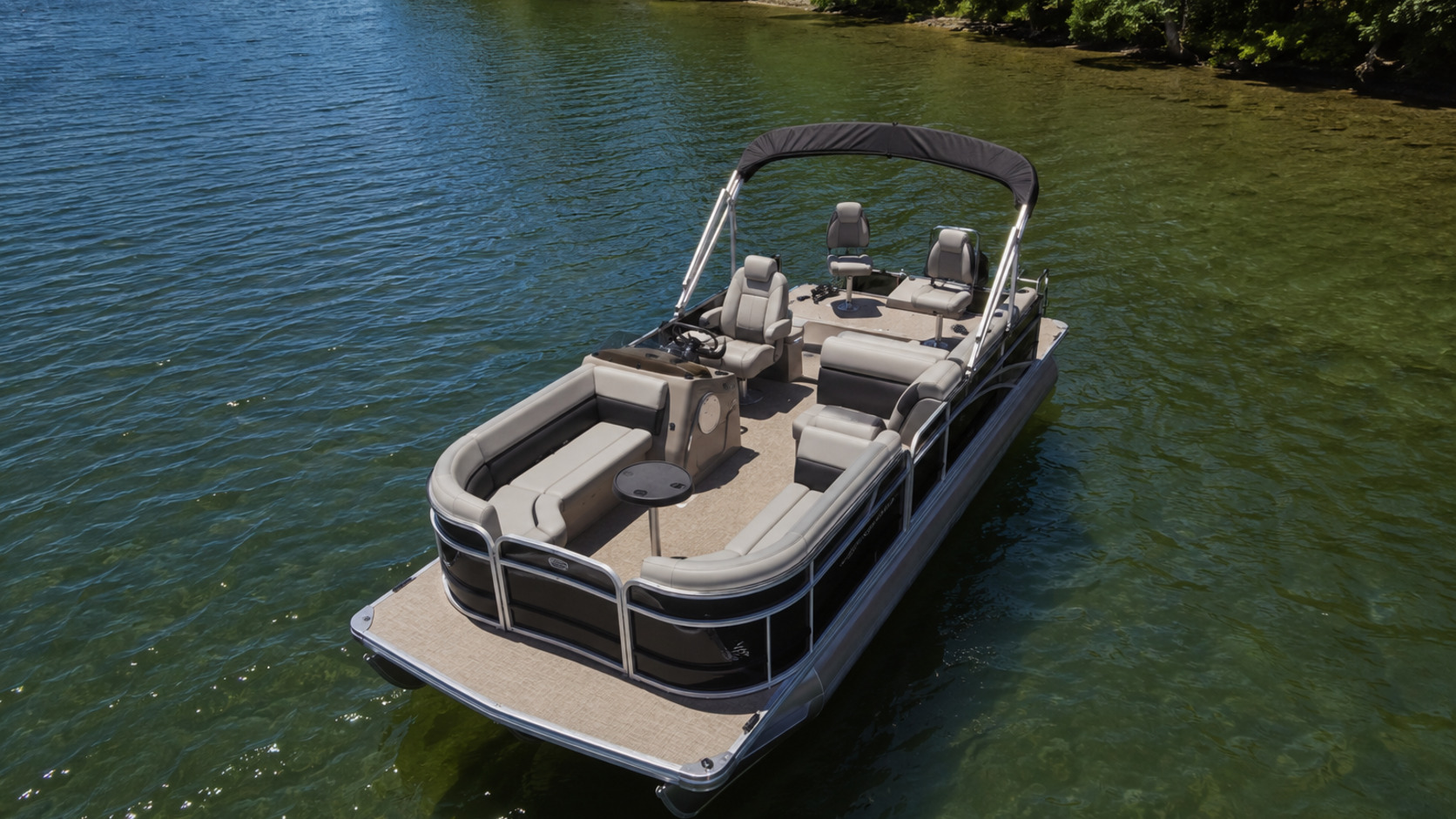
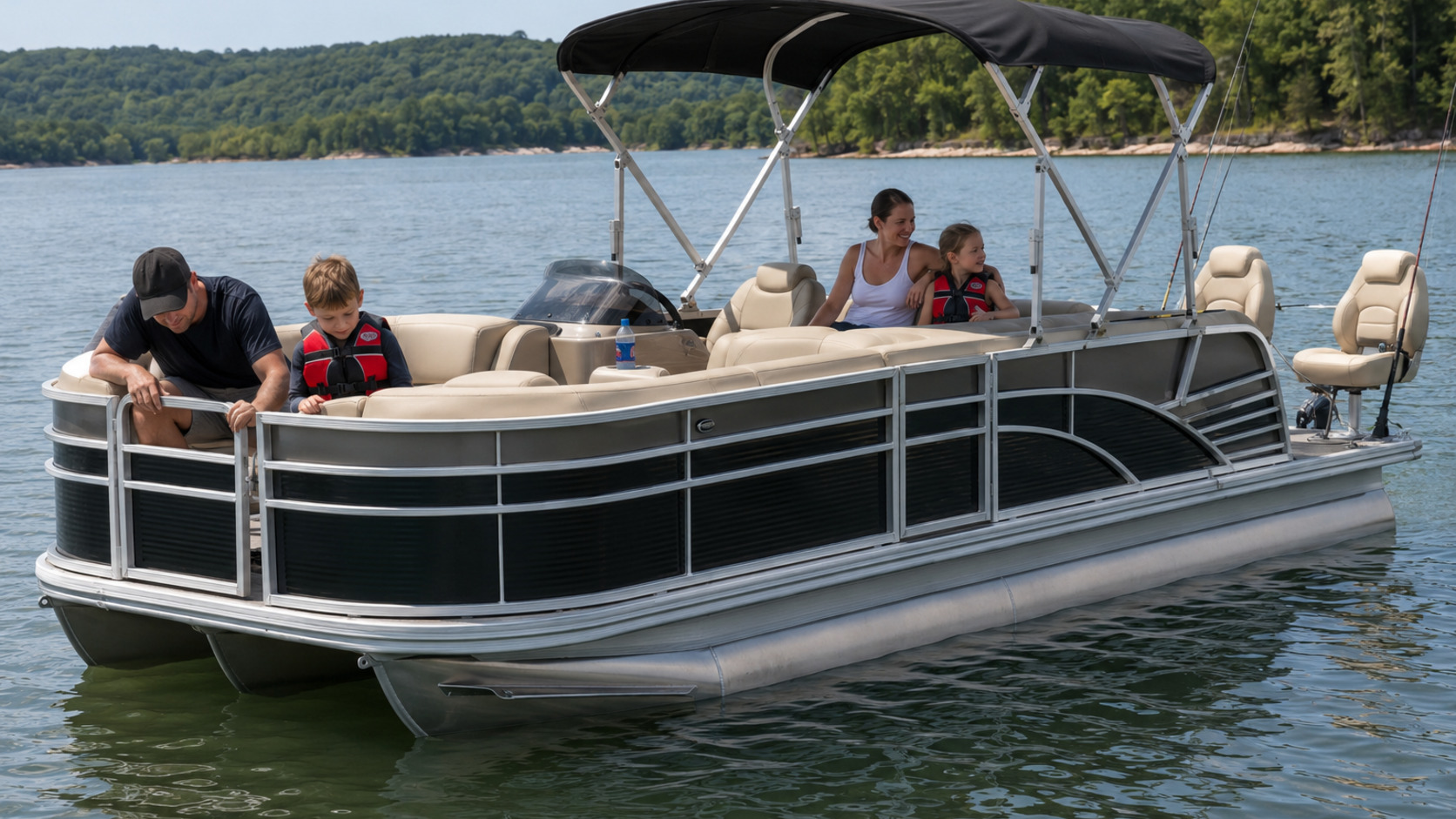
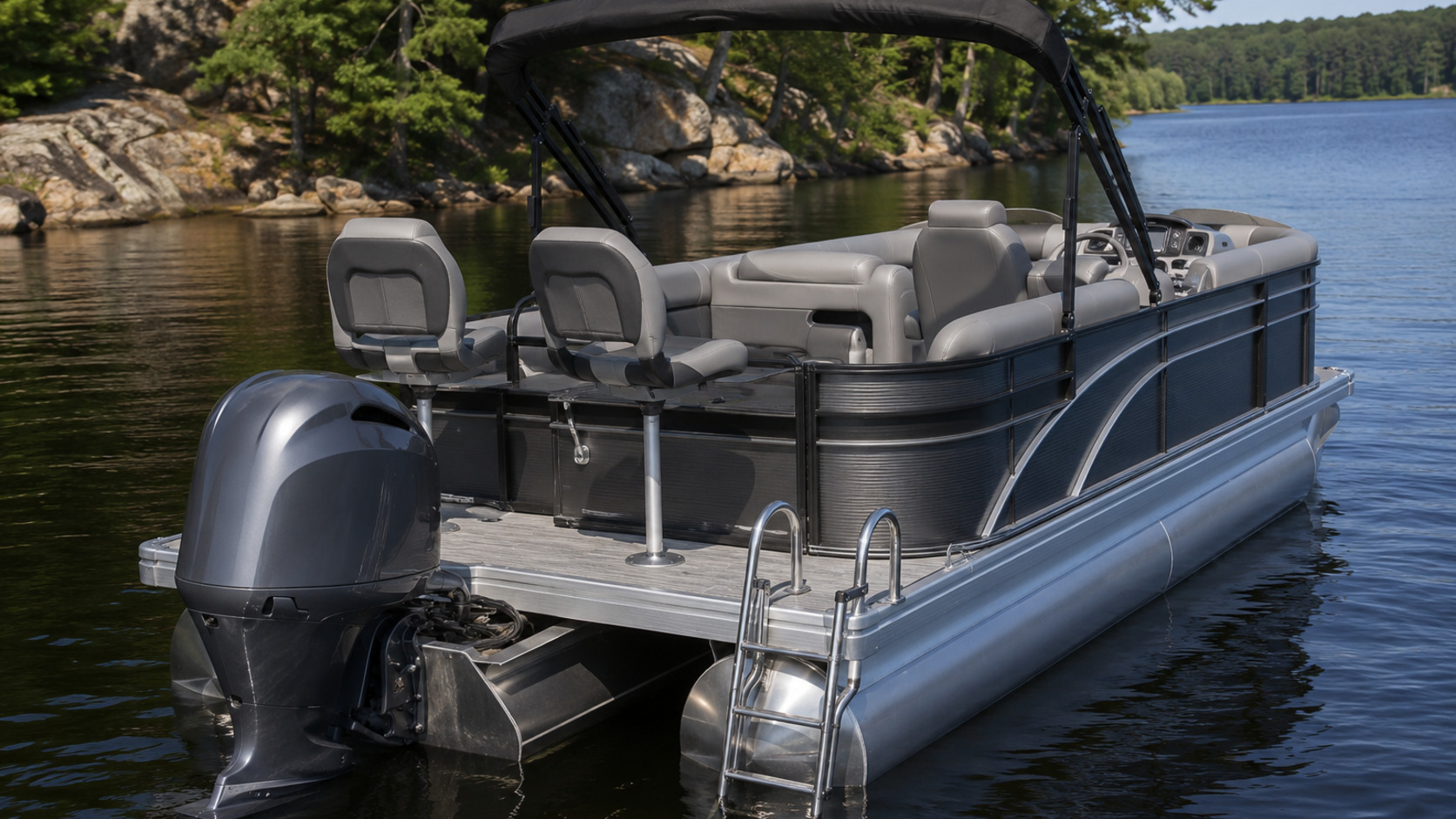
Bennington describes the deck as Fish & Cruise plan with two rear bass seats, a center fishing station, midship L-Bench with sun pad and storage, and forward benches. The LSAPG combines rear fishing hardware with a full midship lounge and forward benches instead of converting the whole boat into a dedicated fishing pontoon. With the 25LSAPG, those details should determine whether this exact layout belongs on the shortlist.
For buyers considering the 25LSAPG, the current L Line family context is equally important. For the 25LSAPG, the current U.S. L family spans approximately 18 to 26 feet by model name, 8.5-foot beam, 7 to 15 people across the line, and up to 400 HP on compatible builds. The family number is only a boundary; the exact 25LSAPG must still be matched to its engine, chassis, and capacity plate.
The 25LSAPG buyer should start with the deck plan and real published length, then verify the tube or hull package, then choose power. For the 25LSAPG, price belongs after layout and chassis because a low payment cannot fix the wrong stern or dock footprint.
The rear fishing station and bass seats use deck area that a 25 LSB or LSR dedicates to full-length social seating, so casual anglers may be buying equipment they rarely use.
That tradeoff is intentional. Buyers who dislike it should compare the 25 LSB or 25 LSR before moving farther into financing. 25LSAPG buyers who accept it have a much stronger reason to keep this model on the shortlist.
Published factory figures. Confirm every dimension against the individual boat before you commit.
Weight, standard engine: Varies by chassis, engine, and options unless a model-year-specific value is published for the boat
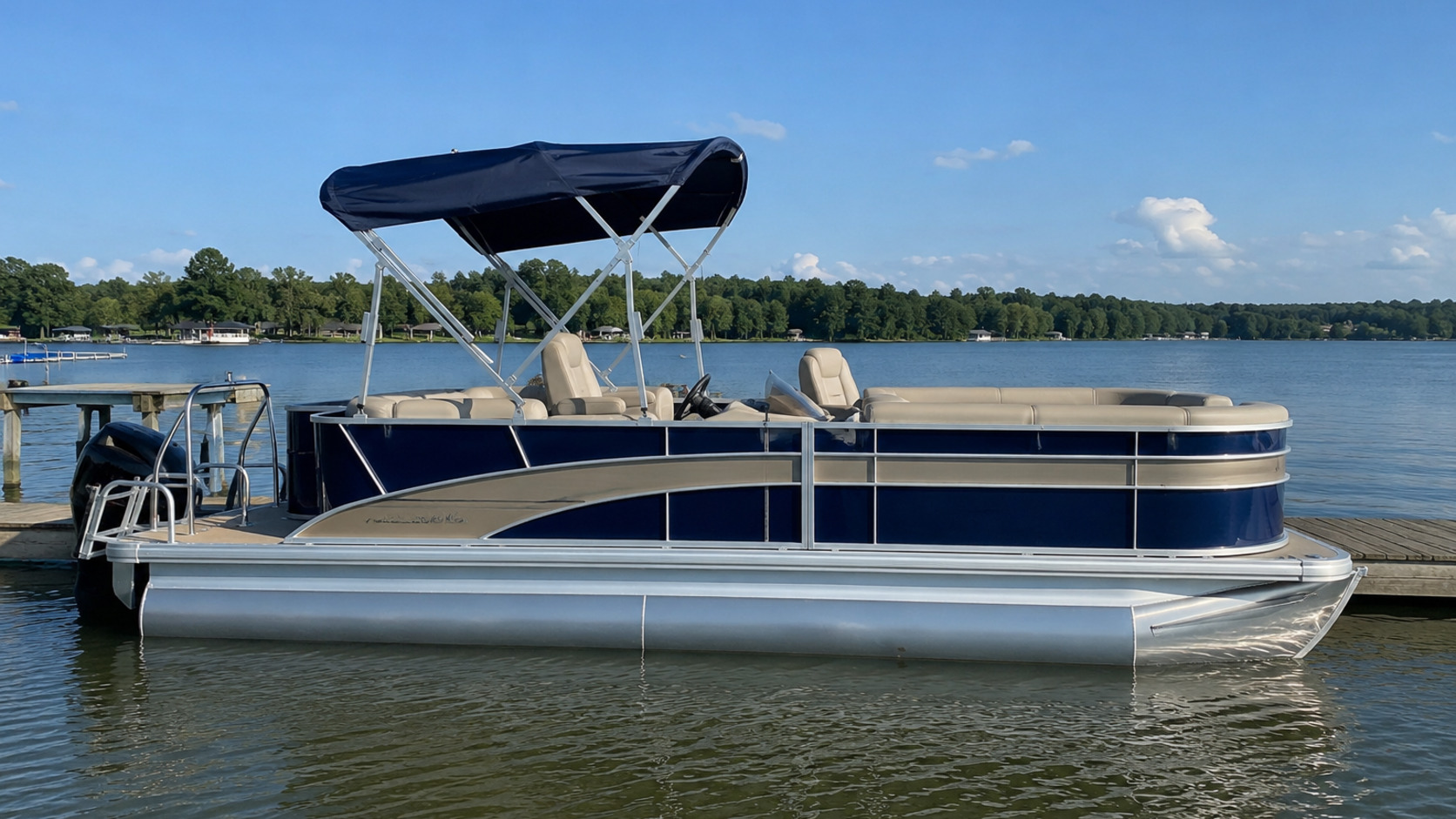
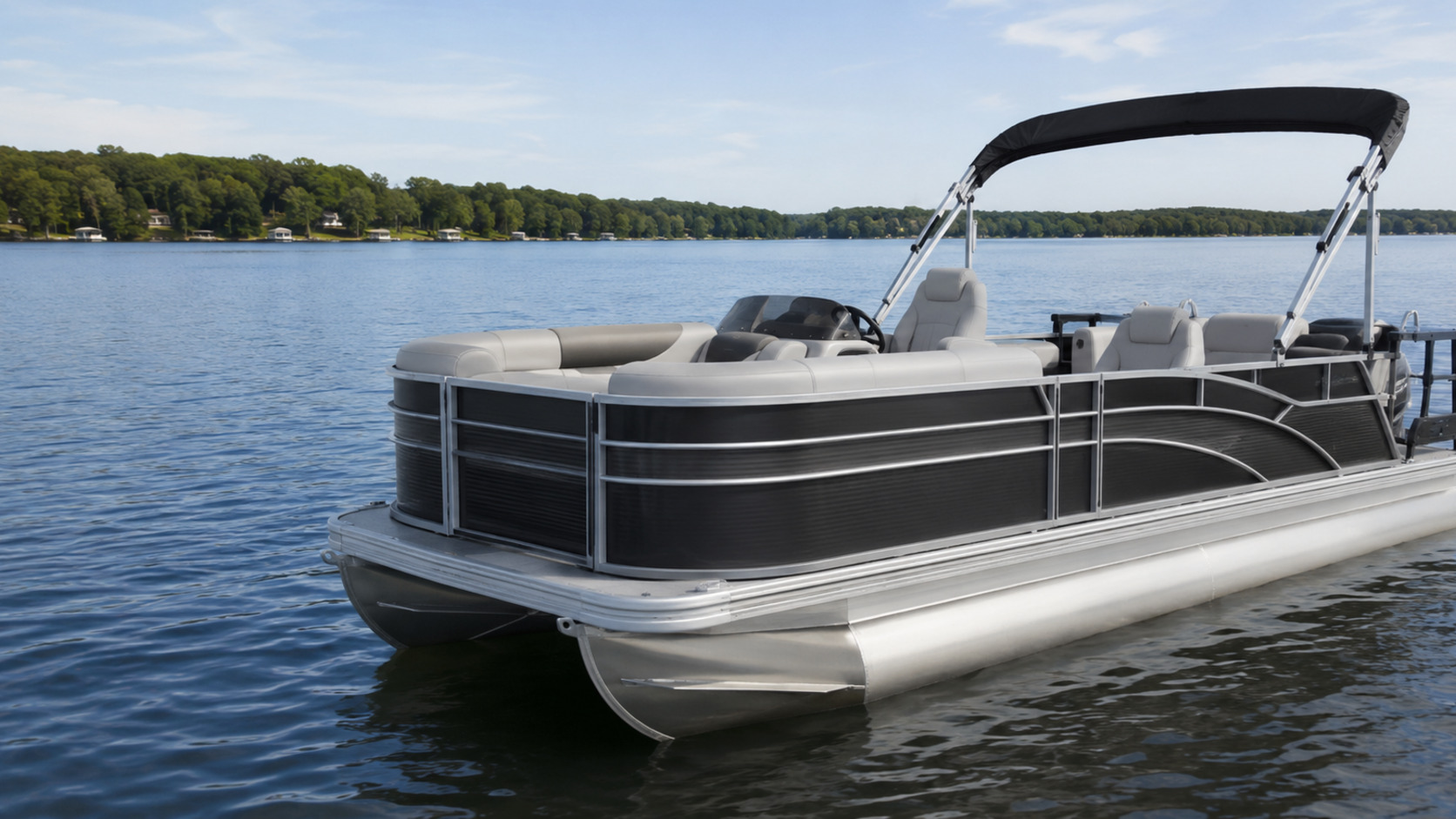
The 25LSAPG rides on Bennington aluminum pontoon or tritoon structure, so a fiberglass-style deadrise number does not apply. When inspecting the 25LSAPG, published overall length for this floorplan is 27′ 3″, and the beam is 8′ 6″ in current L Line specifications.
Current L Line specifications identify an 8-foot-6-inch beam and up to 400 HP across compatible configurations, but that family maximum is not the rating for every 25LSAPG.
On the 25LSAPG chassis, weight, draft, capacity, fuel arrangement, and engine ceiling can change with the performance package. For the 25LSAPG structure, a basic pontoon and a three-tube performance build can share the same furniture code while carrying different structural hardware underneath.
On a used 25LSAPG, inspect the tubes along their full length. Under the 25LSAPG deck, dents at the bow, repaired welds, scuffed lifting strakes, or corrosion around dissimilar metals are more important than a polished side panel. When inspecting the 25LSAPG, the underdeck crossmembers, splash deflectors, and any wave shield should sit straight and secure.
On the 25LSAPG chassis, the spec lesson is simple: use 27′ 3″ for the current floorplan reference, then use the capacity plate and build sheet for the rest of the chassis. That is more accurate than pretending every 25LSAPG left the factory with one universal weight and fuel tank.
Maximum Horsepower: Varies by performance package; L Line supports up to 400 HP on compatible builds
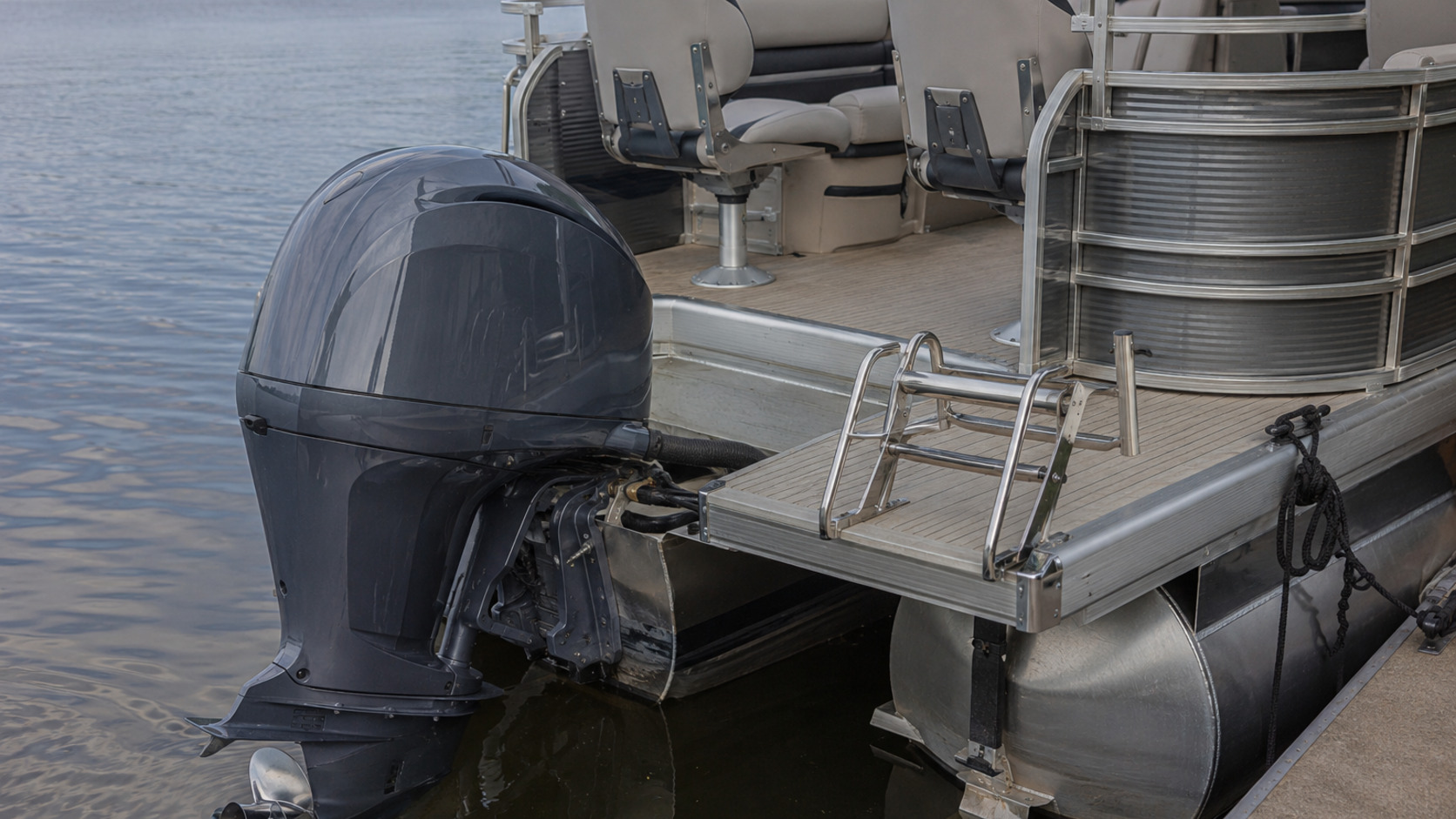
The 25LSAPG uses single-outboard power, but the allowable engine depends on the performance package. Bennington’s current L family reaches up to 400 HP across compatible builds, which is a line maximum rather than a promise that every 25LSAPG can accept 400.
On the 25LSAPG, twin-tube configurations fit relaxed cruising and lower power. When powering the 25LSAPG, performance tritoon packages add center-tube buoyancy, lifting hardware, and hydraulic steering so the boat can carry more engine and maintain a more controlled attitude under load. The capacity plate on the 25LSAPG is the final authority for that individual build.
For the 25LSAPG, power should be selected after the floorplan. For 25LSAPG power, a long social layout loaded with adults has different needs from a compact L-Bench used by four people. On the 25LSAPG, fishing equipment, batteries, towers, and stored gear also change the weight the outboard has to move.
On a used 25LSAPG, engine diligence should include serial number, hours, service invoices, cooling flow, propeller, skeg, lower unit, anodes, trim, and steering. For a used 25LSAPG, a clean seat surface does not tell you whether the outboard received annual service.
Fuel Capacity: Verify exact build; model-year-specific exceptions may apply
Bennington does not publish one fuel-capacity number that safely applies to every 25LSAPG configuration, so the exact tank should come from the build sheet or capacity documentation.
25LSAPG fuel burn depends on the installed outboard, tube package, propeller, passenger load, and operating speed. On the 25LSAPG, a lower-power pontoon cruising steadily and a high-output tritoon pulling riders should not be assigned the same gallons-per-hour estimate.
The 25LSAPG practical range calculation should use verified engine data with reserve. The 25LSAPG is designed around day use, so the goal is to avoid an interrupted day rather than chase a theoretical maximum distance.
On a used 25LSAPG, inspect the fill, vent, hoses, sender, and tank area for leaks or persistent odor. For a used 25LSAPG, a clean fuel system is more valuable than a seller claim about fuel economy that cannot be verified.
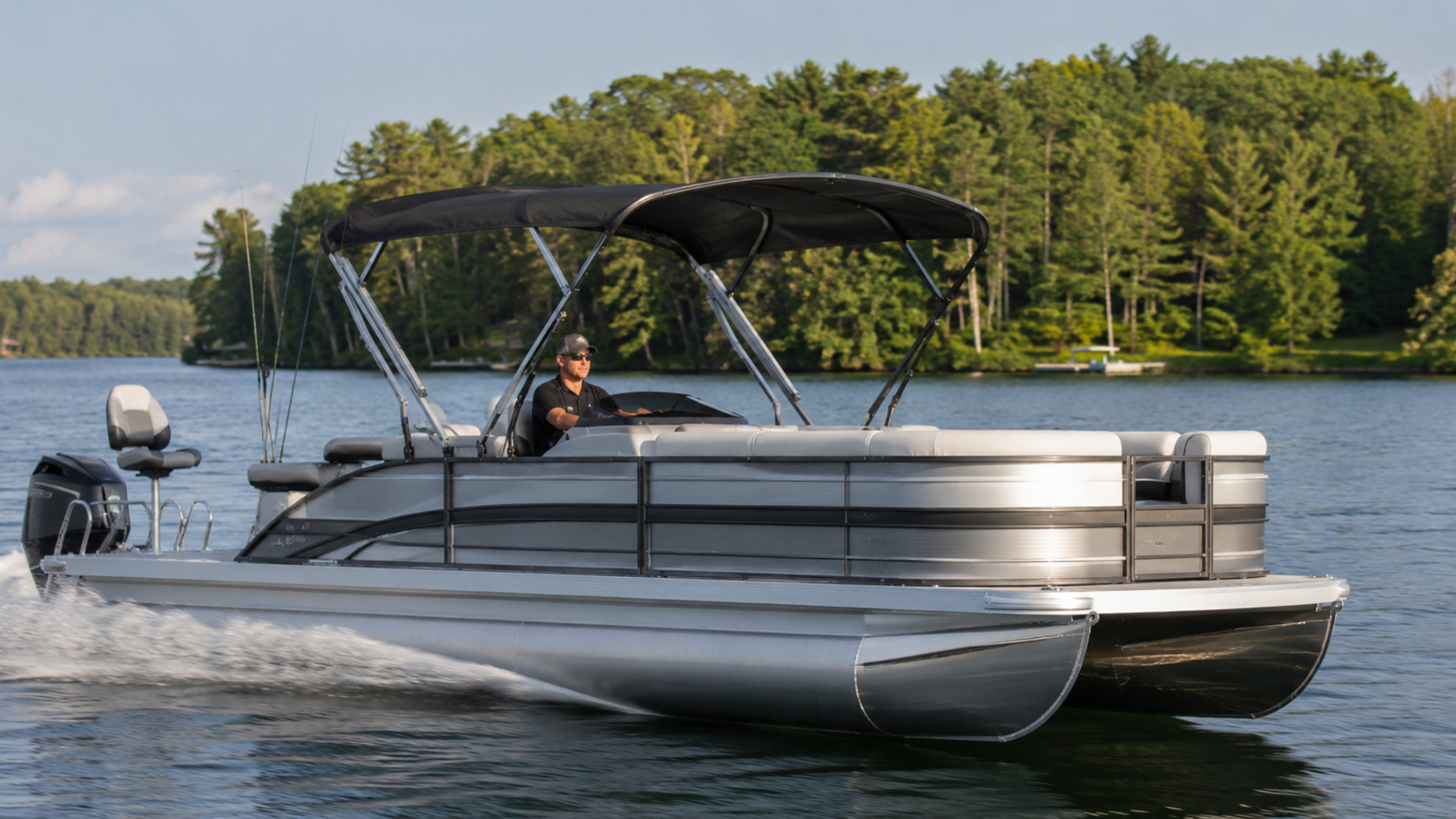
The 25LSAPG can behave very differently depending on whether it is a basic pontoon or a performance tritoon. During the 25LSAPG sea trial, start by identifying the tube package and engine before judging acceleration.
Carry a realistic passenger load. On the 25LSAPG, move weight between bow and stern and watch how the boat trims. With the 25LSAPG loaded, run at normal cruise, make broad turns, and cross wakes at several angles. For 25LSAPG performance, the right configuration should feel composed without requiring everyone to sit in one preferred spot.
For 25LSAPG watersports use, test loaded planing and steering response. During relaxed 25LSAPG cruising, pay more attention to noise, throttle setting, and tracking at moderate speed. A high-output 25LSAPG package makes little sense when the family spends most of its time at displacement speed.
The 25LSAPG should also be easy to maneuver around the dock. For 25LSAPG performance, large social layouts can catch wind, so practice reverse, neutral, and slow turns before deciding a longer model is automatically easier because it feels stable at cruise.
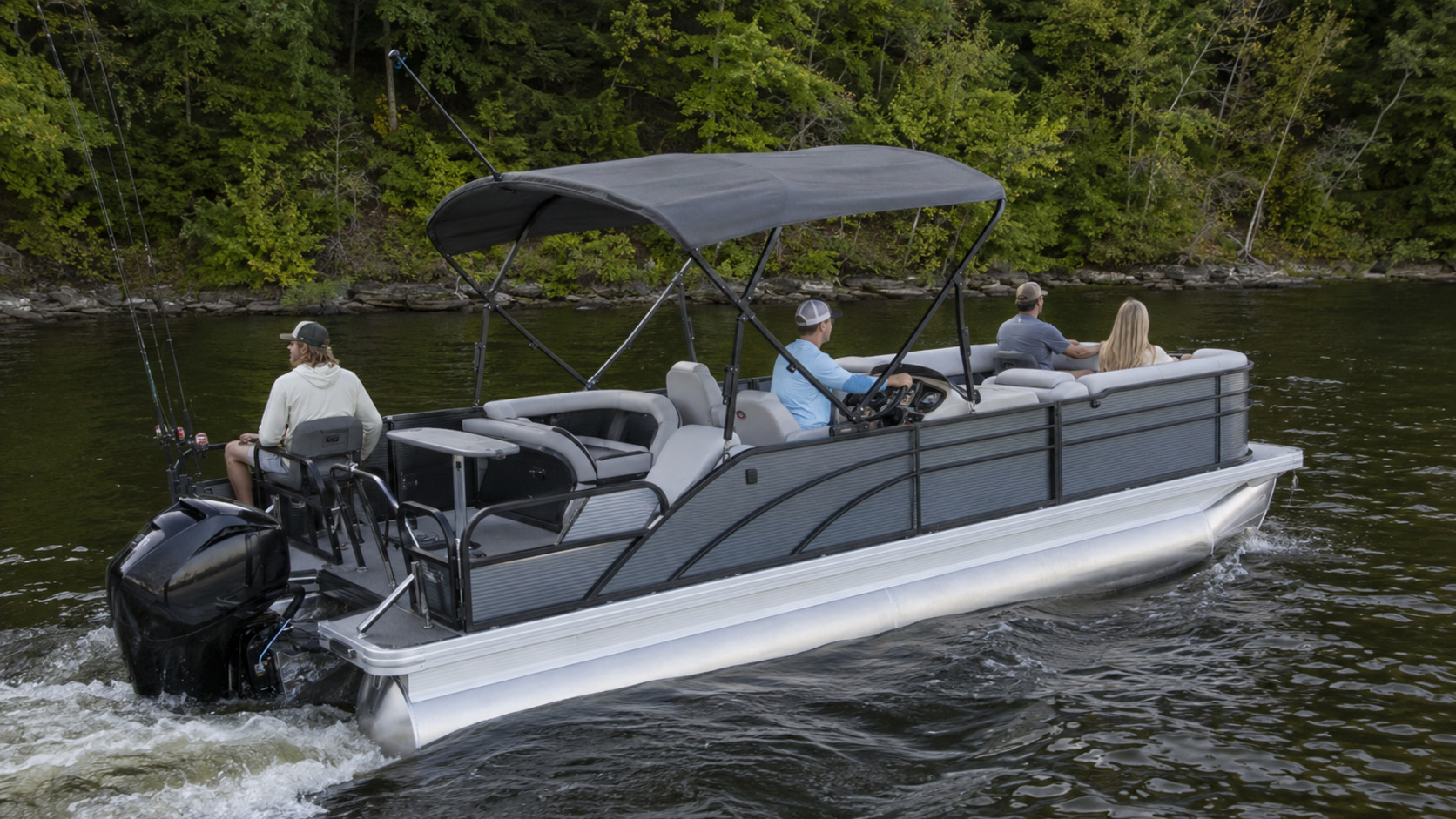
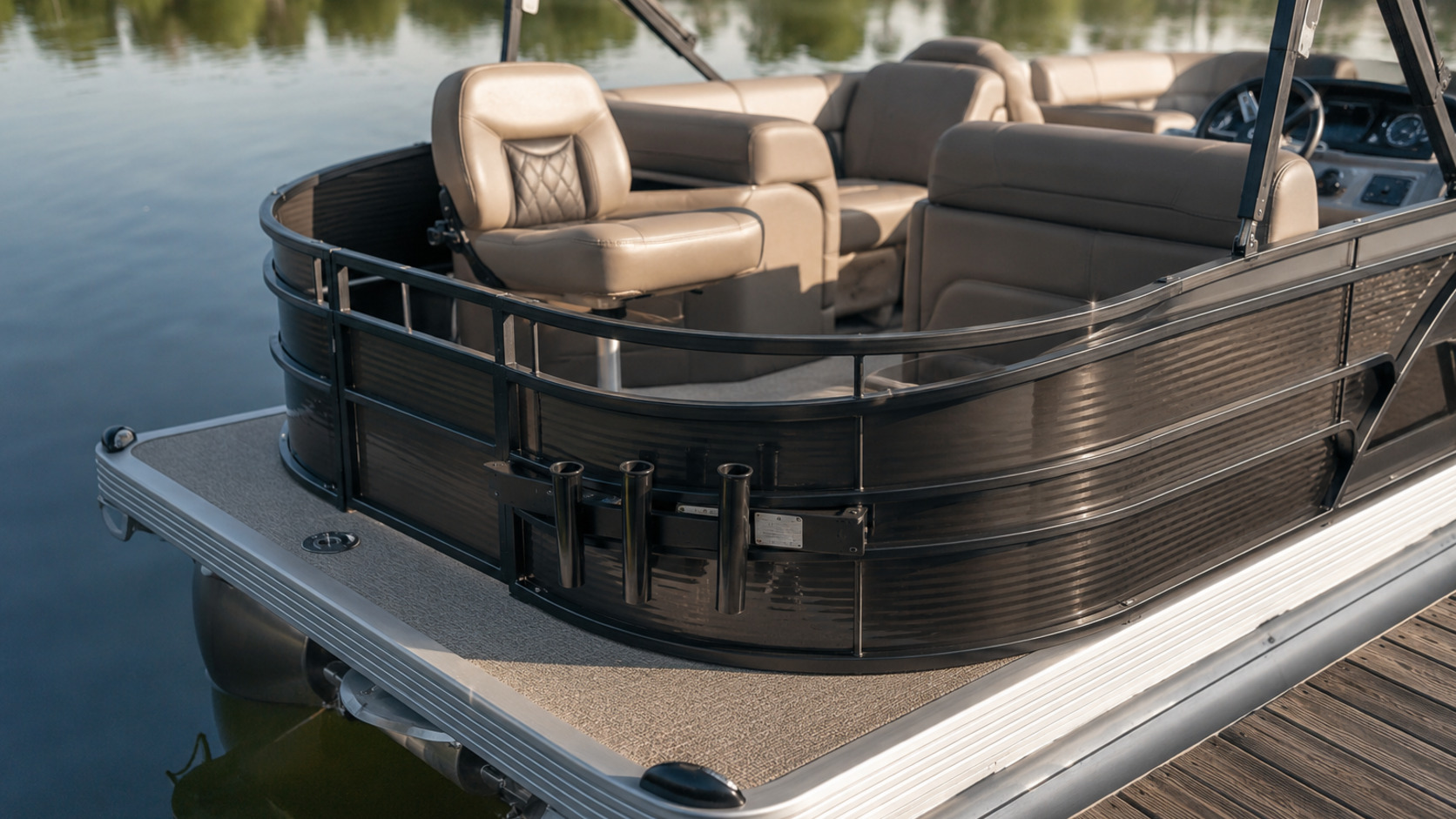
The 25LSAPG is a Fish & Cruise layout, and that floorplan is the reason to shop this model. Fish & Cruise keeps forward passenger benches and a midship L-Bench while dedicating the stern to bass seats and a center fishing station. It is meant for households that genuinely alternate between social cruising and angling.
Bennington describes this specific model as Fish & Cruise plan with two rear bass seats, a center fishing station, midship L-Bench with sun pad and storage, and forward benches. Test that layout in person. On the 25LSAPG deck, sit in every major position, open the storage beneath it, and walk between the gates with the same cooler, dog, stroller, fishing bag, or watersports gear that normally comes aboard.
The LSAPG combines rear fishing hardware with a full midship lounge and forward benches instead of converting the whole boat into a dedicated fishing pontoon. That model-specific detail changes how the 25LSAPG should be compared with its nearest sibling.
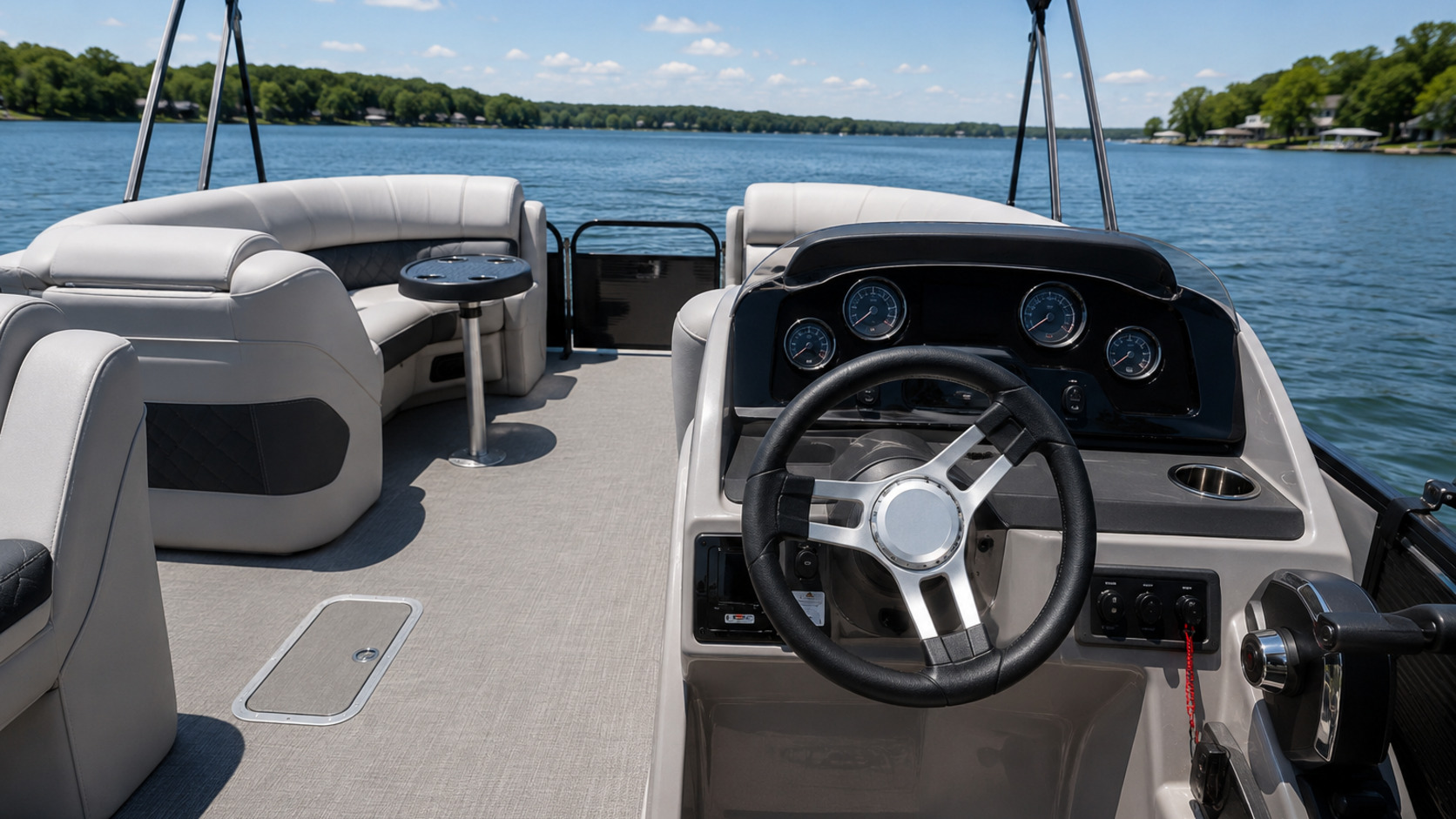
At the 25LSAPG helm, check sightlines with the bow seats occupied. Around the 25LSAPG cockpit, confirm the display, throttle, charging ports, steering, and switches are reachable without leaning. With this 25LSAPG layout, the L family is sold as upgraded luxury, so ergonomic annoyances deserve more weight than they would on a stripped utility pontoon.
The fishing hardware consumes space that a pure social layout would devote to another lounge or Swingback. The right 25LSAPG buyer will see that trade and still prefer this deck because it solves a recurring part of the day.
On the 25LSAPG, current L Line layouts emphasize Diamond Pressed luxury styling, which is one of the visible steps above Bennington value-oriented series.
On the 25LSAPG, current L Line material identifies premium Simtex CoolTouch upholstery as standard across the line for a cooler-feeling seating surface.
On the 25LSAPG, the redesigned Expedition Plus console is intended to make the helm easier to read and use while preserving the L Line upgraded look.
On the 25LSAPG, a recessed toe kick creates more foot room under the furniture and reduces the chance of catching a shoe on the seat base when moving through the deck.
On the 25LSAPG, l Line Bennington specifications highlights a Rockford Fosgate PMX-2 system with six speakers, amplifier, and subwoofer on current equipment descriptions.
The stern gives anglers dedicated swivel positions instead of asking them to fish from passenger chaise cushions.
A rear center station creates a defined place for tackle and fishing work.
Forward benches and the midship L-Bench keep the boat comfortable for non-anglers rather than turning the entire deck into a fishing platform.
Inspect the 25LSAPG according to the equipment actually installed on that boat. On a used 25LSAPG, start with the outboard and steering, then move through batteries, charging, displays, audio, lighting, pumps, furniture mechanisms, canvas, gates, and the trailer or lift.
Run the fishing station, livewell or associated pumps, and inspect any trolling-motor wiring and dedicated fishing batteries.
For 25LSAPG systems, deploy the Bimini or arch and inspect the mooring cover. Fabric condition on the 25LSAPG can reveal years of sun exposure even when the upholstery has been cleaned for sale.
Before buying the 25LSAPG, inspect the trailer bearings, tires, brakes, bunks, winch, coupler, lights, and corrosion if a trailer is included. A premium 25LSAPG attached to a neglected trailer is not fully ready for the first trip.
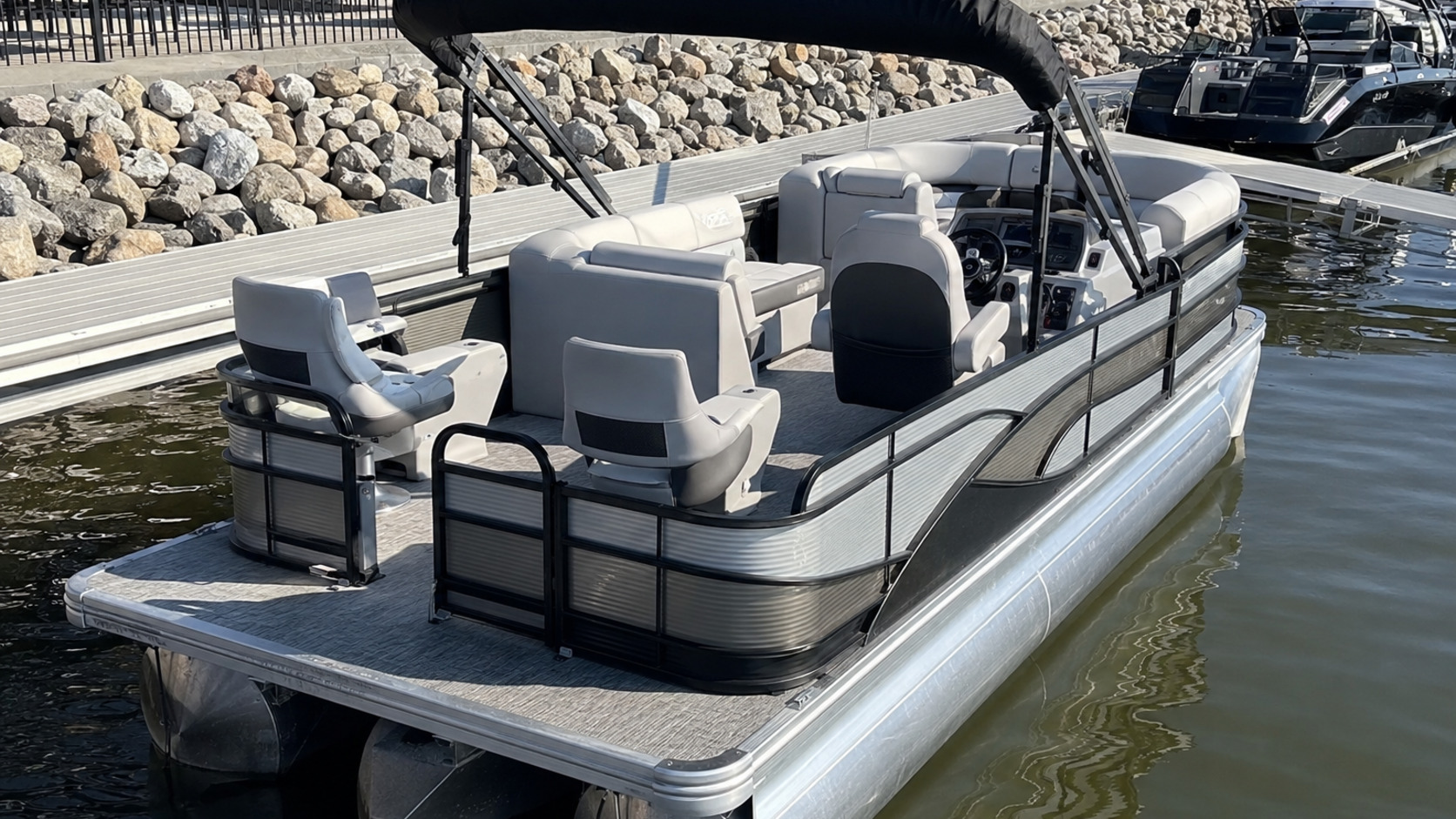
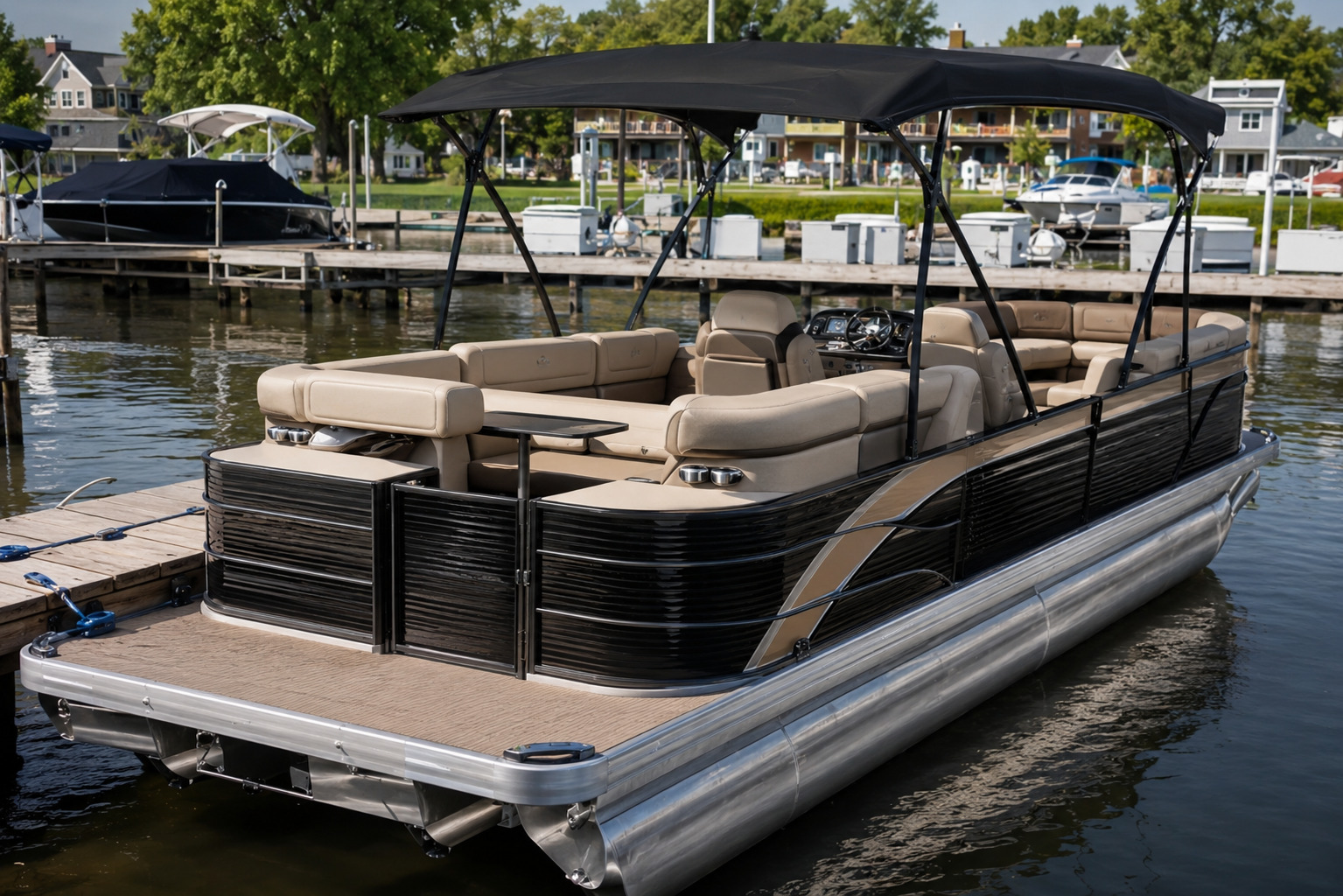
Published LOA for the 25LSAPG is 27′ 3″. When docking the 25LSAPG, use that number, not the shorter model badge, when reserving a slip or checking a lift.
Bennington does not publish one universal trailer length, height, or loaded weight for every 25LSAPG. The actual 25LSAPG engine, tube package, fuel, batteries, arch or Bimini, and trailer geometry all affect the stored and towed package.
With the 25LSAPG, lift owners should confirm bunk spacing around the exact pontoon or tritoon tubes. For 25LSAPG storage, trailer owners should calculate payload and tongue weight rather than comparing only the tow vehicle maximum rating.
The rear fishing station and bass seats use deck area that a 25 LSB or LSR dedicates to full-length social seating, so casual anglers may be buying equipment they rarely use. When docking the 25LSAPG, solve that ownership issue before a payment calculation makes the larger boat appear easier to own than it really is.
When valuing the 25LSAPG, current asking prices move, so the useful comparison is why one configuration deserves more than another.
25 LSAPG listings can be sparse and code-dependent, so shoppers should search Fish & Cruise descriptions as well as the exact suffix and should not use a social 25 L as a direct comparable.
Start a 25LSAPG value comparison with the chassis underneath the deck. In the 25LSAPG market, a lower-power pontoon package and a stronger tritoon or V-Hull configuration can share a model code while carrying different hardware, steering, fuel setup, and engine capability.
Next, adjust the 25LSAPG comparison for its exact floorplan. The LSAPG combines rear fishing hardware with a full midship lounge and forward benches instead of converting the whole boat into a dedicated fishing pontoon. A buyer considering the 25LSAPG who specifically wants that feature may reasonably pay more for the correct code rather than trying to modify a different layout later.
On the 25LSAPG, engine year, horsepower, hours, electronics, audio, canvas, furniture condition, trailer, and dealer-installed equipment explain much of the remaining range.
On the Fish & Cruise layout, livewell pumps, fishing-station hardware, and any trolling-motor wiring need to work before they add value.
Pricing a used 25LSAPG should start below the fence panels and upholstery. For 25LSAPG pricing, tube repairs, damaged strakes, weak outboard records, or a tired trailer can erase what appears to be a bargain.
Beyond the 25LSAPG purchase price, budget for insurance, fuel, outboard service, storage, trailer or lift maintenance, batteries, and canvas care.
Illustration only and not an offer of credit.
The 25LSAPG engine, performance package, options, electronics, trailer, and model year can change purchase price enough that a stripped starting configuration is not a useful payment proxy.
Illustration only and not an offer of credit. Your actual rate and term depend on credit profile, vessel age, loan amount and ownership structure.
The closest useful comparison for the 25LSAPG is the 25 LSB or 25 LSR. The point is not to prove the 25LSAPG is better; it is to identify which compromise your household would rather live with.
The 25LSAPG earns attention because it is the largest approved L Fish & Cruise layout for households that genuinely split weekends between angling and social cruising. Its defining layout is Fish & Cruise plan with two rear bass seats, a center fishing station, midship L-Bench with sun pad and storage, and forward benches.
The alternative becomes stronger when this drawback matters more: The rear fishing station and bass seats use deck area that a 25 LSB or LSR dedicates to full-length social seating, so casual anglers may be buying equipment they rarely use.
When comparing the 25LSAPG, then compare the chassis and engine. For the 25LSAPG cross-shop, a cheaper boat with the wrong tube package can be a worse value than a more expensive sibling that already has the steering, power, and carrying ability your family needs.
Choose the 25LSAPG only when its specific deck decision solves a regular use case. Against the 25LSAPG’s closest sibling, that is a better buying rule than moving up or down based on one payment number.
Start a 25LSAPG purchase by confirming the full model code on the hull paperwork. 25LSAPG listing headlines sometimes shorten Bennington names, and the missing letters can hide the seating feature that makes the page relevant.
When buying the 25LSAPG, verify published LOA at 27′ 3″ against the exact boat. For a used 25LSAPG, then identify the tube, V-Hull, or performance package and photograph the capacity plate. Before purchasing the 25LSAPG, those steps establish how the boat is rated before engine or price enters the decision.
On the 25LSAPG, check the outboard make, horsepower, serial number, hours, and maintenance record. When buying the 25LSAPG, if the engine was repowered, confirm the rating and the quality of the controls, steering, wiring, and display integration.
Inspect the aluminum tubes, welds, lifting hardware, and underdeck structure on the 25LSAPG. For a used 25LSAPG, look for impact damage, corrosion, or evidence that the boat was supported incorrectly on a lift.
Before purchasing the 25LSAPG, evaluate the deck with the real use case. The LSAPG combines rear fishing hardware with a full midship lounge and forward benches instead of converting the whole boat into a dedicated fishing pontoon. On the 25LSAPG, make sure that feature is still an advantage after the whole family sits aboard.
25 LSAPG listings can be sparse and code-dependent, so shoppers should search Fish & Cruise descriptions as well as the exact suffix and should not use a social 25 L as a direct comparable.
Finally compare the 25 LSB or 25 LSR. The rear fishing station and bass seats use deck area that a 25 LSB or LSR dedicates to full-length social seating, so casual anglers may be buying equipment they rarely use. If the alternative fixes that problem and introduces no bigger issue, buy the alternative instead of forcing the 25LSAPG to fit.
Before financing the 25LSAPG, Float Finance is not the boat dealer. Start your application with the 25LSAPG details, seller type, model year, engine, and asking price so financing can be evaluated around the transaction you are considering.
Price can move sharply with model year, engine, performance package, electronics, furniture condition, trailer, and the exact floorplan hardware. Use the range shown above as a current market snapshot rather than treating it as a permanent value.
Bennington publishes approximately 27′ 3″ for the relevant 25LSAPG configuration. The published LOA is more useful than the nominal number in the badge when sizing a slip, lift, trailer, or storage building.
Capacity should be read from the plate on the exact boat. Bennington family ratings span multiple passenger counts, and performance packages can change buoyancy and certified load. Do not assign the maximum family capacity to every 25LSAPG without checking its build.
Bennington’s published guidance for this model is: Varies by performance package; L Line supports up to 400 HP on compatible builds. The exact capacity plate and performance package govern the final engine limit, especially on configurable L Line and L Bowrider boats.
The LSAPG combines rear fishing hardware with a full midship lounge and forward benches instead of converting the whole boat into a dedicated fishing pontoon. That feature should be the reason to prefer this model over a nearby code, not simply an item copied from the option sheet.
Inspect the aluminum structure, outboard, steering, electrical additions, furniture mechanisms, canvas, boarding hardware, and trailer or lift history. Then focus on the model-specific layout: Fish & Cruise plan with two rear bass seats, a center fishing station, midship L-Bench with sun pad and storage, and forward benches. Moving parts, fishing pumps, arches, or upper-deck hardware require additional checks where fitted.
Potentially. Financing depends on the actual model year, value, condition, purchase amount, seller type, and borrower qualifications. Start your application with the details so the transaction can be evaluated around the specific boat rather than a generic Bennington model name.
Choose the 25LSAPG when you want the largest approved L Fish & Cruise layout for households that genuinely split weekends between angling and social cruising. Choose the alternative when this drawback carries more weight in your household: The rear fishing station and bass seats use deck area that a 25 LSB or LSR dedicates to full-length social seating, so casual anglers may be buying equipment they rarely use. The correct answer should come from floorplan and ownership fit before price.
Tell us a little bit about yourself and the boat you are looking to finance.