
Call Us : 207-994-5109
Mon – Fri: 8 am to 9 pm & Sat – Sun: 10 am to 8 pm
The Bennington 23 S is the larger social S Line size for buyers who routinely carry adults and want noticeable separation between bow, helm, and aft lounge zones.
The 23 S is the larger social S Line size for buyers who routinely carry adults and want noticeable separation between bow, helm, and aft lounge zones. For the 23 S, that is the reason to start here rather than treating it as another number in Bennington’s S Series.
The 23 S uses its additional deck length to make lounge layouts feel less crowded while still supporting fishing-oriented configurations. Stern Radius and Swingback plans become especially attractive because adults can occupy both the bow and stern without the cockpit feeling like one continuous bench.
At roughly 24 feet overall on current layouts, the 23 S is where the nominal size starts to understate how much boat must be stored and docked. For the 23 S, the detail matters because the same nominal length can hide a different deck mission or a different real overall length.
The 23 S is not sold as one immutable chassis. With the 23 S, tube choice, performance package, outboard, and options can change carrying ability and performance. Buyers should therefore shop the complete build, not copy a specification from another 23 S listing.
The 23 S belongs to the configurable S Line, so power is tied to the tube and trim specification rather than one mandatory engine. On the 23 S, a basic twin-tube boat can be configured for easy cruising, Express adds center-tube support for lighter power, and SPS moves the boat into a full tritoon package with hydraulic steering. The useful question is whether the 23 S needs stronger loaded performance, not what the largest engine looks like on a dealer sign.
The honest drawback is straightforward. The extra foot over the 22 S improves room, but it also pushes the rig farther from compact ownership. Buyers with tight garages, short slips, or marginal tow vehicles should price those logistics before buying the bigger deck.
If that drawback already sounds frustrating, compare the 22 S or 25 S before price takes over the decision. When evaluating the 23 S, a payment advantage cannot fix a deck plan or ownership footprint that is wrong every weekend.
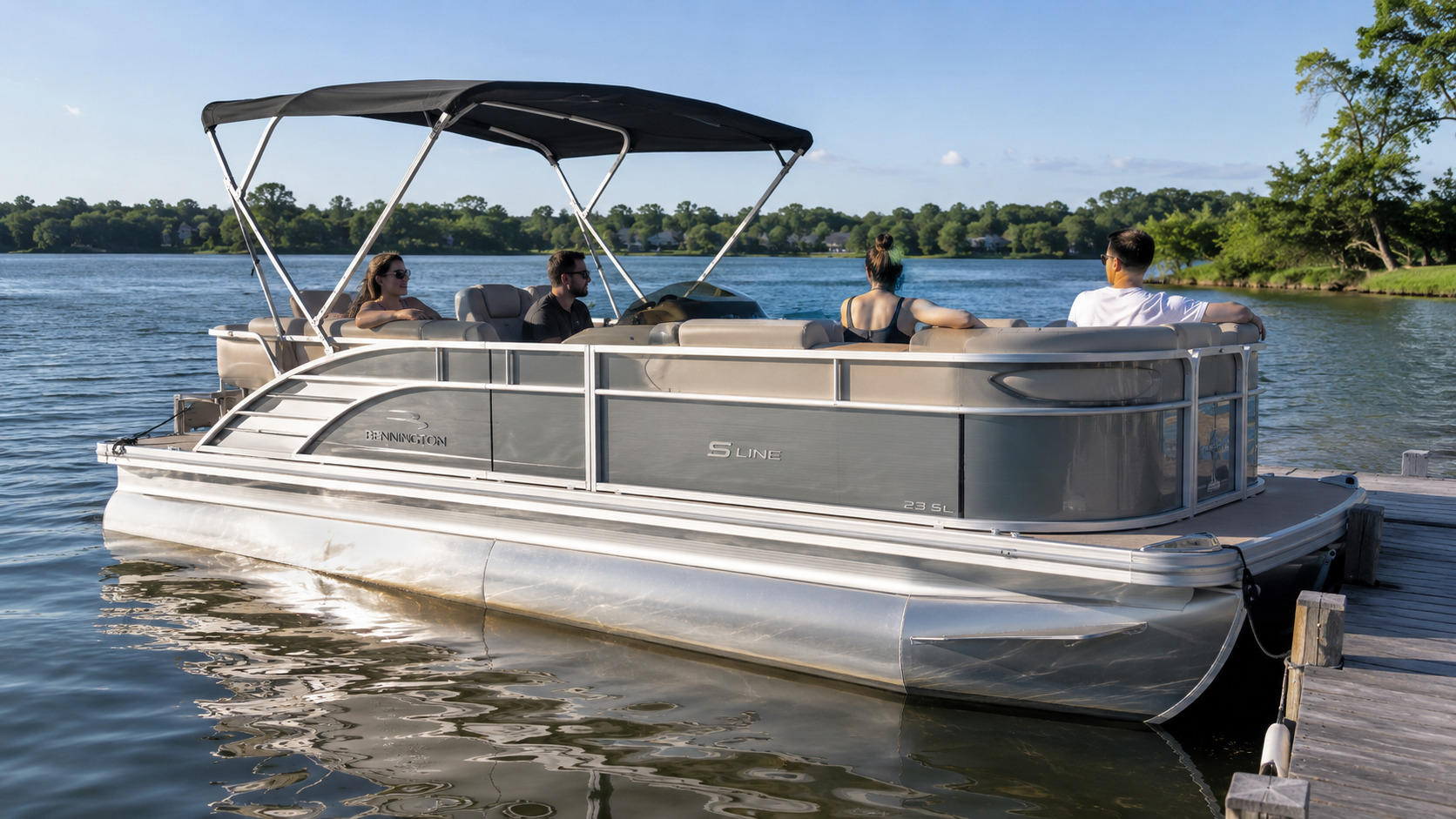
Published factory figures. Confirm every dimension against the individual boat before you commit.
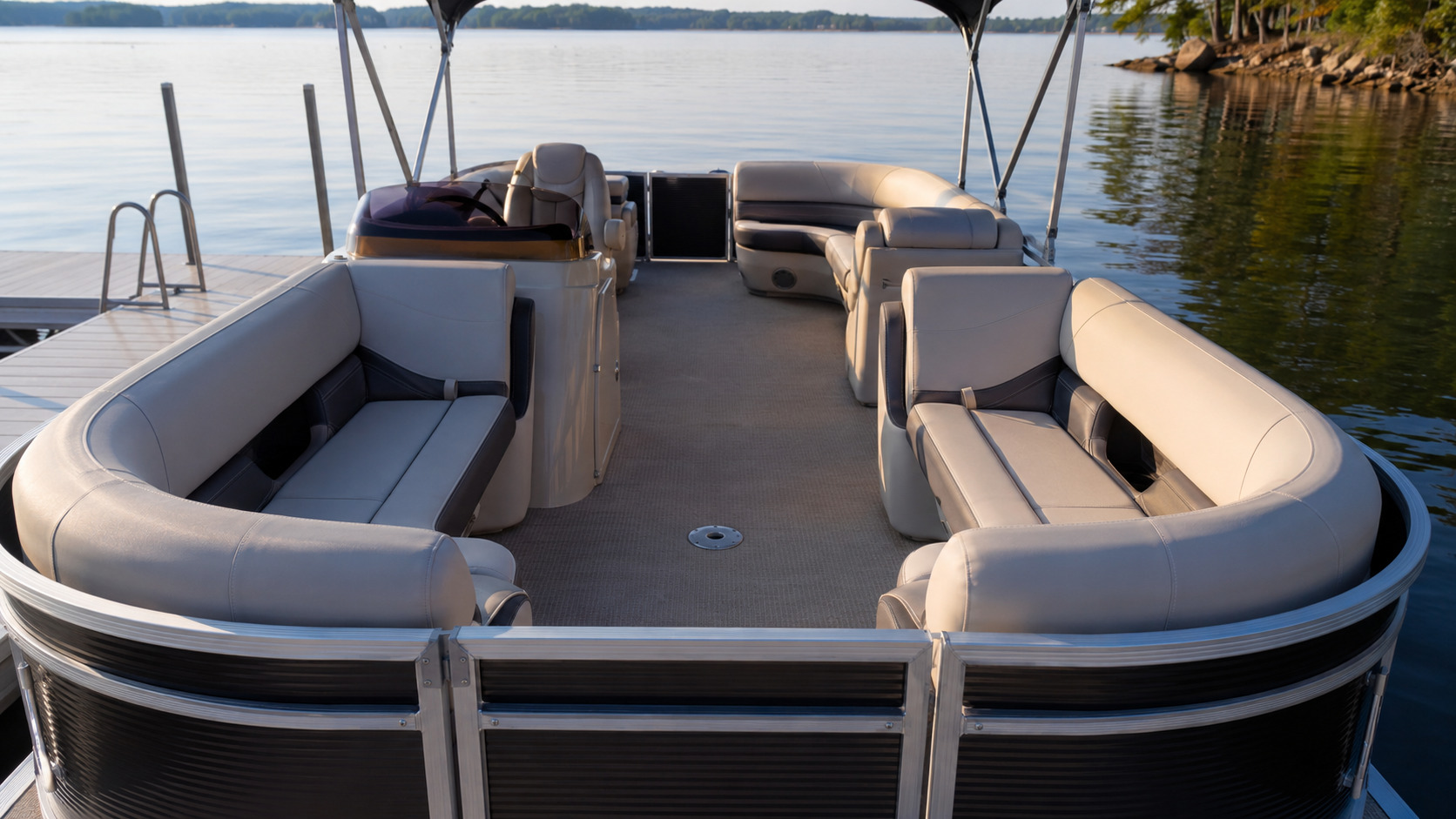
The 23 S is a pontoon or tritoon platform, so applying a fiberglass V-hull deadrise number would be wrong. For the 23 S, Bennington does not publish one maximum draft, weight, or capacity that safely describes every configuration in this model family.
A current 23 S is roughly 24 feet overall. That is enough deck to separate bow and aft passenger groups more clearly, but it also moves the boat beyond many residential garage lengths even before trailer hardware is counted.
On the 23 S, tube choice is the closest equivalent to choosing a hull package. On the 23 S, a twin-tube build keeps the structure simple. For the 23 S, Express adds a partial center tube for more support with moderate horsepower. On the 23 S, SPS uses three full-length 25-inch tubes with lifting strakes, performance foils, an underdeck wave shield, and hydraulic steering.
On a 23 S, inspect aluminum structure differently from fiberglass. For the 23 S, look for deep dents, changed welds, damaged strakes, corrosion, electrolysis, or scars from an unsuitable lift. With the 23 S, the underdeck crossmembers and wave shield, if fitted, should be straight and securely attached.
When shopping the 23 S, the published LOA is the number that should drive dock planning. The 23 S’s model badge is a catalog shorthand, while Approximately 23’11.5″ to 24’0″ by current layout is the more useful current reference.
Configuration: Single outboard; engine brand and output vary by the selected performance package
Maximum Horsepower: Varies by configuration; S Line supports higher-power packages on compatible builds
The 23 S belongs to the configurable S Line, so power is tied to the tube and trim specification rather than one mandatory engine. With the 23 S, a basic twin-tube boat can be configured for easy cruising, Express adds center-tube support for lighter power, and SPS moves the boat into a full tritoon package with hydraulic steering. The useful question is whether the 23 S needs stronger loaded performance, not what the largest engine looks like on a dealer sign.
With the 23 S, a sea trial should use the actual engine and a realistic passenger load. On the 23 S, pontoons can feel lively with two people and much less eager once the bow benches, coolers, batteries, and watersports gear are occupied.
Performance-package steering deserves separate attention. On the 23 S, SPS includes SeaStar hydraulic steering, so a sloppy wheel or visible leak on an SPS boat should be corrected rather than dismissed as normal pontoon behavior.
If a used 23 S has been repowered, confirm that the capacity plate supports the engine and that controls, steering, transom rigging, and gauges were updated correctly. When evaluating the 23 S, a newer outboard only adds value when the installation makes sense for the chassis.
The best engine for the 23 S is the one that matches the hull underneath it. On the 23 S, horsepower should finish the configuration decision, not start it.
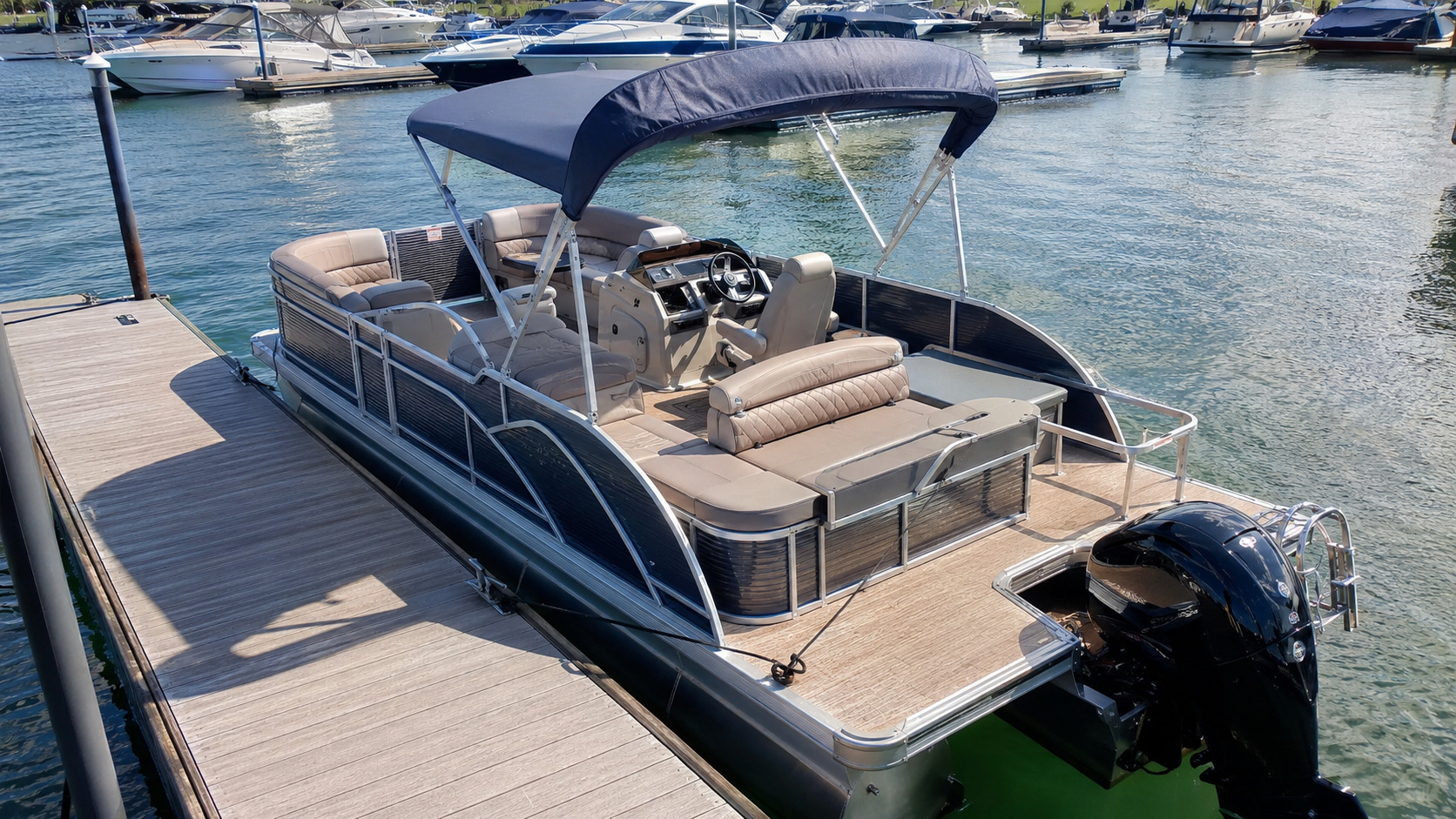
The 23 S does not have one safe fuel-capacity figure for every possible build. For the 23 S, Bennington’s performance packages can use different tank arrangements, and SPS literature notes a 32-gallon transom tank on select models.
That means a buyer should verify the tank on the actual 23 S rather than assigning a sibling’s number. On the 23 S, the same rule applies to range. With the 23 S, engine output, propeller, tube package, load, speed, and water conditions all change consumption.
For the 23 S, for relaxed cruising, the most economical operating point is normally found after the boat is fully on plane or settled into its efficient cruise attitude. For the 23 S, a higher-output tritoon can sometimes run comfortably at lower throttle than an underpowered heavy twin tube.
A used 23 S should have its fill, vent, hoses, sender, and tank area inspected. For the 23 S, fuel smell under the deck or unexplained gauge behavior deserves investigation before delivery.
A 23 S sea trial should begin with the chassis identified. With the 23 S, a twin tube, Express boat, and SPS tritoon can share the same furniture but respond differently when accelerating, turning, or carrying weight in the bow.
Load matters. Put adults in the seats they will normally occupy and watch how the 23 S trims. On the 23 S, run at the speed your family prefers, then make broad turns and cross ordinary wakes. A 23 S performance package should solve a real handling need rather than exist only as an expensive line on the build sheet.
When shopping the 23 S, if towing is important, test acceleration with realistic weight. On the 23 S, SPS is designed to improve lift and handling through its third tube, strakes, wave shield, and hydraulic steering. A cruising family on the 23 S may never need that additional hardware.
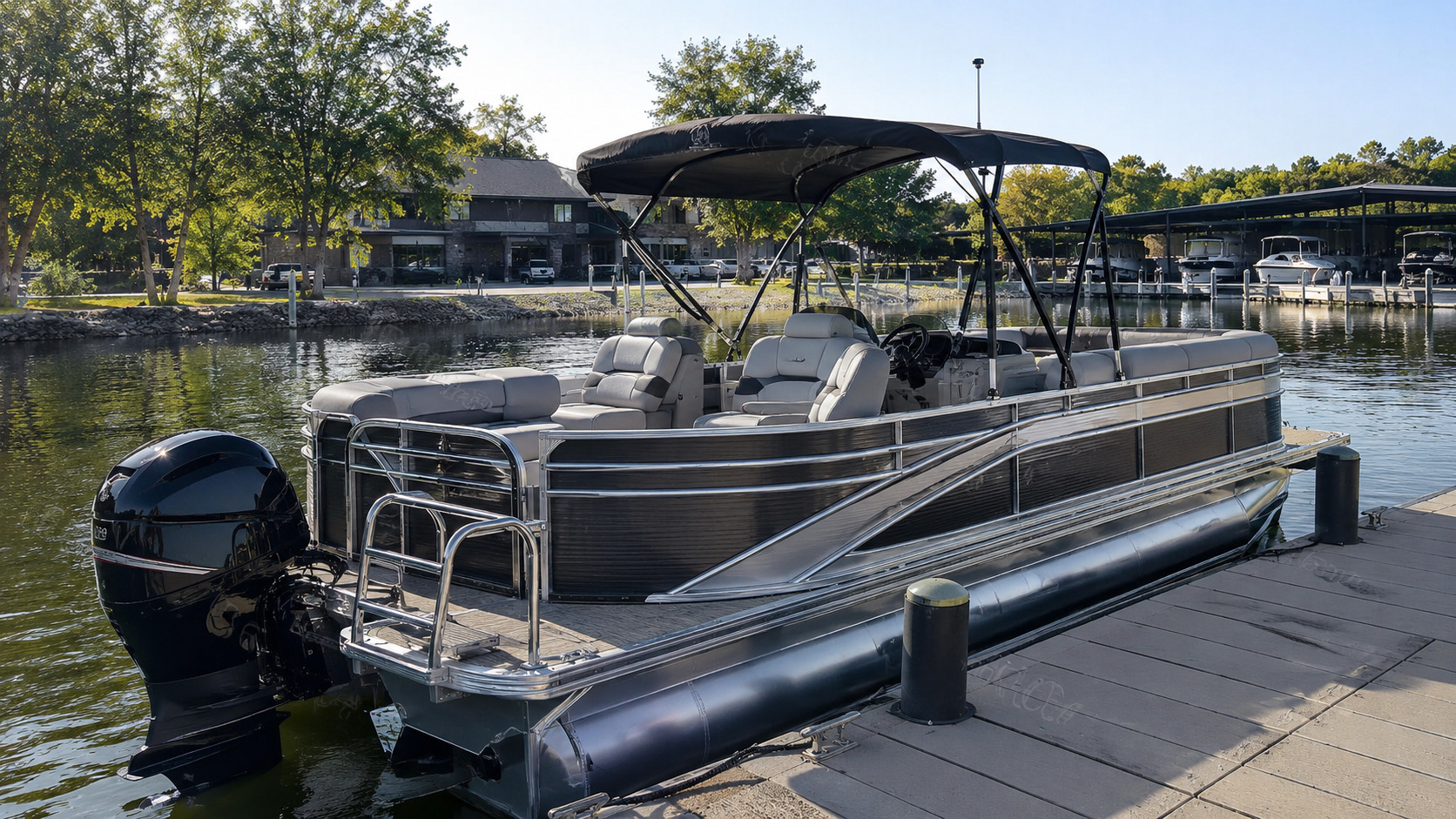
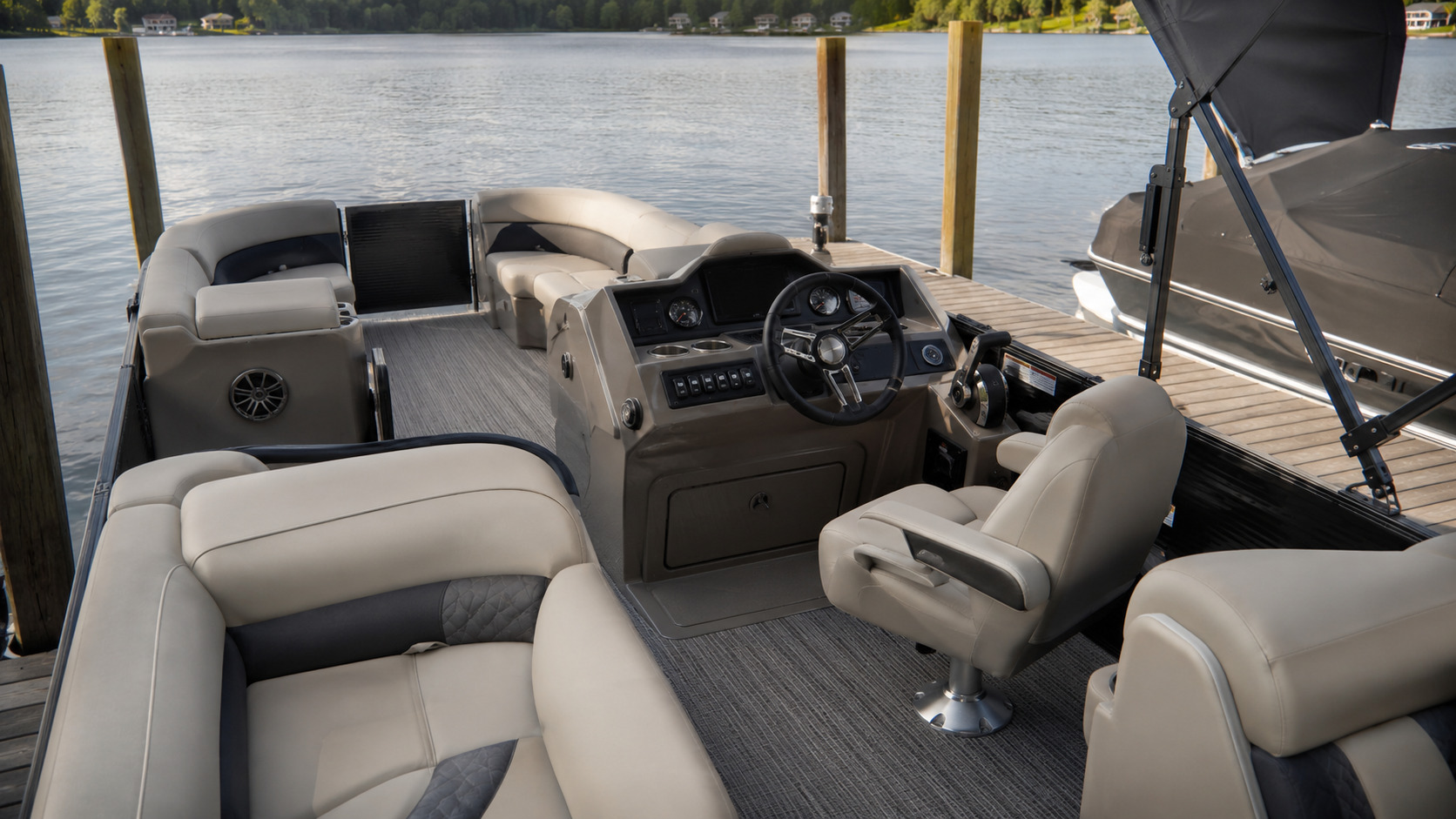
The 23 S uses its additional deck length to make lounge layouts feel less crowded while still supporting fishing-oriented configurations. Stern Radius and Swingback plans become especially attractive because adults can occupy both the bow and stern without the cockpit feeling like one continuous bench.
For the 23 S, that floorplan choice affects more than where people sit. When evaluating the 23 S, it determines where bags disappear, where someone boards from a side dock, whether fishing gear has a dedicated station, and how easily passengers can move while someone is using the stern.
For the 23 S, current equipment also includes this collection context: large quad-bench and Swingback plans, Click & Cruise rails, premium audio, Serene Soft Touch furniture, and Sport/Luxe trim paths. On the 23 S, confirm which items are standard on the specific model year and which arrived through a trim or option package.
On a 23 S, walk through every gate with a cooler or tackle bag in hand. A port midship gate, dual aft gates, or a longer port bench can change how naturally the 23 S works at your dock.
The right 23 S floorplan should solve the day without furniture gymnastics. For the 23 S, if you keep imagining passengers moving so someone else can fish or board, another suffix is probably the better boat.
Current 23 S layouts use Bennington's Click & Cruise ready exterior rail system for accessory flexibility along the fence.
Current S Line comparison material pairs 23 S social layouts with Serene Soft Touch furniture.
Premium Rockford Fosgate audio is part of current 23 S configurations.
The 23 S can sit within Standard, Sport, or Luxe S Line trim paths, changing helm, styling, and equipment without changing the size family.
The current 23 S family includes Fish, J-Bench, L-Bench, Stern Radius Quad Bench, and Swingback configurations, making floorplan selection more important than the size badge alone.
Compatible performance packages can change the 23 S's tube configuration, steering, fuel setup, capacity, and allowable horsepower.
The 23 S uses single-outboard power with engine selection tied to the chosen tube and performance package.
At roughly 24 feet overall on current layouts, the 23 S is where the nominal size starts to understate how much boat must be stored and docked.
The 23 S’s systems depend on how it was configured. With the 23 S, identify the outboard, steering, batteries, displays, audio, lighting, pumps, charging equipment, and any fishing hardware before deciding what needs to be tested.
Used 23 S boats often collect aftermarket electrical work. For the 23 S, look for proper fusing, clean terminals, protected wire routing, and secure battery connections. On the 23 S, an expensive display is not an upgrade if the installation behind it is unreliable.
On fishing versions of the 23 S, run livewells and inspect trolling-motor circuits. When evaluating the 23 S, on social layouts, test movable seat hardware, Swingback mechanisms, tables, and gate latches.
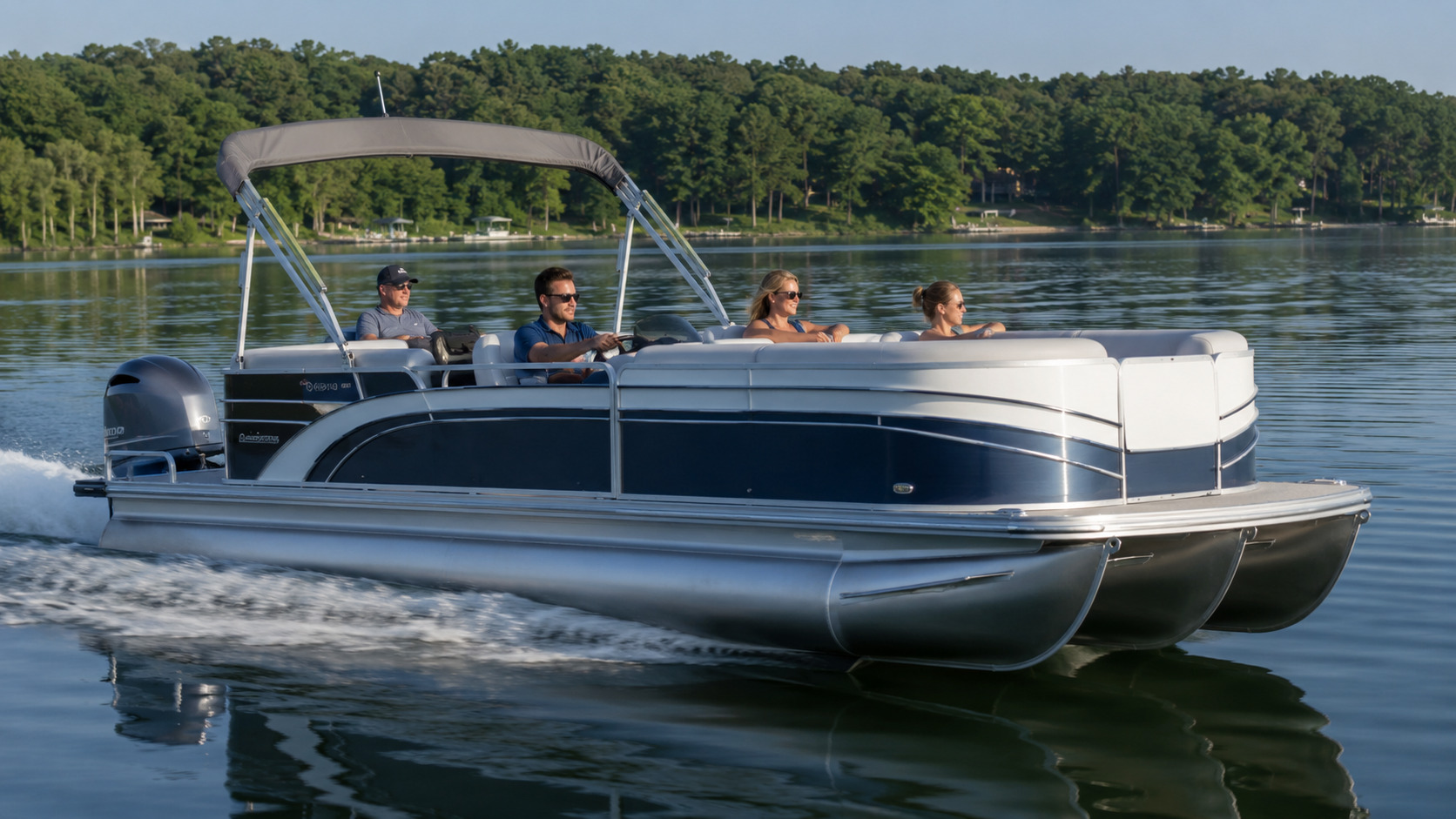
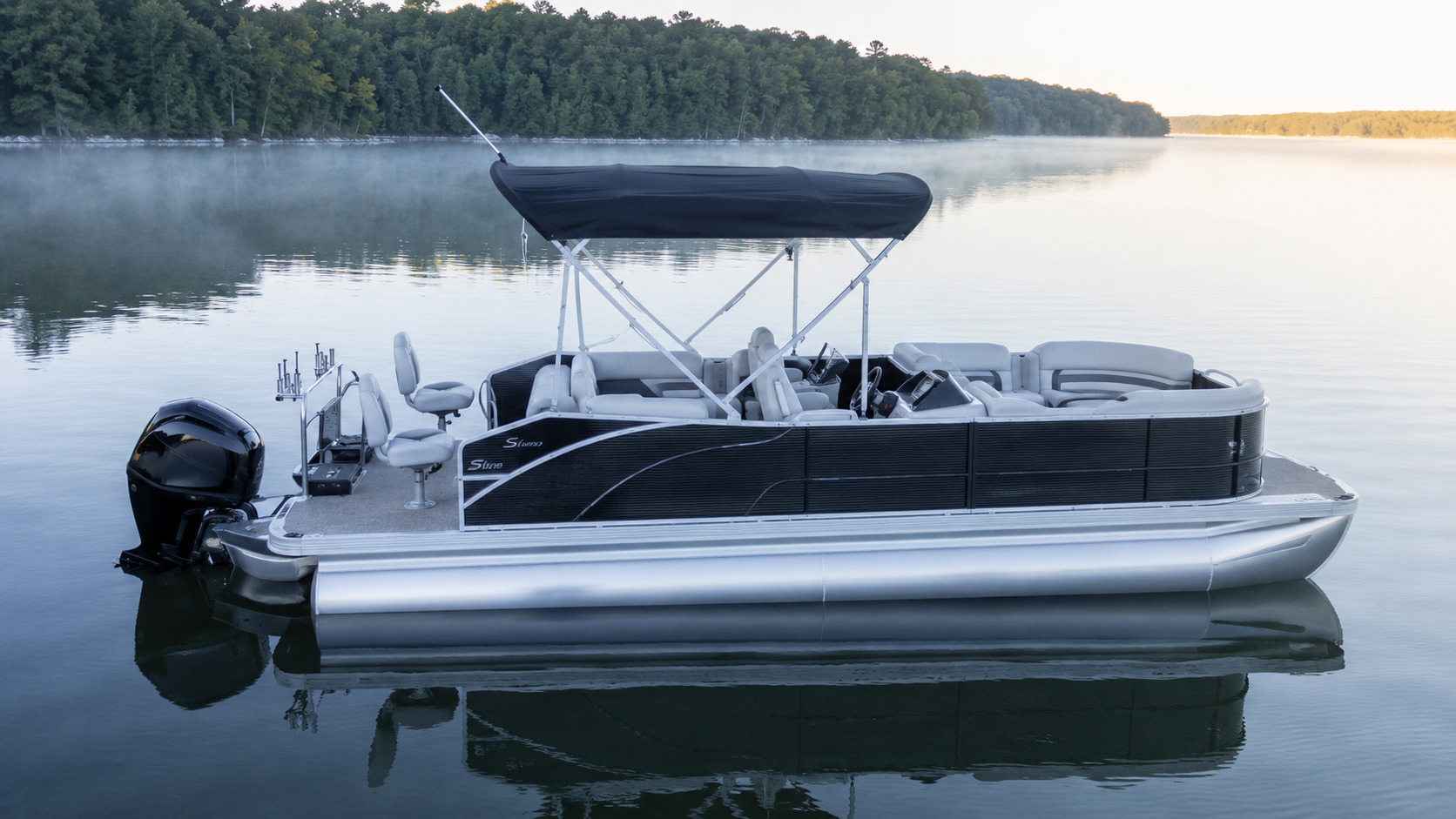
Use Approximately 23’11.5″ to 24’0″ by current layout as the current length reference for the 23 S, then confirm the exact floorplan. When evaluating the 23 S, aft-deck and APG configurations can make a boat longer than the nominal badge suggests.
Bennington does not publish one universal trailer height or storage length for every 23 S. On the 23 S, measure the completed rig from coupler to outboard if the boat must fit beside a house or inside a building.
When shopping the 23 S, trailer owners need the real loaded weight, including engine, trailer, fuel, batteries, options, and stored gear. On the 23 S, do not turn the generic model-family page into a tow rating.
The extra foot over the 22 S improves room, but it also pushes the rig farther from compact ownership. Buyers with tight garages, short slips, or marginal tow vehicles should price those logistics before buying the bigger deck. For the 23 S, solve that logistical issue before the payment makes the larger or more complicated boat seem easy.
With the 23 S, these views should prove the exact layout rather than simply show attractive pontoon photography. For the 23 S, look for the suffix-specific furniture, tube package, helm, engine, gates, and stern arrangement.
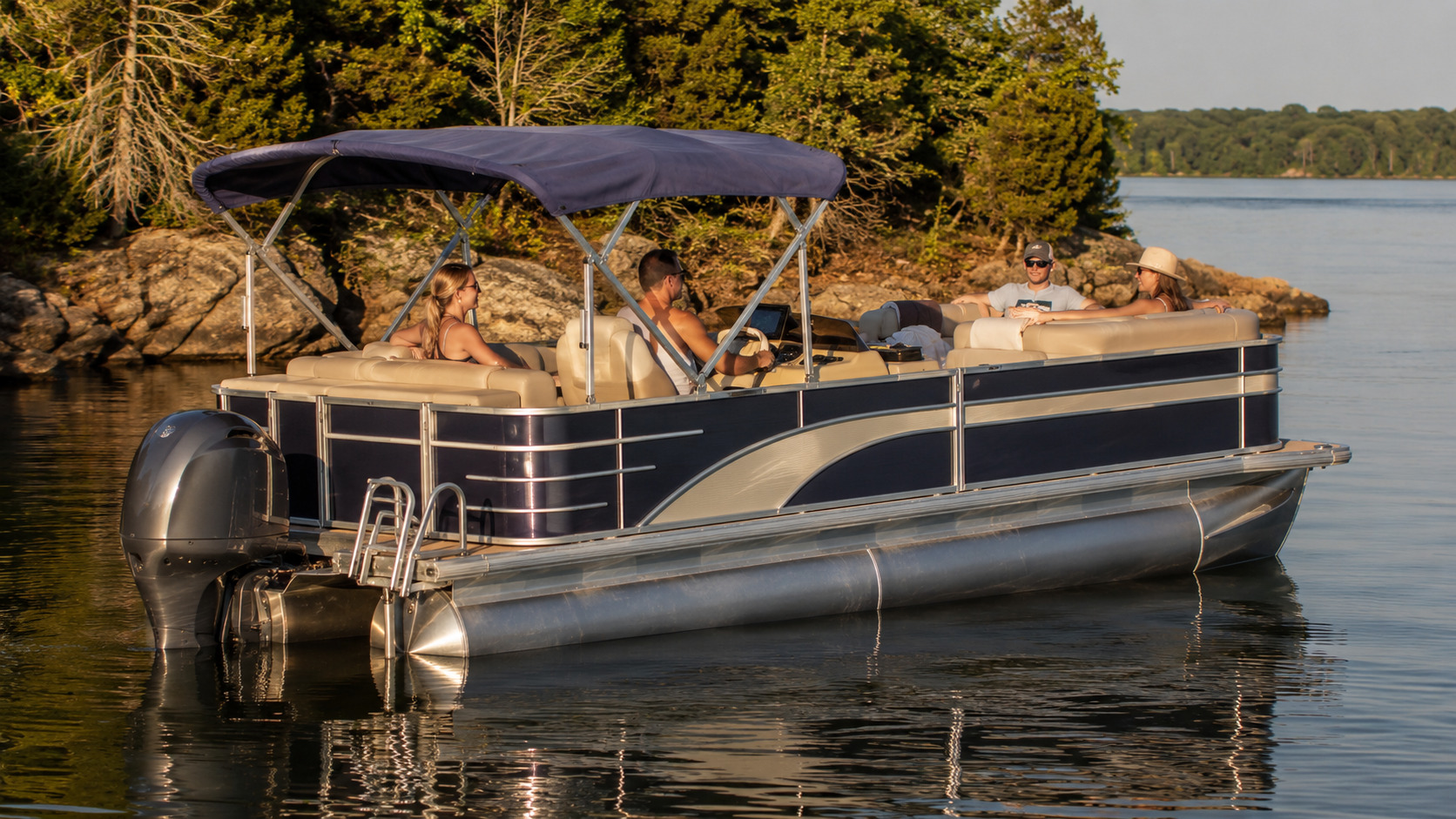
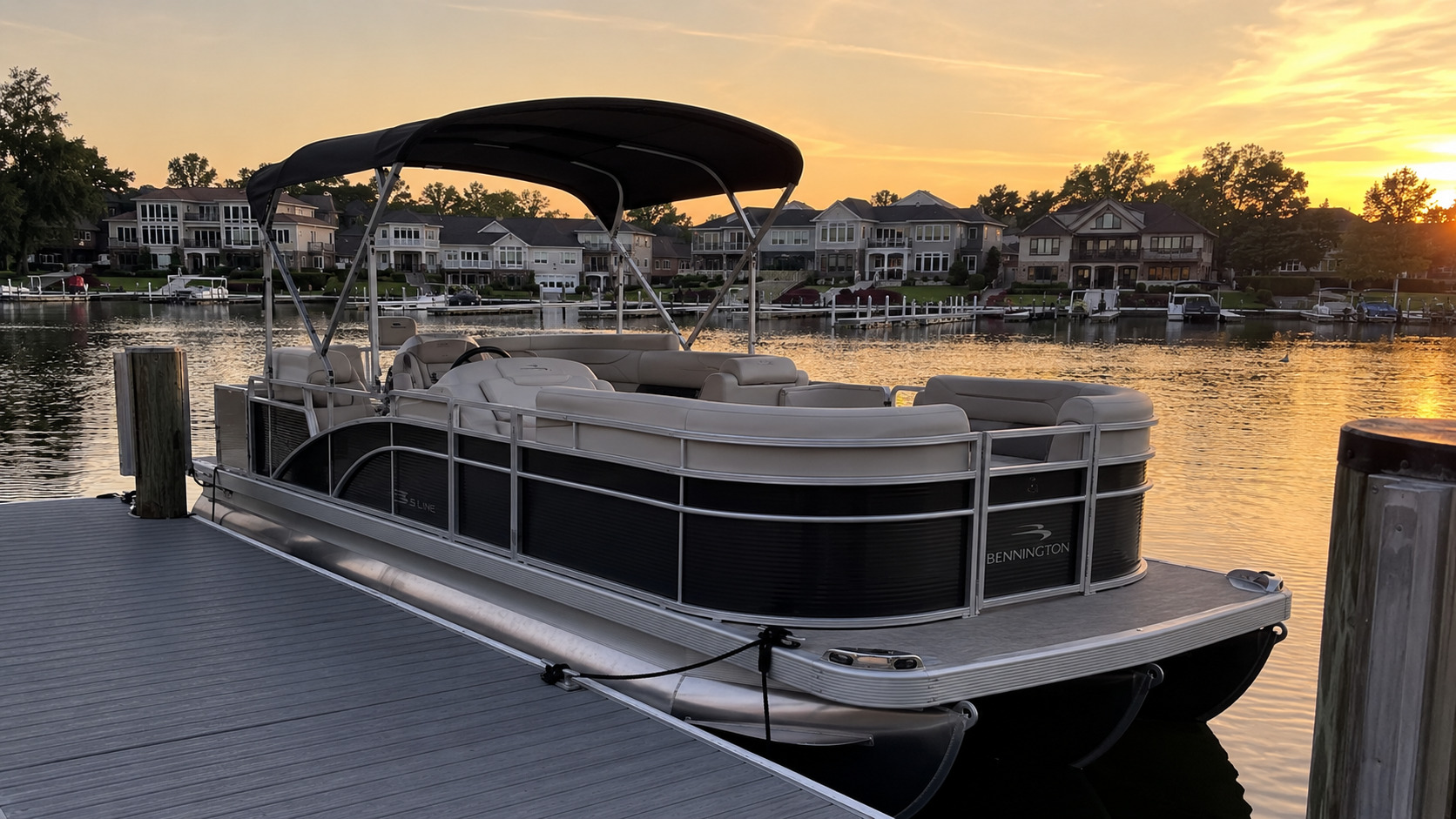
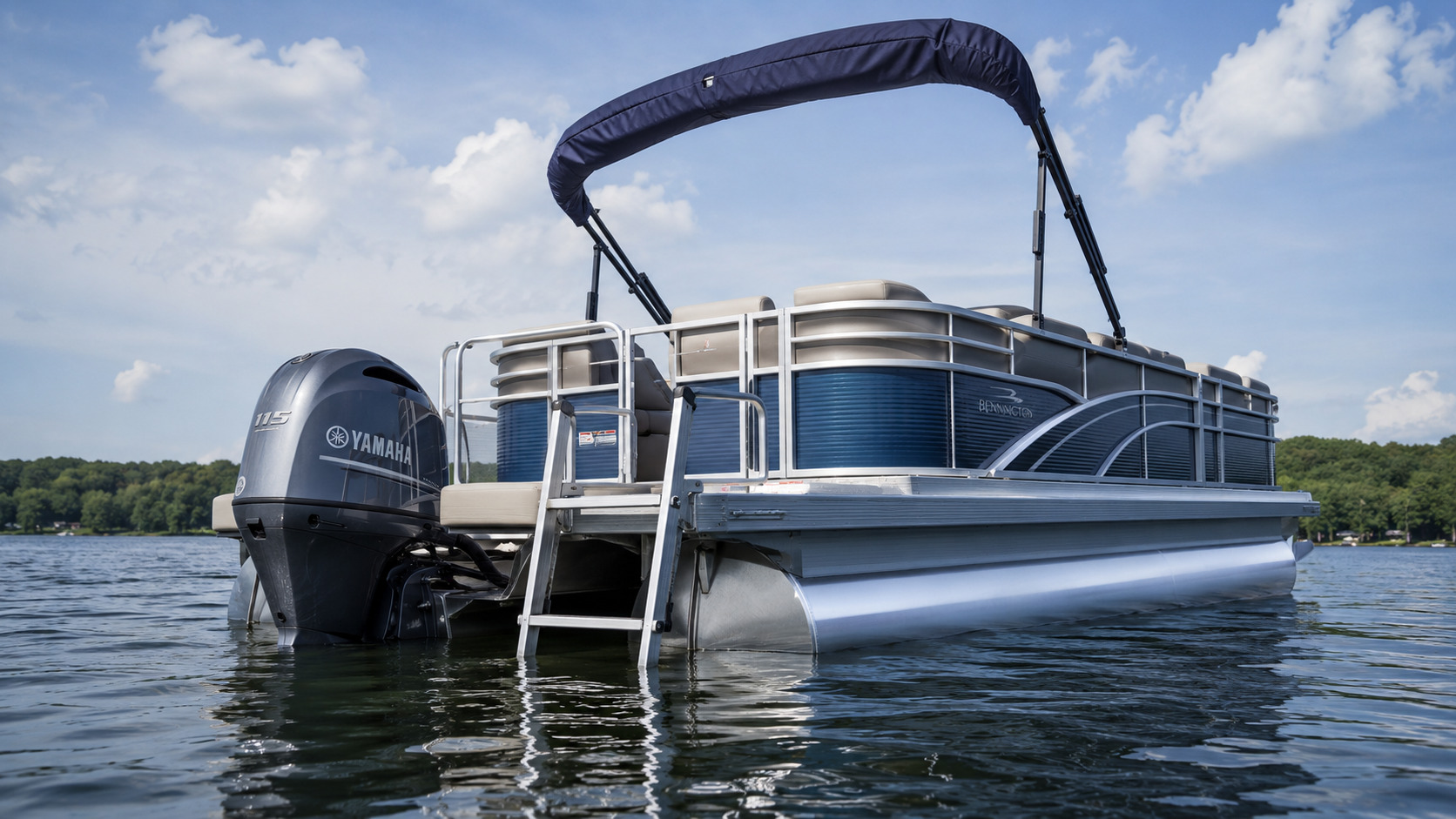
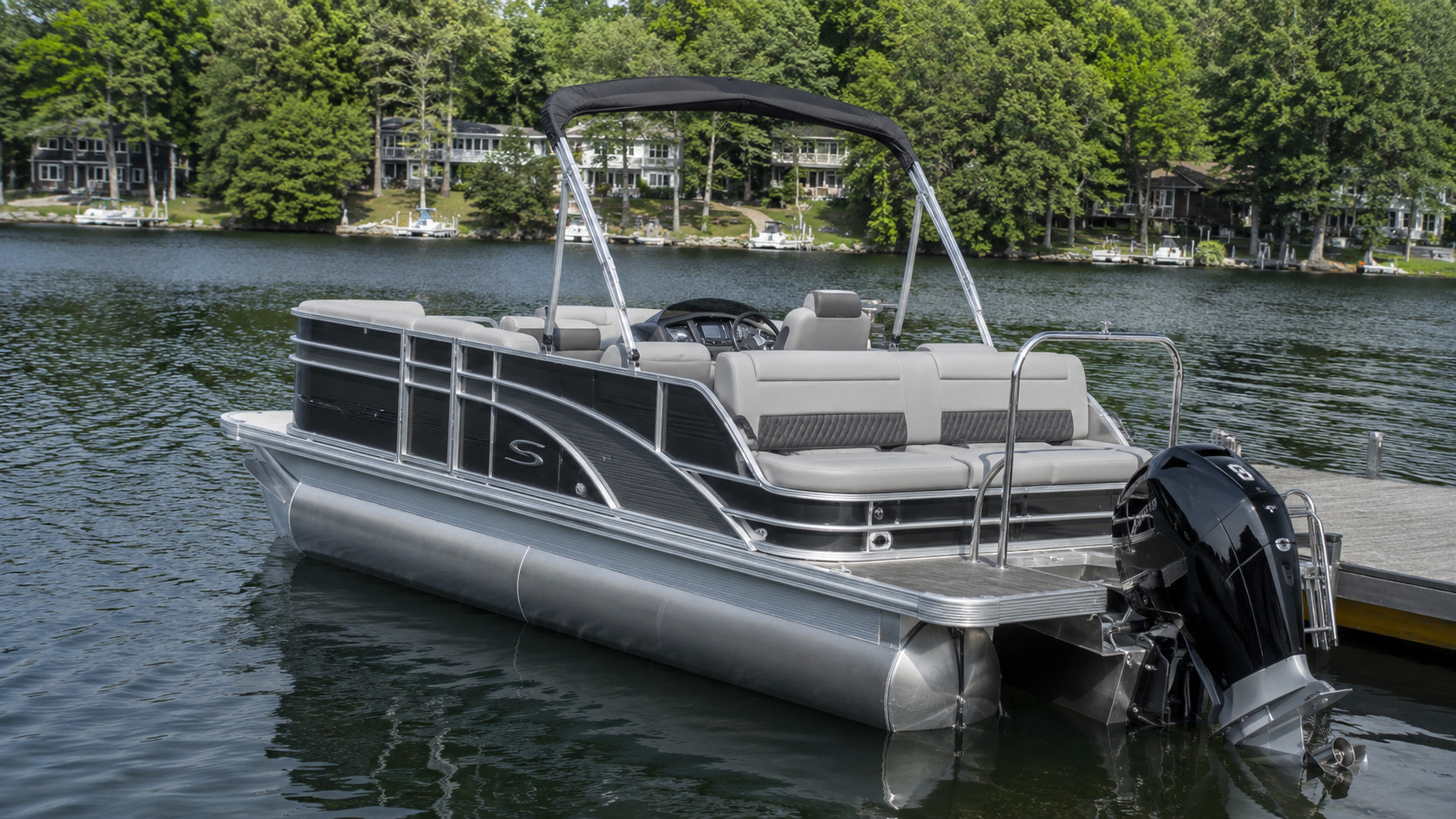
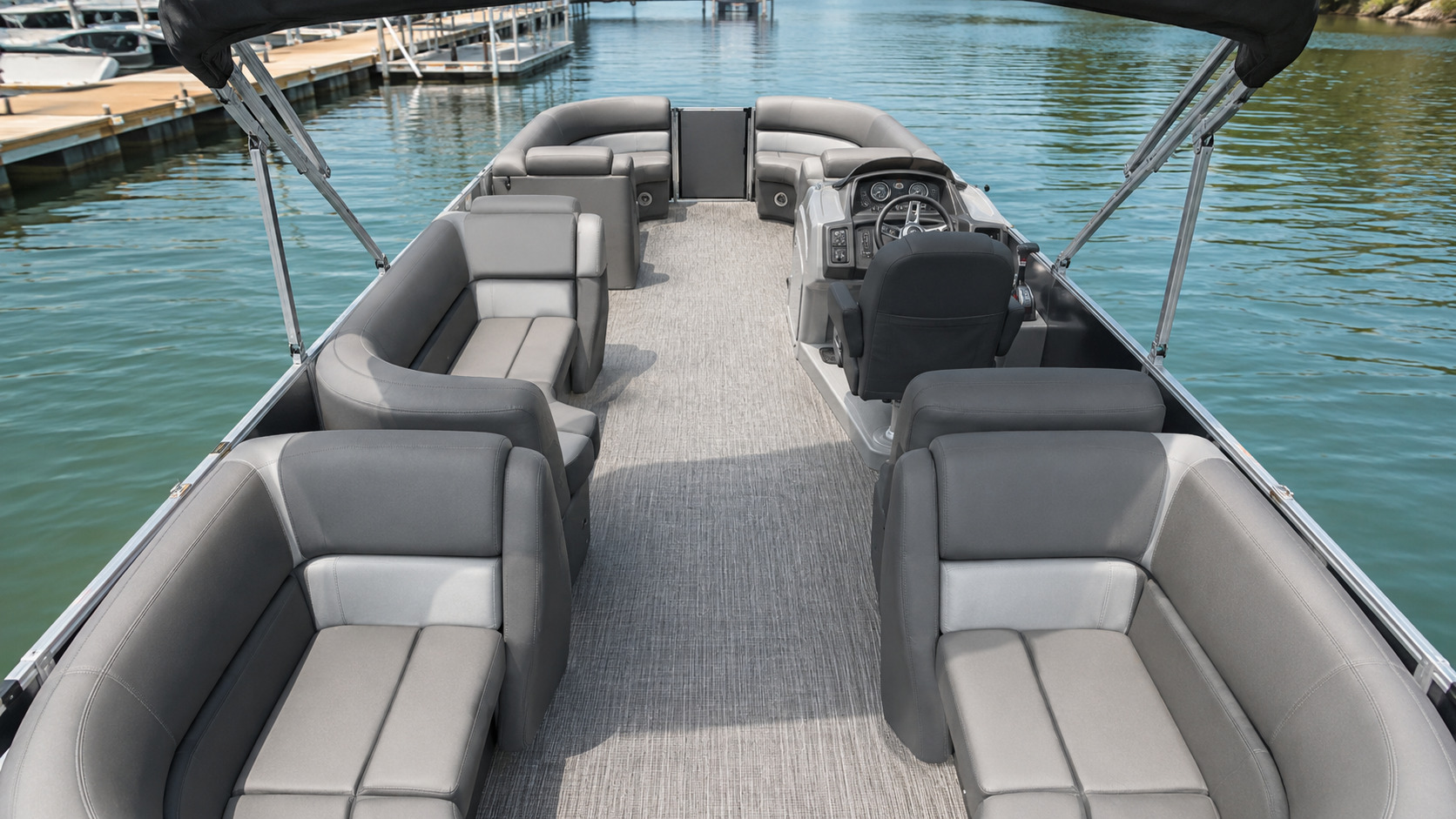
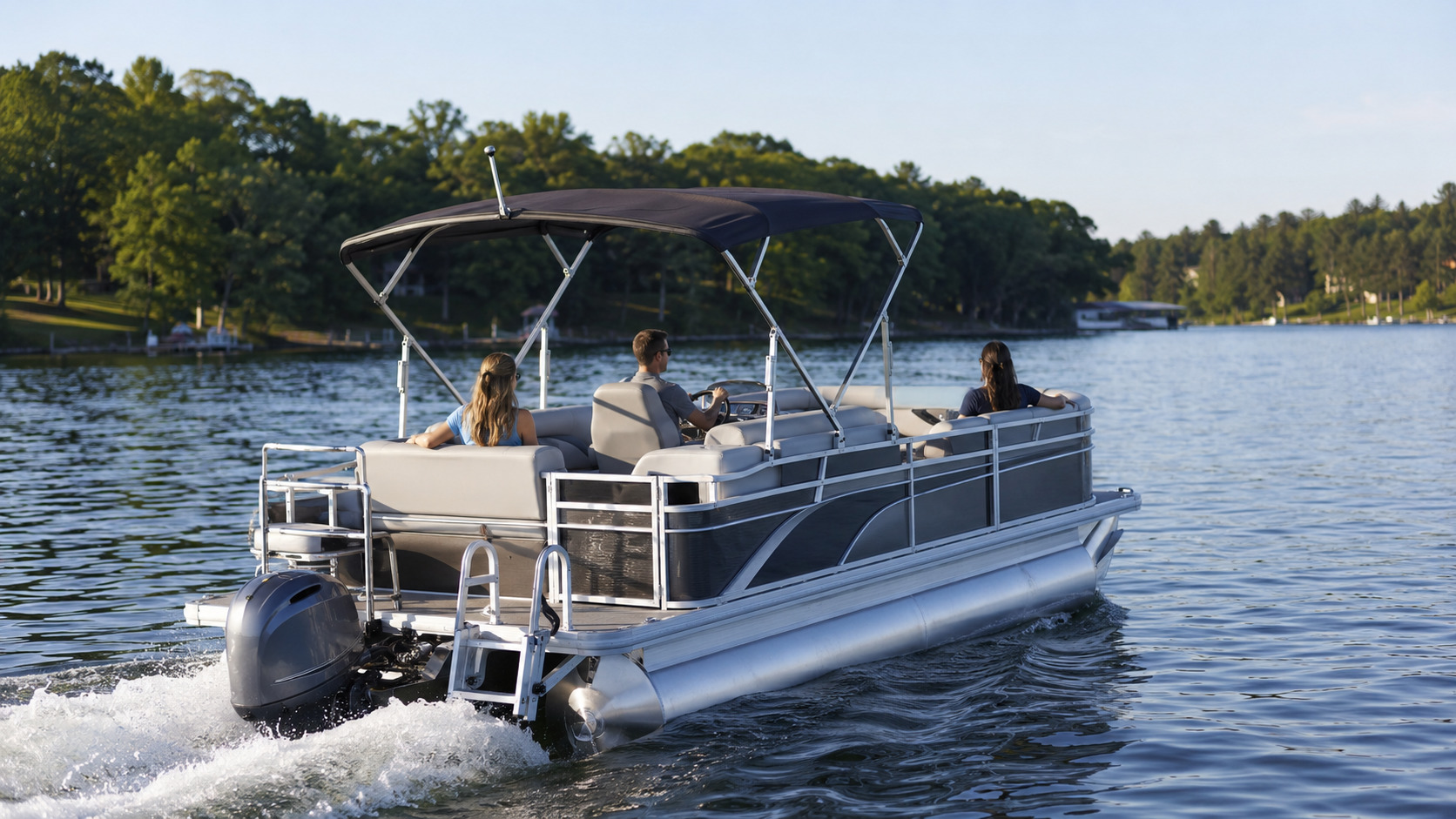
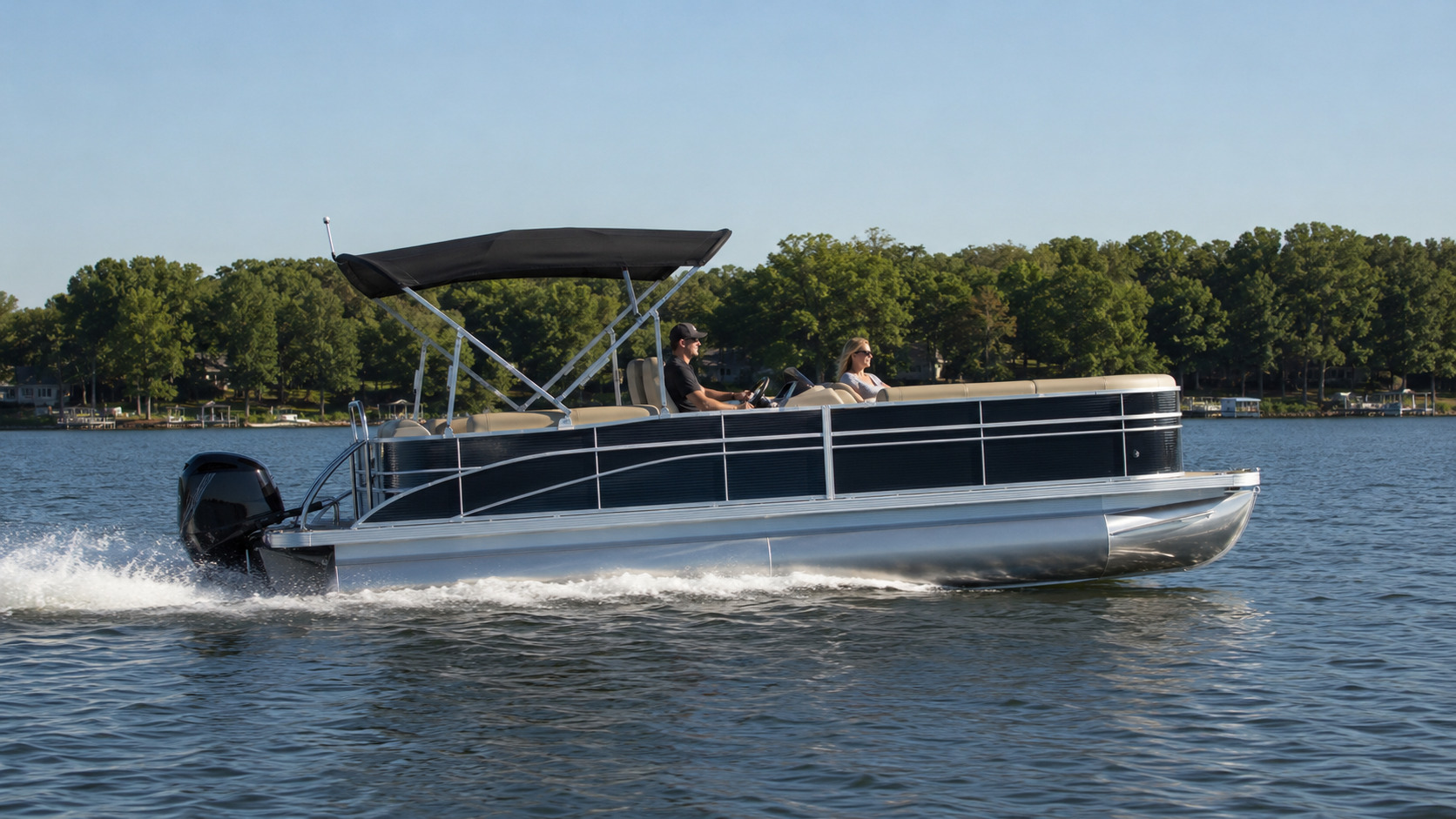
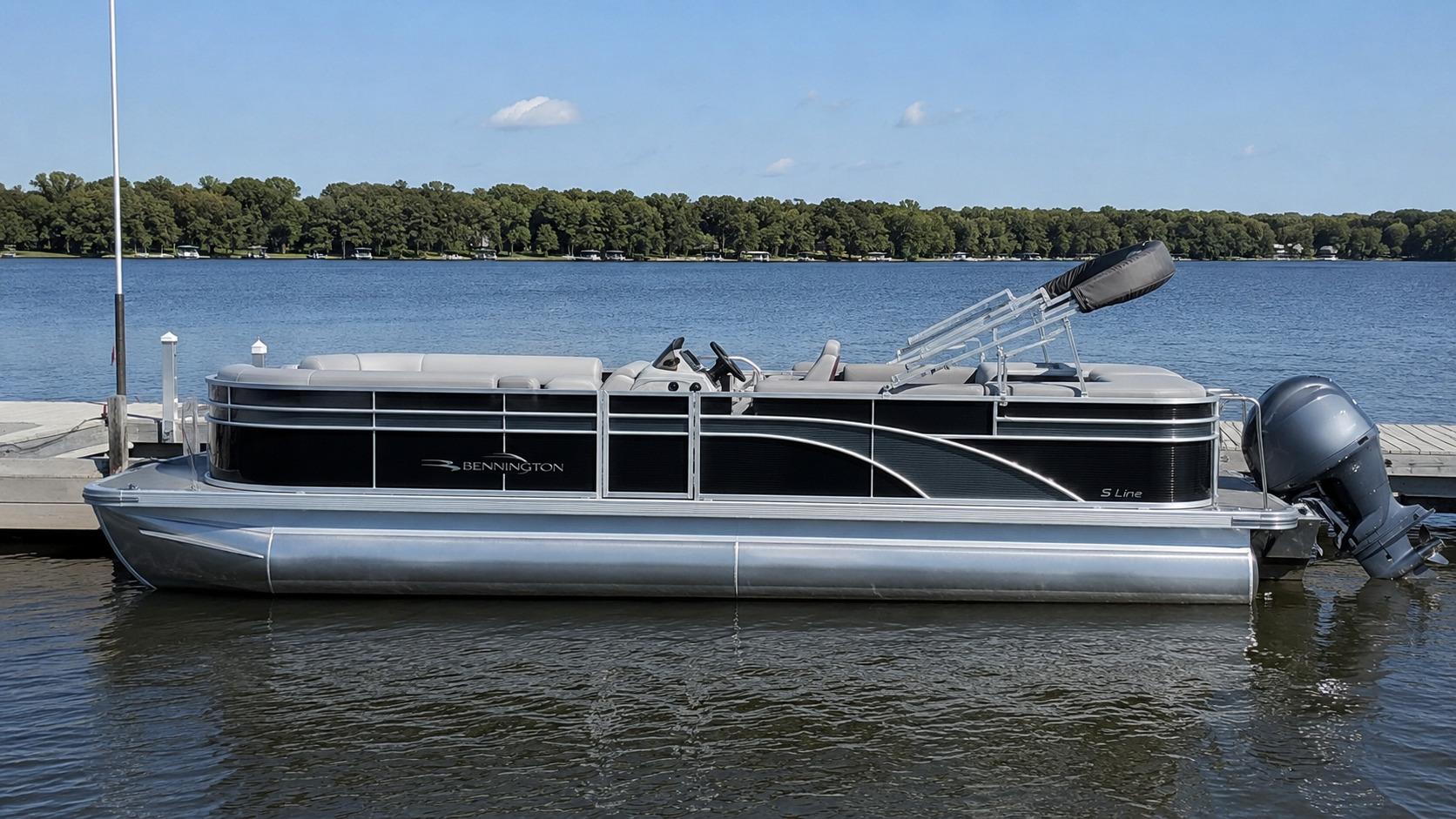
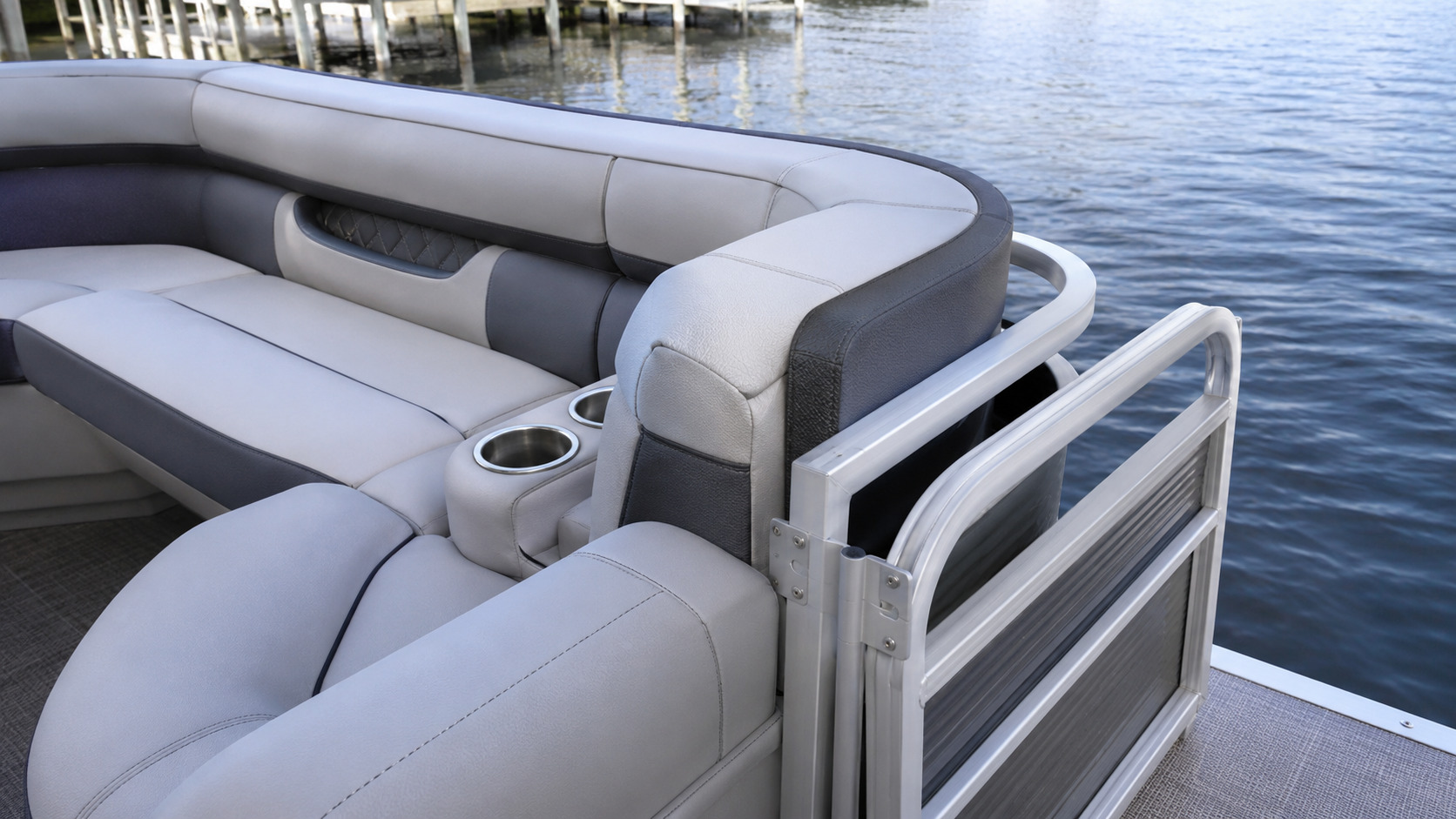
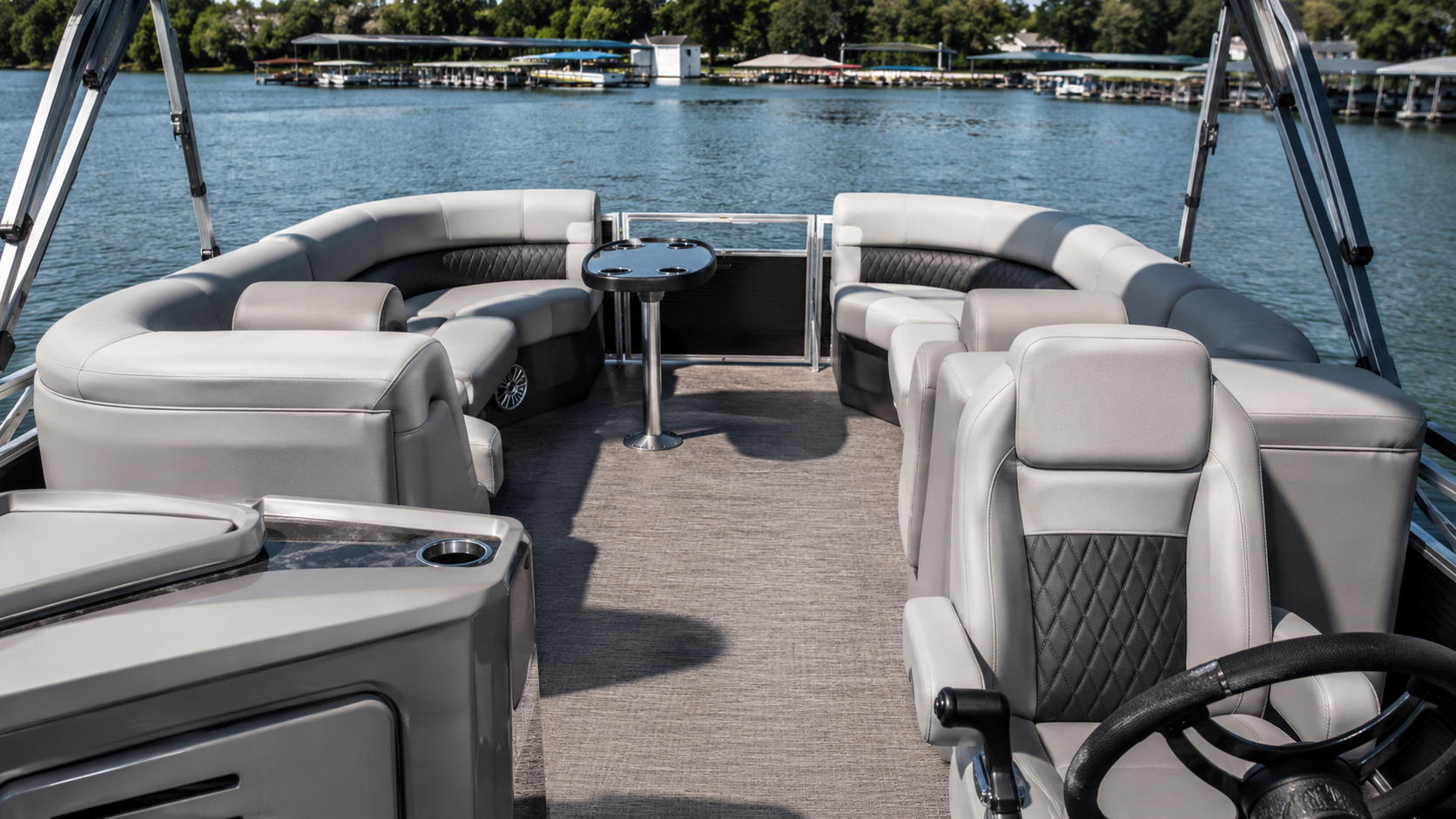
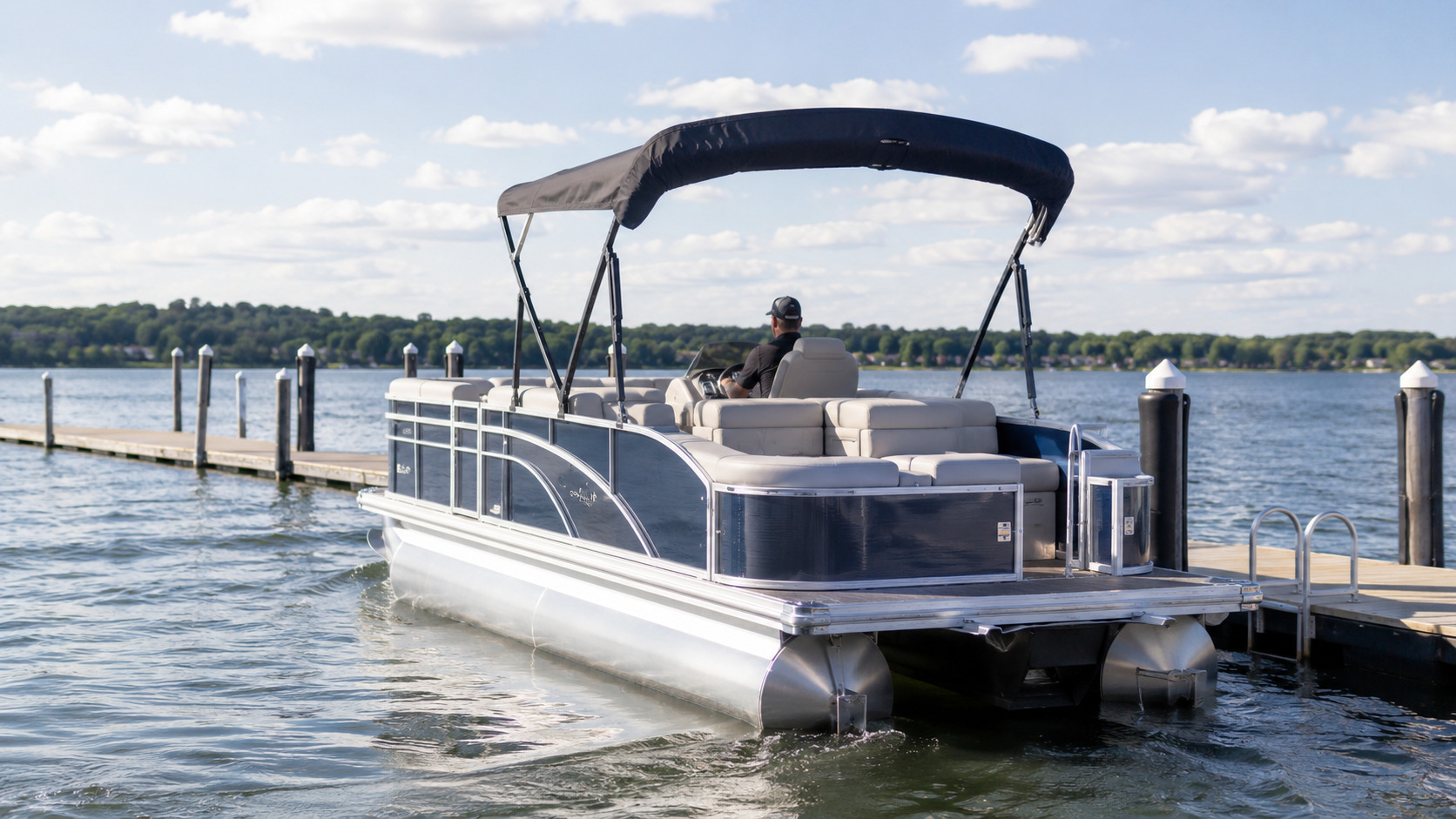
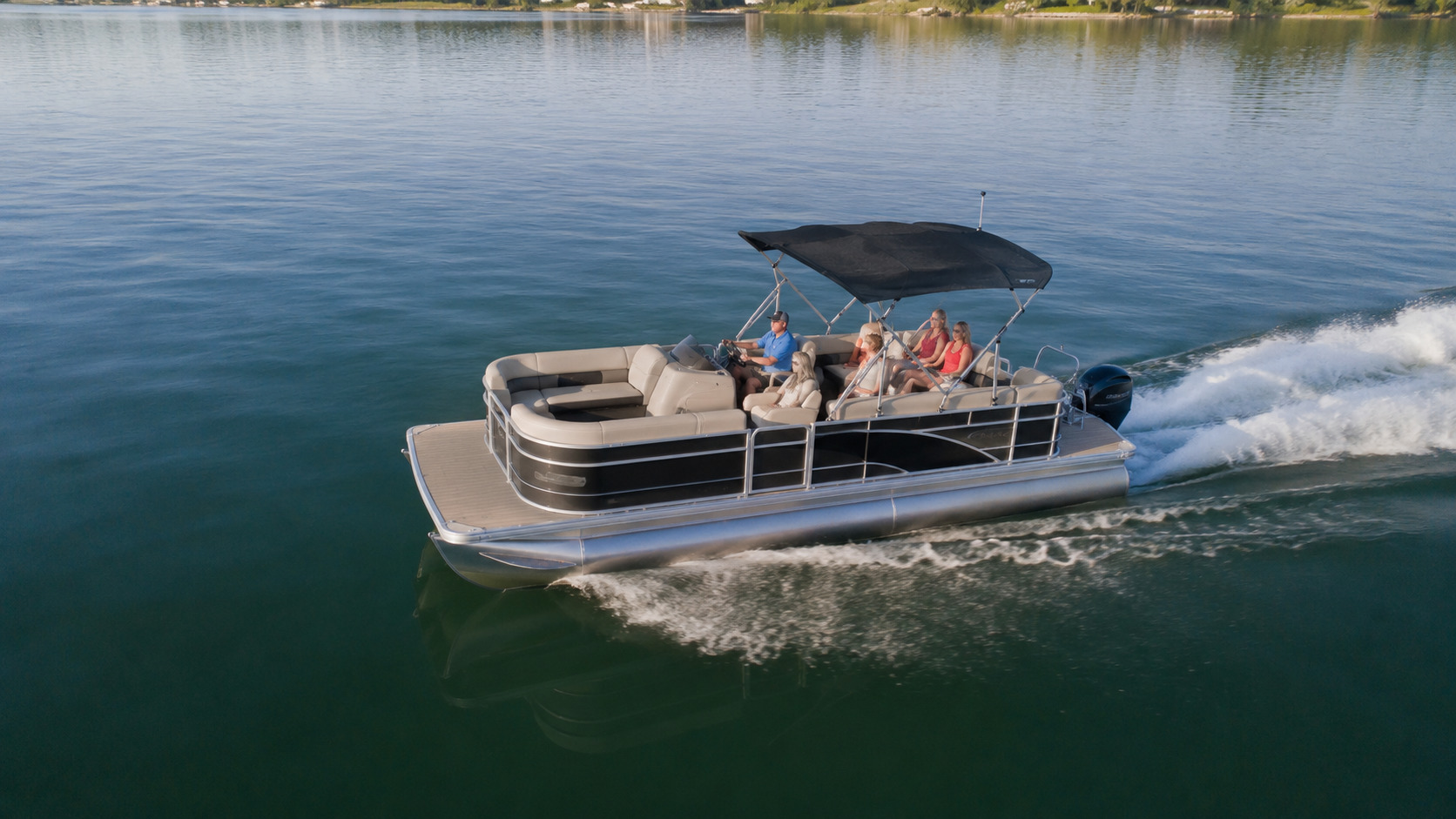
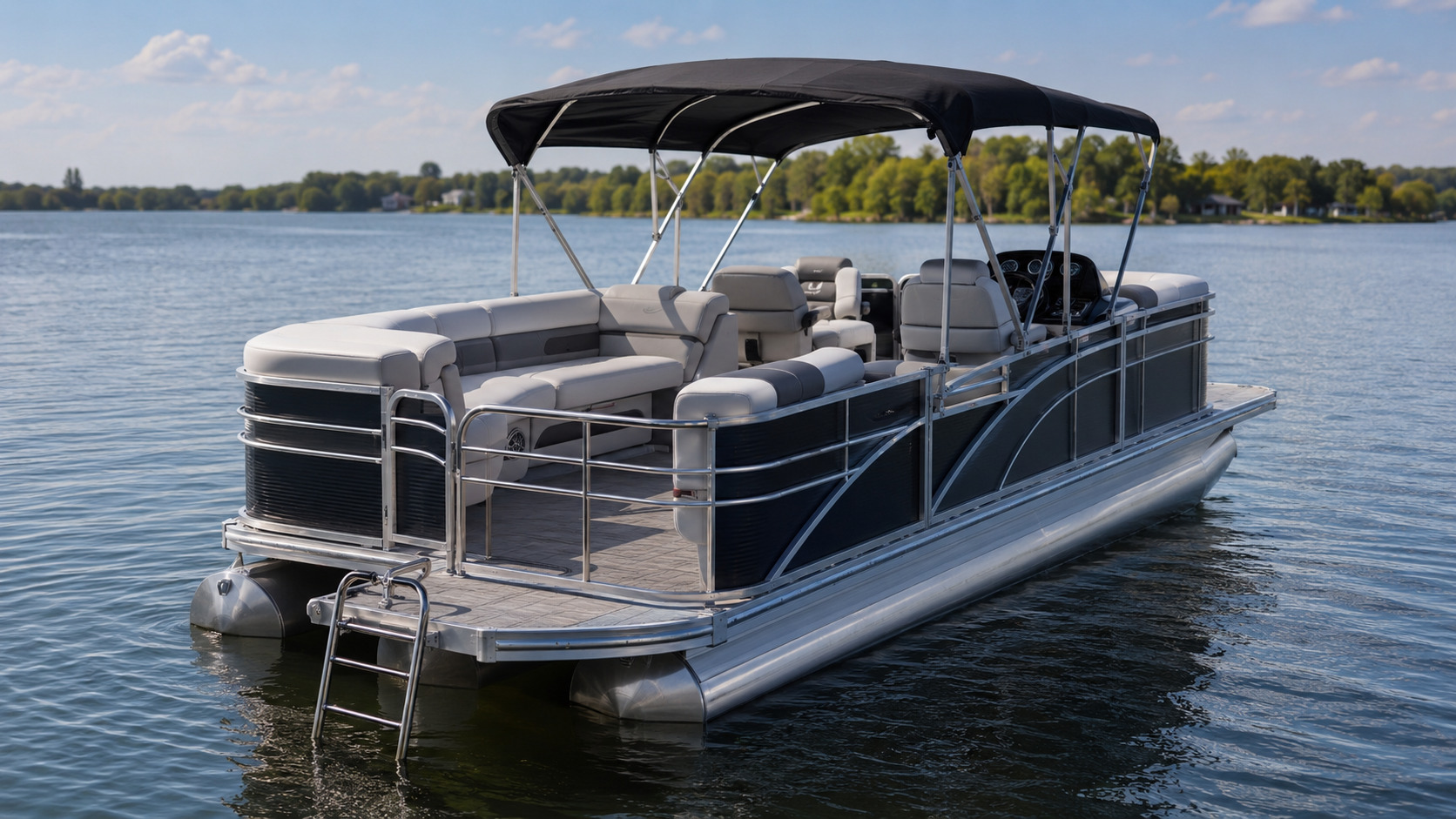
Current 23 S shopping tends to be new-heavy. A buyer should compare delivered configuration and engine before paying attention to tiny model-year differences.
With the 23 S, do not hard-code a market number into body copy when Bennington configurations can move so widely.
On a 23 S, the first pricing adjustment is the chassis. A twin-tube 23 S and an SPS tritoon are not equivalent because the latter adds a full center tube, lifting hardware, hydraulic steering, and potentially more allowable power.
The second is the floorplan. At roughly 24 feet overall on current layouts, the 23 S is where the nominal size starts to understate how much boat must be stored and docked. A 23 S listing with the wrong layout should not be valued as a substitute simply because it is cheaper.
Illustration only and not an offer of credit.
The 23 S engine, tube package, layout, electronics, and trailer can materially change the price.
Illustration only and not an offer of credit. Your actual rate and term depend on credit profile, vessel age, loan amount and ownership structure.
Compare the Bennington 23 S with the 22 S or 25 S using the actual deck map and tube package. At roughly 24 feet overall on current layouts, the 23 S is where the nominal size starts to understate how much boat must be stored and docked. The extra foot over the 22 S improves room, but it also pushes the rig farther from compact ownership. Buyers with tight garages, short slips, or marginal tow vehicles should price those logistics before buying the bigger deck.
For the 23 S, start with the full floorplan code. At roughly 24 feet overall on current layouts, the 23 S is where the nominal size starts to understate how much boat must be stored and docked. That code tells you far more than the generic 23 S name about how the deck is arranged.
Identify the tube package next. For the 23 S, confirm Twin Tube, Express, SPS, or another compatible setup, then photograph the capacity plate so engine and passenger limits are documented.
On a 23 S, verify the outboard make, model, horsepower, serial number, and hours. When buying the 23 S, ask for service records and confirm that any repower is appropriate for the chassis.
Inspect the aluminum below deck. For the 23 S, look at welds, strakes, center-tube hardware, transom structure, and any sign of lift or impact damage.
Current 23 S shopping tends to be new-heavy. A buyer should compare delivered configuration and engine before paying attention to tiny model-year differences.
Then compare the 22 S or 25 S. The extra foot over the 22 S improves room, but it also pushes the rig farther from compact ownership. Buyers with tight garages, short slips, or marginal tow vehicles should price those logistics before buying the bigger deck. When evaluating the 23 S, if that alternative fixes the issue without creating a worse one, choose it instead.
When shopping the 23 S, start your application with the specific details, seller type, model year, floorplan code, engine, and asking price. When evaluating the 23 S, a Bennington size badge can describe several different boats, so the transaction should be evaluated around the exact build.
The 23 S price spread is driven by floorplan, model year, outboard, performance package, trim, electronics, and trailer or lift equipment. For the 23 S, current 23 s shopping tends to be new-heavy. a buyer should compare delivered configuration and engine before paying attention to tiny model-year differences.
Bennington currently publishes Approximately 23’11.5″ to 24’0″ by current layout for the relevant 23 S layouts. The exact 23 S suffix matters because an extended aft deck or APG arrangement can alter LOA. For the 23 S, use the individual build sheet when sizing a slip, lift, trailer, or storage bay.
The 23 S does not have one safe collection-wide passenger number on this page. For the 23 S, Bennington can change capacity with the floorplan and tube package. On the 23 S, read the capacity plate on the exact boat before treating a dealer’s generic model description as the legal rating.
For the 23 S, horsepower is configuration-specific. When evaluating the 23 S, varies by configuration; S Line supports higher-power packages on compatible builds. The selected 23 S tubes and transom determine the engine ceiling, so the build sheet and capacity plate outrank a broad S Series maximum.
The better 23 S chassis depends on use. With the 23 S, a simpler twin-tube arrangement suits relaxed cruising and lower power. A compatible 23 S SPS tritoon adds a third full-length tube, lifting hardware, an underdeck wave shield, and hydraulic steering for heavier loads and watersports.
On a used 23 S, inspect tube dents and weld repairs first, then verify the outboard, steering, electrical additions, furniture, canvas, gates, ladder, and trailer. Pay special attention to the floorplan hardware described here: At roughly 24 feet overall on current layouts, the 23 S is where the nominal size starts to understate how much boat must be stored and docked.
A used 23 S may be financeable depending on model year, value, condition, purchase amount, seller type, and borrower qualifications. Start your application with the actual details because the 23 S badge can hide meaningful differences in engine and chassis.
The 23 S is the stronger choice when you want the larger social S Line size for buyers who routinely carry adults and want noticeable separation between bow, helm, and aft lounge zones. The 22 S or 25 S deserves the purchase when this limitation matters more: The extra foot over the 22 S improves room, but it also pushes the rig farther from compact ownership. Buyers with tight garages, short slips, or marginal tow vehicles should price those logistics before buying the bigger deck.
Tell us a little bit about yourself and the boat you are looking to finance.