
Call Us : 207-994-5109
Mon – Fri: 8 am to 9 pm & Sat – Sun: 10 am to 8 pm
Formula’s 310 Bowrider is the flagship open-bow day boat, with a 9-foot-6-inch beam, 138 gallons of fuel, large head and wet bar systems, with factory-supported twin sterndrive or twin outboard configurations.
The 310 is not simply the biggest Formula Bowrider. Its defining choice is propulsion. Formula’s linked factory specification material shows twin sterndrive packages and twin Mercury outboard packages on the same model.
That fork changes nearly every ownership question. Sterndrives keep propulsion integrated into the hull and preserve a traditional Formula stern. Outboards move engine service outside the boat, extend overall length, and change swim-platform geometry.
Formula publishes a 31-foot hull LOA, 32 feet 8 inches with the extended platform, and 34 feet 9 inches for the outboard configuration in the factory specifications. A buyer who shops slips by the number 310 can therefore be several feet wrong.
The beam is 9 feet 6 inches, wider than every other core Bowrider in this guide. That six-inch increase over the 290 creates real cockpit space and real transport consequences.
Approximate weight is 10,250 pounds before full fuel and gear, with the linked sheet showing 10,825 pounds when equipped with the hardtop. The 138-gallon fuel tank can add more than 800 pounds by itself.
The interior matches the scale. Formula gives the 310 a large head, substantial wet bar, broad bow and aft seating, dedicated storage including dive-tank space in linked material, electric windlass, and larger helm electronics.
The 310 is for a marina-first buyer who wants flagship passenger room and has a clear preference for twin sterndrive or twin outboard ownership. If 29 feet and nine-foot beam already solve the problem, the 290 can be a materially simpler purchase.

Published factory figures. Confirm every dimension against the individual boat before you commit.
LOA with Outboards in Factory specifications: 34 ft 9 in
Trailered Outboard Length in Factory specifications: 36 ft 10 in
Approximate Weight: 10,250 lbs; 10,825 lbs with hardtop in factory specifications
Certification: NMMA Yacht/CE certification shown in Formula factory specifications
The 310’s hull number is only the beginning of its size story. Sterndrive and outboard builds occupy different lengths because the outboard engines extend behind the transom.
At 9 feet 6 inches of beam, road transport is specialized. The boat can be moved, but permits, route restrictions, professional hauling, and storage width should be treated as normal ownership topics rather than surprises.
The 22-degree deadrise puts the 310 in the same deep-V family as the 270 and 290, but 10,250 pounds of published weight gives the flagship far more mass to carry through open-water chop.
Full fuel adds roughly 830 pounds. Twenty-nine gallons of freshwater, batteries, head fluids, gear, hardtop equipment, anchors, and twin engines push the operating load much higher than the dry number.
The factory specifications shows Formula’s structural matrix, foam-filled cavities, bonded deck joint, stainless rails and cleats, and a concealed electric windlass. Inspect those systems where hardware meets fiberglass because the 310 carries large loads at the bow, hardtop, and transom.
On a sterndrive 310, inspect both transom drive openings and the platform structure around them. On an outboard boat, inspect engine mounting, transom penetrations, rigging, steering, and the separate ladder arrangement Formula describes for that configuration.
A survey is especially sensible at this scale. A hidden moisture issue, hardtop repair, drive impact, or transom modification can be expensive relative to the cost of a professional inspection.
Sterndrive Reference: factory specifications lists twin MerCruiser, Volvo, and Ilmor packages up to twin 430 HP
Outboard Reference: factory specifications lists twin Mercury Verado or Mercury Racing packages up to twin 400/400R HP
A 310 buyer should decide on propulsion before comparing colors, hardtops, or electronics. Sterndrive and outboard versions solve the same passenger mission with very different machinery.
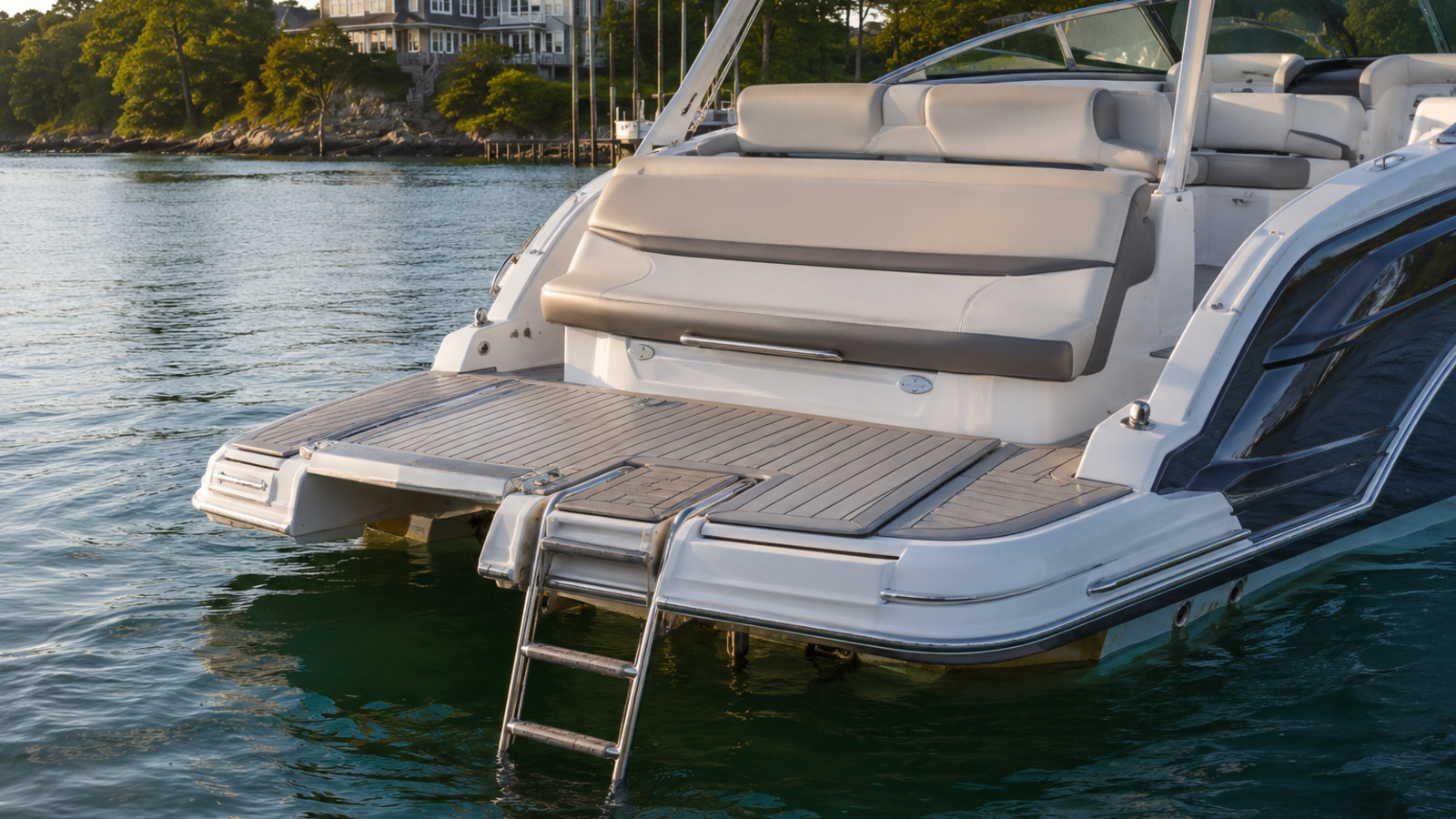
Twin sterndrives place the engines inside the hull and send power through the transom. The arrangement preserves the classic Formula platform and keeps the engine cowlings out of the stern view.
That choice requires two drive-service schedules. Bellows or sealing systems, gimbal hardware, drive oil, trim rams, raw-water systems, bilge blower, fire suppression, and engine-room access all deserve attention.
Twin outboards move the powerheads outside. Lower units, propellers, trim, hydraulic steering, transom mounts, rigging, anodes, and flushing history become the dominant mechanical checks.
Outboards also extend the boat. Formula’s linked sheet lists 34 feet 9 inches of LOA in the OB configuration, which changes slip selection and stored length even though the HIN still says 310 Bowrider.
Both power types can include joystick control. Test it at a dock by moving sideways, rotating, and making small corrections in wind. A system that works only during a sales demonstration in open water has not been properly evaluated.
Twin-engine service records should be compared side by side. Large differences in hours, replaced components, or maintenance history can indicate that one engine has lived a different life from the other.
The best 310 propulsion is the one the owner wants to maintain for years. Choosing outboards because they look modern or sterndrives because the platform looks cleaner is not enough without accepting the corresponding service plan.
The 310 carries the largest fuel system in the core Formula Bowrider family. That capacity supports twin-engine use and longer days, but it also changes loaded weight and operating cost substantially.
A completely full tank can add more than 800 pounds. Buyers comparing lift ratings or transport quotes should add that fuel to the 10,250-pound published boat number before water, passengers, and gear.
Sterndrive and outboard fuel burn should not be blended into one estimate. Engine displacement, propeller choice, cruise rpm, and drive efficiency create different range profiles even when the tank is identical.
The practical range method is to identify the exact engines, run at the speed the owner expects to cruise, observe combined gallons per hour, and preserve a reserve appropriate to the waterway.
The 29-gallon freshwater tank is large enough that the head, sink, transom shower, and wet bar can be used as genuine daily systems rather than occasional conveniences.
An optional 36-gallon holding system creates more sanitation capacity than the smaller Bowriders. Inspect hoses, vent, pumpout fitting, tank monitor, toilet, and every area where a slow leak could remain hidden behind cabinetry.
Marina fueling is likely to become part of the 310 routine. Buyers should know whether the home marina has convenient fuel and pumpout access because moving a 9-foot-6-inch flagship to another facility for routine service can be inconvenient.
A 310 budget should treat fuel as a major annual category, not an incidental weekend purchase. The boat is capable of carrying a large group and running hard, and both activities increase consumption.
Twin engines should give the 310 strong loaded acceleration and low-speed authority, but the character depends on whether those engines drive sterndrives or sit on the transom as outboards.
On sterndrives, watch how the boat responds to trim from both drives and make sure steering and joystick inputs keep the two units synchronized.
On outboards, compare engine trim, steering angle, rpm, and gear engagement side by side. One engine that lags during a dock maneuver can make the boat feel unpredictable even if both run smoothly at cruise.
The 22-degree hull and five-ton-plus dry weight should produce a confident ride through ordinary chop. The driver still needs to slow for steep wakes because heavy fiberglass can transmit substantial loads into the windshield, hardtop, and interior fittings.
At planing speed, the 310 should not feel bow-heavy or require extreme tab. A persistent list can come from passenger placement, tank load, tab issues, or a mechanical problem that deserves diagnosis.
Joystick-equipped boats need a separate docking trial. Approach a slip from both directions, hold the boat in crosswind, and verify the control system does not produce faults after several minutes of use.
The 9-foot-6-inch beam adds stability at anchor but also gives wind more hull to push. A buyer coming from a 24-foot runabout should expect the 310 to react more slowly and carry more momentum.
The 310 is successful when it feels controlled and predictable despite its size. A buyer chasing only top speed is ignoring the strongest reasons to own this flagship.
The 310 should be evaluated with a large group aboard because passenger space is the reason to accept its width. Empty showroom photos understate both the advantage and the complexity of the layout.
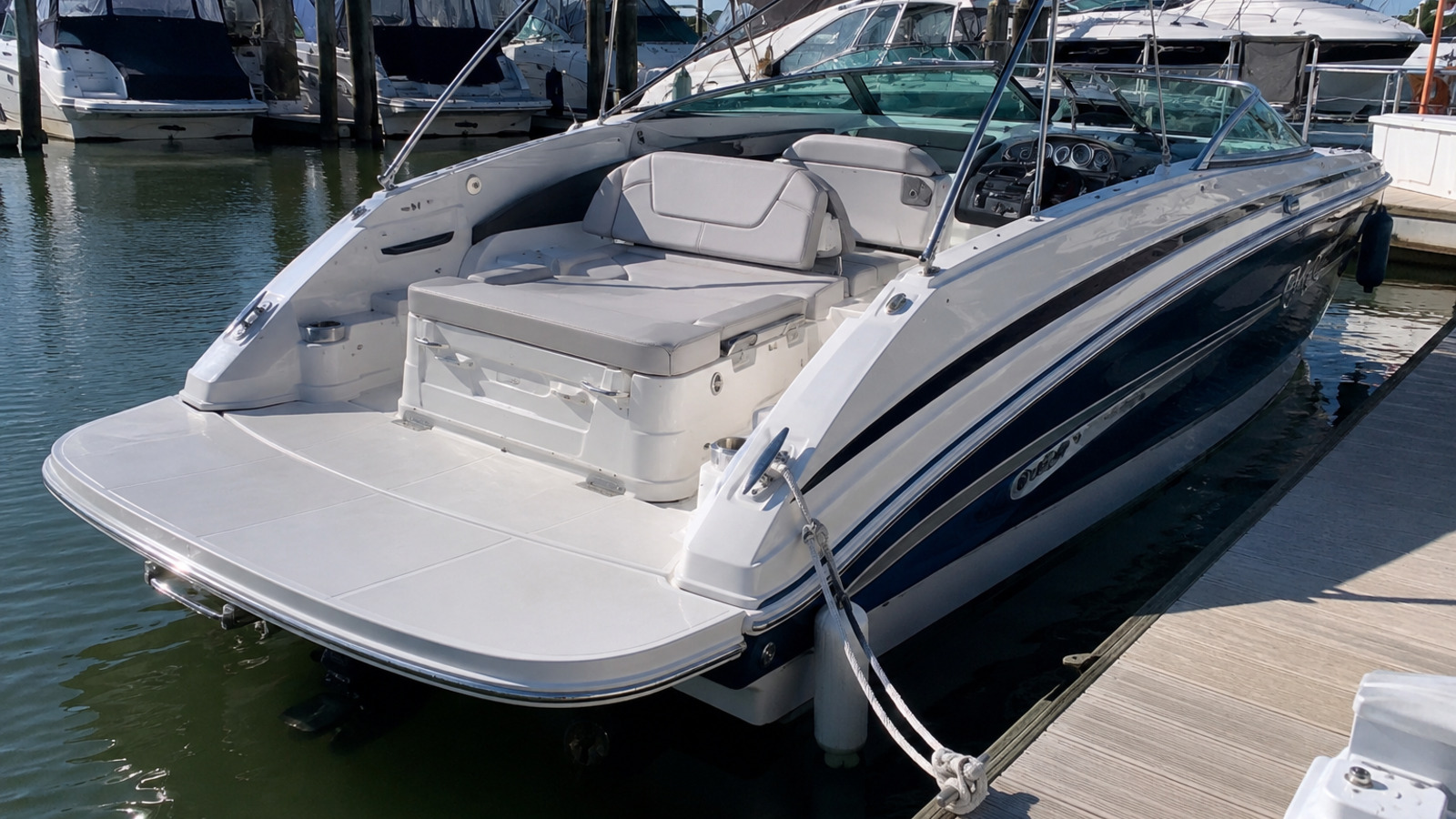
Formula’s linked material describes substantial bow seating, dual-position helm and companion seats, a port lounge, U-shaped aft seating, wet-bar storage, and dedicated dive-tank storage.
The bow can support dining or lounging around the stowable table. Sit adults forward and make sure the driver’s sightline remains comfortable when the boat accelerates.
The aft lounge can convert into a large sunpad. Check filler cushions, table hardware, seat hinges, and storage because replacing model-specific pieces on a premium 31-footer can be expensive.
The wet bar is a central social feature rather than a token sink. Inspect the Corian-style counter, sink, cooler or refrigerator, safety rail, cabinetry, water supply, and drain.
The head is large enough for normal adult use and can include VacuFlush-style equipment, sink, freshwater, holding tank, and shower-related systems depending on build.
Swim access changes with propulsion. Sterndrive boats use the integrated platform around the inboard drives, while outboard versions use a propulsion-specific ladder arrangement around the engines.
The 310 deck works best when the owner hosts enough people to use its separate bow, cockpit, wet-bar, head, and swim zones. A small household that rarely fills the boat may be happier in the 290.
Raymarine Axiom+ 9 Helm – Linked equipment material lists a larger Axiom+ 9 chartplotter with depth capability and remote keypad at the flagship helm.
Formula factory specifications supports both twin sterndrive and twin Mercury outboard configurations, giving 310 buyers a genuine mechanical choice.
The 310 entertaining station combines sink, Corian-style counter, storage, and cooler or refrigerator configurations.
The 29-gallon freshwater and optional 36-gallon holding systems support a far more complete head than the smaller Formula Bowriders.
U-shaped aft seating and table hardware can be rearranged into a broad sunpad for anchor-day use.
Formula provides different ladder and stern arrangements for sterndrive and outboard builds rather than pretending both engines occupy the same space.
Linked Formula feature material identifies dive-tank storage beneath the portside lounge, useful for owners carrying bulky watersports or dive equipment.
A concealed windlass plus arch, Sport Top, or hardtop configurations give the 310 equipment expected on a much larger day boat.
The 310 carries enough electrical, plumbing, propulsion, and convenience equipment that a buyer should think more like a small-yacht owner than a runabout shopper.
Twin engines mean more starting and charging demand. Verify battery age, charging behavior, engine-battery isolation, remote charging equipment where fitted, and voltage with the engines off and accessories running.
The helm can integrate Raymarine navigation, engine monitoring, joystick control, trim tabs, stereo, and model-year-specific digital systems. Each network should be checked for faults and communication rather than simply confirming the screens light up.
Operate the electric windlass under load. Watch the chain counter, foot or helm controls, anchor roller, locker drainage, and motor behavior because a flagship anchor system is expensive to repair after purchase.
Run freshwater through the wet bar, head, and transom shower. A 29-gallon system has enough hose and fittings that slow leaks can hide behind cabinetry or beneath the cockpit.
Test the toilet and holding system until the pump or vacuum cycle completes normally. Check for odor around the tank, vent, and pumpout fitting.
Hardtop or arch equipment should be checked for structural movement, leaks, lights, speakers, shades, and wiring. The factory specifications adds 575 pounds to the approximate boat weight when the hardtop is installed, so it is not a decorative accessory.
After the sea trial, inspect both engine sides, bilge spaces, steering, trim, chargers, and pumps again. Heat is useful because it exposes marginal hoses, electrical connections, and fluid leaks.
Outboard LOA in Factory specifications: 34 ft 9 in
Outboard Trailered Length in Factory specifications: 36 ft 10 in
Bridge Clearance: 6 ft 0 in basic; 8 ft 8 in with arch or hardtop; 8 ft 5 in with Sport Top
A 310 can be transported, but routine trailering is a specialized operation. The 9-foot-6-inch beam requires oversize planning in many jurisdictions, and the complete loaded rig can be far beyond normal recreational tow-vehicle comfort.
Outboard configuration adds another issue: overall length. Formula factory specifications shows the outboard boat at 34 feet 9 inches and 36 feet 10 inches when trailered.
Marina slip length should be chosen from the exact propulsion version. A sterndrive 310 and an outboard 310 may not fit the same slip even though their hull model is identical.
Lift capacity needs a large reserve above the 10,250-pound dry reference. Fuel, freshwater, batteries, hardtop, twin engines, anchors, and gear can add well over a thousand pounds.
Beam also changes lift geometry. The bunks, guides, and pilings need enough width to support the hull without loading underwater hardware or trapping the boat too tightly.
Covered-slip owners should measure the hardtop or arch in the actual marina. Antennas and owner-added electronics can put the true bridge height above the published figure.
For most buyers, the home marina and service provider should be chosen before the 310 is purchased. Twin-engine flagship ownership is easier when fuel, pumpout, hauling, and qualified propulsion service are all nearby.
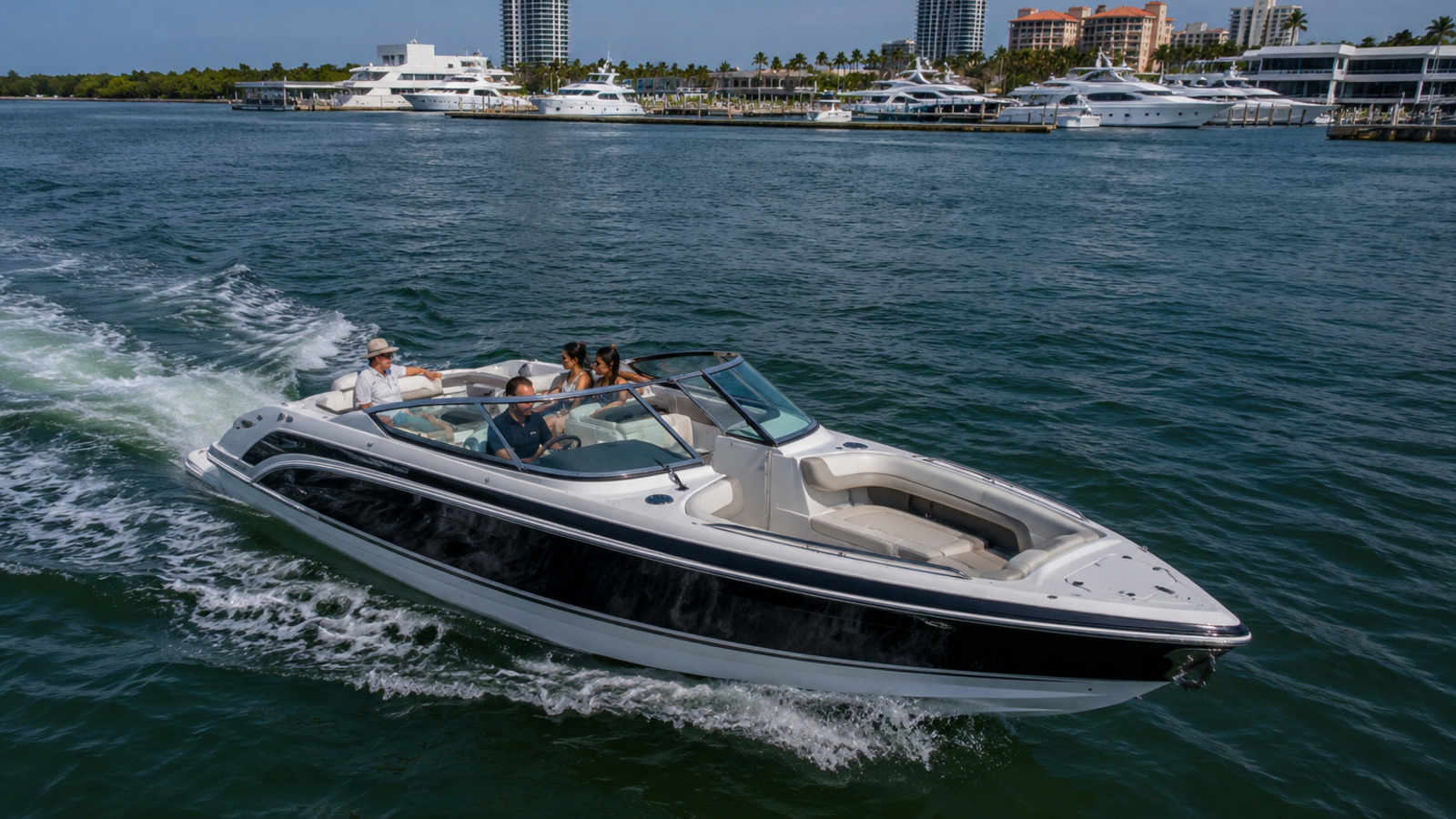
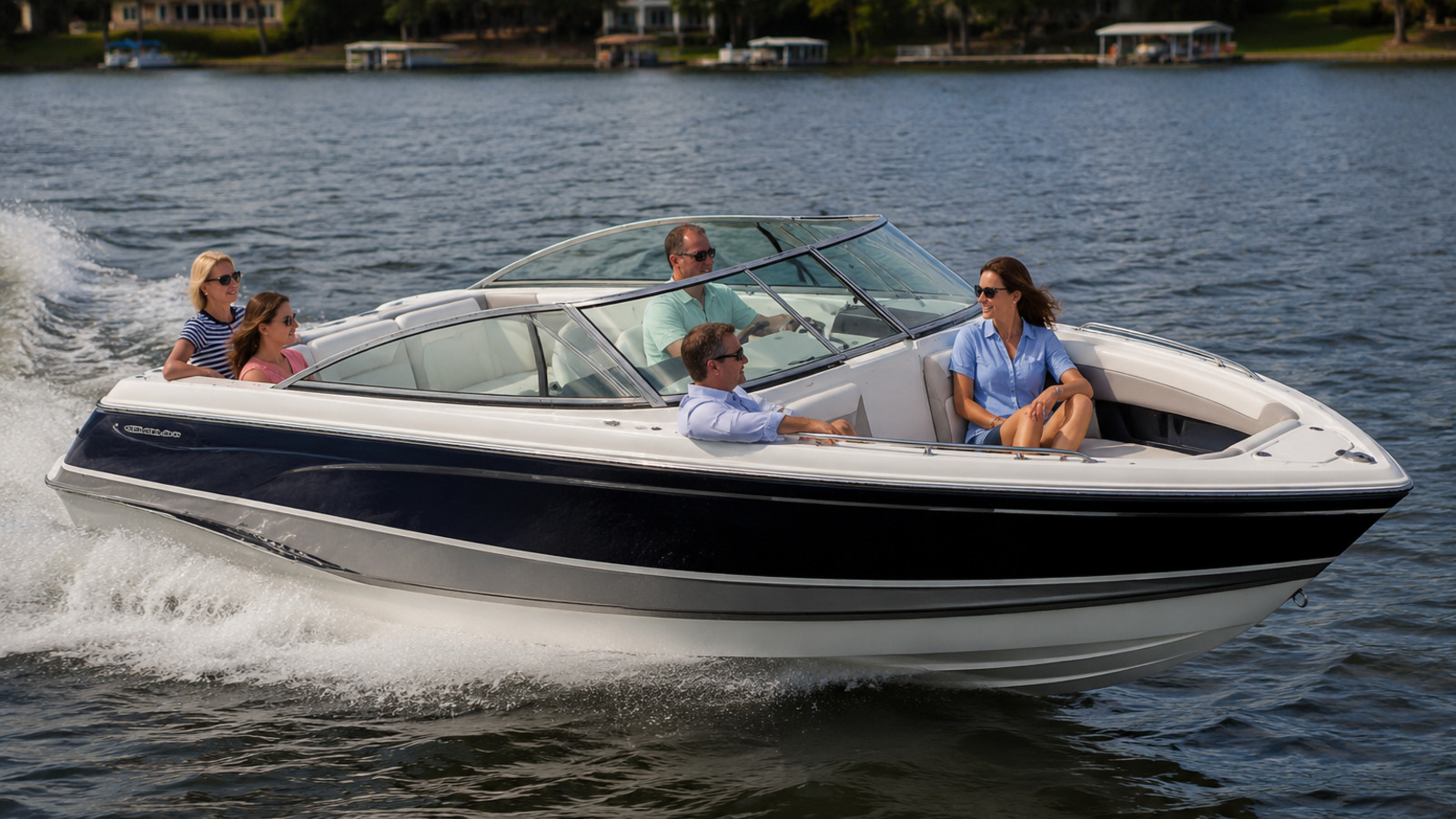
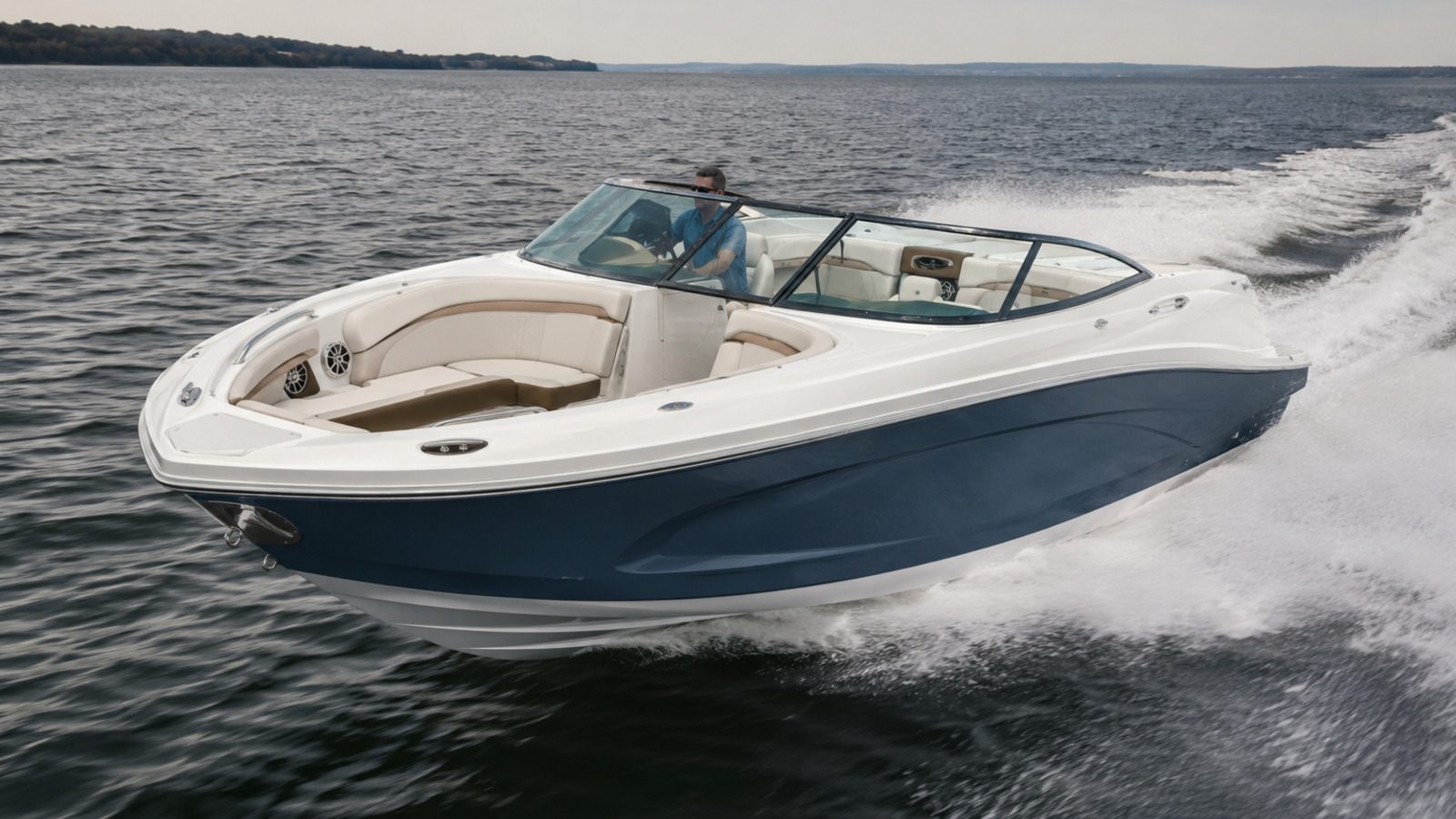
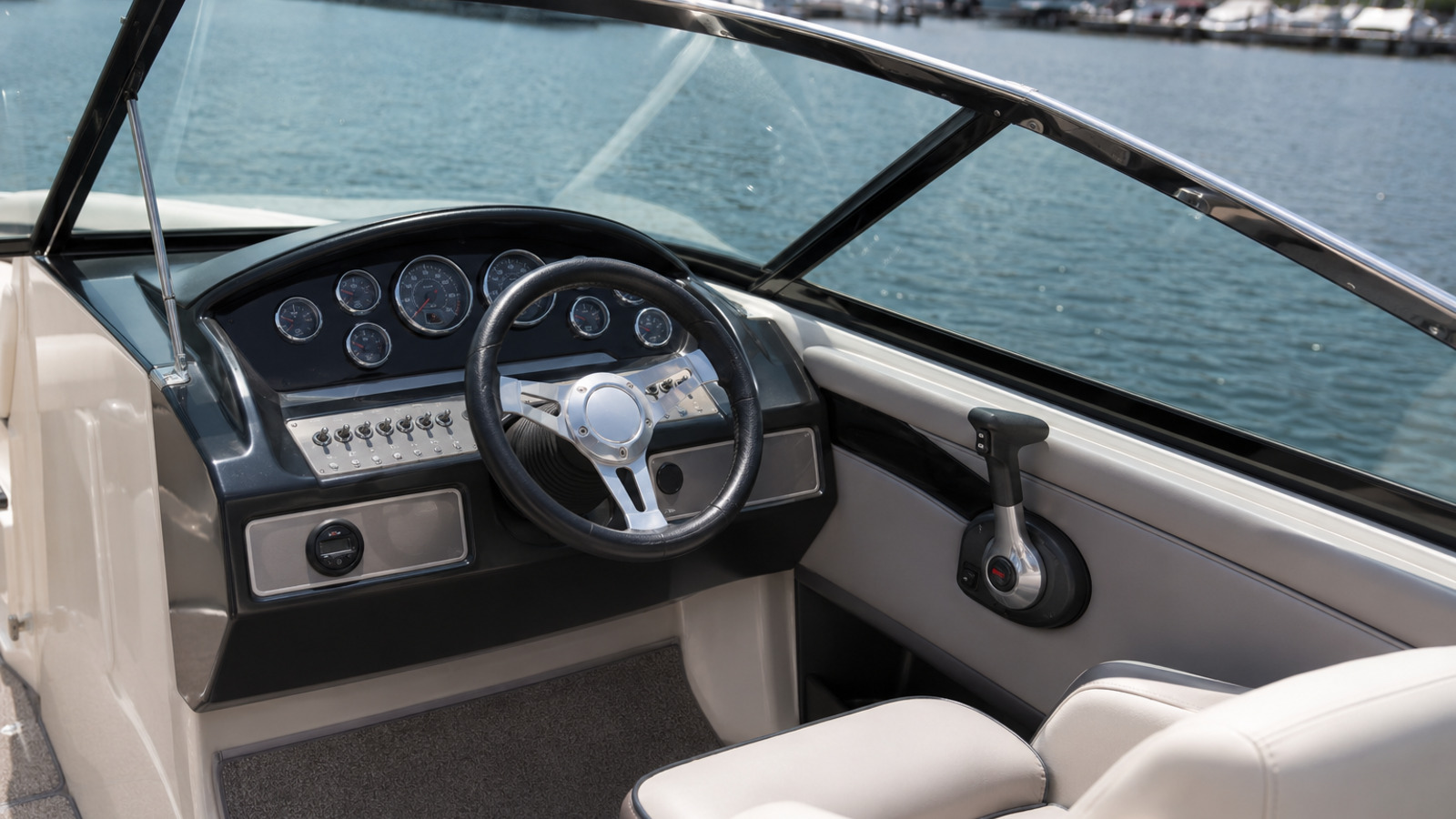
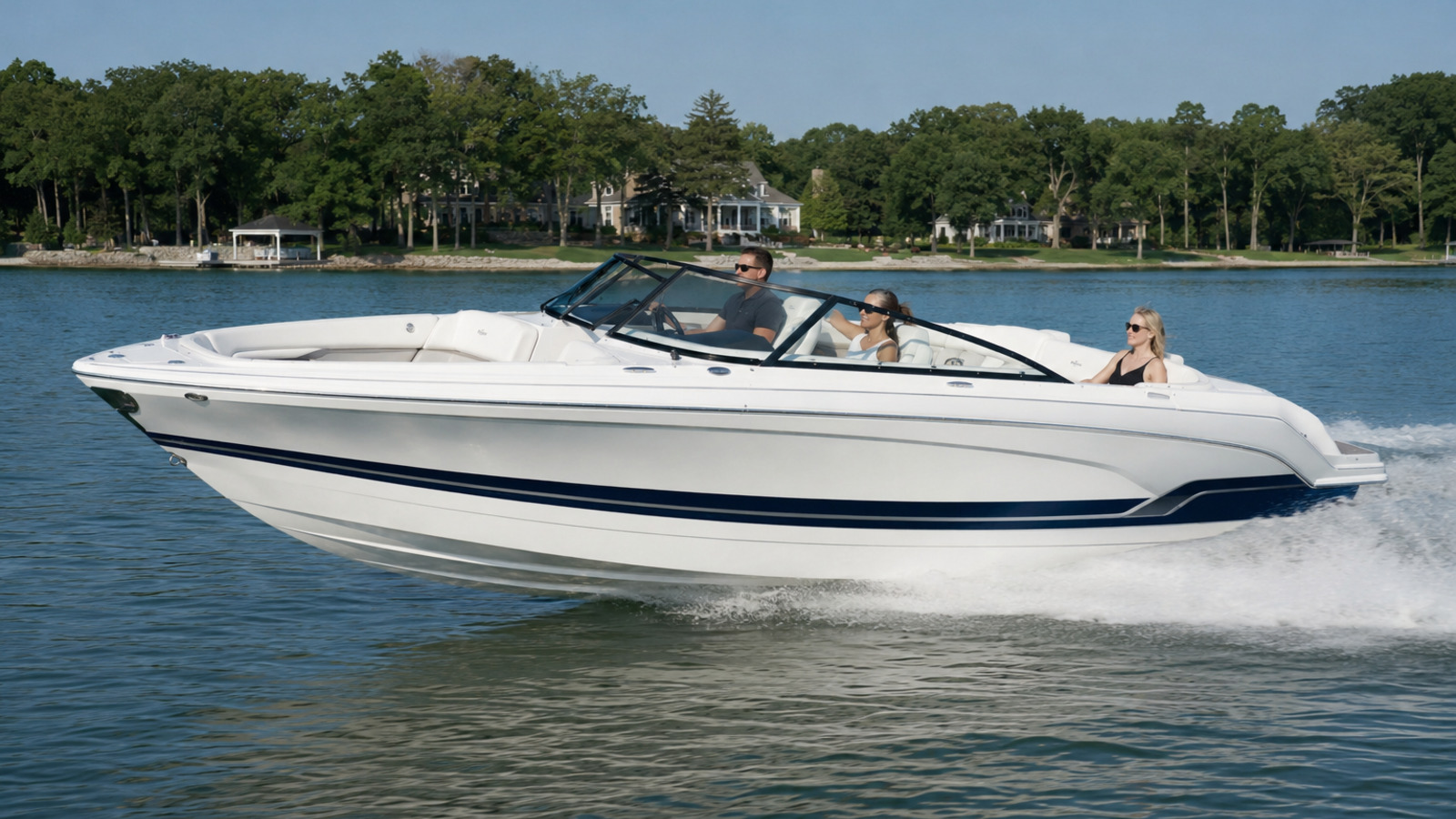
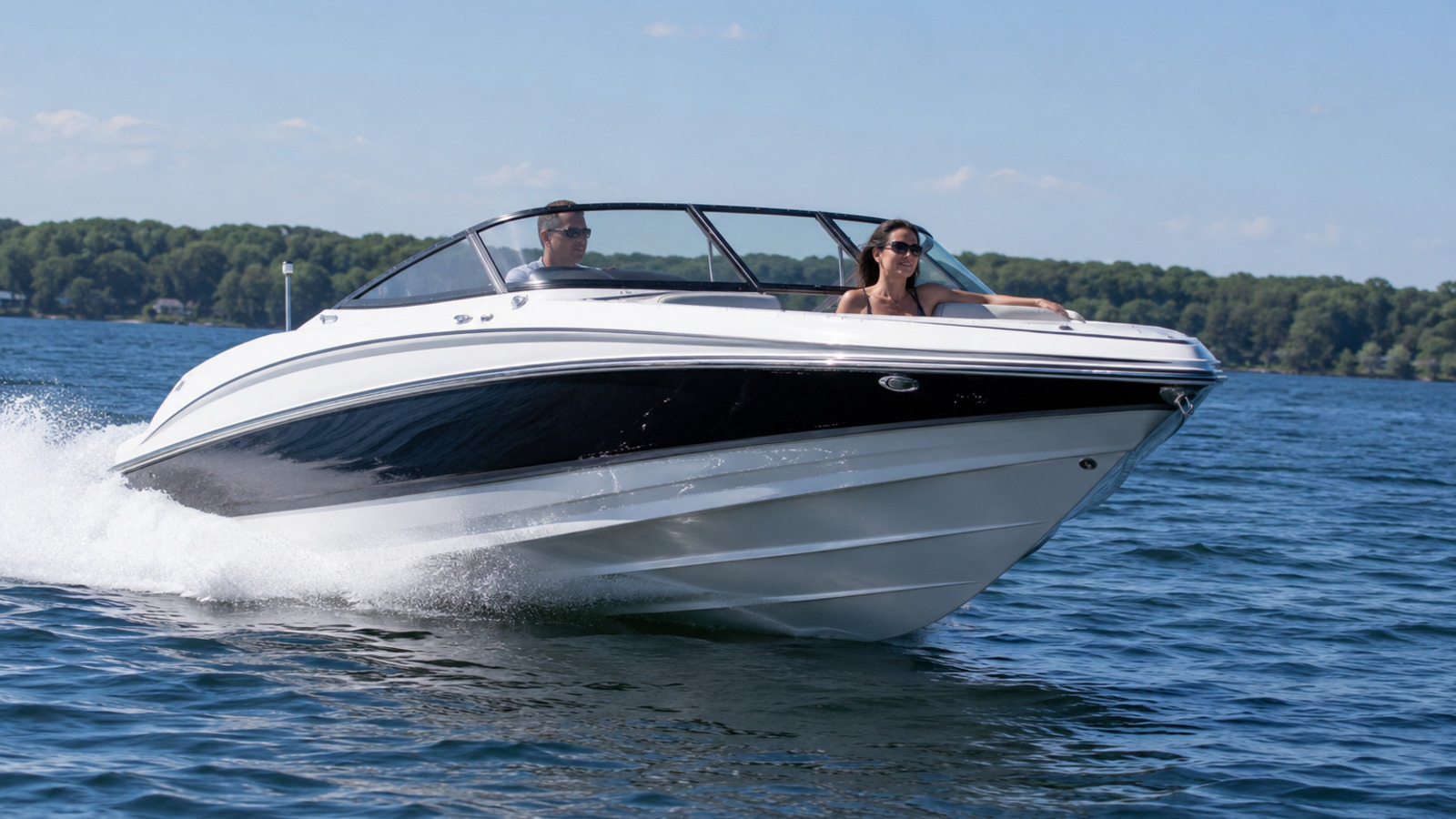
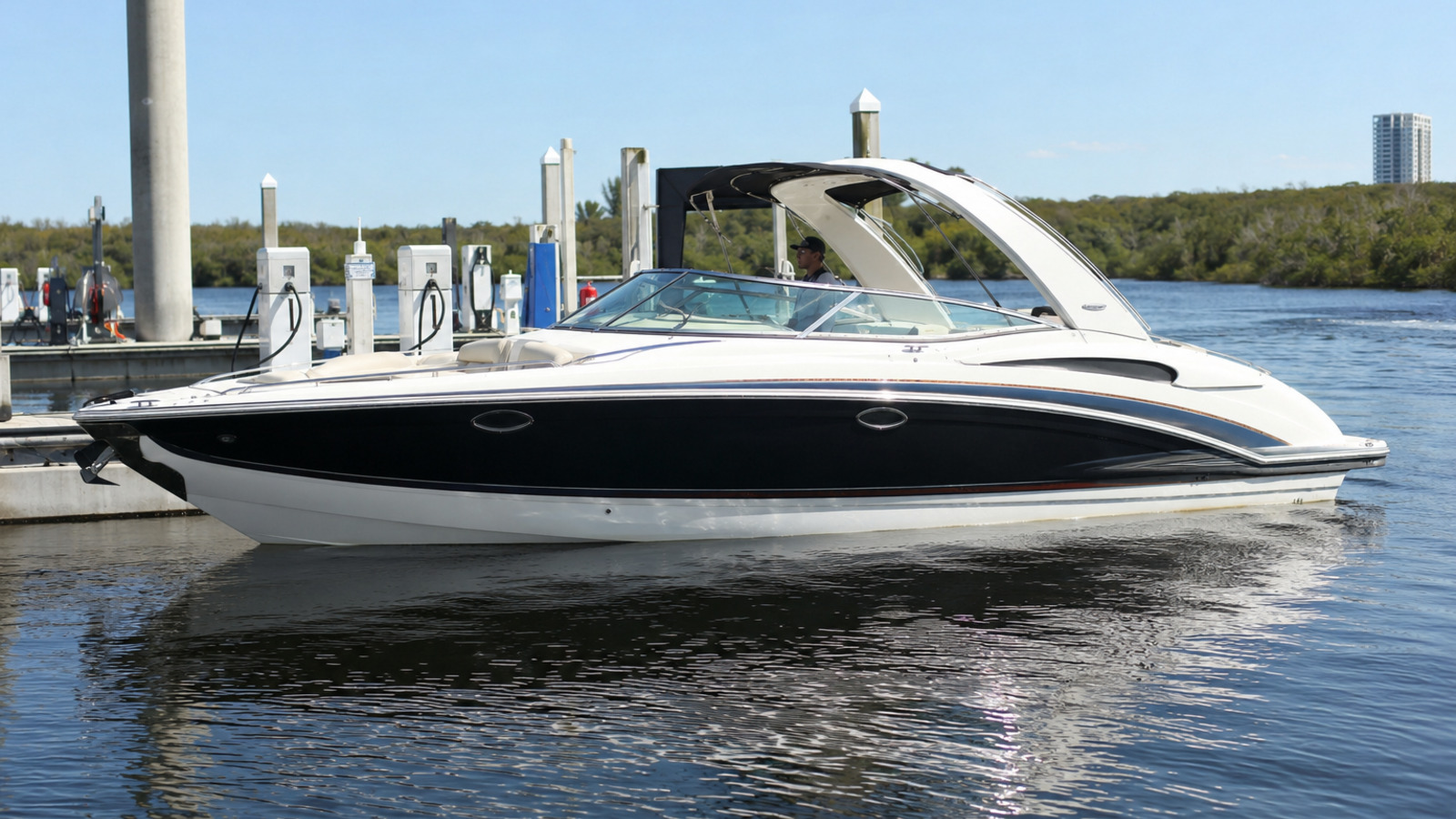
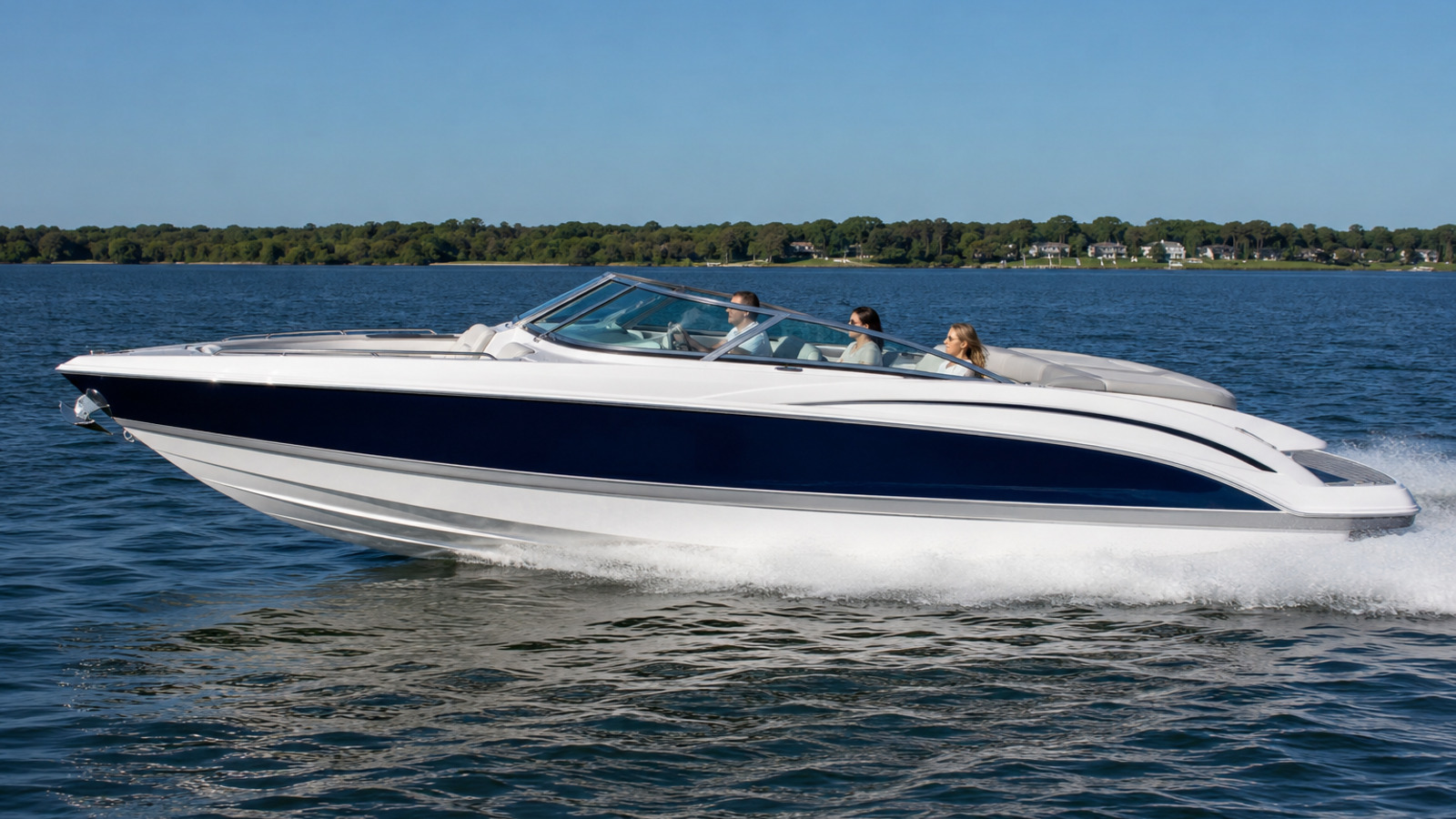
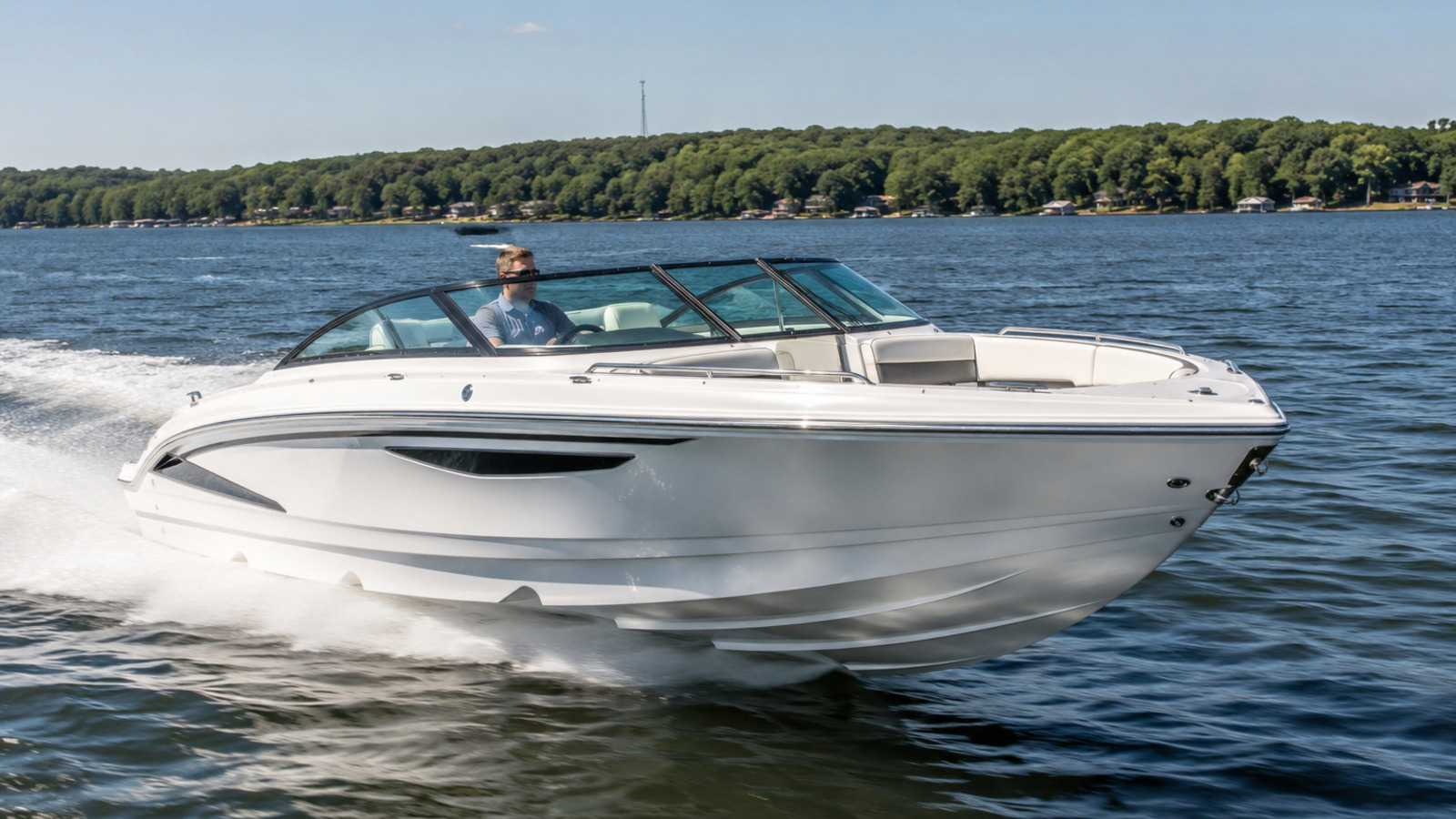
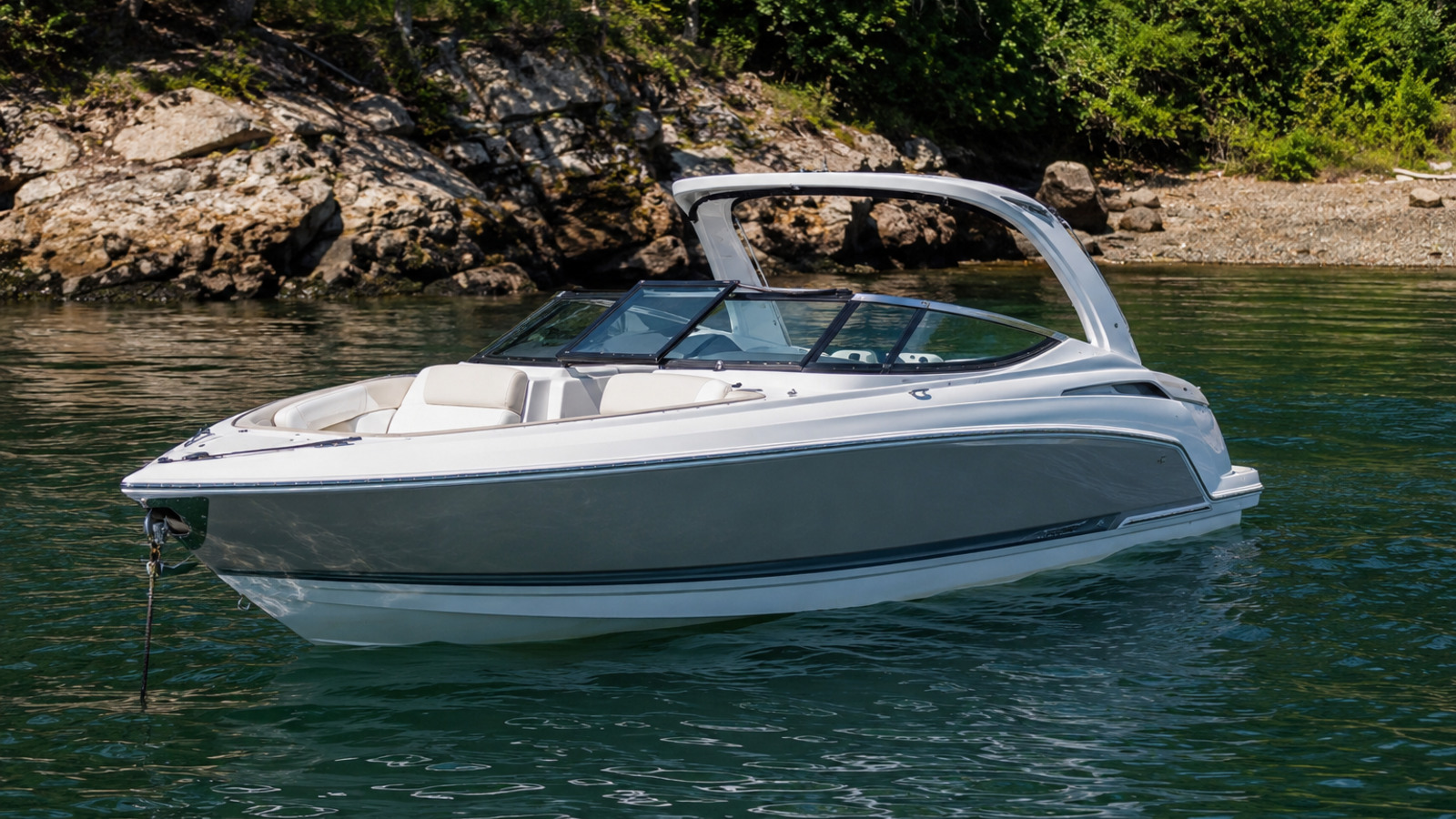
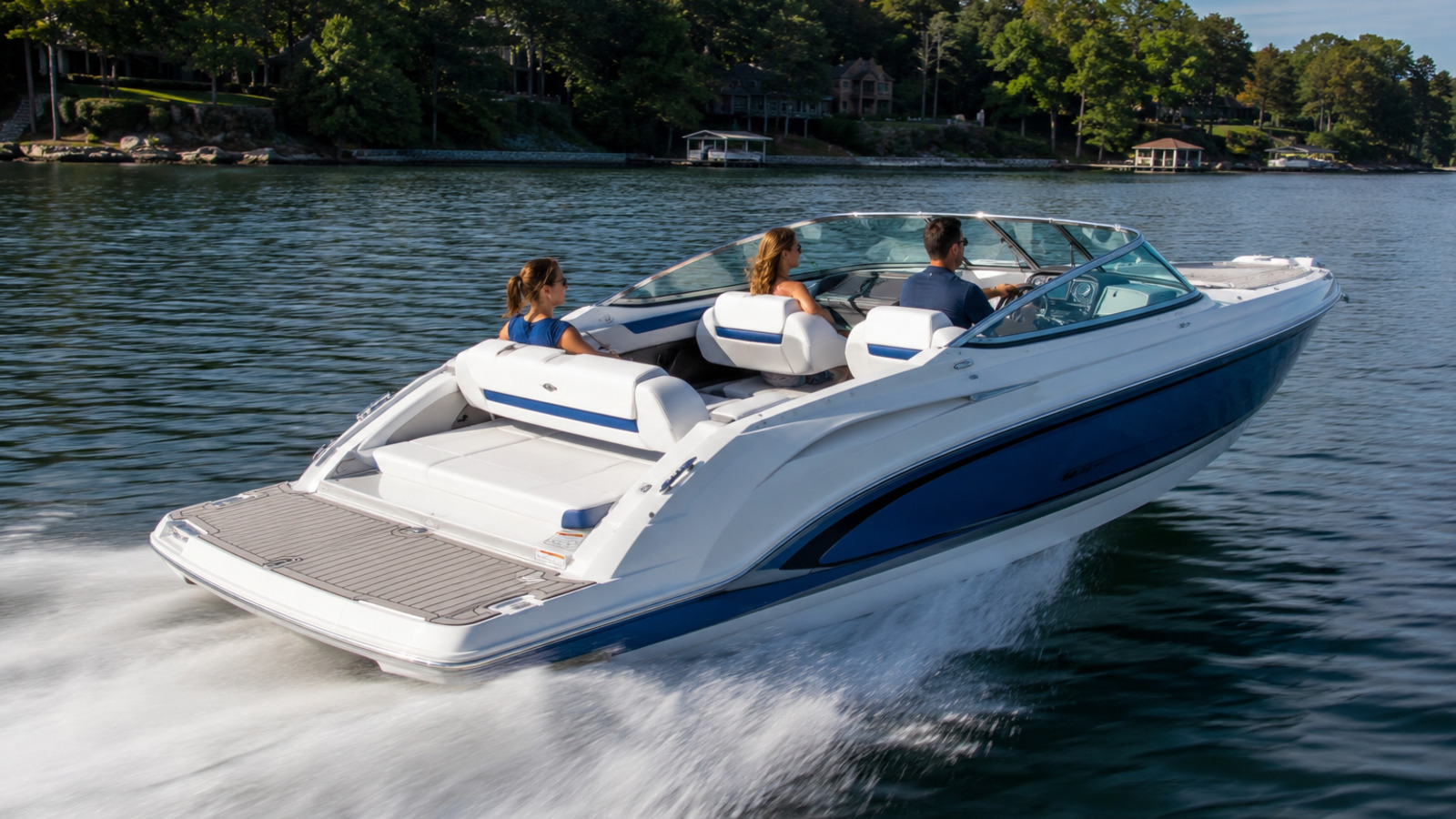
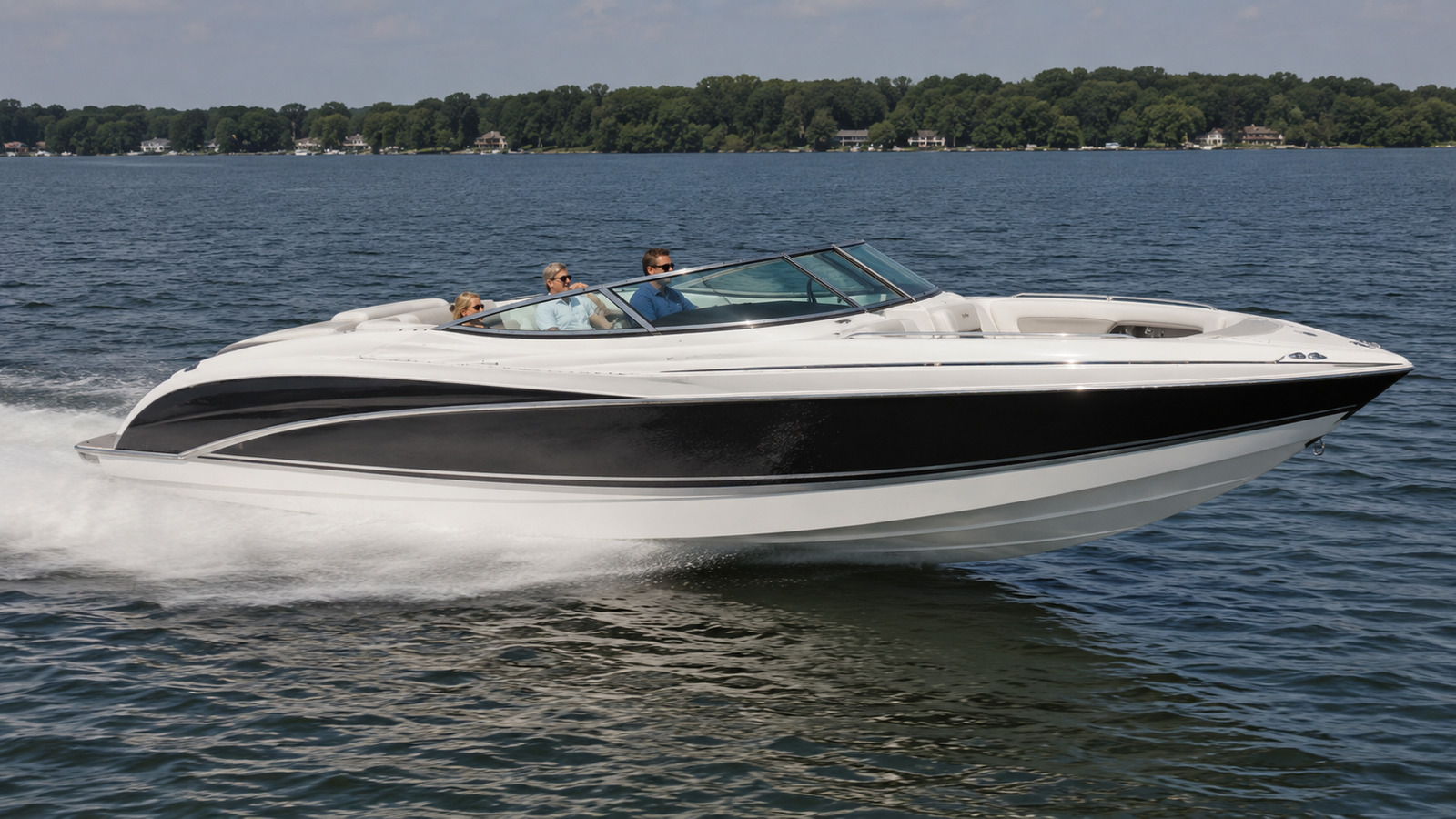
Twin sterndrive boats belong with other twin sterndrive 310s. Engine family, horsepower, hours, joystick system, drive condition, exhaust, and cooling history establish the mechanical value.
Twin outboard 310s deserve a separate comparison. Engine model, hours, lower-unit condition, steering, JPO equipment, transom rigging, corrosion, and repower age all influence value differently.
Hardtop boats can carry meaningful additional equipment and weight. Condition of the top, shades, lighting, speakers, and supports should affect the offer rather than being treated as a simple cosmetic upgrade.
The wet bar, head, freshwater, holding tank, windlass, Raymarine electronics, audio, and upholstery create another layer of value because these systems are expensive to restore on a flagship.
Marina history can matter as much as trailer history. A boat kept in salt water on a wet slip should be examined differently from a lift-kept freshwater 310 with the same engine hours.
FormulaFlex colors and premium interiors influence desirability, but buyers should pay first for the correct propulsion and documented systems health.
The right 310 is the one whose twin-engine architecture already matches the owner’s service preference. Changing that decision after purchase is not practical.
Illustration only and not an offer of credit.
Build the remaining budget around two engine service schedules, 138 gallons of fuel, marina or specialized transport costs, insurance, freshwater and head systems, electronics, and hardtop equipment where fitted.
Illustration only and not an offer of credit. Your actual rate and term depend on credit profile, vessel age, loan amount and ownership structure.
The 310 is six inches wider and two feet longer at the hull than the 290, but those dimensions understate the real difference.
The 310 carries 138 gallons of fuel instead of 112, 29 gallons of freshwater instead of 19, and a larger holding system. It is designed to keep a larger group comfortable for longer periods.
Propulsion is the decisive split. The 290’s linked factory material centers on sterndrive packages, while the 310 supports twin sterndrive and twin outboard configurations.
A twin-sterndrive 290 can already deliver joystick docking and high total power. If the owner does not need the 310’s beam, water capacity, or outboard choice, the 290 can be the more efficient flagship substitute.
The 310 becomes worth the step when the household truly uses the extra beam, larger head and wet-bar systems, and twin-engine propulsion choice. It should not be purchased merely because it is the top Bowrider badge.
Confirm sterndrive or outboard before comparing price. That single answer changes LOA, swim access, engine service, winterization, corrosion points, and the correct comparable boats.
On a sterndrive 310, record both engine and drive serials. Review bellows or sealing service, gimbal components, drive oil, cooling systems, exhaust, fire suppression, and bilge-blower operation.
On an outboard 310, document both engine serials and inspect lower units, skegs, props, steering, trim, transom mounts, rigging, anodes, and flushing history.
Use the joystick at a dock. Twin-engine maneuvering is part of the reason to own a 31-foot Formula, so faults or uneven response deserve diagnosis before closing.
Survey the hull and hardtop. Check transom areas, deck joint, windlass installation, top mounts, windshield, platform, and any previous repairs.
Run the head, wet bar, city-water connection where equipped, freshwater pump, transom shower, toilet, holding system, and pumpout hardware. Look for leaks after several minutes, not several seconds.
Test Raymarine navigation, depth, engine monitoring, stereo, chargers, lights, trim tabs, windlass, and any powered shade or top hardware.
Inspect every storage zone, including dedicated dive-tank space where present. A large boat can hide water intrusion or aftermarket wiring behind cabinetry that looks perfect from the cockpit.
Sea-trial with a meaningful load. Check cold start, matched engine rpm, acceleration, midrange cruise, tabs, steering, joystick, and any vibration unique to one side.
Price the home marina before signing. The exact 310 may be 32 feet 8 inches with platform or 34 feet 9 inches with outboards, and its 9-foot-6-inch beam needs a suitable slip or lift.
Compare the 290 one final time. If the 310’s extra width and propulsion choice are not solving real problems, the smaller Bowrider may deliver nearly the same family experience with less infrastructure.
A 310 buyer should choose propulsion before choosing color because sterndrive and outboard versions change the stern in visible ways. Sterndrives preserve the broadest integrated swim-platform experience and hide the engines beneath the aft deck. Twin outboards put the powerheads outside the cockpit, simplify engine access, and extend the boat’s real overall length.
The 310’s 138-gallon fuel system also makes partial versus full fuel a meaningful operating choice. A full tank adds substantial weight before freshwater, passengers, gear, hardtop equipment, and twin engines are considered. Owners planning a lift or trailer should calculate the loaded boat rather than working from the approximate dry specification.
Start your application with the 310 details with propulsion type, engine models, engine hours, joystick configuration, hardtop or arch, seller type, and asking price.
Yes. Formula currently lists the 310 as the flagship model in its core Bowrider family.
Formula publishes 31 feet of hull LOA and a 9-foot-6-inch beam. Linked factory material lists 32 feet 8 inches with the extended platform and 34 feet 9 inches for the outboard configuration.
Yes. Formula factory specifications shows twin Mercury outboard configurations as well as twin sterndrive packages.
Published fuel capacity is 138 gallons, the largest tank in this core Formula Bowrider group.
Formula publishes 29 gallons of freshwater and an optional 36-gallon holding capacity in the factory specifications.
It can be transported, but a 9-foot-6-inch beam and 10,250-pound published boat weight make routine road travel specialized. Formula’s linked material lists the outboard version at 36 feet 10 inches when trailered.
Choose sterndrives when the integrated stern and inboard engine packaging are worth drive-specific maintenance. Choose outboards when outside engine access, flushing, and future repower simplicity are more important.
Potentially. Financing can depend on year, propulsion, value, condition, seller type, transaction amount, and borrower qualifications. Start your application with the 310 details so the discussion reflects the actual boat.
Tell us a little bit about yourself and the boat you are looking to finance.

Automated page speed optimizations for fast site performance