
Call Us : 207-994-5109
Mon – Fri: 8 am to 9 pm & Sat – Sun: 10 am to 8 pm
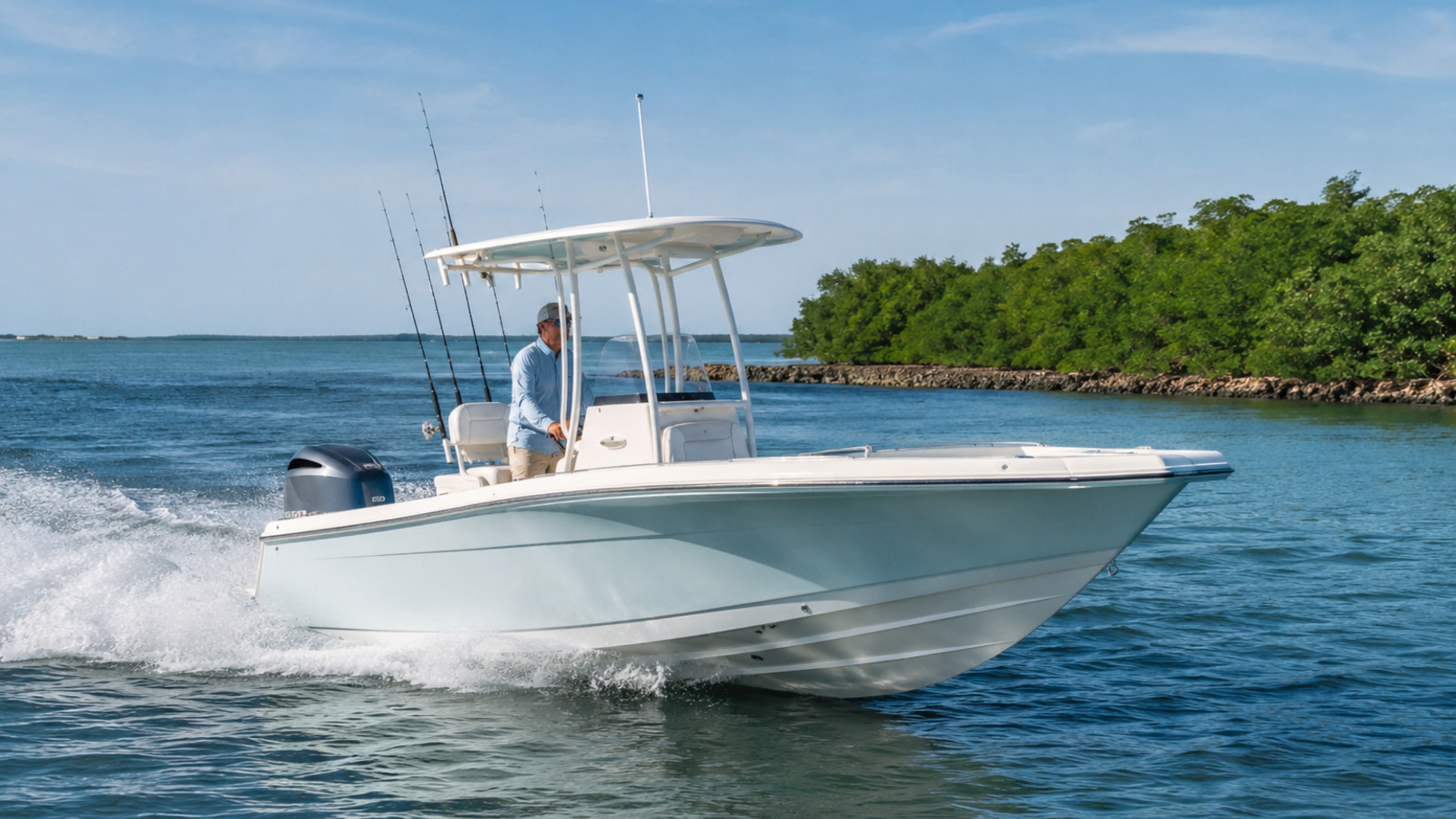
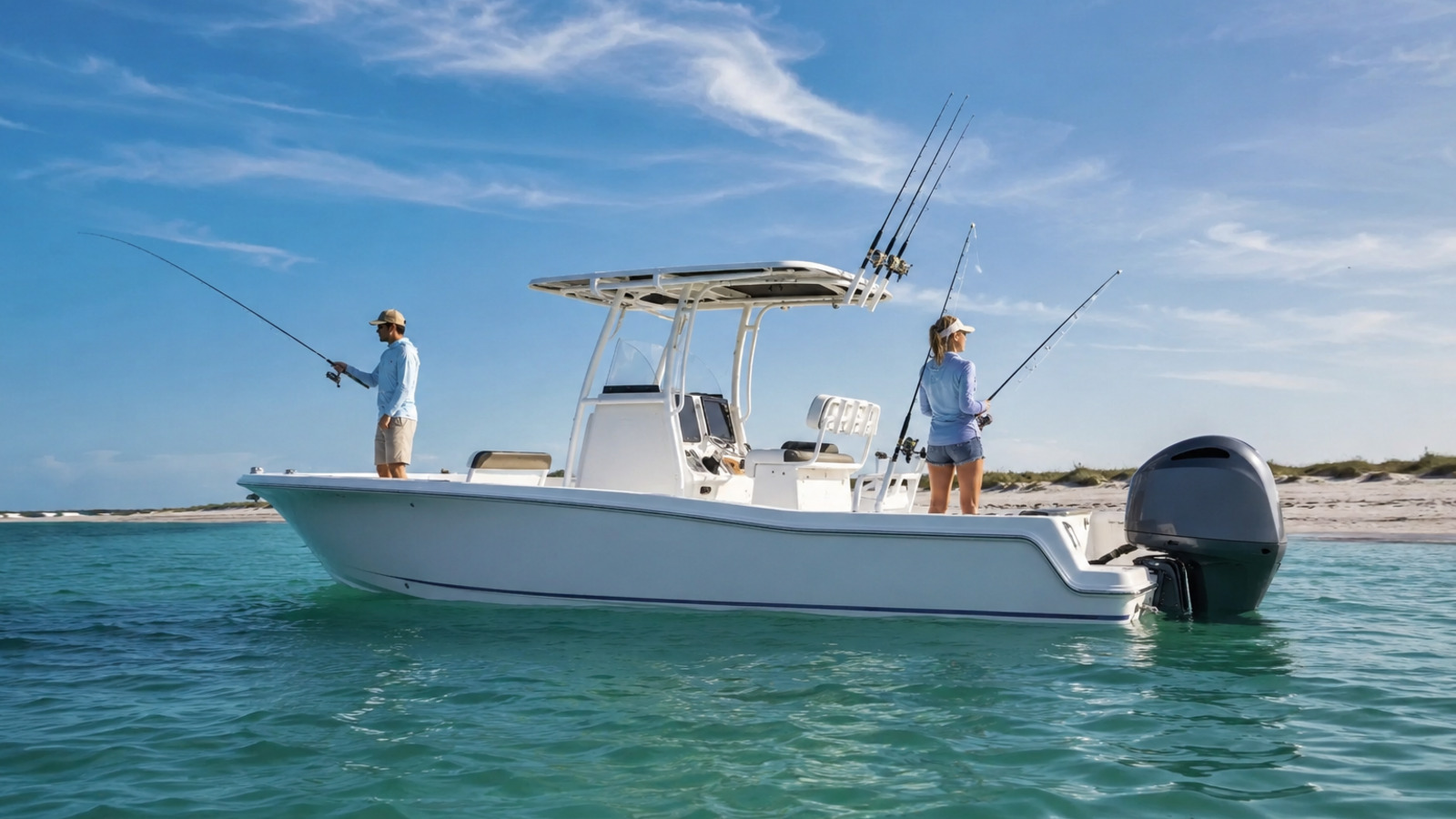
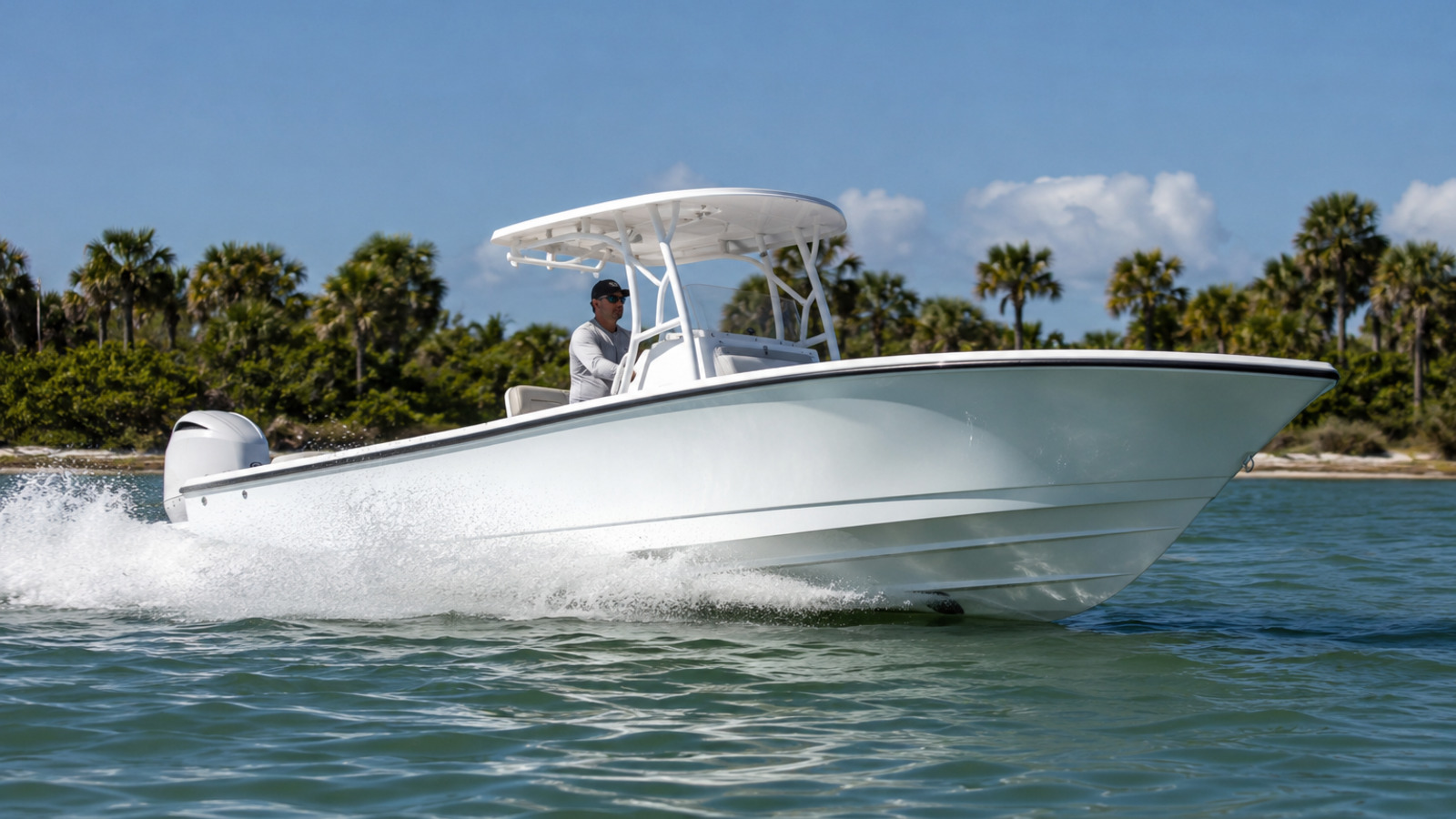
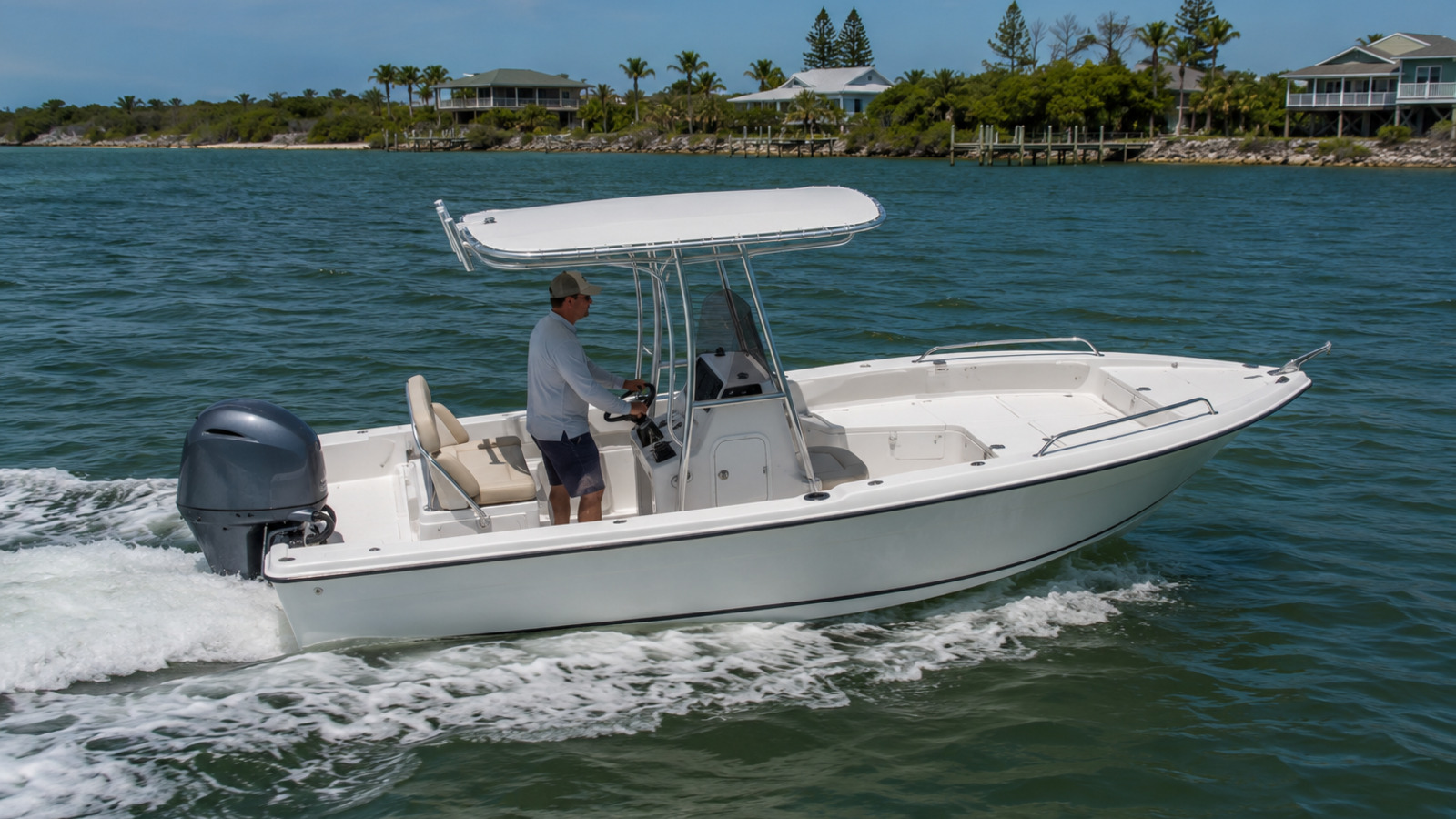
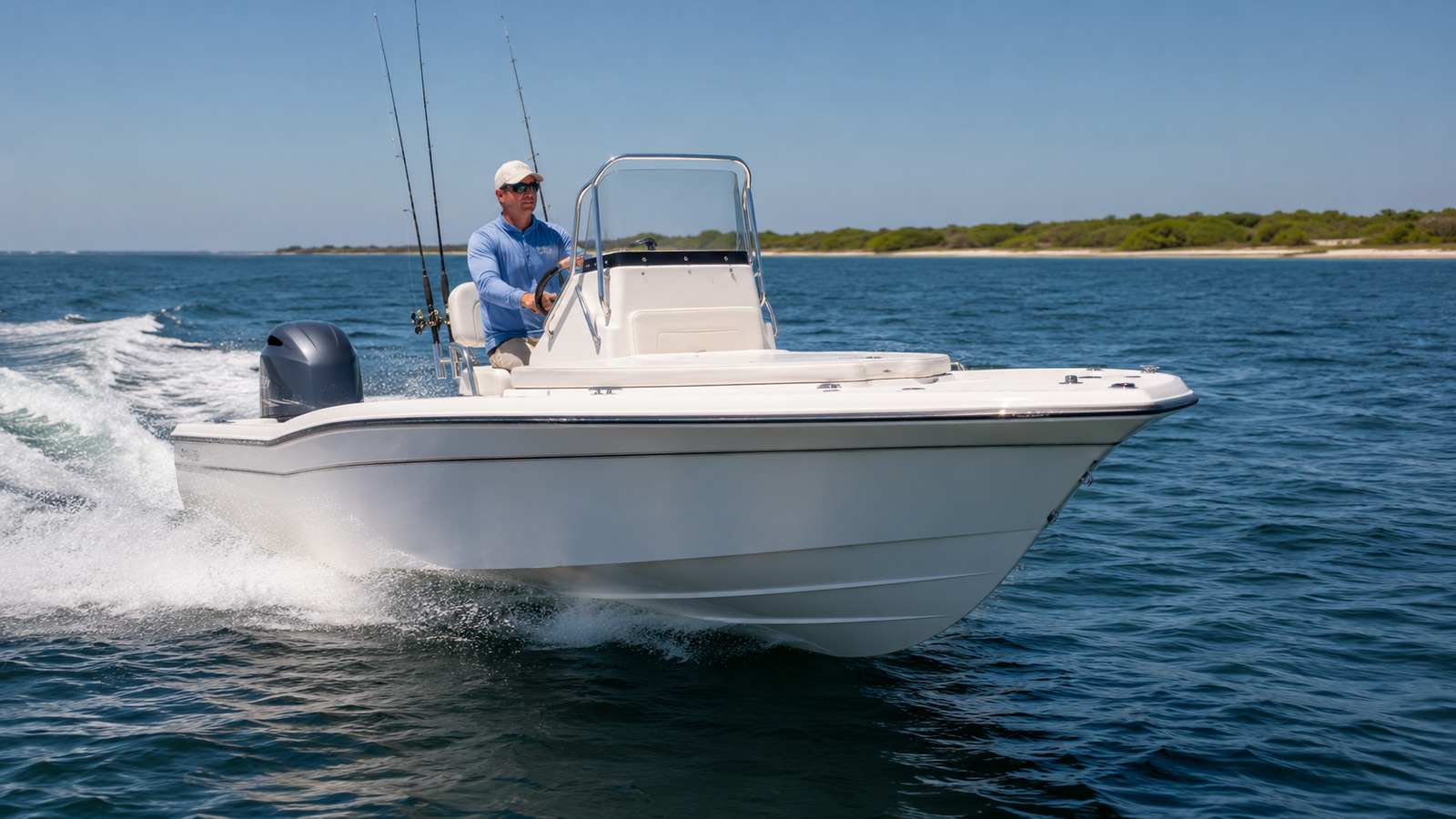
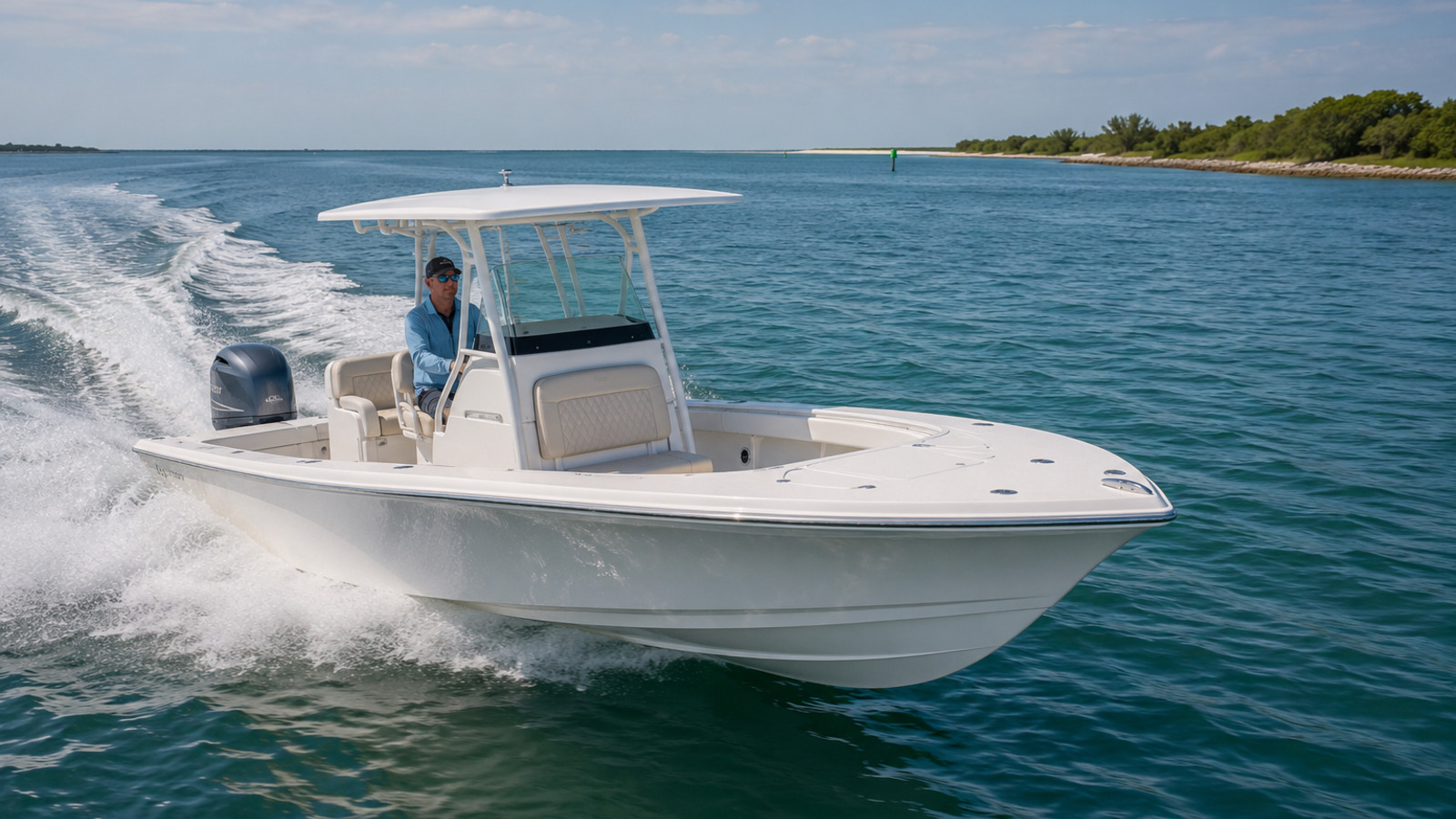
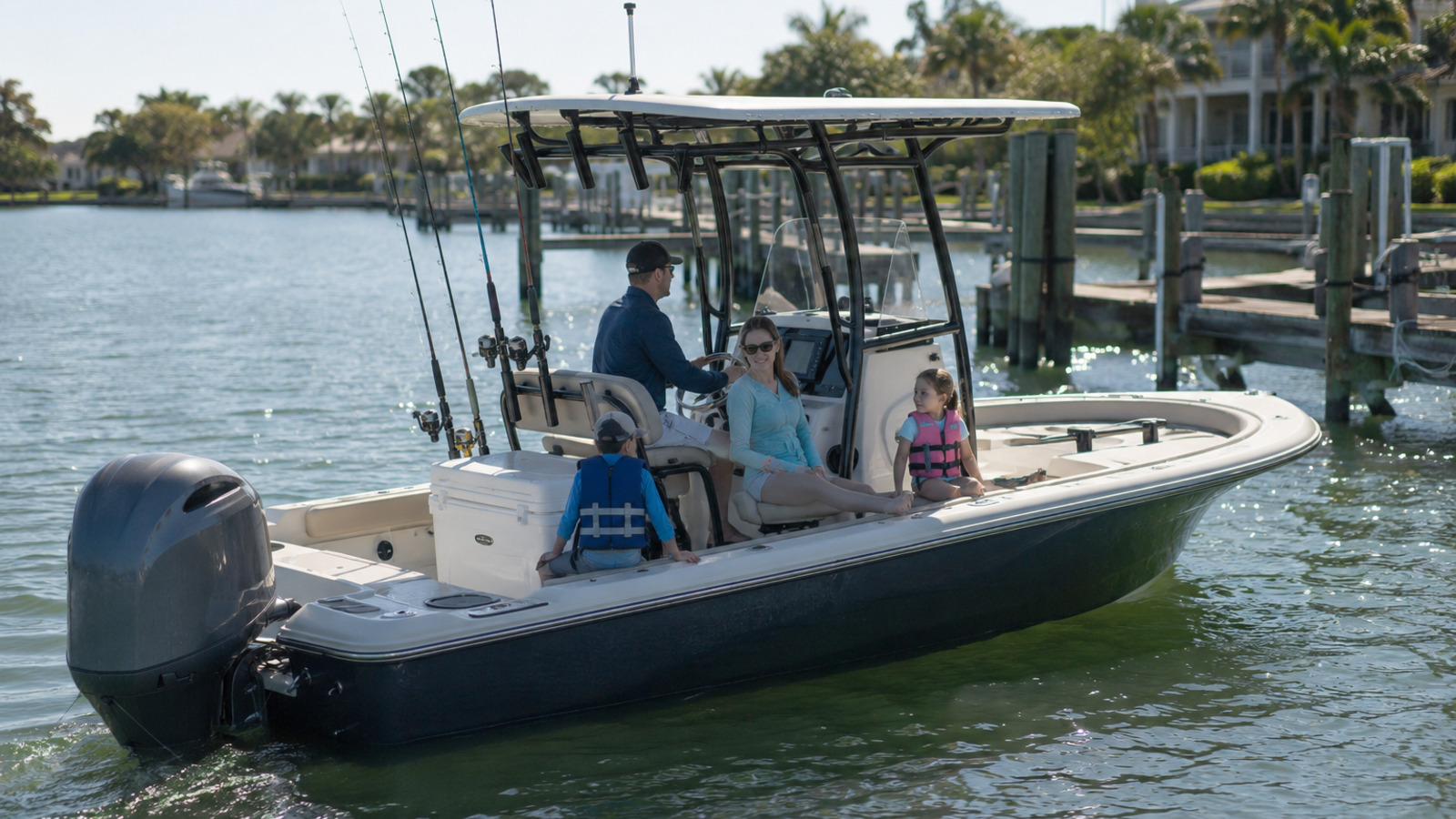
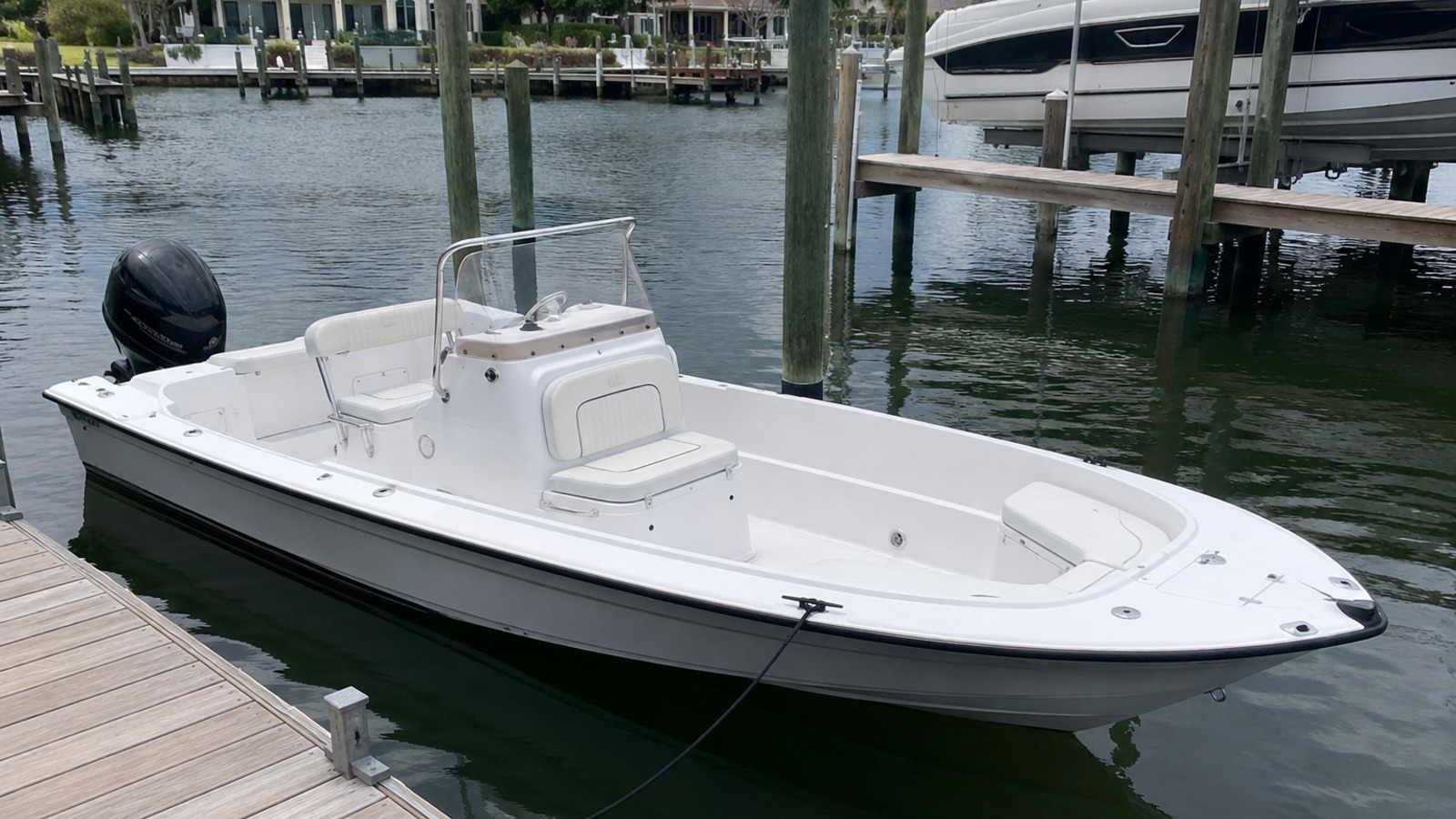
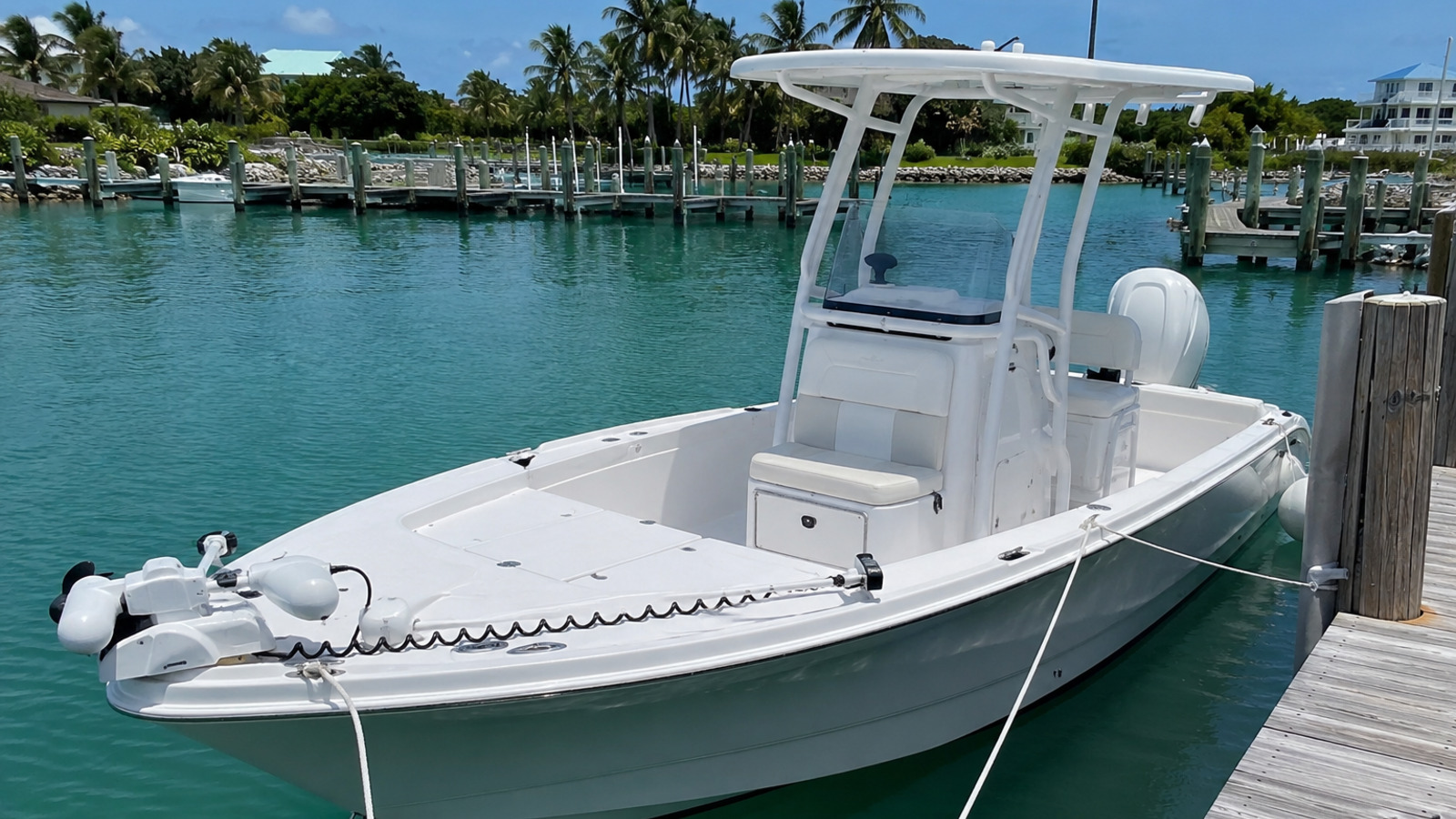
Grady-White Fisherman 216 is 21-foot family Fisherman with big-boat cockpit depth, built for families who want an 8-foot-6-inch beam, 300 horsepower, and better offshore confidence without jumping into the 23-foot models.
The important question is not whether the boat is impressive; it is whether its systems match the owner; that distinction is central to the family-size center console with deep cockpit role. The Grady-White Fisherman 216 is 21-foot family Fisherman with big-boat cockpit depth. Its purpose is families who want an 8-foot-6-inch beam, 300 horsepower, and better offshore confidence without jumping into the 23-foot models.
The strongest reason to shop this exact model is 25-inch cockpit depth, 80 gallons of fuel, port boarding platform, and 300-horsepower capacity. That combination places it differently from Fisherman 180 or Fisherman 236 even when the neighboring boats share SeaV² construction and Yamaha power; the deep-cockpit family fishing platform mission makes that tradeoff model-specific.
At 21’3″ long with a 8’6″ beam, the Fisherman 216 creates an ownership footprint that should be matched to the tow vehicle, lift, marina, home dock, and normal passenger count before options become the focus; that point carries more weight in a family-size center console with deep cockpit.
The published 300 HP maximum and 80 gal fuel capacity describe real capability, but they also increase loaded weight, service exposure, and operating cost as the buyer climbs the Grady-White range; that is part of what separates a deep-cockpit family fishing platform from adjacent models.
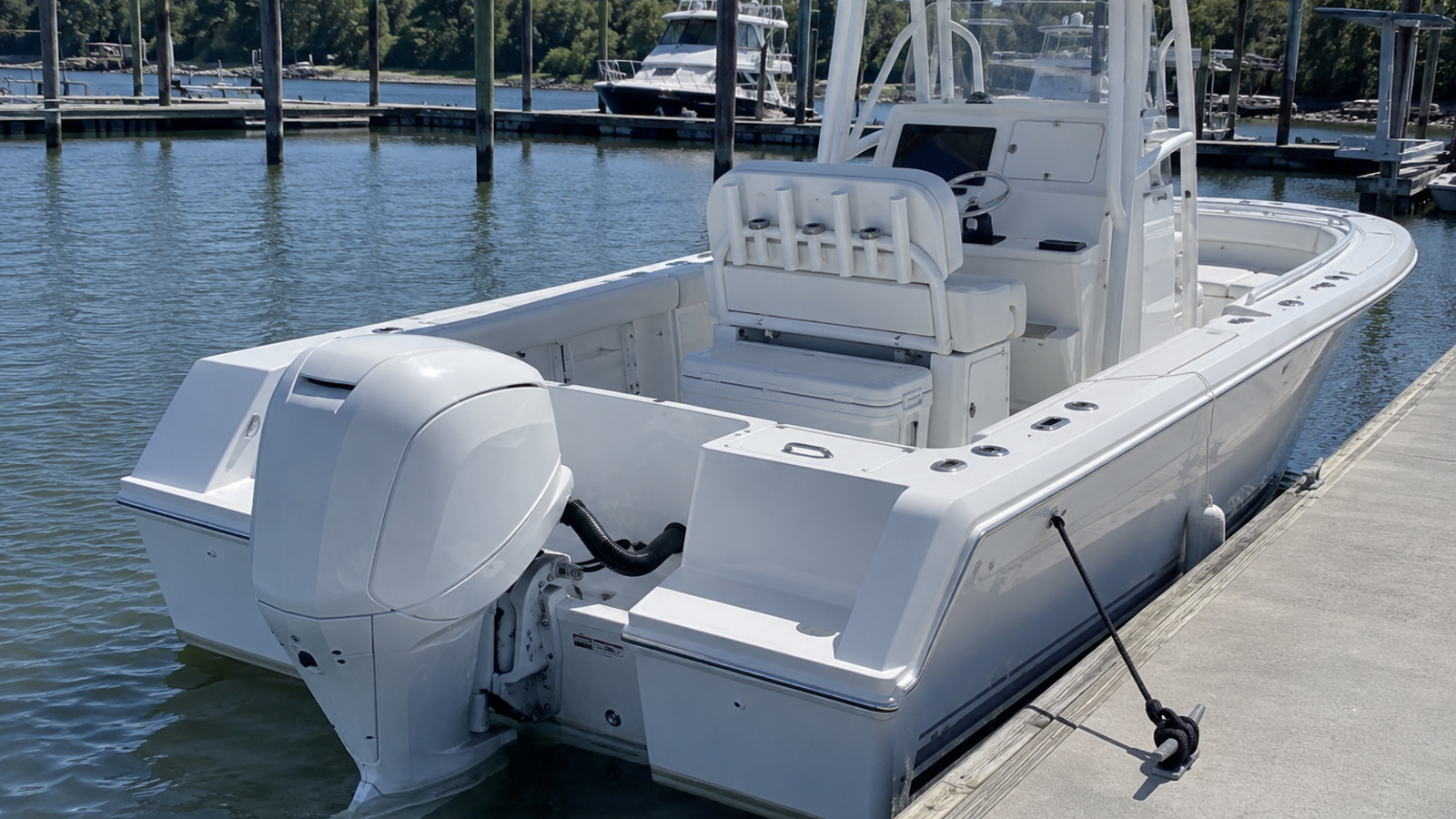
Published factory figures. Confirm every dimension against the individual boat before you commit.
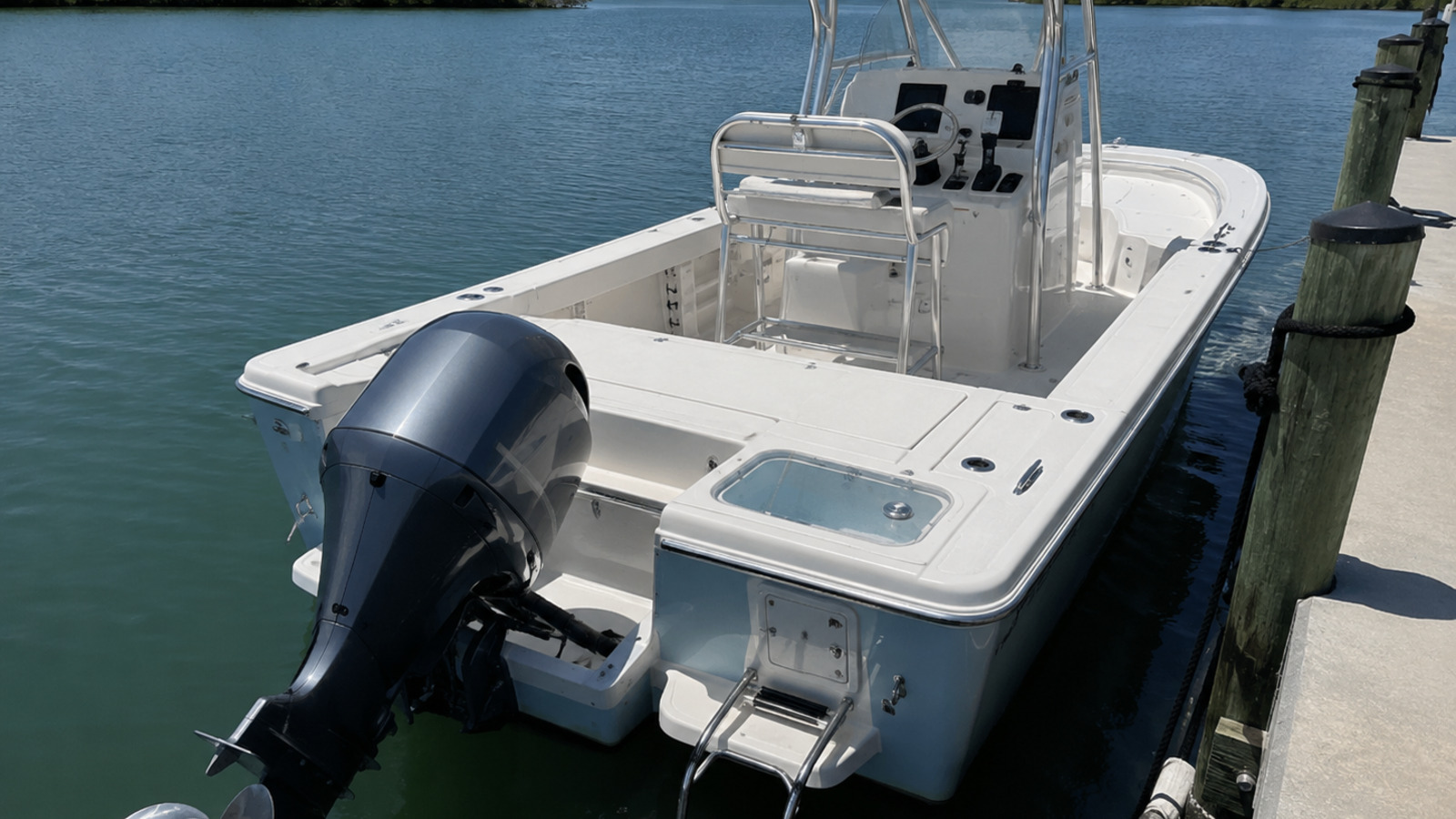
Grady-White’s SeaV² hull uses a continuously variable deadrise concept rather than one constant angle from bow to transom; that deserves extra attention on a family-size center console with deep cockpit.
On the Fisherman 216, the published transom figure is 19°, which should be interpreted alongside beam, weight, and intended water rather than as a single ride-quality score; the deep-cockpit family fishing platform mission makes that a structural rather than cosmetic issue.
The Fisherman 216 weighs approximately 3,360 lb before engines, fuel, freshwater, gear, batteries, hardtop equipment, and people; that directly affects the hull decision for a family-size center console with deep cockpit. That makes a loaded lift or trailer calculation materially different from the dry specification; that measurement is especially relevant to a deep-cockpit family fishing platform.
Hull draft is 16 in. For a 21-foot family Fisherman with big-boat cockpit depth, that figure should be checked against the owner’s local ramp, inlet, sandbar, or shallow-water route before assuming another Grady-White uses the same access.
Inspect chines, strakes, keel, transom corners, through-hulls, rubrail, bow hardware, and all high-load deck fittings in natural light; that belongs in the structural review of a family-size center console with deep cockpit. Grady-White’s reputation for construction quality does not make prior impact or poor repair irrelevant; the deep-cockpit family fishing platform use case makes that hull detail more consequential.
Configuration: Yamaha outboard power; exact engine count and package vary by build
The Fisherman 216 is an outboard-powered Grady-White, so propulsion inspection belongs at the transom: mounting, steering, trim, lower units, propellers, anodes, rigging, and flushing history; that belongs in the Yamaha due diligence for a family-size center console with deep cockpit. Its 300 HP maximum tells the buyer the power envelope, not the condition of the engines actually installed; the deep-cockpit family fishing platform mission makes that engine check more important.
The correct Fisherman 216 engine package should be evaluated under the same load the owner expects to carry; that matters to the propulsion plan for a family-size center console with deep cockpit.
Full fuel, several adults, ice, tackle, water toys, cabin supplies, or offshore safety gear can expose an underpowered or poorly propped setup that feels fine on an empty demonstration; that should be documented carefully on a deep-cockpit family fishing platform.
Record every Yamaha serial number and engine hour figure; that is a meaningful mechanical check for a family-size center console with deep cockpit. Multi-engine Grady-Whites should have service histories reviewed separately because matched cowling colors do not prove matched maintenance; the deep-cockpit family fishing platform ownership plan depends on getting that right.
Local Yamaha support matters. A boat with a strong service network near its home marina can be a better long-term purchase than an otherwise similar example located far from qualified diagnostics and warranty support; that belongs in the Yamaha due diligence for a family-size center console with deep cockpit.
The Fisherman 216 power decision should leave room in the ownership budget for fuel, scheduled service, lower-unit work, batteries, insurance, and eventual propeller or steering repairs; the deep-cockpit family fishing platform mission makes that engine check more important.
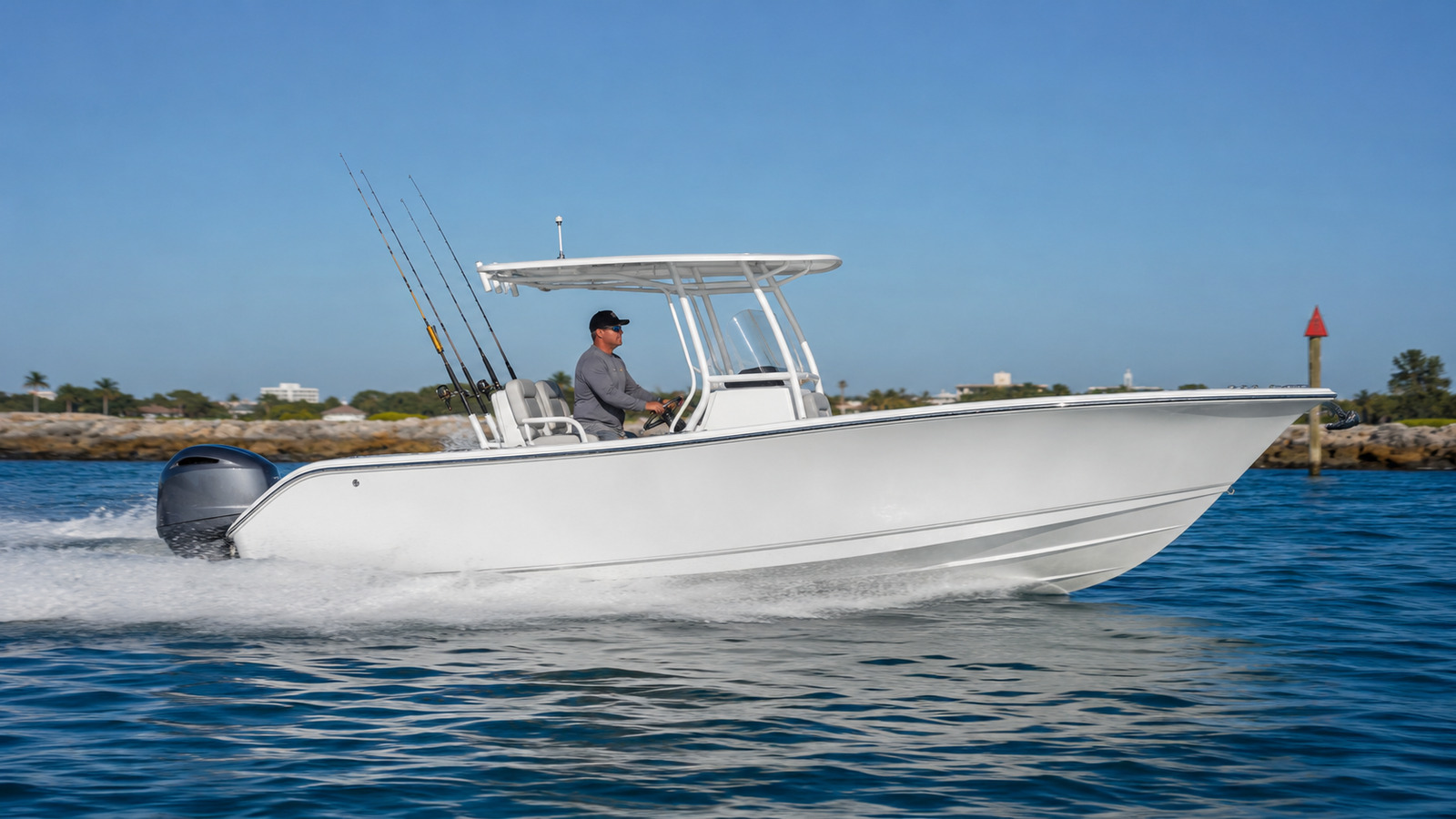
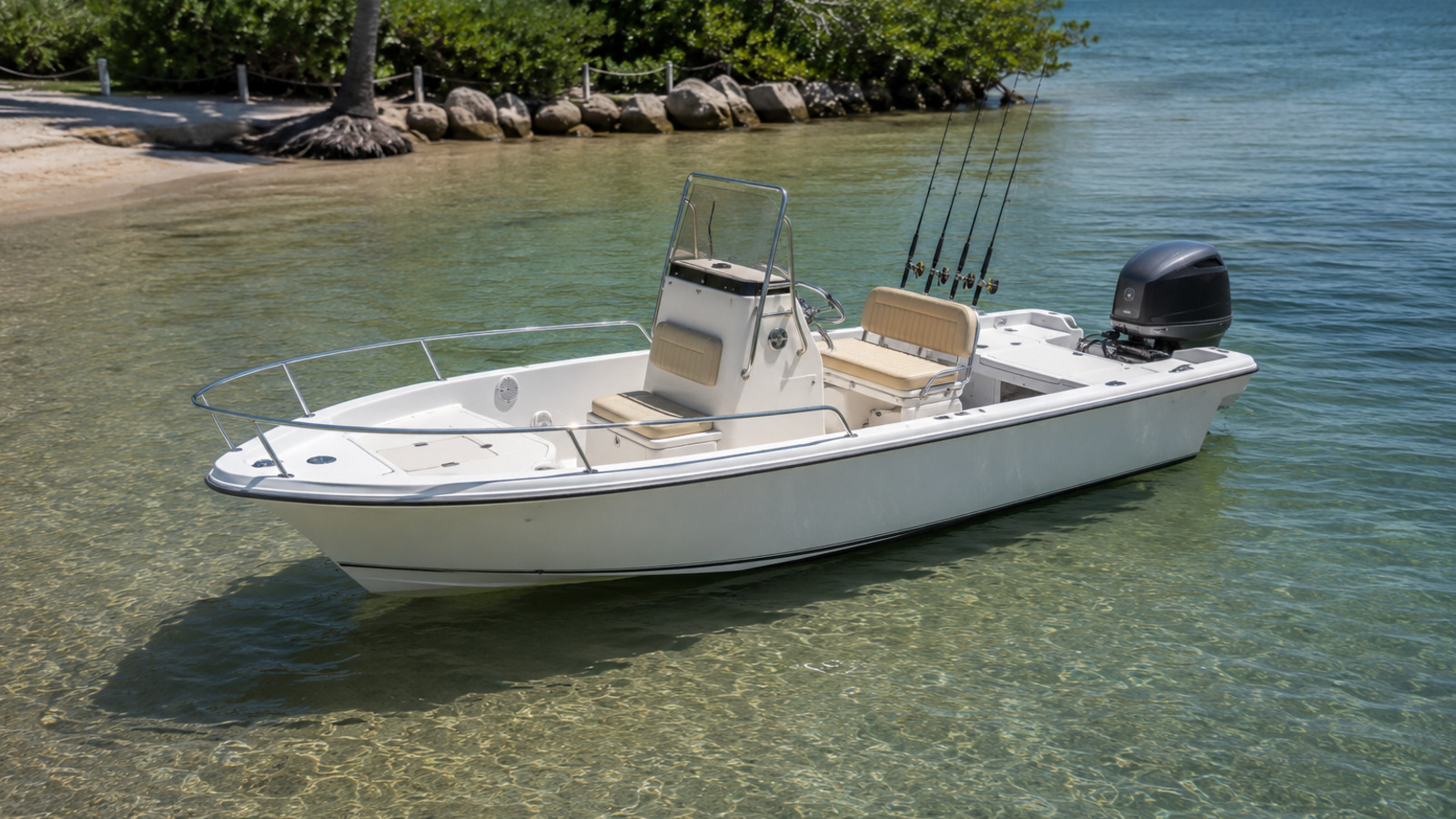
The Fisherman 216 carries 80 gal of standard fuel capacity; that belongs in the range plan for a family-size center console with deep cockpit. That number belongs in a range calculation and a weight calculation, because full fuel can add hundreds or thousands of pounds depending on model size; the deep-cockpit family fishing platform role makes that load calculation more important.
Range should be estimated from the actual Yamaha engine package at a comfortable cruise, with a reserve; that matters when planning real trips in a family-size center console with deep cockpit. A performance test conducted with different engines, load, bottom paint, or weather should not be copied blindly into a trip plan; that should be part of fuel planning for a deep-cockpit family fishing platform.
For this 21-foot family Fisherman with big-boat cockpit depth, fuel use also depends on mission. Repeated offshore acceleration, trolling, sandbar idling, watersports, and long steady cruises create very different seasonal consumption; the family-size center console with deep cockpit mission gives that number practical context.
A 21-foot family Fisherman with big-boat cockpit depth should feel composed at the speeds its owner will actually use. The sea trial should therefore include dock maneuvering, acceleration with a realistic crew, ordinary cruise, turns, trim changes, and the conditions the boat will regularly see; that is part of the sea-trial story for a family-size center console with deep cockpit.
The 19° transom figure is one part of the SeaV² story; the deep-cockpit family fishing platform mission changes how that behavior should be judged. Entry angle changes forward, so the hull should be judged by how it meets chop, lands after crossing wakes, and maintains control instead of by one brochure number; that matters under the normal load of a family-size center console with deep cockpit.
During acceleration, watch bow rise and visibility; that should be verified on the water in a deep-cockpit family fishing platform. The boat should settle onto plane without forcing passengers to relocate or the driver to use excessive trim correction; the family-size center console with deep cockpit role makes that handling trait more important.
At cruise, listen for hardtop movement, hatch rattles, steering effort, unusual propeller vibration, and anything that appears only after the hull is loaded; that belongs in a proper sea trial for a deep-cockpit family fishing platform. A large Grady can hide minor systems problems at idle; that is part of the sea-trial story for a family-size center console with deep cockpit.
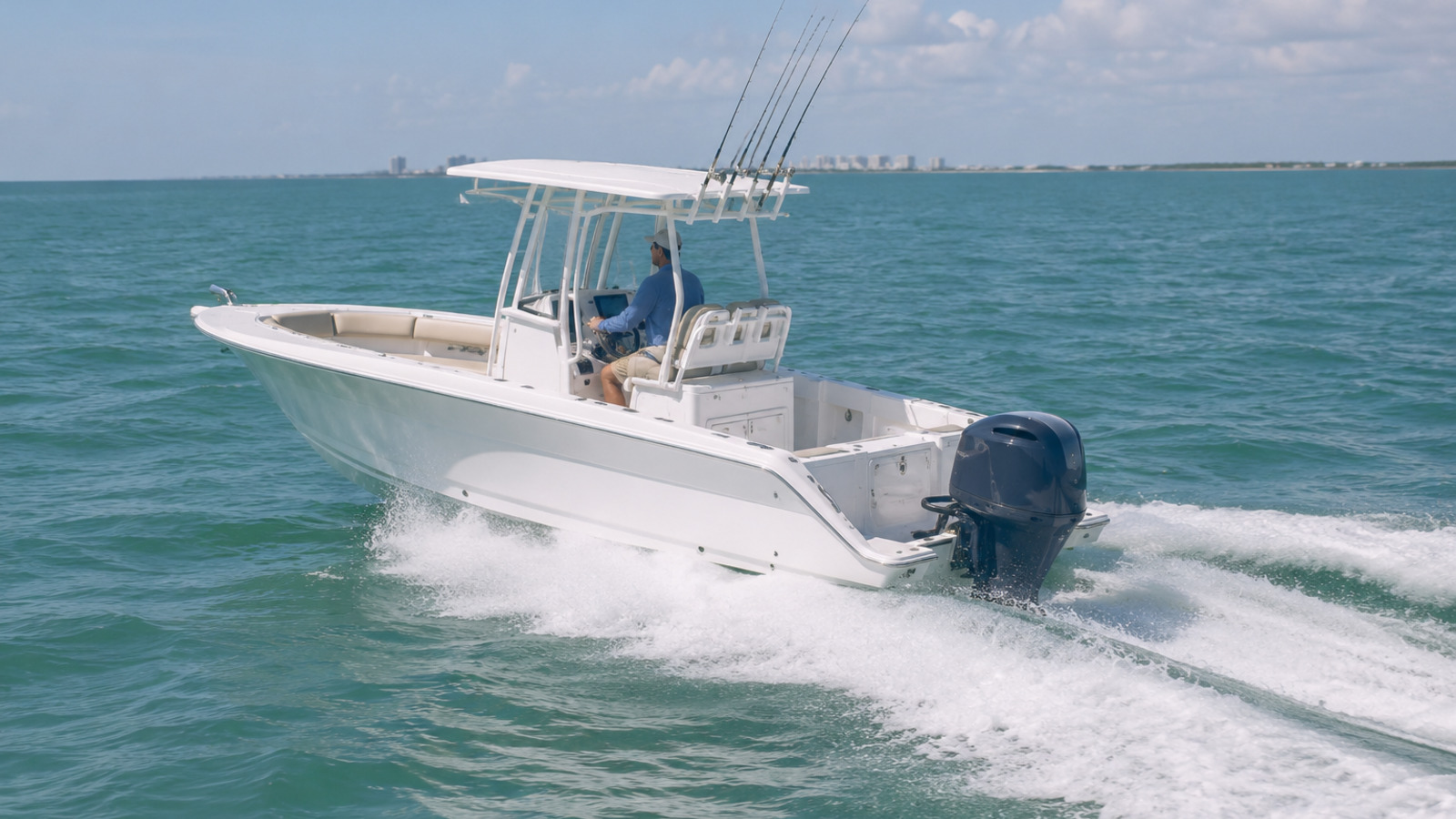
The Fisherman 216 deck is built around 25-inch cockpit depth, 80 gallons of fuel, port boarding platform, and 300-horsepower capacity. That feature set should be tested with people aboard rather than admired in an empty showroom; that directly affects daily use on a family-size center console with deep cockpit.
Walk the bow, helm, cockpit, and stern with the normal crew seated; the deep-cockpit family fishing platform role makes that a cockpit issue rather than a brochure detail. A 21-foot family Fisherman with big-boat cockpit depth needs clear paths for rods, coolers, dock lines, boarding, and family movement without constant seat rearrangement.
Open every fish box, storage locker, console compartment, cabin hatch, or under-seat bin; that matters when a family-size center console with deep cockpit carries its normal crew. Drainage, hinges, latches, insulation, and odor reveal more about ownership than polished cushions; the deep-cockpit family fishing platform layout makes that worth testing with people aboard.
The stern should be evaluated around the installed engine package; that is central to how a family-size center console with deep cockpit works at the dock or fishing grounds. Swim platforms, ladders, side doors, fold-down decks, and outboard spacing determine whether boarding feels easy or crowded; the deep-cockpit family fishing platform mission gives that deck detail practical value.
The Fisherman 216 wins its comparison with Fisherman 180 or Fisherman 236 when this deck arrangement removes friction from the owner’s most common activity rather than merely providing more square footage; that directly affects daily use on a family-size center console with deep cockpit.
SeaV² Center-Console Hull – On the Fisherman 216, seav² center-console hull supports the 21-foot family Fisherman with big-boat cockpit depth mission rather than existing as a decorative option.
The Fisherman 216 uses factory livewell as part of its 25-inch cockpit depth, 80 gallons of fuel, port boarding platform, and 300-horsepower capacity ownership story.
Insulated fish storage should be inspected for condition, drainage, hardware integrity, and real day-to-day usefulness.
Rod-Management Hardware matters on the Fisherman 216 because the model is aimed at families who want an 8-foot-6-inch beam, 300 horsepower, and better offshore confidence without jumping into the 23-foot models.
On the Fisherman 216, swim and boarding access supports the 21-foot family Fisherman with big-boat cockpit depth mission rather than existing as a decorative option.
The Fisherman 216 uses raw-water washdown as part of its 25-inch cockpit depth, 80 gallons of fuel, port boarding platform, and 300-horsepower capacity ownership story.
Helm protection should be inspected for condition, drainage, hardware integrity, and real day-to-day usefulness.
Family Seating matters on the Fisherman 216 because the model is aimed at families who want an 8-foot-6-inch beam, 300 horsepower, and better offshore confidence without jumping into the 23-foot models.
The Fisherman 216 keeps systems comparatively focused: outboard rigging, steering, bilge, livewell, washdown, fish-box drains, helm electronics, battery condition, and trailer or lift history matter more than luxury automation; that protects the equipment expected on a family-size center console with deep cockpit.
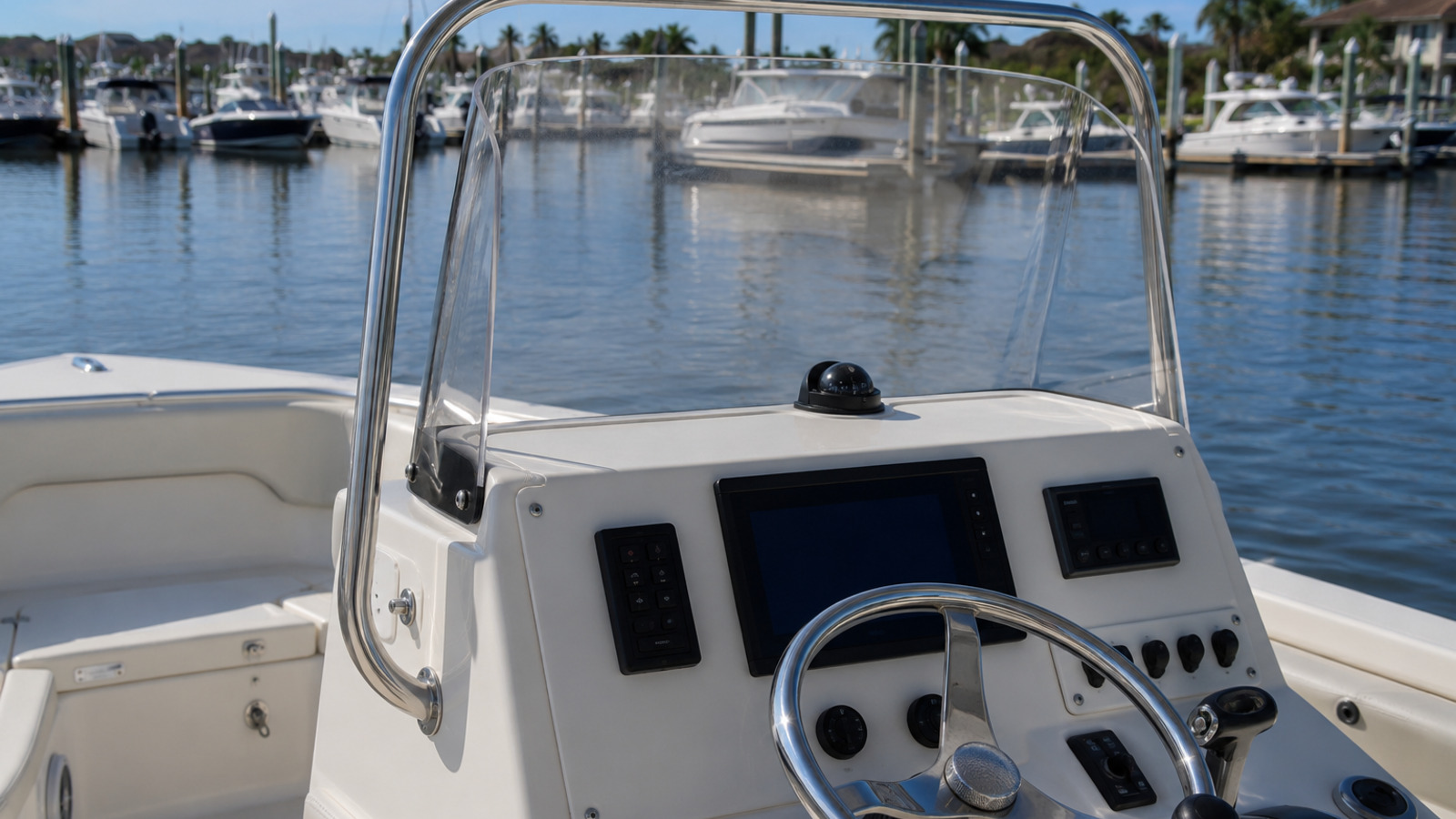
Start with batteries and charging because modern Grady-Whites can run large electronics suites, pumps, steering systems, stereo, refrigeration, lighting, cabin equipment, and stabilization while the engines are not producing full charging output; the deep-cockpit family fishing platform role gives that systems check real ownership value.
Run livewell and washdown pumps long enough to expose leaks; that matters to the operating reliability of a family-size center console with deep cockpit. Fish-box macerators, freezer conversions, freshwater pumps, heads, showers, and galley systems should be tested individually on boats equipped with them; the deep-cockpit family fishing platform mission makes that hardware worth testing carefully.
Operate hardtop vents, sunroofs, electric shades, sport decks, tables, stabilization systems, windlasses, and side-door hardware where applicable; that belongs on the systems checklist for a family-size center console with deep cockpit. Premium moving equipment should work repeatedly, not once for a demonstration; the deep-cockpit family fishing platform ownership plan depends on those components working together.
Inspect aftermarket wiring and accessory installs; that protects the equipment expected on a family-size center console with deep cockpit. A clean Grady-White deserves marine-grade fusing, supported conductors, sealed connections, and service access that has not been blocked by owner modifications; the deep-cockpit family fishing platform role gives that systems check real ownership value.
The Fisherman 216 should finish the systems inspection with no unexplained alarms, standing water, low-voltage behavior, or pumps that the seller promises to fix after closing; that matters to the operating reliability of a family-size center console with deep cockpit.
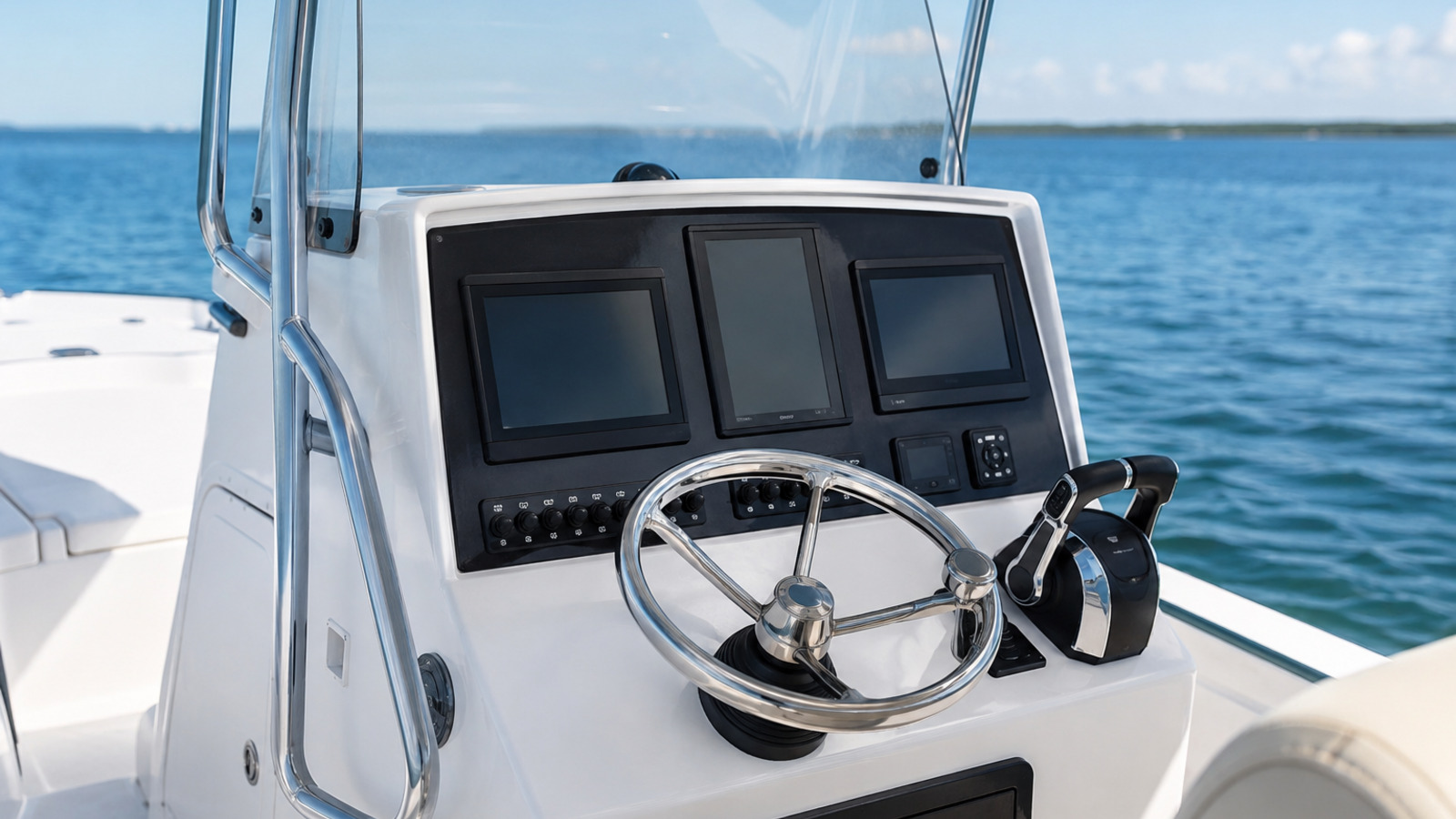
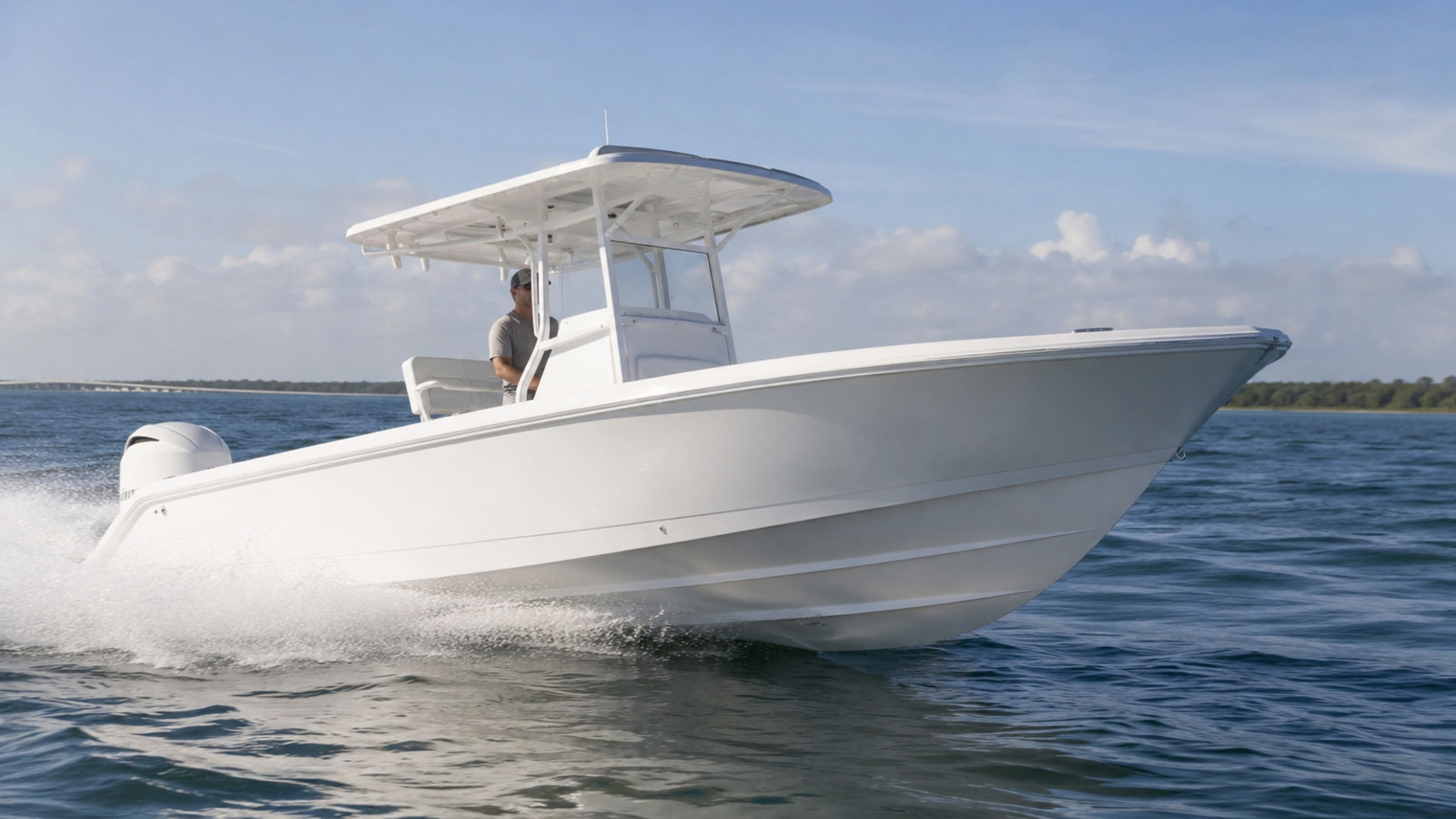
The Fisherman 216 measures 21’3″ by 8’6″ and weighs about 3,360 lb without engines; that infrastructure has to support a family-size center console with deep cockpit. That combination defines whether the model is realistically trailer-first, lift-first, or marina-first; the deep-cockpit family fishing platform mission makes that storage detail more important.
Anything wider than 8 feet 6 inches deserves a road-transport check before purchase; that belongs in the home-base plan for a family-size center console with deep cockpit. Large Canyon, Freedom, Express, and CE models may be technically trailerable yet economically better treated as marina boats; the deep-cockpit family fishing platform footprint makes that an ownership cost rather than an afterthought.
A lift calculation should include engines, 80 gal of possible fuel, batteries, freshwater, gear, hardtop equipment, and anything normally left aboard; that should be settled before choosing where a family-size center console with deep cockpit will live. Published hull weight is not the loaded lift number; the deep-cockpit family fishing platform use case makes that transport detail worth pricing early.
Storage cost belongs beside the payment estimate; that infrastructure has to support a family-size center console with deep cockpit. A larger slip, stronger lift, or specialized transport plan can change the monthly ownership picture more than a small financing-rate difference; the deep-cockpit family fishing platform mission makes that storage detail more important.
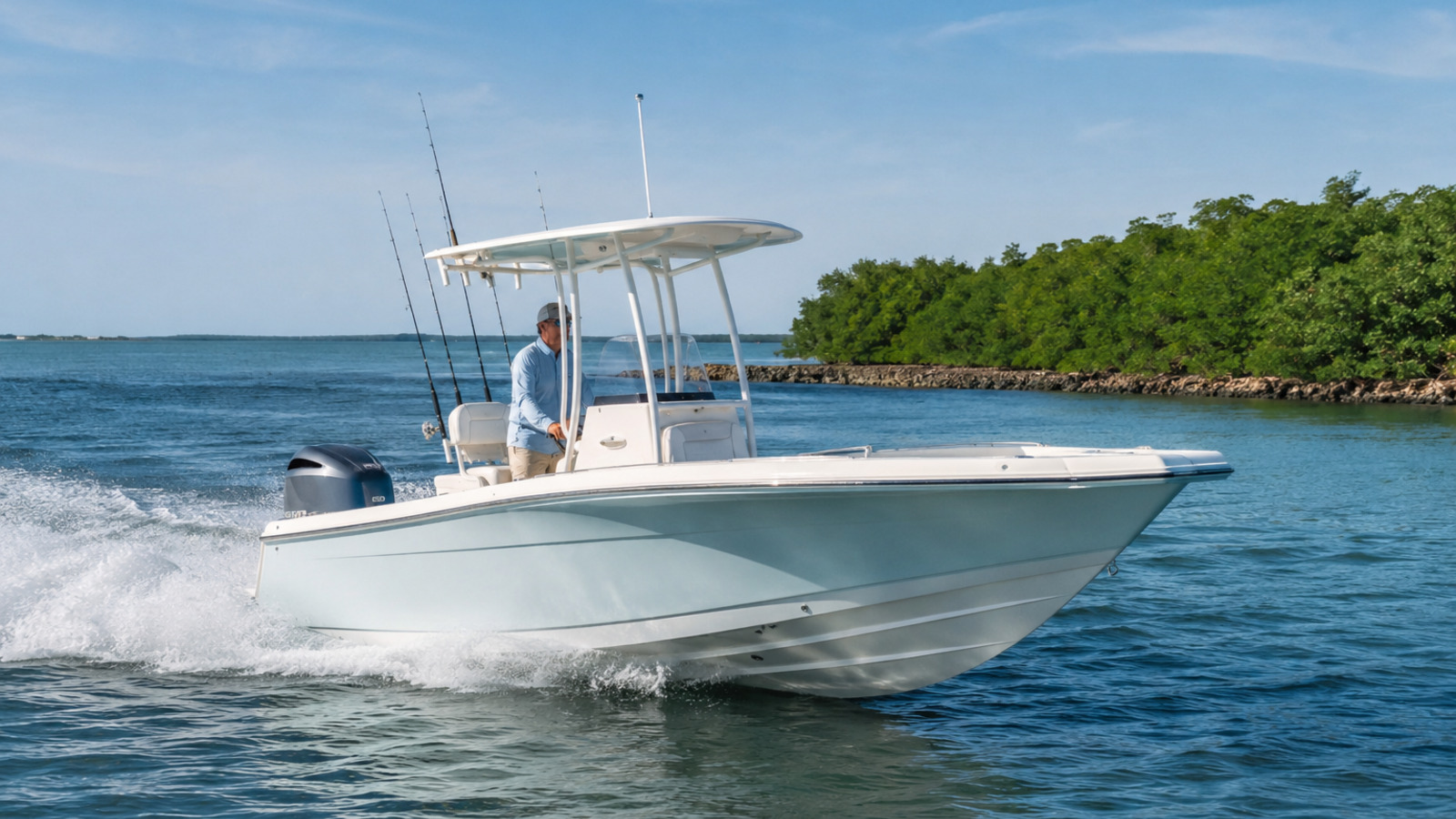
Grady-White values move with model year, Yamaha package, electronics, hardtop equipment, condition, and regional demand; the deep-cockpit family fishing platform role makes that a real valuation point.
The engine package is the first price adjustment; that matters in a fair-market comparison for a family-size center console with deep cockpit. Hours, service history, engine count, Helm Master equipment, propeller condition, and remaining warranty can create a large spread between boats that share the same hull badge; the deep-cockpit family fishing platform mission should influence how that option is priced.
Next value the hardware that makes the Fisherman 216 a 21-foot family Fisherman with big-boat cockpit depth. 25-inch cockpit depth, 80 gallons of fuel, port boarding platform, and 300-horsepower capacity should be functional and documented before it earns a premium.
Cruising equipment needs the same discipline; that belongs in the asking-price analysis for a family-size center console with deep cockpit. Heads, generators, shore power, refrigeration, air conditioning, cabin upholstery, sport decks, stabilization, and hardtop mechanisms should be priced around present condition; the deep-cockpit family fishing platform market rewards documented condition in that area.
The strongest Fisherman 216 value is the boat whose engine history and model-defining equipment already match the buyer; that adjustment should be reflected when valuing a family-size center console with deep cockpit. A cheaper sistership that needs immediate propulsion or systems work can erase the savings quickly; the deep-cockpit family fishing platform role makes that a real valuation point.
Illustration only and not an offer of credit.
Leave room for Yamaha service, fuel, insurance, storage, electronics, and the model-specific systems that make the Fisherman 216 useful; the deep-cockpit family fishing platform equipment belongs in the full ownership budget.
Illustration only and not an offer of credit. Your actual rate and term depend on credit profile, vessel age, loan amount and ownership structure.
The first cross-shop is Fisherman 180 or Fisherman 236. The question is not which boat looks more impressive; it is which hull, beam, power level, and deck workflow fit the owner’s actual water; that is the key distinction in the family-size center console with deep cockpit cross-shop.
The Fisherman 216 makes the stronger case when 25-inch cockpit depth, 80 gallons of fuel, port boarding platform, and 300-horsepower capacity is central to the mission. If that advantage is rarely used, the sibling may deliver the same Grady-White ride with less fuel, beam, storage cost, or systems burden; the deep-cockpit family fishing platform mission should decide that sibling comparison.
A 21-foot family Fisherman with big-boat cockpit depth buyer should compare the exact engine package, not only maximum horsepower. The installed Yamaha configuration changes performance, fuel, service, insurance, and resale; that matters when the shortlist includes a family-size center console with deep cockpit.
The right model should still look right after payment, insurance, fuel, storage, and annual service are all placed on the same ownership worksheet; the deep-cockpit family fishing platform should win or lose the comparison on that point.
Start with the hull identification and exact model year; that is a due-diligence item on a family-size center console with deep cockpit. Grady-White continuously updates equipment, engine packages, electronics, and options, so a current specification should not be applied blindly to an older boat; the deep-cockpit family fishing platform role makes that check worth completing before closing.
Verify the core numbers for the boat being inspected: about 21’3″ of centerline length, 8’6″ beam, 16 in hull draft, 300 HP maximum horsepower, 80 gal standard fuel capacity, and 3,360 lb without engines for the current reference; that protects the value of a family-size center console with deep cockpit.
Review every Yamaha engine separately. Ask for hours, annual-service records, water-pump history, lower-unit work, steering service, warranty status, and evidence of regular flushing when the boat has lived in saltwater; the deep-cockpit family fishing platform purchase should not move forward until that is clear.
Test the systems that define this 21-foot family Fisherman with big-boat cockpit depth. 25-inch cockpit depth, 80 gallons of fuel, port boarding platform, and 300-horsepower capacity should work under normal load and should not depend on a seller promising a repair after closing.
Inspect fishing systems wet, not dry; that belongs on the pre-purchase checklist for a family-size center console with deep cockpit. Livewells, washdowns, drains, freezer boxes, pumps, and cockpit plumbing can appear perfect until water is moving; the deep-cockpit family fishing platform mission makes that a practical closing condition.
Quote insurance and storage before closing; that is a due-diligence item on a family-size center console with deep cockpit. The jump from one Grady-White size to the next can change those costs sharply even when the purchase prices look close; the deep-cockpit family fishing platform role makes that check worth completing before closing.
Finally, compare Fisherman 180 or Fisherman 236. The Fisherman 216 should remain the better answer after power, beam, systems, storage, and daily use are understood; that protects the value of a family-size center console with deep cockpit.
If it does, start your application with the exact details so the financing conversation reflects the real transaction; the deep-cockpit family fishing platform purchase should not move forward until that is clear.
A final Fisherman 216 dockside check should focus on how the 21-foot family Fisherman with big-boat cockpit depth layout behaves with the family’s normal gear aboard. Coolers, tackle, fenders, bags, safety equipment, and passengers should still leave clear access to the helm, boarding points, and working cockpit; that belongs on the pre-purchase checklist for a family-size center console with deep cockpit.
Long-term value on the Fisherman 216 also depends on documentation; the deep-cockpit family fishing platform mission makes that a practical closing condition. Yamaha service records, electronics invoices, pump replacements, hardtop or cabin repairs, and storage history help a future buyer distinguish a carefully maintained Grady-White from one that merely presents well in photographs; that is a due-diligence item on a family-size center console with deep cockpit.
Start your application with the actual Fisherman 216 details with model year, Yamaha engine package, engine hours where available, seller type, major options, and asking price; that keeps financing aligned with the family-size center console with deep cockpit use case.
The Fisherman 216 is aimed at families who want an 8-foot-6-inch beam, 300 horsepower, and better offshore confidence without jumping into the 23-foot models. Its most important differentiator is 25-inch cockpit depth, 80 gallons of fuel, port boarding platform, and 300-horsepower capacity.
The current factory reference is about 21’3″ of centerline length with a 8’6″ beam; that answer should be read through the family-size center console with deep cockpit use case. Measure the full engine-on and trailer-on footprint before choosing storage; the deep-cockpit family fishing platform mission is why that answer matters.
Grady-White publishes 300 HP as the maximum for the current Fisherman 216; that is especially relevant to a family-size center console with deep cockpit owner. The exact Yamaha package and capacity labels on the boat remain authoritative; the deep-cockpit family fishing platform role gives that answer useful context.
Standard fuel capacity is 80 gal. Actual usable range depends on the installed engines, load, trim, bottom condition, weather, and cruising speed; that point should be interpreted in the context of a family-size center console with deep cockpit.
The current reference is approximately 3,360 lb without engines; the deep-cockpit family fishing platform buying case depends partly on that answer. A loaded boat with engines, fuel, batteries, water, gear, and options will be substantially heavier; that answer should be read through the family-size center console with deep cockpit use case.
Start with hull and transom condition, then Yamaha engine history, steering, electronics, bilge, livewell or plumbing systems, hardtop hardware, and the feature set that makes this 21-foot family Fisherman with big-boat cockpit depth.
Start with Fisherman 180 or Fisherman 236. Compare mission, beam, engine count, fuel, storage infrastructure, and the systems the family will actually use; the deep-cockpit family fishing platform mission is why that answer matters.
Potentially. Model year, value, condition, seller type, purchase amount, and borrower qualifications matter; that is especially relevant to a family-size center console with deep cockpit owner. Start your application with the actual details so the loan discussion reflects the boat being purchased; the deep-cockpit family fishing platform role gives that answer useful context.
Tell us a little bit about yourself and the boat you are looking to finance.