
Call Us : 207-994-5109
Mon – Fri: 8 am to 9 pm & Sat – Sun: 10 am to 8 pm
For river anglers and hunters who want a much broader 96-inch platform plus the freedom to choose tiller, side console, or center console, the 1870 Predator stands out because the 1870 is the major step in the Predator line because beam jumps from 85 to 96 inches and the center-console option opens 360-degree movement around the helm.
Length is the least interesting reason to choose the Lund 1870 Predator; its deck, steering, and intended water explain far more. The Lund 1870 Predator measures 18′, carries a 96″ beam, is rated to 75 HP tiller / 90 HP side console / 105 HP center console, and applies the Predator design brief to purpose-built hunting, bowfishing, catfishing, and river utility with camo-friendly open layouts and Mod-V running surfaces.
The 1870 Predator is the middle choice between the 1760 Predator and 2070 Predator. At 18′ with a 96″ beam, it should appeal to buyers who have outgrown the 1760 Predator but cannot point to a regular reason for accepting the 2070 Predator’s larger footprint, power, and ownership cost.
The 1870 Predator can be found with tiller, side-console, and center-console, so steering choice changes the boat more than a trim badge would suggest; a tiller preserves floor area, a console relocates the driver, and a windshield version trades some openness for weather protection.
The 1870 Predator is aimed at this use case: River anglers and hunters who want a much broader 96-inch platform plus the freedom to choose tiller, side console, or center console; the 1760 Predator is aimed at this one: Hunters and river anglers who want the 1660 concept with an extra foot, a fifth passenger position, and optional steering wheel control.
For a Lund 1870 Predator, financing should come after this fit test.

Published factory figures. Confirm every dimension against the individual boat before you commit.
The 1870 Predator starts with a 18′ hull and 96″ beam, but the useful hull question is what those dimensions let this Predator do. In this case, the 1870 Predator is built for muddy rivers, backwaters, hunting routes, and shallow fishing water where a Mod-V hull and open utility layout are more useful than deep freeboard. For the 1870 Predator, the published construction description is .100 in bottom; .100 in freeboard; Mod-V.
The 1870 Predator is more likely to show its history on the bottom than in the upholstery. On the 1870 Predator, inspect the modified-V utility hull for stump or rock strikes, bank abrasion, bent spray rails, seat-base movement, transom distortion, and damage where a small trailer or pickup-bed transport has concentrated load.
For the 1870 Predator, the nearest physical comparison is the 1760 Predator, which measures 17′ on a 85″ beam and is rated to 75 HP. The 1870 Predator is 18′ on 96″ with 75 HP tiller / 90 HP side console / 105 HP center console. The differences around the 1870 Predator should show up in usable room, trailer fit, and the conditions the boat can handle comfortably.
On the 1870 Predator, use the actual rig for towing calculations rather than filling in a missing or configuration-dependent hull-weight figure. The outboard, trailer, 20 gallons of fuel, batteries, electronics, 96-inch beam, Three steering layouts, Center-console option, safety gear, and cargo need to be weighed or documented on the exact 1870 Predator being purchased.
Lund rates the 1870 Predator to 75 HP tiller / 90 HP side console / 105 HP center console. For the 1870 Predator, the published power ceiling belongs beside the tiller, side-console, and center-console layout and this intended use: River anglers and hunters who want a much broader 96-inch platform plus the freedom to choose tiller, side console, or center console.
Because the 1870 Predator can appear with tiller, side-console, and center-console, two examples of the same hull can feel like different boats. For the 1870 Predator, a tiller preserves floor area and direct low-speed control. For the 1870 Predator, a wheel moves the operator forward. For the 1870 Predator, a windshield version adds protection but occupies more cockpit.
Power is one difference between the 1870 Predator and 1760 Predator. Lund publishes 75 HP tiller / 90 HP side console / 105 HP center console for the 1870 Predator and 75 HP for the 1760 Predator. Sea-trial the 1870 Predator and 1760 Predator with realistic load, then compare time to plane, midrange response, steering effort and control at the speeds the owner will actually use.
For the exact outboard on a used 1870 Predator, begin with a cold start and service history. On the 1870 Predator, inspect the gearcase, skeg, propeller, mounting hardware, steering, charging output, fuel lines and rigging.
The 1870 Predator carries 20-gallon fuel capacity. For the 1870 Predator, that tells you how much fuel can be stored, not how far the boat will travel.
There is no useful universal speed-and-burn figure for every 1870 Predator configuration. For the 1870 Predator, outboard choice and load matter too much. For the 1870 Predator, the practical test is to run the exact boat at the speed it will normally travel, measure fuel use, and decide whether that result works for the owner’s typical route instead of importing a consumption number from another Lund.
Fuel capacity does not separate the 1870 Predator from the 1760 Predator: both are listed with 20-gallon fuel capacity. On the 1870 Predator, compare the two on hull size, deck layout, power, load and actual measured burn instead of treating tank size as a reason to move up or down.
On the 1870 Predator, keep fuel outside the loan payment when testing affordability.
Performance on the 1870 Predator is about shallow-water control and usable bow entry. On the 1870 Predator, run across river chop and boat wakes at sensible speed, then idle through the kind of tight water where the modified-V shape matters.
For the 1870 Predator, the 1760 Predator is the useful control in the comparison. The 1760 Predator measures 17′ with a 85″ beam and 75 HP maximum power; the 1870 Predator is 18′ with 96″ and 75 HP tiller / 90 HP side console / 105 HP center console.
If the exact 1870 Predator is slow to plane, porpoises, ventilates in turns or requires unusual steering effort, separate setup from hull design before drawing a conclusion. Propeller pitch, engine height, damaged blades, battery placement, excessive stern load and an outboard that is not producing full power can all create behavior that another correctly rigged 1870 Predator will not share.
The deck is where the 1870 Predator either proves or disproves its fit. The 1870 Predator is aimed at this buyer and use case: River anglers and hunters who want a much broader 96-inch platform plus the freedom to choose tiller, side console, or center console.
On this 1870 Predator, rod storage is published as Long rod storage. Those are not abstract specifications. On the 1870 Predator, load the longest rods the owner will carry. For the 1870 Predator, that exercise shows whether the 96″ beam is being used for a purpose-built hunting and river workspace where camouflage, gear movement, rod handling, and optional steering layouts matter or merely looks wide on paper.
At the 1870 Predator control position (tiller, side-console, and center-console), check sightlines, throttle reach and the path around the controls after electronics are mounted. For the 1870 Predator, the operator position should support a purpose-built hunting and river workspace where camouflage, gear movement, rod handling, and optional steering layouts matter. If the 1870 Predator helm steals the floor area the buyer needs most often, compare a different steering configuration before financing.
Walk the 1870 Predator and 1760 Predator back to back if possible. For the 1870 Predator, the 1760 Predator is aimed at this use case: Hunters and river anglers who want the 1660 concept with an extra foot, a fifth passenger position, and optional steering wheel control.
Use these eight 1870 Predator features as a hands-on checklist and verify each item on the exact boat being purchased.
On the 1870 Predator, inspect three steering layouts for condition, secure mounting and practical access before treating it as included value.
Inspect the 1870 Predator center-console option for secure mounting, clear sightlines and hardware that operates without looseness or binding.
Use the 1870 Predator up to 105 hp by layout as a model-specific comparison point, then verify the related structure, labels or installed hardware on the actual boat.
Load the 1870 Predator long rod storage with the longest rods normally carried and confirm the lid, tubes and adjacent seating still work cleanly.
Use the 1870 Predator mod-v bottom as a model-specific comparison point, then verify the related structure, labels or installed hardware on the actual boat.
On the 1870 Predator, inspect hunting and fishing utility for condition, secure mounting and practical access before treating it as included value.
The 1870 Predator systems review should reflect trolling power, navigation lights, hunting or fishing accessories, livewell equipment where fitted, and owner-added wiring exposed to mud, water, and hard use. On the 1870 Predator, start with batteries, charging, main circuit protection, bilge equipment, navigation lights and the electronics included in the sale. On the 1870 Predator, trace owner-added wiring far enough to understand where it is fused and grounded; expensive fishing hardware adds little value when the underlying installation is unreliable.
For the 1870 Predator, the published rod-storage reference is Long rod storage. On the 1870 Predator, load that compartment with the longest rods the owner actually uses and check tubes, hinges, latches and lid clearance. That matters on the 1870 Predator because its deck is organized around a purpose-built hunting and river workspace where camouflage, gear movement, rod handling, and optional steering layouts matter.
On the 1870 Predator, finish with the trailer and outboard rigging. On the 1870 Predator, inspect trailer lights, tires, bearings, winch, safety chains, bunks or rollers and brakes where fitted, then check the transom wiring and steering as the outboard turns from lock to lock.
The 1870 Predator is normally a day boat, so dock and storage fit should be settled before closing. For the 1870 Predator, the hull is 18′ long and 96″ wide, but the complete package adds trailer tongue, outboard position, windshield or console height, trolling motor, guide posts and accessories.
Because the published weight varies by configuration or is not a single useful number in this source set, use the actual 1870 Predator rig for tow planning.
In New Hampshire and other freeze climates, the 1870 Predator also needs a winter plan that matches its equipment. On the 1870 Predator, protect the outboard and fuel system, manage batteries, drain pumps or plumbing that are actually fitted, and prevent water from pooling under the cover.
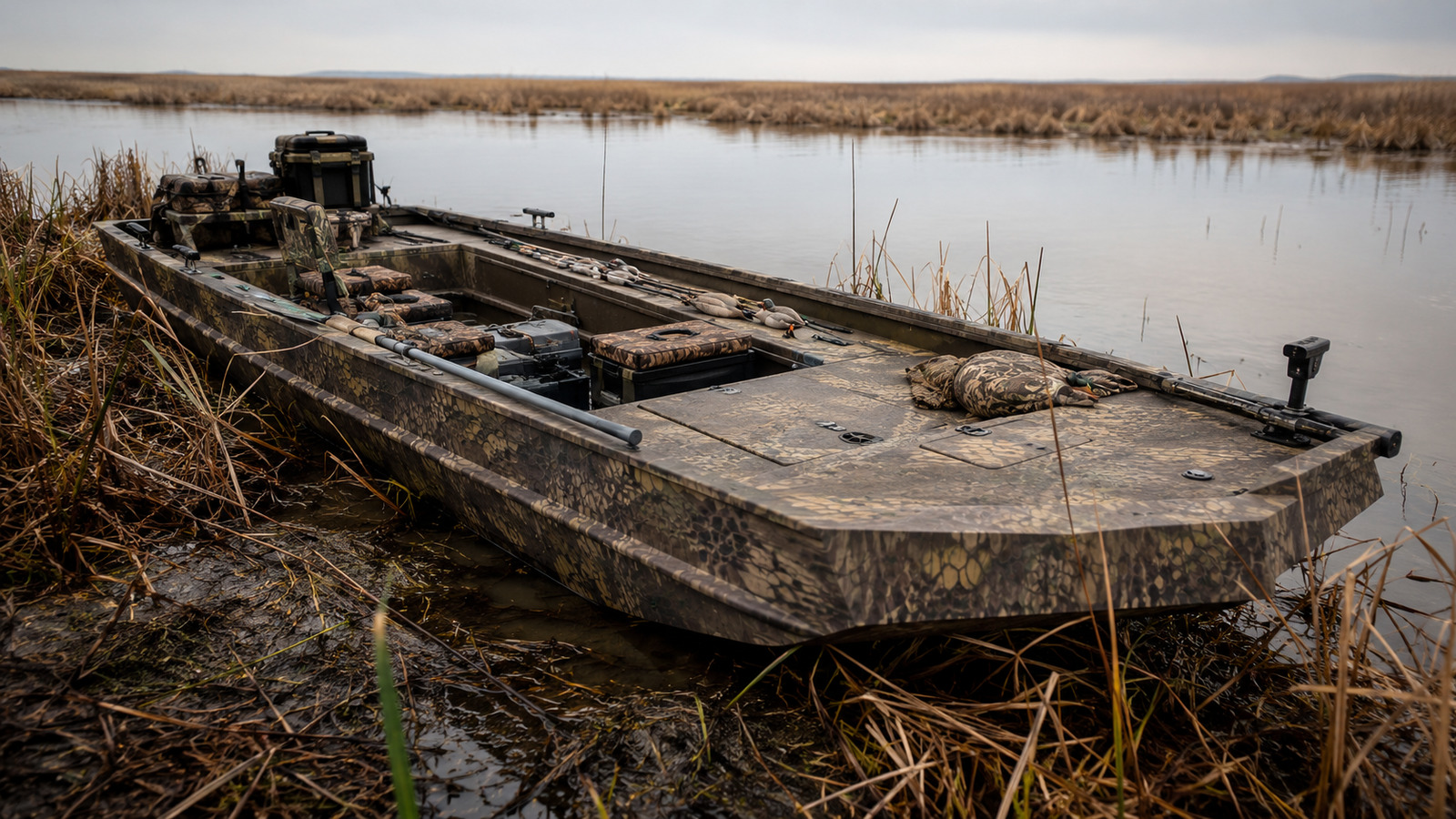
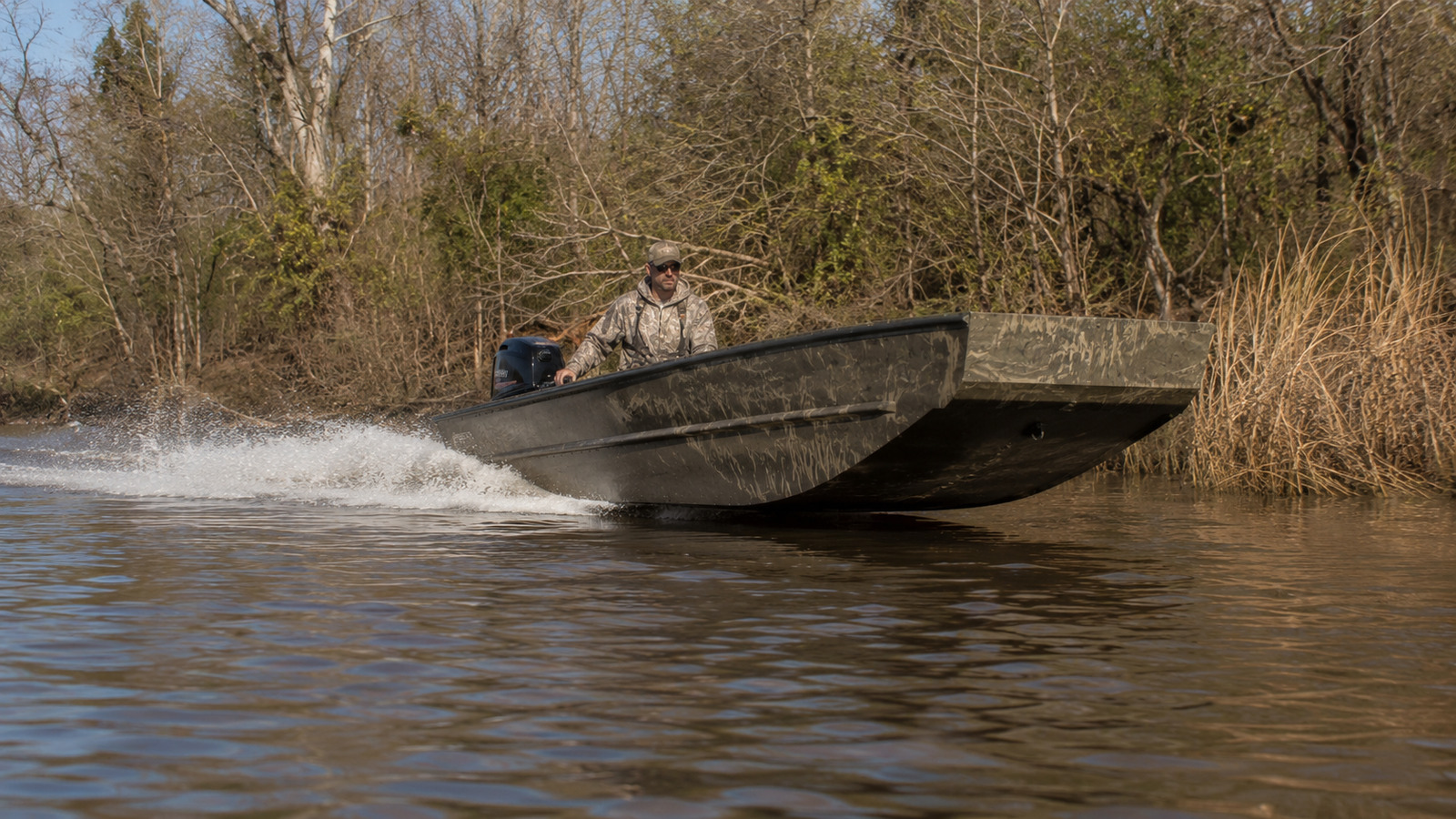
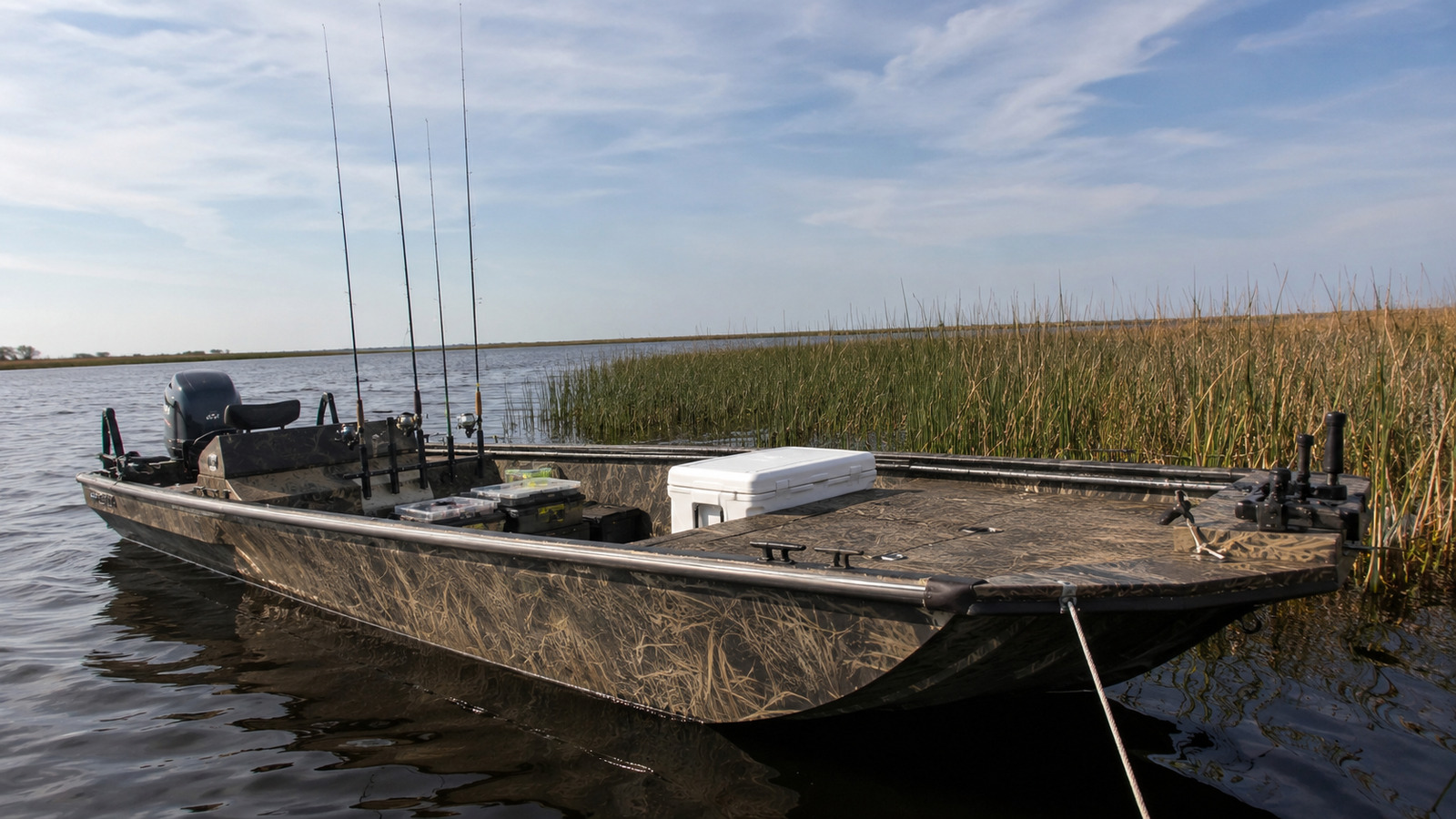
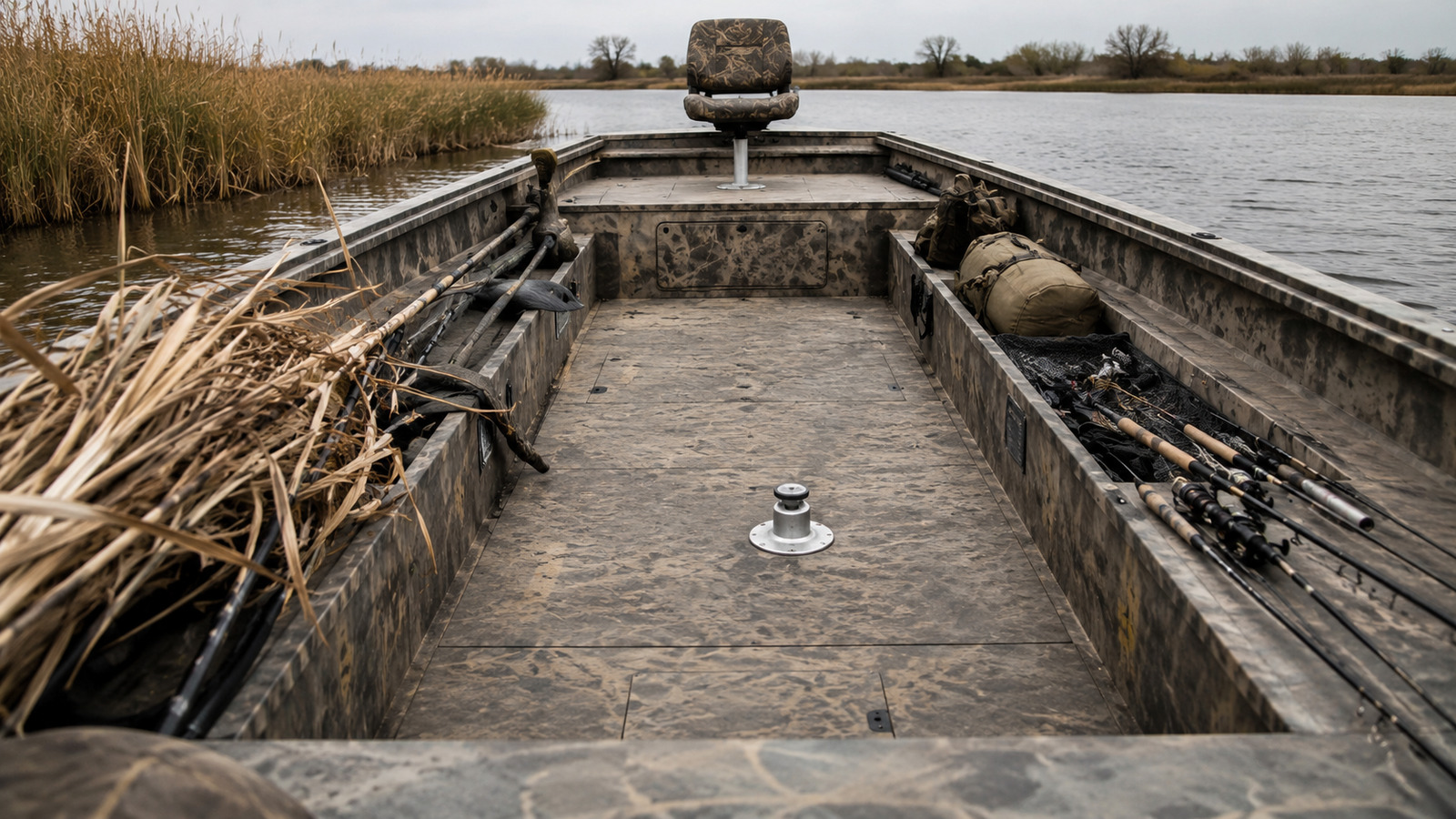
Use the gallery to check the spaces that specifications cannot explain: helm room, rod-loading angles, cockpit depth, livewell access, stern boarding and trailer support. On the 1870 Predator, those views help confirm the core design point: the 1870 is the major step in the Predator line because beam jumps from 85 to 96 inches and the center-console option opens 360-degree movement around the helm.
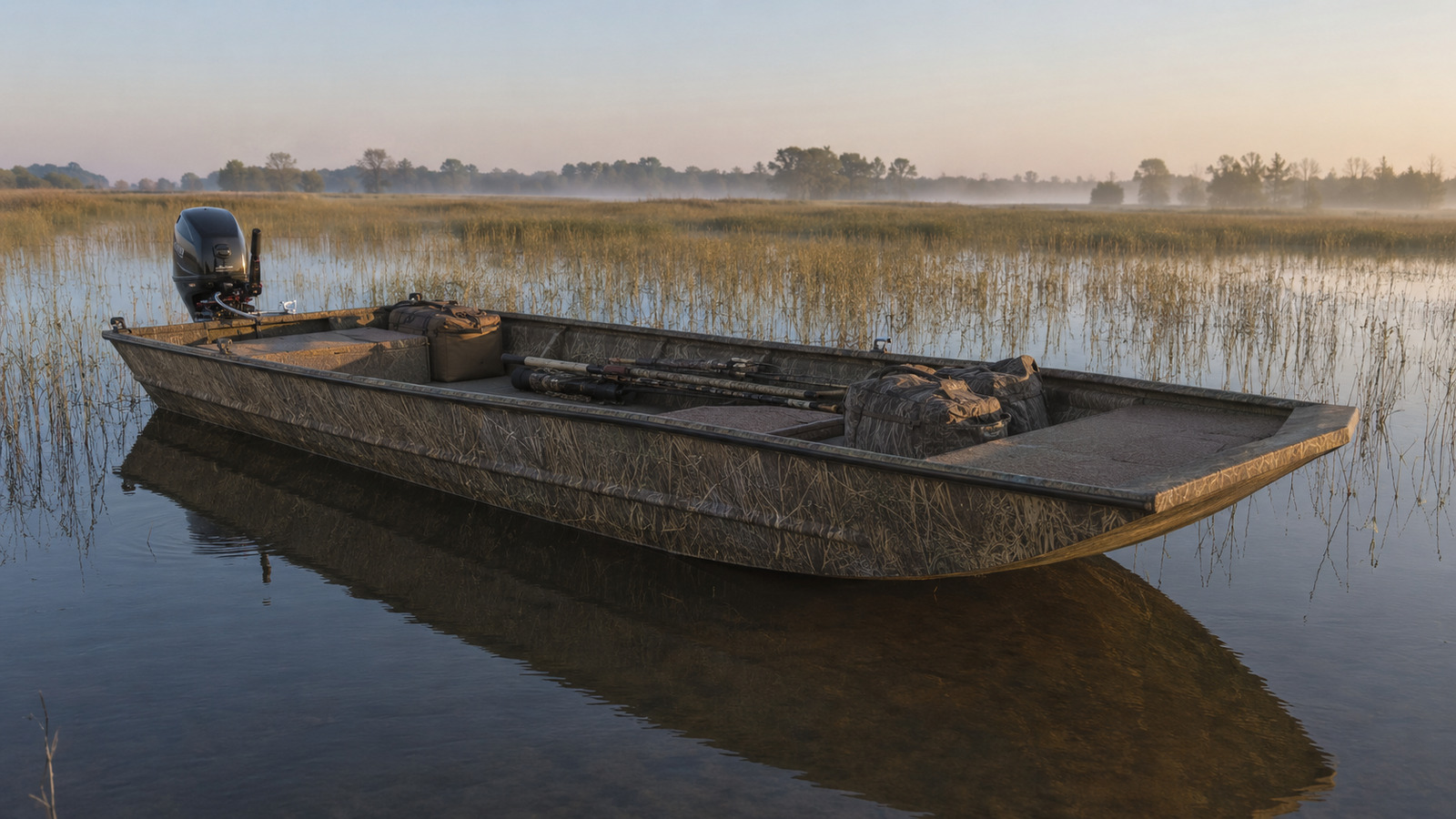
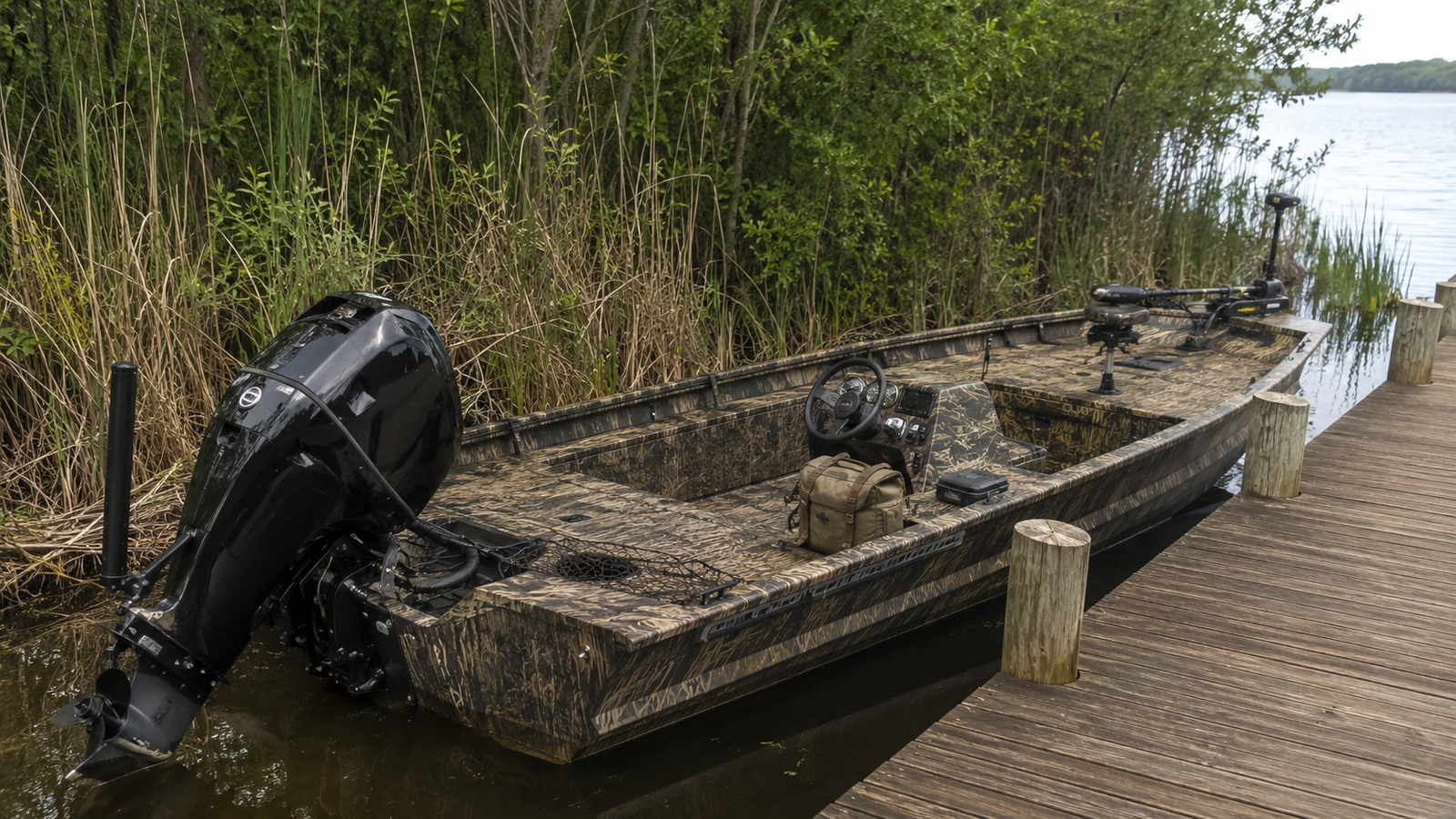
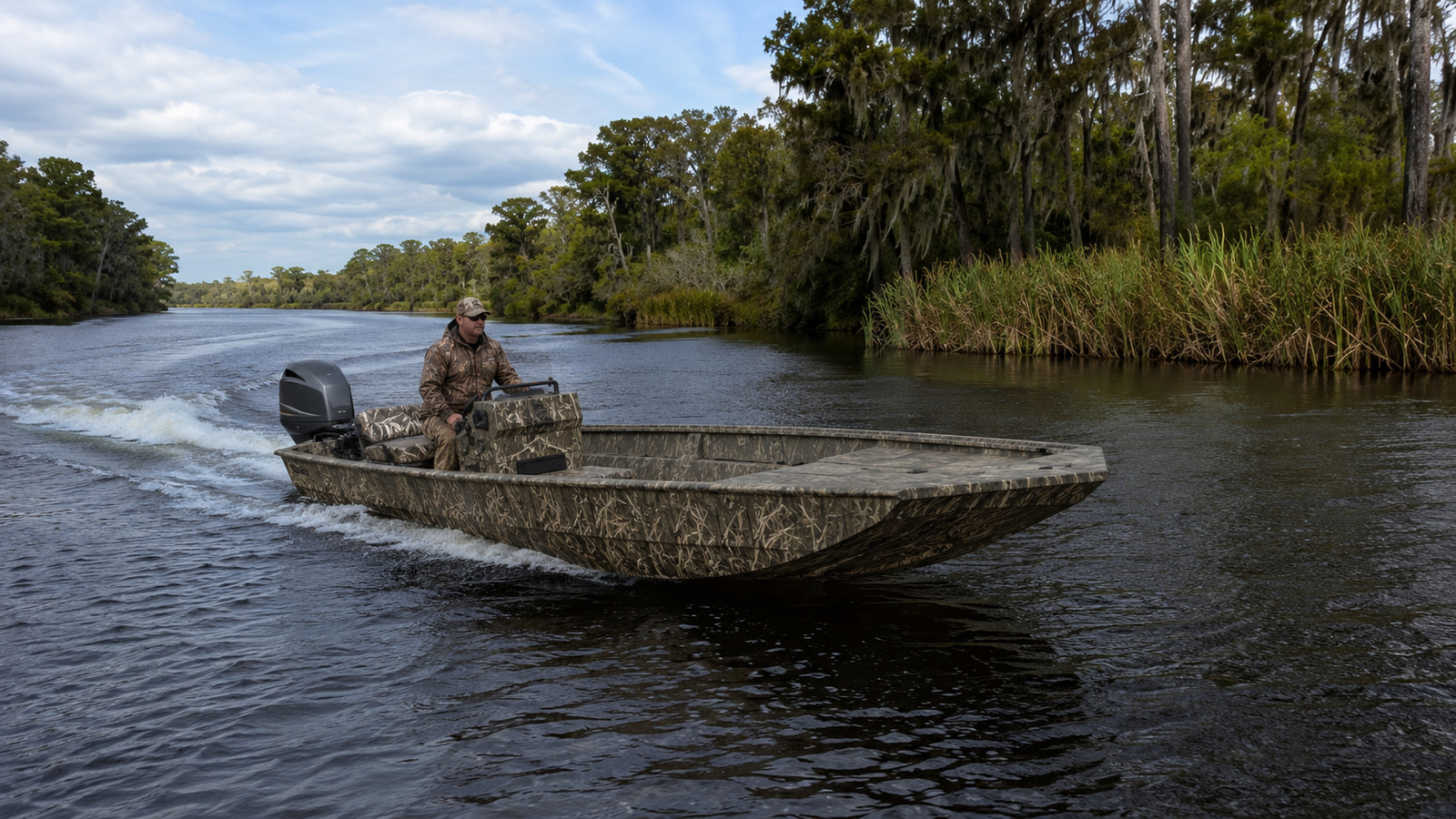
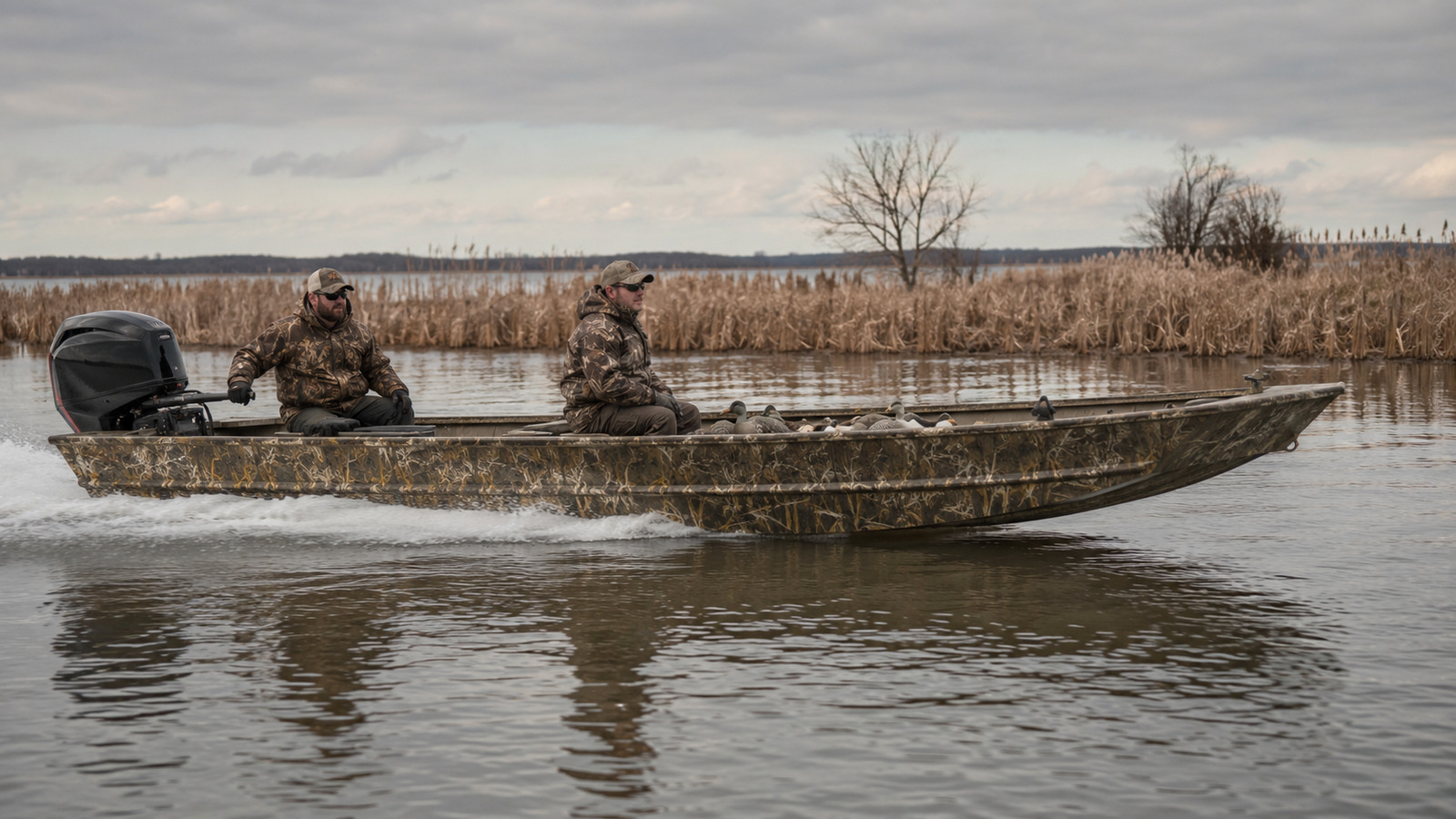
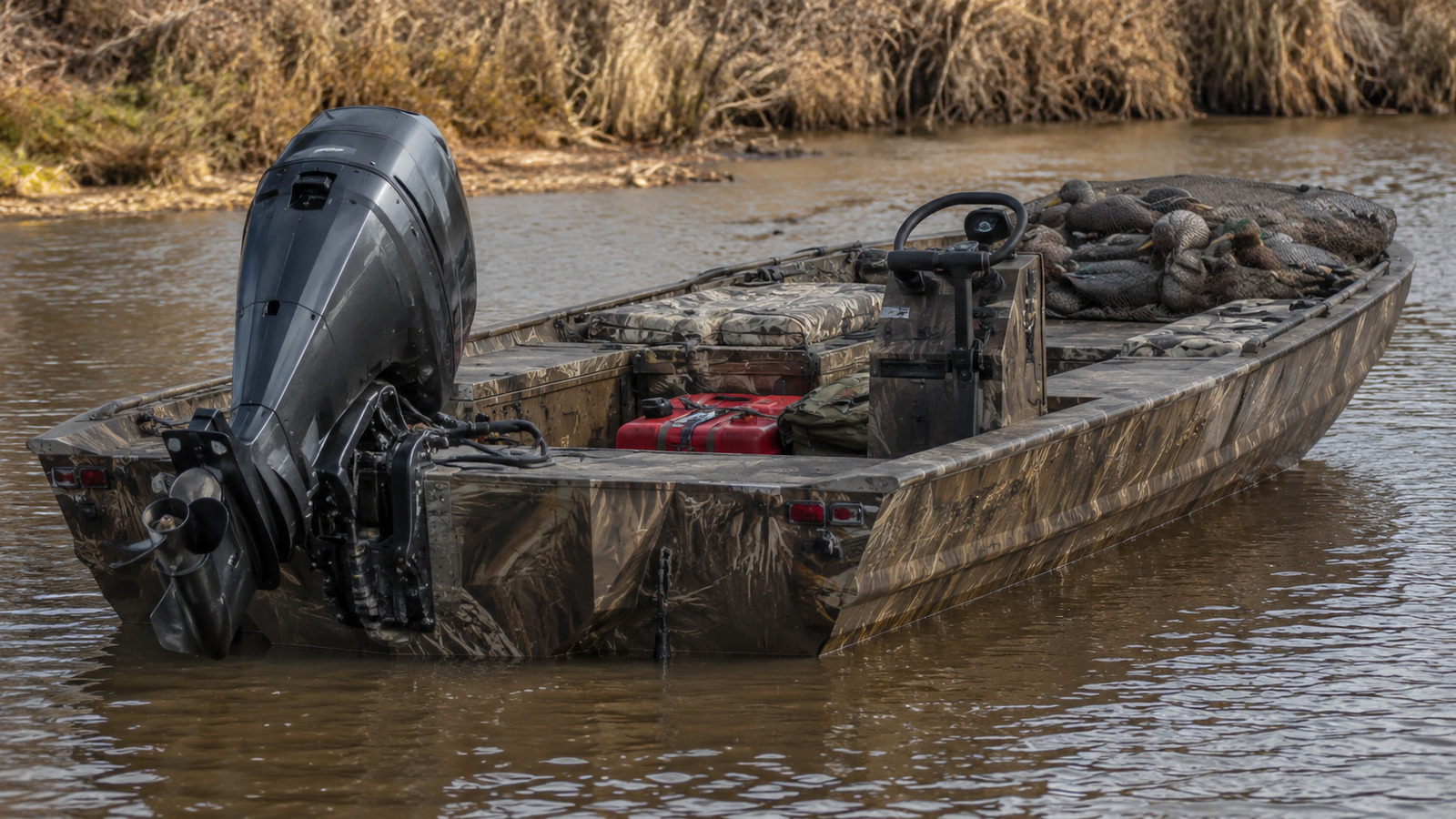
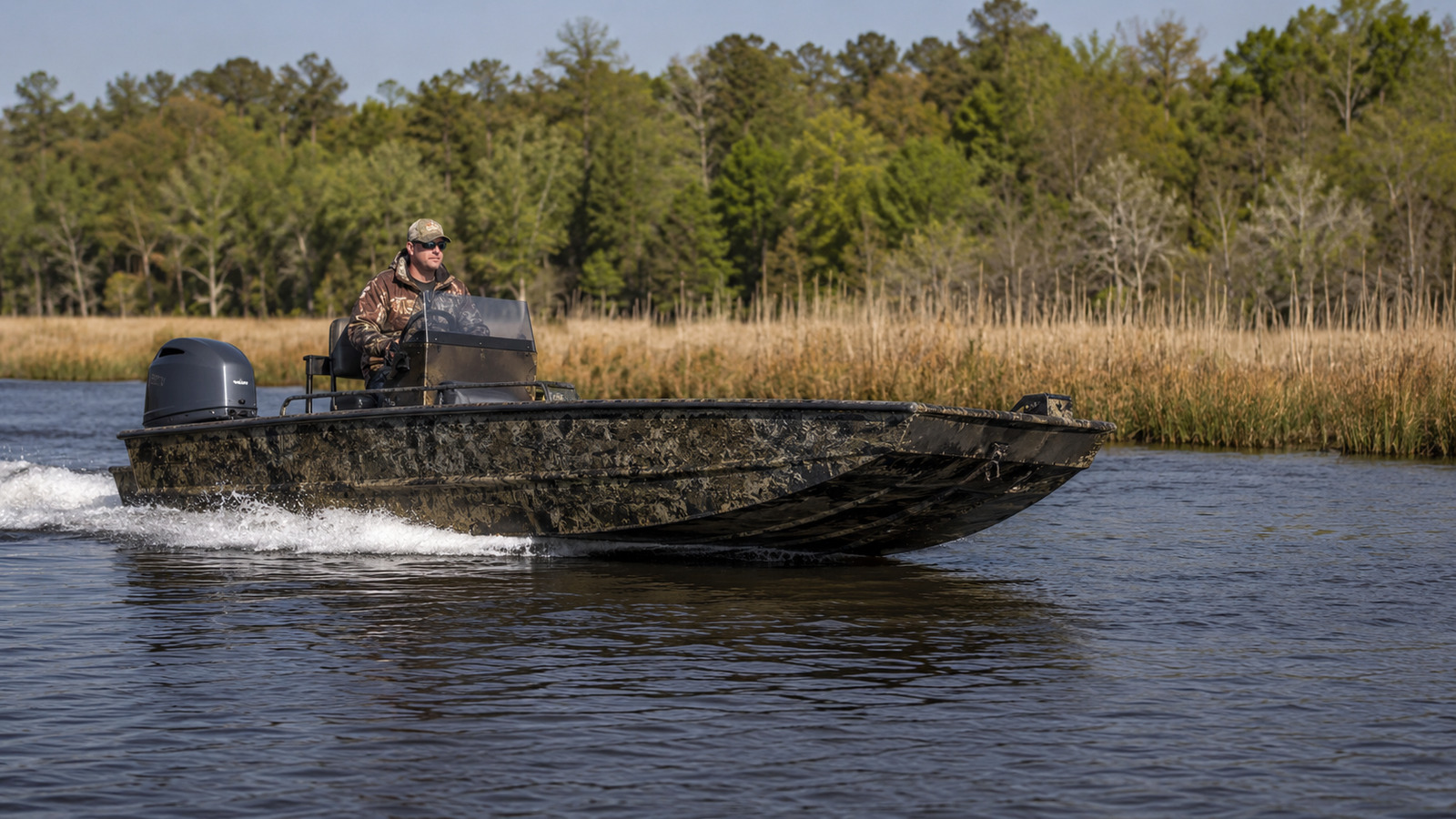
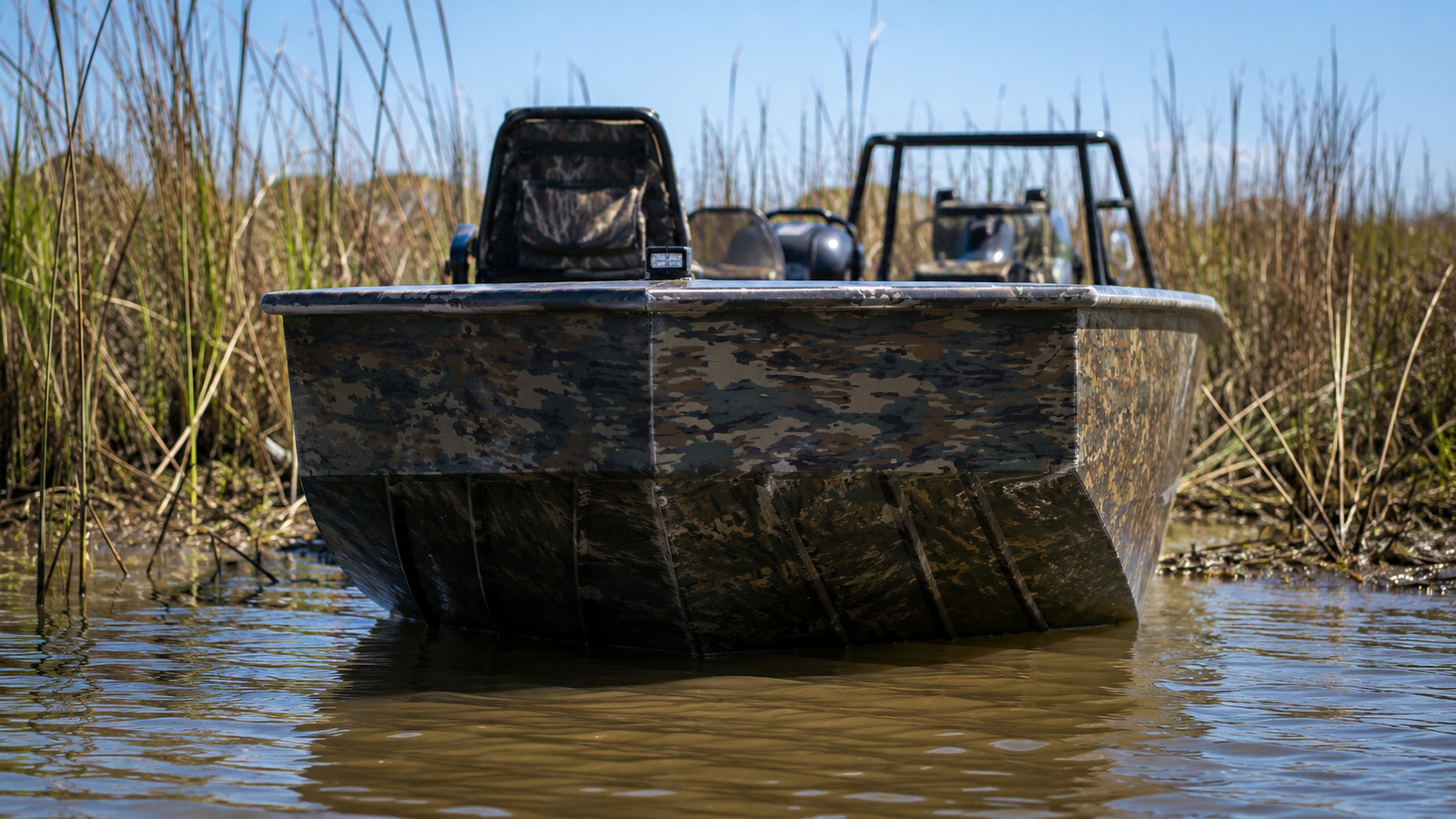
On the 1870 Predator, value can move with the outboard, model year, engine hours, trailer, electronics, trolling motor, batteries, steering configuration, package equipment and documented maintenance.
On the 1870 Predator, configuration should explain the price difference. For the 1870 Predator, steering layout, fishing equipment, family-use hardware, engine package and trailer can change how two examples work even when the hull badge is identical.
On the 1870 Predator, keep the 1760 Predator visible while reading the market. The 1870 Predator offers 18′, 96″ and 75 HP tiller / 90 HP side console / 105 HP center console; the 1760 Predator offers 17′, 85″ and 75 HP.
On the 1870 Predator, keep 20 gallons of fuel, insurance, routine outboard service, winterization, storage or slip cost, trailer maintenance, batteries and electronics beside the payment.
For the Lund 1870 Predator, pricing and payment examples are planning tools rather than offers of credit. Actual approval, rate, term, down payment, taxes, fees and transaction requirements depend on the borrower and purchase.
Illustration only and not an offer of credit.
A Lund 1870 Predator payment estimate is not a credit offer or approval; final financing depends on the borrower, collateral, value, condition, transaction type, rate, term, down payment, taxes, and fees.
Illustration only and not an offer of credit. Your actual rate and term depend on credit profile, vessel age, loan amount and ownership structure.
The 1870 Predator should be cross-shopped with the 1760 Predator: the 1870 Predator is for River anglers and hunters who want a much broader 96-inch platform plus the freedom to choose tiller, side console, or center console, while the 1760 Predator is for Hunters and river anglers who want the 1660 concept with an extra foot, a fifth passenger position, and optional steering wheel control.
The 1870 Predator should be cross-shopped with the 2070 Predator: the 1870 Predator is for River anglers and hunters who want a much broader 96-inch platform plus the freedom to choose tiller, side console, or center console, while the 2070 Predator is for Bowfishing, catfishing, large decoy loads, and river running where a wide open twenty-foot utility hull matters more than deep-V comfort.
The 1870 Predator should be cross-shopped with the 1875 Renegade: the 1870 Predator is for River anglers and hunters who want a much broader 96-inch platform plus the freedom to choose tiller, side console, or center console, while the 1875 Renegade is for Bass and crappie anglers who want more rod storage and range than the 1775 while retaining a low 12-inch-draft style of boat.
The cross-shop test for the Lund 1870 Predator is simple: when this description fits the buyer: Buyers whose normal water, crew or storage needs make 1760 Predator, 2070 Predator, 1875 Renegade a better fit.
A new Lund 1870 Predator should be delivered as the exact package that was priced. On the 1870 Predator, confirm the outboard and propeller, tiller, side-console, and center-console equipment, batteries, electronics, trolling motor, trailer, fishing hardware and any family-use options before accepting the boat. For the 1870 Predator, the goal is not to maximize equipment.
For a used 1870 Predator, connect hull condition to the way this family is normally used. On the 1870 Predator, inspect the bottom and transom, then cold-start the outboard, review service history, test steering, electronics and pumps that are fitted, and inspect the trailer.
For the 1870 Predator, a private-party purchase adds paperwork that should be resolved before funds move. On the 1870 Predator, confirm seller ownership, lien payoff when applicable, hull identification number, engine serial number, trailer title or registration requirements and the bill of sale. Dealer and brokerage purchases can simplify some steps, but none of the three routes replaces inspecting the actual 1870 Predator and verifying what equipment is included.
If the search keeps producing both a 1870 Predator and 1760 Predator, use the difference as a buying filter rather than shopping two nearly random boats.
A financing application makes sense after the Lund 1870 Predator has passed the fit test for this use case: River anglers and hunters who want a much broader 96-inch platform plus the freedom to choose tiller, side console, or center console. Float Finance is a marine lender based in Alton Bay, New Hampshire, and eligible 1870 Predator purchases can include dealer, brokerage, and private-party transactions.
The 1870 Predator is a strong fit for this buyer and use case: River anglers and hunters who want a much broader 96-inch platform plus the freedom to choose tiller, side console, or center console; it is a weaker fit for this buyer: Buyers whose normal water, crew or storage needs make 1760 Predator, 2070 Predator, 1875 Renegade a better fit.
For the 1870 Predator, the hull measures 18′ by 96″. A ready-to-tow 1870 Predator also includes the outboard, trailer, 20 gallons of fuel, batteries, electronics, fishing gear and personal equipment. On the 1870 Predator, use the complete rig for tow-vehicle and storage decisions.
Lund publishes 75 HP tiller / 90 HP side console / 105 HP center console as the maximum for the 1870 Predator, but the maximum is not a requirement. On the 1870 Predator, choose power around normal crew, gear, altitude, towing or fishing use and how quickly the boat needs to plane.
On this 1870 Predator, rod storage is listed as Long rod storage. On the 1870 Predator, bring the rods and tackle normally used, open the storage with seats in their normal positions and run every pump that is fitted. For the 1870 Predator, the purpose is to verify that the published equipment actually supports a purpose-built hunting and river workspace where camouflage, gear movement, rod handling, and optional steering layouts matter.
The 1870 Predator is aimed at this profile: River anglers and hunters who want a much broader 96-inch platform plus the freedom to choose tiller, side console, or center console; the 1760 Predator is aimed at this one: Hunters and river anglers who want the 1660 concept with an extra foot, a fifth passenger position, and optional steering wheel control.
On the 1870 Predator, inspect the hull and transom for the kind of use expected from this Predator, then cold-start the outboard, review service history, test steering and electrical equipment, operate pumps that are fitted and inspect the trailer or transport setup.
The 1870 Predator ownership budget should account for shallow-water hull wear, trailer durability, outboard protection, and choosing only as much console, fuel, and equipment as the river or hunting job requires.
For the 1870 Predator, eligible Float Finance transactions can include dealer, brokerage and private-party boat purchases. A private 1870 Predator purchase still needs clean ownership and lien information, hull and engine identification, trailer documentation where applicable, acceptable value and condition, and a borrower and transaction that meet lender requirements.
Tell us a little bit about yourself and the boat you are looking to finance.

Automated page speed optimizations for fast site performance